



Ciclopirox
Based on 14 publication(s) in Google Scholar
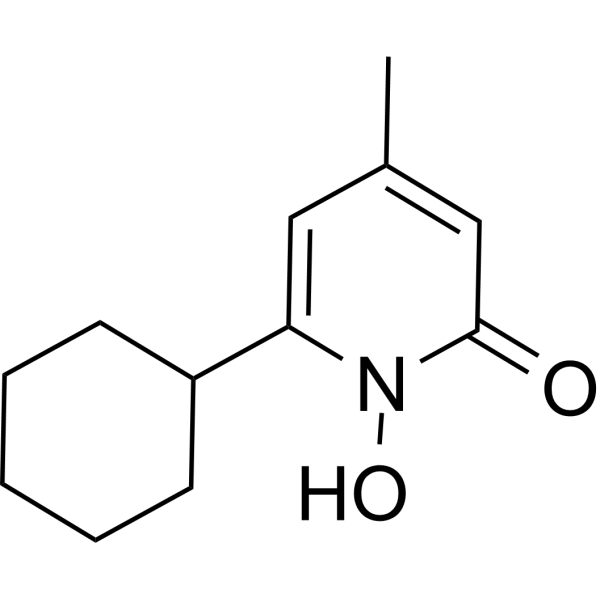
Ciclopirox (HOE296b) is a synthetic and orally active antifungal agent that can be used for superficial mycoses reseaech. Ciclopirox olamine has a very broad spectrum of activity and inhibits dermatophytes, yeasts, molds, and many Gram-positive and Gram-negative species pathogenic. Ciclopirox also has anticancer and anti-inflammatory effect.
For research use only. We do not sell to patients.
- Purity : 98.25%
- CAS No.: 29342-05-0
- Formula: C12H17NO2
- Molecular Weight:207.27
-
Storage:Powder -20°C, 3 years , 4°C, 2 years ; In solvent -80°C, 2 years , -20°C, 1 year

To place orders, for customer services and technical support, please contact: MedChemExpress USA
Tel: 609-228-6898 E-mail: [email protected] [email protected]


-
 Biological Activity
-
Chemical Information
-
Solvent & Solubility
- Protocols
- Purity & Documentation
- References
-
 Help & FAQs


-
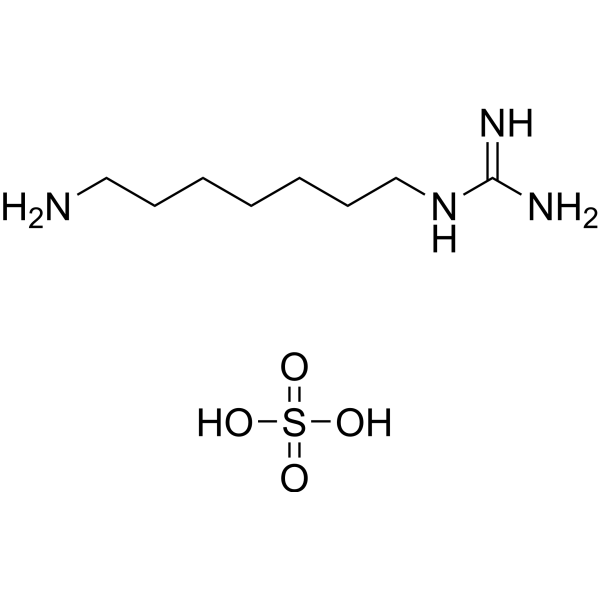
HY-108314A
GC7 SulfateDHPS Inhibitor -
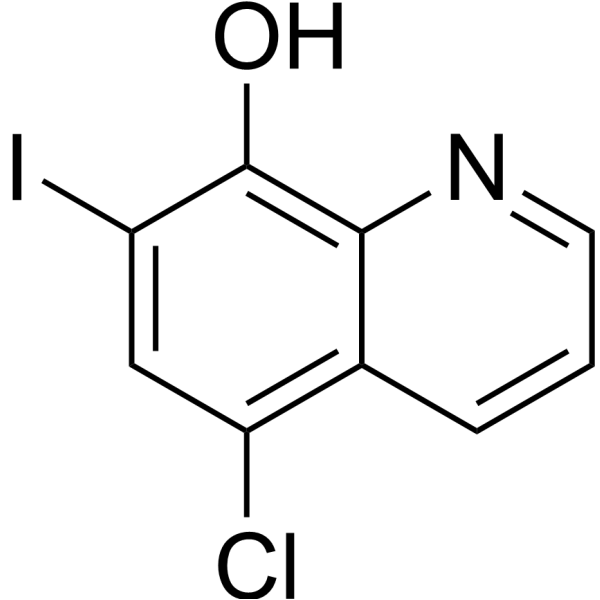
HY-14603
ClioquinolAnti-fungal Agent -
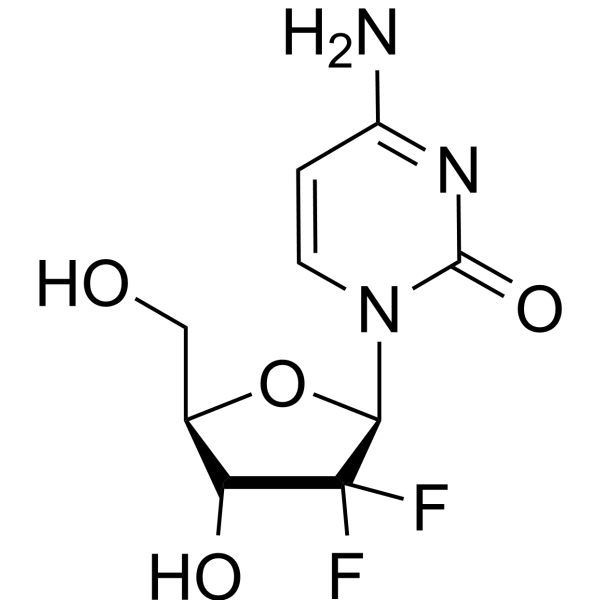
HY-17026
GemcitabineDNA Synthesis Inhibitor -
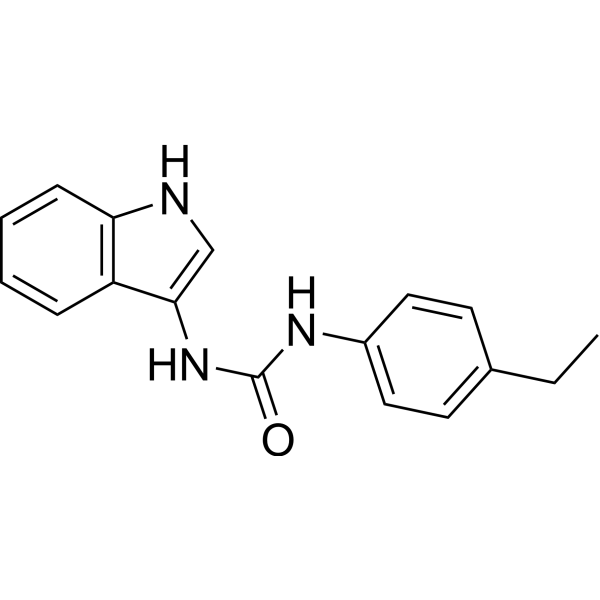
HY-112693
H-151STING Antagonist -
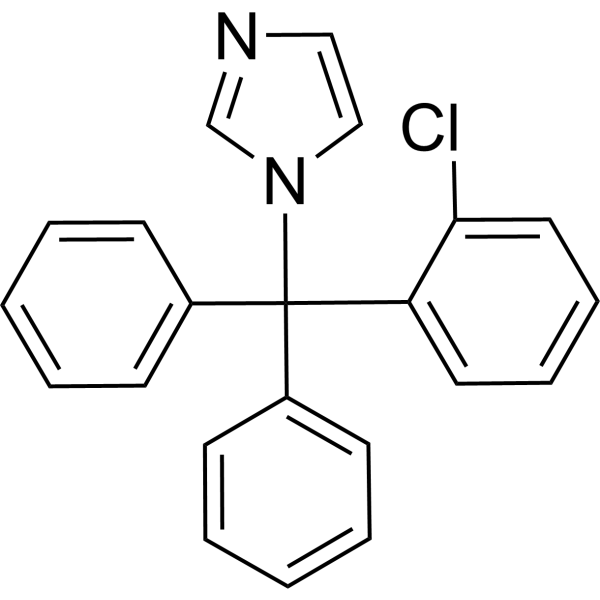
HY-10882
ClotrimazoleAutophagy Inhibitor -
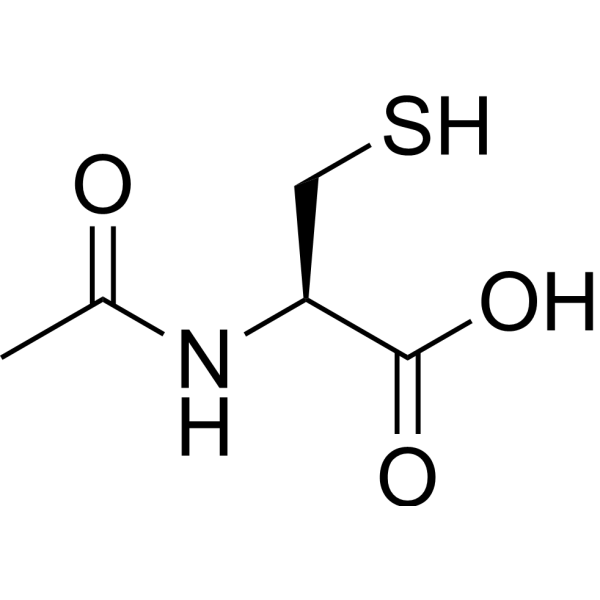
HY-B0215
AcetylcysteineMucolytic Agent -
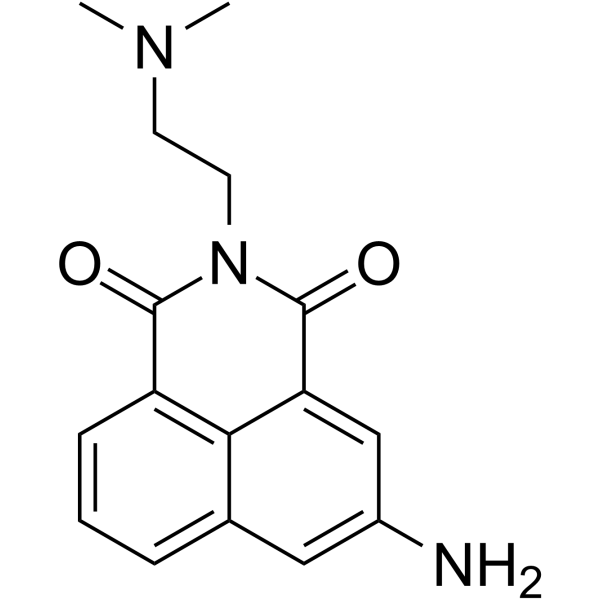
HY-10982
AmonafideTopoisomerase Inhibitor -
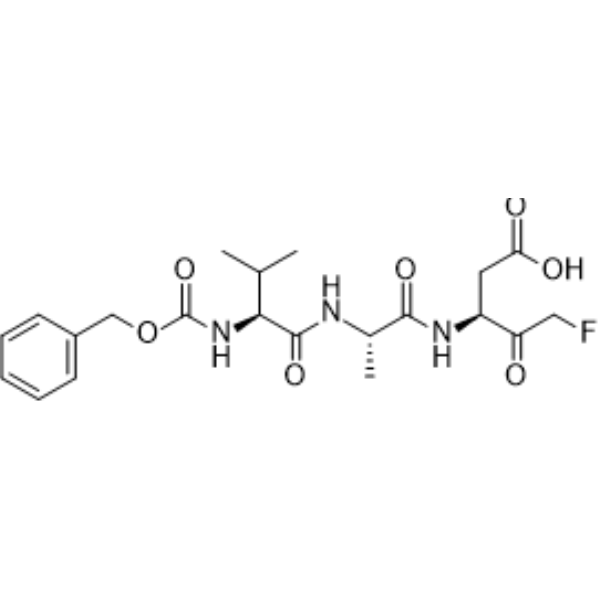
HY-16658B
Z-VAD-FMKPan-Caspase Inhibitor -
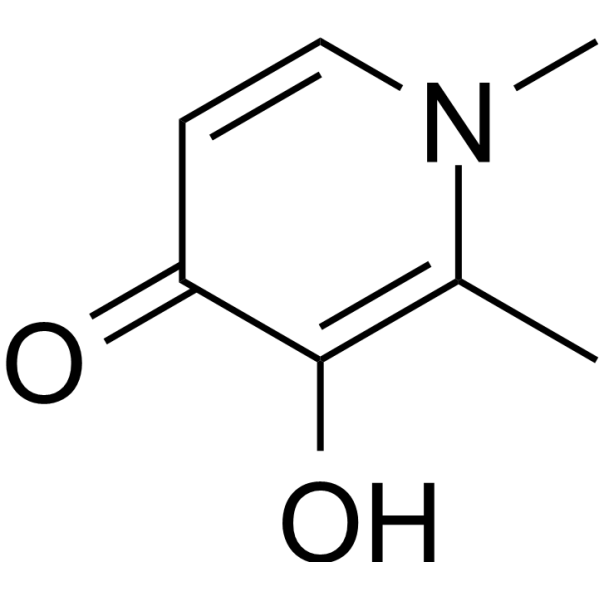
HY-B0568
DeferiproneFree iron chelating agent -
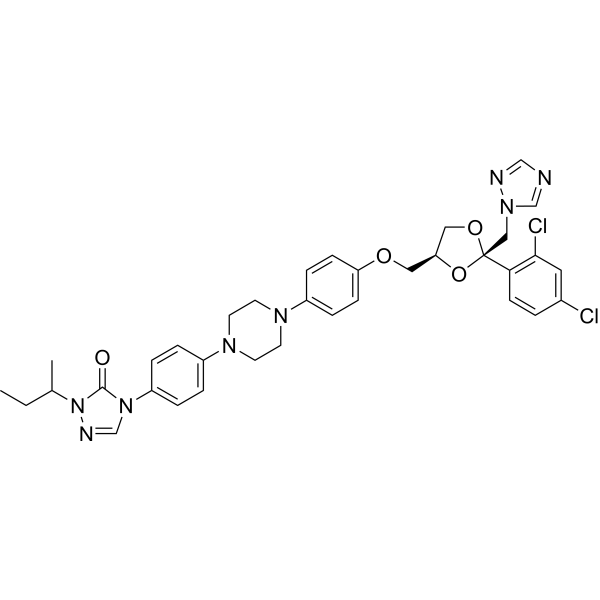
HY-17514
ItraconazoleAntifungal Agent -
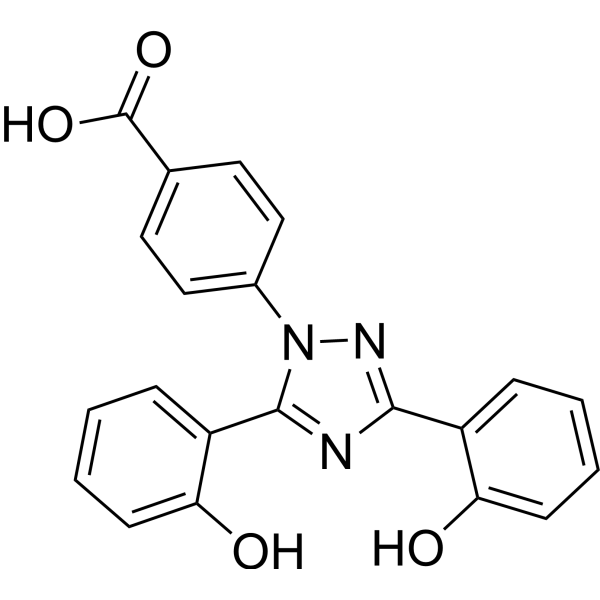
HY-17359
DeferasiroxIron Chelator -
HY-K0011
Protease Inhibitor Cocktail, mini-Tablet (EDTA-Free)
Publications Citing Use of MedChemExpress (MCE) Ciclopirox
More- Cell Death Dis. 2025 May 19;16(1):403. [Abstract]
- Cell Death Dis. 2024 Nov 1;15(11):786. [Abstract]
- Pharmacol Res. 2022 Feb:176:106046. [Abstract]
- Adv Healthc Mater. 2025 Mar;14(7):e2405085. [Abstract]
- Int J Mol Med. 2026 Oct;58(4):273.
- Clin Transl Med. 2022 Aug;12(8):e999. [Abstract]
- Redox Rep. 2026 Dec 31;31(1):2702136.
- J Agric Food Chem. 2025 Aug 13;73(32):20385-20395. [Abstract]
- Eur J Pharmacol. 2022 Sep 5:930:175156. [Abstract]
- Mol Neurobiol. 2025 Apr;62(4):4055-4075. [Abstract]
- mBio. 2026 Sep 9;17(9):e0116826.
- Front Pharmacol. 2021 May 10:12:670224. [Abstract]
- ACS Chem Biol. 2026 Jun 12. [Abstract]
- SSRN. 2025 Dec 4.
 Customer Validation & Images

-
Flow Cytometry

-
Cell Proliferation/Viability Assay

-
Bio/Physico-chemical Assay

-
WB

-
RT-PCR


Biological Activity
Description
Cellular Effect
|
Cell Line

|
Type | Value | Description | References |
|---|---|---|---|---|
| Astrocyte | IC50 |
0.33 μM
Compound: Ciclopirox
|
Inhibition of H2O2-induced mitochondrial metabolic dysfunction in Sprague-Dawley rat primary astrocytes by resazurin-dye based presto blue assay
Inhibition of H2O2-induced mitochondrial metabolic dysfunction in Sprague-Dawley rat primary astrocytes by resazurin-dye based presto blue assay
|
[PMID: 28089588] |
| Astrocyte | IC50 |
249.9 nM
Compound: Ciclopirox
|
Cytoprotective activity in Sprague-Dawley rat primary astrocytes assessed as inhibition of H2O2-induced cell death by LDH release assay
Cytoprotective activity in Sprague-Dawley rat primary astrocytes assessed as inhibition of H2O2-induced cell death by LDH release assay
|
[PMID: 28089588] |
| HEK293 | IC50 |
>500 μM
Compound: ciclopirox
|
Inhibition of human MATE1-mediated ASP+ uptake expressed in HEK293 cells after 1.5 mins by fluorescence assay
Inhibition of human MATE1-mediated ASP+ uptake expressed in HEK293 cells after 1.5 mins by fluorescence assay
|
[PMID: 23241029] |
| Vero | CC50 |
>100 μM
Compound: 1; CPX
|
Cytotoxicity against African green monkey Vero cells assessed as reduction in cell viability incubated for 24 hrs by MTS assay
Cytotoxicity against African green monkey Vero cells assessed as reduction in cell viability incubated for 24 hrs by MTS assay
|
[PMID: 35635945] |
In Vitro
Ciclopirox (10 μM, 18 h) inhibits HUVEC proliferation and angiogenesis[4].
Ciclopirox (0-10 μM, 20 h) inhibits deoxyhypusine hydroxylation in HUVECs[4].
Ciclopirox (0-40 μM, 72 h) shows anti-tumor activity in H1299 and 95D cells (decreases cell viability, with IC50s of 11.13 and 4.136 μM respectively), and inhibits cell migration and invasion[5].
Ciclopirox (0-40 μM, 48 h) arrests both H1299 and 95D cells in G1 phase, decreases Cyclin D1 and CDK4 protein level in H1299 and 95D cells[5].
Ciclopirox (0-20 μM) induces cell aerobic glycolysis, impairs mitochondrial functions and enhances the generation of ROS in H1299 and 95D cells[5].
Ciclopirox (0-40 μM, 48 h) activates PERK-dependent ER stress in CRC cells (HCT-8, HCT-8/5-FU, and DLD-1 cells)[6].
MedChemExpress (MCE) has not independently confirmed the accuracy of these methods. They are for reference only. Further protocols information, click here.
In Vivo
Ciclopirox (25 mg/kg, p.o., daily) also inhibits tumor growth in human breast cancer MDA-MB231 xenografts in mice[6].
MedChemExpress (MCE) has not independently confirmed the accuracy of these methods. They are for reference only.
Clinical Trial
| NCT Number | Sponsor | Condition | Start Date |
Phase
|
|---|---|---|---|---|
| NCT01329991 | Plexxikon| | 2011-05 | PHASE1 |


Chemical Information
-
CAS No. 29342-05-0
-
Appearance Solid
-
Molecular Weight 207.27
-
Formula C12H17NO2
-
Color White to off-white
-
SMILES
CC(C=C(C1CCCCC1)N2O)=CC2=O
-
Synonyms
HOE296b
-
Shipping
Room temperature in continental US; may vary elsewhere.
-
Storage
Powder -20°C 3 years 4°C 2 years In solvent -80°C 2 years -20°C 1 year


Publications (14)
-
Journal Impact Factor
-
Most Recent
-
Cell Death Dis
A novel taxane SB-T-101141 triggers a noncanonical ferroptosis to overcome Paclitaxel resistance of breast cancer via iron homeostasis-related KHSRP. [Abstract]2025 May 19;16(1):403. PMID: 40389408 -
Cell Death Dis
2024 Nov 1;15(11):786. PMID: 39487118
Ciclopirox purchased from MedChemExpress. Usage Cited in: Cell Death Dis. 2024 Nov 1;15(11):786. [Abstract]
Western blotting analysis of OMA1 and mitophagy-related proteins in OS cells treated with CPX (Ciclopirox, 0-20 μM) for 24 h.
Ciclopirox purchased from MedChemExpress. Usage Cited in: Cell Death Dis. 2024 Nov 1;15(11):786. [Abstract]
RT-qPCR analysis of OMA1 mRNA levels in OS cells treated with CPX (Ciclopirox, 0-20 μM) for 24 h.

Ciclopirox purchased from MedChemExpress. Usage Cited in: Cell Death Dis. 2024 Nov 1;15(11):786. [Abstract]
Western blotting analysis of OMA1 protein in OS cells co-treated with CPX (20 µM) and a serial dose of MG132 for 24 h.

Ciclopirox purchased from MedChemExpress. Usage Cited in: Cell Death Dis. 2024 Nov 1;15(11):786. [Abstract]
Endogenous ubiquitination levels of OMA1 in OS cells treated with CPX (20 µM) for 24 h were determined using an immunoprecipitation assay.

Ciclopirox purchased from MedChemExpress. Usage Cited in: Cell Death Dis. 2024 Nov 1;15(11):786. [Abstract]
Representative MRI images of nude mice with right proximal tibia injected control or OMA1-deficient 143B cells for 4 weeks were intraperitoneally injected with 0.9% NaCl or CPX (20 mg/kg) for 2 weeks (n = 3).

Ciclopirox purchased from MedChemExpress. Usage Cited in: Cell Death Dis. 2024 Nov 1;15(11):786. [Abstract]
Immunohistochemical analysis of Ki67 and Cleaved-caspase 3 in the OS xenograft intraperitoneally injected with 0.9% NaCl or CPX (20 mg/kg, 2 weeks, ip).
-
Pharmacol Res
Deoxyhypusine hydroxylase as a novel pharmacological target for ischemic stroke via inducing a unique post-translational hypusination modification. [Abstract]2022 Feb:176:106046. PMID: 35007708 -
Adv Healthc Mater
Iron Drives Eosinophil Differentiation in Allergic Airway Inflammation Through Mitochondrial Metabolic Adaptation. [Abstract]2025 Mar;14(7):e2405085. PMID: 39853900
Ciclopirox purchased from MedChemExpress. Usage Cited in: Adv Healthc Mater. 2025 Mar;14(7):e2405085. [Abstract]
Intervention with CPX (Ciclopirox olamine, 1 μM) on day 4 during BMDE differentiation, followed by assessment of BMDE proportions and counts on day 9.
Ciclopirox purchased from MedChemExpress. Usage Cited in: Adv Healthc Mater. 2025 Mar;14(7):e2405085. [Abstract]
Flow cytometry analysis of cell viability under CPX (Ciclopirox olamine) treatment using DAPI staining.
Ciclopirox purchased from MedChemExpress. Usage Cited in: Adv Healthc Mater. 2025 Mar;14(7):e2405085. [Abstract]
Intervention with Fe2+ (10 μM) and DFO or CPX (Ciclopirox olamine) during BMDE differentiation, followed by examination of BMDE counts.
-
-
Clin Transl Med
Iron controls T helper cell pathogenicity by promoting glucose metabolism in autoimmune myopathy. [Abstract]2022 Aug;12(8):e999. PMID: 35917405 -
-
J Agric Food Chem
Zearalenone Regulates Energy Metabolism and Proliferation of Goat Endometrial Epithelial Cells through Estrogen Receptor 1. [Abstract]2025 Aug 13;73(32):20385-20395. PMID: 40762316 -
Eur J Pharmacol
Ciclopirox inhibits NLRP3 inflammasome activation via protecting mitochondria and ameliorates imiquimod-induced psoriatic inflammation in mice. [Abstract]2022 Sep 5:930:175156. PMID: 35868446 -
Mol Neurobiol
Stress-mediated Activation of Ferroptosis, Pyroptosis, and Apoptosis Following Mild Traumatic Brain Injury Exacerbates Neurological Dysfunctions. [Abstract]2025 Apr;62(4):4055-4075. PMID: 39388040 -
-
Front Pharmacol
Polyphyllin Ⅲ-Induced Ferroptosis in MDA-MB-231 Triple-Negative Breast Cancer Cells can Be Protected Against by KLF4-Mediated Upregulation of xCT. [Abstract]2021 May 10:12:670224. PMID: 34040532 -
ACS Chem Biol
2026 Jun 12. PMID: 42284103 -


Solvent & Solubility
In Vitro:
DMSO : 100 mg/mL (482.46 mM; Need ultrasonic; Hygroscopic DMSO has a significant impact on the solubility of product, please use newly opened DMSO)
Please refer to the solubility information to select the appropriate solvent. Once prepared, please aliquot and store the solution to prevent product inactivation from repeated freeze-thaw cycles.
Storage method and period of stock solution: -80°C, 2 years; -20°C, 1 year. When stored at -80°C, please use it within 2 years. When stored at -20°C, please use it within 1 year.
Please refer to the solubility information to select the appropriate solvent. Once prepared, please aliquot and store the solution to prevent product inactivation from repeated freeze-thaw cycles.
Storage method and period of stock solution: -80°C, 2 years; -20°C, 1 year. When stored at -80°C, please use it within 2 years. When stored at -20°C, please use it within 1 year.
Concentration (start) × Volume (start) = Concentration (final) × Volume (final)
In Vivo:
Select the appropriate dissolution method based on your experimental animal and administration route.
- For the following dissolution methods, please ensure to first prepare a clear stock solution using an In Vitro approach and then sequentially add co-solvents:
- To ensure reliable experimental results, the clarified stock solution can be appropriately stored based on storage conditions. As for the working solution for In Vivo experiments, it is recommended to prepare freshly and use it on the same day.
- The percentages shown for the solvents indicate their volumetric ratio in the final prepared solution. If precipitation or phase separation occurs during preparation, heat and/or sonication can be used to aid dissolution.
Add each solvent one by one: 10% DMSO 40% PEG300 5% Tween-80 45% Saline
Solubility: ≥ 2.5 mg/mL (12.06 mM); Clear solution
This protocol yields a clear solution of ≥ 2.5 mg/mL (saturation unknown).
Taking 1 mL working solution as an example, add 100 μL DMSO stock solution (25.0 mg/mL) to 400 μL PEG300, and mix evenly; then add 50 μL Tween-80 and mix evenly; then add 450 μL Saline to adjust the volume to 1 mL.
Preparation of Saline: Dissolve 0.9 g sodium chloride in ddH₂O and dilute to 100 mL to obtain a clear Saline solution.
Add each solvent one by one: 10% DMSO 90% (20% SBE-β-CD in Saline)
Solubility: ≥ 2.5 mg/mL (12.06 mM); Clear solution
This protocol yields a clear solution of ≥ 2.5 mg/mL (saturation unknown).
Taking 1 mL working solution as an example, add 100 μL DMSO stock solution (25.0 mg/mL) to 900 μL 20% SBE-β-CD in Saline, and mix evenly.
Preparation of 20% SBE-β-CD in Saline (4°C, storage for one week): 2 g SBE-β-CD powder is dissolved in 10 mL Saline, completely dissolve until clear.
In Vivo Dissolution Calculator
Please enter the basic information of animal experiments:
-
-
-
-
Recommended: Prepare an additional quantity of animals to account for potential losses during experiments.
Please enter your animal formula composition:
-
%DMSO +
Recommended: Keep the proportion of DMSO in working solution below 2% if your animal is weak.
-
%+
-
+%Tween-80 + +
-
%Saline +
The co-solvents required include: DMSO, . All of co-solvents are available by MedChemExpress (MCE). , Tween 80. All of co-solvents are available by MedChemExpress (MCE).
Working solution concentration: 0.22 mg/mL
Method for preparing stock solution: mg drug dissolved in μL DMSO. Stock solution concentration: mg/mL.
1. Take μL DMSO stock solution;
2. Add μL .
μL , mix evenly;
3. Then add μL Tween 80, mix evenly;
4. Then add μL
Please ensure that the stock solution in the first step is dissolved to a clear state, and add co-solvents in sequence. You can use ultrasonic heating (ultrasonic cleaner, recommended frequency 20-40 kHz), vortexing, etc. to assist dissolution.

Protocols
-
Gram Staining of Tissue Sections
Gram staining of tissue sections is a histochemical technique used to differentiate Gram-positive and Gram-negative bacteria within histological specimens based on differences in bacterial cell wall structure and dye retention, adapted from classical bacteriological Gram staining into tissue-compatible “histological Gram stain” variants. In tissue applications, modifications of the Brown-Hopps and Brown-Brenn methods are commonly used to improve differentiation of microorganisms embedded within host connective tissue and to reduce overstaining or loss of Gram-negative signal, which are known limitations of earlier approaches. The principle relies on crystal violet-iodine complex retention in Gram-positive organisms and subsequent decolorization and counterstaining steps that allow contrast visualization of Gram-negative organisms against tissue background.
-
Research Protocol for Inflammation-related Diseases
The NLRP3 inflammasome is a cytosolic innate immune signaling platform that integrates priming signals and danger-signal activation to promote caspase-1 activation, maturation of IL-1β and IL-18, and gasdermin D-mediated pyroptotic cell death. The core experimental logic is to determine whether inflammatory disease phenotypes are driven by increased NLRP3 expression, ASC-containing inflammasome assembly, caspase-1 cleavage, GSDMD cleavage, and extracellular release of IL-1β/IL-18 rather than by nonspecific cell injury alone. The pathway is strongly linked to inflammation-related disease phenotypes because monosodium urate crystals activate NALP3/NLRP3 inflammasome signaling in gout-like crystal inflammation, cholesterol crystals activate NLRP3 inflammasomes in atherogenesis models, and DSS-induced intestinal inflammation has been reported to involve NLRP3 inflammasome activity. However, experimental colitis studies also show context-dependent protective effects of NLRP3 inflammasome co


Purity & Documentation
-
Data Sheet (280 KB)
-
SDS (392 KB)
- English - EN (392 KB)
- Français - FR (392 KB)
- Deutsch - DE (392 KB)
- Norwegian - NO (392 KB)
- Español - ES (392 KB)
- Swedish - SV (392 KB)
- Italian - IT (392 KB)
- Korean - KR (392 KB)
- Portuguese - PT (392 KB)
-
Handling Instructions (2659 KB)
References
[1]. Niewerth, M., et al., Ciclopirox olamine treatment affects the expression pattern of Candida albicans genes encoding virulence factors, iron metabolism proteins, and drug resistance factors. Antimicrob Agents Chemother, 2003. 47(6): p. 1805-17. [Content Brief]
[2]. Leem, S.H., et al., The possible mechanism of action of ciclopirox olamine in the yeast Saccharomyces cerevisiae. Mol Cells, 2003. 15(1): p. 55-61. [Content Brief]
[3]. Ratnavel, R.C., R.A. Squire, and G.C. Boorman, Clinical efficacies of shampoos containing ciclopirox olamine (1.5%) and ketoconazole (2.0%) in the treatment of seborrhoeic dermatitis. J Dermatolog Treat, 2007. 18(2): p. 88-96. [Content Brief]
[4]. Clement PM, et al. The antifungal drug ciclopirox inhibits deoxyhypusine and proline hydroxylation, endothelial cell growth and angiogenesis in vitro. Int J Cancer. 2002 Aug 1;100(4):491-8. [Content Brief]
[5]. Lu J, et al. Ciclopirox targets cellular bioenergetics and activates ER stress to induce apoptosis in non-small cell lung cancer cells. Cell Commun Signal. 2022 Mar 24;20(1):37. [Content Brief]
[6]. Zhou H, et al. The antitumor activity of the fungicide ciclopirox. Int J Cancer. 2010 Nov 15;127(10):2467-77. [Content Brief]


Complete Stock Solution Preparation Table
Please refer to the solubility information to select the appropriate solvent. Once prepared, please aliquot and store the solution to prevent product inactivation from repeated freeze-thaw cycles.
Storage method and period of stock solution: -80°C, 2 years; -20°C, 1 year. When stored at -80°C, please use it within 2 years. When stored at -20°C, please use it within 1 year.
| Optional Solvent | Concentration Solvent Mass | 1 mg | 5 mg | 10 mg | 25 mg |
|---|---|---|---|---|---|
| DMSO | 1 mM | 4.8246 mL | 24.1231 mL | 48.2462 mL | 120.6156 mL |
| 5 mM | 0.9649 mL | 4.8246 mL | 9.6492 mL | 24.1231 mL | |
| 10 mM | 0.4825 mL | 2.4123 mL | 4.8246 mL | 12.0616 mL | |
| 15 mM | 0.3216 mL | 1.6082 mL | 3.2164 mL | 8.0410 mL | |
| 20 mM | 0.2412 mL | 1.2062 mL | 2.4123 mL | 6.0308 mL | |
| 25 mM | 0.1930 mL | 0.9649 mL | 1.9298 mL | 4.8246 mL | |
| 30 mM | 0.1608 mL | 0.8041 mL | 1.6082 mL | 4.0205 mL | |
| 40 mM | 0.1206 mL | 0.6031 mL | 1.2062 mL | 3.0154 mL | |
| 50 mM | 0.0965 mL | 0.4825 mL | 0.9649 mL | 2.4123 mL | |
| 60 mM | 0.0804 mL | 0.4021 mL | 0.8041 mL | 2.0103 mL | |
| 80 mM | 0.0603 mL | 0.3015 mL | 0.6031 mL | 1.5077 mL | |
| 100 mM | 0.0482 mL | 0.2412 mL | 0.4825 mL | 1.2062 mL |


Ciclopirox Related Classifications
HY-B0450 Related Classifications
 Powered by Bioz