1. Search Result
Search Result
Results for "

PO

" in MedChemExpress (MCE) Product Catalog:

49

Inhibitors & Agonists

1

Fluorescent Dyes

5

Biochemical Assay Reagents

13

Peptides

6

Natural
Products

7

Recombinant Proteins

1

Isotope-Labeled Compounds

12

Antibodies

2

Oligonucleotides

Cat. No. Product Name Target Research Areas Chemical Structure
  • HY-19824
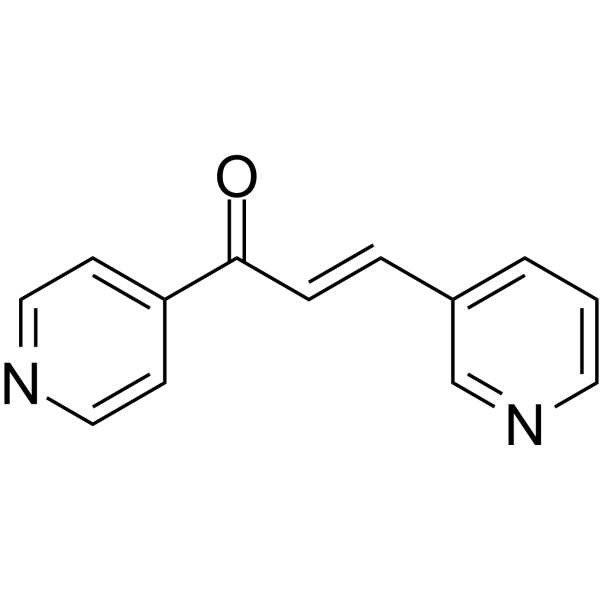
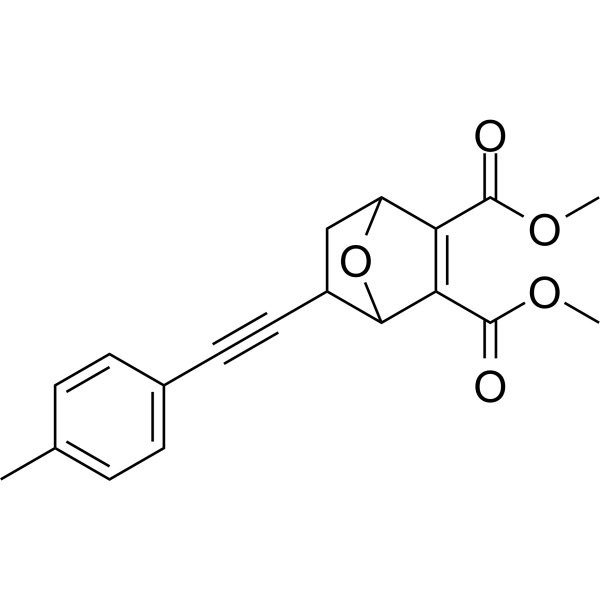
    3PO
    Maximum Cited Publications
    29 Publications Verification

    Autophagy Cancer
    3PO is an inhibitor of PFKFB3. 3PO attenuates the proliferation of several cancer cell lines with IC50s of 1.4-24 μmol/L. 3PO suppresses glucose uptake and decreases the intracellular concentration of Fru-2,6-BP, lactate, ATP, NAD + and NADH. 3PO can be used for the research of cancer .
    3PO
  • HY-N2581
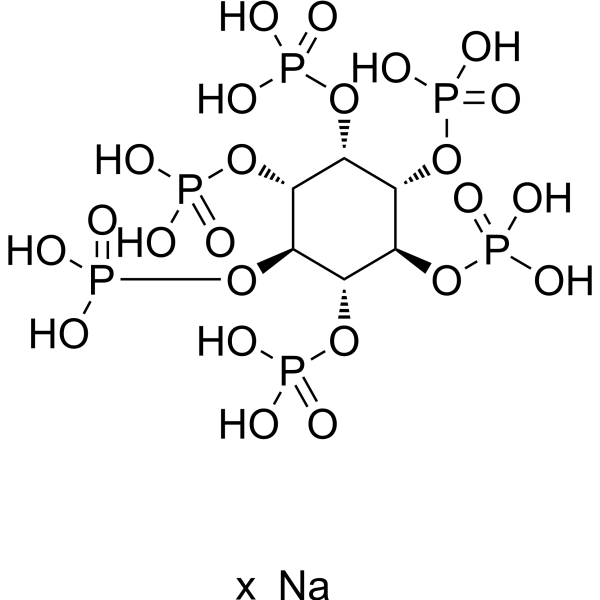
    Phytic acid sodium salt
    1 Publications Verification

    myo-Inositol, hexakisdihydrogen phosphate sodium salt; Inositol hexaphosphate sodium salt

    MOFs Endogenous Metabolite Amyloid-β Autophagy Cardiovascular Disease Neurological Disease Metabolic Disease Cancer
    Phytic acid (myo-Inositol; hexakis dihydrogen phosphate; Inositol hexaphosphate) sodium salt is an orally active compound. Phytic acid sodium salt can be derived from the seeds of legumes. Phytic acid sodium salt is a [PO4] 3- storage depot and precursor for other inositol phosphates and pyrophosphates. Phytic acid sodium salt attenuates oligomers and upregulates autophagy protein. Phytic acid sodium salt can be used in cardiovascular disease, metabolic disease, nervous system disease and cancer research .
    Phytic acid sodium salt
  • HY-12204
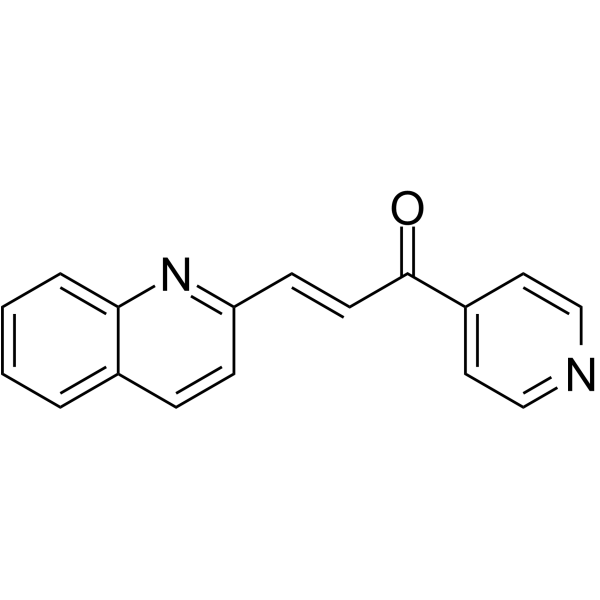
    PFK-015
    3 Publications Verification

    Autophagy Metabolic Disease Inflammation/Immunology Cancer
    PFK-015, a derivative of 3PO, is a specific PFKFB3 inhibitor. PFK-015 inhibits recombinant PFKFB3 with an IC50 value of 110 nM and inhibits PFKFB3 activity in cancer cells with an IC50 value of 20 nM. PFK-015 can be used for the research of multiple cancers such as lung cancer, stomach cancer, colon cancer and esophageal squamous cell carcinoma (ESCC) .
    PFK-015
  • HY-N0814
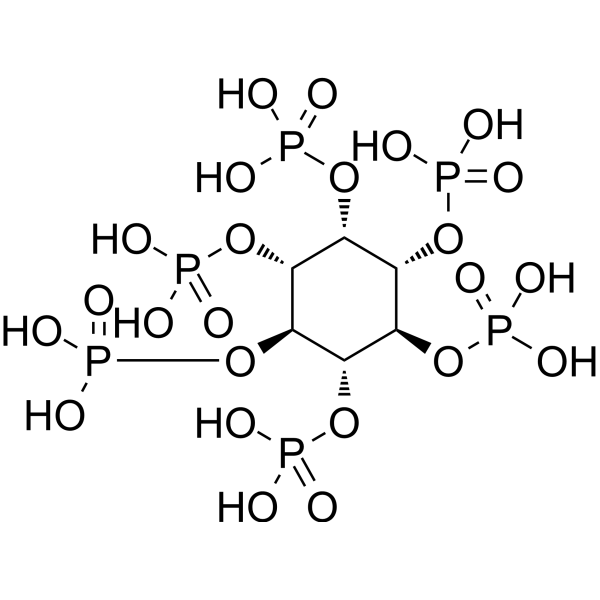
    Phytic acid (50% w/w in water)
    1 Publications Verification

    Inositol hexaphosphate; SNF472 free acid

    Endogenous Metabolite Amyloid-β Autophagy Cardiovascular Disease Neurological Disease Metabolic Disease Cancer
    Phytic acid (myo-Inositol; hexakis dihydrogen phosphate; Inositol hexaphosphate) is an orally active compound. Phytic acid can be derived from the seeds of legumes. Phytic acid is a [PO4] 3- storage depot and precursor for other inositol phosphates and pyrophosphates. Phytic acid attenuates oligomers and upregulates autophagy protein. Phytic acid can be used in cardiovascular disease, metabolic disease, nervous system disease and cancer research .
    Phytic acid (50% w/w in water)
  • HY-103469
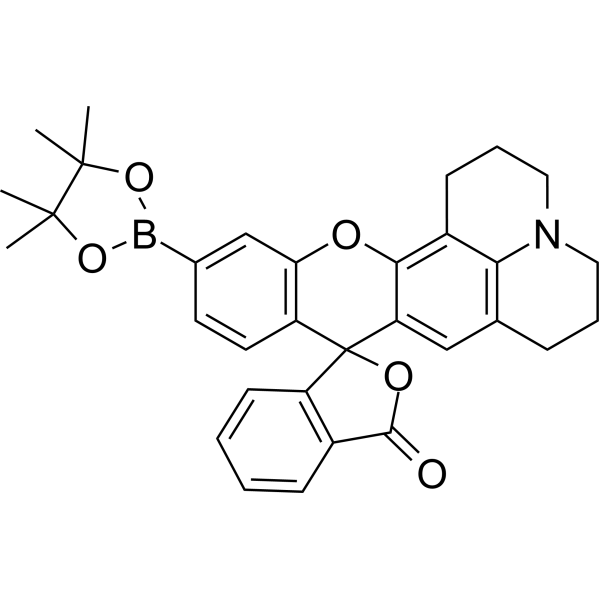
    Peroxy Orange 1
    3 Publications Verification

    PO1

    Fluorescent Dye Others
    Peroxy Orange 1 (PO1) is a new H2O2 specific probe that can bind to green fluorescent highly reactive oxygen species (hROS) probe APF. Peroxy Orange 1 is also a living cell dye .
    Peroxy Orange 1
  • HY-160113

    Biochemical Assay Reagents Others
    Sodium phosphate buffer 0.02 M, pH 6.9 is a commonly used aqueous biological buffer that maintains a stable pH value. Sodium phosphate buffer 0.02 M, pH 6.9 is often used in enzyme activity assays, such as α-amylase assays. Sodium phosphate buffer 0.02 M, pH 6.9 is prepared by mixing disodium hydrogen phosphate (Na2HPO4) (HY-B2243) and sodium dihydrogen phosphate (NaH2PO4) (HY-Y0308) to a total concentration of 0.02 M .
    Sodium phosphate buffer 0.02 M, pH 6.9
  • HY-15652

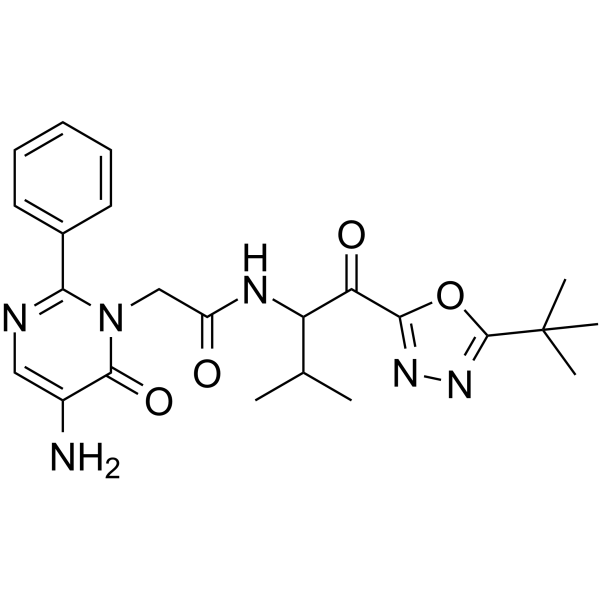
    ONO-6818; ONO-PO-736

    Elastase Inflammation/Immunology
    Freselestat (ONO-6818) is a potent and orally active neutrophil elastase inhibitor with a Ki of 12.2 nM. Freselestat is >100-fold less-active against other proteases such as trypsin, protein-ase 3, pancreatic elastase, plasmin, thrombin, collagenase, cathepsin G, and murine macrophage elastase. Freselestat has a potent anti-inflammatory activity .
    Freselestat
  • HY-W008908

    Amino Acid Derivatives Others
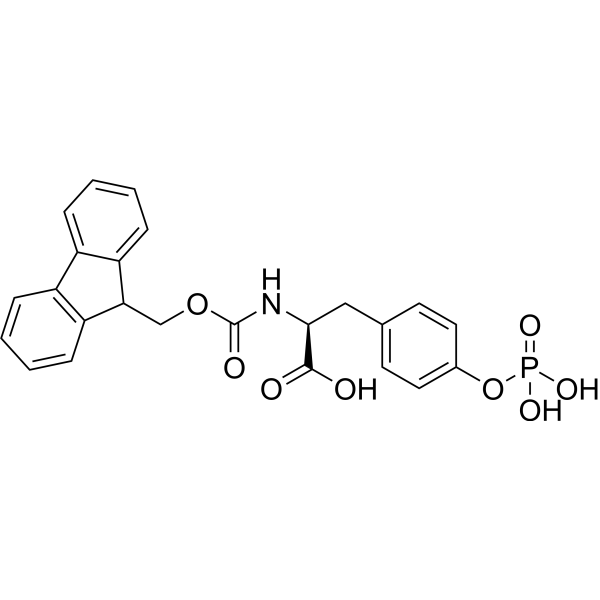
    Fmoc-Tyr(H2PO3)-OH is a tyrosine derivative .
    Fmoc-Tyr(H2PO3)-OH
  • HY-155998
    NF-κB-IN-11
    1 Publications Verification

    NF-κB Inflammation/Immunology
    NF-κB-IN-11 (Compound 3i) is a NF-κB inhibitor. NF-κB-IN-11 inhibits TNF-α induced activation of NF-κB pathway, and inhibits nuclear translocation of NF-κB. NF-κB-IN-11 down-regulates the expression levels of phosphor-IKK, IκBα, and NF-κB p65. NF-κB-IN-11 has anti-inflammatory activity, and alleviates dextran sulfate sodium-induced colitis in mice. NF-κB-IN-11 (p.o.) shows a MTD more than 1852 mg/kg in mice acute toxicity assay .
    NF-κB-IN-11
  • HY-W011778

    Amino Acid Derivatives Others
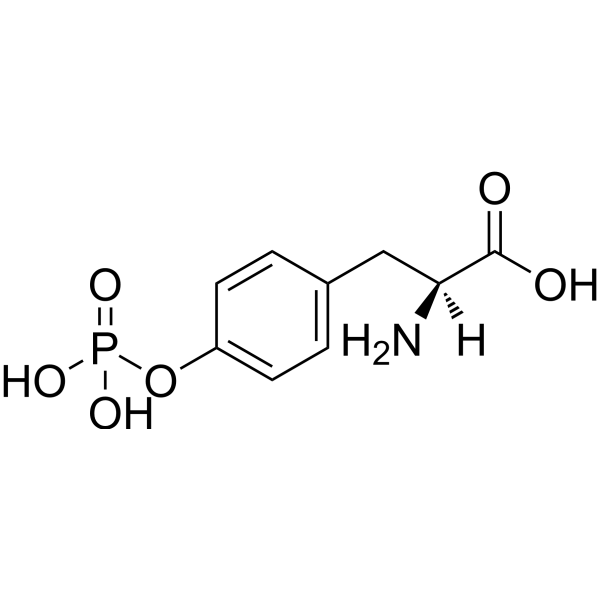
    H-Tyr(H2PO3)-OH is a tyrosine derivative .
    H-Tyr(H2PO3)-OH
  • HY-160113B

    Biochemical Assay Reagents Others
    Sodium phosphate buffer 0.1M, pH 6.8 is mainly composed of two phosphates, Na2HPO4 and NaH2PO4, with a total phosphate concentration of 0.1 M, which mainly acts as a buffer in the reaction.
    Sodium phosphate buffer 0.1M, pH 6.8
  • HY-N2580
    Zinc Phytate
    1 Publications Verification

    Endogenous Metabolite Amyloid-β Autophagy Cardiovascular Disease Neurological Disease Metabolic Disease Cancer
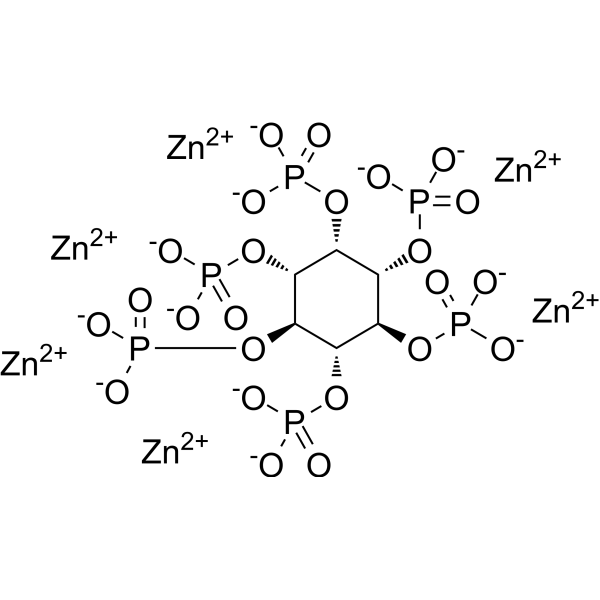
    Zinc Phytate (myo-Inositol; hexakis dihydrogen phosphate; Inositol hexaphosphate) is an orally active compound. Zinc Phytate can be derived from the seeds of legumes. Zinc Phytate is a [PO4] 3- storage depot and precursor for other inositol phosphates and pyrophosphates. Zinc Phytate attenuates oligomers and upregulates autophagy protein. Zinc Phytate can be used in cardiovascular disease, metabolic disease, nervous system disease and cancer research .
    Zinc Phytate
  • HY-N0469R

    Reference Standards Endogenous Metabolite Virus Protease HSV Infection Metabolic Disease Inflammation/Immunology
    L-Lysine (Standard) is the analytical standard of L-Lysine. This product is intended for research and analytical applications. L-lysine is an essential amino acid for humans with orally activity. L-lysine can inhibit the occurrence of HSV infections and is used in herpes research. L-lysine increases calcium absorption, reduces diabetes-related diseases, improves gut health, and alleviates pancreatic inflammation. L-lysine can be used in research on metabolism, infection, and inflammation . IC50 & Target:L-lysine (150 mg/kg) promotes, but not initiates, bladder cancer. The administration of L-lysine to rats submitted to colovesical cystoplasty accelerates the development of transitional metaplasia of the intestinal epithelium .
    L-lysine (10 mg/kg) treatment attenuates pancreatic tissue injury induced by L-arginine by inhibiting the release of the inflammatory cytokine IL-6 and enhance antioxidant activity . In Vivo:L-lysine (10?mg/kg, p.o., pre-treated or post-treated, administration duration 15 days) treatment attenuates pancreatic tissue injury induced by L-arginine by inhibiting the release of the inflammatory cytokine IL-6 and enhance antioxidant activity in acute pancreatitis mice model . L-lysine (5 or 10?mg/kg, p.o., 45 days) ameliorates sepsis-induced acute lung injury in a lipopolysaccharide (HY-D1056)-induced mouse model .
    L-Lysine (Standard)
  • HY-W010770

    Amino Acid Derivatives Others
    Fmoc-Thr[PO(OBzl)OH]-OH is a threonine derivative .
    Fmoc-Thr[PO(OBzl)OH]-OH
  • HY-W141821

    Amino Acid Derivatives Others
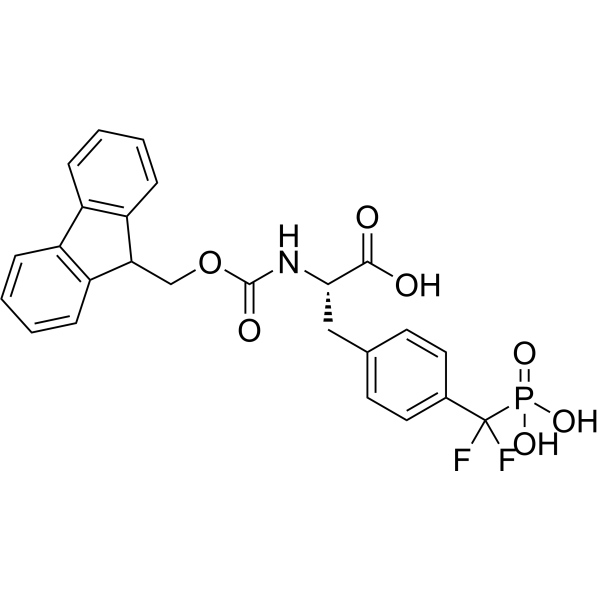
    Fmoc-Phe(CF2PO3)-OH is a phenylalanine derivative .
    Fmoc-Phe(CF2PO3)-OH
  • HY-15791

    FK-3657

    Bradykinin Receptor Inflammation/Immunology
    FR173657 is an orally active bradykinin B2 receptor antagonist (IC50: 0.56, 1.5, 2.9 nM for pig, rat, human B2 receptor respectively). FR173657 (p.o.) inhibits BK-induced bronchoconstriction in guinea-pigs (ED50: 0.075 mg/kg). FR173657 (p.o.) also inhibits Carrageenin-induced paw oedema in mice (ED50: 6.8 mg/kg). FR173657 can be used for research of inflammatory disease .
    FR173657
  • HY-160113D

    Biochemical Assay Reagents Others
    Sodium phosphate buffer 0.1M, pH 7.5 is mainly composed of two phosphates, Na2HPO4 and NaH2PO4, with a total phosphate concentration of 0.1 M, which mainly acts as a buffer in the reaction.
    Sodium phosphate buffer 0.1M, pH 7.5
  • HY-110169

    Phosphatase Cardiovascular Disease Cancer
    (E/Z)-3PO is a potent PFKFB3 inhibitor. (E/Z)-3PO can inhibit the glycolysis process, reduce the extracellular acidification rate, and inhibit the capillary tube formation, migration of endothelial cells, and the formation of aortic sprouts, thereby suppressing angiogenesis. (E/Z)-3PO is promising for research of diseases such as cancer, acute lung injury, pulmonary fibrosis, and atherosclerosis .
    (E/Z)-3PO
  • HY-Y1322S

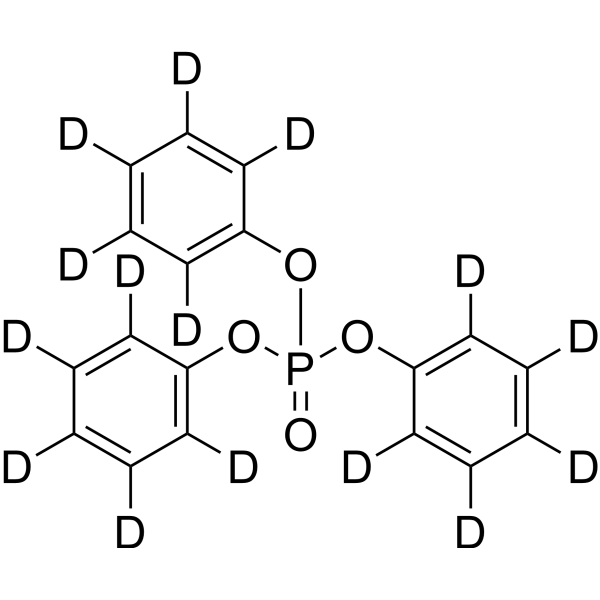
    Celluflex TPP-d15; DHPF 005-d15; Disflamol TP-d15; Disflamoll TP-d15; NSC 57868-d15; Phenyl phosphate ((PhO)3PO)-d15; Phoscon FR 903N-d15

    Isotope-Labeled Compounds Environmental Pollutants ERK Indoleamine 2,3-Dioxygenase (IDO) p38 MAPK NF-κB Akt Monoamine Oxidase Mitophagy Reactive Oxygen Species (ROS) JNK PI3K PPAR Apoptosis Cardiovascular Disease Neurological Disease Metabolic Disease Inflammation/Immunology Endocrinology
    Triphenyl phosphate-d15 is the deuterium labeled Triphenyl phosphate. Triphenyl phosphate is an orally active, blood-brain barrier-permeable aryl organophosphate flame retardant and endocrine disruptor. Triphenyl phosphate disrupts mitochondrial dynamic balance through oxidative stress, induces excessive mitophagy and apoptosis, and ultimately leads to myocardial fibrosis. In the brain, Triphenyl phosphate activates the NF-κB inflammatory pathway by disrupting the gut microbiota, alters tryptophan metabolism and elevates neurotoxins, thereby inducing anxiety- and depression-like behaviors. In the skeletal and reproductive systems, Triphenyl phosphate inhibits osteoblast differentiation and induces germ cell apoptosis by suppressing the MAPK/ERK pathway and activating the JNK signal, respectively. In adipose and placental tissues, Triphenyl phosphate promotes lipid accumulation by activating the PI3K/AKT-PPARγ axis, and disrupts placental metabolism via the MAOA/ROS/NF-κB cascade, impairing neurodevelopment of offspring.
    Triphenyl phosphate-d15
  • HY-N7504

    Bacterial Infection Metabolic Disease Cancer
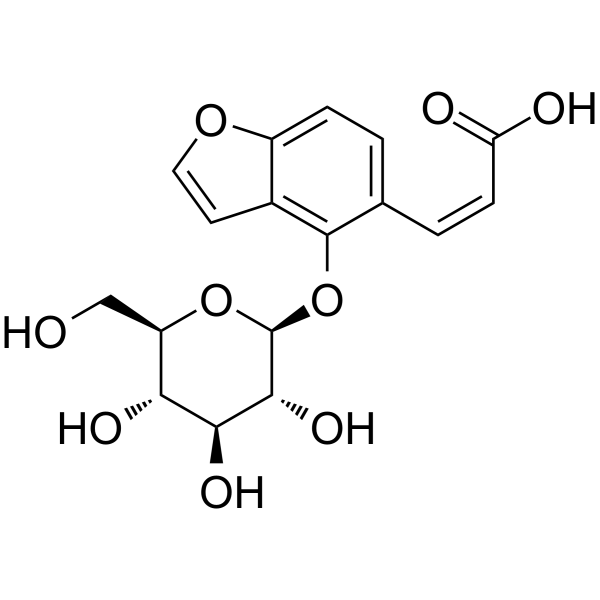
    Isopsoralenoside is a benzofuran glycoside from Psoralea corylifolia. Isopsoralenoside can be quickly metabolized to Psoralen (HY-N0053) in digestive tract contents. Isopsoralenoside show estrogen-like activity, osteoblastic proliferation accelerating activity, antitumor effects and antibacterial activity .
    Isopsoralenoside
  • HY-15652A

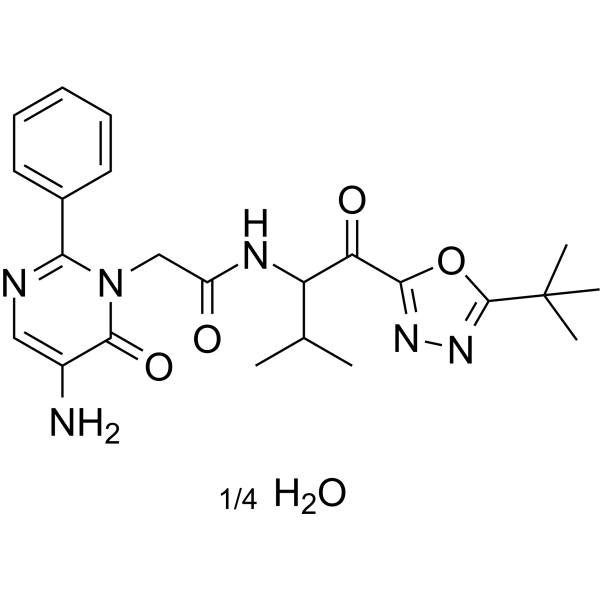
    ONO-6818 quarterhydrate; ONO-PO-736 quarterhydrate

    Elastase Inflammation/Immunology
    Freselestat quarterhydrate (ONO-6818 quarterhydrate) is a potent and orally active neutrophil elastase inhibitor with a Ki of 12.2 nM. Freselestat quarterhydrate is >100-fold less-active against other proteases such as trypsin, protein-ase 3, pancreatic elastase, plasmin, thrombin, collagenase, cathepsin G, and murine macrophage elastase. Freselestat quarterhydrate has a potent anti-inflammatory activity .
    Freselestat quarterhydrate
  • HY-160113C

    Biochemical Assay Reagents Others
    Sodium phosphate buffer 0.1M, pH 7.2 is mainly composed of two phosphates, Na2HPO4 and NaH2PO4, with a total phosphate concentration of 0.1 M, which mainly acts as a buffer in the reaction.
    Sodium phosphate buffer 0.1M, pH 7.2
  • HY-160113A

    Biochemical Assay Reagents Others
    Sodium phosphate buffer 0.1M, pH 6.0 is mainly composed of two phosphates, Na2HPO4 and NaH2PO4, with a total phosphate concentration of 0.1 M, which mainly acts as a buffer in the reaction.
    Sodium phosphate buffer 0.1M, pH 6.0
  • HY-169937

    Epigenetic Reader Domain Cancer
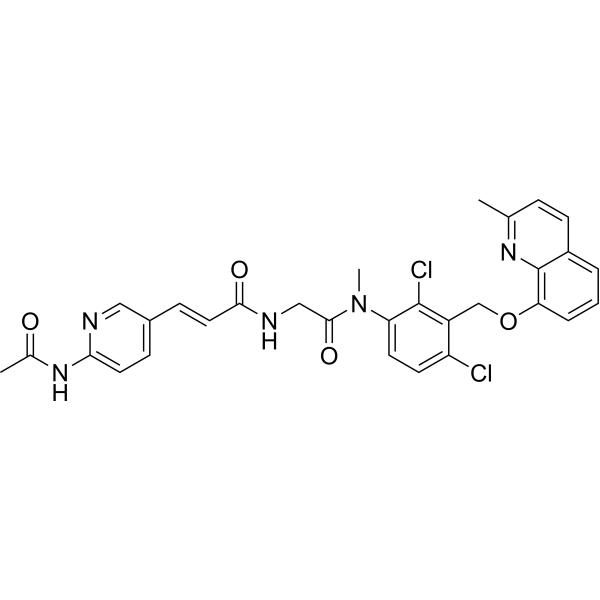
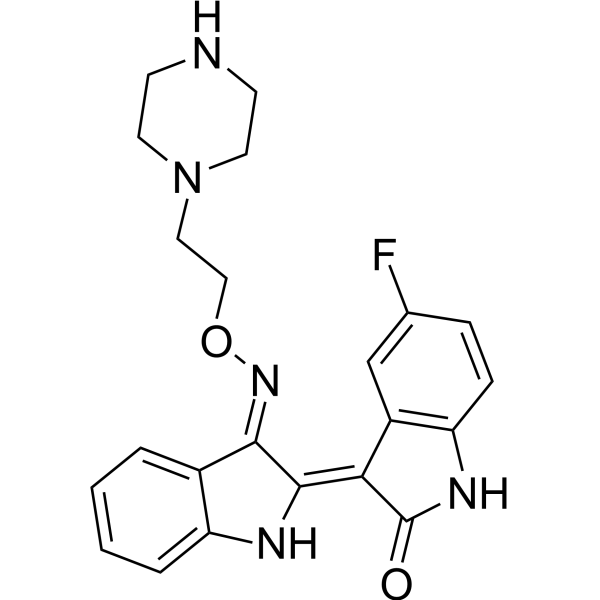
    (R)-SR-C-107 is an orally available inhibitor of ENL (YEAST domain-containing protein) designed to target acute myeloid leukemia (AML). (R)-SR-C-107 targets ENL with IC50 and KD of 40 nM and 144 nM, respectively. (R)-SR-C-107 demonstrates in vivo efficacy in a xenograft mouse model of AML, with a tumor regression rate of 45% at a dose of 200 mg/kg (PO; QD) .
    (R)-SR-C-107
  • HY-W762012

    OCDD

    Cytochrome P450 Environmental Pollutants Others
    Octachlorodibenzo-p-dioxin (OCDD) is an environmental contaminant but is not acutely toxic. In rats, Octachlorodibenzo-p-dioxin (50 μg/kg i.v. or 50-5000 μg/kg p.o.) has a systemic elimination half-life of 3-5 months and accumulates and concentrates in the liver and adipose tissue after low-dose, repeated exposure. Repeated administration of octachlorodibenzo-p-dioxin causes increases in 7-ethoxyresorufin-O-deethylase (7-EROD) activity and total cytochrome P-450 levels .
    Octachlorodibenzo-p-dioxin
  • HY-159897

    PAK LIM Kinase (LIMK) Apoptosis Reactive Oxygen Species (ROS) Cancer
    PAK4-IN-5 (Compound 12i) is a PAK4 inhibitor (IC50: 7.68 nM for PAK4, 1872.01 nM for PAK1). PAK4-IN-5 binds to PAK4 stably via multiple interactions. PAK4-IN-5 inhibits the proliferation and the migratory potential of MDA-MB-231 cells by inhibiting the phosphorylation of PAK4 and LIMK1. PAK4-IN-5 arrests cell cycle in the G0/G1 phase, induces apoptosis and ROS production. LD50: >500 mg/kg for mice (p.o.) .
    PAK4-IN-5
  • HY-155238

    GABA Receptor Neurological Disease
    E2730 is a noncompetitive but selective inhibitor of gamma-aminobutyric acid (GABA) transporter 1 (GAT1) with orally available and antiepileptic activity. E2730-mediated GAT1 inhibition is positively correlated with environmental GABA levels and selectively inhibits GAT1-mediated GABA uptake. E2730 (5-50 mg/kg; po) in rat amygdala ignition model, and in mouse cornea ignition (5-50 mg/kg), drug resistance 6Hz-44mA has demonstrated in vivo efficacy in models of psychomotor epilepsy (5-50 mg/kg), fragile X syndrome (2.5-300 mg/kg), and Dravet syndrome (10 mg/kg, 20 mg/kg) .
    E2730
  • HY-W142086

    Amino Acid Derivatives Others
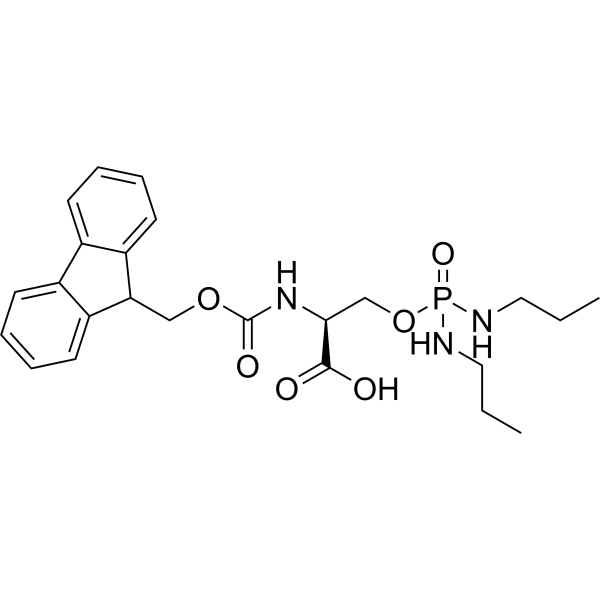
    Fmoc-Ser(PO(NHPr)2)-OH is a serine derivative .
    Fmoc-Ser(PO(NHPr)2)-OH
  • HY-RS01213

    Small Interfering RNA (siRNA) Others

    ATP5PO Human Pre-designed siRNA Set A contains three designed siRNAs for ATP5PO gene (Human), as well as a negative control, a positive control, and a FAM-labeled negative control.

    ATP5PO Human Pre-designed siRNA Set A
    ATP5PO Human Pre-designed siRNA Set A
  • HY-P1200

    Src Cancer
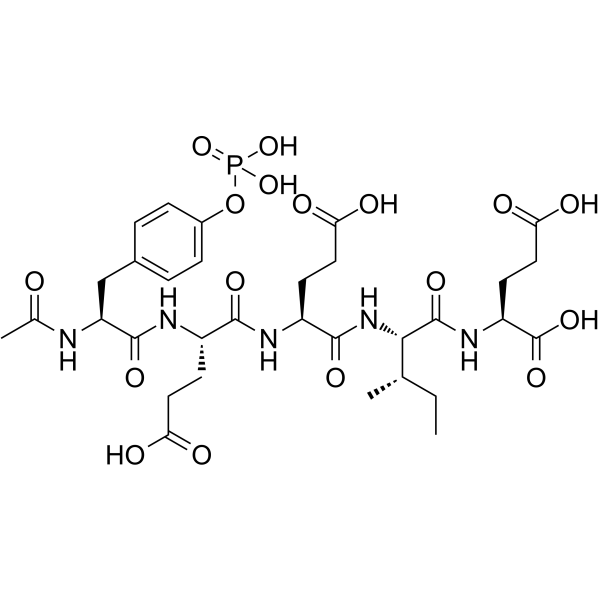
    Ac-Tyr(PO3H2)-Glu-Glu-Ile-Glu-OH (compound 1) is a high-affinity pentapeptide to bind to the src SH2 domain (IC50≈1 µM). Ac-Tyr(PO3H2)-Glu-Glu-Ile-Glu-OH is an inhibitor for src SH3-SH2:phosphoprotein interactions .
    Ac-Tyr(PO3H2)-Glu-Glu-Ile-Glu-OH
  • HY-P1200A

    Src Cancer
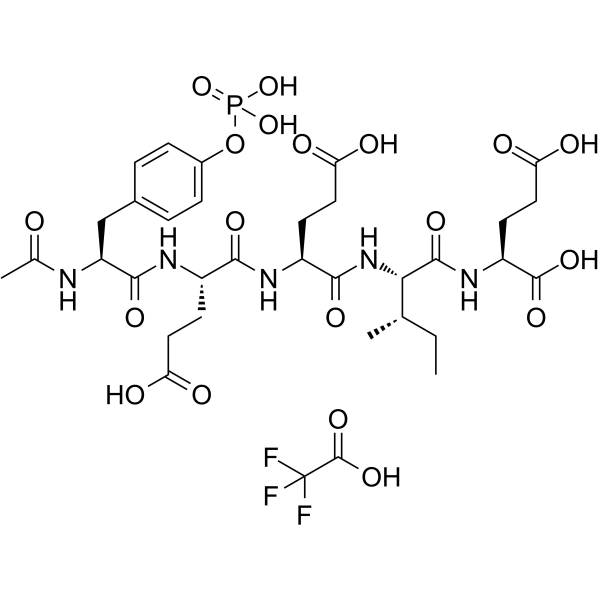
    Ac-Tyr(PO3H2)-Glu-Glu-Ile-Glu-OH TFA (compound 1) is a high-affinity pentapeptide to bind to the src SH2 domain (IC50≈1 µM). Ac-Tyr(PO3H2)-Glu-Glu-Ile-Glu-OH TFA is an inhibitor for src SH3-SH2:phosphoprotein interactions .
    Ac-Tyr(PO3H2)-Glu-Glu-Ile-Glu-OH TFA
  • HY-P3480

    Fluorescent Dye Others
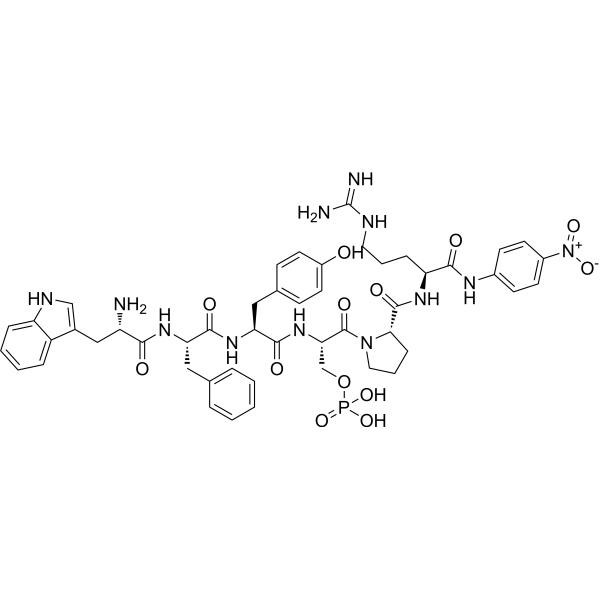
    H-Trp-Phe-Tyr-Ser(PO3H2)-Pro-Arg-pNA is a chromogenic substrate for Pin1. Pin1 is an essential and conserved mitotic peptidyl-prolyl isomerase, and can recognize the phosphoserine-proline bonds present in mitotic phosphoproteins .
    H-Trp-Phe-Tyr-Ser(PO3H2)-Pro-Arg-pNA
  • HY-RS11054

    Small Interfering RNA (siRNA) Others

    PRB4 Human Pre-designed siRNA Set A contains three designed siRNAs for PRB4 gene (Human), as well as a negative control, a positive control, and a FAM-labeled negative control.

    PRB4 Human Pre-designed siRNA Set A
    PRB4 Human Pre-designed siRNA Set A
  • HY-120045A

    Opioid Receptor Neurological Disease
    DuP 747 hydrochloride is an analgesic with selective kappa-opioid receptor agonist activity. DuP 747 showed less spiradoline-appropriate selection when administered SC, but showed a partial generalized response to spiradoline when administered IP or PO. The 5-hydroxy-desmethoxy metabolite of DuP 747 induced selection of the saline-appropriate lever only. The effects of DuP 747 suggest that its metabolites may play a major role in the similar responses to spiradoline after IP and PO administration .
    DuP 747 hydrochloride
  • HY-101694

    AWD 26-06 free base

    mAChR Inflammation/Immunology
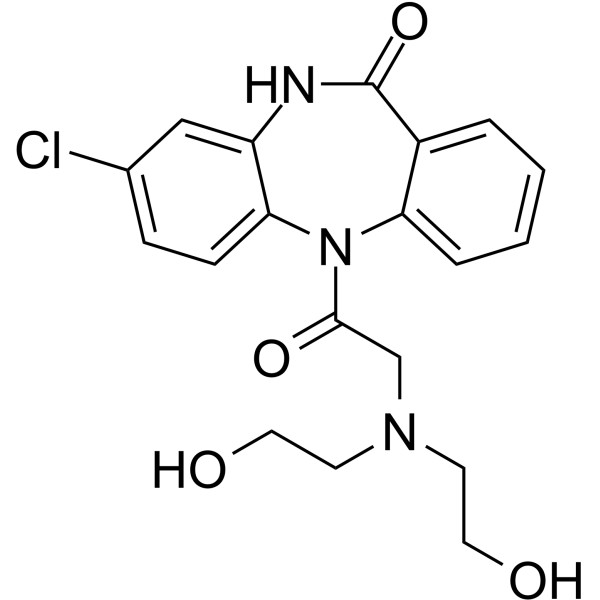
    Siltenzepine (AWD 26-06 free base) is an antagonist of mAChR with anti-acid activity, which can be used in peptic ulcers research. Siltenzepine exhibits rapidly but incompletely absorbed characterastic in rats (po) .
    Siltenzepine
  • HY-149539

    FLT3 RET Cancer
    PLM-101 is an orally available anticancer agent targeting FLT3 and RET with inhibitory activity against acute myeloid leukemia cells. PLM-101 inhibits RET, thereby inducing autophagic degradation of FLT3; and it inhibits the PI3K and Ras/ERK pathways, resulting in anti-leukemia activity. PLM-101 has anti-tumor efficacy in a mouse MV4-11 flank xenograft model (dose: 3, 10 mg/kg; po) and an allogeneic xenograft mouse model (dose: 40 mg/kg; po) .
    PLM-101
  • HY-162498

    Parasite Infection
    Antileishmanial agent-29 (Compound 110) is an orally active antileishmanial agent. Antileishmanial agent-29 (p.o., 40, 60 mg/kg, 10 days) protects mice from leishmania infection .
    Antileishmanial agent-29
  • HY-115826

    Biochemical Assay Reagents Cancer
    AB-163 is an alkylating agent with anti-tumor activity. AB-163 exerts LD50s of 198 (p.o.) and 159 (i.p.) mg/kg in ICR/Ha male mice and can be utilized in cancer research .
    AB-163
  • HY-19141

    Potassium Channel Cardiovascular Disease
    L-691121 exhibits antiarrhythmic efficacy through block of potassium channel and a followed prolonged cardiac potential. L-691121 exhibits embryotoxicity with fetal mortality at the dose of 0.8 mg/kg/day (p.o.). L-691121 is orally active .
    L-691121
  • HY-N8458

    NSC 272693

    PGE synthase Inflammation/Immunology
    Cryogenine is an alkaloid originally isolated from H. salicifolia that has anti-inflammatory activity. It inhibits prostaglandin synthetase (IC50=424 μM). Cryogenine (100 mg/kg per day, p.o.) reduces paw edema and the mean arthritic index in a rat model of adjuvant-induced polyarthritis.
    Cryogenine
  • HY-106194

    Dopamine Receptor Serotonin Transporter Neurological Disease
    SLV310 is an orally active dopamine D2 receptor antagonist (Ki: 5 nM) and serotonin reuptake receptor inhibitor. SLV310 antagonizes Apomorphine (HY-12723) induced climbing behaviour and 5-HTP (HY-N0122) induced serotonin syndrome like behaviour in mice (ED50: 5.6 and 5.9 mg/kg, p.o.). SLV310 is an antipsychotic compound and can be used for schizophrenia research .
    SLV310
  • HY-N15424

    Apoptosis Bcl-2 Family
    Himachalol, a sesquiterpene, is an orally active antispasmodic and anticancer constituent found in the wood of Cedrus deodara. Himachalol has anti-proliferative activity against the melanoma cells, and induces apoptosis (decreases Bcl-2 level and increases Bax level). Himachalol has systemic hypotension and peripheral vasodilation effect. Himachalol inhibits Carbachol-induced spasm of the intestine. The LD50 of Himachalol in mice is 265 mg/kg (p.o.) and 247 mg/kg (i.p.) .
    Himachalol
  • HY-121586

    Bay g 6575

    Lipoxygenase Cardiovascular Disease
    Nafazatrom (Bay g 6575) is an orally active cardioprotective agent that protects against ischemic damage. Nafazatrom dose-dependently inhibits neutrophil aggregation, superoxide anion generation, arachidonic acid metabolism, and to a lesser extent the release of β-glucosidase, platelet aggregation or arachidonic acid in vitro. Acid metabolism has no significant effect. In a dog ischemia-reperfusion model, Nafazatrom (10 mg/kg; po) reduced infarct size and the occurrence of arrhythmias and rescued ischemic myocardial function without affecting any hemodynamic changes. The basis of Nafazatrom's cardioprotection may be inhibition of neutrophil function and cellular infiltration in vitro .
    Nafazatrom
  • HY-117811

    L-680574

    Platelet-activating Factor Receptor (PAFR) Cardiovascular Disease
    (R,R)-MK 287 (L-680574) is a tetrahydrofuran derivative that potently inhibits the binding of [3H]C18-PAF to human platelets, polymorphonuclear leukocytes (PMNs), and lung membranes with Ki values of 6.1, 3.2, and 5.49 nM, respectively. (R,R)-MK 287 potently and selectively inhibits PAF-induced platelet aggregation (ED50=56 nM) and elastase release from PMNs (ED50=4.4 nM). (R,R)-MK 287 inhibits PAF-induced lethality in mice (ED50=0.8 mg/kg, po) and PAF-induced bronchospasm in guinea pigs (ED50=0.18 mg/kg) .
    (R,R)-MK 287
  • HY-117991

    VEGFR Cancer
    DW10075 is a highly selective and orally active VEGFR inhibitor targeting the VEGF/VEGFR pathway. DW10075 selectively inhibits VEGFR-1, VEGFR-2, and VEGFR-3, but has no effect on FGFR and PDGFR. DW10075 inhibits VEGF-induced HUVEC proliferation, migration, and tube formation. And DW10075 inhibits angiogenesis in both the rat aortic ring model and the chick chorionic membrane model. DW10075 also exhibits antiproliferative activity against human cancer cell lines, with IC50s of 2.2 μM and 22.2 μM against U87-MG human glioblastoma cells and A375 melanoma cells, respectively. In the nude mouse U87-MG xenograft tumor model, DW10075 (po) significantly inhibits tumor growth and reduces the expression of CD31 and Ki67 in tumor tissues.
    DW10075
  • HY-49637

    Biochemical Assay Reagents Others
    Biotin-PEG6-PO (F)-C16 is an activity-based proteomics probe .
    Biotin-PEG6-PO(F)-C16
  • HY-P11620

    Drug Derivative Others
    H-Asn-Pro-Glu-Tyr(PO3H2)-OH is a phosphorylated peptide derivative of the tetramine motif Asn-Pro-Glu-Tyr (NPEY), and is a substrate binding domain common to the insulin-like growth factor-I receptor (IGF-IR) and the insulin receptor (IR).
    H-Asn-Pro-Glu-Tyr(PO3H2)-OH
  • HY-148336A

    Indoleamine 2,3-Dioxygenase (IDO) Others
    IDO1/TDO-IN-5 (compound 9p-O) is a potent dual IDO1/TDO inhibitor with IC50 valeus of 18 and 25 nM, respectively .
    IDO1/TDO-IN-5
  • HY-181448

    Inositol hexaphosphate hexalithium; SNF472 hexalithium

    Endogenous Metabolite Amyloid-β Autophagy Cardiovascular Disease Neurological Disease Metabolic Disease Cancer
    Phytic acid (Inositol hexaphosphate hexalithium) hexalithium is an orally active compound. Phytic acid hexalithium can be derived from the seeds of legumes. Phytic acid is a [PO4] 3- storage depot and precursor for other inositol phosphates and pyrophosphates. Phytic acid hexalithium attenuates oligomers and upregulates Autophagy protein. Phytic acid hexalithium can be used in cardiovascular disease, metabolic disease, nervous system disease and cancer research .
    Phytic acid hexalithium

Inquiry Online

Your information is safe with us. * Required Fields.

Salutation


Country or Region *

Applicant Name *


Organization Name *

Department *


Email Address *


Product Name *

Cat. No.


Requested quantity *

Phone Number *


Remarks

Inquiry Online

Inquiry Information

Product Name:
Cat. No.:
Quantity:
MCE Japan Authorized Agent: