Search Result
Results for "
Radioligand
" in MedChemExpress (MCE) Product Catalog:
7
Isotope-Labeled Compounds
| Cat. No. |
Product Name |
Target |
Research Areas |
Chemical Structure |
-
- HY-10569
-
|
ACT-128800
|
LPL Receptor
|
Inflammation/Immunology
|
|
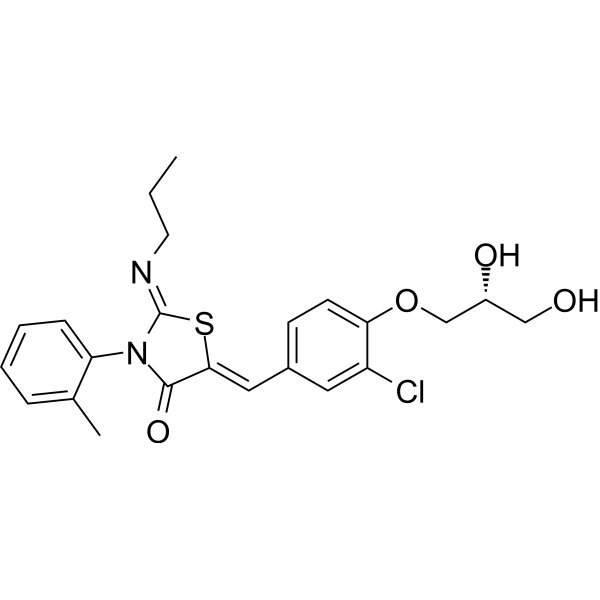
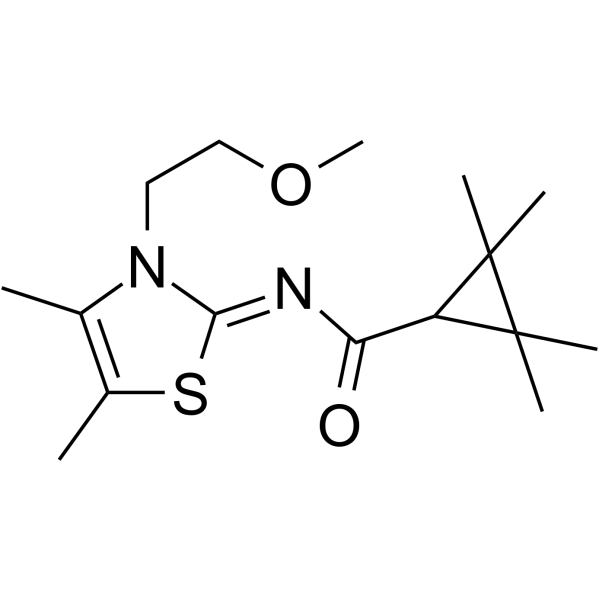
Ponesimod (ACT-128800) is a potent, selective and orally active agonist of S1P1, with an IC50 of 6 nM in a radioligand binding assay. Ponesimod activates S1P1-mediated signal transduction with high potency (EC50=5.7 nM). Ponesimod can protect against lymphocyte-mediated tissue inflammation .
|
-
-
- HY-14121
-
-
-
- HY-10898
-
-
-
- HY-B1486
-
|
Ba 39089
|
Adrenergic Receptor
|
Cardiovascular Disease
|
|
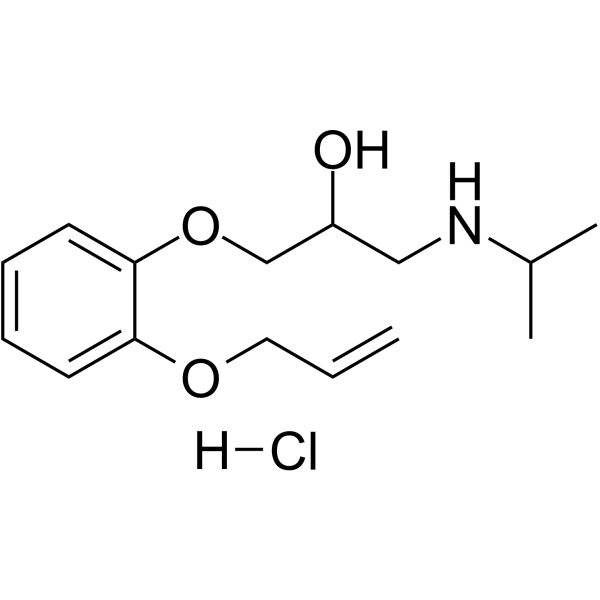
Oxprenolol hydrochloride (Ba 39089) is an orally bioavailable β-adrenergic receptor (β-AR) antagonist with a Ki of 7.10 nM in a radioligand binding assay using rat heart muscle .
|
-
-
- HY-P1096
-
|
|
Cholecystokinin Receptor
|
Metabolic Disease
|
|
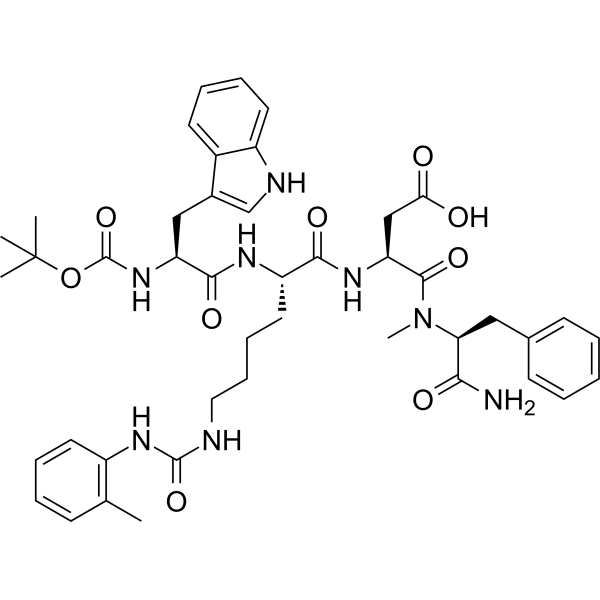
A71623, a CCK-4-based peptide, is a potent and highly selective CCK-A full agonist. The IC50s for A-71623 are 3.7 nM in guinea pig pancreas (CCK-A) and 4500 nM in cerebral cortex (CCK-B) in radioligand binding assays, respectively .
|
-
-
- HY-122537A
-
|
|
Adrenergic Receptor
5-HT Receptor
|
Cardiovascular Disease
|
|
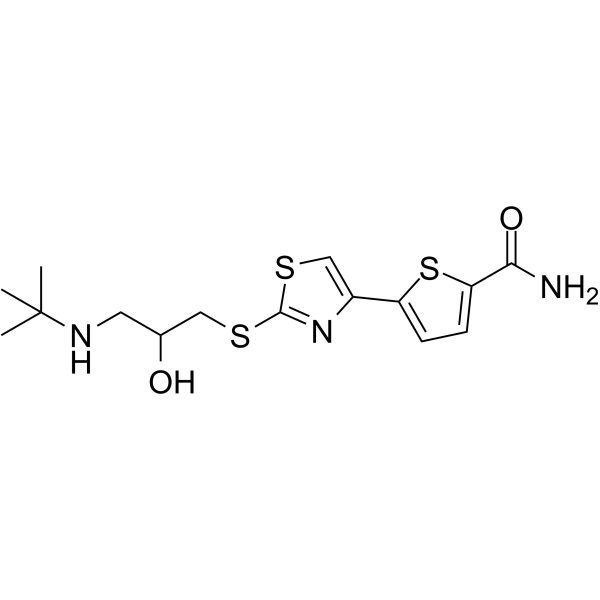
Arotinolol is a nonselective α/β-adrenergic receptor blocker and a vasodilating β-blocker . Arotinolol also shows potency for inhibiting the binding of the radioligand 125I-ICYP to 5HT1B-serotonergic receptor sites . Arotinolol is an antihypertensive agent for the treatment of a variety of cardiovascular pathologies as well as non-cardiovascular diseases .
|
-
-
- HY-122203
-
|
|
mAChR
Cholinesterase (ChE)
|
Neurological Disease
|
|
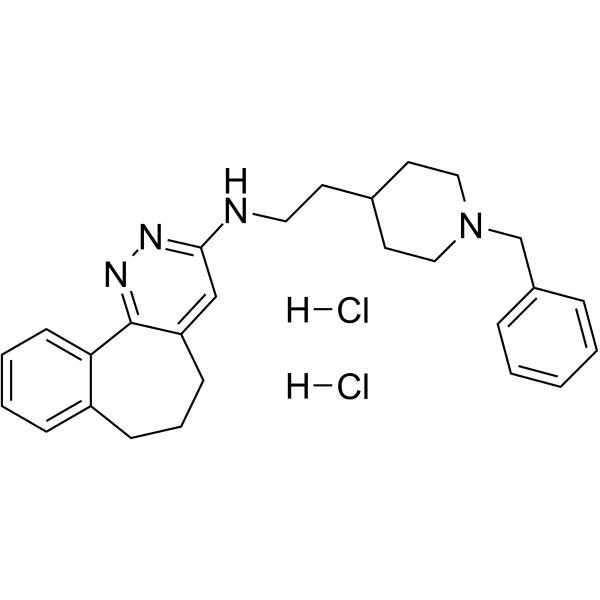
PCS1055 dihydrochloride is a potent, selective and competitive muscarinic M4 receptor antagonist with an IC50 of 18.1 nM and a Kd of 5.72 nM. PCS1055 dihydrochloride inhibits radioligand [ 3H]-NMS binding to the M4 receptor with a Ki of 6.5 nM. PCS1055 dihydrochloride exhibits >100-fold selectivity over M1-, M3-, and M5-receptors and 30-fold selectivity at the M2 receptor. PCS1055 dihydrochloride is also a potent AChE inhibitor with IC50 s of 22 nM and 120 nM for electric eel and human AChE, respectively .
|
-
-
- HY-141536
-
-
-
- HY-133116
-
|
|
Adrenergic Receptor
|
Neurological Disease
|
|
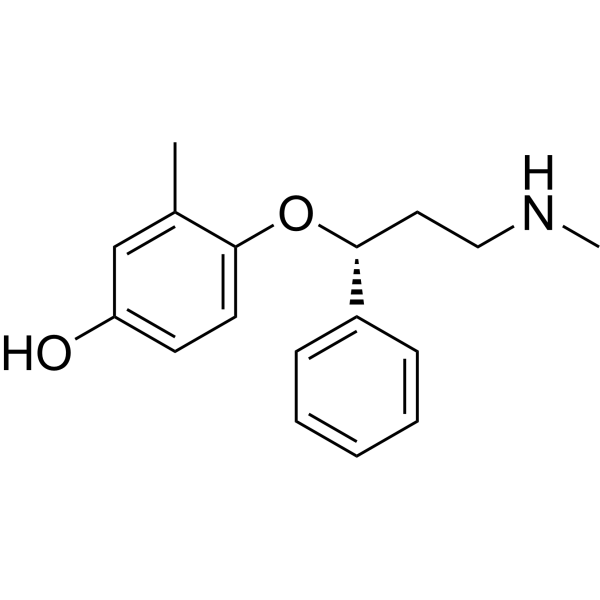
4-Hydroxyatomoxetine is an active metabolite of Atomoxetine. 4-Hydroxyatomoxetine is metabolized by the enzyme cytochrome P450 2D6 (CYP2D6). Atomoxetine hydrochloride is a potent and selective noradrenalin re-uptake inhibitor (Ki values are 5 nM, 77 nM and 1451 nM for inhibition of radioligand binding to human NET, SERT and DAT respectively) .
|
-
-
- HY-12761
-
|
|
Cannabinoid Receptor
|
Cardiovascular Disease
Others
Neurological Disease
Metabolic Disease
Inflammation/Immunology
Cancer
|
|
A-836339 is a selective CB2 receptor agonist, with Ki values of 0.4 nM and 0.8 nM in humans and rats, respectively. A-836339 exhibits multiple effects such as analgesia, gastric protection, anti-inflammation, and antioxidant activity. A-836339 produces antinociceptive and analgesic activities by activating CB2 receptors in the dorsal root ganglia and spinal cord. A-836339 can also exert gastric protective effects through anti-inflammatory mechanisms (reducing TNF-α and IL-1β) and antioxidant mechanisms (enhancing the activities of CAT and SOD, and reducing H2O2). Radioactively labeled A-836339 can serve as a CB2-specific radioligand for autoradiography and PET imaging. A-836339 can be used in research on inflammatory pain, neuropathic pain, gastric ulcers, cerebral ischemia, etc .
|
-
-
- HY-103141
-
|
|
5-HT Receptor
|
Neurological Disease
|
|
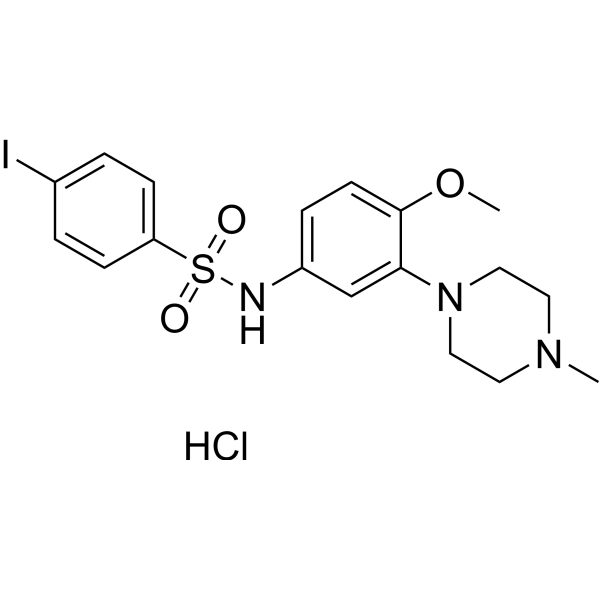
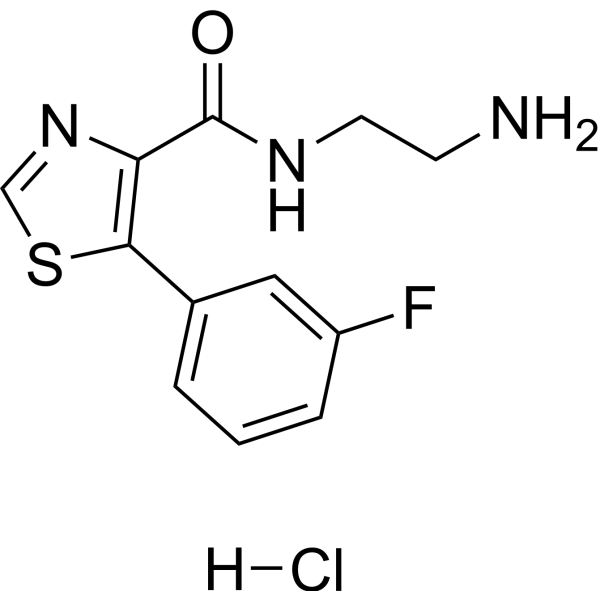
SB-258585 is a high affinity ligand for the 5-HT6 receptor. SB-258585 binds highly to a single receptor population in a human cell line that recombines 5-HT6 receptors. SB-258585 can be used to label recombinant and natural 5-HT6 receptor .
|
-
-
- HY-161246
-
|
|
5-HT Receptor
|
Neurological Disease
|
|
uPSEM792 is a pharmacologically selective effector molecules (PSEM) agonist for PSAM 4-GlyR, with an affinity of Ki of 0.7 nM. uPSEM792 is a substrate for efflux transporters in brains of wild type and dual P-gp and BCRP knockout mice. uPSEM7952 is a possible lead for developing the PET radioligand for PSAM 4-GlyR .
|
-
-
- HY-122203A
-
PCS1055
2 Publications Verification
|
mAChR
Cholinesterase (ChE)
|
Neurological Disease
|
|
PCS1055 is a selective and competitive antagonist for muscarinic M4 receptor with an IC50 of 18.1 nM and a Kd of 5.72 nM. PCS1055 inhibits radioligand [ 3H]-NMS binding to the M4 receptor with a Ki of 6.5 nM. PCS1055 is also an inhibitor for AChE with IC50 of 22 nM and 120 nM for electric eel and human AChE, respectively .
|
-
-
- HY-116020
-
|
|
Dopamine Receptor
|
Neurological Disease
|
|
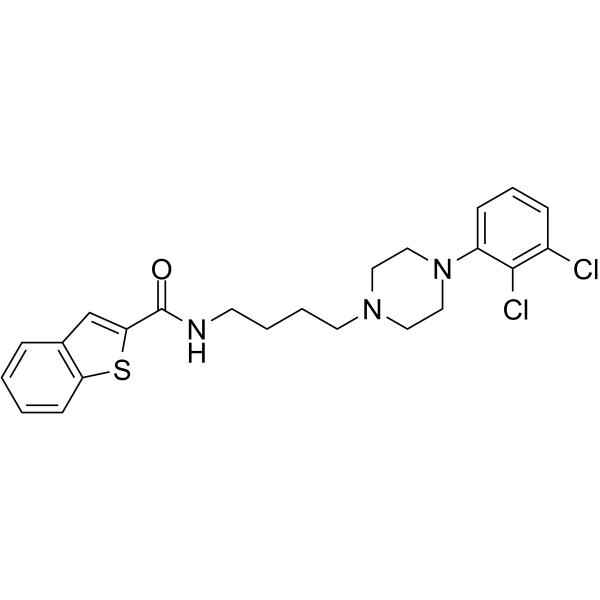
FAUC 365 is a highly dopamine D3 receptor-selective antagonist with Ki values of 0.5 nM, 340, 2600, and 3600 nM at D3, D4.4, D2short, and D2Long receptors, respectively. FAUC 365 can be used for the research of schizophrenia, and Parkinson's disease .
|
-
-
- HY-19888
-
|
|
P2X Receptor
Interleukin Related
|
Neurological Disease
Inflammation/Immunology
|
|
GSK-1482160 is an orally active and blood-brain barrier penetrant P2X7 receptor (P2X7R) negative allosteric modulator with pIC50s of 8.5 (human) and 6.5 (rat). GSK-1482160 reduces the efficacy of ATP at the P2X7 receptor without affecting its affinity, thereby inhibiting the release of IL-1β. GSK-1482160 is an effective radioligand and can be labeled with radioactive isotopes like 11C or 18F to image P2X7R. GSK-1482160 can be used for the studies of chronic joint pain and chronic constriction injury (CCI) .
|
-
-
- HY-141804
-
-
-
- HY-171806
-
|
|
LPL Receptor
|
Cancer
|
|
BMT-136088 is a LPAR1 antagonist . 11C-BMT-136088 can be used as a positron emission tomography (PET) radioligand to quantify specific binding to LPA1 in lung.
|
-
-
- HY-B1486AS
-
-
-
- HY-148353
-
|
|
LRRK2
|
Neurological Disease
|
|
PF-06455943 is a leucine rich repeat kinase 2 (LRRK2) inhibitor with IC50 value of 3 nM. PF-06455943 also is a PET radioligand. PF-06455943 can be used for the research of ADME/neuro PK characterization and Parkinson disease (PD) .
|
-
-
- HY-178871
-
|
|
Orexin Receptor (OX Receptor)
|
Neurological Disease
|
|
OX2-2303 is a potent, selective orexin-2 receptor (OX2R) antagonist. OX2-2303 exhibits excellent binding affinity towards OX2R (Ki = 0.1 nM), and shows >890-fold selectivity over OX1R. OX2-2303 can be used as a positron emission tomography (PET) radioligand for central nervous system (CNS) research .
|
-
-
- HY-112567
-
|
|
Adenosine Receptor
|
Neurological Disease
|
|
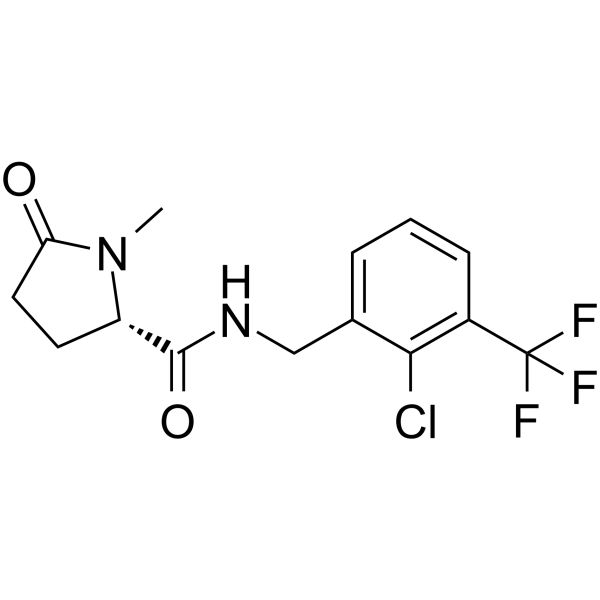
TRR469 is a positive allosteric modulator of the A1 adenosine receptor (A1AR). TRR469 significantly increases the affinity of 2-chloro N(6)-cyclopentyladenosine (CCPA) for A₁AR, increasing the number of receptors recognized by the agonist radioligand [³H]-CCPA. TRR469 shows significant effects in both anxiety and pain models. TRR469 can be used to study anxiety disorders and pain management .
|
-
-
- HY-P10444
-
|
|
Radionuclide-Drug Conjugates (RDCs)
CXCR
|
Cancer
|
|
DOTA Conjugated JM#21 derivative 7 (compound Ligand-7) is a derivative of CXCR4 targeting peptide conjugated with DOTA and can be used to produce radioligands. Radiolabeled DOTA Conjugated JM#21 derivative 7, i.e., 177Lu-DOTA, has excellent CXCR4 tumor targeting. In vitro biodistribution results of 177Lu-DOTA showed very low uptake in all non-targeted organs except kidney . DOTA Conjugated JM#21 derivative 7 can be used for the synthesis/research of Radionuclide-Drug Conjugates (RDCs).
|
-
-
- HY-156124
-
|
|
Sigma Receptor
|
Cancer
|
|
Sigma-2 Radioligand 1 (compound 1) is a Sigma-2 selective ligand. Sigma-2 Radioligand 1 has good biodistribution in mice and good in vivo activity in rats. [18F] Modified Sigma-2 Radioligand 1 for visualization of tumors in micro-PET/CT imaging, exhibiting high tumor uptake and tumor-to-background ratio. Experiments show that Sigma-2 Radioligand 1 binds highly specifically in U87MG glioma xenografts .
|
-
-
- HY-176300
-
|
|
Integrin
|
Cancer
|
|
RGD-DA6 is an αvβ3-targeted ligand. RGD-DA6 consists of RGDfK (an integrin αvβ3-targeted RGD peptide), DOTADG, d-Glu, Lys, AMBA, and IPBA. RGD-DA6 can be radiolabeled as an αvβ3-targeted radioligand and used for high-contrast tumor imaging and enhanced anticancer efficacy .
|
-
-
- HY-174923
-
|
|
Biochemical Assay Reagents
GSK-3
|
Neurological Disease
|
|
AZ12943203 (Compound 13e) is a GSK-3 PET radioligand with a Kd of 2.94 nM. AZ12943203 has a significant inhibitory potency toward GSK-3β (IC50 : 4.44 nM), and can specifically bind to GSK-3-rich regions of the rodent brain. AZ12943203 can be used for neurodegenerative diseases imaging, particularly Alzheimer’s disease .
|
-
-
- HY-158266
-
|
LNC1003
|
Radionuclide-Drug Conjugates (RDCs)
PSMA
|
Cancer
|
|
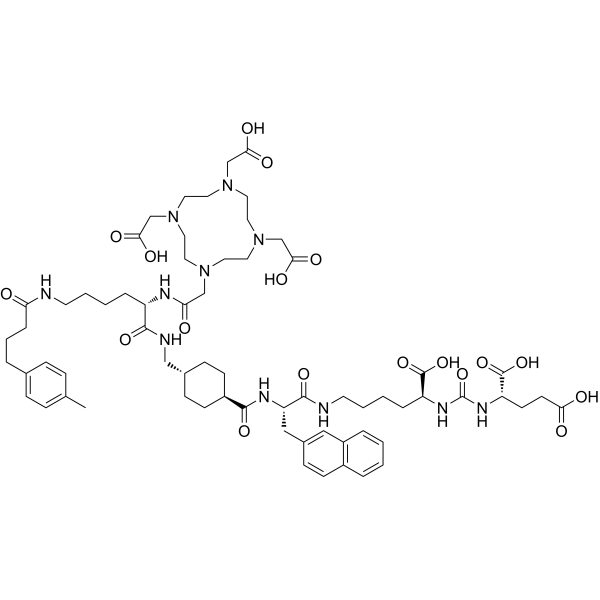
DOTA-PSMA-EB-01 (Compound LNC1003) is a specific inhibitor of PSMA (IC50= 10.77 nM).DOTA-PSMA-EB-01 enhances the uptake and retention time of 177Lu in tumors . DOTA-PSMA-EB-01 can be used for the synthesis/research of Radionuclide-Drug Conjugates (RDCs).
|
-
-
- HY-P10220
-
|
|
Radionuclide-Drug Conjugates (RDCs)
TREM receptor
|
Cancer
|
|
NOTA-COG1410 forms triggering receptor expressed on myeloid cells 2 (TREM2) targeting ligand. NOTA-COG1410 is capable of being labelled with 68Gallium ( 68Ga) for discovery and diagnosis of digestive system tumors through positron emission tomography/computed tomography (PET/CT). NOTA-COG1410 can be used for the synthesis/research of Radionuclide-Drug Conjugates (RDCs) .
|
-
-
- HY-B1486A
-
|
Ba 39089 free base
|
Adrenergic Receptor
|
Cardiovascular Disease
|
|
Oxprenolol (Ba 39089 free base) is an orally bioavailable β-adrenergic receptor (β-AR) antagonist with a Ki of 7.10 nM in a radioligand binding assay using rat heart muscle .
|
-
-
- HY-P1321
-
|
1229U91; GW1229
|
Neuropeptide Y Receptor
|
Neurological Disease
|
|
GR231118, an analogue of the C-terminus of neuropeptide Y, is a potent , competitive and relative seletive antagonist at human neuropeptide Y Y receptor with a pKi of 10.4. GR231118 a potent agonist at the human neuropeptide Y Y4 receptor (pEC50=8.6; pKi=9.6) and a weak agonist at the human and rat neuropeptide YY2 and Y5 receptors. GR231118 also has high affinity for the mouse neuropeptide Y Y6 receptor (pKi= 8.8) .
|
-
-
- HY-149869
-
|
|
PSMA
|
Cancer
|
|
PSMA-IN-3 (compound 17) is a novel high-affinity PSMA inhibitor with an IC50 value of 13 nM. PSMA-IN-3 is suitable for developing an 18F-labeled radioligand for PET imaging of PSMA in prostate cancer .
|
-
-
- HY-B1486S
-
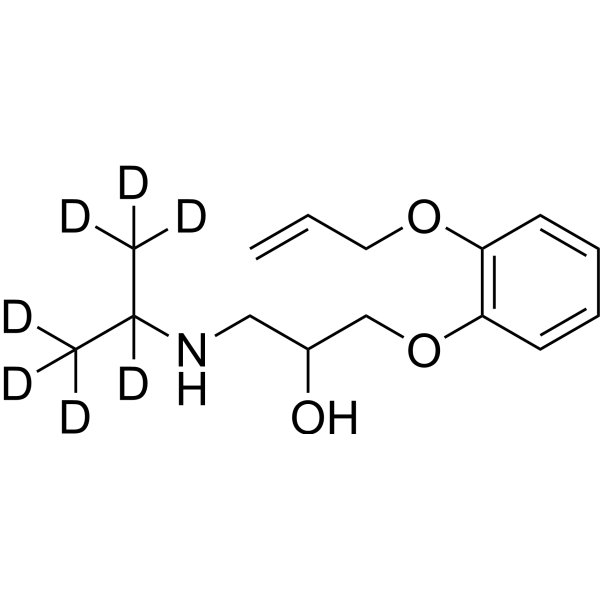
|
Ba 39089-d7
|
Adrenergic Receptor
|
Cardiovascular Disease
|
|
Oxprenolol-d7 (hydrochloride) is the deuterium labeled Oxprenolol hydrochloride. Oxprenolol hydrochloride (Ba 39089) is an orally bioavailable β-adrenergic receptor (β-AR) antagonist with a Ki of 7.10 nM in a radioligand binding assay using rat heart muscle .
|
-
-
- HY-155741
-
|
|
Cannabinoid Receptor
|
Neurological Disease
|
|
CB2 PET Radioligand 1 (compound [18F]9) is a PET Radioligand targeting to hCB2 (Ki=7.7 nM). CB2 PET Radioligand 1 is prepared with Cu-mediated 18F-fluorination. CB2 PET Radioligand 1 shows high brain uptake in a murine model of neuroinflammation .
|
-
-
- HY-122537
-
|
|
Adrenergic Receptor
5-HT Receptor
|
Cardiovascular Disease
|
|
Arotinolol hydrochloride is a nonselective α/β-adrenergic receptor blocker and a vasodilating β-blocker . Arotinolol hydrochloride also shows potency for inhibiting the binding of the radioligand 125I-ICYP to 5HT1B-serotonergic receptor sites . Arotinolol hydrochloride is an antihypertensive agent for the treatment of a variety of cardiovascular pathologies as well as non-cardiovascular diseases .
|
-
-
- HY-159771
-
|
|
FAP
|
Cancer
|
|
FAP6-19 is a fibroblast activation protein (FAP) targeting radioligand with a Kd of 18.2 nM. FAP6-19 selectively delivers therapeutic radioactive nuclides (such as 177Lu) to the tumor site by targeting the overexpressed FAP protein in the tumor microenvironment, achieving precise killing of cancer cells while minimizing radiation damage to healthy tissues. FAP6-19 exhibits extremely high total cellular uptake and good intracellular retention ability in HT1080 cells. After being labeled with 111In, FAP6-19 produced extremely high tumor/kidney and tumor/liver dose ratios in the mouse model with 4T1 tumors. FAP6-19 can be used in the research of solid tumors expressing FAP.
|
-
-
- HY-169185
-
|
|
Sigma Receptor
|
Cancer
|
|
Sigma-2 Radioligand 2 (compund 4) exhibits low nanomolar affinity (Ki(σ2)=2.30 nM) and high subtype selectivity (Ki(σ1)/Ki(σ2) > 1500) for the σ2 receptor .
|
-
-
- HY-175367
-
|
|
Histamine Receptor
Sigma Receptor
|
Neurological Disease
|
|
H3R antagonist 6 (Compounds 3) (H3-2406) is a Histamine receptor 3 (H3R) antagonist with an IC50 of 5.6 nM. H3R antagonist 6 labeled with 18F has high radiochemical yield, molar activity and moderate brain uptake, but with an off-target binding to the Sigma-1 receptor. H3R antagonist 6 can be used as a PET radioligand for positron emission tomography imaging for central nervous system (CNS) disorders research .
|
-
-
- HY-124259
-
-
-
- HY-149210
-
|
|
LPL Receptor
|
Others
|
|
S1PR1 ligand 1 (compound 6 h) is a specific S1PR1 ligand with IC50 = 8.7 nM. S1PR1 ligand 1 has good brain uptake. S1PR1 ligand 1 can be labeled with 18F to study the function of S1PR1 in brain diseases .
|
-
-
- HY-163831
-
|
|
mGluR
|
Neurological Disease
|
|
AZ12559322 is a positive allosteric modulator of mGluR2, with the Ki value of 1.31 nM. AZ12559322 can be used in neurological research .
|
-
-
- HY-153432
-
|
|
Cholinesterase (ChE)
|
Neurological Disease
Cancer
|
|
TRV-7019 is a BBB-penetrable radioligand for brain imaging that target butyrylcholinesterase. TRV-7019 can be used for the diagnosis of an amyloid disease, multiple sclerosis, a brain tumor, or butyrylcholinesterase activity .
|
-
-
- HY-103326
-
|
|
Cannabinoid Receptor
|
Neurological Disease
|
|
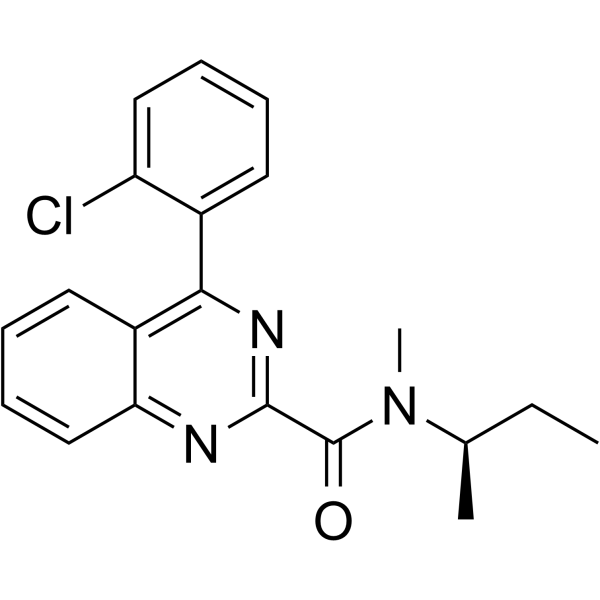
NIDA-41020 is a potent and selective cannabinoid receptor 1(CB1) antagonist with a Ki of 4.1 nM. NIDA-41020 was designed as a potential radioligand for use in positron emission tomography (PET) .
|
-
-
- HY-P1321A
-
|
1229U91 TFA; GW1229 TFA
|
Neuropeptide Y Receptor
|
Neurological Disease
|
|
GR231118 TFA, an analogue of the C-terminus of neuropeptide Y, is a potent , competitive and relative seletive antagonist at human neuropeptide YY receptor with a pKi of 10.4. GR231118 a potent agonist at the human neuropeptide YY4 receptor (pEC50=8.6; pKi=9.6) and a weak agonist at the human and rat neuropeptide Y Y2 and Y5 receptors. GR231118 also has high affinity for the mouse neuropeptide YY6 receptor (pKi= 8.8) .
|
-
-
- HY-110223
-
|
|
Adrenergic Receptor
|
Neurological Disease
|
|
Atomoxetine-d3 hydrochloride is the deuterium labeled Atomoxetine hydrochloride. Atomoxetine hydrochloride is a potent and selective noradrenalin re-uptake inhibitor (Ki values are 5, 77 and 1451 nM for inhibition of radioligand binding to human NET, SERT and DAT respectively) .
|
-
-
- HY-17385S
-
|
Tomoxetine-d5 hydrochloride; LY 139603-d5 ; (R)-Tomoxetine-d5 hydrochloride
|
Isotope-Labeled Compounds
Adrenergic Receptor
|
Neurological Disease
|
|
Atomoxetine-d5 (hydrochloride) is the deuterium labeled Atomoxetine hydrochloride. Atomoxetine hydrochloride is a potent and selective noradrenalin re-uptake inhibitor (Ki values are 5, 77 and 1451 nM for inhibition of radioligand binding to human NET, SERT and DAT respectively) .
|
-
-
- HY-118836
-
|
|
5-HT Receptor
|
Others
|
|
GSK215083 is a high affinity 5-HT6 receptor antagonist. GSK215083 can serves as a promising 5-HT6 radioligand candidate by radiolabeled with (11)C via methylation .
|
-
-
- HY-103139
-
|
|
5-HT Receptor
|
Metabolic Disease
|
|
Altanserin is a 5-hydroxytryptamine (5-HT2A ) selective radioligand. Altanserin delivers human serotonin. Altanserin can be used to study the biochemical and cellular mechanisms of vulnerability to extracellular 5-HT increase .
|
-
-
- HY-175372
-
|
|
Histamine Receptor
|
Neurological Disease
|
|
H3R antagonist 7 (compounds 4) is a histamine subtype 3 receptor (H3R) antagonist with a Ki of 3.15 nM. H3R antagonist 7 is a potential PET radioligand for the study of central nervous system (CNS) diseases .
|
-
-
- HY-W008226R
-
|
2,4,6-trihydroxyacetophenone (Standard); 1-(2,4,6-Trihydroxyphenyl)ethanone (Standard)
|
Reference Standards
Cytochrome P450
Bacterial
Antibiotic
|
Infection
Metabolic Disease
|
|
Oxprenolol (hydrochloride) (Standard) is the analytical standard of Oxprenolol (hydrochloride). This product is intended for research and analytical applications. Oxprenolol hydrochloride (Ba 39089) is an orally bioavailable β-adrenergic receptor (β-AR) antagonist with a Ki of 7.10 nM in a radioligand binding assay using rat heart muscle .
|
-
-
- HY-B1486R
-
|
Ba 39089 (Standard)
|
Reference Standards
Adrenergic Receptor
|
Cardiovascular Disease
|
|
Oxprenolol (hydrochloride) (Standard) is the analytical standard of Oxprenolol (hydrochloride). This product is intended for research and analytical applications. Oxprenolol hydrochloride (Ba 39089) is an orally bioavailable β-adrenergic receptor (β-AR) antagonist with a Ki of 7.10 nM in a radioligand binding assay using rat heart muscle .
|
-
-
- HY-14121R
-
|
|
Adenosine Receptor
|
Metabolic Disease
Inflammation/Immunology
|
|
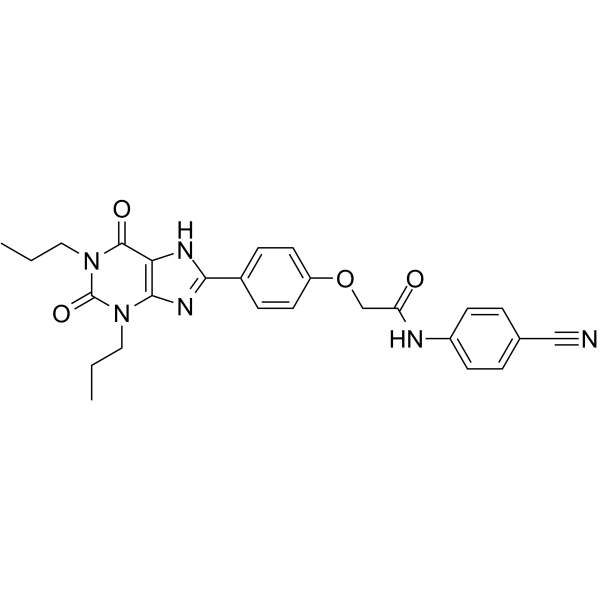
MRS 1754 (Standard) is the analytical standard of MRS 1754. This product is intended for research and analytical applications. MRS 1754 is a selective antagonist radioligand for A2B adenosine receptor with very low affinity for A1 and A3 receptors of both humans and rats .
|
-
- HY-107370AS
-
|
(Rac)-Tomoxetine d7 hydrochloride; (Rac)-LY 139603 d7
|
Serotonin Transporter
Sodium Channel
Isotope-Labeled Compounds
|
Neurological Disease
|
|
(Rac)-Atomoxetine-d7 (hydrochloride) is a deuterium labeled (Rac)-Atomoxetine hydrochloride. (Rac)-Atomoxetine hydrochloride is a racemic form of Atomoxetine hydrochloride. Atomoxetine hydrochloride is a potent and selective noradrenalin re-uptake inhibitor (Ki values are 5 nM, 77 nM and 1451 nM for inhibition of radioligand binding to human NET, SERT and DAT respectively) .
|
-
- HY-120792
-
|
|
mAChR
|
Others
|
|
DAU 5884 is a muscarinic receptor antagonist with activity that discriminates between different muscarinic receptor subtypes. DAU 5884 discriminates between M4 and M2 receptor sites and is a highly potent M1-selective antagonist with specific activity at different muscarinic receptors characterized by radioligand binding studies and functional assays.
|
-
- HY-147366
-
|
|
Lipocalin Family
|
Metabolic Disease
|
|
RBP4 ligand-1 is a non-retinoid ligands for (RBP4) retinol-binding protein 4. The hRBP4SPA IC50 and RBP4-TTR FRET IC50 values are 0.23±0.11 and 0.13±0.12 μM in the radioligand binding assay and FRET assay, respectively .
|
-
- HY-111189
-
|
|
GlyT
|
Neurological Disease
|
|
GSK931145 is a glycine transporter 1 (GlyT1) inhibitor with anti-epileptic activity. GSK931145 exhibits a low minimum effective dose in the maximum electrical stimulation threshold test, indicating that it has a significant anti-epileptic effect. GSK931145 is also suitable as a positron emission tomography (PET) radioligand for quantifying the availability of glycine transporters in the living brain .
|
-
- HY-N8295
-
|
Kitasamycin A13
|
Antibiotic
|
Infection
|
|
Leucomycin A13 is a macrolide antibiotic and a component of the leucomycin complex originally isolated from S. kitasatoensis. It is active against B. subtilis, S. aureus, M. luteus, and E. coli with MIC values of 0.16, 0.16, 0.08 and >10 μg/mL, respectively. It binds to ribosomes with an IC50 value of 1.2 μM in a radioligand binding assay.
|
-
- HY-D2343
-
|
|
Biochemical Assay Reagents
|
Neurological Disease
|
|
PB0822 can be used for in vivo PET imaging when labeled with [ 18F]fluoride. [ 18F]PB0822 is a PET radioligand. [ 18F]PB0822 has a cLogP value of 1.54, which is a good predictive index for BBB penetration. [ 18F]PB0822 can be used for Alzheimer’s Disease research .
|
-
- HY-126402
-
|
|
Integrin
|
Cancer
|
|
Arg-Gly-Asp (RGD) is a synthetic peptide corresponding to the cell adhesion sequence for the integrins αVβ1, αVβ3, αVβ5, αVβ6, αVβ8, α8β1, and α5β1. It is a component of radioligands and peptidomimetics that have been used in the study of integrin expression and activity in vivo.
|
-
- HY-119005A
-
-
- HY-10569R
-
|
ACT-128800 (Standard)
|
Reference Standards
LPL Receptor
|
Inflammation/Immunology
|
|
Ponesimod (Standard) is the analytical standard of Ponesimod. This product is intended for research and analytical applications. Ponesimod (ACT-128800) is a potent, selective and orally active agonist of S1P1, with an IC50 of 6 nM in a radioligand binding assay. Ponesimod activates S1P1-mediated signal transduction with high potency (EC50=5.7 nM). Ponesimod can protect against lymphocyte-mediated tissue inflammation .
|
-
- HY-W653969
-
|
|
Isotope-Labeled Compounds
Adrenergic Receptor
5-HT Receptor
|
Cardiovascular Disease
|
|
Arotinolol-d5 (hydrochloride) is deuterium labeled Arotinolol. Arotinolol is a nonselective α/β-adrenergic receptor blocker and a vasodilating β-blocker . Arotinolol also shows potency for inhibiting the binding of the radioligand 125I-ICYP to 5HT1B-serotonergic receptor sites. Arotinolol is an antihypertensive agent for the treatment of a variety of cardiovascular pathologies as well as non-cardiovascular diseases .
|
-
- HY-122537AR
-
|
|
Adrenergic Receptor
5-HT Receptor
Reference Standards
|
Cardiovascular Disease
|
|
Arotinolol (Standard) is the analytical standard of Arotinolol. This product is intended for research and analytical applications. Arotinolol is a nonselective α/β-adrenergic receptor blocker and a vasodilating β-blocker . Arotinolol also shows potency for inhibiting the binding of the radioligand 125I-ICYP to 5HT1B-serotonergic receptor sites . Arotinolol is an antihypertensive agent for the treatment of a variety of cardiovascular pathologies as well as non-cardiovascular diseases .
|
-
- HY-175505
-
|
|
Dopamine Receptor
|
Neurological Disease
|
|
Dopamine D3 receptor antagonist-3 is a D3 dopamine receptor (D3R)-selective positive allosteric modulator (PAM)-antagonist that can cross the blood-brain barrier. Dopamine D3 receptor antagonist-3 exhibits antagonist activity in the D3R-mediated β-arrestin recruitment assay with an IC50 and a Kd of 2.5 μM and 0.49 μM. amine D3 receptor antagonist-3 is also an antagonist in the D3R-mediated Go-BRET assay with an IC50 of 0.34 μM. Dopamine D3 receptor antagonist-3 can be used for the study of neuropsychiatric disorders, including substance use disorder .
|
-
- HY-10569S
-
|
ACT-128800-d4
|
Isotope-Labeled Compounds
LPL Receptor
|
Others
|
|
Ponesimod-d4 (ACT-128800-d4) is the deuterium labeled Ponesimod (HY-10569) . Ponesimod (ACT-128800) is a potent, selective and orally active agonist of S1P1, with an IC50 of 6 nM in a radioligand binding assay. Ponesimod activates S1P1-mediated signal transduction with high potency (EC50=5.7 nM). Ponesimod can protect against lymphocyte-mediated tissue inflammation .
|
-
- HY-10569S1
-
|
ACT-128800-d7
|
Isotope-Labeled Compounds
|
Others
|
|
Ponesimod-d7 (ACT-128800-d7) is the deuterium-labeled Ponesimod (HY-10569). Ponesimod-d7 (ACT-128800) is a potent, selective and orally active agonist of S1P1, with an IC50 of 6 nM in a radioligand binding assay. Ponesimod-d7 activates S1P1-mediated signal transduction with high potency (EC50=5.7 nM). Ponesimod-d7 can protect against lymphocyte-mediated tissue inflammation .
|
-
- HY-W205529
-
|
|
Fluorescent Dye
|
Neurological Disease
|
|
RO 16-6491 Free base is a selective, reversible inhibitor of monoamine oxidase type B (MAO-B), exhibiting high affinity and specificity for binding sites in human frontal cortex mitochondria and platelet membranes. RO 16-6491 demonstrates a fast dissociation of bound radioactivity at 20 degrees C, indicating its dynamic binding properties. RO 16-6491 also acts as a substrate for MAO-B, suggesting that its oxidation may produce a stable intermediate responsible for its potent inhibitory effects. RO 16-6491 serves as an excellent radioligand probe for investigating the regional tissue distribution of MAO-B in various physiological and pathological states.
|
-
- HY-103164A
-
|
CSC
|
Endogenous Metabolite
|
Neurological Disease
|
|
8-(3-Chlorostyryl)caffeine (CSC) is an adenosine antagonist with selective activity at the A2a adenosine receptor. 8-(3-Chlorostyryl)caffeine showed 520-fold selectivity in radioligand binding experiments in rat brain. Antagonism of adenylylase by 8-(3-Chlorostyryl)caffeine shows 22-fold selectivity in rat chromaffin cells When 8-(3-Chlorostyryl)caffeine is co-administered with the A1-selective antagonist CPX, It can also further increase exercise activity. 8-(3-Chlorostyryl)caffeine exhibits good MAO-B inhibitory activity in primate mitochondria. 8-(3-Chlorostyryl)caffeine also has excellent A2A receptor affinity .
|
-
- HY-12193
-
|
|
Histamine Receptor
|
Others
|
|
A-349821 is a histamine H3 receptor antagonist characterized as a radioligand ([3H]-A-349821) for in vivo receptor occupancy assessment. In rats, [3H]-A-349821 penetrated the brain, showing higher levels in the cortex compared to the cerebellum, indicating selective H3 receptor binding. Its cortical occupancy was saturable, correlating with in vitro binding data. Inhibition studies with ABT-239 and other H3 antagonists showed dose-dependent reductions in receptor occupancy, matching blood levels associated with cognitive efficacy in preclinical models. [3H]-A-349821 thus serves as a valid tracer for H3 receptor occupancy, aiding in the development and clinical interpretation of H3 receptor antagonists .
|
-
- HY-N8501
-
|
|
Bacterial
|
Infection
|
|
Emestrin is a mycotoxin originally isolated from E. striata that has antimicrobial, immunomodulatory, and cytotoxic activities. It is active against the fungi C. albicans and C. neoformans, as well as the bacteria E. coli, S. aureus, and methicillin-resistant S. aureus (MRSA; IC50s=3.94, 0.6, 2.21, 4.55, and 2.21 μg/mL, respectively).2 Emestrin is a chemokine (C-C motif) receptor 2 (CCR2) antagonist (IC50=5.4 μM in a radioligand binding assay using isolated human monocytes).3 Emestrin (0.1 μg/mL) induces apoptosis in HL-60 cells. It induces heart, thymus, and liver tissue necrosis in mice when administered at doses ranging from 18 to 30 mg/kg.
|
-
- HY-123382
-
|
|
Drug Isomer
|
Neurological Disease
Inflammation/Immunology
|
|
GSK-1482160 isomer is the isomer of GSK-1482160 (HY-19888). GSK-1482160 is an orally active and blood-brain barrier penetrant P2X7 receptor (P2X7R) negative allosteric modulator with pIC50s of 8.5 (human) and 6.5 (rat). GSK-1482160 reduces the efficacy of ATP at the P2X7 receptor without affecting its affinity, thereby inhibiting the release of IL-1β. GSK-1482160 is an effective radioligand and can be labeled with radioactive isotopes like 11C or 18F to image P2X7R. GSK-1482160 can be used for the studies of chronic joint pain and chronic constriction injury (CCI).
|
-
- HY-167898
-
|
|
Amyloid-β
|
Neurological Disease
|
|
MeS-IMPY is a ligand of β-amyloid plaques. MeS-IMPY shows a high binding affinity to β-amyloid plaques extracted from Alzheimer's disease (AD) human brains or AD brain homogenates compared to IMPY (Ki=7.93 and 8.95 nM, respectively). [ 11C]MeS-IMPY is a potential radioligand for imaging β-amyloid plaques with positron emission tomography (PET) .
|
-
- HY-180434
-
|
|
Bombesin Receptor
|
Cancer
|
|
GRPR antagonist-3 (compound (S)-1m) is a potent GRPR antagonist with an IC50 of 121 nM. GRPR antagonist-3 is stable in rat plasma and towards microsomal oxidative metabolism in vitro. GRPR antagonist-3 can be radiolabeled with fluorine-18 for PET imaging .
|
-
- HY-182941
-
|
|
EAAT
|
Neurological Disease
|
|
Parawixin10 (Compound 2) is an N-acylpolyamine. Parawixin10 fails to enhance glutamate uptake in radioligand uptake assays of EAAT1, EAAT2 or EAAT3. Parawixin10 exhibits no positive allosteric modulatory activity in radioligand uptake assays of EAAT1−EAAT3, nor can it improve neuronal survival rates in mice in a dose-dependent and statistically significant manner. Parawixin10 has no neuroprotective activity .
|
-
- HY-186093
-
|
|
Drug Intermediate
|
Others
|
|
(S,S)-Reboxetine-OH is a phenol compound. (S,S)-Reboxetine-OH can be used to synthesize norepinephrine transporter ligand .
|
-
- HY-P2139
-
|
|
Neurokinin Receptor
Phospholipase
|
Others
|
|
Ranakinin is a NK1R agonist. Ranakinin inhibits the binding of selective NK1 radioligands to NK1 receptors. Ranakinin activates phospholipase C (Phospholipase C), thereby enhancing polyphosphoinositide hydrolysis. Ranakinin stimulates inositol phosphate production and reduces membrane polyphosphoinositide levels. Ranakinin stimulates corticosterone and aldosterone secretion .
|
-
- HY-B1803
-
|
ICI 136753
|
GABA Receptor
|
Neurological Disease
|
|
Tracazolate (ICI 136753) is an orally active non-benzodiazepine anxiolytic. Tracazolate significantly enhances the binding of the radioligand 3H-flunitrazepam ( 3H-FLU) to brain tissue benzodiazepine receptors. Tracazolate enhances the binding of γ-aminobutyric acid (GABA) to its receptors. Tracazolate exhibits anticonvulsant activity. Tracazolate can be used in anxiety-related research .
|
-
- HY-P11602
-
|
|
FAP
|
Cancer
|
|
DOTA-C1-FAP-2286 is a cysteic acid-modified fibroblast activation protein (FAP)-targeting radioligand. DOTA-C1-FAP-2286 binds competitively to FAP with an IC50 of 127.64 nM. DOTA-C1-FAP-2286 is targeted accumulation in FAP-expressing cells and exhibits accelerated renal clearance. DOTA-C1-FAP-2286 can be used as a PET/CT tracer in cancer .
|
-
- HY-129481
-
|
|
5-HT Receptor
|
Neurological Disease
|
|
LY 178210 (Compound 24) is a selective partial agonist of the 5-HT1A receptor, with Ki values of 0.67 and 380 nM for the 5-HT1A and 5-HT1D receptors, respectively. LY 178210 has almost no activity against α₂-adrenergic receptors, 5-HT₂, and other neurotransmitter receptors. LY 178210 inhibits Foscolin-stimulated cyclase activity, but its maximum potency is lower than that of the full agonist 8-OH-DPAT (HY-112061). LY 178210 significantly reduces 5-hydroxyindoleacetic acid (5-HIAA) levels in the greater hypothalamus and increases serum corticosterone concentrations .
|
-
- HY-D3239
-
|
AF405; Alexa Fluor 405 succinimidyl ester
|
Fluorescent Dye
OAT
|
Others
|
|
AF405 NHS Ester (AF405) is a Fluorescent probe substrate, as well as a substrate for OATP1B1, OATP1B3 and OATP2B1 .
|
-
- HY-10898R
-
|
|
Reference Standards
Orexin Receptor (OX Receptor)
|
Neurological Disease
Endocrinology
|
|
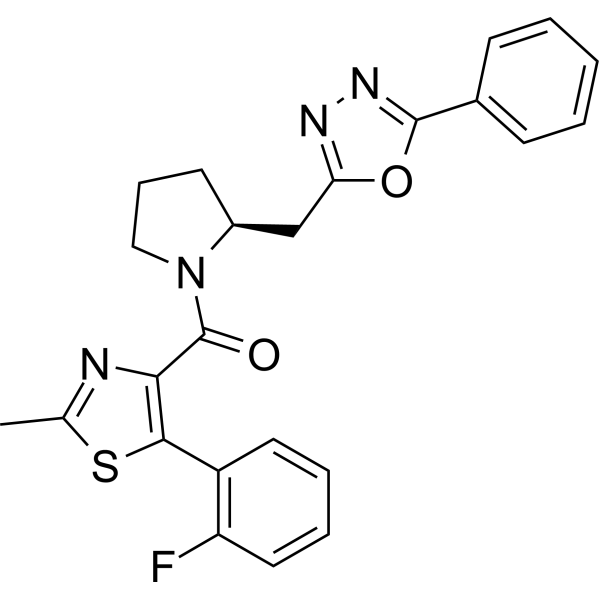
SB-674042 (Standard) is the analytical standard of SB-674042 (HY-10898). This product is intended for research and analytical applications. SB-674042 is a potent and selective non-peptide orexin OX1 receptor antagonist (Kd=5.03 nM), exhibits 100-fold selectivity for OX1 over OX2 receptors with IC50 values of 3.76 nM and 531 nM, respectively .
|
-
| Cat. No. |
Product Name |
Type |
-
- HY-D2343
-
|
|
Fluorescent Dyes
|
|
PB0822 can be used for in vivo PET imaging when labeled with [ 18F]fluoride. [ 18F]PB0822 is a PET radioligand. [ 18F]PB0822 has a cLogP value of 1.54, which is a good predictive index for BBB penetration. [ 18F]PB0822 can be used for Alzheimer’s Disease research .
|
-
- HY-D3239
-
|
AF405; Alexa Fluor 405 succinimidyl ester
|
Fluorescent Dyes
|
|
AF405 NHS Ester (AF405) is a Fluorescent probe substrate, as well as a substrate for OATP1B1, OATP1B3 and OATP2B1 .
|
| Cat. No. |
Product Name |
Target |
Research Area |
-
- HY-P1096
-
|
|
Cholecystokinin Receptor
|
Metabolic Disease
|
|
A71623, a CCK-4-based peptide, is a potent and highly selective CCK-A full agonist. The IC50s for A-71623 are 3.7 nM in guinea pig pancreas (CCK-A) and 4500 nM in cerebral cortex (CCK-B) in radioligand binding assays, respectively .
|
-
- HY-P10444
-
|
|
Radionuclide-Drug Conjugates (RDCs)
CXCR
|
Cancer
|
|
DOTA Conjugated JM#21 derivative 7 (compound Ligand-7) is a derivative of CXCR4 targeting peptide conjugated with DOTA and can be used to produce radioligands. Radiolabeled DOTA Conjugated JM#21 derivative 7, i.e., 177Lu-DOTA, has excellent CXCR4 tumor targeting. In vitro biodistribution results of 177Lu-DOTA showed very low uptake in all non-targeted organs except kidney . DOTA Conjugated JM#21 derivative 7 can be used for the synthesis/research of Radionuclide-Drug Conjugates (RDCs).
|
-
- HY-158266
-
|
LNC1003
|
Radionuclide-Drug Conjugates (RDCs)
PSMA
|
Cancer
|
|
DOTA-PSMA-EB-01 (Compound LNC1003) is a specific inhibitor of PSMA (IC50= 10.77 nM).DOTA-PSMA-EB-01 enhances the uptake and retention time of 177Lu in tumors . DOTA-PSMA-EB-01 can be used for the synthesis/research of Radionuclide-Drug Conjugates (RDCs).
|
-
- HY-P10220
-
|
|
Radionuclide-Drug Conjugates (RDCs)
TREM receptor
|
Cancer
|
|
NOTA-COG1410 forms triggering receptor expressed on myeloid cells 2 (TREM2) targeting ligand. NOTA-COG1410 is capable of being labelled with 68Gallium ( 68Ga) for discovery and diagnosis of digestive system tumors through positron emission tomography/computed tomography (PET/CT). NOTA-COG1410 can be used for the synthesis/research of Radionuclide-Drug Conjugates (RDCs) .
|
-
- HY-P1321
-
|
1229U91; GW1229
|
Neuropeptide Y Receptor
|
Neurological Disease
|
|
GR231118, an analogue of the C-terminus of neuropeptide Y, is a potent , competitive and relative seletive antagonist at human neuropeptide Y Y receptor with a pKi of 10.4. GR231118 a potent agonist at the human neuropeptide Y Y4 receptor (pEC50=8.6; pKi=9.6) and a weak agonist at the human and rat neuropeptide YY2 and Y5 receptors. GR231118 also has high affinity for the mouse neuropeptide Y Y6 receptor (pKi= 8.8) .
|
-
- HY-159771
-
|
|
FAP
|
Cancer
|
|
FAP6-19 is a fibroblast activation protein (FAP) targeting radioligand with a Kd of 18.2 nM. FAP6-19 selectively delivers therapeutic radioactive nuclides (such as 177Lu) to the tumor site by targeting the overexpressed FAP protein in the tumor microenvironment, achieving precise killing of cancer cells while minimizing radiation damage to healthy tissues. FAP6-19 exhibits extremely high total cellular uptake and good intracellular retention ability in HT1080 cells. After being labeled with 111In, FAP6-19 produced extremely high tumor/kidney and tumor/liver dose ratios in the mouse model with 4T1 tumors. FAP6-19 can be used in the research of solid tumors expressing FAP.
|
-
- HY-P1321A
-
|
1229U91 TFA; GW1229 TFA
|
Neuropeptide Y Receptor
|
Neurological Disease
|
|
GR231118 TFA, an analogue of the C-terminus of neuropeptide Y, is a potent , competitive and relative seletive antagonist at human neuropeptide YY receptor with a pKi of 10.4. GR231118 a potent agonist at the human neuropeptide YY4 receptor (pEC50=8.6; pKi=9.6) and a weak agonist at the human and rat neuropeptide Y Y2 and Y5 receptors. GR231118 also has high affinity for the mouse neuropeptide YY6 receptor (pKi= 8.8) .
|
-
- HY-P2139
-
|
|
Neurokinin Receptor
Phospholipase
|
Others
|
|
Ranakinin is a NK1R agonist. Ranakinin inhibits the binding of selective NK1 radioligands to NK1 receptors. Ranakinin activates phospholipase C (Phospholipase C), thereby enhancing polyphosphoinositide hydrolysis. Ranakinin stimulates inositol phosphate production and reduces membrane polyphosphoinositide levels. Ranakinin stimulates corticosterone and aldosterone secretion .
|
-
- HY-P11602
-
|
|
FAP
|
Cancer
|
|
DOTA-C1-FAP-2286 is a cysteic acid-modified fibroblast activation protein (FAP)-targeting radioligand. DOTA-C1-FAP-2286 binds competitively to FAP with an IC50 of 127.64 nM. DOTA-C1-FAP-2286 is targeted accumulation in FAP-expressing cells and exhibits accelerated renal clearance. DOTA-C1-FAP-2286 can be used as a PET/CT tracer in cancer .
|
| Cat. No. |
Product Name |
Category |
Target |
Chemical Structure |
-
- HY-W008226R
-
-
-
- HY-N8501
-
|
|
Structural Classification
Natural Products
Microorganisms
Source Classification
|
Bacterial
|
|
Emestrin is a mycotoxin originally isolated from E. striata that has antimicrobial, immunomodulatory, and cytotoxic activities. It is active against the fungi C. albicans and C. neoformans, as well as the bacteria E. coli, S. aureus, and methicillin-resistant S. aureus (MRSA; IC50s=3.94, 0.6, 2.21, 4.55, and 2.21 μg/mL, respectively).2 Emestrin is a chemokine (C-C motif) receptor 2 (CCR2) antagonist (IC50=5.4 μM in a radioligand binding assay using isolated human monocytes).3 Emestrin (0.1 μg/mL) induces apoptosis in HL-60 cells. It induces heart, thymus, and liver tissue necrosis in mice when administered at doses ranging from 18 to 30 mg/kg.
|
-
| Cat. No. |
Product Name |
Chemical Structure |
-
- HY-B1486AS
-
|
|
|
Oxprenolol-d7 is the deuterium labeled Oxprenolol. Oxprenolol (Ba 39089 free base) is an orally bioavailable β-adrenergic receptor (β-AR) antagonist with a Ki of 7.10 nM in a radioligand binding assay using rat heart muscle .
|
-
-
- HY-B1486S
-
|
|
|
Oxprenolol-d7 (hydrochloride) is the deuterium labeled Oxprenolol hydrochloride. Oxprenolol hydrochloride (Ba 39089) is an orally bioavailable β-adrenergic receptor (β-AR) antagonist with a Ki of 7.10 nM in a radioligand binding assay using rat heart muscle .
|
-
-
- HY-17385S
-
|
|
|
Atomoxetine-d5 (hydrochloride) is the deuterium labeled Atomoxetine hydrochloride. Atomoxetine hydrochloride is a potent and selective noradrenalin re-uptake inhibitor (Ki values are 5, 77 and 1451 nM for inhibition of radioligand binding to human NET, SERT and DAT respectively) .
|
-
-
- HY-107370AS
-
|
|
|
(Rac)-Atomoxetine-d7 (hydrochloride) is a deuterium labeled (Rac)-Atomoxetine hydrochloride. (Rac)-Atomoxetine hydrochloride is a racemic form of Atomoxetine hydrochloride. Atomoxetine hydrochloride is a potent and selective noradrenalin re-uptake inhibitor (Ki values are 5 nM, 77 nM and 1451 nM for inhibition of radioligand binding to human NET, SERT and DAT respectively) .
|
-
-
- HY-W653969
-
|
|
|
Arotinolol-d5 (hydrochloride) is deuterium labeled Arotinolol. Arotinolol is a nonselective α/β-adrenergic receptor blocker and a vasodilating β-blocker . Arotinolol also shows potency for inhibiting the binding of the radioligand 125I-ICYP to 5HT1B-serotonergic receptor sites. Arotinolol is an antihypertensive agent for the treatment of a variety of cardiovascular pathologies as well as non-cardiovascular diseases .
|
-
-
- HY-10569S
-
|
|
|
Ponesimod-d4 (ACT-128800-d4) is the deuterium labeled Ponesimod (HY-10569) . Ponesimod (ACT-128800) is a potent, selective and orally active agonist of S1P1, with an IC50 of 6 nM in a radioligand binding assay. Ponesimod activates S1P1-mediated signal transduction with high potency (EC50=5.7 nM). Ponesimod can protect against lymphocyte-mediated tissue inflammation .
|
-
-
- HY-10569S1
-
|
|
|
Ponesimod-d7 (ACT-128800-d7) is the deuterium-labeled Ponesimod (HY-10569). Ponesimod-d7 (ACT-128800) is a potent, selective and orally active agonist of S1P1, with an IC50 of 6 nM in a radioligand binding assay. Ponesimod-d7 activates S1P1-mediated signal transduction with high potency (EC50=5.7 nM). Ponesimod-d7 can protect against lymphocyte-mediated tissue inflammation .
|
-
Your information is safe with us. * Required Fields.
Inquiry Information
- Product Name:
- Cat. No.:
- Quantity:
- MCE Japan Authorized Agent:

