Search Result
Results for "
SH-SY5Y+cells
" in MedChemExpress (MCE) Product Catalog:
2
Isotope-Labeled Compounds
| Cat. No. |
Product Name |
Target |
Research Areas |
Chemical Structure |
-
- HY-N2332A
-
|
MLA citrate
|
nAChR
|
Neurological Disease
|
|
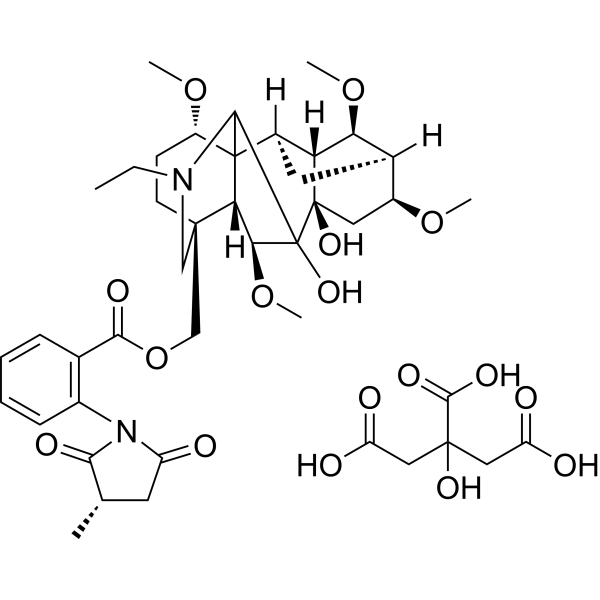
Methyllycaconitine (MLA) citrate is a potent, selective, CNS-penetrant, competitive α7nAChR antagonist. Methyllycaconitine citrate alleviates amyloid-β peptides-induced cytotoxicity in SH-SY5Y cells. Methyllycaconitine citrate prevents methamphetamine-induced effects in mouse striatum. Methyllycaconitine citrate can be used for neurological disease research, such as Alzheimer’s disease .
|
-
-
- HY-10974
-
|
|
γ-secretase
|
Neurological Disease
Cancer
|
|
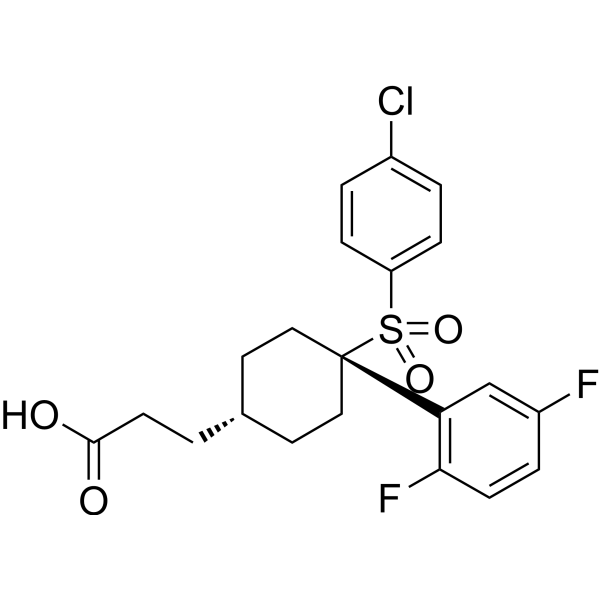
MK-0752 is a potent, orally active and specific γ-secretase inhibitor, showing dose-dependent reduction of Aβ40 with an IC50 of 5 nM in human SH-SY5Y cells. MK-0752 crosses the blood-brain barrier. MK-0752 reduces newly generated CNS Aβ in vivo .
|
-
-
- HY-N0076
-
|
(-)-Bilobalide
|
Apoptosis
Autophagy
Endogenous Metabolite
|
Neurological Disease
|
|
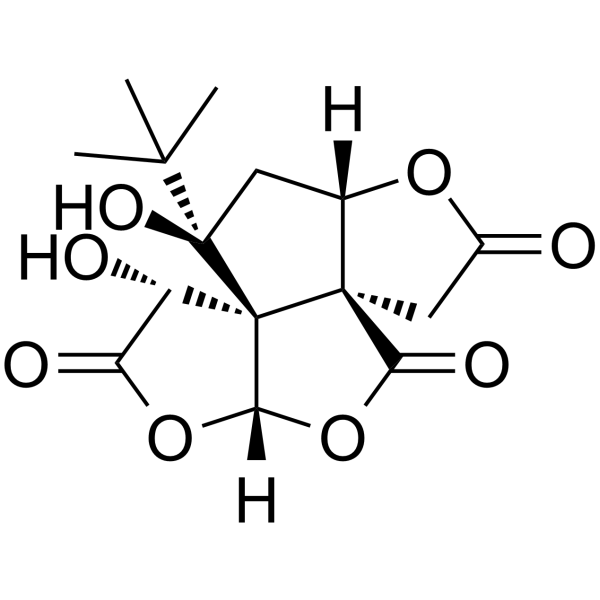
Bilobalide, a sesquiterpene trilactone constituent of Ginkgo biloba, inhibits the NMDA-induced efflux of choline with an IC50 value of 2.3 μM. Bilobalide prevents apoptosis through activation of the PI3K/Akt pathway in SH-SY5Y cells. Exerts protective and trophic effects on neurons .
|
-
-
- HY-13438
-
|
|
Beta-secretase
|
Neurological Disease
|
|
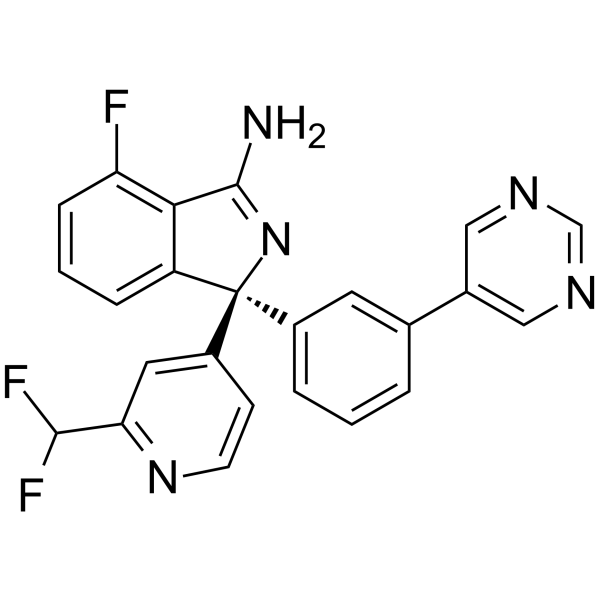
AZD3839 is an orally available, selective, reversible inhibitor of the β-site amyloid precursor protein cleaving enzyme BACE1 that can cross the blood-brain barrier. AZD3839 inhibits recombinant human BACE1 with a Ki=26.1 nM. AZD3839 inhibits A40 production in SH-SY5Y cells with an IC50 of 4.8 nM. AZD3839 binds to BACE1 and reduces the Aβ amyloid produced by the cleavage of amyloid precursor protein (APP) by BACE1 and γ-secretase. AZD3839 can be used in the field of Alzheimer's disease research .
|
-
-
- HY-W010201
-
|
(±)-Citronellol; (±)-β-Citronellol
|
Environmental Pollutants
Necroptosis
Autophagy
Fungal
Reactive Oxygen Species (ROS)
ERK
Atg8/LC3
TNF Receptor
Apoptosis
PI3K
p62
|
Cardiovascular Disease
Neurological Disease
Cancer
|
|
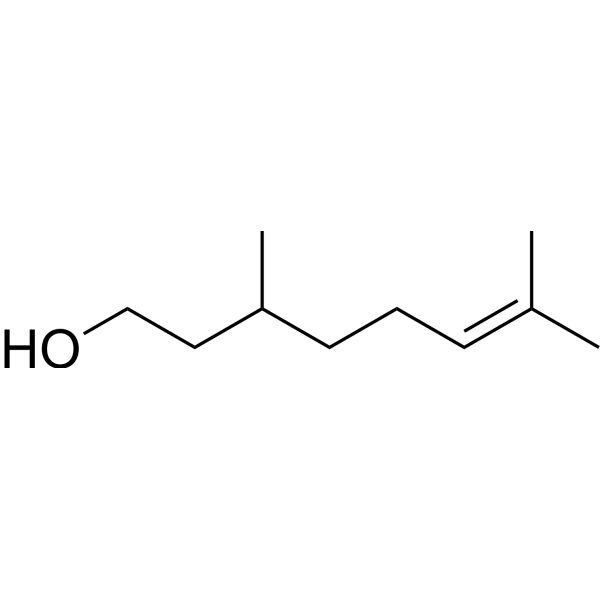
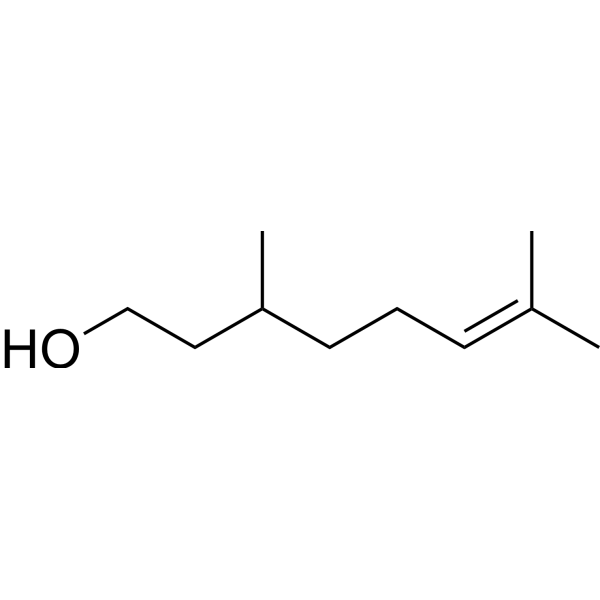
Citronellol ((±)-Citronellol) is an orally active inducer of apoptosis. Citronellol can prevent oxidative stress, mitochondrial dysfunction, and apoptosis in the SH-SY5Y cell Parkinson's disease model induced by 6-OHDA by regulating the ROS-NO, MAPK/ERK, and PI3K/Akt signaling pathways. Citronellol can induce necroptosis in human lung cancer cells through the TNF-α pathway and accumulation of ROS. Citronellol can reduce the levels of LC-3 and p62 to regulate the autophagy pathway, inhibit oxidative stress and neuroinflammation, and thus have neuroprotective effects on Parkinson's rats. Citronellol exhibits anti-fungal activity against Trichophyton rubrum by inhibiting ergosterol synthesis .
|
-
-
- HY-B0596
-
|
TA-0910
|
Thyroid Hormone Receptor
Apoptosis
|
Neurological Disease
Endocrinology
|
|
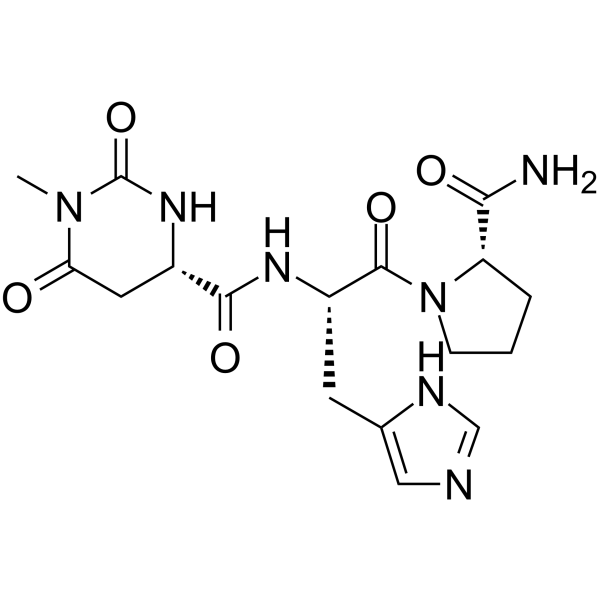
Taltirelin (TA-0910) is an orally effective analogue of thyrotropin releasing hormone (TRH) and a TRH receptor (TRH-R) superagonist (IC50 at 910 nM). Taltirelin can cross the blood-brain barrier. Taltirelin stimulates an increase in cytosolic Ca 2+ concentration (Ca 2+ release) with an EC50 value of 36 nM. Taltirelin increases cell viability and reduces apoptosis in SH-SY5Y cells and primary rat mesencephalic neurons treated with MPP+ (HY-W008719) or Rotenone (HY-B1756). Taltirelin has neuroprotective effects in both cellular and animal models of Parkinson's disease. Taltirelin alleviates fatigue-like behavior in mouse models of cancer-related fatigue .
|
-
-
- HY-14374
-
|
CAY10618
|
NAMPT
Autophagy
|
Inflammation/Immunology
Cancer
|
|
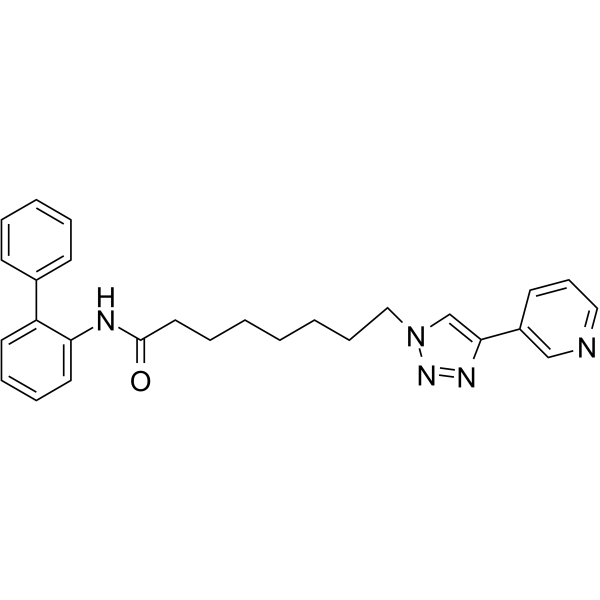
GPP78 (CAY10618) is a potent Nampt inhibitor with an IC50 of 3.0 nM for nicotinamide adenine dinucleotide (NAD) depletion. GPP78 is cytotoxic to neuroblastoma cell line SH-SY5Y cells with an IC50 of 3.8 nM by inducing autophagy. GPP78 has anti-cancer and anti-inflammatory effects .
|
-
-
- HY-163987
-
|
|
Sirtuin
|
Neurological Disease
|
|
SIRT3 activator 2 (compound 2a) is a SIRT3 activator. SIRT3 activator 2 improved the thermal stability of SIRT3 in SH-SY5Y cells, indicating that it can directly bind to SIRT3, has SIRT3 dependency in SH-SY5Y to clear α-Syn. SIRT3 activator 2 improves motor function in Parkinson mice, preventing Parkinson (DA) neuron loss in the substantia nigra in a dose-dependent manner .
|
-

-
- HY-B0596A
-
|
TA-0910 acetate
|
Thyroid Hormone Receptor
Apoptosis
|
Neurological Disease
Endocrinology
|
|
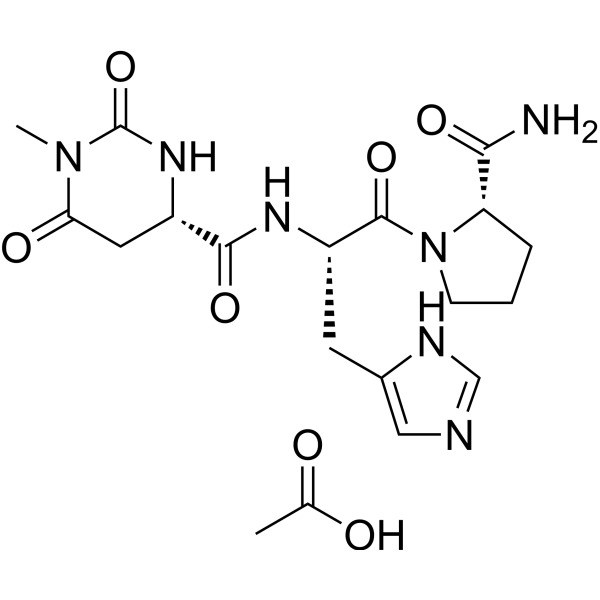
Taltirelin acetate (TA-0910) is an acetate form of Taltirelin (TA-0910). Taltirelin (TA-0910) is an orally effective analogue of thyrotropin releasing hormone (TRH) and a TRH receptor (TRH-R) superagonist (IC50 at 910 nM). Taltirelin can cross the blood-brain barrier. Taltirelin stimulates an increase in cytosolic Ca 2+ concentration (Ca 2+ release) with an EC50 value of 36 nM. Taltirelin increases cell viability and reduces apoptosis in SH-SY5Y cells and primary rat mesencephalic neurons treated with MPP+ (HY-W008719) or Rotenone (HY-B1756). Taltirelin has neuroprotective effects in both cellular and animal models of Parkinson's disease. Taltirelin alleviates fatigue-like behavior in mouse models of cancer-related fatigue .
|
-
-
- HY-N0076R
-
|
(-)-Bilobalide (Standard)
|
Reference Standards
Apoptosis
Autophagy
Endogenous Metabolite
|
Neurological Disease
|
|
Bilobalide (Standard) is the analytical standard of Bilobalide. This product is intended for research and analytical applications. Bilobalide, a sesquiterpene trilactone constituent of Ginkgo biloba, inhibits the NMDA-induced efflux of choline with an IC50 value of 2.3 μM. Bilobalide prevents apoptosis through activation of the PI3K/Akt pathway in SH-SY5Y cells. Exerts protective and trophic effects on neurons .
|
-

-
- HY-P5894
-
|
Galanin-like peptide (3-32)
|
Neuropeptide Y Receptor
|
Neurological Disease
|
|
human GALP (3-32) (Galanin-like peptide (3-32)) is a potent galanin receptor agonist with high affinity for both GalR1 (IC50=33 nM) and GalR2 (IC50=15 nM) in a competitive binding study. human GALP (3-32) exhibits the high potency in altering the extracellular acidification rate of SH-SY5Y cells transfected with GalR2 (EC50=360 nM) .
|
-

-
- HY-W010201R
-
|
(±)-Citronellol (Standard); (±)-β-Citronellol (Standard)
|
Reactive Oxygen Species (ROS)
Reference Standards
ERK
PI3K
TNF Receptor
Atg8/LC3
p62
Apoptosis
Necroptosis
Autophagy
Fungal
|
Cardiovascular Disease
Neurological Disease
Cancer
|
|
Citronellol (Standard) is the analytical standard of Citronellol. Citronellol (Standard) is an orally active inducer of apoptosis. Citronellol (Standard) can prevent oxidative stress, mitochondrial dysfunction, and apoptosis in the SH-SY5Y cell Parkinson's disease model induced by 6-OHDA by regulating the ROS-NO, MAPK/ERK, and PI3K/Akt signaling pathways. Citronellol (Standard) can induce necroptosis in human lung cancer cells through the TNF-α pathway and accumulation of ROS. Citronellol (Standard) can reduce the levels of LC-3 and p62 to regulate the autophagy pathway, inhibit oxidative stress and neuroinflammation, and thus have neuroprotective effects on Parkinson's rats. Citronellol (Standard) exhibits anti-fungal activity against Trichophyton rubrum by inhibiting ergosterol synthesis .
|
-
-
- HY-W628136
-
|
|
Monoamine Oxidase
|
Neurological Disease
|
|
MAO-B-IN-47 is a selective monoamine oxidase B (MAO-B) inhibitor with a Ki of 875 nM. MAO-B-IN-47 shows an IC50 >100 μM for SH-SY5Y cells. MAO-B-IN-47 shows neuroprotective effect in 6-OHDA-treated SH-SY5Y cells. MAO-B-IN-47 can be used for the research of neurological disease, such as Parkinson’s disease (PD) .
|
-

-
- HY-141713
-
|
|
TRP Channel
|
Neurological Disease
Inflammation/Immunology
|
|
ZA10 is a selective TRPM2 channel inhibitor, with an IC50 value of 8.1 μM. ZA10 can effectively suppress intracellular Ca 2+ overload triggered by TRPM2 channel activation. ZA10 significantly reduce the mortality of SH-SY5Y cells induced by H2O2. ZA10 can be used for the study of ischemia-reperfusion injury, inflammation, or other neurodegenerative diseases .
|
-

-
- HY-141712
-
|
|
TRP Channel
|
Neurological Disease
Inflammation/Immunology
|
|
ZA18 is a selective TRPM2 channel inhibitor, with an IC50 value of 6.2 μM. ZA18 can effectively suppress intracellular Ca 2+ overload triggered by TRPM2 channel activation. ZA18 significantly reduce the mortality of SH-SY5Y cells induced by H2O2. ZA18 can be used for the study of ischemia-reperfusion injury, inflammation, or other neurodegenerative diseases .
|
-

-
- HY-112371
-
|
|
CDK
|
Cancer
|
|
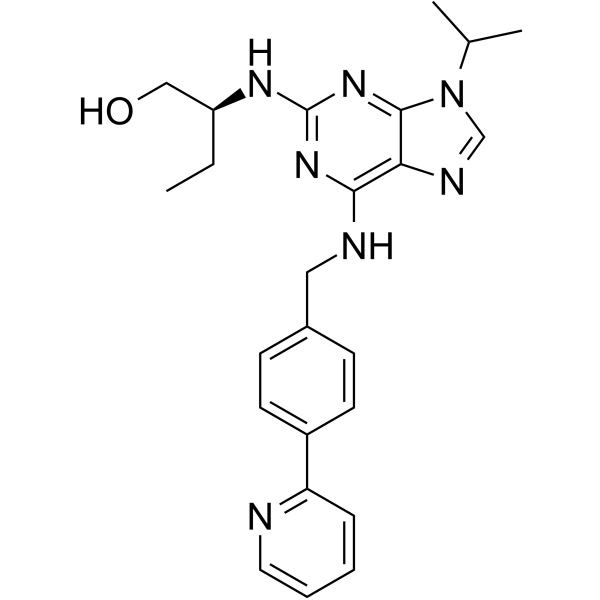
(S)-CR8 is the S-isomer of CR8. (S)-CR8 is a potent and selective CDK inhibitor with IC50s of 0.060, 0.080, 0.11, 0.12, and 0.15 μM for CDK2/cyclin E, CDK2/cyclin A, CDK9/cyclin T, CDK5/p25, and CDK1/cyclin B, respectively. (S)-CR8 reduces SH-SY5Y cells survival (IC50 0.40 μM) .
|
-
-
- HY-136903
-
|
|
Calcium Channel
Proteasome
Reactive Oxygen Species (ROS)
|
Cardiovascular Disease
Neurological Disease
Inflammation/Immunology
|
|
SNJ-1945 is an orally active Calpain inhibitor that can cross the blood-brain barrier. SNJ-1945 protects rat hearts against cardiac arrest-reperfusion injury by inhibiting the hydrolysis of α-fodrin. SNJ-1945 inhibits VEGF-induced angiogenesis in retinal endothelial cells. SNJ-1945 also protects SH-SY5Y cells from damage induced by MPP+ (HY-W008719) and Rotenone (HY-B1756). SNJ-1945 exhibits anti-inflammatory and neuroprotective activities in a mouse model of multiple sclerosis. SNJ-1945 can be used for the research of cardiovascular, nervous system and inflammatory diseases .
|
-

-
- HY-13906
-
|
(+)-Largazole
|
HDAC
|
Neurological Disease
Cancer
|
|
Largazole ((+)-Largazole) is a potent, selective, orally active and brain-penetrant class I HDAC inhibitor found in marine cyanobacteria. Largazole shows an IC50 of 0.07 nM for HDAC2. Largazole releases its active form Largazole thiol (HY-170890) after hydrolysis. Largazole has a strong inhibitory effect on SF-268, SF-295 and SH-SY5Y cells, with IC50 values of 62, 68 and 102 nM respectively Largazole can upregulate the tumor suppressor gene Pax6 to inhibit the proliferation, invasion and colony formation of glioblastoma cells. Largazole can significantly upregulated brain-derived neurotrophic factor BDNF, neuronal transcription factor Pax6, and μ-opioid receptor gene Oprm1. Largazole exerts antitumor and neuroprotective effects. Largazole can be used for researches of Glioblastoma and Alzheimer’s disease .
|
-

-
- HY-N16649
-
|
|
Others
|
Neurological Disease
|
|
Clausenalansine B (Compound 2) is a carbazole alkaloid found in the fruits of Clausena lansium. Clausenalansine B exhibits potent neuroprotective effects. Clausenalansine B prevents SH-SY5Y cells death from 6-OHDA (HY-B1081A) with an EC50 of 5.82 μM. Clausenalansine B can be used for the research of neurological disease, such as Parkinson’s disease .
|
-

-
- HY-N13232
-
|
|
Amyloid-β
|
Neurological Disease
|
|
Grape Skin Extract is a grape skin extract, and its ingredients include: Polyphenols. Grape Skin Extract has neuroprotective effects and can improve Aβ-induced cytotoxicity to SH-SY5Y cells. Grape Skin Extract can increase the proliferation and memory of neurogenic areas, but reduce the oxidative stress associated with proinflammatory cytokines during aging, thereby protecting neurons. .
|
-

-
- HY-137370
-
|
HENECA; 2-Hexynyl-NECA
|
Adenosine Receptor
Amyloid-β
|
Neurological Disease
|
|
2-Hexynyl-5′-N-ethylcarboxamidoadenosine (HENECA) is a selective A2A adenosine receptor agonist. 2-Hexynyl-5′-N-ethylcarboxamidoadenosine increases intracellular cAMP level, and inhibits TNFα-evoked MMP-3 release. 2-Hexynyl-5′-N-ethylcarboxamidoadenosine induces Aβ42 production in SH-SY5Y cells .
|
-

-
- HY-120917
-
|
ML320
|
GSK-3
β-catenin
|
Cardiovascular Disease
Neurological Disease
Cancer
|
|
BRD1172 (ML320) is a selectivity GSK3β inhibitor with an IC50 of 24 nM for GSK3β over CDK5. BRD1172 significantly inhibits GSK3β-mediated Tau phosphorylation in SH-SY5Y cells, and relieves negative regulation by GSK3β on β-catenin degradation and TCF/LEF promoter activities. BRD1172 can be used for Alzheimer’s disease, cardiac hypertrophy and cancers research .
|
-

-
- HY-146691
-
|
|
Monoamine Oxidase
|
Neurological Disease
|
|
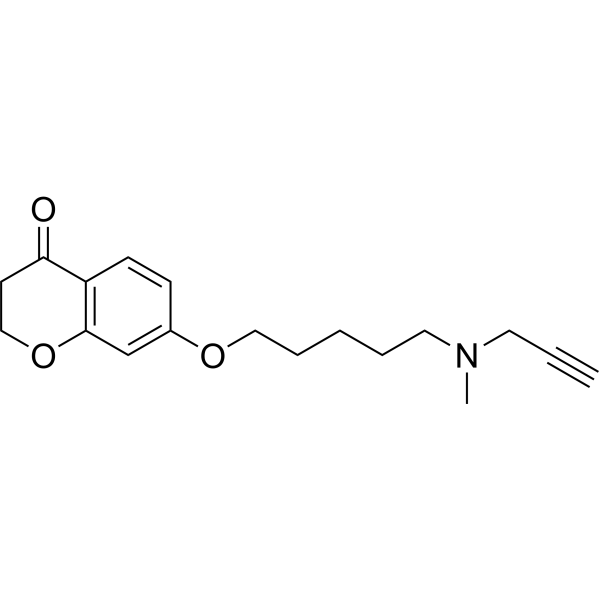
hMAO-B-IN-2 (compound 6j) is an orally active, potent, selective and BBB penetrated and competitive reversible hMAO-B inhibitor, with an IC50 of 4 nM. hMAO-B-IN-2 shows low toxicity and good neuroprotective effects in SH-SY5Y cell. hMAO-B-IN-2 can be used for alzheimer’s disease research . hMAO-B-IN-2 is a click chemistry reagent, itcontains an Alkyne group and can undergo copper-catalyzed azide-alkyne cycloaddition (CuAAc) with molecules containing Azide groups.
|
-
-
- HY-13438A
-
|
|
Beta-secretase
|
Cancer
|
|
AZD3839 fumarate is an orally available, selective, reversible inhibitor of the β-site amyloid precursor protein cleaving enzyme BACE1 that can cross the blood-brain barrier. AZD3839 fumarate inhibits recombinant human BACE1 with a Ki=26.1 nM. AZD3839 fumarate inhibits A40 production in SH-SY5Y cells with an IC50 of 4.8 nM. AZD3839 fumarate binds to BACE1 and reduces the Aβ amyloid produced by the cleavage of amyloid precursor protein (APP) by BACE1 and γ-secretase. AZD3839 fumarate can be used in the field of Alzheimer's disease research .
|
-

-
- HY-147547
-
|
|
Amyloid-β
|
Neurological Disease
|
|
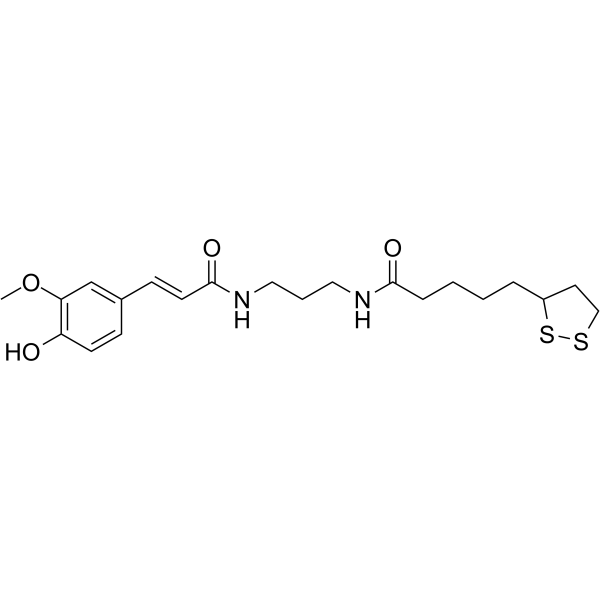
SV5 is a potent anti-Alzheimer agent. SV5 can significantly protect SHSY-5Y cells against Aβ1-42-induced death. SV5 shows moderate antioxidant and good neuroprotective activities. SV5 shows the high stability in human plasma and the best pharmacological profile .
|
-
-
- HY-W207699
-
|
|
Monoamine Oxidase
Amylases
|
Neurological Disease
Metabolic Disease
Inflammation/Immunology
|
|
MAO-B-IN-46 (Compound 16) is a selective hMAO-B inhibitor (IC50: 26.8 nM), with weak activity against hMAO-A (IC50: 7.2054 μM). MAO-B-IN-46 (Compound 8) also acts as an α-amylase inhibitor (IC50: 19.46 μM). MAO-B-IN-46 exhibits certain neuroprotective effects and shows no significant toxicity to human gingival fibroblasts and SH-SY5Y cells. Additionally, MAO-B-IN-46 can scavenge DPPH and ABTS free radicals, with IC50 values of 17.86 μM and 17.71 μM, respectively. MAO-B-IN-46 can be used in the research of neurodegenerative diseases such as Parkinson's disease, diabetes, and diseases related to oxidative stress resistance .
|
-

-
- HY-159949
-
-

-
- HY-162581
-
-

-
- HY-162340
-
|
|
Cholinesterase (ChE)
|
Neurological Disease
|
|
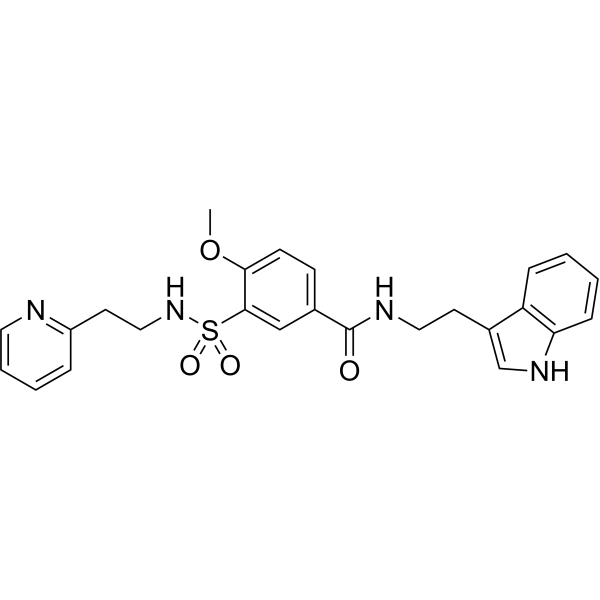
Z32439948 is a butyrylcholinesterase (BChE) inhibitor (IC50: 1.4 μM, hBChE) and is a derivative of m-sulfamoylbenzamide. Z32439948 also exhibited neuroprotective effects against glutamate in SH-SY5Y cells .
|
-
-
- HY-129449
-
-
-
- HY-N5045
-
|
|
Others
|
Inflammation/Immunology
|
|
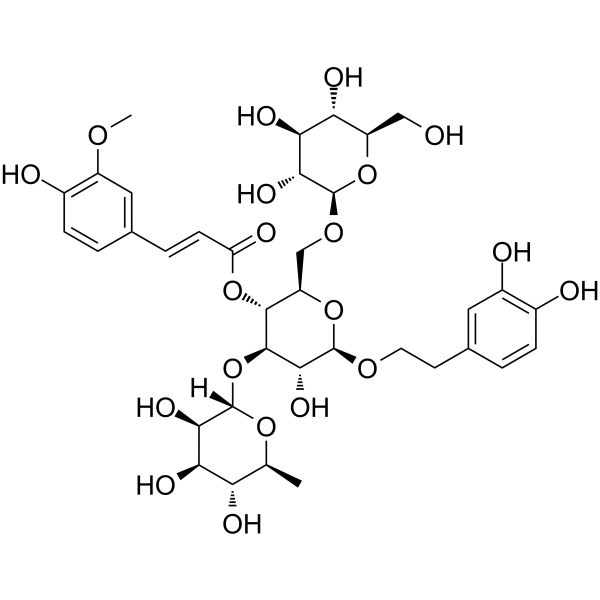
Jionoside A1 isolated from Radix Rehmanniae Praeparata displays dose dependent immune-enhancement activity and possesses moderate protective activities on H2O2-treated SH-SY5Y cells .
|
-
-
- HY-145243
-
|
|
Apoptosis
|
Others
|
|
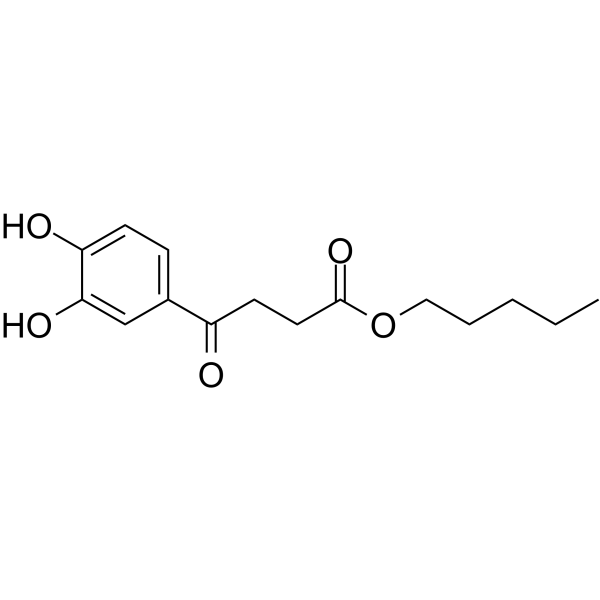
PDPOB is a phenyl carboxylic acid derivative. PDPOB displays protective roles against OGD/R-evoked multiaspect neuronal deterioration in SH-SY5Y cells, as evidenced by alleviated mitochondrial dysfunction, oxidative stress, and apoptosis. PDPOB has the potential for the research of cerebral ischemia .
|
-
-
- HY-162756
-
|
|
Casein Kinase
|
Neurological Disease
|
|
CK1-IN-4 (Compound 59) is an inhibitor for casein kinase CK1δ with IC50 of 2.74 μM. CK1-IN-4 exhibits neuroprotective effect in Ethacrynic acid (HY-B1640)-treated SH-SY5Y cells .
|
-

-
- HY-161156
-
|
|
Cholinesterase (ChE)
|
Neurological Disease
Cancer
|
|
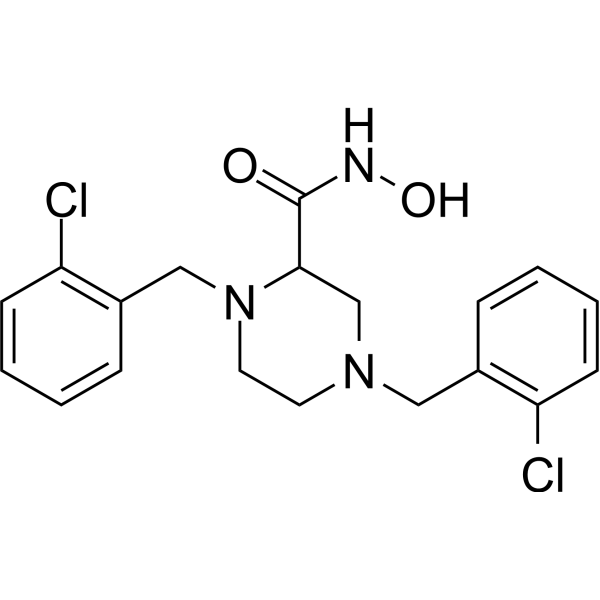
BChE-IN-26 (Compound 7b) is a selective AChE and BChE inhibitor with Ki value of 35 μM and 1.6 μM. BChE-IN-26 has cytotoxicity to human neuroblastoma (SH-SY5Y) cell line. BChE-IN-26 can be used for the research of Alzheimer’s disease .
|
-
-
- HY-18112
-
|
|
Beta-secretase
|
Neurological Disease
|
|
AZ-4217 is an inhibitor for β-site amyloid precursor protein cleavage enzyme 1 (BACE1), with IC50 of 160 pM in human SH-SY5Y cells. AZ-4217 reduces amyloid deposition in Tg2576 mouse models, and is used for Alzheimer’s Disease research .
|
-

-
- HY-155466
-
|
|
Dopamine Receptor
|
Neurological Disease
|
|
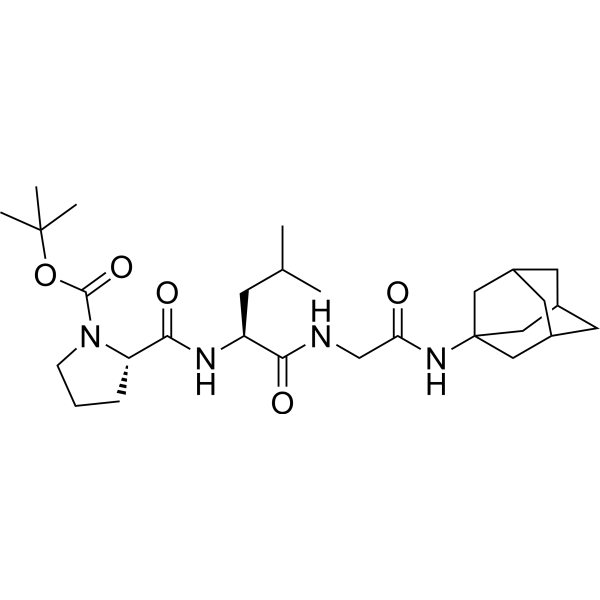
Boc-MIF-1-Am (compound 2) is a human dopamine D2 receptor enhancer (EC50=17.82 nM) and is a bioconjugate of melanostatin (MIF-1) and amantadine. Boc-MIF-1-Am (200 μM) exhibited mild neurotoxicity in SH-SY5Y cells .
|
-
-
- HY-147938
-
|
|
Cholinesterase (ChE)
Amyloid-β
|
Neurological Disease
|
|
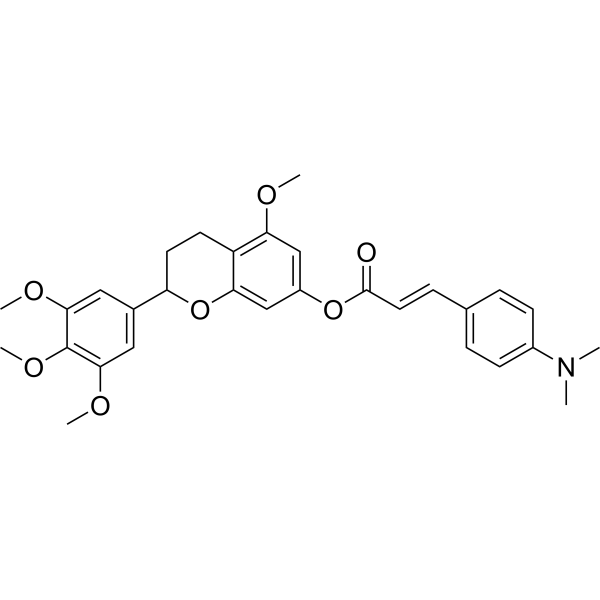
AChE-IN-19 (compound A15) is a highly potent AChE inhibitor with an IC50 value of 0.56 μM, also inhibits Aβ aggregation. AChE-IN-19 has potent neuroprotective activities and nearly no toxicity on SH-SY5Y cells. AChE-IN-19 can be used for researching Alzheimer's disease .
|
-
-
- HY-10975
-
|
|
γ-secretase
|
Neurological Disease
Cancer
|
|
MK-0752 sodium is a potent, orally active and specific γ-secretase inhibitor, showing dose-dependent reduction of Aβ40 with an IC50 of 5 nM in human SH-SY5Y cells. MK-0752 sodium crosses the blood-brain barrier. MK-0752 sodium reduces newly generated CNS Aβ in vivo .
|
-

-
- HY-163189
-
|
|
Bcr-Abl
|
Neurological Disease
|
|
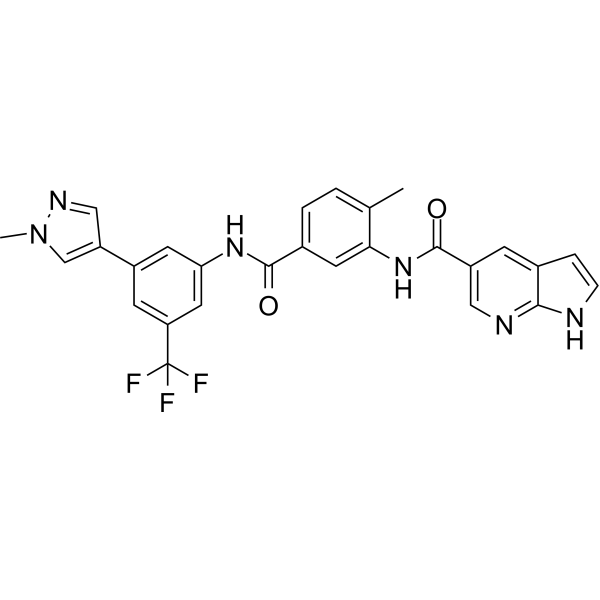
c-ABL-IN-6 (compound A6) is a c-ABL inhibitor with IC50 value of 16.6 nM. c-ABL-IN-6 displays higher neuroprotective effects against SH-SY5Y cell death induced by MPP + (HY-W008719). c-ABL-IN-6 can be used for the research of neurodegenerative disorder .
|
-
-
- HY-W743769
-
|
3'-Dehydrolutein; Philosamiaxanthin
|
Endogenous Metabolite
Reactive Oxygen Species (ROS)
|
Inflammation/Immunology
|
|
3′-Oxolutein, a metabolite of dietary lutein, is an anti-inflammatory agent and antioxidant, 3′-Oxolutein mitigates the effects of glutamate-induced ROS production and proinflammatory cytokine secretions in SH-SY5Y cells. 3'-Oxolutein reduces glutamate-induced iron content and increases thiol levels. 3′-Oxolutein can be used for the study of inflammation .
|
-

-
- HY-146139
-
|
|
Amyloid-β
|
Neurological Disease
|
|
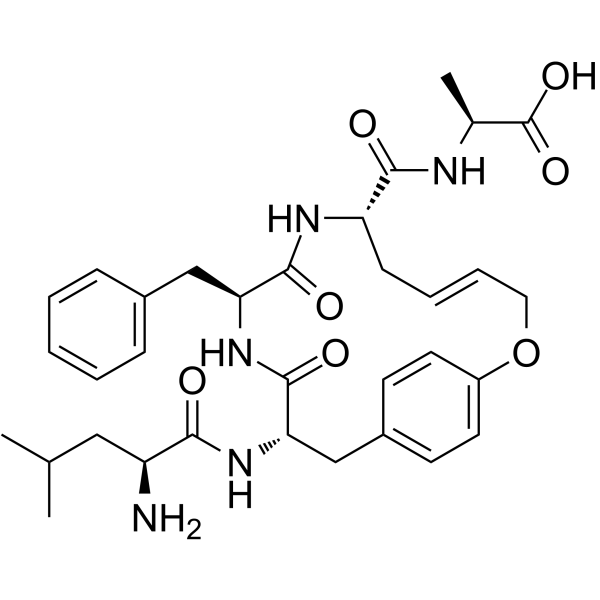
Aβ-IN-3 (compound 1) is a potent amyloid β (Aβ) inhibitor. Aβ-IN-3 inhibits Aβ42 aggregation. However, Aβ-IN-3 can not alleviate the neurotoxicity of Aβ42 in SH-SY5Y cells. Aβ-IN-3 can not change the aggregation state of Aβ42 into a nontoxic one .
|
-
-
- HY-172678
-
|
|
5-HT Receptor
mTOR
Autophagy
|
Neurological Disease
|
|
PUC-10 is a 5-HT6 receptor antagonist with a Ki of 14.6 nM and an IC50 of 32 nM. In silico predictions suggest that PUC-10 is orally active and can cross the blood-brain barrier. PUC-10 can induce autophagy in SH-SY5Y cells by inhibiting the mTOR pathway. PUC-10 can be used in the research of neurological disorders .
|
-

-
- HY-146140
-
|
|
Amyloid-β
|
Neurological Disease
|
|
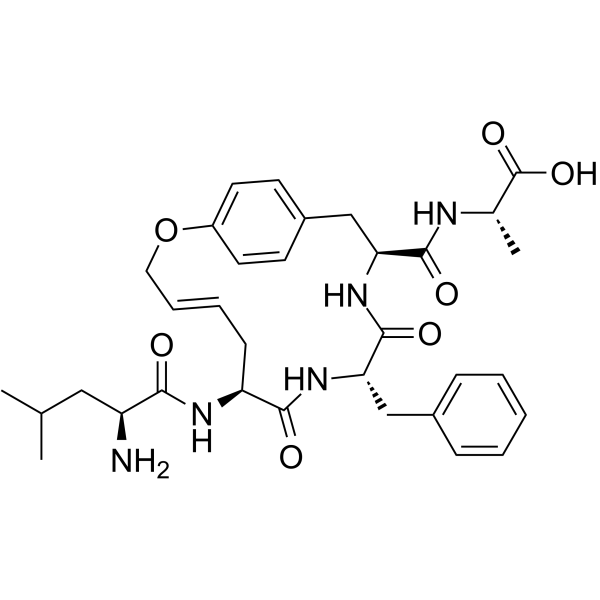
Aβ-IN-4 (compound 12) is a potent amyloid β (Aβ) inhibitor. Aβ-IN-4 inhibits Aβ42 aggregation. However, Aβ-IN-4 can not alleviate the neurotoxicity of Aβ42 in SH-SY5Y cells. Aβ-IN-4 can not change the aggregation state of Aβ42 into a nontoxic one .
|
-
-
- HY-176775
-
|
|
Oxidative Phosphorylation
Mitochondrial Metabolism
Apoptosis
|
Neurological Disease
|
|
TPP-IOA is a cytochrome c peroxidase inhibitor. TPP-IOA inhibits apoptosis by preventing cardiolipin oxidation and cytochrome c release to the cytosol. TPP-IOA disrupts oxidative phosphorylation in isolated mitochondria. TPP-IOA inhibits cell death in SH-SY5Y cells grown in glucose, but not galactose. TPP-IOA causes mitochondrial depolarization and network fragmentation. TPP-lOA mitigates radiation induced death in mice .
|
-

-
- HY-156348
-
|
|
Monoamine Oxidase
Autophagy
Apoptosis
Cholinesterase (ChE)
|
Neurological Disease
|
|
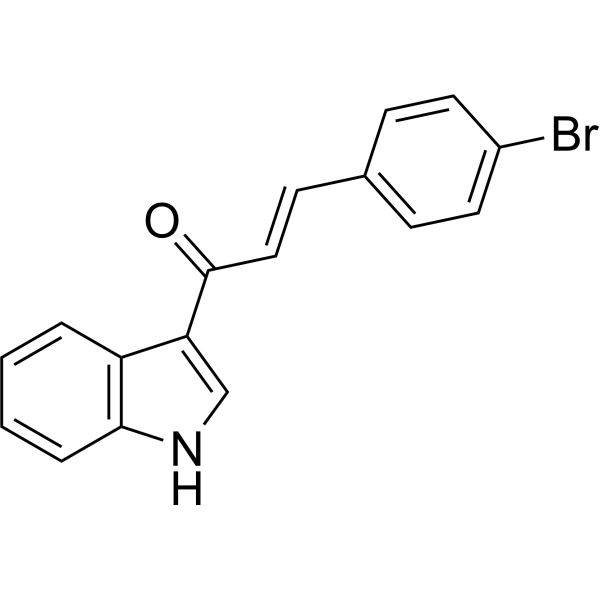
MAO-B-IN-26 (Compound IC9) is a MAO-B and acetylcholinesterase inhibitor. MAO-B-IN-26 protects SH?SY5Y cells against Aβ induced cytotoxicity, morphological changes, ROS generation and membrane damage. MAO-B-IN-26 also inhibits Aβ induced autophagy and apoptosis. MAO-B-IN-26 can be used as a neuroprotective agent against Alzheimer’s disease .
|
-
-
- HY-162860
-
|
|
mGluR
CaMK
Tau Protein
|
Neurological Disease
|
FO-4-15 is an mGluR1/CaMKIIα activator. FO-4-15 has a protective effect against H2O2 in human neuroblastoma (SH-SY5Y) cells. FO-4-15 can improve cognitive impairment in Alzheimer’s disease mice by activating the mGluR1/CaMKIIα pathway, and can reduce Aβ accumulation, hyperphosphorylated Tau, and synaptic damage .
|
-

-
- HY-168301
-
|
|
Cholinesterase (ChE)
Amyloid-β
|
Neurological Disease
|
|
CL-13 is a butyrylcholinesterase (BChE) inhibitor, with an IC50 of 1.15 μM, and a selectivity index (SI) of 9.2 for acetylcholinesterase. CL-13 shows antioxidant activity in SH-SY5Y cells (DPPH EC50 = 47.01 μM) and has the ability to chelate metals involved in Aβ aggregation and/or oxidative stress, showing no neurotoxicity at 50 μM. CL-13 can reverse cognitive impairment caused by scopolamine (HY-N0296) without affecting the mice's motor skills .
|
-

-
- HY-147939
-
|
|
Cholinesterase (ChE)
Amyloid-β
|
Cancer
|
|
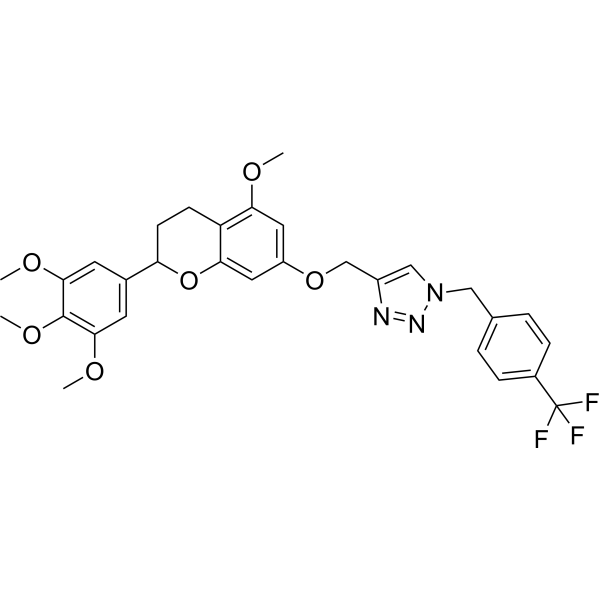
AChE/BuChE-IN-3 is a potent and blood-brain barrier (BBB) penetrant AChE and BuChE dual inhibitor with IC50s of 0.65 μM and 5.77 μM for AChE and BuChE. AChE/BuChE-IN-3 also inhibits Aβ1-42 aggregation. AChE/BuChE-IN-3 has effectively neuroprotective activities and nearly no toxicity on SH-SY5Y cells. AChE/BuChE-IN-3 can be used for researching Alzheimer's disease .
|
-
-
- HY-170925
-
|
|
Cholinesterase (ChE)
Apoptosis
|
Neurological Disease
|
|
AChE-IN-81 (compound 22) is a potent, irreversible and selective AChE inhibitor. AChE-IN-81 inhibits activity on AChE with inhibitory rates of 80.0%, with an IC50 of 3.7 μM. AChE-IN-81 binds to AChE with a binding affinity (Kd) of 5.37 μM. AChE-IN-81 effectively reduces in zebrafish brain cells. AChE-IN-81 exhibits potential neuroprotective activities on H2O2-induced SH-SY5Y cell injury model .
|
-

-
- HY-173221
-
|
|
NF-κB
p38 MAPK
Reactive Oxygen Species (ROS)
|
Neurological Disease
|
|
MJ210 is a modulator of the NF-κB and MAPK pathways with oral activity and the ability to penetrate the blood-brain barrier, and it exhibits neuroprotective activity. In vitro, 5 μM of MJ210 can increase the survival rate of SH-SY5Y cells treated with Rotenone (HY-B1756) to 81.9% and reduce the level of ROS, etc. In vivo, 5 mg/kg of MJ210 can improve the motor impairment in a rat model of Parkinson's disease. MJ210 can be used in the research of neurological diseases, such as Parkinson's disease .
|
-

- HY-159492
-
|
|
5-HT Receptor
|
Neurological Disease
|
|
5-HT7 receptor ligand 2 (compound 32) is an arylpiperazinehydrazine ligand for 5-HT7R (Ki=178 nM). 5-HT7 receptor ligand 2 has good membrane permeability, low hepatotoxicity and cardiotoxicity, and high plasma protein binding. 5-HT7 receptor ligand 2 shows neuroprotective effects in SH-SY5Y cells and can be used for the study of central nervous system related diseases .
|
-

- HY-158696
-
|
|
Cholinesterase (ChE)
Monoamine Oxidase
|
Neurological Disease
|
|
BChE/MAO-B-IN-1 (compound 7) is a dual BChE/MAO-B inhibitor with IC50 values of 375 nM and 20 nM, respectively. BChE/MAO-B-IN-1 protects against oxidative damage induced by H2O2 and 6-OHDA in SH-SY5Y cells. BChE/MAO-B-IN-1 can penetrate the central nervous system in a cell model that mimics the blood-brain barrier. BChE/MAO-B-IN-1 can be used in the study of neurological diseases such as Alzheimer's disease (AD) .
|
-

- HY-161953
-
|
|
OGA
|
Neurological Disease
|
|
O-GlcNAcase-IN-2 (compound 81) is an orally effective, blood-brain barrier-permeable OGA inhibitor (IC50=4.93 nM). O-GlcNAcase-IN-2 can increase the O-GlcNAcylation level of proteins and phosphorylation of tau (p-Ser199, p-Thr205 and p-Ser396) in the OA-damaged SH-SY5Y cell model. O-GlcNAcase-IN-2 can also improve cognitive impairment in APP/PS1 mice and has potential anti-Alzheimer's disease (AD) effects .
|
-

- HY-158695
-
|
|
Cholinesterase (ChE)
Monoamine Oxidase
|
Neurological Disease
|
|
Dual AChE-MAO B-IN-4 (compound 7) is a dual AChE/MAO-B inhibitor, with IC50 values of 261 nM and 15 nM, respectively. Dual AChE-MAO B-IN-4 protects against oxidative damage induced by H2O2 and 6-OHDA in SH-SY5Y cells. Dual AChE-MAO B-IN-4 can penetrate the central nervous system in a cell model that mimics the blood-brain barrier. Dual AChE-MAO B-IN-4 can be used in the study of neurological diseases such as Alzheimer's disease (AD) .
|
-

- HY-118041
-
|
|
Carboxylesterase (CES)
Endogenous Metabolite
|
Cancer
|
|
PMPMEase-IN-1 is an allylated methylated protein methylesterase inhibitor with the property of inhibiting PMPMEase activity. PMPMEase-IN-1 may provide a useful strategy for cancer inhibition by enhancing its affinity for polyisoprenyl derivatives. PMPMEase-IN-1 showed the potential to have an effective concentration (EC50) value in causing degeneration of human neuroblastoma SH-SY5Y cells. Specific inhibition of PMPMEase-IN-1 may help regulate the metabolism of polyisoprenyl proteins and thus maintain normal cell survival. Further development and application of PMPMEase-IN-1 may open up new avenues for inhibiting degenerative diseases and cancer .
|
-

- HY-169831
-
|
|
α-synuclein
|
Neurological Disease
|
|
HUP-55 is a prolyl endopeptidase inhibitor (IC50 = 5 nM). HUP-55 reduces the dimerization of α-synuclein in Neuro2a cells and induces autophagy (Autophagy) in HEK293 cells. It also decreases the increase in reactive oxygen species (ROS) production induced by hydrogen peroxide in SH-SY5Y cells at a concentration of 10 μM. In a mouse Parkinson’s disease model, HUP-55 (10 mg/kg) improves motor function (reduces the use frequency of the impaired paw) and decreases the levels of harmful oligomers of α-synuclein in the striatum caused by overexpression of α-synuclein .
|
-

- HY-169156
-
|
|
HDAC
Monoamine Oxidase
Cholinesterase (ChE)
Histamine Receptor
5-HT Receptor
|
Neurological Disease
|
|
HDAC6-IN-49 (Compound 3) is an inhibitor for HDAC with IC50 of 0.012 and 0.735 μM for HDAC6 and HDAC1. HDAC6-IN-49 also exhibits inhibitory activities against MAO-B, cholinesterase (ChE), histamine receptor (H3R) and serotonin 6 receptor (5-HT6R). HDAC6-IN-49 exhibits neuroprotective efficacy on SH-SY5Y cell. HDAC6-IN-49 improves cognitive function and locomotor ability in Drosophila Parkinson's disease models and in C. elegans Alzheimer's disease models .
|
-

- HY-W010201S
-
|
(±)-Citronellol-d6; (±)-β-Citronellol-d6
|
Reactive Oxygen Species (ROS)
Isotope-Labeled Compounds
|
Cancer
|
|
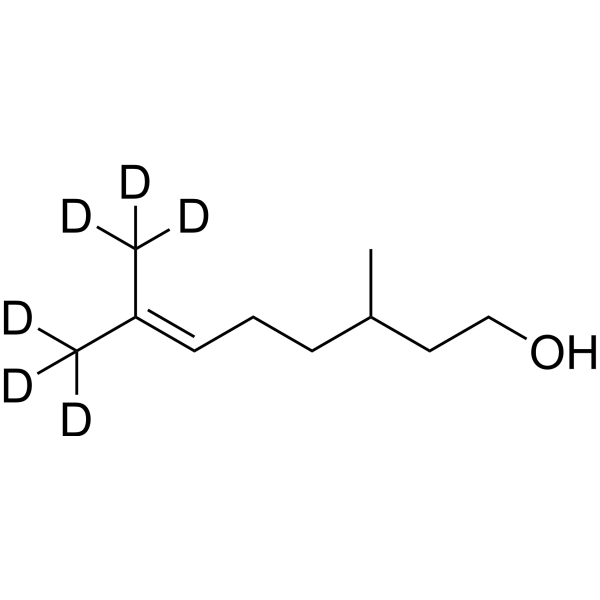
Citronellol-d6 is deuterated labeled Citronellol (HY-W010201). Citronellol ((±)-Citronellol) is an orally active inducer of apoptosis. Citronellol can prevent oxidative stress, mitochondrial dysfunction, and apoptosis in the SH-SY5Y cell Parkinson's disease model induced by 6-OHDA by regulating the ROS-NO, MAPK/ERK, and PI3K/Akt signaling pathways. Citronellol can induce necroptosis in human lung cancer cells through the TNF-α pathway and accumulation of ROS. Citronellol can reduce the levels of LC-3 and p62 to regulate the autophagy pathway, inhibit oxidative stress and neuroinflammation, and thus have neuroprotective effects on Parkinson's rats. Citronellol exhibits anti-fungal activity against Trichophyton rubrum by inhibiting ergosterol synthesis .
|
-
- HY-N2332
-
|
MLA
|
nAChR
|
Neurological Disease
|
|
Methyllycaconitine (MLA) is a potent, selective, CNS-penetrant, competitive α7nAChR antagonist. Methyllycaconitine alleviates amyloid-β peptides-induced cytotoxicity in SH-SY5Y cells. Methyllycaconitine prevents methamphetamine-induced effects in mouse striatum. Methyllycaconitine can be used for neurological disease research, such as Alzheimer’s disease .
|
-

- HY-180819
-
|
|
Cholinesterase (ChE)
|
Neurological Disease
|
|
AChE/BChE-IN-33 (Compound 3N) is a dual-target inhibitor of AChE and BChE, with IC50 values of 12.81 and 44.54 nM respectively. AChE/BChE-IN-33 exhibits selective cytotoxicity against SH-SY5Y cells. AChE/BChE-IN-33 can be used for the study of Alzheimer's disease and neuroblastoma .
|
-

- HY-119612
-
|
XCT
|
Nuclear Hormone Receptor 4A/NR4A
RAR/RXR
|
Neurological Disease
|
|
XCT0135908 (XCT) is a selective Nurr1-RXRα activator with an EC50 value of 0.3 μM in human dopaminergic SH-SY5Y cells. XCT0135908 protects dopaminergic cells against the Parkinson’s disease-related toxin MPP +. XCT0135908 can be used for the research of Parkinson’s disease .
|
-

- HY-186073
-
|
|
HDAC
|
Neurological Disease
|
|
HDAC1 activator-1 is a specific HDAC1 activator with orally activity, exerting no significant effects on other HDAC family members. HDAC1 activator-1 exhibits neuroprotective activity, ameliorates cognitive and motor function deficits by reducing neuronal loss and gliosis. HDAC1 activator-1 specifically activates HDAC1 in SH-SY5Y cells and exerts regulatory effects on aberrant cell cycle and DNA damage. HDAC1 activator-1 can be used for the research of TDP-43 proteinopat1-related neurodegenerative diseases including Amyotrophic Lateral Sclerosis (ALS) and cerebral ischemia-related neurological injury .
|
-

- HY-W010201S1
-
|
(±)-Citronelloll-d3; (±)-β-Citronelloll-d3
|
Isotope-Labeled Compounds
Fungal
PI3K
Apoptosis
ERK
Autophagy
TNF Receptor
Reactive Oxygen Species (ROS)
Atg8/LC3
Necroptosis
p62
|
Cardiovascular Disease
Neurological Disease
Cancer
|
|
Citronellol-d3 ( (±)-Citronelloll-d3) is the deuterium labeled Citronellol (HY-W010201). Citronellol ((±)-Citronellol) is an orally active inducer of apoptosis. Citronellol can prevent oxidative stress, mitochondrial dysfunction, and apoptosis in the SH-SY5Y cell Parkinson's disease model induced by 6-OHDA by regulating the ROS-NO, MAPK/ERK, and PI3K/Akt signaling pathways. Citronellol can induce necroptosis in human lung cancer cells through the TNF-α pathway and accumulation of ROS. Citronellol can reduce the levels of LC-3 and p62 to regulate the autophagy pathway, inhibit oxidative stress and neuroinflammation, and thus have neuroprotective effects on Parkinson's rats. Citronellol exhibits anti-fungal activity against Trichophyton rubrum by inhibiting ergosterol synthesis .
|
-

| Cat. No. |
Product Name |
Target |
Research Area |
-
- HY-P5894
-
|
Galanin-like peptide (3-32)
|
Neuropeptide Y Receptor
|
Neurological Disease
|
|
human GALP (3-32) (Galanin-like peptide (3-32)) is a potent galanin receptor agonist with high affinity for both GalR1 (IC50=33 nM) and GalR2 (IC50=15 nM) in a competitive binding study. human GALP (3-32) exhibits the high potency in altering the extracellular acidification rate of SH-SY5Y cells transfected with GalR2 (EC50=360 nM) .
|
| Cat. No. |
Product Name |
Category |
Target |
Chemical Structure |
| Cat. No. |
Product Name |
Chemical Structure |
-
- HY-W010201S
-
|
|
|
Citronellol-d6 is deuterated labeled Citronellol (HY-W010201). Citronellol ((±)-Citronellol) is an orally active inducer of apoptosis. Citronellol can prevent oxidative stress, mitochondrial dysfunction, and apoptosis in the SH-SY5Y cell Parkinson's disease model induced by 6-OHDA by regulating the ROS-NO, MAPK/ERK, and PI3K/Akt signaling pathways. Citronellol can induce necroptosis in human lung cancer cells through the TNF-α pathway and accumulation of ROS. Citronellol can reduce the levels of LC-3 and p62 to regulate the autophagy pathway, inhibit oxidative stress and neuroinflammation, and thus have neuroprotective effects on Parkinson's rats. Citronellol exhibits anti-fungal activity against Trichophyton rubrum by inhibiting ergosterol synthesis .
|
-
-
- HY-W010201S1
-
|
|
|
Citronellol-d3 ( (±)-Citronelloll-d3) is the deuterium labeled Citronellol (HY-W010201). Citronellol ((±)-Citronellol) is an orally active inducer of apoptosis. Citronellol can prevent oxidative stress, mitochondrial dysfunction, and apoptosis in the SH-SY5Y cell Parkinson's disease model induced by 6-OHDA by regulating the ROS-NO, MAPK/ERK, and PI3K/Akt signaling pathways. Citronellol can induce necroptosis in human lung cancer cells through the TNF-α pathway and accumulation of ROS. Citronellol can reduce the levels of LC-3 and p62 to regulate the autophagy pathway, inhibit oxidative stress and neuroinflammation, and thus have neuroprotective effects on Parkinson's rats. Citronellol exhibits anti-fungal activity against Trichophyton rubrum by inhibiting ergosterol synthesis .
|
-
| Cat. No. |
Product Name |
|
Classification |
-
- HY-146691
-
|
|
|
Alkynes
|
|
hMAO-B-IN-2 (compound 6j) is an orally active, potent, selective and BBB penetrated and competitive reversible hMAO-B inhibitor, with an IC50 of 4 nM. hMAO-B-IN-2 shows low toxicity and good neuroprotective effects in SH-SY5Y cell. hMAO-B-IN-2 can be used for alzheimer’s disease research . hMAO-B-IN-2 is a click chemistry reagent, itcontains an Alkyne group and can undergo copper-catalyzed azide-alkyne cycloaddition (CuAAc) with molecules containing Azide groups.
|
Your information is safe with us. * Required Fields.
Inquiry Information
- Product Name:
- Cat. No.:
- Quantity:
- MCE Japan Authorized Agent:








