Search Result
Results for "
Vibrio parahaemolyticus ATCC 17802
" in MedChemExpress (MCE) Product Catalog:
6
Biochemical Assay Reagents
2
Isotope-Labeled Compounds
| Cat. No. |
Product Name |
Target |
Research Areas |
Chemical Structure |
-
- HY-W145521
-
|
β Glucan
|
Biochemical Assay Reagents
IKK
NO Synthase
Bacterial
|
Infection
Inflammation/Immunology
Cancer
|
|
β-1,3-Glucan (β Glucan) is an orally active polysaccharide composed of glucose polymers. β-1,3-Glucan increase the activity of IKKβ kinase, enhances the production of nitric oxide. β-1,3-Glucan improves resistance to Vibrio harveyi infection. β-1,3-Glucan enhances immune response, promotes blood pressure recovery, reduces lung, kidney and liver damage, inhibits the growth of syngeneic tumors .
|
-

-
- HY-N0570
-
|
DOPET; 3,4-Dihydroxyphenethyl alcohol; 3-Hydroxytyrosol
|
Apoptosis
Bacterial
Reactive Oxygen Species (ROS)
SARS-CoV
Estrogen Receptor/ERR
|
Infection
Cardiovascular Disease
Neurological Disease
Metabolic Disease
Inflammation/Immunology
Cancer
|
|
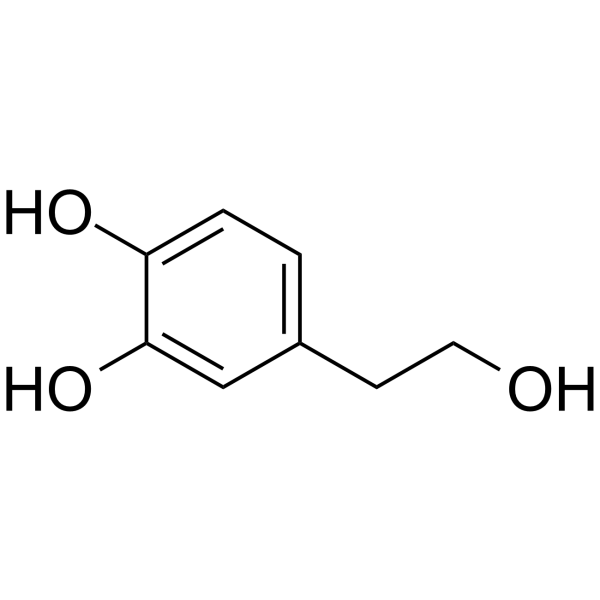
Hydroxytyrosol (DOPET; 3,4-Dihydroxyphenethyl alcohol) is an orally active, blood-brain barrier-permeable multi-active compound with multiple effects including antibacterial, antioxidant, anti-platelet aggregation, and neuroprotective activities. Hydroxytyrosol not only inhibits the growth of Vibrio by increasing bacterial membrane permeability, but also interacts with DNA and mediates supercoiled DNA relaxation. Meanwhile, Hydroxytyrosol effectively reduces thrombosis and inhibits lipid oxidation by inhibiting COX activity and promoting vascular nitric oxide production. In terms of neuroprotection, Hydroxytyrosol significantly alleviates neuronal apoptosis and inflammatory responses by up-regulating the expression level of ERβ, thereby improving cognitive function in Alzheimer's disease models. Hydroxytyrosol has been widely used in scientific research related to Vibrio infection, arterial thrombosis, Alzheimer's disease and other related fields .
|
-
-
- HY-P2853
-
|
|
p38 MAPK
Reactive Oxygen Species (ROS)
Bacterial
Fungal
|
Infection
Inflammation/Immunology
Cancer
|
|
Hemocyanin is an extracellular giant copper-containing glycoprotein. Hemocyanin can be found in the hemolymph of both mollusk and arthropod. Hemocyanin is responsible for oxygen transport. Hemocyanin is also involved in several physiological processes, such as energy storage, osmoregulation, molt cycle and exoskeleton formation. Hemocyanin in shrimp can enhance its immune response by modulating the p38 MAPK pathway. Hemocyanin from Penaeus monodon could act as an antiviral agent against a variety of viruses including DNA and RNA viruses. Hemocyanin from horseshoe crab Carcinoscorpius rotundicauda could possess a strong antimicrobial defense by the production of ROS activated with microbial proteases. Hemocyanin from L. vannamei would be effective against cervical cancer cell growth .
|
-

-
- HY-Y1134
-
|
D-(-)-Tartaric acid
|
Biochemical Assay Reagents
Bacterial
|
Infection
|
|
D-Tartaric acid (D-(-)-Tartaric acid) serves as an additive in beverages and other food products. When combined with pyrrole, D-Tartaric acid is used to construct a D-TA/polypyrrole-based bacterial imprinted polymer sensor for the detection of Vibrio parahaemolyticus. D-Tartaric acid enhances the sensitivity of polypyrrole-based bacterial imprinted polymer sensors for detecting Vibrio parahaemolyticus. D-Tartaric acid is applicable to research on Vibrio parahaemolyticus infection .
|
-

-
- HY-P1934
-
|
Cyclo(phenylalanylprolyl); A-64863
|
HCV
Bacterial
Antibiotic
Reactive Oxygen Species (ROS)
|
Infection
|
|
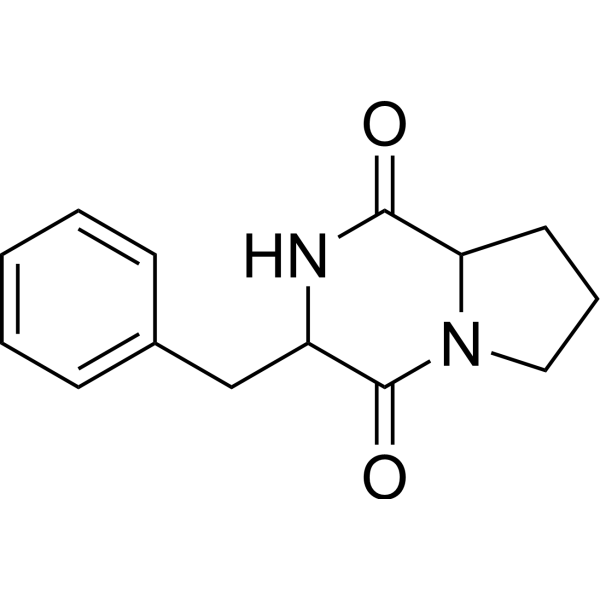
Cyclo(Phe-Pro) (Cyclo(phenylalanylprolyl)) is a quorum-sensing molecule of Vibrio vulnificus that specifically interacts with RIG-I, inhibiting RIG-I polyubiquitination, suppressing IRF-3 activation, and reducing type I interferon production. Cyclo(Phe-Pro) enhances susceptibility to HCV and influenza virus and also alleviates plant aluminum toxicity stress. The mechanism of Cyclo(Phe-Pro) involves the regulation of host immune signaling pathways, bacterial virulence gene expression, and plant antioxidant systems, making it a promising candidate for research in viral infections, bacterial virulence regulation, and agricultural stress resistance .
|
-
-
- HY-P3394
-
|
CTB, from Vibrio cholerae
|
Biochemical Assay Reagents
|
Others
|
|
Cholera toxin B subunit, from vibrio cholerae (CTB, from vibrio cholerae) is non-toxic to cells and possesses no intrinsic adenylate cyclase activity. Cholera toxin B subunit, from vibrio cholerae attaches to cells by binding to ganglioside GM1.8 CTB has been shown to be a good label for microglial cells (due to the enrichment of ganglioside GM1 on their cell surface), but not for oligodendrocytes or astrocytes. Cholera toxin B subunit, from vibrio cholerae has been reported to be an excellent tracer for the study of axonal transport using immunohistochemical methods. Cholera toxin B subunit, from vibrio cholerae has been widely used as a marker of membrane lipid rafts .
|
-

-
- HY-N6043
-
|
|
Apoptosis
Reactive Oxygen Species (ROS)
Bacterial
SARS-CoV
Estrogen Receptor/ERR
|
Infection
Neurological Disease
Inflammation/Immunology
|
|
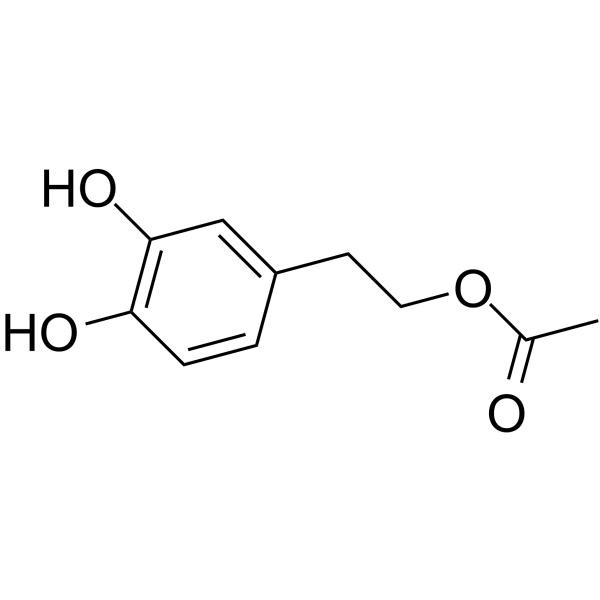
Hydroxytyrosol acetate is an orally active, blood-brain barrier-permeable multi-active compound with multiple effects including antibacterial, antioxidant, anti-platelet aggregation, and neuroprotective activities. Hydroxytyrosol acetate not only inhibits the growth of Vibrio by increasing bacterial membrane permeability, but also interacts with DNA and mediates supercoiled DNA relaxation. Meanwhile, Hydroxytyrosol acetate effectively reduces thrombosis and inhibits lipid oxidation by inhibiting COX activity and promoting vascular nitric oxide production. In terms of neuroprotection, Hydroxytyrosol acetate significantly alleviates neuronal apoptosis and inflammatory responses by up-regulating the expression level of ERβ, thereby improving cognitive function in Alzheimer's disease models. Hydroxytyrosol acetate has been widely used in scientific research related to Vibrio infection, arterial thrombosis, Alzheimer's disease and other related fields .
|
-
-
- HY-W040128
-
|
|
Antibiotic
Autophagy
JNK
Bcl-2 Family
|
Infection
|
|
Kanamycins sulfate is a blood-brain barrier-permeable JNK1 and Bcl-2 modulator as well as an antibiotic, with broad-spectrum antibacterial, and biofilm-inhibiting activities, and it induces autophagy. Kanamycins sulfate promotes Bcl-2 phosphorylation to upregulate autophagy levels, triggering changes such as mitochondrial swelling and endoplasmic reticulum expansion. Consequently, it causes reversible neuronal damage in the dorsal cochlear nucleus without inducing significant neuronal apoptosis. In the presence of exogenous alanine or glucose, Kanamycins sulfate effectively kills drug-resistant bacteria, restores drug sensitivity of multidrug-resistant bacteria, and alleviates urinary tract and kidney infections in mice. Kanamycins sulfate can be applied to scientific research related to Mycobacterium tuberculosis, salmonellosis, brucellosis, shigellosis, urinary tract infections, and reversible neurotoxicity .
|
-

-
- HY-124237A
-
|
C8-HSL
|
Bacterial
|
Infection
Inflammation/Immunology
|
|
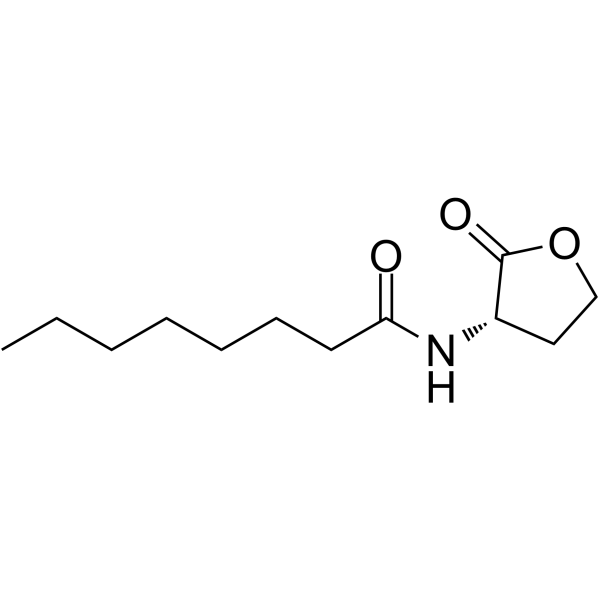
N-Octanoyl-L-homoserine lactone is an autoinducer. It mainly serves as a key inter- and intra-species communication medium or "signal molecule" in Gram-negative bacteria. N-Octanoyl-L-homoserine lactone microparticles exhibit adjuvant potential when used in combination with various particulate vaccines .
|
-
-
- HY-B0952
-
|
Tuaminoheptane
|
Adrenergic Receptor
|
Neurological Disease
|
|
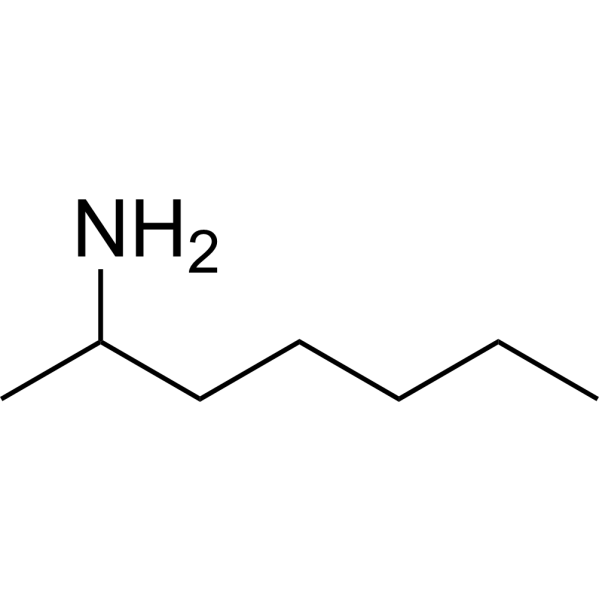
2-Aminoheptane (Tuaminoheptane) is a norepinephrine transporter inhibitor. 2-Aminoheptane binds to norepinephrine transporter via ionic and hydrophobic interactions to block norepinephrine uptake. 2-Aminoheptane deactivates ω-TAmla enzyme, reduces recombinant whole cell stability, and acts as an amino group donor substrate for ω-TA and ω-TAmla enzymes. 2-Aminoheptane can be used in research on depression and Alzheimer's disease .
|
-
-
- HY-D2381
-
|
|
Fluorescent Dye
|
Others
|
|
AF 488 maleimide is a thiol-reactive dye used to label SH groups of proteins, which can attach the AF 488 fluorophore to cysteine residue-containing proteins and peptides as well as other thiolated molecules. AF 488 maleimide enables real-time visualization of dynamic pilus extension and retraction in live bacterial cells via epifluorescence microscopy (Ex/Em = 470/520 nm) .
|
-

-
- HY-D1191
-
|
|
Fluorescent Dye
DNA/RNA Synthesis
|
Others
|
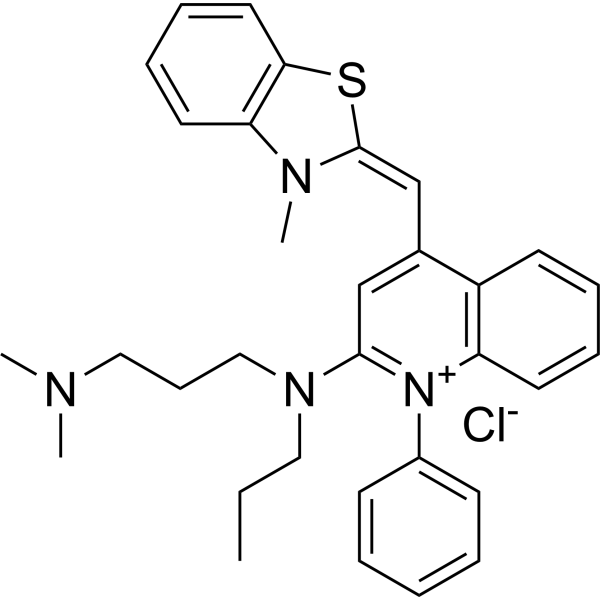
SYBR Green I chloride is a highly sensitive fluorescent nucleic acid dye that binds specifically to the minor groove of double-stranded DNA or intercalates between base pairs. SYBR Green I chloride exhibits weak fluorescence in the unbound state but emits bright fluorescence upon binding, and it preferentially binds to large-fragment DNA and DNA with high G+C content. SYBR Green I chloride is suitable for real-time PCR technology; its fluorescence intensity correlates with the amount and size of amplification products, enabling accurate quantification of gene expression and discrimination of amplicons via melting curve analysis without additional post-processing. SYBR Green I chloride is widely used in preclinical in vitro nucleic acid detection .
|
-
-
- HY-135783
-
AT 1001
1 Publications Verification
|
nAChR
|
Neurological Disease
Metabolic Disease
Inflammation/Immunology
|
|
AT 1001 is an orally effective α3β4 nicotinic acetylcholine receptor (α3β4 nAChR) antagonist with a Ki value of 2.64 nM. AT 1001 reversibly blocks Epibatidine (HY-101078)-induced inward currents in HEK cells transfected with α3β4 nAChR. AT 1001 dose-dependently blocks nicotine self-administration behavior in rats, alleviates gluten-induced gastrointestinal symptoms, blocks tight junction toxin-induced immune responses, and reduces the incidence of type 1 diabetes in rats. AT 1001 can be used in the research of nicotine addiction and celiac disease .
|
-

-
- HY-145376
-
|
CAI-1
|
Bacterial
|
Others
|
|
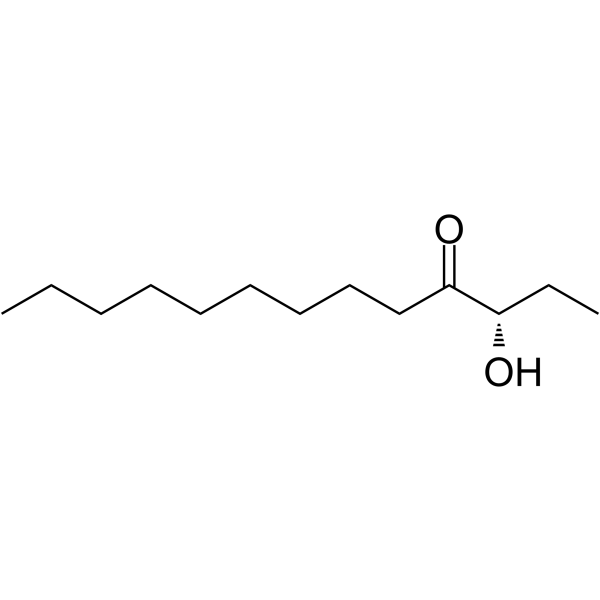
Cholera autoinducer 1 is Vibrio cholerae autoinducer (S)-3-hydroxytridecan-4-one. Cholera autoinducer 1 influences chemotaxis in C. elegans .
|
-
-
- HY-124796
-
|
|
Bacterial
|
Infection
|
|
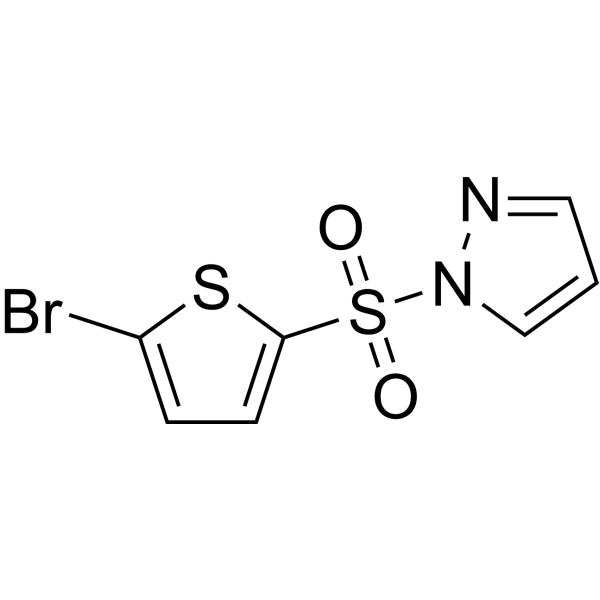
QStatin is a potent and selective inhibitor of SmcR (V. harveyi LuxR homologue) with an EC50 of 208.9 nM, binding tightly to SmcR and changes the flexibility of the protein, thereby altering its transcription regulatory activity. QStatin shows pan-QS (Vibrio quorum sensing) inhibitor activity in diverse Vibrio species and attenuates their virulence in an aquatic host. QStatin may be a sustainable antivibriosis agent useful in aquacultures .
|
-
-
- HY-N0570R
-
|
DOPET (Standard); 3,4-Dihydroxyphenethyl alcohol (Standard); 3-Hydroxytyrosol (Standard)
|
Reference Standards
Apoptosis
Bacterial
Reactive Oxygen Species (ROS)
SARS-CoV
Estrogen Receptor/ERR
|
Infection
Cardiovascular Disease
Neurological Disease
Metabolic Disease
Inflammation/Immunology
Cancer
|
|
Hydroxytyrosol (Standard) (DOPET (Standard)) is the analytical standard of Hydroxytyrosol (HY-N0570). This product is intended for research and analytical applications. Hydroxytyrosol is an orally active, blood-brain barrier-permeable multi-active compound with multiple effects including antibacterial, antioxidant, anti-platelet aggregation, and neuroprotective activities. Hydroxytyrosol not only inhibits the growth of Vibrio by increasing bacterial membrane permeability, but also interacts with DNA and mediates supercoiled DNA relaxation. Meanwhile, Hydroxytyrosol effectively reduces thrombosis and inhibits lipid oxidation by inhibiting COX activity and promoting vascular nitric oxide production. In terms of neuroprotection, Hydroxytyrosol significantly alleviates neuronal apoptosis and inflammatory responses by up-regulating the expression level of ERβ, thereby improving cognitive function in Alzheimer's disease models. Hydroxytyrosol has been widely used in scientific research related to Vibrio infection, arterial thrombosis, Alzheimer's disease and other related fields .
|
-

-
- HY-167887
-
|
|
Endogenous Metabolite
|
Infection
|
|
7PPD-Q is a substituted p-phenylenediamine antioxidants derivatives. 7PPD-Q has toxic to the bacterium V. fischeri (EC50 = 14.9 mg/L) .
|
-

-
- HY-P1997
-
|
Desferrichrome; DFC; N-Desferriferrichrome
|
Biochemical Assay Reagents
|
Others
|
|
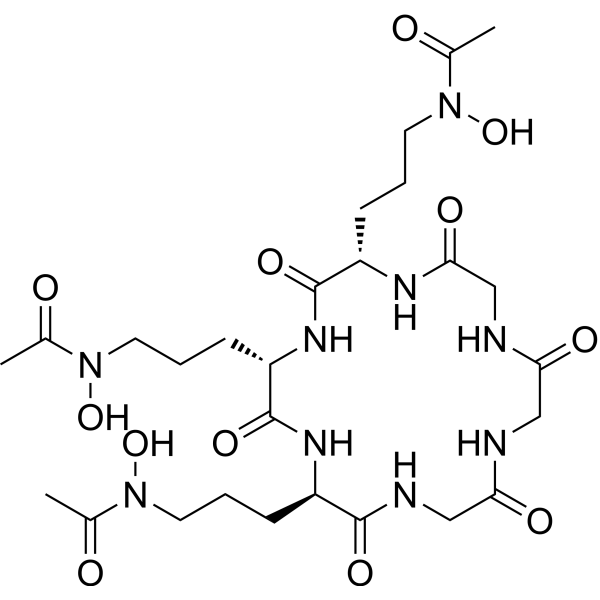
Ferrichrome is a hydroxamate siderophore produced by various fungi, including U. sphaerogena, that facilitates iron chelation and uptake by these organisms. It can be used as a heterosiderophore by bacteria, including Pseudomonas aeruginosa and Vibrio parahaemolyticus. Ferrichrome (0.8 μM) inhibits concanavalin A-induced proliferation of mouse spleen monocytes and reduces the number of concanavalin A-stimulated CD4+ T cells expressing IL-2 receptor. It also inhibits the heme-catalyzed oxidation of LDL by hydrogen peroxide in a concentration-dependent manner.
|
-
-
- HY-N10116A
-
|
|
Interleukin Related
IFNAR
Calcium Channel
Bacterial
CCR
|
Infection
Cancer
|
|
Calamenene is a sesquiterpene compound . Calamenene promotes dendritic cell maturation, upregulates CD1a, CD80, CD83, CD86, HLA-DR and CCR7 on the cell surface, reduces endocytic activity, enhances T cell-stimulating capacity, drives Th1 polarization through the secretion of IL-12, induces IFN-γ production, decreases IL-4 generation, and triggers intracellular Ca 2+ mobilization as well as dendritic cell migration towards MIP-3β. Calamenene exerts bacteriostatic and bactericidal growth-inhibitory effects against pathogenic *Vibrio harveyi*. Calamenene can be used in studies related to cancer and bacterial infections .
|
-

-
- HY-W134301
-
|
Potassium alum
|
Biochemical Assay Reagents
|
Infection
|
|
Aluminum potassium sulfate (Potassium alum) is an egg white adjuvant. Aluminum potassium sulfate acts as a mordant to help dyes bind to tissue components, enhancing the staining effect and stability during staining. Aluminum potassium sulfate can induce allergic reactions in mice. Aluminum potassium sulfate can be used in research for bacterial and tissue staining .
|
-

-
- HY-B2241A
-
|
Aluminum potassium sulfate dodecahydrate, for cell culture
|
Biochemical Assay Reagents
|
Inflammation/Immunology
|
|
Potassiumalum, for cell culture (Aluminum potassium sulfate dodecahydrate, for cell culture) is an egg white adjuvant. Potassiumalum, for cell culture acts as a mordant to help dyes bind to tissue components, enhancing the staining effect and stability during staining. Potassiumalum, for cell culture can induce allergic reactions in mice. Potassium alum, for cell culture can be used in research for bacterial and tissue staining .
|
-

-
- HY-117005
-
|
|
Bacterial
|
Infection
|
|
C450-0730 is an antagonist targeting the AHL membrane-bound sensor kinase and is an antagonist of the nine-transmembrane protein LuxN of Vibrio harveyi . C450-0730 competitively binds to the LuxN AI-1 binding site and specifically antagonizes the LuxN/AI-1 quorum sensing signal in Vibrio harveyi. The inhibitory activity of C450-0730 against LuxN I209F was not significant .
|
-

-
- HY-W728085
-
|
|
Bacterial
Antibiotic
Insecticide
Reactive Oxygen Species (ROS)
|
Infection
|
|
CPPD-Q is an antimicrobial agent and insecticide. CPPD-Q has an EC50 of 6.98 mg/L against Vibrio fischeri. At doses of 1 or 10 µg/mL, CPPD-Q exerts its insecticidal effect by inducing the production of reactive oxygen species (ROS) in the intestines of Caenorhabditis elegans .
|
-

-
- HY-N16403
-
|
|
Cytochrome P450
Endogenous Metabolite
Bacterial
Insecticide
Fungal
|
Infection
Cancer
|
|
Aspergillusidone F is a Depsidone and antibacterial agent. Aspergillusidone F can be isolated from a marine fungus Aspergillus unguis. Aspergillusidone F potently inhibits Aromatase with an IC50 of 0.5 μM. Aspergillusidone F exhibits antibacterial activity against Pseudomonas aeruginosa and Methicillin (HY-121544)-resistant Staphylococcus aureus. Aspergillusidone F exhibits potent larvicidal activity against Artemia salina larvae, with an LC50 value of 12.8 μM. Aspergillusidone F exhibits anticancer activity against intrahepatic cholangiocarcinoma, non-small cell lung cancer, and acute lymphoblastic leukemia .
|
-

-
- HY-Y1134R
-
|
D-(-)-Tartaric acid (Standard)
|
Biochemical Assay Reagents
Reference Standards
Bacterial
|
Infection
|
|
D-Tartaric acid (Standard) is the analytical standard of D-Tartaric acid (HY-Y1134). This product is intended for research and analytical applications. D-Tartaric acid (D-(-)-Tartaric acid) serves as an additive in beverages and other food products. When combined with pyrrole, D-Tartaric acid is used to construct a D-TA/polypyrrole-based bacterial imprinted polymer sensor for the detection of Vibrio parahaemolyticus. D-Tartaric acid enhances the sensitivity of polypyrrole-based bacterial imprinted polymer sensors for detecting Vibrio parahaemolyticus. D-Tartaric acid is applicable to research on Vibrio parahaemolyticus infection .
|
-

-
- HY-115846
-
|
|
Bacterial
|
Infection
|
|
ML370 is an antibacterial agent. ML370 exerts antibacterial activity by inhibiting the activity of Vibrio cholerae LuxO kinase. ML370 can be used in the research of infectious diseases such as cholera .
|
-

-
- HY-P5600
-
|
|
Bacterial
|
Infection
|
|
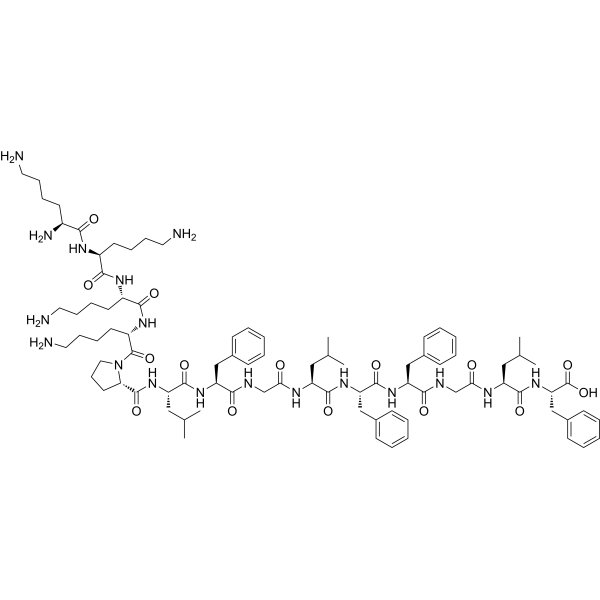
The K4 peptide is an antimicrobial peptide with strong activity against Gram-positive and Gram-negative bacteria, including human pathogenic bacteria, such as Staphylococcus aureus and Marine Vibrio bacteria .
|
-
-
- HY-N0570S
-
|
DOPET-d4; 3,4-Dihydroxyphenethyl alcohol-d4; 3-Hydroxytyrosol-d4
|
Isotope-Labeled Compounds
Apoptosis
Bacterial
Reactive Oxygen Species (ROS)
SARS-CoV
Estrogen Receptor/ERR
|
Cardiovascular Disease
Infection
Neurological Disease
Metabolic Disease
Inflammation/Immunology
Cancer
|
|
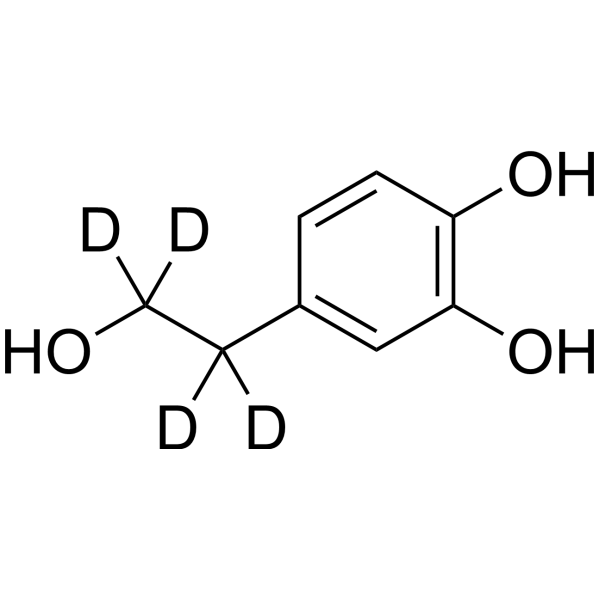
Hydroxytyrosol-d4 (DOPET-d4) is the deuterium labeled Hydroxytyrosol (HY-N0570). Hydroxytyrosol is an orally active, blood-brain barrier-permeable multi-active compound with multiple effects including antibacterial, antioxidant, anti-platelet aggregation, and neuroprotective activities. Hydroxytyrosol not only inhibits the growth of Vibrio by increasing bacterial membrane permeability, but also interacts with DNA and mediates supercoiled DNA relaxation. Meanwhile, Hydroxytyrosol effectively reduces thrombosis and inhibits lipid oxidation by inhibiting COX activity and promoting vascular nitric oxide production. In terms of neuroprotection, Hydroxytyrosol significantly alleviates neuronal apoptosis and inflammatory responses by up-regulating the expression level of ERβ, thereby improving cognitive function in Alzheimer's disease models. Hydroxytyrosol has been widely used in scientific research related to Vibrio infection, arterial thrombosis, Alzheimer's disease and other related fields .
|
-
-
- HY-N0570S1
-
|
DOPET-d5; 3,4-Dihydroxyphenethyl alcohol-d5; 3-Hydroxytyrosol-d5
|
Isotope-Labeled Compounds
Apoptosis
Bacterial
Reactive Oxygen Species (ROS)
SARS-CoV
Estrogen Receptor/ERR
|
Cardiovascular Disease
Infection
Neurological Disease
Metabolic Disease
Inflammation/Immunology
Cancer
|
|
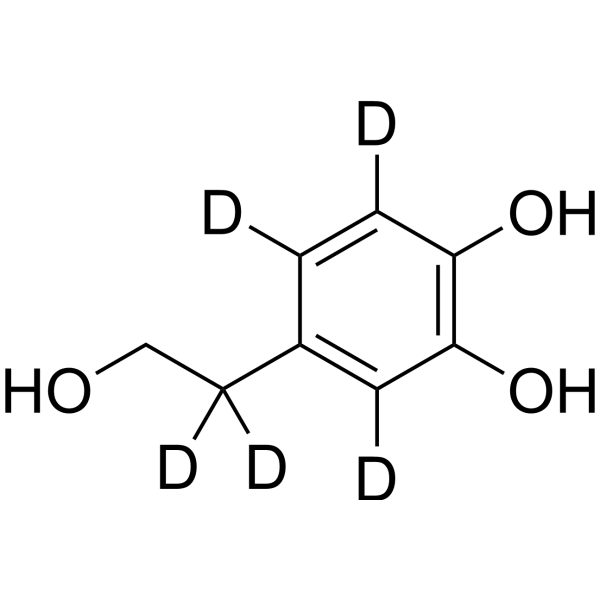
Hydroxytyrosol-d5 (DOPET-d5) is the deuterium labeled Hydroxytyrosol (HY-N0570). Hydroxytyrosol is an orally active, blood-brain barrier-permeable multi-active compound with multiple effects including antibacterial, antioxidant, anti-platelet aggregation, and neuroprotective activities. Hydroxytyrosol not only inhibits the growth of Vibrio by increasing bacterial membrane permeability, but also interacts with DNA and mediates supercoiled DNA relaxation. Meanwhile, Hydroxytyrosol effectively reduces thrombosis and inhibits lipid oxidation by inhibiting COX activity and promoting vascular nitric oxide production. In terms of neuroprotection, Hydroxytyrosol significantly alleviates neuronal apoptosis and inflammatory responses by up-regulating the expression level of ERβ, thereby improving cognitive function in Alzheimer's disease models. Hydroxytyrosol has been widely used in scientific research related to Vibrio infection, arterial thrombosis, Alzheimer's disease and other related fields .
|
-
-
- HY-123087
-
|
N-(3-oxodecanoyl)-homoserine lactone
|
Bacterial
|
Infection
|
|
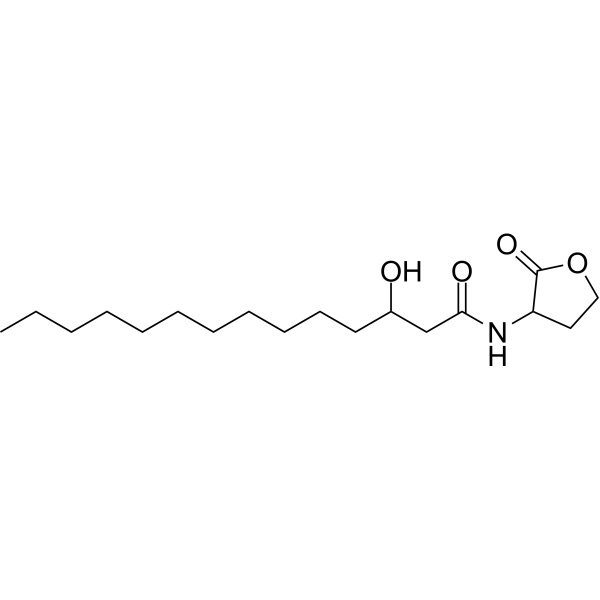
N-(3-Hydroxytetradecanoyl)-DL-homoserine lactone (N-(3-oxodecanoyl)-homoserine lactone) is a member of N-Acyl homoserine lactone (AHL) from V. alginolyticus strains. N-(3-Hydroxytetradecanoyl)-DL-homoserine lactone is used for biofilm formation and has antibacterial activity .
|
-
-
- HY-129331
-
|
|
Antibiotic
Bacterial
Fungal
|
Infection
Cancer
|
|
Neothramycin A is an antibiotic, which can be isolated from Streptomyces. Neothramycin A exhibits board spectrum antimicrobial activity, inhibits Staphylococcus aureus, Klebsiella pneumoniae, Escherichia coli W677, and Saccharomyces cerevisia with MIC of 25-50 μg/mL. Neothramycin A exhibits antitumor efficacy against leukemia in mouse models .
|
-

-
- HY-177775
-
-

-
- HY-180812
-
|
|
Bacterial
|
Infection
|
|
Antibacterial agent 312 (Compound 8c) is a highly effective antibacterial agent that can effectively damage the integrity of bacterial membranes and enhance membrane permeability. Antibacterial agent 312 exhibits MIC values against Vibrio parahaemolyticus and Vibrio alginolyticus of 6 and 16 μg/mL respectively. Antibacterial agent 312 has bactericidal activity against Vibrio parahaemolyticus and can effectively inhibit the formation of biofilms. Antibacterial agent 312 demonstrates excellent biological safety and can be used for research on the infection of the aquatic pathogen Vibrio parahaemolyticus .
|
-

-
- HY-137407
-
|
|
Bacterial
|
Infection
|
|
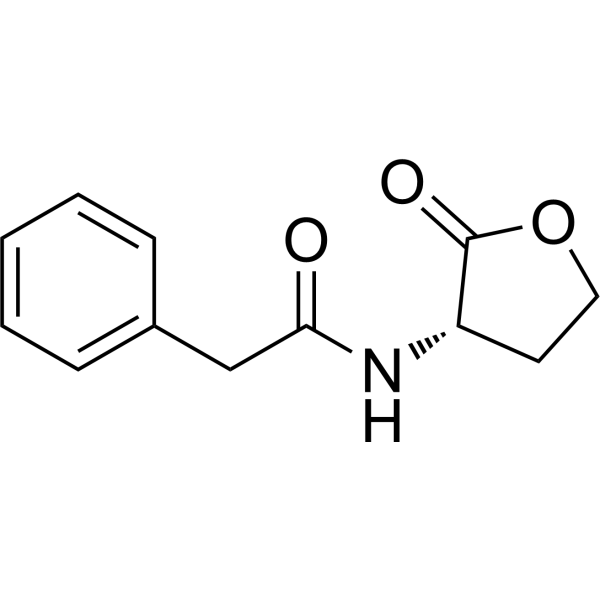
N-Phenylacetyl-L-homoserine lactone is a small diffusible signaling molecule that strongly antagonizes or super-activates the quorum sensing of Vibrio fischeri .
|
-
-
- HY-182310
-
|
|
Bacterial
|
Infection
|
|
Antibacterial agent 333, Tryptanthrin (HY-N6607) derivative, is a antibacterial agent with antibacterial activity against Vibrio parahaemolyticus (MIC50 = 8 μg/mL) and Vibrio alginolyticus (MIC50 = 16 μg/mL). Antibacterial agent 333 inhibits biofilm formation and maturation. Antibacterial agent 333 exhibits activity against drug-resistant Vibrio strains. Antibacterial agent 333 lacks cytotoxicity toward mammalian cells and has no hemolytic activity. Antibacterial agent 333 can be used for the research of infection .
|
-

-
- HY-130596
-
|
|
Antibiotic
Bacterial
|
Infection
Cancer
|
|
DC-86-M is an antibiotic, which can be isolated from Streptomyces luteogriseus. DC-86-M exhibits antibacterial activities against Bacillus subtilis, Staphylococcus aureus, Enterococcus faecalis, Vibrio anguillarum, and Proteus vulgaris, with MIC <1 μg/mL. DC-86-M exhibits antitumor activity against mouse sarcoma 180 with LD50 of 25 mg/kg .
|
-

-
- HY-123504
-
|
|
Bacterial
|
Infection
|
|
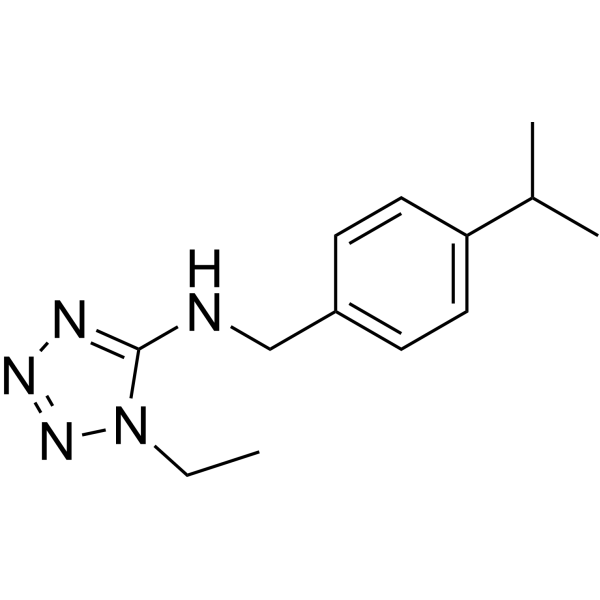
ML344 is an agonist of Vibrio cholerae CqsS, a transmembrane receptor .
|
-
-
- HY-115845
-
-

-
- HY-N14433
-
|
|
Bacterial
|
Infection
|
|
Fumigatin has anti-Gram-positive bacteria, negative bacteria (weak) and vibrio cholerae activities .
|
-

-
- HY-N6043R
-
|
|
Reference Standards
Apoptosis
Bacterial
Reactive Oxygen Species (ROS)
SARS-CoV
Estrogen Receptor/ERR
|
Infection
Cardiovascular Disease
Neurological Disease
Metabolic Disease
Inflammation/Immunology
Cancer
|
|
Hydroxytyrosol acetate (Standard) is the analytical standard of Hydroxytyrosol (HY-N0570). This product is intended for research and analytical applications. Hydroxytyrosol acetate is an orally active, blood-brain barrier-permeable multi-active compound with multiple effects including antibacterial, antioxidant, anti-platelet aggregation, and neuroprotective activities. Hydroxytyrosol acetate not only inhibits the growth of Vibrio by increasing bacterial membrane permeability, but also interacts with DNA and mediates supercoiled DNA relaxation. Meanwhile, Hydroxytyrosol acetate effectively reduces thrombosis and inhibits lipid oxidation by inhibiting COX activity and promoting vascular nitric oxide production. In terms of neuroprotection, Hydroxytyrosol acetate significantly alleviates neuronal apoptosis and inflammatory responses by up-regulating the expression level of ERβ, thereby improving cognitive function in Alzheimer's disease models. Hydroxytyrosol acetate has been widely used in scientific research related to Vibrio infection, arterial thrombosis, Alzheimer's disease and other related fields .
|
-

-
- HY-N19226
-
|
|
Endogenous Metabolite
|
Infection
|
|
1,1,3-Tris (3-indolyl) butane is an indole alkaloid. It is isolated from North Sea bacteria closely related to Vibrio parahaemolyticus. 1,1,3-Tris (3-indolyl) butane shows no activity against a variety of bacteria and fungi .
|
-

-
- HY-P11040
-
|
|
Bacterial
Antibiotic
|
Infection
|
|
Peptide P2.2, a non-ribosomal peptide, is an antimicrobial peptide. Peptide P2.2 has potent antibacterial activity with MIC50s of 4 and 32 μM for V. parahaemolyticus and V. alginolyticus, respectively. Peptide P2.2 increases synergistic antibacterial effects with antibiotics (such as Ofloxacin (HY-B0125) and Linezolid (HY-10394)) with negligible hemolytic activity. Peptide P2.2 disrupts bacterial membranes and increases permeability by modulating proteins involved in the type VI and III secretion systems. Peptide P2.2 can be used for bacterial infections research .
|
-

-
- HY-P2988H
-
|
|
Influenza Virus
|
Infection
|
|
Neuraminidase,Vibrio cholerae (EC 3.2.1.18) is a glycoside hydrolase enzyme that cleave the glycosidic linkages of neuraminic acids.
|
-

-
- HY-E70925
-
|
|
Phospholipase
|
Metabolic Disease
|
|
Lysophospholipase, Vibrio sp. (EC 3.1.1.5) is a catalytic enzyme with two substrates: 2-lysophosphatidylcholine and H2O, and two products: glycerophosphocholine and its carboxylate.
|
-

-
- HY-183611
-
|
|
Bacterial
Interleukin Related
TNF Receptor
|
Infection
|
|
LPZ-51 is a Vibrio β-lactam resistance sensor kinase (VbrK) inhibitor with a Ki value of 1.09 μM. LPZ-51 inhibits blaA gene expression at the transcriptional level by blocking the kinase activity of VbrK, reduces β-lactamase synthesis, and does not affect bacterial growth. LPZ-51 acts synergistically with β-lactam antibiotics. LPZ-51 decreases bacterial load, alleviates intestinal inflammation, and improves survival rate in zebrafish infection models. LPZ-51 can be used in studies related to Vibrio parahaemolyticus infection .
|
-

-
- HY-W788542
-
|
|
Bacterial
|
Infection
|
|
Quoromycin is an orally active SmcR inhibitor with a Kd of 0.697 μM for Vibrio vulnificus SmcR. Quoromycin binds directly to SmcR, reduces its DNA-binding affinity, and inhibits the quorum sensing signaling pathway. Quoromycin is applicable to the research of Vibrio vulnificus infection .
|
-

-
- HY-N19291
-
|
D-Perosamine
|
Drug Derivative
|
Others
|
|
Perosamine is a dideoxysugar that can be isolated from the O-antigens of Gram-negative bacteria, including Vibrio cholerae O1 and Escherichia coli O157:H7 .
|
-

-
- HY-W572386
-
|
|
Fungal
Bacterial
|
Infection
|
|
2-n-Heptyl-4-quinolinol has activity against Candida albicans, Staphylococcus aureus, Vibrio anguillarum and V. Harveyi .
|
-

-
- HY-B2180
-
|
|
Environmental Pollutants
Bacterial
Insecticide
|
Infection
|
|
Dichloroisocyanurate sodium is a synthetic organochlorine compound belonging to triazine derivatives, and is commonly used as a disinfectant and biocide. Dichloroisocyanurate sodium can release hypochlorous acid to inactivate waterborne bacteria, viruses, helminths and protozoa, and can act as a hypochlorous acid reservoir to provide sustained biocidal protection .
|
-

-
- HY-183878
-
|
|
Bacterial
|
Infection
Metabolic Disease
|
|
Zincov is an orally active hydroxamic acid derivative and bacterial metalloproteinase inhibitor. Zincov blocks chloride ion binding by binding to the active site of thermolysin, thereby inhibiting the hydrolysis and blood coagulation reactions catalyzed by this enzyme. Meanwhile, Zincov attenuates cytotoxicity, prevents protein degradation and ZO-1 rearrangement without affecting the functions of other common proteases. Zincov exhibits blood glucose-regulating and antioxidant activities; it reduces blood glucose levels and increases liver dry weight in diabetic rats, but elevates blood glucose levels in normal rats. Zincov is widely used in studies related to cholera and diabetes .
|
-

- HY-N19815
-
|
Aspergilol E
|
Bacterial
Fungal
|
Infection
|
|
Gibellulin A is a natural antimicrobial agent. Gibellulin A inhibits the growth of aquatic bacteria, human pathogenic bacteria and phytopathogenic fungi.Gibellulin A can be used for the research of bacterial and fungal infections .
|
-

- HY-N13274
-
|
Lacceroic acid
|
Bacterial
|
Infection
|
|
Dotriacontanoic acid (Lacceroic acid) is a fatty acid found in Limnophila polystachya Benth. Dotriacontanoic acid exhibits anti-bacterial activity against multiple gram-negative bacteria .
|
-

| Cat. No. |
Product Name |
Type |
-
- HY-D2381
-
|
|
Fluorescent Dyes
|
|
AF 488 maleimide is a thiol-reactive dye used to label SH groups of proteins, which can attach the AF 488 fluorophore to cysteine residue-containing proteins and peptides as well as other thiolated molecules. AF 488 maleimide enables real-time visualization of dynamic pilus extension and retraction in live bacterial cells via epifluorescence microscopy (Ex/Em = 470/520 nm) .
|
-
- HY-D1191
-
|
|
Fluorescent Dyes
|
SYBR Green I chloride is a highly sensitive fluorescent nucleic acid dye that binds specifically to the minor groove of double-stranded DNA or intercalates between base pairs. SYBR Green I chloride exhibits weak fluorescence in the unbound state but emits bright fluorescence upon binding, and it preferentially binds to large-fragment DNA and DNA with high G+C content. SYBR Green I chloride is suitable for real-time PCR technology; its fluorescence intensity correlates with the amount and size of amplification products, enabling accurate quantification of gene expression and discrimination of amplicons via melting curve analysis without additional post-processing. SYBR Green I chloride is widely used in preclinical in vitro nucleic acid detection .
|
| Cat. No. |
Product Name |
Type |
-
- HY-W145521
-
|
β Glucan
|
Biochemical Assay Reagents
|
|
β-1,3-Glucan (β Glucan) is an orally active polysaccharide composed of glucose polymers. β-1,3-Glucan increase the activity of IKKβ kinase, enhances the production of nitric oxide. β-1,3-Glucan improves resistance to Vibrio harveyi infection. β-1,3-Glucan enhances immune response, promotes blood pressure recovery, reduces lung, kidney and liver damage, inhibits the growth of syngeneic tumors .
|
-
- HY-P2853
-
|
|
Biochemical Assay Reagents
|
|
Hemocyanin is an extracellular giant copper-containing glycoprotein. Hemocyanin can be found in the hemolymph of both mollusk and arthropod. Hemocyanin is responsible for oxygen transport. Hemocyanin is also involved in several physiological processes, such as energy storage, osmoregulation, molt cycle and exoskeleton formation. Hemocyanin in shrimp can enhance its immune response by modulating the p38 MAPK pathway. Hemocyanin from Penaeus monodon could act as an antiviral agent against a variety of viruses including DNA and RNA viruses. Hemocyanin from horseshoe crab Carcinoscorpius rotundicauda could possess a strong antimicrobial defense by the production of ROS activated with microbial proteases. Hemocyanin from L. vannamei would be effective against cervical cancer cell growth .
|
-
- HY-Y1134
-
|
D-(-)-Tartaric acid
|
Biochemical Assay Reagents
|
|
D-Tartaric acid (D-(-)-Tartaric acid) serves as an additive in beverages and other food products. When combined with pyrrole, D-Tartaric acid is used to construct a D-TA/polypyrrole-based bacterial imprinted polymer sensor for the detection of Vibrio parahaemolyticus. D-Tartaric acid enhances the sensitivity of polypyrrole-based bacterial imprinted polymer sensors for detecting Vibrio parahaemolyticus. D-Tartaric acid is applicable to research on Vibrio parahaemolyticus infection .
|
-
- HY-P3394
-
|
CTB, from Vibrio cholerae
|
Biochemical Assay Reagents
|
|
Cholera toxin B subunit, from vibrio cholerae (CTB, from vibrio cholerae) is non-toxic to cells and possesses no intrinsic adenylate cyclase activity. Cholera toxin B subunit, from vibrio cholerae attaches to cells by binding to ganglioside GM1.8 CTB has been shown to be a good label for microglial cells (due to the enrichment of ganglioside GM1 on their cell surface), but not for oligodendrocytes or astrocytes. Cholera toxin B subunit, from vibrio cholerae has been reported to be an excellent tracer for the study of axonal transport using immunohistochemical methods. Cholera toxin B subunit, from vibrio cholerae has been widely used as a marker of membrane lipid rafts .
|
-
- HY-B2241A
-
|
Aluminum potassium sulfate dodecahydrate, for cell culture
|
Biochemical Assay Reagents
|
|
Potassiumalum, for cell culture (Aluminum potassium sulfate dodecahydrate, for cell culture) is an egg white adjuvant. Potassiumalum, for cell culture acts as a mordant to help dyes bind to tissue components, enhancing the staining effect and stability during staining. Potassiumalum, for cell culture can induce allergic reactions in mice. Potassium alum, for cell culture can be used in research for bacterial and tissue staining .
|
-
- HY-Y1134R
-
|
D-(-)-Tartaric acid (Standard)
|
Biochemical Assay Reagents
|
|
D-Tartaric acid (Standard) is the analytical standard of D-Tartaric acid (HY-Y1134). This product is intended for research and analytical applications. D-Tartaric acid (D-(-)-Tartaric acid) serves as an additive in beverages and other food products. When combined with pyrrole, D-Tartaric acid is used to construct a D-TA/polypyrrole-based bacterial imprinted polymer sensor for the detection of Vibrio parahaemolyticus. D-Tartaric acid enhances the sensitivity of polypyrrole-based bacterial imprinted polymer sensors for detecting Vibrio parahaemolyticus. D-Tartaric acid is applicable to research on Vibrio parahaemolyticus infection .
|
| Cat. No. |
Product Name |
Target |
Research Area |
-
- HY-P1934
-
|
Cyclo(phenylalanylprolyl); A-64863
|
HCV
Bacterial
Antibiotic
Reactive Oxygen Species (ROS)
|
Infection
|
|
Cyclo(Phe-Pro) (Cyclo(phenylalanylprolyl)) is a quorum-sensing molecule of Vibrio vulnificus that specifically interacts with RIG-I, inhibiting RIG-I polyubiquitination, suppressing IRF-3 activation, and reducing type I interferon production. Cyclo(Phe-Pro) enhances susceptibility to HCV and influenza virus and also alleviates plant aluminum toxicity stress. The mechanism of Cyclo(Phe-Pro) involves the regulation of host immune signaling pathways, bacterial virulence gene expression, and plant antioxidant systems, making it a promising candidate for research in viral infections, bacterial virulence regulation, and agricultural stress resistance .
|
-
- HY-P1997
-
|
Desferrichrome; DFC; N-Desferriferrichrome
|
Biochemical Assay Reagents
|
Others
|
|
Ferrichrome is a hydroxamate siderophore produced by various fungi, including U. sphaerogena, that facilitates iron chelation and uptake by these organisms. It can be used as a heterosiderophore by bacteria, including Pseudomonas aeruginosa and Vibrio parahaemolyticus. Ferrichrome (0.8 μM) inhibits concanavalin A-induced proliferation of mouse spleen monocytes and reduces the number of concanavalin A-stimulated CD4+ T cells expressing IL-2 receptor. It also inhibits the heme-catalyzed oxidation of LDL by hydrogen peroxide in a concentration-dependent manner.
|
-
- HY-P5600
-
|
|
Bacterial
|
Infection
|
|
The K4 peptide is an antimicrobial peptide with strong activity against Gram-positive and Gram-negative bacteria, including human pathogenic bacteria, such as Staphylococcus aureus and Marine Vibrio bacteria .
|
-
- HY-P11040
-
|
|
Bacterial
Antibiotic
|
Infection
|
|
Peptide P2.2, a non-ribosomal peptide, is an antimicrobial peptide. Peptide P2.2 has potent antibacterial activity with MIC50s of 4 and 32 μM for V. parahaemolyticus and V. alginolyticus, respectively. Peptide P2.2 increases synergistic antibacterial effects with antibiotics (such as Ofloxacin (HY-B0125) and Linezolid (HY-10394)) with negligible hemolytic activity. Peptide P2.2 disrupts bacterial membranes and increases permeability by modulating proteins involved in the type VI and III secretion systems. Peptide P2.2 can be used for bacterial infections research .
|
| Cat. No. |
Product Name |
Category |
Target |
Chemical Structure |
-
- HY-N0570
-
|
DOPET; 3,4-Dihydroxyphenethyl alcohol; 3-Hydroxytyrosol
|
Infection
Structural Classification
Canarium album (Lour.) Rauesch.
Classification of Application Fields
Phenols
Polyphenols
Plants
Endogenous metabolite
Burseraceae
Inflammation/Immunology
Disease Research Fields
Source Classification
|
Apoptosis
Bacterial
Reactive Oxygen Species (ROS)
SARS-CoV
Estrogen Receptor/ERR
|
|
Hydroxytyrosol (DOPET; 3,4-Dihydroxyphenethyl alcohol) is an orally active, blood-brain barrier-permeable multi-active compound with multiple effects including antibacterial, antioxidant, anti-platelet aggregation, and neuroprotective activities. Hydroxytyrosol not only inhibits the growth of Vibrio by increasing bacterial membrane permeability, but also interacts with DNA and mediates supercoiled DNA relaxation. Meanwhile, Hydroxytyrosol effectively reduces thrombosis and inhibits lipid oxidation by inhibiting COX activity and promoting vascular nitric oxide production. In terms of neuroprotection, Hydroxytyrosol significantly alleviates neuronal apoptosis and inflammatory responses by up-regulating the expression level of ERβ, thereby improving cognitive function in Alzheimer's disease models. Hydroxytyrosol has been widely used in scientific research related to Vibrio infection, arterial thrombosis, Alzheimer's disease and other related fields .
|
-
-
- HY-P2853
-
|
|
Structural Classification
Natural Products
Animals
Source Classification
|
p38 MAPK
Reactive Oxygen Species (ROS)
Bacterial
Fungal
|
|
Hemocyanin is an extracellular giant copper-containing glycoprotein. Hemocyanin can be found in the hemolymph of both mollusk and arthropod. Hemocyanin is responsible for oxygen transport. Hemocyanin is also involved in several physiological processes, such as energy storage, osmoregulation, molt cycle and exoskeleton formation. Hemocyanin in shrimp can enhance its immune response by modulating the p38 MAPK pathway. Hemocyanin from Penaeus monodon could act as an antiviral agent against a variety of viruses including DNA and RNA viruses. Hemocyanin from horseshoe crab Carcinoscorpius rotundicauda could possess a strong antimicrobial defense by the production of ROS activated with microbial proteases. Hemocyanin from L. vannamei would be effective against cervical cancer cell growth .
|
-
-
- HY-N6043
-
|
|
Structural Classification
Canarium album (Lour.) Rauesch.
Classification of Application Fields
Phenols
Polyphenols
Plants
Burseraceae
Inflammation/Immunology
Disease Research Fields
Source Classification
|
Apoptosis
Reactive Oxygen Species (ROS)
Bacterial
SARS-CoV
Estrogen Receptor/ERR
|
|
Hydroxytyrosol acetate is an orally active, blood-brain barrier-permeable multi-active compound with multiple effects including antibacterial, antioxidant, anti-platelet aggregation, and neuroprotective activities. Hydroxytyrosol acetate not only inhibits the growth of Vibrio by increasing bacterial membrane permeability, but also interacts with DNA and mediates supercoiled DNA relaxation. Meanwhile, Hydroxytyrosol acetate effectively reduces thrombosis and inhibits lipid oxidation by inhibiting COX activity and promoting vascular nitric oxide production. In terms of neuroprotection, Hydroxytyrosol acetate significantly alleviates neuronal apoptosis and inflammatory responses by up-regulating the expression level of ERβ, thereby improving cognitive function in Alzheimer's disease models. Hydroxytyrosol acetate has been widely used in scientific research related to Vibrio infection, arterial thrombosis, Alzheimer's disease and other related fields .
|
-
-
- HY-N0570R
-
|
DOPET (Standard); 3,4-Dihydroxyphenethyl alcohol (Standard); 3-Hydroxytyrosol (Standard)
|
Structural Classification
Canarium album (Lour.) Rauesch.
Phenols
Polyphenols
Plants
Endogenous metabolite
Burseraceae
Source Classification
|
Reference Standards
Apoptosis
Bacterial
Reactive Oxygen Species (ROS)
SARS-CoV
Estrogen Receptor/ERR
|
|
Hydroxytyrosol (Standard) (DOPET (Standard)) is the analytical standard of Hydroxytyrosol (HY-N0570). This product is intended for research and analytical applications. Hydroxytyrosol is an orally active, blood-brain barrier-permeable multi-active compound with multiple effects including antibacterial, antioxidant, anti-platelet aggregation, and neuroprotective activities. Hydroxytyrosol not only inhibits the growth of Vibrio by increasing bacterial membrane permeability, but also interacts with DNA and mediates supercoiled DNA relaxation. Meanwhile, Hydroxytyrosol effectively reduces thrombosis and inhibits lipid oxidation by inhibiting COX activity and promoting vascular nitric oxide production. In terms of neuroprotection, Hydroxytyrosol significantly alleviates neuronal apoptosis and inflammatory responses by up-regulating the expression level of ERβ, thereby improving cognitive function in Alzheimer's disease models. Hydroxytyrosol has been widely used in scientific research related to Vibrio infection, arterial thrombosis, Alzheimer's disease and other related fields .
|
-
-
- HY-N10116A
-
|
|
Cupressaceae
Cupressus L.
Plants
Source Classification
|
Interleukin Related
IFNAR
Calcium Channel
Bacterial
CCR
|
|
Calamenene is a sesquiterpene compound . Calamenene promotes dendritic cell maturation, upregulates CD1a, CD80, CD83, CD86, HLA-DR and CCR7 on the cell surface, reduces endocytic activity, enhances T cell-stimulating capacity, drives Th1 polarization through the secretion of IL-12, induces IFN-γ production, decreases IL-4 generation, and triggers intracellular Ca 2+ mobilization as well as dendritic cell migration towards MIP-3β. Calamenene exerts bacteriostatic and bactericidal growth-inhibitory effects against pathogenic *Vibrio harveyi*. Calamenene can be used in studies related to cancer and bacterial infections .
|
-
-
- HY-N16403
-
|
|
Structural Classification
Natural Products
Microorganisms
Source Classification
|
Cytochrome P450
Endogenous Metabolite
Bacterial
Insecticide
Fungal
|
|
Aspergillusidone F is a Depsidone and antibacterial agent. Aspergillusidone F can be isolated from a marine fungus Aspergillus unguis. Aspergillusidone F potently inhibits Aromatase with an IC50 of 0.5 μM. Aspergillusidone F exhibits antibacterial activity against Pseudomonas aeruginosa and Methicillin (HY-121544)-resistant Staphylococcus aureus. Aspergillusidone F exhibits potent larvicidal activity against Artemia salina larvae, with an LC50 value of 12.8 μM. Aspergillusidone F exhibits anticancer activity against intrahepatic cholangiocarcinoma, non-small cell lung cancer, and acute lymphoblastic leukemia .
|
-
-
- HY-129331
-
|
|
Microorganisms
Antibiotics
Source Classification
|
Antibiotic
Bacterial
Fungal
|
|
Neothramycin A is an antibiotic, which can be isolated from Streptomyces. Neothramycin A exhibits board spectrum antimicrobial activity, inhibits Staphylococcus aureus, Klebsiella pneumoniae, Escherichia coli W677, and Saccharomyces cerevisia with MIC of 25-50 μg/mL. Neothramycin A exhibits antitumor efficacy against leukemia in mouse models .
|
-
-
- HY-130596
-
-
-
- HY-N14433
-
-
-
- HY-N6043R
-
|
|
Structural Classification
Canarium album (Lour.) Rauesch.
Phenols
Polyphenols
Plants
Burseraceae
Source Classification
|
Reference Standards
Apoptosis
Bacterial
Reactive Oxygen Species (ROS)
SARS-CoV
Estrogen Receptor/ERR
|
|
Hydroxytyrosol acetate (Standard) is the analytical standard of Hydroxytyrosol (HY-N0570). This product is intended for research and analytical applications. Hydroxytyrosol acetate is an orally active, blood-brain barrier-permeable multi-active compound with multiple effects including antibacterial, antioxidant, anti-platelet aggregation, and neuroprotective activities. Hydroxytyrosol acetate not only inhibits the growth of Vibrio by increasing bacterial membrane permeability, but also interacts with DNA and mediates supercoiled DNA relaxation. Meanwhile, Hydroxytyrosol acetate effectively reduces thrombosis and inhibits lipid oxidation by inhibiting COX activity and promoting vascular nitric oxide production. In terms of neuroprotection, Hydroxytyrosol acetate significantly alleviates neuronal apoptosis and inflammatory responses by up-regulating the expression level of ERβ, thereby improving cognitive function in Alzheimer's disease models. Hydroxytyrosol acetate has been widely used in scientific research related to Vibrio infection, arterial thrombosis, Alzheimer's disease and other related fields .
|
-
-
- HY-N19226
-
-
-
- HY-N19291
-
-
-
- HY-W572386
-
-
-
- HY-N19815
-
-
-
- HY-N13274
-
-
| Cat. No. |
Compare |
Product Name |
Species |
Source |
Image |
Compare Products
|
| Products |
|
| Cat. No. |
|
| Species |
|
| Source |
|
| Tag |
|
| Accession |
|
| Gene ID |
|
| Molecular Weight |
|
| Purity |
|
| Endotoxin Level |
|
| Biological Activity |
|
| Appearance |
|
| Formulation |
|
| Storage & Stability |
|
| Shipping |
|
| Free Sample |
Yes
No
|
| Size |
* This product has been "discontinued".
Optimized version of product available:
|
| Cat. No. |
Product Name |
Chemical Structure |
-
- HY-N0570S
-
|
|
|
Hydroxytyrosol-d4 (DOPET-d4) is the deuterium labeled Hydroxytyrosol (HY-N0570). Hydroxytyrosol is an orally active, blood-brain barrier-permeable multi-active compound with multiple effects including antibacterial, antioxidant, anti-platelet aggregation, and neuroprotective activities. Hydroxytyrosol not only inhibits the growth of Vibrio by increasing bacterial membrane permeability, but also interacts with DNA and mediates supercoiled DNA relaxation. Meanwhile, Hydroxytyrosol effectively reduces thrombosis and inhibits lipid oxidation by inhibiting COX activity and promoting vascular nitric oxide production. In terms of neuroprotection, Hydroxytyrosol significantly alleviates neuronal apoptosis and inflammatory responses by up-regulating the expression level of ERβ, thereby improving cognitive function in Alzheimer's disease models. Hydroxytyrosol has been widely used in scientific research related to Vibrio infection, arterial thrombosis, Alzheimer's disease and other related fields .
|
-
-
- HY-N0570S1
-
|
|
|
Hydroxytyrosol-d5 (DOPET-d5) is the deuterium labeled Hydroxytyrosol (HY-N0570). Hydroxytyrosol is an orally active, blood-brain barrier-permeable multi-active compound with multiple effects including antibacterial, antioxidant, anti-platelet aggregation, and neuroprotective activities. Hydroxytyrosol not only inhibits the growth of Vibrio by increasing bacterial membrane permeability, but also interacts with DNA and mediates supercoiled DNA relaxation. Meanwhile, Hydroxytyrosol effectively reduces thrombosis and inhibits lipid oxidation by inhibiting COX activity and promoting vascular nitric oxide production. In terms of neuroprotection, Hydroxytyrosol significantly alleviates neuronal apoptosis and inflammatory responses by up-regulating the expression level of ERβ, thereby improving cognitive function in Alzheimer's disease models. Hydroxytyrosol has been widely used in scientific research related to Vibrio infection, arterial thrombosis, Alzheimer's disease and other related fields .
|
-
| Cat. No. |
Product Name |
|
Classification |
-
- HY-177775
-
|
|
|
Nucleoside Analogs
|
|
pro-N6pA is a cell-permeable pronucleotide probe. Pro-N6pA can be used to track AMPylated proteins. Pro-N6pA can also be used in bacterial infection research .
|
Your information is safe with us. * Required Fields.
Inquiry Information
- Product Name:
- Cat. No.:
- Quantity:
- MCE Japan Authorized Agent:











