



Hydroxytyrosol
Based on 10 publication(s) in Google Scholar
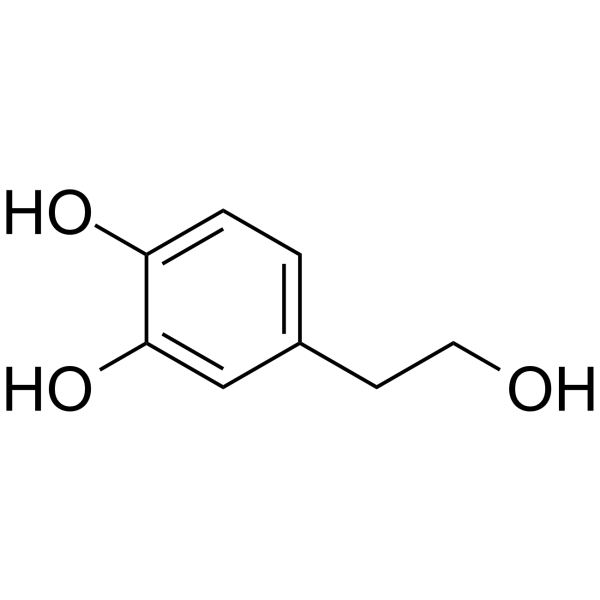
Hydroxytyrosol (DOPET; 3,4-Dihydroxyphenethyl alcohol) is an orally active, blood-brain barrier-permeable multi-active compound with multiple effects including antibacterial, antioxidant, anti-platelet aggregation, and neuroprotective activities. Hydroxytyrosol not only inhibits the growth of Vibrio by increasing bacterial membrane permeability, but also interacts with DNA and mediates supercoiled DNA relaxation. Meanwhile, Hydroxytyrosol effectively reduces thrombosis and inhibits lipid oxidation by inhibiting COX activity and promoting vascular nitric oxide production. In terms of neuroprotection, Hydroxytyrosol significantly alleviates neuronal apoptosis and inflammatory responses by up-regulating the expression level of ERβ, thereby improving cognitive function in Alzheimer's disease models. Hydroxytyrosol has been widely used in scientific research related to Vibrio infection, arterial thrombosis, Alzheimer's disease and other related fields.
연구목적의 판매만을 진행합니다. 환자를 대상으로 한 판매는 하지 않습니다.
- Purity : 99.98%
- CAS No.: 10597-60-1
- 화학식: C8H10O3
- 분자량:154.16
-
보관:Pure form -20°C, 3 years , 4°C, 2 years ; In solvent -80°C, 6 months , -20°C, 1 month

To place orders, for customer services and technical support, please contact: MedChemExpress USA
Tel: 609-228-6898 E-mail: [email protected] [email protected]


-
 Biological Activity
-
Chemical Information
-
용액&용해도
- Protocol
- 순도&문서
- References
-
 Help & FAQs


-
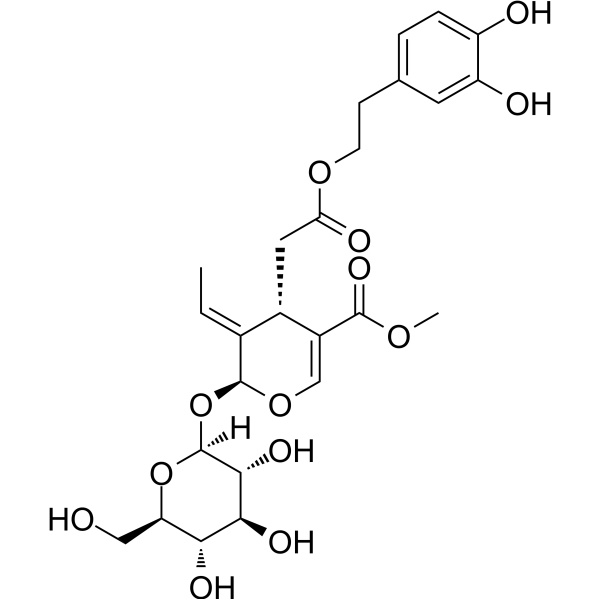
HY-N0292
OleuropeinApoptosis Inducer -
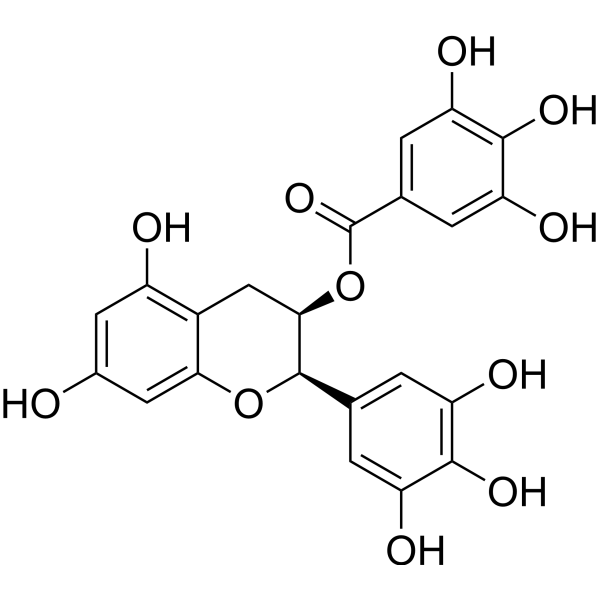
HY-13653
(-)-Epigallocatechin GallateAnticancer Agent -
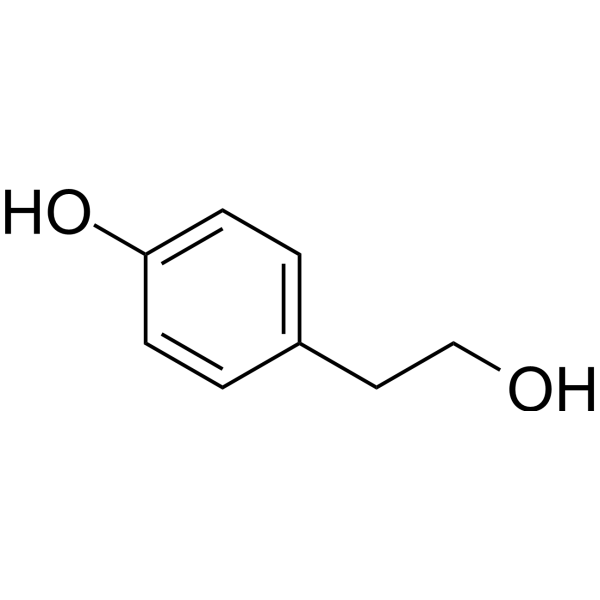
HY-N0474
TyrosolEndogenous Metabolite -
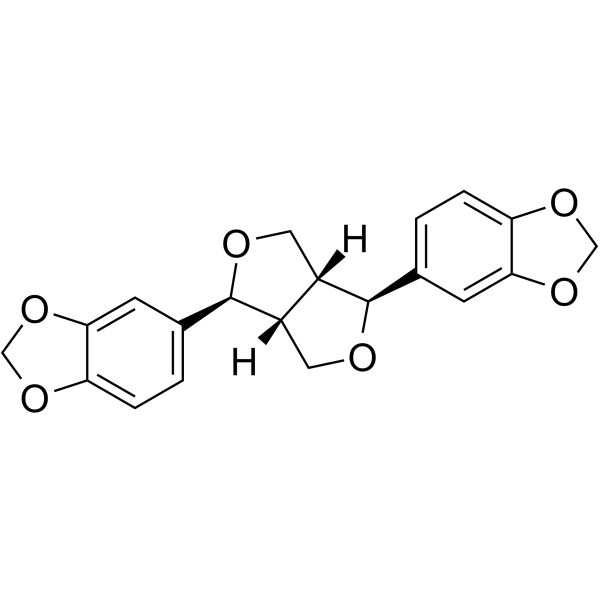
HY-N0121
SesaminDelta 5 Desaturase Inhibitor -
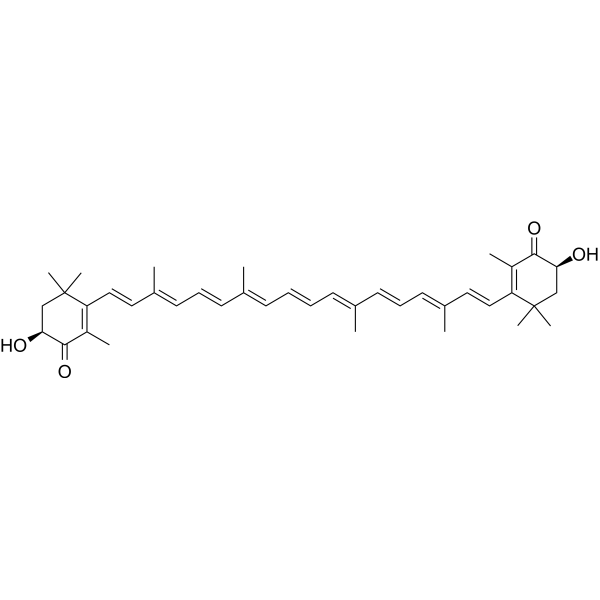
HY-B2163
AstaxanthinAntioxidant -
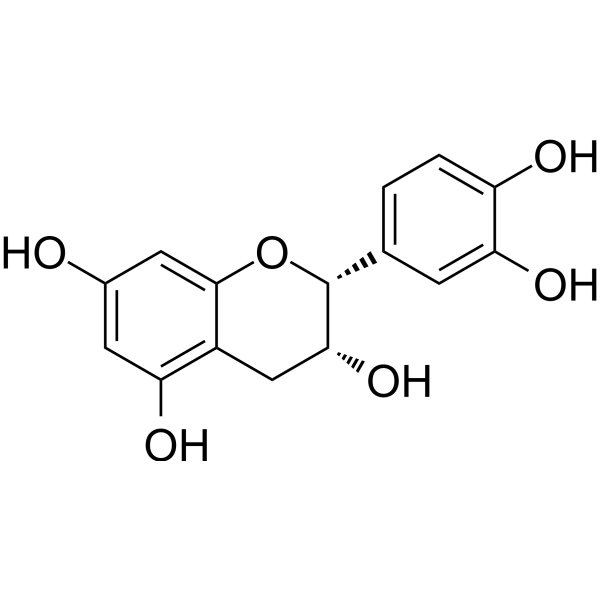
HY-N0001
(-)-EpicatechinCOX Inhibitor -
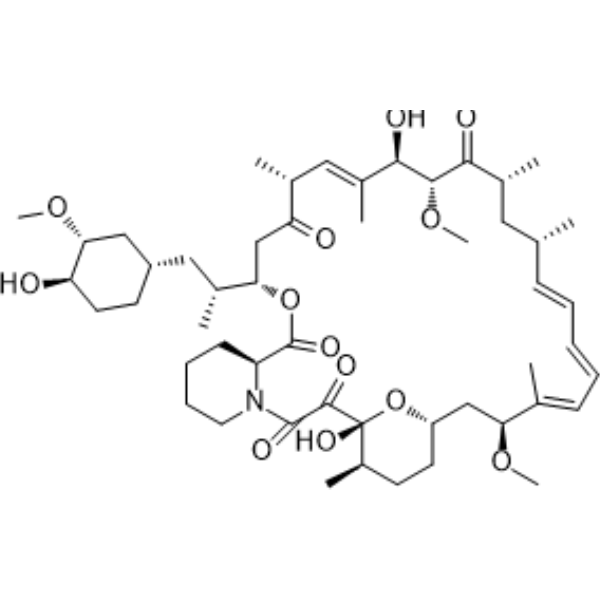
HY-10219
RapamycinmTOR Inhibitor -
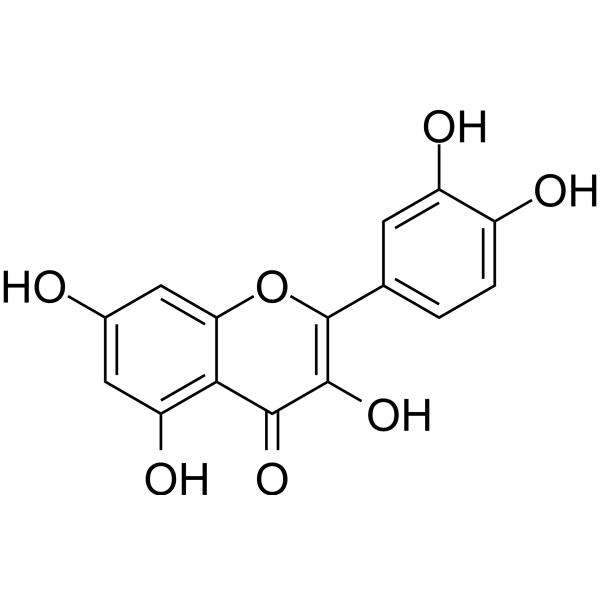
HY-18085
QuercetinFlavonoid Antioxidant -
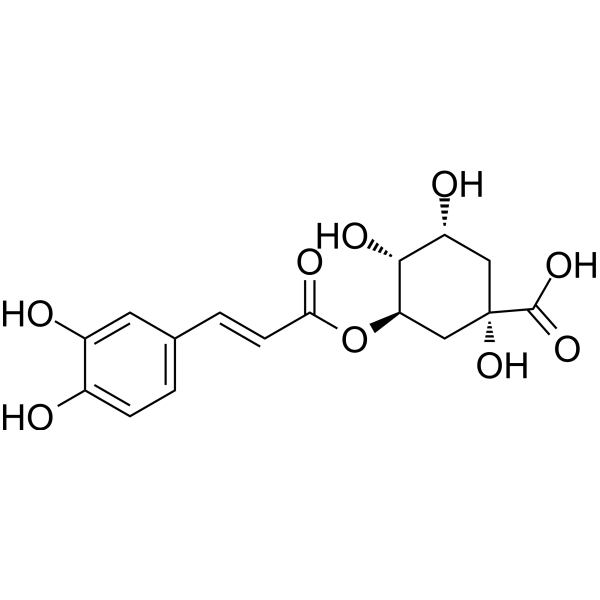
HY-N0055
Chlorogenic acidAntioxidant -
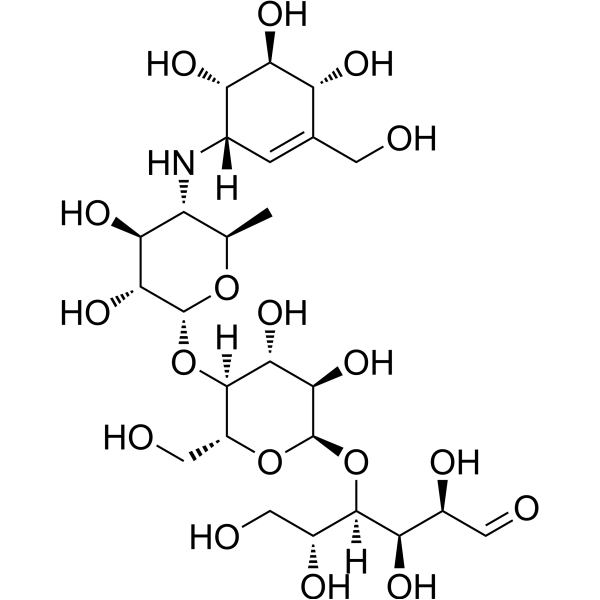
HY-B0089
AcarboseAlpha-Glucosidase Inhibitor -
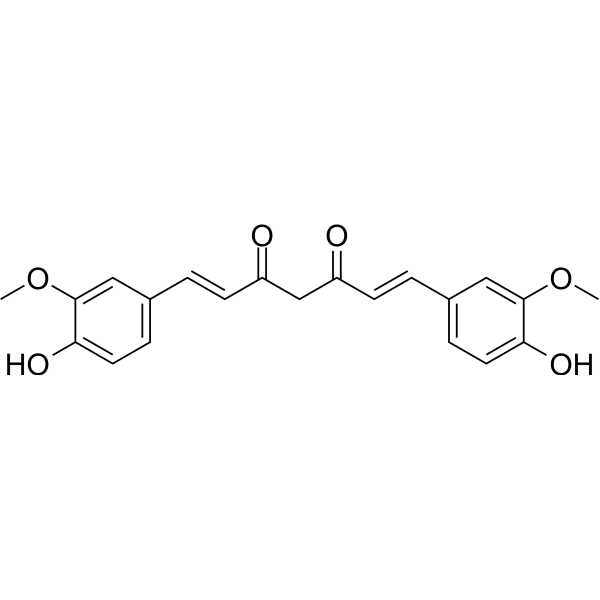
HY-N0005
Curcuminp300 Histone Acetylatransferase Inhibitor -
HY-B0215
AcetylcysteineMucolytic Agent
Publications Citing Use of MedChemExpress (MCE) Hydroxytyrosol
More- Phytomedicine. 2025 May:140:156484. [Abstract]
- Phytother Res. 2026 May 22. [Abstract]
- Pharmaceutics. 2022 Mar 17;14(3):663. [Abstract]
- Artif Cells Nanomed Biotechnol. 2026 Dec;54(1):248-275. [Abstract]
- Int J Mol Sci. 2026 May 10;27(10):4235. [Abstract]
- FOOD BIOPROD PROCESS. 2023 Feb 11.
- Neurotox Res. 2026 Mar 19;44(2):12. [Abstract]
- Biomed Pharmacother. 2024 May:174:116439. [Abstract]
- Texas Journal of Agriculture and Biological Sciences. 2023 Jun 20.
- Oxid Med Cell Longev. 2022 Nov 2:2022:2240894. [Abstract]
 Customer Validation & Images

-
Cell Proliferation/Viability Assay
-
ELISA
-
WB
-
Cell Imaging/Staining
-
Flow Cytometry


Biological Activity
제품 설명
IC50 & Target
|
Microbial Metabolite |
Cellular Effect
|
Cell Line

|
Type | Value | Description | References |
|---|---|---|---|---|
| DG-75 | IC50 |
58 μg/mL
Compound: 2, HT
|
Cytotoxicity against human DG75 cells after 48 hrs by MTT assay
Cytotoxicity against human DG75 cells after 48 hrs by MTT assay
|
[PMID: 18823782] |
| HeLa | IC50 |
70 μg/mL
Compound: 2, HT
|
Cytotoxicity against human HeLa cells after 48 hrs by MTT assay
Cytotoxicity against human HeLa cells after 48 hrs by MTT assay
|
[PMID: 18823782] |
| HUVEC | IC50 |
7.5 μM
Compound: 46
|
Inhibition of NADPH oxidase in Homo sapiens (human) HUVEC cells
Inhibition of NADPH oxidase in Homo sapiens (human) HUVEC cells
|
10.1007/s00044-012-0353-y |
| MRC5 | IC50 |
>50 μM
Compound: 2; HT
|
Cytotoxicity against human MRC5 cells assessed as inhibition of cell proliferation measured after 72 hrs by MTT assay
Cytotoxicity against human MRC5 cells assessed as inhibition of cell proliferation measured after 72 hrs by MTT assay
|
[PMID: 27155468] |
| Platelet | IC50 |
27 μM
Compound: Htyr; Hydroxytyrosol
|
Inhibition of ADP-induced platelet aggregation in human platelet rich plasma preincubated for 10 mins
Inhibition of ADP-induced platelet aggregation in human platelet rich plasma preincubated for 10 mins
|
[PMID: 26225717] |
| Platelet | IC50 |
67 μM
Compound: Htyr; Hydroxytyrosol
|
Inhibition of collagen-induced platelet aggregation in human platelet rich plasma preincubated for 10 mins
Inhibition of collagen-induced platelet aggregation in human platelet rich plasma preincubated for 10 mins
|
[PMID: 26225717] |
| SK-BR-3 | IC50 |
201.1 μM
Compound: Hydroxytyrosol
|
Antiproliferative activity against human SKBR3 cells after 72 hrs by MTT reduction assay
Antiproliferative activity against human SKBR3 cells after 72 hrs by MTT reduction assay
|
[PMID: 28551177] |
In Vitro
Hydroxytyrosol (39-80 μg/mL; up to 24 h) inhibits growth of Vibrio parahemolyticus with a minimum inhibitory concentration of 39 μg/mL and minimum bactericidal concentration of 78 μg/mL, and 80 μg/mL of the compound almost completely stops bacterial growth during incubation[1].
Hydroxytyrosol (15-250 min) exhibits time-dependent DPPH radical scavenging activity with EC50 values of 0.26, 0.22, and 0.14 mol AH/mol DPPH at 15, 60, and 250 min, respectively, showing weaker activity than hydroxytyrosol, oleuropein, and 3,4-DHPEA-EA but activity comparable to α-tocopherol[3].
Hydroxytyrosol (20 μM; 24 h) enhances ERβ promoter activity in HT22 cells, promoting ERβ transcriptional expression[4].
Hydroxytyrosol (10-20 μM; 24-48 h) enhances ERβ mRNA and protein expression in HT22 cells, with greater effects at higher concentrations or longer incubation times[4].
Hydroxytyrosol (10 μM; 48 h) protects primary rat hippocampal neurons from Aβ25-35-induced cell death and apoptosis by restoring ERβ expression and inhibiting apoptotic signaling pathways[4].
Hydroxytyrosol (10 μM; 48 h) protects primary rat hippocampal neurons from Aβ25-35-induced apoptosis in an ERβ-dependent manner, as its neuroprotective effects are eliminated when ERβ is knocked down[4].
Hydroxytyrosol (10 μM; 24 h) alleviates Aβ25-35-induced synaptic dysfunction in primary rat hippocampal neurons in an in vitro ERβ-dependent manner, as its protective effects on electrophysiological function are eliminated when ERβ is knocked down[4].
MedChemExpress (MCE) has not independently confirmed the accuracy of these methods. They are for reference only.
-
Cell Line:DLD1 cells
-
Concentration:50, 100 and 200 μg/mL
-
Incubation Time:
-
Result:Inhibited the growth of DLD1 cells in a concentration and time-dependent manner.
In Vivo
Hydroxytyrosol (50 mg/kg; p.o.; once daily; 12 weeks) improves cognitive function, reduces neuronal apoptosis and inflammation, and restores cerebral ERβ expression in female APP/PS1 transgenic Alzheimer's disease mice, without altering Aβ processing[4].
MedChemExpress (MCE) has not independently confirmed the accuracy of these methods. They are for reference only.
-
Animal Model:LPS (HY-D1056) )-mediated septic mice models[1]
-
Dosage:20 and 40 mg/kg
-
Administration:Orally gavage, daily for 10 days
-
Result:Increased survival rate.
Inhibited the incidence of oxidative damage in splenic tissue.
Decreased total leukocytes count, C-reactive protein, monocyte chemoattractant protein-1, and myeloperoxidase levels.
Suppressed the production levels of tumor necrosis factor-a, interleukin-1b, and interleukin-6.
Increased mRNA expression of inducible nitric oxide synthase and nitric oxide production.
-
Animal Model:APP/PS1 mice[3]
-
Dosage:5 mg/kg
-
Administration:Orally gavage, daily for 6 months
-
Result:Decreased levels of brain inflammatory markers.
Ameliorated mitochondrial dysfunction.
Reduced mitochondrial carbonyl protein.
Enhanced SOD-2 expression.
Reversed the phase 2 enzyme system.
Had no effects on brain Aβ accumulation.
-
Animal Model:Pristane-induced systemic lupus erythematous mice[4]
-
Dosage:0.4 mg
-
Administration:Orally administration, daily for 6 months
-
Result:Reduced paw swelling.
Showed a slightly reduction of spleen and thymus.
-
Animal Model:Diabetic rats[6]
-
Dosage:1, 5 and 10 mg/kg
-
Administration:Orally administration, daily for 2 months
-
Result:Reduced lipid peroxidation and nitrosative stress.
Reduced prostaglandin E2 and interleukin 1ß.
Reduced cell death.
- Research Protocol for Infectious Diseases
- RNA extraction experimental
- Detection of Apoptosis
- TUNEL staining for apoptotic DNA fragmentation
- Annexin V plus membrane-impermeant dye apoptosis staining
- Protocol for Water Maze
- Transepithelial/transendothelial electrical resistance assay
- Apoptosis Solutions
- Alzheimer’s Disease Modeling
Clinical Trial
| NCT Number | Sponsor | Condition | Start Date |
Phase
|
|---|---|---|---|---|
| NCT01329991 | Plexxikon| | 2011-05 | PHASE1 |


Chemical Information
-
CAS No. 10597-60-1
-
Appearance Solid-Liquid Mixture
-
분자량 154.16
-
화학식 C8H10O3
-
Color Light yellow to yellow
-
SMILES
OC1=CC=C(CCO)C=C1O
-
Synonyms
DOPET; 3,4-Dihydroxyphenethyl alcohol; 3-Hydroxytyrosol
-
Structure Classification
-
선적
Room temperature in continental US; may vary elsewhere.
-
보관
Pure form -20°C 3 years 4°C 2 years In solvent -80°C 6 months -20°C 1 month


Publications (10)
-
Journal Impact Factor
-
Most Recent
-
Phytomedicine
Fangchinoline suppresses nasopharyngeal carcinoma progression by inhibiting SQLE to regulate the PI3K/AKT pathway dysregulation. [Abstract]2025 May:140:156484. PMID: 40090046 -
Phytother Res
Hydroxytyrosol Improves UV-Induced Skin Photoaging via PI3K-AKT/MAPK/JAK-STAT and NF-κB Pathways: Insights From Keratinocytes and In Vivo Validation. [Abstract]2026 May 22. PMID: 42173663 -
Pharmaceutics
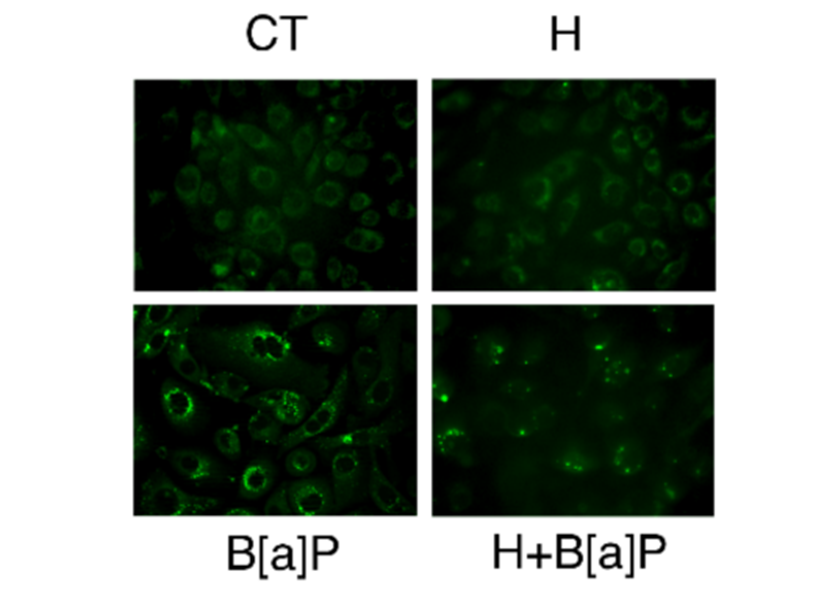
3,4-Dihydroxyphenylethanol (DPE or Hydroxytyrosol) Counteracts ERK1/2 and mTOR Activation, Pro-Inflammatory Cytokine Release, Autophagy and Mitophagy Reduction Mediated by Benzo[a]pyrene in Primary Human Colonic Epithelial Cells. [Abstract]2022 Mar 17;14(3):663. PMID: 35336037
Hydroxytyrosol purchased from MedChemExpress. Usage Cited in: Pharmaceutics. 2022 Mar 17;14(3):663. [Abstract]
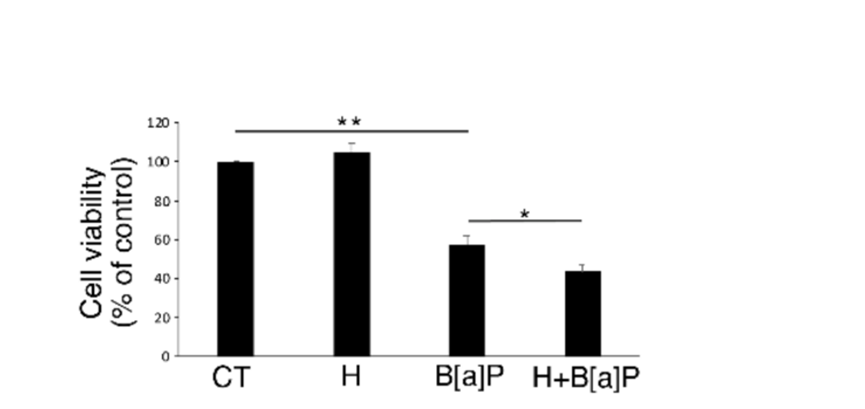
% of cell viability of HCoEpC treated with Hydroxytyrosol (H) (1 μM) and/or B[a]P (5 μM) for 6 days.
Hydroxytyrosol purchased from MedChemExpress. Usage Cited in: Pharmaceutics. 2022 Mar 17;14(3):663. [Abstract]
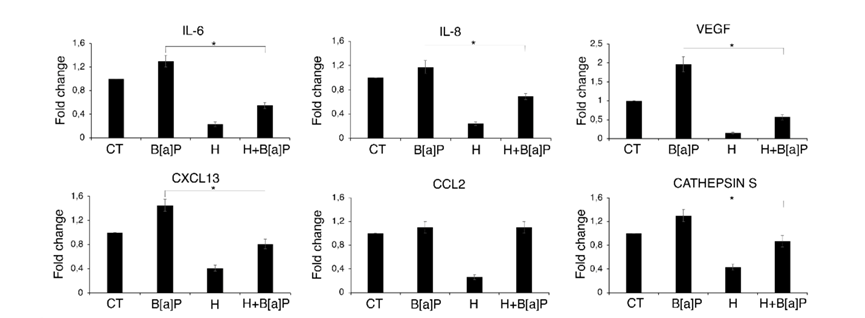
Fold change relative to control of IL-6, IL-8, VEGF, CXCL13, CCL2 and Cathepsin S released by HCoEpC treated with Hydroxytyrosol (H) (1 μM) and/or B[a]P (5 μM) for 6 days.
Hydroxytyrosol purchased from MedChemExpress. Usage Cited in: Pharmaceutics. 2022 Mar 17;14(3):663. [Abstract]
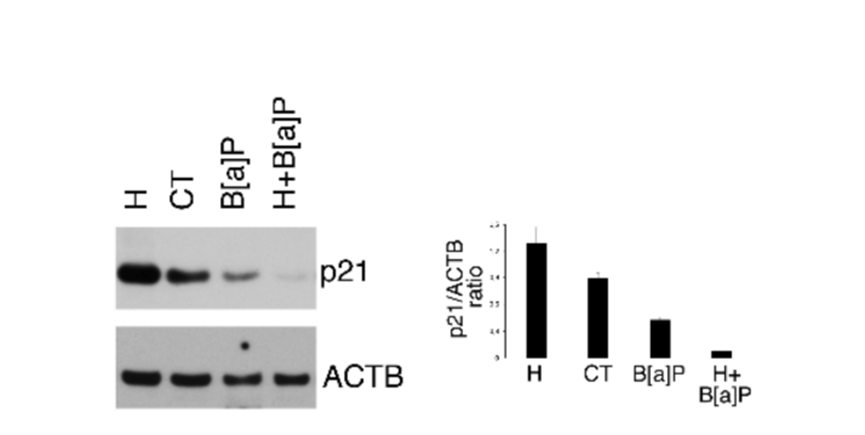
p21 level in HCoEpC treated with Hydroxytyrosol (H) (1 μM) and/or B[a]P (5 μM) for 6 days was assessed by Western blotting.
Hydroxytyrosol purchased from MedChemExpress. Usage Cited in: Pharmaceutics. 2022 Mar 17;14(3):663. [Abstract]
To stain mitochondria, HCoEpC treated with Hydroxytyrosol (H) (1 µM) and/or B[a]P (5 µM) for 6 days were incubated with MitoTracker Green and analyzed by ApoTome system.
-
Artif Cells Nanomed Biotechnol
Characterization of genipin-crosslinked gelatin/PVA hydrogels and the chondroprotective influence of hydroxytyrosol: an In vitro study. [Abstract]2026 Dec;54(1):248-275. PMID: 42331338 -
Int J Mol Sci
Enhanced Anti-Atherogenic Effects of Epicatechin and Hydroxytyrosol in THP-1 Macrophages: An Integrated In Silico and In Vitro Study. [Abstract]2026 May 10;27(10):4235. PMID: 42196218 -
-
Neurotox Res
Tubuloside B Alleviates Aβ25-35 Induced PC12 Cell Injury by Attenuating Pyroptosis, Apoptosis and Excessive Autophagy. [Abstract]2026 Mar 19;44(2):12. PMID: 41854817 -
Biomed Pharmacother
Unlocking the effective alliance of β-lapachone and hydroxytyrosol against triple-negative breast cancer cells. [Abstract]2024 May:174:116439. PMID: 38518601 -
-
Oxid Med Cell Longev
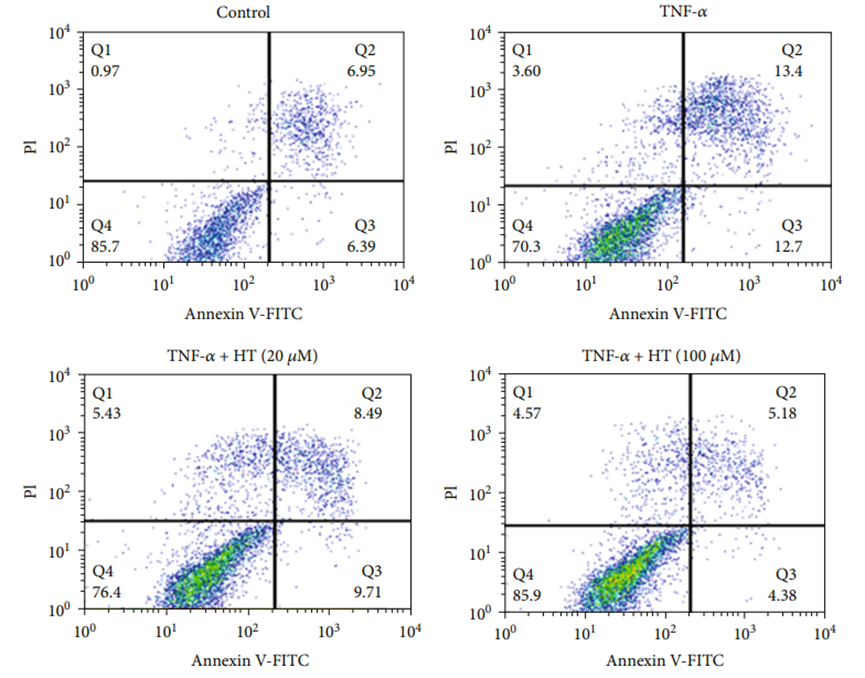
Hydroxytyrosol Ameliorates Intervertebral Disc Degeneration and Neuropathic Pain by Reducing Oxidative Stress and Inflammation. [Abstract]2022 Nov 2:2022:2240894. PMID: 36388163
Hydroxytyrosol purchased from MedChemExpress. Usage Cited in: Oxid Med Cell Longev. 2022 Nov 2:2022:2240894. [Abstract]
Flow cytometry was used to evaluate the apoptotic ratio of HNPCs after Hydroxytyrosol (HT) (20, 100 μM) treatment.


용액&용해도
In Vitro:
DMSO : 100 mg/mL (648.68 mM; Need ultrasonic; Hygroscopic DMSO has a significant impact on the solubility of product, please use newly opened DMSO)
H2O : 100 mg/mL (648.68 mM; Need ultrasonic)
Ethanol : 50 mg/mL (324.34 mM; Need ultrasonic)
Please refer to the solubility information to select the appropriate solvent. Once prepared, please aliquot and store the solution to prevent product inactivation from repeated freeze-thaw cycles.
Storage method and period of stock solution: -80°C, 6 months; -20°C, 1 month. When stored at -80°C, please use it within 6 months. When stored at -20°C, please use it within 1 month.
* Note: If you choose water as the stock solution, please dilute it to the working solution, then filter and sterilize it with a 0.22 μm filter before use.
Please refer to the solubility information to select the appropriate solvent. Once prepared, please aliquot and store the solution to prevent product inactivation from repeated freeze-thaw cycles.
Storage method and period of stock solution: -80°C, 6 months; -20°C, 1 month. When stored at -80°C, please use it within 6 months. When stored at -20°C, please use it within 1 month.
* Note: If you choose water as the stock solution, please dilute it to the working solution, then filter and sterilize it with a 0.22 μm filter before use.
Concentration (start) × Volume (start) = Concentration (final) × Volume (final)
In Vivo:
Select the appropriate dissolution method based on your experimental animal and administration route.
- For the following dissolution methods, please ensure to first prepare a clear stock solution using an In Vitro approach and then sequentially add co-solvents:
- To ensure reliable experimental results, the clarified stock solution can be appropriately stored based on storage conditions. As for the working solution for In Vivo experiments, it is recommended to prepare freshly and use it on the same day.
- The percentages shown for the solvents indicate their volumetric ratio in the final prepared solution. If precipitation or phase separation occurs during preparation, heat and/or sonication can be used to aid dissolution.
Add each solvent one by one: 10% DMSO 40% PEG300 5% Tween-80 45% Saline
Solubility: ≥ 2.08 mg/mL (13.49 mM); Clear solution
This protocol yields a clear solution of ≥ 2.08 mg/mL (saturation unknown).
Taking 1 mL working solution as an example, add 100 μL DMSO stock solution (20.8 mg/mL) to 400 μL PEG300, and mix evenly; then add 50 μL Tween-80 and mix evenly; then add 450 μL Saline to adjust the volume to 1 mL.
Preparation of Saline: Dissolve 0.9 g sodium chloride in ddH₂O and dilute to 100 mL to obtain a clear Saline solution.
Add each solvent one by one: 10% DMSO 90% (20% SBE-β-CD in Saline)
Solubility: ≥ 2.08 mg/mL (13.49 mM); Clear solution
This protocol yields a clear solution of ≥ 2.08 mg/mL (saturation unknown).
Taking 1 mL working solution as an example, add 100 μL DMSO stock solution (20.8 mg/mL) to 900 μL 20% SBE-β-CD in Saline, and mix evenly.
Preparation of 20% SBE-β-CD in Saline (4°C, storage for one week): 2 g SBE-β-CD powder is dissolved in 10 mL Saline, completely dissolve until clear.
In Vivo Dissolution Calculator
Please enter the basic information of animal experiments:
-
-
-
-
Recommended: Prepare an additional quantity of animals to account for potential losses during experiments.
Working solution concentration: 0.22 mg/mL
This product has good water solubility, please refer to the measured solubility data in water/PBS/Saline for details.


순도&문서
-
Data Sheet (283 KB)
-
SDS (617 KB)
- English - EN (617 KB)
- Français - FR (617 KB)
- Deutsch - DE (617 KB)
- Norwegian - NO (617 KB)
- Español - ES (617 KB)
- Swedish - SV (617 KB)
- Italian - IT (617 KB)
- Korean - KR (617 KB)
- Portuguese - PT (617 KB)
-
Handling Instructions (2659 KB)
References
[1]. Wei J, et al. Antibacterial Activity of Hydroxytyrosol Acetate from Olive Leaves (Olea Europaea L.). Nat Prod Res. 2018;32(16):1967-1970. [Content Brief]
[2]. González-Correa JA, et al. Effects of hydroxytyrosol and hydroxytyrosol acetate administration to rats on platelet function compared to acetylsalicylic acid. J Agric Food Chem. 2008;56(17):7872-7876. [Content Brief]
[3]. Gordon MH, et al. Antioxidant activity of hydroxytyrosol acetate compared with that of other olive oil polyphenols. J Agric Food Chem. 2001;49(5):2480-2485. [Content Brief]


Complete Stock Solution Preparation Table
Please refer to the solubility information to select the appropriate solvent. Once prepared, please aliquot and store the solution to prevent product inactivation from repeated freeze-thaw cycles.
Storage method and period of stock solution: -80°C, 6 months; -20°C, 1 month. When stored at -80°C, please use it within 6 months. When stored at -20°C, please use it within 1 month.
| Optional Solvent | Concentration Solvent Mass | 1 mg | 5 mg | 10 mg | 25 mg |
|---|---|---|---|---|---|
| Ethanol / DMSO / H2O | 1 mM | 6.4868 mL | 32.4338 mL | 64.8677 mL | 162.1692 mL |
| 5 mM | 1.2974 mL | 6.4868 mL | 12.9735 mL | 32.4338 mL | |
| 10 mM | 0.6487 mL | 3.2434 mL | 6.4868 mL | 16.2169 mL | |
| 15 mM | 0.4325 mL | 2.1623 mL | 4.3245 mL | 10.8113 mL | |
| 20 mM | 0.3243 mL | 1.6217 mL | 3.2434 mL | 8.1085 mL | |
| 25 mM | 0.2595 mL | 1.2974 mL | 2.5947 mL | 6.4868 mL | |
| 30 mM | 0.2162 mL | 1.0811 mL | 2.1623 mL | 5.4056 mL | |
| 40 mM | 0.1622 mL | 0.8108 mL | 1.6217 mL | 4.0542 mL | |
| 50 mM | 0.1297 mL | 0.6487 mL | 1.2974 mL | 3.2434 mL | |
| 60 mM | 0.1081 mL | 0.5406 mL | 1.0811 mL | 2.7028 mL | |
| 80 mM | 0.0811 mL | 0.4054 mL | 0.8108 mL | 2.0271 mL | |
| 100 mM | 0.0649 mL | 0.3243 mL | 0.6487 mL | 1.6217 mL |
* Note: If you choose water as the stock solution, please dilute it to the working solution, then filter and sterilize it with a 0.22 μm filter before use.


Hydroxytyrosol Related Classifications
HY-N0570 Related Classifications
 Powered by Bioz