Search Result
Results for "
breast cancer 4T1 cells
" in MedChemExpress (MCE) Product Catalog:
1
Isotope-Labeled Compounds
| Cat. No. |
Product Name |
Target |
Research Areas |
Chemical Structure |
-
- HY-W075517
-
|
2-Methylimidazole zinc salt
|
Caspase
Pyroptosis
MOFs
|
Cancer
|
|
ZIF-8 (2-Methylimidazole zinc salt) is a caspase-1/Gasdermin D activator and a pH- and stimulus-responsive inducer of drug release, which serves as a highly efficient drug delivery carrier. ZIF-8 is a metal-organic framework (MOF). ZIF-8 activates the caspase-1/Gasdermin D-dependent pyroptosis pathway, induces pyroptosis, necrosis and immunogenic cell death, initiates in situ anti-tumor immunity, reprograms the immunosuppressive tumor microenvironment and inhibits tumor proliferation. ZIF-8 is applicable to related research on multiple cancers including colorectal cancer and breast cancer .
|
-

-
- HY-163757
-
|
|
PROTACs
PD-1/PD-L1
|
Inflammation/Immunology
Cancer
|
PROTAC PD-L1 degrader-1 is a CRBN-based PD-L1-PROTAC degrader with a notable PD-L1 protein degradation capability. PROTAC PD-L1 degrader-1 shows potent PD-L1 degradation in 4T1 cells with a DC50 of 0.609 μM. PROTAC PD-L1 degrader-1 can be used for the study of breast cancer. (Blue: CRBN ligand (HY-150839), Black: linker; Pink: PD-L inhibitor (HY-19745)) .
|
-

-
- HY-162312
-
|
|
Deubiquitinase
Apoptosis
|
Cancer
|
|
LLK203 is a potent USP2/USP8 dual-target inhibitor with IC50s of 0.89 μM and 0.52 μM, respectively. LLK203 leads a degradation of ERα and induces apoptosis of breast cancer MCF-7 cells. LLK203 demonstrates antitumor activities against the 4T1 tumor mice model .
|
-
-
- HY-114169
-
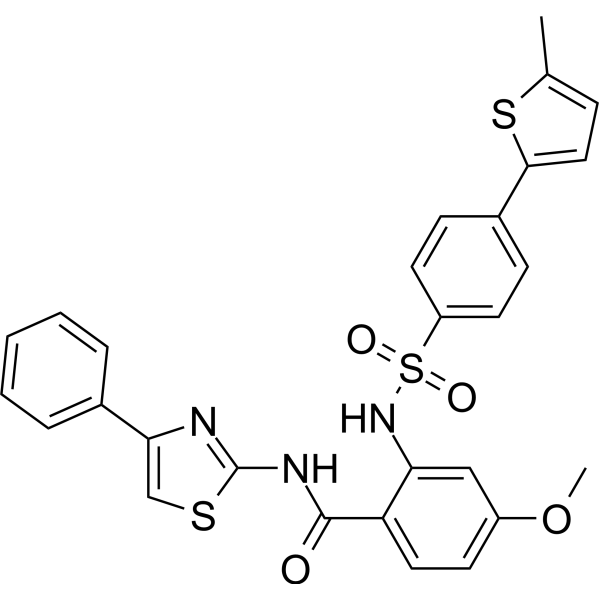
WRG-28
2 Publications Verification
|
Discoidin Domain Receptor
|
Inflammation/Immunology
Cancer
|
|
WRG-28 is a selective, extracellularly acting DDR2 allosteric inhibitor, with an IC50 of 230 nM. WRG-28 inhibits tumor invasion, migration and tumor-supporting effects of cancer-associated fibroblasts (CAFs). WRG-28 inhibits metastatic breast tumor cell colonization in the lungs. WRG-28 also shows good activity of relieving rheumatoid arthritis in CAIA model of mice .
|
-
-
- HY-157913
-
|
|
Pyruvate Kinase
Apoptosis
|
Cancer
|
|
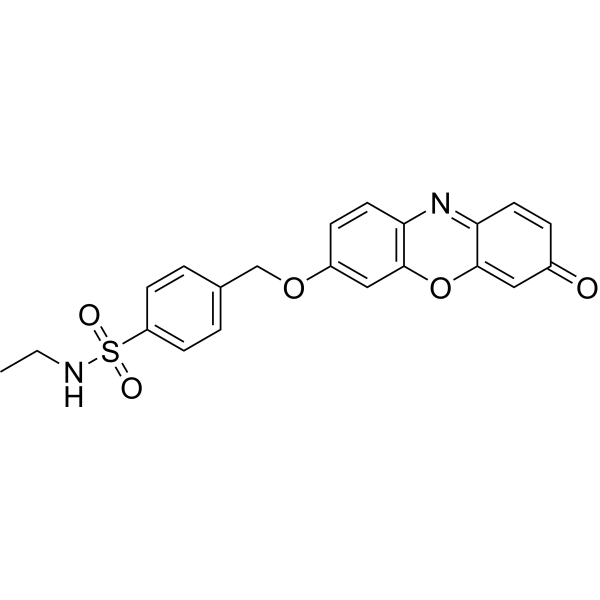
PKM2-IN-6 (compound 7d) is a potent and orally active PKM2 inhibitor with an IC50 value of 23 nM. PKM2-IN-6 induces apoptosis and cell cycle arrest at G2 phase. PKM2-IN-6 reduces the level of PKM1 and PKM2 at the mRNA level. PKM2-IN-6 shows anticancer activity and has the potential for the research of triple-negative breast cancer .
|
-
-
- HY-N0757
-
|
|
Akt
Bcl-2 Family
Apoptosis
Adrenergic Receptor
|
Cardiovascular Disease
Inflammation/Immunology
Cancer
|
|
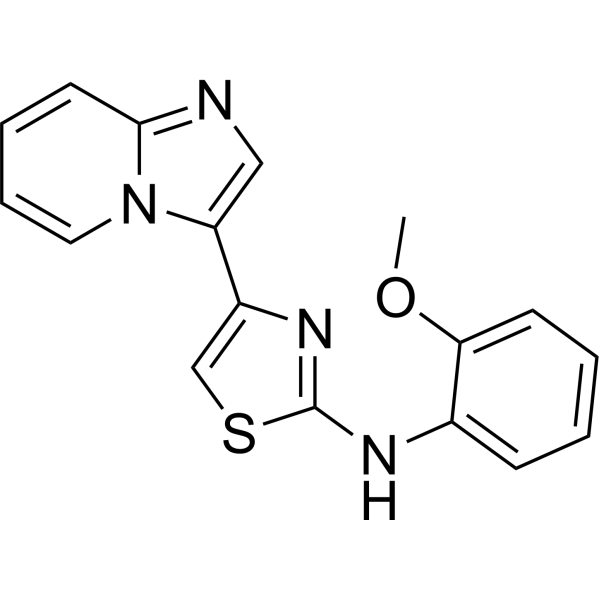
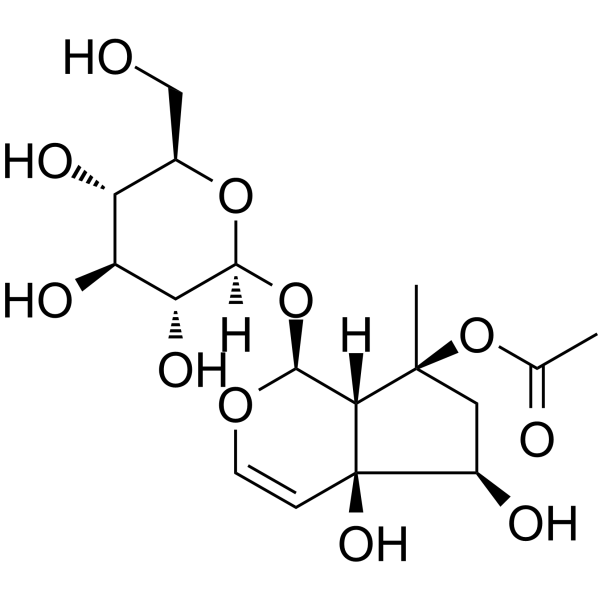
8-O-Acetylharpagide is an orally active iridoid glycoside compound. 8-O-Acetylharpagide exhibits anti-aging activity at low doses and anticancer activity at high doses. 8-O-Acetylharpagide induces late-stage apoptosis and necrosis-like death in cancer cells, and downregulates anti-apoptotic proteins such as Akt, p-Akt and Bcl-2. 8-O-Acetylharpagide is mainly metabolized in rats via demethylation, hydrolysis and glucuronidation, and its active metabolites downregulate the AKT/NF-κB/MMP9 signaling axis. 8-O-Acetylharpagide exerts vasoconstrictive effects by activating vascular α-adrenoceptor .
|
-
-
- HY-175035
-
|
|
Hexokinase
|
Inflammation/Immunology
Cancer
|
|
HK-2-IN-1 is a Hexokinase 2 (HK-2) inhibitor. HK-2-IN-1 exhibits a non-activating effect on human recombinant HK-2 enzyme. HK-2-IN-1 has anti-tumor activity, affecting immune cells in the tumor microenvironment. HK-2-IN-1 has immunomodulatory effects and is potentially useful in the study of cancers such as colon cancer, liver cancer, and breast cancer .
|
-

-
- HY-158045
-
|
|
PROTACs
PARP
|
Cancer
|
|
PROTAC PARP1 degrader-1 is a PARP1 PROTAC degrader with a DC50 value of 252.5 nM. PROTAC PARP1 degrader-1, combined with Daunorubicin (HY-13062A), induces the accumulation of cytoplasmic DNA fragments, activates the cGAS/STING innate immune pathway, and remodels the tumor microenvironment. PROTAC PARP1 degrader-1 can be used in research related to breast cancer .
|
-

-
- HY-156096
-
|
|
HDAC
Histone Methyltransferase
Caspase
Apoptosis
DNA/RNA Synthesis
|
Cancer
|
|
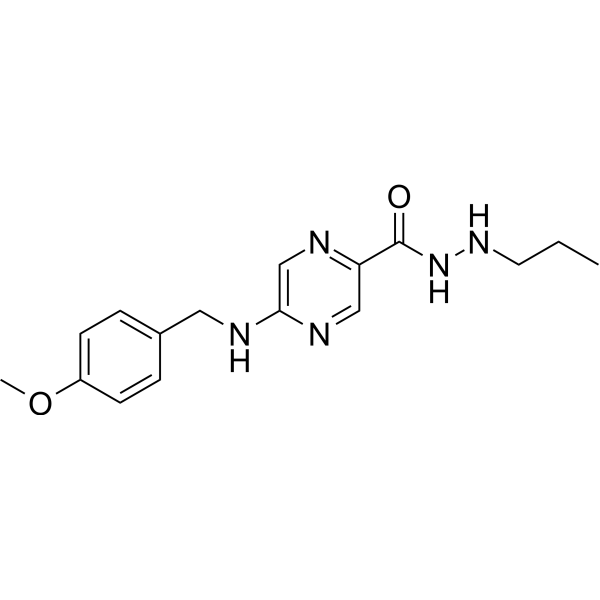
HDAC3-IN-2 (compound 4i) is a pyrazinyl hydrazide-based HDAC3 inhibitor (IC50: 14 nM) that efficiently targets triple-negative breast cancer cells. HDAC3-IN-2 is cytotoxic with an IC50 of 0.55 μM against 4T1 and an IC50 of 0.74 μM against MDA-MB-231. HDAC3-IN-2 has anti-tumor efficacy in vivo in tumor-bearing mouse models, selectively increasing the acetylation levels of H3K9, H3K27 and H4K12, increasing the contents of apoptosis-related caspase-3, caspase-7 and cytochrome c, and reducing Proliferation-related Bcl-2, CD44, EGFR, and Ki-67 levels .
|
-
-
- HY-N7700
-
|
G2013
|
MMP
COX
VEGFR
Toll-like Receptor (TLR)
NF-κB
NO Synthase
|
Inflammation/Immunology
Cancer
|
|
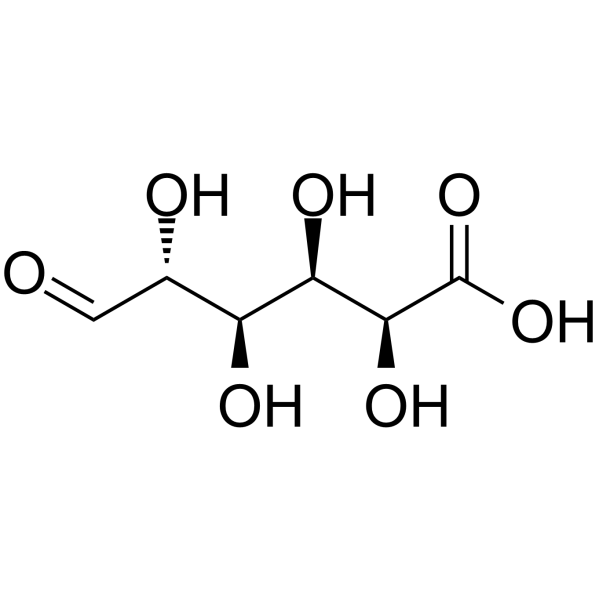
Guluronic acid (G2013) is an orally active oxidative stress regulator and anti-inflammatory agent that exerts pharmacological effects by down-regulating various pro-inflammatory and oxidative stress-related genes (such as TLR4, NF-κB, iNOS, etc.) and inhibiting the activities of COX-2, MMPs and VEGF. Low-dose Guluronic acid up-regulates the expression of immunoregulatory genes SHIP1 and SOCS1, thereby effectively inhibiting cancer-related inflammation, tumor angiogenesis, cell adhesion and metastasis, while reducing the accumulation of immunosuppressive cells. Guluronic acid significantly prolongs the survival time of tumor-bearing hosts within a concentration range without direct cytotoxicity, demonstrating favorable safety. Guluronic acid has involved in the research of multiple sclerosis, ankylosing spondylitis, breast cancer and other inflammatory diseases .
|
-
-
- HY-158189
-
|
|
Photosensitizer
Reactive Oxygen Species (ROS)
Apoptosis
|
Neurological Disease
Cancer
|
|
TPP-Ce6 is a mitochondria-targeted photosensitizer formed by the ester bond conjugation of chlorophyll e6 (Ce6) with triphenylphosphine (TPP). Under light irradiation or ultrasound exposure, TPP-Ce6 generates reactive oxygen species, induces cell apoptosis, and triggers immunogenic cell death. TPP-Ce6 can serve as a component of carrier-free co-delivery systems, undergo enzyme-induced self-assembly within tumors, and modulate tumor hypoxia. TPP-Ce6 is applicable to research on breast cancer and glioblastoma .
|
-

-
- HY-W016582
-
|
|
Biochemical Assay Reagents
|
Cancer
|
|
Methyl 2-(bromomethyl)acrylate is a biochemical Assay Reagents .Methyl 2-(bromomethyl)acrylate inhibits cell proliferation in breast cancer and pancreatic cancer cells. Methyl 2-(bromomethyl)acrylate can be used for the research of breast cancer and pancreatic cancer .
|
-

-
- HY-175846
-
|
|
Drug Derivative
Apoptosis
|
Cancer
|
|
TQFL13 is derivative of Thymoquinone (TQ) (HY-D0803) with potent anti-breast cancer activity. TQFL13 exhibits higher cytotoxicity against breast cancer cells (BT549, MDA-MB-231, 4T1). TQFL13 increases apoptosis and blocks the cell cycle at S and G2/G1 phases in breast cancer cells. TQFL13 shows dose-dependent anti-tumor efficacy in mouse breast cancer allograft model. TQFL13 can be used for the study of breast cancer .
|
-

-
- HY-174403
-
|
|
Bcl-2 Family
c-Myc
Apoptosis
Caspase
|
Cancer
|
|
c-MYC/BCL2 ligand 1 iodide is a dual-targeting c-MYC/Bcl-2 G4 ligand with Kd values of 0.90 μM (c-MYC G4) and 0.56 μM (Bcl-2 G4). c-MYC/BCL2 ligand 1 iodide inhibits c-MYC and Bcl-2 gene transcription by binding to G4-forming sequences and downregulates their protein expression. c-MYC/BCL2 ligand 1 iodide inhibits suppresses migration, induces caspase-dependent apoptosis, and triggers cell cycle G1 arrest in MCF-7 cells. c-MYC/BCL2 ligand 1 iodide significantly suppresses tumor growth in a 4T1 syngeneic model with no observable toxicity. c-MYC/BCL2 ligand 1 iodide can be used for the research of breast cancer.
|
-

-
- HY-170453
-
|
|
Epigenetic Reader Domain
|
Cancer
|
|
iHAC is an inhibitor HSP90-anchoring chimera, that covalently binds BRD4 ligand (+)-JQ-1 to HSP90, and inhibits the proliferation of cancer cells. iHAC activates the anti-tumor immune response, inhibits the recurrence and metastasis of 4T1 breast cancer in mouse models .
|
-

-
- HY-175227
-
|
|
STAT
NF-κB
Apoptosis
Caspase
Bcl-2 Family
|
Cancer
|
|
STAT3/NF-κB-IN-1 is a potentSTAT3 and NF-κB inhibitor with IC50s of 5.86 (STAT3) and 4.22 μM (NF-κB) in 4T1 cells. STAT3/NF-κB-IN-1 is able to induce apoptosis via its upregulation on key apoptotic regulators; caspases-3/9, Bax and downregulation of Bcl-2. STAT3/NF-κB-IN-1 exerts considerable anticancer activity against breast cancer cell lines and reduces tumor volume in vivo. STAT3/NF-κB-IN-1 can be used for the study of breast cancer .
|
-

-
- HY-172892
-
|
|
PI3K
Reactive Oxygen Species (ROS)
|
Cancer
|
|
PI3K-IN-59 (Compound 3d) is a PI3K inhibitor (IC50: 17.44 μM). PI3K-IN-59 has significant antiproliferative activity and exhibits potent inhibitory effects on breast cancer 4T1 cells (IC50: 3.70 μM) and colon cancer CT26 cells (IC50: 1.98 μM) as well as human breast cancer cells (IC50: 19.72 μM). PI3K-IN-59 exerts a dual anti-tumor mechanism by inhibiting PI3Kα enzymatic activity and triggering the Fenton reaction to generate hydroxyl radicals (•OH). PI3K-IN-59 shows promising anti-4T1 tumor effects and is suitable for synergistic targeting studies in breast and colon cancers .
|
-

-
- HY-175857
-
|
|
HDAC
Apoptosis
|
Cancer
|
|
HDAC-IN-92 is a pan-HDAC inhibitor with an IC50 of 12.58 µM in A2780 cells. HDAC-IN-92 demonstrates broad-spectrum, notable cytotoxic activity against a range of human cancer cell lines, including ovarian, liver, and breast carcinomas. HDAC-IN-92 causes apoptosis and demonstrates a notable decrease in tumor cell colony formation. HDAC-IN-92 inhibits the formation of blood vessels in the chick chorioallantoic membrane (CAM). HDAC-IN-92 exhibits anti-tumor effect in a 4T1 tumor-bearing mouse model. HDAC-IN-92 can be used for research targeting solid tumor .
|
-

-
- HY-172934
-
|
|
Toll-like Receptor (TLR)
NO Synthase
PROTACs
|
Inflammation/Immunology
Cancer
|
|
FGT-4 is a folate receptor β (FR-β) targeting chimeric molecule. FGT-4 is a TLR7 agonist. FGT-4 facilitates the secretion of iNOS and proinflammatory cytokine IL-6 associated with M1 macrophages and enhances the proliferation of cytotoxic CD8 + T cells. FGT-4 has anti-tumor activity in the 4T1 breast cancer mouse model. FGT-4 can be used for the study of cancer immunity. (Pink: target protein TLR7/8 agonist 1 ligand (HY-103698); black: linker (HY-172936); blue: FR-β ligand (HY-172935)) .
|
-

-
- HY-175820
-
|
|
VEGFR
ERK
Apoptosis
EGFR
|
Cancer
|
|
AGW-11 is a potent dual inhibitor of EGFR (IC50 = 556 nM) and VEGFR2 (IC50 = 289.7 nM). AGW-11 induces apoptosis and suppresses phosphorylation of EGFR, VEGFR2, and ERK1/2 in HUVECs. AGW-11 effectively inhibits cancer cell growth, reduces HUVEC proliferation, tube formation, and invasion, thereby blocking angiogenesis. AGW-11 significantly suppresses tumor growth and decreases lung metastasis in a 4T1 xenograft mouse model. AGW-11 can be used for the study of breast cancer .
|
-

-
- HY-175981
-
|
|
Drug Derivative
|
Cancer
|
|
Paclitaxel-bromothiophene is a semisynthetic taxane analogue of Paclitaxel (HY-B0015). Paclitaxel-bromothiophene exhibits potent antiproliferative activity against 4-T1 breast cancer cells, with an IC50 value of 15.18 nM. Paclitaxel-bromothiophene shows high binding affinity to C5aR1 (Kd = 19.4 μM). Paclitaxel-bromothiophene demonstrates excellent anti-tumor efficacy in 4-T1 breast cancer-bearing mice. Paclitaxel-bromothiophene can be used for the study of breast cancer .
|
-

-
- HY-155745
-
|
|
Apoptosis
|
Cancer
|
|
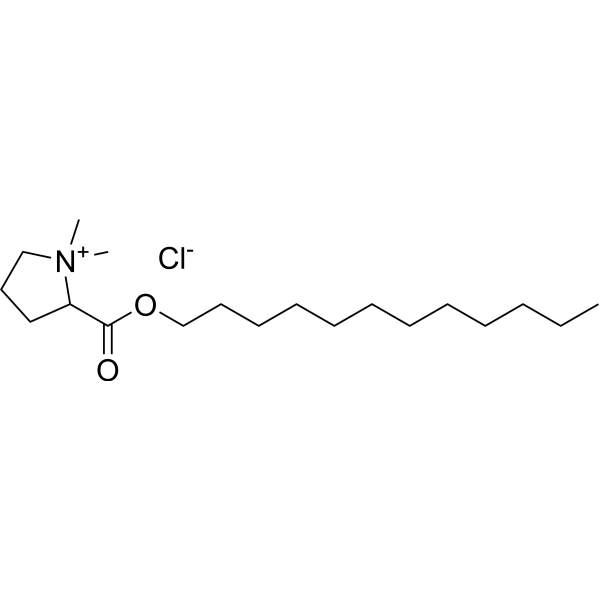
Antitumor agent-115 (SS-12) is an effective anti-tumor compound with an IC50 value of 0.34 μM-24.14 μM for cell line 4T1. Antitumor agent-115 can block the cell cycle of mouse breast cancer cell line 4T1, reduce the mitochondrial membrane potential, and induce apoptosis, and the IC50 value is 8-25 μmol/L for cell viability. Antitumor agent-115 can be used for breast cancer research .
|
-
-
- HY-173584
-
|
|
Drug Derivative
|
Cancer
|
|
GSK484-Ph (compound 15d) is an analog of GSK484 (HY-100514) with potent anticancer effects. GSK484-Ph potently inhibits 4T1 cells and can be used for the study of breast cancer .
|
-

-
- HY-116904
-
|
|
Apoptosis
Akt
|
Cancer
|
|
Anticancer agent 253 (Compound 26) has anti-cancer activity against breast cancer cells, with IC50s of 6 μM (MCF-7), 10 μM (MDA-MB-231) and 6.4 μM (4T1 cells). Anticancer agent 253 arrests cell cycle and induces mitochondria-mediated apoptosis in cancer cells. Anticancer agent 253 inhibits Akt phosphorylation in human breast and prostate cancer .
|
-

-
- HY-D2620
-
|
|
Photosensitizer
Reactive Oxygen Species (ROS)
Ferroptosis
|
Cancer
|
|
CAR-2 is a BODIPY-based photosensitizer that induces ferroptosis in photodynamic therapy (PDT) by targeting the endoplasmic reticulum (ER) and lipid droplets (LDs). CAR-2 exhibits phototoxicity in breast cancer cells with IC50 of 0.01-0.02 μM. CAR-2 exhibits antitumor efficacy in 4T1 xenograft mouse models .
|
-

-
- HY-175834
-
|
|
Topoisomerase
Reactive Oxygen Species (ROS)
Apoptosis
Microtubule/Tubulin
|
Cancer
|
|
DNA/TOP2A-IN-1 is an inhibitor of DNA and TOP2A. DNA/TOP2A-IN-1 selectively binds to TOP2A, not TOP2B, and interacts with DNA and TOP2A to form a stable DM1-TOP2A-DNA ternary complex. DNA/TOP2A-IN-1 induces DNA damage, increases reactive oxygen species (ROS) and triggers apoptosis in triple-negative breast cancer (TNBC) cells. DNA/TOP2A-IN-1 disrupts microtubule distribution and induces cell cycle arrest. DNA/TOP2A-IN-1 shows strong antiproliferative activity and inhibits cell migration. DNA/TOP2A-IN-1 inhibits tumor growth and can be used for TNBC research .
|
-

-
- HY-151980
-
|
|
Mps1
Apoptosis
|
Cancer
|
|
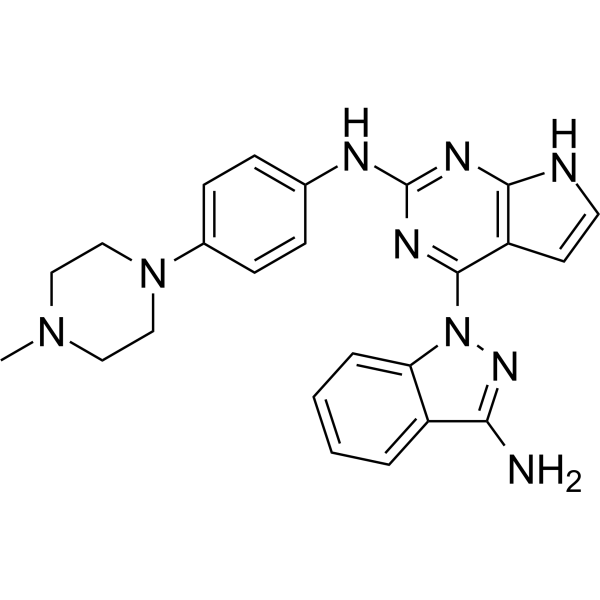
Mps1-IN-5 is a potent and orally active Mps1 inhibitor with an IC50 value of 29 nM. Mps1-IN-5 induces Apoptosis and cell cycle arrests at G2/M phase. Mps1-IN-5 shows antiproliferative activity and anti-tumor activity. Mps1-IN-5 inhibits phosphorylation of Mps1 and induces DNA damage .
|
-
-
- HY-161778
-
|
|
HDAC
VD/VDR
|
Inflammation/Immunology
Cancer
|
|
ZG-126 is an agonist for vitamin D receptor (VDR) and an inhibitor for histone deacetylase (HDAC) (IC50=0.63-67.6 μM). ZG-126 exhibits cytotoxicity in cancer cells MDA-MB-231 and 4T1. ZG-126 exhibits antitumor and anti-metastatic efficacy against melanoma and triple-negative breast cancer (TNBC) in mouse models. ZG-126 also exhibits anti-inflammatory activity, through the reduction of macrophage infiltration and immunosuppressive M2-polarization .
|
-

-
- HY-175201
-
|
|
LPL Receptor
STAT
|
Cancer
|
|
pro-FTY, a FTY720 (HY-12005) anticancer prodrug, is a sphingosine-1-phosphate (S1P) (HY-108496) inhibitor. pro-FTY specifically inhibits S1P signaling in cancer cells using a drug delivery system (DDS) that reacts with acrolein. pro-FTY significantly inhibits the survival of breast cancer cells, including multidrug-resistant cells and its organoids resistant to Paclitaxel (HY-B0015) or Doxorubicin (HY-15142A). pro-FTY potently suppresses tumor growth in 4T1 cells or organoids xenograft tumors mice model while avoiding lymphocytopenia .
|
-

-
- HY-175638
-
|
|
Carbonic Anhydrase
Apoptosis
Bcl-2 Family
CDK
|
Cancer
|
|
Carbonic anhydrase-IN-35 is a selective carbonic anhydrase (CA) inhibitor. Carbonic anhydrase-IN-35 potently inhibits tumor-associated hCA IX (Ki = 0.6 nM) and hCA XII (Ki = 2.2 nM). Carbonic anhydrase-IN-35 induces apoptosis in MCF-7 cells by elevating Bax, reducing Bcl-2, and downregulating CDK4/6. Carbonic anhydrase-IN-35 exhibits potent cytotoxicity against MCF-7 (IC50 = 0.3975 μM normoxic/0.6575 μM hypoxic), MCF-7-ADR (IC50> = 0.3975 μM normoxic/4.488 μM hypoxic), MDA-MB-231, and 4T1 breast cancer cells. Carbonic anhydrase-IN-35 can be used for the study of breast cancer .
|
-

-
- HY-176149
-
|
|
CaMK
MMP
AMPK
Apoptosis
Autophagy
|
Cancer
|
|
Fluoxetine-Conjugated Platinum(IV) prodrug-1 (Compound 8) is an eEF2K inhibitor. Fluoxetine-Conjugated Platinum(IV) prodrug-1 inhibits cancer cell proliferation, induces DNA damage, cell cycle arrest at S phase and apoptosis. Fluoxetine-Conjugated Platinum(IV) prodrug-1 induces ROS accumulation and mitochondrial dysfunction. Fluoxetine-Conjugated Platinum(IV) prodrug-1 inhibits TNBC cell migration and invasion by inhibiting MMP-2 activity. Fluoxetine-Conjugated Platinum(IV) prodrug-1 induces autophagy in TNBC cells by activating AMPK. Fluoxetine-Conjugated Platinum(IV) prodrug-1 has antitumor activity and activates immunosuppression in the 4T1-Luc mouse model. Fluoxetine-Conjugated Platinum(IV) prodrug-1 can be used in triple-negative breast cancer (TNBC) research .
|
-

-
- HY-123715
-
|
|
Apoptosis
|
Cancer
|
|
Anticancer agent 255 is a monocarbonylated curcumin-1,2,3-oxazole conjugate with significant anticancer activity. The IC50 values of Anticancer agent 255 in prostate cancer cells PC-3 and DU-145 are 8.8μM and 9.5μM respectively. The IC50 values of Anticancer agent 255 against breast cancer cells MCF-7, MDA-MB-231 and 4T1 are 6μM, 10μM and 6.4μM, showing good anti-cancer activity Effect. Anticancer agent 255 can induce mitochondria-mediated apoptosis in cancer cells and prevent cell cycle progression. Anticancer agent 255 down-regulated the cell proliferation marker PCNA and inhibited the activation of cell survival proteins. Anticancer agent 255 up-regulated the pro-apoptotic protein Bax and down-regulated the anti-apoptotic protein Bcl-2 .
|
-

-
- HY-N13016
-
|
|
Transmembrane Glycoprotein
|
Cancer
|
|
Yinyanghuo C is a prenylated flavonoid isolated from the leaves of Epimedium sagittatum. Yinyanghuo C increases the mRNA expression levels of endothelial cell markers and enhances cancer-associated angiogenesis in the 4T1 breast tumor-bearing model .
|
-

-
- HY-159112
-
|
|
HDAC
|
Cancer
|
|
AW01178 is a Class I HDAC inhibitor. AW01178 induces the upregulation of E-cadherin at both mRNA and protein levels and inhibits the EMT of breast cancer cells .
|
-

-
- HY-179615
-
|
|
Apoptosis
Bcl-2 Family
Survivin
Reactive Oxygen Species (ROS)
|
Cancer
|
|
Entadamide A-CO-C12 is an Entadamide A (HY-N12125) derivative with potent anti-cancer activity, particularly against breast cancer cell lines. Entadamide A-CO-C12 promotes apoptosis, suppresses migratory ability, sphere formation, and stem-like cell populations. Entadamide A-CO-C12 inhibits tumor growth in a 4T1 mouse model. Entadamide A-CO-C12 can be used for the research of breast cancer .
|
-

-
- HY-155686
-
|
|
Microtubule/Tubulin
|
Cancer
|
|
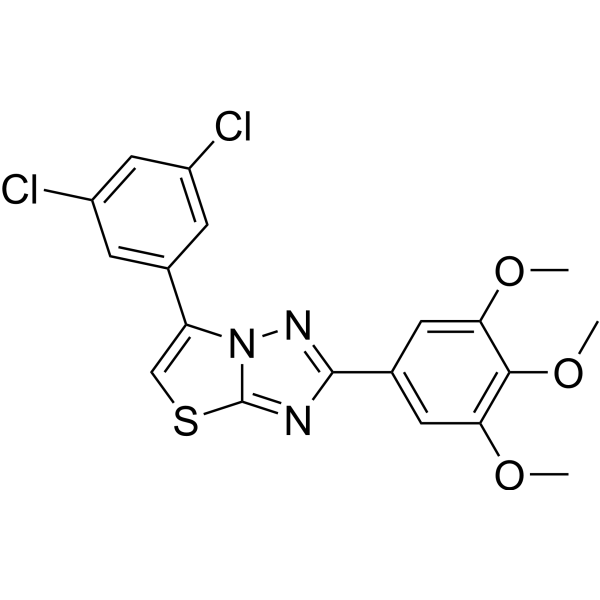
Tubulinpolymer-in-44 (compound 7w) is a strong and effective Tubulin inhibitor, with an IC50 value of 0.21 μM. Tubulinpolymer-in-44 induces apoptosis by arresting G2/M phase, which can be used for cancer research.
|
-
-
- HY-114169S
-
|
|
Isotope-Labeled Compounds
|
Cancer
|
|
WRG-28-d5 is the deuterium labeled WRG-28(HY-114169).WRG-28 is a selective, extracellularly acting DDR2 allosteric inhibitor, with an IC50 of 230 nM. WRG-28 inhibits tumor invasion, migration and tumor-supporting effects of cancer-associated fibroblasts (CAFs). WRG-28 inhibits metastatic
|
-

-
- HY-173211
-
|
|
Photosensitizer
|
Cancer
|
|
anti-TNBC agent-8 (Compound TP2) is a photodynamic therapeutic agent targeting mitochondrial DNA G4 (mtG4). Under white light irradiation, its IC50 against 4T1 cells is 0.42 μM. anti-TNBC agent-8 binds tightly to mtG4 and generates a large amount of reactive oxygen species (ROS) under white light irradiation, leading to the loss of mitochondrial membrane potential (MMP), a decrease in ATP production, and an increase in the ROS level. This, in turn, induces significant apoptosis in triple-negative breast cancer (TNBC) cells, exerting the activity of inhibiting tumor cell growth. anti-TNBC agent-8 can be used in the research of triple-negative breast cancer.
|
-

-
- HY-181880
-
|
|
PROTACs
NAMPT
|
Cancer
|
|
PROTAC NAMPT Degrader-28 is a NAMPT PROTAC degrader with DC50 values of 45 nM and 55 nM in MCF7 and 4T1cl5 cells, respectively. PROTAC NAMPT Degrader-28 retains nicotinamide phosphoribosyltransferase inhibitory activity and does not induce degradation of this enzyme. PROTAC NAMPT Degrader-28 can be used in breast cancer-related research .
|
-

-
- HY-P11728
-
|
|
CXCR
Apoptosis
Caspase
Akt
ERK
|
Cancer
|
|
Peptide E5 is an antagonist targeting the CXCR4/CXCL12 axis. Peptide E5 blocks the CXCR4/CXCL12 axis, downregulates CXCR4 expression, and inhibits the phosphorylation of downstream Akt and Erk. Peptide E5 induces apoptosis, suppresses migration and adhesion of breast cancer cells. Peptide E5 inhibits CXCL12-mediated endothelial progenitor cell recruitment, thereby suppressing tumor angiogenesis. Peptide E5 is applicable to relevant research on breast cancer .
|
-

-
- HY-D3143
-
|
|
Fluorescent Dye
|
Cancer
|
|
QM-B-CF is a sequential dual-lock chemiluminescent/fluorescent dual-mode probe designed for the specific detection of H2O2, and it can produce enhanced chemiluminescence upon photoirradiation. QM-B-CF generates chemiluminescent signals only under the conditions of H2O2 and light exposure in vitro, in cancer cells, and in tumor-bearing nude mice (Ex/Em = 514 nm/600 nm) .
|
-

-
- HY-D3311
-
|
|
Fluorescent Dye
|
Cancer
|
|
M1219 is a GSH/ATP dual near-infrared activated fluorescent probe that enables independent real-time monitoring of dynamic changes in intracellular GSH and ATP without spectral crosstalk (GSH: Ex=640 nm, Em=740~800 nm; ATP: Ex=594 nm/610 nm, Em=650~700 nm). M1219 not only visualizes the metabolic regulatory mechanism of TNBC under single/dual-target inhibition of SLC7A11/GLUT1 and accurately evaluates its in vivo efficacy, but also achieves precise localization of the TNBC tumor invasion boundary. M1219 can be used for the research of triple-negative breast cancer .
|
-

-
- HY-183765
-
|
|
PARP
Pyruvate Kinase
|
Cancer
|
|
PARP1/PKM2-IN-1 is a dual PARP1/PKM2 inhibitor, with an IC50 of 39.5 nM against PARP1, and IC50 values of 261 nM (recombinant PKM2) and 50 nM (dimeric PKM2) against PKM2. PARP1/PKM2-IN-1 reduces the dimerization of PKM2 and decreases its nuclear accumulation level. PARP1/PKM2-IN-1 also selectively downregulates PKM2 mRNA and impairs poly (ADP-ribose)-mediated nuclear retention of PKM2. PARP1/PKM2-IN-1 exhibits antiproliferative activity and inhibits the formation of 3D cancer spheroids. PARP1/PKM2-IN-1 can be used in research related to mammary adenocarcinoma, triple-negative breast cancer, BRCA1-mutant triple-negative breast cancer, and prostate adenocarcinoma .
|
-

-
- HY-183771
-
|
|
CDK
Apoptosis
Reactive Oxygen Species (ROS)
Mitochondrial Metabolism
Bcl-2 Family
Caspase
|
Cancer
|
|
CDK4/6-IN-28 is a potent, orally active, and selective CDK4/6 inhibitor IC50 values of 14.02 and 10.03 nM, respectively. CDK4/6-IN-28 inhibits breast cancer cell colony formation, migration, and proliferation. CDK4/6-IN-28 induces G1-phase cell cycle arrest and apoptosis in breast cancer cells. CDK4/6-IN-28 exhibits tumor inhibitory activity in breast cancer xenograft mouse models. CDK4/6-IN-28 can be used for the research of breast cancer .
|
-

-
- HY-181136
-
|
|
Estrogen Receptor/ERR
|
Metabolic Disease
Cancer
|
|
Antiestrogenic agent-1, an organophosphorus 13α-estrone derivative, is an antiestrogenic agent. Antiestrogenic agent-1 can disrupt estrogen signaling by inhibiting estrogen-mediated transcriptional activity. Antiestrogenic agent-1 can inhibit cancer cells proliferation, migration, invasion and induce G1-phase arrest. Antiestrogenic agent-1 mitigates estrogen-induced uterine growth in immature rats and inhibits tumor growth in a murine triple-negative breast cancer mice model. Antiestrogenic agent-1 can be used for the researches of cancer and endocrinology,such as breast cancer, oropharyngeal squamous cell carcinoma .
|
-

-
- HY-186196
-
|
|
Ferroptosis
Reactive Oxygen Species (ROS)
|
Cancer
|
|
Fentomycin-1 is a ferroptosis inducer. Fentomycin-1 activates lysosomal iron 2+ under acidic conditions with hydrogen peroxide to form a reactive iron-oxo species, which induces oxidative degradation, oxidation, and lipolysis of membrane phospholipids, triggering ferroptosis. Fentomycin-1 can be used for the research of pancreatic ductal adenocarcinoma, breast cancer metastasis, and melanoma .
|
-

-
- HY-183294
-
|
|
Glutathione Peroxidase
Ferroptosis
Reactive Oxygen Species (ROS)
|
Cancer
|
|
GPX4-IN-24 is an orally active glutathione peroxidase 4 (GPX4) inhibitor with a human IC50 of 10.90 μM, human Kd of 10.04 μM. GPX4-IN-24 suppresses GPX4 enzymatic activity, disrupts redox homeostasis, drives lipid peroxidation, promotes lipid peroxidation, and induces ferroptosis. GPX4-IN-24 can be used for the research of triple-negative breast cancer .
|
-

-
- HY-D3411
-
|
|
Fluorescent Dye
|
Others
|
|
Rhobo6 is a cell-impermeable glycan-binding, fluorescence turn-on imaging agent with a Kd of 53 µM for glycans. Rhobo6 reversibly binds target glycans and enables wash-free live ECM visualization. Rhobo6 can be used for fluorescent labeling of ECM in living samples or decellularized tissues (Ex/Em = 488/561 nm) .
|
-

-
- HY-183570
-
|
|
Photosensitizer
Reactive Oxygen Species (ROS)
|
Cancer
|
|
Antitumor photosensitizer-11 is a type-I carbazole/benzindolium photosensitizer with antitumor activity. Antitumor photosensitizer-11 induces ROS generation via a type-I pathway, forming superoxide anions and hydroxyl radicals. Antitumor photosensitizer-11 triggers immunogenic cell death in cancer cells via enhanced oxidative stress. Antitumor photosensitizer-11 exhibits antiproliferative activity in normoxic and hypoxic environments, inhibits breast cancer tumor growth in vivo, and promotes dendritic cell maturation and T cell infiltration. Antitumor photosensitizer-11 can be used for the research of cancer, such as breast cancer .
|
-

-
- HY-182926
-
|
|
DNA/RNA Synthesis
Topoisomerase
|
Cancer
|
|
Topoisomerase I/II-IN-9 is a topoisomerase I/II inhibitor (IC50<10 μM) and a DNA damage inducer. Topoisomerase I/II-IN-9 blocks the interaction between the enzyme and DNA by binding to the DNA-binding pocket of the enzyme. Topoisomerase I/II-IN-9 activates the cGAS-STING pathway and promotes the accumulation of cytoplasmic double-stranded DNA. This further drives the production of type I interferons, CCL5, CXCL10 and interferon-stimulated genes, and induces anti-tumor immune responses in vivo. Topoisomerase I/II-IN-9 can be applied to the research of related diseases such as triple-negative breast cancer, colorectal cancer and gastric cancer .
|
-

- HY-185310
-
|
|
MASTL
c-Myc
DNA/RNA Synthesis
|
Cancer
|
|
MKI-2 is a selective MASTL inhibitor with an IC50 of 37.44 nM. MKI-2 induces mitotic catastrophe resulting from the modulation of the MASTL-PP2A axis in breast cancer cells. MKI-2 reduces phospho-ENSA, total, phospho-c-Myc levels. MKI-2 inhibts cancer cells proliferation, migration and induces DNA damage. MKI-2 inhibits germinal vesicle breakdown in mouse oocytes. MKI-2 can be used for the research of cancer, such as breast cancer .
|
-

- HY-182919
-
|
|
Cuproptosis
Reactive Oxygen Species (ROS)
|
Cancer
|
|
Antitumor photosensitizer-10 is an antitumor photosensitizer. Upon near-infrared irradiation, Antitumor photosensitizer-10 generates superoxide anions, reduces the copper-binding capacity of glutathione, releases copper ions, and thereby induces cuproptosis in tumor cells (cuproptosis). Antitumor photosensitizer-10 can be used in breast cancer-related research .
|
-

- HY-182748
-
|
|
Topoisomerase
DNA/RNA Synthesis
Apoptosis
|
Cancer
|
|
NL-26 is a Topoisomerase I inhibitor. NL-26 stabilizes the covalent Topoisomerase I (Topo I)-DNA complex, prevents DNA religation and triggers the DNA damage response. NL-26 induces G2/M cell cycle arrest and apoptosis in cancer cells. NL-26 can be used for the research of colorectal cancer .
|
-

- HY-181517
-
|
|
Bacterial
|
Infection
Cancer
|
|
Antitumor agent-212 is a α-exo-methylene-selenolactone derivative with prominent selective antitumor activity. Antitumor agent-212 exhibits an MIC value of 128 μg/mL against Gram-positive bacteria. Antitumor agent-212 exhibits significant antitumor effects in the U87 human glioma xenograft model. Antitumor agent-212 can be used for the study of glioma, breast cancer and non-small cell lung cancer, and antibacterial study .
|
-

- HY-D3181
-
|
|
Fluorescent Dye
Caspase
|
Cancer
|
|
CyGbPF is a granzyme B-specific near-infrared fluorescent probe. CyGbPF can be cleaved by granzyme B to remove the peptide cage group, restoring near-infrared fluorescence. CyGbPF passively accumulates in mouse tumors, and its activated fluorescence correlates with granzyme B expression, CD8 + cytotoxic T lymphocyte populations, and CD4 + helper T lymphocyte populations in tumor tissues. CyGbPF is efficiently cleared by the kidneys, enabling the assessment of immune activation via optical urine analysis. CyGbPF allows real-time non-invasive evaluation of cancer immunotherapeutic efficacy in living animals. CyGbPF can be used in research on cancers such as breast cancer. Excitation wavelength/emission wavelength: approximately 658 nm/approximately 717 nm .
|
-

- HY-181254
-
|
|
PARP
NAMPT
DNA/RNA Synthesis
Apoptosis
|
Cancer
|
|
PARP1/NAMPT-IN-1 is a potent and dual PARP1 and NAMPT inhibitor with IC50 values of 1.2 nM and 6.7 nM, respectively. PARP1/NAMPT-IN-1 can disrupt the homologous recombination repair (HRR) pathway, leading to the accumulation of DNA double-strand breaks (DSBs), inducing cell cycle arrest and apoptosis, and also has antimigratory effects. PARP1/NAMPT-IN-1 exhibits excellent antitumor effects in a breast cancer xenograft model. PARP1/NAMPT-IN-1 can be used for the study of triple-negative breast cancer (TNBC) .
|
-

| Cat. No. |
Product Name |
Type |
-
- HY-D2620
-
|
|
Fluorescent Dyes
|
|
CAR-2 is a BODIPY-based photosensitizer that induces ferroptosis in photodynamic therapy (PDT) by targeting the endoplasmic reticulum (ER) and lipid droplets (LDs). CAR-2 exhibits phototoxicity in breast cancer cells with IC50 of 0.01-0.02 μM. CAR-2 exhibits antitumor efficacy in 4T1 xenograft mouse models .
|
-
- HY-D3143
-
|
|
Fluorescent Dyes
|
|
QM-B-CF is a sequential dual-lock chemiluminescent/fluorescent dual-mode probe designed for the specific detection of H2O2, and it can produce enhanced chemiluminescence upon photoirradiation. QM-B-CF generates chemiluminescent signals only under the conditions of H2O2 and light exposure in vitro, in cancer cells, and in tumor-bearing nude mice (Ex/Em = 514 nm/600 nm) .
|
-
- HY-D3311
-
|
|
Fluorescent Dyes
|
|
M1219 is a GSH/ATP dual near-infrared activated fluorescent probe that enables independent real-time monitoring of dynamic changes in intracellular GSH and ATP without spectral crosstalk (GSH: Ex=640 nm, Em=740~800 nm; ATP: Ex=594 nm/610 nm, Em=650~700 nm). M1219 not only visualizes the metabolic regulatory mechanism of TNBC under single/dual-target inhibition of SLC7A11/GLUT1 and accurately evaluates its in vivo efficacy, but also achieves precise localization of the TNBC tumor invasion boundary. M1219 can be used for the research of triple-negative breast cancer .
|
-
- HY-D3411
-
|
|
Fluorescent Dyes
|
|
Rhobo6 is a cell-impermeable glycan-binding, fluorescence turn-on imaging agent with a Kd of 53 µM for glycans. Rhobo6 reversibly binds target glycans and enables wash-free live ECM visualization. Rhobo6 can be used for fluorescent labeling of ECM in living samples or decellularized tissues (Ex/Em = 488/561 nm) .
|
-
- HY-D3181
-
|
|
Fluorescent Dyes
|
|
CyGbPF is a granzyme B-specific near-infrared fluorescent probe. CyGbPF can be cleaved by granzyme B to remove the peptide cage group, restoring near-infrared fluorescence. CyGbPF passively accumulates in mouse tumors, and its activated fluorescence correlates with granzyme B expression, CD8 + cytotoxic T lymphocyte populations, and CD4 + helper T lymphocyte populations in tumor tissues. CyGbPF is efficiently cleared by the kidneys, enabling the assessment of immune activation via optical urine analysis. CyGbPF allows real-time non-invasive evaluation of cancer immunotherapeutic efficacy in living animals. CyGbPF can be used in research on cancers such as breast cancer. Excitation wavelength/emission wavelength: approximately 658 nm/approximately 717 nm .
|
| Cat. No. |
Product Name |
Target |
Research Area |
-
- HY-P10449
-
|
|
Peptides
|
Inflammation/Immunology
Cancer
|
|
M2 Peptide is a peptide targeting M2-like tumor-associated macrophages (TAMs). M2 Peptide is used to carry drugs or small interfering RNA (siRNA) to promote the repolarization of M2-like macrophages to M1-like macrophages, thereby altering the immunosuppressive state in the tumor microenvironment and enhancing the anti-tumor immune response. M2 Peptide can be used to study the effect of macrophage polarization and how this polarization change affects tumor growth and metastasis .
|
-
- HY-P11728
-
|
|
CXCR
Apoptosis
Caspase
Akt
ERK
|
Cancer
|
|
Peptide E5 is an antagonist targeting the CXCR4/CXCL12 axis. Peptide E5 blocks the CXCR4/CXCL12 axis, downregulates CXCR4 expression, and inhibits the phosphorylation of downstream Akt and Erk. Peptide E5 induces apoptosis, suppresses migration and adhesion of breast cancer cells. Peptide E5 inhibits CXCL12-mediated endothelial progenitor cell recruitment, thereby suppressing tumor angiogenesis. Peptide E5 is applicable to relevant research on breast cancer .
|
| Cat. No. |
Product Name |
Category |
Target |
Chemical Structure |
| Cat. No. |
Product Name |
Chemical Structure |
-
- HY-114169S
-
|
|
|
WRG-28-d5 is the deuterium labeled WRG-28(HY-114169).WRG-28 is a selective, extracellularly acting DDR2 allosteric inhibitor, with an IC50 of 230 nM. WRG-28 inhibits tumor invasion, migration and tumor-supporting effects of cancer-associated fibroblasts (CAFs). WRG-28 inhibits metastatic
|
-
| Cat. No. |
Product Name |
|
Classification |
-
- HY-175201
-
|
|
|
Azide
|
|
pro-FTY, a FTY720 (HY-12005) anticancer prodrug, is a sphingosine-1-phosphate (S1P) (HY-108496) inhibitor. pro-FTY specifically inhibits S1P signaling in cancer cells using a drug delivery system (DDS) that reacts with acrolein. pro-FTY significantly inhibits the survival of breast cancer cells, including multidrug-resistant cells and its organoids resistant to Paclitaxel (HY-B0015) or Doxorubicin (HY-15142A). pro-FTY potently suppresses tumor growth in 4T1 cells or organoids xenograft tumors mice model while avoiding lymphocytopenia .
|
-
- HY-159112
-
|
|
|
Azide
|
|
AW01178 is a Class I HDAC inhibitor. AW01178 induces the upregulation of E-cadherin at both mRNA and protein levels and inhibits the EMT of breast cancer cells .
|
Your information is safe with us. * Required Fields.
Inquiry Information
- Product Name:
- Cat. No.:
- Quantity:
- MCE Japan Authorized Agent:








