1. Search Result
Search Result
Results for "

dopamine D1/D2 receptor

" in MedChemExpress (MCE) Product Catalog:

78

Inhibitors & Agonists

1

Screening Libraries

2

Peptides

6

Natural
Products

13

Isotope-Labeled Compounds

Cat. No. Product Name Target Research Areas Chemical Structure
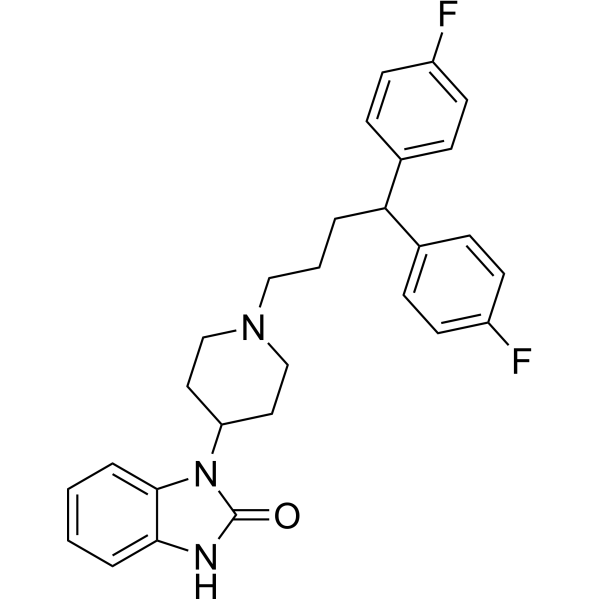
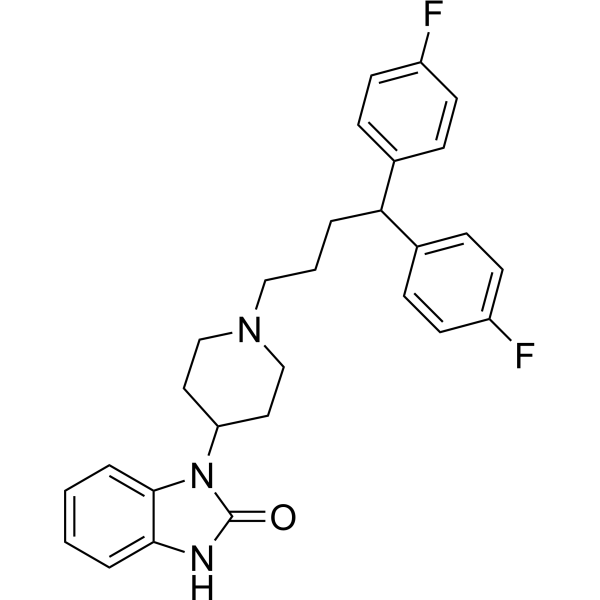
  • HY-12987
    Pimozide
    Maximum Cited Publications
    6 Publications Verification

    R6238

    Dopamine Receptor Adrenergic Receptor STAT Parasite Neurological Disease Endocrinology Cancer
    Pimozide is a dopamine receptor antagonist, with Kis of 1.4 nM, 2.5 nM and 588 nM for dopamine D2, D3 and D1 receptors, respectively, and also has affinity at α1-adrenoceptor, with a Ki of 39 nM; Pimozide also inhibits STAT3 and STAT5.
    Pimozide
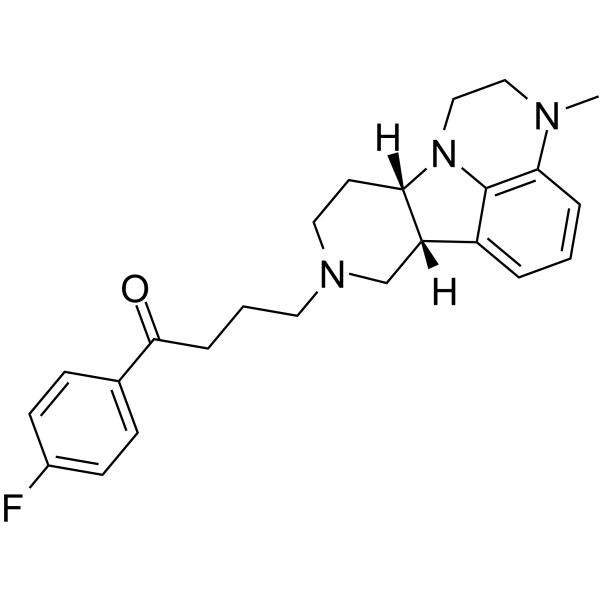
  • HY-17637

    ITI-007

    Dopamine Receptor 5-HT Receptor Neurological Disease Cancer
    Lumateperone (ITI-007) is an orally active 5-HT2A receptor antagonist (Ki = 0.54 nM), a partial agonist of presynaptic D2 receptors and an antagonist of postsynaptic D2 receptors (Ki = 32 nM), and a dopamine D1 receptor modulator. Lumateperone has anticancer activity and can also be used for the study of schizophrenia and bipolar depression .
    Lumateperone
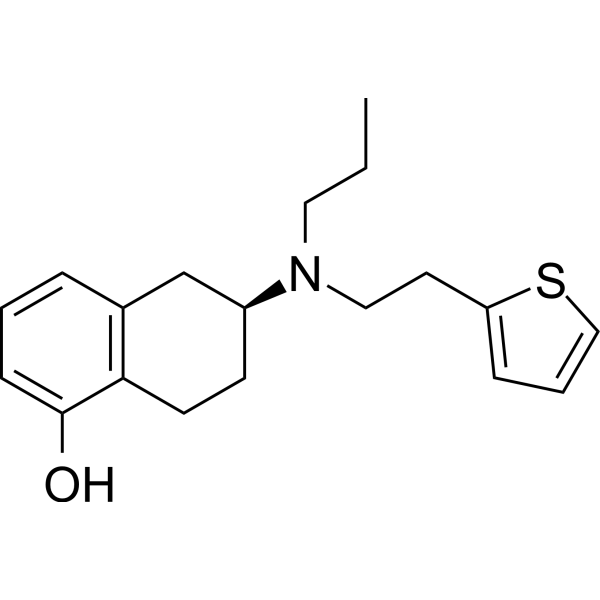
  • HY-75502
    Rotigotine
    3 Publications Verification

    N-0923; (-)-N 0437

    Dopamine Receptor Adrenergic Receptor 5-HT Receptor Neurological Disease Endocrinology
    Rotigotine is a potent dopamine receptor agonist with Ki values of 0.71 nM, 4-15 nM, and 83 nM for the dopamine D3 receptor and D2, D5, D4 receptors and dopamine D1 receptor. Rotigotine a partial agonist of the 5-HT1A receptor, and an antagonist of the α2B-adrenergic receptor. Rotigotine can be used for parkinson's disease (PD) research .
    Rotigotine
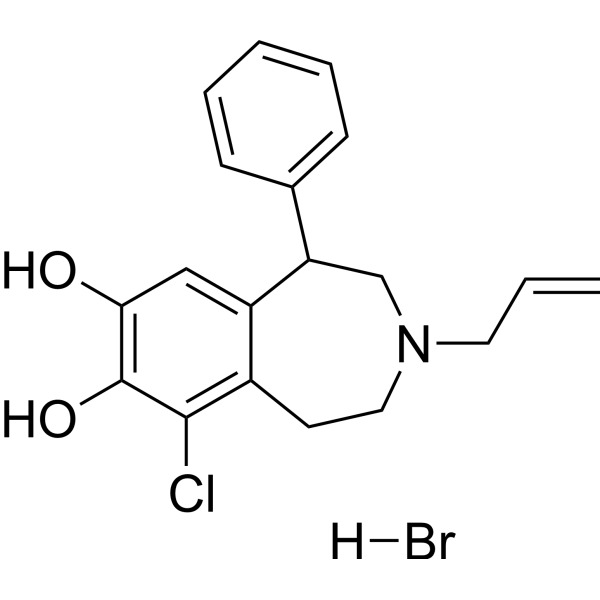
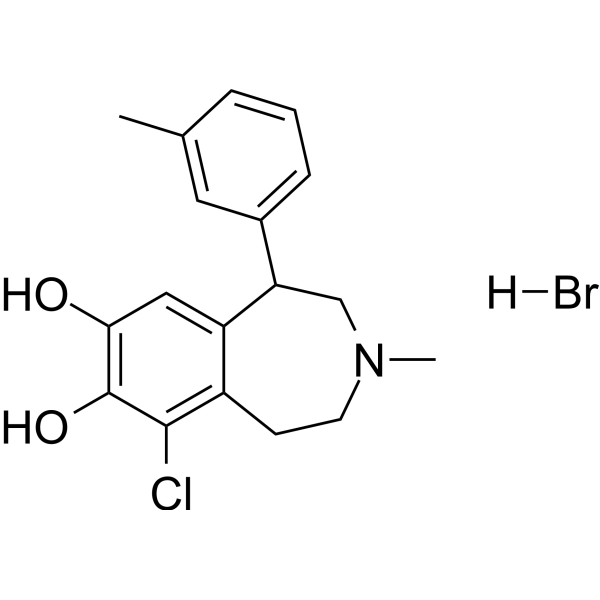
  • HY-10435A
    SKF-82958 hydrobromide
    4 Publications Verification

    (±)-SKF-82958 hydrobromide; Chloro-APB hydrobromide

    Dopamine Receptor Neurological Disease
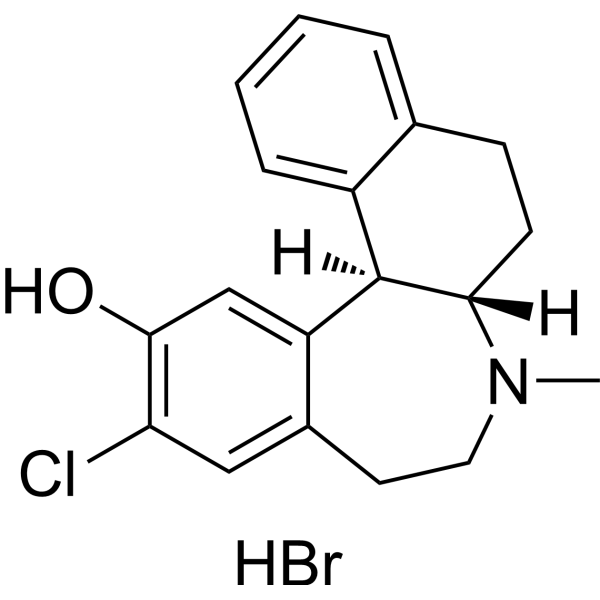
    SKF-82958 ((±)-SKF 82958) hydrobromide is a dopamine D1 receptor full agonist (K0.5=4 nM), displays selective for D1 over D2 receptors (K0.5=73 nM). SKF-82958 hydrobromide induces dopamine D1 receptor-dependent adenylate cyclase activity in rat striatal membranes (EC50=491 nM) .
    SKF-82958 hydrobromide
  • HY-13720A
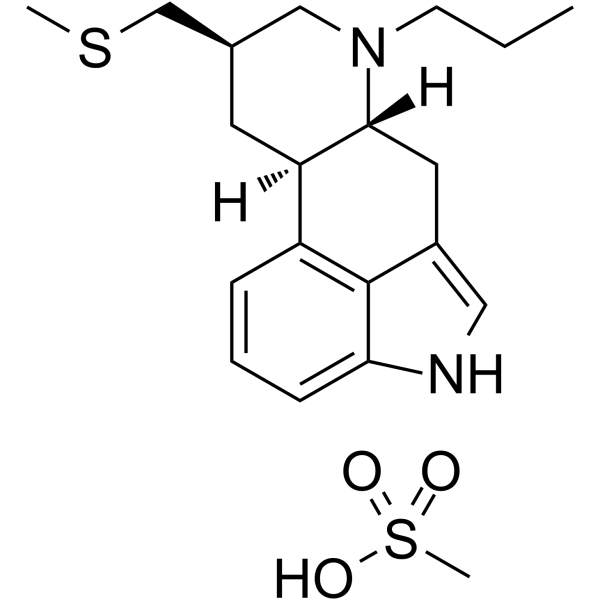
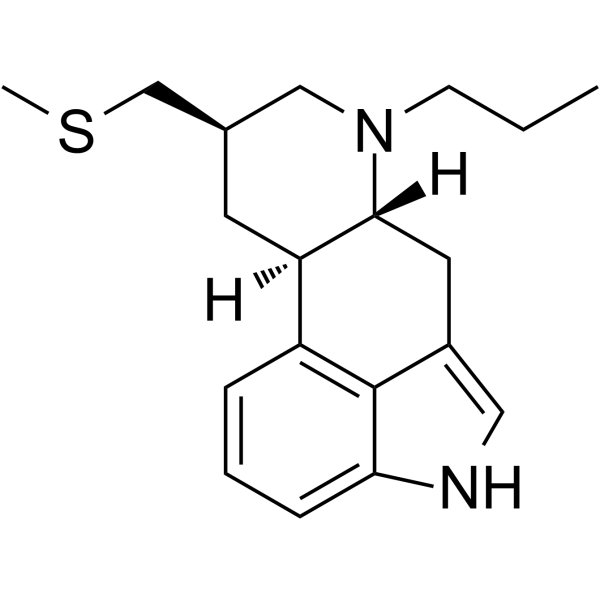
    Pergolide mesylate
    1 Publications Verification

    Pergolide methanesulfonate; LY127809

    Dopamine Receptor Drug Derivative Cardiovascular Disease Neurological Disease Metabolic Disease
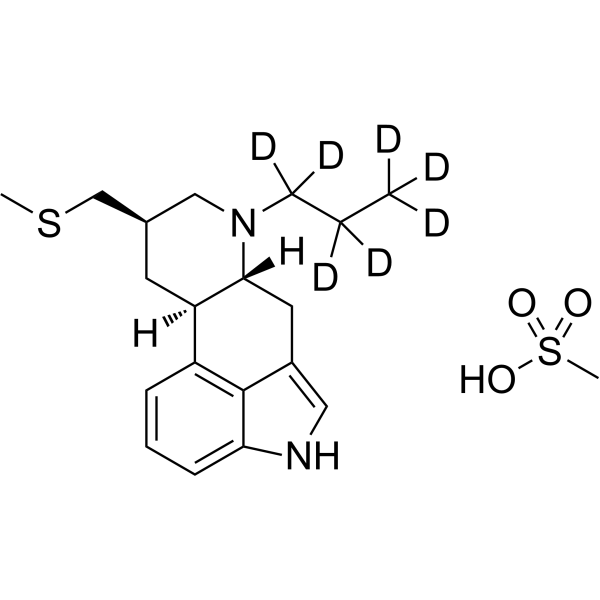
    Pergolide mesylate (Pergolide methanesulfonate), an Ergoline derivative, is a potent and orally active dopamine D1 and D2 receptors agonist. Pergolide mesylate can be used for Parkinson's disease and hyperprolactinaemia research .
    Pergolide mesylate
  • HY-19733

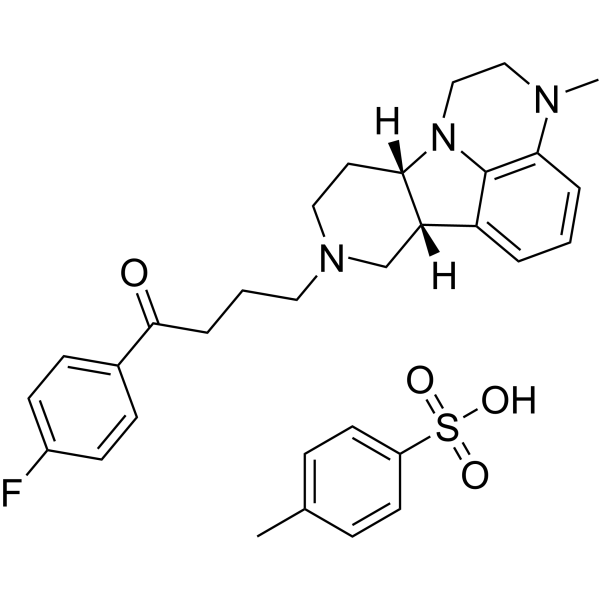
    ITI-007 tosylate

    5-HT Receptor Dopamine Receptor Neurological Disease Cancer
    Lumateperone (ITI-007) tosylate is a 5-HT2A receptor antagonist (Ki = 0.54 nM), a partial agonist of presynaptic D2 receptors and an antagonist of postsynaptic D2 receptors (Ki = 32 nM), and a dopamine D1 receptor modulator. Lumateperone tosylate has anticancer activity and can also be used in studies of psychiatric disorders such as schizophrenia .
    Lumateperone tosylate
  • HY-N0096

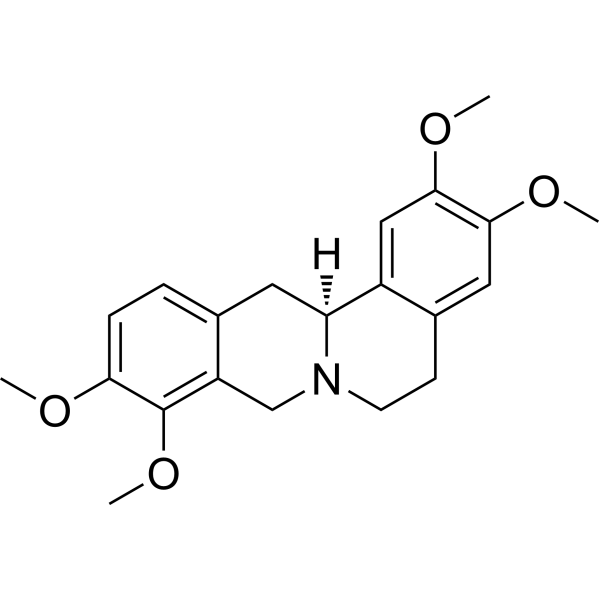
    (-)-Tetrahydropalmatine; L-Tetrahydropalmatine

    5-HT Receptor Dopamine Receptor Neurological Disease
    Rotundine is an antagonist of dopamine D1, D2 and D3 receptors with IC50s of 166 nM, 1.4 μM and 3.3 μM, respectively. Rotundine is also an antagonist of 5-HT1A with an IC50 of 370 nM.
    Rotundine
  • HY-A0007
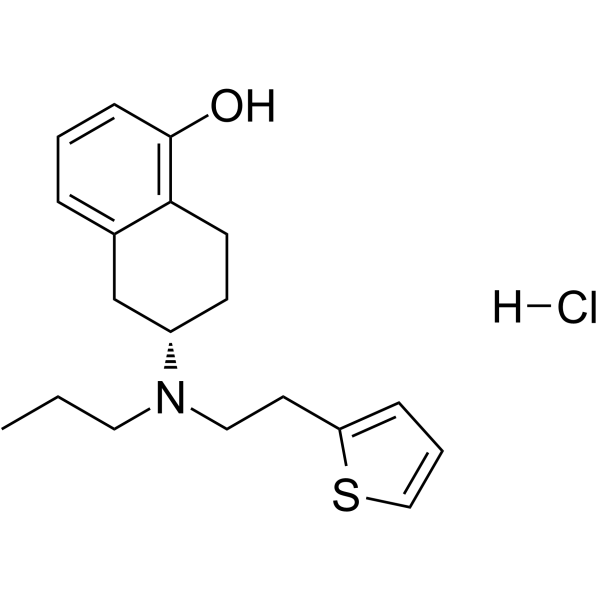
    Rotigotine Hydrochloride
    3 Publications Verification

    N-0923 Hydrochloride

    Dopamine Receptor Adrenergic Receptor 5-HT Receptor Neurological Disease
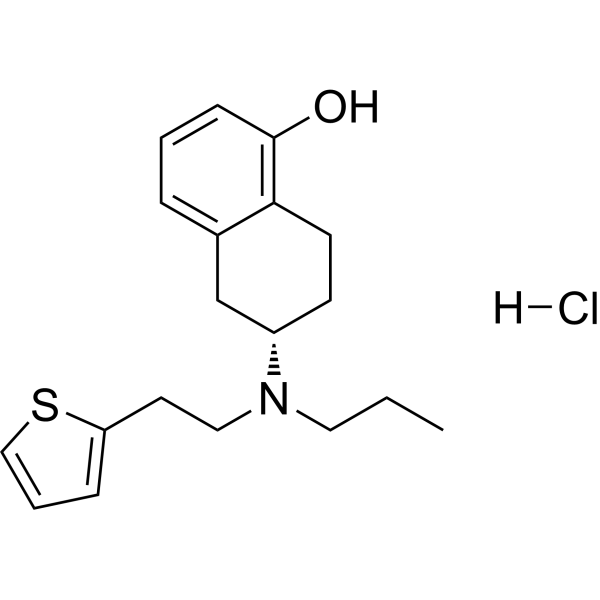
    Rotigotine Hydrochloride (N-0923 Hydrochloride) is a full agonist of dopamine receptor, a partial agonist of the 5-HT1A receptor, and an antagonist of the α2B-adrenergic receptor, with Ki of 0.71 nM, 4-15 nM, and 83 nM for the dopamine D3 receptor and D2, D5, D4 receptors, and dopamine D1 receptor.
    Rotigotine Hydrochloride
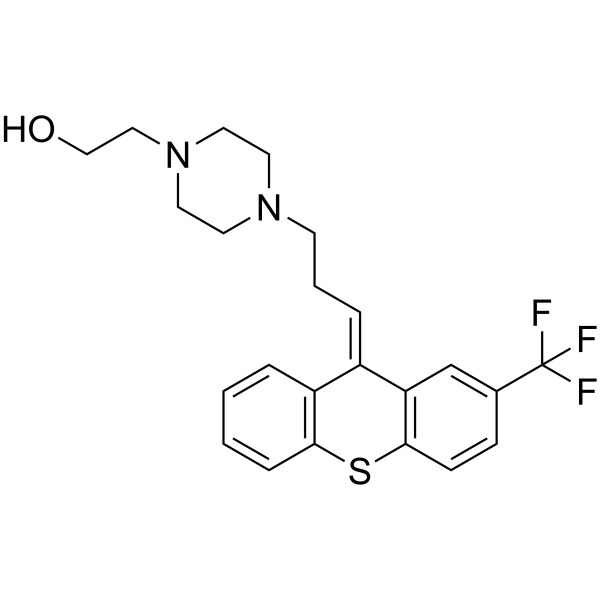
  • HY-15856B
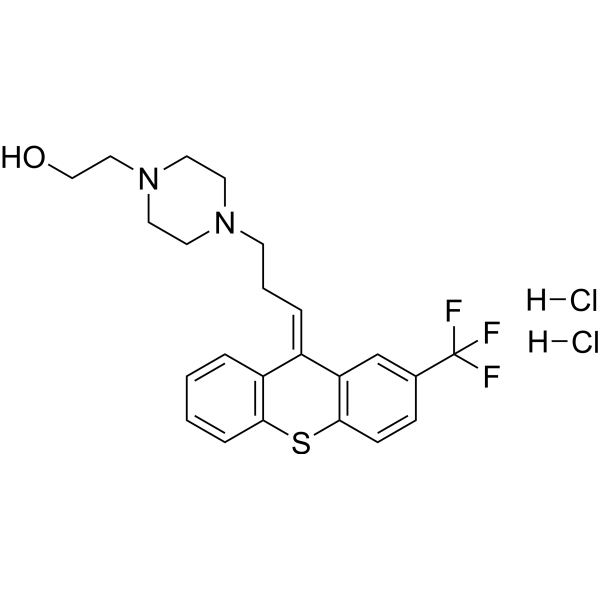
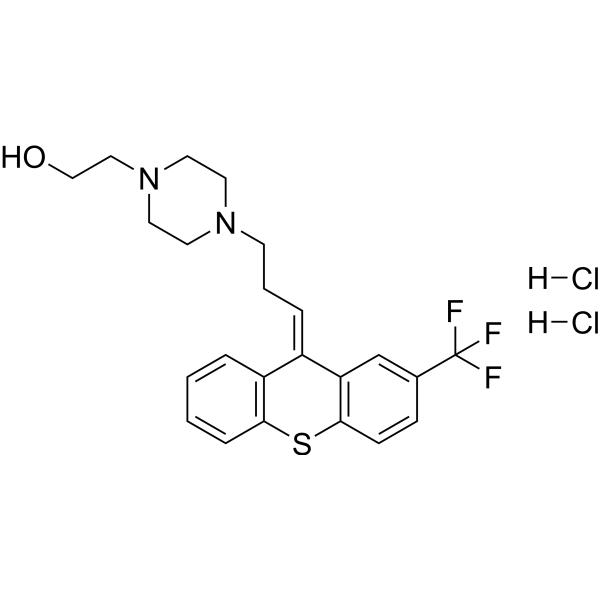
    Flupentixol dihydrochloride
    2 Publications Verification

    Flupenthixol dihydrochloride

    Dopamine Receptor PI3K Apoptosis Neurological Disease Cancer
    Flupentixol is an orally active D1/D2 dopamine receptor antagonist and new PI3K inhibitor (PI3Kα IC50=127 nM). Flupentixol shows anti-proliferative activity to cancer cells and induces apoptosis. Flupentixol can also be used in schizophrenia, anxiolytic and depressive research .
    Flupentixol dihydrochloride
  • HY-13720
    Pergolide
    1 Publications Verification

    LY127809 free base

    Dopamine Receptor Drug Derivative Cardiovascular Disease Neurological Disease Metabolic Disease
    Pergolide (LY127809 free base), an Ergoline derivative, is a potent and orally active dopamine D1 and D2 receptor agonist. Pergolide can be used for Parkinson's disease and hyperprolactinaemia research .
    Pergolide
  • HY-N6960

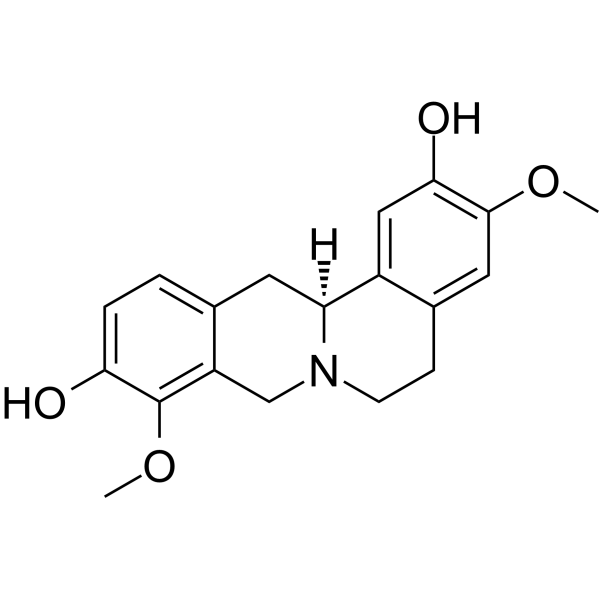
    Stepholidine; (-)-Stepholidine; L-SPD

    Dopamine Receptor Neurological Disease
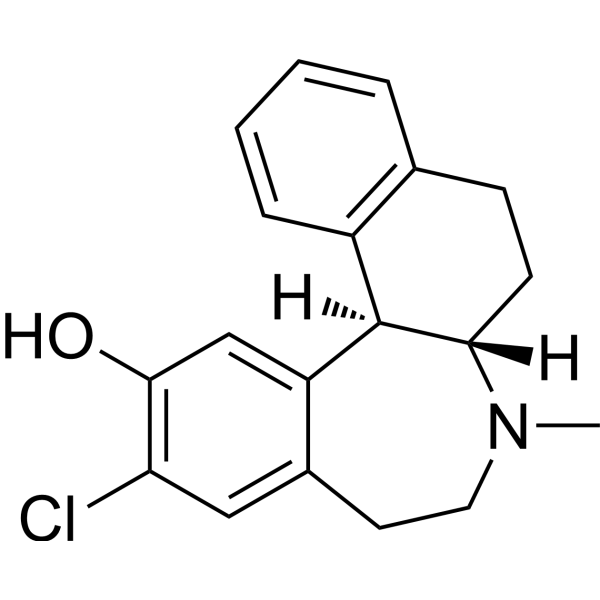
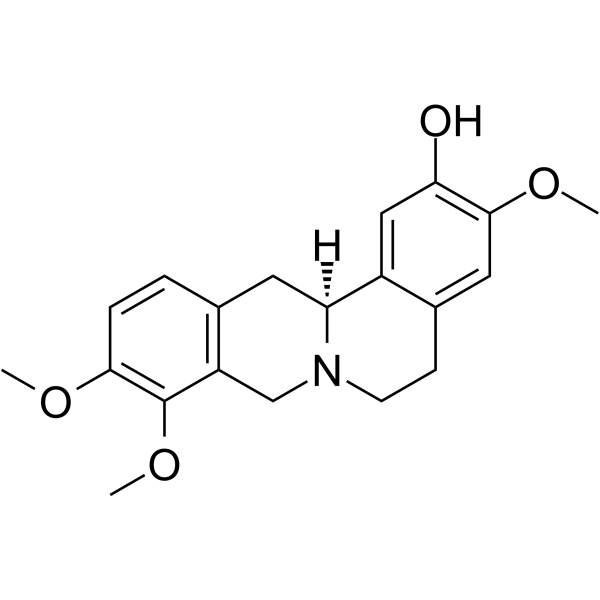
    L-Stepholidine (Stepholidine) is an alkaloid. L-Stepholidine exhibits mixed dopamine D1 receptor agonist and D2 antagonist properties. L-Stepholidine has neuroprotective effect. L-Stepholidine can be used for the researches of neurological disease, such as Parkinson disease, Alzheimer's disease and opiate addiction .
    L-Stepholidine
  • HY-14689

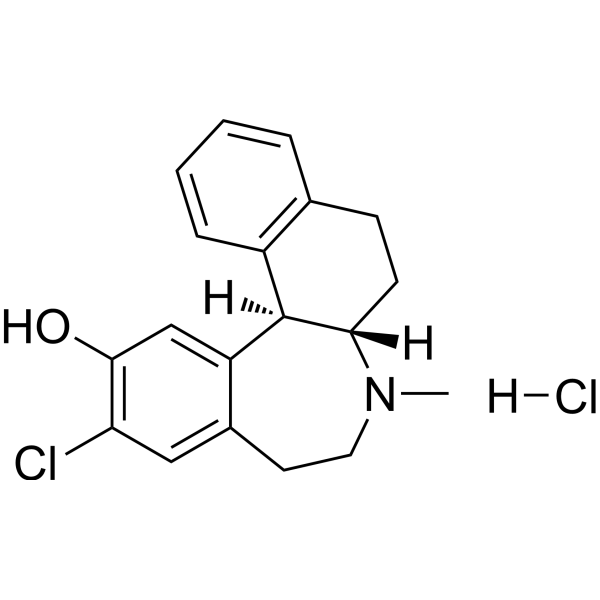
    SCH 39166 hydrochloride

    Dopamine Receptor 5-HT Receptor Adrenergic Receptor Neurological Disease Metabolic Disease
    Ecopipam (SCH 39166) hydrochloride is a potent, selective and orally active antagonist of dopamine D1/D5 receptor, with Kis of 1.2 nM and 2.0 nM, respectively. Ecopipam hydrochloride shows more than 40-flod selectivity over D2, D4, 5-HT, and α2a receptor (Ki=0.98, 5.52, 0.08, and 0.73 μM, respectively). Ecopipam hydrochloride can be used for the research of schizophrenia and obesity .
    Ecopipam hydrochloride
  • HY-101341
    RS 67333 hydrochloride
    1 Publications Verification

    5-HT Receptor Neurological Disease
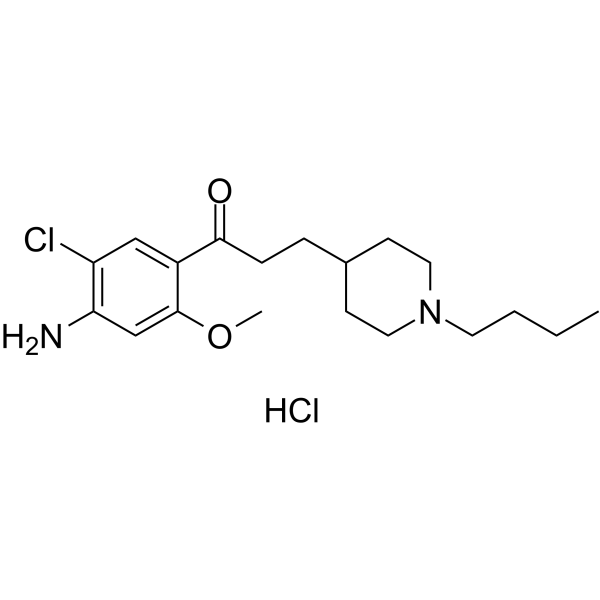
    RS 67333 hydrochloride is a potent and selective 5-HT4 receptor (5-HT4R) partial agonist with a pKi of 8.7 in guinea-pig striatum. RS 67333 hydrochloride exhibits lower affinities at several other receptors including 5-HT1A, 5-HT1D, 5-HT2A, 5-HT2C, dopamine D1, D2 and muscarinic M1-M3 receptors. RS 67333 hydrochloride has neuroprotective effects, and can be used for Alzheimer's disease research .
    RS 67333 hydrochloride
  • HY-130344
    SKF 83959
    1 Publications Verification

    Dopamine Receptor Sigma Receptor Neurological Disease
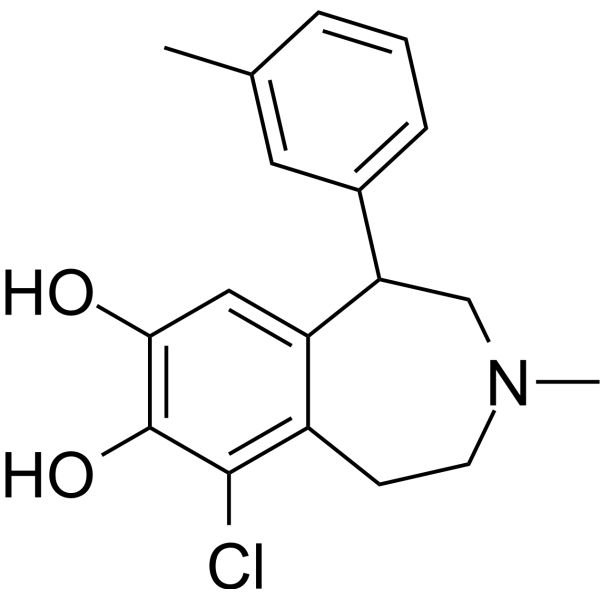
    SKF83959 is a potent and selective dopamine D1-like receptor partial agonist. SKF83959 Ki values for rat D1, D5, D2 and D3 receptors are 1.18, 7.56, 920 and 399 nM, respectively. SKF83959 is a potent allosteric modulator of sigma (σ)-1 receptor. SKF83959 belongs to benzazepine family and has improvements on cognitive dysfunction. SKF83959 can be used for the research of Alzheimer's disease and depression .
    SKF 83959
  • HY-14690

    SCH 39166

    Dopamine Receptor 5-HT Receptor Adrenergic Receptor Neurological Disease Metabolic Disease
    Ecopipam (SCH 39166) is a potent, selective and orally active antagonist of dopamine D1/D5 receptor, with Kis of 1.2 nM and 2.0 nM, respectively. Ecopipam shows more than 40-flod selectivity over D2, D4, 5-HT, and α2a receptor (Ki=0.98, 5.52, 0.08, and 0.73 μM, respectively). Ecopipam can be used for the research of schizophrenia and obesity .
    Ecopipam
  • HY-A0163
    Zuclopenthixol
    1 Publications Verification

    (Z)-Clopenthixol

    Dopamine Receptor Neurological Disease
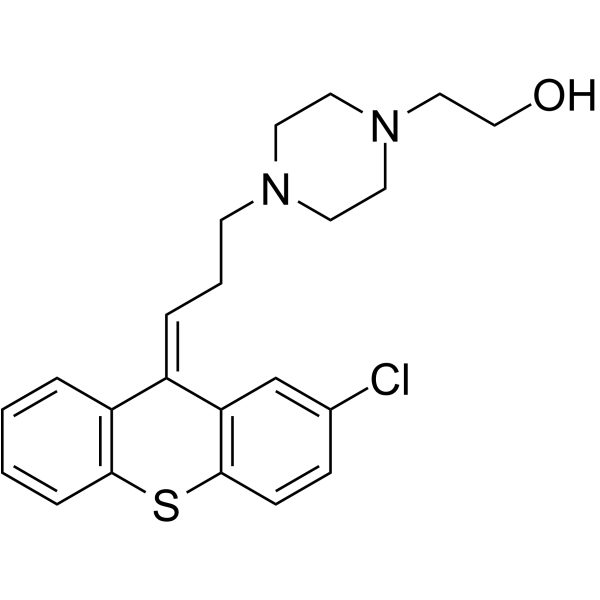
    Zuclopenthixol ((Z)-Clopenthixol) is a thioxanthene derivative which acts as a mixed dopamine D1/D2 receptor antagonist .
    Zuclopenthixol
  • HY-B1371A
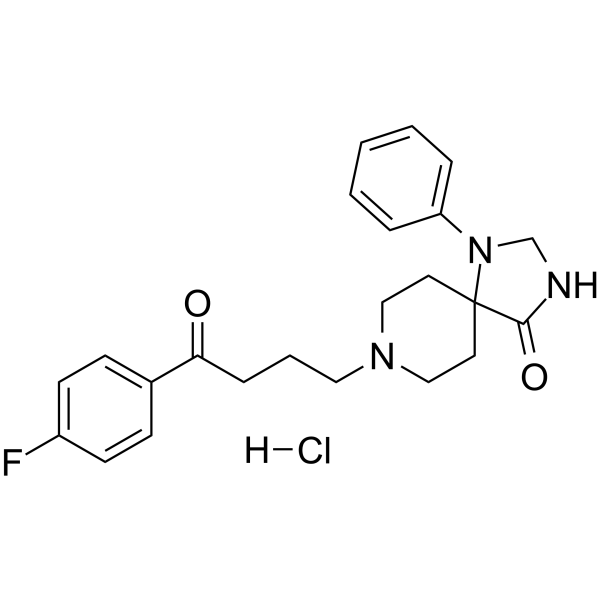
    Spiperone hydrochloride
    2 Publications Verification

    Spiroperidol hydrochloride

    Dopamine Receptor 5-HT Receptor Adrenergic Receptor Chloride Channel Neurological Disease Inflammation/Immunology
    Spiperone hydrochloride (Spiroperidol hydrochloride) is a selective dopamine D2 receptor (Ki values of 0.06 nM, 0.6 nM, 0.08 nM, ~350 nM, ~3500 nM for D2, D3, D4, D1 and D5 receptors, respectively) and 5-HT2A/5-HT1A receptor (Kis of 1 nM/49 nM) antagonist. Spiperone hydrochloride is also a selective α1B-adrenoceptor antagonist. Spiperone hydrochloride activates calcium-activated chloride channel (CaCC). Antipsychotic and anti-inflammatory activities .
    Spiperone hydrochloride
  • HY-116941

    Dopamine Receptor Neurological Disease
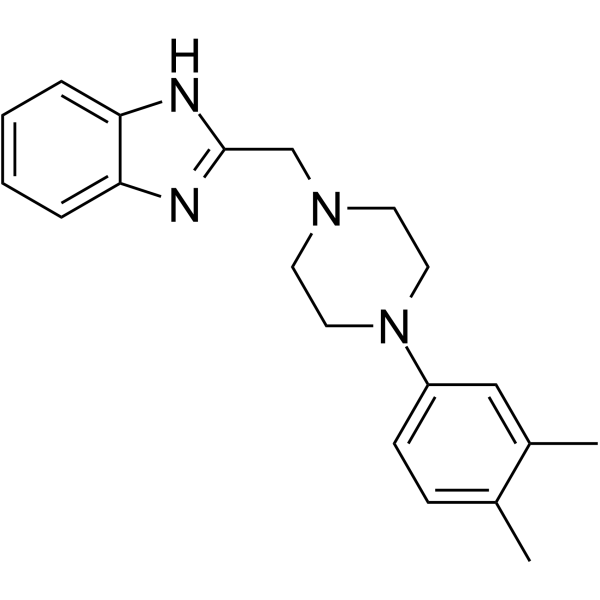
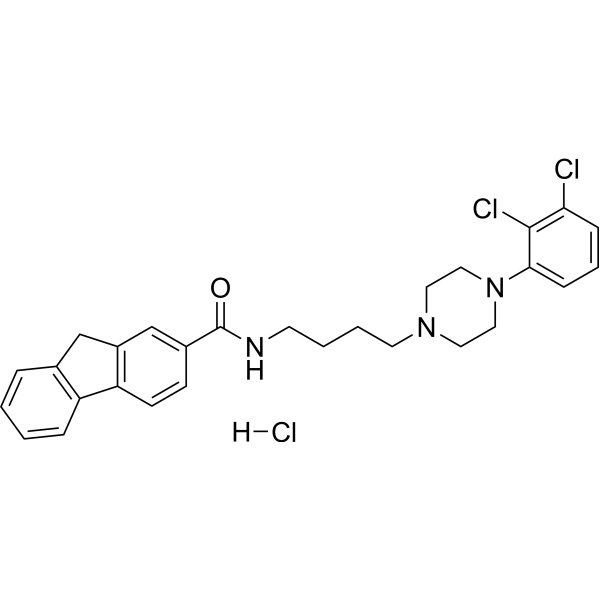
    A-381393 is a potent, selective, brain penetrate dopamine D4 receptor antagonist, with Kis of 1.5, 1.9 and 1.6 nM for human dopamine D4.4, D4.2, and D4.7 receptor, respectively, >2700-fold selectivity over D1, D2, D3 and D5 dopamine receptors. A-381393 shows moderate affinity for 5-HT2A (Ki, 370 nM) .
    A-381393
  • HY-N0927

    Tetrahydrocolumbamine; (S)-Tetrahydrocolumbamine

    Dopamine Receptor Others Neurological Disease
    (-)-Isocorypalmine (Tetrahydrocolumbamine; (S)-Tetrahydrocolumbamine) is a dopamine receptor ligand and modulator capable of crossing the blood-brain barrier. (-)-Isocorypalmine exhibits receptor selectivity, acting as a partial agonist of dopamine D1 and D5 receptors (coupled via Gs proteins), as well as an antagonist of D2, D3 and D4 receptors (by blocking Gi protein-mediated signaling). (-)-Isocorypalmine shows no significant binding to various non-dopamine receptors, ion channels and transporters. (-)-Isocorypalmine is metabolically stable in vivo, effectively inhibits spontaneous and cocaine-induced hyperlocomotion, sensitization and conditioned place preference in mice, and does not induce addictive place preference when administered alone. (-)-Isocorypalmine can be used in addiction research .
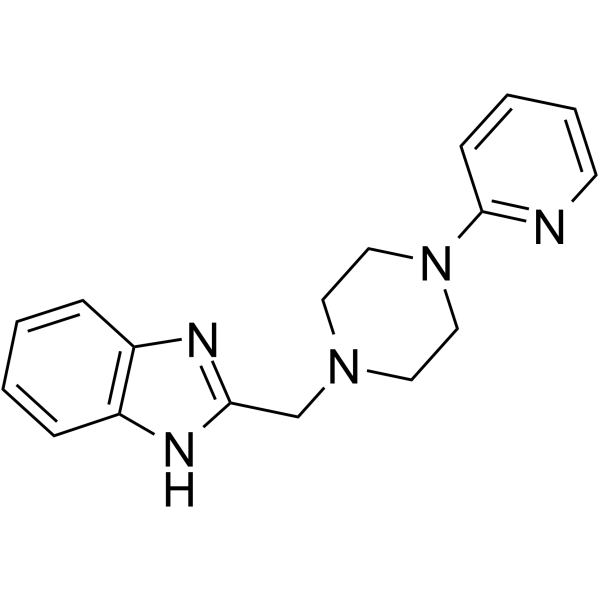
    (-)-Isocorypalmine
  • HY-103416
    A-77636 hydrochloride
    1 Publications Verification

    Dopamine Receptor Neurological Disease
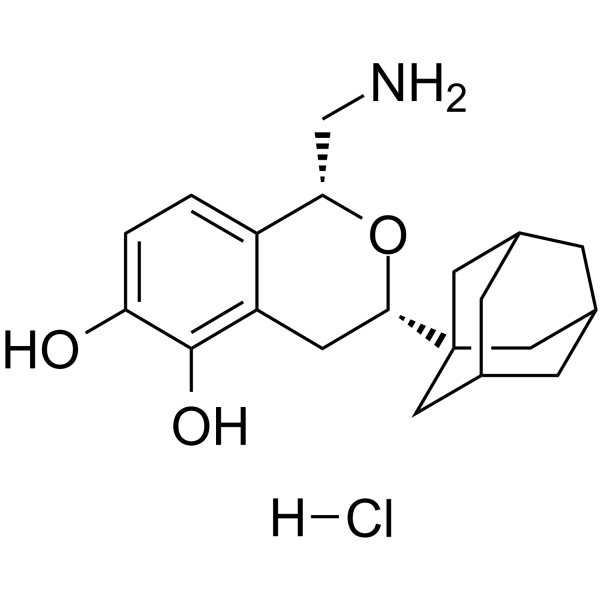
    A-77636 hydrochloride is a potent, orally active, selective and long acting dopamine D1 receptor agonist (pKi=7.40; Ki=39.8 nM) with antiparkinsonian activity. A-77636 hydrochloride is functionally inactive at dopamine D2 receptor .
    A-77636 hydrochloride
  • HY-W742532

    N-Ethyl-nor-LSD

    5-HT Receptor Dopamine Receptor Neurological Disease
    ETH-LAD (N-Ethyl-nor-LSD) is an activator for 5-HT2A receptor with Ki of 5.1 nM. ETH-LAD exhibits affinity for dopamine receptor D1 and dopamine receptor D2 with Ki of 22.1 nM and 4.4 nM. ETH-LAD acts as psychoactive substance in rat model .
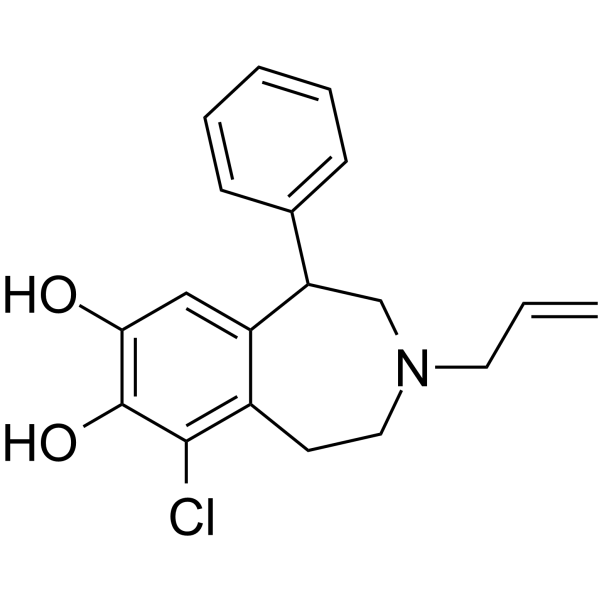
    ETH-LAD
  • HY-15394

    N-0437 hydrochloride

    Dopamine Receptor Adrenergic Receptor 5-HT Receptor Neurological Disease Endocrinology
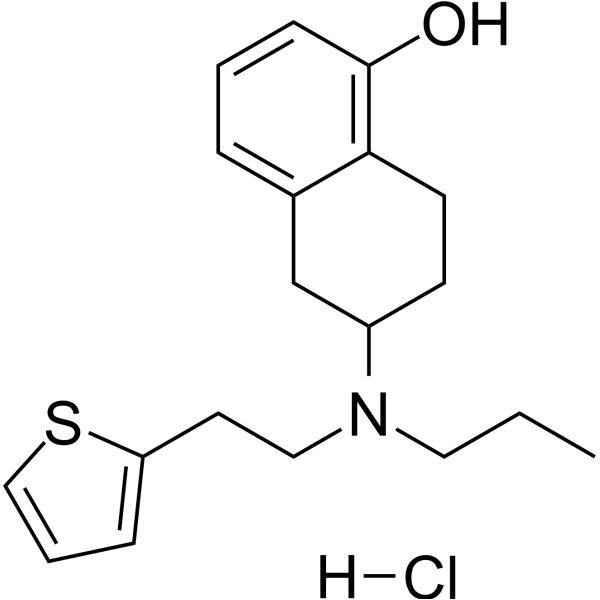
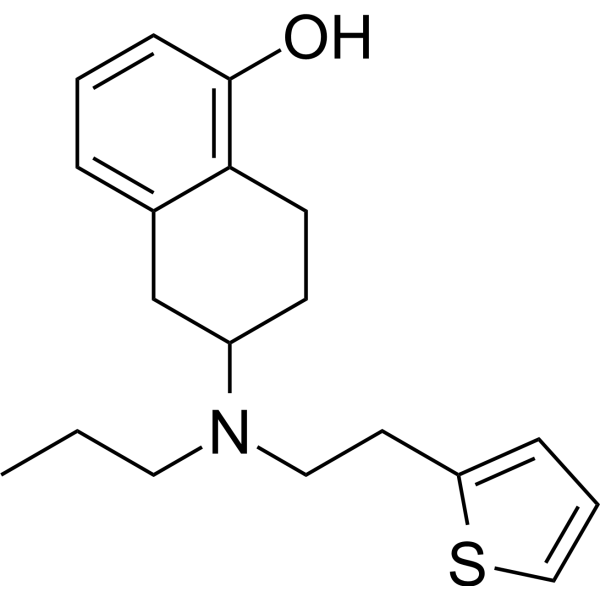
    (Rac)-Rotigotine hydrochloride is a racemate of Rotigotine. Rotigotine is a full agonist of dopamine receptor, a partial agonist of the 5-HT1A receptor, and an antagonist of the α2B-adrenergic receptor, with Kis of 0.71 nM, 4-15 nM, and 83 nM for the dopamine D3 receptor and D2, D5, D4 receptors, and dopamine D1 receptor.
    (Rac)-Rotigotine hydrochloride
  • HY-103409

    Dopamine Receptor Neurological Disease
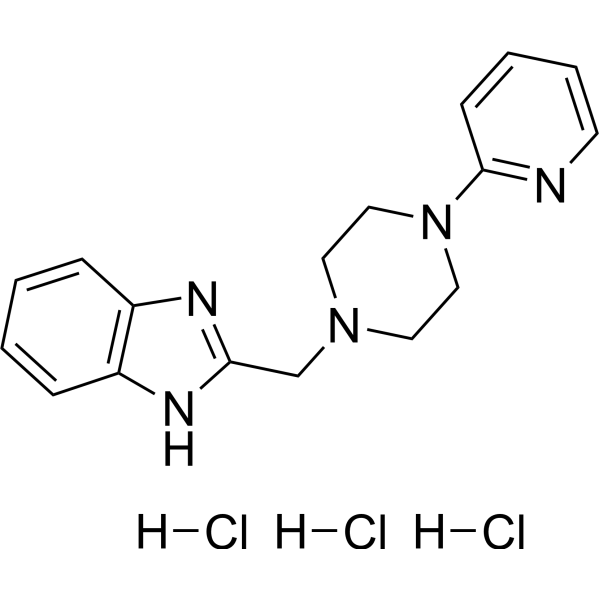
    ABT-724 trihydrochloride is a potent and highly selective dopamine D4 receptor agonist with an EC50 of 12.4 nM for human dopamine D4 receptor. ABT-724 trihydrochloride is a potent partial agonist at the rat D4 (EC50 of 14.3 nM) and the ferret D4 receptor (EC50 of 23.2 nM), and has no effect on dopamine D1, D2, D3, or D5 receptors. ABT-724 trihydrochloride could be useful for the treatment of erectile dysfunction and has favorable side-effect profile .
    ABT-724 trihydrochloride
  • HY-12697

    Dopamine Receptor Neurological Disease
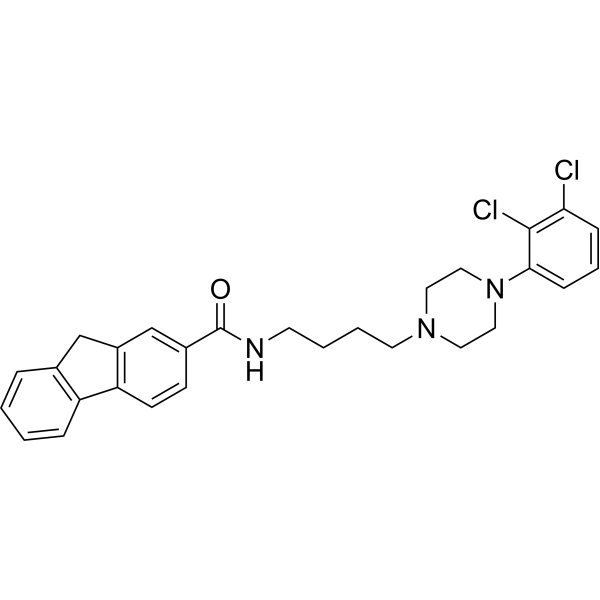
    NGB 2904 is a potent, selective, orally active and brain-penetrated antagonist of dopamine D3 receptor, with a Ki of 1.4 nM. NGB 2904 shows selectivity for D3 over D2, 5-HT2, α1, D4, D1 and D5 receptors (Kis=217, 223, 642, >5000, >10000 and >10000 nM, respectively). NGB 2904 antagonizes Quinpirole-stimulated mitogenesis .
    NGB 2904
  • HY-12783A

    GABA Receptor Neurological Disease
    SCH 50911 is a selective, orally active, blood-brain barrier permeable GABA-B receptor (GABA-B Receptor) antagonist with an IC50 of 1.1 μM in rats. SCH 50911 blocks baclofen-induced antitussive effects, regulates neuronal firing and GABA release. SCH 50911 promotes spontaneous seizures during withdrawal in ethanol-dependent rats, alters reward-related neurotransmission, and reduces or suppresses lever responding and self-administration behaviors of alcohol and sucrose in rats. SCH 50911 is applicable to research related to ethanol withdrawal syndrome, absence epilepsy and alcohol use disorder .
    SCH 50911
  • HY-A0163A

    Dopamine Receptor Neurological Disease
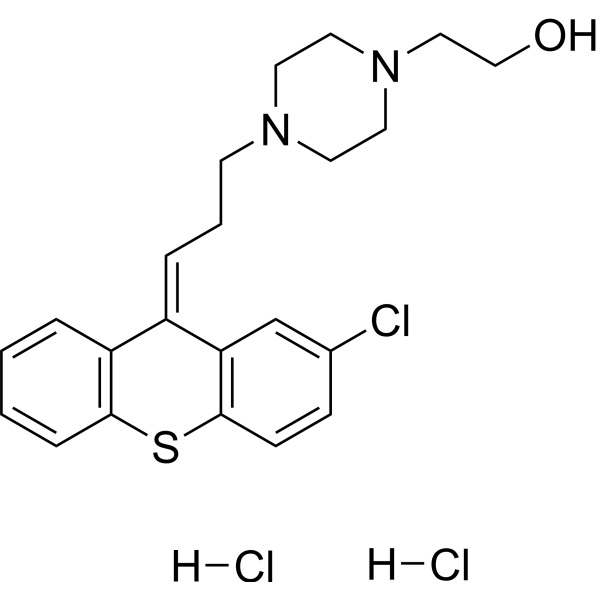
    Clopenthixol is a thiaquinoline compound with inhibitory effects similar to those of phenothiazine antipsychotics. Clopenthixol is an antagonist of D1 and D2 dopamine receptors. Clopenthixol is mainly used to suppress schizophrenia and other mental disorders .
    Clopenthixol
  • HY-12987R

    R6238 (Standard)

    Reference Standards Dopamine Receptor Adrenergic Receptor STAT Parasite Neurological Disease Endocrinology Cancer
    Pimozide (Standard) is the analytical standard of Pimozide. This product is intended for research and analytical applications. Pimozide is a dopamine receptor antagonist, with Kis of 1.4 nM, 2.5 nM and 588 nM for dopamine D2, D3 and D1 receptors, respectively, and also has affinity at α1-adrenoceptor, with a Ki of 39 nM; Pimozide also inhibits STAT3 and STAT5.
    Pimozide (Standard)
  • HY-W743888

    6-Allyl-6-nor-LSD

    5-HT Receptor Dopamine Receptor Neurological Disease
    AL-LAD (6-Allyl-6-nor-LSD) is an activator for 5-HT2A receptor with Ki of 3.4-8.1 nM. AL-LAD exhibits affinity for dopamine receptor D1 and dopamine receptor D2 with absolute affinitiesK0.5 of 189 nM and 12.3 nM. AL-LAD acts as psychoactive substance in mouse model .
    AL-LAD
  • HY-15856A

    Flupenthixol

    Dopamine Receptor PI3K Apoptosis Neurological Disease
    Flupentixol is an orally active D1/D2 dopamine receptor antagonist and new PI3K inhibitor (PI3Kα IC50=127 nM). Flupentixol shows anti-proliferative activity to cancer cells and induces apoptosis. Flupentixol can also be used in schizophrenia, anxiolytic and depressive research .
    Flupentixol
  • HY-103412
    SKF 83959 hydrobromide
    1 Publications Verification

    Dopamine Receptor Sigma Receptor Neurological Disease
    SKF83959 hydrobromide is a potent and selective dopamine D1-like receptor partial agonist. SKF83959 hydrobromide Ki values for rat D1, D5, D2 and D3 receptors are 1.18, 7.56, 920 and 399 nM, respectively. SKF83959 hydrobromide is a potent allosteric modulator of sigma (σ)-1 receptor. SKF83959 hydrobromide belongs to benzazepine family and has improvements on cognitive dysfunction. SKF83959 hydrobromide can be used for the research of Alzheimer's disease and depression .

    SKF 83959 hydrobromide
  • HY-P10405A

    Dopamine Receptor Neurological Disease
    TAT-D1 peptide acetate is a dopamine D1-D2 receptor heterodimer inhibitor. TAT-D1 peptide acetate disrupts the function of dopamine D1-D2 receptor heteromers, enhances subchronic amphetamine-induced locomotor activity, and exacerbates the expression of amphetamine-induced locomotor sensitization. TAT-D1 peptide acetate produces rapid anxiolytic and antidepressant-like effects in rat models of depression and anxiety, and inhibits c-fos expression in the nucleus accumbens of rats. TAT-D1 peptide acetate can be used in the research of psychostimulant addiction, depression and anxiety disorders .
    TAT-D1 peptide acetate
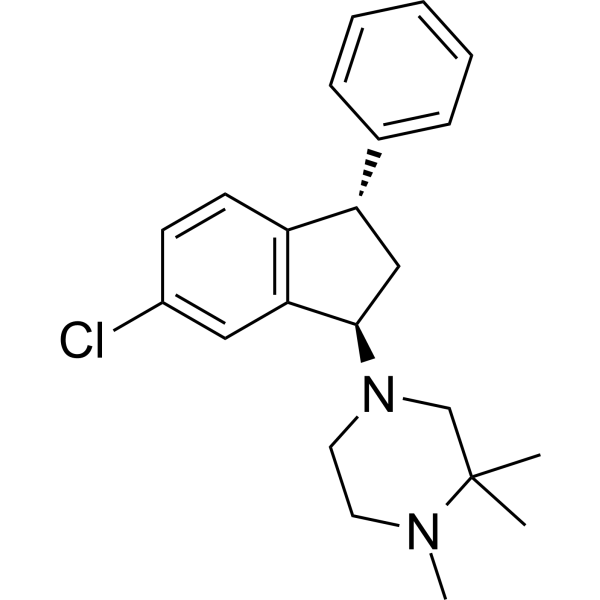
  • HY-14827

    Lu 31-130

    Dopamine Receptor 5-HT Receptor Neurological Disease
    Zicronapine is an antipsychotic agent with a strong pro-cognitive effect in animal models and the potential to treat a number of neurological and psychiatric diseases. Zicronapine has potent antagonistic effects at dopamine D1/D2, and serotonin 5-HT2A receptors .
    Zicronapine
  • HY-17637R

    ITI-007 (Standard)

    Dopamine Receptor 5-HT Receptor Reference Standards Neurological Disease Cancer
    Lumateperone (Standard) is the analytical standard of Lumateperone. This product is intended for research and analytical applications. Lumateperone (ITI-007) is an orally active 5-HT2A receptor antagonist (Ki = 0.54 nM), a partial agonist of presynaptic D2 receptors and an antagonist of postsynaptic D2 receptors (Ki = 32 nM), and a dopamine D1 receptor modulator. Lumateperone has anticancer activity and can also be used for the study of schizophrenia and bipolar depression .
    Lumateperone (Standard)
  • HY-14827A

    Lu 31-130 fumarate

    Dopamine Receptor 5-HT Receptor Neurological Disease
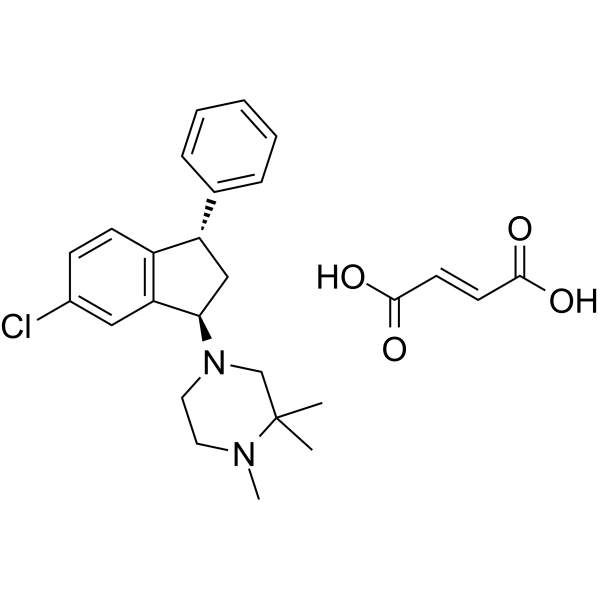
    Zicronapine (Lu 31-130) fumarate is an antipsychotic agent with a strong pro-cognitive effect in animal models and the potential to treat a number of neurological and psychiatric diseases. Zicronapine (Lu 31-130) fumarate has potent antagonistic effects at dopamine D1/D2, and serotonin 5-HT2A receptors .
    Zicronapine fumarate
  • HY-14330

    Dopamine Receptor Neurological Disease
    ABT-724, a chemical probe, is a potent and highly selective dopamine D4 receptor agonist with an EC50 of 12.4 nM for human dopamine D4 receptor. ABT-724 is a potent partial agonist at the rat D4 (EC50 of 14.3 nM) and the ferret D4 receptor (EC50 of 23.2 nM). ABT-724 has no effect on dopamine D1, D2, D3, or D5 receptors. ABT-724 could be useful for the treatment of erectile dysfunction and has favorable side-effect profile .
    ABT-724
  • HY-110033

    SCH 39166 hydrobromide

    Dopamine Receptor 5-HT Receptor Adrenergic Receptor Neurological Disease Metabolic Disease
    Ecopipam (SCH 39166) hydrobromide is a potent, selective and orally active antagonist of dopamine D1/D5 receptor, with Kis of 1.2 nM and 2.0 nM, respectively. Ecopipam hydrobromide shows more than 40-flod selectivity over D2, D4, 5-HT, and α2a receptor (Ki=0.98, 5.52, 0.08, and 0.73 μM, respectively). Ecopipam hydrobromide can be used for the research of schizophrenia and obesity .
    Ecopipam hydrobromide
  • HY-169914

    JO 1784 hydrochloride

    Sigma Receptor Neurological Disease
    Igmesine hydrochloride (JO 1784) is an orally active σ-receptor ligand capable of blocking the increase in colonic electromechanical activity induced by emotional stress. Igmesine hydrochloride also eliminates the colonic motility stimulation induced by dopamine, as well as the stimulation induced by centrally injected D1 or D2 receptor agonists. Furthermore, Igmesine hydrochloride can block the colonic motility responses induced by corticotropin-releasing factor (CRF) and ES through central cholecystokinin (CCK) release and/or activation of supraspinal CCK pathways .
    Igmesine hydrochloride
  • HY-P10405

    Dopamine Receptor Neurological Disease
    TAT-D1 peptide is a dopamine D1-D2 receptor heterodimer inhibitor. TAT-D1 peptide disrupts the function of dopamine D1-D2 receptor heteromers, enhances subchronic amphetamine-induced locomotor activity, and exacerbates the expression of amphetamine-induced locomotor sensitization. TAT-D1 peptide produces rapid anxiolytic and antidepressant-like effects in rat models of depression and anxiety, and inhibits c-fos expression in the nucleus accumbens of rats. TAT-D1 peptide can be used in the research of psychostimulant addiction, depression and anxiety disorders .
    TAT-D1 peptide
  • HY-10435

    (±)-SKF-82958; Chloro-APB

    Dopamine Receptor Neurological Disease
    SKF-82958 ((±)-SKF 82958) is a dopamine D1 receptor full agonist (K0.5=4 nM), displays selective for D1 over D2 receptors (K0.5=73 nM). SKF-82958 induces dopamine D1 receptor-dependent adenylate cyclase activity in rat striatal membranes (EC50=491 nM) .
    SKF-82958
  • HY-A0163S

    Dopamine Receptor Neurological Disease
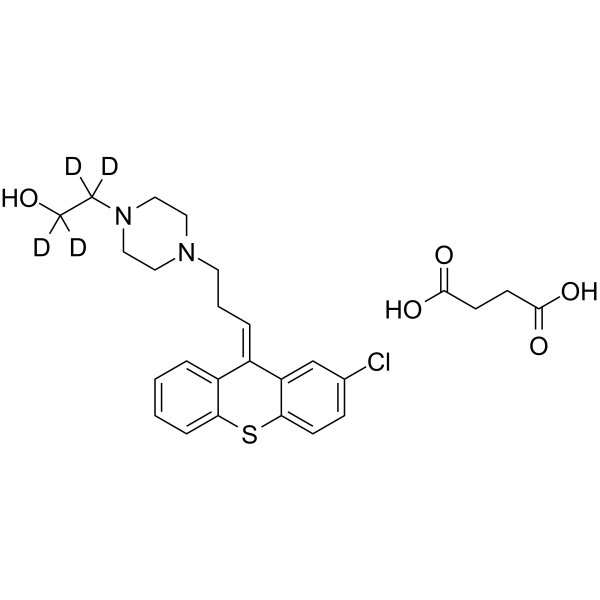
    Zuclopenthixol-d4 succinate is the deuterium labeled Zuclopenthixol. Zuclopenthixol is a thioxanthene derivative which acts as a mixed dopamine D1/D2 receptor antagonist .
    Zuclopenthixol-d4 succinate salt
  • HY-164703

    Drug Metabolite Dopamine Receptor 5-HT Receptor Neurological Disease
    Lumateperone metabolite 1 (Formula T) is a metabolite of Lumateperone (HY-17637) . Lumateperone (ITI-007) is an orally active 5-HT2A receptor antagonist (Ki = 0.54 nM), a partial agonist of presynaptic D2 receptors and an antagonist of postsynaptic D2 receptors (Ki = 32 nM), and a dopamine D1 receptor modulator

    Lumateperone metabolite 1
  • HY-12987S

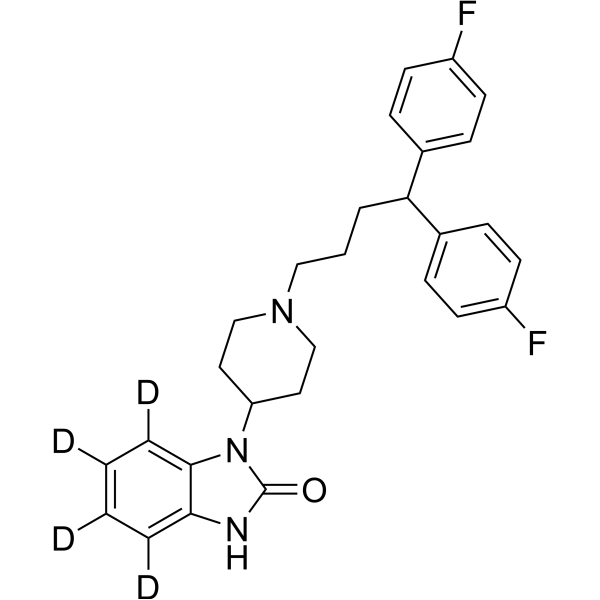
    R6238-d4

    Dopamine Receptor Adrenergic Receptor STAT Neurological Disease Endocrinology Cancer
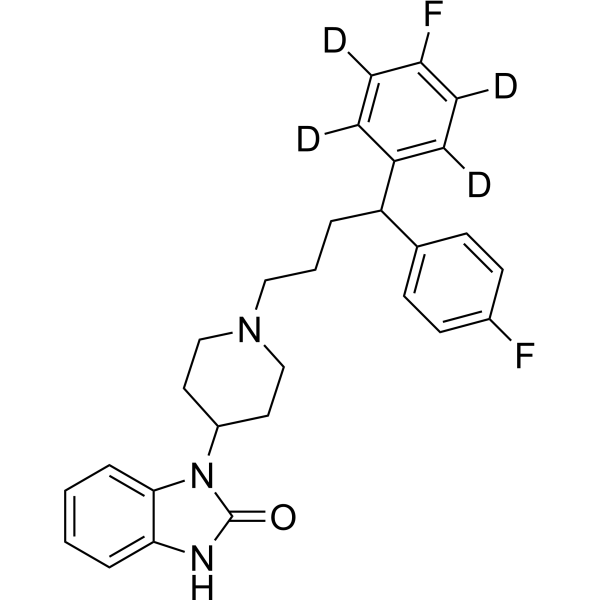
    Pimozide-d4 is a deuterium labeled Pimozide. Pimozide is a dopamine receptor antagonist, with Kis of 1.4 nM, 2.5 nM and 588 nM for dopamine D2, D3 and D1 receptors, respectively, and also has affinity at α1-adrenoceptor, with a Ki of 39 nM; Pimozide also inhibits STAT3 and STAT5 .
    Pimozide-d4
  • HY-17637S2

    ITI-007-d4

    Isotope-Labeled Compounds Dopamine Receptor 5-HT Receptor Neurological Disease Cancer
    Lumateperone-d4 (ITI-007-d4) is deuterium labeled Lumateperone. Lumateperone (ITI-007) is an orally active 5-HT2A receptor antagonist (Ki = 0.54 nM), a partial agonist of presynaptic D2 receptors and an antagonist of postsynaptic D2 receptors (Ki = 32 nM), and a dopamine D1 receptor modulator. Lumateperone has anticancer activity and can also be used for the study of schizophrenia and bipolar depression .
    Lumateperone-d4
  • HY-12987S1

    Isotope-Labeled Compounds Dopamine Receptor Adrenergic Receptor STAT Neurological Disease Endocrinology Cancer
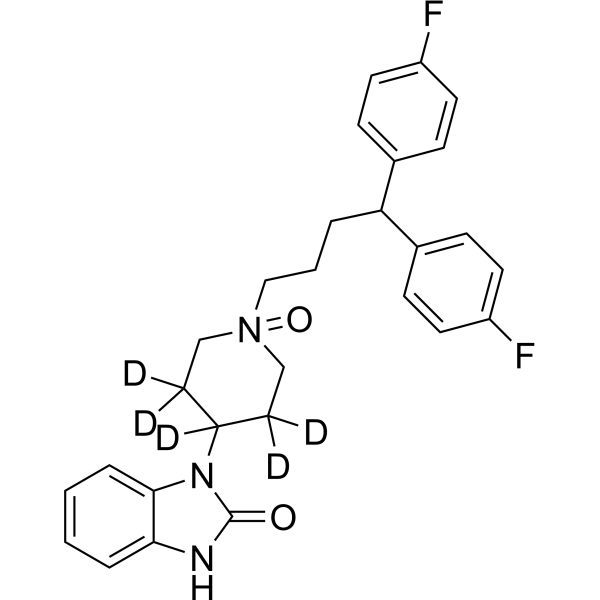
    Pimozide-d5 N-Oxide is the deuterium labeled Pimozide. Pimozide is a dopamine receptor antagonist, with Kis of 1.4 nM, 2.5 nM and 588 nM for dopamine D2, D3 and D1 receptors, respectively, and also has affinity at α1-adrenoceptor, with a Ki of 39 nM; Pimozide also inhibits STAT3 and STAT5 .
    Pimozide-d5 N-Oxide
  • HY-15394S

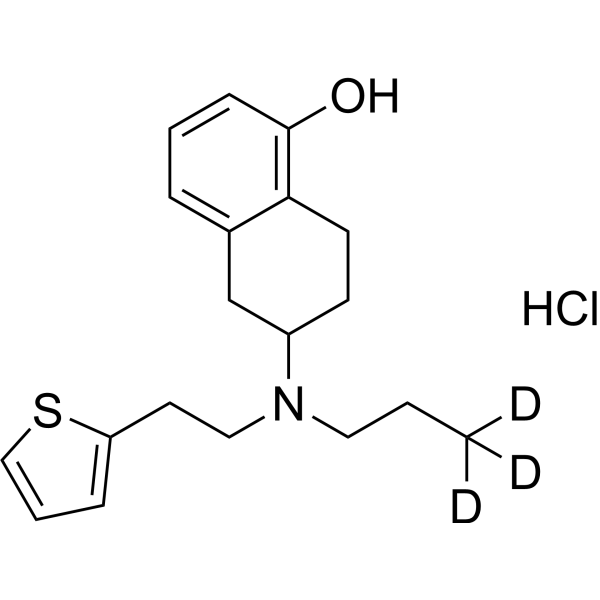
    N-0437-d7 (hydrochloride)

    Isotope-Labeled Compounds Dopamine Receptor Adrenergic Receptor 5-HT Receptor Neurological Disease Endocrinology
    (Rac)-Rotigotine-d7 (hydrochloride) is deuterium labeled (Rac)-Rotigotine (hydrochloride). (Rac)-Rotigotine hydrochloride is a racemate of Rotigotine. Rotigotine is a full agonist of dopamine receptor, a partial agonist of the 5-HT1A receptor, and an antagonist of the α2B-adrenergic receptor, with Kis of 0.71 nM, 4-15 nM, and 83 nM for the dopamine D3 receptor and D2, D5, D4 receptors, and dopamine D1 receptor.
    (Rac)-Rotigotine-d7 (hydrochloride)
  • HY-A0007S

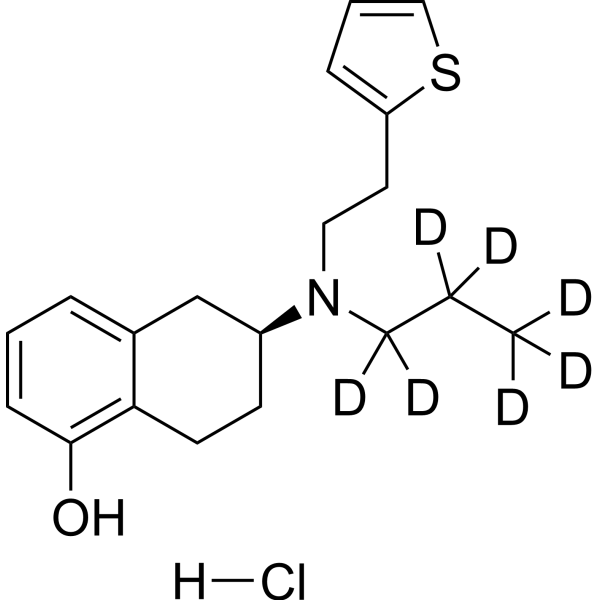
    N-0923 D7 Hydrochloride

    Isotope-Labeled Compounds Dopamine Receptor Neurological Disease
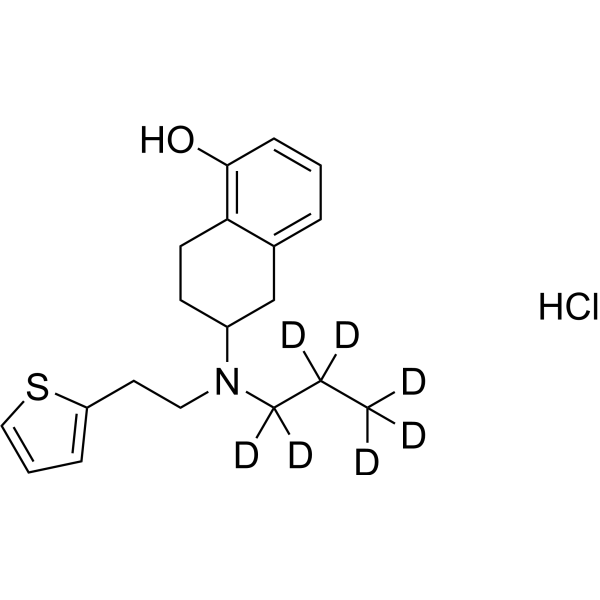
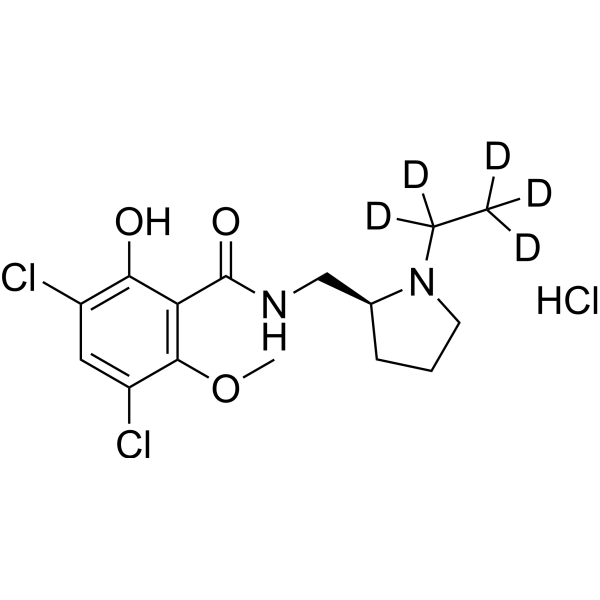
    Rotigotine-d7 (N-0923-d7) hydrochloride is the deuterium labeled Rotigotine(HY-75502). Rotigotine is a potent dopamine receptor agonist with Ki values of 0.71 nM, 4-15 nM, and 83 nM for the dopamine D3 receptor and D2, D5, D4 receptors and dopamine D1 receptor. Rotigotine a partial agonist of the 5-HT1A receptor, and an antagonist of the α2B-adrenergic receptor. Rotigotine can be used for parkinson's disease (PD) research.
    Rotigotine-d7 hydrochloride
  • HY-15856BR

    Flupenthixol dihydrochloride (Standard)

    Reference Standards Dopamine Receptor PI3K Apoptosis Neurological Disease Cancer
    Flupentixol (dihydrochloride) (Standard) is the analytical standard of Flupentixol (dihydrochloride). This product is intended for research and analytical applications. Flupentixol is an orally active D1/D2 dopamine receptor antagonist and new PI3K inhibitor (PI3Kα IC50=127 nM). Flupentixol shows anti-proliferative activity to cancer cells and induces apoptosis. Flupentixol can also be used in schizophrenia, anxiolytic and depressive research .
    Flupentixol dihydrochloride (Standard)
  • HY-116773

    Dopamine Receptor Neurological Disease
    A-69024 is a selectivity dopamine D-1 receptor antagonist with the Ki values of 12.6 nM and 1290 nM for dopamine D-1 receptor and dopamine D-2 receptor, respectively .
    A-69024
  • HY-N3945R

    O,O-Dimethylisoboldine (Standard); S-(+)-Glaucine (Standard); NSC 34396 (Standard)

    Reference Standards Phosphodiesterase (PDE) Calcium Channel Adrenergic Receptor Dopamine Receptor Influenza Virus Infection Inflammation/Immunology
    Glaucine (Standard) is the analytical standard of Glaucine. This product is intended for research and analytical applications. Glaucine (O,O-Dimethylisoboldine) is an alkaloid isolated from Glaucium flavum with antitussive, bronchodilation and anti-inflammatory properties. Glaucine is a selective and orally active phosphodiesterase 4 (PDE4) inhibitor with Kis of 3.4 μM in human bronchus and polymorphonuclear leukocytes. Glaucine is also a non-selective α-adrenoceptor antagonist, a Ca2+ entry blocker, and a weak dopamine D1 and D2 receptor antagonist. Glaucine has antioxidative and antiviral activities .
    Glaucine (Standard)
  • HY-U00077

    Dopamine Receptor Neurological Disease
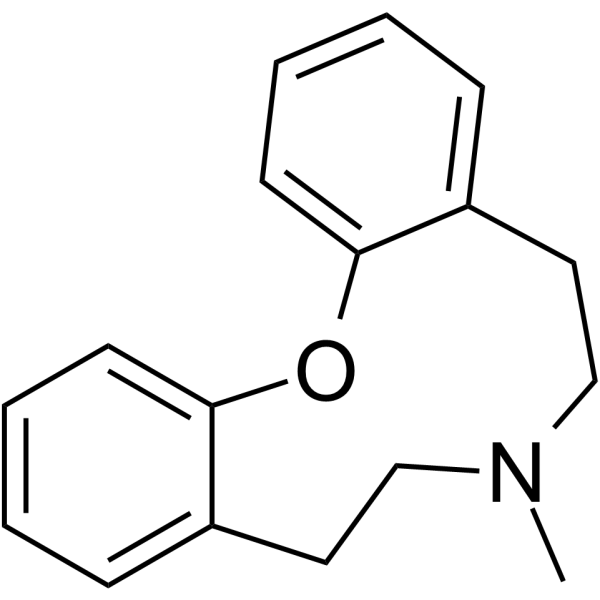
    Org-10490 is an antagonist of dopamine D1 receptor and dopamine D2 receptor, used for the treatment for psychiatric disease.
    Org-10490

Inquiry Online

Your information is safe with us. * Required Fields.

Salutation


Country or Region *

Applicant Name *


Organization Name *

Department *


Email Address *


Product Name *

Cat. No.


Requested quantity *

Phone Number *


Remarks

Inquiry Online

Inquiry Information

Product Name:
Cat. No.:
Quantity:
MCE Japan Authorized Agent: