Search Result
Results for "
estrogen metabolite
" in MedChemExpress (MCE) Product Catalog:
26
Isotope-Labeled Compounds
| Cat. No. |
Product Name |
Target |
Research Areas |
Chemical Structure |
-
- HY-16950A
-
|
Afimoxifene; 4-OHT
|
Estrogen Receptor/ERR
Adhesion G Protein-coupled Receptors (AGPCRs)
Drug Metabolite
|
Metabolic Disease
Cancer
|
|
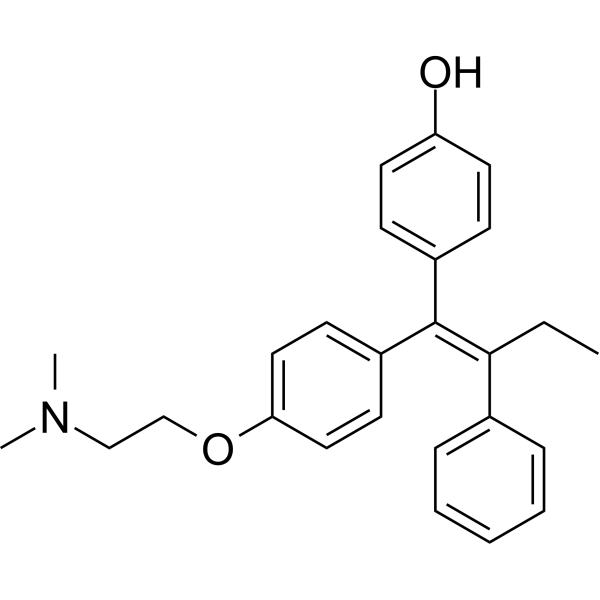
(E/Z)-4-Hydroxytamoxifen (Afimoxifene) is a racemic compound of (Z)-4-Hydroxytamoxifen and (E)-4-Hydroxytamoxifen isomers. (E/Z)-4-Hydroxytamoxifen is a selective estrogen receptor modulator with mixed estrogenic and antiestrogenic activity, which is also an active metabolite of Tamoxifen (HY-13757A). (E/Z)-4-Hydroxytamoxifen is an agonist of the G protein-coupled estrogen receptor (GPER) with relatively low affinity (100-1000 nM). (E/Z)-4-Hydroxytamoxifen is promising for research of cyclical mastalgia, such as breast pain, tenderness, and nodularity .
|
-
-
- HY-18719E
-
-
-
- HY-N0835
-
-
-
- HY-124489
-
|
|
Endogenous Metabolite
|
Metabolic Disease
|
|
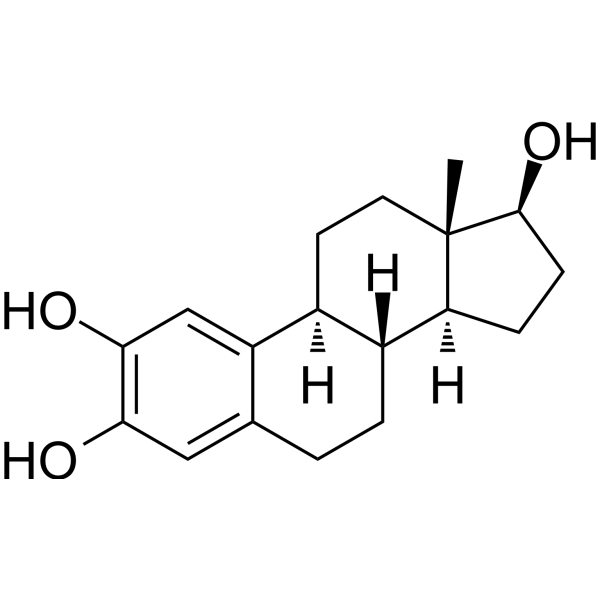
2-Hydroxyestradiol, a metabolite of 17β-estradiol with minimal estrogenic activity, possesses antioxidant effects and reacts with DNA to form stable adducts and exerts genotoxicity .
|
-
-
- HY-18719
-
|
|
Estrogen Receptor/ERR
Drug Metabolite
PKC
Akt
Apoptosis
|
Neurological Disease
Cancer
|
|
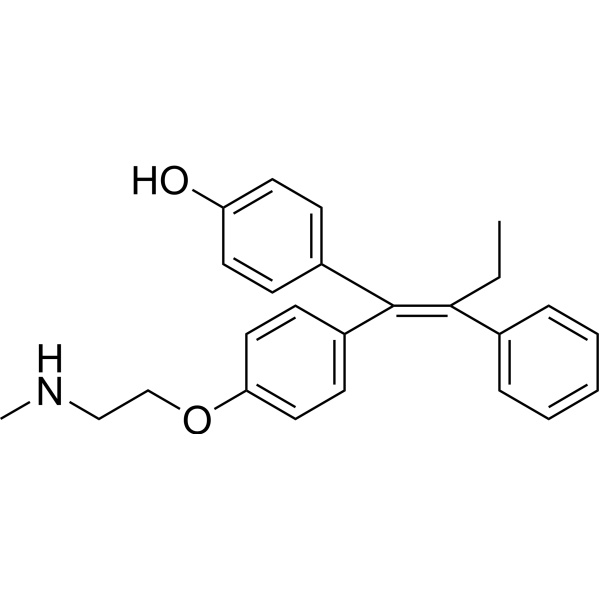
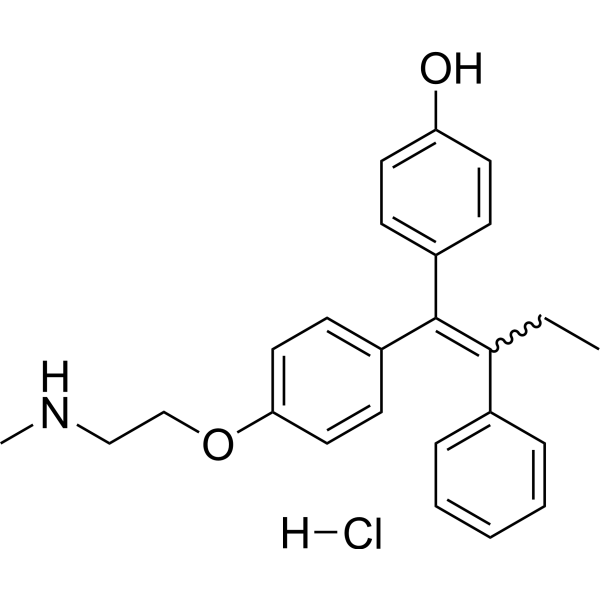
Endoxifen Z-isomer hydrochloride, an orally active Tamoxifen (HY-13757A) metabolite, is a selective estrogen receptor modulator with 100-fold more potency than its parent agent, Tamoxifen. Endoxifen Z-isomer inhibits PKCβ1 kinase activity. Endoxifen Z-isomer attenuates PKCβ1-activated AKT Ser473 phosphorylation, diminishes AKT substrate phosphorylation, and induces Apoptosis. Endoxifen Z-isomer exhibits anticancer activity against hormone-resistant metastatic breast cancer .
|
-
-
- HY-108692
-
|
|
Apoptosis
Endogenous Metabolite
|
Cancer
|
|
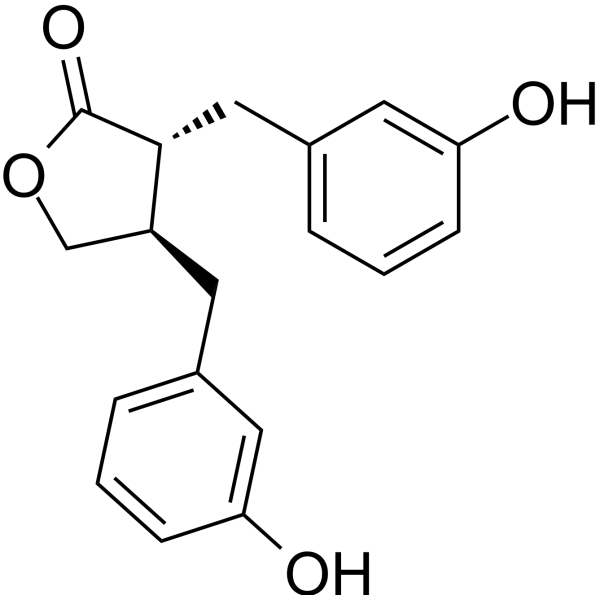
Enterolactone is a bioactive phenolic metabolite known as a mammalian lignan derived from dietary lignans. Enterolactone has estrogenic properties and anti-breast cancer activity . Enterolactone is a radiosensitizer for human breast cancer cell lines through impaired DNA repair and increased apoptosis .
|
-
-
- HY-133668
-
|
|
Drug Metabolite
Cytochrome P450
PPAR
|
Endocrinology
Cancer
|
|
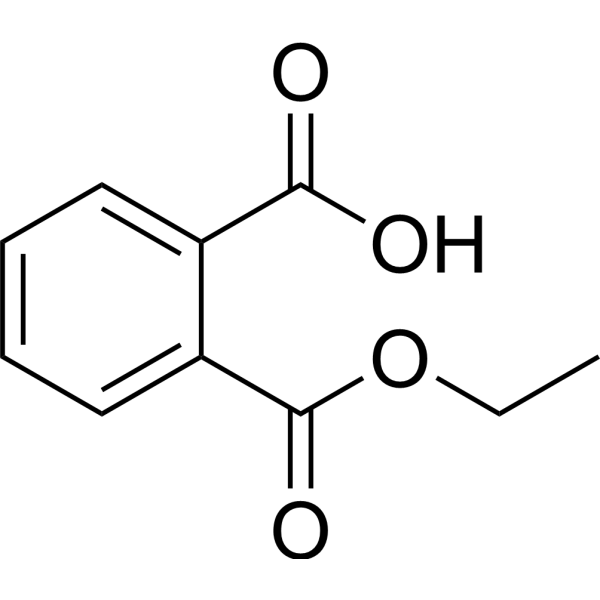
Monoethyl phthalate is an orally active PDX-1 activator and the major hydrolytic metabolite of Diethyl phthalate (HY-Y0284) in vivo, with reproductive toxicity. Monoethyl phthalate targets aromatase (aromatase/CYP19A1) and PPAR to induce cell proliferation. The plasma protein binding rate of Monoethyl phthalate in rats and humans is lower than that of Diethyl phthalate. It exhibits significant enterohepatic circulation in rats and mainly accumulates in liver tissues. Monoethyl phthalate shows no estrogenic activity in estrogen-dependent human breast cancer cells. Monoethyl phthalate can be used in studies of reproductive toxicity and related environmental endocrine disruption mechanisms .
|
-
-
- HY-Y0546
-
|
|
Environmental Pollutants
Endogenous Metabolite
Photosensitizer
|
Cancer
|
|
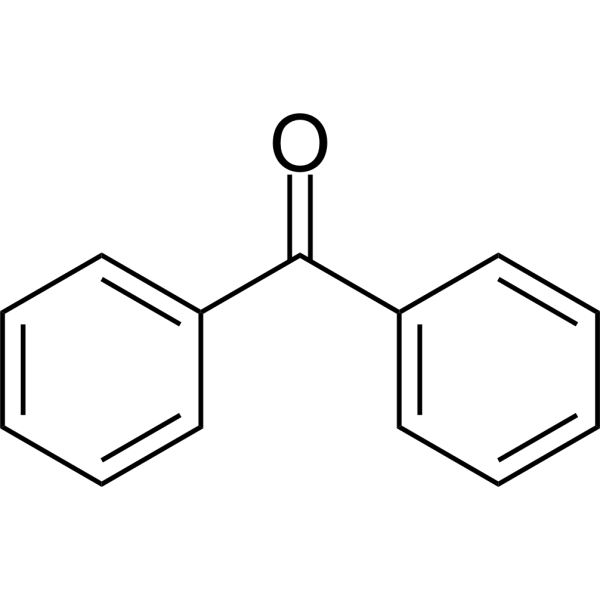
Benzophenone is an endogenous metabolite. Benzophenone is a photosensitizer, that absorbs UV light, transfers its energy to DNA, and triggers DNA damage. Benzophenone can be used as the fragrance enhancer, ultraviolet curing agent, additive in plastics, or the flavor ingredient. Benzophenone can also be used in the manufacturing of insecticides, agricultural chemicals, hypnotics, antihistamines, and other pharmaceuticals. Benzophenone exhibits certain carcinogenicity in mouse/rat models under long term exposure. Benzophenone exhibits estrogenic activity .
|
-
-
- HY-N1939
-
-
-
- HY-129987
-
|
|
Endogenous Metabolite
P-glycoprotein
|
Metabolic Disease
|
|
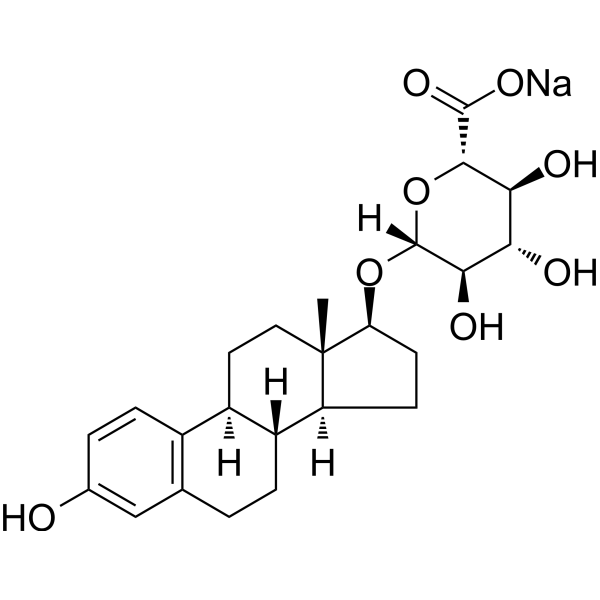
Estradiol 17-(β-D-Glucuronide) sodium is a D-ring glucuronide metabolite of natural estrogen formed in the liver. Estradiol 17-(β-D-Glucuronide) sodium is a substrate of the organic anion-transporting polypeptide family (Oatp) and multidrug resistance-associated protein 2 (Mrp2). Estradiol 17-(β-D-Glucuronide) sodium regulates MRP8-mediated transport processes and inhibits MRP8-mediated transport of dehydroepiandrosterone 3-sulfate and taurocholic acid. Estradiol 17-(β-D-Glucuronide) sodium induces immediate, reversible reduction of bile flow and acute intrahepatic cholestasis in female rats without altering the bile acid composition in bile. Estradiol 17-(β-D-Glucuronide) sodium can be used in studies related to intrahepatic cholestasis .
|
-
-
- HY-18719A
-
|
|
Estrogen Receptor/ERR
Drug Metabolite
PKC
Akt
Apoptosis
|
Neurological Disease
Cancer
|
|
Endoxifen Z-isomer hydrochloride, an orally active Tamoxifen (HY-13757A) metabolite, is a selective estrogen receptor modulator with 100-fold more potency than its parent agent, Tamoxifen. Endoxifen Z-isomer hydrochloride inhibits PKCβ1 kinase activity. Endoxifen Z-isomer hydrochloride attenuates PKCβ1-activated AKT Ser473 phosphorylation, diminishes AKT substrate phosphorylation, and induces Apoptosis. Endoxifen Z-isomer hydrochloride exhibits anticancer activity against hormone-resistant metastatic breast cancer .
|
-
-
- HY-W353102
-
|
|
Endogenous Metabolite
P-glycoprotein
|
Metabolic Disease
|
|
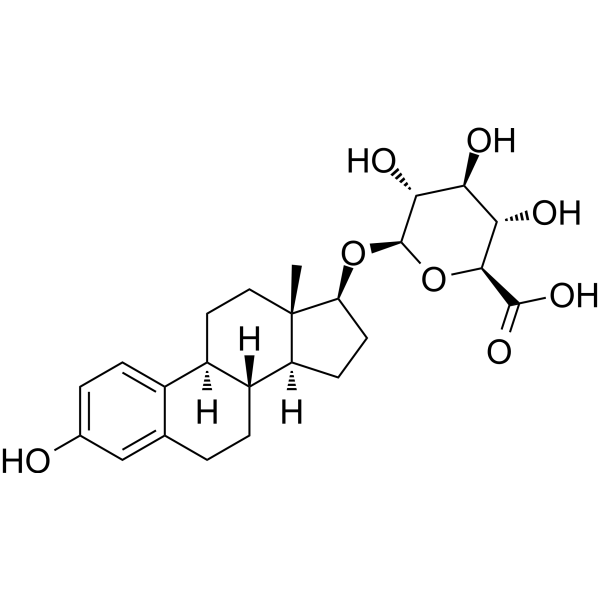
Estradiol 17-(β-D-Glucuronide) is a D-ring glucuronide metabolite of natural estrogen formed in the liver. Estradiol 17-(β-D-Glucuronide) is a substrate of the organic anion-transporting polypeptide family (Oatp) and multidrug resistance-associated protein 2 (Mrp2). Estradiol 17-(β-D-Glucuronide) regulates MRP8-mediated transport processes and inhibits MRP8-mediated transport of dehydroepiandrosterone 3-sulfate and taurocholic acid. Estradiol 17-(β-D-Glucuronide) induces immediate, reversible reduction of bile flow and acute intrahepatic cholestasis in female rats without altering the bile acid composition in bile. Estradiol 17-(β-D-Glucuronide) can be used in studies related to intrahepatic cholestasis .
|
-
-
- HY-B0652
-
-
-
- HY-135582
-
|
|
Estrogen Receptor/ERR
|
Endocrinology
|
|
Raloxifene 4'-glucuronide is a primary metabolite of Raloxifene. Raloxifene 4'-glucuronide formation is mediated mostly by UGT1A10 and UGT1A8. Raloxifene 4'-glucuronide binds to estrogen receptor with an IC50 of 370 μM. . Raloxifene is a selective estrogen receptor modulator. Raloxifene activates TGFβ3 promoter as a full agonist at nanomolar concentrations, and inhibits the estrogen response element-containing vitellogenin promoter expression .
|
-
-
- HY-18719B
-
-
-
- HY-16023A
-
|
EM-652; SCH 57068
|
Estrogen Receptor/ERR
|
Cancer
|
|
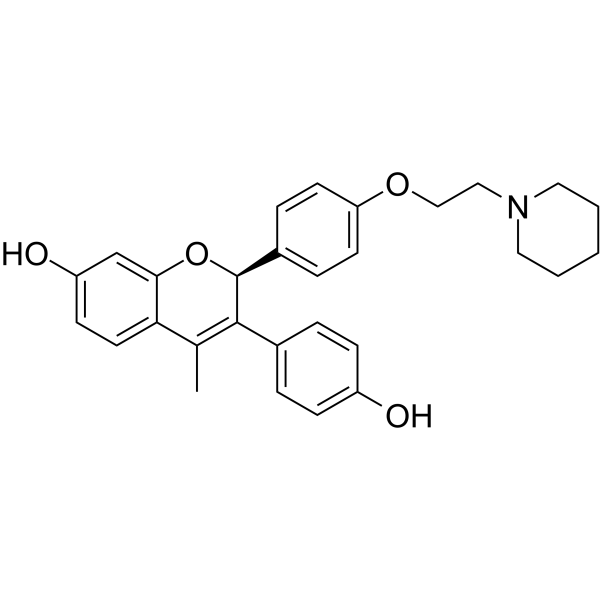
Acolbifene (EM-652), the active metabolite of EM800, is an orally active pure antiestrogen and selective estrogen receptor antagonist. Acolbifene (EM-652) inhibits estradiol (E2)-induced transcriptional activity of ERα (IC50 = 2 nM) and ERβ (IC50 = 0.4 nM). Acolbifene (EM-652) possesses potent and pure anticarcinogenic properties .
|
-
-
- HY-N7755
-
|
|
Endogenous Metabolite
ATP-binding cassette (ABC) transporters
OAT
|
Others
|
|
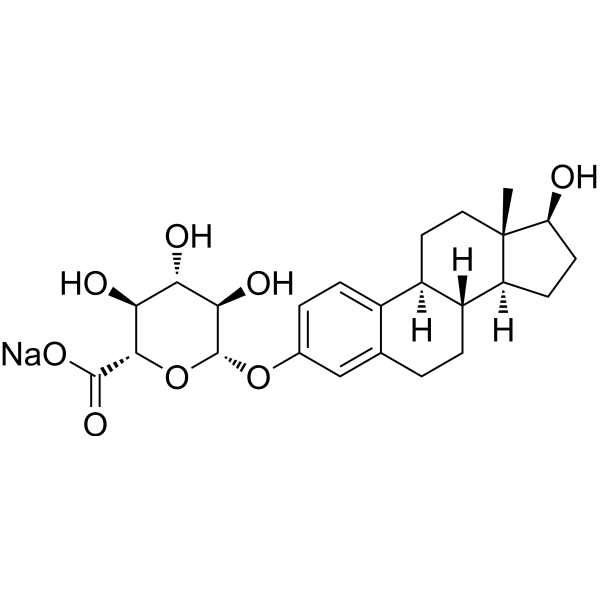
Estradiol 3-glucuronide sodium is an estrogen metabolite, which is a glucuronide conjugate formed by the catalysis of uridine diphosphate glucuronosyltransferase in tissues such as the liver from Estradiol (HY-B0141). Estradiol 3-glucuronide sodium is a potent substrate of Mrp2, with an S50 of 55.7 μM. Estradiol 3-glucuronide sodium achieves hepatobiliary transport in hepatocytes through basolateral uptake via OATP1B1, OATP1B3 and OATP2B1, as well as apical efflux via MRP2 and BCRP .
|
-
-
- HY-113252
-
-
-
- HY-137099A
-
|
|
Fluorescent Dye
|
Endocrinology
|
|
Genistein 7-sulfate sodium is a metabolite of genistein that can reduce the activity of estrogen agonists in MCF-7 cells. Genistein 7-sulfate sodium can promote the growth of MCF-7 cells at concentrations of 10 μM and above .
|
-
-
- HY-N10403
-
|
4-Hydroxy-17β-estradiol
|
Drug Metabolite
Endogenous Metabolite
|
Cancer
|
|
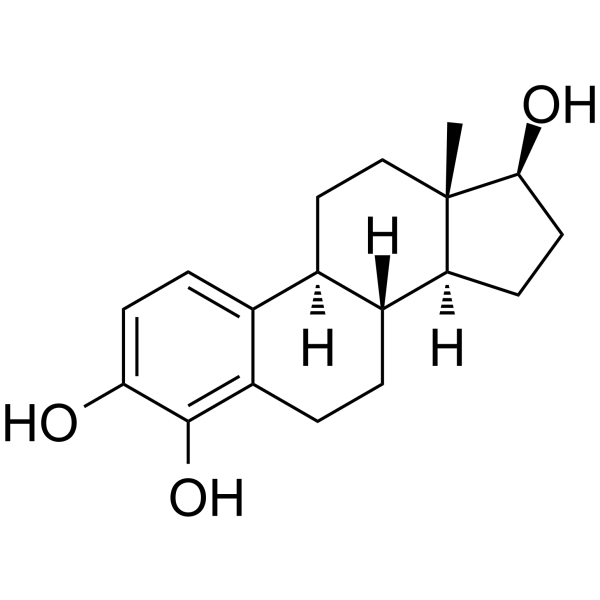
4-Hydroxyestradiol (4-Hydroxy-17β-estradiol) is an endogenous metabolite of Estradiol (HY-B0141). 4-Hydroxyestradiol is carcinogenic and shows mutagenic activity in breast epithelial cells. 4-Hydroxyestradiol inhibits the binding of Estradiol to the estrogen receptor in a competitive manner, with a Ki of 0.48 nM .
|
-
-
- HY-B1984
-
|
4,4'-DDD; p,p'-Dichlorodiphenyl dichloroethane
|
Environmental Pollutants
Drug Metabolite
Apoptosis
Insecticide
Necroptosis
|
Infection
Neurological Disease
Cancer
|
|
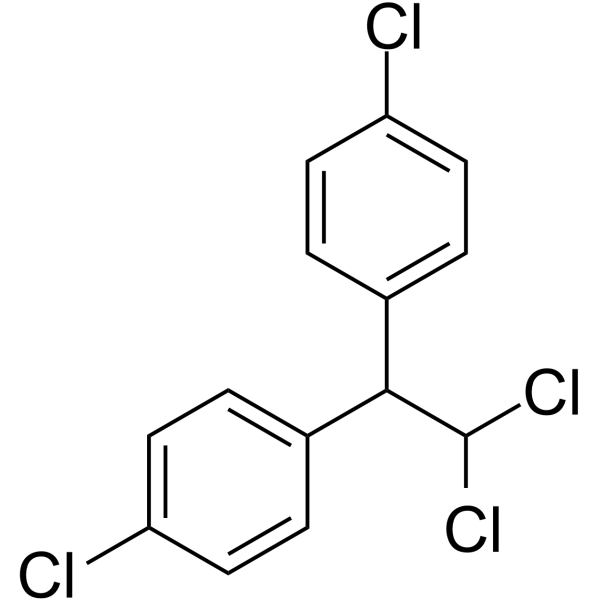
p,p'-DDD (4,4’-DDD) is an organochlorine insecticide, a major metabolite of p,p'-DDT. p,p'-DDD is an agonist at estrogen receptor α(ERα) and ERβ. p,p'-DDD increases DNA damage, apoptosis and necrosis in peripheral blood. p,p'-DDD stimulates cell proliferation in SKBR3 cells. p,p'-DDD activates the AP-1 transcription factor. p,p'-DDD decreases sleep times of barbiturates and steroids in rats .
|
-
-
- HY-Y0546S
-
|
|
Isotope-Labeled Compounds
Endogenous Metabolite
Photosensitizer
|
Cancer
|
|
Benzophenone-d10 is the deuterium labeled Benzophenone (HY-Y0546). Benzophenone is an endogenous metabolite. Benzophenone is a photosensitizer, that absorbs UV light, transfers its energy to DNA, and triggers DNA damage. Benzophenone can be used as the fragrance enhancer, ultraviolet curing agent, additive in plastics, or the flavor ingredient. Benzophenone can also be used in the manufacturing of insecticides, agricultural chemicals, hypnotics, antihistamines, and other pharmaceuticals. Benzophenone exhibits certain carcinogenicity in mouse/rat models under long term exposure. Benzophenone exhibits estrogenic activity .
|
-
-
- HY-W585842
-
|
|
Endogenous Metabolite
ATP-binding cassette (ABC) transporters
OAT
|
Others
|
|
Estradiol 3-glucuronide is an estrogen metabolite, which is a glucuronide conjugate formed from Estradiol (HY-B0141) via catalysis by uridine diphosphate glucuronosyltransferases in tissues such as the liver. Estradiol 3-glucuronide is a potent substrate of Mrp2, with an S50 value of 55.7 μM. Estradiol 3-glucuronide achieves hepatobiliary transport in hepatocytes through basolateral uptake via OATP1B1, OATP1B3 and OATP2B1, as well as apical efflux via MRP2 and BCRP .
|
-
-
- HY-N6709
-
|
α-Zearalanol
|
Estrogen Receptor/ERR
|
Endocrinology
|
|
Zeranol, a metabolite of the mycoestrogen zearalenone, is an estrogen receptor agonist. Zeranol is used as a growth promoter of livestock due to its strong estrogenic activity .
|
-
-
- HY-148225
-
|
|
Drug Metabolite
|
Cancer
|
|
Fulvestrant 3-β-D-Glucuronide, a metabolite, is glucuronide and sulfate conjugates of Fulvestrant (HY-13636), a pure anti-estrogenic steroid. Fulvestrant 3-β-D-Glucuronide can be used for the research of breast cancer .
|
-
-
- HY-113031
-
|
16α-Hydroxy-DHEA; 16α-OH-DHEA; 16α-hydroxy DHEA
|
Cytochrome P450
|
Endocrinology
|
|
16a-Hydroxydehydroisoandrosterone (16α-Hydroxy-DHEA) is a metabolite of the endogenous steroid hormone dehydroepiandrosterone. 16α-hydroxy Dehydroepiandrosterone is formed from dehydroepiandrosterone via 16-hydroxylation by the cytochrome P450 (CYP) isoforms CYP3A4 and CYP3A5 in adult human liver microsomes, as well as by fetal recombinant CYP3A7. It is a precursor to fetal estrogens, including estriol.
|
-
-
- HY-W009300
-
|
4-OHE1
|
Endogenous Metabolite
Estrogen Receptor/ERR
Sirtuin
MDM-2/p53
PDI
Ferroptosis
Reactive Oxygen Species (ROS)
|
Neurological Disease
Metabolic Disease
Cancer
|
|
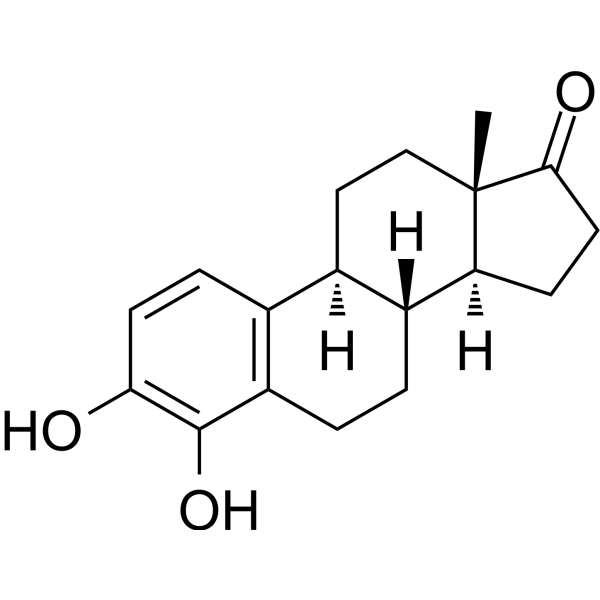
4-Hydroxyestrone (4-OHE1) is a brain-penetrant estrogen metabolite. 4-Hydroxyestrone shows neuroprotective effects involving increased cytoplasmic localization of p53 resulting from SIRT1-mediated p53 deacetylation. 4-Hydroxyestrone relies on PDI to mediate its protective effect against chemically induced ferroptosis in estrogen receptor-negative cancer cells. 4-Hydroxyestrone inhibits lipid peroxidation and lipid-ROS accumulation. 4-Hydroxyestrone blocks preovulatory luteinizing hormone surges in Rattus norvegicus. 4-Hydroxyestrone can be used for the researches of neurodegeneration, breast cancer and endocrine disease .
|
-
-
- HY-137391
-
|
|
Estrogen Receptor/ERR
|
Metabolic Disease
|
|
2-Bromoestradiol is a estrogen 2-hydroxylase inhibitor. 2-Bromoestradiol decreases irreversible binding of radiolabeled estradiol metabolite(s) to microsomal proteins .
|
-
-
- HY-117153
-
|
|
Estrogen Receptor/ERR
|
Cancer
|
|
GW7604 is an antiestrogen. GW7604 is the metabolite of GW5638, which is a high affinity estrogen receptor (ER) antagonist .
|
-
-
- HY-D0272
-
|
|
Estrogen Receptor/ERR
|
Metabolic Disease
|
|
2,3,4-Trihydroxybenzophenone is a hydroxylated benzophenone UV filter with estrogenic activity. 2,3,4-Trihydroxybenzophenone is a quorum sensing inhibitor and an EC 1.14.18.1 (tyrosinase) inhibitor. 2,3,4-Trihydroxybenzophenone is also a human urinary metabolite, a rat metabolite and a drug metabolite .
|
-
-
- HY-18719ES
-
|
|
Cytochrome P450
Estrogen Receptor/ERR
Drug Metabolite
Parasite
|
Cancer
|
|
Endoxifen-d5 is the deuterium labeled Endoxifen. Endoxifen is a key active metabolite of tamoxifen (TAM) with higher affinity and specificity to estrogen receptor that also inhibits aromatase activity. Endoxifen has the potential for breast cancer study .
|
-
-
- HY-18719S
-
-
-
- HY-121779
-
|
2,4'-DDE; 2,4-Dichlorodiphenyldichloroethylene; 2,4'-DDE; o,p'-Dichlorodiphenyldichloroethylene
|
Insecticide
|
Endocrinology
|
|
o,p'-DDE (2,4-Dichlorodiphenyldichloroethylene) is a metabolite and degradation product of the organochlorine pesticide DDT. It accumulates in smallmouth buffalo, channel catfish, and largemouth bass, and in sediments from DDT manufacturing plants around the Huntsville Spring Branch-Indian Creek tributary system, where it is considered a persistent organic pollutant (POP). o,p'-DDE inhibits estrogen binding to the rainbow trout estrogen receptor (rtER) with an IC50 value of 3.2 μM. It induces concentration-dependent estradiol secretion in co-cultures of granulosa and theca cells isolated from porcine follicles. In ovo exposure to o,p'-DDE increases follicular degeneration and reduces testis size in Japanese medaka (O. latipes).
|
-
-
- HY-W777284
-
|
|
Isotope-Labeled Compounds
Estrogen Receptor/ERR
|
Endocrinology
|
|
Zeranol-d5 (mixture of diastereomers) is the deuterium labeled Zeranol (HY-N6709). Zeranol, a metabolite of the mycoestrogen zearalenone, is an estrogen receptor agonist. Zeranol is used as a growth promoter of livestock due to its strong estrogenic activity .
|
-
-
- HY-137099
-
|
|
Fluorescent Dye
|
Endocrinology
|
|
Genistein 7-sulfate is a metabolite of genistein that can reduce the activity of estrogen agonists in MCF-7 cells. Genistein 7-sulfate can promote the growth of MCF-7 cells at concentrations of 10 μM and above .
|
-
-
- HY-108692R
-
|
|
Reference Standards
Apoptosis
Endogenous Metabolite
|
Cancer
|
|
Enterolactone (Standard) is the analytical standard of Enterolactone. This product is intended for research and analytical applications. Enterolactone is a bioactive phenolic metabolite known as a mammalian lignan derived from dietary lignans. Enterolactone has estrogenic properties and anti-breast cancer activity . Enterolactone is a radiosensitizer for human breast cancer cell lines through impaired DNA repair and increased apoptosis .
|
-
-
- HY-Y0546S2
-
|
|
Isotope-Labeled Compounds
Endogenous Metabolite
Photosensitizer
|
Cancer
|
|
Benzophenone- 13C is the 13C labeled Benzophenone (HY-Y0546). Benzophenone is an endogenous metabolite. Benzophenone is a photosensitizer, that absorbs UV light, transfers its energy to DNA, and triggers DNA damage. Benzophenone can be used as the fragrance enhancer, ultraviolet curing agent, additive in plastics, or the flavor ingredient. Benzophenone can also be used in the manufacturing of insecticides, agricultural chemicals, hypnotics, antihistamines, and other pharmaceuticals. Benzophenone exhibits certain carcinogenicity in mouse/rat models under long term exposure. Benzophenone exhibits estrogenic activity .
|
-
-
- HY-135588
-
|
|
Drug Metabolite
|
Metabolic Disease
|
|
Raloxifene 6,4'-Bis-β-D-glucuronide (compound IV) is a metabolite of Raloxifene. Raloxifene is a selective estrogen receptor antagonist for the prevention of osteoporosis .
|
-
-
- HY-B0652R
-
|
3-Oxodesogestrel (Standard); 3-keto-Desogestrel (Standard)
|
Drug Metabolite
Reference Standards
Estrogen Receptor/ERR
Progesterone Receptor
Endogenous Metabolite
FKBP
|
Endocrinology
|
|
Etonogestrel (Standard) is the analytical standard of Etonogestrel. This product is intended for research and analytical applications. Etonogestrel (3-Oxodesogestrel), a biologically active metabolite of progestin Desogestrel, binds with high affinity to progesterone receptors and estrogen receptors in the target organs . Etonogestrel induce FKBP51 mRNA and protein expression in cultured human endometrial stromal cells (HESCs) .
|
-
-
- HY-N6709R
-
-
-
- HY-116865
-
|
|
Endogenous Metabolite
|
Endocrinology
Cancer
|
|
Equilenin is a B-ring unsaturated estrogen and one of the main ingredients in Premarin, a drug commonly used in estrogen replacement therapy. Equilenin can bind to estrogen receptors in the body and exert effects similar to endogenous estrogen. Equilenin can be used in estrogen replacement therapy and breast cancer research .
|
-
-
- HY-B0652S1
-
-
-
- HY-16950AR
-
|
Afimoxifene (Standard); 4-OHT (Standard)
|
Reference Standards
Estrogen Receptor/ERR
Endogenous Metabolite
|
Cancer
|
|
(E/Z)-4-Hydroxytamoxifen (Standard) is the analytical standard of (E/Z)-4-Hydroxytamoxifen. This product is intended for research and analytical applications. (E/Z)-4-Hydroxytamoxifen (Afimoxifene) is a racemic compound of (Z)-4-Hydroxytamoxifen and (E)-4-Hydroxytamoxifen isomers. (E/Z)-4-Hydroxytamoxifen is a selective estrogen receptor modulator with mixed estrogenic and antiestrogenic activity, which is also an active metabolite of Tamoxifen (HY-13757A). (E/Z)-4-Hydroxytamoxifen is an agonist of the G protein-coupled estrogen receptor (GPER) with relatively low affinity (100-1000 nM). (E/Z)-4-Hydroxytamoxifen is promising for research of cyclical mastalgia, such as breast pain, tenderness, and nodularity .
|
-
-
- HY-145751
-
|
7α-Hydroxydehydroepiandrosterone; 3β,7α-Dihydroxy-Δ5-androsten-17-one
|
Cytochrome P450
Mitochondrial Metabolism
|
Metabolic Disease
Cancer
|
|
7α-Hydroxy-DHEA (7α-Hydroxydehydroepiandrosterone) is a 7α-hydroxylated metabolite of DHEA (HY-14650), catalyzed by intracellular steroid 7α-hydroxylases such as P450 2A1. 7α-Hydroxy-DHEA exhibits biological activity comparable to DHEA but does not convert into compounds with androgenic or estrogenic activity. It induces the activity of thermogenic enzymes such as mitochondrial sn-glycerol-3-phosphate dehydrogenase and cytosolic malic enzyme, enhancing heat production and reducing food utilization efficiency. As a more efficient and safer metabolite compared to DHEA, 7α-Hydroxy-DHEA holds potential for studies in the fields of obesity, metabolic diseases, and adrenal carcinoma .
|
-
-
- HY-16023
-
|
EM-652 hydrochloride; SCH 57068 hydrochloride
|
Estrogen Receptor/ERR
|
Cancer
|
|
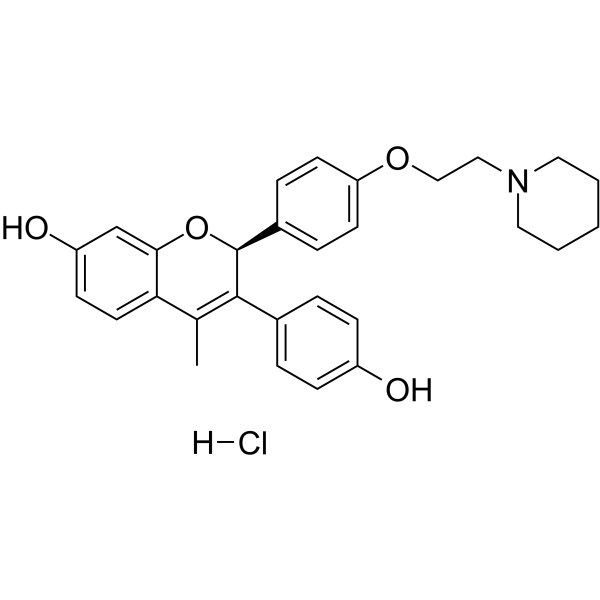
Acolbifene (EM-652) hydrochloride, an active metabolite of EM800, is an orally active, cancer-preventing selective estrogen receptor modulator (SERM). Acolbifene (EM-652) hydrochloride inhibits estradiol (E2)-induced transcriptional activity of ERα (IC50=2 nM) and ERβ (IC50=0.4 nM). Acolbifene (EM-652) hydrochloride exerts a potent and pure antiestrogenic action in the mammary gland and uterus. Anticarcinogenic properties .
|
-
-
- HY-B1984S
-
|
4,4'-DDD-d8; p,p'-Dichlorodiphenyl dichloroethane-d8
|
Drug Metabolite
Apoptosis
Necroptosis
Insecticide
|
Infection
Neurological Disease
Cancer
|
|
p,p'-DDD-d8 is the deuterium labeled p,p'-DDD[1]. p,p'-DDD (4,4’-DDD) is an organochlorine insecticide, a major metabolite of p,p'-DDT. p,p'-DDD is an agonist at estrogen receptor α(ERα) and ERβ. p,p'-DDD increases DNA damage, apoptosis and necrosis in peripheral blood. p,p'-DDD stimulates cell proliferation in SKBR3 cells. p,p'-DDD activates the AP-1 transcription factor. p,p'-DDD decreases sleep times of barbiturates and steroids in rats .
|
-
-
- HY-W587691
-
-
-
- HY-135580A
-
|
|
Drug Metabolite
|
Endocrinology
|
|
Raloxifene Bismethyl Ether hydrochloride is a metabolite of Raloxifene and an estrogen receptor inactive compound on which both hydroxyl groups are absent .
|
-
-
- HY-135580
-
|
|
Drug Metabolite
|
Endocrinology
|
|
Raloxifene Bismethyl Ether is a metabolite of Raloxifene and an estrogen receptor inactive compound on which both hydroxyl groups are absent .
|
-
-
- HY-135581
-
|
|
Estrogen Receptor/ERR
|
Endocrinology
|
|
Raloxifene 6-glucuronide is a primary metabolite of Raloxifene. Raloxifene 6-glucuronide is mediated mostly by UGT1A1 and UGT1A8. Raloxifene 6-glucuronide binds to estrogen receptor with an IC50 of 290 μM. Raloxifene is a selective and nonsteroidal estrogen receptor modulator. Raloxifene activates TGFβ3 promoter as a full agonist at nanomolar concentrations, and inhibits the estrogen response element-containing vitellogenin promoter expression .
|
-
- HY-W926789
-
-
- HY-113252S1
-
-
- HY-113252S
-
-
- HY-W740212
-
-
- HY-135581S1
-
|
|
Isotope-Labeled Compounds
Estrogen Receptor/ERR
|
Endocrinology
|
|
Raloxifene 6-glucuronide-d4 (lithium) is deuterium labeled Raloxifene 6-glucuronide. Raloxifene 6-glucuronide is a primary metabolite of Raloxifene. Raloxifene 6-glucuronide is mediated mostly by UGT1A1 and UGT1A8. Raloxifene 6-glucuronide binds to estrogen receptor with an IC50 of 290 μM. Raloxifene is a selective and nonsteroidal estrogen receptor modulator. Raloxifene activates TGFβ3 promoter as a full agonist at nanomolar concentrations, and inhibits the estrogen response element-containing vitellogenin promoter expression .
|
-
- HY-135582S1
-
|
|
Isotope-Labeled Compounds
Estrogen Receptor/ERR
|
Endocrinology
|
|
Raloxifene 4'-glucuronide-d4 (lithium) is deuterium labeled Raloxifene 4'-glucuronide. Raloxifene 4'-glucuronide is a primary metabolite of Raloxifene. Raloxifene 4'-glucuronide formation is mediated mostly by UGT1A10 and UGT1A8. Raloxifene 4'-glucuronide binds to estrogen receptor with an IC50 of 370 μM. . Raloxifene is a selective estrogen receptor modulator. Raloxifene activates TGFβ3 promoter as a full agonist at nanomolar concentrations, and inhibits the estrogen response element-containing vitellogenin promoter expression .
|
-
- HY-160485
-
|
|
Fluorescent Dye
|
Endocrinology
|
|
G-4'G-7S is a endogenous metabolite of genistein (HY-14596). G-4'G-7S can be used for the research of estrogenic activity .
|
-
- HY-135582S
-
|
|
Estrogen Receptor/ERR
Isotope-Labeled Compounds
|
Endocrinology
|
|
Raloxifene 4'-glucuronide-d4 is deuterated labeled Raloxifene 4'-glucuronide (HY-135582). Raloxifene 4'-glucuronide is a primary metabolite of Raloxifene. Raloxifene 4'-glucuronide formation is mediated mostly by UGT1A10 and UGT1A8. Raloxifene 4'-glucuronide binds to estrogen receptor with an IC50 of 370 μM. . Raloxifene is a selective estrogen receptor modulator. Raloxifene activates TGFβ3 promoter as a full agonist at nanomolar concentrations, and inhibits the estrogen response element-containing vitellogenin promoter expression .
|
-
- HY-18719BR
-
|
|
Cytochrome P450
Reference Standards
Estrogen Receptor/ERR
Drug Metabolite
Parasite
|
Cancer
|
|
Endoxifen (hydrochloride) (Standard) is the analytical standard of Endoxifen (hydrochloride). This product is intended for research and analytical applications. Endoxifen hydrochloride is a key active metabolite of Tamoxifen (TAM) with higher affinity and specificity to estrogen receptor that also inhibits aromatase activity. Endoxifen hydrochloride has the potential for breast cancer study[1][2].
|
-
- HY-163712
-
|
|
Estrogen Receptor/ERR
|
Endocrinology
|
|
17-Epiestriol is an estrogen metabolite and a selective estrogen receptor (ER) β agonist. 17-epiestriol inhibits the mRNA and protein expression of the vascular cell adhesion molecule VCAM-1 induced by tumor necrosis factor α (TNFα). 17-epiestriol also inhibits TNFα-induced VCAM-1 expression and prevents NF-κB migration to the nucleus. 17-Epiestriol also induces the mRNA and protein expression of endothelial nitric oxide synthase .
|
-
- HY-124489S1
-
|
|
Isotope-Labeled Compounds
Endogenous Metabolite
|
Infection
|
|
2-Hydroxyestradiol-d5 is the deuterium labeled 2-Hydroxyestradiol. 2-Hydroxyestradiol, a metabolite of 17β-estradiol with minimal estrogenic activity, possesses antioxidant effects and reacts with DNA to form stable adducts and exerts genotoxicity[ .
|
-
- HY-124489S
-
-
- HY-124489R
-
|
|
Endogenous Metabolite
Reference Standards
|
Metabolic Disease
|
|
2-Hydroxyestradiol (Standard) is the analytical standard of 2-Hydroxyestradiol. This product is intended for research and analytical applications. 2-Hydroxyestradiol, a metabolite of 17β-estradiol with minimal estrogenic activity, possesses antioxidant effects and reacts with DNA to form stable adducts and exerts genotoxicity .
|
-
- HY-108692S
-
|
|
Isotope-Labeled Compounds
Apoptosis
Endogenous Metabolite
|
Cancer
|
|
Enterolactone-d6 is the deuterium labeled Enterolactone. Enterolactone is a bioactive phenolic metabolite known as a mammalian lignan derived from dietary lignans. Enterolactone has estrogenic properties and anti-breast cancer activity . Enterolactone is a radiosensitizer for human breast cancer cell lines through impaired DNA repair and increased apoptosis .
|
-
- HY-163712S
-
|
|
Isotope-Labeled Compounds
Estrogen Receptor/ERR
|
Endocrinology
|
|
17-Epiestriol-d5-1 is the deuterium labeled 17-Epiestriol (HY-163712). 17-Epiestriol is an estrogen metabolite and a selective estrogen receptor (ER) β agonist. 17-epiestriol inhibits the mRNA and protein expression of the vascular cell adhesion molecule VCAM-1 induced by tumor necrosis factor α (TNFα). 17-epiestriol also inhibits TNFα-induced VCAM-1 expression and prevents NF-κB migration to the nucleus. 17-Epiestriol also induces the mRNA and protein expression of endothelial nitric oxide synthase .
|
-
- HY-W778286
-
|
|
Isotope-Labeled Compounds
Apoptosis
Endogenous Metabolite
|
Cancer
|
|
Enterolactone- 13C3 is the 13C-labeled Enterolactone (HY-108692). Enterolactone is a bioactive phenolic metabolite known as a mammalian lignan derived from dietary lignans. Enterolactone has estrogenic properties and anti-breast cancer activity . Enterolactone is a radiosensitizer for human breast cancer cell lines through impaired DNA repair and increased apoptosis .
|
-
- HY-N0835R
-
-
- HY-135594
-
|
|
Estrogen Receptor/ERR
|
Metabolic Disease
|
|
4'-Raloxifene-β-D-glucopyranoside, a metabolite of Raloxifene, is a benzothiophene glucuronidated at the 4' postion. 4'-Raloxifene-β-D-glucopyranoside is a selective and orally active estrogen receptor antagonist. 4'-Raloxifene-β-D-glucopyranoside can be used for inhibiting bone loss and resorption, and lowering lipid levels. 4'-Raloxifene-β-D-glucopyranoside, example 5, is extracted from patent US5567820A .
|
-
- HY-133668S
-
|
|
Isotope-Labeled Compounds
Drug Metabolite
Cytochrome P450
PPAR
|
Cancer
|
|
Monoethyl phthalate-d4 is the deuterium labeled Monoethyl phthalate. Monoethyl phthalate is an orally active PDX-1 activator and the major hydrolytic metabolite of Diethyl phthalate (HY-Y0284) in vivo, with reproductive toxicity. Monoethyl phthalate targets aromatase (aromatase/CYP19A1) and PPAR to induce cell proliferation. The plasma protein binding rate of Monoethyl phthalate in rats and humans is lower than that of Diethyl phthalate. It exhibits significant enterohepatic circulation in rats and mainly accumulates in liver tissues. Monoethyl phthalate shows no estrogenic activity in estrogen-dependent human breast cancer cells. Monoethyl phthalate can be used in studies of reproductive toxicity and related environmental endocrine disruption mechanisms .
|
-
- HY-W009300S
-
|
4-OHE1-d4
|
Endogenous Metabolite
Isotope-Labeled Compounds
Estrogen Receptor/ERR
Sirtuin
MDM-2/p53
PDI
Ferroptosis
Reactive Oxygen Species (ROS)
|
Neurological Disease
Metabolic Disease
Cancer
|
|
4-Hydroxyestrone (4-OHE1)-d4 is the deuterium labeled 4-Hydroxyestrone (HY-W009300). 4-Hydroxyestrone is a brain-penetrant estrogen metabolite. 4-Hydroxyestrone shows neuroprotective effects involving increased cytoplasmic localization of p53 resulting from SIRT1-mediated p53 deacetylation. 4-Hydroxyestrone relies on PDI to mediate its protective effect against chemically induced ferroptosis in estrogen receptor-negative cancer cells. 4-Hydroxyestrone inhibits lipid peroxidation and lipid-ROS accumulation. 4-Hydroxyestrone blocks preovulatory luteinizing hormone surges in Rattus norvegicus. 4-Hydroxyestrone can be used for the researches of neurodegeneration, breast cancer and endocrine disease .
|
-
- HY-W009300S1
-
|
4-OHE1-13C6
|
Isotope-Labeled Compounds
Endogenous Metabolite
Estrogen Receptor/ERR
Sirtuin
MDM-2/p53
PDI
Ferroptosis
Reactive Oxygen Species (ROS)
|
Neurological Disease
Metabolic Disease
Cancer
|
|
4-Hydroxyestrone (4-OHE1)- 13C6 is a 13C-labeled 4-Hydroxyestrone (HY-W009300). 4-Hydroxyestrone is a brain-penetrant estrogen metabolite. 4-Hydroxyestrone shows neuroprotective effects involving increased cytoplasmic localization of p53 resulting from SIRT1-mediated p53 deacetylation. 4-Hydroxyestrone relies on PDI to mediate its protective effect against chemically induced ferroptosis in estrogen receptor-negative cancer cells. 4-Hydroxyestrone inhibits lipid peroxidation and lipid-ROS accumulation. 4-Hydroxyestrone blocks preovulatory luteinizing hormone surges in Rattus norvegicus. 4-Hydroxyestrone can be used for the researches of neurodegeneration, breast cancer and endocrine disease .
|
-
- HY-Y0546S1
-
|
|
Isotope-Labeled Compounds
Endogenous Metabolite
Photosensitizer
|
Cancer
|
|
Benzophenone-d5 is the deuterium labeled Benzophenone (HY-Y0546). Benzophenone is an endogenous metabolite. Benzophenone is a photosensitizer, that absorbs UV light, transfers its energy to DNA, and triggers DNA damage. Benzophenone can be used as the fragrance enhancer, ultraviolet curing agent, additive in plastics, or the flavor ingredient. Benzophenone can also be used in the manufacturing of insecticides, agricultural chemicals, hypnotics, antihistamines, and other pharmaceuticals. Benzophenone exhibits certain carcinogenicity in mouse/rat models under long term exposure. Benzophenone exhibits estrogenic activity .
|
-
- HY-B1984R
-
|
4,4'-DDD (Standard); p,p'-Dichlorodiphenyl dichloroethane (Standard)
|
Reference Standards
Drug Metabolite
Apoptosis
Necroptosis
Insecticide
|
Infection
Neurological Disease
Cancer
|
|
p,p'-DDD (Standard) is the analytical standard of p,p'-DDD (HY-B1984) . This product is intended for research and analytical applications. p,p'-DDD (4,4’-DDD) is an organochlorine insecticide, a major metabolite of p,p'-DDT. p,p'-DDD is an agonist at estrogen receptor α(ERα) and ERβ. p,p'-DDD increases DNA damage, apoptosis and necrosis in peripheral blood. p,p'-DDD stimulates cell proliferation in SKBR3 cells. p,p'-DDD activates the AP-1 transcription factor. p,p'-DDD decreases sleep times of barbiturates and steroids in rats.
|
-
- HY-N1939R
-
|
Icarisid I (Standard)
|
Reference Standards
Apoptosis
Reactive Oxygen Species (ROS)
NOD-like Receptor (NLR)
STAT
CDK
Bcl-2 Family
Aryl Hydrocarbon Receptor
JAK
Caspase
IFNAR
PD-1/PD-L1
|
Inflammation/Immunology
Endocrinology
Cancer
|
|
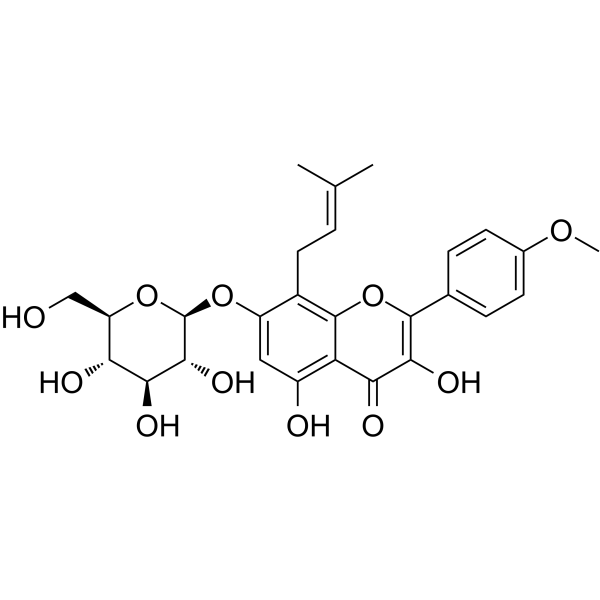
Icariside I (Standard) is the analytical standard of Icariside I (HY-N1939). This product is intended for research and analytical applications. Icariside I (GH01) is an orally active metabolite of icalin. Icariside I improves estrogen deficiency-induced osteoporosis by simultaneously regulating osteoblast and osteoclast differentiation. Icariside I promotes ATP (HY-B2176) or Nigericin (HY-127019)-induced mtROS production and NLRP3 inflammasome activation and causes idiosyncratic hepatotoxicity. Icariside I does not alter the activation of NLRC4 and AIM2 inflammasomes. Icariside I inhibits breast cancer proliferation, apoptosis, invasion, and metastasis by targeting the IL-6/STAT3 pathway. Icariside I is a kynurenine-AhR pathway inhibitor that alleviates cancer by blocking tumor immune escape .
|
-
- HY-138089
-
|
|
Androgen Receptor
Estrogen Receptor/ERR
LDLR
|
Metabolic Disease
Cancer
|
|
17β-Hydroxy exemestane (17-H-EXE) is the primary active metabolite of Exemestane (HY-13632). 17β-Hydroxy exemestane is an aromatase inhibitor (IC50 = 69 nM) and an androgen receptor (AR) agonist (IC50 = 39.6 nM) that is selective for AR over estrogen receptor α (ERα; IC50 = 21.2 μM). 17β-Hydroxy exemestane stimulates growth of AR- and ERα-positive MCF-7 (EC50= 2.7 μM) and T47D breast cancer cells (EC50s = 0.43 and 1500 nM for AR- and ER-mediated growth, respectively) and inhibits proliferation of testosterone-treated aromatase-overexpressing MCF-7 cells. 17β-Hydroxy exemestane inhibits increases in serum cholesterol and LDL levels and prevents decreases in bone mineral density in the lumbar vertebrae and femur, as well as femoral bending strength and compressive strength of the fifth lumbar vertebrae in ovariectomized rats .
|
-
- HY-W587691S
-
-
- HY-N6709S1
-
|
α-Zearalanol-13C18
|
Isotope-Labeled Compounds
|
Endocrinology
|
|
Zeranol- 13C18 (α-Zearalanol- 13C18) is the 13C-labeled Zeranol. Zeranol, a metabolite of the mycoestrogen zearalenone, is an estrogen receptor agonist. Zeranol is used as a growth promoter of livestock due to its strong estrogenic activity .
|
-
- HY-N6709S2
-
|
α-Zearalanol-d5-1
|
Isotope-Labeled Compounds
Estrogen Receptor/ERR
|
Endocrinology
|
|
Zeranol-d5-1 (α-Zearalanol-d5-1) is the deuterium labeled Zeranol (HY-N6709). Zeranol, a metabolite of the mycoestrogen zearalenone, is an estrogen receptor agonist. Zeranol is used as a growth promoter of livestock due to its strong estrogenic activity .
|
-
- HY-113252S2
-
-
| Cat. No. |
Product Name |
Category |
Target |
Chemical Structure |
-
- HY-16950A
-
-
-
- HY-N0835
-
-
-
- HY-124489
-
-
-
- HY-108692
-
-
-
- HY-133668
-
|
|
Other disease
Disease markers
Endogenous metabolite
|
Drug Metabolite
Cytochrome P450
PPAR
|
|
Monoethyl phthalate is an orally active PDX-1 activator and the major hydrolytic metabolite of Diethyl phthalate (HY-Y0284) in vivo, with reproductive toxicity. Monoethyl phthalate targets aromatase (aromatase/CYP19A1) and PPAR to induce cell proliferation. The plasma protein binding rate of Monoethyl phthalate in rats and humans is lower than that of Diethyl phthalate. It exhibits significant enterohepatic circulation in rats and mainly accumulates in liver tissues. Monoethyl phthalate shows no estrogenic activity in estrogen-dependent human breast cancer cells. Monoethyl phthalate can be used in studies of reproductive toxicity and related environmental endocrine disruption mechanisms .
|
-
-
- HY-Y0546
-
|
|
Structural Classification
Microorganisms
Classification of Application Fields
Ketones, Aldehydes, Acids
Metabolic Disease
Endogenous metabolite
Disease Research Fields
Source Classification
|
Environmental Pollutants
Endogenous Metabolite
Photosensitizer
|
|
Benzophenone is an endogenous metabolite. Benzophenone is a photosensitizer, that absorbs UV light, transfers its energy to DNA, and triggers DNA damage. Benzophenone can be used as the fragrance enhancer, ultraviolet curing agent, additive in plastics, or the flavor ingredient. Benzophenone can also be used in the manufacturing of insecticides, agricultural chemicals, hypnotics, antihistamines, and other pharmaceuticals. Benzophenone exhibits certain carcinogenicity in mouse/rat models under long term exposure. Benzophenone exhibits estrogenic activity .
|
-
-
- HY-N1939
-
-
-
- HY-129987
-
-
-
- HY-W353102
-
-
-
- HY-B0652
-
-
-
- HY-113252
-
-
-
- HY-N10403
-
-
-
- HY-W009300
-
-
-
- HY-108692R
-
-
-
- HY-B0652R
-
-
-
- HY-16950AR
-
|
Afimoxifene (Standard); 4-OHT (Standard)
|
Structural Classification
Alkaloids
Monophenols
Other Alkaloids
Phenols
Endogenous metabolite
Source Classification
|
Reference Standards
Estrogen Receptor/ERR
Endogenous Metabolite
|
|
(E/Z)-4-Hydroxytamoxifen (Standard) is the analytical standard of (E/Z)-4-Hydroxytamoxifen. This product is intended for research and analytical applications. (E/Z)-4-Hydroxytamoxifen (Afimoxifene) is a racemic compound of (Z)-4-Hydroxytamoxifen and (E)-4-Hydroxytamoxifen isomers. (E/Z)-4-Hydroxytamoxifen is a selective estrogen receptor modulator with mixed estrogenic and antiestrogenic activity, which is also an active metabolite of Tamoxifen (HY-13757A). (E/Z)-4-Hydroxytamoxifen is an agonist of the G protein-coupled estrogen receptor (GPER) with relatively low affinity (100-1000 nM). (E/Z)-4-Hydroxytamoxifen is promising for research of cyclical mastalgia, such as breast pain, tenderness, and nodularity .
|
-
-
- HY-145751
-
|
7α-Hydroxydehydroepiandrosterone; 3β,7α-Dihydroxy-Δ5-androsten-17-one
|
Endogenous metabolite
Steroids
Source Classification
|
Cytochrome P450
Mitochondrial Metabolism
|
|
7α-Hydroxy-DHEA (7α-Hydroxydehydroepiandrosterone) is a 7α-hydroxylated metabolite of DHEA (HY-14650), catalyzed by intracellular steroid 7α-hydroxylases such as P450 2A1. 7α-Hydroxy-DHEA exhibits biological activity comparable to DHEA but does not convert into compounds with androgenic or estrogenic activity. It induces the activity of thermogenic enzymes such as mitochondrial sn-glycerol-3-phosphate dehydrogenase and cytosolic malic enzyme, enhancing heat production and reducing food utilization efficiency. As a more efficient and safer metabolite compared to DHEA, 7α-Hydroxy-DHEA holds potential for studies in the fields of obesity, metabolic diseases, and adrenal carcinoma .
|
-
-
- HY-W587691
-
-
-
- HY-124489R
-
-
-
- HY-N0835R
-
-
-
- HY-N1939R
-
-
| Cat. No. |
Product Name |
Chemical Structure |
-
- HY-Y0546S
-
|
|
|
Benzophenone-d10 is the deuterium labeled Benzophenone (HY-Y0546). Benzophenone is an endogenous metabolite. Benzophenone is a photosensitizer, that absorbs UV light, transfers its energy to DNA, and triggers DNA damage. Benzophenone can be used as the fragrance enhancer, ultraviolet curing agent, additive in plastics, or the flavor ingredient. Benzophenone can also be used in the manufacturing of insecticides, agricultural chemicals, hypnotics, antihistamines, and other pharmaceuticals. Benzophenone exhibits certain carcinogenicity in mouse/rat models under long term exposure. Benzophenone exhibits estrogenic activity .
|
-
-
- HY-18719ES
-
|
|
|
Endoxifen-d5 is the deuterium labeled Endoxifen. Endoxifen is a key active metabolite of tamoxifen (TAM) with higher affinity and specificity to estrogen receptor that also inhibits aromatase activity. Endoxifen has the potential for breast cancer study .
|
-
-
- HY-18719S
-
|
|
|
Endoxifen-d5 (Z-isomer) is the deuterium labeled Endoxifen (Z-isomer) (HY-18719). Endoxifen (Z-isomer) is an oral active Tamoxifen (HY-13757A) metabolite, inducing an anti-estrogenic effect in breast cancer cells expressing ERα. Endoxifen (Z-isomer) inhibits hERG. This effect is concentration-dependent, with an IC50 value of 1.6 μM .
|
-
-
- HY-W777284
-
|
|
|
Zeranol-d5 (mixture of diastereomers) is the deuterium labeled Zeranol (HY-N6709). Zeranol, a metabolite of the mycoestrogen zearalenone, is an estrogen receptor agonist. Zeranol is used as a growth promoter of livestock due to its strong estrogenic activity .
|
-
-
- HY-Y0546S2
-
|
|
|
Benzophenone- 13C is the 13C labeled Benzophenone (HY-Y0546). Benzophenone is an endogenous metabolite. Benzophenone is a photosensitizer, that absorbs UV light, transfers its energy to DNA, and triggers DNA damage. Benzophenone can be used as the fragrance enhancer, ultraviolet curing agent, additive in plastics, or the flavor ingredient. Benzophenone can also be used in the manufacturing of insecticides, agricultural chemicals, hypnotics, antihistamines, and other pharmaceuticals. Benzophenone exhibits certain carcinogenicity in mouse/rat models under long term exposure. Benzophenone exhibits estrogenic activity .
|
-
-
- HY-B0652S1
-
|
|
|
Etonogestrel-d6 is deuterium labeled Etonogestrel. Etonogestrel (3-Oxodesogestrel), a biologically active metabolite of progestin Desogestrel, binds with high affinity to progesterone receptors and estrogen receptors in the target organs . Etonogestrel induce FKBP51 mRNA and protein expression in cultured human endometrial stromal cells (HESCs) .
|
-
-
- HY-B1984S
-
|
|
|
p,p'-DDD-d8 is the deuterium labeled p,p'-DDD[1]. p,p'-DDD (4,4’-DDD) is an organochlorine insecticide, a major metabolite of p,p'-DDT. p,p'-DDD is an agonist at estrogen receptor α(ERα) and ERβ. p,p'-DDD increases DNA damage, apoptosis and necrosis in peripheral blood. p,p'-DDD stimulates cell proliferation in SKBR3 cells. p,p'-DDD activates the AP-1 transcription factor. p,p'-DDD decreases sleep times of barbiturates and steroids in rats .
|
-
-
- HY-113252S1
-
|
|
|
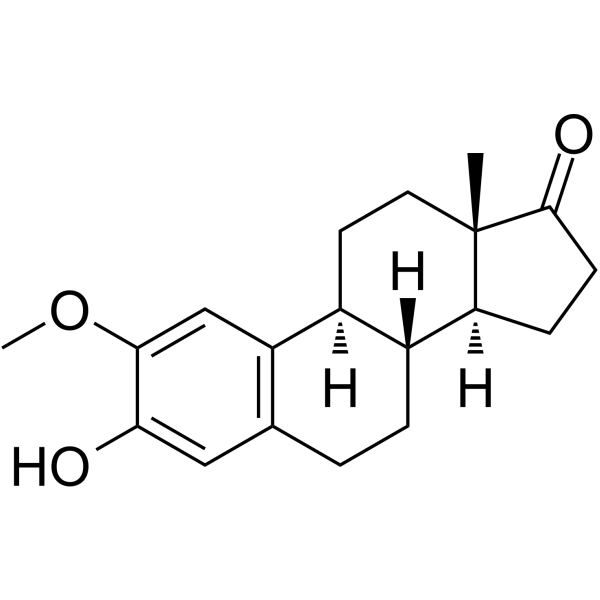
2-Methoxyestrone- 13C6 is the 13C-labeled 2-Methoxyestrone. 2-Methoxyestrone is a methoxylated catechol estrogen and metabolite of estrone, with a pKa of 10.81.
|
-
-
- HY-113252S
-
|
|
|
2-Methoxyestrone- 13C,d3 is the 13C- and deuterium labeled 2-Methoxyestrone. 2-Methoxyestrone is a methoxylated catechol estrogen and metabolite of estrone, with a pKa of 10.81.
|
-
-
- HY-W740212
-
|
|
|
16-Keto 17Beta-estradiol-d5 is the deuterium labeled 16-Ketoestradiol (HY-W587691). 6-Ketoestradiol is an active metabolite of the endogenous estrogen estrone .
|
-
-
- HY-135581S1
-
|
|
|
Raloxifene 6-glucuronide-d4 (lithium) is deuterium labeled Raloxifene 6-glucuronide. Raloxifene 6-glucuronide is a primary metabolite of Raloxifene. Raloxifene 6-glucuronide is mediated mostly by UGT1A1 and UGT1A8. Raloxifene 6-glucuronide binds to estrogen receptor with an IC50 of 290 μM. Raloxifene is a selective and nonsteroidal estrogen receptor modulator. Raloxifene activates TGFβ3 promoter as a full agonist at nanomolar concentrations, and inhibits the estrogen response element-containing vitellogenin promoter expression .
|
-
-
- HY-135582S1
-
|
|
|
Raloxifene 4'-glucuronide-d4 (lithium) is deuterium labeled Raloxifene 4'-glucuronide. Raloxifene 4'-glucuronide is a primary metabolite of Raloxifene. Raloxifene 4'-glucuronide formation is mediated mostly by UGT1A10 and UGT1A8. Raloxifene 4'-glucuronide binds to estrogen receptor with an IC50 of 370 μM. . Raloxifene is a selective estrogen receptor modulator. Raloxifene activates TGFβ3 promoter as a full agonist at nanomolar concentrations, and inhibits the estrogen response element-containing vitellogenin promoter expression .
|
-
-
- HY-135582S
-
|
|
|
Raloxifene 4'-glucuronide-d4 is deuterated labeled Raloxifene 4'-glucuronide (HY-135582). Raloxifene 4'-glucuronide is a primary metabolite of Raloxifene. Raloxifene 4'-glucuronide formation is mediated mostly by UGT1A10 and UGT1A8. Raloxifene 4'-glucuronide binds to estrogen receptor with an IC50 of 370 μM. . Raloxifene is a selective estrogen receptor modulator. Raloxifene activates TGFβ3 promoter as a full agonist at nanomolar concentrations, and inhibits the estrogen response element-containing vitellogenin promoter expression .
|
-
-
- HY-124489S1
-
|
|
|
2-Hydroxyestradiol-d5 is the deuterium labeled 2-Hydroxyestradiol. 2-Hydroxyestradiol, a metabolite of 17β-estradiol with minimal estrogenic activity, possesses antioxidant effects and reacts with DNA to form stable adducts and exerts genotoxicity[ .
|
-
-
- HY-124489S
-
|
|
|
2-Hydroxyestradiol- 13C6 is the 13C-labeled 2-Hydroxyestradiol. 2-Hydroxyestradiol, a metabolite of 17β-estradiol with minimal estrogenic activity, possesses antioxidant effects and reacts with DNA to form stable adducts and exerts genotoxicity .
|
-
-
- HY-108692S
-
|
|
|
Enterolactone-d6 is the deuterium labeled Enterolactone. Enterolactone is a bioactive phenolic metabolite known as a mammalian lignan derived from dietary lignans. Enterolactone has estrogenic properties and anti-breast cancer activity . Enterolactone is a radiosensitizer for human breast cancer cell lines through impaired DNA repair and increased apoptosis .
|
-
-
- HY-163712S
-
|
|
|
17-Epiestriol-d5-1 is the deuterium labeled 17-Epiestriol (HY-163712). 17-Epiestriol is an estrogen metabolite and a selective estrogen receptor (ER) β agonist. 17-epiestriol inhibits the mRNA and protein expression of the vascular cell adhesion molecule VCAM-1 induced by tumor necrosis factor α (TNFα). 17-epiestriol also inhibits TNFα-induced VCAM-1 expression and prevents NF-κB migration to the nucleus. 17-Epiestriol also induces the mRNA and protein expression of endothelial nitric oxide synthase .
|
-
-
- HY-W778286
-
|
|
|
Enterolactone- 13C3 is the 13C-labeled Enterolactone (HY-108692). Enterolactone is a bioactive phenolic metabolite known as a mammalian lignan derived from dietary lignans. Enterolactone has estrogenic properties and anti-breast cancer activity . Enterolactone is a radiosensitizer for human breast cancer cell lines through impaired DNA repair and increased apoptosis .
|
-
-
- HY-133668S
-
|
|
|
Monoethyl phthalate-d4 is the deuterium labeled Monoethyl phthalate. Monoethyl phthalate is an orally active PDX-1 activator and the major hydrolytic metabolite of Diethyl phthalate (HY-Y0284) in vivo, with reproductive toxicity. Monoethyl phthalate targets aromatase (aromatase/CYP19A1) and PPAR to induce cell proliferation. The plasma protein binding rate of Monoethyl phthalate in rats and humans is lower than that of Diethyl phthalate. It exhibits significant enterohepatic circulation in rats and mainly accumulates in liver tissues. Monoethyl phthalate shows no estrogenic activity in estrogen-dependent human breast cancer cells. Monoethyl phthalate can be used in studies of reproductive toxicity and related environmental endocrine disruption mechanisms .
|
-
-
- HY-W009300S
-
|
|
|
4-Hydroxyestrone (4-OHE1)-d4 is the deuterium labeled 4-Hydroxyestrone (HY-W009300). 4-Hydroxyestrone is a brain-penetrant estrogen metabolite. 4-Hydroxyestrone shows neuroprotective effects involving increased cytoplasmic localization of p53 resulting from SIRT1-mediated p53 deacetylation. 4-Hydroxyestrone relies on PDI to mediate its protective effect against chemically induced ferroptosis in estrogen receptor-negative cancer cells. 4-Hydroxyestrone inhibits lipid peroxidation and lipid-ROS accumulation. 4-Hydroxyestrone blocks preovulatory luteinizing hormone surges in Rattus norvegicus. 4-Hydroxyestrone can be used for the researches of neurodegeneration, breast cancer and endocrine disease .
|
-
-
- HY-W009300S1
-
|
|
|
4-Hydroxyestrone (4-OHE1)- 13C6 is a 13C-labeled 4-Hydroxyestrone (HY-W009300). 4-Hydroxyestrone is a brain-penetrant estrogen metabolite. 4-Hydroxyestrone shows neuroprotective effects involving increased cytoplasmic localization of p53 resulting from SIRT1-mediated p53 deacetylation. 4-Hydroxyestrone relies on PDI to mediate its protective effect against chemically induced ferroptosis in estrogen receptor-negative cancer cells. 4-Hydroxyestrone inhibits lipid peroxidation and lipid-ROS accumulation. 4-Hydroxyestrone blocks preovulatory luteinizing hormone surges in Rattus norvegicus. 4-Hydroxyestrone can be used for the researches of neurodegeneration, breast cancer and endocrine disease .
|
-
-
- HY-Y0546S1
-
|
|
|
Benzophenone-d5 is the deuterium labeled Benzophenone (HY-Y0546). Benzophenone is an endogenous metabolite. Benzophenone is a photosensitizer, that absorbs UV light, transfers its energy to DNA, and triggers DNA damage. Benzophenone can be used as the fragrance enhancer, ultraviolet curing agent, additive in plastics, or the flavor ingredient. Benzophenone can also be used in the manufacturing of insecticides, agricultural chemicals, hypnotics, antihistamines, and other pharmaceuticals. Benzophenone exhibits certain carcinogenicity in mouse/rat models under long term exposure. Benzophenone exhibits estrogenic activity .
|
-
-
- HY-W587691S
-
|
|
|
16-Ketoestradiol-d5 (16-keto-17β-Estradiol-d5) is the deuterium labeled 16-Ketoestradiol (HY-W587691). 6-Ketoestradiol is an active metabolite of the endogenous estrogen estrone .
|
-
-
- HY-N6709S1
-
|
|
|
Zeranol- 13C18 (α-Zearalanol- 13C18) is the 13C-labeled Zeranol. Zeranol, a metabolite of the mycoestrogen zearalenone, is an estrogen receptor agonist. Zeranol is used as a growth promoter of livestock due to its strong estrogenic activity .
|
-
-
- HY-N6709S2
-
|
|
|
Zeranol-d5-1 (α-Zearalanol-d5-1) is the deuterium labeled Zeranol (HY-N6709). Zeranol, a metabolite of the mycoestrogen zearalenone, is an estrogen receptor agonist. Zeranol is used as a growth promoter of livestock due to its strong estrogenic activity .
|
-
-
- HY-113252S2
-
|
|
|
2-Methoxyestrone-d4 is the deuterium labeled 2-Methoxyestrone. 2-Methoxyestrone is a methoxylated catechol estrogen and metabolite of estrone, with a pKa of 10.81 .
|
-
Your information is safe with us. * Required Fields.
Inquiry Information
- Product Name:
- Cat. No.:
- Quantity:
- MCE Japan Authorized Agent:

