Search Result
Results for "
feeding inhibitor
" in MedChemExpress (MCE) Product Catalog:
1
Biochemical Assay Reagents
2
Isotope-Labeled Compounds
| Cat. No. |
Product Name |
Target |
Research Areas |
Chemical Structure |
-
- HY-B2163
-
|
|
PPAR
Reactive Oxygen Species (ROS)
STAT
NF-κB
Apoptosis
|
Cardiovascular Disease
Metabolic Disease
Cancer
|
|
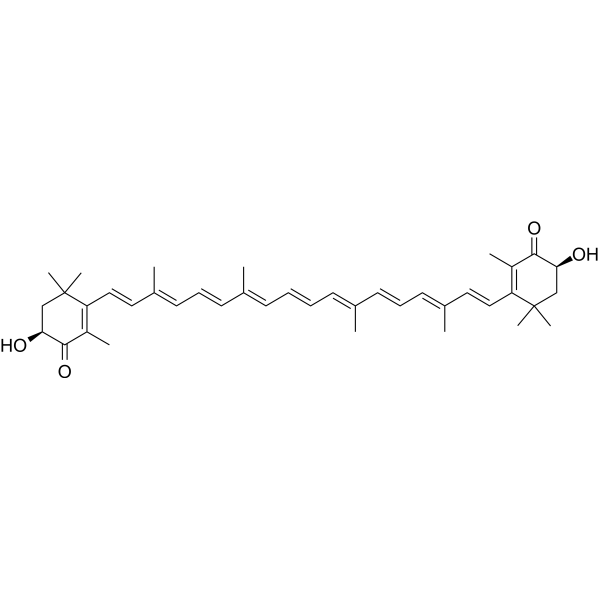
Astaxanthin, the red dietary carotenoid, is an orally effective and potent antioxidant. Astaxanthin inhibits NF-κB and down-regulates VEGF in blood glucose. Astaxanthin exerts anti-cancer cell proliferation, increases apoptosis, impairs migration and invasion by activating PPARγ and reducing the expression of STAT3. Astaxanthin also has neuroprotective and anti-inflammatory activity and can be used in studies of cancer, diabetic retinopathy, cardiovascular disease, and in the coloring of animal feed .
|
-
-
- HY-Y0488A
-
|
Ammonium formate
|
Environmental Pollutants
Calcium Channel
NO Synthase
Bacterial
ATP Synthase
|
Metabolic Disease
|
|
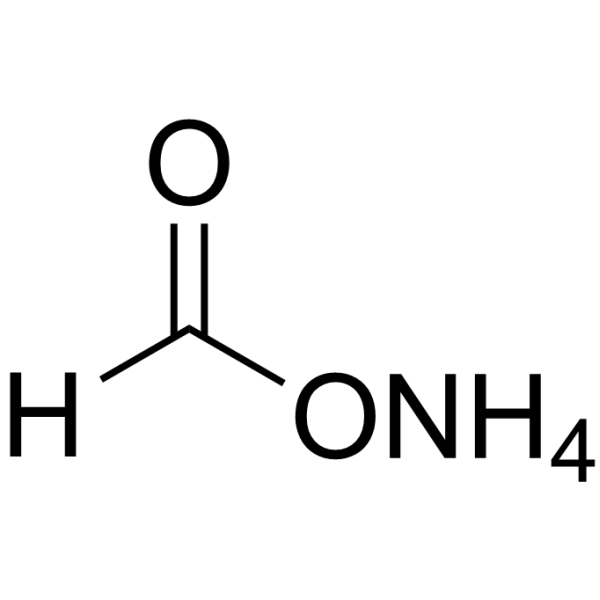
Formic acid ammonium is the ammonium salt form of formic acid, which is an endogenous metabolite. Formic acid ammonium activates the nitric oxide/cyclic guanosine monophosphate (NO/cGMP) signaling pathway in endothelial cells and inhibits calcium ion influx in vascular smooth muscle cells, resulting in vasomotor relaxation. Formic acid ammonium inhibits cytochrome C oxidase (CcO) and disrupts the electron transport chain, leading to ATP depletion. Formic acid ammonium can be used as a feed additive, which can lower the feed pH value, inhibit the growth of microorganisms (such as Escherichia coli, Salmonella), and extend the shelf life of the feed .
|
-
-
- HY-Y1220J
-
|
|
Environmental Pollutants
Biochemical Assay Reagents
|
Others
|
|
Potassium carbonate, with a purity of 99%, is an inorganic compound. At low concentrations, potassium carbonate can be used as an alkaline treatment agent and feed buffer in pork processing, as well as to inhibit the synthesis of milk fat in dairy cows .
|
-
-
- HY-107486
-
|
Multhiomycin; RP 9671
|
Bacterial
Antibiotic
|
Infection
|
|
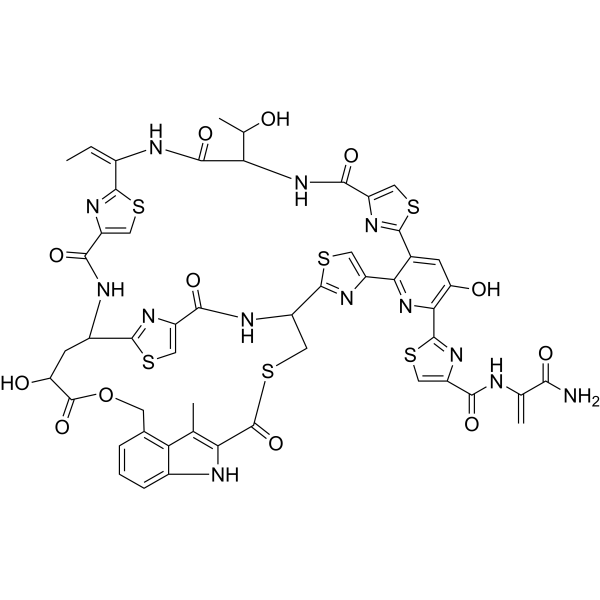
Nosiheptide (Multhiomycin), a thiopeptide antibiotic produced by Streptomyces actuosus, inhibits bacterial protein synthesis and bears a unique indole side ring system and regiospecific hydroxyl groups on the characteristic macrocyclic core. Nosiheptide has been widely used as a feed additive for animal growth .
|
-
-
- HY-W013150
-
|
|
GABA Receptor
|
Neurological Disease
|
|
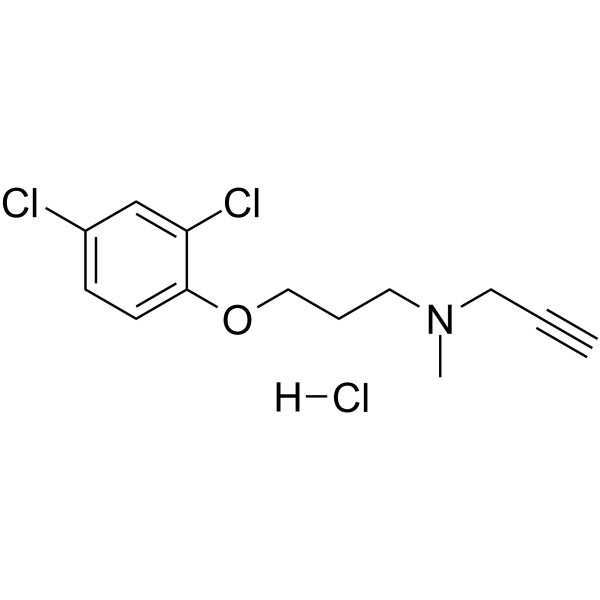
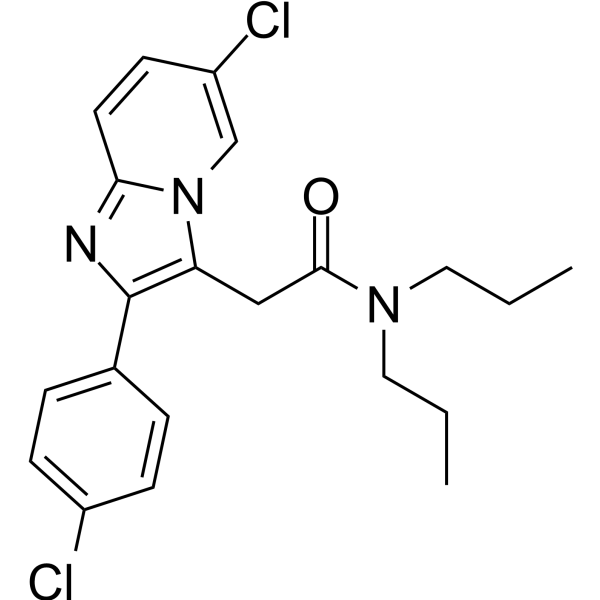
Alpidem, an anxiolytic agent, is an orally active and brain-penetrant GABAA receptor ligand, binds to α1β2γ2 subunit-containing GABAA receptors (IC50 of 17 nM) over α5β2γ2 subunit-containing GABAA receptors (IC50 of >10 μM). Alpidem modulates calcium-induced mitochondrial permeability transition, induces glutathione depletion and hepatocyte necrosis, potentiates TNF-α toxicity, inhibits marble-burying and locomotor activity, enhances stressed rodent feeding behavior, and exerts anticonvulsant effects. Alpidem can be used for the research of anxiety, anxiety disorders, and convulsions .
|
-
-
- HY-A0191
-
|
(+)-Brompheniramine; (S)-Brompheniramine
|
Endogenous Metabolite
Histamine Receptor
TRP Channel
|
Neurological Disease
Metabolic Disease
Inflammation/Immunology
|
|
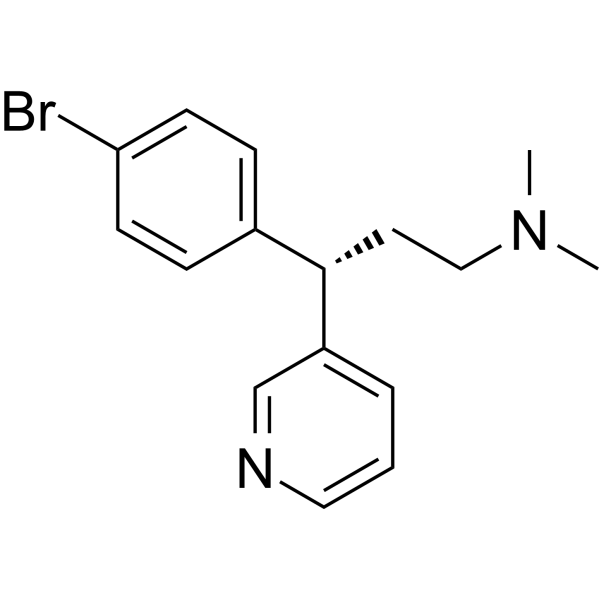
Dexbrompheniramine ((+)-Brompheniramine; (S)-Brompheniramine) is a dual inhibitor of histamine H1 receptor and TRPV1 receptor that can cross the blood-brain barrier. Dexbrompheniramine exerts its effects by functionally blocking H1 receptor activity and dose-dependently inhibiting TRPV1-mediated calcium responses, including Capsaicin (HY-10448)-induced responses. The combination of Dexbrompheniramine with Cimetidine (HY-14289) eliminates histamine-induced and sham-feeding-induced drinking behavior, whereas Dexbrompheniramine alone does not induce thirst or alter sham-feeding behavior in rats. Dexbrompheniramine can be used in the research of chronic cough and related pathological mechanisms .
|
-
-
- HY-123581
-
|
|
Antibiotic
Bacterial
ATF6
DAPK
Autophagy
NF-κB
NO Synthase
Apoptosis
Reactive Oxygen Species (ROS)
Keap1-Nrf2
Heme Oxygenase (HO)
|
Infection
Inflammation/Immunology
|
|
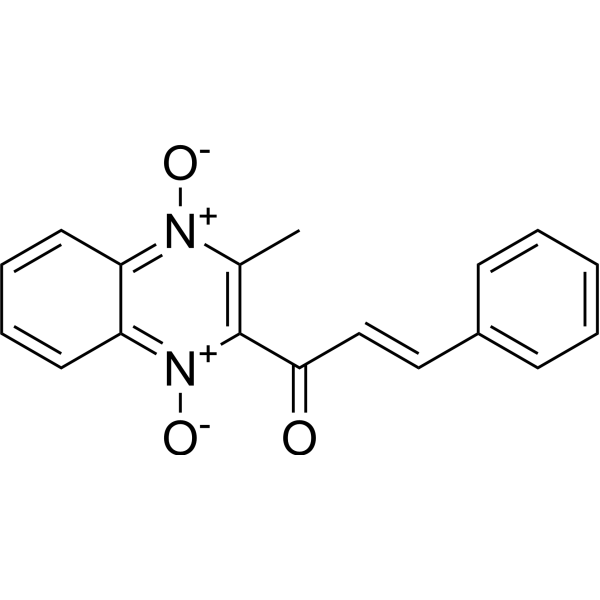
Quinocetone is an orally active animal feed additive used to increase the meat production of livestock and poultry. Quinocetone exhibits antibacterial activity against a variety of pathogenic microorganisms. Quinocetone exhibits tissue-specific (liver, lymphocyte) toxicity. Quinocetone induces autophagy in cells through the ATF6/DAPK1 pathway. Quinocetone activates the NF-κB and iNOS pathways, leading to cell apoptosis, hepatocyte vacuolar degeneration and fibrosis. Quinocetone can inhibit Nrf2/HO-1 and induce the generation of reactive oxygen species (ROS), leading to oxidative stress and DNA damage .
|
-
-
- HY-117771
-
DO34
5 Publications Verification
|
DAGL
|
Neurological Disease
Metabolic Disease
|
|
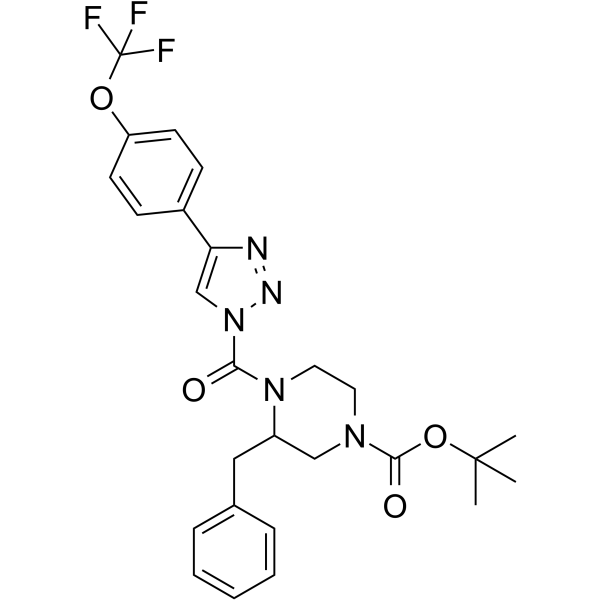
DO34 is a selective DAGL inhibitor, with an IC50 of 6 nM for DAGLα conversion of SAG to 2-AG. DO34 blocks de novo 2-AG synthesis, and suppresses tonic CB1 receptor activation. DO34 blocks depolarization-induced suppression of excitation and inhibition in the cerebellum and hippocampus. DO34 regulates feeding behavior and locomotor activity in mice. DO34 abolishes AM251-mediated enhancement of parallel fiber-evoked excitatory postsynaptic currents in cerebellar slices from MAGL global knockout mice. DO34 can be used for the research of energy balance disorder and neuroinflammation .
|
-
-
- HY-B0821
-
|
CGA 215944
|
Environmental Pollutants
Bacterial
|
Infection
|
|
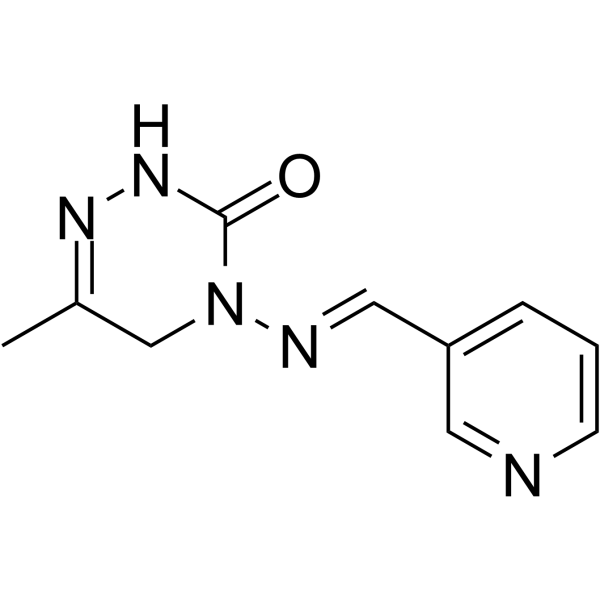
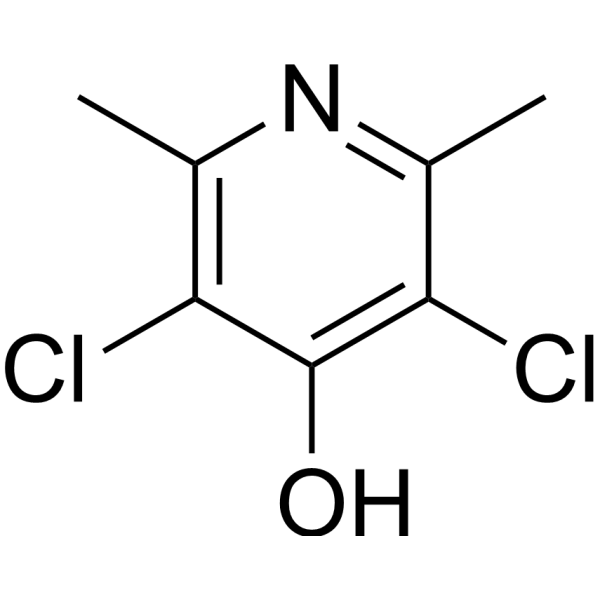
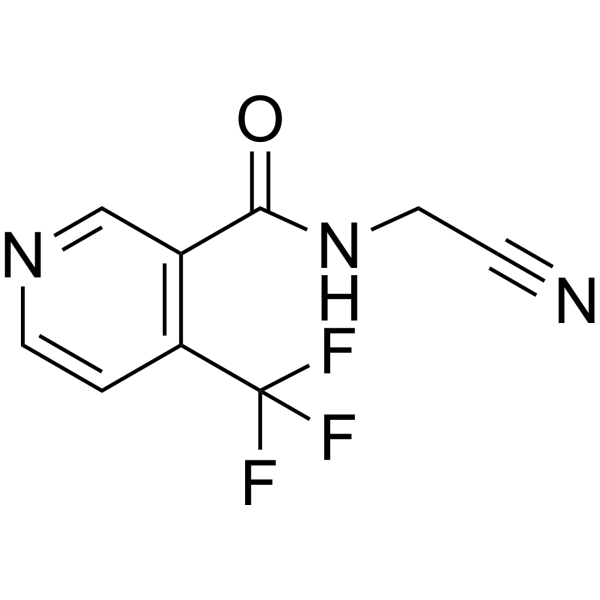
Pymetrozine is a feeding inhibitor of Homoptera, in preventing transmission of cauliflower mosaic caulimovirus by the aphid species Myzus persicae (Sulzer).
|
-
-
- HY-B1425
-
-
-
- HY-B1088
-
-
-
- HY-17533
-
|
ANS118
|
Insecticide
|
Infection
|
|
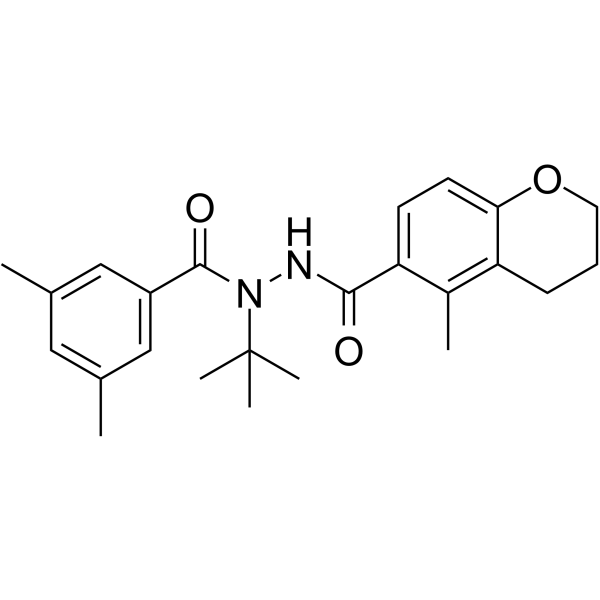
Chromafenozide is a potent partial ecdysone receptor agonist and dibenzoylhydrazine insecticide. Chromafenozide inhibits insect feeding and causes the insect to molt prematurely, leading to death. Chromafenozide shows antagonistic activity against 20-HE. Chromafenozide shows high toxicity against Spodoptera exigua and Spodoptera littoralis .
|
-
-
- HY-N7592
-
|
|
Others
|
Others
|
|
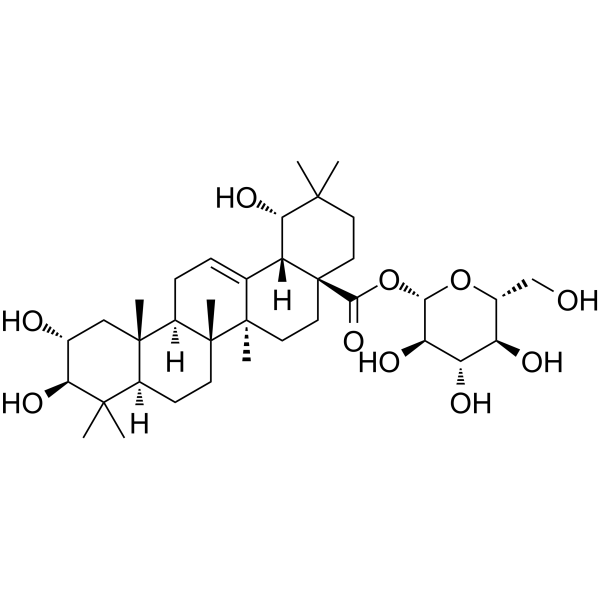
Arjunetin, isolated from Terminalia arjuna, is an insect feeding-deterrent and growth inhibitor .
|
-
-
- HY-B1399
-
|
o-Cresotic acid; Hydroxytoluic acid
|
Endogenous Metabolite
|
Cardiovascular Disease
|
|
3-Methylsalicylic acid (o-Cresotic acid) is a derivative of salicylic acid. 3-Methylsalicylic acid exhibits significant fibrinolytic activity in human plasma by activating the fibrinolytic system. 3-Methylsalicylic acid can be used as an intermediate for the synthesis of other compounds. 3-Methylsalicylic acid inhibits the feeding of midges .
|
-
-
- HY-110023
-
|
|
Serotonin Transporter
|
Neurological Disease
|
|
Zimelidine dihydrochloride is an orally active selective serotonin reuptake inhibitor. Zimelidine dihydrochloride competitively inhibits central 5-HT uptake and desensitizes 5-HT autoreceptors in dorsal raphe nucleus. Zimelidine dihydrochloride time-dependently modulates 5-HT neuronal firing and hippocampal CA3 responses. Zimelidine dihydrochloride strengthens central serotonergic neurotransmission and produces related behavioral changes. Zimelidine dihydrochloride exerts anxiolytic, analgesic, feeding-suppressive and tolerance-attenuating effects. Zimelidine dihydrochloride is used for the study of depressive disorders and analgesic tolerance .
|
-
-
- HY-B0343C
-
|
|
Bacterial
|
|
|
Sarafloxacin hydrochloride 100 μg/mL in methanol is an antibiotic with activity to inhibit bacterial growth. Sarafloxacin hydrochloride 100 μg/mL in methanol is widely used in veterinary medicine to inhibit bacterial infections. The mechanism of action of Sarafloxacin hydrochloride 100 μg/mL in methanol is mainly achieved by inhibiting the activity of bacterial DNA gyrase. Sarafloxacin hydrochloride 100 μg/mL in methanol is also used in animal feed to improve feed conversion and promote growth.
|
-
-
- HY-B0821R
-
|
CGA 215944 (Standard)
|
Reference Standards
Bacterial
|
Infection
|
|
Pymetrozine (Standard) is the analytical standard of Pymetrozine. This product is intended for research and analytical applications. Pymetrozine is a feeding inhibitor of Homoptera, in preventing transmission of cauliflower mosaic caulimovirus by the aphid species Myzus persicae (Sulzer).
|
-
-
- HY-107486R
-
|
Multhiomycin (Standard); RP 9671 (Standard)
|
Reference Standards
Bacterial
Antibiotic
|
Infection
|
|
Nosiheptide (Standard) is the analytical standard of Nosiheptide. This product is intended for research and analytical applications. Nosiheptide (Multhiomycin), a thiopeptide antibiotic produced by Streptomyces actuosus, inhibits bacterial protein synthesis and bears a unique indole side ring system and regiospecific hydroxyl groups on the characteristic macrocyclic core. Nosiheptide has been widely used as a feed additive for animal growth .
|
-
-
- HY-143312E
-
|
|
GLP Receptor
|
Metabolic Disease
|
|
(S)-V-0219 hydrochloride is an enantiomer of V-0219 (HY-143312). V-0219 is an orally active and positive allosteric modulator (PAM) of the GLP Receptor-1 (GLP-1R). (S)-V-0219 hydrochloride activates calcium fluxes in HEK cells stably expressing hGLP-1R. (S)-V-0219 hydrochloride is orally active and ameliorates high glucose levels in mice and inhibits feeding behavior in fasted mice .
|
-
-
- HY-P3691
-
|
|
Neuropeptide Y Receptor
|
Neurological Disease
|
|
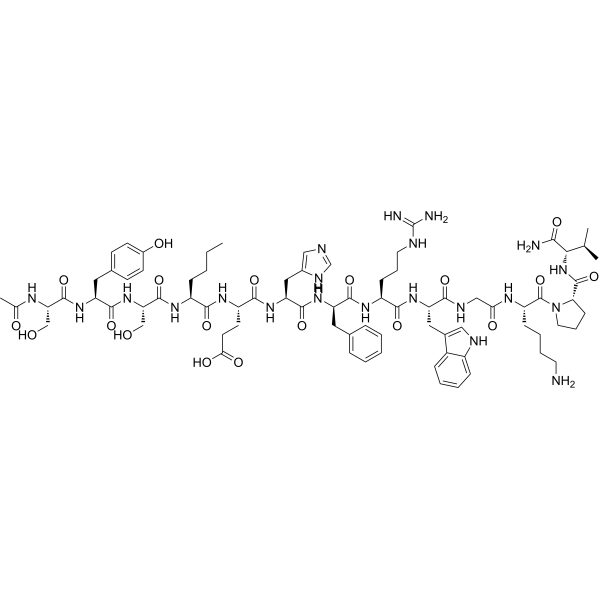
CART (1-39), Human, Rat is a neuropeptide consisting of 1-39 residues of the CART peptide. CART (1-39), Human, Rat is a rat satiety factor with potent appetite-suppressing activity and is closely associated with leptin and neuropeptide Y. CART (1-39), Human, Rat inhibits both normal and starvation-induced feeding. CART (1-39), Human, Rat can induce anxiety and stress-related behavior .
|
-
-
- HY-B2058
-
|
|
Fungal
Androgen Receptor
|
Infection
|
|
Triticonazole is an orally active triazole fungicide and androgen receptor antagonist. Triticonazole inhibits testosterone-induced androgen receptor activation and reduces basal testosterone secretion. Prenatal exposure to Triticonazole causes shortened anogenital distance in male rat fetuses and induces organ-specific histopathological changes in pigs. Triticonazole can be used for detoxification of seeds contaminated with fungal pathogens, but there is a risk of animal poisoning if the treated seeds are used as animal feed .
|
-
-
- HY-121827
-
LH21
1 Publications Verification
|
Cannabinoid Receptor
|
Metabolic Disease
|
|
LH-21 is a potent in vivo neutral cannabinoid CB1 receptor antagonist. LH-21 reduces food intake and body weight gain in obese Zucker rats.
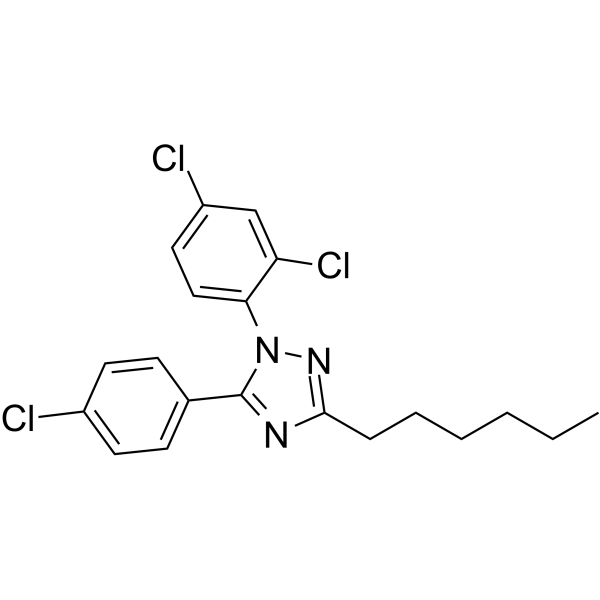
, and displays efficacy as a feeding inhibitor .
|
-
-
- HY-W098556
-
|
|
Insecticide
|
Infection
|
|
4-Hydroxyhygric acid is a compound isolated from leaves of five species of the leguminous tropical tree Copuiferq. 4-Hydroxyhygric acid is the inhibitor of larval development of the seed-feeding bruchid beetle Callosobruchus maculatus and to have significant feeding deterrence of the leaf-feeding lepidopteran Spodoprera littoralis .
|
-
-
- HY-B1425R
-
|
|
Reference Standards
HSP
Reactive Oxygen Species (ROS)
|
Cancer
|
|
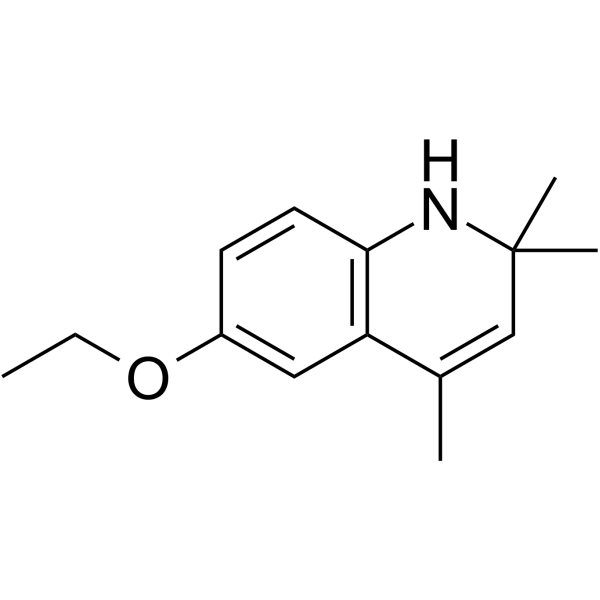
Ethoxyquin (Standard) is the analytical standard of Ethoxyquin. This product is intended for research and analytical applications. Ethoxyquin is an antioxidant which has been used in animal feed for many years and also an inhibitor of heat shock protein 90 (Hsp90).
|
-
-
- HY-A0191A
-
|
(+)-Brompheniramine maleate; (S)-Brompheniramine maleate
|
TRP Channel
Histamine Receptor
|
Inflammation/Immunology
|
|
Dexbrompheniramine ((+)-Brompheniramine; (S)-Brompheniramine) maleate is a dual inhibitor of histamine H1 receptor and TRPV1 receptor that can cross the blood-brain barrier. Dexbrompheniramine maleate exerts its effects by functionally blocking H1 receptor activity and dose-dependently inhibiting TRPV1-mediated calcium responses, including Capsaicin (HY-10448)-induced responses. The combination of Dexbrompheniramine maleate with Cimetidine (HY-14289) eliminates histamine-induced and sham-feeding-induced drinking behavior, whereas Dexbrompheniramine maleate alone does not induce thirst or alter sham-feeding behavior in rats. Dexbrompheniramine maleate can be used in the research of chronic cough and related pathological mechanisms .
|
-
-
- HY-122021
-
|
|
Neuropeptide Y Receptor
|
Neurological Disease
|
|
J-115814 is a potent and selective neuropeptide Y1 antagonist with Ki values of 1.4, 1.8, 1.9, >10000, 620, 6000, >10000 nM for hY1, rY1, mY1, hY2, hY4, hY5, mY6, respectively. J-115814 inhibits feeding behaviors .
|
-
-
- HY-118835
-
|
|
Serotonin Transporter
|
Neurological Disease
|
|
Zimelidine is an orally active selective serotonin reuptake inhibitor. Zimelidine competitively inhibits central 5-HT uptake and desensitizes 5-HT autoreceptors in dorsal raphe nucleus. Zimelidine time-dependently modulates 5-HT neuronal firing and hippocampal CA3 responses. Zimelidine strengthens central serotonergic neurotransmission and produces related behavioral changes. Zimelidine exerts anxiolytic, analgesic, feeding-suppressive and tolerance-attenuating effects. Zimelidine is used for the study of depressive disorders and analgesic tolerance .
|
-
-
- HY-Y0488AR
-
|
Ammonium formate (Standard)
|
Reference Standards
NO Synthase
Calcium Channel
Bacterial
ATP Synthase
|
Metabolic Disease
|
|
Formic acid ammonium (Standard) is the analytical standard of Formic acid ammonium. This product is intended for research and analytical applications. Formic acid ammonium is the ammonium salt form of formic acid, which is an endogenous metabolite. Formic acid ammonium activates the nitric oxide/cyclic guanosine monophosphate (NO/cGMP) signaling pathway in endothelial cells and inhibits calcium ion influx in vascular smooth muscle cells, resulting in vasomotor relaxation. Formic acid ammonium inhibits cytochrome C oxidase (CcO) and disrupts the electron transport chain, leading to ATP depletion. Formic acid ammonium can be used as a feed additive, which can lower the feed pH value, inhibit the growth of microorganisms (such as Escherichia coli, Salmonella), and extend the shelf life of the feed.
|
-
-
- HY-N7592R
-
|
|
Reference Standards
Others
|
Others
|
|
Arjunetin (Standard) is the analytical standard of Arjunetin. This product is intended for research and analytical applications. Arjunetin, isolated from Terminalia arjuna, is an insect feeding-deterrent and growth inhibitor .
|
-
-
- HY-169068
-
|
|
Carboxylesterase (CES)
|
Infection
|
|
Antifeedant agent 1 is a carboxylesterase inhibitor that exerts insecticidal activity by inhibiting insect feeding, with an EC50 value of 0.038 mg/mL. Antifeedant agent 1 can be used in research related to pest control .
|
-
-
- HY-109564R
-
|
|
Drug Metabolite
Reference Standards
|
Cancer
|
|
Arjungenin (Standard) is the analytical standard of Arjungenin. This product is intended for research and analytical applications. Arjungenin, a triterpene isolated from Terminalia arjuna, is an insect feeding-deterrent and growth inhibitor .
|
-
-
- HY-B1088R
-
|
WR-61112 (Standard)
|
Reference Standards
Parasite
Antibiotic
|
Infection
Cardiovascular Disease
|
|
Clopidol (Standard) is the analytical standard of Clopidol. This product is intended for research and analytical applications. Clopidol (WR-61112) is an anticoccidial agent which is used as feed additive to control coccidiosis in chickens. Clopidol inhibits the sporulation of Eimeria tenella oocysts .
|
-
-
- HY-157459
-
|
|
Fungal
|
Infection
|
|
SDH-IN-11 (compound A7) is a SDH inhibitor, and shows inhibitory effect on nematode feeding, reproductive ability, and egg hatching. SDH-IN-11 promotes the oxidative stress of nematodes and causes intestinal damage to nematodes. SDH-IN-11 inhibits the activity of succinate dehydrogenase (SDH) in nematodes .
|
-
-
- HY-N12428
-
|
Caudicifolin; Fischeriana A
|
Others
|
Others
|
|
17-Hydroxyjolkinolide A (Caudicifolin; Fischeriana A) is an insect feeding inhibitor isolated from the roots of spurge. 17-Hydroxyjolkinolide A induces grain aversion in S. zeamais and T. castaneum adults, with EC50s of 631.9 ppm and 656.5 ppm, respectively.
|
-
-
- HY-172212
-
|
|
Insecticide
Reactive Oxygen Species (ROS)
|
Infection
|
|
SDH-IN-23 (Compound B21) is an SDH inhibitor. SDH-IN-23 exhibits excellent nematicidal activity. SDH-IN-23 can inhibit the feeding, reproduction, and embryonic development of nematodes. Meanwhile, SDH-IN-23 exerts a lethal effect on nematodes by triggering oxidative stress, causing intestinal damage, and inhibiting SDH, among other mechanisms .
|
-
-
- HY-159603
-
|
|
Parasite
Na+/K+ ATPase
|
Infection
|
|
S-WJM992 (compound 10ahb) is an antiparasitic agent that inhibits ATPase activity under high [Na+] conditions. S-WJM992 also has significant inhibitory effects on parasites that have developed PfATP4 inhibitor-resistance. S-WJM992 is a potential transmission blocker that effectively inhibits gamete development and prevents parasite transmission to mosquitoes via blood feeding .
|
-
-
- HY-B1399R
-
|
o-Cresotic acid (Standard); Hydroxytoluic acid (Standard)
|
Endogenous Metabolite
Reference Standards
|
Cardiovascular Disease
|
|
3-Methylsalicylic acid (Standard) is the analytical standard of 3-Methylsalicylic acid. This product is intended for research and analytical applications. 3-Methylsalicylic acid (o-Cresotic acid) is a derivative of salicylic acid. 3-Methylsalicylic acid exhibits significant fibrinolytic activity in human plasma by activating the fibrinolytic system. 3-Methylsalicylic acid can be used as an intermediate for the synthesis of other compounds. 3-Methylsalicylic acid inhibits the feeding of midges.
|
-
-
- HY-17533R
-
|
ANS118 (Standard)
|
Insecticide
Reference Standards
|
Infection
|
|
Chromafenozide (Standard) is the analytical standard of Chromafenozide. This product is intended for research and analytical applications. Chromafenozide is a potent partial ecdysone receptor agonist and dibenzoylhydrazine insecticide. Chromafenozide inhibits insect feeding and causes the insect to molt prematurely, leading to death. Chromafenozide shows antagonistic activity against 20-HE. Chromafenozide shows high toxicity against Spodoptera exigua and Spodoptera littoralis .
|
-
-
- HY-173264
-
|
|
Parasite
Insecticide
|
Infection
|
|
SDH-IN-24 (Compound 51) is an inhibitor of succinate dehydrogenase (SDH). The LC50 against the second-stage juveniles of Bursaphelenchus xylophilus (B. xylophilus) is 6.9 mg/L, and the IC50 for SDH is 15.0 μM. SDH-IN-24 exerts its nematicidal activity by inhibiting the activity of SDH to interfere with the energy metabolism of nematodes. Meanwhile, it inhibits the motility, feeding, and reproduction of nematodes, induces oxidative stress, reduces the protein content of nematodes, and impairs their antioxidant capacity. SDH-IN-24 can be used in the research related to anti-nematode fields .
|
-
-
- HY-143312C
-
|
|
GLP Receptor
|
Metabolic Disease
|
|
(S)-V-0219 is an enantiomer of V-0219 (HY-143312). V-0219 is an orally active and positive allosteric modulator (PAM) of the GLP Receptor-1 (GLP-1R). (S)-V-0219 activates calcium fluxes in HEK cells stably expressing hGLP-1R. (S)-V-0219 is orally active and ameliorates high glucose levels in mice and inhibits feeding behavior in fasted mice .
|
-
-
- HY-110023R
-
|
|
Reference Standards
Serotonin Transporter
|
Neurological Disease
|
|
Zimelidine dihydrochloride (Standard) is the analytical standard of Zimelidine dihydrochloride (HY-110023). This product is intended for research and analytical applications. Zimelidine dihydrochloride is an orally active selective serotonin reuptake inhibitor. Zimelidine dihydrochloride competitively inhibits central 5-HT uptake and desensitizes 5-HT autoreceptors in dorsal raphe nucleus. Zimelidine dihydrochloride time-dependently modulates 5-HT neuronal firing and hippocampal CA3 responses. Zimelidine dihydrochloride strengthens central serotonergic neurotransmission and produces related behavioral changes. Zimelidine dihydrochloride exerts anxiolytic, analgesic, feeding-suppressive and tolerance-attenuating effects. Zimelidine dihydrochloride is used for the study of depressive disorders and analgesic tolerance .
|
-
-
- HY-118835S
-
|
|
Isotope-Labeled Compounds
Serotonin Transporter
|
Neurological Disease
|
|
Zimeldine-d6 is the deuterium labeled Zimeldine (HY-118835) . Zimelidine is an orally active selective serotonin reuptake inhibitor. Zimelidine competitively inhibits central 5-HT uptake and desensitizes 5-HT autoreceptors in dorsal raphe nucleus. Zimelidine time-dependently modulates 5-HT neuronal firing and hippocampal CA3 responses. Zimelidine strengthens central serotonergic neurotransmission and produces related behavioral changes. Zimelidine exerts anxiolytic, analgesic, feeding-suppressive and tolerance-attenuating effects. Zimelidine is used for the study of depressive disorders and analgesic tolerance .
|
-
-
- HY-123581R
-
|
|
Reference Standards
Antibiotic
Bacterial
ATF6
DAPK
Autophagy
NF-κB
NO Synthase
Apoptosis
Reactive Oxygen Species (ROS)
|
Infection
Inflammation/Immunology
|
|
Quinocetone (Standard) is the analytical standard of Quinocetone (HY-123581). This product is used for research and analytical purposes. Quinocetone is an orally active animal feed additive used to increase the meat production of livestock and poultry. Quinocetone exhibits antibacterial activity against a variety of pathogenic microorganisms. Quinocetone exhibits tissue-specific (liver, lymphocyte) toxicity. Quinocetone induces autophagy in cells through the ATF6/DAPK1 pathway. Quinocetone activates the NF-κB and iNOS pathways, leading to cell apoptosis, hepatocyte vacuolar degeneration and fibrosis. Quinocetone can inhibit Nrf2/HO-1 and induce the generation of reactive oxygen species (ROS), leading to oxidative stress and DNA damage.
|
-
-
- HY-124399
-
|
|
Endogenous Metabolite
PPAR
|
Metabolic Disease
|
|
Peroxisome proliferator-activated receptors (PPARs) play an important role in regulating lipid and glucose metabolism, and oleoylethanolamide (OEA) is a natural ligand for PPARα. N-Octadecyl-N'-propyl-sulfamide is an analog of OEA and a potent activator of PPARα, with selective binding affinity for PPARα (EC50=100 nM, compared to 120 nM for OEA). N-Octadecyl-N'-propyl-sulfamide (10 mg/kg; ip) inhibits food intake and reduces body weight gain in rats. At a dose of 1 mg/kg, N-Octadecyl-N'-propyl-sulfamide induces satiety, thereby reducing food intake, body weight, and plasma triglyceride concentrations in free-feeding Wistar rats and obese Zucker (fa/fa) rats.
|
-
-
- HY-W013150R
-
|
|
Reference Standards
GABA Receptor
|
Neurological Disease
|
|
Alpidem (Standard) is the analytical standard of Alpidem (HY-W013150). This product is intended for research and analytical applications. Alpidem, an anxiolytic agent, is an orally active and brain-penetrant GABAA receptor ligand, binds to α1β2γ2 subunit-containing GABAA receptors (IC50 of 17 nM) over α5β2γ2 subunit-containing GABAA receptors (IC50 of >10 μM). Alpidem modulates calcium-induced mitochondrial permeability transition, induces glutathione depletion and hepatocyte necrosis, potentiates TNF-α toxicity, inhibits marble-burying and locomotor activity, enhances stressed rodent feeding behavior, and exerts anticonvulsant effects. Alpidem can be used for the research of anxiety, anxiety disorders, and convulsions.
|
-
-
- HY-W013150S
-
|
|
Isotope-Labeled Compounds
GABA Receptor
|
Neurological Disease
|
|
Alpidem-d14 is the deuterium labeled Alpidem (HY-W013150) . Alpidem, an anxiolytic agent, is an orally active and brain-penetrant GABAA receptor ligand, binds to α1β2γ2 subunit-containing GABAA receptors (IC50 of 17 nM) over α5β2γ2 subunit-containing GABAA receptors (IC50 of >10 μM). Alpidem modulates calcium-induced mitochondrial permeability transition, induces glutathione depletion and hepatocyte necrosis, potentiates TNF-α toxicity, inhibits marble-burying and locomotor activity, enhances stressed rodent feeding behavior, and exerts anticonvulsant effects. Alpidem can be used for the research of anxiety, anxiety disorders, and convulsions.
|
-
-
- HY-182688
-
|
|
Thyroid Hormone Receptor
|
Neurological Disease
|
|
ITYR-DBRMD is a type III deiodinase (DIO3) inhibitor. ITYR-DBRMD shows antidepressant-like activity and reduces latency to feed in mice. ITYR-DBRMD can be used for the research of depression .
|
-
-
- HY-N14010
-
|
|
Bacterial
|
Infection
|
|
Cationomycin inhibits the activity of Gram-positive bacteria and mycobacterium, but has no effect on Gram-negative bacteria, yeast and fungi. The feed containing 50-100 ppm Cationomycin could effectively prevent coccidiosis of chicken .
|
-
-
- HY-183694
-
|
|
GLP Receptor
|
Metabolic Disease
Inflammation/Immunology
|
|
GLP-1 receptor agonist 22 is an orally active GLP-1 receptor agonist. GLP-1 receptor agonist 22 promotes the accumulation of cAMP. GLP-1 receptor agonist 22 reduces blood glucose levels and inhibits feeding behavior in human glucagon-like peptide-1 receptor knock-in mice. GLP-1 receptor agonist 22 can be used in the research of type 2 diabetes and obesity .
|
-
-
- HY-W142457
-
|
|
Biochemical Assay Reagents
Fungal
|
Infection
Inflammation/Immunology
|
|
Dihydromyrcenol is an orally active flavor ingredient and Antifungal agent. Dihydromyrcenol acts as a toxicant. Dihydromyrcenol induces phototoxicity-related growth inhibition in Bakers' Yeast. In pregnant rats, Dihydromyrcenol causes threshold maternal toxicity by reducing feed consumption and body weight gain, and also induces threshold developmental toxicity by decreasing fetal body weight, inhibiting ossification of metatarsal bones in the hind paws, increasing the number of extra thoracic vertebrae ribs, and altering vertebral counts .
|
-
- HY-120131
-
|
|
Insecticide
Cholinesterase (ChE)
|
Neurological Disease
|
|
Cyanofenphos is an orally active organophosphate insecticide and brain AChE inhibitor with neurotoxicity. Cyanofenphos induces delayed neurotoxicity such as ataxia and paralysis. Cyanofenphos also causes symptoms including somnolence, reduced feed intake and weight loss in hens. Cyanofenphos has a unique self-antagonistic effect: repeated low-dose pre-treatment not only reduces subsequent acute toxicity, but also exacerbates delayed neurotoxicity and attenuates enzyme inhibition, with the protective effect peaking at 24 h after the last pre-treatment. Cyanofenphos is commonly used in studies related to delayed neurotoxicity .
|
-
- HY-N18288
-
|
|
Insecticide
|
Infection
|
|
6''-O-(3'''-Hydroxy-3'''-methylglutaryl) vitexin is an orally active flavonoid glycoside and insecticide that can be isolated from the twigs of Eleusine coracana. 6''-O-(3'''-Hydroxy-3'''-methylglutaryl) vitexin exhibits distinct antifeedant activity against Nilaparvata lugens (brown planthopper) nymphs and effectively inhibits their feeding behavior. 6''-O-(3'''-Hydroxy-3'''-methylglutaryl) vitexin can serve as a plant-derived natural defense substance for regulating pest behavior and investigating potential control mechanisms of agricultural pests .
|
-
- HY-P0216A
-
|
|
Angiotensin Receptor
|
Cardiovascular Disease
|
|
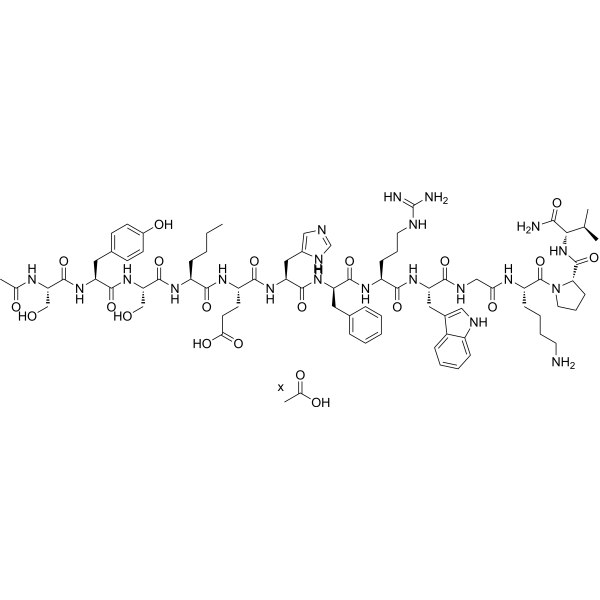
A-779 TFA is a selective angiotensin-(1-7) (Ang-(1-7)) antagonist. A-779 TFA blocks Arachidonic acid release, bradykinin potentiation effects and hypotensive action. A-779 TFA exerts diuretic effects in non-pregnant rats, antidiuretic effects in late-pregnant rats, and also inhibits feed intake and water consumption in late-pregnant rats. A-779 TFA attenuates the regulatory effects of prostacyclin, nitric oxide and thromboxane A2 associated with angiotensin-(1-7). A-779 TFA can be used in studies related to hypertension .
|
-
| Cat. No. |
Product Name |
Type |
-
- HY-Y1220J
-
|
|
Biochemical Assay Reagents
|
|
Potassium carbonate, with a purity of 99%, is an inorganic compound. At low concentrations, potassium carbonate can be used as an alkaline treatment agent and feed buffer in pork processing, as well as to inhibit the synthesis of milk fat in dairy cows .
|
| Cat. No. |
Product Name |
Target |
Research Area |
-
- HY-P3691
-
|
|
Neuropeptide Y Receptor
|
Neurological Disease
|
|
CART (1-39), Human, Rat is a neuropeptide consisting of 1-39 residues of the CART peptide. CART (1-39), Human, Rat is a rat satiety factor with potent appetite-suppressing activity and is closely associated with leptin and neuropeptide Y. CART (1-39), Human, Rat inhibits both normal and starvation-induced feeding. CART (1-39), Human, Rat can induce anxiety and stress-related behavior .
|
-
- HY-P0216A
-
|
|
Angiotensin Receptor
|
Cardiovascular Disease
|
|
A-779 TFA is a selective angiotensin-(1-7) (Ang-(1-7)) antagonist. A-779 TFA blocks Arachidonic acid release, bradykinin potentiation effects and hypotensive action. A-779 TFA exerts diuretic effects in non-pregnant rats, antidiuretic effects in late-pregnant rats, and also inhibits feed intake and water consumption in late-pregnant rats. A-779 TFA attenuates the regulatory effects of prostacyclin, nitric oxide and thromboxane A2 associated with angiotensin-(1-7). A-779 TFA can be used in studies related to hypertension .
|
| Cat. No. |
Product Name |
Category |
Target |
Chemical Structure |
-
- HY-B2163
-
-
-
- HY-Y0488A
-
-
-
- HY-107486
-
-
-
- HY-A0191
-
-
-
- HY-N7592
-
-
-
- HY-B1399
-
-
-
- HY-107486R
-
-
-
- HY-W098556
-
-
-
- HY-Y0488AR
-
|
Ammonium formate (Standard)
|
Structural Classification
Ketones, Aldehydes, Acids
Endogenous metabolite
Source Classification
|
Reference Standards
NO Synthase
Calcium Channel
Bacterial
ATP Synthase
|
|
Formic acid ammonium (Standard) is the analytical standard of Formic acid ammonium. This product is intended for research and analytical applications. Formic acid ammonium is the ammonium salt form of formic acid, which is an endogenous metabolite. Formic acid ammonium activates the nitric oxide/cyclic guanosine monophosphate (NO/cGMP) signaling pathway in endothelial cells and inhibits calcium ion influx in vascular smooth muscle cells, resulting in vasomotor relaxation. Formic acid ammonium inhibits cytochrome C oxidase (CcO) and disrupts the electron transport chain, leading to ATP depletion. Formic acid ammonium can be used as a feed additive, which can lower the feed pH value, inhibit the growth of microorganisms (such as Escherichia coli, Salmonella), and extend the shelf life of the feed.
|
-
-
- HY-N7592R
-
-
-
- HY-109564R
-
-
-
- HY-N12428
-
-
-
- HY-B1399R
-
-
-
- HY-N14010
-
|
|
Natural Products
Microorganisms
Source Classification
|
Bacterial
|
|
Cationomycin inhibits the activity of Gram-positive bacteria and mycobacterium, but has no effect on Gram-negative bacteria, yeast and fungi. The feed containing 50-100 ppm Cationomycin could effectively prevent coccidiosis of chicken .
|
-
-
- HY-N18288
-
|
|
Structural Classification
Monophenols
Flavonoids
Flavones
Phenols
Poaceae
Plants
Source Classification
|
Insecticide
|
|
6''-O-(3'''-Hydroxy-3'''-methylglutaryl) vitexin is an orally active flavonoid glycoside and insecticide that can be isolated from the twigs of Eleusine coracana. 6''-O-(3'''-Hydroxy-3'''-methylglutaryl) vitexin exhibits distinct antifeedant activity against Nilaparvata lugens (brown planthopper) nymphs and effectively inhibits their feeding behavior. 6''-O-(3'''-Hydroxy-3'''-methylglutaryl) vitexin can serve as a plant-derived natural defense substance for regulating pest behavior and investigating potential control mechanisms of agricultural pests .
|
-
| Cat. No. |
Product Name |
Chemical Structure |
-
- HY-118835S
-
|
|
|
Zimeldine-d6 is the deuterium labeled Zimeldine (HY-118835) . Zimelidine is an orally active selective serotonin reuptake inhibitor. Zimelidine competitively inhibits central 5-HT uptake and desensitizes 5-HT autoreceptors in dorsal raphe nucleus. Zimelidine time-dependently modulates 5-HT neuronal firing and hippocampal CA3 responses. Zimelidine strengthens central serotonergic neurotransmission and produces related behavioral changes. Zimelidine exerts anxiolytic, analgesic, feeding-suppressive and tolerance-attenuating effects. Zimelidine is used for the study of depressive disorders and analgesic tolerance .
|
-
-
- HY-W013150S
-
|
|
|
Alpidem-d14 is the deuterium labeled Alpidem (HY-W013150) . Alpidem, an anxiolytic agent, is an orally active and brain-penetrant GABAA receptor ligand, binds to α1β2γ2 subunit-containing GABAA receptors (IC50 of 17 nM) over α5β2γ2 subunit-containing GABAA receptors (IC50 of >10 μM). Alpidem modulates calcium-induced mitochondrial permeability transition, induces glutathione depletion and hepatocyte necrosis, potentiates TNF-α toxicity, inhibits marble-burying and locomotor activity, enhances stressed rodent feeding behavior, and exerts anticonvulsant effects. Alpidem can be used for the research of anxiety, anxiety disorders, and convulsions.
|
-
Your information is safe with us. * Required Fields.
Inquiry Information
- Product Name:
- Cat. No.:
- Quantity:
- MCE Japan Authorized Agent:

