Search Result
Results for "
fluorescent emitter
" in MedChemExpress (MCE) Product Catalog:
3
Biochemical Assay Reagents
| Cat. No. |
Product Name |
Target |
Research Areas |
Chemical Structure |
-
- HY-15534
-
JC-1
Maximum Cited Publications
212 Publications Verification
CBIC2
|
Fluorescent Dye
|
Others
|
|
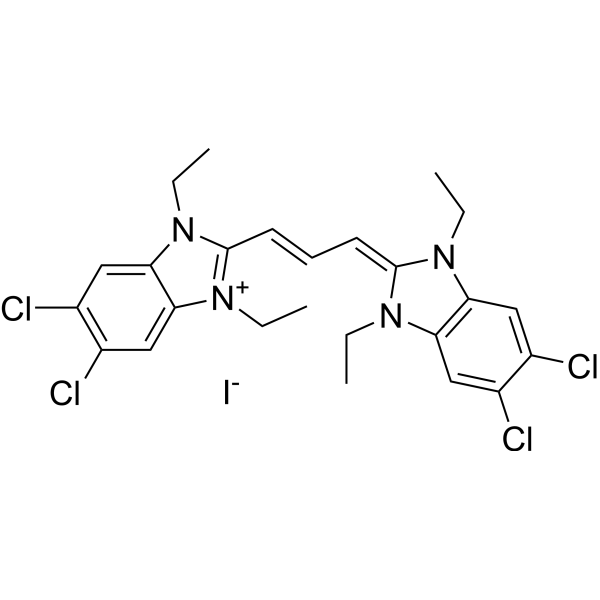
JC-1 (CBIC2) is an ideal fluorescent probe widely used to detect mitochondrial membrane potential. JC-1 accumulates in mitochondria in a potential dependent manner and can be used to detect the membrane potential of cells, tissues or purified mitochondria. In normal mitochondria, JC-1 aggregates in the mitochondrial matrix to form a polymer, which emits strong red fluorescence (Ex=585 nm, Em=590 nm); When the mitochondrial membrane potential is low, JC-1 cannot aggregate in the matrix of mitochondria and produce green fluorescence (ex=510 nm, em= 527 nm) .
|
-
-
- HY-D1451
-
|
|
Fluorescent Dye
|
Others
|
|
PKH 26 is a red fluorescent dye, PKH 26 can stably bind to the lipid region of cell membrane and emit red fluorescence (Ex/Em=551/567 nm), which is mainly used for in vitro cell labeling, in vitro cell proliferation studies and in vivo and in vitro cell tracing studies .
|
-
-
- HY-D2449
-
|
|
Fluorescent Dye
|
Others
|
|
DQ-BSA-Red is a bovine serum albumin labeled with a red fluorescent dye that can be used to detect lysosomal activity. The excitation wavelength and emission wavelength of DQ-BSA-Red are 590 nm and 620 nm, respectively. The BSA molecule in DQ-BSA-Red is labeled with high concentration of red fluorescent dye in multiple sites, which shows high fluorescence self-inhibition. Once DQ-BSA-RED enters the lysosome, DQ-BSA is cleaved by lysosomal proteases, resulting in unquenched and released fluorescent fragments, emitting bright fluorescence. Inactivated lysosomes are unable to degrade the BSA protein and thus have a lower or even no fluorescent signal .
|
-
-
- HY-133821
-
|
|
G-quadruplex
|
Neurological Disease
|
|
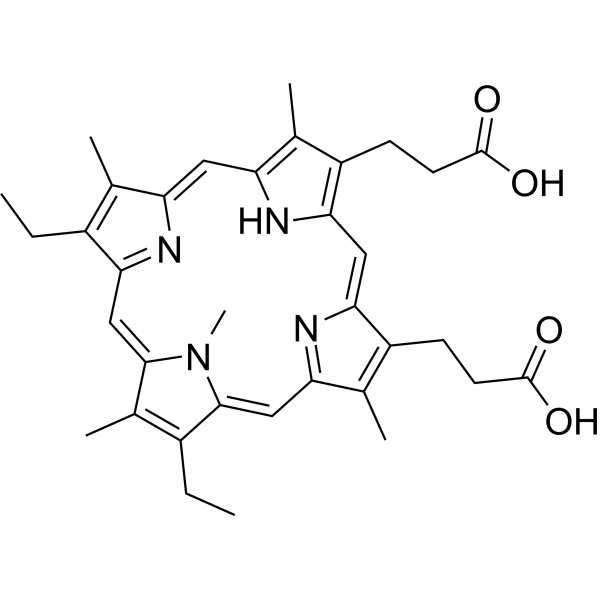
N-Methylmesoporphyrin IX (NMM), a widely used G-quadruplex DNA specific fluorescent binder, is an efficient probe for monitoring Aβ fibrillation. N-Methylmesoporphyrin IX is an in situ inhibitor and an ex situ monitor for Aβ amyloidogenesis both in vitro and in cells. N-Methylmesoporphyrin IX is sensitive to G-quadruplexes DNA but has no response to duplexes, triplexes and single-stranded forms DNA. N-Methylmesoporphyrin IX is nonfluorescent alone or in monomeric Aβ environments, but emits strong fluorescence through stacking with the Aβ assemblies .
|
-
-
- HY-135414
-
|
|
Fluorescent Dye
|
Others
|
|
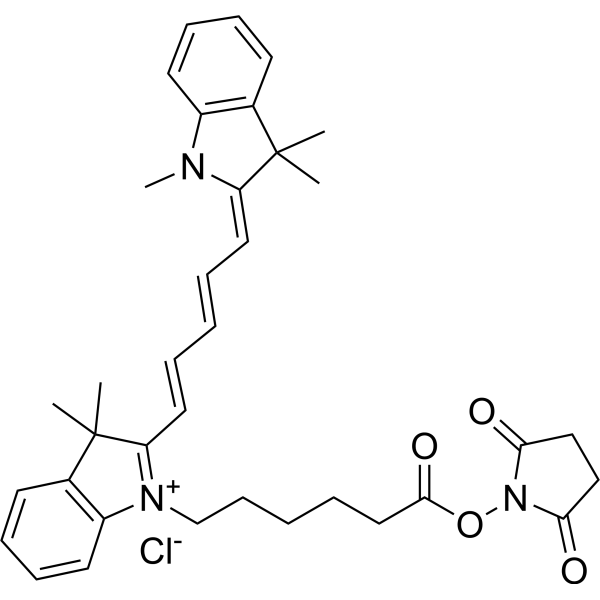
Cyanine5 NHS ester chloride is a red emitting fluorescent dye for labeling of amino-groups in peptides, proteins, and oligonucleotides .
|
-
-
- HY-139579
-
|
OTL 38
|
Fluorescent Dye
|
Cancer
|
|
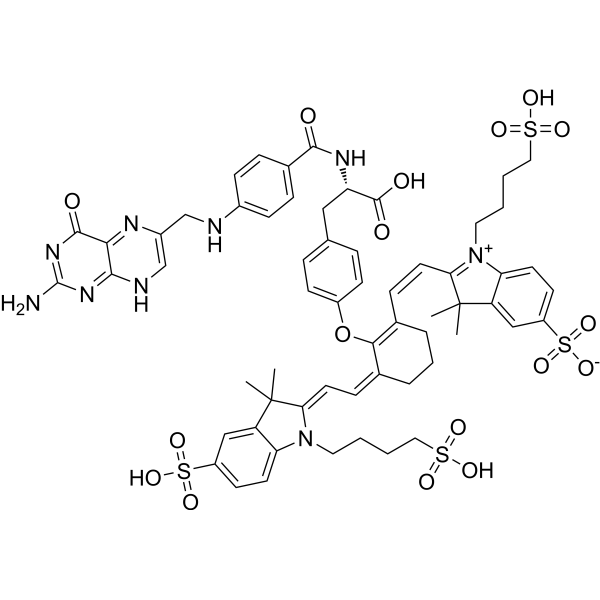
Pafolacianine (OTL 38) is a fluorescent imaging agent made of near-infrared dye used in detecting tumor lesions during surgical procedures. Pafolacianine excites at 774 to 775 nm and emits at 794 to 796 nm .
|
-
-
- HY-D0367
-
|
Calcofluor White M2R
|
Fluorescent Dye
|
Others
|
|
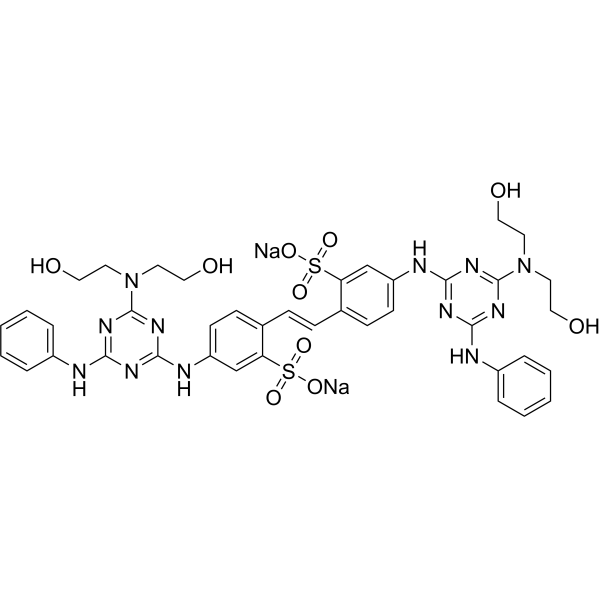
Fluorescent brightener 28 is a fluorescent whitening agent commonly used in the padding process of the textile industry. Fluorescent brightener 28 is capable of staining polysaccharides such as cellulose, and when the plasma membrane ruptures, it also weakly stains the cytoplasm and strongly stains the cell nucleus. Additionally, Fluorescent brightener 28 can be utilized to detect intracellular chitin in living cells. Fluorescent Brightener 28 also is a visible light emitting diode (LED)-light sensitive photoinitiator for free radical photopolymerizations .
|
-
-
- HY-D1416
-
HMBR
1 Publications Verification
|
Fluorescent Dye
|
Others
|
|
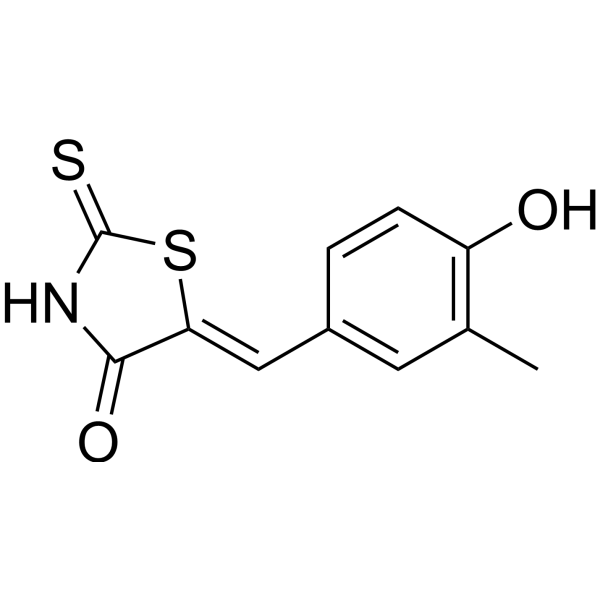
HMBR is an analogue with an additional methyl group on the aromatic ring and is non-fluorescent. HMBR conjugated with Y-FAST emits yellow fluorescence under blue light excitation (Ex= 419 nm; Em= 525–539 nm). HMBR is non-toxic to zebrafish embryos. HMBR has high cell permeability .
|
-
-
- HY-D2906
-
|
|
Fluorescent Dye
|
Others
|
|
Alexa fluor 647 maleimide is a bright, far-red-emitting fluorescent dye for labeling of protein SH groups (Ex/Em = 656/670 nm). Alexa fluor 647 maleimide can be used to attach AF 647 fluorophore to proteins and peptides containing cysteine residues, as well as to other thiolated molecules (such as thiol-containing oligonucleotides). Alexa Fluor 647 maleimide is promising for research of cell biology, neuroscience, and disease diagnostics .
|
-
-
- HY-D0723
-
|
5(6)-Carboxytetramethylrhodamine N-succinimidyl ester
|
Fluorescent Dye
|
Cancer
|
|
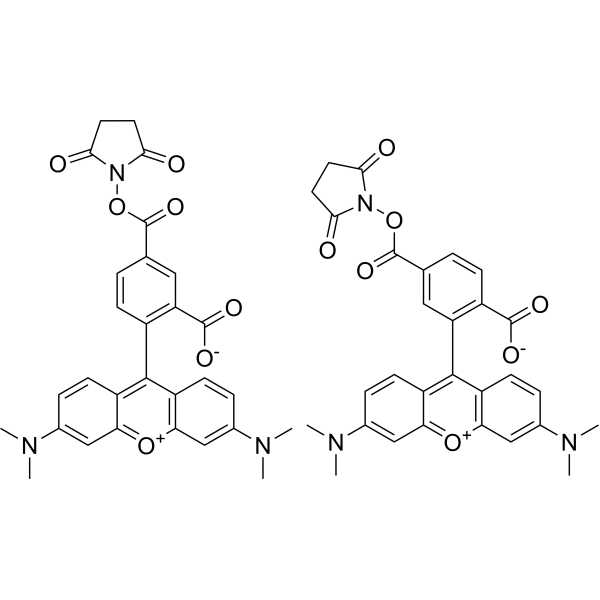
5(6)-TAMRA SE is a fluorescent dye that emits red fluorescence. 5(6)-TAMRA SE binds to oligonucleotides and is used in DNA sequencing. 5(6)-TAMRA SE can be used in cancer research (Ex/Em = 565/580 nm) .
|
-
-
- HY-DY1011
-
|
|
Fluorescent Dye
|
Others
|
PKH 26 (solution) is a red fluorescent dye, PKH 26 can stably bind to the lipid region of cell membrane and emit red fluorescence (Ex/Em=551/567 nm) , which is mainly used for in vitro cell labeling, in vitro cell proliferation studies and in vivo and in vitro cell tracing studies . Solvent and concentration: DMSO: 5 mM
|
-
-
- HY-D1040
-
|
Cyanine 5.5 carboxylic acid
|
Fluorescent Dye
|
Others
|
|
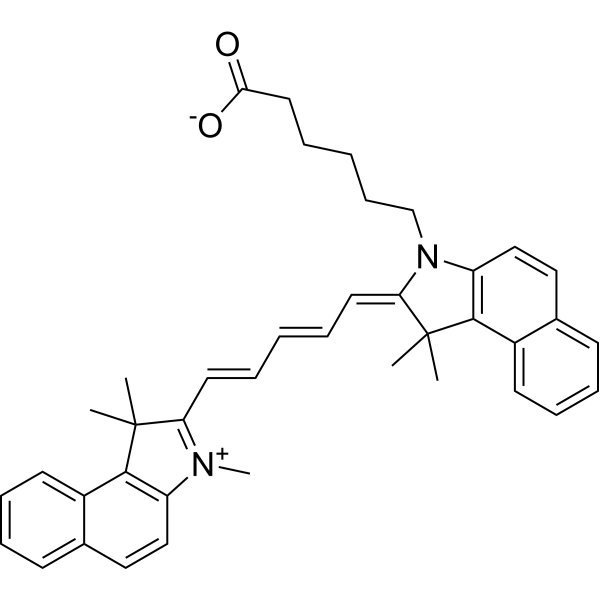
Cy5.5-COOH (Cyanine 5.5 carboxylic acid) is a fluorescent dye that emits fluorescence at 710 nm upon excitation at 650 nm. Cy5.5-COOH possesses excellent spectral properties, including a narrow absorption spectrum, high sensitivity, and stability. Cy5.5-COOH can be used for bioimaging and disease diagnosis .
|
-
-
- HY-DY1003
-
|
|
Fluorescent Dye
|
Others
|
JC-1 (CBIC2) (solution) is an ideal fluorescent probe widely used to detect mitochondrial membrane potential. JC-1 accumulates in mitochondria in a potential dependent manner and can be used to detect the membrane potential of cells, tissues or purified mitochondria. In normal mitochondria, JC-1 aggregates in the mitochondrial matrix to form a polymer, which emits strong red fluorescence (Ex=585 nm, Em=590 nm) ; When the mitochondrial membrane potential is low, JC-1 cannot aggregate in the matrix of mitochondria and produce green fluorescence (ex=510 nm, em= 527 nm) . Solvent and concentration: DMSO: 1.5 mM
|
-
-
- HY-D1044
-
|
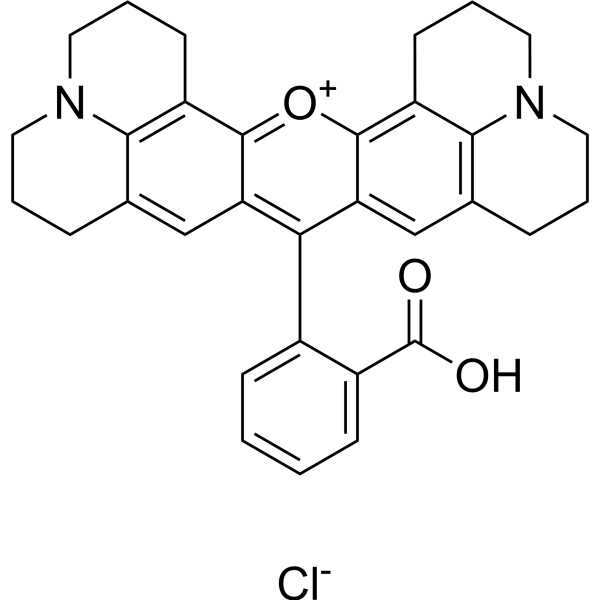
Rhodamine 640 chloride
|
Fluorescent Dye
|
Cancer
|
|
Rhodamine 101 chloride (Rhodamine 640 chloride) is a fluorescent dye with excitation and emission maxima at 565 nM and 595 nM, respectively. Rhodamine 101 chloride binds to intracellular proteins and emits specific fluorescence. Rhodamine 101 chloride can be used in colon cancer research .
|
-
-
- HY-W540978
-
|
|
Biochemical Assay Reagents
|
Others
|
|
3-Azido-7-hydroxycoumarin is a click chemistry reagent containing an azido group. Under Cu (II) catalysis, it undergoes azide-alkyne cycloaddition (CuAAC) click reaction with 3-butyn-1-ol and emits a fluorescent signal .
|
-
-
- HY-120972
-
|
|
Fluorescent Dye
|
Others
|
|
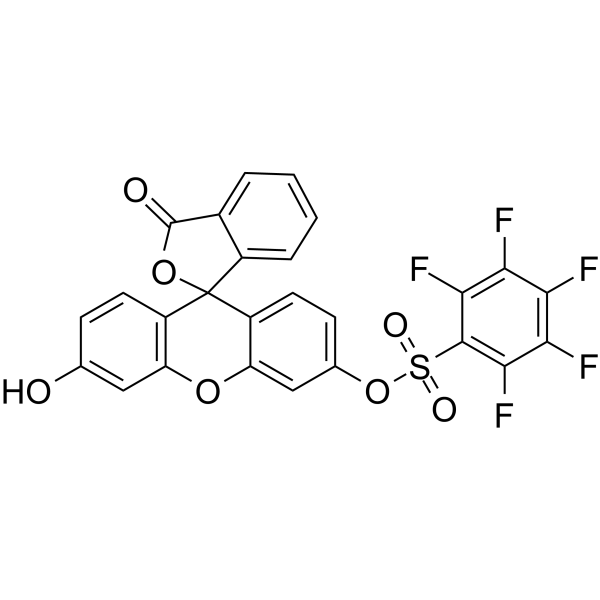
Pentafluorobenzenesulfonyl fluorescein is a H2O2-selective sensor that can be used to detect H2O2 levels in cells. Pentafluorobenzenesulfonyl fluorescein is generally non-fluorescent, but emits fluorescence when its sulfonyl bond undergoes perhydrolysis by H2O2 . Pentafluorobenzenesulfonyl fluorescein undergoes slight cleavage of its sulfonate ester bond by [Cu (phen)2] 2+, and can detect hydrogen peroxide around the ablation sites of fin tissues and keratinocytes in zebrafish larvae .
|
-
-
- HY-D0918
-
|
|
Fluorescent Dye
|
Others
|
|
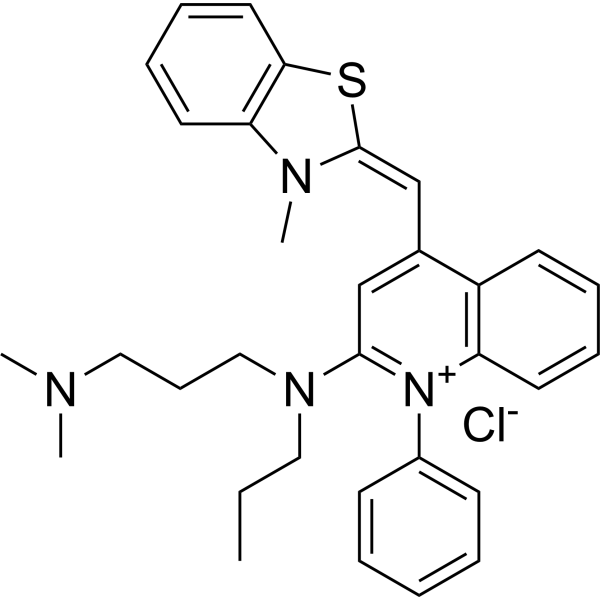
YO-PRO-1 is a non-cell-membrane-penetrating green fluorescent dye. YO-PRO-1 cannot penetrate normal cell membranes but can penetrate the membranes of apoptotic and necrotic cells. YO-PRO-1 has a high affinity for DNA. When it is not bound to DNA, it emits almost no fluorescence, and when it binds to DNA, it can emit green fluorescence (Ex/Em: 488/530±30 nM). YO-PRO-1 is often used together with Propidium Iodide (HY-D0815) to analyze and identify apoptotic and necrotic cells .
|
-
-
- HY-D1191
-
|
|
Fluorescent Dye
DNA/RNA Synthesis
|
Others
|
SYBR Green I chloride is a highly sensitive fluorescent nucleic acid dye that binds specifically to the minor groove of double-stranded DNA or intercalates between base pairs. SYBR Green I chloride exhibits weak fluorescence in the unbound state but emits bright fluorescence upon binding, and it preferentially binds to large-fragment DNA and DNA with high G+C content. SYBR Green I chloride is suitable for real-time PCR technology; its fluorescence intensity correlates with the amount and size of amplification products, enabling accurate quantification of gene expression and discrimination of amplicons via melting curve analysis without additional post-processing. SYBR Green I chloride is widely used in preclinical in vitro nucleic acid detection .
|
-
-
- HY-P4417
-
|
|
Fluorescent Dye
|
Others
|
|
Ac-IEPD-AMC is a fluorogenic substrate for the determination of protease activity. Ac-IEPD-AMC undergoes hydrolysis and releases the fluorescent product 7-amino-4-methylcoumarin (AMC). AMC is fluorescent under UV light and can emit a fluorescent signal .
|
-
-
- HY-W008884
-
|
|
Bacterial
|
Others
|
|
25-NBD Cholesterol is a fluorescently labeled form of cholesterol that facilitates the distinction between exogenous and endogenous cholesterol within bacterial cell membranes, emitting green fluorescence signals.
|
-
-
- HY-P4419A
-
|
|
Fluorescent Dye
|
Others
|
|
Boc-Asp(OBzl)-Pro-Arg-AMC acetate is a fluorogenic substrate for the determination of protease activity. Boc-Asp(OBzl)-Pro-Arg-AMC acetate undergoes hydrolysis and releases the fluorescent product 7-amino-4-methylcoumarin (AMC). AMC is fluorescent under UV light and can emit a fluorescent signal .
|
-
-
- HY-W750459
-
|
|
Fluorescent Dye
|
Others
|
|
Fluorescent brightener 28 (Technical Grade) is a fluorescent whitening agent commonly used in the padding process of the textile industry. Fluorescent brightener 28 is capable of staining polysaccharides such as cellulose, and when the plasma membrane ruptures, it also weakly stains the cytoplasm and strongly stains the cell nucleus. Additionally, Fluorescent brightener 28 can be utilized to detect intracellular chitin in living cells. Fluorescent Brightener 28 also is a visible light emitting diode (LED)-light sensitive photoinitiator for free radical photopolymerizations .
|
-
-
- HY-120957
-
|
AMC-AA; 7-Amino-4-methyl coumarin-arachidonamide
|
Endogenous Metabolite
|
Metabolic Disease
|
|
AMC arachidonoyl amide (AMC-AA) is one of several fatty acid amides which can be used to measure fatty acid amide hydrolase (FAAH) activity.1 FAAH is a relatively unselective enzyme in that it accepts a variety of amide head groups other than the ethanolamine of its nominal endogenous substrate anandamide.2 Exposure of AMC-AA to FAAH activity results in the release of the fluorescent aminomethyl coumarin that absorbs at 360 nm and emits at 465 nm. This allows the fast and convenient measurement of FAAH activity using a simple cuvette or microplate fluorometer.
|
-
-
- HY-P4406
-
|
|
Fluorescent Dye
|
Others
|
|
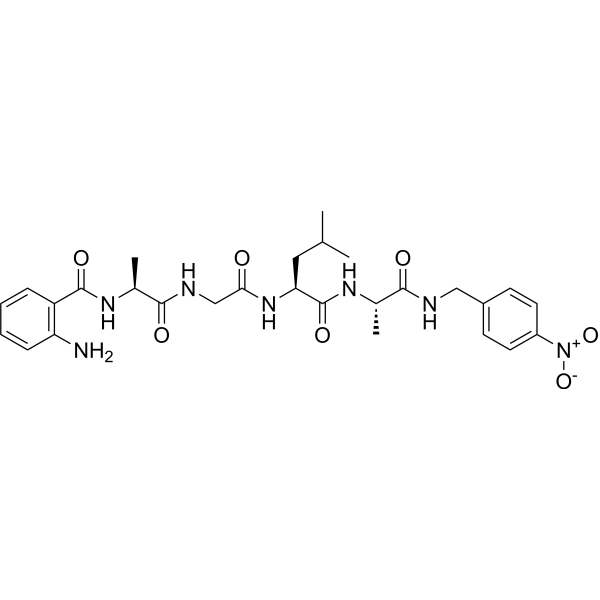
Abz-AGLA-Nba is a fluorogenic substrate for the determination of protease activity. Abz-AGLA-Nba is hydrolyzed to release aminoacyl benzimide (Abz-AGLA) and 2-naphthylaminoacyl (Nba). The product Abz-AGLA produced by this hydrolysis reaction is fluorescent under ultraviolet light and can emit a fluorescent signal .
|
-
-
- HY-135414B
-
|
|
Fluorescent Dye
|
Others
|
|
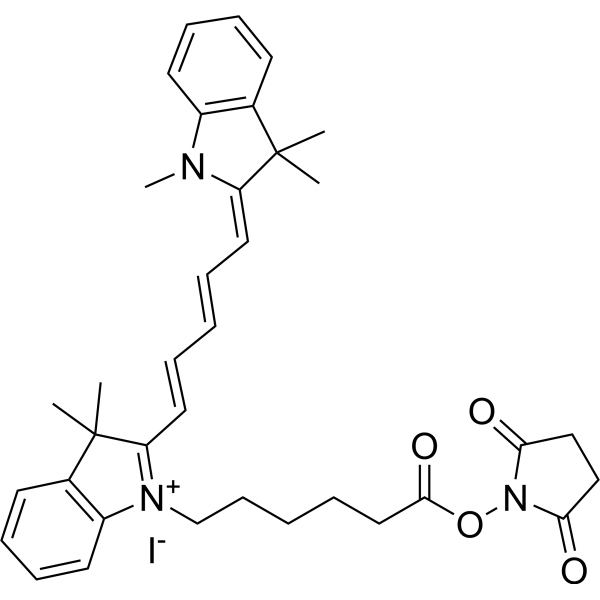
Cyanine5 NHS ester iodide is a red emitting fluorescent dye for labeling of amino-groups in peptides, proteins, and oligonucleotides .
|
-
-
- HY-DY1075
-
|
|
G-quadruplex
|
Neurological Disease
|
N-Methylmesoporphyrin IX (NMM) (solution) , a widely used G-quadruplex DNA specific fluorescent binder, is an efficient probe for monitoring Aβ fibrillation. N-Methylmesoporphyrin IX is an in situ inhibitor and an ex situ monitor for Aβ amyloidogenesis both in vitro and in cells. N-Methylmesoporphyrin IX is sensitive to G-quadruplexes DNA but has no response to duplexes, triplexes and single-stranded forms DNA. N-Methylmesoporphyrin IX is nonfluorescent alone or in monomeric Aβ environments, but emits strong fluorescence through stacking with the Aβ assemblies . Solvent and concentration: DMSO: 2 mM
|
-
-
- HY-W001952
-
|
|
Fluorescent Dye
Drug Intermediate
|
Others
|
|
6-Bromo-2-naphthol is an RTP (real-time polymerase chain reaction) probe that forms a 1:1 or 2:1 complex with β-cyclodextrin (β-CD). 6-Bromo-2-naphthol is capable of real-time monitoring of PCR reactions and quantification of specific nucleic acid sequences. RTP probes are a class of small DNA or RNA sequences labeled with fluorescent dyes and quencher molecules, which can be widely used in gene expression analysis, SNP genotyping, and pathogen detection. 6-Bromo-2-naphthol embeds into the cyclodextrin cavity through hydrophobic interactions, inhibits the oxygen quenching effect, and emits a phosphorescent signal at room temperature. 6-Bromo-2-naphthol can also be used as an intermediate for the synthesis of antibacterial azo dyes, and its derivatives show antibacterial activity against Staphylococcus aureus, Escherichia coli and other bacteria .
|
-
-
- HY-W001536
-
-
-
- HY-P4417A
-
|
|
Fluorescent Dye
|
Others
|
|
Ac-IEPD-AMC TFA is a fluorescent substrate used to measure protease activity. Ac-IEPD-AMC undergoes hydrolysis and releases the fluorescent product 7-amino-4-methylcoumarin (AMC). AMC fluoresces under UV light irradiation and can emit fluorescent signals .
|
-
-
- HY-P4323A
-
|
|
Fluorescent Dye
|
Others
|
|
Boc-Gln-Arg-Arg-AMC acetate is a fluorogenic substrate for the determination of protease activity. Boc-Gln-Arg-Arg-AMC undergoes hydrolysis and releases the fluorescent product 7-amino-4-methylcoumarin (AMC). AMC is fluorescent under UV light and can emit a fluorescent signal .
|
-
-
- HY-139579A
-
|
OTL 38 tetrasodium
|
Fluorescent Dye
|
Cancer
|
|
Pafolacianine tetrasodium (OTL 38 tetrasodium) is a fluorescent imaging agent made of near-infrared dye used in detecting tumor lesions during surgical procedures. Pafolacianine tetrasodium excites at 774 to 775 nm and emits at 794 to 796 nm .
|
-
-
- HY-D1254
-
|
NBL-SS perchlorate
|
Fluorescent Dye
|
Others
|
|
Trx-red (NBL-SS perchlorate) is a red-emitting fluorescent probe derivatized from the nile blue fluorophore. Trx-red is used for selectively imaging thioredoxin (Trx) in live cells and in vivo (λex=615 nm, λem=661 nm) .
|
-
-
- HY-150175
-
|
|
Fluorescent Dye
|
Inflammation/Immunology
|
|
HKSOX-1 and its derivatives (HKSOX-1r and HKSOX-1m) are novel fluorescent probes designed for highly sensitive and selective detection of the superoxide anion radical (O2 •−) in cellular environments. These probes utilize an aryl trifluoromethanesulfonate group that undergoes O2 •−-mediated cleavage, releasing a free phenol and emitting fluorescence. They demonstrate excellent specificity and sensitivity across various pH ranges, withstand interference from strong oxidants and reductants typical in cellular contexts. HKSOX-1r, optimized for cellular retention, has been effectively employed in diverse assays including confocal imaging, flow cytometry, and zebrafish embryo studies, highlighting its utility in investigating O2 •− roles in inflammation, mitochondrial stress, and other physiological processes .
|
-
-
- HY-D2195
-
|
|
Fluorescent Dye
|
Others
|
|
AgAuSe-PEG-NH2 (1000 nm) is a fluorescent quantum dot that emits fluorescence in the near-infrared II region, with an emission peak reaching 1000 nm that can be used in bioimaging.
|
-
-
- HY-D2198
-
|
|
Fluorescent Dye
|
Others
|
|
AgAuSe-PEG-NH2 (1120 nm) is a fluorescent quantum dot that emits fluorescence in the near-infrared II region, with an emission peak reaching 1120 nm that can be used in bioimaging .
|
-
-
- HY-D0121
-
|
|
Fluorescent Dye
|
Others
|
|
INDO 1 is a cell-impermeant fluorescent Ca 2+ indicator, binds specifically to Ca 2+ while emitting fluorescence, the maximum emission wavelength shifts from 485 nm before binding to 410 nm .
|
-
-
- HY-P4406A
-
|
|
Fluorescent Dye
|
Others
|
|
Abz-AGLA-Nba TFA is a fluorogenic substrate for the determination of protease activity. Abz-AGLA-Nba TFA is hydrolyzed to release aminoacyl benzimide (Abz-AGLA) and 2-naphthylaminoacyl (Nba). The product Abz-AGLA produced by this hydrolysis reaction is fluorescent under ultraviolet light and can emit a fluorescent signal .
|
-
-
- HY-173308
-
|
|
Fluorescent Dye
|
Others
|
|
QSY-21 is a fluorescence quencher. QSY-21 possesses broad absorption in far red and NIR range, and can quench fluorescence of dyes that emit in this region. This is a carboxylic acid derivative. QSY-21 has intense absorption maximum at 661 nm, making it useful as an acceptor in fluorescence resonance energy transfer (FRET) applications. It is a common quencher for Cyanine5, Cyanine5.5, AF 647, or other spectrally similar fluorescent dyes.
|
-
-
- HY-151704
-
|
|
Fluorescent Dye
|
Cancer
|
|
ICG-alkyne is a short-wave infrared (SWIR)-emitting cyanine fluorescent probe based on alkyne-derivatized indocyanine green. ICG-alkyne can undergo click chemistry reaction to conjugate with antibody molecules via binding to the azide groups introduced into antibodies. ICG-alkyne enables SWIR fluorescent molecular imaging of breast tumors in living mice. ICG-alkyne can be used in breast cancer-related research .
|
-
-
- HY-W242709
-
|
|
Biochemical Assay Reagents
|
Others
|
|
4-Chloroquinolin-8-ol (compound 1) is an Alq3-derived aluminum ligand. Alq3 is an organometallic molecule widely used as electron transport layer and light-emitting layer in organic LEDs, and also as a host for fluorescent and phosphorescent dyes .
|
-
-
- HY-D1607
-
|
|
Fluorescent Dye
|
Others
|
|
BODIPY FL SSE is a potent fluorescent dye. BODIPY FL SSE is used to label the primary amines (R-NH2) of proteins, amine-modified oligonucleotides, and other amine-containing molecules. BODIPY FL SSE can reactive with primary amines on biomolecules to emit green fluorescence. (λex=502 nm, λem=511 nm) .
|
-
-
- HY-D3002
-
|
|
Fluorescent Dye
|
Metabolic Disease
|
|
ONOO-/O2- tracker probe is a dual-responsive near-infrared fluorescent probe. ONOO-/O2- tracker probe will only emit a strong fluorescence signal when both peroxynitrite (ONOO⁻) and superoxide anion (O₂•⁻), the two key reactive oxygen/nitrogen species, are present simultaneously. ONOO-/O2- tracker probe can be used as a biomarker detection tool for drug-induced liver injury (DILI) .
|
-
-
- HY-P4465
-
|
|
Fluorescent Dye
|
Others
|
|
Gly-Arg-pNA is a fluorogenic substrate for the measurement of protease activity. Gly-Arg-pNA undergoes hydrolysis and releases the fluorescent product p-nitroaniline. p-nitroaniline is in a fluorescent state under ultraviolet light irradiation and can emit a fluorescent signal .
|
-
-
- HY-P4408
-
|
|
Fluorescent Dye
|
Others
|
|
Ac-Arg-Gly-Lys-AMC is a fluorogenic substrate for the determination of protease activity. Ac-Arg-Gly-Lys-AMC undergoes hydrolysis and releases the fluorescent product 7-amino-4-methylcoumarin (AMC). AMC is fluorescent under UV light and can emit a fluorescent signal .
|
-
-
- HY-P4323
-
|
|
Fluorescent Dye
|
Others
|
|
Boc-Gln-Arg-Arg-AMC is a fluorogenic substrate for the determination of protease activity. Boc-Gln-Arg-Arg-AMC undergoes hydrolysis and releases the fluorescent product 7-amino-4-methylcoumarin (AMC). AMC is fluorescent under UV light and can emit a fluorescent signal .
|
-
-
- HY-P4416
-
|
|
Fluorescent Dye
|
Others
|
|
Ac-Gly-Ala-Lys(Ac)-AMC is a fluorogenic substrate for the determination of protease activity. Ac-Gly-Ala-Lys(Ac)-AMC undergoes hydrolysis and releases the fluorescent product 7-amino-4-methylcoumarin (AMC). AMC is fluorescent under UV light and can emit a fluorescent signal .
|
-
-
- HY-D0121A
-
|
|
Fluorescent Dye
|
Others
|
|
INDO 1 pentapotassium is a cell-impermeant fluorescent Ca 2+ indicator, binds specifically to Ca 2+ while emitting fluorescence, the maximum emission wavelength shifts from 485 nm before binding to 410 nm .
|
-
-
- HY-P4400
-
|
|
Fluorescent Dye
|
Others
|
|
Z-VDVAD-AFC is a fluorogenic substrate. Z-VDVAD-AFC is used to measure the activity of cysteine protease 3 (Caspase-3). Z-VDVAD-AFC undergoes hydrolysis to release 7-amino-4-trifluoromethylcoumarin (AFC). AFC is fluorescent under ultraviolet light and can emit fluorescent signals .
|
-
-
- HY-P4404
-
|
|
Cathepsin
|
Others
|
|
Abz-GIVRAK(Dnp) is the most efficient substrate for cathepsin B and is highly selective for this enzyme among lysosomal cysteine proteases. After Abz-GIVRAK(Dnp) is hydrolyzed, aminoacylbenziminosulfosuccinic acid (Abz-SAS) is released, and dinitrobenzoyl (Dnp) is also released. The product of this hydrolysis reaction, Abz-SAS, is fluorescent under ultraviolet light and can emit a fluorescent signal .
|
-
-
- HY-D2743
-
|
|
Fluorescent Dye
|
Others
|
|
ROX alkyne, 6-isomer is an alkyne derivative of the bright red-emitting dye ROX (Rhodamine X, Rhodamine 101). Due to its quantum yield approaching unity, ROX is a popular dye for qPCR and microscopy applications. It is used for fluorescent labeling of azide-containing biomolecules via copper-catalyzed click reaction.
|
-
- HY-D2194
-
|
|
Fluorescent Dye
|
Others
|
|
AgAuSe-COOH (1000 nm) is a fluorescent quantum dot that emits fluorescence in the near-infrared II region, with an emission peak reaching 1000 nm. AgAuSe-COOH (1000 nm) has the advantages of narrow band gap, large Stokes shift, and good photostability. AgAuSe-COOH (1000 nm) can bind proteins, antibodies, peptides, PEG, etc., and can be widely used in the field of biological imaging.
|
-
- HY-D1040A
-
|
Cyanine 5.5 carboxylic acid chloride
|
Fluorescent Dye
|
Others
|
|
Cy5.5-COOH (Cyanine 5.5 carboxylic acid) chloride is a fluorescent dye that emits fluorescence at 710 nm upon excitation at 650 nm. Cy5.5-COOH chloride possesses excellent spectral properties, including a narrow absorption spectrum, high sensitivity, and stability. Cy5.5-COOH chloride can be used for bioimaging and disease diagnosis .
|
-
- HY-W008709
-
|
|
Biochemical Assay Reagents
|
Others
|
|
4-(4,5-Diphenyl-1H-imidazol-2-yl)phenol is an organic compound commonly used in fluorescent dyes and catalysts. It can be used to prepare some organic light-emitting diodes (OLEDs) and organic solar cells, and is widely used in chemical sensors and analytical instruments. In addition, this compound is used as a catalyst or buffer in certain chemical reactions.
|
-
- HY-125452
-
|
|
Fluorescent Dye
|
Others
|
|
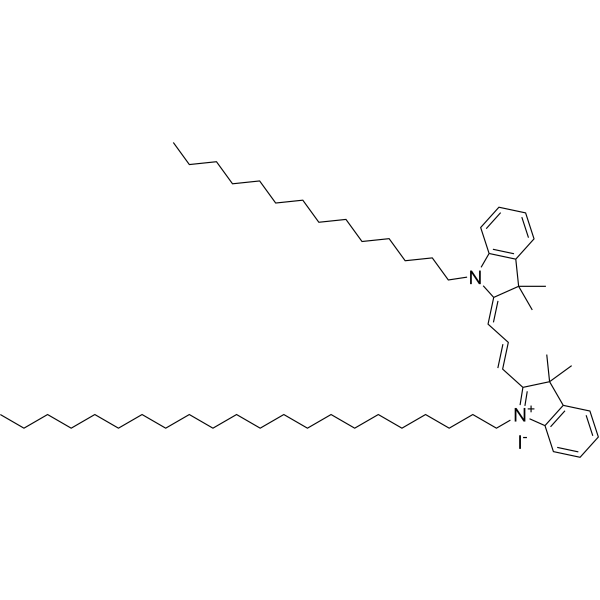
DiSBAC10 is a voltage-sensitive fluorescent probe used to study cell membrane electrical activity in FRET assays. In a resting polarized cell, DiSBAC10 resides on the outer leaflet of the membrane where it accepts photons from excited fluorescein-labeled proteins and re-emits the photons at a higher wavelength. Depolarization of the cell causes rapid translocation of DiSBAC10 to the inner leaflet of the membrane, thereby increasing the distance between fluorophores and reducing the FRET signal.
|
-
- HY-D2738
-
|
|
Fluorescent Dye
|
Others
|
|
BP Fluor 532 NHS ester is an amine reactive, yellow-emitting dye routinely used to label proteins or antibodies through primary amines (Lys), amine-modified oligonucleotides, and other amine-containing biomolecules. The labeling occurs most efficiently at pH 7-9 and forms a stable, covalent amide bond.
BP Fluor 532 is a bright yellow-fluorescent dye with pH insensitive emission from pH 4 to pH 10. The excitation of BP Fluor 532 is ideally suited for the frequency-doubled Nd:YAG laser line. BP Fluor 532 can be conjugated to a variety of antibodies, peptides, proteins, tracers, and amplification substrates, and is often used for the generation of stable signals in imaging and flow cytometry.
|
-
- HY-113621B
-
|
|
Fluorescent Dye
MMP
|
Cancer
|
|
Ageladine A dihydrochloride is an inhibitor of matrix metalloproteinase (MMP) isolated from the marine sponge Agelas nakamurai, possessing anti-angiogenic activity. Ageladine A dihydrochloride not only inhibits MMP-2 but also MMP-1, MMP-8, MMP-9, MMP-12, and MMP-13, with IC50 values of 4.65 μM, 2.79 μM, 907.12 nM, 1.83 μM, 767.57 nM, and 1.09 μM, respectively. Additionally, Ageladine A dihydrochloride is a pH-sensitive membrane-permeable dye that emits fluorescence in the blue-green range upon UV excitation, featuring a maximum absorption peak at 370 nm. Furthermore, Ageladine A dihydrochloride serves as a reliable and stable fluorescent pH sensor for detecting changes in intracellular pH values .
|
-
- HY-125749
-
|
|
Fluorescent Dye
|
Others
|
|
Coumarin-30 is a coumarin-based fluorescent dye and environment-sensitive fluorescent probe (in aqueous medium, λex = 430 nm, λem = 495 nm). Coumarin-30 serves as a dopant for organic light-emitting diodes .
|
-
- HY-167255
-
|
|
Fluorescent Dye
|
Others
|
|
JC-10 is a lipophilic mitochondrial membrane potential indicator and is a fluorescent dye. JC-10 accumulates and aggregates in healthy mitochondria to emit red fluorescence; exists as a monomer emitting green fluorescence in the cytosol or apoptotic cells with collapsed mitochondrial membrane potential, enabling measurement of mitochondrial depolarization via the green/red fluorescence ratio .
|
-
- HY-D3241
-
|
|
Fluorescent Dye
|
Others
|
|
CD649.2 is a red-emitting copper-targeted acylimidazole-reactive Fluorescent probe and a highly specific Cu 2+ detection reagent. CD649.2 enables visualization of labile Cu 2+ pools and their dynamic changes in living cells .
|
-
- HY-D3346
-
|
|
Fluorescent Dye
|
Others
|
|
Dusquench1 NHS ester is an amino-reactive fluorescent quencher (it does not emit light and has no emission wavelength, Ex = 480-580 nM), specially designed for labeling proteins, oligonucleotides and other biopolymers containing primary amines. It is a core reagent in the fields of qPCR probes, FRET detection and molecular beacons.
|
-
- HY-175163
-
|
|
Photosensitizer
|
Cancer
|
|
TPAPyN is a nitroreductase(NTR)-responsive type I photosensitizer. TPAPyN facilitates the imaging of hypoxic cancer cells and image-guided photodynamic therapy (PDT). TPAPyN does not emit fluorescence in the aqueous environment, but restores when NTR cleaves the nitrofuran quencher with aggregation-induced emission. TPAPyN can be used as a fluorescent probe for specific imaging of hypoxic cancer .
|
-
- HY-D2997
-
|
|
Fluorescent Dye
|
Cancer
|
|
1,2-Dimethylpyridinium iodide-Bodipy (Probe 1) is an H2S fluorescent probe. Self-assembled 1,2-Dimethylpyridinium iodide-Bodipy exhibits highly efficient responsiveness to H2S. The assembled form of 1,2-Dimethylpyridinium iodide-Bodipy emits near-infrared fluorescence at 718 nm upon H2S activation .
|
-
- HY-D3251
-
|
|
Fluorescent Dye
|
Cancer
|
|
LCP is a fluorescent probe applicable for subcellular localization. LCP responds to polarity changes in the cellular microenvironment via fluorescence resonance energy transfer, emitting blue fluorescence in low-polarity environments and red fluorescence in high-polarity environments. LCP enables dual-color visualization of dynamic changes in lysosomes and cytoplasmic membranes during drug-induced cell apoptosis, and monitors cell viability through localization and emission color changes. LCP can be used in cancer research .
|
-
- HY-D3167
-
|
|
Fluorescent Dye
HDAC
|
Cancer
|
|
HDAC-IN-101 (compound H6M) is a HDAC1 inhibitor and NTR/pH-activated fluorescent inducer, with an IC50 of 65 nM against human HDAC1. HDAC-IN-101 blocks cancer cell proliferation by inhibiting HDAC1. HDAC-IN-101 is reduced by overexpressed nitroreductase to generate H6AQ, a product that emits fluorescence under low pH conditions. HDAC-IN-101 is applicable for cancer-related research .
|
-
- HY-P992459
-
|
|
ADC Antibody
Transmembrane Glycoprotein
|
Cancer
|
|
SGM-101 Antibody is a chimeric monoclonal antibody targeting carcinoembryonic antigen (CEA). SGM-101 Antibody can serve as a tumor-specific fluorescent imaging probe after being covalently conjugated with the near-infrared fluorescent dye BM104 . SGM-101 Antibody accumulates in CEA-positive tumor tissues via antigen-antibody specific binding, and emits near-infrared fluorescence to enable imaging of tumor lesions. SGM-101 Antibody can be used in research related to gastric cancer, colorectal cancer, pancreatic cancer, non-small cell lung cancer, breast cancer, peritoneal carcinomatosis, and liver metastases .
|
-
- HY-D3187
-
|
|
Fluorescent Dye
Glycosidase
|
Infection
Cancer
|
|
HMRef-αMan is a substrate-based green fluorescent probe (Ex/Em=465 nm/515 nm) targeting MAN2C1 (α-mannosidase). HMRef-αMan can be specifically cleaved by MAN2C1 to generate a highly fluorescent product, which thus gets activated to produce green fluorescence in malignant breast tissues, benign lesions and living cancer cells. The signal intensity of HMRef-αMan is directly correlated with MAN2C1 activity, and it can effectively detect tiny breast cancer lesions with a diameter of less than 1 mm. When used in combination with the red-emitting γ-glutamyl transpeptidase (GGT) probe gGlu-2OMe SiR600 (HY-D3188), HMRef-αMan enables precise optical differentiation of breast tissue types via a dual-color imaging strategy. HMRef-αMan has been widely used in the research of breast diseases such as breast cancer, fibroadenoma, phyllodes tumor and various types of papilloma .
|
-
- HY-D1737
-
|
|
Bacterial
|
Infection
|
|
RADA is a fluorescent D-amino acid (FDAA) with high photostability and thermostability, which emits yellow-to-orange fluorescence. RADA shows low outer membrane permeability in wild-type Gram-negative Escherichia coli, but it targets penicillin-binding proteins and L,D-transpeptidases, mimics the interaction between acyl acceptors and enzyme intermediates, and integrates into peptidoglycan during biosynthesis. As a peptidoglycan labeling reagent, RADA metabolically integrates into the nascent peptidoglycan of live bacterial cells, labels the peptidoglycan at the poles and lateral walls of mycobacteria, and enables visualization of peptidoglycan synthesis and remodeling processes. RADA serves as a non-specific stain for fixed cells, is non-toxic to bacterial cells, and its red-shifted excitation/emission spectra reduce phototoxicity. RADA also supports virtual pulse-chase labeling experiments and stochastic optical reconstruction microscopy for sub-diffraction-limited imaging of bacterial cell walls .
|
-
| Cat. No. |
Product Name |
Type |
-
- HY-15534
-
JC-1
Maximum Cited Publications
212 Publications Verification
CBIC2
|
Fluorescent Dyes
|
|
JC-1 (CBIC2) is an ideal fluorescent probe widely used to detect mitochondrial membrane potential. JC-1 accumulates in mitochondria in a potential dependent manner and can be used to detect the membrane potential of cells, tissues or purified mitochondria. In normal mitochondria, JC-1 aggregates in the mitochondrial matrix to form a polymer, which emits strong red fluorescence (Ex=585 nm, Em=590 nm); When the mitochondrial membrane potential is low, JC-1 cannot aggregate in the matrix of mitochondria and produce green fluorescence (ex=510 nm, em= 527 nm) .
|
-
- HY-D1451
-
|
|
Fluorescent Dyes
|
|
PKH 26 is a red fluorescent dye, PKH 26 can stably bind to the lipid region of cell membrane and emit red fluorescence (Ex/Em=551/567 nm), which is mainly used for in vitro cell labeling, in vitro cell proliferation studies and in vivo and in vitro cell tracing studies .
|
-
- HY-D2449
-
|
|
Fluorescent Dyes
|
|
DQ-BSA-Red is a bovine serum albumin labeled with a red fluorescent dye that can be used to detect lysosomal activity. The excitation wavelength and emission wavelength of DQ-BSA-Red are 590 nm and 620 nm, respectively. The BSA molecule in DQ-BSA-Red is labeled with high concentration of red fluorescent dye in multiple sites, which shows high fluorescence self-inhibition. Once DQ-BSA-RED enters the lysosome, DQ-BSA is cleaved by lysosomal proteases, resulting in unquenched and released fluorescent fragments, emitting bright fluorescence. Inactivated lysosomes are unable to degrade the BSA protein and thus have a lower or even no fluorescent signal .
|
-
- HY-133821
-
|
|
Fluorescent Dyes
|
|
N-Methylmesoporphyrin IX (NMM), a widely used G-quadruplex DNA specific fluorescent binder, is an efficient probe for monitoring Aβ fibrillation. N-Methylmesoporphyrin IX is an in situ inhibitor and an ex situ monitor for Aβ amyloidogenesis both in vitro and in cells. N-Methylmesoporphyrin IX is sensitive to G-quadruplexes DNA but has no response to duplexes, triplexes and single-stranded forms DNA. N-Methylmesoporphyrin IX is nonfluorescent alone or in monomeric Aβ environments, but emits strong fluorescence through stacking with the Aβ assemblies .
|
-
- HY-135414
-
|
|
Fluorescent Dyes
|
|
Cyanine5 NHS ester chloride is a red emitting fluorescent dye for labeling of amino-groups in peptides, proteins, and oligonucleotides .
|
-
- HY-139579
-
|
OTL 38
|
Fluorescent Dyes
|
|
Pafolacianine (OTL 38) is a fluorescent imaging agent made of near-infrared dye used in detecting tumor lesions during surgical procedures. Pafolacianine excites at 774 to 775 nm and emits at 794 to 796 nm .
|
-
- HY-D0367
-
|
Calcofluor White M2R
|
Fluorescent Dyes
|
|
Fluorescent brightener 28 is a fluorescent whitening agent commonly used in the padding process of the textile industry. Fluorescent brightener 28 is capable of staining polysaccharides such as cellulose, and when the plasma membrane ruptures, it also weakly stains the cytoplasm and strongly stains the cell nucleus. Additionally, Fluorescent brightener 28 can be utilized to detect intracellular chitin in living cells. Fluorescent Brightener 28 also is a visible light emitting diode (LED)-light sensitive photoinitiator for free radical photopolymerizations .
|
-
- HY-D1416
-
HMBR
1 Publications Verification
|
Fluorescent Dyes
|
|
HMBR is an analogue with an additional methyl group on the aromatic ring and is non-fluorescent. HMBR conjugated with Y-FAST emits yellow fluorescence under blue light excitation (Ex= 419 nm; Em= 525–539 nm). HMBR is non-toxic to zebrafish embryos. HMBR has high cell permeability .
|
-
- HY-D2906
-
|
|
Fluorescent Dyes
|
|
Alexa fluor 647 maleimide is a bright, far-red-emitting fluorescent dye for labeling of protein SH groups (Ex/Em = 656/670 nm). Alexa fluor 647 maleimide can be used to attach AF 647 fluorophore to proteins and peptides containing cysteine residues, as well as to other thiolated molecules (such as thiol-containing oligonucleotides). Alexa Fluor 647 maleimide is promising for research of cell biology, neuroscience, and disease diagnostics .
|
-
- HY-D0723
-
|
5(6)-Carboxytetramethylrhodamine N-succinimidyl ester
|
Fluorescent Dyes
|
|
5(6)-TAMRA SE is a fluorescent dye that emits red fluorescence. 5(6)-TAMRA SE binds to oligonucleotides and is used in DNA sequencing. 5(6)-TAMRA SE can be used in cancer research (Ex/Em = 565/580 nm) .
|
-
- HY-DY1011
-
|
|
Fluorescent Dyes
|
PKH 26 (solution) is a red fluorescent dye, PKH 26 can stably bind to the lipid region of cell membrane and emit red fluorescence (Ex/Em=551/567 nm) , which is mainly used for in vitro cell labeling, in vitro cell proliferation studies and in vivo and in vitro cell tracing studies . Solvent and concentration: DMSO: 5 mM
|
-
- HY-D1040
-
|
Cyanine 5.5 carboxylic acid
|
Fluorescent Dyes
|
|
Cy5.5-COOH (Cyanine 5.5 carboxylic acid) is a fluorescent dye that emits fluorescence at 710 nm upon excitation at 650 nm. Cy5.5-COOH possesses excellent spectral properties, including a narrow absorption spectrum, high sensitivity, and stability. Cy5.5-COOH can be used for bioimaging and disease diagnosis .
|
-
- HY-DY1003
-
|
|
Fluorescent Dyes
|
JC-1 (CBIC2) (solution) is an ideal fluorescent probe widely used to detect mitochondrial membrane potential. JC-1 accumulates in mitochondria in a potential dependent manner and can be used to detect the membrane potential of cells, tissues or purified mitochondria. In normal mitochondria, JC-1 aggregates in the mitochondrial matrix to form a polymer, which emits strong red fluorescence (Ex=585 nm, Em=590 nm) ; When the mitochondrial membrane potential is low, JC-1 cannot aggregate in the matrix of mitochondria and produce green fluorescence (ex=510 nm, em= 527 nm) . Solvent and concentration: DMSO: 1.5 mM
|
-
- HY-D1044
-
|
Rhodamine 640 chloride
|
Fluorescent Dyes
|
|
Rhodamine 101 chloride (Rhodamine 640 chloride) is a fluorescent dye with excitation and emission maxima at 565 nM and 595 nM, respectively. Rhodamine 101 chloride binds to intracellular proteins and emits specific fluorescence. Rhodamine 101 chloride can be used in colon cancer research .
|
-
- HY-D0918
-
|
|
Fluorescent Dyes
|
|
YO-PRO-1 is a non-cell-membrane-penetrating green fluorescent dye. YO-PRO-1 cannot penetrate normal cell membranes but can penetrate the membranes of apoptotic and necrotic cells. YO-PRO-1 has a high affinity for DNA. When it is not bound to DNA, it emits almost no fluorescence, and when it binds to DNA, it can emit green fluorescence (Ex/Em: 488/530±30 nM). YO-PRO-1 is often used together with Propidium Iodide (HY-D0815) to analyze and identify apoptotic and necrotic cells .
|
-
- HY-D1191
-
|
|
Fluorescent Dyes
|
SYBR Green I chloride is a highly sensitive fluorescent nucleic acid dye that binds specifically to the minor groove of double-stranded DNA or intercalates between base pairs. SYBR Green I chloride exhibits weak fluorescence in the unbound state but emits bright fluorescence upon binding, and it preferentially binds to large-fragment DNA and DNA with high G+C content. SYBR Green I chloride is suitable for real-time PCR technology; its fluorescence intensity correlates with the amount and size of amplification products, enabling accurate quantification of gene expression and discrimination of amplicons via melting curve analysis without additional post-processing. SYBR Green I chloride is widely used in preclinical in vitro nucleic acid detection .
|
-
- HY-135414B
-
|
|
Fluorescent Dyes
|
|
Cyanine5 NHS ester iodide is a red emitting fluorescent dye for labeling of amino-groups in peptides, proteins, and oligonucleotides .
|
-
- HY-DY1075
-
|
|
Fluorescent Dyes
|
N-Methylmesoporphyrin IX (NMM) (solution) , a widely used G-quadruplex DNA specific fluorescent binder, is an efficient probe for monitoring Aβ fibrillation. N-Methylmesoporphyrin IX is an in situ inhibitor and an ex situ monitor for Aβ amyloidogenesis both in vitro and in cells. N-Methylmesoporphyrin IX is sensitive to G-quadruplexes DNA but has no response to duplexes, triplexes and single-stranded forms DNA. N-Methylmesoporphyrin IX is nonfluorescent alone or in monomeric Aβ environments, but emits strong fluorescence through stacking with the Aβ assemblies . Solvent and concentration: DMSO: 2 mM
|
-
- HY-D1254
-
|
NBL-SS perchlorate
|
Fluorescent Dyes
|
|
Trx-red (NBL-SS perchlorate) is a red-emitting fluorescent probe derivatized from the nile blue fluorophore. Trx-red is used for selectively imaging thioredoxin (Trx) in live cells and in vivo (λex=615 nm, λem=661 nm) .
|
-
- HY-D2195
-
|
|
Fluorescent Dyes
|
|
AgAuSe-PEG-NH2 (1000 nm) is a fluorescent quantum dot that emits fluorescence in the near-infrared II region, with an emission peak reaching 1000 nm that can be used in bioimaging.
|
-
- HY-D2198
-
|
|
Fluorescent Dyes
|
|
AgAuSe-PEG-NH2 (1120 nm) is a fluorescent quantum dot that emits fluorescence in the near-infrared II region, with an emission peak reaching 1120 nm that can be used in bioimaging .
|
-
- HY-D0121
-
|
|
Fluorescent Dyes
|
|
INDO 1 is a cell-impermeant fluorescent Ca 2+ indicator, binds specifically to Ca 2+ while emitting fluorescence, the maximum emission wavelength shifts from 485 nm before binding to 410 nm .
|
-
- HY-173308
-
|
|
Fluorescent Dyes
|
|
QSY-21 is a fluorescence quencher. QSY-21 possesses broad absorption in far red and NIR range, and can quench fluorescence of dyes that emit in this region. This is a carboxylic acid derivative. QSY-21 has intense absorption maximum at 661 nm, making it useful as an acceptor in fluorescence resonance energy transfer (FRET) applications. It is a common quencher for Cyanine5, Cyanine5.5, AF 647, or other spectrally similar fluorescent dyes.
|
-
- HY-151704
-
|
|
Fluorescent Dyes
|
|
ICG-alkyne is a short-wave infrared (SWIR)-emitting cyanine fluorescent probe based on alkyne-derivatized indocyanine green. ICG-alkyne can undergo click chemistry reaction to conjugate with antibody molecules via binding to the azide groups introduced into antibodies. ICG-alkyne enables SWIR fluorescent molecular imaging of breast tumors in living mice. ICG-alkyne can be used in breast cancer-related research .
|
-
- HY-D1607
-
|
|
Fluorescent Dyes
|
|
BODIPY FL SSE is a potent fluorescent dye. BODIPY FL SSE is used to label the primary amines (R-NH2) of proteins, amine-modified oligonucleotides, and other amine-containing molecules. BODIPY FL SSE can reactive with primary amines on biomolecules to emit green fluorescence. (λex=502 nm, λem=511 nm) .
|
-
- HY-D3002
-
|
|
Fluorescent Dyes
|
|
ONOO-/O2- tracker probe is a dual-responsive near-infrared fluorescent probe. ONOO-/O2- tracker probe will only emit a strong fluorescence signal when both peroxynitrite (ONOO⁻) and superoxide anion (O₂•⁻), the two key reactive oxygen/nitrogen species, are present simultaneously. ONOO-/O2- tracker probe can be used as a biomarker detection tool for drug-induced liver injury (DILI) .
|
-
- HY-D0121A
-
|
|
Fluorescent Dyes
|
|
INDO 1 pentapotassium is a cell-impermeant fluorescent Ca 2+ indicator, binds specifically to Ca 2+ while emitting fluorescence, the maximum emission wavelength shifts from 485 nm before binding to 410 nm .
|
-
- HY-D2743
-
|
|
Fluorescent Dyes
|
|
ROX alkyne, 6-isomer is an alkyne derivative of the bright red-emitting dye ROX (Rhodamine X, Rhodamine 101). Due to its quantum yield approaching unity, ROX is a popular dye for qPCR and microscopy applications. It is used for fluorescent labeling of azide-containing biomolecules via copper-catalyzed click reaction.
|
-
- HY-D2194
-
|
|
Fluorescent Dyes
|
|
AgAuSe-COOH (1000 nm) is a fluorescent quantum dot that emits fluorescence in the near-infrared II region, with an emission peak reaching 1000 nm. AgAuSe-COOH (1000 nm) has the advantages of narrow band gap, large Stokes shift, and good photostability. AgAuSe-COOH (1000 nm) can bind proteins, antibodies, peptides, PEG, etc., and can be widely used in the field of biological imaging.
|
-
- HY-D1040A
-
|
Cyanine 5.5 carboxylic acid chloride
|
Fluorescent Dyes
|
|
Cy5.5-COOH (Cyanine 5.5 carboxylic acid) chloride is a fluorescent dye that emits fluorescence at 710 nm upon excitation at 650 nm. Cy5.5-COOH chloride possesses excellent spectral properties, including a narrow absorption spectrum, high sensitivity, and stability. Cy5.5-COOH chloride can be used for bioimaging and disease diagnosis .
|
-
- HY-125452
-
|
|
Fluorescent Dyes
|
|
DiSBAC10 is a voltage-sensitive fluorescent probe used to study cell membrane electrical activity in FRET assays. In a resting polarized cell, DiSBAC10 resides on the outer leaflet of the membrane where it accepts photons from excited fluorescein-labeled proteins and re-emits the photons at a higher wavelength. Depolarization of the cell causes rapid translocation of DiSBAC10 to the inner leaflet of the membrane, thereby increasing the distance between fluorophores and reducing the FRET signal.
|
-
- HY-D2738
-
|
|
Fluorescent Dyes
|
|
BP Fluor 532 NHS ester is an amine reactive, yellow-emitting dye routinely used to label proteins or antibodies through primary amines (Lys), amine-modified oligonucleotides, and other amine-containing biomolecules. The labeling occurs most efficiently at pH 7-9 and forms a stable, covalent amide bond.
BP Fluor 532 is a bright yellow-fluorescent dye with pH insensitive emission from pH 4 to pH 10. The excitation of BP Fluor 532 is ideally suited for the frequency-doubled Nd:YAG laser line. BP Fluor 532 can be conjugated to a variety of antibodies, peptides, proteins, tracers, and amplification substrates, and is often used for the generation of stable signals in imaging and flow cytometry.
|
-
- HY-125749
-
|
|
Fluorescent Dyes
|
|
Coumarin-30 is a coumarin-based fluorescent dye and environment-sensitive fluorescent probe (in aqueous medium, λex = 430 nm, λem = 495 nm). Coumarin-30 serves as a dopant for organic light-emitting diodes .
|
-
- HY-167255
-
|
|
Fluorescent Dyes
|
|
JC-10 is a lipophilic mitochondrial membrane potential indicator and is a fluorescent dye. JC-10 accumulates and aggregates in healthy mitochondria to emit red fluorescence; exists as a monomer emitting green fluorescence in the cytosol or apoptotic cells with collapsed mitochondrial membrane potential, enabling measurement of mitochondrial depolarization via the green/red fluorescence ratio .
|
-
- HY-D3241
-
|
|
Fluorescent Dyes
|
|
CD649.2 is a red-emitting copper-targeted acylimidazole-reactive Fluorescent probe and a highly specific Cu 2+ detection reagent. CD649.2 enables visualization of labile Cu 2+ pools and their dynamic changes in living cells .
|
-
- HY-D3346
-
|
|
Fluorescent Dyes
|
|
Dusquench1 NHS ester is an amino-reactive fluorescent quencher (it does not emit light and has no emission wavelength, Ex = 480-580 nM), specially designed for labeling proteins, oligonucleotides and other biopolymers containing primary amines. It is a core reagent in the fields of qPCR probes, FRET detection and molecular beacons.
|
-
- HY-D2997
-
|
|
Fluorescent Dyes
|
|
1,2-Dimethylpyridinium iodide-Bodipy (Probe 1) is an H2S fluorescent probe. Self-assembled 1,2-Dimethylpyridinium iodide-Bodipy exhibits highly efficient responsiveness to H2S. The assembled form of 1,2-Dimethylpyridinium iodide-Bodipy emits near-infrared fluorescence at 718 nm upon H2S activation .
|
-
- HY-D3251
-
|
|
Fluorescent Dyes
|
|
LCP is a fluorescent probe applicable for subcellular localization. LCP responds to polarity changes in the cellular microenvironment via fluorescence resonance energy transfer, emitting blue fluorescence in low-polarity environments and red fluorescence in high-polarity environments. LCP enables dual-color visualization of dynamic changes in lysosomes and cytoplasmic membranes during drug-induced cell apoptosis, and monitors cell viability through localization and emission color changes. LCP can be used in cancer research .
|
-
- HY-D3167
-
|
|
Fluorescent Dyes
|
|
HDAC-IN-101 (compound H6M) is a HDAC1 inhibitor and NTR/pH-activated fluorescent inducer, with an IC50 of 65 nM against human HDAC1. HDAC-IN-101 blocks cancer cell proliferation by inhibiting HDAC1. HDAC-IN-101 is reduced by overexpressed nitroreductase to generate H6AQ, a product that emits fluorescence under low pH conditions. HDAC-IN-101 is applicable for cancer-related research .
|
-
- HY-D3187
-
|
|
Fluorescent Dyes
|
|
HMRef-αMan is a substrate-based green fluorescent probe (Ex/Em=465 nm/515 nm) targeting MAN2C1 (α-mannosidase). HMRef-αMan can be specifically cleaved by MAN2C1 to generate a highly fluorescent product, which thus gets activated to produce green fluorescence in malignant breast tissues, benign lesions and living cancer cells. The signal intensity of HMRef-αMan is directly correlated with MAN2C1 activity, and it can effectively detect tiny breast cancer lesions with a diameter of less than 1 mm. When used in combination with the red-emitting γ-glutamyl transpeptidase (GGT) probe gGlu-2OMe SiR600 (HY-D3188), HMRef-αMan enables precise optical differentiation of breast tissue types via a dual-color imaging strategy. HMRef-αMan has been widely used in the research of breast diseases such as breast cancer, fibroadenoma, phyllodes tumor and various types of papilloma .
|
-
- HY-D1737
-
|
|
Fluorescent Dyes
|
|
RADA is a fluorescent D-amino acid (FDAA) with high photostability and thermostability, which emits yellow-to-orange fluorescence. RADA shows low outer membrane permeability in wild-type Gram-negative Escherichia coli, but it targets penicillin-binding proteins and L,D-transpeptidases, mimics the interaction between acyl acceptors and enzyme intermediates, and integrates into peptidoglycan during biosynthesis. As a peptidoglycan labeling reagent, RADA metabolically integrates into the nascent peptidoglycan of live bacterial cells, labels the peptidoglycan at the poles and lateral walls of mycobacteria, and enables visualization of peptidoglycan synthesis and remodeling processes. RADA serves as a non-specific stain for fixed cells, is non-toxic to bacterial cells, and its red-shifted excitation/emission spectra reduce phototoxicity. RADA also supports virtual pulse-chase labeling experiments and stochastic optical reconstruction microscopy for sub-diffraction-limited imaging of bacterial cell walls .
|
| Cat. No. |
Product Name |
Type |
-
- HY-W001952
-
|
|
Biochemical Assay Reagents
|
|
6-Bromo-2-naphthol is an RTP (real-time polymerase chain reaction) probe that forms a 1:1 or 2:1 complex with β-cyclodextrin (β-CD). 6-Bromo-2-naphthol is capable of real-time monitoring of PCR reactions and quantification of specific nucleic acid sequences. RTP probes are a class of small DNA or RNA sequences labeled with fluorescent dyes and quencher molecules, which can be widely used in gene expression analysis, SNP genotyping, and pathogen detection. 6-Bromo-2-naphthol embeds into the cyclodextrin cavity through hydrophobic interactions, inhibits the oxygen quenching effect, and emits a phosphorescent signal at room temperature. 6-Bromo-2-naphthol can also be used as an intermediate for the synthesis of antibacterial azo dyes, and its derivatives show antibacterial activity against Staphylococcus aureus, Escherichia coli and other bacteria .
|
-
- HY-W001536
-
|
|
Biochemical Assay Reagents
|
|
7-Methoxyindole, 98% is a Fluorescent emitter. 7-Methoxyindole, 98% exhibits a relatively blue excitation spectrum .\n
|
-
- HY-W008709
-
|
|
Biochemical Assay Reagents
|
|
4-(4,5-Diphenyl-1H-imidazol-2-yl)phenol is an organic compound commonly used in fluorescent dyes and catalysts. It can be used to prepare some organic light-emitting diodes (OLEDs) and organic solar cells, and is widely used in chemical sensors and analytical instruments. In addition, this compound is used as a catalyst or buffer in certain chemical reactions.
|
| Cat. No. |
Product Name |
Target |
Research Area |
-
- HY-P4417
-
|
|
Fluorescent Dye
|
Others
|
|
Ac-IEPD-AMC is a fluorogenic substrate for the determination of protease activity. Ac-IEPD-AMC undergoes hydrolysis and releases the fluorescent product 7-amino-4-methylcoumarin (AMC). AMC is fluorescent under UV light and can emit a fluorescent signal .
|
-
- HY-P4419A
-
|
|
Fluorescent Dye
|
Others
|
|
Boc-Asp(OBzl)-Pro-Arg-AMC acetate is a fluorogenic substrate for the determination of protease activity. Boc-Asp(OBzl)-Pro-Arg-AMC acetate undergoes hydrolysis and releases the fluorescent product 7-amino-4-methylcoumarin (AMC). AMC is fluorescent under UV light and can emit a fluorescent signal .
|
-
- HY-P4406
-
|
|
Fluorescent Dye
|
Others
|
|
Abz-AGLA-Nba is a fluorogenic substrate for the determination of protease activity. Abz-AGLA-Nba is hydrolyzed to release aminoacyl benzimide (Abz-AGLA) and 2-naphthylaminoacyl (Nba). The product Abz-AGLA produced by this hydrolysis reaction is fluorescent under ultraviolet light and can emit a fluorescent signal .
|
-
- HY-P4417A
-
|
|
Fluorescent Dye
|
Others
|
|
Ac-IEPD-AMC TFA is a fluorescent substrate used to measure protease activity. Ac-IEPD-AMC undergoes hydrolysis and releases the fluorescent product 7-amino-4-methylcoumarin (AMC). AMC fluoresces under UV light irradiation and can emit fluorescent signals .
|
-
- HY-P4323A
-
|
|
Fluorescent Dye
|
Others
|
|
Boc-Gln-Arg-Arg-AMC acetate is a fluorogenic substrate for the determination of protease activity. Boc-Gln-Arg-Arg-AMC undergoes hydrolysis and releases the fluorescent product 7-amino-4-methylcoumarin (AMC). AMC is fluorescent under UV light and can emit a fluorescent signal .
|
-
- HY-P4406A
-
|
|
Fluorescent Dye
|
Others
|
|
Abz-AGLA-Nba TFA is a fluorogenic substrate for the determination of protease activity. Abz-AGLA-Nba TFA is hydrolyzed to release aminoacyl benzimide (Abz-AGLA) and 2-naphthylaminoacyl (Nba). The product Abz-AGLA produced by this hydrolysis reaction is fluorescent under ultraviolet light and can emit a fluorescent signal .
|
-
- HY-P4465
-
|
|
Fluorescent Dye
|
Others
|
|
Gly-Arg-pNA is a fluorogenic substrate for the measurement of protease activity. Gly-Arg-pNA undergoes hydrolysis and releases the fluorescent product p-nitroaniline. p-nitroaniline is in a fluorescent state under ultraviolet light irradiation and can emit a fluorescent signal .
|
-
- HY-P4408
-
|
|
Fluorescent Dye
|
Others
|
|
Ac-Arg-Gly-Lys-AMC is a fluorogenic substrate for the determination of protease activity. Ac-Arg-Gly-Lys-AMC undergoes hydrolysis and releases the fluorescent product 7-amino-4-methylcoumarin (AMC). AMC is fluorescent under UV light and can emit a fluorescent signal .
|
-
- HY-P4323
-
|
|
Fluorescent Dye
|
Others
|
|
Boc-Gln-Arg-Arg-AMC is a fluorogenic substrate for the determination of protease activity. Boc-Gln-Arg-Arg-AMC undergoes hydrolysis and releases the fluorescent product 7-amino-4-methylcoumarin (AMC). AMC is fluorescent under UV light and can emit a fluorescent signal .
|
-
- HY-P4416
-
|
|
Fluorescent Dye
|
Others
|
|
Ac-Gly-Ala-Lys(Ac)-AMC is a fluorogenic substrate for the determination of protease activity. Ac-Gly-Ala-Lys(Ac)-AMC undergoes hydrolysis and releases the fluorescent product 7-amino-4-methylcoumarin (AMC). AMC is fluorescent under UV light and can emit a fluorescent signal .
|
-
- HY-P4400
-
|
|
Fluorescent Dye
|
Others
|
|
Z-VDVAD-AFC is a fluorogenic substrate. Z-VDVAD-AFC is used to measure the activity of cysteine protease 3 (Caspase-3). Z-VDVAD-AFC undergoes hydrolysis to release 7-amino-4-trifluoromethylcoumarin (AFC). AFC is fluorescent under ultraviolet light and can emit fluorescent signals .
|
-
- HY-P4404
-
|
|
Cathepsin
|
Others
|
|
Abz-GIVRAK(Dnp) is the most efficient substrate for cathepsin B and is highly selective for this enzyme among lysosomal cysteine proteases. After Abz-GIVRAK(Dnp) is hydrolyzed, aminoacylbenziminosulfosuccinic acid (Abz-SAS) is released, and dinitrobenzoyl (Dnp) is also released. The product of this hydrolysis reaction, Abz-SAS, is fluorescent under ultraviolet light and can emit a fluorescent signal .
|
| Cat. No. |
Product Name |
Target |
Research Area |
Image |
-
- HY-P992459
-
|
|
ADC Antibody
Transmembrane Glycoprotein
|
Cancer
|
|
SGM-101 Antibody is a chimeric monoclonal antibody targeting carcinoembryonic antigen (CEA). SGM-101 Antibody can serve as a tumor-specific fluorescent imaging probe after being covalently conjugated with the near-infrared fluorescent dye BM104 . SGM-101 Antibody accumulates in CEA-positive tumor tissues via antigen-antibody specific binding, and emits near-infrared fluorescence to enable imaging of tumor lesions. SGM-101 Antibody can be used in research related to gastric cancer, colorectal cancer, pancreatic cancer, non-small cell lung cancer, breast cancer, peritoneal carcinomatosis, and liver metastases .
|
-
(5)
| Cat. No. |
Product Name |
|
Classification |
-
- HY-151704
-
|
|
|
Alkynes
|
|
ICG-alkyne is a short-wave infrared (SWIR)-emitting cyanine fluorescent probe based on alkyne-derivatized indocyanine green. ICG-alkyne can undergo click chemistry reaction to conjugate with antibody molecules via binding to the azide groups introduced into antibodies. ICG-alkyne enables SWIR fluorescent molecular imaging of breast tumors in living mice. ICG-alkyne can be used in breast cancer-related research .
|
-
- HY-D2743
-
|
|
|
Alkynes
|
|
ROX alkyne, 6-isomer is an alkyne derivative of the bright red-emitting dye ROX (Rhodamine X, Rhodamine 101). Due to its quantum yield approaching unity, ROX is a popular dye for qPCR and microscopy applications. It is used for fluorescent labeling of azide-containing biomolecules via copper-catalyzed click reaction.
|
Your information is safe with us. * Required Fields.
Inquiry Information
- Product Name:
- Cat. No.:
- Quantity:
- MCE Japan Authorized Agent:

