Search Result
Results for "
gastric cancer xenografts
" in MedChemExpress (MCE) Product Catalog:
1
Biochemical Assay Reagents
1
Isotope-Labeled Compounds
| Cat. No. |
Product Name |
Target |
Research Areas |
Chemical Structure |
-
- HY-164992
-
|
MRG002; Trastuzumab MMAE
|
Antibody-Drug Conjugates (ADCs)
EGFR
Microtubule/Tubulin
|
Cancer
|
|
Trastuzumab vedotin (MRG002; Trastuzumab MMAE) is an antibody-drug conjugate and cytotoxin targeting HER2, with a Kd of 7.50E-11 M for human HER2. After binding to HER2, Trastuzumab vedotin undergoes internalization and lysosomal trafficking, delivering a cytotoxic payload to HER2-expressing cells and inducing tumor regression in in vivo xenograft models with HER2-expressing tumors. The anti-tumor activity of Trastuzumab vedotin is enhanced when used in combination with anti-PD-1 antibodies, and it exhibits preclinical anti-tumor activity in drug-resistant breast cancer, gastric cancer, and urothelial carcinoma PDX models. Trastuzumab vedotin has low antibody-dependent cellular cytotoxicity activity and can be used in studies related to HER2-positive breast cancer, HER2-positive gastric cancer, and unresectable locally advanced or metastatic HER2-positive urothelial carcinoma .
|
-

-
- HY-P990148
-
|
|
VEGFR
|
Cancer
|
|
Anti-Mouse VEGF-A Antibody (2G11-2A05) is a rat-derived IgG2a κ type antibody inhibitor, tragrting to mouse VEGF-A with high affinity. Anti-Mouse VEGF-A Antibody (2G11-2A05) shows good anti-tumor effect in gastric cancer xenograft models .
|
-

-
- HY-108713
-
|
SHR1020
|
VEGFR
PDGFR
Apoptosis
|
Cancer
|
|
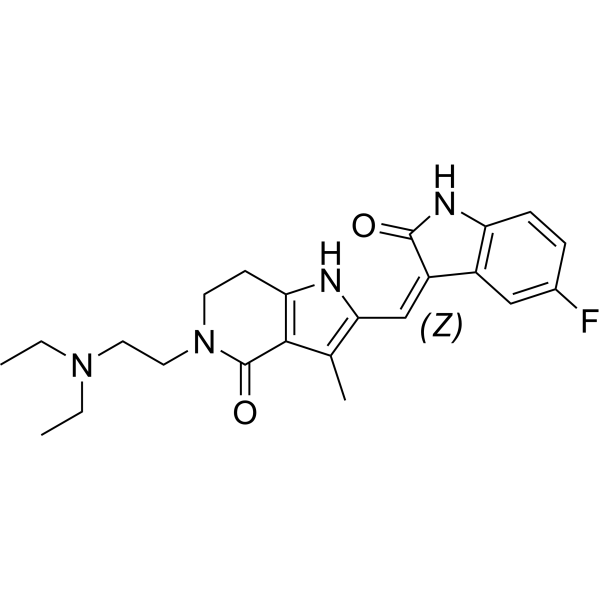
Famitinib (SHR1020), an orally active multi-targeted kinase inhibitor, inhibits the activity of c-kit, VEGFR-2 and PDGFRβ with IC50 values of 2.3 nM, 4.7 nM and 6.6 nM, respectively . Famitinib exerts powerful antitumor activity in human gastric cancer cells and xenografts. Famitinib triggers apoptosis .
|
-
-
- HY-176444
-
|
|
Molecular Glues
CDK
|
Cancer
|
|
CDK2 degrader 6 is an orally active and potent CDK2 molecular glue degrader with a DC50 of 46.5 nM. CDK2 degrader 6 binds to cereblon and CDK2 to induce ubiquitination and subsequent proteasomal degradation of CDK2. CDK2 degrader 6 modulates cell cycle in breast cancer cells. CDK2 degrader 6 reduces proliferation of breast cancer cells. CDK2 degrader 6 exhibits in vivo antitumor activity in gastric cancer mouse models. CDK2 degrader 6 can be used for the research of breast cancer, gastric cancer .
|
-

-
- HY-Y1325I
-
|
|
Environmental Pollutants
Biochemical Assay Reagents
Apoptosis
NO Synthase
p38 MAPK
Heme Oxygenase (HO)
Keap1-Nrf2
Wnt
β-catenin
|
Metabolic Disease
Inflammation/Immunology
Cancer
|
|
Sodium acetate trihydrate, 99.5% is a short-chain fatty acid salt with multiple biological activities. Sodium acetate trihydrate, 99.5% serves as a direct precursor of acetyl-CoA, and it extensively affects gene expression by promoting histone acetylation. Sodium acetate trihydrate, 99.5% can activate the p38 MAPK pathway to induce cancer cell apoptosis. Sodium acetate trihydrate, 99.5% can activate the Wnt/β-catenin signaling pathway to stimulate the proliferation and migration of cecal epithelial cells, thereby improving intestinal health. Sodium acetate trihydrate, 99.5% alleviates lead accumulation and oxidative damage by upregulating the testosterone-dependent eNOS/NO/cGMP signaling pathway, as well as activating the Nrf2/HO-1 pathway and its downstream antioxidant enzymes .
|
-

-
- HY-12758
-
|
|
BCRP
|
Cancer
|
|
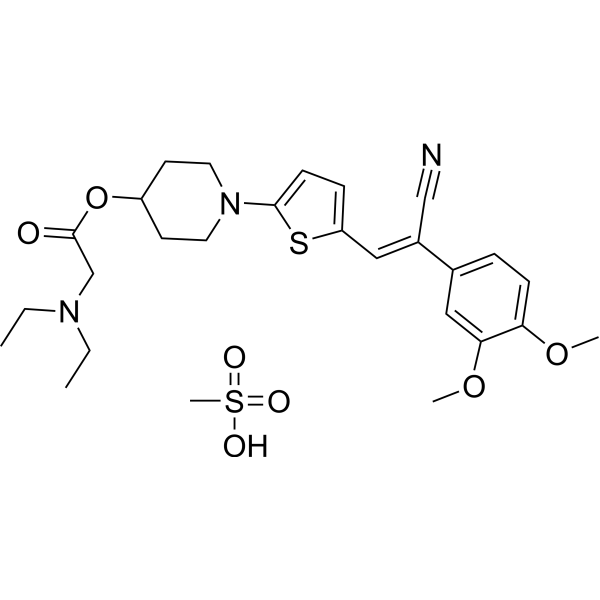
YHO-13351 is an orally active ABCG2 inhibitor . YHO-13351 modulates the function of ABCG2, blocks BCRP-mediated compound efflux, downregulates the expression of breast cancer resistance protein at the post-transcriptional level, and reverses ABCG2-associated tolerance. YHO-13351 restores the toxicity of SN-38 to SN-38-resistant cancer cells and sensitizes cancer cells to Irinotecan. YHO-13351 is a water-soluble prodrug that is rapidly converted to YHO-13177 (HY-12757) in mice. YHO-13351 prolongs the median survival time of mice bearing cancer cell xenografts when combined with IMMU-132. YHO-13351 extends the survival time of tumor-bearing mice and inhibits the growth of xenograft tumors when combined with Irinotecan. YHO-13351 can be used for the research of breast cancer, gastric cancer, BCRP-mediated drug-resistant cancers, and cervical cancer .
|
-
-
- HY-13631I
-
|
(1S,9R)-DX8951f
|
Drug Derivative
Topoisomerase
Apoptosis
|
Cancer
|
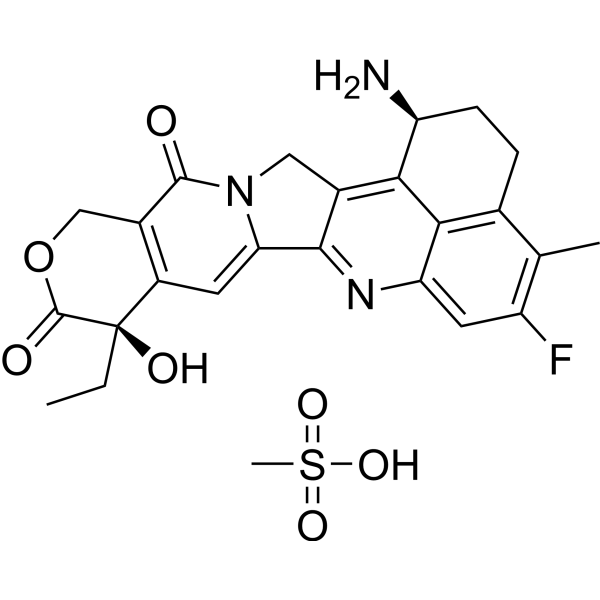
(1S,9R)-Exatecan mesylate ((1S,9R)-DX8951f) is a non-prodrug camptothecin derivative and a topoisomerase I inhibitor (IC50=0.975 μg/mL in mice and 0.82 μg/mL in humans). (1S,9R)-Exatecan mesylate blocks enzyme activity and induces apoptosis by stabilizing the enzyme-DNA cleavable complex. (1S,9R)-Exatecan mesylate not only effectively inhibits the proliferation of various malignant tumor cells and tumor growth, but also circumvents P-glycoprotein-mediated multidrug resistance. (1S,9R)-Exatecan mesylate is widely used in preclinical studies of various cancers such as pancreatic cancer, lung cancer, breast cancer, and leukemia .
The chiral isomer of (1S,9R)-Exatecan mesylate is (1R,9R)-Exatecan mesylate (HY-13631J).
|
-
-
- HY-P99866
-
|
MEHD-7945A; RG 7597
|
EGFR
Akt
p38 MAPK
Apoptosis
|
Cancer
|
|
Duligotuzumab (MEHD-7945A; RG 7597) is a humanized IgG-κ monoclonal antibody targeting EGFR. Duligotuzumab blocks the binding of ligands to these two receptors, inhibits downstream HER/ErbB, AKT and MAPK signaling pathways, induces antibody-dependent cellular cytotoxicity, reduces the proliferation and migration abilities of cancer cells, promotes apoptosis, exerts radiosensitizing effects, and reverses EGFR resistance in cancer cells. Duligotuzumab can be used in tumor-related research .
|
-

-
- HY-156418
-
|
|
DNA/RNA Synthesis
Ferroptosis
Apoptosis
Reactive Oxygen Species (ROS)
|
Cancer
|
|
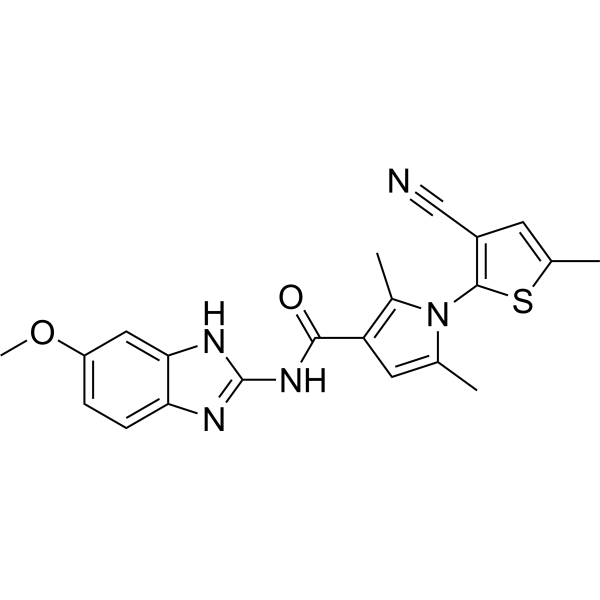
KY386 is a DHX33 helicase inhibitor with an IC50 of 0.019 μM. KY386 inhibits the cell viability of various cancer cells. KY386 induces ferroptosis in cancer cells, and induces apoptosis in some cancer cell lines. KY386 increases the intracellular levels of ROS, LPO and Fe 2+, and decreases the level of GSH in cancer cells . KY386 inhibits the growth of gastric cancer and colon cancer xenografts in nude mice. KY386 is applicable to the related research on liver cancer, lung cancer, pancreatic cancer, colorectal cancer, gastric cancer, breast cancer, leukemia, renal cancer, prostate cancer, esophageal cancer, cervical cancer, brain cancer (glioblastoma) and melanoma .
|
-
-
- HY-P991584
-
|
|
FGFR
|
Cancer
|
|
HuGAL-FR21 is a humanized antiFGFR2IIIb IgG1 monoclonal antibody. HuGAL-FR21 can block the binding of FGF2, FGF7, and FGF10 to FGFR2IIIb and inhibit FGF-induced phosphorylation of FGFR2IIIb. HuGAL-FR21 can downregulate the expression of FGFR2 in SNU-16 cells. HuGAL-FR21 shows the significant anti-tumor activity in athymic nude mice bearing gastric cancer xenograft models. HuGAL-FR21 can be used for research on cancer such as gastric cancer .
|
-

-
- HY-148819A
-
|
|
ADC Payload
Topoisomerase
|
Cancer
|
|
NH2-bicyclopentane-7-MAD-MDCPT hydrochloride (Formula I) is a topoisomerase I (TOP1) inhibitor. NH2-bicyclopentane-7-MAD-MDCPT hydrochloride is applicable to the synthesis of the ADC ABBV-969. NH2-bicyclopentane-7-MAD-MDCPT hydrochloride is used in research on lung adenocarcinoma and melanoma .
|
-
![NH2-bicyclo[1.1.1]pentane-7-MAD-MDCPT hydrochloride](//file.medchemexpress.com/product_pic/hy-148819a.gif)
-
- HY-170935
-
|
|
SRPK
PARP
Caspase
Apoptosis
Autophagy
|
Cancer
|
|
SRSF1-IN-1 is a SRSF1 inhibitor. SRSF1-IN-1 inhibits SRSF1 expression, thereby modulating the splicing of Bcl-x pre-mRNA. SRSF1-IN-1 inhibits the proliferation of various cancer cells. SRSF1-IN-1 induces apoptosis in gastric cancer cells, reduces Bcl-xl expression, and upregulates cleaved PARP and caspase 3. SRSF1-IN-1 induces autophagy and promotes cell death. SRSF1-IN-1 exhibits anti-tumor activity in a mouse gastric cancer xenograft model. SRSF1-IN-1 can be used for the research of various cancers including liver cancer, gastric cancer, breast cancer, colon cancer, glioma, and melanoma .
|
-

-
- HY-N1510
-
|
|
Glycosidase
Notch
Toll-like Receptor (TLR)
NF-κB
Mucin
Reactive Oxygen Species (ROS)
Bacterial
TGF-beta/Smad
Anaplastic lymphoma kinase (ALK)
|
Infection
Inflammation/Immunology
Cancer
|
|
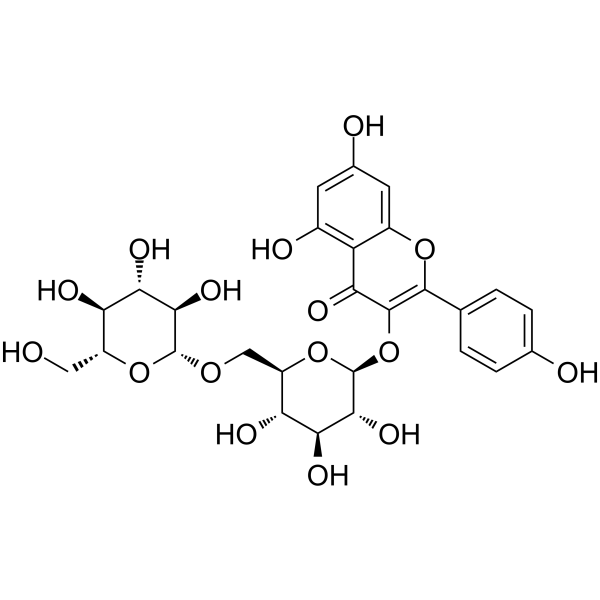
Kaempferol 3-O-gentiobioside is an orally active flavonoid, with a Ka value of 57 µM against human NOTCH1 and an IC50 value of 50 μM against α-glucosidase. Kaempferol 3-O-gentiobioside inhibits the NOTCH signaling pathway. It downregulates the expression of TLR4 and NLRP3, and suppresses the activation and nuclear translocation of NF-κB. Kaempferol 3-O-gentiobioside inhibits the expression of MUC5AC, reduces nitrite and ROS levels, and attenuates excessive mucus secretion. It exhibits antibacterial activity, reducing the formation and growth of MRSA biofilms. Kaempferol 3-O-gentiobioside blocks the TGF-β/ALK5/Smad signaling pathway and inhibits epithelial-mesenchymal transition. It suppresses the proliferation, migration, invasion and metastatic growth of tumor cells. Kaempferol 3-O-gentiobioside alleviates airway inflammation and mucus hypersecretion in mice with allergic asthma . It reduces the volume of ovarian cancer xenografts in mice. Kaempferol 3-O-gentiobioside can be used in research related to allergic asthma, diabetes, MRSA infection, breast cancer, gastric cancer and ovarian cancer .
|
-
-
- HY-160066
-
|
|
Transmembrane Glycoprotein
|
Cancer
|
|
SYL3C aptamer sodium is a DNA aptamer targeting EpCAM. SYL3C aptamer sodium targets a variety of cancer cell lines. SYL3C aptamer sodium can be used for targeted cancer cell imaging and circulating tumor cell detection .
|
-
-
- HY-163985
-
|
|
PROTACs
FGFR
Apoptosis
|
Cancer
|
|
PROTAC FGFR2 degrader 1 (compound N5) is a PROTAC that effectively targets FGFR2 with DC50 of 6.46 nM, the FGFR2 IC50 is 0.08 nM. PROTAC FGFR2 degrader 1 has anti-proliferative activity and highly selective, induces G0/G1 arrest of KATOIII and SNU16 cell cycle and inhibits apoptosis by reducing the activation of p-ERK and p-PLCγ, the downstream proteins of FGFR2.
PROTAC FGFR2 degrader 1 inhibits gastric cancer cells remained above 50% at a concentration of 0.17 nM.
PROTAC FGFR2 degrader 1 potently inhibits the growth of SNU16 xenograft tumors in mouse model (Structure Note: Pink, FGFR2 activator: HY-18708; Blue, E3 ligase ligand: HY--10984; Black, linker: HY-163989; E3 ligase ligand + linker:HY-163986) .
|
-

-
- HY-100555
-
|
|
HSP
|
Infection
Cancer
|
|
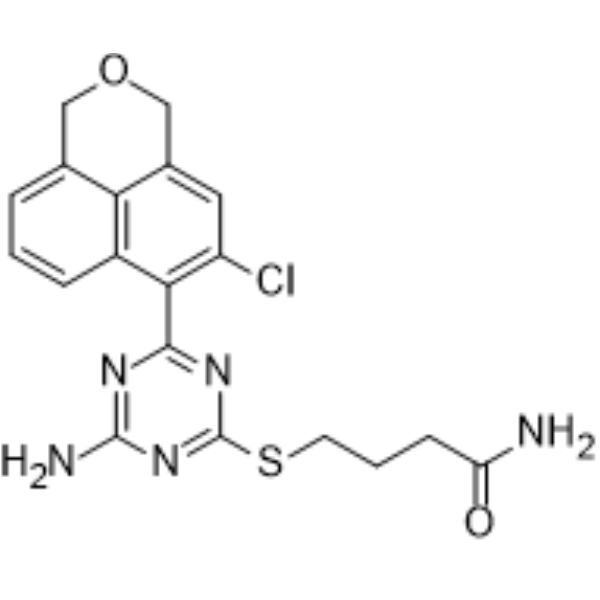
CH5138303 is a potent and orally active Hsp90 inhibitor. CH5138303 shows high binding affinity for N-terminal Hsp90α, with Kd of 0.52 nM. CH5138303 shows potent anti-proliferative activity against human cancer cell lines (HCT116 and NCI-N87), with IC50 values of 0.098 and 0.066 μM, respectively. CH5138303 shows high oral bioavailability in mice (F=44.0%). CH5138303 shows potent antitumor efficacy in a human NCI-N87 gastric cancer xenograft model .
|
-
-
- HY-160506
-
|
|
PROTACs
c-Met/HGFR
Apoptosis
|
Cancer
|
|
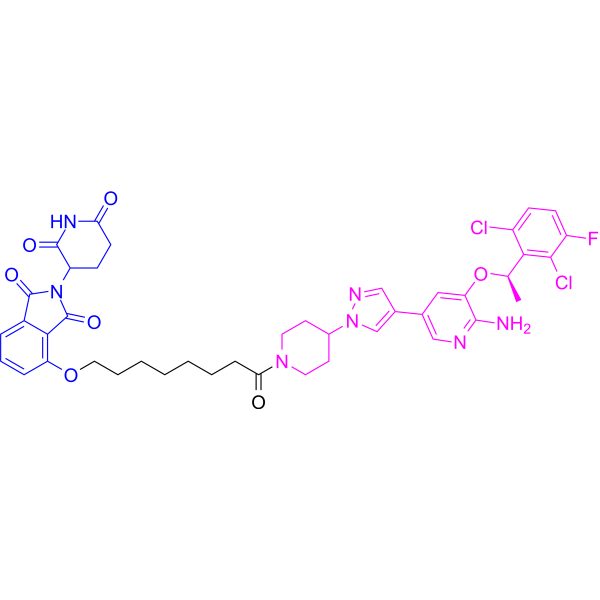
PRO-6E is an oral active PROTAC based on Cereblon ligand, and induces the degradation of MET with maximum degradation of 81.9% at 1 μM in MKN-45 cells. PRO-6E inhibits tumor growth in vivo and in vitro. PRO-6E induces cell apoptosis and induces cell arrest (Sturcture Note:(Blue: Cereblon ligand (HY-103596), Black: linker;Pink: ALK/c-Met inhibitor Crizotinib (HY-50878)) .
|
-
-
- HY-153190
-
W1131
1 Publications Verification
|
Oxidative Phosphorylation
STAT
Ferroptosis
|
Cancer
|
|
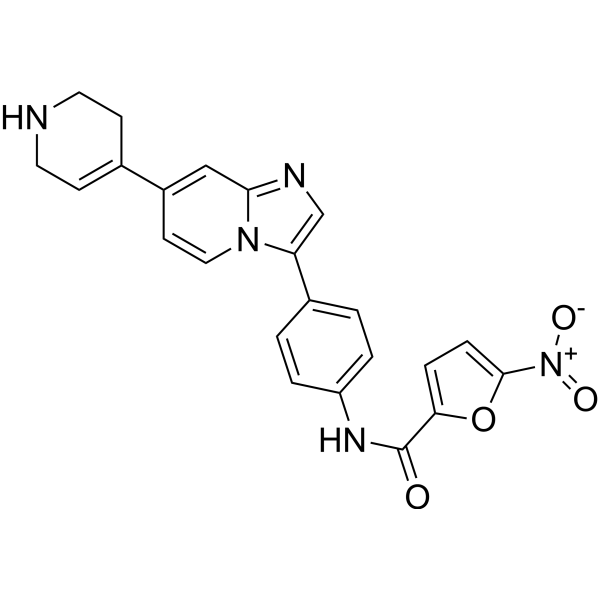
W1131 is a potent STAT3 inhibitor, triggering ferroptosis. W1131 suppresses cancer progression in gastric cancer cell subcutaneous xenograft model, organoids model, and PDX model. W1131 effectively alleviates chemical resistance of cancer cells to 5-FU (HY-90006). W1131 regulates cell cycle, DNA damage response, and oxidative phosphorylation, including IL6-JAK-STAT3 pathway and ferroptosis pathway .
|
-
-
- HY-N6651
-
|
|
STAT
Phosphatase
Apoptosis
Autophagy
p38 MAPK
EGFR
JAK
Bcl-2 Family
Survivin
Akt
mTOR
PARP
Caspase
Atg8/LC3
CDK
|
Cancer
|
|
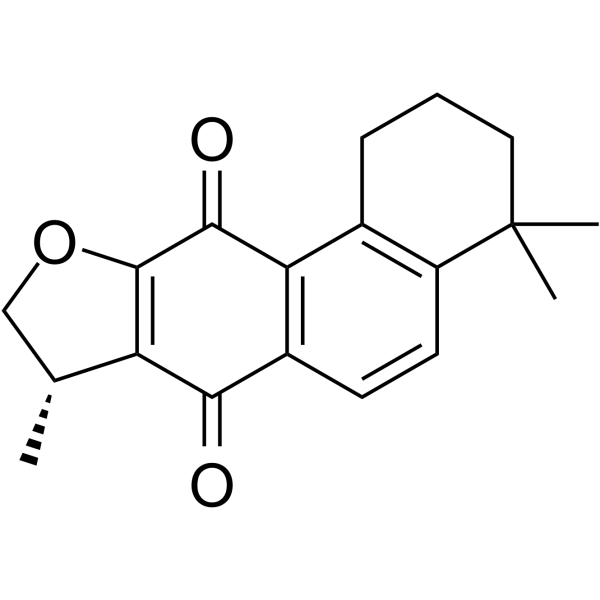
Isocryptotanshinone is a dual STAT3 and PTP1B (IC50 = 56.1 μM) inhibitor. Isocryptotanshinone inhibits STAT3 by binding to the STAT3 SH2 domain to block phosphorylation and nuclear translocation [1][2]. Isocryptotanshinone exerts its anti-proliferative effect via the induction of cell cycle arrest, apoptosis, and pro-death autophagy, through the regulation of STAT3, AKT/mTOR and MAPK signaling pathways. Isocryptotanshinone suppresses the xenograft gastric cancer (GC) tumor growth in BALB/c nude mice. Isocryptotanshinone can be used for cancer research, such as lung cancer, breast cancer and GC .
|
-
-
- HY-178238
-
|
|
ADC Payload
Topoisomerase
|
Cancer
|
|
LD2-3 is a cytotoxic compound derived from Exatecan (HY-13631), designed to be conjugated with anti-FGFR2b or anti-CEA antibodies to form intact antibody-drug conjugate (ADC) molecules. LD2-3 exhibits a remarkable bystander killing effect: it not only effectively kills FGFR2b-positive tumor cells, but also eliminates surrounding FGFR2b-negative cells in co-culture and mixed tumor xenograft models, thereby inducing complete tumor regression. LD2-3 can be used for anti-tumor research in relevant fields such as gastric cancer and lung cancer .
|
-

-
- HY-175888
-
|
Mc-exo-EVC-Exatecan
|
Drug-Linker Conjugates for ADC
|
Cancer
|
|
APL-1082 is a drug-Linker conjugate that can be used for ADC synthesis. APL-1082 contains Exatecan (HY-13631) and Linker (HY-175929). APL-1082 reduces aggregation and hydrophobicity in Trastuzumab (HY-P9907) ADCs, enables production of high-DAR (10) ADCs with homogeneity and defined physicochemical properties. APL-1082 forms a Trastuzumab ADC with enhanced stability, showing greater DAR retention over time. APL-1082 can be used for the research of gastric cancer .
|
-

-
- HY-108713A
-
|
SHR1020 malate
|
VEGFR
PDGFR
Apoptosis
|
Cancer
|
|
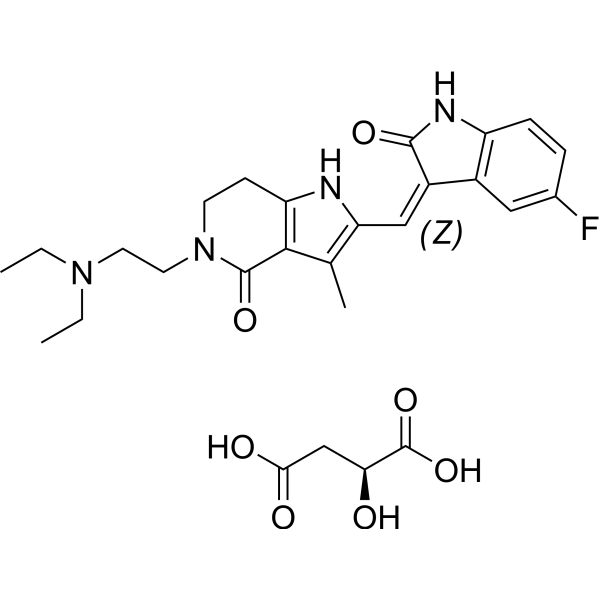
Famitinib (SHR1020) malate, an orally active multi-targeted kinase inhibitor, inhibits the activity of c-kit, VEGFR-2 and PDGFRβ with IC50 values of 2.3 nM, 4.7 nM and 6.6 nM, respectively. Famitinib malate induces cell apoptosis. Famitinib malate exerts powerful antitumor activity in human gastric cancer cells and xenografts, it can be used for the research of cancer .
|
-
-
- HY-162938
-
|
|
E1/E2/E3 Enzyme
|
Cancer
|
|
Skp2 inhibitor 3 is an orally active inhibitor of the Skp2-Cks1 complex, with an IC50 of 4.86 μM. Skp2 inhibitor 3 reduces Skp2 protein expression while upregulating the expression of p21 and p27. Skp2 inhibitor 3 inhibits colony formation and migration of cancer cells, and induces cell cycle arrest at the S phase. Skp2 inhibitor 3 suppresses tumor growth in xenograft mice. Skp2 inhibitor 3 can be used in the research of gastric cancer and prostate cancer .
|
-

-
- HY-178489
-
|
|
Nectin-4
|
Cancer
|
|
BGC1614 is a Nectin-4-targeting bicyclic toxin conjugate (BTC) belonging to the category of peptide-drug conjugates (PDCs). BGC1614 exhibits strong targeted binding ability to Nectin-4, with an KD of 3.859 × 10 -7 M. BGC1614 exhibits superior antitumor efficacy in nude mice bearing PC-3 and N87 tumor xenografts. BGC1614 can be used for research related to Nectin-4-overexpressing tumors (such as prostate cancer, gastric cancer) .
|
-

-
- HY-172916
-
|
|
SHP2
FGFR
p38 MAPK
ERK
|
Cancer
|
|
LC-SF-14 is a selective dual inhibitor of SHP2 and FGFR (IC50 values are 71.6 and 8.9 nM, respectively). LC-SF-14 inhibits FGFR2-FRS2α-SHP2-MAPK signaling and ERK phosphorylation. LC-SF-14 inhibits the proliferation of KATOIII cancer cells (IC50: 9.2 nM). LC-SF-14 has antitumor activity in the SNU-16 xenograft mouse model. LC-SF-14 can be used in FGFR2-driven gastric cancer research .
|
-

-
- HY-103439
-
|
|
Tyrosine Hydroxylase
EGFR
|
Cancer
|
|
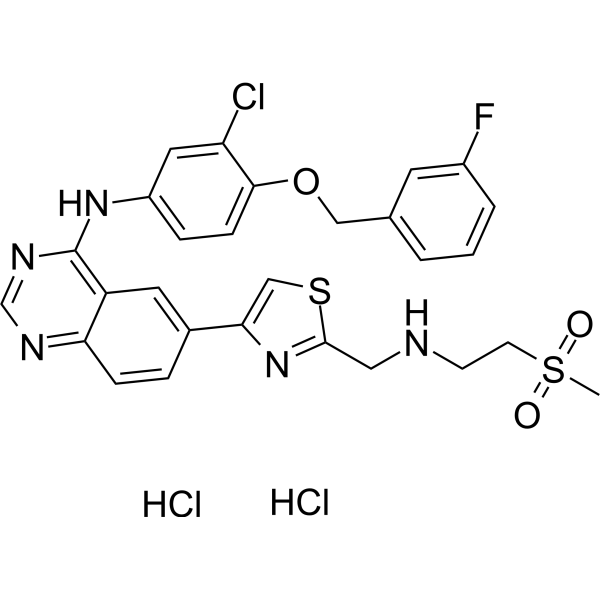
GW 583340 dihydrochloride is an orally active ErbB-2/EGFR tyrosine kinase inhibitor. GW 583340 dihydrochloride exhibits antitumor activity in xenograft models with EGFR overexpression or ErbB-2 overexpression. GW 583340 dihydrochloride is applicable to research related to head and neck cancer, breast cancer, and gastric cancer .
|
-
-
- HY-108713R
-
|
SHR1020 (Standard)
|
Reference Standards
VEGFR
PDGFR
Apoptosis
|
Cancer
|
|
Famitinib (Standard) is the analytical standard of Famitinib. This product is intended for research and analytical applications. Famitinib (SHR1020), an orally active multi-targeted kinase inhibitor, inhibits the activity of c-kit, VEGFR-2 and PDGFRβ with IC50 values of 2.3 nM, 4.7 nM and 6.6 nM, respectively . Famitinib exerts powerful antitumor activity in human gastric cancer cells and xenografts. Famitinib triggers apoptosis .
|
-

-
- HY-175318S
-
|
|
MDM-2/p53
|
Cancer
|
|
p53 Activator 15 is an orally active p53 Y220C activator. p53 Activator 15 enhances the DNA binding of p53 Y220C (SC50 = 0.58 nM) and significantly inhibits NUGC-3 cell proliferation. p53 Activator 15 effectively inhibits tumor growth in NUGC-3 xenograft mouse and rat models. p53 Activator 15 can be used to study gastric cancer .
|
-

-
- HY-168895
-
|
|
AP-1
ERK
Apoptosis
|
Cancer
|
|
c-Fos-IN-1 (Compound P16) is a c-Jun inhibitor, and decreases mRNA levels and protein levels of c-Fos. c-Fos-IN-1 also inhibits the phosphorylation activity of ERK and the transcriptional activity of AP-1. c-Fos-IN-1 shows anticancer activity by inhibiting ERK/c-Fos/Jun pathway. c-Fos-IN-1 inhibits the proliferation and migration of gastric cancer cells (IC50: 2.31 μM for MGC-803 cell). c-Fos-IN-1 arrests cell cycle at G2/M phase and induces cancer cell apoptosis. c-Fos-IN-1 inhibits gastric cancer tumor growth .
|
-

-
- HY-120914
-
|
GO-Y015
|
TrxR
Apoptosis
|
Cancer
|
|
TrxR1-IN-B19 (GO-Y015) (Compound B19) is a Curcumin (HY-N0005) derivative and colvalent TrxR1 inhibitor. TrxR1-IN-B19 inhibits TrxR1 enzyme activity to elevate oxidative stress, and then induce ROS-mediated ER Stress and mitochondrial dysfunction, subsequently resulting in cell cycle arrest and apoptosis .
|
-

-
- HY-175733
-
|
|
RIO Kinase
Apoptosis
|
Cancer
|
|
CQ3196 is an orally active RIOK2 inhibitor with a Kd of 14 nM. CQ3196 effectively inhibits the ATPase activity of RIOK2, with an IC50 value of 72 nM. CQ3196 inhibits cell proliferation and colony formation in gastric cancer cell lines. CQ3196 induces cell apoptosis in HGC-27 and AGS cells. CQ3196 suppresses downstream signal pathway of RIOK2. CQ3196 reduces phosphorylation of mTOR and AKT. CQ3196 modulates ribosome function and protein synthesis. CQ3196 inhibits tumor growth and can be used for gastric cancer invtro and invivo research .
|
-

-
- HY-175542
-
|
|
STAT
Apoptosis
Reactive Oxygen Species (ROS)
PARP
|
Cancer
|
KB-15 is a STAT3 inhibitor. KB-15 exhibits potent anti-proliferative activity against AGS gastric cancer cells (IC50 = 0.29 μM) and BGC-823 gastric cancer cells (IC50 = 0.65 μM). KB-15 exerts anti-tumor effects by inhibiting STAT3 phosphorylation, downregulating HO-1 expression, and promoting intracellular ROS accumulation. KB-15 induces G0/G1 phase cell cycle arrest and apoptosis, as well as suppresses colony formation and migration of gastric cancer cells. KB-15 demonstrates excellent anti-tumor efficacy in BGC-823 subcutaneous xenograft model. KB-15 can be used for the study of gastric cancer .
|
-

-
- HY-153190A
-
|
|
Ferroptosis
STAT
|
Cancer
|
|
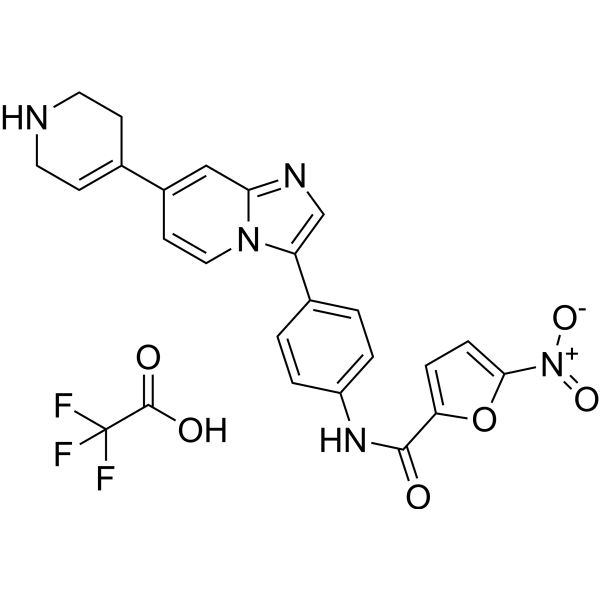
W1131 TFA is a potent STAT3 inhibitor that induces ferroptosis. W1131 inhibits cancer progression in subcutaneous xenograft, organoid, and PDX models of gastric cancer. W1131 effectively alleviates cancer cell chemoresistance to 5-FU (HY-90006). W1131 regulates the cell cycle, DNA damage response, and oxidative phosphorylation, including the IL6-JAK-STAT3 pathway and the ferroptosis pathway .
|
-
-
- HY-164411
-
|
|
c-Met/HGFR
|
Cancer
|
|
KRC-00715 is an effective oral c-Met inhibitor with an IC50 of 9.0 nM, demonstrating high selectivity in gastric cancer cells. KRC-00715 specifically inhibits the growth of c-Met-highly expressed cell lines by inducing G1/S phase arrest, leading to a reduction in downstream signaling pathways, including Akt and Erk, as well as c-Met activity. KRC-00715, in the gastric cancer cell line Hs746, is characterized by an IC50 of 39 nM, and it selectively inhibits the proliferation of c-Met-highly expressed cell lines. KRC-00715 reduces tumor size in Hs746T xenograft mouse models .
|
-

-
- HY-W110138
-
|
|
DNA/RNA Synthesis
Cytochrome P450
ROCK
|
Cancer
|
|
Chloroxoquinoline is an anticancer agent. Chloroxoquinoline damages the DNA templates of cancer cells, inducing DNA breaks and cell death, and inhibits cell invasion via down-regulating Rho/Rho kinase signaling pathway. Chloroxoquinoline enhances the radiation sensitivity of Lewis lung cancer cells and xenograft tumors in tumor-bearing mouse models but decreases efficacy after long term exposure in rat models by auto-induction effects on CYP1A and CYP3A. Chloroxoquinoline has a broad-spectrum anticancer activity, such as non-small-cell lung carcinoma (NSCLC), breast cancer and gastric cancer .
|
-

-
- HY-164349
-
|
|
STAT
|
Cancer
|
|
WZ-2-033 is a potent STAT3 inhibitor. WZ-2-033 inhibits MDA-MB-231, HCC70, and MDA-MB231-4175 cells proliferation, colony survival, migration, and invasion with IC50s of 0.7, 1.3, and 1.3 μM, respectively .
|
-

-
- HY-144099
-
|
|
E1/E2/E3 Enzyme
Apoptosis
|
Cancer
|
|
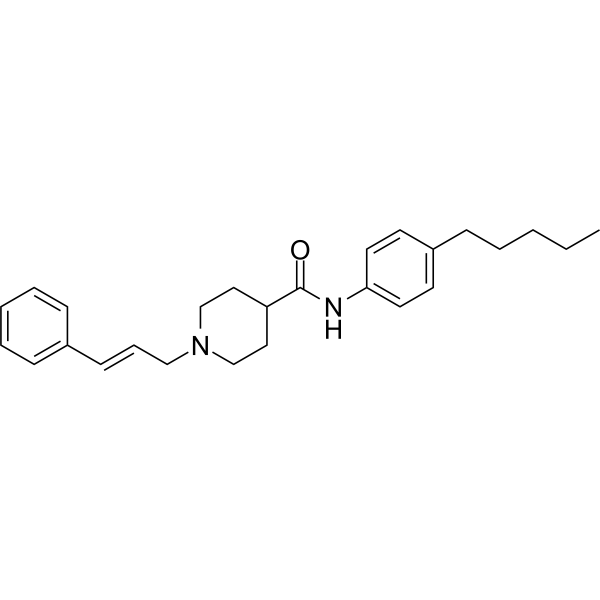
Keap1-Nrf2-IN-4 is a potent neddylation inhibitor. Keap1-Nrf2-IN-4 exhibits potent anti-proliferation activity against MGC-803 cells (IC50=2.55 µM). Keap1-Nrf2-IN-4 blocks the migration ability and induces apoptosis of gastric cancer cells. Keap1-Nrf2-IN-4 inhibits tumor growth without obvious toxicity .
|
-
-
- HY-182059
-
|
|
Glutathione S-transferase
Reactive Oxygen Species (ROS)
|
Cancer
|
|
GSTP1-IN-1 is a selective GSTP1 inhibitor with an IC50 of 0.79 μM and a Kd of 0.63 μM. GSTP1-IN-1 inhibits the proliferation of gastric cancer cells, induces ROS production and depletes glutathione. GSTP1-IN-1 achieves systemic exposure and is well tolerated in xenograft mouse models, while inhibiting tumor growth. GSTP1-IN-1 can be used in gastric cancer-related research .
|
-

-
- HY-181650
-
|
|
mTOR
Akt
Ribosomal S6 Kinase (RSK)
Apoptosis
Autophagy
PI3K
|
Cancer
|
|
T133 is an orally active ATP-competitive mTOR inhibitor with an IC50 of 0.34 nM and a Ki of 0.17 nM. T133 suppresses phosphorylation of AKT, S6K1, and 4EBP1. T133 inhibits cancer cell proliferation and migration, induces apoptosis, cell cycle arrest, and autophagy. T133 exhibits dose-dependent antitumor efficacy in xenograft mouse models. T133 can be used for the research of cancer, such as gastric cancer and lung cancer .
|
-

-
- HY-181004
-
|
|
CDK
|
Cancer
|
|
PKMYT1-IN-13 is a potent, orally active and selective PKMYT1 inhibitor that inhibits PKMYT1 with IC50 values < 10.0 nM in ADP-Glo assay and 19.9 nM in NanoBRET cellular assay. PKMYT1-IN-13 exhibits high selectivity over WEE1. PKMYT1-IN-13 shows selective antiproliferative activity in CCNE1-amplified cells, while showing minimal wild-type effects. PKMYT1-IN-13 shows antitumor efficacy in HCC1569 mouse xenografts. PKMYT1-IN-13 can be used for the research of CCNE1-amplified cancers, such as gastric, ovarian, and breast cancer .
|
-

-
- HY-186132
-
|
|
PROTACs
CDK
|
Cancer
|
|
PROTAC CDK2-pRb degrader-1 is an orally active PROTAC-class degrader of CDK2. PROTAC CDK2-pRb degrader-1 effectively inhibits the phosphorylation of retinoblastoma protein (Rb) at serine residues 807/811 by inducing ubiquitination and proteasomal degradation of CDK2. PROTAC CDK2-pRb degrader-1 exhibits significant activity against human cells (with EC50 values of 12 nM and 125 nM, respectively). In xenograft models, PROTAC CDK2-pRb degrader-1 effectively inhibits tumor growth and induces tumor stasis, making it suitable for research related to CCNE1-amplified cancers (such as ovarian cancer, gastric cancer, and breast cancer) .
|
-

-
- HY-103439A
-
|
|
Tyrosine Hydroxylase
EGFR
|
Cancer
|
|
GW583340 is an orally active ErbB-2/EGFR tyrosine kinase inhibitor. GW583340 exhibits antitumor activity in xenograft models with EGFR overexpression or ErbB-2 overexpression. GW583340 is applicable to research related to head and neck cancer, breast cancer, and gastric cancer .
|
-

-
- HY-P992487
-
|
|
Claudin
Fc Receptor (FcR)
Interleukin Related
|
Inflammation/Immunology
Cancer
|
|
ZL-1211 is an anti-CLDN18.2 monoclonal antibody. ZL-1211 exhibits enhanced binding affinity to CD16A. ZL-1211 induces ADCC-mediated cell lysis and triggers the production of IFNγ, TNFα and IL6. ZL-1211 promotes antibody-dependent cellular cytotoxicity. ZL-1211 exerts anti-tumor activity in a mouse xenograft model of gastric cancer. ZL-1211 can be used for the research of gastric cancer .
|
-

-
- HY-119618
-
|
|
Endogenous Metabolite
|
Cancer
|
|
R1498 is a multi-target kinase inhibitor with anti-angiogenic and anti-proliferative activities. R1498 mainly targets targets such as Aurora kinase and VEGFR2, which are associated with tumor development. R1498 showed moderate in vitro growth inhibition in a variety of tumor cells, with IC50 values in the micromolar range. R1498 showed anti-tumor efficacy superior to sorafenib in a variety of gastric cancer and hepatocellular carcinoma xenograft models, with tumor growth inhibition rates exceeding 80%, and tumor shrinkage was observed in some models. R1498 showed a 10-30% tumor shrinkage rate in three xenograft models derived from human primary gastric cancer tumors, further demonstrating its inhibitory potential. R1498 effectively inhibited Aurora A activity in vivo and reduced tumor vascularization .
|
-

-
- HY-186191
-
-

-
- HY-186192
-
|
|
Drug Derivative
|
Cancer
|
|
LY-22CD-3 is a Camptothecin (HY-16560) derivative that can be used for ADC sythesis .
|
-

-
- HY-182915
-
|
|
FGFR
|
Cancer
|
|
FGFR-IN-26 is an orally active FGFR inhibitor. FGFR-IN-26 inhibits FGFR2 wild-type and clinically relevant resistance mutations. FGFR-IN-26 inhibits tumor growth in FGFR2-amplified xenograft mouse models. FGFR-IN-26 can be used for the research of cancer, suah as gastric carcinoma .
|
-

-
- HY-171824
-
|
|
PROTACs
c-Met/HGFR
Apoptosis
|
Cancer
|
|
PROTAC c-Met Degrader-4 (compound D15) is a potent orally active PROTAC c-MET degrader. PROTAC c-Met Degrader-4 demonstrates excellent intracellular degradation potency with a DC50 < 0.5 nM. PROTAC c-Met Degrader-4 induces cell cycle arrest and apoptosis, inhibits cell invasion and migration, thereby suppressing cell proliferation. PROTAC c-Met Degrader-4 inhibits the growth of Hs746T xenograft tumors in nude mice. PROTAC c-Met Degrader-4 can be used for cancer research, such as non-small cell lung cancer and gastric cancer .
|
-

-
- HY-P992401
-
|
|
EGFR
CD3
PI3K
Akt
p38 MAPK
Caspase
Apoptosis
IFNAR
TNF Receptor
Interleukin Related
|
Cancer
|
|
M802 is an anti-HER2/CD3 bispecific antibody, with a Kd of 0.578 nM for human HER2 and a Kd of 71.2 nM for human CD3. M802 inhibits the PI3K/AKT and MAPK signaling pathways, suppresses tumor cell proliferation, activates caspase-3, and promotes tumor cell apoptosis (apoptosis). M802 recruits and activates CD3-positive immune cells, mediates cytotoxicity against HER2-positive tumor cells, and induces immune cells to secrete IFN-γ, TNF-α, IL-2 and IL-6. M802 exhibits anti-tumor efficacy in mice with gastric cancer xenografts. M802 can be used in research related to HER2-positive breast cancer, HER2-positive gastric cancer and other cancers. The recommended isotype control is human IgG1 kappa (HY-P99001) .
|
-

-
- HY-138008
-
|
|
Microtubule/Tubulin
Apoptosis
|
Cancer
|
|
WX-132-18B is a tubulin inhibitor with an IC50 of 0.45-0.99 nM. WX-132-18B selectively binds to the colchicine-binding site on tubulin, reduces microtubule content via depolymerization, and inhibits tubulin polymerization. WX-132-18B induces tumor cell cycle arrest, apoptosis and changes in nuclear membrane permeability, and decreases mitochondrial membrane potential. WX-132-18B exhibits antiproliferative activity against endothelial cells and human tumor cells, and inhibits the proliferation and growth of xenograft tumors in mice. WX-132-18B can be used in research related to sarcoma, non-small cell lung cancer, gastric cancer and breast cancer .
|
-

- HY-183274
-
|
|
Nuclear Hormone Receptor 4A/NR4A
Apoptosis
PARP
|
Cancer
|
|
Nur77 modulator 5 is a Nur77 modulator. Nur77 modulator 5 induces lysosomal dysfunction, impaired autophagic flux, and apoptosis with increased PARP cleavage, TUNEL positivity, and Annexin V/PI staining. Nur77 modulator 5 can be used for the research of gastric cancer .
|
-

- HY-181863
-
|
|
NAMPT
DNA/RNA Synthesis
Apoptosis
|
Cancer
|
|
Nampt-IN-18 (Compound Q24) is an orally active NAMPT inhibitor with an IC50 of 8.0 nM against hNAMPT. Nampt-IN-18 inhibits NAMPT enzymatic activity. Nampt-IN-18 inhibits DNA synthesis and induces Apoptosis. Nampt-IN-18 exhibits anticancer activity against gastric cancer and colorectal cancer. Nampt-IN-18 can be used for the research of gastrointestinal cancers .
|
-

- HY-182284
-
-

| Cat. No. |
Product Name |
Type |
-
- HY-164992
-
|
MRG002; Trastuzumab MMAE
|
Fluorescent Dyes
|
|
Trastuzumab vedotin (MRG002; Trastuzumab MMAE) is an antibody-drug conjugate and cytotoxin targeting HER2, with a Kd of 7.50E-11 M for human HER2. After binding to HER2, Trastuzumab vedotin undergoes internalization and lysosomal trafficking, delivering a cytotoxic payload to HER2-expressing cells and inducing tumor regression in in vivo xenograft models with HER2-expressing tumors. The anti-tumor activity of Trastuzumab vedotin is enhanced when used in combination with anti-PD-1 antibodies, and it exhibits preclinical anti-tumor activity in drug-resistant breast cancer, gastric cancer, and urothelial carcinoma PDX models. Trastuzumab vedotin has low antibody-dependent cellular cytotoxicity activity and can be used in studies related to HER2-positive breast cancer, HER2-positive gastric cancer, and unresectable locally advanced or metastatic HER2-positive urothelial carcinoma .
|
| Cat. No. |
Product Name |
Type |
-
- HY-Y1325I
-
|
|
Biochemical Assay Reagents
|
|
Sodium acetate trihydrate, 99.5% is a short-chain fatty acid salt with multiple biological activities. Sodium acetate trihydrate, 99.5% serves as a direct precursor of acetyl-CoA, and it extensively affects gene expression by promoting histone acetylation. Sodium acetate trihydrate, 99.5% can activate the p38 MAPK pathway to induce cancer cell apoptosis. Sodium acetate trihydrate, 99.5% can activate the Wnt/β-catenin signaling pathway to stimulate the proliferation and migration of cecal epithelial cells, thereby improving intestinal health. Sodium acetate trihydrate, 99.5% alleviates lead accumulation and oxidative damage by upregulating the testosterone-dependent eNOS/NO/cGMP signaling pathway, as well as activating the Nrf2/HO-1 pathway and its downstream antioxidant enzymes .
|
| Cat. No. |
Product Name |
Target |
Research Area |
-
- HY-178489
-
|
|
Nectin-4
|
Cancer
|
|
BGC1614 is a Nectin-4-targeting bicyclic toxin conjugate (BTC) belonging to the category of peptide-drug conjugates (PDCs). BGC1614 exhibits strong targeted binding ability to Nectin-4, with an KD of 3.859 × 10 -7 M. BGC1614 exhibits superior antitumor efficacy in nude mice bearing PC-3 and N87 tumor xenografts. BGC1614 can be used for research related to Nectin-4-overexpressing tumors (such as prostate cancer, gastric cancer) .
|
| Cat. No. |
Product Name |
Target |
Research Area |
Image |
-
- HY-P990148
-
|
|
VEGFR
|
Cancer
|
|
Anti-Mouse VEGF-A Antibody (2G11-2A05) is a rat-derived IgG2a κ type antibody inhibitor, tragrting to mouse VEGF-A with high affinity. Anti-Mouse VEGF-A Antibody (2G11-2A05) shows good anti-tumor effect in gastric cancer xenograft models .
|
-

(5)
-
- HY-P99866
-
|
MEHD-7945A; RG 7597
|
EGFR
Akt
p38 MAPK
Apoptosis
|
Cancer
|
|
Duligotuzumab (MEHD-7945A; RG 7597) is a humanized IgG-κ monoclonal antibody targeting EGFR. Duligotuzumab blocks the binding of ligands to these two receptors, inhibits downstream HER/ErbB, AKT and MAPK signaling pathways, induces antibody-dependent cellular cytotoxicity, reduces the proliferation and migration abilities of cancer cells, promotes apoptosis, exerts radiosensitizing effects, and reverses EGFR resistance in cancer cells. Duligotuzumab can be used in tumor-related research .
|
-
(5)
-
- HY-P991584
-
|
|
FGFR
|
Cancer
|
|
HuGAL-FR21 is a humanized antiFGFR2IIIb IgG1 monoclonal antibody. HuGAL-FR21 can block the binding of FGF2, FGF7, and FGF10 to FGFR2IIIb and inhibit FGF-induced phosphorylation of FGFR2IIIb. HuGAL-FR21 can downregulate the expression of FGFR2 in SNU-16 cells. HuGAL-FR21 shows the significant anti-tumor activity in athymic nude mice bearing gastric cancer xenograft models. HuGAL-FR21 can be used for research on cancer such as gastric cancer .
|
-
(5)
-
- HY-P992487
-
|
|
Claudin
Fc Receptor (FcR)
Interleukin Related
|
Inflammation/Immunology
Cancer
|
|
ZL-1211 is an anti-CLDN18.2 monoclonal antibody. ZL-1211 exhibits enhanced binding affinity to CD16A. ZL-1211 induces ADCC-mediated cell lysis and triggers the production of IFNγ, TNFα and IL6. ZL-1211 promotes antibody-dependent cellular cytotoxicity. ZL-1211 exerts anti-tumor activity in a mouse xenograft model of gastric cancer. ZL-1211 can be used for the research of gastric cancer .
|
-
(5)
-
- HY-P992401
-
|
|
EGFR
CD3
PI3K
Akt
p38 MAPK
Caspase
Apoptosis
IFNAR
TNF Receptor
Interleukin Related
|
Cancer
|
|
M802 is an anti-HER2/CD3 bispecific antibody, with a Kd of 0.578 nM for human HER2 and a Kd of 71.2 nM for human CD3. M802 inhibits the PI3K/AKT and MAPK signaling pathways, suppresses tumor cell proliferation, activates caspase-3, and promotes tumor cell apoptosis (apoptosis). M802 recruits and activates CD3-positive immune cells, mediates cytotoxicity against HER2-positive tumor cells, and induces immune cells to secrete IFN-γ, TNF-α, IL-2 and IL-6. M802 exhibits anti-tumor efficacy in mice with gastric cancer xenografts. M802 can be used in research related to HER2-positive breast cancer, HER2-positive gastric cancer and other cancers. The recommended isotype control is human IgG1 kappa (HY-P99001) .
|
-
(5)
| Cat. No. |
Product Name |
Category |
Target |
Chemical Structure |
-
- HY-N1510
-
|
|
Flavonols
Structural Classification
Flavonoids
Sauropus spatulifolius Beille
Classification of Application Fields
Phenols
Polyphenols
Metabolic Disease
Euphorbiaceae
Plants
Disease Research Fields
Source Classification
|
Glycosidase
Notch
Toll-like Receptor (TLR)
NF-κB
Mucin
Reactive Oxygen Species (ROS)
Bacterial
TGF-beta/Smad
Anaplastic lymphoma kinase (ALK)
|
|
Kaempferol 3-O-gentiobioside is an orally active flavonoid, with a Ka value of 57 µM against human NOTCH1 and an IC50 value of 50 μM against α-glucosidase. Kaempferol 3-O-gentiobioside inhibits the NOTCH signaling pathway. It downregulates the expression of TLR4 and NLRP3, and suppresses the activation and nuclear translocation of NF-κB. Kaempferol 3-O-gentiobioside inhibits the expression of MUC5AC, reduces nitrite and ROS levels, and attenuates excessive mucus secretion. It exhibits antibacterial activity, reducing the formation and growth of MRSA biofilms. Kaempferol 3-O-gentiobioside blocks the TGF-β/ALK5/Smad signaling pathway and inhibits epithelial-mesenchymal transition. It suppresses the proliferation, migration, invasion and metastatic growth of tumor cells. Kaempferol 3-O-gentiobioside alleviates airway inflammation and mucus hypersecretion in mice with allergic asthma . It reduces the volume of ovarian cancer xenografts in mice. Kaempferol 3-O-gentiobioside can be used in research related to allergic asthma, diabetes, MRSA infection, breast cancer, gastric cancer and ovarian cancer .
|
-
-
- HY-N6651
-
-
| Cat. No. |
Product Name |
Chemical Structure |
-
- HY-175318S
-
|
|
|
p53 Activator 15 is an orally active p53 Y220C activator. p53 Activator 15 enhances the DNA binding of p53 Y220C (SC50 = 0.58 nM) and significantly inhibits NUGC-3 cell proliferation. p53 Activator 15 effectively inhibits tumor growth in NUGC-3 xenograft mouse and rat models. p53 Activator 15 can be used to study gastric cancer .
|
-
| Cat. No. |
Product Name |
|
Classification |
-
- HY-160066
-
|
|
|
Aptamers
|
|
SYL3C aptamer sodium is a DNA aptamer targeting EpCAM. SYL3C aptamer sodium targets a variety of cancer cell lines. SYL3C aptamer sodium can be used for targeted cancer cell imaging and circulating tumor cell detection .
|
Your information is safe with us. * Required Fields.
Inquiry Information
- Product Name:
- Cat. No.:
- Quantity:
- MCE Japan Authorized Agent:





![NH2-bicyclo[1.1.1]pentane-7-MAD-MDCPT hydrochloride](http://file.medchemexpress.com/product_pic/hy-148819a.gif)





