Search Result
Results for "
hedgehog pathway inhibitor
" in MedChemExpress (MCE) Product Catalog:
7
Isotope-Labeled Compounds
| Cat. No. |
Product Name |
Target |
Research Areas |
Chemical Structure |
-
- HY-17024
-
Cyclopamine
Maximum Cited Publications
55 Publications Verification
11-Deoxojervine
|
Hedgehog
Smo
Endogenous Metabolite
|
Cancer
|
|
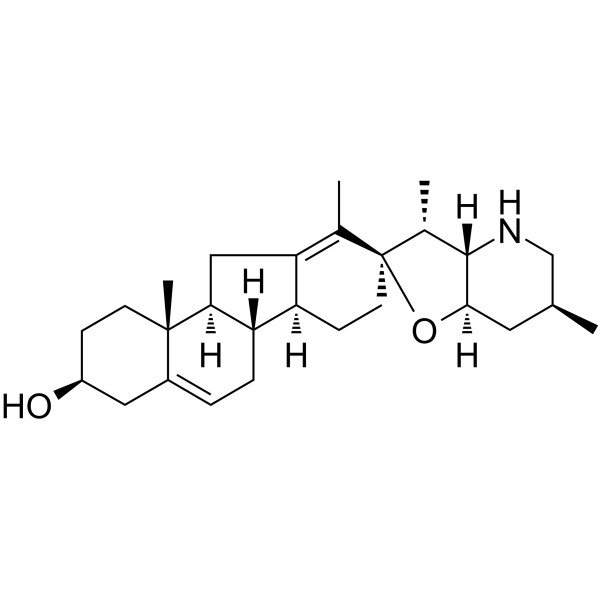
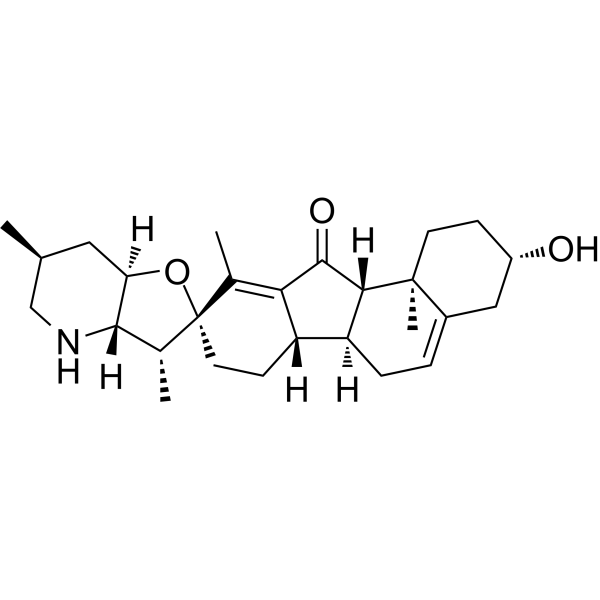
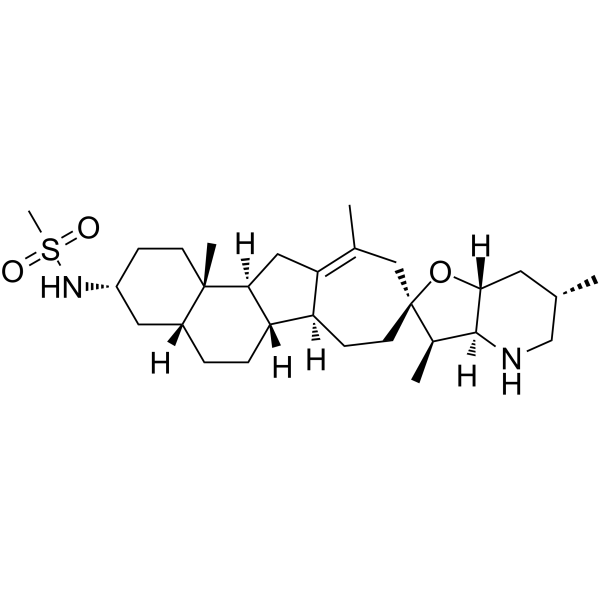
Cyclopamine is a Hedgehog (Hh) pathway antagonist with an IC50 of 46 nM in the Hh cell assay. Cyclopamine is also a selective Smo inhibitor.
|
-
-
- HY-10440
-
-
-
- HY-17514
-
|
R51211
|
Fungal
Hedgehog
Cytochrome P450
Autophagy
Antibiotic
Bacterial
|
Infection
Cancer
|
|
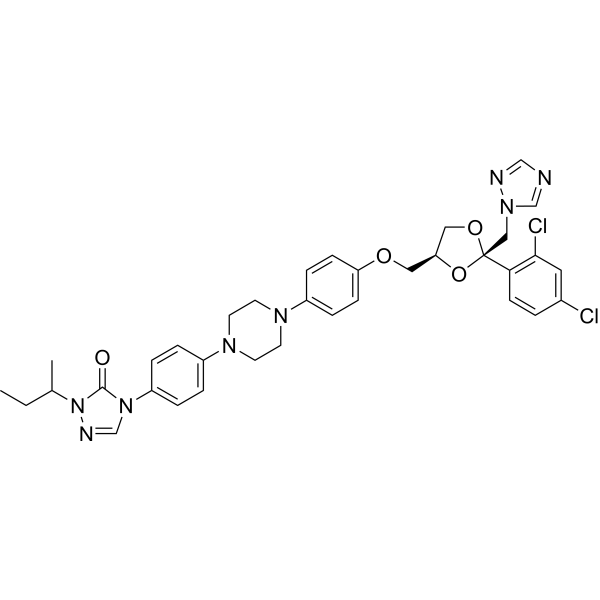
Itraconazole (R51211) is a triazole antifungal agent and a potent and orally active Hedgehog (Hh) signaling pathway antagonist with an IC50 of ~800 nM. Itraconazole potently inhibits lanosterol 14α-demethylase (cytochrome P450 enzyme), thereby inhibits the oxidative conversion of lanosterol to ergosterol. Itraconazole has anticancer and antiangiogenic effects. Itraconazole is a oxysterol-binding protein (OSBP) inhibitor .
|
-
-
- HY-13901
-
GANT 61
Maximum Cited Publications
67 Publications Verification
NSC 136476
|
Gli
Autophagy
|
Cancer
|
|
GANT 61 is an inhibitor of Gli1 and Gli2 targeting the Hedgehog/GLI pathway.
|
-
-
- HY-17595
-
|
|
Parasite
Apoptosis
Microtubule/Tubulin
|
Infection
Cancer
|
|
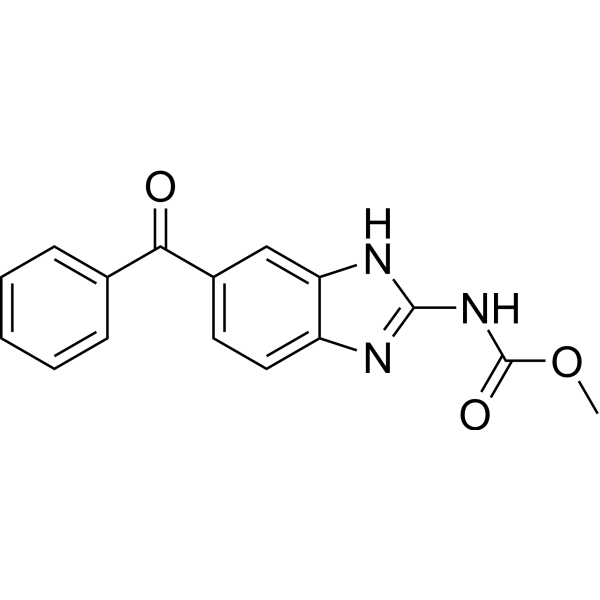
Mebendazole is a highly effective, broad-spectrum antihelmintic against nematode infestations. Mebendazole also exhibits inhibitory effect against glioblastoma multiforme (GBM), inhibits Hedgehog pathway and tubulin polymerization. Mebendazole is orally active and can cross CNS penetration .
|
-
-
- HY-16587
-
|
IPI-926; Patidegib
|
Smo
|
Cancer
|
|
Saridegib is a potent and specific inhibitor of Smoothened (Smo), a key signaling transmembrane protein in the Hedgehog (Hh) pathway.
|
-
-
- HY-N0247
-
|
|
Hedgehog
Smo
STAT
Interleukin Related
TNF Receptor
|
Inflammation/Immunology
Cancer
|
|
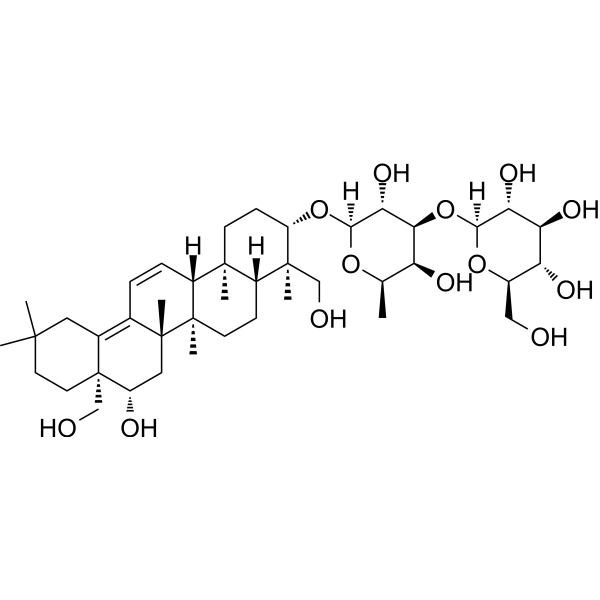
Saikosaponin B1 is a bioactive constituent of Radix Bupleuri. Saikosaponin B1 is an agonist of the 5-HT2C receptor with an EC50 of 147.41 μM. Saikosaponin B1 inhibits the Hedgehog (Hh) signaling pathway by targeting the transmembrane protein SMO. Sailosaponin B1 can reduce liver fibrosis. Saikosaponin B1 has anti-cancer activities thus can be studies in research for cancers such as Medulloblastoma (MB) .
|
-
-
- HY-13307
-
JK184
2 Publications Verification
|
Hedgehog
|
Cancer
|
|
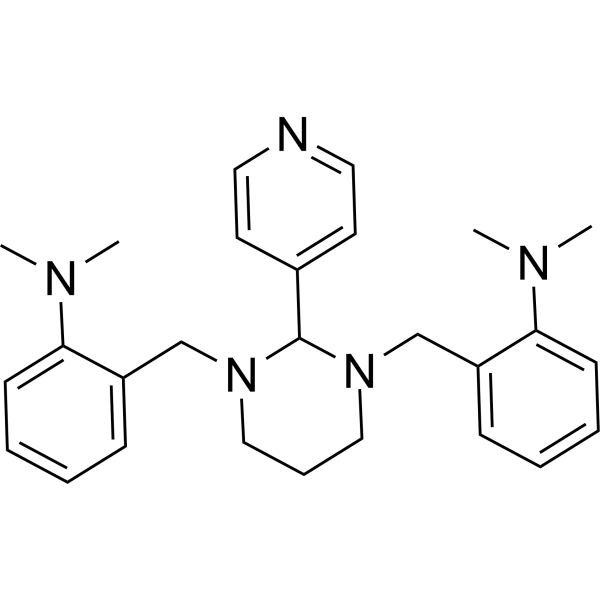
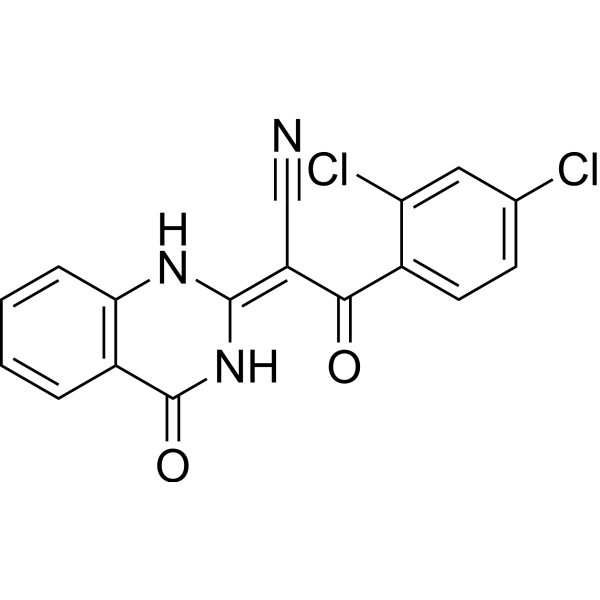
JK184 is a potent Hedgehog (Hh) pathway inhibitor with IC50 of 30 nM in mammalian cells.
|
-
-
- HY-100790
-
|
HPI-4
|
Hedgehog
|
Cancer
|
|
Ciliobrevin A (HPI-4) is a hedgehog (Hh) signaling pathway inhibitor with median inhibitory concentration (IC50) less than 10 μM .
|
-
-
- HY-B0508
-
|
Ro 7-0207
|
Bacterial
Parasite
Antibiotic
Hedgehog
|
Infection
Cancer
|
|
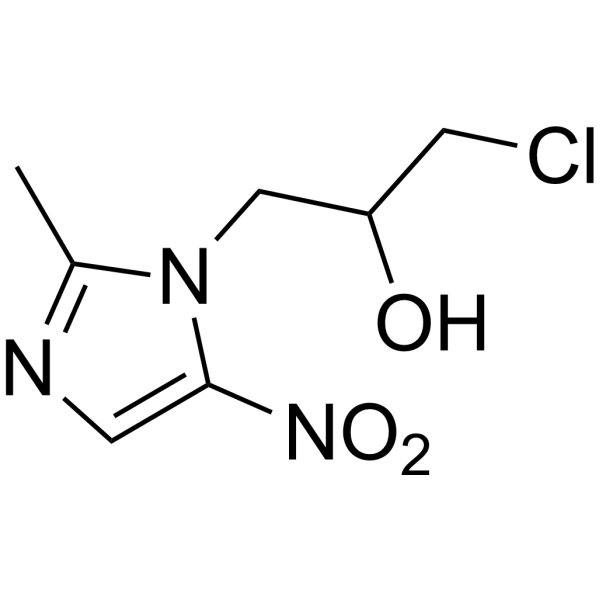
Ornidazole (Ro 7-0207) is a nitroimidazole derivative with anti-trichomonad activity and in vitro activity against a variety of anaerobic bacteria. Ornidazole inhibits Sonic hedgehog (Shh) signaling pathway, exhibits antitumor activity. Ornidazole can be used in research of Crohn’s disease .
|
-
-
- HY-B0877
-
|
SQ-18566
|
Smo
Caspase
RAR/RXR
CDK
|
Cardiovascular Disease
Neurological Disease
Inflammation/Immunology
|
|
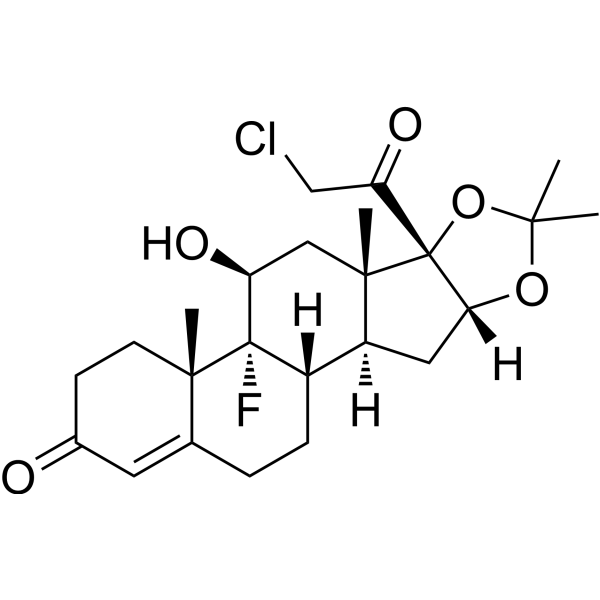
Halcinonide (SQ-18566) is an orally active Smoothened (Smo) agonist. Halcinonide activates the Hedgehog signaling pathway by binding to Smo and promoting its internalization and expression, thereby activating Gli transcription factors. Halcinonide not only stimulates cell proliferation, increases the expression of cyclin D2/CDK6 and inhibits the degradation of caspase-3, but also suppresses Bcl-2/Bax-mediated apoptosis, oxidative stress and inflammatory responses. Halcinonide activates RxRγ to upregulate the expression of myelin genes, thereby reducing cerebral infarction and improving behavioral deficits. Halcinonide has been used in studies related to multiple sclerosis and ischemic stroke .
|
-
-
- HY-18366A
-
|
|
Hedgehog
|
Cancer
|
|
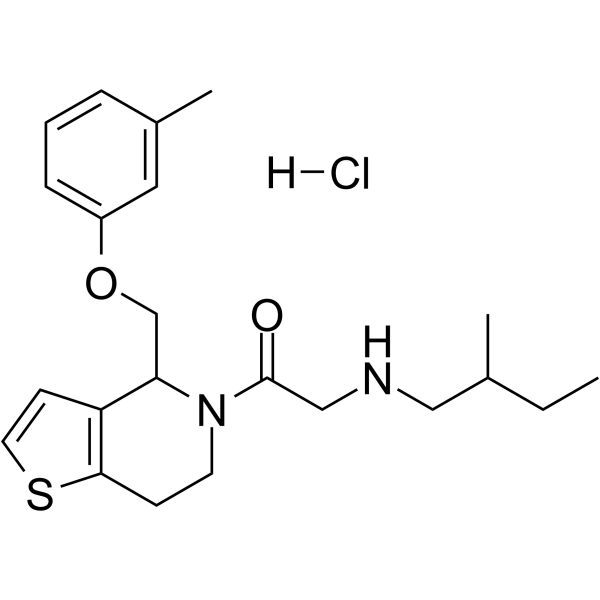
RU-SKI 43 hydrochloride is a potent and selective Hedgehog acyltransferase (Hhat) inhibitor with an IC50 of 850 nM. RU-SKI 43 hydrochloride reduces Gli-1 activation through Smoothened-independent non-canonical signaling and decreases Akt and mTOR pathway activity. RU-SKI 43 hydrochloride has anti-cancer activity .
|
-
-
- HY-17514S
-
|
R51211-d5
|
Fungal
Hedgehog
Cytochrome P450
Autophagy
Antibiotic
|
Infection
Cancer
|
|
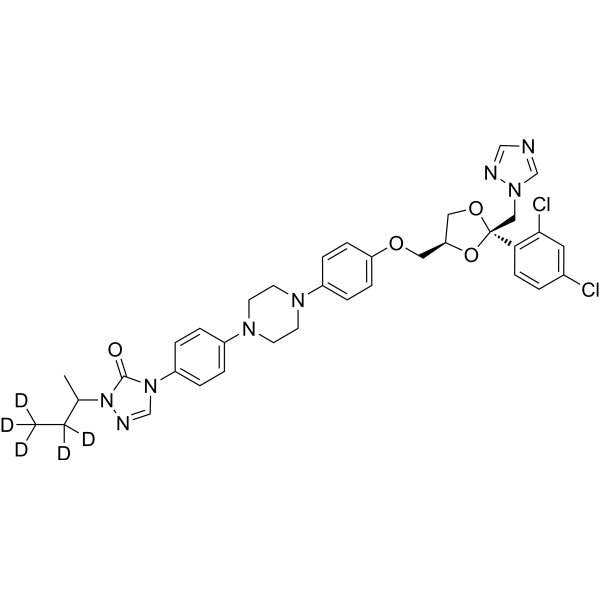
Itraconazole-d5 is the deuterium labeled Itraconazole. Itraconazole (R51211) is a triazole antifungal agent and a potent and orally active Hedgehog (Hh) signaling pathway antagonist with an IC50 of ~800 nM. Itraconazole potently inhibits lanosterol 14α-demethylase (cytochrome P450 enzyme), thereby inhibits the oxidative conversion of lanosterol to ergosterol. Itraconazole has anticancer and antiangiogenic effects .
|
-
-
- HY-N6954
-
|
|
ATM/ATR
STAT
CDK
Hedgehog
|
Inflammation/Immunology
Cancer
|
|
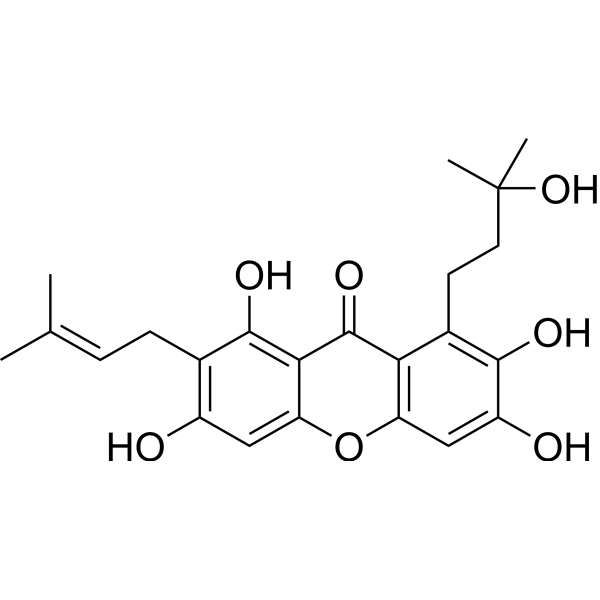
Garcinone C, a xanthone derivative, is a natural compound extracted from Garcinia oblongifolia that is used as an anti-inflammatory, astringency and granulation-promoting medicine, and has potential cytotoxic effects on certain cancers. Garcinone C stimulates the expression levels of ATR and 4E-BP1, arrests the cell cycle, inhibits cell viability of the human Nasopharyngeal carcinoma (NPC) cell lines CNE1, CNE2, HK1 and HONE1 in a time‑ and dose‑dependent manner through inhibition of Hedgehog signaling pathway. Garcinone C is orally active .
|
-
-
- HY-107551
-
|
|
Hedgehog
Gli
|
Cancer
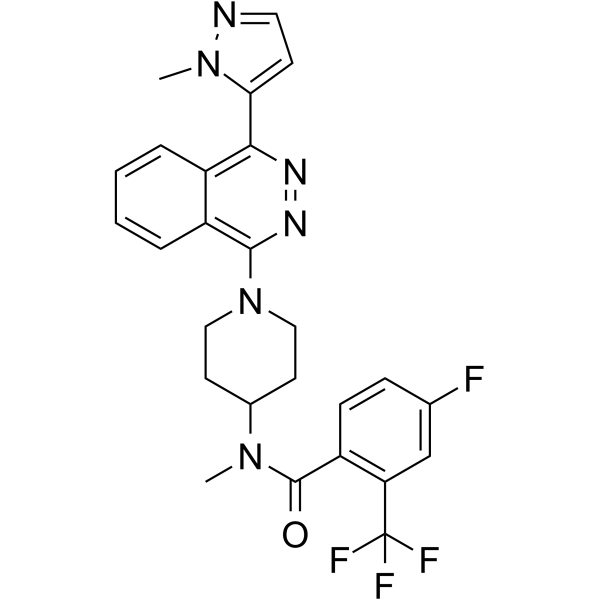
|
|
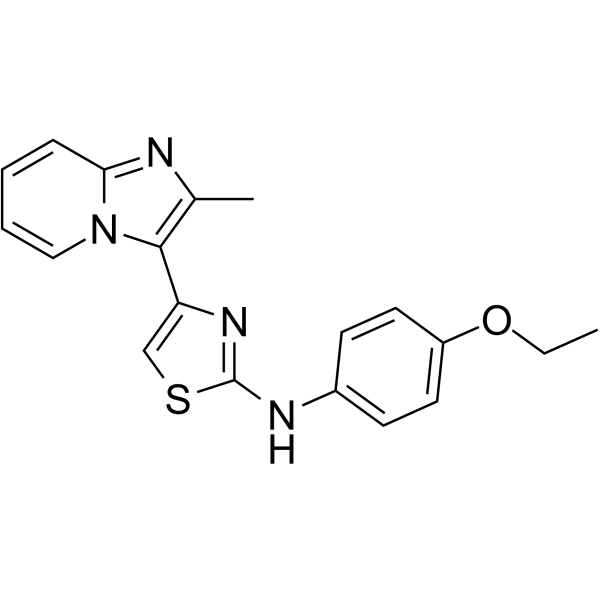
Hh Pathway-IN-1, a Hedgehog (Hh) pathway inhibitor, is a potent Gli antagonist. Hh Pathway-IN-1 inhibits Hh pathway functional with an IC50 value of 1.1 µM in C3H10T1/2 cells. Hh Pathway-IN-1 does not inhibit Wnt signaling. Hh Pathway-IN-1 shows anti-proliferative activity. Hh Pathway-IN-1 decreases the GLI1 mRNA expression. Hh Pathway-IN-1 inhibits colony formation in a dose-dependent manner .
|
-
-
- HY-100036
-
|
|
Smo
Apoptosis
Hedgehog
|
Cancer
|
|
MK-4101 is a Smoothened (SMO) antagonist (IC50 of 1.1 µM for 293 cells ) and also a potent inhibitor of the hedgehog pathway (IC50 of 1.5 µM for mouse cells; IC50 of 1 µM for KYSE180 oesophageal cancer cells). MK-4101 has robust antitumor activity that inhibits tumor cell proliferation and induces extensive apoptosis .
|
-
-
- HY-17514S1
-
|
R51211-d3
|
Antibiotic
Autophagy
Bacterial
Cytochrome P450
Fungal
Hedgehog
|
Infection
Cancer
|
|
Itraconazole-d3 (R51211-d3) is the deuterium labeled Itraconazole (HY-17514) . Itraconazole (R51211) is a triazole antifungal agent and a potent and orally active Hedgehog (Hh) signaling pathway antagonist with an IC50 of ~800 nM. Itraconazole potently inhibits lanosterol 14α-demethylase (cytochrome P450 enzyme), thereby inhibits the oxidative conversion of lanosterol to ergosterol. Itraconazole has anticancer and antiangiogenic effects. Itraconazole is a oxysterol-binding protein (OSBP) inhibitor.
|
-
-
- HY-117229
-
|
|
Drug Metabolite
|
Cancer
|
|
Sonidegib metabolite M48 is the main circulating metabolite of Sonidegib. Sonidegib is a hedgehog pathway inhibitor. M48 showed a much longer Tmax (60 h) than Sonidegib .
|
-
-
- HY-P10875
-
|
|
Hedgehog
|
Cancer
|
|
HL2-m5 is the inhibitor for the interaction between sonic hedgehog/patched (Shh/PTCH1) with Kd of 170 nM for Shh. HL2-m5 inhibits activation of Hedgehog signaling pathway and transcription of Gli-controlled gene with an IC50 of 230 nM .
|
-
-
- HY-15398C
-
|
Epicholecalciferol
|
Hedgehog
|
Cancer
|
|
3-epi-Vitamin D3 (Epicholecalciferol) (Compound 4), a Vitamin D3 analogue, is a Hedgehog pathway inhibitor with an IC50 of 39.2 μM measured in U87MG cells .
|
-
-
- HY-177291
-
|
|
Microsomal Triglyceride Transfer Protein (MTP)
Smo
Hedgehog
LDLR
|
Cardiovascular Disease
Cancer
|
|
LAB687 is a microsomal triglyceride transfer protein (MTP) inhibitor with an IC50 of 0.9 nM for apolipoprotein B (apoB) secretion in HepG2 cells. LAB687 also acts as a Smoothened (Smo) antagonist, with IC50 values of 2.48 μM and 3.42 μM against mouse and human Smo receptors, respectively. LAB687 reduces triglyceride and low-density lipoprotein cholesterol (LDL-C) levels, and inhibits the Hedgehog signaling pathway. LAB687 can be used in studies related to Hedgehog-dependent cancers .
|
-
-
- HY-113965
-
|
|
Hedgehog
Smo
Apoptosis
|
Inflammation/Immunology
|
|
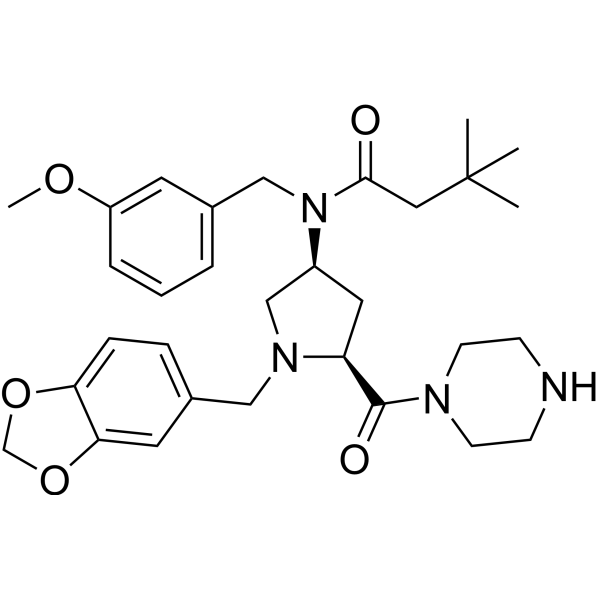
CUR61414 is a novel, potent and cell permeable Hedgehog signaling pathway inhibitor (IC50 =100-200 nM). CUR61414 is a small-molecule aminoproline class compound and selectively binds to smoothened (Smo) with a Ki value of 44 nM. CUR-61414 can induce apoptosis in cancer cells without affecting neighboring non-tumor cells .
|
-
-
- HY-17595R
-
|
|
Reference Standards
Parasite
Apoptosis
Microtubule/Tubulin
|
Infection
Cancer
|
|
Mebendazole (Standard) is the analytical standard of Mebendazole. This product is intended for research and analytical applications. Mebendazole is a highly effective, broad-spectrum antihelmintic against nematode infestations. Mebendazole also exhibits inhibitory effect against glioblastoma multiforme (GBM), inhibits Hedgehog pathway and tubulin polymerization. Mebendazole is orally active and can cross CNS penetration .
|
-
-
- HY-17514R
-
|
R51211 (Standard)
|
Reference Standards
Fungal
Hedgehog
Cytochrome P450
Autophagy
Antibiotic
Bacterial
|
Infection
Cancer
|
|
Itraconazole (Standard) is the analytical standard of Itraconazole. This product is intended for research and analytical applications. Itraconazole (R51211) is a triazole antifungal agent and a potent and orally active Hedgehog (Hh) signaling pathway antagonist with an IC50 of ~800 nM. Itraconazole potently inhibits lanosterol 14α-demethylase (cytochrome P450 enzyme), thereby inhibits the oxidative conversion of lanosterol to ergosterol. Itraconazole has anticancer and antiangiogenic effects. Itraconazole is a oxysterol-binding protein (OSBP) inhibitor .
|
-
-
- HY-18366
-
|
|
Hedgehog
|
Cancer
|
|
RU-SKI 43 is a potent and selective Hedgehog acyltransferase (Hhat) inhibitor with an IC50 of 850 nM. RU-SKI 43 reduces Gli-1 activation through Smoothened-independent non-canonical signaling and decreases Akt and mTOR pathway activity. RU-SKI 43 has anti-cancer activity .
|
-
-
- HY-17514S2
-
|
R51211-d9
|
Fungal
Hedgehog
Bacterial
Autophagy
Cytochrome P450
Antibiotic
|
Infection
|
|
Itraconazole-d9 is the deuterium labeled Itraconazole . Itraconazole (R51211) is a triazole antifungal agent and a potent and orally active Hedgehog (Hh) signaling pathway antagonist with an IC50 of ~800 nM. Itraconazole potently inhibits lanosterol 14α-demethylase (cytochrome P450 enzyme), thereby inhibits the oxidative conversion of lanosterol to ergosterol. Itraconazole has anticancer and antiangiogenic effects. Itraconazole is a oxysterol-binding protein (OSBP) inhibitor .
|
-
-
- HY-175299
-
|
|
Hedgehog
Apoptosis
DNA Methyltransferase
|
Cancer
|
|
Hedgehog IN-11 is an orally active Hedgehog inhibitor. Hedgehog IN-11 downregulates the expression of O6-methylguanine-DNA methyltransferase (MGMT) to impair the Temozolomide (TMZ) (HY-17364) resistance by inhibiting the Hedgehog pathway. Hedgehog IN-11 shows improved inhibition of cell migration and invasion, and induced cell apoptosis in TMZ-resistant GBM cell lines. Hedgehog IN-11 is predicted by computer simulation to have good blood-brain barrier penetration. Hedgehog IN-11 can be used for the study of glioblastoma (GBM) .
|
-
-
- HY-17024R
-
|
11-Deoxojervine (Standard)
|
Reference Standards
Hedgehog
Smo
Endogenous Metabolite
|
Cancer
|
|
Cyclopamine (Standard) is the analytical standard of Cyclopamine. This product is intended for research and analytical applications. Cyclopamine is a Hedgehog (Hh) pathway antagonist with an IC50 of 46 nM in the Hh cell assay. Cyclopamine is also a selective Smo inhibitor.
|
-
-
- HY-156814
-
|
|
Hedgehog
|
Cancer
|
|
HPP-9 is a Proteolysis-Targeting Chimeras (PROTACs) based on Hedgehog Pathway Inhibitor-1 (HPI-1), with the pIC50 of 6.71, that can degrade BET bromodomains. HPP-9 has antitumor activity [1[.
|
-
-
- HY-10440R
-
|
GDC-0449 (Standard)
|
Reference Standards
Hedgehog
Autophagy
|
Cancer
|
|
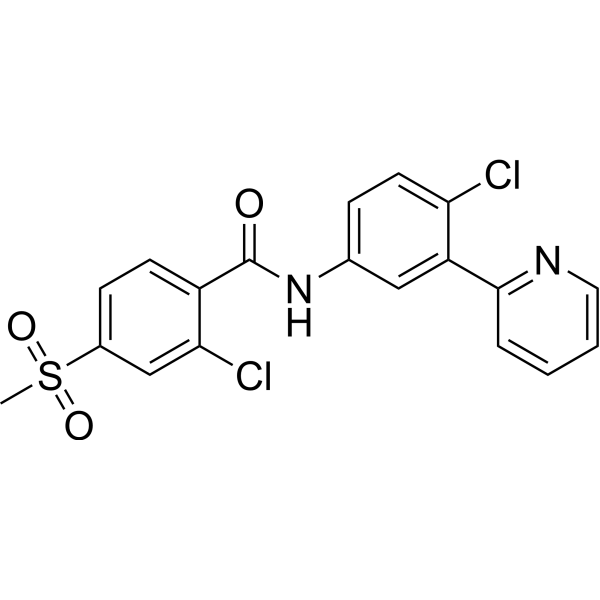
Vismodegib (Standard) is the analytical standard of Vismodegib. This product is intended for research and analytical applications. Vismodegib (GDC-0449) is a BBB-permeable and orally active hedgehog pathway inhibitor with an IC50 of 3 nM. Vismodegib also inhibits P-gp, ABCG2 with IC50 values of 3.0 μM and 1.4 μM, respectively .
|
-
-
- HY-B0508S1
-
|
Ro 7-0207-13C2,15N2
|
Isotope-Labeled Compounds
Bacterial
Parasite
Antibiotic
Hedgehog
|
Infection
|
|
Ornidazole- 13C2, 15N2 is the 13C, 15N labeled Ornidazole. Ornidazole (Ro 7-0207) is a nitroimidazole derivative with anti-trichomonad activity and in vitro activity against a variety of anaerobic bacteria. Ornidazole inhibits Sonic hedgehog (Shh) signaling pathway, exhibits antitumor activity. Ornidazole can be used in research of Crohn’s disease .
|
-
-
- HY-13654
-
|
|
Smo
Hedgehog
|
Cancer
|
|
IPI-269609 is an orally effective Smoothed (SMO) inhibitor that targets the Hedgehog (Hh) signaling pathway. IPI-269609 specifically reduces the ALDH-bright (high aldehyde dehydrogenase activity) cell subset, which is considered the "cancer stem cells" in pancreatic cancer. IPI-269609 significantly inhibits the migration and colony formation of pancreatic cancer cells. IPI-269609 effectively inhibits pancreatic cancer metastasis in a mouse model. IPI-269609 can be used for pancreatic cancer research .
|
-
-
- HY-153730
-
|
|
Hedgehog
|
Inflammation/Immunology
|
|
Hedgehog IN-5 is an orally active small molecule inhibitor of the hedgehog pathway. Hedgehog IN-5 can be used for the research of fibrotic disease .
|
-
-
- HY-153457
-
|
|
Hedgehog
|
Cancer
|
|
Hedgehog IN-3 (compound 3) is a hedgehog pathway inhibitor (IC50 = 0.01 µM). Hedgehog IN-3 can be used in cancer research .
|
-
-
- HY-162372
-
|
|
Hedgehog
Smo
|
Cancer
|
|
Hedgehog IN-6 (Compound Q29) is a Hedgehog (Hh) inhibitor that can be used in cancer research. Hedgehog IN-6 inhibits the hedgehog (Hh) pathway by binding to the cysteine-rich domain (CRD) of Smoothened (Smo) and blocking its cholesterization .
|
-
-
- HY-159511
-
|
|
Hedgehog
|
Cancer
|
|
Hedgehog IN-7 (Compound 8g), a purine derivative, acts as an inhibitor of Hedgehog, capable of reducing the expression of Hedgehog genes and inhibiting Hedgehog signaling. Hedgehog IN-7 has significant cytotoxicity and selectivity towards the Hedgehog pathway-dependent pancreatic cancer cell Mia-PaCa-2 cells and can be used in the research of pancreatic cancer .
|
-
-
- HY-16587A
-
|
IPI 926 hydrochloride; Patidegib hydrochloride
|
Smo
|
Cancer
|
|
Saridegib hydrochloride is a potent and specific inhibitor of Smoothened (Smo), a key signaling transmembrane protein in the Hedgehog (Hh) pathway.
|
-
-
- HY-153456
-
|
|
Hedgehog
|
Cancer
|
|
Hedgehog IN-2 (Compound 20) is an inhibitor of Hedgehog pathway with an IC50 value less than 0.003 μM in C3H10T1/2 cells .
|
-
-
- HY-13901R
-
|
NSC 136476 (Standard)
|
Gli
Autophagy
Reference Standards
|
Cancer
|
|
GANT 61 (Standard) is the analytical standard of GANT 61. This product is intended for research and analytical applications. GANT 61 is an inhibitor of Gli1 and Gli2 targeting the Hedgehog/GLI pathway.
|
-
-
- HY-123752
-
|
|
Hedgehog
Smo
|
Cancer
|
|
MS-0022 is a Smoothened (SMO) antagonist. MS-0022 can inhibit the Hedgehog (Hh) signaling pathway. MS-0022 can be used in anti-tumor research .
|
-
-
- HY-116455
-
|
|
Fluorescent Dye
|
Cancer
|
|
BRD-9526 is a potent and selective Sonic Hedgehog (Shh) pathway inhibitor with potential anti-cancer activity. The mechanism of BRD-9526 is similar in some ways to commonly used inhibitors such as cyclopamine, but is significantly different in other ways. The discovery of BRD-9526 may provide a useful probe for studying complex signaling pathways .
|
-
-
- HY-150564
-
|
|
Smo
Hedgehog
|
Cancer
|
|
SMO-IN-2 is a potent smoothened (SMO) inhibitor with an IC50 value of 123.4 nM for hedgehog (Hh) signaling pathway. SMO-IN-2 has antiproliferative activity against human medulloblastoma cell line Daoy. Anticancer activity .
|
-
-
- HY-18287A
-
|
|
Smo
|
Cancer
|
|
MRT-83 (hydrochloride) is the potent antagonist of Smoothened (Smo) receptor. MRT-83 (hydrochloride) inhibits the Hedgehog (Hh) signaling pathway and BODIPY-cyclopamine binding to human Smo. MRT-83 (hydrochloride) has the potential for researching cancer disease .
|
-
-
- HY-150567
-
|
|
Smo
Hedgehog
|
Cancer
|
|
SMO-IN-3 (compound 12a) is a potent smoothened (SMO) inhibitor with an IC50 value of 34.09 nM for hedgehog (Hh) signaling pathway. SMO-IN-3 has antiproliferative activity against human medulloblastoma cell line Daoy. Anticancer activity .
|
-
-
- HY-W716916
-
|
|
Isotope-Labeled Compounds
|
Cancer
|
|
Vismodegib-d7 is deuterium labeled Vismodegib. Vismodegib (GDC-0449) is an orally active hedgehog pathway inhibitor with an IC50 of 3 nM. Vismodegib also inhibits P-gp, ABCG2 with IC50 values of 3.0 μM and 1.4 μM, respectively .
|
-
-
- HY-W705354
-
|
|
Isotope-Labeled Compounds
Hedgehog
Autophagy
|
Cancer
|
|
Vismodegib-d4 is deuterium labeled Vismodegib. Vismodegib (GDC-0449) is an orally active hedgehog pathway inhibitor with an IC50 of 3 nM. Vismodegib also inhibits P-gp, ABCG2 with IC50 values of 3.0 μM and 1.4 μM, respectively .
|
-
-
- HY-161459
-
|
|
Apoptosis
Hedgehog
Gli
|
Cancer
|
|
GLI1-IN-1 (CBC-1) is a GLI-1 inhibitor with excellent water solubility and anticancer activity. GLI1-IN-1 can induce apoptosis and suppress the growth of colorectal cancer by inhibiting the Hedgehog(HH) (IC50=1.3 μM) pathway .
|
-
-
- HY-B0508S
-
|
Ro 7-0207-d5
|
Isotope-Labeled Compounds
Bacterial
Parasite
Antibiotic
Hedgehog
|
Infection
Cancer
|
|
Ornidazole-d5 is deuterium labeled Ornidazole. Ornidazole (Ro 7-0207) is a nitroimidazole derivative with anti-trichomonad activity and in vitro activity against a variety of anaerobic bacteria. Ornidazole inhibits Sonic hedgehog (Shh) signaling pathway, exhibits antitumor activity. Ornidazole can be used in research of Crohn’s disease .
|
-
-
- HY-147670
-
|
|
Hedgehog
Smo
Gli
Apoptosis
|
Cancer
|
|
TPB15 is an orally active and potent Hh (Hedgehog) signaling inhibitor. TPB15 markedly induces cell cycle arrest and apoptosis in MDA-MB-468 cells. TPB15 blocks Smo (Smoothened) translocation into the cilia and reduced Smo protein and mRNA expression. TPB15 inhibits the expression of the downstream regulatory factor glioma-associated oncogene 1 (Gli1). TPB15 shows good anti-tumor activity with low toxicity .
|
-
-
- HY-118295
-
|
|
Endogenous Metabolite
|
Cancer
|
|
Pyrimidine-indole hybrid is a compound that inhibits ciliogenesis and has the activity of antagonizing the Hedgehog signaling pathway by destabilizing microtubules. Pyrimidine-indole hybrid exerts its biological effects by inhibiting ciliogenesis and deconstructing the stable form of α-tubulin. Pyrimidine-indole hybrid has shown its unique mechanism of action in in vitro cell experiments and zebrafish embryo models, interfering with microtubule dynamics .
|
-
- HY-B0508R
-
|
Ro 7-0207 (Standard)
|
Reference Standards
Bacterial
Parasite
Antibiotic
Hedgehog
|
Infection
Cancer
|
|
Ornidazole (Standard) is the analytical standard of Ornidazole. This product is intended for research and analytical applications. Ornidazole (Ro 7-0207) is a nitroimidazole derivative with anti-trichomonad activity and in vitro activity against a variety of anaerobic bacteria. Ornidazole inhibits Sonic hedgehog (Shh) signaling pathway, exhibits antitumor activity. Ornidazole can be used in research of Crohn’s disease .
|
-
- HY-117903A
-
|
|
Smo
Hedgehog
|
Cancer
|
|
MRT-92 is a Smoothened (Smo) antagonist (Ki=0.7 nM) with anticancer activity. MRT-92 inhibits Hedgehog signaling pathway and rodent cerebellar granule cell proliferation by blocking overlapping binding sites in the transmembrane domain of the Smoothened receptor (IC50=0.4 nM). MRT-92 can be used in the study of cerebellar glioma .
|
-
- HY-N0247R
-
|
|
Reference Standards
Smo
|
Cancer
|
|
Saikosaponin B1 (Standard) is the analytical standard of Saikosaponin B1. This product is intended for research and analytical applications. Saikosaponin B1 is a bioactive constituent of Radix Bupleuri. Saikosaponin B1 is an agonist of the 5-HT2C receptor with an EC50 of 147.41 μM. Saikosaponin B1 inhibits the Hedgehog (Hh) signaling pathway by targeting the transmembrane protein SMO. Sailosaponin B1 can reduce liver fibrosis. Saikosaponin B1 has anti-cancer activities thus can be studies in research for cancers such as Medulloblastoma (MB) .
|
-
- HY-N6954R
-
|
|
Reference Standards
ATM/ATR
STAT
CDK
Hedgehog
|
Inflammation/Immunology
Cancer
|
|
Garcinone C (Standard) is the analytical standard of Garcinone C. This product is intended for research and analytical applications. Garcinone C, a xanthone derivative, is a natural compound extracted from Garcinia oblongifolia that is used as an anti-inflammatory, astringency and granulation-promoting medicine, and has potential cytotoxic effects on certain cancers. Garcinone C stimulates the expression levels of ATR and 4E-BP1, arrests the cell cycle, inhibits cell viability of the human Nasopharyngeal carcinoma (NPC) cell lines CNE1, CNE2, HK1 and HONE1 in a time‑ and dose‑dependent manner through inhibition of Hedgehog signaling pathway. Garcinone C is orally active .
|
-
- HY-153500
-
|
|
Hedgehog
|
Others
|
|
Hedgehog IN-4 is a benzamide derivative and also an inhibitor of the Hedgehog signaling pathway, with an IC50 of 0.050 nM .
|
-
- HY-N9684
-
|
|
EGFR
GSK-3
Hedgehog
Akt
ERK
Apoptosis
|
Cancer
|
|
Degalactotigonin is a saponin-selective inhibitor targeting the EGFR, GSK3β and Hedgehog/Gli1 pathways and can be isolated from Solanum nigrum (Solanum nigrum). Degalactotigonin inhibits EGFR phosphorylation and the downstream Akt/ERK signaling pathway, and at the same time inhibits the Hedgehog/Gli1 pathway through GSK3β inactivation, thereby inducing cancer cell apoptosis, arresting the cell cycle, and inhibiting migration and invasion. Degalactotigonin can be used in targeted research on malignant tumors such as pancreatic cancer and osteosarcoma .
|
-
- HY-100036R
-
|
|
Smo
Reference Standards
Apoptosis
Hedgehog
|
Cancer
|
|
MK-4101 (Standard) is the analytical standard of MK-4101 (HY-100036). This product is intended for research and analytical applications. MK-4101 is a Smoothened (SMO) antagonist (IC50 of 1.1 μM for 293 cells ) and also a potent inhibitor of the hedgehog pathway (IC50 of 1.5 μM for mouse cells; IC50 of 1 μM for KYSE180 oesophageal cancer cells). MK-4101 has robust antitumor activity that inhibits tumor cell proliferation and induces extensive apoptosis .
|
-
- HY-183335
-
|
|
Smo
Hedgehog
Gli
Apoptosis
Caspase
|
Cancer
|
|
Anticancer agent 321 is a Smoothened (SMO) inhibitor with a human IC50 of 0.12 μM, enhanced aqueous solubility, good plasma and metabolic stability, moderate therapeutic index, preliminary safety profile, and moderate oral bioavailability in rats.Anticancer agent 321 binds to SMO’s 7-transmembrane helical channel, forming hydrogen bonds with Asp384 and hydrophobic/π-π interactions with His470, Phe391, Tyr394, stabilizing SMO’s inactive conformation to inhibit Hedgehog/GLI signaling.Anticancer agent 321 inhibits proliferation, suppresses colony formation, induces apoptosis, and downregulates Hedgehog/GLI pathway target genes GLI1, GLI2, Ptch1, HHip in cancer cells.Anticancer agent 321 inhibits tumor growth, downregulates Ki67 and SOX2, and upregulates cleaved-caspase 3 in tumor tissues.Anticancer agent 321 can be used for the research of cutaneous squamous cell carcinoma .
|
-
-
-
HY-L020
-
|
|
616 compounds
|
|
The developmental proteins Hedgehog, Notch and Wnt are key regulators of cell fate, proliferation, migration and differentiation in several tissues. Their related signaling pathways are frequently activated in tumors, and particularly in the rare subpopulation of cancer stem cells.
The Wnt signaling pathway is a conserved pathway in animals. Deregulated Wnt signaling has catastrophic consequences for the developing embryo and it is now well appreciated that defective Wnt signaling is a causative factor for a number of pleiotropic human pathologies, including cancer. Hedgehog signaling pathway is linked to tumorigenesis and is aberrantly activated in a variety of cancers. The Notch signaling pathway is a highly conserved cell signaling system present in most animals. It plays an important role in cell-cell communication, and further regulates embryonic development.
MCE designs a unique collection of 616 Wnt/Hedgehog/Notch signaling pathway-related small molecules. Wnt/Hedgehog/Notch Compound Library serves as a useful tool for stem cell research and anti-cancer drug screening.
|
-
-
HY-L038
-
|
|
2,439 compounds
|
|
Stem cells, which are found in all multi-cellular organisms, can divide and differentiate into diverse special cell types and can self-renew to produce more stem cells. To be useful in therapy, stem cells must be converted into desired cell types as necessary which is called induced differentiation or directed differentiation. Understanding and using signaling pathways for differentiation is an important method in successful regenerative medicine. Small molecules or growth factors induce the conversion of stem cells into appropriate progenitor cells, which will later give rise to the desired cell type. There is a variety of signal molecules and molecular families that may affect the establishment of germ layers in vivo, such as fibroblast growth factors (FGFs); the wnt family or superfamily of transforming growth factors β (TGFβ) and bone morphogenetic proteins (BMP). Unfortunately, for now, a high cost of recombinant factors is likely to limit their use on a larger scale in medicine. The more promising technique focuses on the use of small molecules. These small molecules can be used for either activating or deactivating specific signaling pathways. They enhance reprogramming efficiency by creating cells that are compatible with the desired type of tissue. It is a cheaper and non-immunogenic method.
MCE Differentiation Inducing Compound Library contains a unique collection of 2,439 compounds that act on signaling pathways for differentiation. These compounds are potential stimulators for induced differentiation. This library is a useful tool for researching directed differentiation and regenerative medicine.
|
-
-
HY-L017
-
|
|
2,773 compounds
|
|
Adult stem cells are important for tissue homeostasis and regeneration due to their ability to self-renew and generate multiple types of differentiated daughters. Self-renewal is reflected by their capacity to undergo multiple/limitless divisions. Several signaling pathways are involved in self-renewal of stem cells, that is, Notch, Wnt, and Hedgehog pathways or Polycomb family proteins. Recent studies mainly focus on cancer stem cell (CSCs), induced pluripotent stem cell (iPSCs), neural stem cell and maintenance of embryonic stem cell pluripotency. Among them, CSCs have been believed to be responsible for tumor initiation, growth, and recurrence that have implications for cancer therapy.
MCE owns a unique collection of 2,773 compounds that can be used for stem cell regulatory and signaling pathway research.
|
| Cat. No. |
Product Name |
Target |
Research Area |
-
- HY-P10875
-
|
|
Hedgehog
|
Cancer
|
|
HL2-m5 is the inhibitor for the interaction between sonic hedgehog/patched (Shh/PTCH1) with Kd of 170 nM for Shh. HL2-m5 inhibits activation of Hedgehog signaling pathway and transcription of Gli-controlled gene with an IC50 of 230 nM .
|
| Cat. No. |
Product Name |
Category |
Target |
Chemical Structure |
| Cat. No. |
Product Name |
Chemical Structure |
-
- HY-17514S
-
|
|
|
Itraconazole-d5 is the deuterium labeled Itraconazole. Itraconazole (R51211) is a triazole antifungal agent and a potent and orally active Hedgehog (Hh) signaling pathway antagonist with an IC50 of ~800 nM. Itraconazole potently inhibits lanosterol 14α-demethylase (cytochrome P450 enzyme), thereby inhibits the oxidative conversion of lanosterol to ergosterol. Itraconazole has anticancer and antiangiogenic effects .
|
-
-
- HY-17514S1
-
|
|
|
Itraconazole-d3 (R51211-d3) is the deuterium labeled Itraconazole (HY-17514) . Itraconazole (R51211) is a triazole antifungal agent and a potent and orally active Hedgehog (Hh) signaling pathway antagonist with an IC50 of ~800 nM. Itraconazole potently inhibits lanosterol 14α-demethylase (cytochrome P450 enzyme), thereby inhibits the oxidative conversion of lanosterol to ergosterol. Itraconazole has anticancer and antiangiogenic effects. Itraconazole is a oxysterol-binding protein (OSBP) inhibitor.
|
-
-
- HY-17514S2
-
|
|
|
Itraconazole-d9 is the deuterium labeled Itraconazole . Itraconazole (R51211) is a triazole antifungal agent and a potent and orally active Hedgehog (Hh) signaling pathway antagonist with an IC50 of ~800 nM. Itraconazole potently inhibits lanosterol 14α-demethylase (cytochrome P450 enzyme), thereby inhibits the oxidative conversion of lanosterol to ergosterol. Itraconazole has anticancer and antiangiogenic effects. Itraconazole is a oxysterol-binding protein (OSBP) inhibitor .
|
-
-
- HY-B0508S1
-
|
|
|
Ornidazole- 13C2, 15N2 is the 13C, 15N labeled Ornidazole. Ornidazole (Ro 7-0207) is a nitroimidazole derivative with anti-trichomonad activity and in vitro activity against a variety of anaerobic bacteria. Ornidazole inhibits Sonic hedgehog (Shh) signaling pathway, exhibits antitumor activity. Ornidazole can be used in research of Crohn’s disease .
|
-
-
- HY-W716916
-
|
|
|
Vismodegib-d7 is deuterium labeled Vismodegib. Vismodegib (GDC-0449) is an orally active hedgehog pathway inhibitor with an IC50 of 3 nM. Vismodegib also inhibits P-gp, ABCG2 with IC50 values of 3.0 μM and 1.4 μM, respectively .
|
-
-
- HY-W705354
-
|
|
|
Vismodegib-d4 is deuterium labeled Vismodegib. Vismodegib (GDC-0449) is an orally active hedgehog pathway inhibitor with an IC50 of 3 nM. Vismodegib also inhibits P-gp, ABCG2 with IC50 values of 3.0 μM and 1.4 μM, respectively .
|
-
-
- HY-B0508S
-
|
|
|
Ornidazole-d5 is deuterium labeled Ornidazole. Ornidazole (Ro 7-0207) is a nitroimidazole derivative with anti-trichomonad activity and in vitro activity against a variety of anaerobic bacteria. Ornidazole inhibits Sonic hedgehog (Shh) signaling pathway, exhibits antitumor activity. Ornidazole can be used in research of Crohn’s disease .
|
-
| Cat. No. |
Product Name |
|
Classification |
-
- HY-159511
-
|
|
|
Azide
|
|
Hedgehog IN-7 (Compound 8g), a purine derivative, acts as an inhibitor of Hedgehog, capable of reducing the expression of Hedgehog genes and inhibiting Hedgehog signaling. Hedgehog IN-7 has significant cytotoxicity and selectivity towards the Hedgehog pathway-dependent pancreatic cancer cell Mia-PaCa-2 cells and can be used in the research of pancreatic cancer .
|
Your information is safe with us. * Required Fields.
Inquiry Information
- Product Name:
- Cat. No.:
- Quantity:
- MCE Japan Authorized Agent:

