


1. Search Result
Search Result
Results for "

ischemia-reperfusion model

" in MedChemExpress (MCE) Product Catalog:

64

Inhibitors & Agonists

2

Biochemical Assay Reagents

7

Peptides

2

Inhibitory Antibodies

11

Natural
Products

Cat. No. Product Name Target Research Areas Chemical Structure
  • HY-P1098
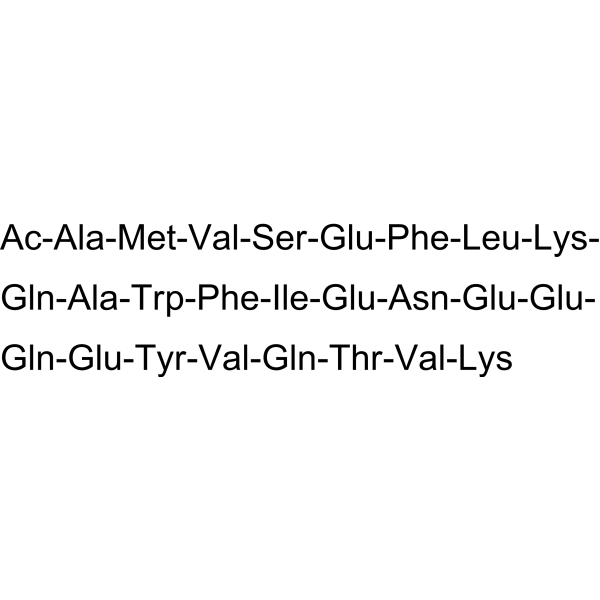
    Ac2-26
    Maximum Cited Publications
    8 Publications Verification

    Annexin A NF-κB Inflammation/Immunology
    Ac2-26 is the N-terminal peptide of annexin 1, and has anti-inflammatory activity. Ac2-26 induces a decrease in IKKβ protein in lysosomes by chaperone-mediated autophagy (CMA). Ac2-26 ameliorates lung ischemia-reperfusion injury. Ac2-26 also inhibits airway inflammation and hyperresponsiveness in an asthma rat model .
    Ac2-26
  • HY-108467
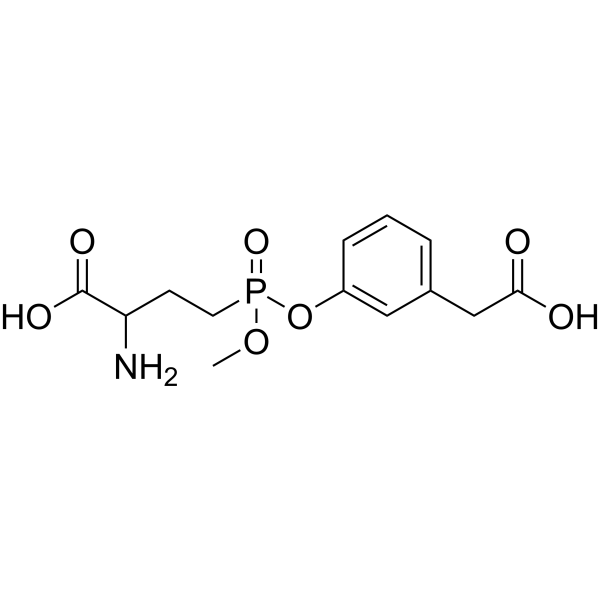
    GGsTop
    5+ Cited Publications

    Nahlsgen

    γ-Glutamyl Transferase (GGT) Cardiovascular Disease
    GGsTop (Nahlsgen) is a potent, non-toxic, highly selective and irreversible γ-GGT inhibitor, with a Ki of 170 μM for Human GGT. GGsTop shows a pKa of 9.71, also exhibits Kons of 150 and 51 M -1 s -1 against E.coli GGT and human GGT, respectively. GGsTop protects hepatic ischemia-reperfusion injury in rat model .
    GGsTop
  • HY-A0119
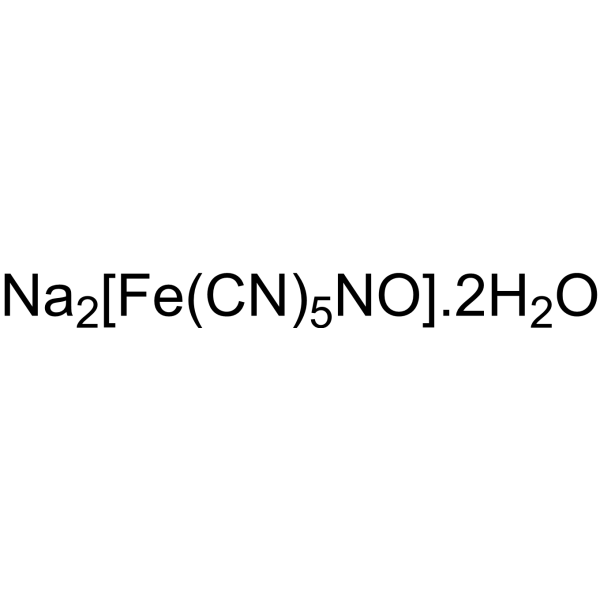
    Nitroprusside disodium dihydrate
    Maximum Cited Publications
    17 Publications Verification

    Sodium nitroprusside dihydrate; Sodium Nitroferricyanide(III) Dihydrate

    Autophagy Cardiovascular Disease Cancer
    Nitroprusside disodium dehydrate (Sodium nitroprusside dihydrate) is a vasodilator that available for the research of acute hypertension, heart failure. Nitroprusside disodium dehydrate induces autophagy in glutathione-depleted osteoblasts. Nitroprusside disodium dehydrate acts as a nitric oxide (NO) donor in a rat intestinal ischemia reperfusion model .
    Nitroprusside disodium dihydrate
  • HY-N0108
    Physcion
    Maximum Cited Publications
    8 Publications Verification

    Parietin; Rheochrysidin

    Bacterial Toll-like Receptor (TLR) NF-κB Apoptosis Autophagy Antibiotic Infection Inflammation/Immunology Cancer
    Physcion (Parietin), an anthraquinone derivative derived from the traditional Chinese medicine rhubarb, is an effective oral active 6-phosphogluconate dehydrogenase inhibitor with blood-brain barrier permeability, with IC50 and Kd values of 38.5 μM and 26.0 μM, respectively. Additionally, Physcion is an inhibitor of the <>bTLR4/NF-κB signaling pathway, exhibiting anti-inflammatory, antibacterial, and anticancer effects, and can induce Apoptosis and Autophagy in cancer cells .
    Physcion
  • HY-P99116

    RG7716; RO-6867461

    VEGFR Cardiovascular Disease Metabolic Disease Inflammation/Immunology
    Faricimab, an overall good safety and tolerability profile, is a bispecific antibody targeting Angiopoietin-2 (Ang-2) and vascular endothelial growth factor-A (VEGF-A). Faricimab prevents retinal vascular leakage, cell death and inflammation in retinal ischemia/reperfusion (I/R) injury and sCNV mouse models. Faricimab demonstrates statistically superior visual acuity gains versus Ranibizumab (HY-P9951). Faricimab can be used for retinal diseases, such as age-related macular degeneration (w-AMD), diabetic macular edema (DME) and macular edema following retinal vein occlusion (RVO) .
    Faricimab
  • HY-14668
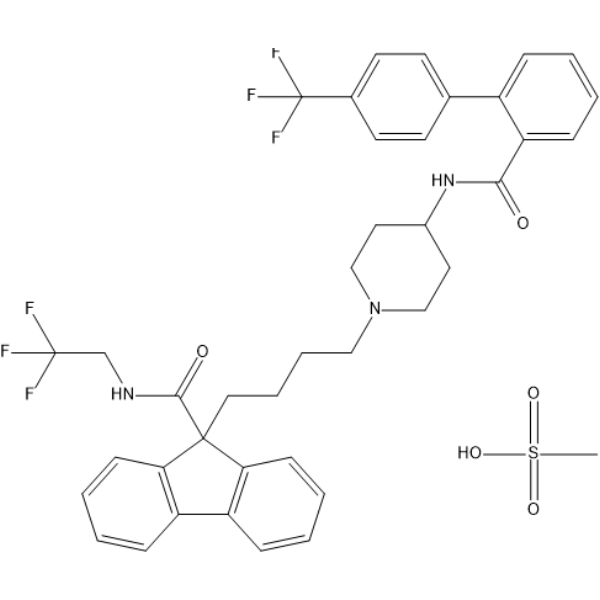
    Lomitapide mesylate
    5+ Cited Publications

    AEGR-733 mesylate; BMS-201038 mesylate

    Microsomal Triglyceride Transfer Protein (MTP) mTOR LDLR Autophagy Apoptosis Cardiovascular Disease Neurological Disease Metabolic Disease Cancer
    Lomitapide (AEGR-733; BMS-201038) mesylate is an orally active microsomal triglyceride transfer protein (MTP) inhibitor and a selective mTORC1 inhibitor with lipid-lowering activity and BBB permeability. Lomitapide mesylate significantly reduces plasma LDL levels by blocking the assembly and secretion of very-low-density lipoprotein (VLDL). Lomitapide mesylate inhibits mTORC1 in an ATP-dependent manner, thereby inducing AMPK-independent autophagic cell death and suppressing cancer cell growth and apoptosis. Lomitapide mesylate also enhances tumor infiltration of CD8 + T cells. In addition, Lomitapide mesylate inhibits HDAC, improves endothelial function, effectively alleviates vascular inflammation and oxidative stress, and exerts neuroprotective effects in a cerebral ischemia/reperfusion injury model. Lomitapide mesylate can be used in research on related diseases such as colorectal cancer, breast cancer, melanoma, ischemic stroke, and familial hypercholesterolemia .
    Lomitapide mesylate
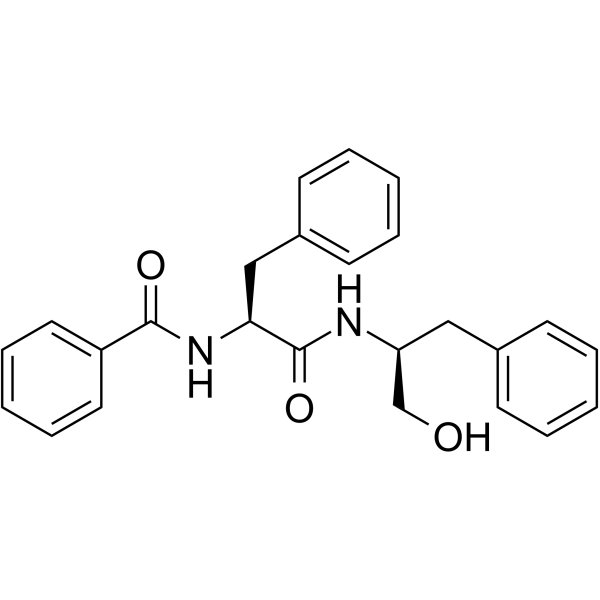
  • HY-N2909

    NF-κB RIP kinase Mixed Lineage Kinase Cardiovascular Disease Neurological Disease Inflammation/Immunology
    Aurantiamide is a non-covalent, orally active, blood-brain-permeable GRPR selective antagonist with anti-inflammatory and neuroprotective effects. Aurantiamide reduces inflammation and oxidative stress in renal tissue by inhibiting GRPR-mediated renal necrosis pathways (such as RIPK3/MLKL signaling) and NF-κB inflammatory pathways, exerting anti-acute kidney injury and endothelial function activities. Aurantiamide also inhibits the M1 polarization of microglia and inhibits NLRP3 activation, thereby improving AD mouse models. Aurantiamide has in vivo inhibitory efficacy in acute kidney injury models such as ischemia/reperfusion, sepsis, and hypertension models .
    Aurantiamide
  • HY-W250116
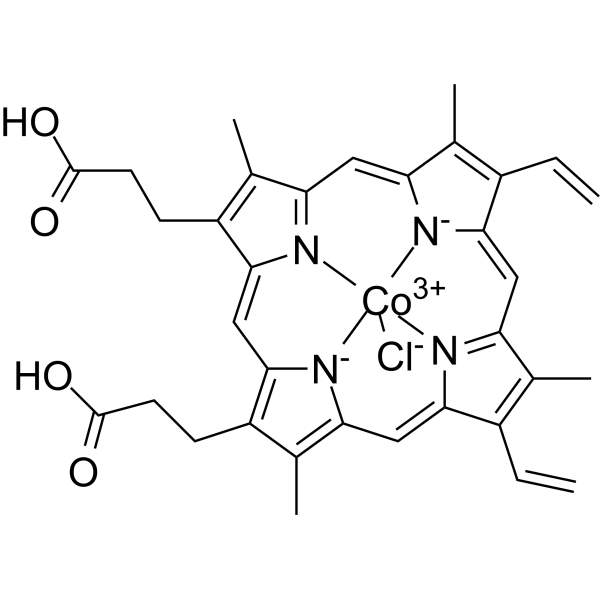
    Co(III) protoporphyrin IX chloride
    1 Publications Verification

    Protoporphyrin IX cobaltic chloride; CoPPIX-Cl

    Heme Oxygenase (HO) Apoptosis Bcl-2 Family Caspase Cytochrome P450 Bacterial Keap1-Nrf2 Infection Cardiovascular Disease Inflammation/Immunology
    Co(III) protoporphyrin IX chloride (Protoporphyrin IX cobaltic chloride) is an inducer of HO-1. Co(III) protoporphyrin IX chloride has activities such as anti-inflammation and antibacterial properties. Co(III) protoporphyrin IX chloride can also be used in the research of ischemia-reperfusion injury models .
    Co(III) protoporphyrin IX chloride
  • HY-N1501
    Beta-asarone
    4 Publications Verification

    α-synuclein Cardiovascular Disease Neurological Disease Inflammation/Immunology
    Beta-asarone is an orally active and BBB-penetrable anti-inflammatory agent and neuroprotective agent, which is the major ingredient of Acorus tatarinowii Schott. Beta-asarone can protect nerve cells from apoptosis and autophagy, inhibit expression of α-synuclein, as well as myocardial protection. Beta-asarone can be used in the study of neurological and cardiovascular diseases .
    Beta-asarone
  • HY-N0745

    Caspase ERK Keap1-Nrf2 Heme Oxygenase (HO) Apoptosis Neurological Disease Inflammation/Immunology
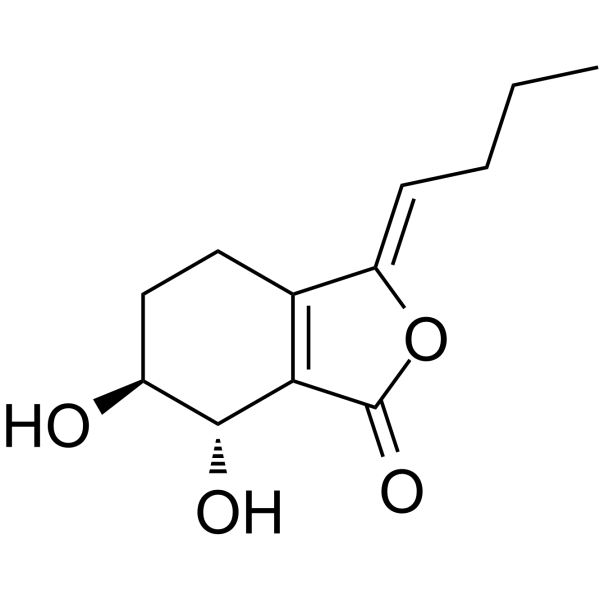
    Senkyunolide I is an orally active, blood-brain barrier-permeable metabolite of Z-ligustilide (HY-N0401A) . Senkyunolide I is isolated from Ligusticum chuanxiong. Senkyunolide I upregulates p-Erk1/2 and Nrf2/HO-1, and inhibits Caspase 3. Senkyunolide I alleviates Apoptosis. Senkyunolide I increases the pain threshold in mice and reduces acetic acid-induced writhing responses in mice. Senkyunolide I improves neurological deficits, reduces infarct volume and alleviates cerebral edema in rats with focal cerebral ischemia-reperfusion injury. Senkyunolide I protects renal function and structural integrity in a mouse model of renal ischemia-reperfusion injury. Senkyunolide I is applicable to research related to focal cerebral ischemia-reperfusion injury, migraine, and renal ischemia-reperfusion injury .
    Senkyunolide I
  • HY-125792
    Nexinhib20
    1 Publications Verification

    Reactive Oxygen Species (ROS) Ras Integrin Cardiovascular Disease Inflammation/Immunology
    Nexinhib20 is an inhibitor that targets the interactions of Rab27a-JFC1 (IC50: 2.6 μM) and Rac-1-GTP. Nexinhib20 can inhibit neutrophil exocytosis, adhesion, and β2 integrin activation, and has anti-inflammatory activity. Nexinhib20 can be used in the research of diseases such as systemic inflammation and myocardial ischemia-reperfusion injury .
    Nexinhib20
  • HY-152086

    Dynamin Cardiovascular Disease
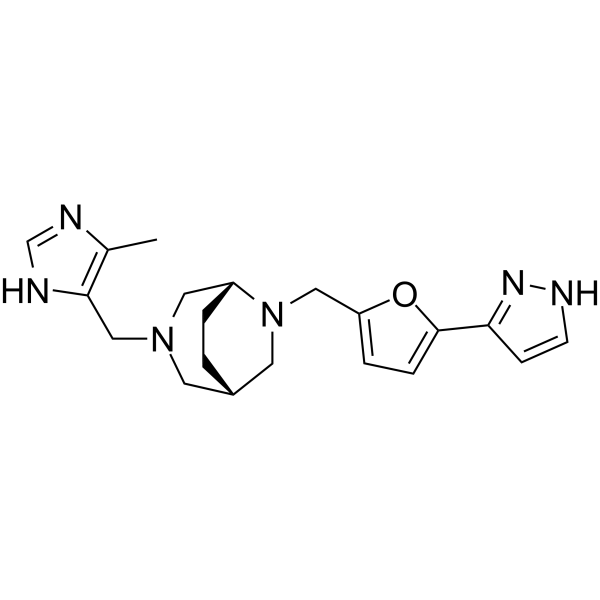
    DRP1i27 is a potent inhibitor of human Drp1 (dynamin-related protein 1). DRP1i27 binds to the GTPase site of Drp1, with hydrogen bonds to Gln34 and Asp218. DRP1i27 targets Drp1-mediated mitochondrial fission in cell line models and protects against simulated ischemia-reperfusion injury .
    DRP1i27
  • HY-173572

    Sirtuin Autophagy Cardiovascular Disease
    SKLB-11A is a selective, orally active and allosteric SIRT3 (sirtuin 3) agonist with a Kd value of 4.7 μM. SKLB-11A is highly selective for other members of the SIRT family. SKLB-11A activates autophagy-related signaling pathways, prevents mitochondrial dysfunction, improves cardiac function in Doxorubicin (HY-15142A)-induced cardiotoxicity and myocardial ischemia/reperfusion models .
    SKLB-11A
  • HY-N0507

    TNF Receptor Interleukin Related Neurological Disease Inflammation/Immunology
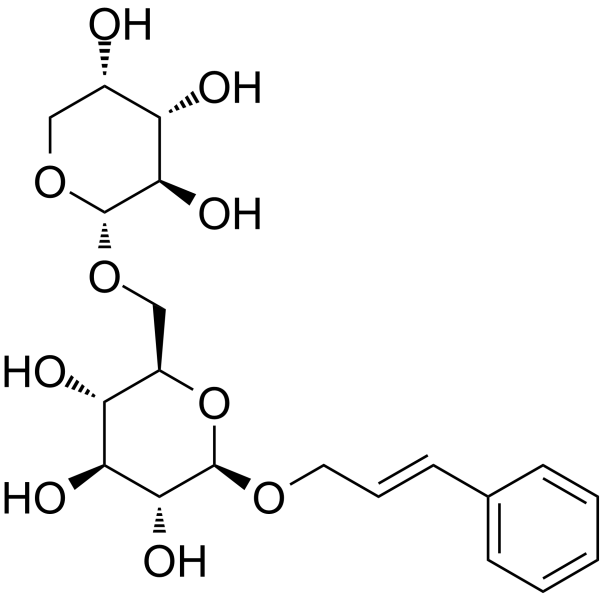
    Rosavin, an orally bioactive phenylpropanoid from Rhodiola rosea L. (RRL), is an adaptogen that enhances the body’s response to environmental stress. Rosavin significantly influences bone tissue metabolism by inhibiting osteoclastogenesis and promoting osteoblast differentiation, also impacts various diseases, demonstrating antidepressant, adaptogenic, and anxiolytic effects in mouse models. Additionally, Rosavin improves survival, reducing intestinal damage in irradiated rats and Ischemia-reperfusion(I/R)-induced cerebral injury in vivo by regulating inflammation and oxidative stress, making it a promising candidate for research in radiation-induced intestinal injury, I/R-induced cerebral injury and osteoporosis .
    Rosavin
  • HY-N2014
    Verbenalin
    2 Publications Verification

    SARS-CoV Amyloid-β Ferroptosis Tau Protein Caspase Bcl-2 Family Infection Cardiovascular Disease Neurological Disease Inflammation/Immunology
    Verbenalin is an orally active terpenoid glycoside that can be extracted from the medicinal plant Verbena officinalis. Verbenalin has anti-inflammatory, antiviral, and neuroprotective effects. Verbenalin has a strong binding affinity to the nsp-12 protein of the SARS-CoV-2 virus. Verbenalin can be used in the research of inflammatory and nervous system diseases such as hepatitis and Alzheimer's disease .
    Verbenalin
  • HY-B0023
    Azelnidipine
    3 Publications Verification

    CS 905

    Calcium Channel MEK Cardiovascular Disease Neurological Disease Inflammation/Immunology Cancer
    Azelnidipine (CS 905) is a dihydropyridine calcium channel blocker that is effective orally. Azelnidipine inhibits the intracellular calcium ion flow and lower blood pressure by selectively blocking L-type calcium channel on the membrane of vascular smooth muscle. Azelnidipine inhibits esophageal squamous cell carcinoma proliferation by targeting MEK1/2. Azelnidipine also has anti-inflammatory, antioxidant and neuroprotective effects .
    Azelnidipine
  • HY-N0430

    Coptisin

    Indoleamine 2,3-Dioxygenase (IDO) NF-κB p38 MAPK PI3K Akt Apoptosis Reactive Oxygen Species (ROS) Mitochondrial Metabolism DNA/RNA Synthesis ROCK LDLR Cardiovascular Disease Neurological Disease Metabolic Disease Inflammation/Immunology Cancer
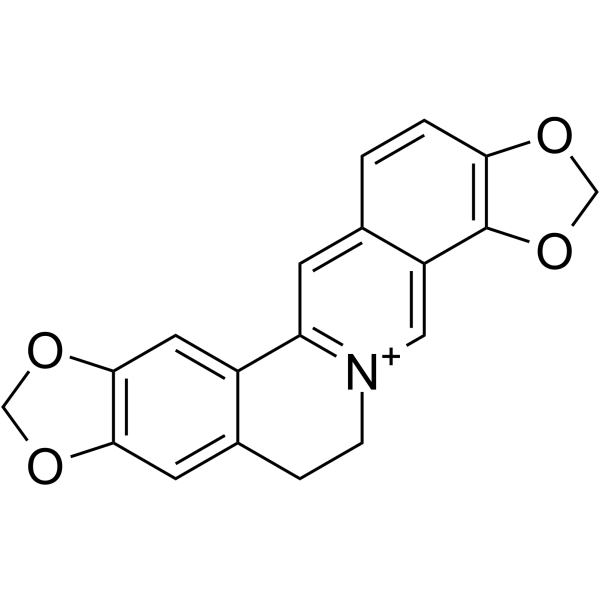
    Coptisine is an orally active and brain-penetrant alkaloid found in Coptis chinensis. Coptisine is a reversible, uncompetitive IDO inhibitor with a Ki of 5.8 μM and an IC50 of 6.3 μM. Coptisine suppresses neuroinflammation, reduces Aβ plaque burden and shows neuroprotective activity. Coptisine shows anti-inflammation activity by blocking NF-κB, MAPK, and PI3K/Akt activation. Coptisine inhibits cancer cells proliferation, induces DNA damage, G2/M phase cell cycle arrest, apoptosis, ROS production and mitochondrial dysfunction. Coptisine inhibits Rho/ROCK pathway activation, reduces arrhythmia, limits cardiac injury marker release, reduces infarct size, and preserves cardiac function in rat myocardial ischemia/reperfusion models. Coptisine downregulates HMGCR and upregulates LDLR and CYP7A1 to modulate cholesterol metabolism, reduces abnormal serum lipid levels, and promotes fecal bile acid excretion. Coptisine can be used for the research of cancer, hypercholesterolemia, Alzheimer’s disease, inflammatory disorders and cardiovascular disease .
    Coptisine
  • HY-N0430A
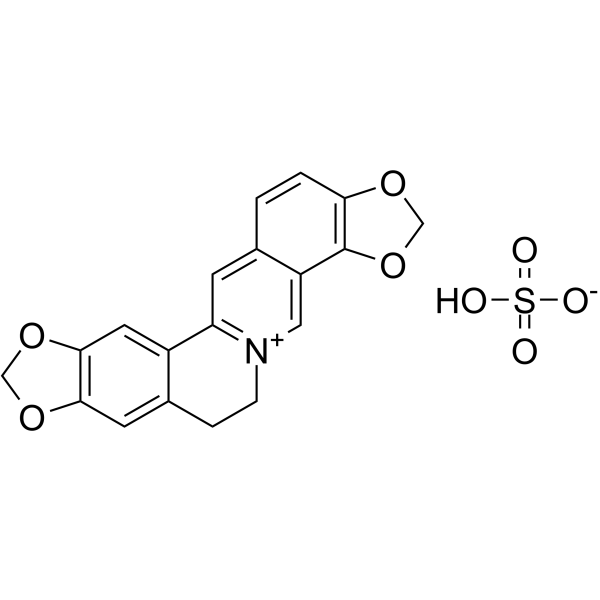
    Coptisine Sulfate
    5 Publications Verification

    Indoleamine 2,3-Dioxygenase (IDO) NF-κB p38 MAPK PI3K Akt Apoptosis Reactive Oxygen Species (ROS) Mitochondrial Metabolism DNA/RNA Synthesis ROCK LDLR Cardiovascular Disease Neurological Disease Metabolic Disease Inflammation/Immunology Cancer
    Coptisine Sulfate is an orally active and brain-penetrant alkaloid found in Coptis chinensis. Coptisine Sulfate is a reversible, uncompetitive IDO inhibitor with a Ki of 5.8 μM and an IC50 of 6.3 μM. Coptisine Sulfate suppresses neuroinflammation, reduces Aβ plaque burden and shows neuroprotective activity. Coptisine Sulfate shows anti-inflammation activity by blocking NF-κB, MAPK, and PI3K/Akt activation. Coptisine Sulfate inhibits cancer cells proliferation, induces DNA damage, G2/M phase cell cycle arrest, apoptosis, ROS production and mitochondrial dysfunction. Coptisine Sulfate inhibits Rho/ROCK pathway activation, reduces arrhythmia, limits cardiac injury marker release, reduces infarct size, and preserves cardiac function in rat myocardial ischemia/reperfusion models. Coptisine Sulfate downregulates HMGCR and upregulates LDLR and CYP7A1 to modulate cholesterol metabolism, reduces abnormal serum lipid levels, and promotes fecal bile acid excretion. Coptisine Sulfate be used for the research of cancer, hypercholesterolemia, Alzheimer’s disease, inflammatory disorders and cardiovascular disease .
    Coptisine Sulfate
  • HY-N4195
    Resveratroloside
    2 Publications Verification

    Resveratrol glycoside; trans-Resveratrol 4'-O-β-D-glucopyranoside

    Glycosidase Cardiovascular Disease Metabolic Disease
    Resveratroloside (Resveratrol glycoside) is an orally active competitive inhibitor of α-glucosidase. Resveratroloside has hypoglycemic and cardioprotective effects. Resveratroloside can be used for the research of diabetes and heart system diseases .
    Resveratroloside
  • HY-W033577
    Tricarbonyldichlororuthenium(II) dimer
    2 Publications Verification

    CORM-2

    P2X Receptor Potassium Channel NO Synthase STAT Interleukin Related Inflammation/Immunology
    Tricarbonyldichlororuthenium(II) dimer (CORM-2) is a CO-releasing molecule. Tricarbonyldichlororuthenium(II) dimer exhibits anti-inflammatory, antioxidant, and gastric mucosa-protective activities. Additionally, Tricarbonyldichlororuthenium(II) dimer has CO-independent functional effects on multiple potassium channels .
    Tricarbonyldichlororuthenium(II) dimer
  • HY-101481

    COX Apoptosis MEK ERK PPAR AMPK NF-κB Interleukin Related TNF Receptor STAT Wnt Neurological Disease Inflammation/Immunology Cancer
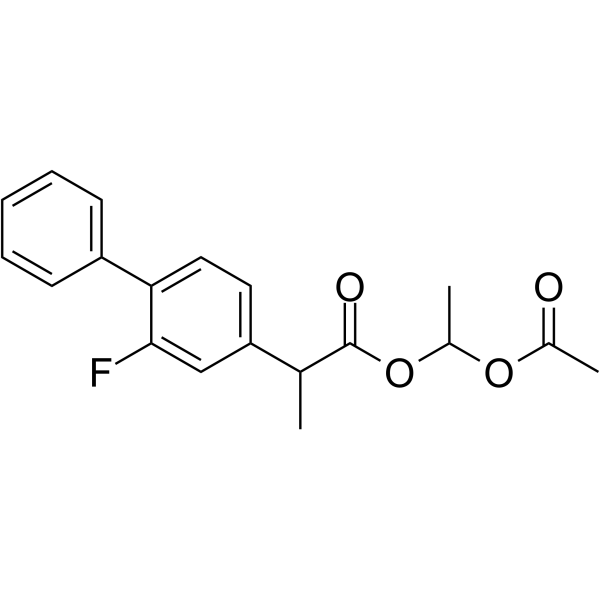
    Flurbiprofen axetil is a non-selective COX inhibitor and a nonsteroidal anti-inflammatory agent with anti-inflammatory and analgesic effects. Flurbiprofen axetil inhibits basal-like breast cancer metastasis by inhibiting the MEK/ERK signaling pathway. Flurbiprofen axetil can promote neuroprotection after focal cerebral ischemia in rats by partially activating PPAR-γ. Flurbiprofen axetil alleviates cerebral ischemia/reperfusion injury by reducing inflammation in a transient global cerebral ischemia/reperfusion rat model. Flurbiprofen axetil can alleviate inflammatory responses and cognitive function in a mild cognitive impairment (MCI) SD rat model through the AMPKα/NF-κB signaling pathway .
    Flurbiprofen axetil
  • HY-119152

    Insulin Receptor Tyrosinase Akt Others
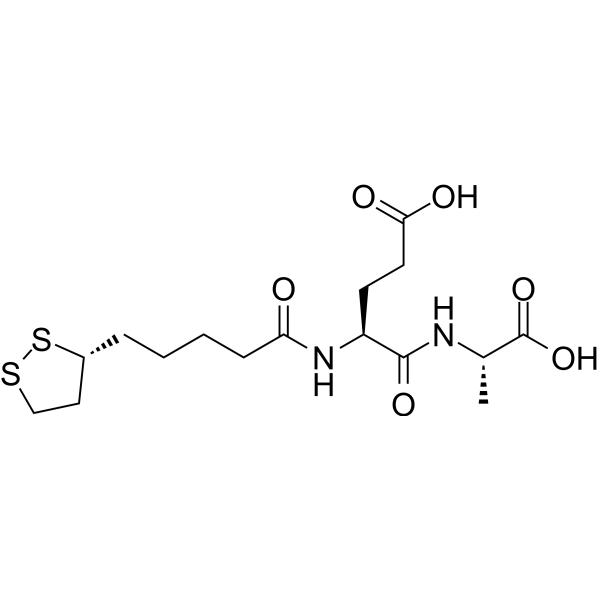
    CMX-2043 is a novel analogue of α-Lipoic Acid (HY-N0492). CMX-2043 is effective in antioxidant effect, activation of insulin receptor kinase, soluble tyrosine kinase, and Akt phosphorylation. CMX-2043 shows protection against ischemia-reperfusion injury (IRI) in rat model .
    CMX-2043
  • HY-106592A

    PNU74389G (meleate)

    Reactive Oxygen Species (ROS) Cardiovascular Disease Others
    U-74389G (PNU74389G meleate) is an antioxidant, can inhibit lipid peroxidation reactions. U-74389G can protect against ischemia-reperfusion injury and be widely used in animal models of ischemic injury and hypertension. U-74389G shows anti-inflammatory activity .
    U-74389G
  • HY-152086A

    Dynamin Cardiovascular Disease
    DRP1i27 dihydrochloride is a potent inhibitor of human Drp1 (dynamin-related protein 1). DRP1i27 dihydrochloride binds to the GTPase site of Drp1, with hydrogen bonds to Gln34 and Asp218. DRP1i27 dihydrochloride targets Drp1-mediated mitochondrial fission in cell line models and protects against simulated ischemia-reperfusion injury .
    DRP1i27 dihydrochloride
  • HY-P1098A
    Ac2-26 TFA
    Maximum Cited Publications
    8 Publications Verification

    Annexin A NF-κB Inflammation/Immunology
    Ac2-26 TFA is the N-terminal peptide of annexin 1, and has anti-inflammatory activity. Ac2-26 induces a decrease in IKKβ protein in lysosomes by chaperone-mediated autophagy (CMA). Ac2-26 ameliorates lung ischemia-reperfusion injury. Ac2-26 also inhibits airway inflammation and hyperresponsiveness in an asthma rat model .
    Ac2-26 TFA
  • HY-18071
    BI-9627
    3 Publications Verification

    Na+/H+ Exchanger (NHE) Autophagy Cardiovascular Disease
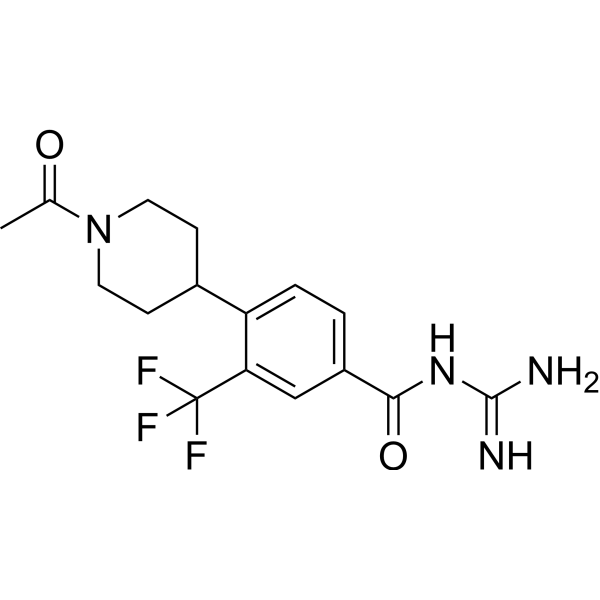
    BI-9627, a chemical probe, is a potent sodium-hydrogen exchanger isoform 1 (NHE1) inhibitor (IC50 = 6 and 31 nM in intracellular pH recovery (pHi) and human platelet swelling assays). BI-9627 displays >30-fold selectivity against NHE2 and with no measurable inhibitory activity against the NHE3 isoform. BI-9627 decreases autophagy in HTR-8/SVneo cells. BI-9627 can significantly reduce the pHi of human sperm and partially reverse the effect of DMA. BI-9627 prolongs Ca 2+ recovery time in KO hiPSC-CMs. BI-9627 shows low DDI (agent-agent interaction) potential, excellent pharmacokinetics in rat and dog, and remarkably potent activity in the isolated heart model of ischemia-reperfusion injury .
    BI-9627
  • HY-W002942

    1,2,3,4-Tetrahydroquinolin-8-ol; 8-hydroxy-1,2,3,4-tetrahydroquinoline

    Ferroptosis Reactive Oxygen Species (ROS) Inflammation/Immunology
    Ferroptosis-IN-21 is a ferroptosis inhibitor that protects against renal I/R injury by suppressing ferroptosis and directly scavenging peroxyl radicals. Ferroptosis-IN-21 displays broad-spectrum anti-ferroptotic efficacy across multiple inducers in renal tubular epithelial cells, with nanomolar potency and robust suppression of lipid Reactive Oxygen Species (ROS). Ferroptosis-IN-21 significantly ameliorates renal I/R injury in mice, reducing histological damage, functional impairment, and inflammatory cytokine expression, while decreasing lipid peroxidation biomarkers such as 4-hydroxynonenal. Ferroptosis-IN-12 can be used for research in the field of ferroptosis-targeted drug development .
    Ferroptosis-IN-21
  • HY-176716

    Aldehyde Dehydrogenase (ALDH) Cardiovascular Disease
    ALDH2 activator 1 (Compound Z17) is an allosteric aldehyde dehydrogenase 2 (ALDH2) agonist. ALDH2 activator 1 enhances cardiac function and reduces myocardial necrosis in a mouse model of myocardial ischemia-reperfusion. ALDH2 activator 1 is promising for research of cardiovascular diseases such as myocardial infarction (MI) .
    ALDH2 activator 1
  • HY-117243

    MAP3K Cardiovascular Disease
    GSK329 is a potent and selective diarylurea inhibitor of the cardiac-specific kinase TNNI3K. GSK329 exhibits positive cardioprotective outcomes in the model of ischemia/reperfusion cardiac injury .
    GSK329
  • HY-170747A

    Bacterial Infection Inflammation/Immunology
    9-tert-Butyldoxycycline hydrochloride exhibits immunomodulatory activity, alters the polarization states polymorphonuclear neutrophils, and ameliorates the inflammatory response in ischemia-reperfusion injury model. 9-tert-Butyldoxycycline hydrochloride is the ligand for ‘Tet-On’ switch system .
    9-tert-Butyldoxycycline hydrochloride
  • HY-135953

    Apoptosis Cancer
    CDDO-3P-Im is an analogue of CDDO-Imidazolide with chemopreventive effect. CDDO-3P-Im can reduce the size and the severity of the lung tumors in mouse lung cancer model . CDDO-3P-Im is a orally active necroptosis inhibitor that can be used for the research of ischemia/reperfusion (I/R) .
    CDDO-3P-Im
  • HY-P1098B
    Ac2-26 ammonium
    Maximum Cited Publications
    8 Publications Verification

    IKK Inflammation/Immunology
    Ac2-26 ammonium is the N-terminal peptide of annexin 1, and has anti-inflammatory activity. Ac2-26 ammonium induces a decrease in IKKβ protein in lysosomes by chaperone-mediated autophagy (CMA). Ac2-26 ammonium ameliorates lung ischemia-reperfusion injury. Ac2-26 ammonium also inhibits airway inflammation and hyperresponsiveness in an asthma rat model .
    Ac2-26 ammonium
  • HY-18071A
    BI-9627 hydrochloride
    3 Publications Verification

    Na+/H+ Exchanger (NHE) Autophagy Cardiovascular Disease
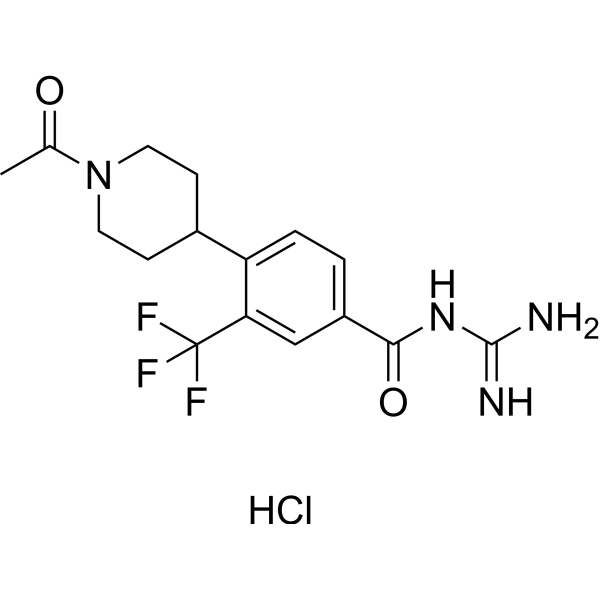
    BI-9627 hydrochloride is a potent sodium-hydrogen exchanger isoform 1 (NHE1) inhibitor (IC50 = 6 and 31 nM in intracellular pH recovery (pHi) and human platelet swelling assays). BI-9627 hydrochloride displays >30-fold selectivity against NHE2 and with no measurable inhibitory activity against the NHE3 isoform. BI-9627 hydrochloride decreases autophagy in HTR-8/SVneo cells. BI-9627 hydrochloride can significantly reduce the pHi of human sperm and partially reverse the effect of DMA. BI-9627 hydrochloride prolongs Ca 2+ recovery time in KO hiPSC-CMs. BI-9627 hydrochloride shows low DDI (agent-agent interaction) potential, excellent pharmacokinetics in rat and dog, and remarkably potent activity in the isolated heart model of ischemia-reperfusion injury .
    BI-9627 hydrochloride
  • HY-145996

    Biochemical Assay Reagents Cardiovascular Disease Infection
    STC314 is a histone-neutralizing agent. STC314 inhibits histone-mediated cytotoxicity, blocks histone-induced erythrocyte aggregation, reduces fragility, restores deformability and inhibits histone-induced aggregation and degranulation in human erythrocytes. STC314 reduces histone-mediated tissue damage, thrombocytopenia, anemia, and cell death, and improves survival in preclinical models. STC314 can be used for the research of sepsis, ischemia-reperfusion injury, and deep-vein thrombosis .
    STC314
  • HY-P5875A

    Protease Activated Receptor (PAR) Cardiovascular Disease Inflammation/Immunology
    P4pal10 TFA is the TFA salt form of P4pal10 (HY-P5875). P4pal10 TFA is an antagonist for protease-activated receptor 4 (PAR4). P4pal10 TFA inhibits the platelet aggregation, inhibits tissue factor (TF)-induced thrombin generation, and exhibits anticoagulant and antithrombotic activities. P4pal10 TFA reduces the oedema and the granulocyte infiltration induced by Carrageenan (HY-125474). P4pal10 TFA ameliorates the injury in rats myocardial ischemia/reperfusion (I/R) models .
    P4pal10 TFA
  • HY-106150

    EMD-96785

    Na+/H+ Exchanger (NHE) Others
    Eniporide (EMD 96785) is a Na(+)/H(+) exchange (NHE) inhibitor. Eniporide specifically inhibits the NHE-1 isoform. Eniporide improves cardiac performance inhibition associated with myocardial ischemia/reperfusion in animals, and limits infarct size in experimental models. Eniporide regulates cardiac performance and high-energy phosphate content in clinically relevant pig models of CPB and cardiac arrest .
    Eniporide
  • HY-178163

    Ferroptosis Necroptosis RIP kinase Reactive Oxygen Species (ROS) Mixed Lineage Kinase Inflammation/Immunology
    Zharp1-163 is a dual inhibitor of ferroptosis and necroptosis. Zharp1-163 effectively blocks ferroptosis by reducing reactive oxygen species (ROS) levels and inhibits necroptosis by potently and selectively targeting RIPK1 kinase activity (KD = 240 nM; IC50 = 406.1 nM). Zharp1-163 inhibits the cellular activation of RIPK1, RIPK3 and MLKL in response to necroptotic stimulation. Zharp1-163 markedly attenuates TNF-α (HY-P1875)-induced systemic inflammatory syndrome, including the prevention of TNF-α-induced mortality and hypothermia in mice. Zharp1-163 significantly alleviates acute kidney injury associated with both necroptosis and ferroptosis in models induced by Cisplatin (HY-17394) and ischemia-reperfusion. Zharp1-163 can be used for the study of diseases associated with cell death pathways, such as kidney disease .
    Zharp1-163
  • HY-19105A

    Histamine Receptor Inflammation/Immunology
    IT 066 hydrochloride is a Histamine H2 receptor antagonist. IT 066 hydrochloride possesses antioxidant activity and can protect rats against acute gastric mucosal injury induced by ischemia-reperfusion. IT 066 hydrochloride can also inhibit secretagogue-induced gastric acid secretion in rats and exert a long-acting anti-lesion effect on experimental gastric and duodenal lesions in rats. IT 066 hydrochloride is applicable for the research of gastrointestinal diseases .
    IT 066 hydrochloride
  • HY-170747

    Bacterial Infection Inflammation/Immunology
    9-tert-Butyldoxycycline exhibits immunomodulatory activity, alters the polarization states polymorphonuclear neutrophils, and ameliorates the inflammatory response in ischemia-reperfusion injury model. 9-tert-Butyldoxycycline is the ligand for ‘Tet-On’ switch system .
    9-tert-Butyldoxycycline
  • HY-122935

    HIV Reverse Transcriptase Infection
    Nigranoic acid is a triterpenoid separated from Schisandra chinensis. Nigranoic acid inhibits HIV-1 reverse transcriptase. Nigranoic acid exhibits protective effects on brain through PARP/AIF signaling pathway in cerebral ischemia-reperfusion animal model .
    Nigranoic acid
  • HY-105362

    Endothelin Receptor Cardiovascular Disease
    PD 155080 is a selective endothelin A receptor (ETA receptor) antagonist. PD 155080 reduces coronary resistance in the isolated rat heart model. PD 155080 improves myocardial systolic function and diastolic function in the ischemia/reperfusion model. PD 155080 can be used for the study of cardiovascular diseases .
    PD 155080
  • HY-P3199

    PKC Inflammation/Immunology
    PKCβII Peptide Inhibitor I is a PKCβII inhibitor. PKCβII Peptide Inhibitor I shows cardioprotective effects in rat cardiac Ischemia/reperfusion injury model. PKCβII Peptide Inhibitor I also prevents vascular endothelial dysfunction .
    PKCβII Peptide Inhibitor I
  • HY-117356B

    P2Y Receptor NF-κB ERK Cardiovascular Disease
    MRS2693 trisodium is a selective P2Y6 agonist with an EC50 value of 0.015 μM. MRS2693 trisodium can reduce the activation of NF-kappaB and activate the ERK1/2 pathway, and has a cytoprotective effect on mouse hindlimb skeletal muscle ischemia-reperfusion injury model .
    MRS2693 trisodium
  • HY-A0113

    Ro 31-3113

    Angiotensin-converting Enzyme (ACE) Cardiovascular Disease
    Cilazaprilat is an inhibitor of angiotensin-converting enzyme (ACE; IC50=0.7 nM for the rat enzyme) and an active metabolite of Cilazapril (HY-A0043). It decreases creatine kinase release in primary neonatal rat cardiac myocytes in an in vitro model of ischemia-reperfusion injury induced by hypoxia and reoxygenation when used at a concentration of 10 μM.3 Intra-arterial administration of cilazaprilat (3 μg/kg per minute) increases coronary blood flow and fractional shortening in a dog model of coronary hypoperfusion-induced myocardial ischemia.
    Cilazaprilat
  • HY-117356A

    P2Y Receptor NF-κB ERK Apoptosis Inflammation/Immunology
    MRS2693 ammonium is the ammonium dalt form of MRS2693 (HY-117356). MRS2693 ammonium is a selective agonist for P2Y6 with an EC50 of 0.015 μM. MRS2693 ammonium protects C2C12 skeletal muscle cells from TNFα-induced apoptosis. MRS2693 ammonium reduces the activation of NF-kB, activates the ERK1/2 pathway, and has a cytoprotective effect on mouse ischemia-reperfusion injury model [2].
    MRS2693 ammonium
  • HY-155517

    NOD-like Receptor (NLR) Pyroptosis Inflammation/Immunology
    INF200 (compound 5) is a sulfonylurea-based inhibitor of NLRP3 and NLRP3-mediated pyroptosis. INF200 has beneficial cardiometabolic effects in rat model of high-fat diet (HFD)-induced metaflammation,and shows anti-inflammatory activity to (10 μM) decreases IL-1β release in human macrophages. INF200 improves glucose and lipid profiles,and attenuates systemic inflammation and biomarkers of cardiac dysfunction (particularly BNP). INF200 also improves myocardial damage-dependent ischemia/reperfusion injury (IRI) in hemodynamic evaluation .
    INF200
  • HY-N0507R

    Reference Standards TNF Receptor Interleukin Related Neurological Disease Inflammation/Immunology
    Rosavin (Standard) is the analytical standard of Rosavin. This product is intended for research and analytical applications. Rosavin, an orally bioactive phenylpropanoid from Rhodiola rosea L. (RRL), is an adaptogen that enhances the body’s response to environmental stress. Rosavin significantly influences bone tissue metabolism by inhibiting osteoclastogenesis and promoting osteoblast differentiation, also impacts various diseases, demonstrating antidepressant, adaptogenic, and anxiolytic effects in mouse models. Additionally, Rosavin improves survival, reducing intestinal damage in irradiated rats and Ischemia-reperfusion(I/R)-induced cerebral injury in vivo by regulating inflammation and oxidative stress, making it a promising candidate for research in radiation-induced intestinal injury, I/R-induced cerebral injury and osteoporosis .
    Rosavin (Standard)
  • HY-19129

    Prostaglandin Receptor Cardiovascular Disease
    KT2-962 is a thromboxane A2 (TXA2) receptor antagonist and potent hydroxyl radical scavenger (IC50=500 nM). KT2-962 reduces myocardial infarct size and ventricular fibrillation. KT2-962 demonstrates cardioprotective effect in a canine ischemia/reperfusion model. KT2-962 is promising for research of myocardial ischemia-reperfusion injury and TXA2-mediated vascular diseases .
    KT2-962
  • HY-121726

    mTOR Autophagy Cardiovascular Disease
    3HOI-BA-01 is amTORinhibitor.3HOI-BA-01reduces infarct size and inducedautophagyin a murine myocardial ischemia/reperfusion injury model .
    3HOI-BA-01
  • HY-161717

    Adenosine Receptor Cardiovascular Disease
    MRS5663 (Compound 3a) is an A3AR agonist, with an EC50 of 5.62 nM for β-arrestin2 recruitment assay. MRS5663 has a cytoprotective effect on skeletal muscle ischemia-reperfusion injury/claudication model .
    MRS5663

Inquiry Online

Your information is safe with us. * Required Fields.

Salutation


Country or Region *

Applicant Name *


Organization Name *

Department *


Email Address *


Product Name *

Cat. No.


Requested quantity *

Phone Number *


Remarks

Inquiry Online

Inquiry Information

Product Name:
Cat. No.:
Quantity:
MCE Japan Authorized Agent:

