



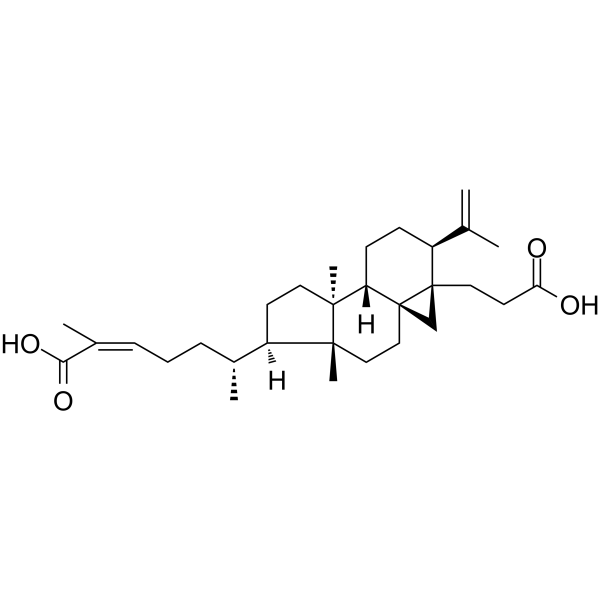
Nigranoic acid

Based on 1 Customer Validation
Nigranoic acid is a triterpenoid separated from Schisandra chinensis. Nigranoic acid inhibits HIV-1 reverse transcriptase. Nigranoic acid exhibits protective effects on brain through PARP/AIF signaling pathway in cerebral ischemia-reperfusion animal model.
For research use only. We do not sell to patients.
- Purity : 95.0%
- CAS No.: 39111-07-4
- Formula: C30H46O4
- Molecular Weight:470.68
-
Storage:Powder -20°C, 3 years , 4°C, 2 years ; In solvent -80°C, 6 months , -20°C, 1 month

To place orders, for customer services and technical support, please contact: MedChemExpress USA
Tel: 609-228-6898 E-mail: [email protected] [email protected]


-
 Biological Activity
-
Chemical Information
- Protocols
- Purity & Documentation
- References
-
 Help & FAQs


-
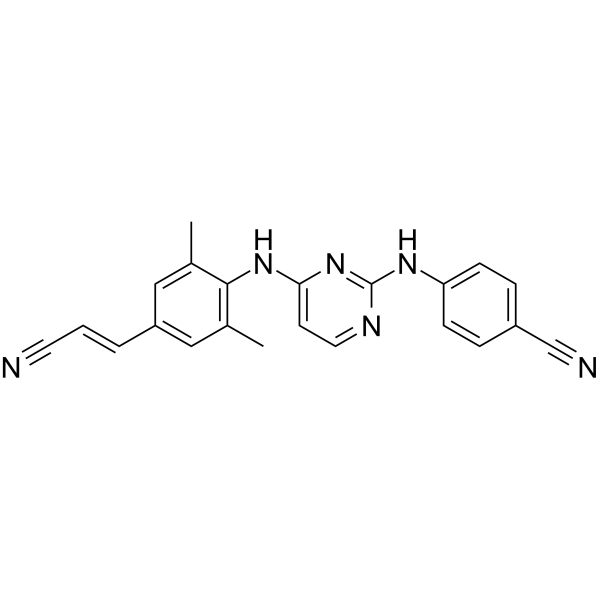
HY-10574
RilpivirineNNRTI -
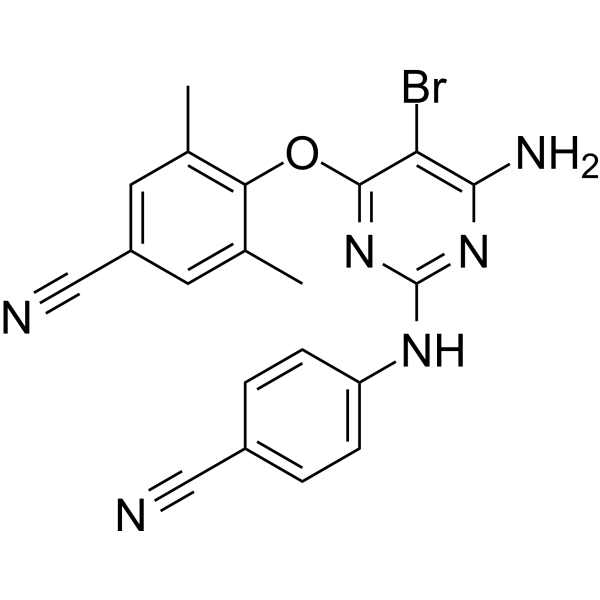
HY-90005
Etravirine -
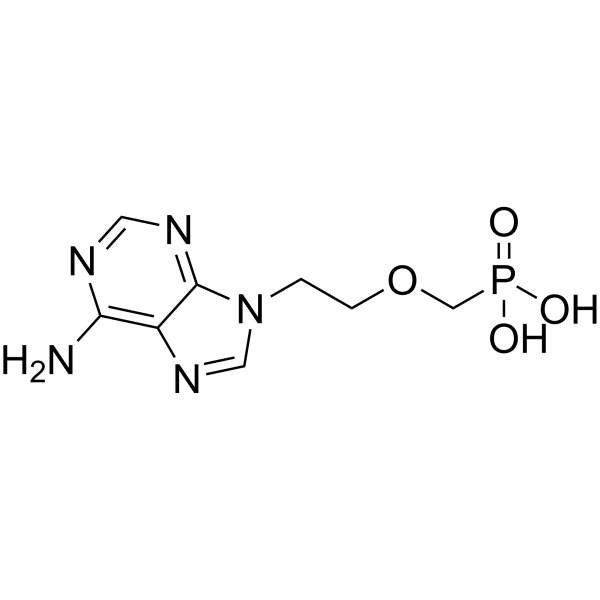
HY-B1826
AdefovirHBV Inhibitor -
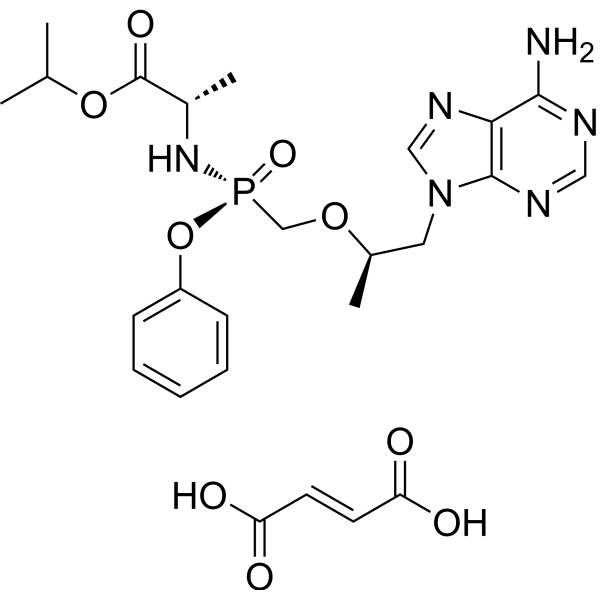
HY-15232A
Tenofovir alafenamide fumarateReverse Transcriptase Inhibitor -
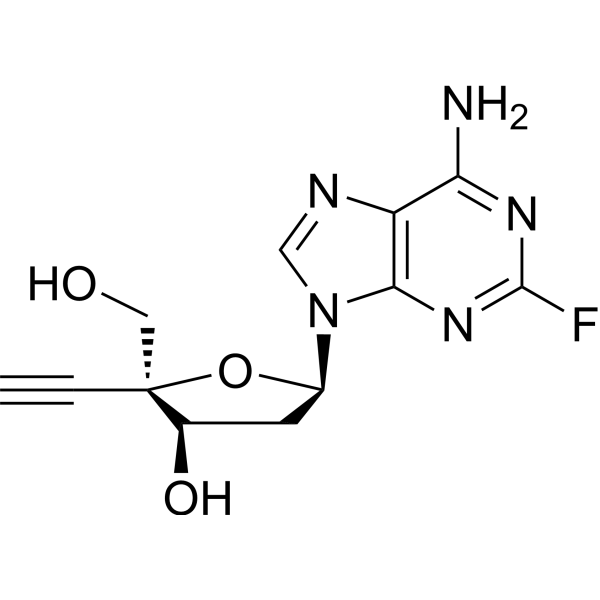
HY-104012
IslatravirNucleoside Reverse Transcriptase Translocation Inhibitor -
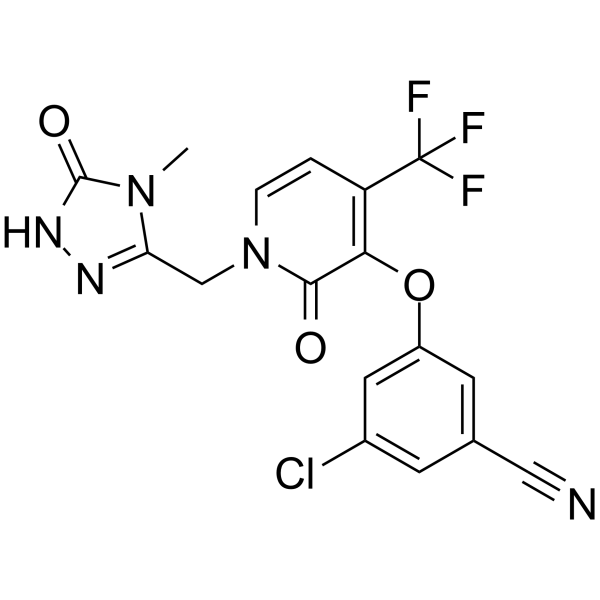
HY-16767
DoravirineNNRTI -
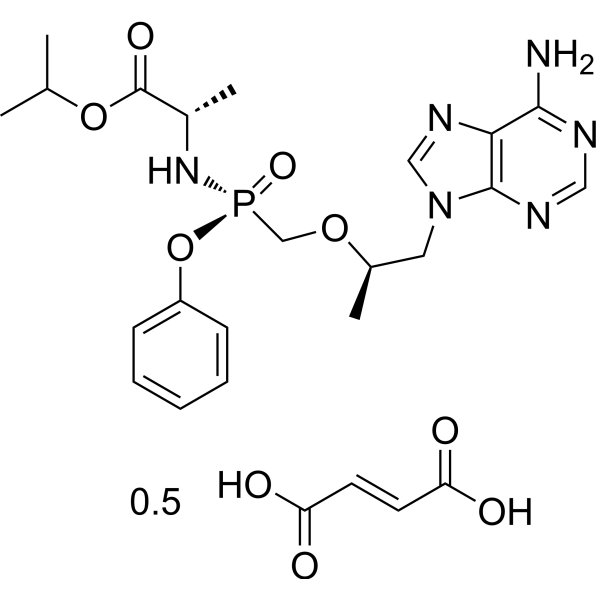
HY-15232B
Tenofovir alafenamide hemifumarateReverse Transcriptase Inhibitor -
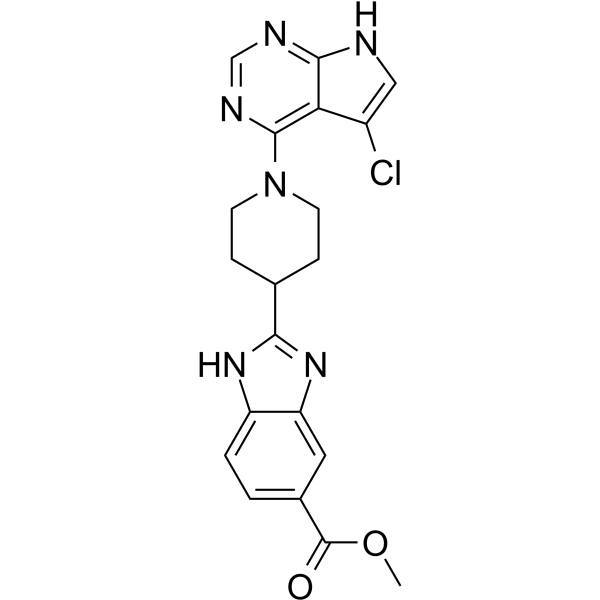
HY-120097
R-10015LIMK Inhibitor -
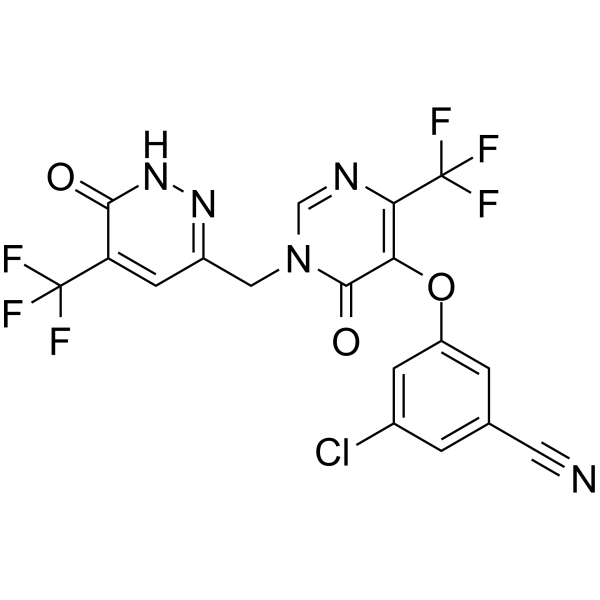
HY-147411
UlonivirineHIV-1 reverse transcriptase Inhibitor -
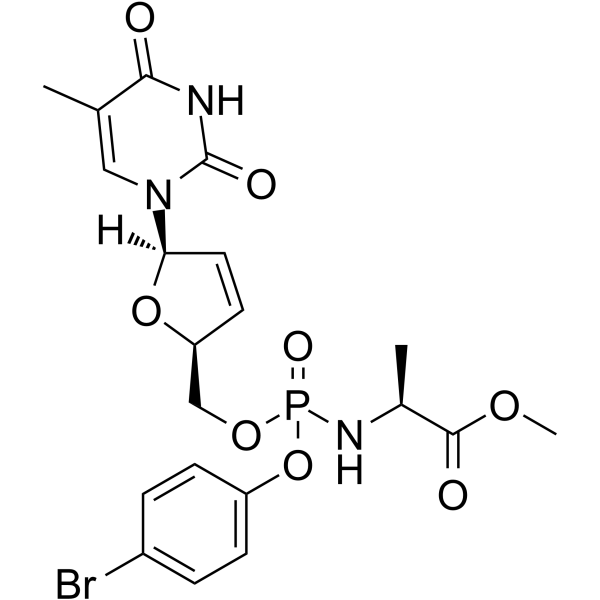
HY-122470
StampidineNRTI -
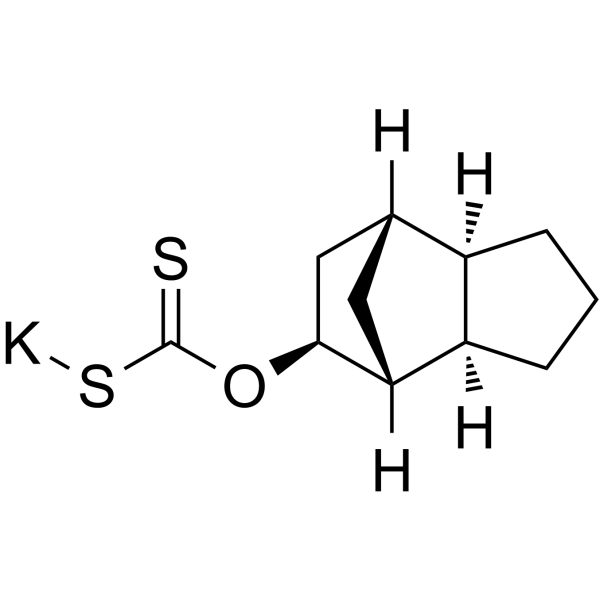
HY-70083
SPK-601PC-PLC Inhibitor -
HY-15336
AG 555EGFG Inhibitor


Biological Activity
Description
IC50 & Target
HIV-1 reverse transcriptase
Cellular Effect
|
Cell Line

|
Type | Value | Description | References |
|---|---|---|---|---|
| C8166 | CC50 |
88 μg/mL
Compound: 3
|
Cytotoxicity against human C8166 cells by MTT assay
Cytotoxicity against human C8166 cells by MTT assay
|
[PMID: 16499331] |
| C8166 | EC50 |
10.3 μg/mL
Compound: 3
|
Antiviral activity against HIV1 infected in human C8166 cells assessed as inhibition of viral-induced cytopathic effect
Antiviral activity against HIV1 infected in human C8166 cells assessed as inhibition of viral-induced cytopathic effect
|
[PMID: 16499331] |
In Vivo
Nigranoic acid (1 mg/kg; i.g.; 6 hours and 2 hours before brain ischemia) significantly decreases apoptosis and the expression levels of AIF protein, PARP protein, and AIF mRNA at different time-points[2].
MedChemExpress (MCE) has not independently confirmed the accuracy of these methods. They are for reference only.
-
Animal Model:Sprague–Dawley rats (200-300 g), ischemia–reperfusion model[2]
-
Dosage:1 mg/kg
-
Administration:Intragastric; 6 hours and 2 hours before brain ischemia
-
Result:Decreased apoptosis and the expression levels of AIF protein, PARP protein, and AIF mRNA at different time-points.


Chemical Information
-
CAS No. 39111-07-4
-
Appearance Solid
-
Molecular Weight 470.68
-
Formula C30H46O4
-
Color Off-white to light yellow
-
SMILES
OC(CC[C@@]12[C@]3([C@](CC[C@H]2C(C)=C)([H])[C@]4([C@@](C)([C@]([C@H](C)CC/C=C(C)\C(O)=O)([H])CC4)CC3)C)C1)=O
-
Structure Classification
-
Initial Source
-
Shipping
Room temperature in continental US; may vary elsewhere.
-
Storage
Powder -20°C 3 years 4°C 2 years In solvent -80°C 6 months -20°C 1 month

Protocols
-
How to Choose the Right Model Animal
Choosing the right model animal is a validity-driven decision in which the species, strain, sex, age, genetic background, disease-induction method, outcome measures, and welfare burden must match the scientific question rather than laboratory tradition or convenience. A model should be selected by judging face validity, construct validity, and predictive validity: whether it resembles the human phenotype, whether it reproduces relevant mechanisms, and whether results are likely to predict human biology or treatment response. Animal studies often fail to translate because of species differences, weak disease resemblance, poor experimental design, inadequate reporting, publication bias, and underuse of randomization, blinding, and sample-size justification. Unresolved questions include how to rank competing models objectively, how much human-disease complexity must be reproduced for a given objective, and when non-animal systems such as organoids, ex vivo tissue, or computational models


Purity & Documentation
-
Data Sheet (268 KB)
-
SDS (251 KB)
- English - EN (251 KB)
- Français - FR (251 KB)
- Deutsch - DE (251 KB)
- Norwegian - NO (251 KB)
- Español - ES (251 KB)
- Swedish - SV (251 KB)
- Italian - IT (251 KB)
- Korean - KR (251 KB)
- Portuguese - PT (251 KB)
-
Handling Instructions (2659 KB)
References
[1]. Sun HD, et al. Nigranoic acid, a triterpenoid from Schisandra sphaerandra that inhibits HIV-1 reverse transcriptase. J Nat Prod. 1996 May;59(5):525-7. [Content Brief]
[2]. Feng T, et al. Protective effects of nigranoic acid on cerebral ischemia-reperfusion injury and its mechanism involving apoptotic signaling pathway. Cell Biochem Biophys. 2015 Jan;71(1):345-51. [Content Brief]

Calculators
Concentration (start) × Volume (start) = Concentration (final) × Volume (final)


Nigranoic acid Related Classifications
HY-122935 Related Classifications
 Powered by Bioz