Search Result
Results for "
oxidoreductases
" in MedChemExpress (MCE) Product Catalog:
1
Biochemical Assay Reagents
4
Isotope-Labeled Compounds
| Cat. No. |
Product Name |
Target |
Research Areas |
Chemical Structure |
-
- HY-15924
-
|
MTT; Thiazolyl Blue Tetrazolium bromide; Methylthiazolyldiphenyl-tetrazolium bromide
|
Fluorescent Dye
|
Others
|
|
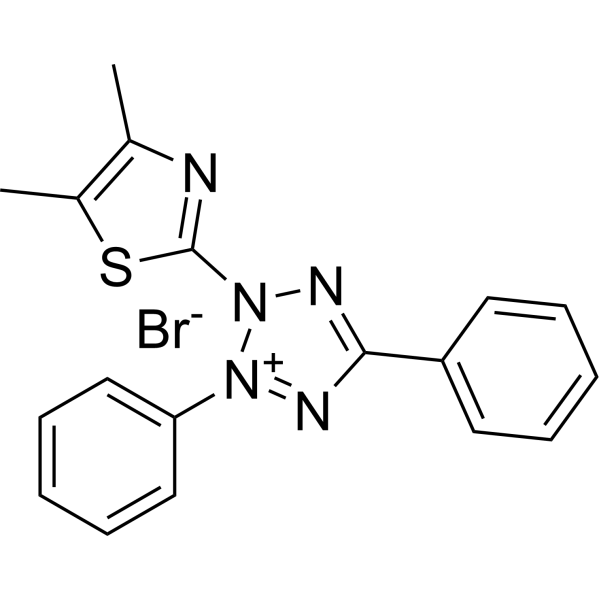
Thiazolyl Blue (MTT) is a cell-permeable and positively charged tetrazolium dye that is used to detect reductive metabolism in cells. Thiazolyl Blue is taken up by cells through the plasma membrane and then reduced to formazan by intracellular NAD (P) H-oxidoreductases. Thiazolyl Blue is frequently used in colorimetric assays to measure cell proliferation, cytotoxicity, and apoptosis .
|
-
-
- HY-N0645
-
|
Dicumarol
|
Quinone Reductase
PDHK
|
Cancer
|
|
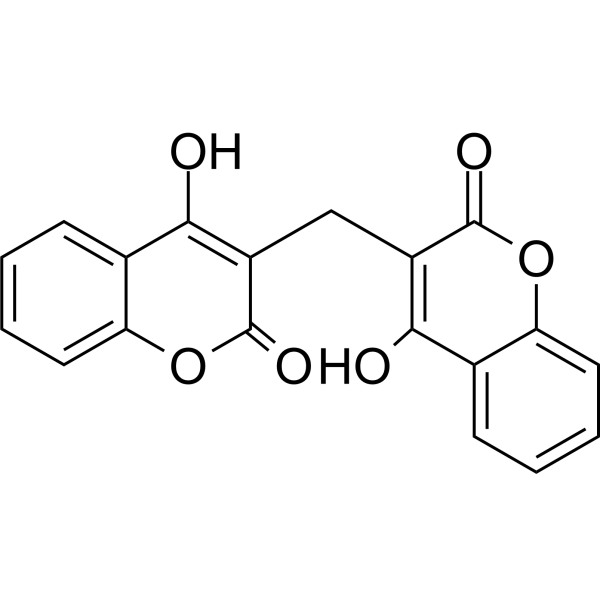
Dicoumarol is an inhibitor of both NAD(P)H:quinone oxidoreductase 1 (NQO1) and PDK1 with IC50s of 0.37 and 19.42 μM, respectively.
|
-
-
- HY-P2902
-
|
|
Endogenous Metabolite
|
Cancer
|
|
Glucose oxidase is used in the food and beverage industry as a preservative and stabilizer and is commonly derived from the fungus Aspergillus niger. Glucose oxidase can react with intracellular glucose and oxygen (O2) to produce hydrogen peroxide (H2O2) and gluconic acid, which can cut off the nutrition source of cancer cells and consequently inhibit their proliferation .
|
-
-
- HY-P2755
-
-
-
- HY-P2907
-
|
|
Endogenous Metabolite
|
Others
|
|
Formate dehydrogenase is a class of oxidoreductases widely distributed in bacteria, fungi, plants and animals. Formate dehydrogenase catalyzes the reversible conversion between formic acid and carbon dioxide, accompanied by redox reactions of the coenzyme NAD +/NADH or other electron carriers .
|
-
-
- HY-P2755A
-
-

-
- HY-125027
-
|
IB-DNQ
|
Quinone Reductase
|
Cancer
|
|
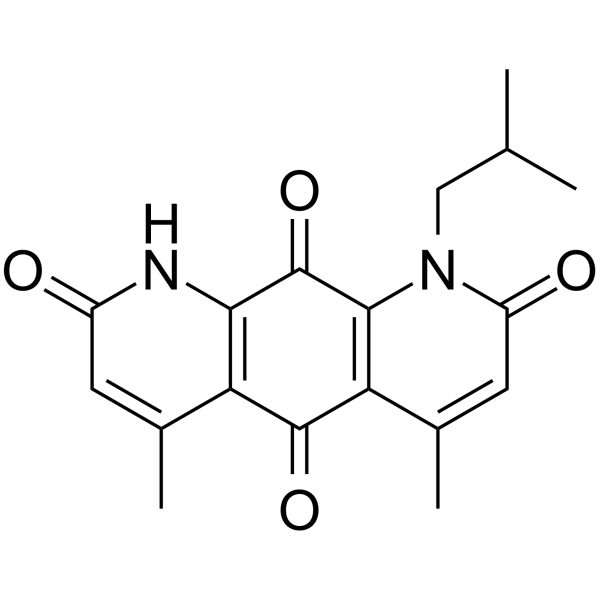
Isobutyl-deoxynyboquinone (IB-DNQ) is a selective substrate for NAD(P)H:quinone oxidoreductase (NQO1). Isobutyl-deoxynyboquinone can be used for the research of anticancer .
|
-
-
- HY-P2807F
-
|
LAD, LD, L-LDH, (S)-Lactate: NAD+ oxidoreductase
|
Lactate Dehydrogenase
|
Cardiovascular Disease
|
|
Lactate Dehydrogenase (LDH), Bovine Heart (LAD) is an oxidoreductase that catalyzes the reversible conversion between lactate and pyruvate. Lactate Dehydrogenase (LDH), Bovine Heart is mainly used in life science research, tissue damage diagnosis, and as an enzyme marker .
|
-

-
- HY-14874
-
|
FYX-051
|
MOFs
Xanthine Oxidase
Cytochrome P450
|
Metabolic Disease
|
|
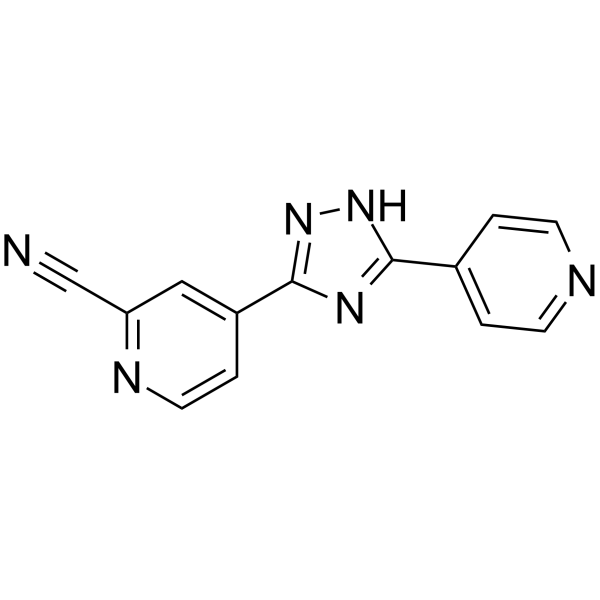
Topiroxostat (FYX-051) is a potent and orally active xanthine oxidoreductase (XOR) inhibitor with an IC50 value of 5.3 nM and a Ki value of 5.7 nM. Topiroxostat exhibits weak CYP3A4-inhibitory activity (18.6%). Topiroxostat has the potential for hyperuricemia treatment .
|
-
-
- HY-103667
-
2-HBA
3 Publications Verification
|
Quinone Reductase
Caspase
|
Cancer
|
|
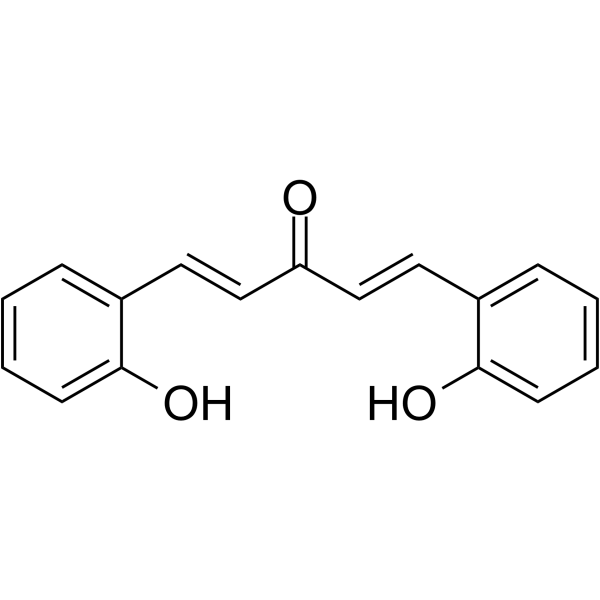
2-HBA is a potent inducer of NAD(P)H:quinone acceptor oxidoreductase 1 (NQO1) which can also activate caspase-3 and caspase-10.
|
-
-
- HY-P2897
-
|
D-LDH
|
Lactate Dehydrogenase
|
Others
|
|
D-Lactate dehydrogenase, Microorganism (D-LDH) is an oxidoreductase that uses NAD + or NADP + as an acceptor and acts on the donor CH-OH group, and can catalyze the oxidation of D-lactate to pyruvate. D-Lactate dehydrogenase widely exists in bacteria and fungi, and is often used in biochemical research .
|
-
-
- HY-144439
-
|
|
Mitochondrial Metabolism
|
Cardiovascular Disease
Cancer
|
|
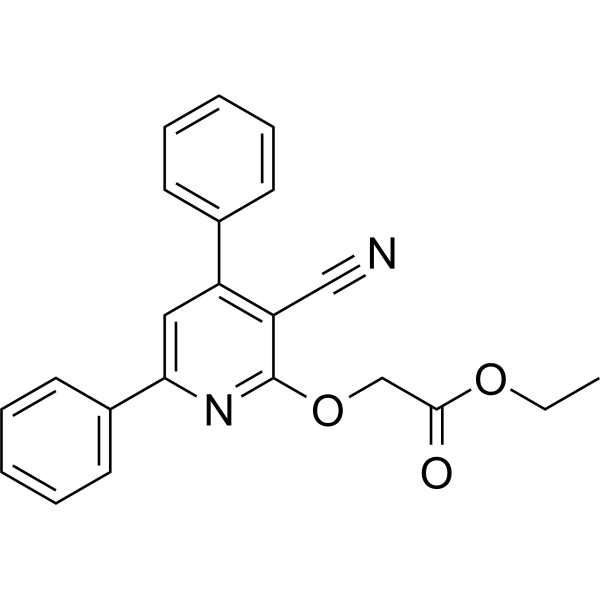
HTS07545 is a potent sulfide:quinone oxidoreductase (SQOR) inhibitor with an IC50 of 30 nM. HTS07545 reduces the decomposition rate of hydrogen sulfide (H2S). HTS07545 can be used in the research of heart failure and pancreatic ductal adenocarcinoma.
|
-
-
- HY-P3186A
-
|
GDH-NAD
|
Endogenous Metabolite
|
Metabolic Disease
|
|
NAD-dependent glucose dehydrogenase (GDH-NAD) is an oxidoreductase that uses NAD + as a coenzyme, specifically catalyzes the dehydrogenation of glucose to gluconolactone, and reduces NAD + to NADH. NAD-dependent glucose dehydrogenase exhibits favorable substrate selectivity and stability, and is not affected by oxygen .
|
-

-
- HY-141552
-
FC9402
2 Publications Verification
|
Mitochondrial Metabolism
|
Cardiovascular Disease
|
|
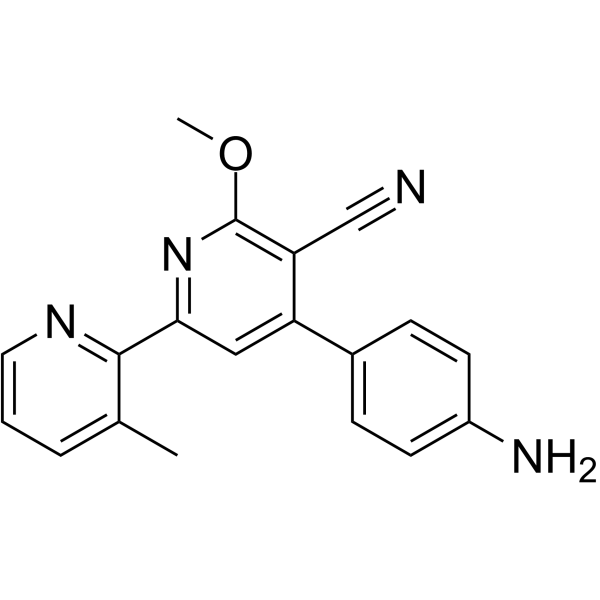
FC9402 is a potent and selective sulfide quinone oxidoreductase (SQOR) inhibitor extracted from patent WO 2020/146636 A1. FC9402 attenuates TAC-induced cardiomyocyte hypertrophy and left ventricle (LV) fibrosis. FC9402 can be used for cardiovascular regulation .
|
-
-
- HY-P2889
-
|
|
Biochemical Assay Reagents
|
Others
|
|
Pyranose oxidase, Coriolus sp. is an oxidoreductase targeting monosaccharides (e.g., D-glucose, D-galactose). Pyranose oxidase, Coriolus sp. is promising for research of biosensors (glucose, 1,5-anhydroglucitol detection) and biofuel cells .
|
-
-
- HY-135024
-
|
Phenylacetyl Coenzyme A
|
Endogenous Metabolite
|
Metabolic Disease
|
|
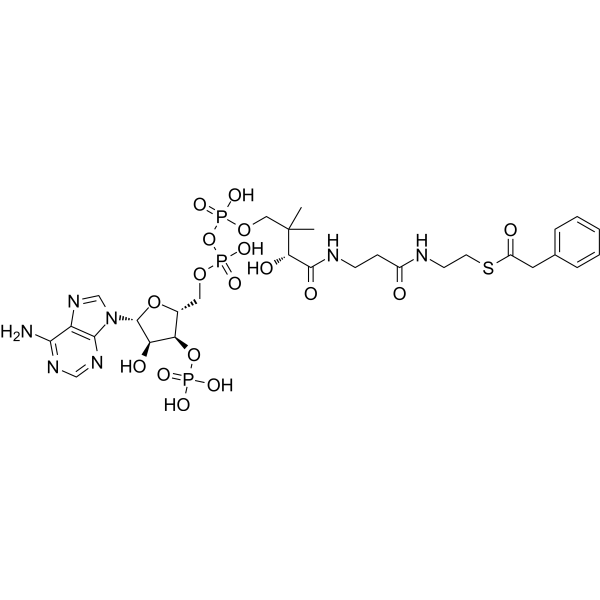
Phenylacetyl CoA is an acceptor oxidoreductase. Phenylacetyl CoA is a membrane-bound molybdenum–iron–sulfur enzyme involved in anaerobic metabolism of phenylalanine in the denitrifying bacterium Thauera aromatica .
|
-
-
- HY-148706
-
|
|
STAT
|
Infection
Cancer
|
|
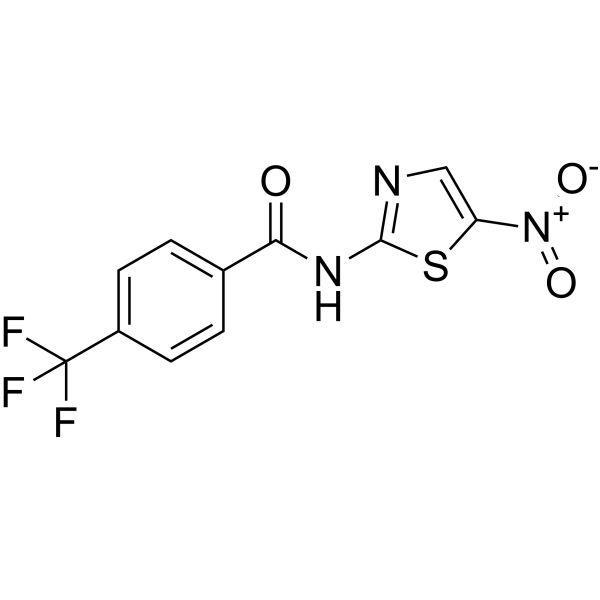
STAT3-IN-17 is a moderate STAT3 inhibitor (IC50=0.7 μM; HEK-Blue IL-6), with antiproliferative activity in HeLa cells. STAT3-IN-17 has good pharmacokinetic characteristics. STAT3-IN-17 also inhibits pyruvate-ferredoxin oxidoreductase (PFOR), and inhibits Helicobacter pylori .
|
-
-
- HY-14572
-
|
SN 27858
|
DNA Alkylator/Crosslinker
Drug Metabolite
|
Cancer
|
|
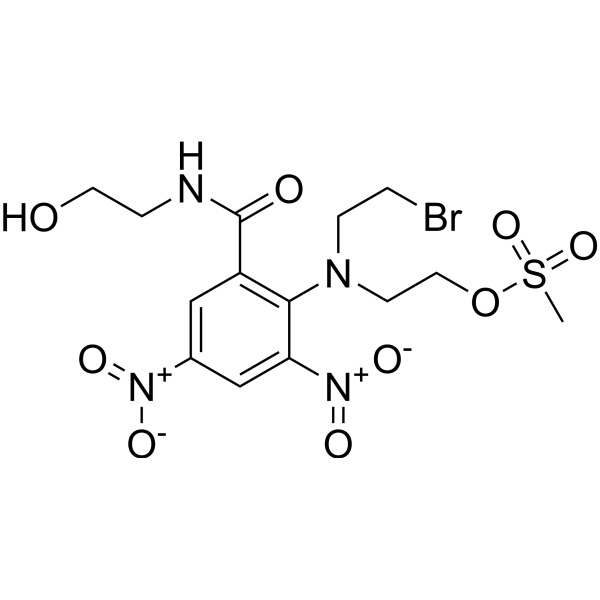
PR-104A (SN 27858) is the alcohol metabolite of phosphate proagent PR-104. PR-104A is a hypoxia-selective DNA cross-linking agent/DNA-damaging agent and cytotoxin. Antitumor Activity . PR-104A is metabolized under hypoxia by the 1-electron NADPH:cytochrome P450 oxidoreductase. PR-104A can be used for the research of relapsed/refractory T-lineage acute lymphoblastic leukemia (T-ALL) .
|
-
-
- HY-W007584
-
|
|
Drug Intermediate
|
Others
|
|
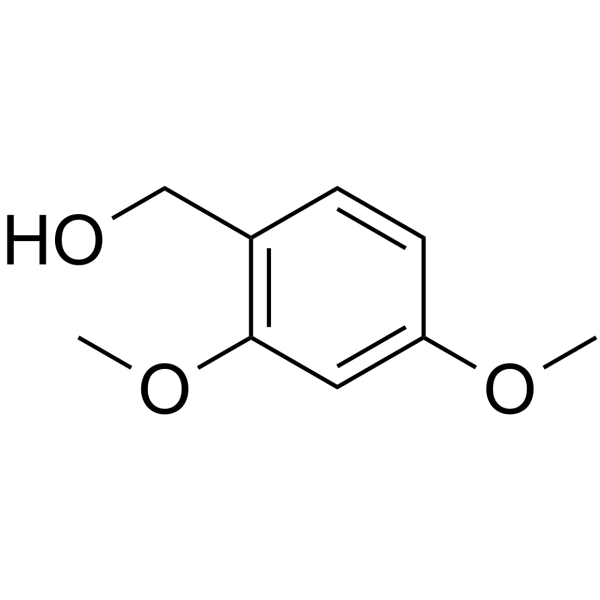
2,4-Dimethoxybenzyl alcohol, an aromatic alcohol, is a substrate of glucose-methanol-choline (GMC) oxidoreductase. GMC oxidoreductase displays the characteristics of an aryl-alcohol oxidase. 2,4-Dimethoxybenzyl alcohol can be used as a drug intermediate .
|
-
-
- HY-118588
-
-
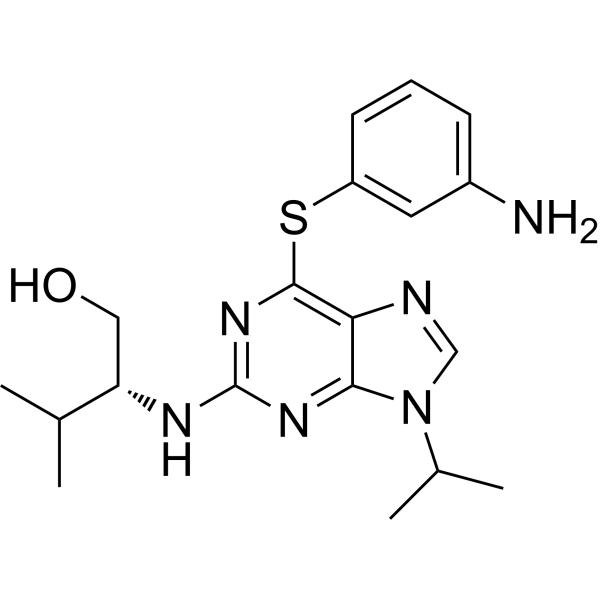
-
- HY-P2743
-
|
|
Biochemical Assay Reagents
|
Others
|
|
Choline oxidase (EC 1.1.3.17) catalyzes the oxidation of choline to glycine betaine via betaine aldehyde in glycine betaine biosynthesis and betaine acts as an osmolyte. Choline oxidase has potential in enzymatic betaine production .
|
-
-
- HY-120338
-
-
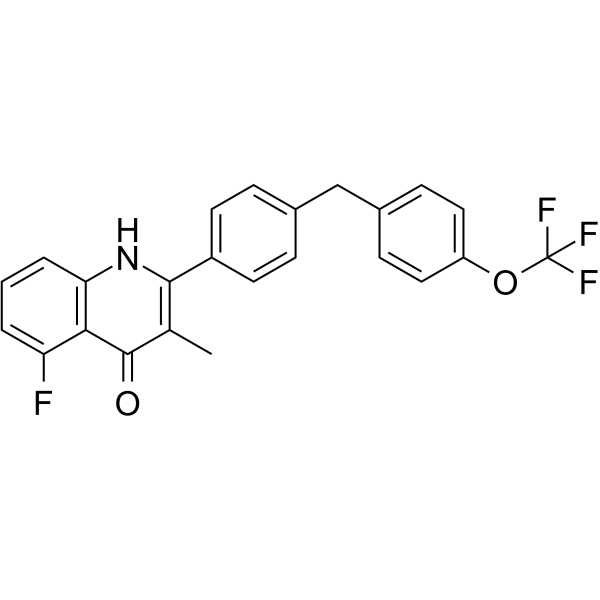
-
- HY-N5018
-
|
Musizin
|
Parasite
AMPK
|
Infection
|
|
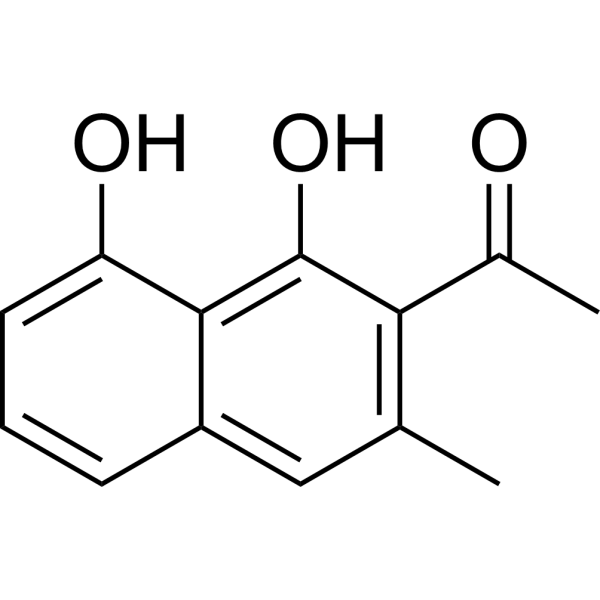
Nepodin (Musizin) is a quinone oxidoreductase (PfNDH2) inhibitor isolate from Rumex crispus .Nepodin (Musizin) stimulates the translocation of GLUT4 to the plasma membrane by activation of AMPK .Nepodin (Musizin) has antidiabetic and antimalarial activities.
|
-
-
- HY-W016628
-
|
L-Gulonolactone
|
Endogenous Metabolite
|
Metabolic Disease
|
|
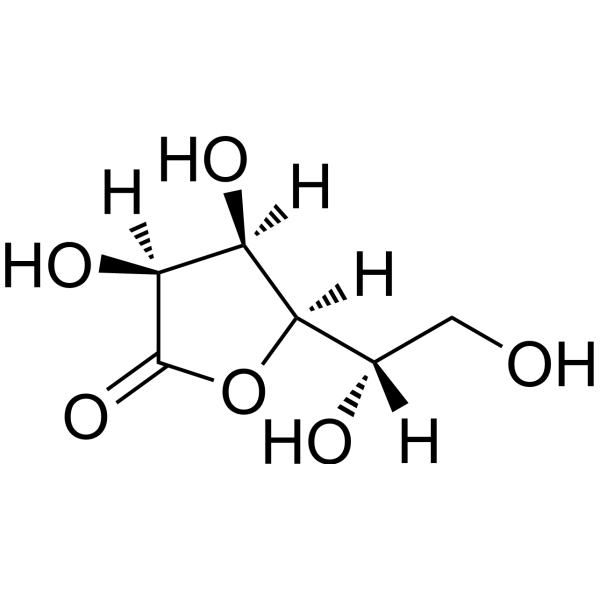
L-Gulono-1,4-lactone is a substrate of L-gulono-1,4-lactone oxidoreductase, which catalyzes the last step of the biosynthesis of L-ascorbic (Vatamin) C. In other words, L-Gulono-1,4-lactone is a direct precursor of vitamin C in animals, in plants and in some protists.
|
-
-
- HY-P2964
-
|
|
Endogenous Metabolite
|
Metabolic Disease
|
|
Phenylalanine dehydrogenase is an NAD +-dependent oxidoreductase targeting L-phenylalanine. Phenylalanine dehydrogenase catalyzes deamination to phenylpyruvate and NADH as part of amino acid metabolism regulation. Phenylalanine dehydrogenase is promising for research of phenylketonuria (PKU) .
|
-
-
- HY-168926
-
|
|
Reactive Oxygen Species (ROS)
Apoptosis
|
Cancer
|
|
NQO2-IN-1 (Compound 20b) is the inhibitor for quinone oxidoreductase (NQO) that inhibits NQO2 with an IC50 of 95 nM. NQO2-IN-1 overcomes the resistance of NSCLC cells to tumor necrosis factor-related apoptosis-inducing ligand (TRAIL) by induction of ROS and apoptosis .
|
-

-
- HY-151975
-
|
|
Xanthine Oxidase
|
Metabolic Disease
|
|
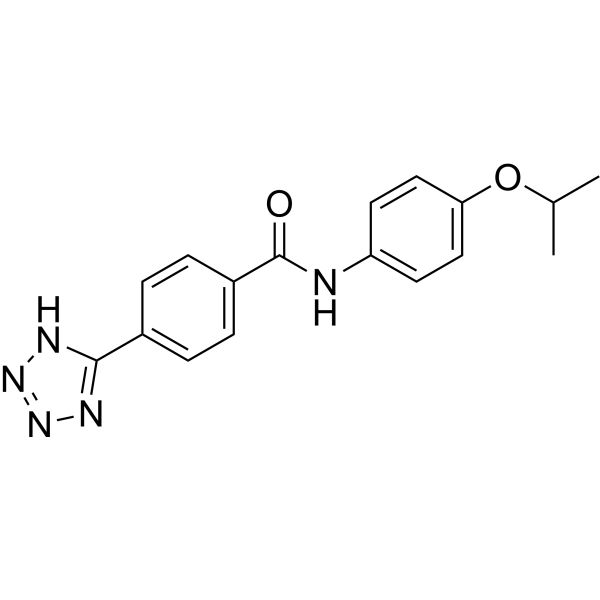
Xanthine oxidoreductase-IN-5 is an orally active xanthine oxidoreductase (XOR) inhibitor, with an IC50 of 55 nM. Xanthine oxidoreductase-IN-5 can be used for the research of acute hyperuricemia .
|
-
-
- HY-151973
-
|
|
Xanthine Oxidase
|
Metabolic Disease
|
|
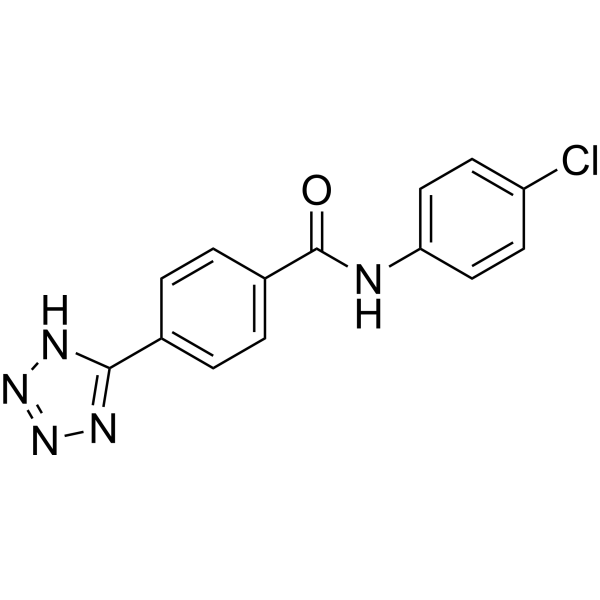
Xanthine oxidoreductase-IN-3 is an orally active xanthine oxidoreductase (XOR) inhibitor, with an IC50 of 26.3 nM. Xanthine oxidoreductase-IN-3 can be used for the research of acute hyperuricemia .
|
-
-
- HY-P2807K
-
|
|
Endogenous Metabolite
|
Metabolic Disease
|
|
L-Lactate Dehydrogenase, bovine muscle is an oxidoreductase. L-Lactate Dehydrogenase, bovine muscle catalyzes the reversible conversion of lactate to pyruvate with the reduction of NAD+ to NADH .
|
-

-
- HY-W012927
-
|
Chicory furaneol
|
Biochemical Assay Reagents
|
Others
|
|
4-Hydroxy-5-methylfuran-3(2H)-one (Chicory furaneol) can be used to assay oxidoreductase activity. 4-Hydroxy-5-methylfuran-3(2H)-one is a kind of biological materials or organic compounds that are widely used in life science research .
|
-

-
- HY-157744
-
|
|
Mitochondrial Metabolism
|
Cancer
|
|
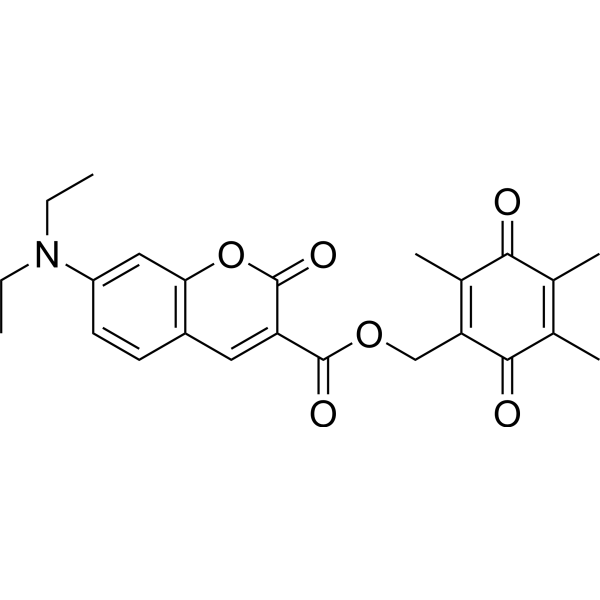
Coumarin–quinone conjugate is a fluorescent substrate for NADH:ubiquinone oxidoreductases which consists of a coumarin fluorophore and a ubiquinone analog. Coumarin–quinone conjugate can be used to measure the kinetic parameters of AIFM2/FSP1 for researches such as ferroptosis .
|
-
-
- HY-149769
-
|
|
Cytochrome P450
|
Cancer
|
|
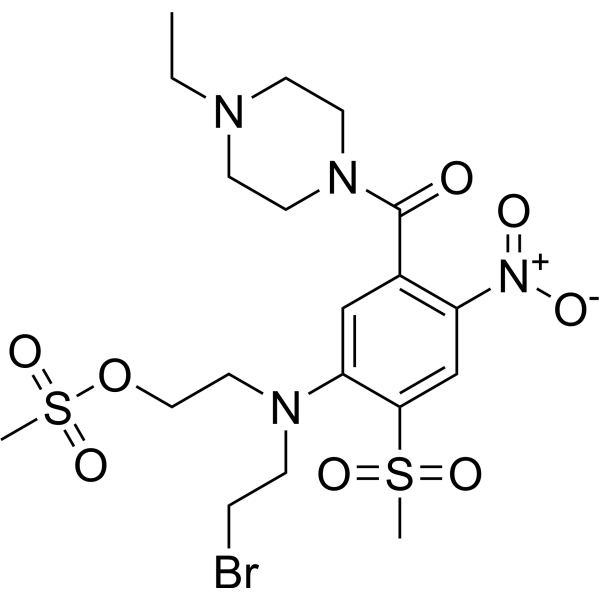
CP-506 (compound 26) is an anticancer compound and a substrate for nitroreductase and CYP oxidoreductases. CP-506 has anticancer activity .
|
-
-
- HY-W008356
-
|
|
Drug Intermediate
|
Infection
Metabolic Disease
|
|
2-Fluoro-4-iodobenzonitrile is a building block, which can be used to synthesize L. infantum trypanothione reductase (Li-TryR) dimerization and oxidoreductase activity inhibitors. 2-Fluoro-4-iodo benzonitrile can also be used to synthesize transient receptor potential ankyrin 1 (TRPA1) antagonists .
|
-

-
- HY-W075315
-
|
|
MOFs
Xanthine Oxidase
Cytochrome P450
|
Metabolic Disease
|
|
Xanthine oxidoreductase-IN-6 (Compound 4) is an orally active xanthine oxidoreductase (XOR) inhibitor with an IC50 of 170 nM. Xanthine oxidoreductase-IN-6 can block the final step of uric acid biosynthesis and lower serum uric acid levels. Xanthine oxidoreductase-IN-6 also shows Cytochrome P450 3A4 (CYP3A4) inhibitory activity. Xanthine oxidoreductase-IN-6 can be used for the research of hyperuricemia .
|
-

-
- HY-116433
-
-
-
- HY-176757
-
|
|
NADPH Oxidase
|
Cancer
|
|
N-Benzyl-N-demethylpronqodine A (Compound 16) is an inhibitor of NAD(P)H:quinine acceptor oxidoreductase 1 (NQO1) with an IC50 of 83.3 nM .
|
-

-
- HY-145820
-
|
|
Apoptosis
Microtubule/Tubulin
|
Cancer
|
|
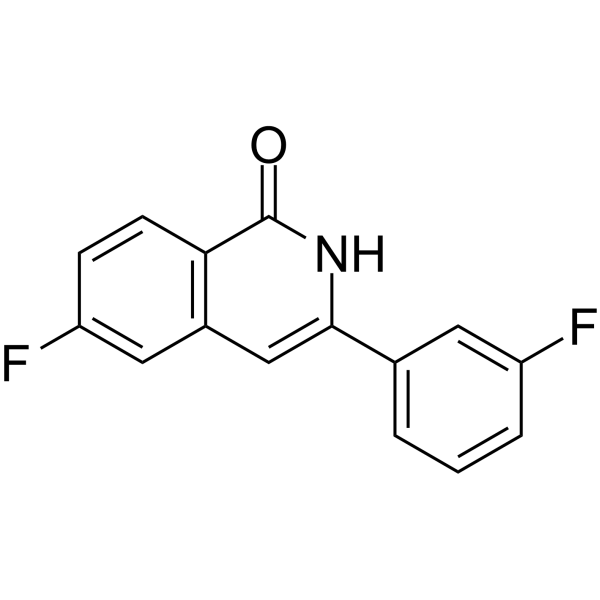
Tubulin inhibitor 14 is a potent NQO2 (quinone oxidoreductase 2) inhibitor with an IC50 of 1.0 μM. Tubulin inhibitor 14 also inhibits tubulin polymerization and the formation of endothelial cell capillary-like tubes. Tubulin inhibitor 14 is a microtubule-destabilizing agent with potential tumor-selectivity and antiangiogenic and vascular disrupting features .
|
-
-
- HY-P2742A
-
|
|
Endogenous Metabolite
|
Metabolic Disease
|
|
L-Ascorbate oxidase, Cucumber belongs to the family of oxidoreductases acting on diphenols and related substances as donor with oxygen as acceptor. L-Ascorbate oxidase, Cucumber catalyses the oxidation of L‐Ascorbate (HY-B0166) with oxygen to dehydroascorbate with the generation of water. L-Ascorbate oxidase, Cucumber can be used in baking processes and cereal‐based processes .
|
-

-
- HY-W975966
-
|
|
Keap1-Nrf2
|
Neurological Disease
|
|
CPDT is an orally active and highly potent inducer of phase 2 enzymes and an activator of Nrf2. The activities of key phase 2 enzymes, including glutathione S-transferase, NAD(P)H:quinone:oxidoreductase 1 and glutamate cysteine synthetase, and levels of glutathione were elevated by CPDT in rat bladder in vivo and in cultured bladder cells in vitro [2].
|
-

-
- HY-E70375
-
|
Fructosyl-peptide: oxygen oxidoreductase
|
Others
|
Others
|
|
Fructosyl-peptide oxidase (FPOX-CE) (Fructosyl-peptide: oxygen oxidoreductase) is an enzyme that catalyzes the oxidation of glycopeptides. Fructosyl-peptide oxidase (FPOX-CE) shows high activity against small molecule glycated peptides, but no activity is detected against the glycated hexapeptide standard fVHLTPE used in the study. Fructosyl-peptide oxidase (FPOX-CE) can be used in the study of diabetes monitoring .
|
-

-
- HY-151974
-
|
|
Xanthine Oxidase
|
Metabolic Disease
|
|
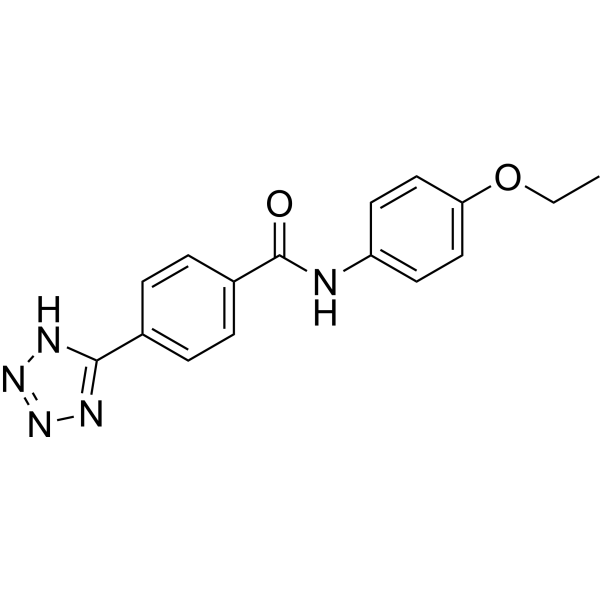
Xanthine oxidoreductase-IN-4 is an orally active xanthine oxidoreductase (XOR) inhibitor. Xanthine oxidoreductase-IN-4 has inhibitory activity against XOR with an IC50 value of 29.3 nM. Xanthine oxidoreductase-IN-4 can be used for the research of hyperuricemia .
|
-
-
- HY-146297
-
|
|
Xanthine Oxidase
|
Metabolic Disease
|
|
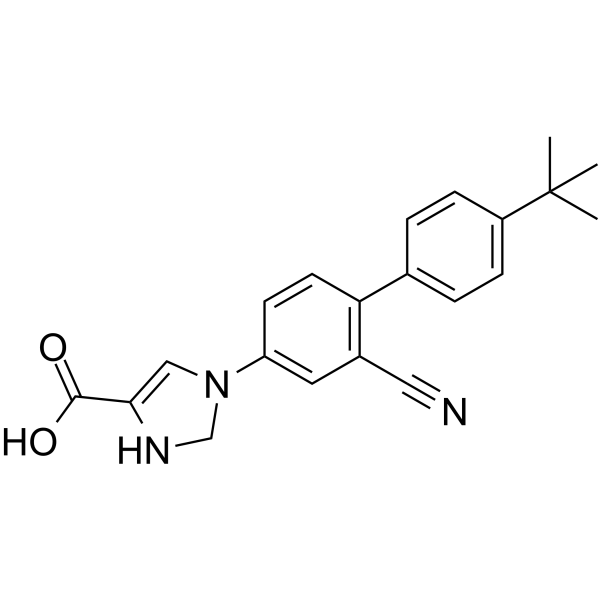
Xanthine oxidoreductase-IN-2 (Compound IVa) is a xanthine oxidoreductase (XOR) inhibitor with the IC50 of 7.2 nM. Xanthine oxidoreductase-IN-2 shows hypouricemic effects in mice .
|
-
-
- HY-149769A
-
|
|
Cytochrome P450
|
Cancer
|
|
CP-506 (compound 26) mesylate is an anticancer compound and a substrate for nitroreductase and CYP oxidoreductases. CP-506 has anticancer activity .
|
-

-
- HY-N10191
-
|
|
Cytochrome P450
|
Metabolic Disease
|
|
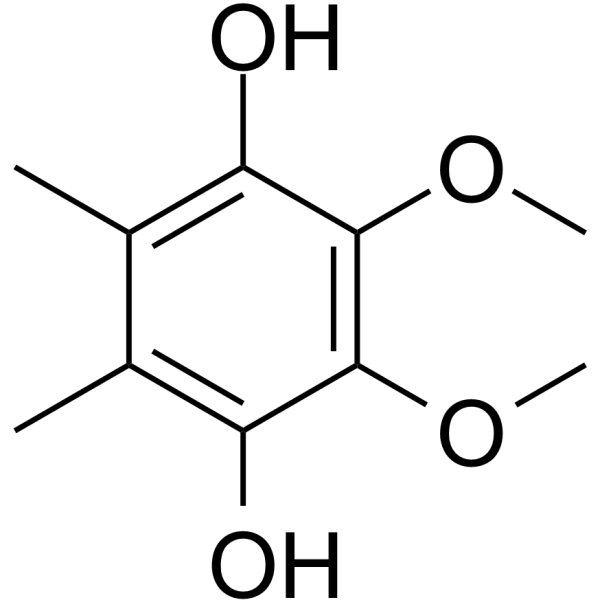
Hydroaurantiogliocladin is a quinol. Hydroaurantiogliocladin can be used as substrate for the quinol-cytochrome c oxidoreductase activity (beef heart enzyme) .
|
-
-
- HY-146296
-
-
-
- HY-N14897
-
|
|
Quinone Reductase
|
Cancer
|
|
Pterulone is a coenzyme I: Coenzyme Q oxidoreductase inhibitor found in fungus Pterula SP.82168 .
|
-

-
- HY-169842
-
|
|
Quinone Reductase
|
Cancer
|
|
NSC 645827 is an inhibitor for NAD(P)H: quinone oxidoreductase 1 (NQO1) with an IC50 of 0.7 μM .
|
-

-
- HY-14669
-
|
Y-700; Piraxostat
|
Xanthine Oxidase
|
Metabolic Disease
|
|
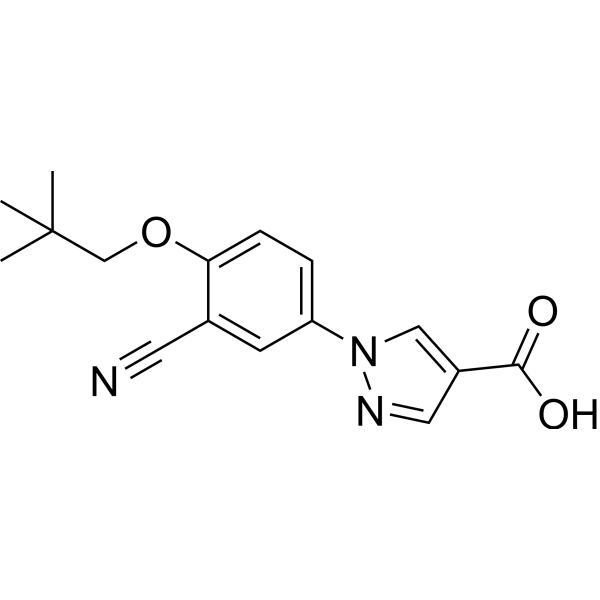
Niraxostat (Y-700; Piraxostat) is an orally active xanthine oxidoreductase (XOR) inhibitor used in the study of hyperuricemia and other diseases in which XOR may be involved .
|
-
-
- HY-159118
-
|
|
Bacterial
|
Infection
|
|
PC-Qz1 is a mitochondrial NADH-ubiquinone oxidoreductase (complex I) inhibitor with an IC50 of 470 nM. PC-Qz1 has antibacterial activity .
|
-

-
- HY-119815
-
|
|
Bacterial
|
Infection
|
|
Tenonitrozole exhibits antibacterial activity through inhibition of pyruvate-ferredoxin oxidoreductase (PFOR). Tenonitrozole inhibits H. pylori and C. jejuni with MICs of 0.7 μM and 5.9 μM .
|
-

- HY-135024A
-
|
Phenylacetyl coenzyme A lithium; S-Benzeneacetate-CoA lithium; S-Benzeneacetate-coenzyme A lithium
|
Endogenous Metabolite
|
Metabolic Disease
|
|
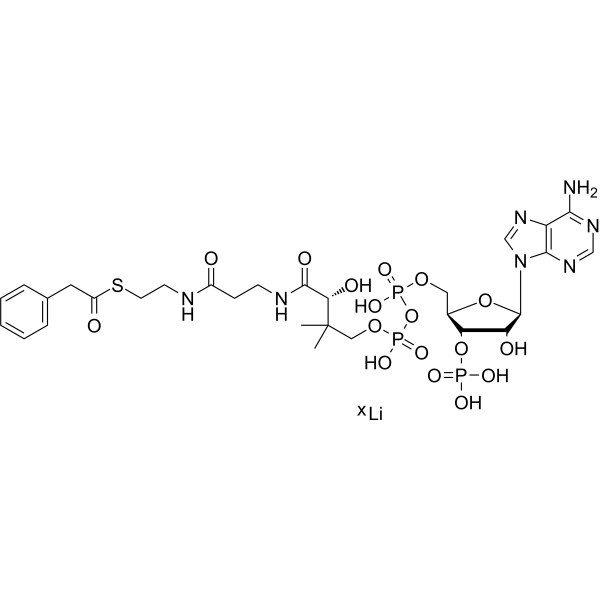
Phenylacetyl CoA lithium (Phenylacetyl Coenzyme A lithium) is an acceptor oxidoreductase. Phenylacetyl CoA is a membrane-bound molybdenum–iron–sulfur enzyme involved in anaerobic metabolism of phenylalanine in the denitrifying bacterium Thauera aromatica .
|
-
- HY-169203
-
|
|
Fungal
|
Cancer
|
|
Antifungal agent 119 (compund T23) is an antifungal agent that targets type I reduced NADH oxidoreductase. Antifungal agent 119 carries an azide group and can be used for click chemistry reactions. .
|
-

- HY-N14947
-
|
|
Quinone Reductase
|
Cancer
|
|
Pterulinic acid is a coenzyme I: Coenzyme Q oxidoreductase inhibitor. he IC50 (μg/mL) L1210 and HL60 of Pterulinic acid to mammalian cell lines are 50 and 20 respectively. HeLaS3 25; BHK is 100 .
|
-

- HY-156136
-
|
|
Biochemical Assay Reagents
|
Others
|
|
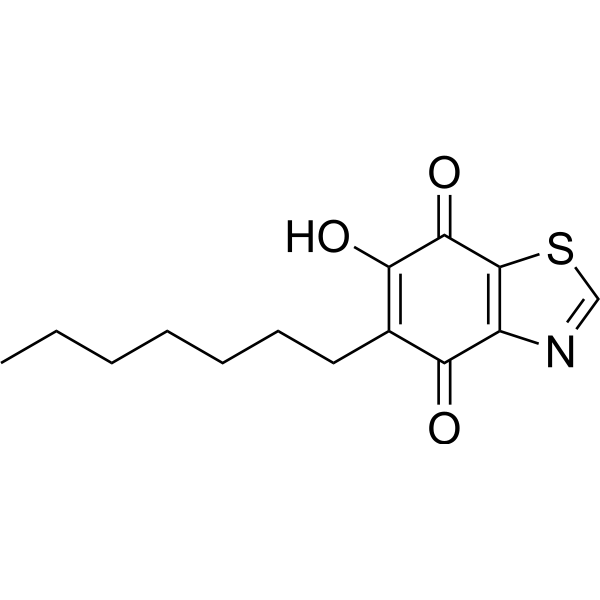
5-n-Heptyl-6-hydroxy-4,7-dioxobenzothiazole is a competitive Qo site inhibitor of the cytochrome bc 1 complex (cytochrome c oxidoreductase) from Saccharomyces cerevisiae .
|
-
- HY-116433R
-
|
|
Reference Standards
Parasite
Xanthine Oxidase
|
Infection
Metabolic Disease
|
|
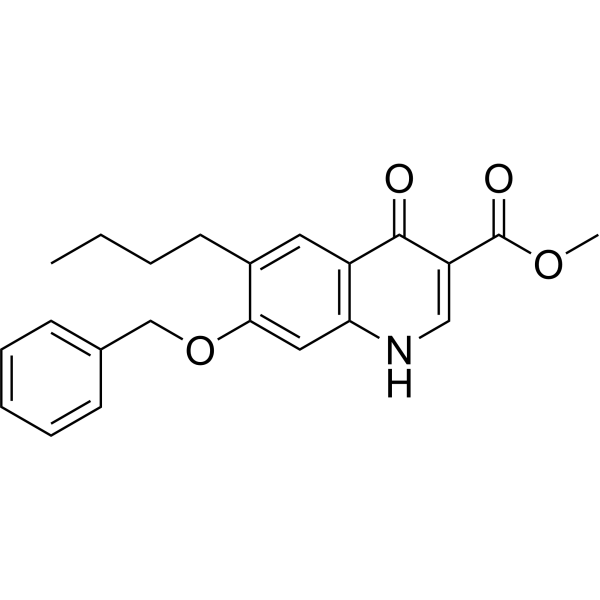
Nequinate (Standard) is the analytical standard of Nequinate. This product is intended for research and analytical applications. Nequinate, a quinoline compound, is an anticoccidial agent against cecal coccidiosis (Eimeria tenella) infections . Nequinate inhibits xanthine oxidoreductase (XOD) activity .
|
-

- HY-171005
-
|
|
Bacterial
|
Infection
|
|
VPC162134 is an antibacterial agent, that inhibits H. pylori, C. jejuni, MRSA and S. epidermidis with MIC of 2.9, 17.5, 93.3 and 93.3 μM. VPC162134 is an inhibitor for pyruvate ferredoxin oxidoreductase (PFOR) .
|
-

- HY-E70615
-
|
|
Endogenous Metabolite
|
Cancer
|
|
Protein Disulfide Isomerase, Human, an oxidoreductase, is a mainly endoplasmic reticulum (ER) resident protein. Protein Disulfide Isomerase, Human plays an important role in maintaining cellular homeostasis through thiol oxidation/reduction cycling, chaperone action, and isomerization of client proteins .
|
-

- HY-N0645S
-
|
Dicumarol-d8
|
Isotope-Labeled Compounds
PDHK
|
Cancer
|
|
Dicoumarol-d8 (Dicumarol-d8) is the deuterium labeled Dicoumarol. Dicoumarol is an inhibitor of both NAD(P)H:quinone oxidoreductase 1 (NQO1) and PDK1 with IC50s of 0.37 and 19.42 μM, respectively.
|
-

- HY-146036
-
|
|
Endogenous Metabolite
|
Metabolic Disease
|
|
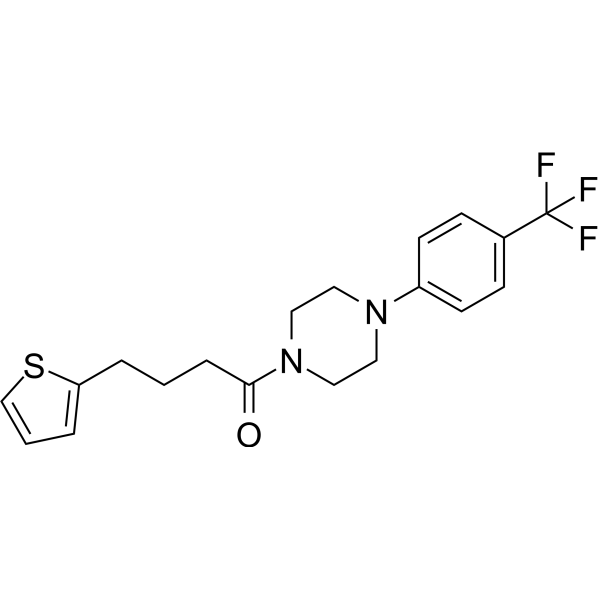
NADH-IN-1 has NADH:ubiquinone oxidoreductase inhibitory activity with an IC50 value of 27 μM. NADH-IN-1 can effectively stimulate glucose uptake in vitro. NADH-IN-1 is readily metabolised by the liver. NADH-IN-1 can be used for researching diabetes .
|
-
- HY-19284
-
|
FK 687; TF 505
|
5 alpha Reductase
|
Endocrinology
|
|
FR-146687 (FK 687) is a selective and orally active 5α-reductase inhibitor with IC50s of 1.7 nM and 4.6 nM for rat and human 5α-reductases, respectively. FR-146687 shows no inhibitory effects on other steroid oxidoreductases .
|
-

- HY-170489
-
|
|
Bacterial
Fungal
Toll-like Receptor (TLR)
|
Infection
Inflammation/Immunology
|
|
Antifungal agent 123 (Compound 4b) exhibits good affinity to the oxidoreductase of Staphylococcus aureus or the membrane protein of Candida albicans, exhibits antibacterial and antifungal activities. Antifungal agent 123 scavenges free radical, exhibits antioxidant efficacy. Antifungal agent 123 inhibits the TLR signaling pathway, and exhibits anti-inflammatory efficacy .
|
-

- HY-N5018R
-
|
Musizin (Standard)
|
Reference Standards
Parasite
AMPK
|
Infection
|
|
Nepodin (Standard) is the analytical standard of Nepodin. This product is intended for research and analytical applications. Nepodin (Musizin) is a quinone oxidoreductase (PfNDH2) inhibitor isolate from Rumex crispus .Nepodin (Musizin) stimulates the translocation of GLUT4 to the plasma membrane by activation of AMPK .Nepodin (Musizin) has antidiabetic and antimalarial activities.
|
-

- HY-14874S
-
|
FYX-051-d4
|
Isotope-Labeled Compounds
Xanthine Oxidase
Cytochrome P450
|
Metabolic Disease
|
|
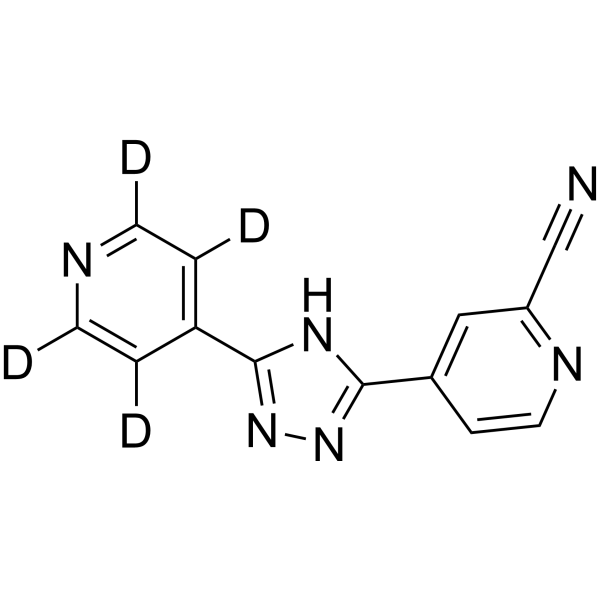
Topiroxostat-d4 is deuterium labeled Topiroxostat. Topiroxostat (FYX-051) is a potent and orally active xanthine oxidoreductase (XOR) inhibitor with an IC50 value of 5.3 nM and a Ki value of 5.7 nM. Topiroxostat exhibits weak CYP3A4-inhibitory activity (18.6%). Topiroxostat has the potential for hyperuricemia treatment .
|
-
- HY-162882
-
|
|
Xanthine Oxidase
Reactive Oxygen Species (ROS)
|
Metabolic Disease
|
CC15009 is a xanthine oxidoreductase (XOR) inhibitor, with an IC50 value of 0.237 nM. CC15009 can inhibit the oxidative subtype of XOR, thereby reducing the production of the byproduct ROS and exhibiting antioxidant activity. CC15009 has demonstrated a good dose-dependent uric acid-lowering effect in two different mouse models of hyperuricemia induced by XOR substrates .
|
-

- HY-W170126
-
|
|
Bacterial
|
Infection
|
|
CB6513745 is a MelF flavin-dependent oxidoreductase inhibitor with a Ki of 18 μM against Mycobacterium marinum MelF. CB6513745 inhibits the activity of MelF flavin-dependent oxidoreductase via hydrophobic interactions with the binding pocket of the protein. CB6513745 is applicable to research related to tuberculosis .
|
-

- HY-E71237
-
|
|
Biochemical Assay Reagents
|
Others
|
|
α-Humulene 10-hydroxylase (EC 1.14.13.150) is an enzyme with systematic name alpha-humulene,NADPH:oxygen 10-oxidoreductase. α-Humulene 10-hydroxylase (EC 1.14.13.150) requires cytochrome P-450.
|
-

- HY-E70922
-
|
|
Endogenous Metabolite
|
Metabolic Disease
|
|
Yeast 6-Phosphogluconic Dehydrogenase (EC 1.1.1.44) belongs to the oxidoreductase family. It is an oxidoreductase that acts on the CH-OH group of the donor molecule and uses NAD+ or NADP+ as the acceptor. Yeast 6-Phosphogluconic Dehydrogenase has two substrates: 6-phosphate-D-gluconic acid and NADP+, and three products: D-ribulose-5-phosphate, CO2, and NADPH.
|
-

- HY-E70945
-
|
|
Endogenous Metabolite
|
Metabolic Disease
|
|
6-Phosphogluconic Dehydrogenase, Sheep (EC 1.1.1.44) belongs to the oxidoreductase family. Its two substrates are 6-phosphate-D-gluconic acid and NADP+, and its three products are D-ribulose-5-phosphate, CO2, and NADPH. 6-Phosphogluconic Dehydrogenase, Sheep (EC 1.1.1.44) refers to an oxidoreductase that acts on the CH-OH group of the donor molecule and uses NAD+ or NADP+ as the acceptor.
|
-

- HY-E70891
-
|
|
Endogenous Metabolite
|
Metabolic Disease
|
|
β-Galactose Dehydrogenase S, Pseudomonas fluorescens (EC 1.1.1.48) belongs to the oxidoreductase family and is an oxidoreductase that acts on the CH-OH group as a donor and uses NAD+ or NADP+ as an acceptor. β-Galactose Dehydrogenase S, Pseudomonas fluorescens, is involved in galactose metabolism. The enzyme's two substrates are D-galactose and NAD+, while its three products are D-galactonide-1,4-lactone, NADH, and H+.
|
-

- HY-E71135
-
-

- HY-P2725A
-
|
|
Biochemical Assay Reagents
|
Metabolic Disease
|
|
Glycerol Dehydrogenase, Enterobacter aerogenes (EC 1.1.1.6) is an enzyme in the oxidoreductase family that utilizes the NAD+ to catalyze the oxidation of glycerol to form glycerone (dihydroxyacetone).
|
-

- HY-E71098
-
|
|
Biochemical Assay Reagents
|
Metabolic Disease
|
|
(R)-Dehydropantoate dehydrogenase (EC 1.2.1.33) belongs to the family of oxidoreductases, specifically those acting on the aldehyde or oxo group of donor with NAD+ or NADP+ as acceptor.
|
-

- HY-E71321
-
|
|
Biochemical Assay Reagents
|
Others
|
|
β-Nitroacrylate reductase (EC 1.3.1.16) belongs to the family of oxidoreductases, specifically those acting on the CH-CH group of donor with NAD+ or NADP+ as acceptor.
|
-

- HY-E71194
-
|
|
Biochemical Assay Reagents
|
Others
|
|
15-Hydroxyicosatetraenoate dehydrogenase (EC 1.1.1.232) belongs to the family of oxidoreductases, specifically those acting on the CH-OH group of donor with NAD+ or NADP+ as acceptor.
|
-

- HY-E71191
-
|
|
Biochemical Assay Reagents
|
Others
|
|
15,16-Dihydrobiliverdin:ferredoxin oxidoreductase (EC 1.3.7.2) catalyses the two-electron reduction of biliverdin IXα at the C15 methine bridge.
|
-

- HY-E71268
-
|
|
Biochemical Assay Reagents
|
Others
|
|
β-Alanopine dehydrogenase (EC 1.5.1.26) belongs to the family of oxidoreductases, specifically those acting on the CH-OH group of donor with NAD+ or NADP+ as acceptor.
|
-

- HY-E71149
-
|
|
Biochemical Assay Reagents
|
Metabolic Disease
|
|
1,3-Propanediol dehydrogenase (EC 1.1.1.202) belongs to the family of oxidoreductases, specifically those acting on the CH-OH group of donor with NAD+ or NADP+ as acceptor.
|
-

- HY-E71203
-
|
|
Biochemical Assay Reagents
|
Others
|
|
16α-Hydroxysteroid dehydrogenase (EC 1.1.1.147) belongs to the family of oxidoreductases, specifically those acting on the CH-OH group of donor with NAD+ or NADP+ as acceptor.
|
-

- HY-E71250
-
|
|
Biochemical Assay Reagents
|
Others
|
|
α-Santonin 1,2-reductase (EC 1.3.1.47) belongs to the family of oxidoreductases, specifically those acting on the CH-OH group of donor with NAD+ or NADP+ as acceptor.
|
-

- HY-E71275
-
-

- HY-E71108
-
|
|
Biochemical Assay Reagents
|
Metabolic Disease
|
|
(S)-2-Hydroxy-fatty-acid dehydrogenase (EC 1.1.1.99) belongs to the family of oxidoreductases, specifically those acting on the CH-OH group of donor with NAD+ or NADP+ as acceptor.
|
-

- HY-E71086
-
|
|
Biochemical Assay Reagents
|
Metabolic Disease
|
|
(R)-2-Hydroxy-fatty-acid dehydrogenase (EC 1.1.1.98) belongs to the family of oxidoreductases, specifically those acting on the CH-OH group of donor with NAD+ or NADP+ as acceptor.
|
-

- HY-E71271
-
|
|
Biochemical Assay Reagents
|
Others
|
|
β-Amyrin 24-hydroxylase (EC 1.14.99.43) is an enzyme with systematic name beta-amyrin,AH2:oxygen oxidoreductase (24-hydroxylating).
|
-

- HY-W843391
-
|
EP-0152R
|
Quinone Reductase
|
Cancer
|
|
Caricotamide (EP-0152R) is a coenzyme of quinone oxidoreductase 2 (NQO2). Caricotamide can efficiently induce the catalytic activity of NQO2 and enhance the anticancer activity of Tretazicar (HY-13543) .
|
-

- HY-E71004
-
|
|
Biochemical Assay Reagents
|
Metabolic Disease
|
|
L-α-glycerophosphate oxidase, microorganism (EC 1.1.3.21), is an oxidoreductase that acts on the CH-OH group of donor molecules and uses oxygen as an acceptor. L-α-glycerophosphate oxidase participates in glycerophospholipid metabolism and utilizes a cofactor, FAD.
|
-

- HY-E71004A
-
|
|
Biochemical Assay Reagents
|
Metabolic Disease
|
|
L-α-glycerophosphate oxidase, Pediococcus sp. (EC 1.1.3.21), is an oxidoreductase that acts on the CH-OH group of donor molecules and uses oxygen as an acceptor. L-α-glycerophosphate oxidase participates in glycerophospholipid metabolism and utilizes a cofactor, FAD.
|
-

- HY-P2996C
-
|
|
Biochemical Assay Reagents
|
Metabolic Disease
|
|
Nitrate Reductase (cytochrome), Escherichia coli (EC 1.9.6.1) is an enzyme of ferrocytochrome: nitrate oxidoreductase. Nitrate Reductase (cytochrome), Escherichia coli (EC 1.9.6.1) catalyzes the following chemical reaction: ferrocytochrome, H+, and nitrate to produce ferrocytochrome and nitrite.
|
-

- HY-N13110
-
|
|
Others
|
Others
|
|
23-Aldehyde-16-O-angeloybarringtogenol C (compound 7) is a tea seed saponin, an acid hydrolysis product obtained by oxidative alkaline degradation. Tea seed saponins have potential quinine oxidoreductase inducing activity .
|
-

- HY-E71167
-
|
|
Biochemical Assay Reagents
|
Others
|
|
1,6-Dihydroxycyclohexa-2,4-diene-1-carboxylate dehydrogenase (EC 1.3.1.25) belongs to the family of oxidoreductases, specifically those acting on the CH-OH group of donor with NAD+ or NADP+ as acceptor.
|
-

- HY-P2848C
-
|
|
Endogenous Metabolite
|
Metabolic Disease
|
|
Cholesterol Oxidase, Pseudomonas sp. (EC 1.1.3.6) belongs to the oxidoreductase family, acts on the CH-OH group of the donor molecule, and uses oxygen as the acceptor. Cholesterol Oxidase, Pseudomonas sp. (EC 1.1.3.6) participates in the biosynthesis of bile acids.
|
-

- HY-P3000B
-
|
|
Biochemical Assay Reagents
|
Metabolic Disease
|
|
Myo-Inositol Dehydrogenase, Enterobacter aerogenes (EC 1.1.1.18) is an oxidoreductase that acts on the donor CH-OH group and uses NAD+ or NADP+ as the acceptor. Myo-Inositol Dehydrogenase, Enterobacter aerogenes (EC 1.1.1.18) is involved in inositol metabolism and inositol phosphate metabolism.
|
-

- HY-P3000A
-
|
|
Biochemical Assay Reagents
|
Metabolic Disease
|
|
Myo-Inositol Dehydrogenase, Bacillus subtilis (EC 1.1.1.18) is an oxidoreductase that acts on the donor CH-OH group and uses NAD+ or NADP+ as the acceptor. Myo-Inositol Dehydrogenase, Bacillus subtilis (EC 1.1.1.18) is involved in inositol metabolism and inositol phosphate metabolism.
|
-

- HY-P2897C
-
|
|
Biochemical Assay Reagents
|
Metabolic Disease
|
|
D-Lactic Dehydrogenase, Leuconostoc mesenteroides (EC 1.1.1.28) is an oxidoreductase that acts on the CH-OH group in the donor molecule and uses cytochrome as the acceptor. D-Lactic Dehydrogenase, Leuconostoc mesenteroides (EC 1.1.1.28) is involved in pyruvate metabolism. It uses a cofactor, namely FAD.
|
-

- HY-E70955
-
|
|
Endogenous Metabolite
|
Metabolic Disease
|
|
Sarcosine Dehydrogenase, Pseudomonas sp. (EC 1.5.99.1) is a mitochondrial enzyme that catalyzes the chemical reaction N-demethylation of sarcosine to give glycine. Sarcosine dehydrogenase, Pseudomonas sp. (EC 1.5.99.1) is an oxidoreductase that acts on the CH-NH group of donor molecules and other acceptor molecules.
|
-

- HY-P2759B
-
|
|
Endogenous Metabolite
|
Metabolic Disease
|
|
Thioredoxin reductase (TrxR/NTR), an enzyme belonging to the flavoprotein family of pyridine nucleotide-disulfide oxidoreductases. Thioredoxin reductase (TrxR), a component of the thioredoxin system, including thioredoxin (Trx) and NADPH, catalyzes the transfer of electrons from NADPH to Trx, acts as a reductant of disulfide-containing proteins and participates in the defense system against oxidative stresses.
|
-

- HY-P2743B
-
|
|
Biochemical Assay Reagents
|
Metabolic Disease
|
|
Choline oxidase, Arthrobacter globiformis (EC 1.1.3.17) is an oxidoreductase that acts on the CH-OH group in a donor molecule and uses oxygen as an acceptor. The two substrates of Choline oxidase, Arthrobacter globiformis (EC 1.1.3.17) are choline and O2, and the two products are betaine aldehyde and H2O2.
|
-

- HY-P2743A
-
|
|
Biochemical Assay Reagents
|
Metabolic Disease
|
|
Choline oxidase, Alcaligenes sp. (EC 1.1.3.17) is an oxidoreductase that acts on the CH-OH group in a donor molecule and uses oxygen as an acceptor. The two substrates of Choline oxidase, Alcaligenes sp. (EC 1.1.3.17) are choline and O2, and the two products are betaine aldehyde and H2O2.
|
-

- HY-103667R
-
|
|
Quinone Reductase
Reference Standards
Caspase
|
Cancer
|
|
2-HBA (Standard) is the analytical standard of 2-HBA (HY-103667). This product is intended for research and analytical applications. 2-HBA is a potent inducer of NAD(P)H:quinone acceptor oxidoreductase 1 (NQO1) which can also activate caspase-3 and caspase-10.
|
-

- HY-P2742C
-
|
|
Endogenous Metabolite
|
Metabolic Disease
|
|
Ascorbate Oxidase, Zucchini (EC 1.10.3.3), belongs to the oxidoreductase family, using diphenols and related substances as donors and oxygen as acceptors. Ascorbate Oxidase participates in ascorbic acid metabolism. Ascorbate Oxidase uses a cofactor-copper. Its two substrates are L-ascorbic acid and O2, while its two products are dehydroascorbic acid and H2O.
|
-

- HY-P3186B
-
|
|
Endogenous Metabolite
|
Metabolic Disease
|
|
Glucose dehydrogenase, Pseudomonas sp. (EC 1.1.1.47) is an oxidoreductase that acts on the CH-OH group of a donor molecule and uses NAD + or NADP + as an acceptor. The three substrates of glucose dehydrogenase are β-D-glucose, NAD +, and NADP +, while its four products are D-gluconic acid-1,5-lactone, NADH, NADPH, and H +.
|
-

- HY-125999
-
|
|
Reactive Oxygen Species (ROS)
|
Neurological Disease
|
|
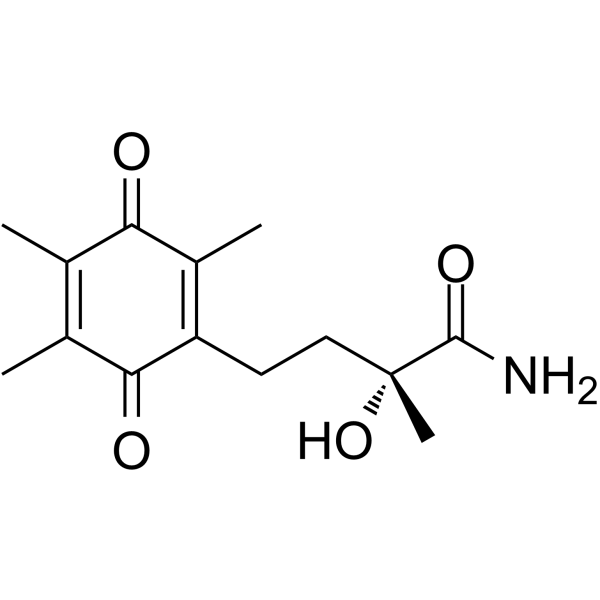
EPI-589, a quinone derivative, is a safe and well tolerated oxidoreductase enzyme inhibitor and a free radical scavenger, with blood-brain barrier permeable and orally available. EPI-589 is a redox-active neuroprotectant that effectively delays the symptoms of motor neuron disease in wobbler mice. EPI-589 can be used in amyotrophic lateral sclerosis (ALS) research .
|
-
- HY-DY1086
-
|
MTT (solution); Thiazolyl Blue Tetrazolium bromide (solution); Methylthiazolyldiphenyl-tetrazolium bromide (solution)
|
Fluorescent Dye
|
Others
|
Thiazolyl Blue (solution) (MTT (solution)) is a cell-permeable and positively charged tetrazolium dye that is used to detect reductive metabolism in cells. Thiazolyl Blue is taken up by cells through the plasma membrane and then reduced to formazan by intracellular NAD (P) H-oxidoreductases. Thiazolyl Blue is frequently used in colorimetric assays to measure cell proliferation, cytotoxicity, and apoptosis .
Solvent and concentration: PBS: 5 mg/mL
|
-

- HY-150971
-
|
|
Pyroptosis
|
Cancer
|
|
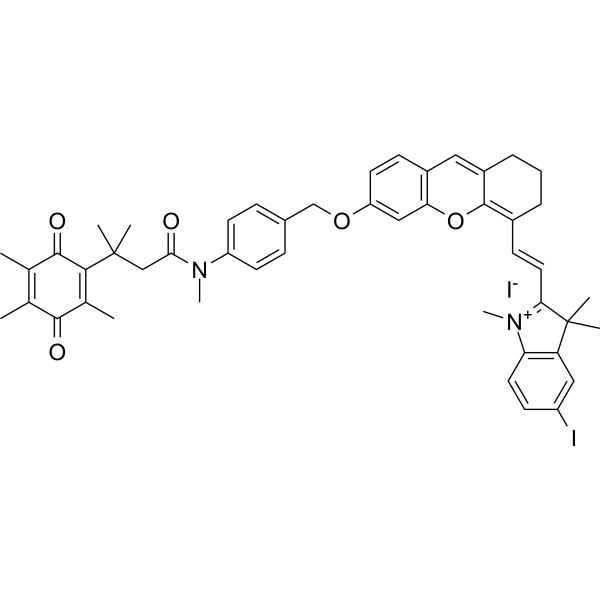
ICy-Q is a quinone oxidoreductase 1 (NQO-1)-activated near-infrared (NIR) reagent which can react with NQO-1 to release the reduction product ICy-OH. ICy-OH selectively induces pancreatic cancer cell death through the pyroptosis pathway. ICy-Q can be used as an effective tool for rapid and accurate diagnosis of intraoperative pathological sections .
|
-
- HY-14874R
-
|
FYX-051 (Standard)
|
Reference Standards
Xanthine Oxidase
Cytochrome P450
|
Metabolic Disease
|
|
Topiroxostat (Standard) is the analytical standard of Topiroxostat. This product is intended for research and analytical applications. Topiroxostat (FYX-051) is a potent and orally active xanthine oxidoreductase (XOR) inhibitor with an IC50 value of 5.3 nM and a Ki value of 5.7 nM. Topiroxostat exhibits weak CYP3A4-inhibitory activity (18.6%). Topiroxostat has the potential for hyperuricemia treatment .
|
-

- HY-129278
-
|
|
Parasite
|
Infection
Cardiovascular Disease
Neurological Disease
|
|
Lunarine is an alkaloid, which can be isolated from the seeds of kale (Lunaria annua). Lunarine lowers the blood pressure, stimulates small intestinal motility, inhibits spontaneous contractions of uterus and nervous system, and exhibits an acute toxicity with LD50 of 62.3 mg/kg in dogs and rabbits. Lunarine exhibits antiparasitic activity through a competitive inhibition of protozoan oxidoreductase trypanothione reductase (TryR) with Ki of 304 μM .
|
-

- HY-P3186
-
|
|
Endogenous Metabolite
|
Metabolic Disease
|
|
Glucose dehydrogenase, recombinant Microorganisms is a FDA-dependent oxidoreductase. Glucose dehydrogenase (GDH) catalyzes the oxidation of β-D-glucose to β-D-glucono-1,5-lactone with simultaneous reduction of the cofactor NADP + to NADPH or, to a lesser extent, NAD + to NADH. Glucose dehydrogenase (GDH) accepts both NAD + and NADP + as cofactors and can be used for the regeneration of NADH and NADPH .
|
-
- HY-125995
-
|
|
Keap1-Nrf2
Quinone Reductase
|
Inflammation/Immunology
|
|
NFE2L2 activator 3 (Compound 3) is a NFE2L2/NRF2 activator. NFE2L2 activator 3 specifically activates the NAD(P)H:quinone oxidoreductase (NQO1) enzyme, with its EC50 < 1 nM. NFE2L2 activator 3 can be used for research on respiratory system diseases such as chronic obstructive pulmonary disease .
|
-

- HY-13543
-
|
CB 1954
|
Quinone Reductase
DNA Alkylator/Crosslinker
|
Cancer
|
|
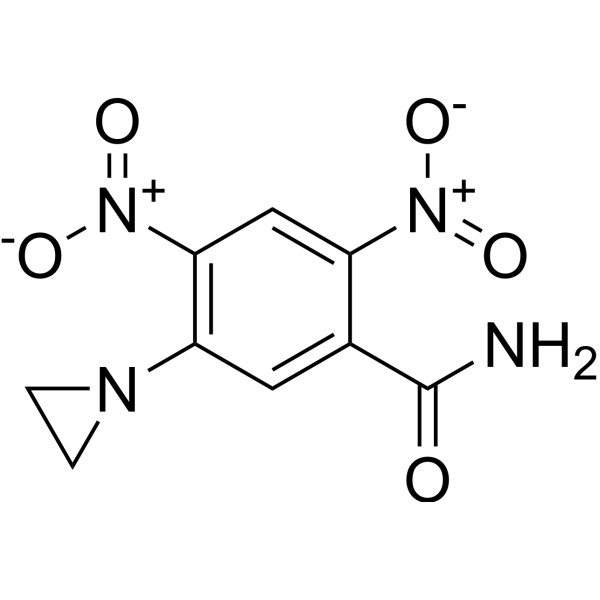
Tretazicar (CB 1954), an antitumor proagent, is highly selective against the Walker 256 rat tumour line. Tretazicar is enzymatically activated to generate a bifunctional agent, which can form DNA-DNA interstrand cross-links. Tretazicar in rat cells involves the reduction of its 4-nitro group to a 4-hydroxylamine by the enzyme NAD(P)H:quinone oxidoreductase 1 (NQO1) .
|
-
- HY-128895
-
KL1333
1 Publications Verification
|
Quinone Reductase
Mitochondrial Metabolism
|
Metabolic Disease
|
|
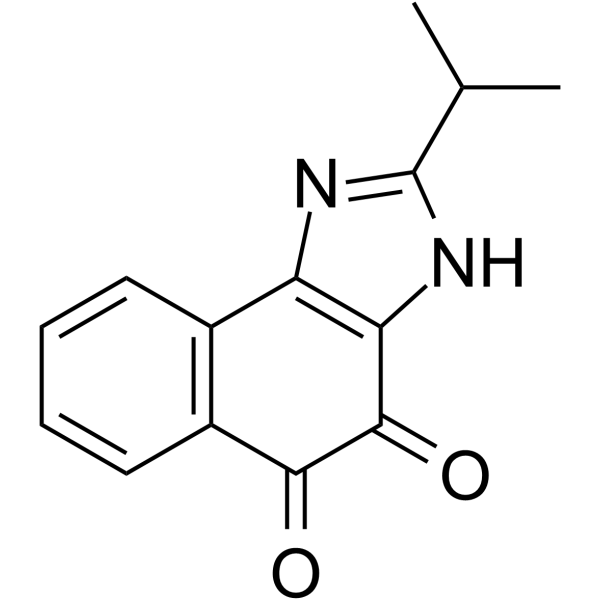
KL1333, a derivative of β-lapachone, is an orally available NAD+ modulator. KL1333 reacts with NAD(P)H:quinone oxidoreductase 1 (NQO1) as a substrate, resulting in increases in intracellular NAD+ levels via NADH oxidation. KL1333 improves energy metabolism and mitochondrial dysfunction in MELAS fibroblasts. KL1333 protects against Cisplatin-induced ototoxicity in mouse cochlear cultures .
|
-
- HY-161523
-
|
|
Xanthine Oxidase
URAT1
|
Metabolic Disease
|
|
XOR/URAT1-IN-1 (Compound II15) is a dual inhibitor for xanthine oxidoreductase (XOR) and uric acid transporter 1 (URAT1), with IC50 of 6 nM and 12.9 μM. XOR/URAT1-IN-1 lowers the levels of uric acid in Potassium oxonate (HY-17511)/Hypoxanthine (HY-N0091)-induced acute hyperuricemia mouse model .
|
-

- HY-P2888D
-
|
|
Biochemical Assay Reagents
|
Metabolic Disease
|
|
Bilirubin Oxidase, Myrothecium verrucaria (EC 1.3.3.5) is a family of oxidoreductases that act on the CH-CH group as a donor and use oxygen as an acceptor. Bilirubin Oxidase, Myrothecium verrucaria (EC 1.3.3.5) is involved in the metabolism of porphyrins and chlorophyll. The two substrates of Bilirubin Oxidase, Myrothecium verrucaria (EC 1.3.3.5) are bilirubin and O2, while its two products are biliverdin and H2O.
|
-

- HY-123962
-
|
|
NADPH Oxidase
|
Metabolic Disease
|
|
G6PD activator AG1 is a potent and selective glucose-6-phosphate dehydrogenase (G6PD) agonist with an EC50 of 3 μM. G6PD is an oxidoreductase that catalyzes the oxidation of glucose-6-phosphate to 6-phosphogluconolactone and the simultaneous reduction of NAD phosphate (NADP) to reduced NADP (NADPH). G6PD activator AG1 can reduce hemolysis of human erythrocytes .
|
-
- HY-P2901A
-
|
|
Aldose Reductase
|
Metabolic Disease
|
|
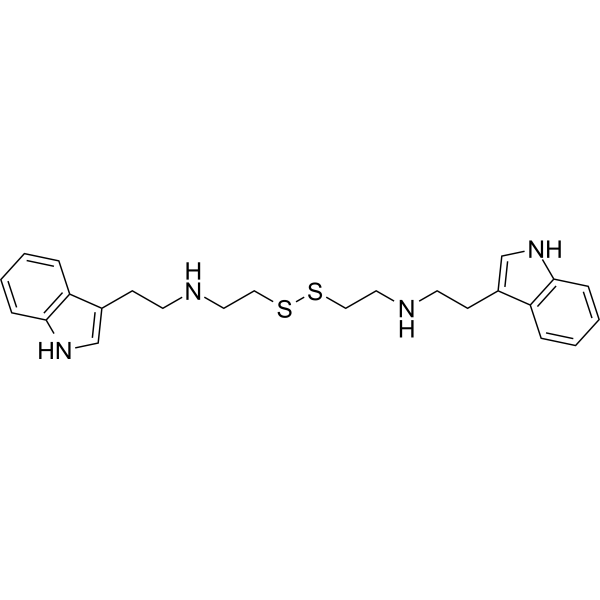
3α-Hydroxysteroid Dehydrogenase, Pseudomonas testosteroni (EC 1.1.1.50) belongs to the oxidoreductase family. Its three substrates are androstenedione, NAD+, and NADP+, while its four products are 5α-androstane-3,17-dione, NADH, NADPH, and H+. 3α-Hydroxysteroid Dehydrogenase, Pseudomonas testosteroni, acts on the CH-OH group of the donor molecule, with NAD+ or NADP+ as the acceptor.
|
-

- HY-E70926
-
|
|
Endogenous Metabolite
|
Metabolic Disease
|
|
Lysine Oxidase, Trichoderma viride (EC 1.4.3.14), is an oxidoreductase that acts on the CH-NHsub>2 group in the donor molecule and uses oxygen as the acceptor. Lysine Oxidase participates in the degradation of lysine. The three substrates of lysine oxidase are L-lysine, O2, and H2O, while its three products are 6-amino-2-oxohexanoic acid, NH3, and H2O2.
|
-

- HY-P2733D
-
|
|
Endogenous Metabolite
|
Metabolic Disease
|
|
Glycerol 3-phosphate Oxidase, Streptococcus thermophilus (EC 1.1.3.21), is an oxidoreductase that acts on the CH-OH group in donor molecules and uses oxygen as an acceptor. Glycerol 3-phosphate Oxidase participates in glycerophospholipid metabolism and utilizes a cofactor, FAD. The two substrates of Glycerol 3-phosphate Oxidase are sn-glycerol-3-phosphate and O2, while its two products are glycerophosphate and H2O2.
|
-

- HY-E70977
-
|
|
Biochemical Assay Reagents
|
Metabolic Disease
|
|
6-phospho-D-gluconate dehydrogenase, E. coli (EC 1.1.1.44) is an oxidoreductase that acts on the CH-OH group of a donor molecule and uses NAD+ or NADP+ as an acceptor. The two substrates of 6-phospho-D-gluconate dehydrogenase, E. coli (EC 1.1.1.44) are 6-phospho-D-gluconate and NADP+, while its three products are D-ribulose-5-phosphate, CO2, and NADPH.
|
-

- HY-114936
-
|
AR-054
|
Bacterial
ADC Payload
Antibiotic
Mitochondrial Metabolism
|
Infection
Neurological Disease
Cancer
|
|
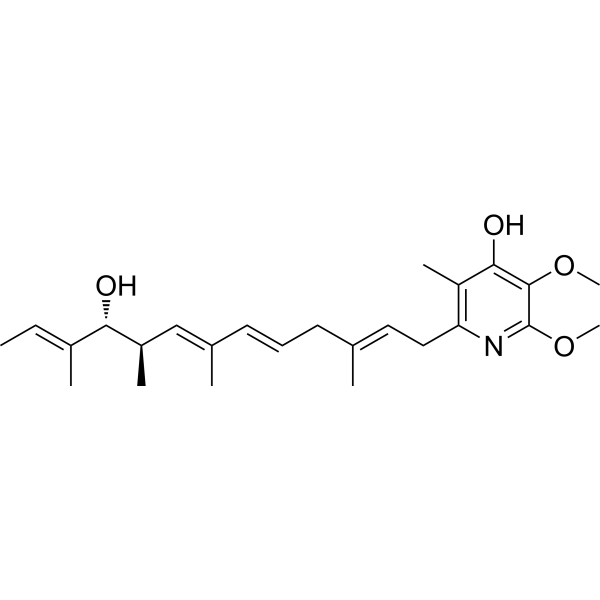
Piericidin A (AR-054) is a natural mitochondrial NADH-ubiquinone oxidoreductase (complex I) inhibitor. Piericidin A is a potent neurotoxin and inhibits mitochondrial respiration by disrupting the electron transport system through its action on NADH-ubiquinone reductase. Piericidin A is also a potential quorum-sensing inhibitor that suppresses the expression of the virulence genes of Erwinia carotovora subsp. atroseptica (Eca). Piericidin A is an ADC cytotoxin and has anti-bacterial, anticancer, insecticidal activity .
|
-
- HY-13543R
-
|
CB 1954 (Standard)
|
DNA Alkylator/Crosslinker
Reference Standards
|
Cancer
|
|
Tretazicar (Standard) is the analytical standard of Tretazicar. This product is intended for research and analytical applications. Tretazicar (CB 1954), an antitumor proagent, is highly selective against the Walker 256 rat tumour line. Tretazicar is enzymatically activated to generate a bifunctional agent, which can form DNA-DNA interstrand cross-links. Tretazicar in rat cells involves the reduction of its 4-nitro group to a 4-hydroxylamine by the enzyme NAD(P)H:quinone oxidoreductase 1 (NQO1) .
|
-

- HY-171035
-
|
|
Quinone Reductase
Keap1-Nrf2
Aminotransferases (Transaminases)
|
Metabolic Disease
|
|
PRL-295 is an orally active inhibitor targeting Keap1-Nrf2 interaction. PRL-295 increases the thermal stability of Keap1 and disrupts its interaction with Nrf2, thereby activating the Nrf2-dependent transcriptional target NAD(P)H:quinone oxidoreductase 1 (NQO1). PRL-295 protects against Acetaminophen (HY-66005)-induced liver injury in mice .
|
-

- HY-175593
-
-

- HY-128895A
-
|
|
Mitochondrial Metabolism
Quinone Reductase
|
Metabolic Disease
|
|
KL1333 hydrochloride is an orally active NAD + modulator that reacts with NAD(P)H:quinone oxidoreductase 1 (NQO1) as a substrate, leading to increased intracellular NAD + levels through NADH oxidation. Elevated NAD + levels trigger activation of SIRT1 and AMPK, and subsequently activate PGC-1α. KL1333 hydrochloride improves energy metabolism and mitochondrial dysfunction in mitochondrial encephalomyopathy, lactic acidosis, and stroke-like episodes (MELAS) fibroblasts. KL1333 hydrochloride protects against cisplatin-induced ototoxicity in mouse cochlear cultures .
|
-

- HY-W768934
-
|
L-Gulonolactone-13C6
|
Isotope-Labeled Compounds
Endogenous Metabolite
|
Metabolic Disease
|
|
L-Gulono-1,4-lactone- 13C6 (L-Gulonolactone- 13C6) is the 13C-labeled L-Gulono-1,4-lactone (HY-W016628). L-Gulono-1,4-lactone is a substrate of L-gulono-1,4-lactone oxidoreductase, which catalyzes the last step of the biosynthesis of L-ascorbic (Vatamin) C. In other words, L-Gulono-1,4-lactone is a direct precursor of vitamin C in animals, in plants and in some protists.
|
-

- HY-183865
-
|
|
Drug Derivative
Bacterial
|
Infection
|
|
F1414-1444 is a DBPI skeleton derivative and a potent inhibitor of IspQ (Rv0338c)-targeting Mycobacterium tuberculosis. F1414-1444 binds to the membrane-bound iron-sulfur oxidoreductase IspQ, induces oxidative stress and thiol stress in bacterial cells, upregulates the expression of stress-related genes such as the SigK regulon, thereby inhibiting bacterial proliferation and exerting bactericidal activity. F1414-1444 only inhibits the Mycobacterium tuberculosis complex and Mycobacterium marinum. F1414-1444 can be used in studies related to Mycobacterium tuberculosis .
|
-

- HY-W012927S
-
|
Chicory furaneol-d3
|
Isotope-Labeled Compounds
|
Others
|
|
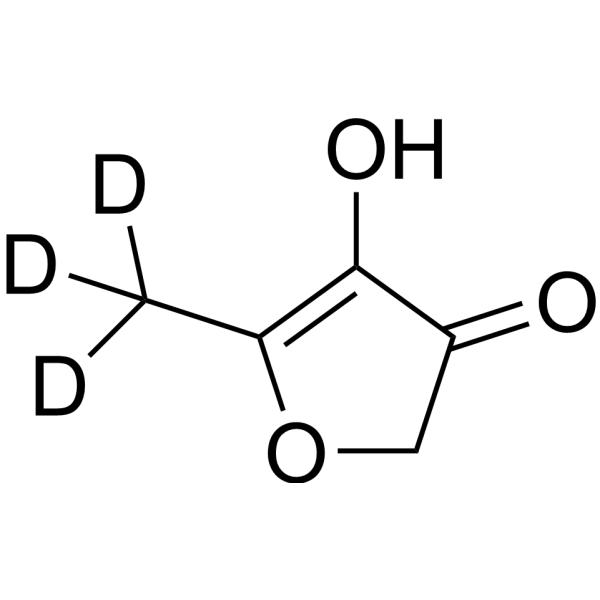
4-Hydroxy-5-methylfuran-3(2H)-one-d3 is deuterated labeled 4-Hydroxy-5-methylfuran-3(2H)-one (HY-W012927). 4-Hydroxy-5-methylfuran-3(2H)-one (Chicory furaneol) can be used to assay oxidoreductase activity. 4-Hydroxy-5-methylfuran-3(2H)-one is a kind of biological materials or organic compounds that are widely used in life science research .
|
-
- HY-D3209
-
|
|
Fluorescent Dye
Quinone Reductase
|
Cancer
|
|
NIR-ASM is a near-infrared fluorescent probe that can cross cell membranes and be activated by NQO1. NIR-ASM can distinguish NQO1-expressing cancer cells from normal cells via fluorescence microscopy and flow cytometry. NIR-ASM generates near-infrared fluorescence with a high signal-to-noise ratio in tumor models with NQO1 activity, enabling the detection of endogenous NQO1 activity in vivo. NIR-ASM is applicable to the research of lung cancer and breast cancer .
|
-

| Cat. No. |
Product Name |
Type |
-
- HY-15924
-
|
MTT; Thiazolyl Blue Tetrazolium bromide; Methylthiazolyldiphenyl-tetrazolium bromide
|
Fluorescent Dyes
|
|
Thiazolyl Blue (MTT) is a cell-permeable and positively charged tetrazolium dye that is used to detect reductive metabolism in cells. Thiazolyl Blue is taken up by cells through the plasma membrane and then reduced to formazan by intracellular NAD (P) H-oxidoreductases. Thiazolyl Blue is frequently used in colorimetric assays to measure cell proliferation, cytotoxicity, and apoptosis .
|
-
- HY-DY1086
-
|
MTT (solution); Thiazolyl Blue Tetrazolium bromide (solution); Methylthiazolyldiphenyl-tetrazolium bromide (solution)
|
Fluorescent Dyes
|
Thiazolyl Blue (solution) (MTT (solution)) is a cell-permeable and positively charged tetrazolium dye that is used to detect reductive metabolism in cells. Thiazolyl Blue is taken up by cells through the plasma membrane and then reduced to formazan by intracellular NAD (P) H-oxidoreductases. Thiazolyl Blue is frequently used in colorimetric assays to measure cell proliferation, cytotoxicity, and apoptosis .
Solvent and concentration: PBS: 5 mg/mL
|
-
- HY-D3209
-
|
|
Fluorescent Dyes
|
|
NIR-ASM is a near-infrared fluorescent probe that can cross cell membranes and be activated by NQO1. NIR-ASM can distinguish NQO1-expressing cancer cells from normal cells via fluorescence microscopy and flow cytometry. NIR-ASM generates near-infrared fluorescence with a high signal-to-noise ratio in tumor models with NQO1 activity, enabling the detection of endogenous NQO1 activity in vivo. NIR-ASM is applicable to the research of lung cancer and breast cancer .
|
| Cat. No. |
Product Name |
Type |
-
- HY-W012927
-
|
Chicory furaneol
|
Biochemical Assay Reagents
|
|
4-Hydroxy-5-methylfuran-3(2H)-one (Chicory furaneol) can be used to assay oxidoreductase activity. 4-Hydroxy-5-methylfuran-3(2H)-one is a kind of biological materials or organic compounds that are widely used in life science research .
|
| Cat. No. |
Product Name |
Category |
Target |
Chemical Structure |
| Cat. No. |
Product Name |
Chemical Structure |
-
- HY-N0645S
-
|
|
|
Dicoumarol-d8 (Dicumarol-d8) is the deuterium labeled Dicoumarol. Dicoumarol is an inhibitor of both NAD(P)H:quinone oxidoreductase 1 (NQO1) and PDK1 with IC50s of 0.37 and 19.42 μM, respectively.
|
-
-
- HY-14874S
-
|
|
|
Topiroxostat-d4 is deuterium labeled Topiroxostat. Topiroxostat (FYX-051) is a potent and orally active xanthine oxidoreductase (XOR) inhibitor with an IC50 value of 5.3 nM and a Ki value of 5.7 nM. Topiroxostat exhibits weak CYP3A4-inhibitory activity (18.6%). Topiroxostat has the potential for hyperuricemia treatment .
|
-
-
- HY-W768934
-
|
|
|
L-Gulono-1,4-lactone- 13C6 (L-Gulonolactone- 13C6) is the 13C-labeled L-Gulono-1,4-lactone (HY-W016628). L-Gulono-1,4-lactone is a substrate of L-gulono-1,4-lactone oxidoreductase, which catalyzes the last step of the biosynthesis of L-ascorbic (Vatamin) C. In other words, L-Gulono-1,4-lactone is a direct precursor of vitamin C in animals, in plants and in some protists.
|
-
-
- HY-W012927S
-
|
|
|
4-Hydroxy-5-methylfuran-3(2H)-one-d3 is deuterated labeled 4-Hydroxy-5-methylfuran-3(2H)-one (HY-W012927). 4-Hydroxy-5-methylfuran-3(2H)-one (Chicory furaneol) can be used to assay oxidoreductase activity. 4-Hydroxy-5-methylfuran-3(2H)-one is a kind of biological materials or organic compounds that are widely used in life science research .
|
-
| Cat. No. |
Product Name |
|
Classification |
-
- HY-169203
-
|
|
|
Alkynes
|
|
Antifungal agent 119 (compund T23) is an antifungal agent that targets type I reduced NADH oxidoreductase. Antifungal agent 119 carries an azide group and can be used for click chemistry reactions. .
|
Your information is safe with us. * Required Fields.
Inquiry Information
- Product Name:
- Cat. No.:
- Quantity:
- MCE Japan Authorized Agent:








