



Tretazicar (Standard)
Tretazicar (Standard) is the analytical standard of Tretazicar. This product is intended for research and analytical applications. Tretazicar (CB 1954), an antitumor proagent, is highly selective against the Walker 256 rat tumour line. Tretazicar is enzymatically activated to generate a bifunctional agent, which can form DNA-DNA interstrand cross-links. Tretazicar in rat cells involves the reduction of its 4-nitro group to a 4-hydroxylamine by the enzyme NAD(P)H:quinone oxidoreductase 1 (NQO1).
For research use only. We do not sell to patients.
- Purity : 98%
- CAS No.: 21919-05-1
- Formula: C9H8N4O5
- Molecular Weight:252.18
-
Storage:
Please store the product under the recommended conditions in the Certificate of Analysis.


To place orders, for customer services and technical support, please contact: MedChemExpress USA
Tel: 609-228-6898 E-mail: [email protected] [email protected]


-
 Product Information
-
Chemical Information
- Purity & Documentation
-
 Help & FAQs


-
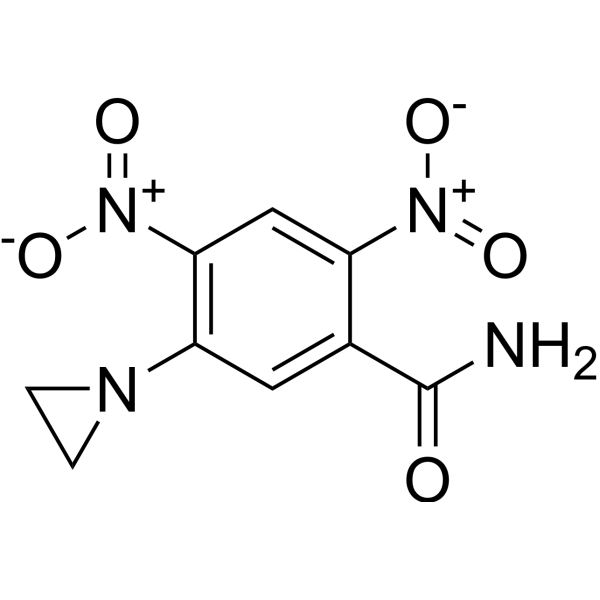
HY-13543
TretazicarDNA Cross-linking Agent -
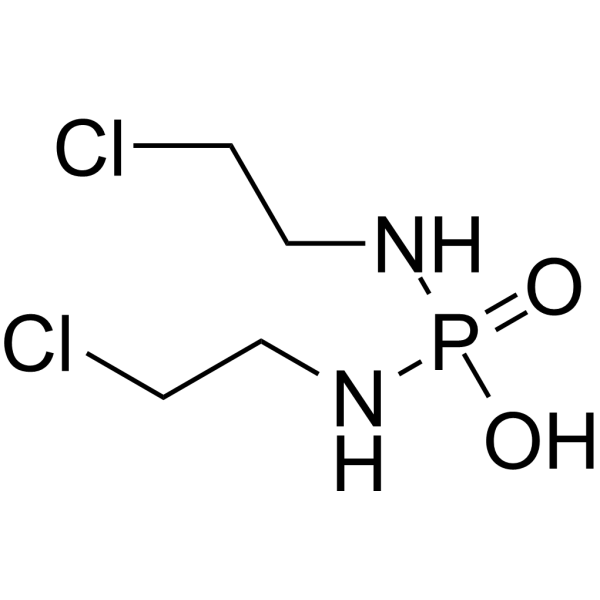
HY-14798
Palifosfamide -
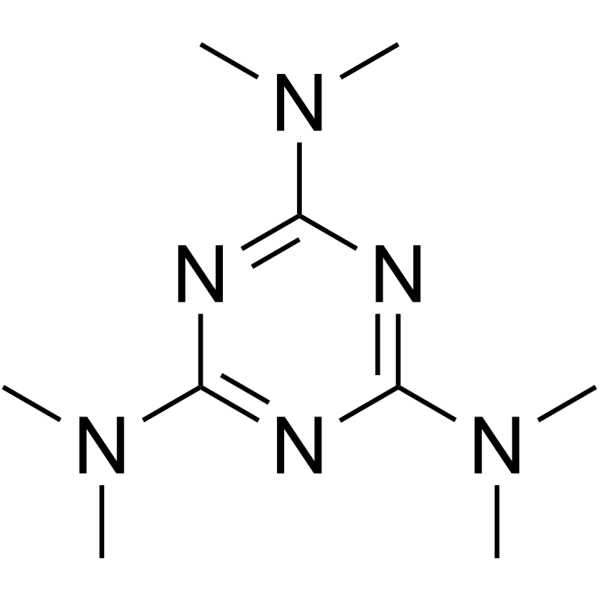
HY-B0181
AltretamineDNA Alkylator/Crosslinker -
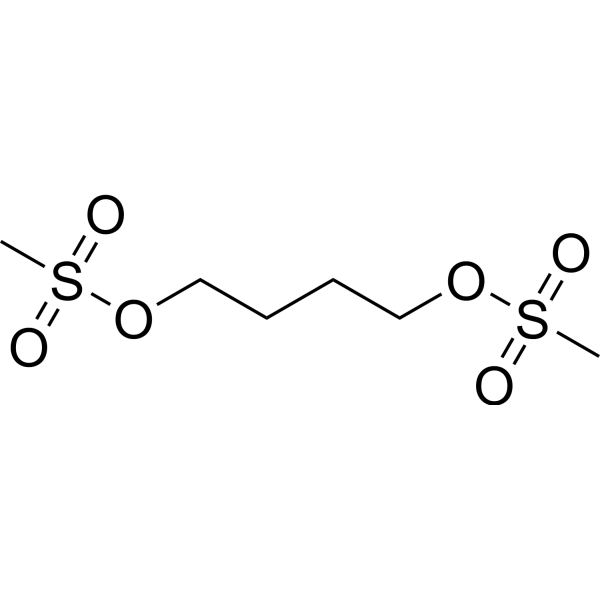
HY-B0245
BusulfanAlkylating Antineoplastic Agent -
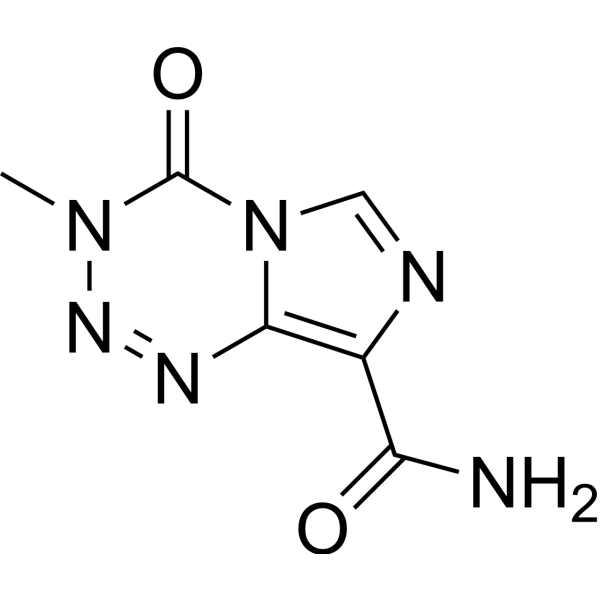
HY-17364
TemozolomideDNA Alkylator -
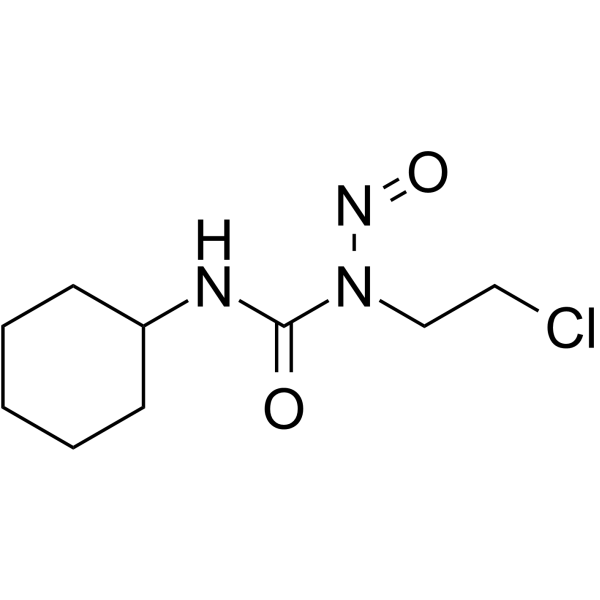
HY-13669
LomustineDNA Alkylator -
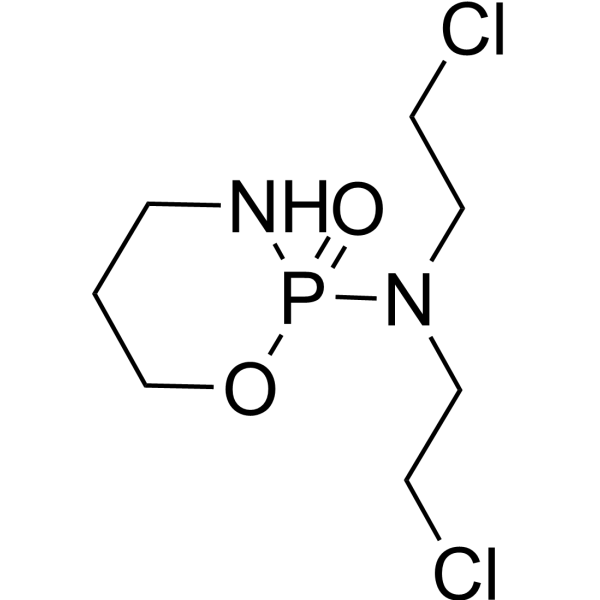
HY-17420
CyclophosphamideAlkylating Agent -
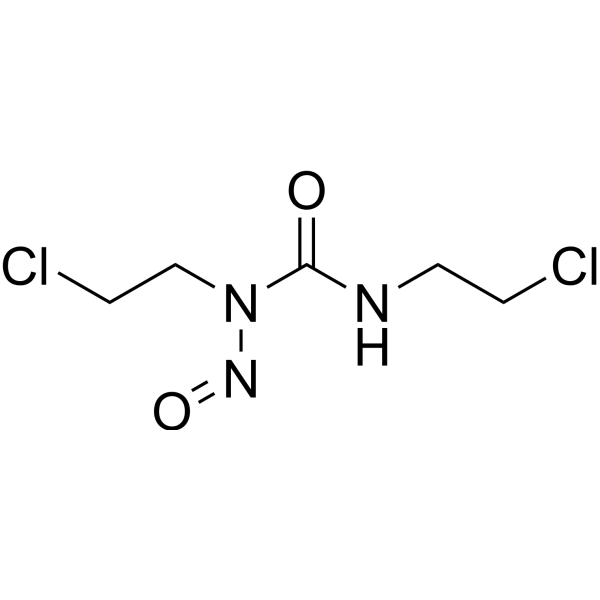
HY-13585
CarmustineDNA/RNA Alkylator -
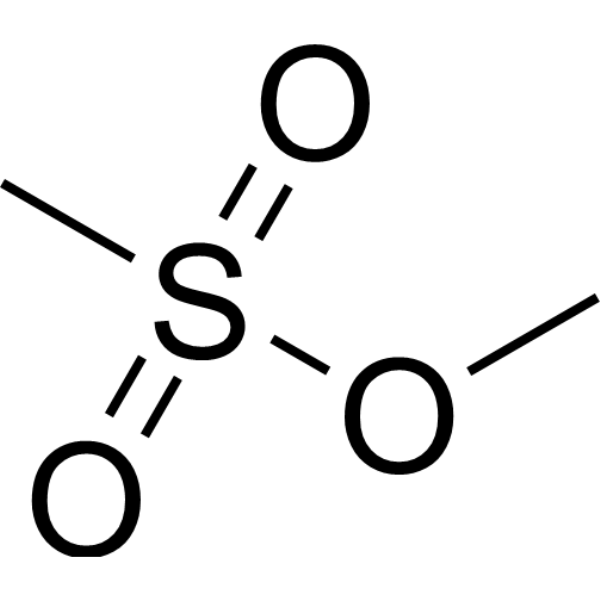
HY-W004702
Methyl methanesulfonateDNA Alkylator -
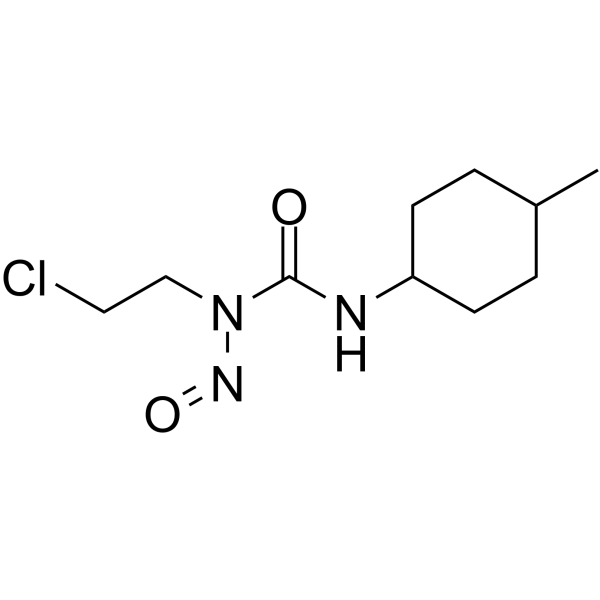
HY-13747
SemustineAntitumor Alkylating Agent -
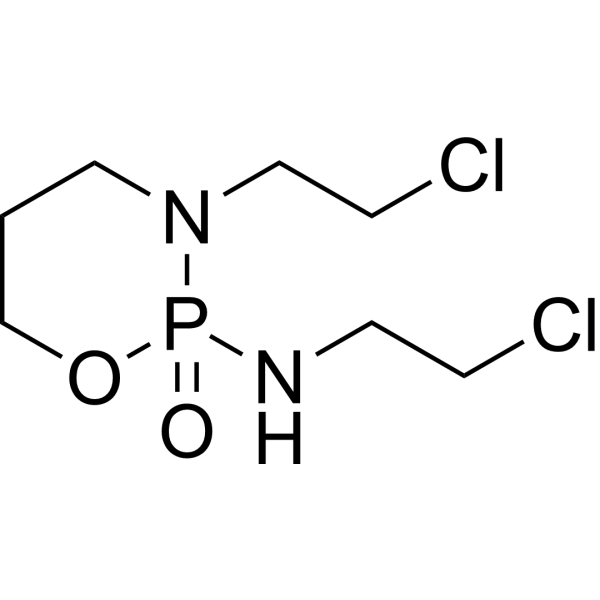
HY-17419
IfosfamideDNA Alkylator/Crosslinker -
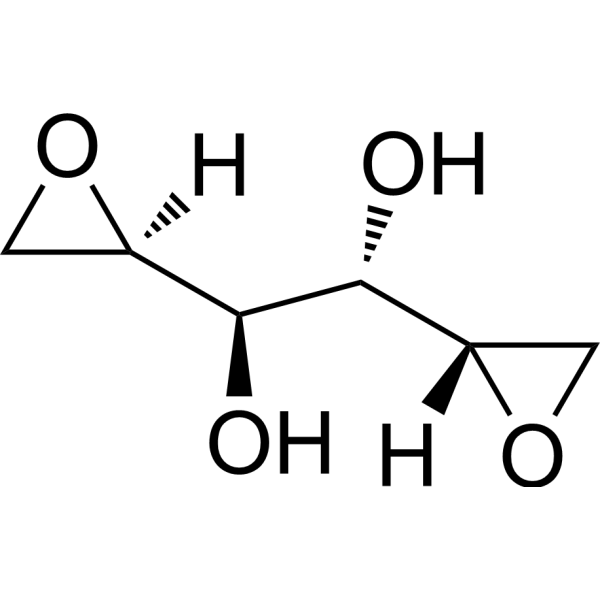
HY-16513
VAL-083Alkylating Agent


Product Information
Information
Application
The compound is the grade of analytical standard, which is the reference standard supplied assay. It is commonly used in qualitative, quantitative and methodological research experiments in HPLC, GC and MS.


Chemical Information
-
CAS No. 21919-05-1
-
Molecular Weight 252.18
-
Formula C9H8N4O5
-
SMILES
O=C(N)C1=CC(N2CC2)=C([N+]([O-])=O)C=C1[N+]([O-])=O
-
Synonyms
CB 1954 (Standard)
-
Shipping
Room temperature in continental US; may vary elsewhere.
-
Storage
Please store the product under the recommended conditions in the Certificate of Analysis.


Purity & Documentation
References
[1]. Knox RJ,et al. Bioactivation of 5-(aziridin-1-yl)-2,4-dinitrobenzamide (CB 1954) by human NAD(P)H quinone oxidoreductase 2: a novel co-substrate-mediated antitumor prodrug therapy. Cancer Res. 2000 Aug 1;60(15):4179-86. [Content Brief]
[2]. Knox RJ, et al. CB 1954: from the Walker tumor to NQO2 and VDEPT. Curr Pharm Des. 2003;9(26):2091-104. [Content Brief]
[3]. Green NK, et al. Immune enhancement of nitroreductase-induced cytotoxicity: studies using a bicistronicadenovirus vector. Int J Cancer. 2003 Mar 10;104(1):104-12. [Content Brief]
[4]. Drabek D, et al. The expression of bacterial nitroreductase in transgenic mice results in specific cell killing by the prodrug CB1954. Gene Ther. 1997 Feb;4(2):93-100. [Content Brief]

Calculators
Concentration (start) × Volume (start) = Concentration (final) × Volume (final)


Tretazicar (Standard) Related Classifications
HY-13543R Related Classifications
 Powered by Bioz