

1. Search Result
Search Result
Results for "

peripheral blood lymphocytes

" in MedChemExpress (MCE) Product Catalog:

50

Inhibitors & Agonists

1

Fluorescent Dyes

2

Biochemical Assay Reagents

5

Peptides

9

Inhibitory Antibodies

5

Natural
Products

1

Isotope-Labeled Compounds

3

Oligonucleotides

Cat. No. Product Name Target Research Areas Chemical Structure
  • HY-12355
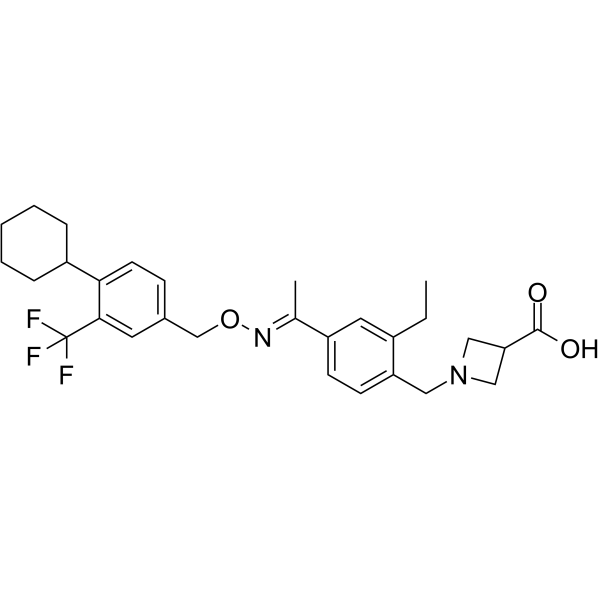
    Siponimod
    Maximum Cited Publications
    10 Publications Verification

    BAF-312

    LPL Receptor Potassium Channel Infection Inflammation/Immunology
    Siponimod (BAF-312) is an orally active, blood-brain barrier penetrant dual agonist of S1P1/S1P5, with EC50 values of 0.39 nM and 0.98 nM, respectively. Siponimod induces S1P1 internalization, activates GIRK channels, inhibits lymphocyte egress, reduces peripheral lymphocyte counts, triggers transient bradycardia, prevents synaptic neurodegeneration, promotes remyelination, alleviates demyelination, and prevents the loss of GABAergic interneurons. Siponimod can be used in research related to multiple sclerosis .
    Siponimod
  • HY-P990876

    PF-06480605; RVT-3101

    TNF Receptor NF-κB IFNAR Inflammation/Immunology
    Afimkibart (PF-06480605; RVT-3101) is a fully human monoclonal antibody that selectively inhibits trimeric tumor necrosis factor-like ligand 1A (TL1A). Afimkibart neutralizes active trimeric TL1A, blocks TL1A-induced signaling pathways. Afimkibart inhibits NF-κB activation and IFN-γ production. Afimkibart can be used for the research of inflammatory bowel disease .
    Afimkibart
  • HY-113283

    Amyloid-β Natriuretic Peptide Receptor (NPR) α-synuclein Transthyretin (TTR) Claudin Neurological Disease Metabolic Disease Cancer
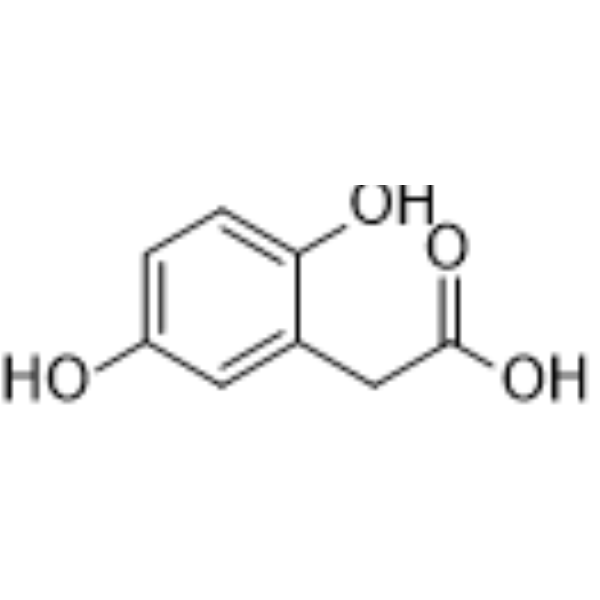
    Homogentisic acid is an orally active, blood-brain barrier-permeable amyloidogenic compound that functions as both an amyloid component and a pigment precursor. Accumulation of homogentisic acid downregulates tight junction proteins (such as claudin-5, occludin, ZO-1) and impairs blood-brain barrier integrity. Homogentisic acid and its oxidation product benzoquinone acetic acid not only induce the aggregation and fibrosis of multiple proteins (such as 1-42, α-synuclein, SAA, Transthyretin (TTR), atrial natriuretic peptide), but also trigger oxidative stress, damage to the Wnt/β-catenin pathway, and neurotoxicity, leading to ochronosis pigment deposition and synaptic dysfunction. At specific concentrations, homogentisic acid exerts no cytotoxicity or genotoxicity on human peripheral blood lymphocytes, and even counteracts the genotoxicity induced by Irinotecan (HY-16562). Homogentisic acid serves as an important tool molecule for investigating the mechanisms of diseases including ochronosis, secondary amyloidosis, Alzheimer's disease, and colorectal cancer .
    Homogentisic acid
  • HY-P991558

    RG-7356

    Transmembrane Glycoprotein Cancer
    RO-5429083 (RG-7356) is a humanized monoclonal antibody targeting CD44. RO-5429083 binds to the extracellular domain of CD44 and inhibits constitutive EGFR phosphorylation. RO-5429083 suppresses tumor growth in xenograft models and can be used in research related to head and neck squamous cell carcinoma and acute myeloid leukemia .
    RO-5429083
  • HY-B1847
    Terbuthylazine
    1 Publications Verification

    Environmental Pollutants Acetolactate Synthase (ALS) Herbicide Others
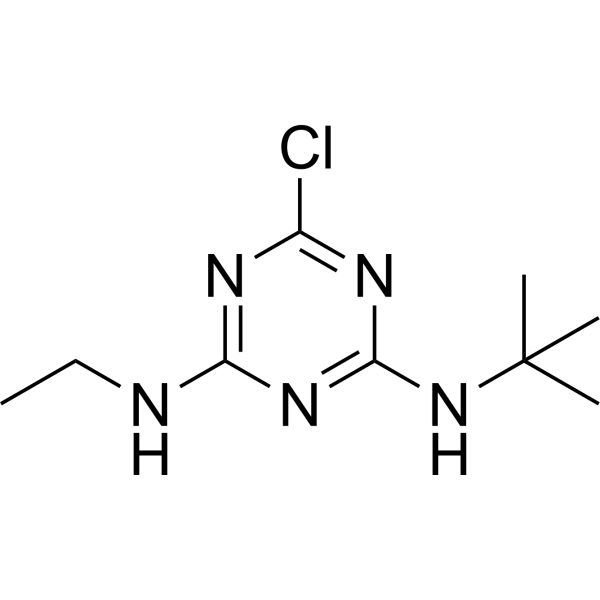
    Terbuthylazine is an inhibitor of acetolactate syntase (ALS), is a selective herbicide. Terbuthylazine blocks electron transport in photosystem II via interaction with the D1-protein .
    Terbuthylazine
  • HY-W013762

    Environmental Pollutants Biochemical Assay Reagents Others
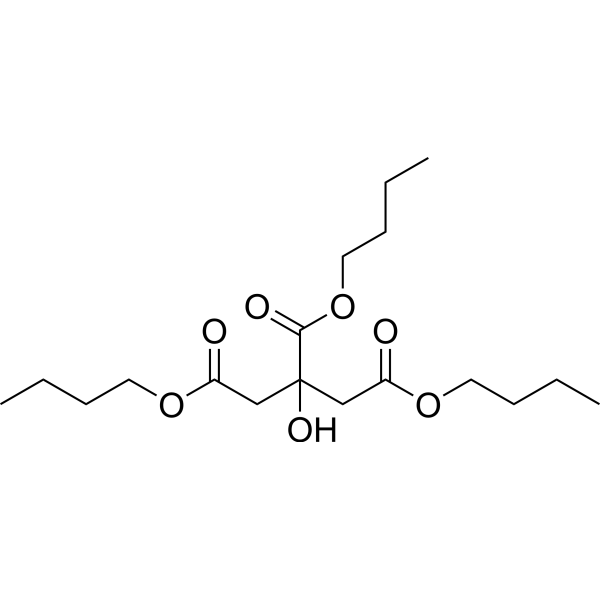
    Tributyl citrate is a low-toxicity and orally active citrate ester with no genotoxicity or skin sensitizing activity. Tributyl citrate also acts as a plasticizer, solvent, FDA-approved indirect food additive, and topical anesthetic, among other uses. Tributyl citrate induces a needle-prick insensitivity response that lasts for more than 2 hours, and a 5% suspension of it temporarily eliminates the corneal reflex in rabbits. Tributyl citrate causes no significant systemic toxicity in rats and cats at most tested doses, and only may cause growth retardation and gastrointestinal reactions such as diarrhea and nausea at high doses or with repeated oral administration .
    Tributyl citrate
  • HY-P11460

    Drug Derivative Infection
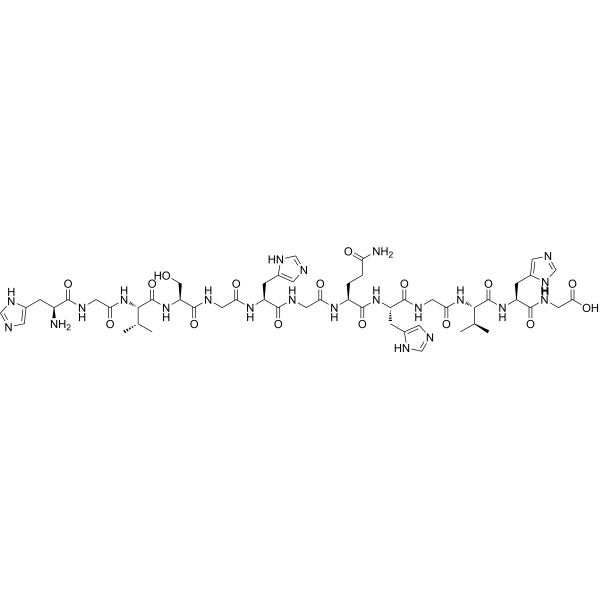
    Vectofusin-1 is a histidine-rich cationic amphipathic peptide derived from the LAH4 (HY-P0311) peptide family, and also acts as a Viral entry enhancer. Vectofusin-1 promotes the adhesion and fusion of retroviral/lentiviral vectors with cell membranes during viral entry, thereby improving transduction efficiency. Vectofusin-1 potently enhances lentiviral transduction of cells .
    Vectofusin-1
  • HY-P3443
    Peanut agglutinin
    1 Publications Verification

    PNA

    Biochemical Assay Reagents Cancer
    Peanut agglutinin (PNA) is a carbohydrate-recognition protein that binds competitively and irreversibly to cell-surface β-D-Gal (1-3)-GalNAc, and this binding can be inhibited by D-galactose and asialofetuin. Peanut agglutinin recognizes exposed glycoepitopes and reflects the glycosylation status of cells. Peanut agglutinin can label glycoconjugates at neuromuscular junctions to safely visualize synaptic structures. Peanut agglutinin can be used to synthesize dyes to distinguish between normal and tumor tissues. Peanut agglutinin provides support for research on leukemia, Burkitt's tumors, and cutaneous squamous lesions .
    Peanut agglutinin
  • HY-B1072

    Environmental Pollutants Parasite Insecticide Infection
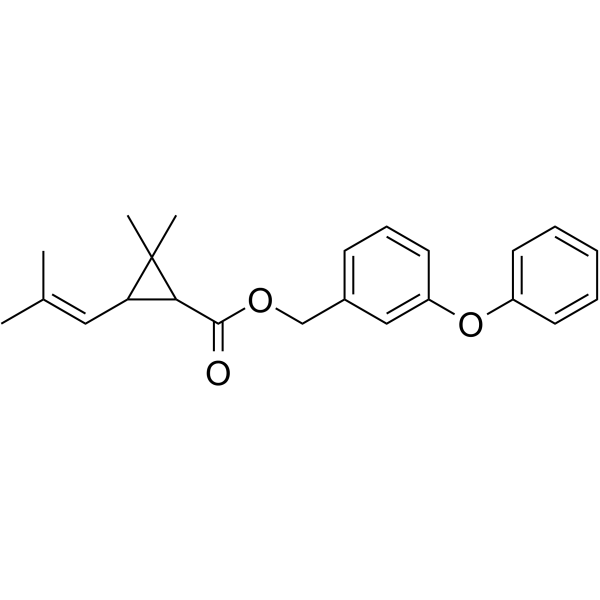
    Phenothrin is a Type I pyrethroid insecticide. Phenothrin induces dose-dependent DNA damage in human peripheral blood lymphocytes and hepatocytes, and exhibits definite genotoxic potential. Phenothrin acts as an insecticide for pest control in agriculture, households and public health, as well as for the elimination of human head lice infestations .
    Phenothrin
  • HY-132590A

    ALN-TTRSC sodium

    Small Interfering RNA (siRNA) Transthyretin (TTR) Neurological Disease
    Revusiran (ALN-TTRSC) sodium is an RNA interference agent targeting the mRNA of transthyretin (Transthyretin, TTR). Revusiran sodium mediates sequence-specific degradation of TTR mRNA through RNA interference, reduces the synthesis of TTR protein, binds to GalNAc ligands, and is taken up by hepatocytes via the asialoglycoprotein receptor. Revusiran sodium exhibits favorable nonclinical safety profiles. Revusiran sodium can be used in studies related to transthyretin-mediated amyloidosis .
    Revusiran sodium
  • HY-149906

    GEM91

    HIV mRNA Infection
    Trecovirsen (GEM91) is an antiviral agent targeting HIV gag mRNA, which hybridizes with complementary HIV gag mRNA at the initiation site. Trecovirsen induces a reversible, dose-dependent prolongation of activated partial thromboplastin time via its polyanionic property. Trecovirsen is applicable to research related to HIV infection .
    Trecovirsen
  • HY-12355A
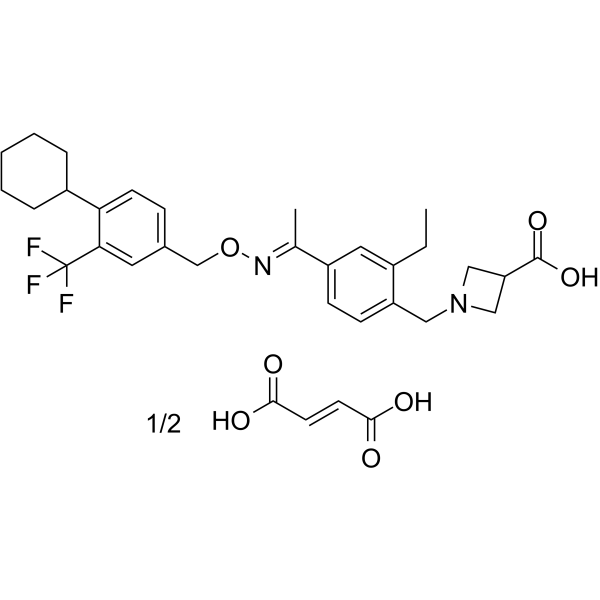
    Siponimod hemifumarate
    Maximum Cited Publications
    10 Publications Verification

    BAF-312 hemifumarate

    LPL Receptor Potassium Channel Neurological Disease Inflammation/Immunology
    Siponimod (BAF-312) hemifumarate is an orally active, blood-brain barrier penetrant dual agonist of S1P1/S1P5, with EC50 values of 0.39 nM and 0.98 nM, respectively. Siponimod hemifumarate induces S1P1 internalization, activates GIRK channels, inhibits lymphocyte egress, reduces peripheral lymphocyte counts, triggers transient bradycardia, prevents synaptic neurodegeneration, promotes remyelination, alleviates demyelination, and prevents the loss of GABAergic interneurons. Siponimod hemifumarate can be used in research related to multiple sclerosis .
    Siponimod hemifumarate
  • HY-105025A

    Thymopoietin II (32-35) TFA; TP 4 TFA

    Apoptosis Inflammation/Immunology
    Thymocartin TFA is the TFA salt form of Thymocartin (HY-105025). Thymocartin TFA inhibits apoptosis of peripheral blood lymphocytes in HIV infected individuals. Thymocartin TFA is potential for immunodeficiency diseases research .
    Thymocartin TFA
  • HY-W423502

    Menthane carboxamidoethyl acetate

    Biochemical Assay Reagents Others
    WS5 (Menthane carboxamidoethyl acetate) is a cooling agent fragrance ingredient .
    WS5
  • HY-12355S

    BAF-312-d11

    Isotope-Labeled Compounds LPL Receptor Potassium Channel Neurological Disease Inflammation/Immunology
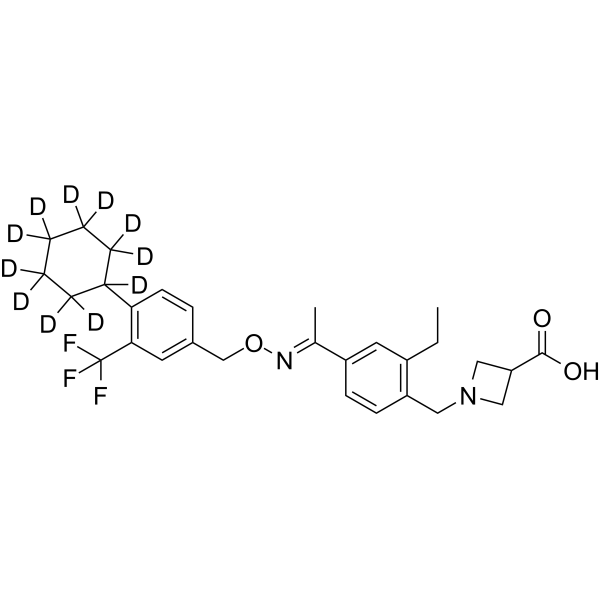
    Siponimod-d11 (BAF-312-d11) is deuterium labeled Siponimod (HY-12355). Siponimod is an orally active, blood-brain barrier penetrant dual agonist of S1P1/S1P5, with EC50 values of 0.39 nM and 0.98 nM, respectively. Siponimod induces S1P1 internalization, activates GIRK channels, inhibits lymphocyte egress, reduces peripheral lymphocyte counts, triggers transient bradycardia, prevents synaptic neurodegeneration, promotes remyelination, alleviates demyelination, and prevents the loss of GABAergic interneurons. Siponimod can be used in research related to multiple sclerosis.
    Siponimod-d11
  • HY-P991543

    CD2 Inflammation/Immunology Cancer
    BTI-322 is a human IgG1κ antibody directed against the CD2 antigen on T cells and NK cells. BTI-322 can block primary and memory alloantigen proliferative responses in vitro. BTI-322 recognizes over 90% of E-rosette-forming peripheral blood lymphocytes and T-cell leukemias. BTI-322 has immunosuppressive activity. BTI-322 effectively inhibits T cell responses in vitro to allogeneic cells. BTI-322 can be used as a T-cell deplting agent. BTI-322 can be studied in research for renal allograft rejection and steroid-refractory acute graft-versus-host disease .
    BTI-322
  • HY-118917

    IMPDH Inflammation/Immunology
    VX-148 is an orally active immunosuppressant, which is a non-competitive inosine-5'-monophosphate dehydrogenase (IMPDH) inhibitor with Ki values for IMPDH Ⅱ and IMPDH Ⅰ of 6 and 14 nM respectively. VX-148 can significantly inhibit the proliferation of human peripheral blood mononuclear cells (PBMC) stimulated by T-cell mitogen (PHA) or B-cell mitogen (SPAS). VX-148 has high selectivity for lymphocytes (such as L1210, Jurkat T cells, and Raji B cells), but has no significant toxicity to non-lymphoid cells. VX-148 can inhibit antibody responses in mouse models and significantly prolong the survival time of transplanted skin in allogeneic skin transplantation models. VX-148 can be used in the research of autoimmune diseases (such as rheumatoid arthritis, psoriasis) and organ transplantation anti-rejection .
    VX-148
  • HY-NP153

    LTL (Biotinylated)

    Glycosidase Others
    Lotus Tetragonolobus Lectin (LTL) (Biotinylated) is a biotinylated derivative of Lotus Tetragonolobus Lectin (HY-NP070), with both sugar-binding specificity and biotin labeling. Lotus Tetragonolobus Lectin (Biotinylated) is used to detect proteins, glycoproteins and lectins on nitrocellulose membranes .
    Lotus Tetragonolobus Lectin (Biotinylated)
  • HY-15401

    5-HT Receptor Neurological Disease Metabolic Disease
    WAY 163909 is an orally active, blood-brain barrier permeable 5-HT2C receptor-selective agonist. WAY 163909 exhibits an EC50 of 8 nM and a Ki of 10.5 nM for h5-HT2C. Instead of triggering apoptosis, WAY 163909 induces anorectic, antipsychotic-like, antidepressant-like, anti-aggressive and anti-compulsive effects. WAY 163909 alleviates ketamine-induced hypothermia, but impairs sexual function at high doses. With rapid antidepressant-like properties, WAY 163909 can be used in research related to obesity, schizophrenia, depression, obsessive-compulsive disorder, and anesthesia-induced hypothermia .
    WAY 163909
  • HY-12355R

    BAF-312 (Standard)

    Reference Standards LPL Receptor Potassium Channel Neurological Disease Inflammation/Immunology
    Siponimod (BAF-312) (Standard) is the analytical standard of Siponimod. This product is intended for research and analytical applications. Siponimod is an orally active, blood-brain barrier penetrant dual agonist of S1P1/S1P5, with EC50 values of 0.39 nM and 0.98 nM, respectively. Siponimod induces S1P1 internalization, activates GIRK channels, inhibits lymphocyte egress, reduces peripheral lymphocyte counts, triggers transient bradycardia, prevents synaptic neurodegeneration, promotes remyelination, alleviates demyelination, and prevents the loss of GABAergic interneurons. Siponimod can be used in research related to multiple sclerosis.
    Siponimod (Standard)
  • HY-14977

    LPL Receptor Inflammation/Immunology
    CS-0777-P, the phosphorylated form of CS-0777, acts as a potent and selective modulator of the S1P receptor-1 (S1P1). It exhibits approximately 320-fold higher agonist activity for human S1P1 compared to S1P3, with an EC50 of 1.1 nM. In pharmacological studies, CS-0777-P demonstrated significant effects in vitro as an S1P1 and S1P3 agonist, leading to lowered peripheral blood lymphocyte counts and suppressive effects on experimental autoimmune encephalomyelitis (EAE) in rats. Pharmacokinetic studies in rats revealed rapid lymphocyte count reductions following oral administration, making CS-0777 a promising candidate currently undergoing clinical trials for the treatment of multiple sclerosis (MS) .
    CS-0777-P
  • HY-P990197

    L-Selectin Metabolic Disease Inflammation/Immunology
    Anti-Mouse MAdCAM-1 Antibody (MECA-367) is an anti-mouse MAdCAM-1 IgG2a monoclonal antibody. Anti-Mouse MAdCAM-1 Antibody (MECA-367) significantly inhibits the migration of pig peripheral blood lymphocytes (PBL) by blocking the function of MAdCAM-1. Anti-Mouse MAdCAM-1 Antibody (MECA-367) selectively inhibits B cell migration to exacerbate inflammation. Anti-Mouse MAdCAM-1 Antibody (MECA-367) can be used for researches on inflammation, metabolic conditions and xenotransplantation such as colitis and diabetes .
    Anti-Mouse MAdCAM-1 Antibody (MECA-367)
  • HY-W012813

    Bacterial Infection
    2-Acetyl-5-methylfuran is a growth inhibitor of Mycobacterium tuberculosis, exhibiting an in vitro anti-tubercular activity with an MIC of 322.58 μM. 2-Acetyl-5-methylfuran demonstrates high safety and can be used for research related to tuberculosis .
    2-Acetyl-5-methylfuran
  • HY-133608

    DNA/RNA Synthesis Inflammation/Immunology
    4,6-Dichloroguaiacol induces biochemical and morphological changes in human peripheral blood lymphocytes in vitro .
    4,6-Dichloroguaiacol
  • HY-137200

    Drug Metabolite Cancer
    N-Desmethyl Bendamustine is a metabolite of Bendamustine (HY-13567). N-Desmethyl Bendamustine has cytotoxic effect in several lymphoma cell lines and peripheral blood lymphocytes .
    N-Desmethyl Bendamustine
  • HY-50692

    LPL Receptor Inflammation/Immunology
    CAY10734 is the agonist for sphingosine-1-phosphate receptor 1 (S1P1) with an IC50 of 1.3 nM. CAY10734 promotes the recirculation of peripheral blood lymphocytes, and is a potential immunosuppressant .
    CAY10734
  • HY-144126

    LPL Receptor Inflammation/Immunology
    S1P1 agonist 5 is a selective and orally active S1P1 agonist. S1P1 agonist 5 inhibits the lymphocyte egress from the lymphoid tissue to the peripheral blood. S1P1 agonist 5 has the potential for the research of multiple sclerosis (MS) .
    S1P1 agonist 5
  • HY-125881

    LPL Receptor Inflammation/Immunology
    ASP1126 is a selective and orally active sphingosine-1-phosphate (S1P) agonist, with EC50 values of 7.12 nM, 517 nM for hS1P1 and hS1P3, respectively. ASP1126 decreases the number of peripheral lymphocytes, naive T cells, central memory T cells and effector memory T cells in the peripheral blood. ASP1126 has the potential to be applied in clinical transplantation with improved safety profile .
    ASP1126
  • HY-N6857R

    Reference Standards NF-κB Inflammation/Immunology
    Armepavine (Standard) is the analytical standard of Armepavine. This product is intended for research and analytical applications. Armepavine, an active compound from Nelumbo nucifera, exerts not only anti-inflammatory effects on human peripheral blood mononuclear cells, but also immunosuppressive effects on T lymphocytes and on lupus nephritic mice. Armepavine inhibits TNF-α-induced MAPK and NF-κB signaling cascades .
    Armepavine (Standard)
  • HY-B1072R

    Reference Standards Parasite Environmental Pollutants Insecticide Infection
    Phenothrin (Standard) is the analytical standard of Phenothrin (HY-B1072). This product is intended for research and analytical applications. Phenothrin is a Type I pyrethroid insecticide. Phenothrin induces dose-dependent DNA damage in human peripheral blood lymphocytes and hepatocytes, and exhibits definite genotoxic potential. Phenothrin acts as an insecticide for pest control in agriculture, households and public health, as well as for the elimination of human head lice infestations.
    Phenothrin (Standard)
  • HY-W517092

    1,2,3,4,7,8,9-HpCDF

    Aryl Hydrocarbon Receptor Cytochrome P450 Metabolic Disease Inflammation/Immunology
    1,2,3,4,7,8,9-Heptachlorodibenzofuran (1,2,3,4,7,8,9-HpCDF) is a compound that induces the expression of CYP1A1 and CYP1B1 genes in human peripheral blood lymphocytes, while also promoting the expression of the aryl hydrocarbon receptor repressor (AhRR). 1,2,3,4,7,8,9-Heptachlorodibenzofuran can increase ethoxyresorufin-O-deethylase (EROD) activity in isolated human peripheral blood lymphocytes in a concentration-dependent manner, which serves as a marker of CYP1A1 activity. Furthermore, 1,2,3,4,7,8,9-Heptachlorodibenzofuran exhibits immunosuppressive effects by reducing the number of splenic plaque-forming cells in mice and increasing aryl hydrocarbon hydroxylase (AHH) activity in liver microsomes of mice injected with sheep red blood cells. 1,2,3,4,7,8,9-Heptachlorodibenzofuran can be used in research in the fields of immunology, metabolic diseases, and environmental toxicology .
    1,2,3,4,7,8,9-Heptachlorodibenzofuran
  • HY-W775354

    1,2,3,4,7,8-HxCDF

    Cytochrome P450 Aryl Hydrocarbon Receptor Others
    1,2,3,4,7,8-Hexachlorodibenzofuran (1,2,3,4,7,8-HxCDF) promotes the gene expressions of CYP1A1, CYP1B1, and aryl hydrocarbon receptor repressor (AhRR) in human peripheral blood lymphocytes (PBLs). 1,2,3,4,7,8-Hexachlorodibenzofuran activates the ethoxyresorufin-Odeethylase, achieves 20% of the maximum response caused by TCDD with a BMR20TCDD of 0.115-0.143 nM .
    1,2,3,4,7,8-Hexachlorodibenzofuran
  • HY-113545

    9(R)-Hydroxyoctadecadienoic acid

    Endogenous Metabolite Metabolic Disease
    9(R)-HODE is a monohydroxy fatty acid and metabolite of linoleic acid. It is formed from linoleic acid by COX and lipoxygenase (LO).9(R)-HODE induces chemotaxis, increases the levels of chemokine (C-C motif) receptor 9 (CCR9) and chemokine (C-X-C motif) receptor 4 (CXCR4), and inhibits IL-6 release in primary human monocytes. It inhibits CD3α- and CD28-induced proliferation of isolated human peripheral blood lymphocytes when used at a concentration of 25 μg/mL.
    9(R)-HODE
  • HY-117007

    Apoptosis Others
    Glycidyl methacrylate exhibits concentration-dependent cytotoxicity and genotoxicity against human peripheral blood lymphocytes and CCRF-CEM leukemia cells. Glycidyl methacrylate can induce DNA strand breaks, base oxidative damage, and apoptosis through oxidative stress mechanisms, but the induced DNA damage can be effectively cleared by the cellular repair system within 2 hours (>90%). Glycidyl methacrylate can be used in dental composite restorative materials .
    Glycidyl methacrylate
  • HY-W714852

    Insecticide Sodium Channel Infection
    Zeta-Cypermethrin is a type II pyrethroid insecticide. Zeta-Cypermethrin primarily acts on voltage-gated sodium channels in nerve cells, causing delayed channel closure, persistent nerve excitation and convulsions. In Drosophila, Zeta-Cypermethrin rapidly induces extremely high metabolic resistance that can be screened, and exhibits in vitro genotoxicity to human peripheral blood lymphocytes .
    Zeta-Cypermethrin
  • HY-N18080

    Parasite DNA Alkylator/Crosslinker Bacterial Infection Inflammation/Immunology Cancer
    Parthenin is a pseudoguaianolide-type sesquiterpene lactone present in Parthenium hysterophorus L. Parthenin induces chromosomal aberrations, mainly chromatid breaks, in human peripheral blood lymphocytes. Parthenin exhibits toxicity against Salmonella typhimurium and Escherichia coli strains, with reduced toxicity in the presence of a metabolic activation system (S9). Parthenin acts as an antifeedant against the 6th instar larvae of the tobacco cutworm (Spodoptera litura). Parthenin shows insecticidal activity against adult cowpea weevils (Callosobruchus maculatus). Parthenin inhibits seed germination and seedling growth of sicklepod (Cassia tora). Parthenin possesses nematicidal activity against the 2nd instar larvae of the southern root-knot nematode (Meloidogyne incognita). Parthenin serves as a research agent for studies related to cancer, malaria, amoebiasis, inflammatory diseases, and bacterial infections .
    Parthenin
  • HY-105025B

    Thymopoietin II (32-35) acetate; TP 4 acetate

    Apoptosis Inflammation/Immunology
    Thymocartin (TP 4) acetate is the 32-35 fragment of thymic factor (thymopoietin). Thymocartin acetate inhibits apoptosis of peripheral blood lymphocytes in HIV infected individuals. Thymocartin acetate is potential for immunodeficiency diseases research .
    Thymocartin acetate
  • HY-174757

    mRNA Inflammation/Immunology
    Human CCL25 mRNA encodes the human C-C motif chemokine ligand 25 (CCL25) protein, a cytokine that displays chemotactic activity for dendritic cells, thymocytes, and activated macrophages but is inactive on peripheral blood lymphocytes and neutrophils.
    Human CCL25 mRNA
  • HY-D3330

    Fluorescent Dye Others
    APC-Cy7 is an APC-tandem fluorochrome (allophycocyanin-cyanine 7) and degradable fluorochrome, with maximum absorption at ~650 nm, peak emission at 767 nm when excited by a 633 nm red laser, and cell-dependent degradation. APC-Cy7 undergoes time-dependent degradation (decoupling) when bound to peripheral blood leukocytes, leading to nonspecific APC channel signal, with degradation cell type-dependent. APC-Cy7 shows reduced degradation when immunolabeled cells have inhibited metabolic activity or are incubated with vitamin C. APC-Cy7 serves as a tandem fluorochrome in multiparametric flow cytometry for detection of leukocyte surface proteins when conjugated to specific antibodies (Ex/Em = 650 nm/778 nm) .
    APC-Cy7
  • HY-183578

    LPL Receptor Inflammation/Immunology
    TYY-31 is an orally active, selective S1PR1 agonist with an EC50 of 1.13 pM. TYY-31 promotes the phosphorylation of ERK1/2. TYY-31 exerts anti-inflammatory and immunosuppressive effects, ameliorates DSS-induced colitis in mice, and reduces peripheral blood lymphocyte counts in mice in a dose-dependent manner. TYY-31 can be used for the research of ulcerative colitis .
    TYY-31
  • HY-W747607

    Herbicide Others
    Alloxydim sodium is a cyclohexenone oxime herbicide. Alloxydim sodium exhibits cytotoxicity. Alloxydim sodium can be used to control grassy weeds in broadleaf crops .
    Alloxydim sodium
  • HY-P992151

    LT1002

    LPL Receptor Interleukin Related Cardiovascular Disease Neurological Disease Inflammation/Immunology Cancer
    Sphingomab (LT1002) is a mouse-derived IgG1 κ monoclonal antibody and also an inhibitor targeting S1P, with high affinity for S1P and a Kd value of 0.03 ± 0.002 nM. Sphingomab blocks S1P-mediated IL-8 release in ovarian cancer cells. Sphingomab exhibits anti-angiogenic activity in a mouse model of choroidal neovascularization. Sphingomab reduces peripheral blood lymphocyte counts. Sphingomab can be used in the research of ovarian cancer and age-related macular degeneration .
    Sphingomab
  • HY-185173

    TRP Channel Others
    (E)-3-Benzodioxol-5-yl-N,N-diphenyl-2-propenamide is a chemically synthesized flavoring substance and can be found in toothpaste products. (E)-3-Benzodioxol-5-yl-N,N-diphenyl-2-propenamide is non-genotoxic, shows no genotoxic activity in bacterial reverse mutation and in vitro mammalian cell micronucleus assays. (E)-3-Benzodioxol-5-yl-N,N-diphenyl-2-propenamide does not induce prenatal developmental toxicity in rats .
    (E)-3-Benzo[1,3]dioxol-5-yl-N,N-diphenyl-2-propenamide
  • HY-123238

    CDK Cancer
    AG-024104 is a CDK inhibitor with Ki values of 2.3 nM (CDK1/cyclinB), 1.8 nM (CDK2/cyclinA), and 0.67 nM (CDK4/cyclinD). AG-024104 functionally inhibits kinase activity of CDK1/cyclinB, CDK2/cyclinA, and CDK4/cyclinD. AG-024104 serves as a negative control for peripheral leukocyte toxicity studies in preclinical development .
    AG-024104
  • HY-106187B

    Cancer
    MART-1 (27-35) (human) (TFA) is the amino acid fragment spanning positions 27 to 35 of the MART-1 protein, and it represents an immunogenic epitope recognizable by HLA-A2-restricted melanoma-specific tumor-infiltrating lymphocytes (TILs). MART-1 (27-35) (human) (TFA) can be used in studies related to melanoma .
    MART-1 (27-35) (human) TFA
  • HY-P992052

    Inflammation/Immunology
    Anti-CD11a Antibody (AL-57) is a monoclonal antibody targeting human CD11a. Anti-CD11a Antibody (AL-57) binds to HA cells in a dose-dependent manner but did not bind to LA cells. Anti-CD11a Antibody (AL-57) preferentially binds to the active conformation of LFA-1 and blocks LFA-1-mediated adhesion and lymphocyte proliferation. Anti-CD11a Antibody (AL-57) can be used for the research of inflammatory and autoimmune diseases .
    Anti-CD11a Antibody (AL-57)
  • HY-P992212

    L-Selectin Inflammation/Immunology
    Anti-CD62L Antibody (DREG-200) is a human monoclonal antibody targeting CD62L/L-selectin. Anti-CD62L Antibody (DREG-200) binds to residues 45, 46 and 47 of L-selectin, and blocks L-selectin-mediated interactions, neutrophil rolling, adhesion, aggregation, secondary anchoring, as well as leukocyte rolling on ligands. Anti-CD62L Antibody (DREG-200) reduces myocardial necrosis, coronary endothelial dysfunction, and neutrophil migration driven by neutrophil microparticles. Anti-CD62L Antibody (DREG-200) exerts cardioprotective effects in feline models. Anti-CD62L Antibody (DREG-200) can be used in studies related to myocardial ischemia-reperfusion injury. The recommended isotype control is Mouse IgG1 kappa (HY-P99977) .
    Anti-CD62L Antibody (DREG-200)
  • HY-P992437

    CD44 Apoptosis Inflammation/Immunology Cancer
    PF-03475952 is a fully human IgG2 monoclonal antibody targeting CD44. PF-03475952 binds an epitope in CD44’s constant exons, blocks CD44-hyaluronic acid interaction, reduces cell surface CD44, and does not cross-react with rodent CD44 or LYVE-1. PF-03475952 induces cancer cell apoptosis, inhibits LPS (HY-D1056)-induced leukocyte cytokine release and cancer metastasis, and reduces CD44 expression on circulating CD3+ lymphocytes in cynomolgus monkeys. PF-03475952 can be used for the research of rheumatoid arthritis and hepatocellular carcinoma .
    PF-03475952
  • HY-W012475

    Fungal Infection
    cis-3-Hexenyl benzoate is a volatile organic compound with a grassy aroma, widely used in the fragrance and cosmetic industries. It exhibits weak antifungal activity. cis-3-Hexenyl benzoate shows no significant risks in genotoxicity, reproductive toxicity, or environmental toxicity, and its skin sensitization potential is controllable within defined concentration limits .
    cis-3-Hexenyl benzoate
  • HY-P991918

    IgG2-AAS

    Transmembrane Glycoprotein Interleukin Related Inflammation/Immunology Cancer
    KHK2840 is a potent CD40 agonist with a Kd value of 0.485 nM for hCD40. KHK2840 delivers agonistic signals in tumor-bearing hCD40 transgenic mice and human peripheral blood B cells. KHK2840 upregulates CD80, CD86, CD95 and IL-12p70 expression. KHK2840 enhances antitumor efficacy of anti-PD-1 antibody and Paclitaxel (HY-B0015). KHK2840 can be used for the research of cancer, such as colon cancer and melanoma .
    KHK2840

Inquiry Online

Your information is safe with us. * Required Fields.

Salutation


Country or Region *

Applicant Name *


Organization Name *

Department *


Email Address *


Product Name *

Cat. No.


Requested quantity *

Phone Number *


Remarks

Inquiry Online

Inquiry Information

Product Name:
Cat. No.:
Quantity:
MCE Japan Authorized Agent:

