

1. Search Result
Search Result
Results for "

protein hydrolysis

" in MedChemExpress (MCE) Product Catalog:

71

Inhibitors & Agonists

5

Fluorescent Dyes

2

Biochemical Assay Reagents

7

Peptides

7

Natural
Products

3

Click Chemistry

1

Oligonucleotides

Cat. No. Product Name Target Research Areas Chemical Structure
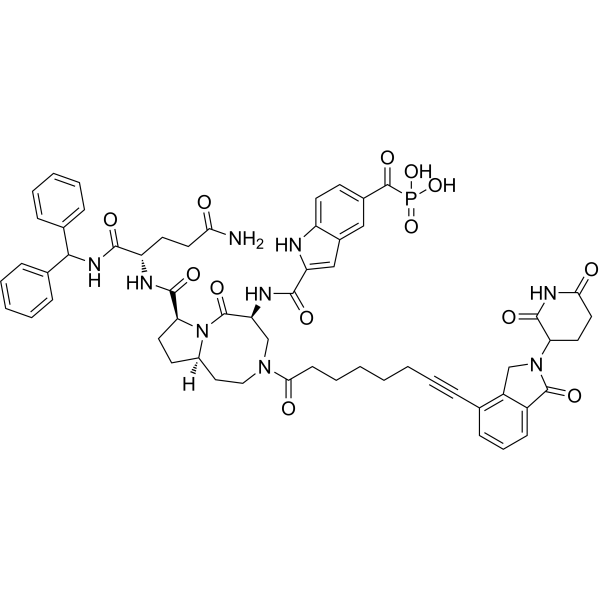
  • HY-153342
    Luxdegalutamide
    2 Publications Verification

    ARV-766; JSB462

    PROTACs Androgen Receptor Cancer
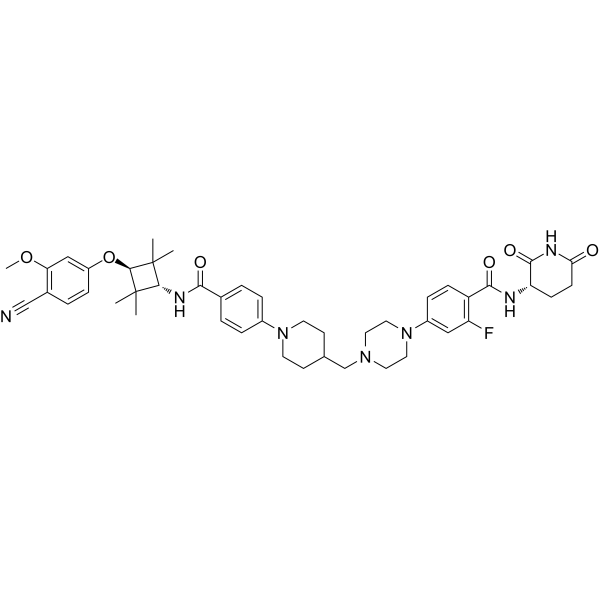
    Luxdegalutamide (ARV-766) is an orally active protein hydrolysis targeted chimeric (PROTAC) targeting androgen receptor (AR), which can degrade AR resistance related mutants, including T878/H875/L702 mutants. Luxdegalutamide has anti-tumor activity and can be used in the study of castration resistant prostate cancer .
    Luxdegalutamide
  • HY-P3028

    Ficin

    Biochemical Assay Reagents Others Metabolic Disease
    Ficain is an enzyme extract composed of several proteases that can be isolated from Ficus hispida L. and the latex of fig (Ficus carica). Ficain has different specificities in different proportions during fruit ripening. Ficain is widely used in protein hydrolysis, food, production of bioactive peptides and antibody fragments .
    Ficain
  • HY-116022A

    p-Nitrophenyl phosphate disodium hexahydrate

    Biochemical Assay Reagents Others
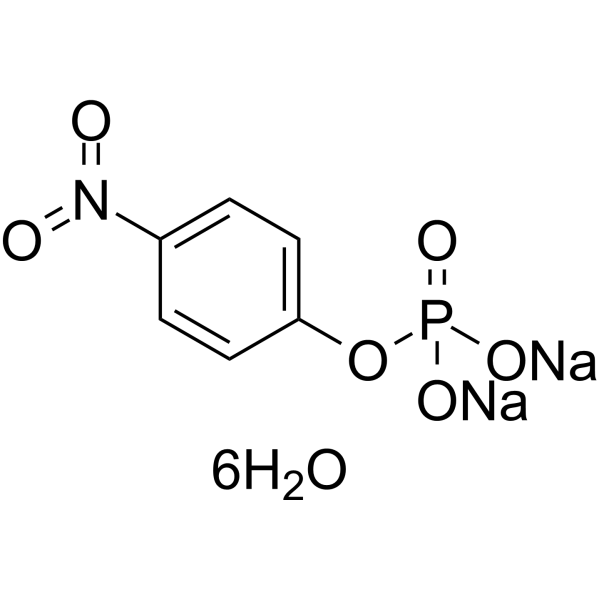
    4-Nitrophenyl phosphate (p-nitrophenyl phosphate) disodium hexahydrate is widely used as a small molecule phosphotyrosine-like substrate in activity assays for protein tyrosine phosphatases. 4-Nitrophenyl phosphate disodium hexahydrate is a colorless substrate that upon hydrolysis is converted to a yellow 4-nitrophenolate ion that can be monitored by absorbance at 405 nm .
    4-Nitrophenyl phosphate disodium hexahydrate
  • HY-116022
    4-Nitrophenyl phosphate
    3 Publications Verification

    p-Nitrophenyl phosphate

    Biochemical Assay Reagents Others
    4-Nitrophenyl phosphate (p-Nitrophenyl phosphate) is widely used as a small molecule phosphotyrosine-like substrate in activity assays for protein tyrosine phosphatases.4-Nitrophenyl phosphate is a colorless substrate that upon hydrolysis is converted to a yellow 4-nitrophenolate ion that can be monitored by absorbance at 405 nm .
    4-Nitrophenyl phosphate
  • HY-124171
    Zinquin ethyl ester
    1 Publications Verification

    Fluorescent Dye Drug Derivative Others
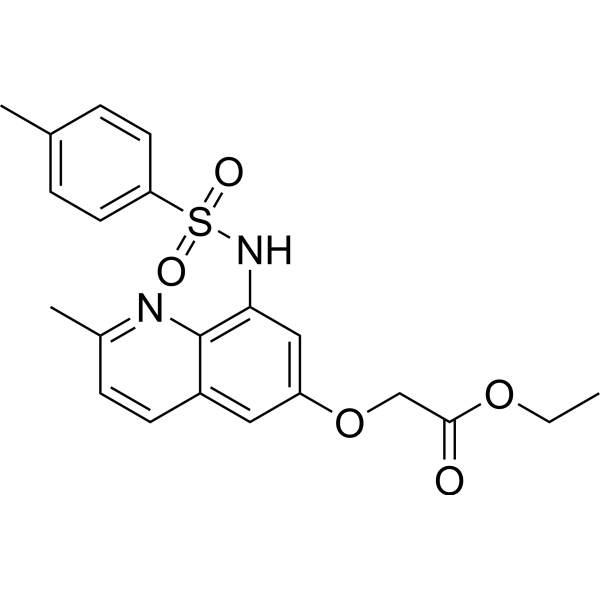
    Zinquin ethyl ester is a cell-permeable and lipophilic fluorescent derivative of Zinquin (HY-D0982). Zinquin ethyl ester reacts with protein-bound Zn 2+ in cells and forms fluorescent ternary adducts. Zinquin ethyl ester undergoes hydrolysis by intracellular esterases impeding its efflux across the plasma membrane (Ex/Em = 370/470 nm) .
    Zinquin ethyl ester
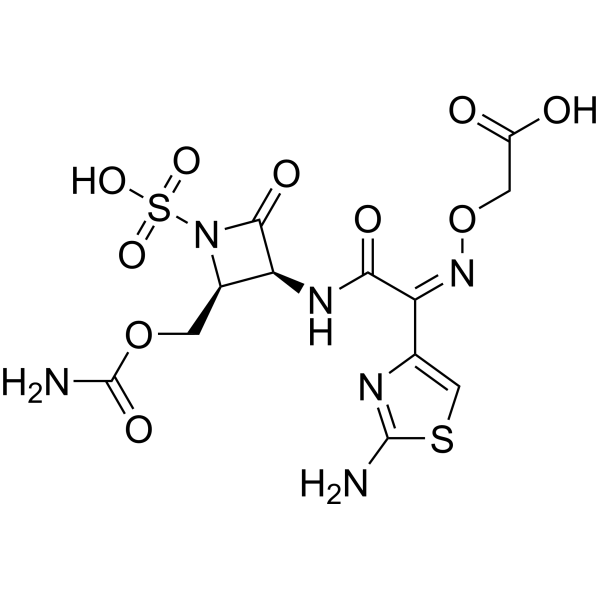
  • HY-121329

    AMA-1080; Ro 17-2301

    Penicillin-binding protein (PBP) Antibiotic Bacterial Infection
    Carumonam (AMA-1080; Ro 17-2301) is a sulfonated monocyclic β-Lactam Antibiotic, targeting to penicillin-binding protein (PBP). Carumonam exerts highly activity against Enterobacteriaceae, Pseudomonas aeruginosa, and Haemophilus influenzae, while it weakly and even inactively inhibits Streptococcus pneumoniae and Staphylococcus aureus. Carumonam is resistant to beta-lactamase-mediated hydrolysis .
    Carumonam
  • HY-D2869

    Fluorescent Dye Drug Intermediate Others
    Ac-H-FluNox is an acetylated cell-compatible prodrug of H-FluNox (HY-D2339). Ac-H-FluNox undergoes intracellular hydrolysis of its acetyl group by esterases to generate H-FluNox, which then undergoes a deoxygenation reaction with labile heme to form a fluorescent product. Ac-H-FluNox detects fluctuations of labile heme in living cells, acute labile heme release upon nitric oxide stimulation, and accumulation of labile heme following inhibition of heme export proteins .
    Ac-H-FluNox
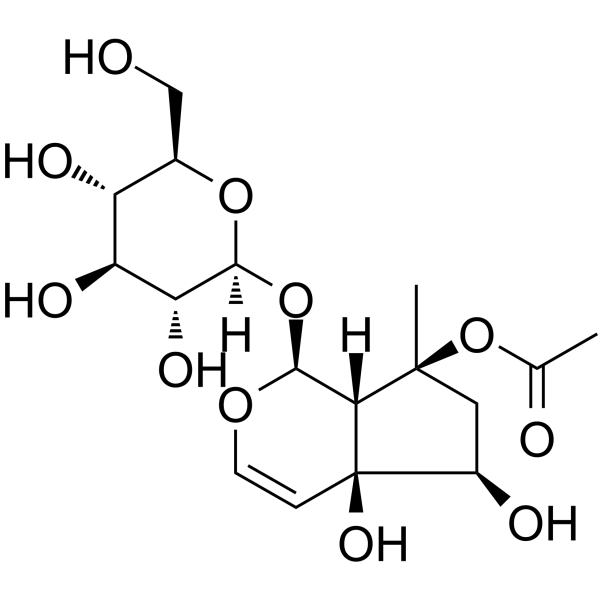
  • HY-N0757
    8-​O-​Acetylharpagide
    1 Publications Verification

    Akt Bcl-2 Family Apoptosis Adrenergic Receptor Cardiovascular Disease Inflammation/Immunology Cancer
    8-O-Acetylharpagide is an orally active iridoid glycoside compound. 8-O-Acetylharpagide exhibits anti-aging activity at low doses and anticancer activity at high doses. 8-O-Acetylharpagide induces late-stage apoptosis and necrosis-like death in cancer cells, and downregulates anti-apoptotic proteins such as Akt, p-Akt and Bcl-2. 8-O-Acetylharpagide is mainly metabolized in rats via demethylation, hydrolysis and glucuronidation, and its active metabolites downregulate the AKT/NF-κB/MMP9 signaling axis. 8-O-Acetylharpagide exerts vasoconstrictive effects by activating vascular α-adrenoceptor .
    8-​O-​Acetylharpagide
  • HY-150251

    STAT3 degrader-2

    PROTACs STAT Cancer
    SD-91 (STAT3 degrader-2), a product of the hydrolysis of SD-36 (HY-129602), is a selective PROTAC-based STAT3 degrader with a Ki of 5.5 nM. SD-91 displays >300-fold selectivity over other STAT family protein members. SD-91 potently induces degradation of STAT3 protein in cells. SD-91 has anticancer effects, such as myeloid leukemia, lymphoma (Pink: ligand for target protein (HY-150895); Black: linker; Blue: E3 ligase ligand; E3 ligase ligand+linker: HY-176506) .
    SD-91
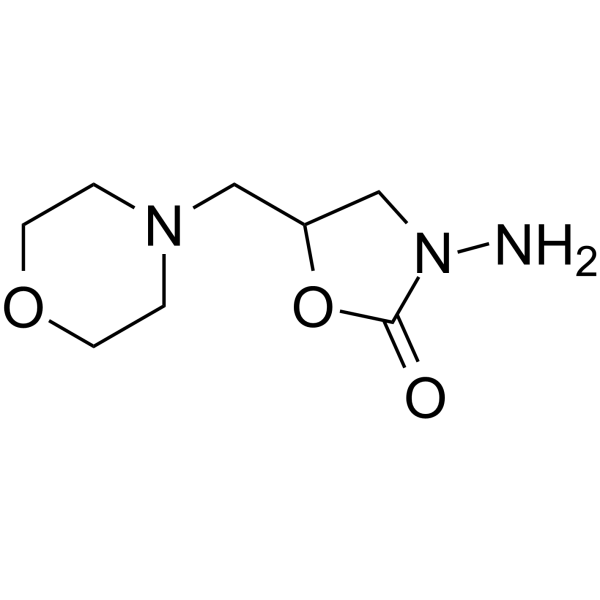
  • HY-131146
    AMOZ
    1 Publications Verification

    3-Amino-5-morpholinomethyl-2-oxazolidone

    Drug Metabolite Infection
    AMOZ is a carcinogenic metabolite of Furaltadone (HY-B1148A), which forms stable tissue residues by covalently binding to proteins as a hapten. AMOZ can be coupled with carrier proteins (such as BSA/OVA) to induce immune response and is released after acid hydrolysis. AMOZ residues can be detected by competitive ELISA method, and the detection limit in the monoclonal antibody 2E5.1 test is as low as 0.16 μg/kg (shrimp sample). AMOZ can be used as a typical marker to monitor drug residues in animal-derived foods in the field of food safety[1][2].
    AMOZ
  • HY-P10856

    P-glycoprotein Cancer
    CPI1 is a multidrug resistance protein 1 (MRP1) inhibitor with a Ki value of 100 nM. CPI1 binds to the same substrate-binding site as leukotriene C4, stabilizes MRP1 in an apo-like inward-facing conformation, blocks the conformational changes required for ATP hydrolysis and substrate transport, and inhibits the ATPase activity of human and bovine MRP1. CPI1 serves as a tool for investigating the substrate transport mechanism of MRP1. CPI1 is applicable to research related to cancer multidrug resistance .
    CPI1
  • HY-146248B

    Poly(ADP-ribose) Glycohydrolase (PARG) SARS-CoV Protease Activated Receptor (PAR) Metabolic Disease
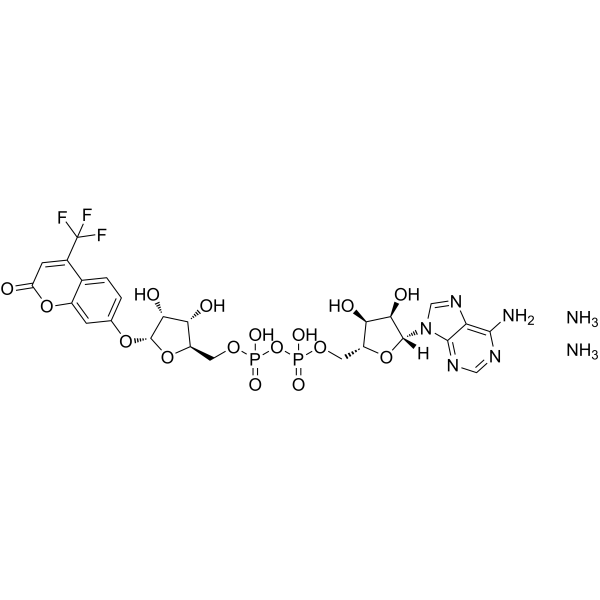
    TFMU-ADPr diammonium is a selective reporter substrate of SARS-CoV-2 Macro1 (IC50=0.59 μM), with an excitation wavelength (λEx) of 385 nm, and an emission wavelength (λEm) of 502 nm (or 495 nm). TFMU-ADPr diammonium can also undergo enzymatic hydrolysis with Poly(ADP-ribose) Glycohydrolase (PARG) sourced from human, Tetrahymena thermophila and ADP-ribosylhydrolase 3 from human to release fluorophores, thereby directly reporting total poly (ADP-ribose) hydrolase activity. TFMU-ADPr diammonium binds to the ADPr-binding site of SARS-CoV-2 Macro1, and its TFMU moiety inserts into the narrow hydrophobic groove of this protein. TFMU-ADPr diammonium can thus be used to evaluate small-molecule inhibitors targeting PAR hydrolases under in vitro conditions, to investigate the regulatory mechanisms of ADP-ribosyl catabolic enzymes, or to detect PAR hydrolase activity in whole-cell lysate assays. TFMU-ADPr diammonium is also applicable to COVID-19-related research .
    TFMU-ADPr diammonium
  • HY-153821

    Ras PROTACs Cancer
    PROTAC KRAS G12C degrader-2 (compound 432) is a modulator of K-Ras protein hydrolysis. PROTAC KRAS G12C degrader-2 is a bifunctional compound, which contain on one end a cereblon inhibitor of apoptosis proteins (IAP) and on the other end a moiety which binds KRAS .
    PROTAC KRAS G12C degrader-2
  • HY-P2973

    Aspergillus acid protease

    Proteasome Others
    Aspergillopepsin I (Aspergillus acid protease) is a metal-containing aspartic protease that catalyzes the hydrolysis of peptide bonds in soybean 7S globulin, soybean 11S globulin and various proteins, with broad specificity. Aspergillopepsin I is intended for use in wine production, where it hydrolyzes haze-forming proteins into small peptides to prevent turbidity during storage. Aspergillopepsin I can be used in studies related to soybean protein hydrolysis and wine production .
    Aspergillopepsin I
  • HY-137135A

    Phosphatase Apoptosis Cancer
    Cantharidic acid disodium is the hydrolysis product of the acid anhydride Cantharidin that induces apoptosis in various human cancer cells. Cantharidic acid disodium is a selective protein phosphatase 2 (PP2A) and PP1 inhibitor withIC50 values of 50 nM and 600 nM, respectively .
    Cantharidic acid disodium
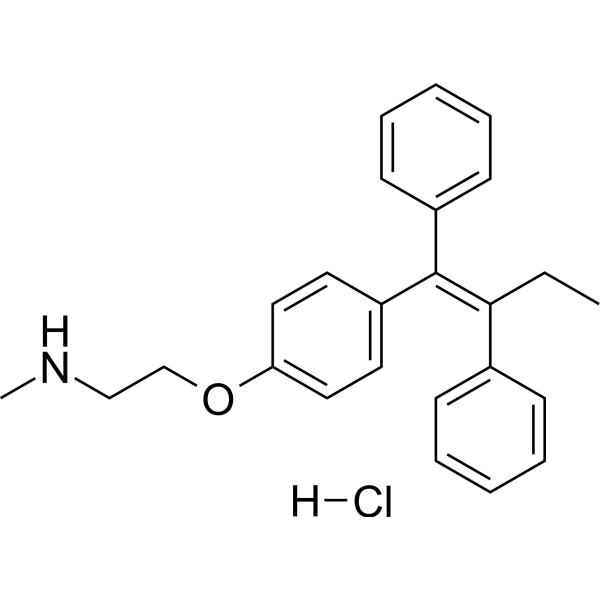
  • HY-129099A

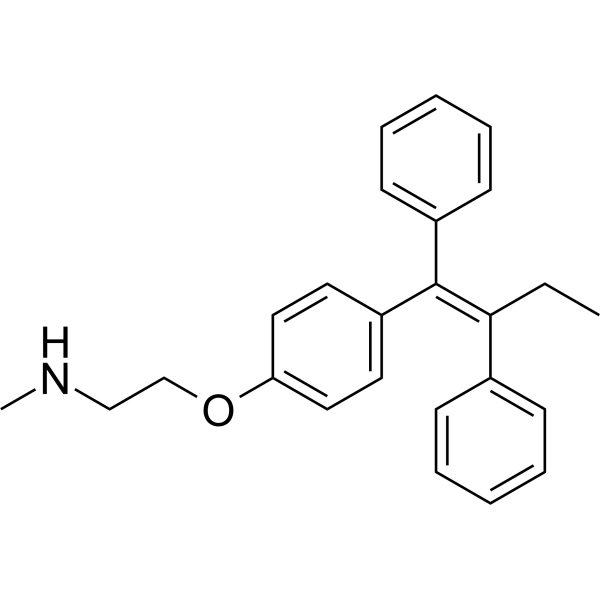
    PKC Estrogen Receptor/ERR Drug Metabolite Endogenous Metabolite Cancer
    N-Desmethyltamoxifen hydrochloride is the major metabolite of tamoxifen in humans. N-Desmethyltamoxifen, a poor antiestrogen, is a ten-fold more potent protein kinase C (PKC) inhibitor than Tamoxifen. N-Desmethyltamoxifen hydrochloride is also a potent regulator of ceramide metabolism in human AML cells, limiting ceramide glycosylation, hydrolysis, and sphingosine phosphorylation .
    N-Desmethyltamoxifen hydrochloride
  • HY-152261

    PROTACs Cancer
    MS6105 is an LDH protein hydrolysis-targeted chimera (PROTAC) that effectively degrades LDHA and LDHB in a time- and ubiquitin-proteasome system-dependent manner and has anticancer activity . MS6105 is a click chemistry reagent, it contains an Alkyne group and can undergo copper-catalyzed azide-alkyne cycloaddition (CuAAc) with molecules containing Azide groups.
    MS6105
  • HY-116141

    7-HCA; Umbelliferyl Arachidonate; 7-HC-arachidonate

    Phospholipase MAGL Others
    7-Hydroxycoumarinyl arachidonate (7-HCA) is a fluorogenic substrate of cytosolic phospholipase A2 (PLA2). 7-Hydroxycoumarinyl arachidonate is also a fluorogenic substrate for monoacylglycerol lipase (MAGL). MAGL protein catalyzes the hydrolysis of 7-Hydroxycoumarinyl arachidonat to generate Arachidonic acid (AA) and the highly fluorescent 7-hydroxyl coumarin (7-HC; HY-N0573). Release of 7-HC can be measured using a fluorometer .
    7-Hydroxycoumarinyl arachidonate
  • HY-E70574

    Biochemical Assay Reagents Others
    Trypsin/Lys-C complex protease (MS grade) combines Trypsin and Lys-C, two recombinant proteases, to achieve efficient peptide bond hydrolysis. Trypsin specifically cleaves the C-terminal peptide bonds of arginine (R) and lysine (K), while Lys-C specifically cleaves the C-terminal peptide bonds of lysine (K). This combination overcomes issues such as the slower digestion rate of lysine and arginine by rTrypsin, PTM changes on lysine, or hydrophobic C-termini (such as proline) that can lead to missed cleavage. Trypsin/Lys-C complex protease (MS grade) can be used to process complex protein samples that are difficult to enzymatically digest. Trypsin/Lys-C complex protease (MS grade) can be used for protein characterization, single-cell proteomics and large cohort proteomics studies.
    Trypsin/Lys-C complex protease (MS grade)
  • HY-135115

    3,4-DHPEA-EA

    α-synuclein HDAC Adrenergic Receptor Inflammation/Immunology
    Oleuropein Aglycone (3,4-DHPEA-EA) is a polyphenol and the aglycone form of oleuropein (HY-N0292), formed by enzymatic, acidic or acetylated hydrolysis of oleuropein. Dietary intake of oleuropein Aglycone (50 mg/kg diet) increases the number of neuronal autophagic vesicles, reverses cognitive deficits in the TgCRND8 transgenic mouse model of Alzheimer's disease, and reduces the levels of histone deacetylase 2 (HDAC2) in the cortex and hippocampus. Oleuropein Aglycone increases urinary norepinephrine, interscapular brown adipose tissue epinephrine, and UCP1 protein levels, and reduced plasma leptin levels and total abdominal adipose tissue weight in a rat model of high-fat diet-induced obesity. Oleuropein Aglycone also reduced lung neutrophil infiltration, lipid peroxidation, and IL-1β levels in a mouse model of carrageenan-induced pleurisy.
    Oleuropein Aglycone
  • HY-E70095

    Others Others
    T4 UvsY Protein is an accessory protein for in vitro catalysis of strand exchange. T4 UvsY Protein enhances strand exchange by UvsX protein by interacting specifically with UvsX protein. UvsY protein enhances the rate of single-stranded-DNA-dependent ATP hydrolysis by UvsX protein .
    T4 UvsY Protein
  • HY-146248

    SARS-CoV Poly(ADP-ribose) Glycohydrolase (PARG) Protease Activated Receptor (PAR) Infection
    TFMU-ADPr is a selective reporter substrate of SARS-CoV-2 Macro1 (IC50=0.59 μM), with an excitation wavelength (λEx) of 385 nm, and an emission wavelength (λEm) of 502 nm (or 495 nm). TFMU-ADPr can also undergo enzymatic hydrolysis with Poly(ADP-ribose) Glycohydrolase (PARG) sourced from human, Tetrahymena thermophila and ADP-ribosylhydrolase 3 from human to release fluorophores, thereby directly reporting total poly (ADP-ribose) hydrolase activity. TFMU-ADPr binds to the ADPr-binding site of SARS-CoV-2 Macro1, and its TFMU moiety inserts into the narrow hydrophobic groove of this protein. TFMU-ADPr can thus be used to evaluate small-molecule inhibitors targeting PAR hydrolases under in vitro conditions, to investigate the regulatory mechanisms of ADP-ribosyl catabolic enzymes, or to detect PAR hydrolase activity in whole-cell lysate assays. TFMU-ADPr is also applicable to COVID-19-related research .
    TFMU-ADPr
  • HY-P4846
    Ac-Pro-Gly-Pro-OH
    2 Publications Verification

    CXCR Apoptosis IFNAR TNF Receptor Interleukin Related Infection Inflammation/Immunology
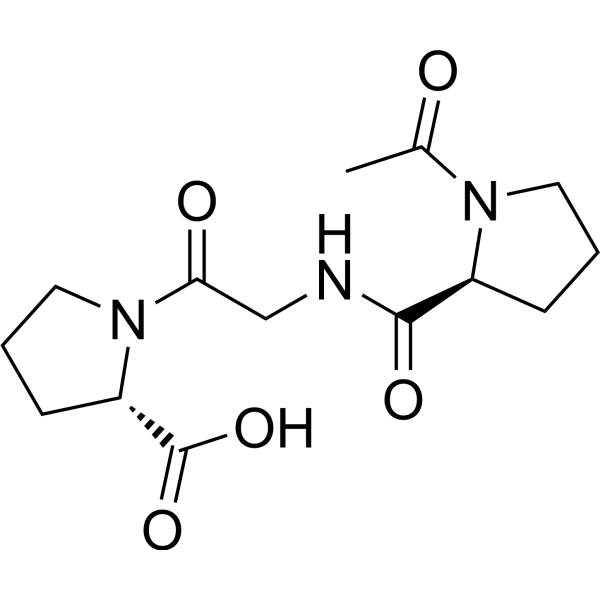
    Ac-Pro-Gly-Pro-OH is an endogenous degradation product of extracellular collagen and acts as a CXCR2 agonist . Ac-Pro-Gly-Pro-OH exerts bactericidal activity by generating hydrogen peroxide, inhibits pulmonary inflammation, and reduces immune cell apoptosis (apoptosis). Ac-Pro-Gly-Pro-OH promotes the production of IFN-γ and inhibits the production of TNF-α and IL-6 in leukocytes. Ac-Pro-Gly-Pro-OH increases the survival rate of mice in sepsis models, enhances the bactericidal activity of neutrophils, acts as a neutrophil chemoattractant, induces neutrophil polarization, and regulates inflammatory and repair processes. Ac-Pro-Gly-Pro-OH induces chronic inflammation and tissue remodeling through sustained action. Ac-Pro-Gly-Pro-OH is released via alkaline hydrolysis of corneal proteins in alkali-injured eyes, thereby driving the early infiltration of neutrophils into the cornea. Ac-Pro-Gly-Pro-OH is applicable to research related to sepsis, chronic obstructive pulmonary disease, cystic fibrosis, bronchiolitis obliterans syndrome, severe asthma, idiopathic pulmonary fibrosis, and corneal ulcer .
    Ac-Pro-Gly-Pro-OH
  • HY-P2966

    Endogenous Metabolite Metabolic Disease
    Protein-arginine deiminase is a unique family of enzymes that catalyzes the hydrolysis of peptidyl-arginine to form peptidyl-citrulline .
    Protein-arginine deiminase
  • HY-P2760

    GLS

    Biochemical Assay Reagents Glutaminase Cancer
    Glutaminase is a metabolic enzyme. Glutaminase catalyzes the hydrolysis of glutamine to glutamate. Glutaminase isoenzymes are encoded by Gls and Gls2 genes. Proteins GLS and GLS2 have different kinetic, immunologic, and molecular characteristics. Glutaminase can be used in the research of cancer .
    Glutaminase
  • HY-W011297

    Arachidonic acid methyl ester

    PKC Metabolic Disease
    Methyl arachidonate is a protein kinase C activator and also an orally active substrate that undergoes esterase-mediated hydrolysis. Methyl arachidonate indirectly activates protein kinase C via eicosanoid metabolites generated through the arachidonic acid metabolic pathway, exerting effects via cyclooxygenase products at low concentrations and via lipoxygenase products at high concentrations. Methyl arachidonate can be used in studies related to lipodystrophy .
    Methyl arachidonate
  • HY-143678

    Biochemical Assay Reagents Others
    Citrulline-specific probe-biotin is a biotinylated probe for detection of citrulline. Citrulline is the hydrolysis product of arginine catalyzed by protein arginine deiminase (PAD). PAD is abnormally activated in many diseases, leading to increased citrulline levels. Citrulline-specific probe-biotin is a biological probe that can identify diseases showing abnormal increases in PAD activity .
    Citrulline-specific probe-biotin
  • HY-149677

    Mitochondrial Metabolism Cancer
    ZK53 is a selective activator of mitochondrial caseinolytic protease P (HsClpP) (EC50: 1.37?μM for α-casein hydrolysis by HsClpP). ZK53 is is inactive toward bacterial ClpP proteins. ZK53 induces apoptosis in H1703, H520 and SK-MES-1 cells. ZK53 induces dysregulation of mitochondrial functions in lung squamous cell carcinoma (LUSC) cells. ZK53 inhibits tumor growth in H1703 xenograft mouse model .
    ZK53
  • HY-108548

    Rp-8-Bromo-PET-cGMPS

    PKG Inflammation/Immunology
    Rp-8-Br-PET-cGMPS sodium (Rp-8-Bromo-PET-cGMPS) is an analog of cyclic GMP (cGMP). It is a cell permeable, competitive, and reversible inhibitor of cGMP-dependent protein kinases (cGKs) that blocks activation of cGKI and cGKII by cGMP (Kis=35 and 30 nM). It less potently inhibits protein kinase A (Ki=11 μM) and cGMP-induced activation of cyclic nucleotide-gated channels (IC50=25 μM). In the absence of cGMP stimulation, Rp-8-bromo-PET-cGMPS can act as a partial agonist of cGKI (Ki=1 μM). Rp-8-bromo-PET-cGMPS is resistant to hydrolysis by phosphodiesterase 11.
    Rp-8-Br-PET-cGMPS sodium
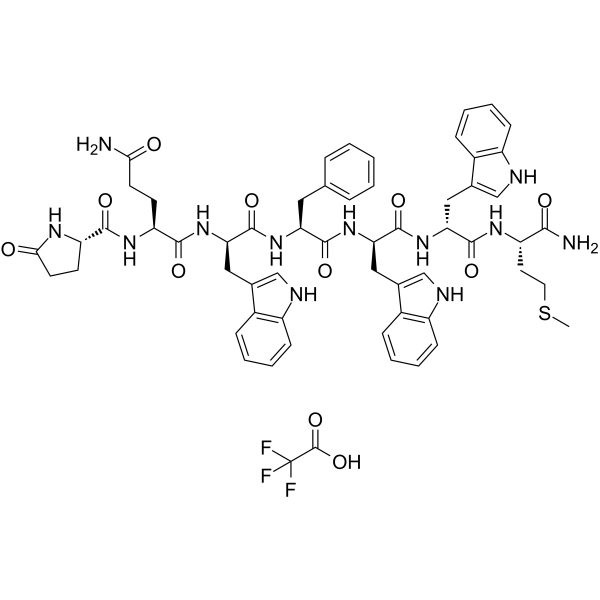
  • HY-P5723A

    Bacterial Infection
    Api137 TFA is an antimicrobial peptide that interferes with bacterial growth by inhibiting translation. Api137 TFA inhibits protein synthesis by trapping of release factors on the 70S ribosome following hydrolysis of the nascent polypeptide chain .
    Api137 TFA
  • HY-129099

    PKC Estrogen Receptor/ERR Drug Metabolite Endogenous Metabolite Cancer
    N-Desmethyltamoxifen is the major metabolite of tamoxifen in humans. N-Desmethyltamoxifen, a poor antiestrogen, is a ten-fold more potent protein kinase C (PKC) inhibitor than Tamoxifen. N-Desmethyltamoxifen is also a potent regulator of ceramide metabolism in human AML cells, limiting ceramide glycosylation, hydrolysis, and sphingosine phosphorylation .
    N-Desmethyltamoxifen
  • HY-D1377

    Fluorescent Dye Others
    Citrulline-specific probe-rhodamine hydrate is a specific probe for citrulline (Citrulline) combined with a rhodamine fluorescent group. Citrulline is the hydrolysis product of arginine catalyzed by protein arginine deiminase (PAD). PAD is abnormally activated in many diseases, leading to increased citrulline levels. Citrulline-specific probe-rhodamine hydrate is a biological probe that can identify diseases showing abnormal increases in PAD activity and may be effectively used in animal models of ulcerative colitis .
    Citrulline-specific probe-rhodamine hydrate
  • HY-E70565

    Endonuclease Inflammation/Immunology
    O-Glycoprotease is an O-glycoprotein-specific endoprotease that catalyzes the hydrolysis of peptide bonds directly adjacent to the O-polymer in native mucin-type O-glycosylated proteins. O-Glycoprotease sequence is from Akkermansia muciniphila, recombinantly expressed in E.coli, with a 6×His tag at the C-terminus.
    The enzyme maintains high activity between pH 5.5-7.5 and is resistant to 1M NaCl, but is highly sensitive to EDTA (0.5 mM EDTA) and can be inhibited by Zn 2+.
    O-Glycoprotease
  • HY-W800839

    Biochemical Assay Reagents Others
    TCO-PEG4-TFP Ester is an amine-reactive labeling reagent used to modify proteins, antibodies, and other amine-containing biopolymers. A 2,3,5,6-tetrafluorophenol (TFP) is a reactive ester that displays much better stability toward hydrolysis in aqueous media resulting in more efficiency and better reproducible labeling of biopolymers. TFP ester of carboxylic acids react with primary amines at the same rate as NHS ester forming covalent amide bond that is identical to one formed by the reaction between primary amines and NHS esters or sulfo-NHS esters.
    TCO-PEG4-TFP ester
  • HY-U00380

    Antibiotic Beta-lactamase Bacterial Infection
    Tigemonam is an orally active monobactam antibiotic with a Ki of 0.86 μM against Enterobacter cloacae P99 β-lactamase and 50.8 μM against Escherichia coli TEM-1 β-lactamase. Tigemonam binds to penicillin-binding proteins 1a, 3, and 4, inhibits bacterial cell wall synthesis, and exhibits bactericidal activity against aerobic gram-negative bacteria including Enterobacteriaceae, Haemophilus influenzae, and Neisseria gonorrhoeae. Tigemonam resists hydrolysis by multiple β-lactamase enzymes, reduces bacterial load in systemic, pyelonephritic, lung, and thigh muscle infections in rodents, and shows minimal difference between minimum inhibitory and bactericidal concentrations. Tigemonam can be used for the research of gram-negative bacterial infections, acute pyelonephritis, lung infection, and thigh muscle infection .
    Tigemonam
  • HY-146248A

    Poly(ADP-ribose) Glycohydrolase (PARG) SARS-CoV Protease Activated Receptor (PAR) Others
    TFMU-ADPr triethylamine is a selective reporter substrate of SARS-CoV-2 Macro1 (IC50=0.59 μM), with an excitation wavelength (λEx) of 385 nm, and an emission wavelength (λEm) of 502 nm (or 495 nm). TFMU-ADPr triethylamine can also undergo enzymatic hydrolysis with Poly(ADP-ribose) Glycohydrolase (PARG) sourced from human, Tetrahymena thermophila and ADP-ribosylhydrolase 3 from human to release fluorophores, thereby directly reporting total poly (ADP-ribose) hydrolase activity. TFMU-ADPr triethylamine binds to the ADPr-binding site of SARS-CoV-2 Macro1, and its TFMU moiety inserts into the narrow hydrophobic groove of this protein. TFMU-ADPr triethylamine can thus be used to evaluate small-molecule inhibitors targeting PAR hydrolases under in vitro conditions, to investigate the regulatory mechanisms of ADP-ribosyl catabolic enzymes, or to detect PAR hydrolase activity in whole-cell lysate assays. TFMU-ADPr triethylamine is also applicable to COVID-19-related research .
    TFMU-ADPr triethylamine
  • HY-W923640

    N-Methyltryptophan

    Drug Derivative Others
    N-Methyl-DL-tryptophan (N-Methyltryptophan) is a DL-tryptophan (HY-W012480) derivative with activity to stabilize tryptophan against degradation during acid hydrolysis of protein fibres .
    N-Methyl-DL-tryptophan
  • HY-P5723

    Bacterial Infection
    Api137 is an antimicrobial peptide that interferes with bacterial growth by inhibiting translation. Api137 inhibits protein synthesis by trapping of release factors on the 70S ribosome following hydrolysis of the nascent polypeptide chain .
    Api137
  • HY-137613

    HIV Infection Inflammation/Immunology
    Sp-TTPαS is a competitivesterile alpha motif and HD domain containing protein 1 (SAMHD1) hydrolysis inhibitor. Sp-TTPαS competitively inhibits SAMHD1 triphosphohydrolase activity with a Ki value of 46 µM .
    Sp-TTPαS
  • HY-131831A

    N6-benzyl ADP sodium

    ATP Synthase Cancer
    6-Bn-ADP (N6-benzyl ADP) sodium is a derivative of Adenosine 5'-diphosphate (ADP) (HY-W010918) that inhibits ATP hydrolysis. 6-Bn-ADP sodium inhibits the ATPase activities of Mortalin, Hsc70, and Hsp70 protein with Kis of 86.51 μM, 294.5 μM, and 1612 μM, respectively .
    6-Bn-ADP sodium
  • HY-165424

    Fluorescent Dye Glycosidase Cardiovascular Disease Cancer
    NIR-BG2 is a near-infrared fluorescent probe targeting senescence-associated β-galactosidase (SA-β-Gal). NIR-BG2 is activated by SA-β-Gal and undergoes hydrolysis to release electrophilic quinone methide that covalently binds to surrounding proteins for in situ labeling, with a 16-fold enhancement of fluorescence signal at 709 nm . NIR-BG2 is promising for research of vivo imaging of cellular senescence .
    NIR-BG2
  • HY-113225B

    GTP tritris

    Endogenous Metabolite Exosomes Cancer
    Guanosine triphosphate tritris (GTP tritris) serves as a vital enhancer of myogenic cell differentiation and plays a critical role in modulating miRNA-myogenic regulator factors. It also facilitates the release of exosomes enriched with guanosine and guanosine-derived molecules, and is regarded as an activated precursor for RNA synthesis. In mitochondrial function, GTP participates in the import of proteins into the matrix, which is essential for various regulated pathways, and is involved in initiating peptide synthesis through the binding of formylmethionyl-tRNA to the ribosome, as well as polypeptide chain elongation. Additionally, GTP acts as a phosphate and pyrophosphate carrier that channels chemical energy into specific biosynthetic pathways. It activates signal transducing G proteins that regulate cellular processes such as proliferation and differentiation, and its hydrolysis by small GTPases, including Ras and Rho, is integral to both proliferation and apoptosis. Furthermore, the small GTPase Rab is instrumental in vesicle docking, fusion, and formation. Beyond signal transduction, GTP is an energy-rich precursor in the enzymatic biosynthesis of DNA and RNA.
    Guanosine triphosphate tritris
  • HY-E70017

    Erepsin; Peptidase (IMPa)

    Others Others
    Peptidase (IMPa) (Erepsin) is catalytically active enzyme that cleaves peptide bonds in proteins and peptides by hydrolysis .
    Peptidase, microorganism
  • HY-105549

    Antibiotic Infection
    Quinacillin is a compound that undergoes hydrolysis catalyzed by penicillinase. Quinacillin is irreversibly covalently bound to proteins via its β-lactam carboxyl group .
    Quinacillin
  • HY-NP0230

    Calmodulin Neurological Disease
    Bovine calmodulin can be used for the in vitro phosphorylation assay of recombinant retinoic acid-induced gene I protein. Bovine calmodulin has also been used in studies of the hydrolysis and deamidation of the endopeptide Glu-C protein .
    Bovine calmodulin
  • HY-137321

    Estriol 3-β-D-Glucuronide sodium salt

    Endogenous Metabolite Metabolic Disease
    Estriol 3-glucuronide (Estriol 3-β-D-Glucuronide) sodium salt is a metabolite of Estriol. Estriol 3-glucuronide sodium salt competitively inhibits the hydrolysis of 4-methylumbelliferyl-β-D-glucuronide (4Mu-GlcU). Estriol 3-glucuronide sodium salt is a substrate for hydrolysis by Klotho-human IgG1 Fc protein (KLFc) .
    Estriol 3-glucuronide sodium salt
  • HY-E70628

    Biochemical Assay Reagents Others
    Aspartic acid proteinase is a type of proteolytic enzyme, which is characterized by its action via two critical aspartic acid residues in the active site, which facilitate the hydrolysis of peptide bonds in proteins .
    Aspartic acid proteinase
  • HY-P1376A
    G-Protein antagonist peptide TFA
    1 Publications Verification

    mAChR Adrenergic Receptor Endocrinology
    G-Protein antagonist peptide TFA is a truncated substance P-related peptide, competes with receptor for G protein binding. G-Protein antagonist peptide TFA inhibits the activation of Gi or Go by M2 muscarinic cholinergic receptor (M2 mAChR) or of Gs by beta-adrenergic receptor in the reconstituted phospholipid vesicles, assayed by receptor-promoted GTP hydrolysis .
    G-Protein antagonist peptide TFA
  • HY-137613A

    HIV Infection Inflammation/Immunology
    Sp-TTPαS tetrasodium is a competitivesterile alpha motif and HD domain containing protein 1 (SAMHD1) hydrolysis inhibitor. Sp-TTPαS tetrasodium competitively inhibits SAMHD1 triphosphohydrolase activity with a Ki value of 46 µM .
    Sp-TTPαS tetrasodium
  • HY-11000A

    Phosphatase CaMK Cancer
    CaMKP inhibitor sodium (compound 5) is an inhibitor of Ca 2+/neutral protein-dependent protein concentration (CaMKP) and its nuclear type (CaMKP-N) (IC50: 6.4 μM, CaMKP; 6.6 μM, CaMKP-N). CaMKP is one type of Ser/Thr protein, which can be passed through to remove the oxidized oxidized protein (CaMK). CaMKP inhibitor sodium inhibits CaMKP mediated phospho-CaMKI hydrolysis, unaffectes protein phosphoric acid 2C (PP2C) and calcineurin (CaN) .
    CaMKP inhibitor sodium

Inquiry Online

Your information is safe with us. * Required Fields.

Salutation


Country or Region *

Applicant Name *


Organization Name *

Department *


Email Address *


Product Name *

Cat. No.


Requested quantity *

Phone Number *


Remarks

Inquiry Online

Inquiry Information

Product Name:
Cat. No.:
Quantity:
MCE Japan Authorized Agent:

