1. Search Result
Search Result
Results for "

pyruvate+kinase

" in MedChemExpress (MCE) Product Catalog:

51

Inhibitors & Agonists

2

Screening Libraries

1

Fluorescent Dyes

7

Natural
Products

7

Recombinant Proteins

2

Isotope-Labeled Compounds

6

Antibodies

1

Click Chemistry

Cat. No. Product Name Target Research Areas Chemical Structure
  • HY-18657
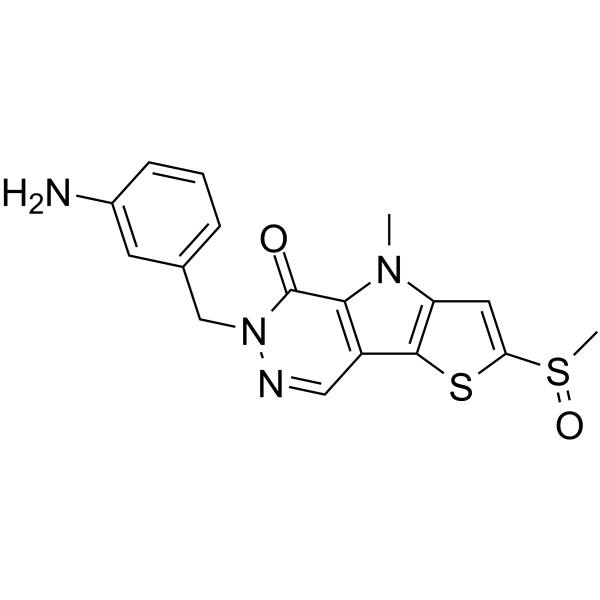
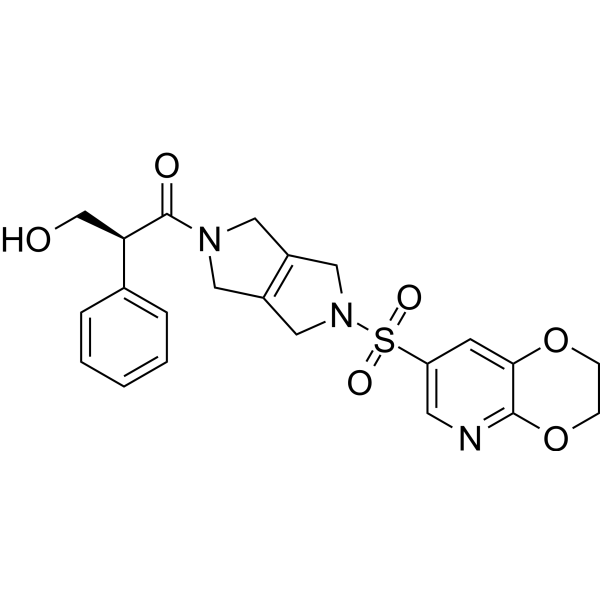
    TEPP-46
    50+ Cited Publications

    ML-265

    Pyruvate Kinase Cancer
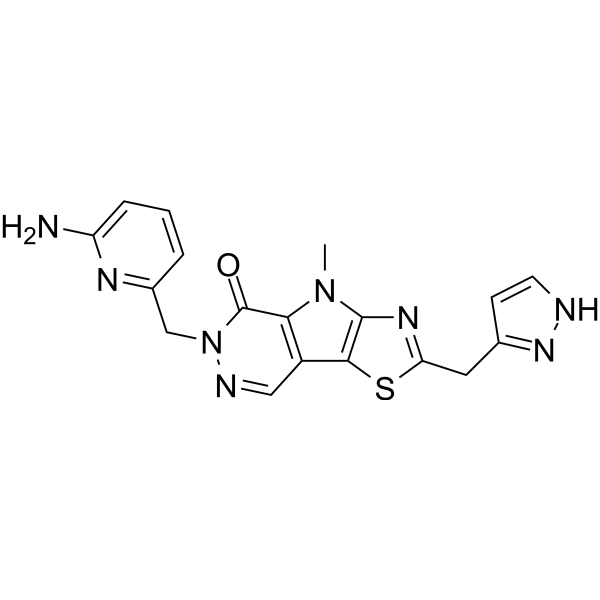
    TEPP-46 (ML-265) is a potent and selective pyruvate kinase M2 (PKM2) activator with an AC50 of 92 nM, showing little or no effect on PKM1, PKL and PKR .
    TEPP-46
  • HY-N0822
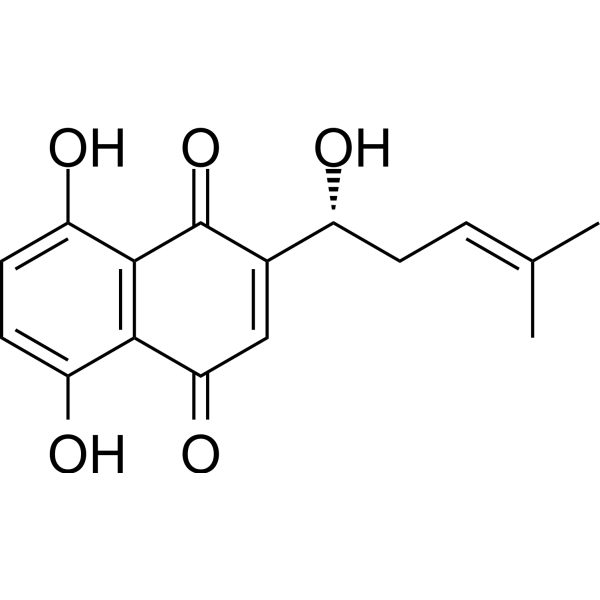
    Shikonin
    65+ Cited Publications

    C.I. 75535; Isoarnebin 4

    Exosomes Chloride Channel Pyruvate Kinase NF-κB TNF Receptor HIV AIM2 Cancer
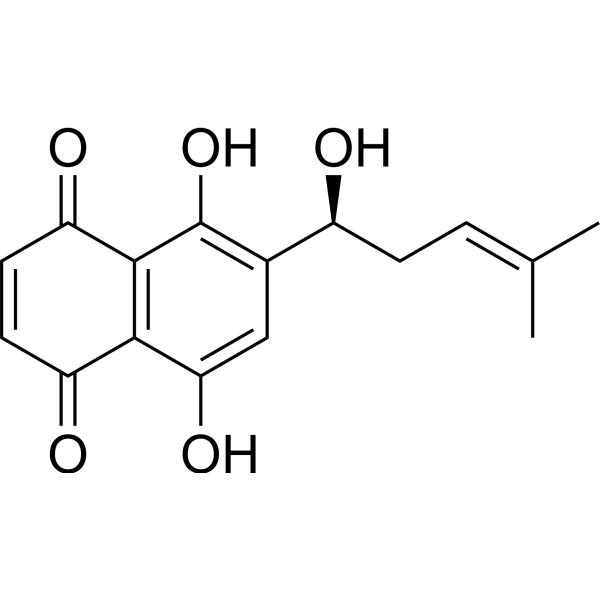
    Shikonin is a major component of a Chinese herbal medicine named zicao. Shikonin is a potent TMEM16A chloride channel inhibitor with an IC50 of 6.5 μM . Shikonin is a specific pyruvate kinase M2 (PKM2) inhibitor and can also inhibit TNF-α and NF-κB pathway . Shikonin decreases exosome secretion through the inhibition of glycolysis . Shikonin inhibits AIM2 inflammasome activation .
    Shikonin
  • HY-103617
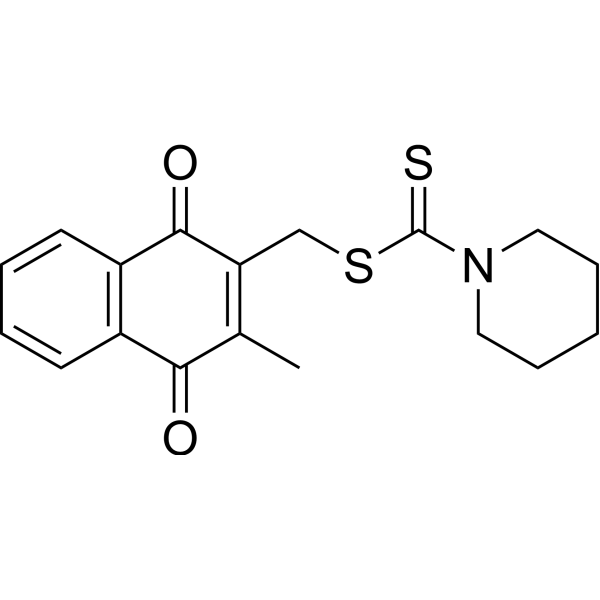
    PKM2-IN-1
    25+ Cited Publications

    Pyruvate Kinase Cancer
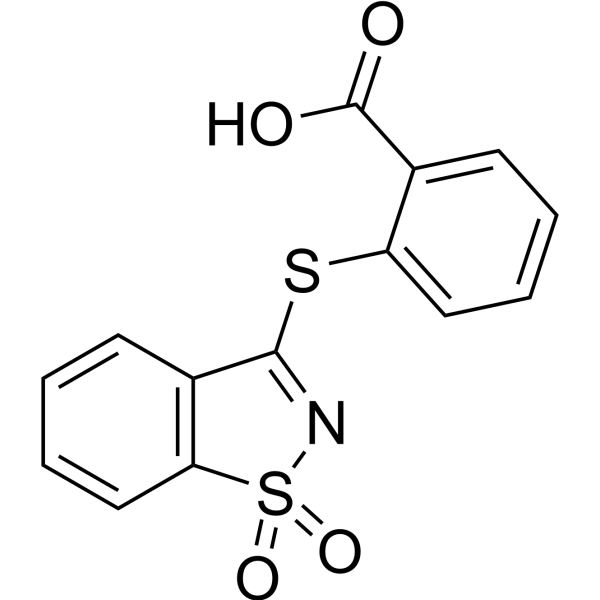
    PKM2-IN-1 (compound 3k) is a pyruvate kinase M2 (PKM2) inhibitor with an IC50 of 2.95 μM .
    PKM2-IN-1
  • HY-12689
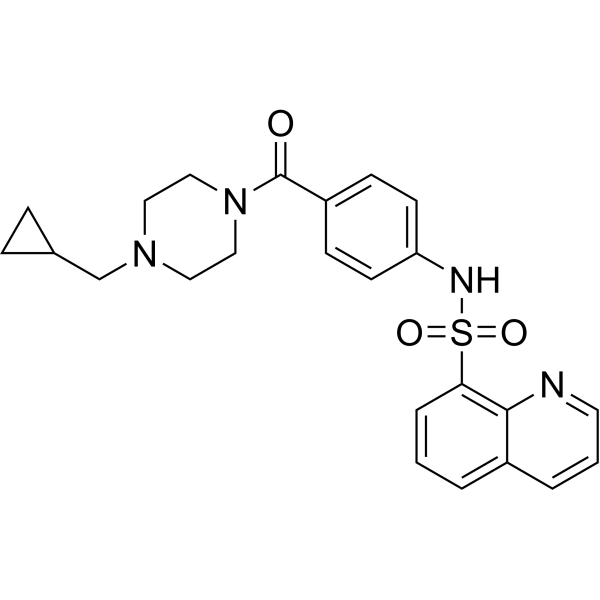
    Mitapivat
    3 Publications Verification

    AG-348

    Pyruvate Kinase Metabolic Disease
    Mitapivat (AG-348) is an orally active pyruvate kinase allosteric activator. Mitapivat increases enzymatic activity, protein stability, and ATP levels over a broad range of PKLR genotypes, shows the potential to restore the activity of PK (pyruvate kinase)-deficient glycolytic pathways. Mitapivat can be used in study of PK deficiency .
    Mitapivat
  • HY-126585
    SAICAR
    4 Publications Verification

    Endogenous Metabolite Cancer
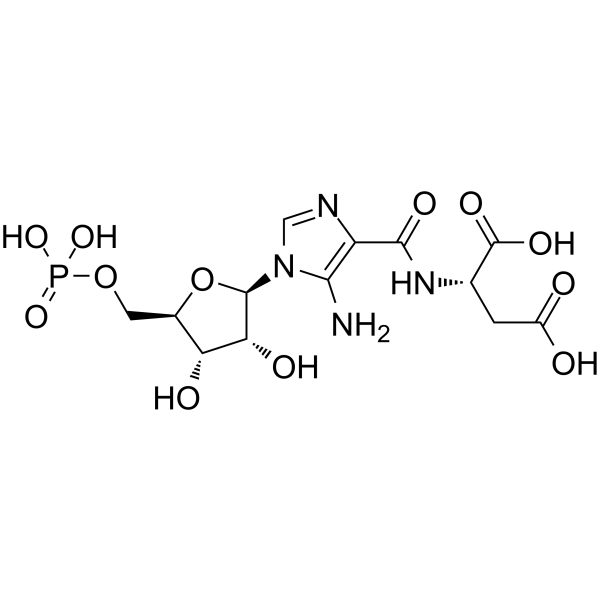
    SAICAR is an intermediate of de novo purine nucleotide biosynthesis, activates pyruvate kinase isoform M2 (PKM2) in an isozyme-selective manner, with an EC50 of 0.3 mM. SAICAR stimulates PKM2 and promotes cancer cell survival in glucose-limited conditions .
    SAICAR
  • HY-19330
    DASA-58
    15+ Cited Publications

    Pyruvate Kinase Metabolic Disease Cancer
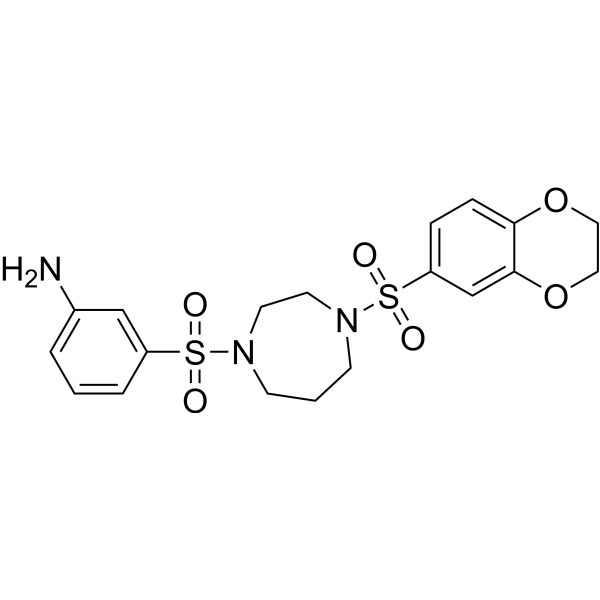
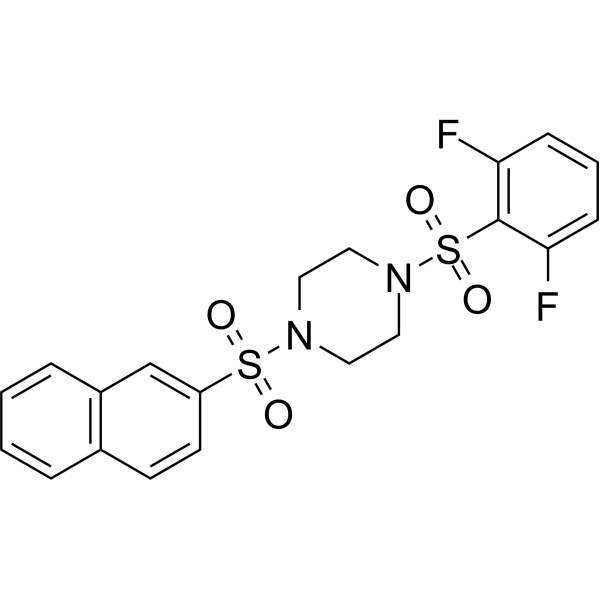
    DASA-58 is a potential pyruvate kinase isozyme (PKM2) allosteric activator. DASA-58 can be used for the research of metabolism and kinds of cancer .
    DASA-58
  • HY-W712327

    Biochemical Assay Reagents Others
    D-Xylulose 5-phosphate sodium is a pentose phosphate ester and an essential intermediate metabolite in the pentose phosphate pathway (PPP) and the non-oxidative phase of the pentose phosphate pathway. D-xylulose-5-phosphate sodium can be efficiently synthesized through the phosphorylation of D-xylulose catalyzed by D-xylulokinase (XKS1 from Saccharomyces cerevisiae), with ATP regeneration facilitated by the phosphoenolpyruvate (PEP)/pyruvate kinase (PK) system .
    D-Xylulose 5-phosphate sodium
  • HY-P2806

    PK; Fluorokinase

    Endogenous Metabolite Metabolic Disease Cancer
    Pyruvate Kinase, Microorganism (PK) is a glycolytic enzyme that catalyzes the conversion of phosphoenolpyruvate and ADP to pyruvate and ATP .
    Pyruvate Kinase, Microorganism
  • HY-P2806A

    ATP:Pyruvate 2-0-phosphotransferase,PK

    Pyruvate Kinase Metabolic Disease Cancer
    Pyruvate Kinase (PK),Rabbit Muscle (ATP:Pyruvate 2-0-phosphotransferase,PK) is a biological material or organic compound that can be used in life science research .
    Pyruvate Kinase (PK),Rabbit Muscle
  • HY-138825

    Pyk2 Metabolic Disease
    NCGC00188636 is a novel covalent pyruvate kinase (PYK) inhibitor. NCGC00188636 blocks nucleotide binding to the active site of pyruvate kinase. NCGC00188636 can be used for the research of the metabolism of many organisms and cell types.
    NCGC00188636
  • HY-135884

    AG-946; PKR activator 2

    Pyruvate Kinase Cardiovascular Disease
    Tebapivat (PKR activator 2) is a potent pyruvate kinase-R (PKR) activator extracted from patent WO2019035863A1, compound 385 .
    Tebapivat
  • HY-139573

    FT-4202

    Pyruvate Kinase Cardiovascular Disease
    Etavopivat is a potent, selective, and orally active erythrocyte pyruvate kinase (PKR) activator. Etavopivat has potent antisickling effects that can be used in studies of sickle cell disease and other haemoglobinopathies .
    Etavopivat
  • HY-167832

    JNK SGK ROCK Tau Protein MMP DNA/RNA Synthesis Pyruvate Kinase NF-κB COX NO Synthase Reactive Oxygen Species (ROS) Neurological Disease Cancer
    PT109 is an orally active, blood-brain barrier permeable multi-kinase inhibitor. By inhibiting PTBP1, PT109 promotes the switch of pyruvate kinase isoform from PKM2 to PKM1, thereby effectively inhibiting the proliferation and migration of glioblastoma multiforme and inducing its reprogramming into oligodendrocytes. PT109 also targets and regulates key signaling molecules such as JNK, SGK1, GSK3β to exert neuroprotective effects including promoting neurogenesis, inducing synapse formation and alleviating neuroinflammation. In Alzheimer's disease models, PT109 exhibits significant efficacy in improving spatial learning ability, along with excellent in vivo pharmacokinetic properties. PT109 can be used to investigate metabolic reprogramming of glioblastoma multiforme and neuroprotective mechanisms of Alzheimer's disease .
    PT109
  • HY-147368

    Pyruvate Kinase Cancer
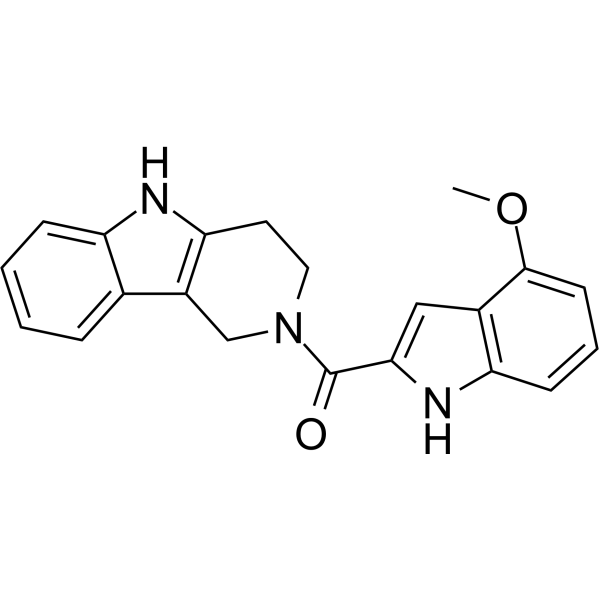
    PKM2 activator 2 (compound 28) is a pyruvate kinase M2 (PKM2) activitor with an AC50 value of 66 nM. PKM2 activator 2 can restore normal glycolytic metabolism in cells .
    PKM2 activator 2
  • HY-148615

    Pyruvate Kinase Cancer
    NPD10084 is a pyruvate kinase PKM2 inhibitor that inhibits non-glycolytic signaling in cancer cells. NPD10084 disrupts the interaction between PKM2 and β-catenin or STAT3 and inhibits downstream signaling. NPD10084 has antiproliferative activity against colorectal cancer cells in vitro and in vivo .
    NPD10084
  • HY-19702

    Pyruvate Kinase Metabolic Disease
    PKR activator 3 (Compound 160) is a red blood cell pyruvate kinase (PKR) activator. PKR activator 3 can be used in the research of diseases related to PKR function, such as pyruvate kinase deficiency (PKD) .
    PKR activator 3
  • HY-161337

    Pyruvate Kinase Metabolic Disease
    PKL-IN-1 is a potent inhibitor of pyruvate kinase (PKL) with an IC50 of 0.07 μM. PKL-IN-1 can be used in the study of non-alcoholic fatty liver disease .
    PKL-IN-1
  • HY-N15451

    Pyruvate Kinase Infection
    Deoxytopsentin (compound 5) is a marine bisindole alkaloid and also a MRSA pyruvate kinase inhibitor. Deoxytopsentin exists in sponges. Deoxytopsentin exhibits antibacterial activity against methicillin-resistant Staphylococcus aureus strains in vitro .
    Deoxytopsentin
  • HY-157395
    malonyl-NAC
    2 Publications Verification

    Pyruvate Kinase Cancer
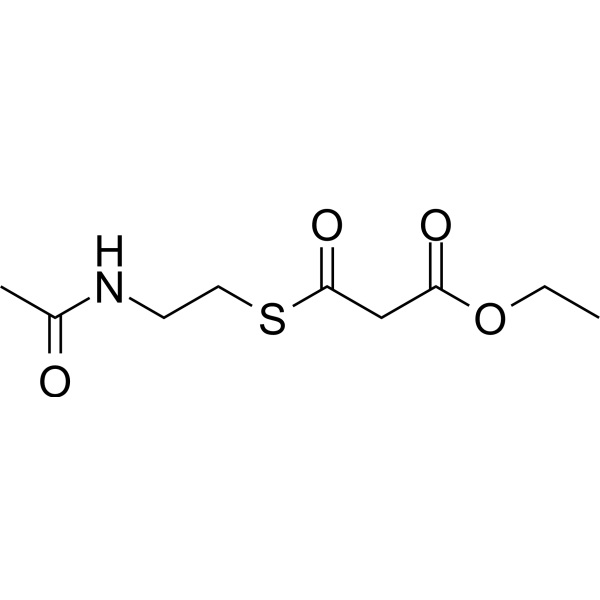
    malonyl-NAC increases cellular propylation, resulting in reduced endogenous GAPDH activity. malonyl-NAC increases GAPDH malonylation in cells and inhibits pyruvate kinase activity. In addition, malonyl-NAC limits the metabolism and proliferation of a highly glycolytic kidney cancer cell line harboring a tricarboxylic acid cycle mutation .
    malonyl-NAC
  • HY-N7064

    Pyruvate Kinase COX STAT TNF Receptor NO Synthase Interleukin Related HIF/HIF Prolyl-Hydroxylase Cardiovascular Disease Inflammation/Immunology
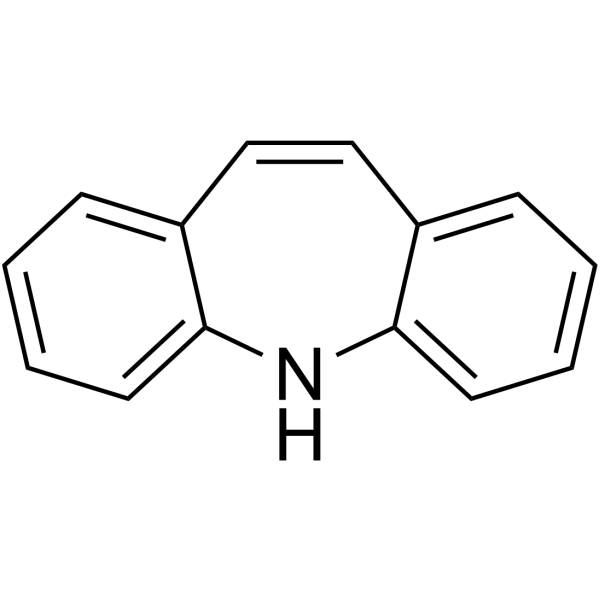
    Iminostilbene is a chemical precursor of carbamazepine. Additionally, Iminostilbene is an orally active inhibitor of PKM2 (Pyruvate Kinase M2) and COX2 (Cyclooxygenase-2). Iminostilbene exerts its effects by inhibiting PKM2 and its interaction with HIF-1α and STAT3, reducing COX2 and iNOS expression, and decreasing LPS-induced release of IL-1β, IL-6, TNF-α, and MCP-1, thereby suppressing macrophage-mediated inflammatory responses and improving myocardial ischemia/reperfusion (MI/R) injury. Iminostilbene holds promise for research in inflammation regulation, cardiovascular diseases (such as MI/R injury), and macrophage-mediated immune-related diseases .
    Iminostilbene
  • HY-119874

    Pyruvate Kinase Inflammation/Immunology Cancer
    Alkannin is a potent and specific inhibitor of tumor-specific pyruvate kinase-M2 (PKM2). Alkannin does not inhibit PKM1 and pyruvate kinase-L (PKL). Alkannin acts as a potential anticancer agent .
    Alkannin
  • HY-111936

    BML283

    Pyruvate Kinase Cancer
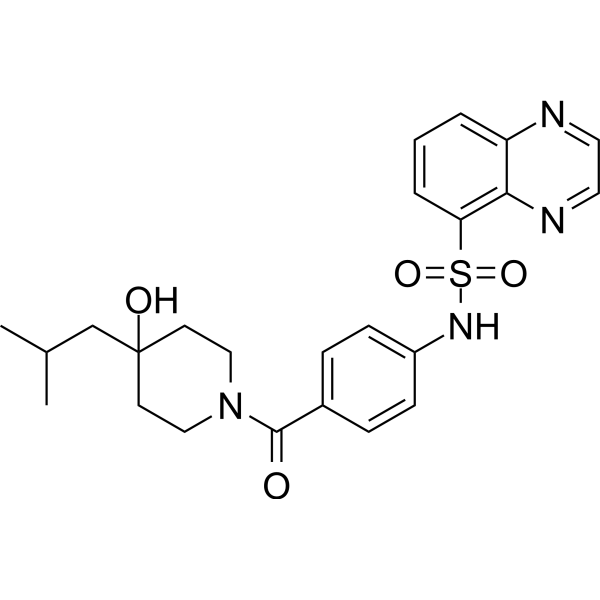
    ML083 is a member of a series of highly specific allosteric activators for the tumor-specific isoform of human pyruvate kinase (M2 isoform). ML083 affects the cooperativity of phosphoenolpyruvate (PEP) binding. ML083 can be used in the research of tumors .
    ML 083
  • HY-155850

    Pyruvate Kinase Neurological Disease
    CIAC001 is a Pyruvate Kinase PKM2 inhibitor with anti-neuroinflammatory activity. CIAC001 inhibits LPS-induced proinflammatory nitric oxide (NO) production and protects immunologically active BV-2 cells (IC50=2.5 μM). CIAC001 also has anti-neuroinflammation in mouse models and inhibits chronic morphine-induced addiction .
    CIAC001
  • HY-N0822R

    C.I. 75535 (Standard); Isoarnebin 4 (Standard)

    Reference Standards Exosomes Chloride Channel Pyruvate Kinase NF-κB TNF Receptor HIV AIM2 Cancer
    Shikonin (Standard) is the analytical standard of Shikonin. This product is intended for research and analytical applications. Shikonin is a major component of a Chinese herbal medicine named zicao. Shikonin is a potent TMEM16A chloride channel inhibitor with an IC50 of 6.5 μM . Shikonin is a specific pyruvate kinase M2 (PKM2) inhibitor and can also inhibit TNF-α and NF-κB pathway . Shikonin decreases exosome secretion through the inhibition of glycolysis . Shikonin inhibits AIM2 inflammasome activation .
    Shikonin (Standard)
  • HY-134177

    Pyruvate Kinase Metabolic Disease
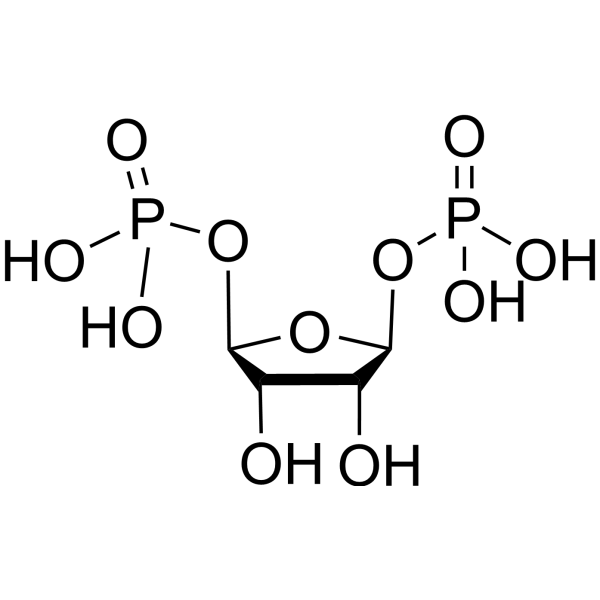
    2,5-Anhydro-D-glucitol-1,6-diphosphate is a limited stimulator of yeast Pyruvate Kinase. 2,5-Anhydro-D-glucitol-1,6-diphosphate is used as an analogue of the a-form, 2,5-anhydro-D-mannitol 1,6-bisphosphate, while is an excellent allosteric activator of Pyruvate Kinase .
    2,5-Anhydro-D-glucitol-1,6-diphosphate
  • HY-153354

    Pyruvate Kinase Metabolic Disease
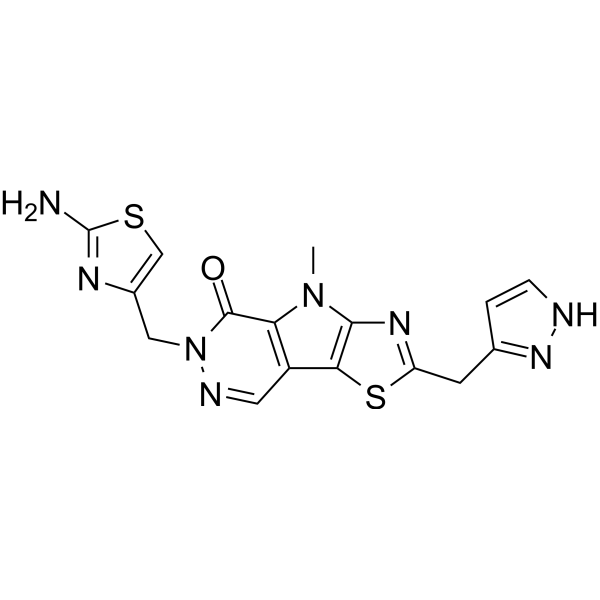
    PKR activator 4 (example 7A) is a potent pyruvate kinase R (PKR) activator. PKR activator 4 has the potential for the research of blood disorders .
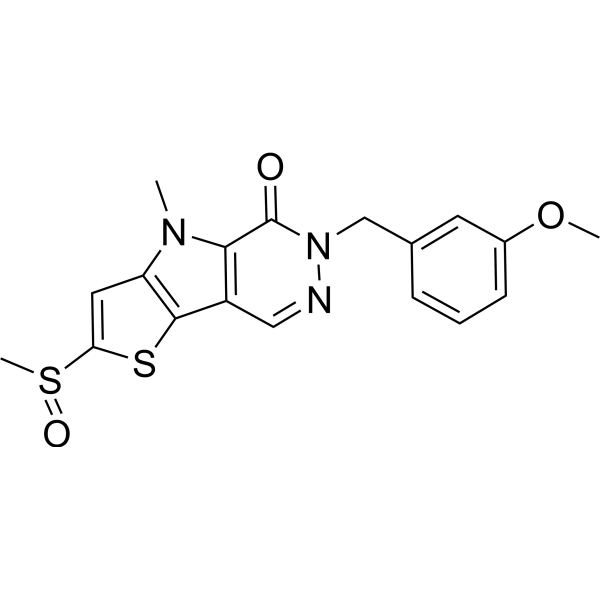
    PKR activator 4
  • HY-139573A

    (Rac)-FT-4202

    Pyruvate Kinase Cardiovascular Disease
    (Rac)-Etavopivat ((Rac)-FT-4202) is an isomer of Etavopivat (HY-139573). Etavopivat is an orally active erythrocyte pyruvate kinase-R (PKR) activator that can be used in studies of sickle cell disease and other haemoglobinopathies .
    (Rac)-Etavopivat
  • HY-126585S

    Endogenous Metabolite Metabolic Disease
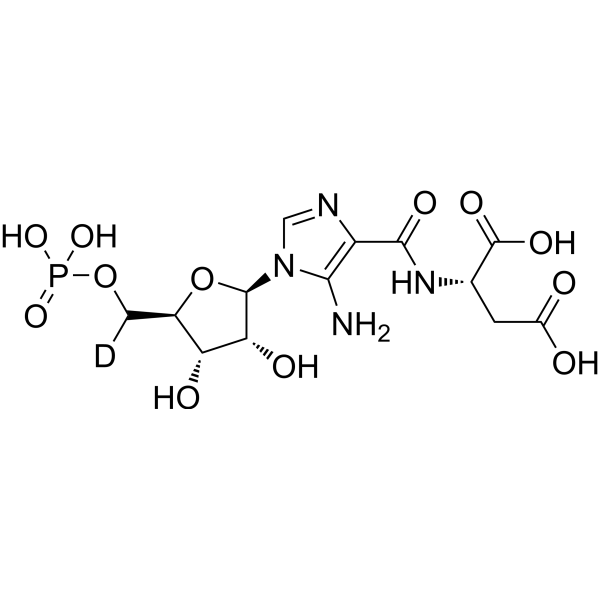
    SAICAR-d3 is the deuterium labeled SAICAR. SAICAR is an intermediate of de novo purine nucleotide biosynthesis, activates pyruvate kinase isoform M2 (PKM2) in an isozyme-selective manner, with an EC50 of 0.3 mM. SAICAR stimulates PKM2 and promotes cancer cell survival in glucose-limited conditions .
    SAICAR-d3
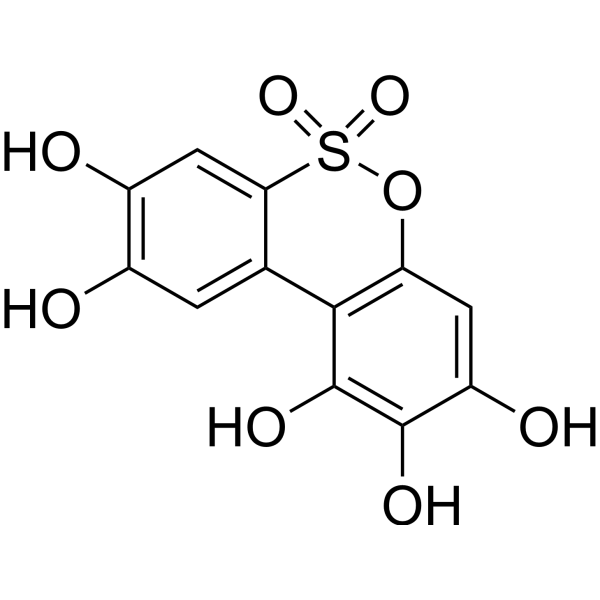
  • HY-W134163

    trans-2-Octenal

    Fungal Reactive Oxygen Species (ROS) Mitochondrial Metabolism Phosphatase Pyruvate Kinase Infection
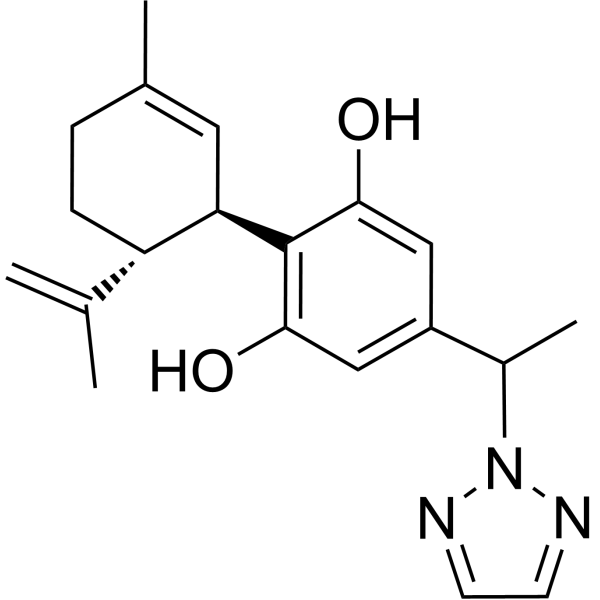
    (E)-2-Octenal is an Antifungal agent. (E)-2-Octenal disrupts cell membrane integrity and causes ROS accumulation. (E)-2-Octenal decreases the activities of phosphofructokinase and pyruvate kinase. (E)-2-Octenal inhibits Neofusicoccum parvum growth by disrupting mitochondrial energy metabolism. (E)-2-Octenal suppresses the growth of a Prochloraz (HY-B0845)-resistant Penicillium italicum strain. (E)-2-octenal exerts a broad-spectrum and potent inhibitory effect on various fungi, including Sclerotium rolfsii, Metarhizium anisopliae sensu lato, and Aspergillus flavus, etc. (E)-2-Octenal can be used for the research of citrus blue mold and mango stem-end rot .
    (E)-2-Octenal
  • HY-168446

    Pyruvate Kinase Fungal Infection
    PKR-IN-1 (Compound 5s) is a pyruvate kinase (PK) inhibitor that has antifungal activity, with an EC50 of 0.21 μg/mL for R. solani .
    PKR-IN-1
  • HY-170577

    Pyruvate Kinase Apoptosis Cancer
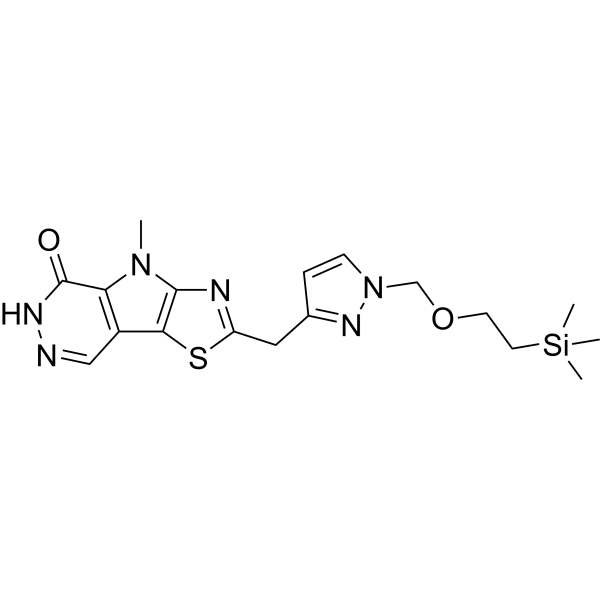
    PKM2-IN-8 (Compound 9b) is a pyruvate kinase M2 (PKM2) inhibitor (IC50 = 0.31 μM). PKM2-IN-8 has potent antiproliferative activity against U87MG glioma cells. PKM2-IN-8 can induce early apoptosis and reduce lactate levels. PKM2-IN-8 can be used for the research of glioblastoma .
    PKM2-IN-8
  • HY-178441

    Pyruvate Kinase Reactive Oxygen Species (ROS) Apoptosis Microtubule/Tubulin Metabolic Disease Cancer
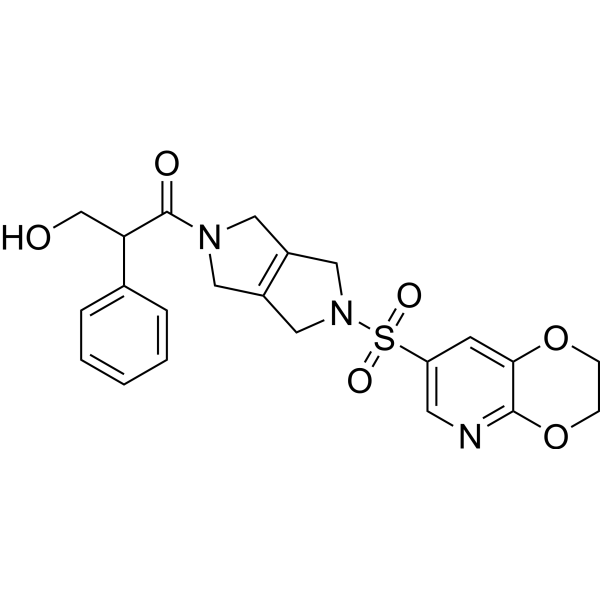
    PKM2-IN-11 is a PKM2 inhibitor (IC50 = 0.363 μM). PKM2-IN-11 has dual mechanisms involving pyruvate kinase M2 (PKM2) inhibition and microtubule stabilization. PKM2-IN-11 can decrease PKM2 protein levels in MCF-7 cells. PKM2-IN-11 can slightly reduce reactive oxygen species (ROS) levels and significantly increase early apoptotic cells. PKM2-IN-11 induces G2/M phase arrest. PKM2-IN-11 can be used for the study of breast cancer .
    PKM2-IN-11
  • HY-12689B

    AG-348 hemisulfate

    Pyruvate Kinase Metabolic Disease
    Mitapivat hemisulfate is an orally active pyruvate kinase allosteric activator. Mitapivat hemisulfate increases enzymatic activity, protein stability, and ATP levels over a broad range of PKLR genotypes, shows the potential to restore the activity of PK (pyruvate kinase)-deficient glycolytic pathways. Mitapivat hemisulfate can be used in study of PK deficiency .
    Mitapivat hemisulfate
  • HY-159095

    Pyruvate Kinase Others
    PKR activator 5 (Compound 18) is an activator for pyruvate kinase R (PKR) with an AC50 of 28 nM .
    PKR activator 5
  • HY-12689A

    AG-348 hemisulfate sesquihydrate

    Pyruvate Kinase Metabolic Disease
    Mitapivat hemisulfate sesquihydrate (AG-348) is an orally active pyruvate kinase allosteric activator. Mitapivat increases enzymatic activity, protein stability, and ATP levels over a broad range of PKLR genotypes, shows the potential to restore the activity of PK (pyruvate kinase)-deficient glycolytic pathways. Mitapivat can be used in study of PK deficiency .
    Mitapivat hemisulfate sesquihydrate
  • HY-162071

    Pyruvate Kinase Cancer
    PKM2-IN-5 (Compound G1) is an inhibitor for pyruvate kinase M2 (PKM2), with IC50 >70 μM .
    PKM2-IN-5
  • HY-12689C

    AG-348 hydrochloride

    Pyruvate Kinase Cardiovascular Disease Metabolic Disease
    Mitapivat (AG-348) hydrochloride is an orally active and selective allosteric pyruvate kinase R (PK-R) activator. Mitapivat hydrochloride accelerates the reaction of PK-R catalyzing the conversion of phosphoenolpyruvate to pyruvate, thereby promoting the glycolytic pathway, increasing the production of adenosine triphosphate (ATP) in red blood cells, and reducing the level of 2,3-diphosphoglycerate (2,3-DPG). Mitapivat hydrochloride is promising for research of pyruvate kinase deficiency and other anemia-related diseases .
    Mitapivat hydrochloride
  • HY-135883

    Pyruvate Kinase Cardiovascular Disease
    PKR activator 1 is a potent pyruvate kinase-R (PKR) activator extracted from patent WO2019035865A1, compound E7-93 .
    PKR activator 1
  • HY-110124

    Pyruvate Kinase Cancer
    ML202 is a highly specific allosteric activator of human pyruvate kinase M2 (hPK-M2), which can affect the cooperativity of phosphoenolpyruvate (PEP) binding, while adenosine diphosphate (ADP) binding almost no effect .
    ML202
  • HY-D1876

    Fluorescent Dye Cancer
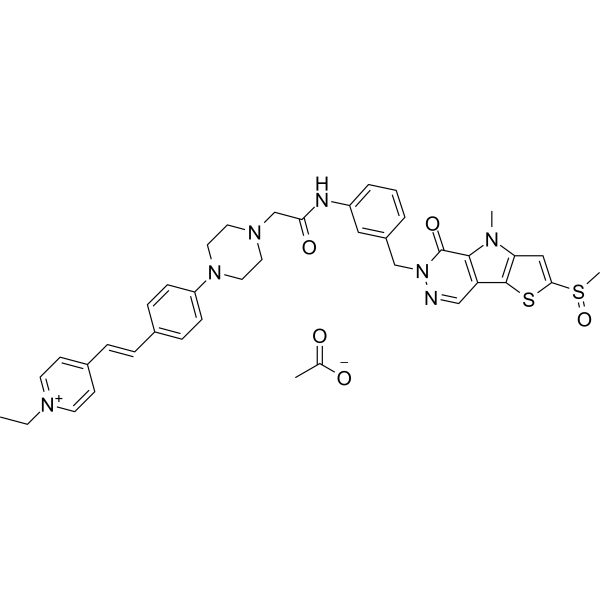
    ZY-2 is a specific fluorescent probe for pyruvate kinase M2 (PKM2). ZY-2 can image in PKM2-positive cells in a time- and concentration-dependent manner. ZY-2 can be used for the detection of cancer cells .
    ZY-2
  • HY-P2806B

    Biochemical Assay Reagents Metabolic Disease
    Pyruvate Kinase, Bacillus stearothermophilus (EC 2.7.1.40) is an enzyme involved in glycolysis. Pyruvate Kinase, Bacillus stearothermophilus (EC 2.7.1.40) catalyzes the transfer of a phosphate group from phosphoenolpyruvate (PEP) to ADP, yielding one molecule of pyruvate and one molecule of ATP.
    Pyruvate Kinase, Bacillus stearothermophilus
  • HY-E70953

    Pyruvate Kinase Lactate Dehydrogenase Metabolic Disease
    Pyruvate Kinase/Lactic Dehydrogenase enzymes, Rabbit catalyzes an ATP-dependent phosphorylation of glycolate to yield 2-phosphoglycolate. Pyruvate kinase requires bivalent and monovalent cations such as Mg 2+ and K + respectively for activation to occur.
    Pyruvate Kinase/Lactic Dehydrogenase enzymes, Rabbit
  • HY-123650

    5'-p-Fluorosulfonylbenzoyladenosine

    Biochemical Assay Reagents Cancer
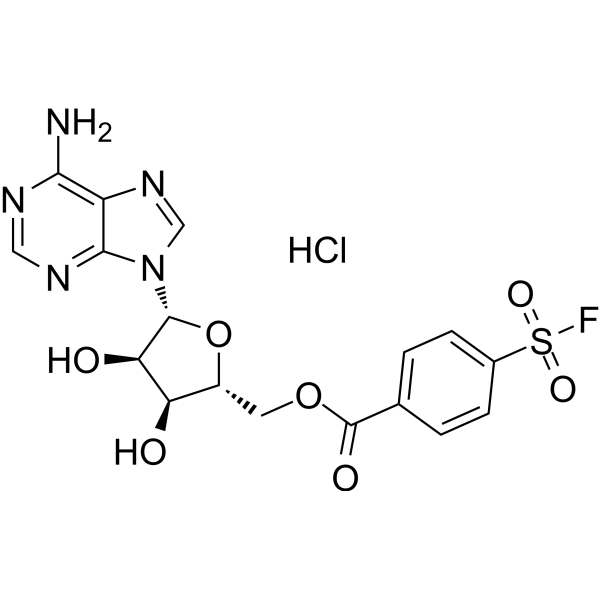
    FSBA (5'-p-Fluorosulfonylbenzoyladenosine) hydrochloride is a covalent modifier and affinity labeling reagent for adenine nucleotide-binding proteins. FSBA hydrochloride covalently attaches to the nucleotide-binding sites of pyruvate kinase, glutamate dehydrogenase, and p56 lck, and to a lysine residue in the ATP-binding site of cAMP-dependent protein kinase, causing loss of enzymatic activity. FSBA hydrochloride can be used for the research of T lymphoma .
    FSBA hydrochloride
  • HY-165154

    Desdanine; Pyracrimycin A

    Antibiotic Bacterial Fungal Pyruvate Kinase Oxidative Phosphorylation Infection Inflammation/Immunology
    Cyclamidomycin (Desdanine) is an acrylamide antibiotic with antibacterial activity. Cyclamidomycin inhibits nucleoside diphosphate kinase and pyruvate kinase (in E. coli) and oxidative phosphorylation in rat liver mitochondria. Cyclamidomycin is active against S. aureus, M. flavus, S. lutea, B. subtilis, E. coli, S. flexneri, S. typhosa, P. vulgaris, and K. pneumoniae (MICs=3.12-25 mg/ml) .
    Cyclamidomycin
  • HY-168337

    JNK Pyruvate Kinase
    SET-171 is a JNK (c-Jun N-terminal kinase) inhibitor that exhibits significant anticancer activity and lipid metabolism regulation by inhibiting liver pyruvate kinase (PKL) expression. In anticancer studies, SET-171 shows IC50 values of 8.82 μM and 2.97 μM against HepG2 and Huh7 cell lines, respectively, indicating high cytotoxicity. Additionally, in non-alcoholic fatty liver disease (NAFLD)-related studies, SET-171 significantly reduces triacylglycerol (TAG) levels and inhibits the expression of steatosis-related proteins. SET-171 holds promise for research on hepatocellular carcinoma (HCC) and NAFLD .
    SET-171
  • HY-W753956

    Isotope-Labeled Compounds Interleukin Related Pyruvate Kinase COX STAT TNF Receptor HIF/HIF Prolyl-Hydroxylase NO Synthase Inflammation/Immunology
    Iminostilbene-d10 is the deuterium labeled Iminostilbene (HY-N7064). Iminostilbene is a chemical precursor of carbamazepine. Additionally, Iminostilbene is an orally active inhibitor of PKM2 (Pyruvate Kinase M2) and COX2 (Cyclooxygenase-2). Iminostilbene exerts its effects by inhibiting PKM2 and its interaction with HIF-1α and STAT3, reducing COX2 and iNOS expression, and decreasing LPS-induced release of IL-1β, IL-6, TNF-α, and MCP-1, thereby suppressing macrophage-mediated inflammatory responses and improving myocardial ischemia/reperfusion (MI/R) injury. Iminostilbene holds promise for research in inflammation regulation, cardiovascular diseases (such as MI/R injury), and macrophage-mediated immune-related diseases .
    Iminostilbene-d10
  • HY-169659

    Drug Intermediate Others
    8-Methyl-4-oxo-N,N-dipropyl-4H-thieno[3,2-c]chromene-2-carboxamide is the drug intermediate for synthesis of pyruvate kinase inhibitor .
    8-Methyl-4-oxo-N,N-dipropyl-4H-thieno[3,2-c]chromene-2-carboxamide
  • HY-103617R

    Reference Standards Pyruvate Kinase Cancer
    PKM2-IN-1 (Standard) is the analytical standard of PKM2-IN-1 (HY-103617). This product is intended for research and analytical applications. PKM2-IN-1 (compound 3k) is a pyruvate kinase M2 (PKM2) inhibitor with an IC50 of 2.95 μM .
    PKM2-IN-1 (Standard)
  • HY-179371

    Pyruvate Kinase Interleukin Related Inflammation/Immunology
    LIQ1, a flavonoid derivative, is a potent Pyruvate kinase M2 (PKM2) allosteric inhibitor (IC50 = 0.39 μM; Kd = 4.5 μM) targeting Arg43 within the polyarginine pocket. LIQ1 exhibits efficacy in a mouse model of LPS (HY-D1056)-induced endotoxemia, preventing the nuclear translocation of PKM2 and inhibiting its binding to HIF-1α, thereby suppressing IL-1β transcription. LIQ1 can be used for the research of endotoxemia [1].
    LIQ1
  • HY-180523

    Pyruvate Kinase Apoptosis Reactive Oxygen Species (ROS) Caspase Cancer
    PKM2-IN-13 is a selective PKM2 inhibitor inhibiting PKM2 with an IC50 value of 55.13 μM. PKM2-IN-13 exhibits broad-spectrum anticancer activity with low toxicity to normal cells. PKM2-IN-13 induces apoptosis by elevated ROS levels and activation of caspases 3/7, and interacts with and inhibits the glycolytic activity of Pyruvate Kinase M2 in virto. PKM2-IN-13 demonstrates a favorable safety profile with no significant adverse effects in vivo. PKM2-IN-13 can be used for oral squamous cell carcinoma (OSCC), colon carcinoma, breast cancer and melanoma research .
    PKM2-IN-13

Inquiry Online

Your information is safe with us. * Required Fields.

Salutation


Country or Region *

Applicant Name *


Organization Name *

Department *


Email Address *


Product Name *

Cat. No.


Requested quantity *

Phone Number *


Remarks

Inquiry Online

Inquiry Information

Product Name:
Cat. No.:
Quantity:
MCE Japan Authorized Agent: