1. Search Result
Search Result
Results for "

Prostaglandin E2 (PGE2)

" in MedChemExpress (MCE) Product Catalog:

74

Inhibitors & Agonists

1

Fluorescent Dyes

1

Biochemical Assay Reagents

20

Natural
Products

1

Recombinant Proteins

5

Isotope-Labeled Compounds

1

Antibodies

1

GMP Molecules

Cat. No. Product Name Target Research Areas Chemical Structure
  • HY-101952
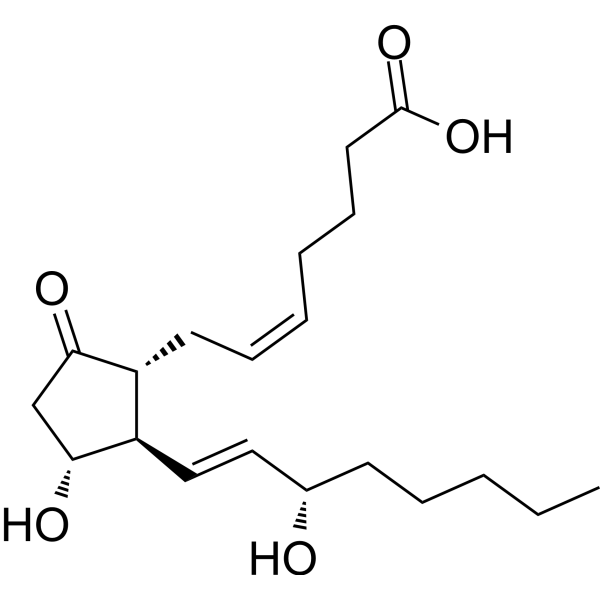
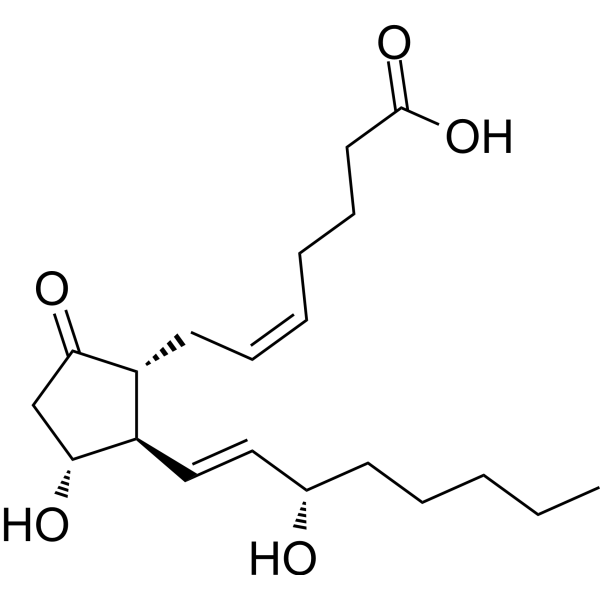
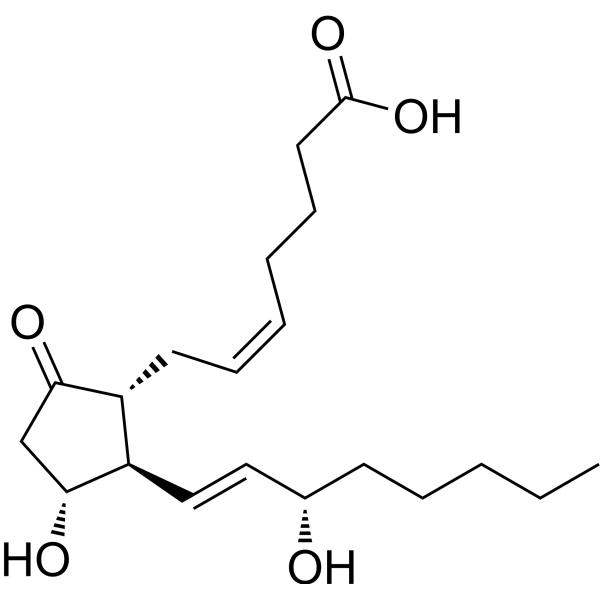
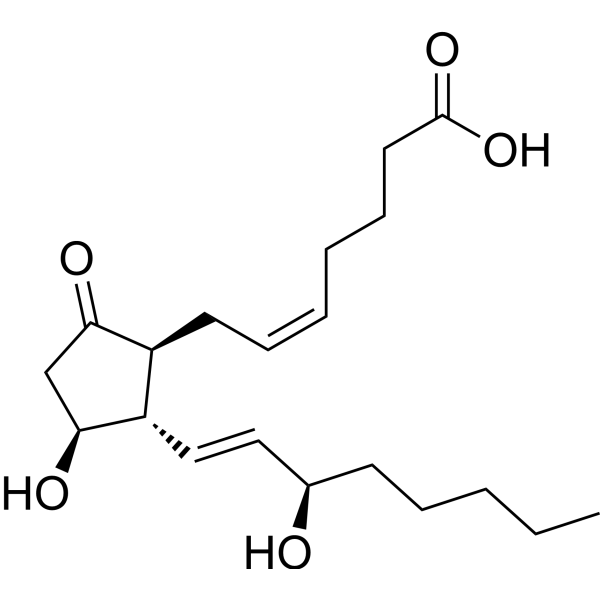
    Prostaglandin E2
    Maximum Cited Publications
    55 Publications Verification

    PGE2; Dinoprostone

    Organoid Prostaglandin Receptor Endogenous Metabolite Cardiovascular Disease Endocrinology
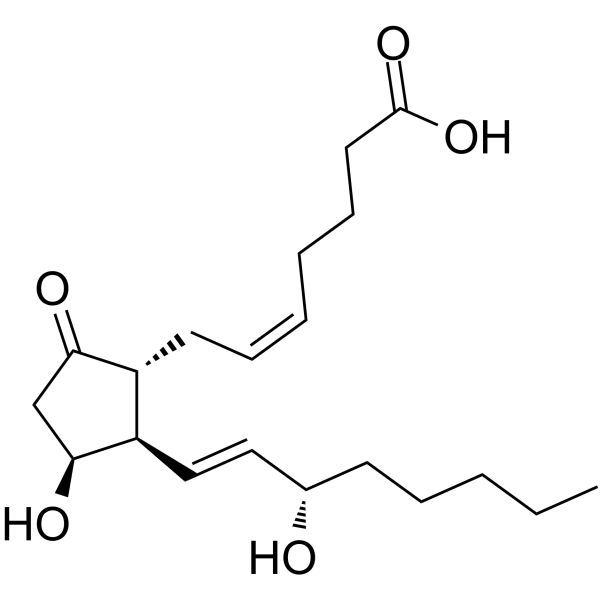
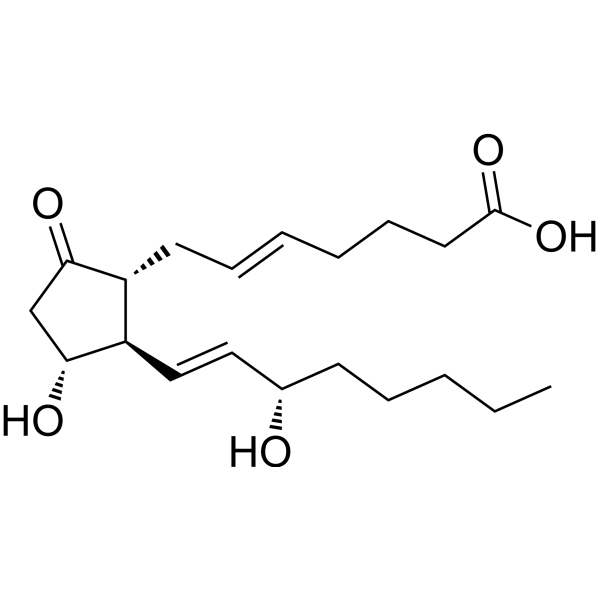
    Prostaglandin E2 (PGE2) is a hormone-like substance that participate in a wide range of body functions such as the contraction and relaxation of smooth muscle, the dilation and constriction of blood vessels, control of blood pressure, and modulation of inflammation.
    Prostaglandin E2
  • HY-106420

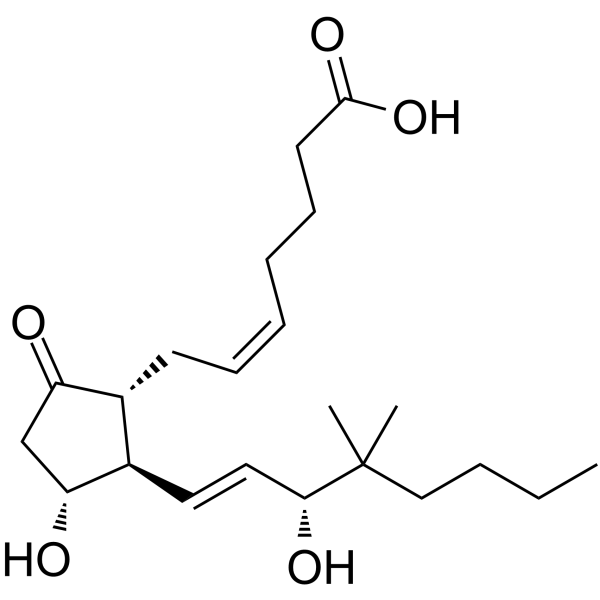
    16,16-dimethyl PGE2

    Wnt Prostaglandin Receptor Inflammation/Immunology
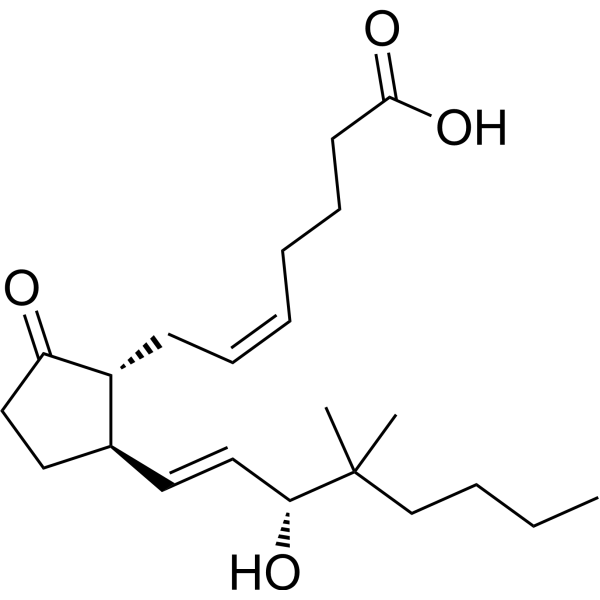
    16,16-Dimethyl prostaglandin E2 (16,16-dimethyl PGE2) is an orally active vertebrate Hematopoietic stem cells (HSCs) homeostasis critical regulator. 16,16-Dimethyl prostaglandin E2 can act through EP2/EP4 and has an interaction with the Wnt pathway .
    16,16-Dimethyl prostaglandin E2
  • HY-16781
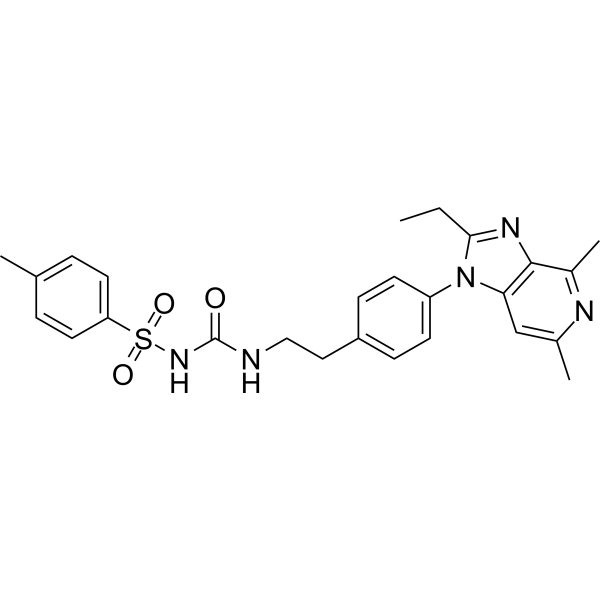
    Grapiprant
    4 Publications Verification

    CJ-023423; RQ-00000007; AAT-007

    Prostaglandin Receptor Metabolic Disease Endocrinology Cancer
    Grapiprant (CJ-023423) is a selective EP4 receptor antagonist whose physiological ligand is prostaglandin E2 (PGE2). Grapiprant displaces [ 3H]-PGE2 (1 nM) binding to dog recombinant EP4 receptor with IC50 value of 35 nM and Ki value of 24 nM. Grapiprant has the potential for osteoarthritic pain and inflammation treatment [3] .
    Grapiprant
  • HY-N6966
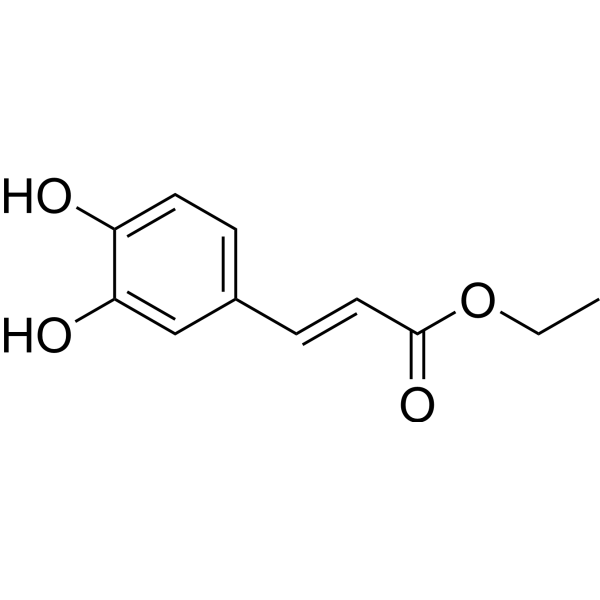
    Ethyl Caffeate
    2 Publications Verification

    NF-κB NO Synthase COX PGE synthase Inflammation/Immunology Cancer
    Ethyl Caffeate is a natural phenolic compound isolated from Bidens pilosa. Ethyl caffeate suppresses NF-κB activation and its downstream inflammatory mediators, inducible nitric oxide synthase (iNOS), cyclooxygenase-2 (COX-2), and prostaglandin E2 (PGE2) in vitro or in mouse skin .
    Ethyl Caffeate
  • HY-113205

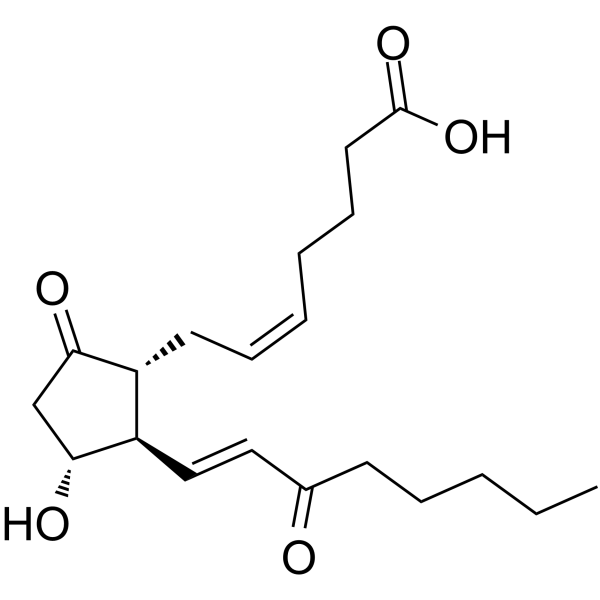
    15-keto-PGE2

    Endogenous Metabolite Prostaglandin Receptor STAT PPAR Fungal Drug Metabolite Cardiovascular Disease Infection Endocrinology Cancer
    15-keto-Prostaglandin E2 (15-keto-PGE2) is an endogenous PGE2 metabolite. 15-keto-Prostaglandin E2 inhibits STAT3 activation by binding to the Cys259 residue of STAT3. 15-keto-Prostaglandin E2 binds to and stabilizes EP2 and EP4 receptors. 15-keto-Prostaglandin E2 inhibits the growth and progression of breast cancer cells. 15-keto-Prostaglandin E2 activates PPAR-γ and promotes fungal growth. 15-keto-Prostaglandin E2 disrupts glomerular vascularization during zebrafish development and reduces the surface area of the glomerular filtration barrier .
    15-keto-Prostaglandin E2
  • HY-101952G

    PGE2; Dinoprostone

    Endogenous Metabolite Cardiovascular Disease Endocrinology
    Prostaglandin E2 (GMP) is Prostaglandin E2 (HY-101952) produced by using GMP guidelines. GMP small molecules work appropriately as an auxiliary reagent for cell therapy manufacture. Prostaglandin E2, an inflammatory mediator, is a endogenous hormone-like substance that participate in a wide range of body functions .
    Prostaglandin E2
  • HY-101952R
    Prostaglandin E2 (Standard)
    Maximum Cited Publications
    55 Publications Verification

    PGE2(Standard); Dinoprostone (Standard)

    Reference Standards Prostaglandin Receptor Endogenous Metabolite Cardiovascular Disease Endocrinology
    Prostaglandin E2 (Standard) is the analytical standard of Prostaglandin E2. This product is intended for research and analytical applications. Prostaglandin E2 (PGE2) is a hormone-like substance that participate in a wide range of body functions such as the contraction and relaxation of smooth muscle, the dilation and constriction of blood vessels, control of blood pressure, and modulation of inflammation.
    Prostaglandin E2 (Standard)
  • HY-122515
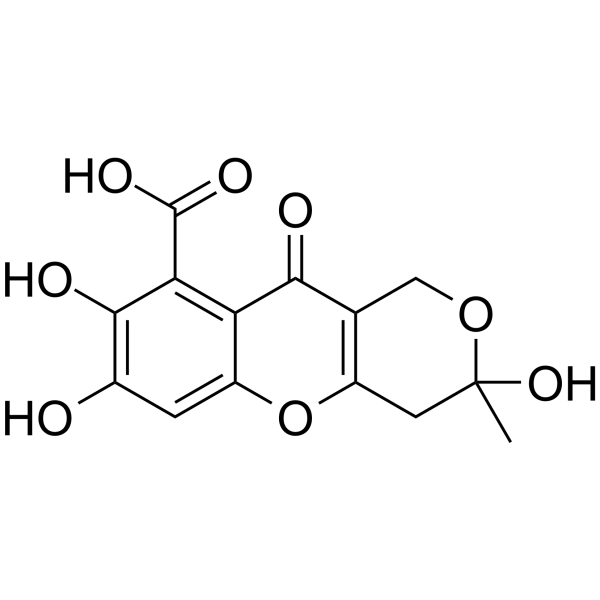
    Fulvic Acid
    1 Publications Verification

    Others Metabolic Disease Inflammation/Immunology
    Fulvic Acid is a natural product, which comes from humic substances produced by microorganisms in soil. Fulvic Acid can modulate the immune system, influence the oxidative state of cells, and improve gastrointestinal function. Fulvic Acid has the potential for researching chronic inflammatory diseases, including diabetes .
    Fulvic Acid
  • HY-101952S
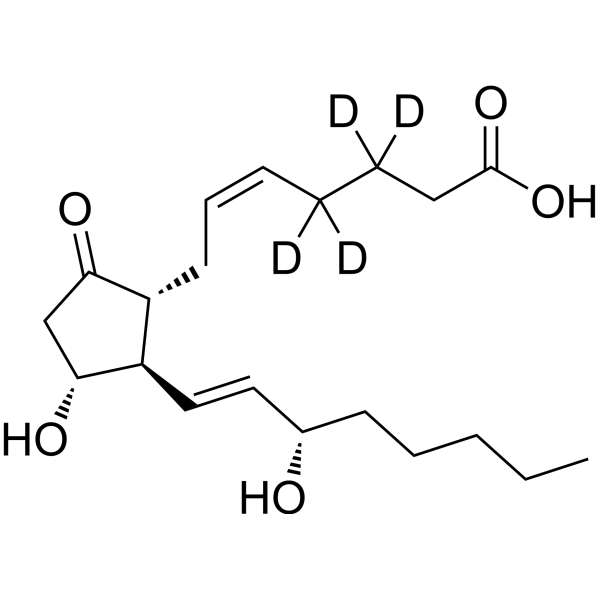
    Prostaglandin E2-d4
    2 Publications Verification

    PGE2-d4; Dinoprostone-d4

    Prostaglandin Receptor Endogenous Metabolite Cardiovascular Disease Endocrinology
    Prostaglandin E2-d4 is the deuterium labeled Prostaglandin E2. Prostaglandin E2 (PGE2) is a hormone-like substance that participate in a wide range of body functions such as the contraction and relaxation of smooth muscle, the dilation and constriction of blood vessels, control of blood pressure, and modulation of inflammation .
    Prostaglandin E2-d4
  • HY-B1311
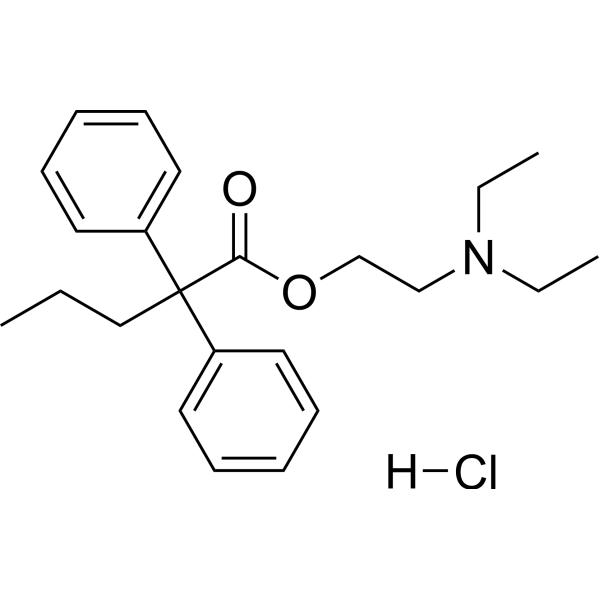
    Proadifen hydrochloride
    1 Publications Verification

    SKF-525A; U-5446; RP-5171

    Cytochrome P450 Monoamine Oxidase Bcl-2 Family Survivin PARP Neurological Disease Inflammation/Immunology Cancer
    Proadifen (SKF-525A) hydrochloride is a non-competitive Cytochrome P450 inhibitor with an IC50 value of 19 μM. Proadifen hydrochloride reduces monoamine oxidase A (MAO-A) activity and reverses the antidepressantlike behavioral effect of Imipramine (HY-B1490A) and Desipramine (HY-B1272A) in rats. Proadifen hydrochloride also reduces N, N-dimethyltryptamine (DMT) metabolism in liver microsomes and inhibits N-demethylationand Acridone (HY-W007771) formation. Proadifen hydrochloride augments Lipopolysaccharide (LPS) (HY-D1056)-induced fever and exacerbates Prostaglandin E2 (PGE2) (HY-101952) levels in the rat. Proadifen hydrochloride is promising for research of metabolism-related deseases, ovarian carcinoma, inflammation and dopamine neurons-related deseases .
    Proadifen hydrochloride
  • HY-118119
    CAY10526
    1 Publications Verification

    PGE synthase YB-1 Apoptosis JAK STAT TGF-β Receptor TGF-beta/Smad PI3K Akt Cancer
    CAY10526 is an inhibitor of Y-box binding protein 1 (YB-1) and microsomal prostaglandin E2 synthase 1 (mPGES1). CAY10526 inhibits the production of PGE2 by suppressing YB-1 and mPGES1. CAY10526 induces cell apoptosis (apoptosis) and inhibits the JAK/STAT, TGF-β/Smad3 and PI3K/AKT signaling pathways. CAY10526 can be used in research related to melanoma, prostate cancer, esophageal adenocarcinoma, T-cell lymphoma, etc .
    CAY10526
  • HY-133079

    tetra-isopalmitoyl Ascorbic acid; IPAA; Tetrahexyldecyl Ascorbate

    Prostaglandin Receptor Endocrinology
    Ascorbyl tetra-2-hexyldecanoate (tetra-isopalmitoyl Ascorbic acid; IPAA) is a lipophilic derivative of vitamin C (L-ascorbic acid). Ascorbyl tetra-2-hexyldecanoate (100 μM ) can prevent the decrease in viability of HaCaT keratinocytes induced by UVB, hydrogen peroxide, or tert-butyl hydroperoxide, and reduce the production of IL-1α and prostaglandin E2 (PGE2). Topical application of ascorbyl tetra-2-hexyldecanoate (1%) increases epidermal viability thickness, stratum corneum water content, and skin smoothness, and reduces skin roughness in hairless mice. Ascorbyl tetra-2-hexyldecanoate can be used to develop skin whitening agents in the beauty industry.
    Ascorbyl tetra-2-hexyldecanoate
  • HY-19360

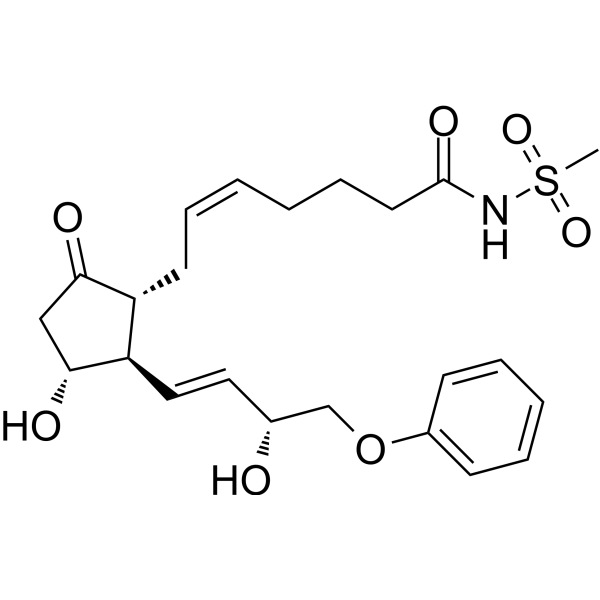
    SHB 286; CP-34089; ZK-57671

    Prostaglandin Receptor Cardiovascular Disease Inflammation/Immunology
    Sulprostone (SHB 286) is a potent and selective EP3 receptor agonist. Sulprostone (SHB 286) is a prostaglandin E2 (PGE2) analogue and has antiulcer and nonsteroidal abortifacient effects. Sulprostone has potential for the research of pregnancy termination and hemorrhages during delivery .
    Sulprostone
  • HY-N2106
    Dehydroevodiamine
    2 Publications Verification

    NF-κB COX PGE synthase NO Synthase Inflammation/Immunology
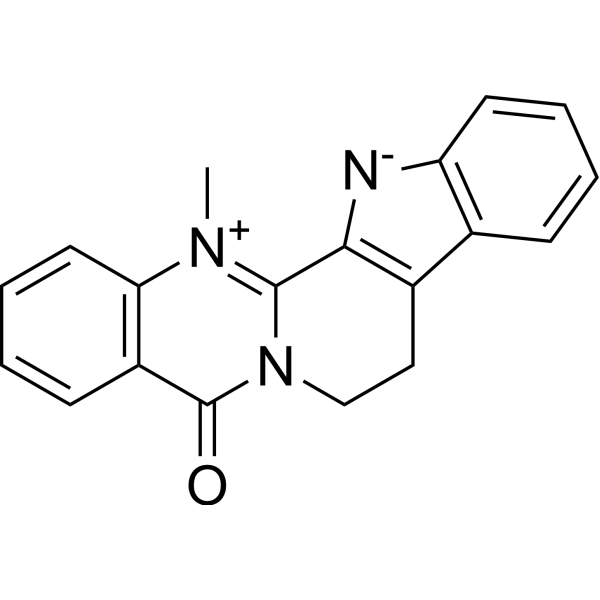
    Dehydroevodiamine is a major bioactive quinazoline alkaloid isolated from Evodiae Fructus, has an antiarrhythmic effect in guinea-pig ventricular myocytes . Dehydroevodiamine inhibits LPS-induced iNOS, COX-2, prostaglandin E2 (PGE2) and nuclear factor-kappa B (NF-κB) expression in murine macrophage cells .
    Dehydroevodiamine
  • HY-101952S1

    PGE2-d9; Dinoprostone-d9

    Isotope-Labeled Compounds Prostaglandin Receptor Endogenous Metabolite Cardiovascular Disease Endocrinology
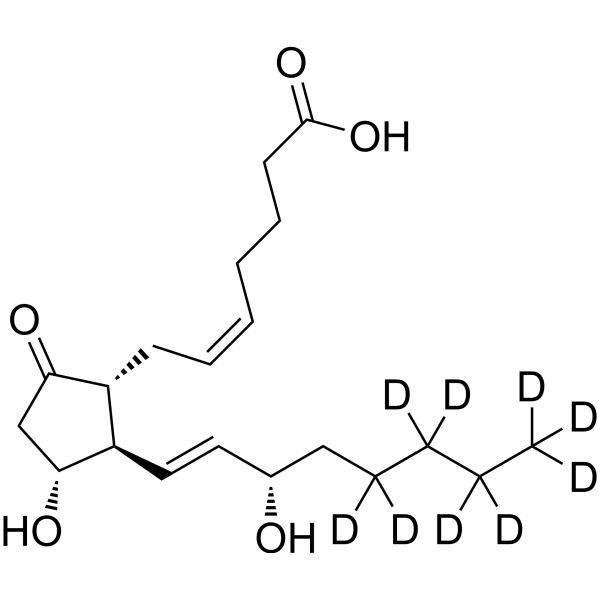
    Prostaglandin E2-d9 is the deuterium labeled Prostaglandin E2. Prostaglandin E2 (PGE2) is a hormone-like substance that participate in a wide range of body functions such as the contraction and relaxation of smooth muscle, the dilation and constriction of blood vessels, control of blood pressure, and modulation of inflammation .
    Prostaglandin E2-d9
  • HY-130223

    11β-Dinoprostone; 11β-PGE2

    Prostaglandin Receptor Endocrinology
    11β-Prostaglandin E2 (11β-Dinoprostone), a Prostanoid derivative, inhibits [ 3H]PGE2 binding to hypothalamic membranes in the rat with a Ki of 53.3 nM .
    11β-Prostaglandin E2
  • HY-N0074
    Byakangelicol
    1 Publications Verification

    COX Inflammation/Immunology
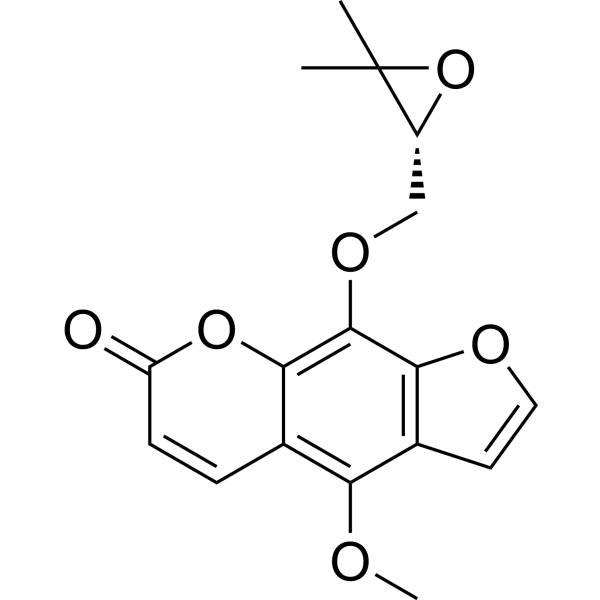
    Byakangelicol, isolated from Angelica dahurica, inhibits interleukin-1beta (IL-1beta) -induced prostaglandin E2 (PGE2) release in A549 cells mediated by suppression of cyclooxygenase-2 (COX-2) expression and the activity of COX-2 enzyme. Byakangelicol has therapeutic potential as an anti-inflammatory agent on airway inflammation .
    Byakangelicol
  • HY-105005

    AAD-2004

    Prostaglandin Receptor PGE synthase Reactive Oxygen Species (ROS) Apoptosis Neurological Disease Inflammation/Immunology
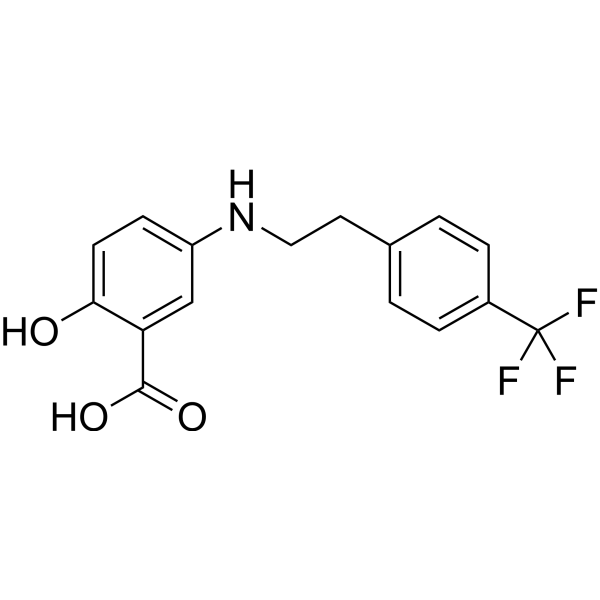
    Crisdesalazine (AAD-2004) is a microsomal prostaglandin E2 synthase-1 (mPGES-1) inhibitor. Crisdesalazine acts as a potent free radical scavenger that directly neutralizes reactive oxygen species (ROS) including hydrogen peroxide, exerting neuroprotective effects against apoptosis and axonal damage. Crisdesalazine inhibits PGE2 production, mediates inflammatory responses, and promotes the conversion of macrophages from the pro-inflammatory M1 phenotype to the anti-inflammatory M2 phenotype. Crisdesalazine is applicable to neuroprotection research in multiple sclerosis and spinal cord injury .
    Crisdesalazine
  • HY-108562

    Prostaglandin Receptor Neurological Disease
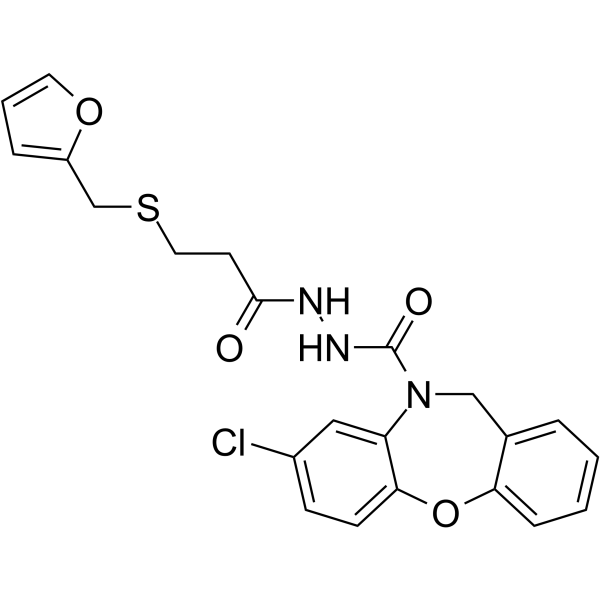
    SC-51322 is a potent and selective antagonist of prostaglandin E2 (PGE2) receptor (EP 1), with a pA2 of 8.1. SC-51322 has the pain-relieving effect .
    SC-51322
  • HY-N0223

    NO Synthase Prostaglandin Receptor Inflammation/Immunology Endocrinology
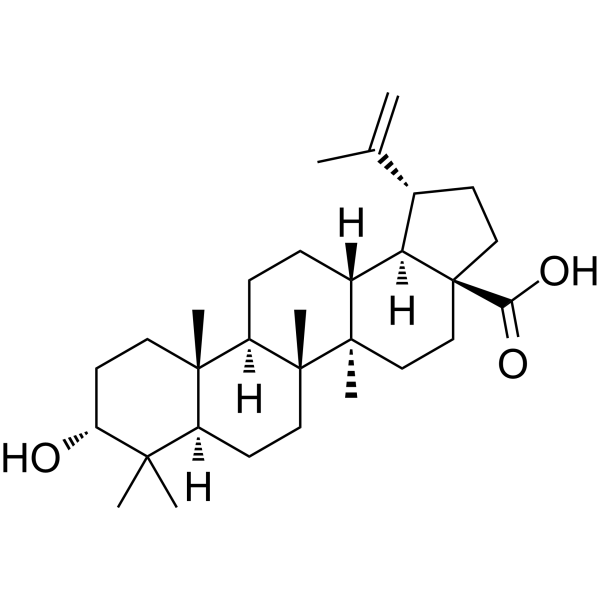
    Epibetulinic acid exhibits potent inhibitory effects on NO and prostaglandin E2 (PGE2) production in mouse macrophages (RAW 264.7) stimulated with bacterial endotoxin with IC50s of 0.7 and 0.6 μM, respectively. Anti-inflammatory activity .
    Epibetulinic acid
  • HY-N4237
    Saikogenin D
    1 Publications Verification

    Prostaglandin Receptor Potassium Channel Inflammation/Immunology
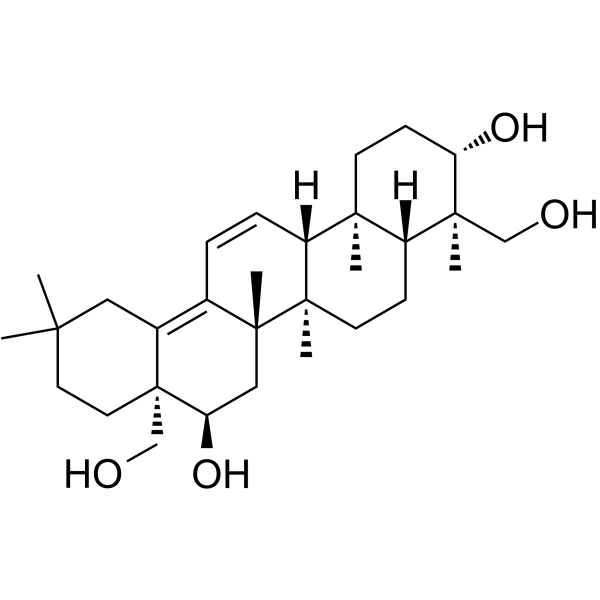
    Saikogenin D is isolated from?Bupleurum chinense, has anti-inflammatory effects. Saikogenin D activates epoxygenases that converts arachidonic acid to epoxyeicosanoids and dihydroxyeicosatrienoic acids, and the metabolites secondarily inhibit prostaglandin E2 (PGE2) production. Saikogenin D results in an elevation of [Ca 2+]i due to Ca 2+ release from intracellular stores .
    Saikogenin D
  • HY-118465

    ent-PGE2

    Prostaglandin Receptor Endocrinology
    ent-Prostaglandin E2 (ent-PGE2) is an enantiomer of PGE2 (HY-101952). unlike PGE2, ent-PGE2 is a poor substrate for 15-hydroxyprostaglandin dehydrogenase .
    ent-Prostaglandin E2
  • HY-129920

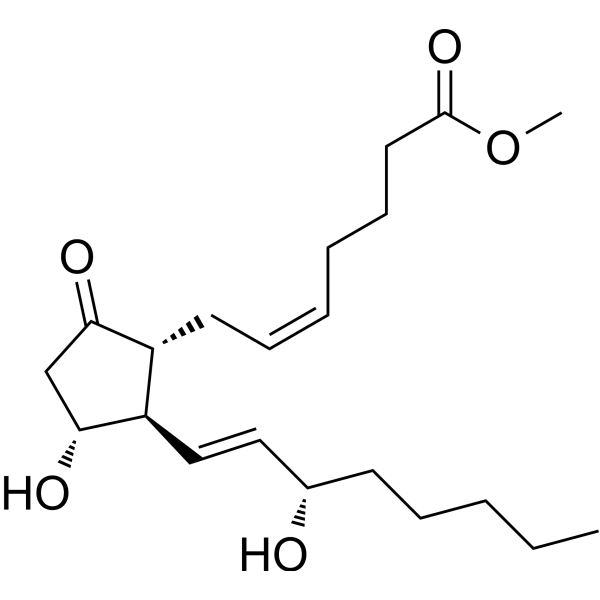
    PGE2 methyl ester

    Drug Derivative Metabolic Disease
    Prostaglandin E2 methyl ester (PGE2 methyl ester) is an lipophilic derivative analog of PGE2 (HY-101952). Prostaglandin E2 methyl ester has more central penetration ability than PGE2 .
    Prostaglandin E2 methyl ester
  • HY-157002

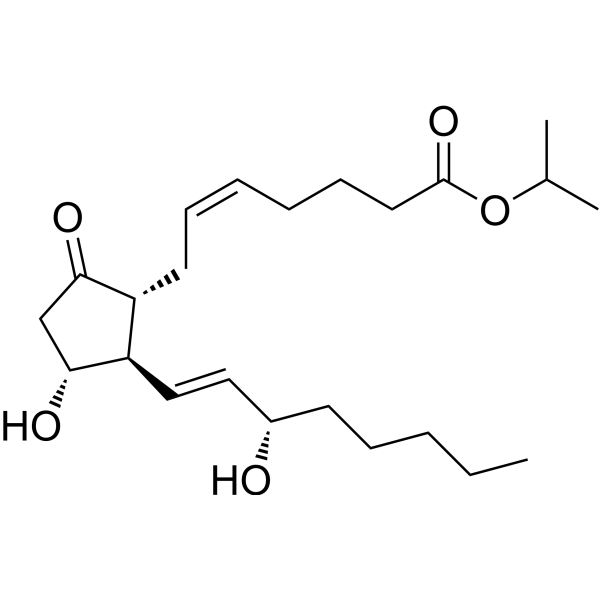
    PGE2 isopropyl ester

    Prostaglandin Receptor Others
    Prostaglandin E2 isopropyl ester (PGE2 isopropyl ester) is the precursor of PGE2.
    Prostaglandin E2 isopropyl ester
  • HY-121996

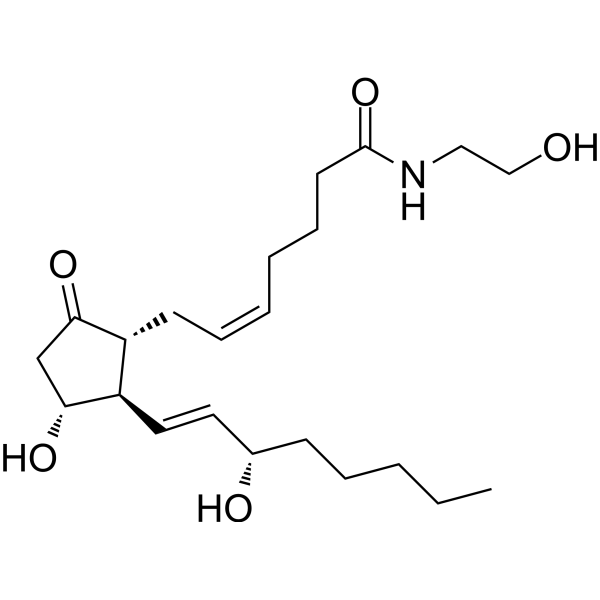
    PGE2 ethanolamide

    Prostaglandin Receptor COX Inflammation/Immunology
    Prostaglandin E2 Ethanolamide (PGE2-EA), an analog of PGE2, can be formed enzymatically following COX-2 oxygenation of endocannabinoids. Prostaglandin E2 Ethanolamide (PGE2-EA) could modulate the production of the proinflammatory cytokine TNF-α in human blood and human monocytic cells .
    Prostaglandin E2 Ethanolamide
  • HY-121996S

    PGE2 ethanolamide-d4

    Isotope-Labeled Compounds Others Others
    Prostaglandin E2 Ethanolamide-d4 (PGE2 ethanolamide-d4) is the deuterium labeled Prostaglandin E2 Ethanolamide (HY-121996) .
    Prostaglandin E2 ethanolamide-d4
  • HY-138868

    17-Phenyl trinor PGE2 ethyl amide

    Prostaglandin Receptor Metabolic Disease
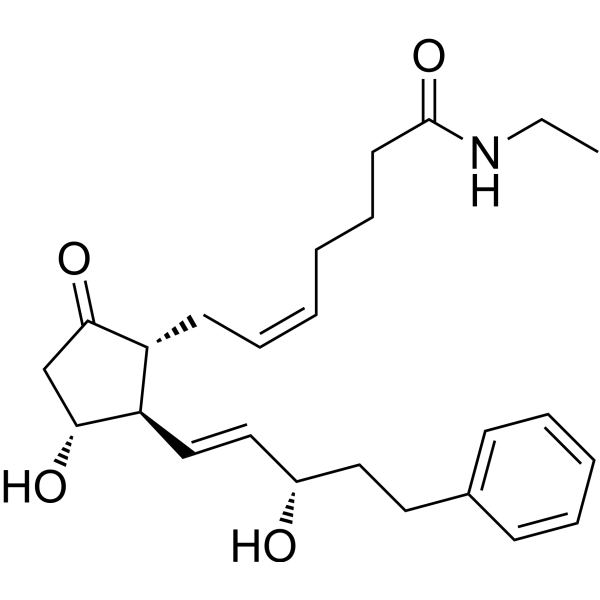
    17-Phenyl trinor prostaglandin E2 ethyl amide (17-Phenyl trinor PGE2 ethyl amide) is a EP1 receptor agonist. 17-Phenyl trinor prostaglandin E2 ethyl amide aggravates renal dysfunction and glomerulosclerosis .
    17-Phenyl trinor prostaglandin E2 ethyl amide
  • HY-170698

    13,14-Dihydro-15-keto-tetranor PGE2

    Prostaglandin Receptor Endocrinology
    13,14-Dihydro-15-keto-tetranor prostaglandin E2 (13,14-Dihydro-15-keto-tetranor PGE2) is a potential metabolite of Prostaglandin E2 (HY-101952) .
    13,14-Dihydro-15-keto-tetranor prostaglandin E2
  • HY-114947

    9-Deoxy-9-methylene PGE2

    Prostaglandin Receptor Cardiovascular Disease Metabolic Disease
    9-deoxy-9-methylene Prostaglandin E2 (9-deoxy-9-methylene PGE2) is a stable, isosteric analog of PGE2. 9-deoxy-9-methylene PGE2 retains the biological profile of PGE2 with fewer side effects. In the rat 9-deoxy-9-methylene PGE2 is equipotent to PGE2 in decreasing blood pressure. It also stimulates the gerbil colon and primate uterus at the same potency as PGE2.
    9-deoxy-9-methylene Prostaglandin E2
  • HY-139120

    19(R)-Hydroxy PGE2; 19(R)-OH PGE2

    Prostaglandin Receptor Metabolic Disease
    19(R)-hydroxy Prostaglandin E2 (19(R)-hydroxy PGE2) is found in the semen of primates, including man. It is a potent smooth muscle relaxant and a selective agonist for the EP2 receptor. It has an EC50 value of 200 nM for relaxing cat tracheal rings which express EP2 receptors.
    19(R)-hydroxy Prostaglandin E2
  • HY-131626

    1a,1b-Dihomo PGE2

    COX Metabolic Disease
    1a,1b-Dihomo Prostaglandin E2 (PGE2) is a rare polyunsaturated fatty acid first identified in extracts of sheep vesicular gland microsomes, known to contain COX, incubated with adrenic acid. 1a,1b-Dihomo PGE2 has also been identified in conditioned media of RAW 264.7 macrophages stimulated with endotoxin and arachidonic acid. This product is thought to be produced by elongation of AA to adrenic acid, which is then metabolized sequentially by COX and PGE synthase.
    1a,1b-Dihomo prostaglandin E2
  • HY-135023

    5-trans Prostaglandin E2

    Cytochrome P450 Prostaglandin Receptor Cancer
    5-trans-PGE2 (5-trans Prostaglandin E2) is the active isomer of PGE2 and a potent activator of aromatase. Supplements the process of paracrine signaling between epithelial cells (expressing high levels of PGE2) and surrounding stromal cells (expressing high levels of aromatase). This process is involved in the growth and development of breast cancer .
    5-trans-PGE2
  • HY-179041

    PGE synthase Prostaglandin Receptor MDM-2/p53 Amino acid Transporter Glutathione Peroxidase Ferroptosis Metabolic Disease Endocrinology
    SZ0232 is a selective mPGES-2 inhibitor. SZ0232 binds to the active site of mPGES-2 via hydrogen bonds and π-π stacking, reduces the production of prostaglandin E2 (PGE2) and blocks the PGE2-EP3 pathway. SZ0232 regulates Ferroptosis by activating the heme-dependent p53/SLC7A11/GPX4 axis, inhibits lipid peroxidation, and protects renal tubules. SZ0232 enhances glucose-stimulated insulin secretion, inhibits β-cell senescence, and improves glucose homeostasis. SZ0232 reduces renal lipid accumulation, alleviates fibrosis, and ameliorates renal dysfunction in diabetic mice. SZ0232 inhibits renal cyst growth in polycystic kidney disease models. SZ0232 exhibits an insulinotropic effect that strengthens with the increase of animal age. SZ0232 can be used in studies related to type 2 diabetes, acute kidney injury, diabetic kidney disease, and autosomal dominant polycystic kidney disease .
    SZ0232
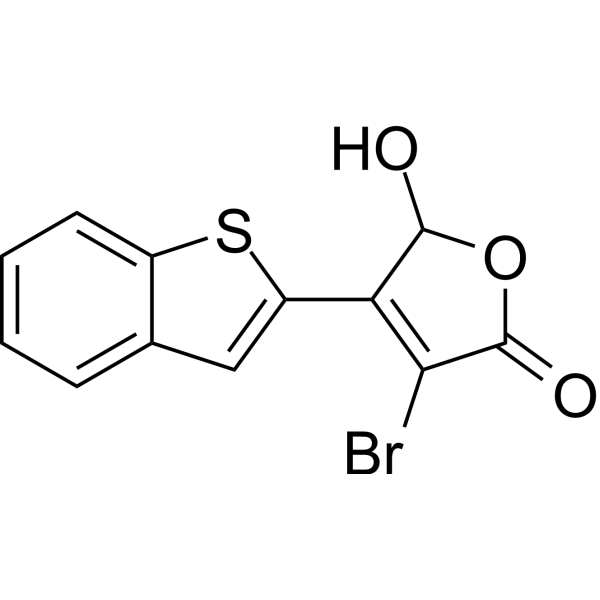
  • HY-111140

    PGE synthase Lipoxygenase PPAR Inflammation/Immunology
    YS121 is a dual inhibitor of microsomal prostaglandin E2 synthase-1 (mPGES-1; IC50 = 3.4 μM) and 5-lipoxygenase (5-LOX; IC50 = 6.5 μM). YS121 exhibits direct, reversible, and specific binding to mPGES-1 (KD = 10-14 μM) . YS121 dose-dependently reduces PGE2 production with an EC50 of 12 μM in IL-1β-stimulated A549 cells . YS121 (compound 9) activates PPAR-α and -γ (EC50 = 1 and 3.6 μM, respectively) . YS121 exhibits anti-inflammatory efficiency in human whole blood as well as in vivo. YS121 can be used for pleurisy research .
    YS121
  • HY-135023R

    5-trans Prostaglandin E2 (Standard)

    Cytochrome P450 Prostaglandin Receptor Reference Standards Cancer
    5-trans-PGE2 (Standard) is the analytical standard of 5-trans-PGE2. This product is intended for research and analytical applications. 5-trans-PGE2 (5-trans Prostaglandin E2) is the active isomer of PGE2 and a potent activator of aromatase. Supplements the process of paracrine signaling between epithelial cells (expressing high levels of PGE2) and surrounding stromal cells (expressing high levels of aromatase). This process is involved in the growth and development of breast cancer .
    5-trans-PGE2 (Standard)
  • HY-106054

    Prostaglandin Receptor Metabolic Disease Inflammation/Immunology
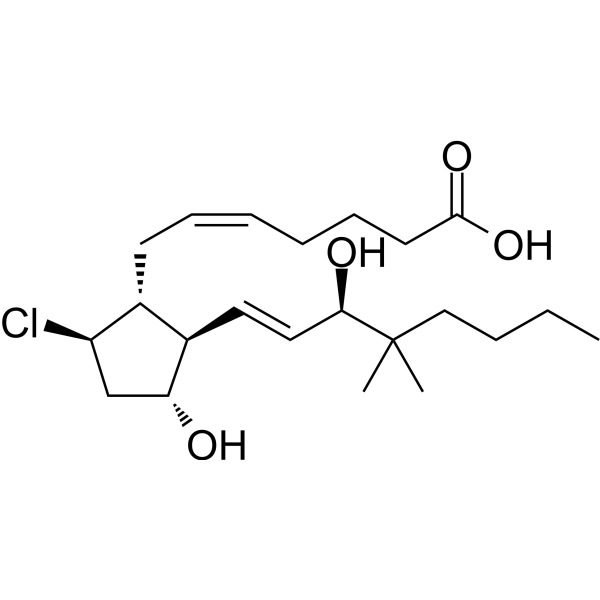
    Nocloprost, a prostaglandin E2 (PGE2) analog, is an orally active EP1- and EP3-receptor agonist. Nocloprost inhibits evoked [ 3H]ACh release. Nocloprost has gastroprotective and ulcer-healing properties. Nocloprost accelerates the healing of chronic gastric ulcerations and enhances mucosal growth in rats .
    Nocloprost
  • HY-106420R

    16,16-dimethyl PGE2 (Standard)

    Wnt Reference Standards Prostaglandin Receptor Inflammation/Immunology
    16,16-Dimethyl prostaglandin E2 (Standard) is the analytical standard of 16,16-Dimethyl prostaglandin E2 (HY-106420). This product is intended for research and analytical applications. 16,16-Dimethyl prostaglandin E2 (16,16-dimethyl PGE2) is an orally active vertebrate Hematopoietic stem cells (HSCs) homeostasis critical regulator. 16,16-Dimethyl prostaglandin E2 can act through EP2/EP4 and has an interaction with the Wnt pathway .
    16,16-Dimethyl prostaglandin E2 (Standard)
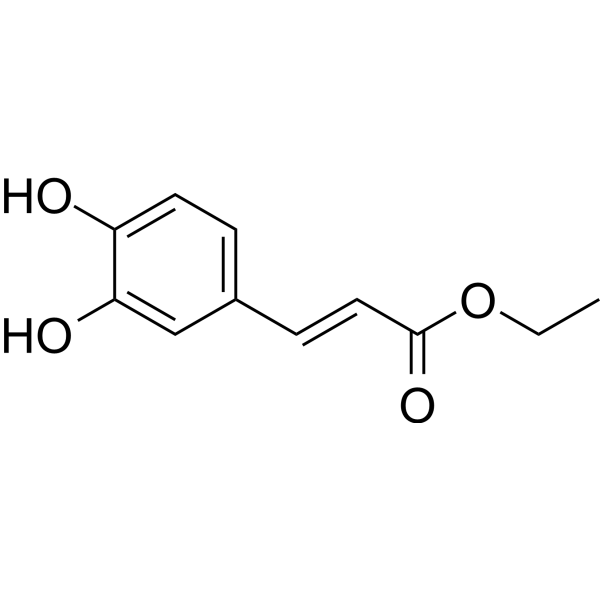
  • HY-N6966A

    Others Inflammation/Immunology
    Ethyl trans-caffeate is the trans form of Ethyl Caffeate (HY-N6966). Ethyl Caffeate is a natural phenolic compound isolated from Bidens pilosa. Ethyl caffeate suppresses NF-κB activation and its downstream inflammatory mediators, inducible nitric oxide synthase (iNOS), cyclooxygenase-2 (COX-2), and prostaglandin E2 (PGE2) in vitro or in mouse skin .
    Ethyl trans-caffeate
  • HY-137414

    20-Hydroxy-PGE2

    Drug Metabolite Endocrinology
    20-Hydroxy Prostaglandin E2 (20-Hydroxy-PGE2) is a metabolite of Prostaglandin E2 (HY-101952) that can be metabolized by cytochrome P450 .
    20-Hydroxy Prostaglandin E2
  • HY-169430

    PGE synthase
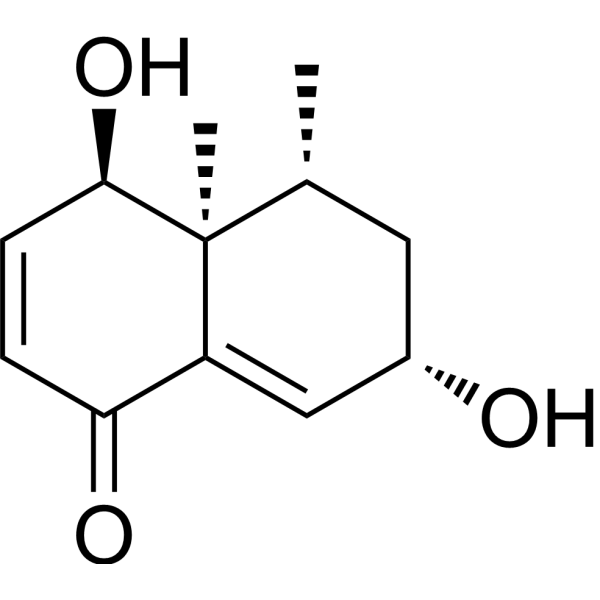
    AGU654 (Compound 44) is a selective mPGES-1 inhibitor with an IC50 of 2.9 nM against mPGES-1. AGU654 inhibits mPGES-1 to block the pathway converting arachidonic acid into prostaglandin E2 (PGE2) by COX-1/2, thereby alleviating inflammatory responses, pain, and fever. In activated human monocyte-derived macrophages and human whole blood models, AGU654 selectively suppresses bacterial exotoxin-induced PGE2 production while preserving the production of other prostaglandins. In guinea pig models, AGU654 significantly alleviates fever, inflammation, and inflammatory pain, exhibiting excellent anti-inflammatory, analgesic, and antipyretic effects. AGU654 holds promise as a strategy for studying inflammatory diseases and pain .
    AGU654
  • HY-W017428

    P-Ethyoxybenzaldehyde

    Interleukin Related Prostaglandin Receptor Inflammation/Immunology
    4-Ethoxybenzaldehyde (P-Ethyoxybenzaldehyde) is a derivative of benzaldehyde. 4-Ethoxybenzaldehyde can significantly inhibit the production of key inflammatory factors such as prostaglandin E2 (PGE2), IL-6, and IL-8 induced by ultraviolet radiation (UVR). 4-Ethoxybenzaldehyde shows significant efficacy and good safety in reducing facial redness when added to an oil-in-water emulsion at a concentration of 1%. 4-Ethoxybenzaldehyde can be used in the study of chronic inflammatory skin diseases .
    4-Ethoxybenzaldehyde
  • HY-178794

    PGE synthase Inflammation/Immunology
    AGU661 is a Microsomal prostaglandin E2 synthase 1 (mPGES-1) inhibitor with an IC50 of 0.22  nM. AGU661 lowers PGE2 formation in human pro-inflammatory M1 macrophages and activated monocytes without affecting other lipid mediator pathways. AGU661 has unfavorable physicochemical properties with poor metabolic stability and strong plasma protein binding tendencies. AGU661 into PLGA-based NPs significantly enhances its bioactivity. AGU661 can be used for inflammatory disorders research .
    AGU661
  • HY-169859

    Prostaglandin Receptor Interleukin Related Inflammation/Immunology Cancer
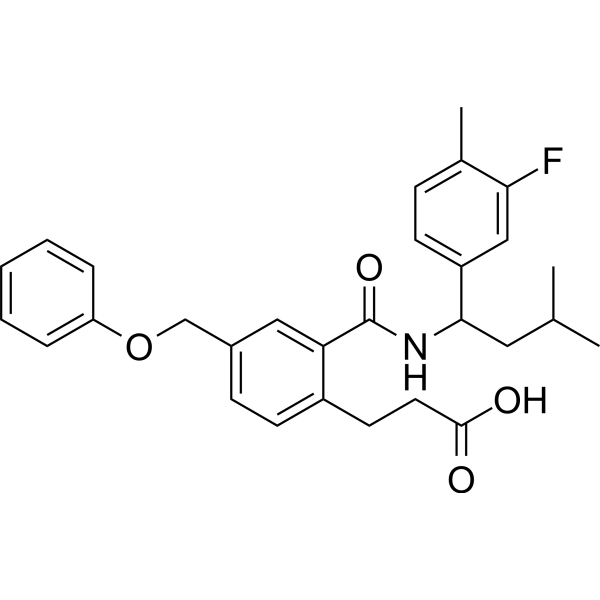
    EP4 receptor antagonist 7 (Compound 14) is an antagonist of the prostaglandin E2 (PGE2) receptor subtype EP4 with an IC50 value of 1.1 nM. EP4 receptor antagonist 7 inhibits PGE2-induced β-arrestin recruitment in HEK293 cells with an IC50 value of 0.9 nM. EP4 receptor antagonist 7 decreases PGE2-induced expression of mRNA encoding IL-4, macrophage mannose receptor 1 (Mrc1), chitinase-like protein 3 (Chil3), chemokine (C-X-C) motif ligand 1 (Cxcl1), triggering receptor expressed on myeloid cells 2 (Trem2), and arginase-1 (Arg1), in RAW 264.7 macrophages. EP4 receptor antagonist 7 combined with an anti-PD-1 antibody inhibits tumor growth and increases infiltration of CD 8+ T cells into tumors in a CT26 murine colon cancer model .
    EP4 receptor antagonist 7
  • HY-114826S

    PGE2-1-glyceyl ester-d5

    Isotope-Labeled Compounds Cannabinoid Receptor Metabolic Disease Cancer
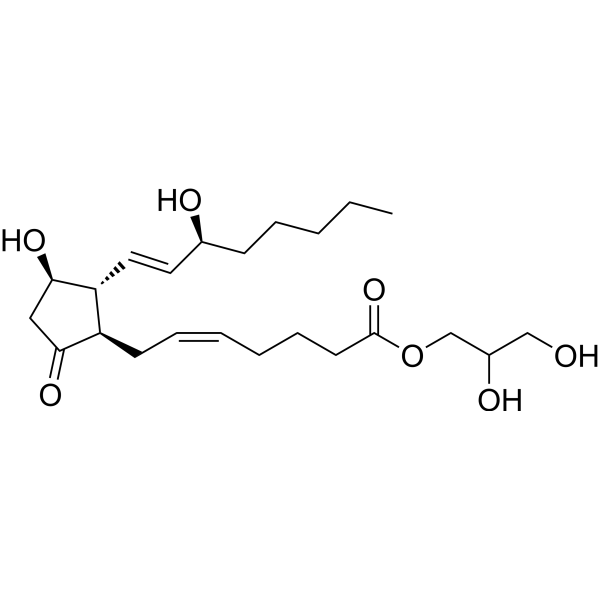
    Prostaglandin E2-1-glyceryl ester-d5 (PGE2-1-glyceyl ester-d5) is deuterium labeled Prostaglandin E2-1-glyceryl ester. Prostaglandin E2-1-glyceryl ester, a Prostaglandin Glycerol Ester, is an endocannabinoid ligand for the CB1 receptor. Prostaglandin E2-1-glyceryl ester induces rapid, transient elevation of intracellular free Ca 2+ .
    Prostaglandin E2-1-glyceryl ester-d5
  • HY-116099

    Prostaglandin Receptor Inflammation/Immunology
    ER-819762 is an orally active, highly selective prostaglandin E2 (PGE2) EP4 receptor antagonist with an EC50 of 70 nM against human EP4 receptor. ER-819762 can be used for rheumatoid arthritis research .
    ER-819762
  • HY-N3535

    Prostaglandin Receptor Lipoxygenase Inflammation/Immunology
    Canniprene, an isoprenylated bibenzyl unique to Cannabis sativa, is a potent inhibitor of 5-lipoxygenase (5-LO) activity (IC50=0.4 μM) and cyclooxygenase/microsomal prostaglandin E2 synthase (PGE2; IC50=10 μM). Canniprene inhibits the production of inflammatory eicosanoids and affects the generation of prostaglandins .
    Canniprene
  • HY-137158

    16-Phenoxy tetranor PGE2

    Prostaglandin Receptor Metabolic Disease
    16-phenoxy tetranor PGE2 is the free acid form of sulprostone formed by the hydrolysis of the methylsulfonamide bond.1 16-phenoxy tetranor PGE2 is a minor metabolite of sulprostone found in human plasma after parenteral administration of the drug.
    16-Phenoxy tetranor Prostaglandin E2
  • HY-138063

    TNF Receptor NF-κB Inflammation/Immunology
    Siegeskaurolic acid is an orally active anti-inflammatory agent. Siegeskaurolic acid inhibits the productions of nitric oxide (NO), prostaglandin E(2) (PGE(2)), tumor necrosis factor-alpha (TNF-alpha) and the activationon of nuclear factor-kappaB .
    Siegeskaurolic acid
  • HY-118556

    Prostaglandin Receptor Endocrinology
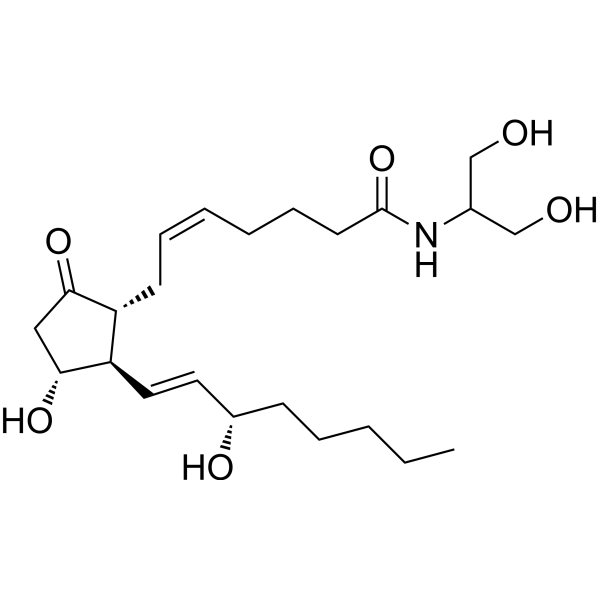
    Prostaglandin E2 serinol amide is a weak inhibitor of the hydrolysis of [3H]2-oleoylglycerol. Prostaglandin E2 serinol amide is non-hydrolyzable to produce PGE2 and thus cannot inhibit leukotriene B4 biosynthesis, superoxide production, migration and antimicrobial peptide release .
    Prostaglandin E2 serinol amide
  • HY-N3380

    PGE synthase Interleukin Related Inflammation/Immunology
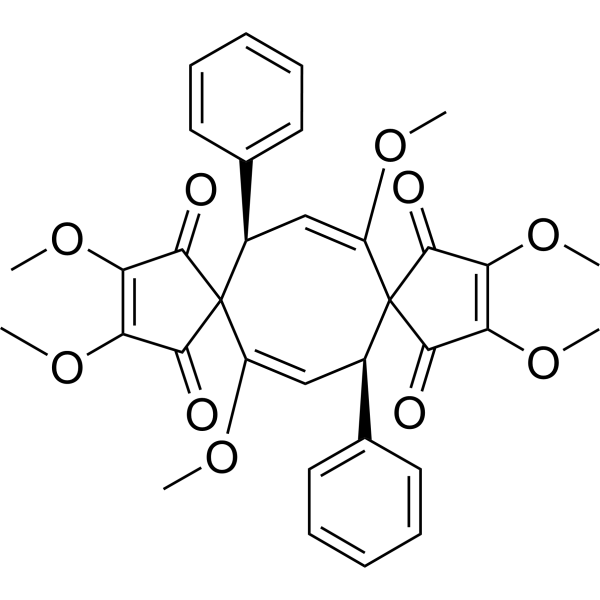
    Linderaspirone A is a natural compound that can be isolated from the roots of Lindera aggregate. Linderaspirone A shows significant inhibitory effects on the production of prostaglandin E2 (PGE2),TNF-α, and IL-6 .
    Linderaspirone A

Inquiry Online

Your information is safe with us. * Required Fields.

Salutation


Country or Region *

Applicant Name *


Organization Name *

Department *


Email Address *


Product Name *

Cat. No.


Requested quantity *

Phone Number *


Remarks

Inquiry Online

Inquiry Information

Product Name:
Cat. No.:
Quantity:
MCE Japan Authorized Agent: