Search Result
Results for "
curcumin-
" in MedChemExpress (MCE) Product Catalog:
2
Biochemical Assay Reagents
15
Isotope-Labeled Compounds
| Cat. No. |
Product Name |
Target |
Research Areas |
Chemical Structure |
-
- HY-N0005
-
-
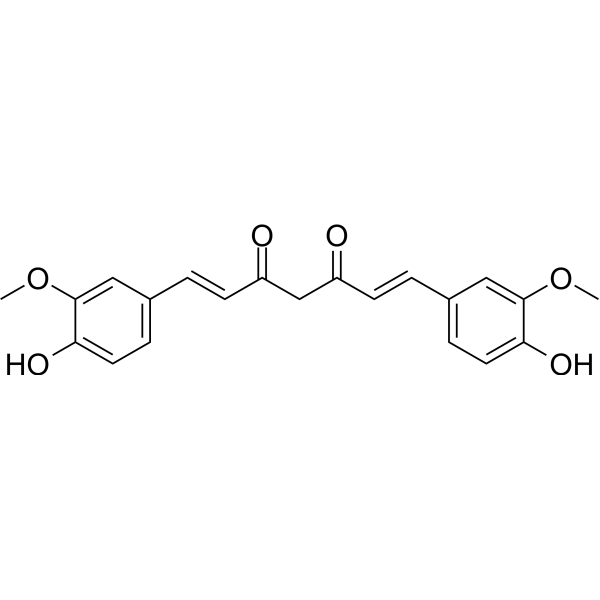
-
- HY-N0006
-
-
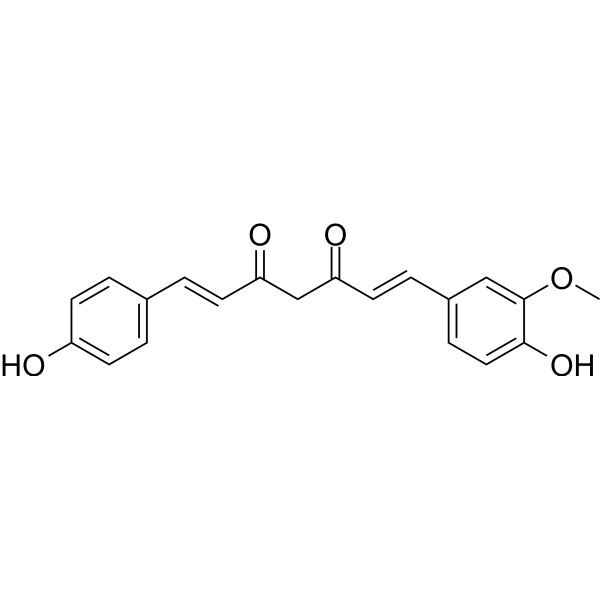
-
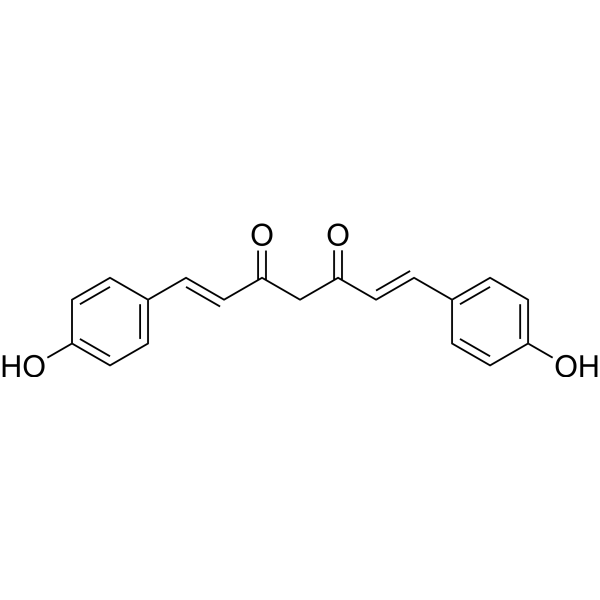
- HY-N0007
-
|
(E,E)-curcumin III; (E,E)-Didemethoxycurcumin
|
Apoptosis
Autophagy
|
Cancer
|
|
(E,E)-Bisdemethoxycurcumin ((E,E)-Curcumin III) is a curcumin derivative with anti-inflammatory and anticancer activities .
|
-
-
- HY-N0893
-
-
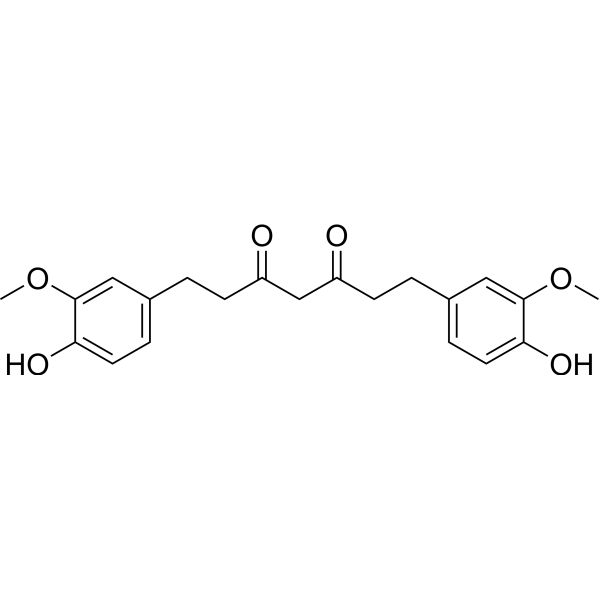
-
- HY-138795
-
|
|
Endogenous Metabolite
|
Cancer
|
|
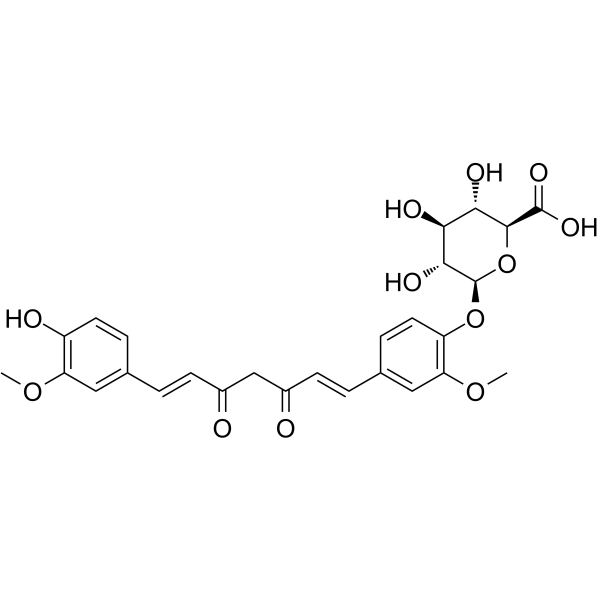
Curcumin-β-D-glucuronide is a major metabolite after oral intake of Curcumin in hepatic tissue and portal blood. Curcumin-β-D-glucuronide can be used for the research of colon cancer .
|
-
-
- HY-119272
-
EF24
2 Publications Verification
|
ERK
Caspase
NF-κB
Apoptosis
p38 MAPK
Reactive Oxygen Species (ROS)
|
Inflammation/Immunology
Cancer
|
|
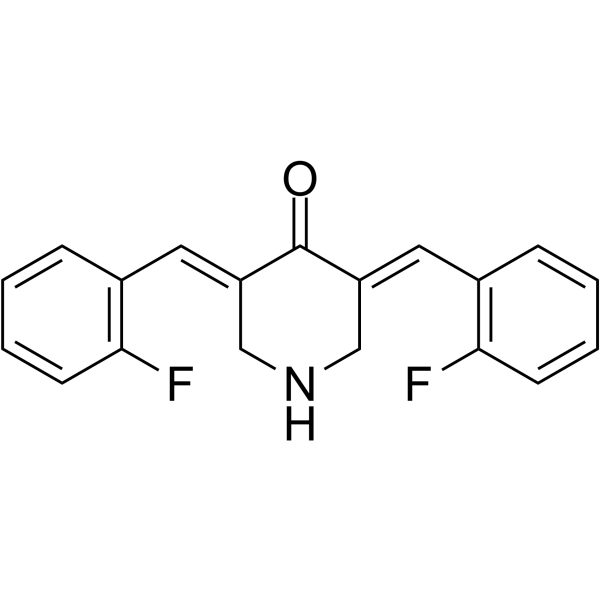
EF24, a curcumin analogue, is an NF-kB inhibitor with great anti-tumor efficacy and oral bioavailability via deactivation of the MAPK/ERK signaling pathway in oral squamous cell carcinoma (OSCC). EF24 is active against melanoma and breast cancer cell lines with GI50 values of 0.7 μM and 0.8 μM, respectively. EF24 induces cell cycle arrest and apoptosis in MDA-MB-231 human breast cancer cells and DU-145 human prostate cancer cells. EF24 increases the levels of activated caspase 3 and 9, and decreases the phosphorylated forms of MEK1 and ERK .
|
-
-
- HY-N0005R
-
|
Diferuloylmethane (Standard); Natural Yellow 3 (Standard); Turmeric yellow (Standard)
|
Reference Standards
Histone Acetyltransferase
Epigenetic Reader Domain
Keap1-Nrf2
Autophagy
Mitophagy
Influenza Virus
Ferroptosis
|
Infection
Neurological Disease
Inflammation/Immunology
Cancer
|
|
Curcumin (Standard) is the analytical standard of Curcumin (HY-N0005). This product is intended for research and analytical applications. Curcumin (Diferuloylmethane), a natural phenolic compound, is a p300/CREB-binding protein-specific inhibitor of acetyltransferase, represses the acetylation of histone/nonhistone proteins and histone acetyltransferase-dependent chromatin transcription. Curcumin is a photosensitizer against microorganisms. Curcumin shows inhibitory effects on NF-κB and MAPKs, and has diverse pharmacologic effects including anti-inflammatory, antioxidant, antiproliferative and antiangiogenic activities. Curcumin induces stabilization of Nrf2 protein through Keap1 cysteine modification.
|
-

-
- HY-N7080
-
|
Hydroferulic acid
|
Drug Metabolite
|
Metabolic Disease
|
|
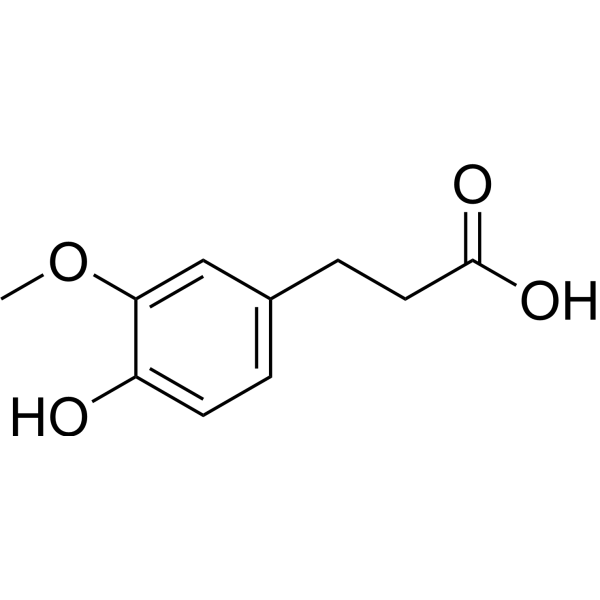
Dihydroferulic acid (Hydroferulic acid) is one of the main metabolites of curcumin and antioxidant/radical-scavenging properties with an IC50 value of 19.5 μM. Dihydroferulic acid is a metabolite of human gut microflora as well as a precursor of vanillic acid .
|
-
-
- HY-N1967
-
|
|
PNPLA3
|
Metabolic Disease
|
|
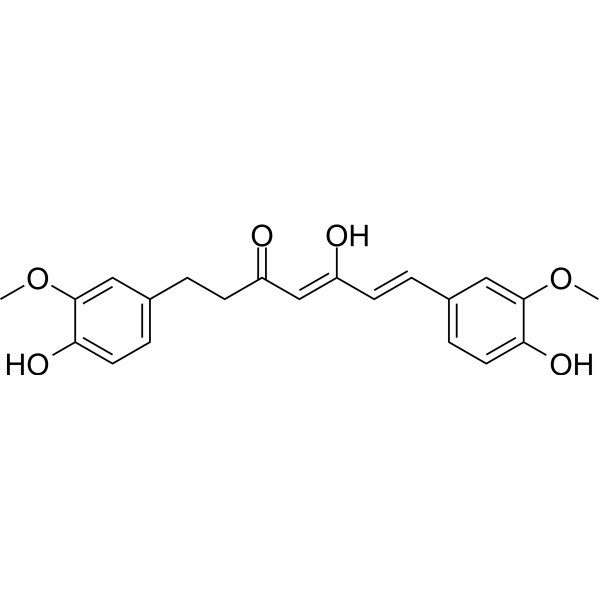
Dihydrocurcumin, a major metabolites of curcumin, reduces lipid accumulation and oxidative stress. Dihydrocurcumin regulates mRNA and protein expression levels of SREBP-1C, PNPLA3 and PPARα, increases protein expression levels of pAKT and PI3K, and reduced the levels of cellular NO and ROS via Nrf2 signaling pathways .
|
-
-
- HY-154644
-
|
|
Environmental Pollutants
Biochemical Assay Reagents
|
Cancer
|
|
Soya Lecithin is a phospholipid mixture that can be used as a drug delivery vehicle and is a pharmaceutical excipient. Soya Lecithin can form a lipid bilayer structure through self-assembly, and its binding properties are amphiphilic (hydrophilic head and hydrophobic tail), encapsulating hydrophobic drugs. Soya Lecithin forms stable nanoliposomes or microemulsions, improves the solubility and cellular uptake efficiency of poorly soluble drugs (such as Curcumin (HY-N0005)), and exerts activities such as enhancing drug delivery and regulating cell proliferation .
|
-
-
- HY-N0007A
-
|
curcumin III; Didemethoxycurcumin
|
Ferroptosis
P-glycoprotein
DNA/RNA Synthesis
|
Inflammation/Immunology
Cancer
|
|
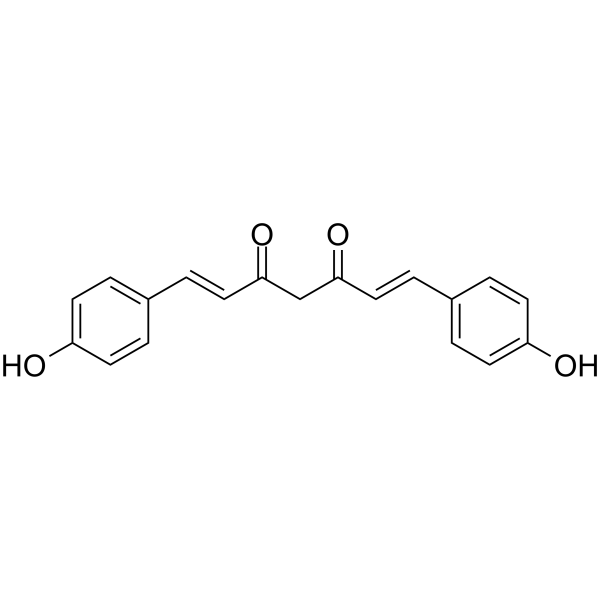
Bisdemethoxycucurmin (Curcumin III) is a curcuminoid compound and an inhibitor of P-glycoprotein and ferroptosis. Bisdemethoxycucurmin exhibits multiple activities such as anti-oxidation, anti-inflammation and anti-tumor. Bisdemethoxycucurmin can be used for the research of tumors and inflammatory diseases .
|
-
-
- HY-W009731
-
|
|
Environmental Pollutants
Keap1-Nrf2
|
Metabolic Disease
Cancer
|
|
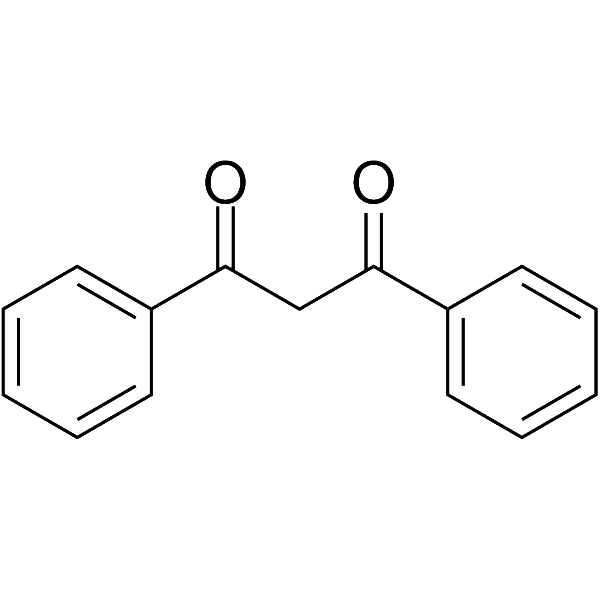
Dibenzoylmethane, a minor ingredient in licorice, activates Nrf2 and prevents various cancers and oxidative damage. Dibenzoylmethane, an analog of curcumin, results in dissociation from Keap1 and nuclear translocation of Nrf2 .
|
-
-
- HY-N0929
-
|
|
COX
Reactive Oxygen Species (ROS)
|
Cancer
|
|
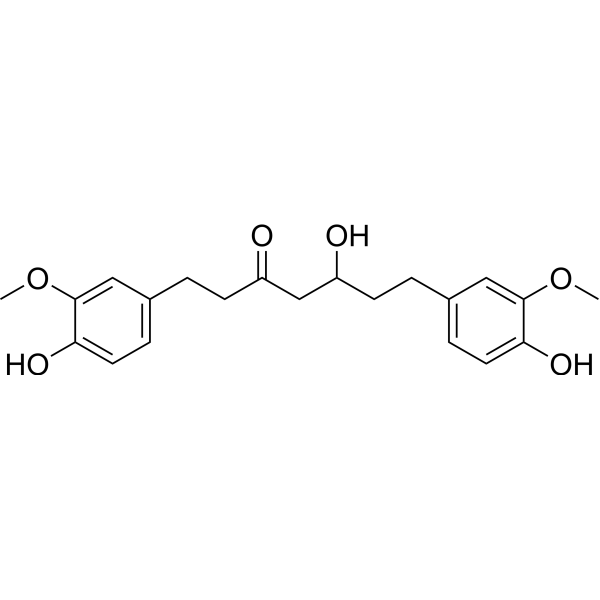
Hexahydrocurcumin is one of the major metabolites of curcumin and a selective, orally active COX-2 inhibitor. Hexahydrocurcumin is inactive against COX-1. Hexahydrocurcumin has antioxidant, anticancer and anti-inflammatory activities .
|
-
-
- HY-138962
-
|
K-Carrageenan Karra Type
|
Apoptosis
|
Inflammation/Immunology
Cancer
|
|
κ-Carrageenan is a natural polymer which predominantly available in red seaweeds. κ-Carrageenan is an effective agent carrier to deliver curcumin in cancer cells and to induce apoptosis. κ-carrageenan serves as a potential inflammatory agent that magnifies existing intestinal inflammation .
|
-

-
- HY-N0894
-
|
Hexahydrobisdemethoxycurcumin
|
Apoptosis
MAP4K
NF-κB
COX
|
Inflammation/Immunology
Cancer
|
|
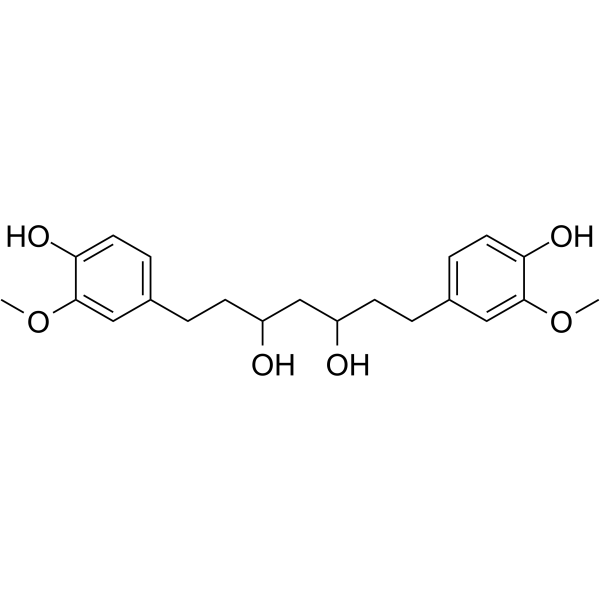
Octahydrocurcumin (Hexahydrobisdemethoxycurcumin) is an orally active anticancer and anti-inflammatory agent, and is the final hydrogenated metabolite of Curcumin (HY-N0005) in vivo. Octahydrocurcumin exerts its anti-tumor and anti-inflammatory effects by inducing the mitochondrial apoptosis pathway and inhibiting the TAK1-NF-κB-COX-2 pathway, respectively .
|
-
-
- HY-W010056
-
|
|
Keap1-Nrf2
|
Neurological Disease
Inflammation/Immunology
|
|
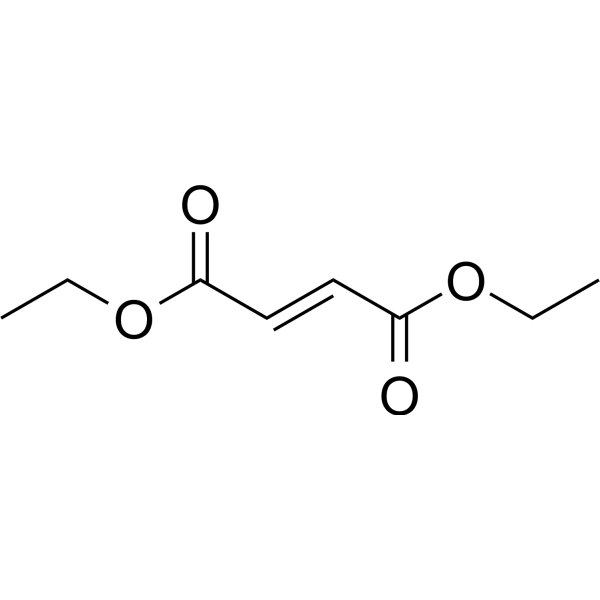
Diethyl fumarate is a Nrf2 inducer. Diethyl fumarate induces non-immunological contact urticaria, causing erythema, edema, and dose-dependent skin responses characterized by rapid onset, peak response, and subsequent resolution. The hybrid of Diethyl fumarate and Curcumin (HY-N0005) exerts neuroprotective effects. Diethyl fumarate can be used in the research of Parkinson's disease and non-immunological contact urticaria .
|
-
-
- HY-148598
-
|
CUR5-8
|
Apoptosis
Autophagy
|
Metabolic Disease
|
|
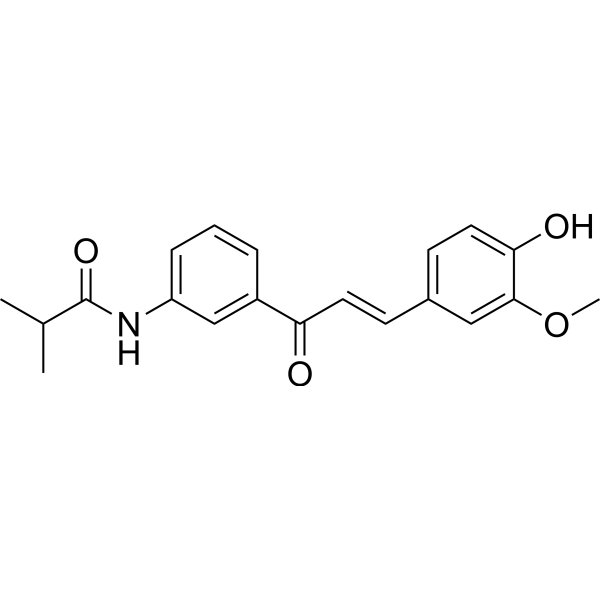
Curcumin 5-8 (CUR5-8) is a potent and orally active naturally active curcumin (CUR) analog. Curcumin 5-8 inhibits lipid droplet formation. Curcumin 5-8 increases autophagy and inhibits Apoptosis. Curcumin 5-8 improves insulin resistance and insulin sensitivity .
|
-
-
- HY-N0005S
-
-
-
- HY-100977
-
-
-
- HY-N2521
-
|
FLLL31
|
STAT
Apoptosis
|
Inflammation/Immunology
Cancer
|
|
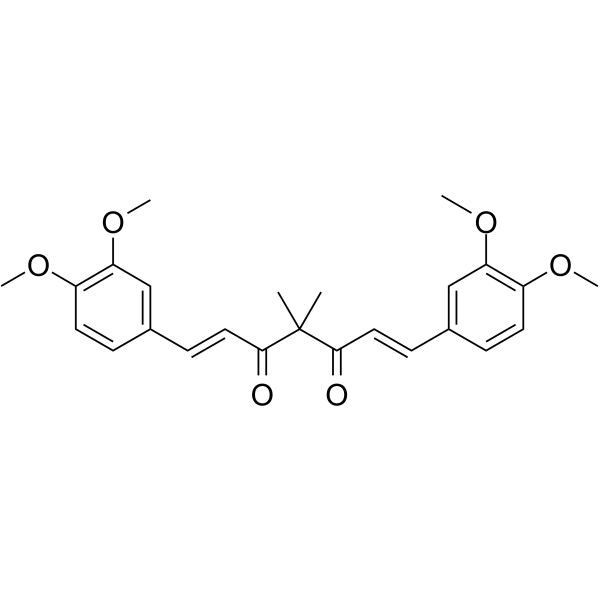
Tetramethylcurcumin (FLLL31), derived from curcumin, specifically suppresses the phosphorylation of STAT3 by binding selectively to Janus kinase 2 and the STAT3 Src homology-2 domain. Tetramethylcurcumin exhibits anti-inflammatory and anti-cancer effects .
|
-
-
- HY-150228
-
|
|
TrxR
|
Cancer
|
|
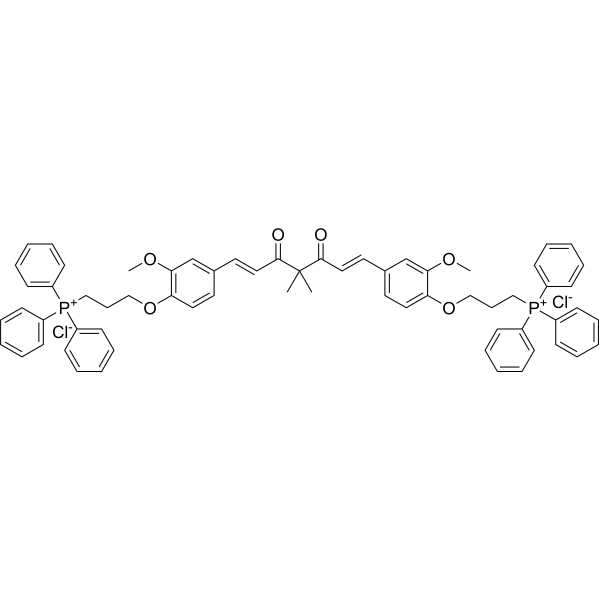
MitoCur-1, a curcumin analogue, is an inhibitor of mitochondrial antioxidative thioredoxin reductase 2 (TrxR2). MitoCur-1 has electrophilic and mitochondrial-targeting properties. MitoCur-1 induces reactive oxygen species (ROS) generation, exerts specifically antitumor efficacy .
|
-
-
- HY-137315
-
|
|
Amyloid-β
NF-κB
mTOR
Keap1-Nrf2
|
Neurological Disease
|
|
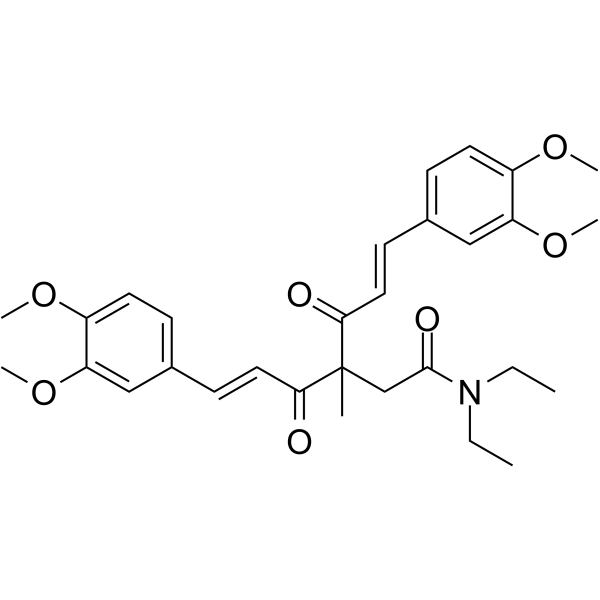
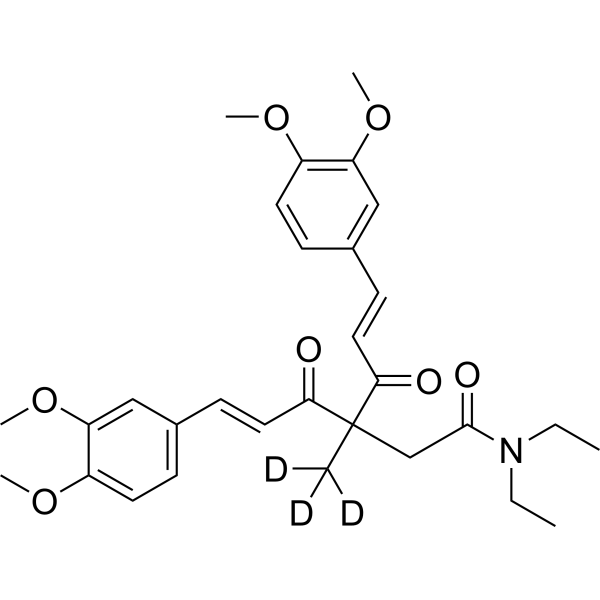
TML-6, an orally active curcumin derivative, inhibits the synthesis of the β-amyloid precursor protein and β-amyloid (Aβ). TML-6 can upregulate Apo E, suppress NF-κB and mTOR, and increase the activity of the anti-oxidative Nrf2 gene. TML-6 has the potential for Alzheimer’s disease (AD) research .
|
-
-
- HY-126154
-
L48H37
1 Publications Verification
|
Toll-like Receptor (TLR)
|
Inflammation/Immunology
|
|
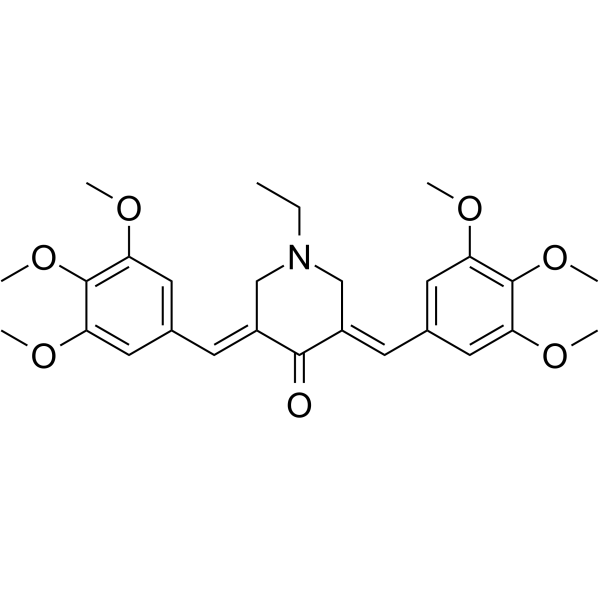
L48H37 is an analog of Curcumin (HY-N0005) with improved chemical stability. L48H37 is a potent and specific myeloid differentiation protein 2 (MD2) inhibitor and inhibits the interaction and signaling transduction of LPS-TLR4/MD2. L48H37 is used for the research of sepsis or lung injury treatment .
|
-
-
- HY-W002879
-
|
|
Reactive Oxygen Species (ROS)
|
Inflammation/Immunology
|
|
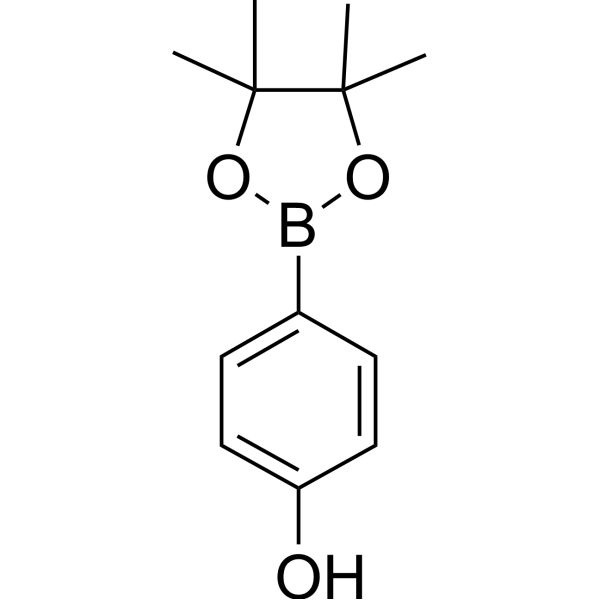
4-Hydroxyphenylboronic acid pinacol ester is a ROS-responsive component. 4-Hydroxyphenylboronic acid pinacol ester can structurally modify hyaluronic acid to prepare ROS-responsive intelligent nanocarriers and compound delivery systems. 4-Hydroxyphenylboronic acid pinacol ester endows hyaluronic acid-based nanocarriers with ROS responsiveness, enabling them to rapidly release the encapsulated Curcumin (HY-N0005) in the presence of reactive oxygen species. 4-Hydroxyphenylboronic acid pinacol ester is applicable to research related to periodontitis. 4-Hydroxyphenylboronic acid pinacol ester can also be used for the synthesis of boronic acid-modified resins .
|
-
-
- HY-136477
-
|
PGV-1
|
Apoptosis
COX
VEGFR
NF-κB
|
Cancer
|
|
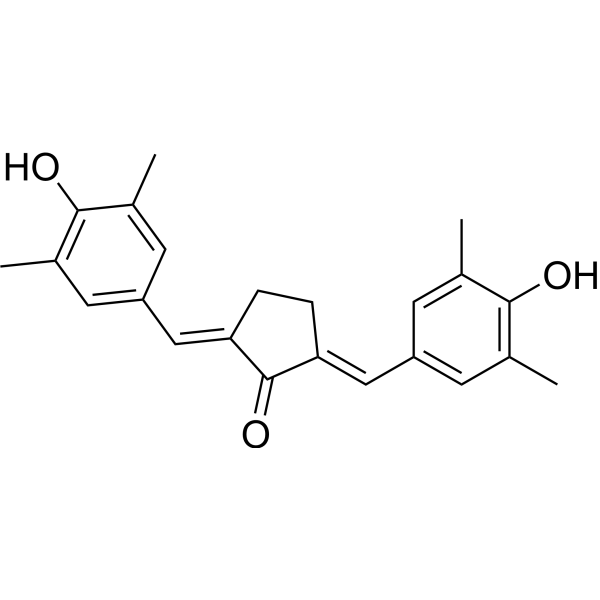
Pentagamavunon-1 (PGV-1), a Curcumin analog with oral activity, targets on several molecular mechanisms to induce apoptosis including inhibition of angiogenic factors cyclooxygenase-2 (COX-2) and vascular endothelial growth factor (VEGF). PGV-1 inhibits NF-κB activation .
|
-
-
- HY-N0007AR
-
|
curcumin III (Standard); Didemethoxycurcumin (Standard)
|
Reference Standards
Ferroptosis
P-glycoprotein
DNA/RNA Synthesis
|
Inflammation/Immunology
Cancer
|
|
Bisdemethoxycucurmin (Standard) (Curcumin III (Standard)) is the analytical standard of Bisdemethoxycucurmin (HY-N0007A). This product is intended for research and analytical applications. Bisdemethoxycucurmin (Curcumin III) is a curcuminoid compound and an inhibitor of P-glycoprotein and ferroptosis. Bisdemethoxycucurmin exhibits multiple activities such as anti-oxidation, anti-inflammation and anti-tumor. Bisdemethoxycucurmin can be used for the research of tumors and inflammatory diseases .
|
-

-
- HY-N0006R
-
|
curcumin II (Standard); Desmethoxycurcumin (Standard); Monodemethoxycurcumin (Standard)
|
Reference Standards
Apoptosis
Bacterial
Cholinesterase (ChE)
NO Synthase
|
Infection
Neurological Disease
Inflammation/Immunology
Cancer
|
|
Demethoxycurcumin (Standard) is the analytical standard of Demethoxycurcumin. This product is intended for research and analytical applications. Demethoxycurcumin is one of the main active ingredients of curcumin, which has anti-inflammatory, antioxidant, antibacterial, anti-cancer and neuroprotective effects. Demethoxycurcumin is orally active. Demethoxycurcumin can be used in inflammation, cancer and Alzheimer's disease research .
|
-

-
- HY-N0006S1
-
|
curcumin II-d4; Desmethoxycurcumin-d4; Monodemethoxycurcumin-d4
|
Apoptosis
Autophagy
Bacterial
|
Cancer
|
|
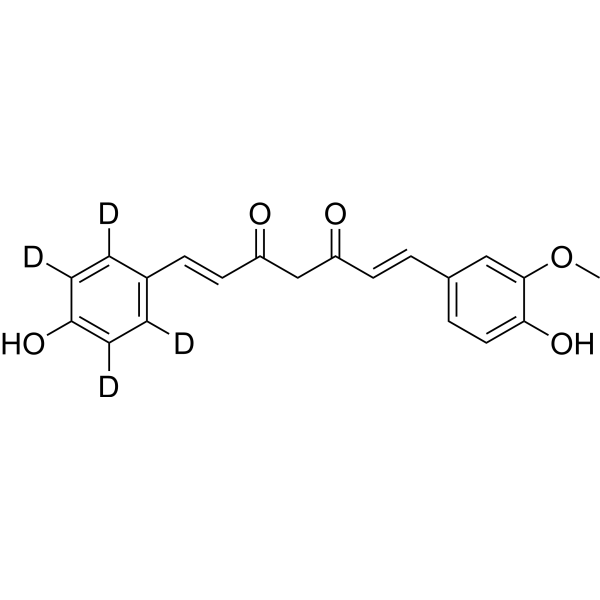
Demethoxycurcumin-d4 is the deuterium labeled Demethoxycurcumin. Demethoxycurcumin (Curcumin II) is a major active curcuminoid; possess anti-inflammatory properties .
|
-
-
- HY-N0893R
-
-

-
- HY-N0007R
-
|
(E,E)-curcumin III (Standard); (E,E)-Didemethoxycurcumin (Standard)
|
Reference Standards
Apoptosis
Autophagy
|
Cancer
|
|
(E,E)-Bisdemethoxycurcumin (Standard) is the analytical standard of (E,E)-Bisdemethoxycurcumin. This product is intended for research and analytical applications. (E,E)-Bisdemethoxycurcumin ((E,E)-Curcumin III) is a curcumin derivative with anti-inflammatory and anticancer activities .
|
-

-
- HY-N0894R
-
|
Hexahydrobisdemethoxycurcumin (Standard)
|
Reference Standards
Apoptosis
COX
NF-κB
MAP4K
|
Inflammation/Immunology
Cancer
|
|
Octahydrocurcumin (Hexahydrobisdemethoxycurcumin) is a hydrogenated derivative of curcumin and a metabolite of curcumin. Octahydrocurcumin is an orally active anticancer and anti-inflammatory agent, and is the final hydrogenated metabolite of Curcumin (HY-N0005) in vivo. Octahydrocurcumin exerts its anti-tumor and anti-inflammatory effects by inducing the mitochondrial apoptosis pathway and inhibiting the TAK1-NF-κB-COX-2 pathway, respectively .
|
-

-
- HY-135702
-
|
|
NF-κB
|
Others
|
|
UBS109, as a curcumin analogue, can promote the differentiation and mineralization of osteoblasts. UBS109 shows to regulate bone cell function by activating Smad and inhibiting NF-kB. UBS109 can be used in bone tissue engineering and osteoporosis research .
|
-

-
- HY-N0929R
-
|
|
Reference Standards
COX
Reactive Oxygen Species (ROS)
|
Cancer
|
|
Hexahydrocurcumin (Standard) is the analytical standard of Hexahydrocurcumin. This product is intended for research and analytical applications. Hexahydrocurcumin is one of the major metabolites of curcumin and a selective, orally active COX-2 inhibitor. Hexahydrocurcumin is inactive against COX-1. Hexahydrocurcumin has antioxidant, anticancer and anti-inflammatory activities .
|
-

-
- HY-137315S
-
-
-
- HY-139211
-
|
3,4-Difluorobenzylidene curcumin
|
Reactive Oxygen Species (ROS)
|
Cancer
|
|
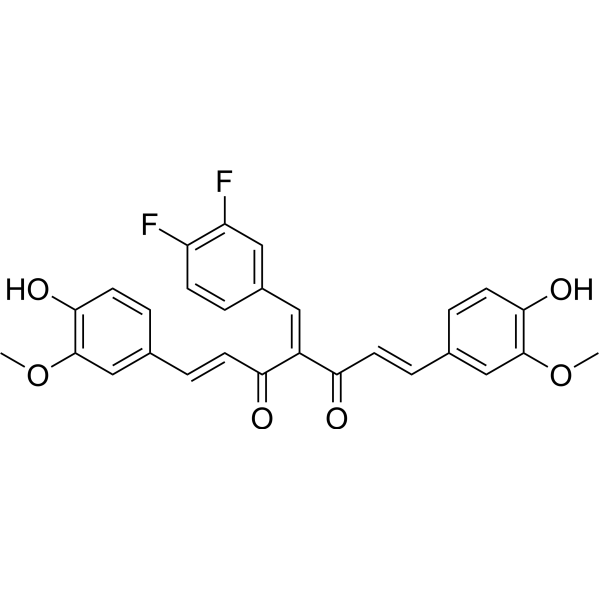
Difluorinated Curcumin (3,4-Difluorobenzylidene curcumin) is a fluorinated curcumin analog with high bioavailability and anticancer activity. Difluorinated Curcumin inhibits the self-renewal ability of tumor stem/stem-like cells, clonogenicity, invasiveness and angiogenesis of tumor cells. Difluorinated Curcumin also increases cell sensitivity to chemotherapy .
|
-
-
- HY-15668
-
|
|
MMP
Bcl-2 Family
Caspase
Apoptosis
Drug Derivative
|
Cancer
|
|
ST09 is an efficient and low toxicity Curcumin (HY-N0005) derivative. ST09 significantly inhibits cell migration and downregulates the expression of MMP1, MMP2, and Vimentin. ST09 has strong cytotoxicity to breast cancer cells, such as MDA-MB-231, MCF7 and T47D cells. ST09 induces cell apoptosis by upregulating Bax and cleaved caspase-3/9. ST09 can be used in the research of cancer such as breast cancer .
|
-

-
- HY-179228
-
|
|
CTLA-4
TGF-beta/Smad
|
Cancer
|
|
AN02 is a derivative of Curcumin (HY-N0005). AN02 inhibits the proliferation and clonogenicity, migration and invasion of ovarian cancer cells. AN02 dose-dependently upregulates the expression of APC and mediates the degradation of CTLA-4 through SMAD4. In the small xenograft model, AN02 significantly inhibits tumor growth and reverses the tumor immune-suppressive microenvironment. AN02, when combined with Ipilimumab (HY-P9901), can enhance efficacy and inhibit epithelial-mesenchymal transition. AN02 can be used for the study of ovarian cancer .
|
-

-
- HY-N0005S1
-
-

-
- HY-N0007S
-
|
curcumin III-d8; Didemethoxycurcumin-d8
|
Isotope-Labeled Compounds
Ferroptosis
P-glycoprotein
DNA/RNA Synthesis
|
Inflammation/Immunology
Cancer
|
|
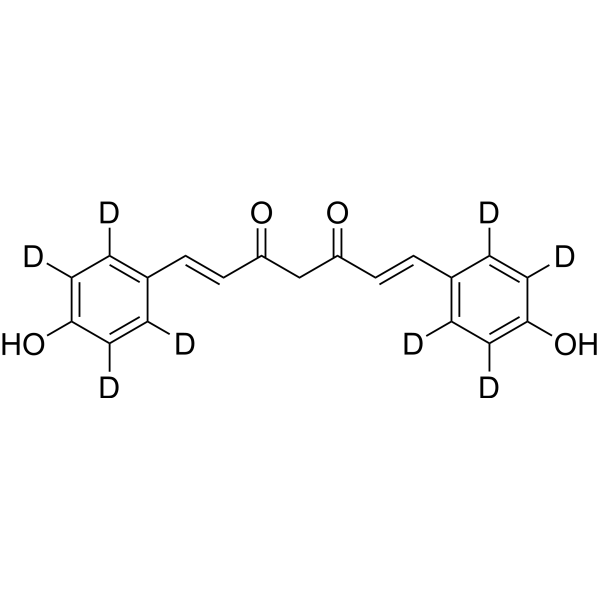
Bisdemethoxycurcumin-d8 (Curcumin III-d8) is the deuterium labeled Bisdemethoxycurcumin (HY-N0007A). Bisdemethoxycucurmin (Curcumin III) is a curcuminoid compound and an inhibitor of P-glycoprotein and ferroptosis. Bisdemethoxycucurmin exhibits multiple activities such as anti-oxidation, anti-inflammation and anti-tumor.
Bisdemethoxycucurmin can be used for the research of tumors and inflammatory diseases .
|
-
-
- HY-107336
-
|
Beveno
|
COX
|
Inflammation/Immunology
|
|
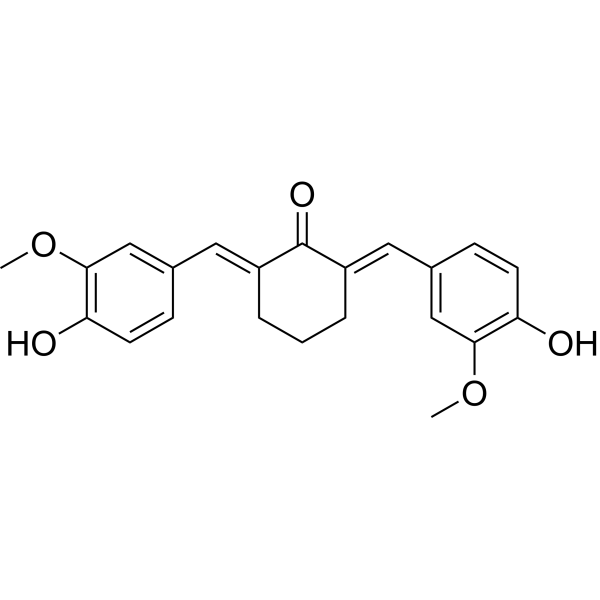
Cyclovalone (Beveno) is a synthetic curcumin derivate, which inihibits cyclooxygenase and exhibits anti-inflammatory, antitumor and antioxidant activities . Cyclovalone inhibits cell proliferation in normal and malignant prostatic cells. Cyclovalone ist orally active .
|
-
-
- HY-151342
-
|
|
Drug Derivative
|
Others
|
|
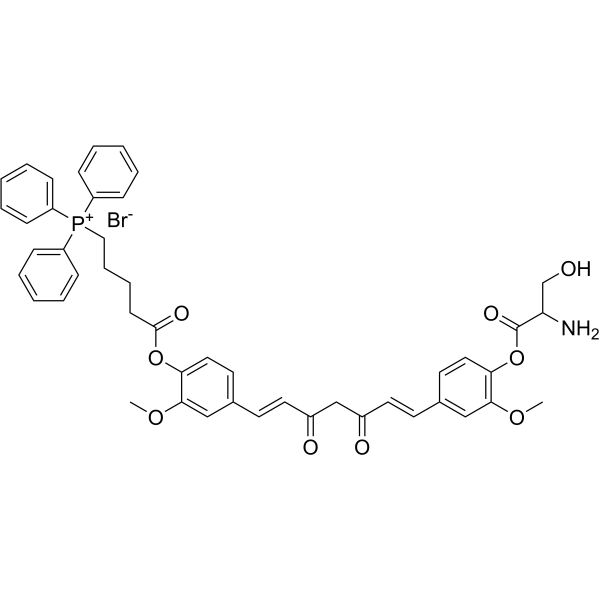
Ser@TPP@CUR is a Curcumin (HY-N0005) derivative. Ser@TPP@CUR effectively ameliorates injured renal tubular epithelial cells and improves renal functions of acute kidney injury (AKI) mice. Ser@TPP@CUR can be used for the research of AKI .
|
-
-
- HY-186012
-
|
|
Drug Intermediate
|
Others
|
|
TPP@CUR is the product formed by the esterification reaction between Curcumin (HY-N0005) and (5-hydroxy-5-oxopentyl)triphenylphosphonium bromide (TPP). TPP@CUR can be used to synthesize Ser@TPP@CUR (HY-151342), which can then be used in studies of acute kidney injury .
|
-

-
- HY-120914
-
|
GO-Y015
|
TrxR
Apoptosis
|
Cancer
|
|
TrxR1-IN-B19 (GO-Y015) (Compound B19) is a Curcumin (HY-N0005) derivative and colvalent TrxR1 inhibitor. TrxR1-IN-B19 inhibits TrxR1 enzyme activity to elevate oxidative stress, and then induce ROS-mediated ER Stress and mitochondrial dysfunction, subsequently resulting in cell cycle arrest and apoptosis .
|
-

-
- HY-179398
-
|
|
Keap1-Nrf2
|
Cancer
|
|
Keap1-Nrf2-IN-29 (Compound 1a), a Curcumin (HY-N0005) analog, is a Keap1 protein inhibitor. Keap1-Nrf2-IN-29 exhibits significant inhibitory activity against A549, PC-3 and MCF-7 cells. Keap1-Nrf2-IN-29 can be used for the study of prostate cancer .
|
-

-
- HY-177840
-
|
|
Liposome
|
Inflammation/Immunology
|
|
Liposomal Curcumin is a specialized delivery system that encapsulates curcumin within tiny liposomes. These liposomes act as protective shells, enhancing the absorption and bioavailability of curcumin. Curcumin is a polyphenol compound extracted from the
|
-

-
- HY-143421
-
|
CMG
|
Drug Metabolite
|
Cancer
|
|
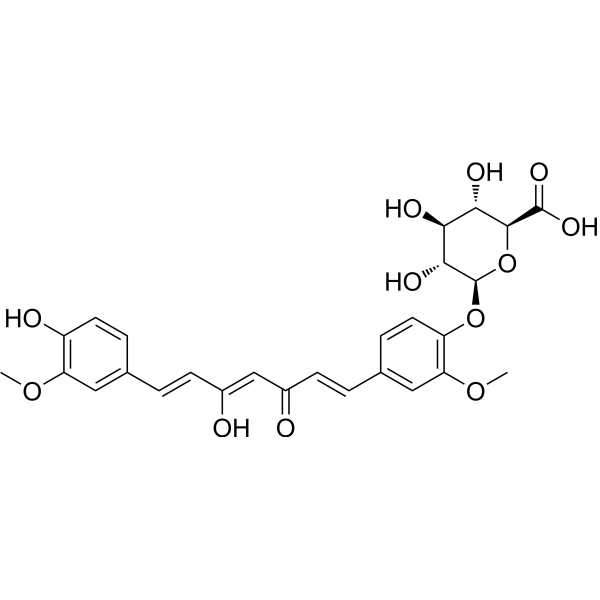
Curcumin monoglucuronide is known as a glucuronic acid conjugate, which is one of the in vivo metabolites of curcumin. Curcumin monoglucuronide is used for research on the metabolism of curcumin and examination of its development as a pharmaceutical. Curcumin monoglucuronide has the potential for the research of cancer disease (extracted from patent WO2022004873A1) .
|
-
-
- HY-N12669
-
-

-
- HY-150673S
-
-
-
- HY-150674S
-
|
curcumin-d6-β-di-glucoside tetraacetate; Diglucosylcurcumin-d6 octaacetate
|
Isotope-Labeled Compounds
|
Others
|
|
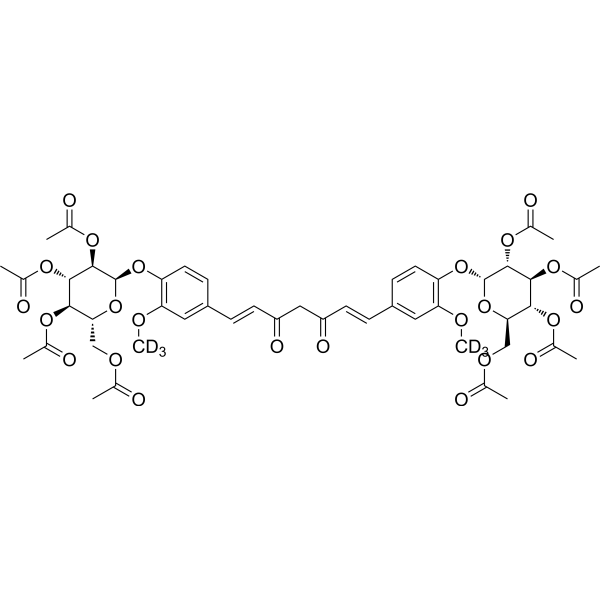
Curcumin-diglucoside tetraacetate-d6 is the deuterium labeled Curcumin-diglucoside tetraacetate .
|
-
-
- HY-W749302
-
-

- HY-143676S
-
-
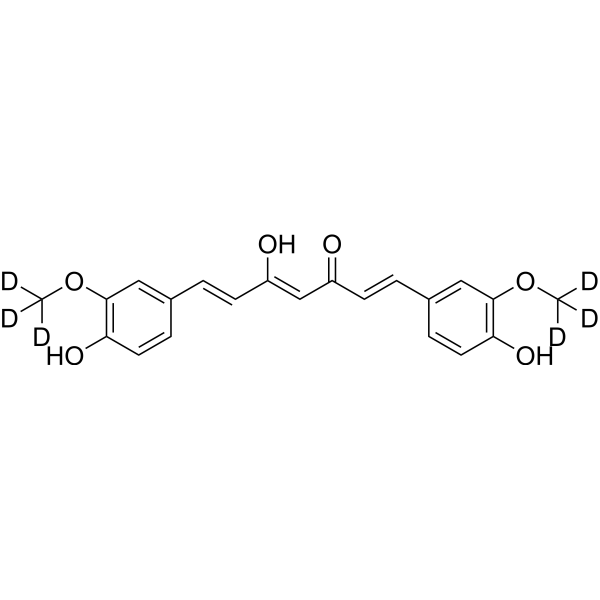
- HY-122757
-
|
curcumin pyrazole
|
Others
|
Cancer
|
|
Hydrazinocurcumin (Curcumin pyrazole) is a potent endothelial cell proliferation inhibitor (IC50=520 nM). Hydrazinocurcumin disrupts angiogenic signaling pathways and inhibits endothelial cell migration and tube formation, exerting anti-angiogenic activity. Hydrazinocurcumin is promising for research of tumor angiogenesis inhibition, metastatic cancer, and vascular-dependent diseases such as retinopathies .
|
-

- HY-W717038
-
|
|
Isotope-Labeled Compounds
|
Others
|
|
Di-(tert-butyl-dimethylsilyl) curcumin-d6 is the deuterium labeled (1E,4Z,6E)-1,7-Bis(4-((tert-butyldimethylsilyl)oxy)-3-methoxyphenyl)-5-hydroxyhepta-1,4,6-trien-3-one (HY-W703940).
|
-

- HY-N0006S
-
-
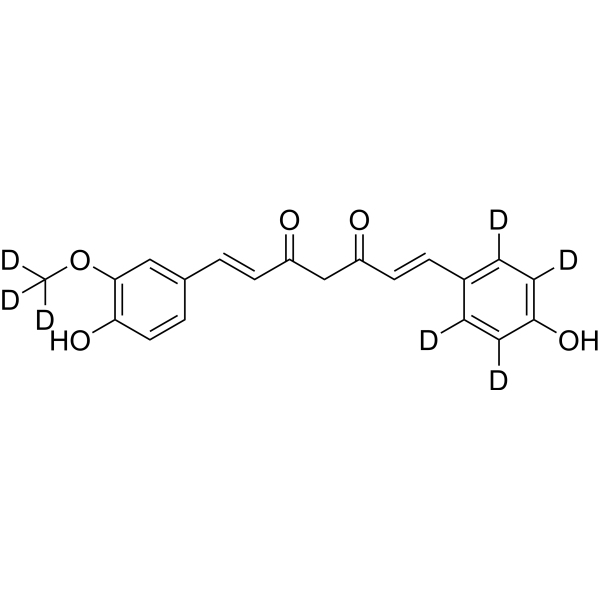
- HY-N2317
-
-

- HY-W721191
-
-

- HY-W030796AR
-
|
|
Taste Receptor
Reference Standards
|
Metabolic Disease
|
|
Bisdemethoxycucurmin (Standard) is the analytical standard of Bisdemethoxycucurmin. This product is intended for research and analytical applications. Bisdemethoxycucurmin (Curcumin III), a curcuminoid, has antioxidant and antiinflammatory activities .
|
-

- HY-100977S
-
|
DiMC-d6; CHC 004-d6; Di-O-methylcurcumin-d6
|
Isotope-Labeled Compounds
|
Inflammation/Immunology
|
|
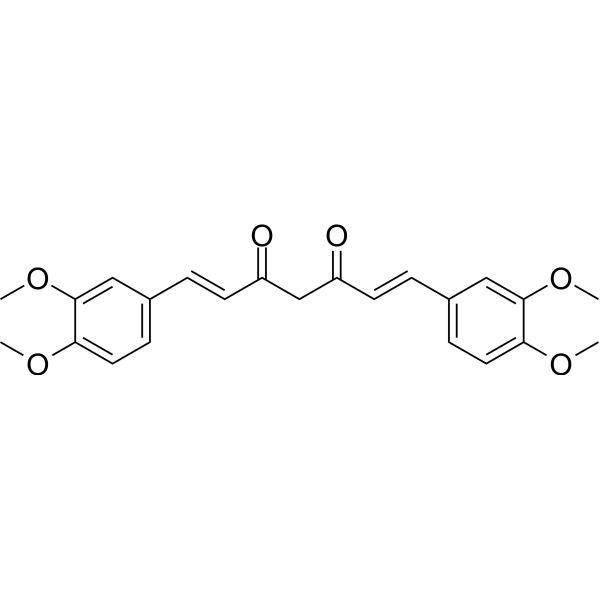
Dimethoxycurcumin-d6 is the deuterium labeled Dimethoxycurcumin (HY-100977). Dimethoxycurcumin is a derivative of Curcumin that has anti-inflammatory and antioxidant activities .
|
-
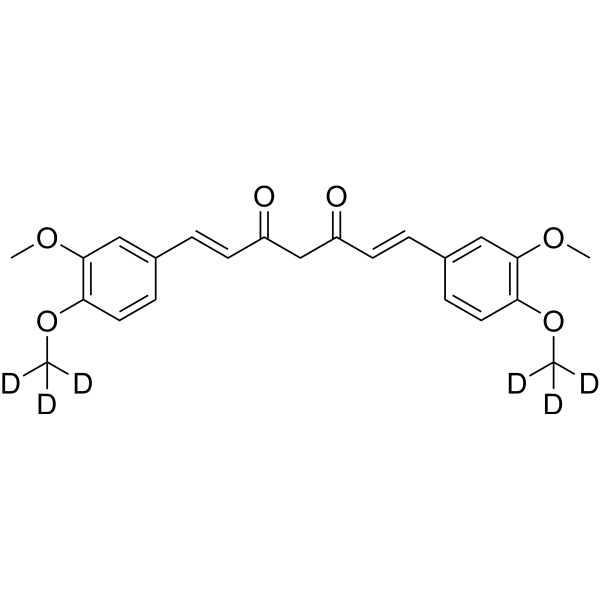
- HY-163451
-
|
|
Apoptosis
|
Cancer
|
|
Apoptosis inducer 17 is a Curcumin-Piperlongumine hybrid molecule that increases cell cycle arrest and apoptosis through activating JNK signaling pathway in lung cancer cells .
|
-
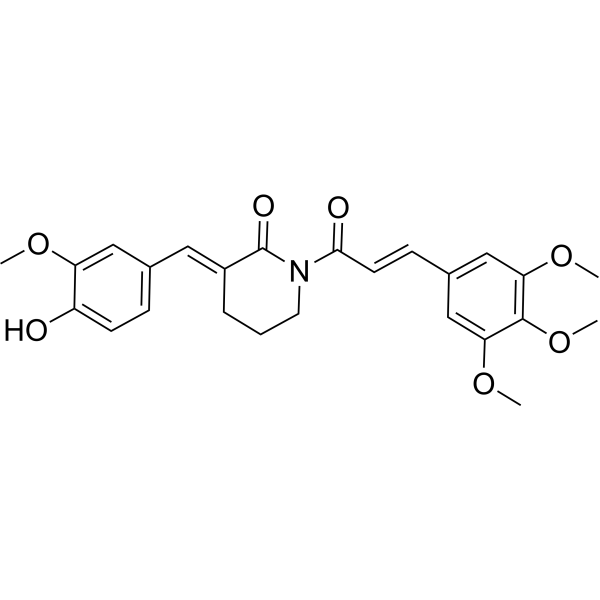
- HY-116117
-
|
|
SOD
Glutathione Peroxidase
|
Others
|
|
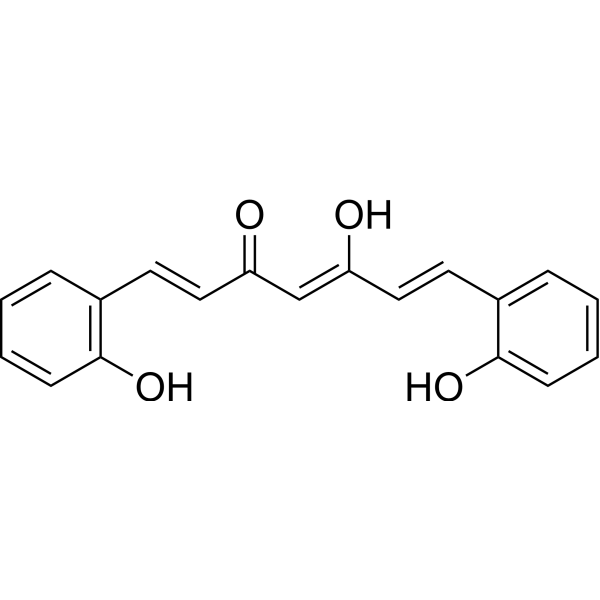
Salicylcurcumin is a synthetic curcumin analogue with antioxidant activity. Salicylcurcumin may affect lipid peroxidation in fish, favoring increased survival, disease resistance, and ultimately growth rate .
|
-
- HY-163458
-
|
|
Interleukin Related
|
Inflammation/Immunology
|
|
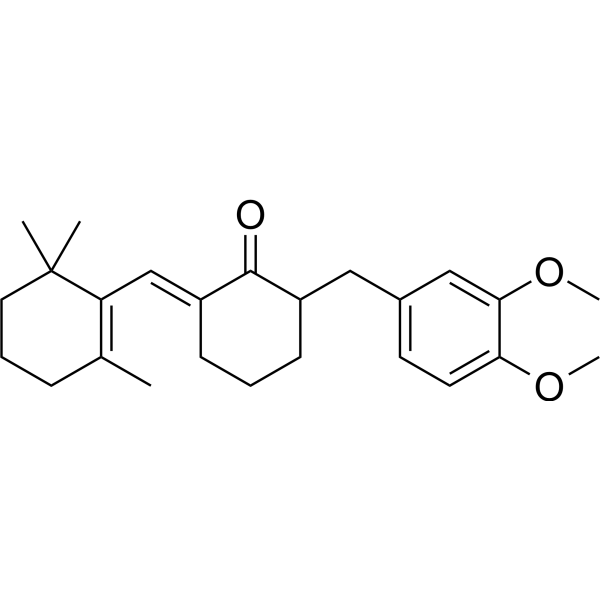
Anti-inflammatory agent 77 (C12) is a β-cycloacinamide derived mono-carbonyl curcumin analog and an inhibitor of interleukin-6 (IL-6). Anti-inflammatory agent 77 can be used in the study of wound healing .
|
-
- HY-W009731R
-
|
|
Reference Standards
Keap1-Nrf2
|
Metabolic Disease
Cancer
|
|
Dibenzoylmethane (Standard) is the analytical standard of Dibenzoylmethane. This product is intended for research and analytical applications. Dibenzoylmethane, a minor ingredient in licorice, activates Nrf2 and prevents various cancers and oxidative damage. Dibenzoylmethane, an analog of curcumin, results in dissociation from Keap1 and nuclear translocation of Nrf2 .
|
-

- HY-N7080R
-
|
Hydroferulic acid (Standard)
|
Drug Metabolite
Reference Standards
|
Metabolic Disease
|
|
Dihydroferulic acid (Standard) is the analytical standard of Dihydroferulic acid. This product is intended for research and analytical applications. Dihydroferulic acid (Hydroferulic acid) is one of the main metabolites of curcumin and antioxidant/radical-scavenging properties with an IC50 value of 19.5 μM. Dihydroferulic acid is a metabolite of human gut microflora as well as a precursor of vanillic acid[1][2].
|
-

- HY-W745860
-
|
|
Reactive Oxygen Species (ROS)
|
Cancer
|
|
Hexahydrocurcumin-d6 is the deuterium labeled Hexahydrocurcumin (HY-N0929). Hexahydrocurcumin is one of the major metabolites of curcumin and a selective, orally active COX-2 inhibitor. Hexahydrocurcumin is inactive against COX-1. Hexahydrocurcumin has antioxidant, anticancer and anti-inflammatory activities .
|
-

- HY-139804
-
-

- HY-W440901
-
|
|
Liposome
|
Others
|
|
DSPE-PEG5000-SPDP is an amphiphilic polyPEG which forms lipid bilayer in water. It can be used to encapsualte therapeutic agents. The core can encapsulate hydrophilic nutrients, such as protein/peptide and mRNA/DNA/siRNA etc. while the lipid bilayer can solubilize hydrophobic drugs, such as doxorubicin, curcumin etc. The SPDP moiety can react with thiol molecule to form a disulfide bond.
|
-

- HY-123715
-
|
|
Apoptosis
|
Cancer
|
|
Anticancer agent 255 is a monocarbonylated curcumin-1,2,3-oxazole conjugate with significant anticancer activity. The IC50 values of Anticancer agent 255 in prostate cancer cells PC-3 and DU-145 are 8.8μM and 9.5μM respectively. The IC50 values of Anticancer agent 255 against breast cancer cells MCF-7, MDA-MB-231 and 4T1 are 6μM, 10μM and 6.4μM, showing good anti-cancer activity Effect. Anticancer agent 255 can induce mitochondria-mediated apoptosis in cancer cells and prevent cell cycle progression. Anticancer agent 255 down-regulated the cell proliferation marker PCNA and inhibited the activation of cell survival proteins. Anticancer agent 255 up-regulated the pro-apoptotic protein Bax and down-regulated the anti-apoptotic protein Bcl-2 .
|
-

- HY-134635R
-
|
|
Bacterial
Fungal
HIV
|
Infection
Neurological Disease
Cancer
|
|
Dehydrozingerone (Standard) is the analytical standard of Dehydrozingerone. This product is intended for research and analytical applications. Dehydrozingerone (Compound 10), a structural half analogue of Curcumin (HY-N0005), is a phenolic compound with antibacterial, anticancer, antioxidant, anti-Alzheimer’s and antifungal activity, which is isolated from ginger (Zingiber officinale) rhizomes. Dehydrozingerone shows moderate inhibitory activities on the secretion of HBsAg in HepG 2 cells with an IC50 value of 0.50 mM .
|
-

- HY-148552
-
|
|
p38 MAPK
ERK
NF-κB
Interleukin Related
TNF Receptor
|
Inflammation/Immunology
|
|
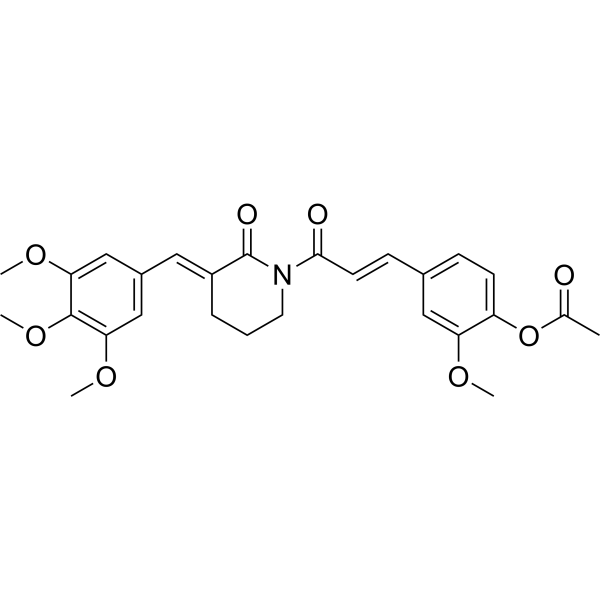
Anti-inflammatory agent 35 (compound 5a27) is an orally active curcumin analogue with anti-inflammatory activity. Anti-inflammatory agent 35 blocks mitogen-activated protein kinase (MAPK) signaling and p65 nuclear translocation of NF-kB. Anti-inflammatory agent 35 also inhibits yellow neutrophil infiltration and pro-inflammatory cytokine production. Anti-inflammatory agent 35 significantly attenuates lipopolysaccharide (LPS)-induced acute lung injury (ALI) in vivo .
|
-
- HY-N0894A
-
|
(3R,5R)-Hexahydrobisdemethoxycurcumin
|
Drug Metabolite
|
Neurological Disease
Inflammation/Immunology
|
|
(3R,5R)-Octahydrocurcumin (Compound 7) is gut microbial metabolite of Curcumin (HY-N0005). (3R,5R)-Octahydrocurcumin exhibits neuroprotective efficacy against Aβ25-35-induced cell damage in SH-SY5Y, and anti-inflammatory activity against LPS-stimulated mouse microglial BV-2 .
|
-

- HY-N9399S
-
-

- HY-N18668
-
|
|
Bacterial
|
Inflammation/Immunology
|
|
Curcuma longa extract is derived from the rhizome of the turmeric plant (Curcuma longa), and its active ingredient is curcumin. Curcuma longa extract can be used in research on diseases such as arthritis, joint pain, and muscle soreness.
|
-

- HY-N17436
-
|
|
Bacterial
|
Inflammation/Immunology
Cancer
|
|
Demethoxyhexahydrocurcumin is a Curcumin (HY-N0005) biotransformation metabolite and diarylheptanoid with antioxidant and antimicrobial activities. Demethoxyhexahydrocurcumin scavenges free radicals, inhibits cancer cell viability, and suppresses microbial growth. Demethoxyhexahydrocurcumin can be used for the research of colorectal cancer .
|
-

- HY-W010056R
-
|
|
Others
Reference Standards
|
Neurological Disease
Inflammation/Immunology
|
|
Diethyl fumarate (Standard) is the analytical standard of Diethyl fumarate (HY-W010056). This product is intended for research and analytical applications. Diethyl fumarate is a decomposition product of Malathion 9 (a pesticide) and reactant in the Diels-Alder reaction. Diethyl fumarate is a reputed skin irritant. Diethyl fumarate can causes non-immunologic contact urticaria on skin. Diethyl fumarate and Curcumin (HY-N0005) hybridize to exert neuroprotective effects .
|
-

- HY-D2962
-
|
|
Fluorescent Dye
|
Neurological Disease
|
CAQ is a near-infrared fluorescent probe based on a curcumin scaffold (Ex/Em = 565/635). CAQ exhibits high affinity for Aβ1-42 aggregates (Kd = 78.89 nM) and excellent selectivity toward common biomolecules. CAQ’s emission wavelength shows significant solvent dependence. CAQ, by incorporating intramolecular rotation donors and quinoline functional groups, can be used for the specific detection and imaging of Aβ aggregates in Alzheimer's disease .
|
-

| Cat. No. |
Product Name |
Type |
-
- HY-D2962
-
|
|
Fluorescent Dyes
|
CAQ is a near-infrared fluorescent probe based on a curcumin scaffold (Ex/Em = 565/635). CAQ exhibits high affinity for Aβ1-42 aggregates (Kd = 78.89 nM) and excellent selectivity toward common biomolecules. CAQ’s emission wavelength shows significant solvent dependence. CAQ, by incorporating intramolecular rotation donors and quinoline functional groups, can be used for the specific detection and imaging of Aβ aggregates in Alzheimer's disease .
|
| Cat. No. |
Product Name |
Type |
-
- HY-W002879
-
|
|
Biochemical Assay Reagents
|
|
4-Hydroxyphenylboronic acid pinacol ester is a ROS-responsive component. 4-Hydroxyphenylboronic acid pinacol ester can structurally modify hyaluronic acid to prepare ROS-responsive intelligent nanocarriers and compound delivery systems. 4-Hydroxyphenylboronic acid pinacol ester endows hyaluronic acid-based nanocarriers with ROS responsiveness, enabling them to rapidly release the encapsulated Curcumin (HY-N0005) in the presence of reactive oxygen species. 4-Hydroxyphenylboronic acid pinacol ester is applicable to research related to periodontitis. 4-Hydroxyphenylboronic acid pinacol ester can also be used for the synthesis of boronic acid-modified resins .
|
-
- HY-W440901
-
|
|
Biochemical Assay Reagents
|
|
DSPE-PEG5000-SPDP is an amphiphilic polyPEG which forms lipid bilayer in water. It can be used to encapsualte therapeutic agents. The core can encapsulate hydrophilic nutrients, such as protein/peptide and mRNA/DNA/siRNA etc. while the lipid bilayer can solubilize hydrophobic drugs, such as doxorubicin, curcumin etc. The SPDP moiety can react with thiol molecule to form a disulfide bond.
|
| Cat. No. |
Product Name |
Category |
Target |
Chemical Structure |
| Cat. No. |
Product Name |
Chemical Structure |
-
- HY-N0005S
-
|
|
|
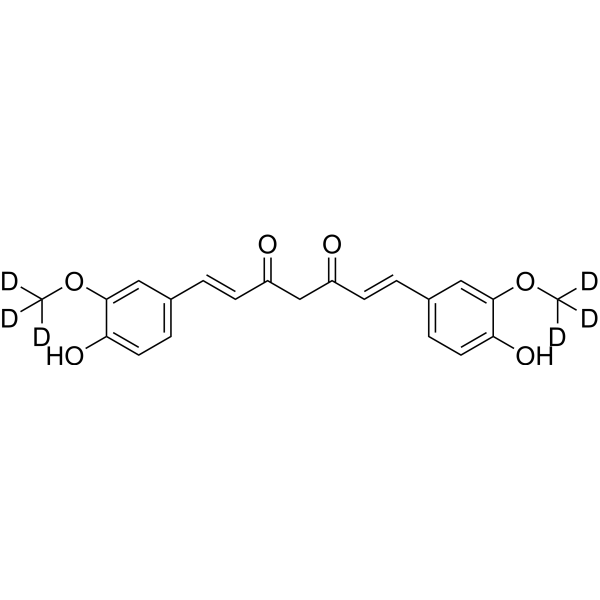
Curcumin-d6 (Diferuloylmethane-d6 ) is deuterium labeled Curcumin (HY-N0005). Curcumin (Diferuloylmethane), a natural phenolic compound, is a p300/CREB-binding protein-specific inhibitor of acetyltransferase, represses the acetylation of histone/nonhistone proteins and histone acetyltransferase-dependent chromatin transcription. Curcumin is a photosensitizer against microorganisms. Curcumin shows inhibitory effects on NF-κB and MAPKs, and has diverse pharmacologic effects including anti-inflammatory, antioxidant, antiproliferative and antiangiogenic activities. Curcumin induces stabilization of Nrf2 protein through Keap1 cysteine modification.
|
-
-
- HY-N0006S1
-
|
|
|
Demethoxycurcumin-d4 is the deuterium labeled Demethoxycurcumin. Demethoxycurcumin (Curcumin II) is a major active curcuminoid; possess anti-inflammatory properties .
|
-
-
- HY-137315S
-
|
|
|
TML-6-d3 is the deuterium labeled TML-6. TML-6, an orally active curcumin derivative, inhibits the synthesis of the β-amyloid precursor protein and β-amyloid (Aβ). TML-6 can upregulate Apo E, suppress NF-κB and mTOR, and increase the activity of the anti-
|
-
-
- HY-N0005S1
-
|
|
|
Curcumin-d3 (Diferuloylmethane-d3 ) is deuterium labeled Curcumin (HY-N0005). Curcumin (Diferuloylmethane), a natural phenolic compound, is a p300/CREB-binding protein-specific inhibitor of acetyltransferase, represses the acetylation of histone/nonhistone proteins and histone acetyltransferase-dependent chromatin transcription. Curcumin is a photosensitizer against microorganisms. Curcumin shows inhibitory effects on NF-κB and MAPKs, and has diverse pharmacologic effects including anti-inflammatory, antioxidant, antiproliferative and antiangiogenic activities. Curcumin induces stabilization of Nrf2 protein through Keap1 cysteine modification.
|
-
-
- HY-N0007S
-
|
|
|
Bisdemethoxycurcumin-d8 (Curcumin III-d8) is the deuterium labeled Bisdemethoxycurcumin (HY-N0007A). Bisdemethoxycucurmin (Curcumin III) is a curcuminoid compound and an inhibitor of P-glycoprotein and ferroptosis. Bisdemethoxycucurmin exhibits multiple activities such as anti-oxidation, anti-inflammation and anti-tumor.
Bisdemethoxycucurmin can be used for the research of tumors and inflammatory diseases .
|
-
-
- HY-150673S
-
|
|
|
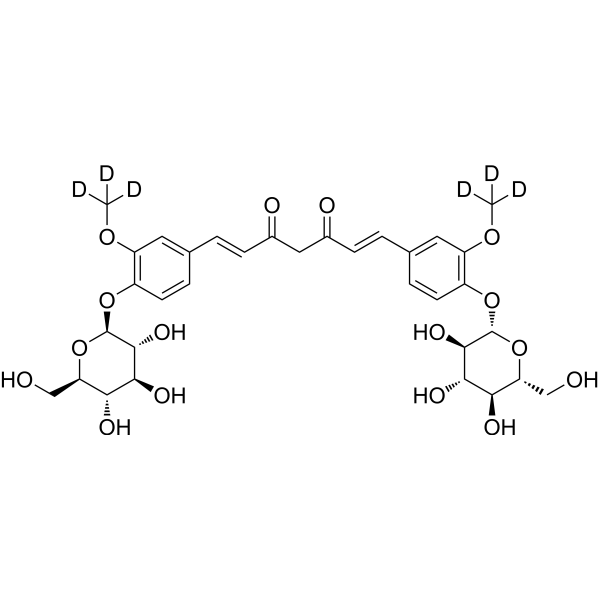
Curcumin diglucoside-d6 is the deuterium labeled Curcumin diglucoside .
|
-
-
- HY-150674S
-
|
|
|
Curcumin-diglucoside tetraacetate-d6 is the deuterium labeled Curcumin-diglucoside tetraacetate .
|
-
-
- HY-W749302
-
|
|
|
O-tert-Butyl-dimethylsilyl curcumin-d6 is the deuterium labeled O-tert-Butyl-dimethylsilyl curcumin.
|
-
-
- HY-143676S
-
|
|
|
(1E,4Z,6E)-Curcumin-d6 is the deuterium labeled (1E,4Z,6E)-Curcumin .
|
-
-
- HY-W717038
-
|
|
|
Di-(tert-butyl-dimethylsilyl) curcumin-d6 is the deuterium labeled (1E,4Z,6E)-1,7-Bis(4-((tert-butyldimethylsilyl)oxy)-3-methoxyphenyl)-5-hydroxyhepta-1,4,6-trien-3-one (HY-W703940).
|
-
-
- HY-N0006S
-
|
|
|
Demethoxycurcumin-d7 is the deuterium labeled Demethoxycurcumin. Demethoxycurcumin(Curcumin II), a major active curcuminoid, possess anti-inflammatory properties; also exert cytotoxic effects in human cancer cells via induction of apoptosis.
|
-
-
- HY-W721191
-
|
|
|
O-2-Amino-2-methylpropyl bilastine-d6 is the deuterium labeled O-tert-Butyl-dimethylsilyl curcumin.
|
-
-
- HY-100977S
-
|
|
|
Dimethoxycurcumin-d6 is the deuterium labeled Dimethoxycurcumin (HY-100977). Dimethoxycurcumin is a derivative of Curcumin that has anti-inflammatory and antioxidant activities .
|
-
-
- HY-W745860
-
|
|
|
Hexahydrocurcumin-d6 is the deuterium labeled Hexahydrocurcumin (HY-N0929). Hexahydrocurcumin is one of the major metabolites of curcumin and a selective, orally active COX-2 inhibitor. Hexahydrocurcumin is inactive against COX-1. Hexahydrocurcumin has antioxidant, anticancer and anti-inflammatory activities .
|
-
-
- HY-N9399S
-
|
|
|
Curcumin sulfate-d6 (Curcumin-O-Sulfate-d6) is the deuterium labeled Curcumin sulfate.
|
-
| Cat. No. |
Product Name |
|
Classification |
-
- HY-154644
-
|
|
|
Emulsifiers
Solubilizing Agents
|
|
Soya Lecithin is a phospholipid mixture that can be used as a drug delivery vehicle and is a pharmaceutical excipient. Soya Lecithin can form a lipid bilayer structure through self-assembly, and its binding properties are amphiphilic (hydrophilic head and hydrophobic tail), encapsulating hydrophobic drugs. Soya Lecithin forms stable nanoliposomes or microemulsions, improves the solubility and cellular uptake efficiency of poorly soluble drugs (such as Curcumin (HY-N0005)), and exerts activities such as enhancing drug delivery and regulating cell proliferation .
|
-
- HY-177840
-
|
|
|
Liposome
|
|
Liposomal Curcumin is a specialized delivery system that encapsulates curcumin within tiny liposomes. These liposomes act as protective shells, enhancing the absorption and bioavailability of curcumin. Curcumin is a polyphenol compound extracted from the
|
Your information is safe with us. * Required Fields.
Inquiry Information
- Product Name:
- Cat. No.:
- Quantity:
- MCE Japan Authorized Agent:








