



Tetrahydrocurcumin
Based on 2 publication(s) in Google Scholar
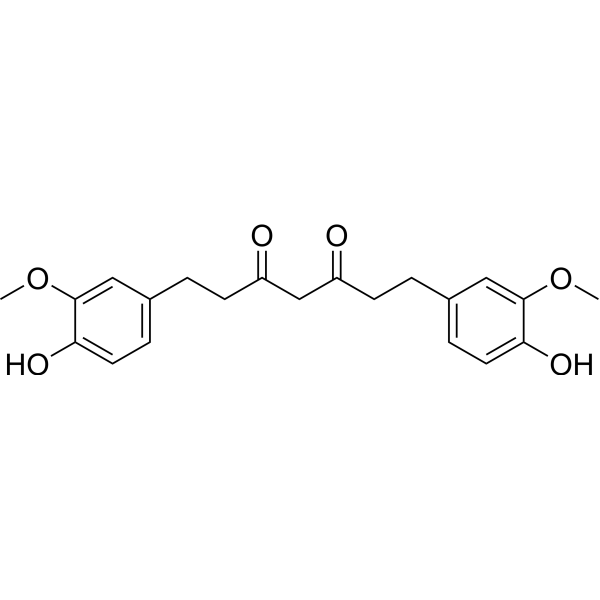
Tetrahydrocurcumin is a Curcuminoid found in turmeric (Curcuma longa) that is produced by the reduction of Curcumin. Tetrahydrocurcumin inhibit CYP2C9 and CYP3A4.
Nur für Forschungszwecke. Wir verkaufen nicht an Patienten.
- Reinheit : 98.96%
- CAS. Nr.: 36062-04-1
- Formel: C21H24O6
- Molecular Weight:372.41
-
Speicherung:Powder -20°C, 3 years , 4°C, 2 years ; In solvent -80°C, 2 years , -20°C, 1 year

To place orders, for customer services and technical support, please contact: MedChemExpress USA
Tel: 609-228-6898 E-mail: [email protected] [email protected]


-
 Biologische Aktivität
-
Chemical Information
-
Lösungsmittel & Löslichkeit
- Reinheit & Dokumentation
- Verweise
-
 Help & FAQs


-
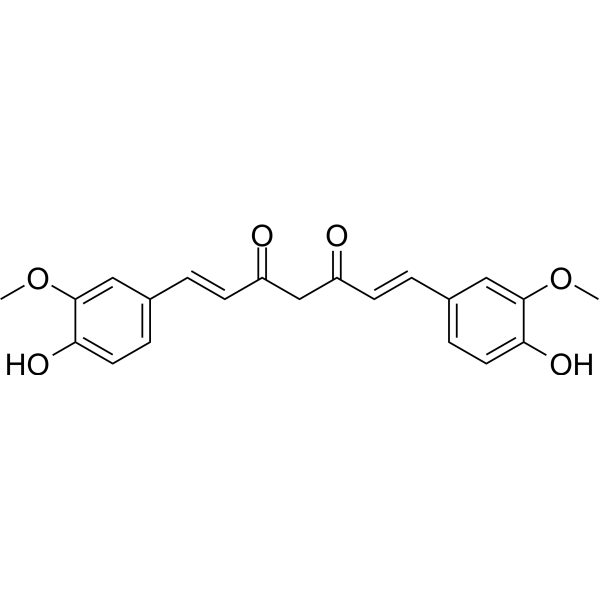
HY-N0005
Curcuminp300 Histone Acetylatransferase Inhibitor -
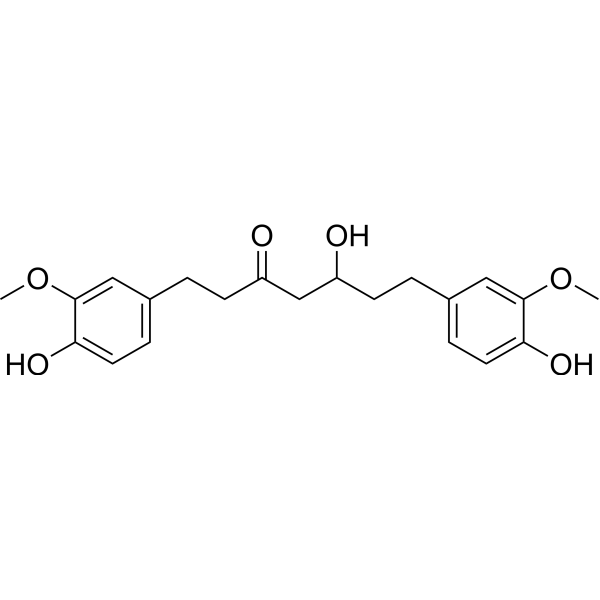
HY-N0929
HexahydrocurcuminCOX-2 Inhibitor -

HY-N0893R
Tetrahydrocurcumin (Standard)Cytochrome P450 Inhibitor -
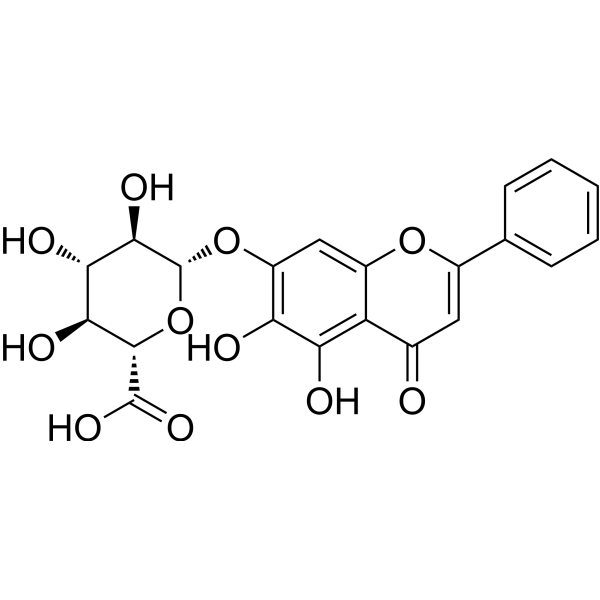
HY-N0197
BaicalinAutophagy Inducer -
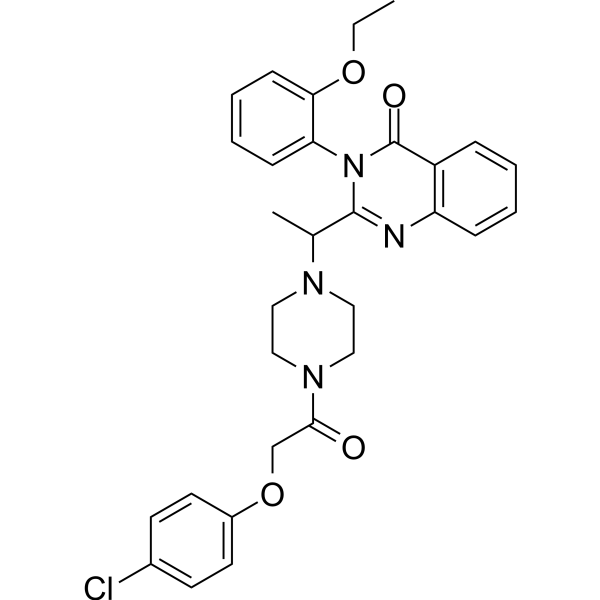
HY-15763
ErastinFerroptosis Inducer -
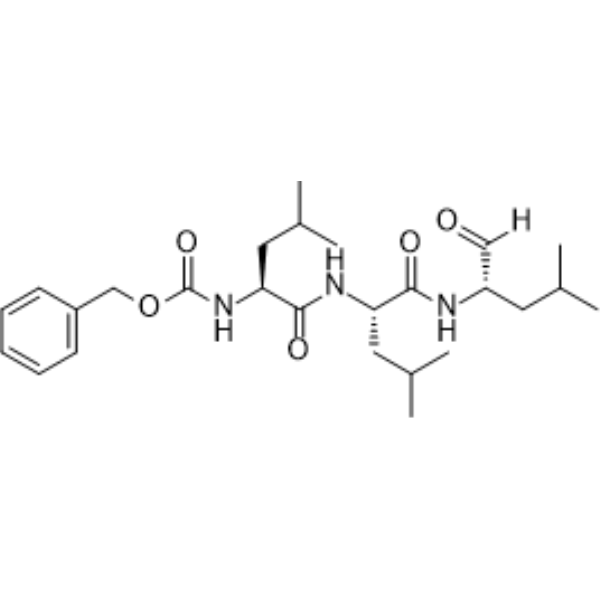
HY-13259
MG-132Proteasome Inhibitor -
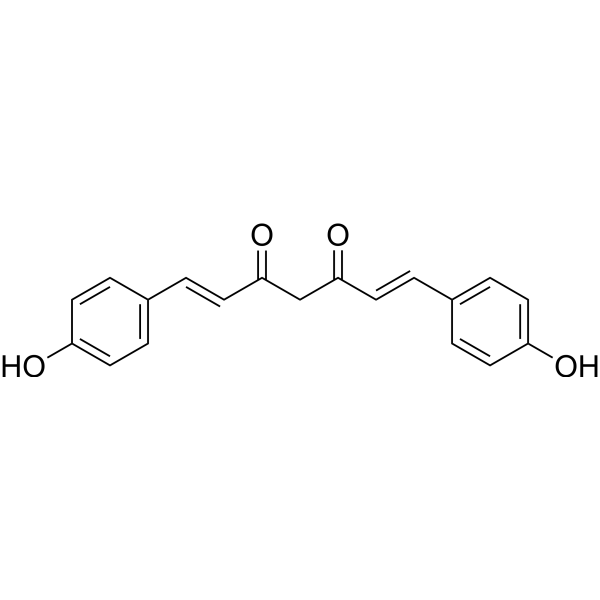
HY-N0007
(E,E)-BisdemethoxycurcuminAutophagy Inducer -
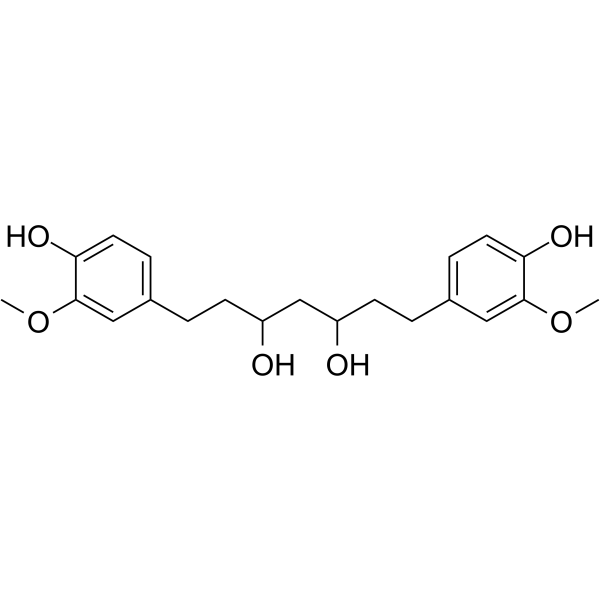
HY-N0894
OctahydrocurcuminAnticancer Agent/Anti-inflammatory Agent -
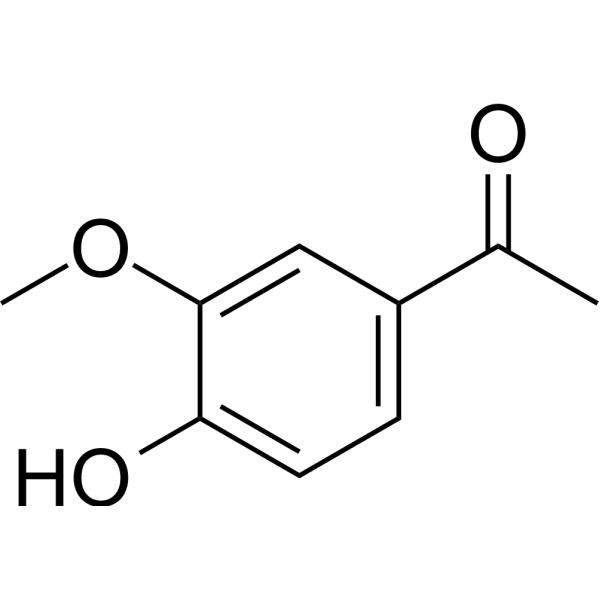
HY-N0088
ApocyninNADPH-Oxidase Inhibitor -
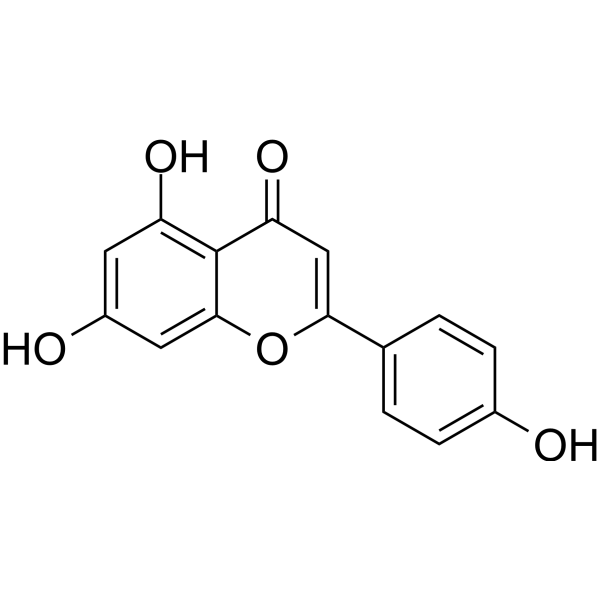
HY-N1201
ApigeninCytochrome P450 Inhibitor -
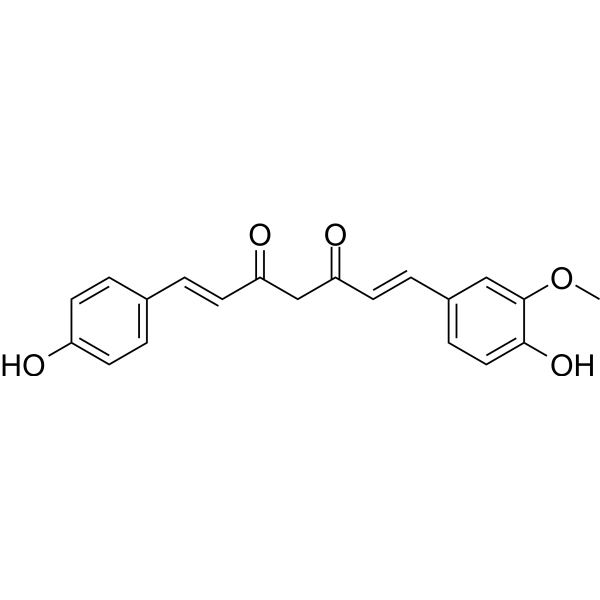
HY-N0006
DemethoxycurcuminBacterial Inhibitor -
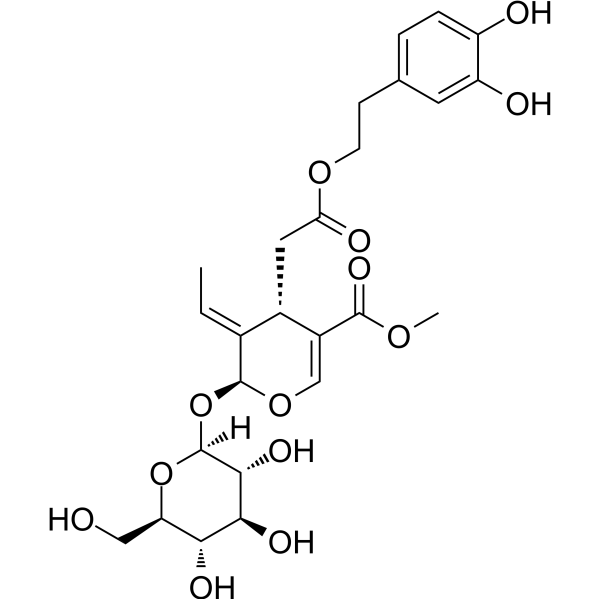
HY-N0292
OleuropeinApoptosis Inducer
Publications Citing Use of MedChemExpress (MCE) Tetrahydrocurcumin
More Customer Validation & Images

-
In Vivo Imaging
-
In Vivo Efficacy Study
-
Apoptosis Analysis
-
WB
-
IF
Alle Endogenous Metabolite Isoform-spezifische Produkte anzeigen
More

Biologische Aktivität
Beschreibung
IC50 & Target
[1]|
CYP2C9 |
CYP3A4 |
Autophagy |
Cellular Effect
|
Cell Line

|
Type | Value | Description | References |
|---|---|---|---|---|
| HaCaT | IC50 |
>50 μM
Compound: 4
|
Inhibition of STAT3 transcriptional activity in human HaCaT cells after 6 hrs by luciferase reporter gene assay
Inhibition of STAT3 transcriptional activity in human HaCaT cells after 6 hrs by luciferase reporter gene assay
|
[PMID: 24920381] |
| HEK293 | EC50 |
120 μM
Compound: 31
|
Cytotoxicity against HEK293 cells after 16 hrs by alamar blue assay
Cytotoxicity against HEK293 cells after 16 hrs by alamar blue assay
|
[PMID: 20004045] |
| LNCaP | IC50 |
>50 μM
Compound: 4
|
Cytotoxicity against human LNCAP cells assessed as cell viability after 24 hrs by MTT assay
Cytotoxicity against human LNCAP cells assessed as cell viability after 24 hrs by MTT assay
|
[PMID: 24920381] |
| PBMC | IC50 |
>50 μM
Compound: 4
|
Cytotoxicity against human PBMCs assessed as cell viability after 24 hrs by MTT assay
Cytotoxicity against human PBMCs assessed as cell viability after 24 hrs by MTT assay
|
[PMID: 24920381] |
In Vitro
Tetrahydrocurcumin (THC) has a number of attractive properties not shared with Curcumin that may make it superior. Tetrahydrocurcumin inhibited lipoxygenase as low as 1 μM. Tetrahydrocurcumin is tested for its ability to inhibit CYP2C9, CYP3A4, CYP1A2 and CYP2D6. Tetrahydrocurcumin yields dose-dependent inhibition of CYP2C9, and to a lesser extent, CYP3A4. Tetrahydrocurcumin exhibits maximum inhibition of CYP2C9 and CYP3A4 at 50 to 100 μM. Tetrahydrocurcumin does not show a consistent dose-response inhibition of CYP1A2 or CYP2D6 over the range of concentrations tested. In some cases, the percent inhibition exceeds 100%. The effect of Tetrahydrocurcumin on cancer cell viability is measured. Sup-T1 cells, T-cell lymphoblastic lymphoma cells, are treated with Tetrahydrocurcumin to determine its ability to induce growth inhibition using an MTS assay, and the corresponding IC50 values are in the mid-to-high micromolar range[1].
MedChemExpress (MCE) has not independently confirmed the accuracy of these methods. They are for reference only. .
In Vivo
MedChemExpress (MCE) has not independently confirmed the accuracy of these methods. They are for reference only.


Chemical Information
-
CAS. Nr. 36062-04-1
-
Appearance Solid
-
Molecular Weight 372.41
-
Formel C21H24O6
-
Color White to off-white
-
SMILES
O=C(CC(CCC1=CC=C(O)C(OC)=C1)=O)CCC2=CC=C(O)C(OC)=C2
-
Synonyms
HZIV 81-2
-
Structure Classification
-
Initial Source
-
Versand
Room temperature in continental US; may vary elsewhere.
-
Speicherung
Powder -20°C 3 years 4°C 2 years In solvent -80°C 2 years -20°C 1 year


Publications (2)
-
Journal Impact Factor
-
Most Recent
-
J Adv Res
Tetrahydrocurcumin targets TRIP13 inhibiting the interaction of TRIP13/USP7/c-FLIP to mediate c-FLIP ubiquitination in triple-negative breast cancer. [Abstract]2024 Nov 5:S2090-1232(24)00496-X. PMID: 39505147
Tetrahydrocurcumin purchased from MedChemExpress. Usage Cited in: J Adv Res. 2024 Nov 5:S2090-1232(24)00496-X. [Abstract]
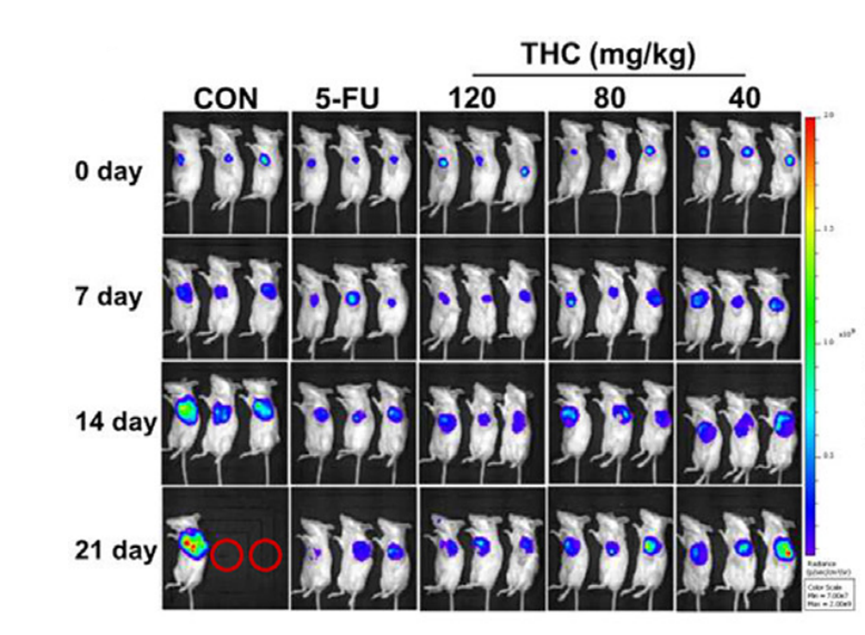
Time course of in vivo bioluminescence imaging of the 4 T1 cell orthotopic breast cancer treated with Tween·H2O, 5-FU and Tetrahydrocurcumin (THC) (40, 80, 120 mg/kg) from Day 0 (Day of effector cells infusion) to Day 21, and quantitative analysis of fluorescence intensities.
Tetrahydrocurcumin purchased from MedChemExpress. Usage Cited in: J Adv Res. 2024 Nov 5:S2090-1232(24)00496-X. [Abstract]
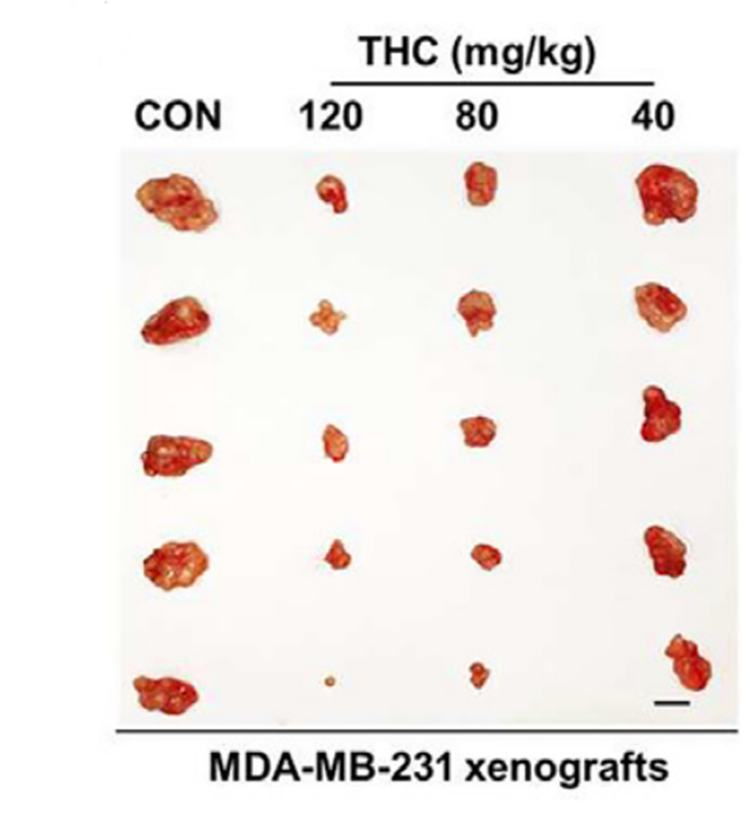
The representative images of isolated tumors derived from MDA-MB-231 xenografts in nude mice at 21 days after treated with Tween·H2O and Tetrahydrocurcumin (THC) (40, 80, 120 mg/kg).
Tetrahydrocurcumin purchased from MedChemExpress. Usage Cited in: J Adv Res. 2024 Nov 5:S2090-1232(24)00496-X. [Abstract]
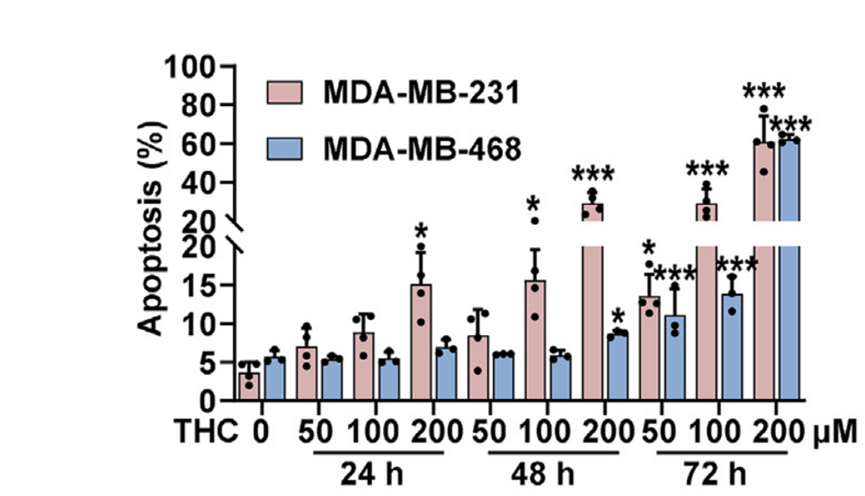
The apoptosis ratios of MDA-MB-231, and MDA-MB-468 cells treated with different concentrations of Tetrahydrocurcumin (THC) (0, 50, 100 and 200 μM) for 24,48,72 h.
Tetrahydrocurcumin purchased from MedChemExpress. Usage Cited in: J Adv Res. 2024 Nov 5:S2090-1232(24)00496-X. [Abstract]
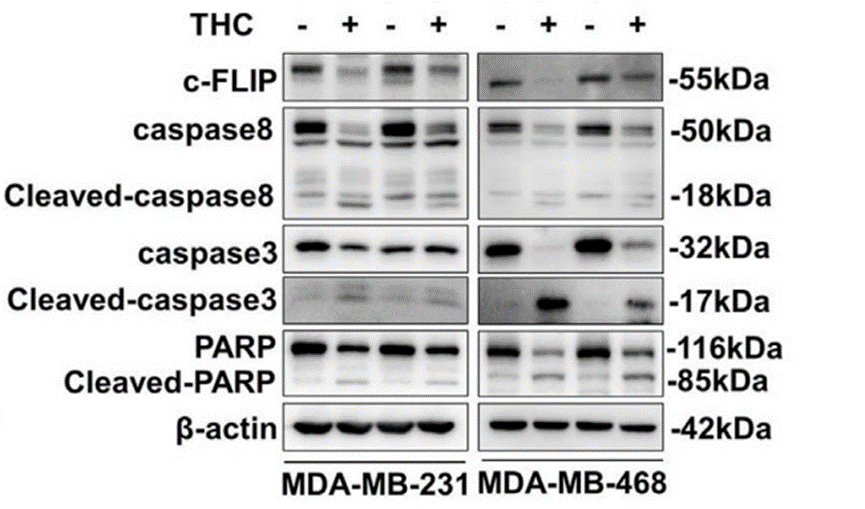
The expressions of TRIP13 were determined after different concentrations of Tetrahydrocurcumin (THC) (0, 12.5, 25, 50, 100 and 200 μM) for 72 h in MDA-MB-231and MDA-MB-468 cells by western blot assay.
Tetrahydrocurcumin purchased from MedChemExpress. Usage Cited in: J Adv Res. 2024 Nov 5:S2090-1232(24)00496-X. [Abstract]
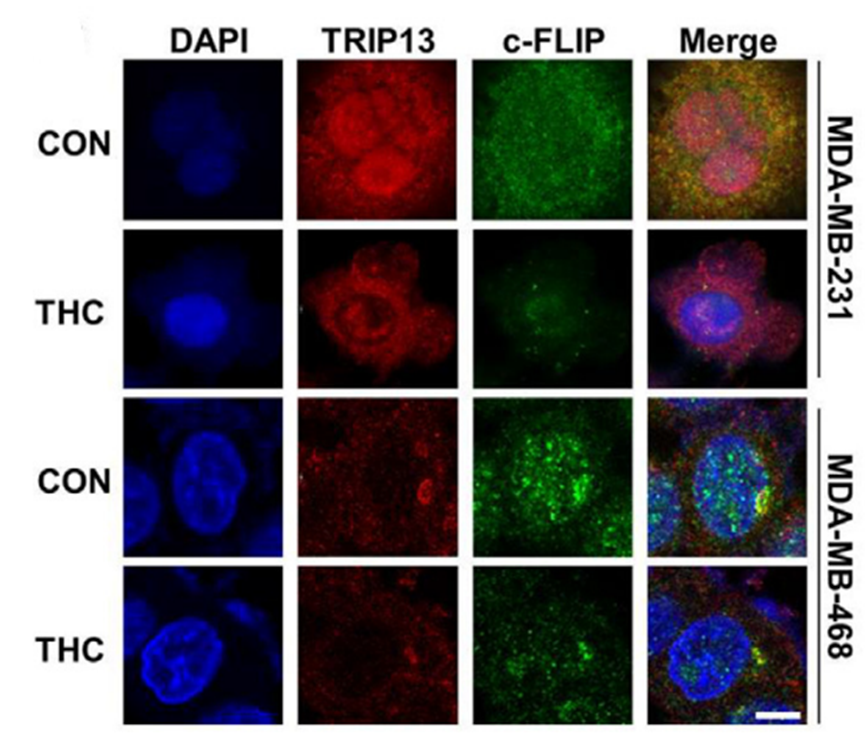
The colocalization of TRIP13 (red)/c-FLIP (green), USP7 (red)/TRIP13 (green), USP7 (red)/c-FLIP (green) and DAPI to stain nuclei (blue) after treatment with Tetrahydrocurcumin (THC) in MDA-MB-231 and MDA-MB-468 cells.
-


Lösungsmittel & Löslichkeit
In Vitro:
DMSO : 100 mg/mL (268.52 mM; Need ultrasonic; Hygroscopic DMSO has a significant impact on the solubility of product, please use newly opened DMSO)
Please refer to the solubility information to select the appropriate solvent. Once prepared, please aliquot and store the solution to prevent product inactivation from repeated freeze-thaw cycles.
Storage method and period of stock solution: -80°C, 2 years; -20°C, 1 year. When stored at -80°C, please use it within 2 years. When stored at -20°C, please use it within 1 year.
Please refer to the solubility information to select the appropriate solvent. Once prepared, please aliquot and store the solution to prevent product inactivation from repeated freeze-thaw cycles.
Storage method and period of stock solution: -80°C, 2 years; -20°C, 1 year. When stored at -80°C, please use it within 2 years. When stored at -20°C, please use it within 1 year.
Konzentration (Stammlösung) × Volumen (Stammlösung) = Konzentration (Ziellösung) × Volumen (Ziellösung)
In Vivo:
Select the appropriate dissolution method based on your experimental animal and administration route.
- For the following dissolution methods, please ensure to first prepare a clear stock solution using an In Vitro approach and then sequentially add co-solvents:
- To ensure reliable experimental results, the clarified stock solution can be appropriately stored based on storage conditions. As for the working solution for In Vivo experiments, it is recommended to prepare freshly and use it on the same day.
- The percentages shown for the solvents indicate their volumetric ratio in the final prepared solution. If precipitation or phase separation occurs during preparation, heat and/or sonication can be used to aid dissolution.
Add each solvent one by one: 10% DMSO 40% PEG300 5% Tween-80 45% Saline
Solubility: ≥ 2.5 mg/mL (6.71 mM); Clear solution
This protocol yields a clear solution of ≥ 2.5 mg/mL (saturation unknown).
Taking 1 mL working solution as an example, add 100 μL DMSO stock solution (25.0 mg/mL) to 400 μL PEG300, and mix evenly; then add 50 μL Tween-80 and mix evenly; then add 450 μL Saline to adjust the volume to 1 mL.
Preparation of Saline: Dissolve 0.9 g sodium chloride in ddH₂O and dilute to 100 mL to obtain a clear Saline solution.
In Vivo Dissolution Calculator
Please enter the basic information of animal experiments:
-
-
-
-
Recommended: Prepare an additional quantity of animals to account for potential losses during experiments.
Please enter your animal formula composition:
-
%DMSO +
Recommended: Keep the proportion of DMSO in working solution below 2% if your animal is weak.
-
%+
-
+%Tween-80 + +
-
%Saline +
The co-solvents required include: DMSO, . All of co-solvents are available by MedChemExpress (MCE). , Tween 80. All of co-solvents are available by MedChemExpress (MCE).
Working solution concentration: 0.22 mg/mL
Method for preparing stock solution: mg drug dissolved in μL DMSO. Stock solution concentration: mg/mL.
1. Take μL DMSO stock solution;
2. Add μL .
μL , mix evenly;
3. Then add μL Tween 80, mix evenly;
4. Then add μL
Please ensure that the stock solution in the first step is dissolved to a clear state, and add co-solvents in sequence. You can use ultrasonic heating (ultrasonic cleaner, recommended frequency 20-40 kHz), vortexing, etc. to assist dissolution.


Reinheit & Dokumentation
-
Data Sheet (275 KB)
-
SDS (393 KB)
- English - EN (393 KB)
- Français - FR (393 KB)
- Deutsch - DE (393 KB)
- Norwegian - NO (393 KB)
- Español - ES (393 KB)
- Swedish - SV (393 KB)
- Italian - IT (393 KB)
- Korean - KR (393 KB)
- Portuguese - PT (393 KB)
-
Handling Instructions (2659 KB)
Verweise


Complete Stock Solution Preparation Table
Please refer to the solubility information to select the appropriate solvent. Once prepared, please aliquot and store the solution to prevent product inactivation from repeated freeze-thaw cycles.
Storage method and period of stock solution: -80°C, 2 years; -20°C, 1 year. When stored at -80°C, please use it within 2 years. When stored at -20°C, please use it within 1 year.
| Optional Solvent | Concentration Solvent Mass | 1 mg | 5 mg | 10 mg | 25 mg |
|---|---|---|---|---|---|
| DMSO | 1 mM | 2.6852 mL | 13.4261 mL | 26.8521 mL | 67.1303 mL |
| 5 mM | 0.5370 mL | 2.6852 mL | 5.3704 mL | 13.4261 mL | |
| 10 mM | 0.2685 mL | 1.3426 mL | 2.6852 mL | 6.7130 mL | |
| 15 mM | 0.1790 mL | 0.8951 mL | 1.7901 mL | 4.4754 mL | |
| 20 mM | 0.1343 mL | 0.6713 mL | 1.3426 mL | 3.3565 mL | |
| 25 mM | 0.1074 mL | 0.5370 mL | 1.0741 mL | 2.6852 mL | |
| 30 mM | 0.0895 mL | 0.4475 mL | 0.8951 mL | 2.2377 mL | |
| 40 mM | 0.0671 mL | 0.3357 mL | 0.6713 mL | 1.6783 mL | |
| 50 mM | 0.0537 mL | 0.2685 mL | 0.5370 mL | 1.3426 mL | |
| 60 mM | 0.0448 mL | 0.2238 mL | 0.4475 mL | 1.1188 mL | |
| 80 mM | 0.0336 mL | 0.1678 mL | 0.3357 mL | 0.8391 mL | |
| 100 mM | 0.0269 mL | 0.1343 mL | 0.2685 mL | 0.6713 mL |


Tetrahydrocurcumin Related Classifications
HY-N0893 Related Classifications
 Powered by Bioz