1. Search Result
Search Result
Results for "

CYP2C9 inhibitor

" in MedChemExpress (MCE) Product Catalog:

96

阻害剤およびアゴニスト

1

蛍光色素

1

生化学アッセイ試薬

14

天然物

19

同位体標識化合物

1

クリックケミストリー

製品番号 製品名 Target 研究分野 構造式
  • HY-N1201
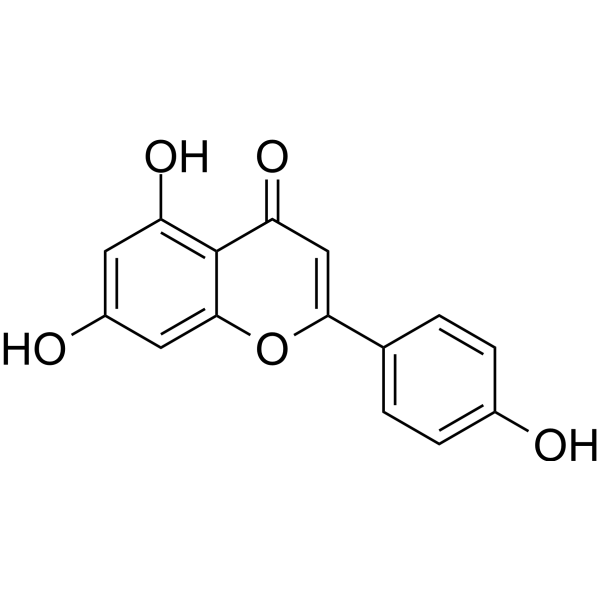
    Apigenin
    Maximum Cited Publications
    45 Publications Verification

    4',5,7-Trihydroxyflavone; Apigenol; C.I. Natural Yellow 1

    Autophagy Cytochrome P450 Endogenous Metabolite Inflammation/Immunology Cancer
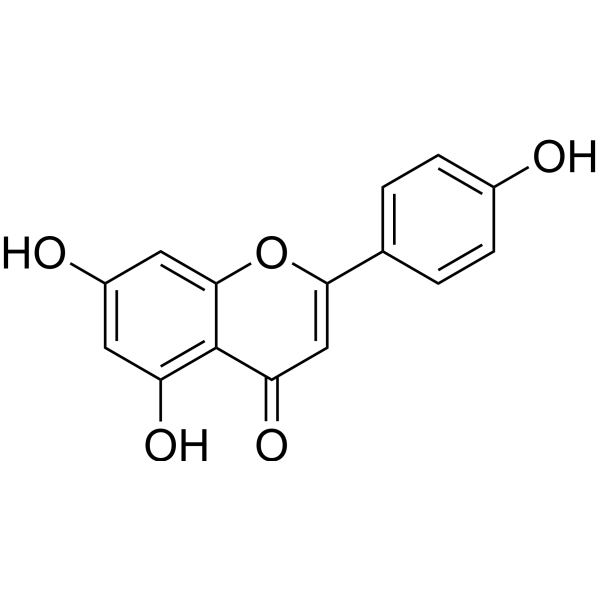
    Apigenin (4',5,7-Trihydroxyflavone) is a competitive CYP2C9 inhibitor with a Ki of 2 μM.
    Apigenin
  • HY-17356
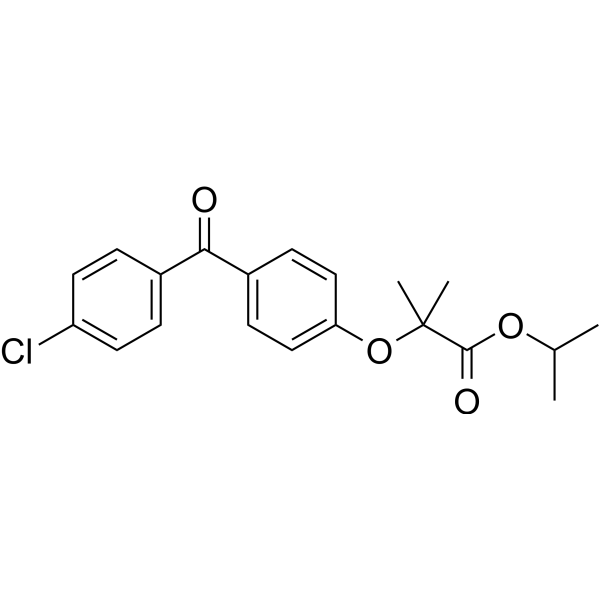
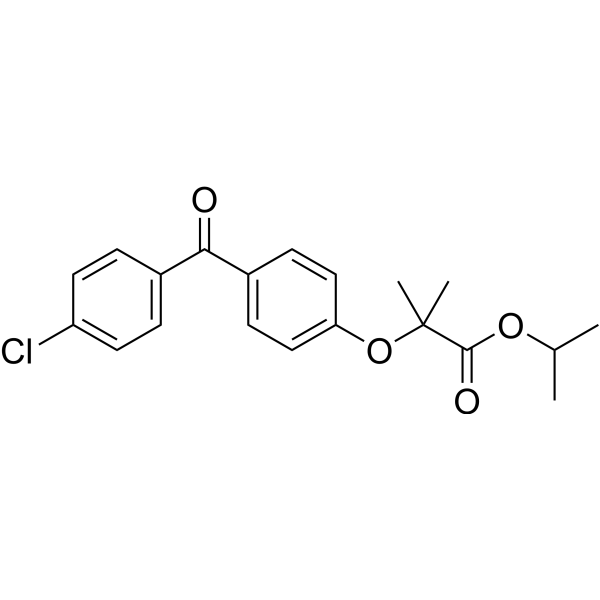
    Fenofibrate
    30+ Cited Publications

    PPAR Cytochrome P450 Autophagy Cardiovascular Disease Cancer
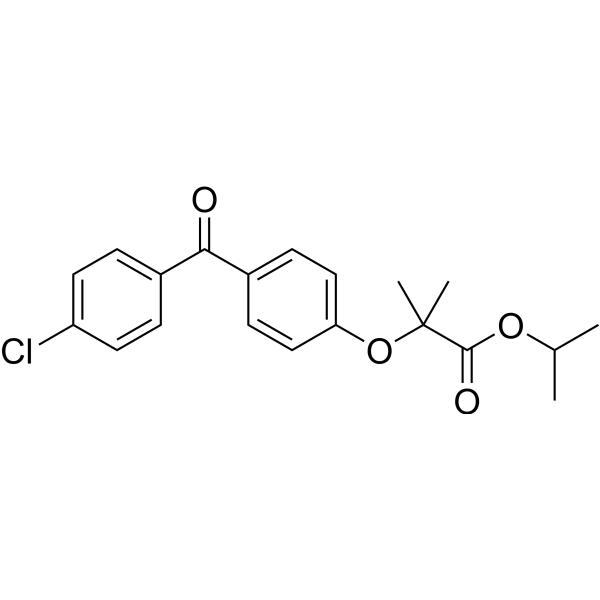
    Fenofibrate is a selective PPARα agonist with an EC50 of 30 μM. Fenofibrate also inhibits human cytochrome P450 isoforms, with IC50s of 0.2, 0.7, 9.7, 4.8 and 142.1 μM for CYP2C19, CYP2B6, CYP2C9, CYP2C8, and CYP3A4, respectively.
    Fenofibrate
  • HY-B0113
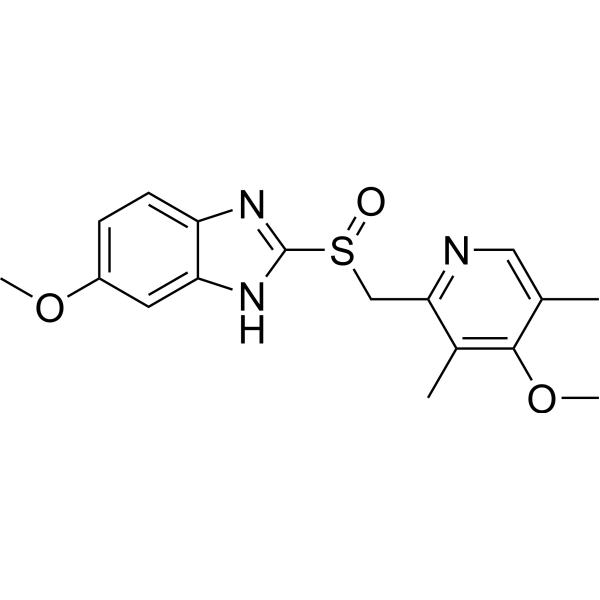
    Omeprazole
    5+ Cited Publications

    H 16868

    Na+/K+ ATPase Proton Pump Bacterial Cytochrome P450 Apoptosis Autophagy Atg8/LC3 TNF Receptor Interleukin Related Infection Neurological Disease Inflammation/Immunology Cancer
    Omeprazole (H 16868) is an orally active H +,K +-ATPase inhibitor and a proton pump inhibitor. Omeprazole competitively inhibits CYP2C19, CYP3A4, and CYP2C9 activity. Omeprazole inhibits gastric acid secretion and can be used for acid-related gastrointestinal disorders. Omeprazole inhibits pancreatic cancer cell proliferation, induces apoptosis, autophagosome accumulation (elevated LC3-I and LC3-II levels), oxidative stress, and cytogenetic imbalance, modulates lysosomal transport, reduces inflammatory cytokines. Omeprazole alters small intestinal morphology and magnesium absorption, and induces gastric mucosa morphologic changes. Omeprazole aslo has neuroprotective and antibacterial effects .
    Omeprazole
  • HY-B0258
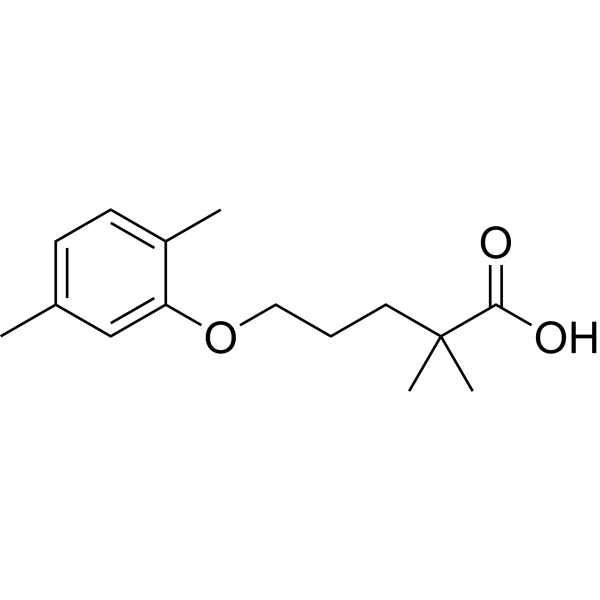
    Gemfibrozil
    5+ Cited Publications

    CI-719

    PPAR Cytochrome P450 Cardiovascular Disease Metabolic Disease Cancer
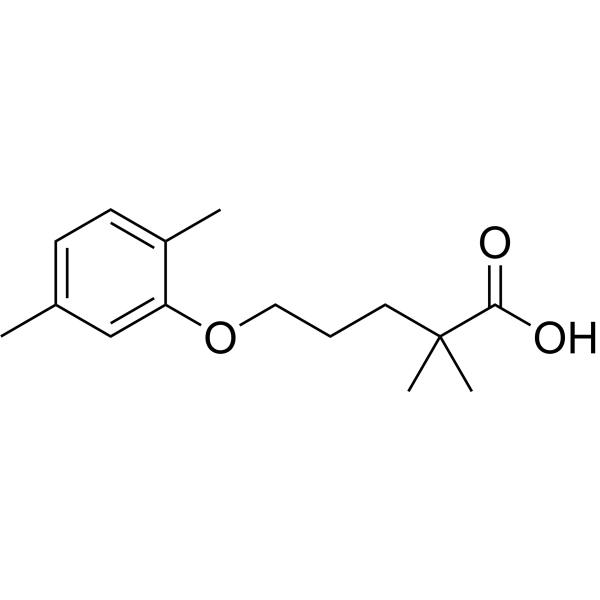
    Gemfibrozil is an activator of PPAR-α, used as a lipid-lowering agent; Gemfibrozil is also a nonselective inhibitor of several P450 isoforms, with Ki values for CYP2C9, 2C19, 2C8, and 1A2 of 5.8, 24, 69, and 82 μM, respectively.
    Gemfibrozil
  • HY-B1218
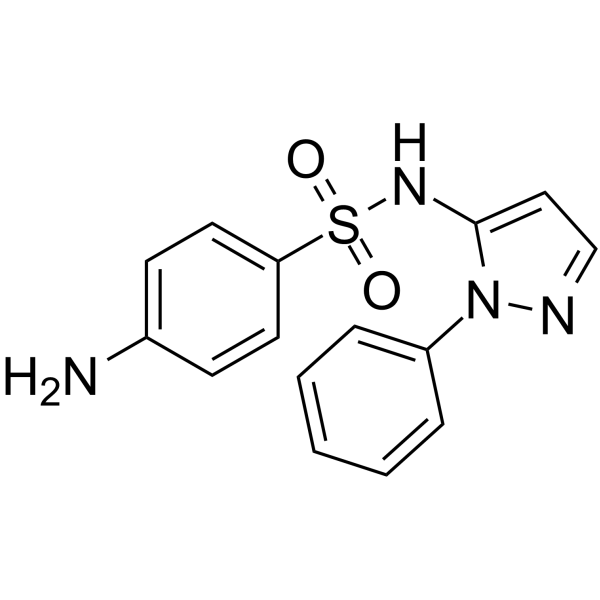
    Sulfaphenazole
    10+ Cited Publications

    Cytochrome P450 Antibiotic Bacterial Necroptosis Apoptosis Infection Cardiovascular Disease
    Sulfaphenazole is a selective inhibitor of human cytochrome P450 (CYP) 2C9 enzyme. Sulfaphenazole is a cytoprotective agent against light-induced death of photoreceptors. Sulfaphenazole inhibits light-induced necrosis and mitochondrial stress-initiated apoptosis. Sulfaphenazole is an off patent sulfonamide antibiotic and demonstrates bactericidal activity through enhanced M1 macrophage activity. Sulfaphenazole can significantly reduce infarct size and restore post-ischemic coronary flow following ischemia and reperfusion .
    Sulfaphenazole
  • HY-N0043
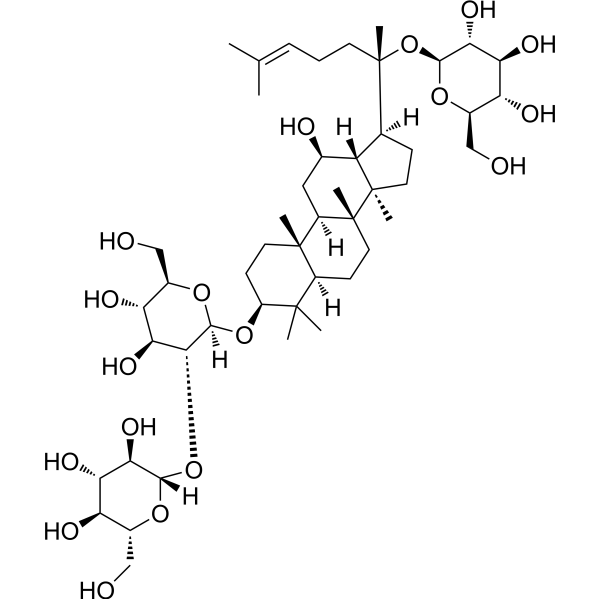
    Ginsenoside Rd
    1 Publications Verification

    Gypenoside VIII

    NF-κB COX Calcium Channel Cytochrome P450 Endogenous Metabolite Cardiovascular Disease Inflammation/Immunology Cancer
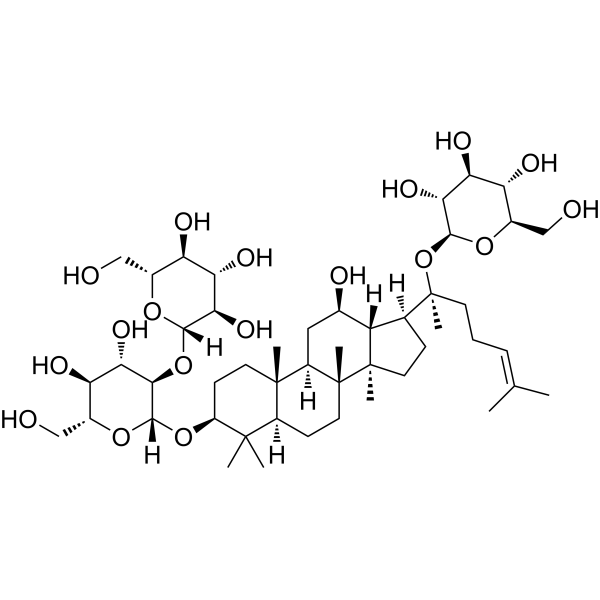
    Ginsenoside Rd inhibits TNFα-induced NF-κB transcriptional activity with an IC50 of 12.05±0.82 μM in HepG2 cells. Ginsenoside Rd inhibits expression of COX-2 and iNOS mRNA. Ginsenoside Rd also inhibits Ca 2+ influx. Ginsenoside Rd inhibits CYP2D6, CYP1A2, CYP3A4, and CYP2C9, with IC50s of 58.0±4.5 μM, 78.4±5.3 μM, 81.7±2.6 μM, and 85.1±9.1 μM, respectively.
    Ginsenoside Rd
  • HY-N0893
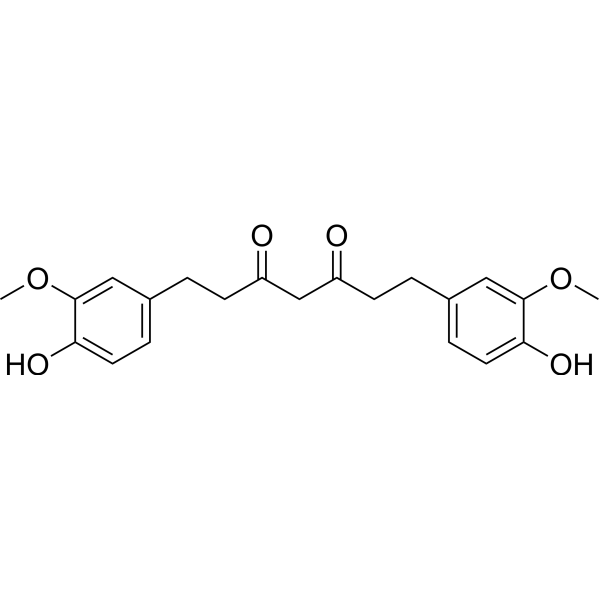
    Tetrahydrocurcumin
    2 Publications Verification

    HZIV 81-2

    Cytochrome P450 Autophagy Endogenous Metabolite Inflammation/Immunology Cancer
    Tetrahydrocurcumin is a Curcuminoid found in turmeric (Curcuma longa) that is produced by the reduction of Curcumin. Tetrahydrocurcumin inhibit CYP2C9 and CYP3A4.
    Tetrahydrocurcumin
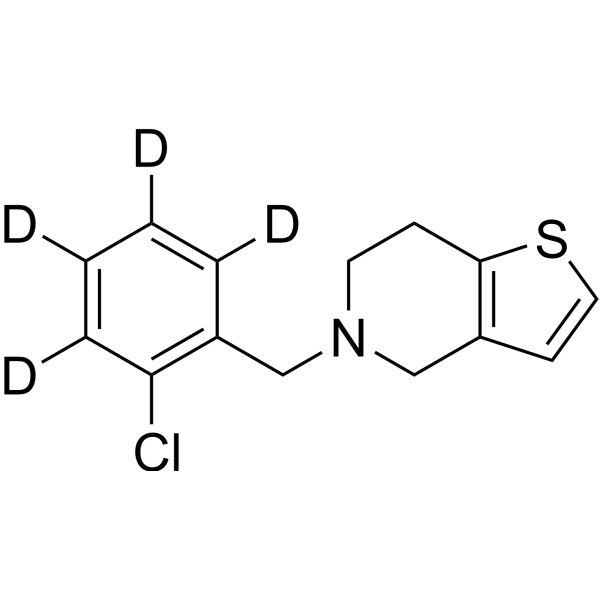
  • HY-100386
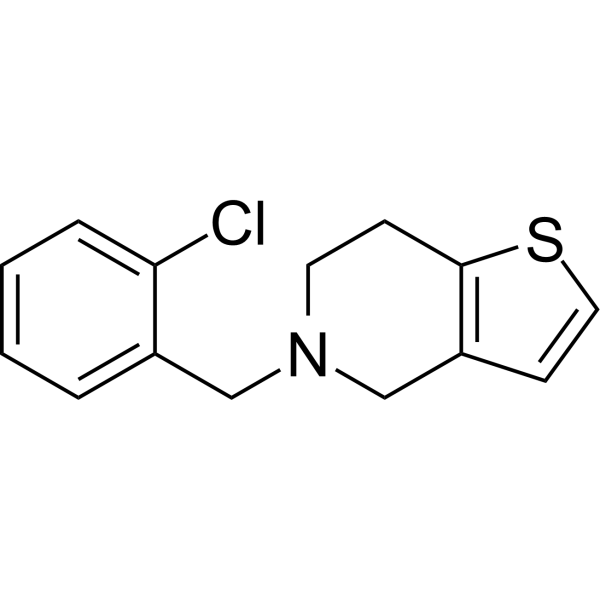
    Ticlopidine
    3 Publications Verification

    PCR 5332

    NTPDase Cytochrome P450 Cardiovascular Disease
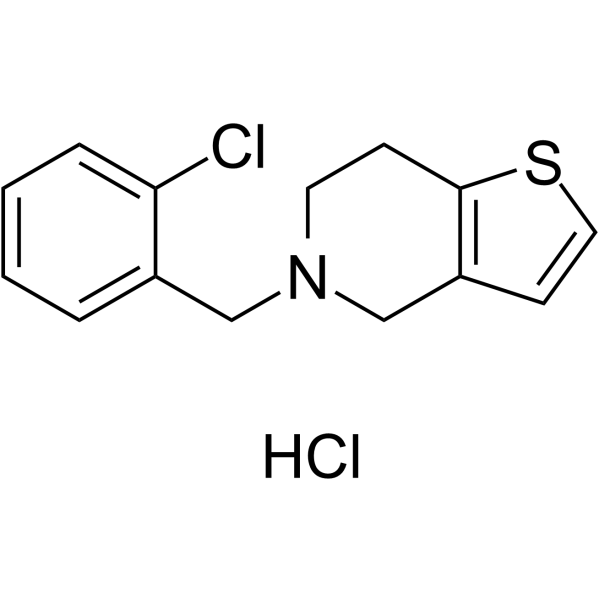
    Ticlopidine (PCR 5332), an antithrombotic proagent, acts as an allosteric, noncompetitive inhibitor of CD39 with the IC50 of 81.7 μM. Ticlopidine blocks several NTPDase isoenzymes with IC50s of 170 μM and 149 μM for NTPDase2 and NTPDase3, respectively. Ticlopidine is an inhibitor of CYP2C19 human liver cytochrome. Ticlopidine inhibits CYP2C9 and CYP3A4 with IC50s of 26.0 and 32.3 μM, respectively.
    Ticlopidine
  • HY-B0153A
    Ticlopidine hydrochloride
    3 Publications Verification

    NTPDase Cytochrome P450 Cardiovascular Disease Neurological Disease Cancer
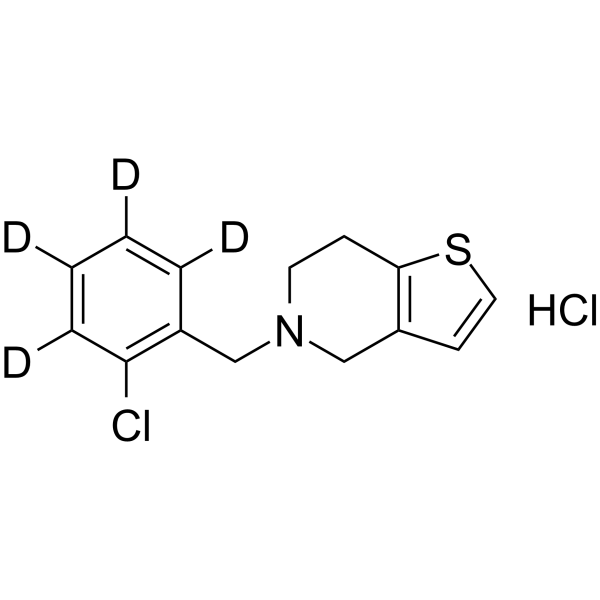
    Ticlopidine (PCR 5332) hydrochloride, an antithrombotic proagent, acts as an allosteric, noncompetitive inhibitor of CD39 with the IC50 of 81.7 μM. Ticlopidine hydrochloride blocks several NTPDase isoenzymes with IC50s of 170 μM and 149 μM for NTPDase2 and NTPDase3, respectively. Ticlopidine hydrochloride is an inhibitor of CYP2C19 human liver cytochrome. Ticlopidine hydrochloride inhibits CYP2C9 and CYP3A4 with IC50s of 26.0 and 32.3 μM, respectively .
    Ticlopidine hydrochloride
  • HY-B0113A
    Omeprazole sodium
    5+ Cited Publications

    H 16868 sodium

    Na+/K+ ATPase Interleukin Related Proton Pump Cytochrome P450 Bacterial Apoptosis Autophagy TNF Receptor Atg8/LC3 Infection Inflammation/Immunology
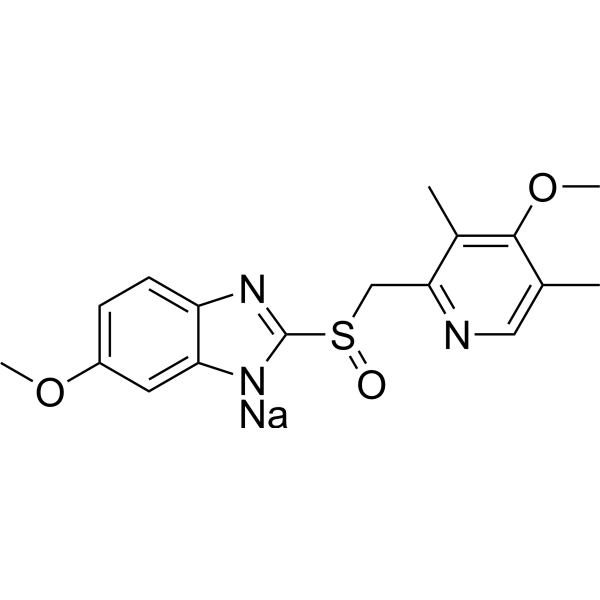
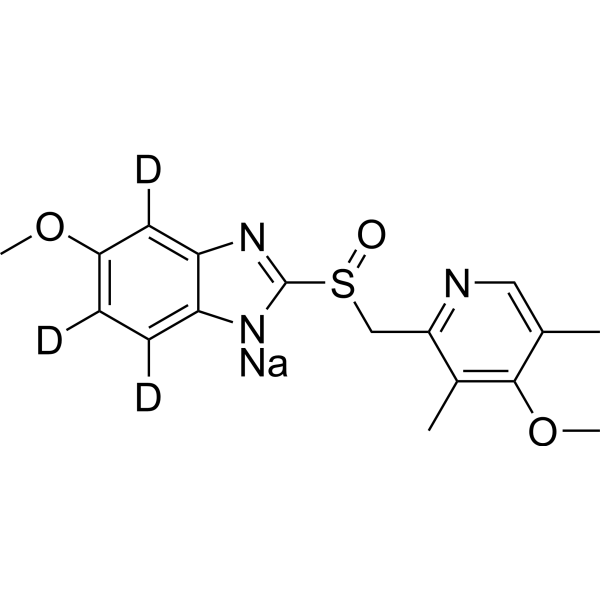
    Omeprazole (H 16868) sodium is an orally active H +,K +-ATPase inhibitor and a proton pump inhibitor. Omeprazole sodium competitively inhibits CYP2C19, CYP3A4, and CYP2C9 activity. Omeprazole sodium inhibits gastric acid secretion and can be used for acid-related gastrointestinal disorders. Omeprazole sodium inhibits pancreatic cancer cell proliferation, induces apoptosis, autophagosome accumulation (elevated LC3-I and LC3-II levels), oxidative stress, and cytogenetic imbalance, modulates lysosomal transport, reduces inflammatory cytokines. Omeprazole sodium alters small intestinal morphology and magnesium absorption, and induces gastric mucosa morphologic changes. Omeprazole sodium aslo has neuroprotective and antibacterial effects .
    Omeprazole sodium
  • HY-N0920

    7,8-Dihydrokawain; 7,8-Dihydrokavain; Marindinin

    COX Cytochrome P450 Neurological Disease Inflammation/Immunology
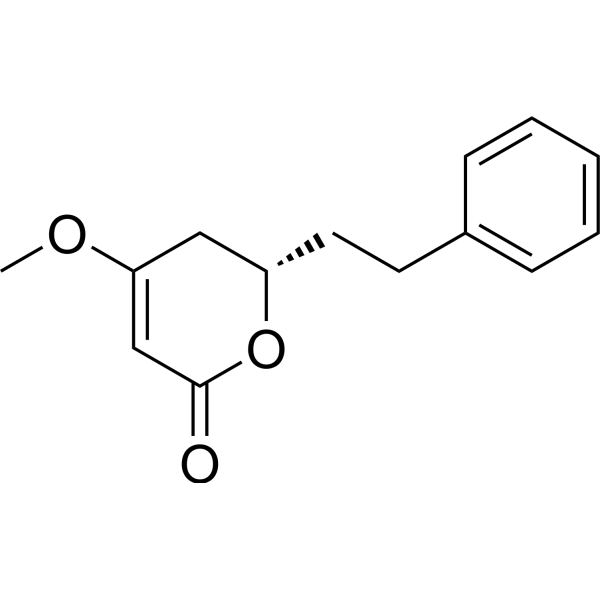
    Dihydrokavain (7,8-Dihydrokawain) is a natural kavalactone compound. Dihydrokavain inhibits COX-1, COX-2, CYP2C9 (IC50 = 130.95 μM), CYP2C19 (IC50 = 10.05 μM) and CYP3A4 (IC50 = 78.59 μM). Dihydrokavain reduces TNFα secretion. Dihydrokavain shows analgesic and anxiolytic effects .
    Dihydrokavain
  • HY-N0762
    Isobavachin
    5 Publications Verification

    Cytochrome P450 UGT p38 MAPK NF-κB NO Synthase COX Fc Receptor (FcR) RANKL/RANK Keap1-Nrf2 Reactive Oxygen Species (ROS) Apoptosis Autophagy Neurological Disease Metabolic Disease Inflammation/Immunology Cancer
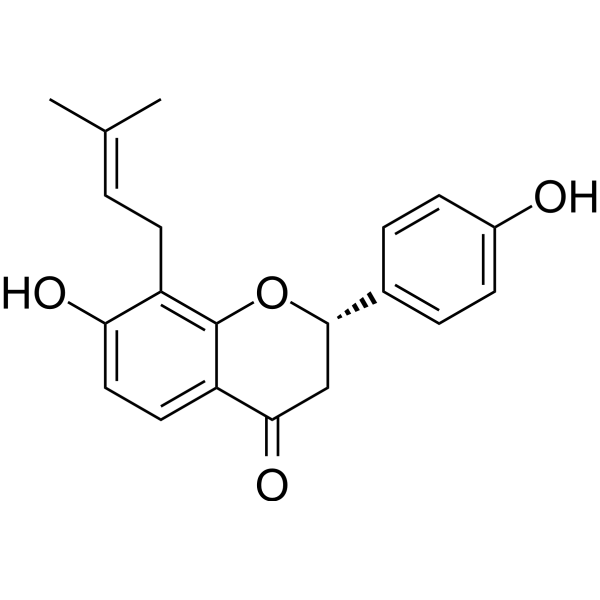
    Isobavachin is an orally active, blood-brain barrier-penetrating prenylated flavonoid present in Psoralea corylifolia. Isobavachin inhibits human CYP2B6, CYP2C9, CYP2C19, UGT1A1, UGT1A9, and UGT2B7. Isobavachin suppresses MAPK activation, NF-κB nuclear translocation, overexpression of iNOS/COX-2, FcεRI-mediated signaling pathways, and RANKL-induced osteoclastogenesis. Isobavachin induces autophagy, cytotoxicity, neuronal differentiation, and NRF2 activation; it alleviates oxidative damage, inflammatory responses, apoptosis, iron accumulation, mitochondrial biogenesis, and mast cell degranulation. Isobavachin is applicable to research related to liver injury, inflammatory diseases, osteoporosis, liver cancer, prostate cancer, glioma, periodontitis-induced bone loss, and Alzheimer's disease .
    Isobavachin
  • HY-18063

    Potassium Channel Cytochrome P450 Neurological Disease
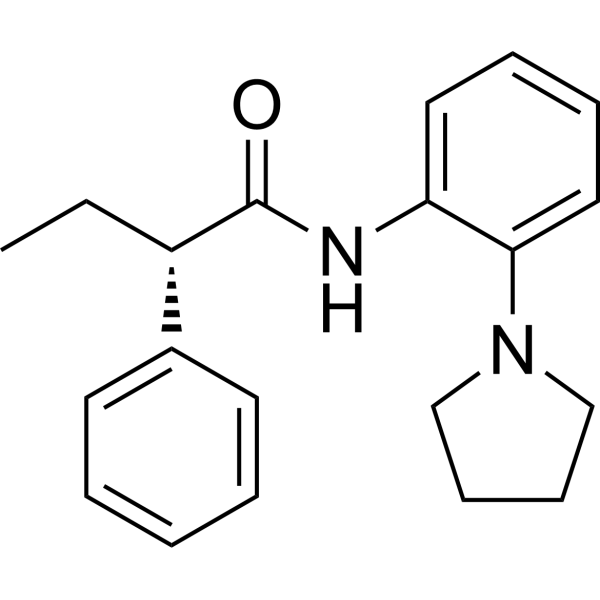
    ML252 is a selective inhibitor of KCNQ2 (Kv7.2) channel with an IC50s of 69 nM, 2.92 μM, 0.12 μM and 0.20 μM for KCNQ2, KCNQ1 (Kv7.1), KCNQ2/Q3 and KCNQ4, respectively. ML252 also inhibits Cytochrome P450 with IC50s of 6.1 nM (CYP1A2), 18.9 nM (CYP2C9), 3.9 nM (CYP3A4), 19.9 nM (CYP2D6), respectively. ML252 shows highly brain penetrant .
    ML252
  • HY-147294

    ACT-539313

    Orexin Receptor (OX Receptor) Cytochrome P450 Neurological Disease
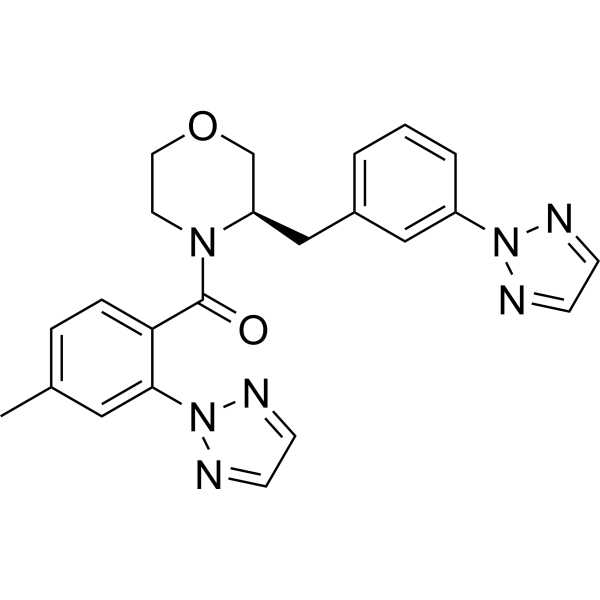
    Nivasorexant (ACT-539313) is an orally active, blood-brain barrier penetrant, selective orexin OX1R inhibitor. Nivasorexant specifically blocks central OX1Rs without affecting OX2Rs, and exhibits competitive inhibitory activity against CYP2C8, CYP2C9, CYP2C19 and CYP3A4 (IC50 values are 25 μM, 8.6 μM, 1.6 μM, 19 μM/44 μM, respectively). Nivasorexant significantly reduces binge-like eating behavior of highly palatable food in rat models and has long-acting properties. Nivasorexant shows no relevant off-target activity against over 130 selected proteins, exhibits favorable safety profiles, and can be used for studies related to binge eating disorder .
    Nivasorexant
  • HY-N0688

    Cytochrome P450 Inflammation/Immunology
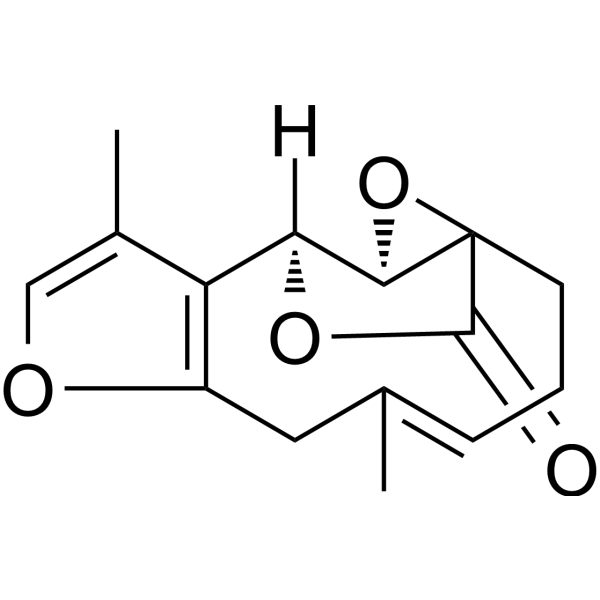
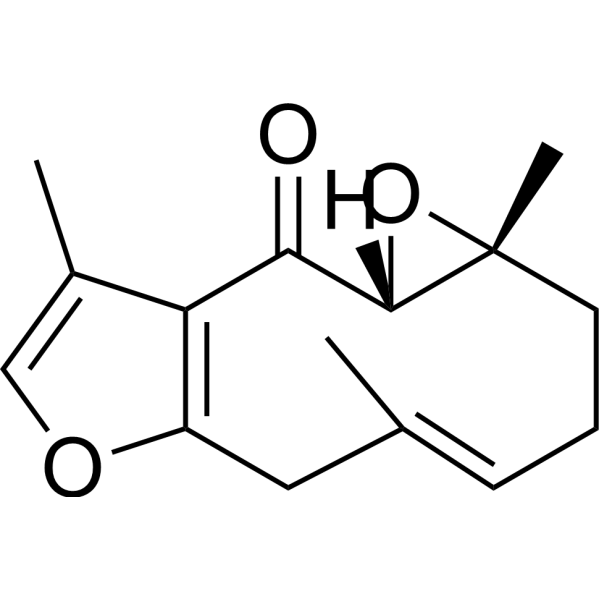
    Linderane, isolated from the root of Lindera aggregata, is an irreversible inhibitor cytochrome P450 2C9 (CYP2C9). Linderane has the potential to relieve pain and cramp .
    Linderane
  • HY-N6023

    Cytochrome P450 Pregnane X Receptor (PXR) Others
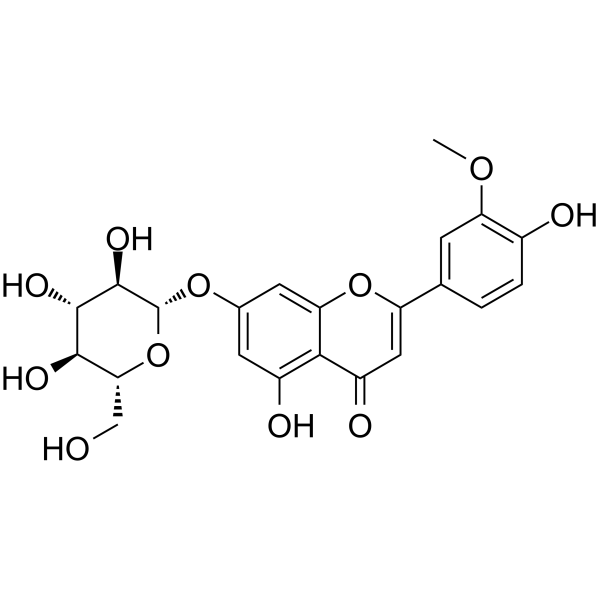
    Thermopsoside is a CYP450 isoenzyme inhibitor and PXR activator. Thermopsoside inhibits CYP3A4, CYP2C19, CYP2D6 and CYP2C9 with IC50 values of 6.0 μM, 9.5 μM, 12.0 μM and 32.0 μM, respectively .
    Thermopsoside
  • HY-W013268

    (+)-N-3-Benzylnirvanol

    Cytochrome P450 Metabolic Disease
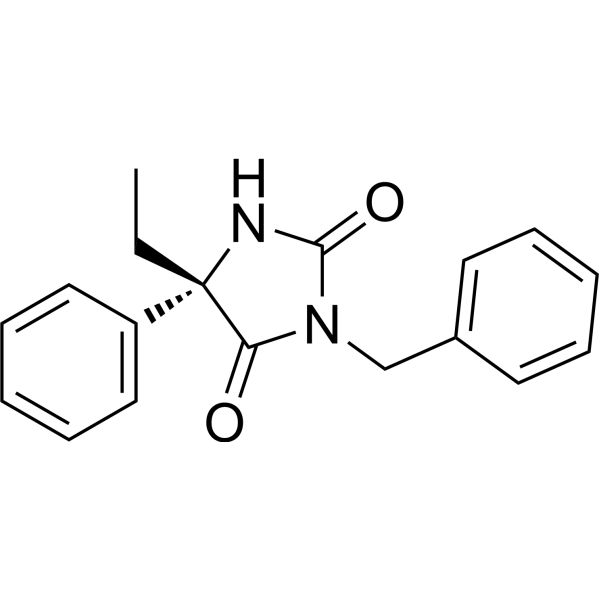
    (S)-(+)-N-3-Benzylnirvanol ((+)-N-3-Benzylnirvanol) is a selective and competitive cytochrome P450 (CYP) isoform CYP2C19 inhibitor with a Ki of 250 nM. (S)-(+)-N-3-Benzylnirvanol has low activity against CYP1A2, CYP2A6, CYP2C8, CYP2C9, CYP2D6, CYP2E1, and CYP3A4 .
    (S)-(+)-N-3-Benzylnirvanol
  • HY-N1050

    mTOR Ribosomal S6 Kinase (RSK) Bacterial Infection Neurological Disease Cancer
    Zederone is a sesquiterpene. Zederone inhibits ovarian cancer cell proliferation through mTOR/p70s6K signalling pathway. Zederone inhibits CYP activities with IC50s of 2.9 μM (CYP2B6), 9.2 μM (CYP2C9), 11,2 μM (CYP2C19) and >30 μM (CYP1A2 and CYP2D6). Zederone is hepatotoxic with LD50 value at 24 hours in mice of approximately 223 mg/kg and cytotoxic against the KG1a cell line. Zederone shows antibacterial activity against a number of multi-drug resistant and Methicillin (HY-121544)-resistant Staphylococcus aureus strain. Zederone shows cognition improving capacity and assists in the modulation of gut bacterial dysbiosis .
    Zederone
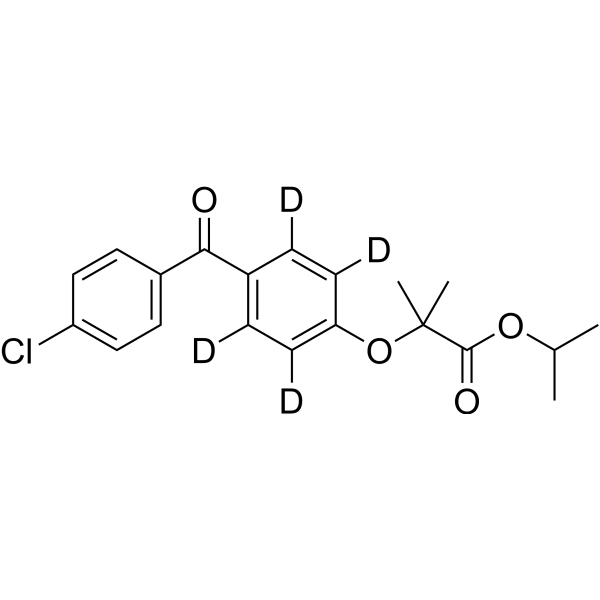
  • HY-17356S

    Isotope-Labeled Compounds PPAR Cytochrome P450 Autophagy Cardiovascular Disease Cancer
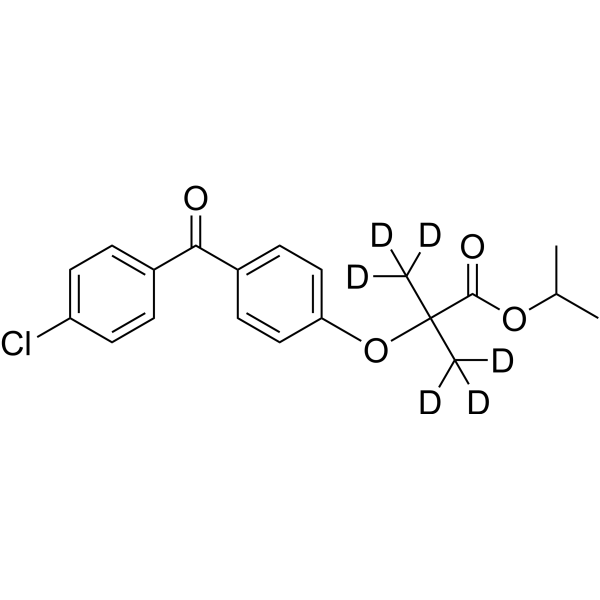
    Fenofibrate-d6 is the deuterium labeled Fenofibrate. Fenofibrate is a selective PPARα agonist with an EC50 of 30 μM. Fenofibrate also inhibits human cytochrome P450 isoforms, with IC50s of 0.2, 0.7, 9.7, 4.8 and 142.1 μM for CYP2C19, CYP2B6, CYP2C9, CYP2C8, and CYP3A4, respectively.
    Fenofibrate-d6
  • HY-170538

    Lysyl Oxidase Cytochrome P450 Cardiovascular Disease Metabolic Disease
    SNT-5382 is a lysyl oxidase family (LOX) inhibitor and anti-fibrotic agent. SNT-5382 binds to the LTQ cofactor of LOXL2 and inhibits the enzymatic activities of LOXL3, LOXL4, LOXL1, CYP2C9, and CYP2C19. SNT-5382 reduces cardiac and liver fibrosis as well as collagen crosslinks, and improves cardiac function. SNT-5382 can be used for the research of heart failure, myocardial infarction, and nonalcoholic steatohepatitis-related liver fibrosis .
    SNT-5382
  • HY-100386R

    PCR 5332 (Standard)

    Reference Standards NTPDase Cytochrome P450 Cardiovascular Disease
    Ticlopidine (Standard) is the analytical standard of Ticlopidine. This product is intended for research and analytical applications. Ticlopidine (PCR 5332), an antithrombotic proagent, acts as an allosteric, noncompetitive inhibitor of CD39 with the IC50 of 81.7 μM. Ticlopidine blocks several NTPDase isoenzymes with IC50s of 170 μM and 149 μM for NTPDase2 and NTPDase3, respectively . Ticlopidine is an inhibitor of CYP2C19 human liver cytochrome. Ticlopidine inhibits CYP2C9 and CYP3A4 with IC50s of 26.0 and 32.3 μM, respectively .
    Ticlopidine (Standard)
  • HY-14362

    ROCK Ribosomal S6 Kinase (RSK) Cardiovascular Disease
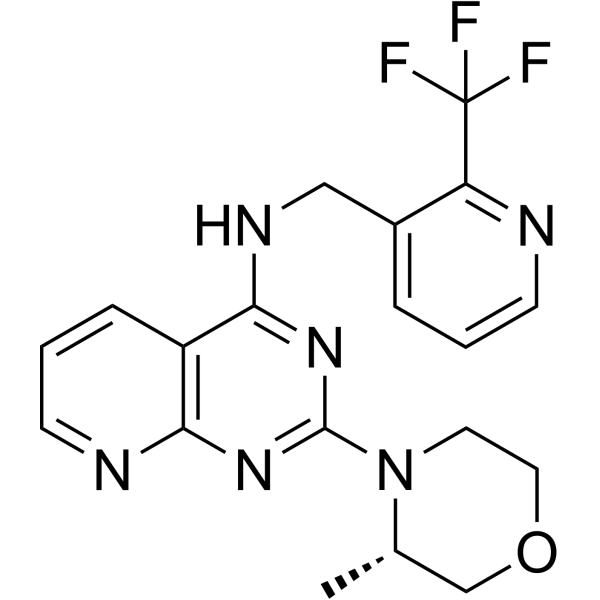
    GSK-25 is a potent, selective and orally bioavailable ROCK1 inhibitor (IC50=7 nM). GSK-25 maintains good selectivity against a panel of 31 kinases (>100 fold), as well as RSK1 and p70S6K (RSK1: IC50=398 nM, p70S6K: IC50=1 μM). GSK-25 inhibits P450 profile (IC50s of 2.5, 5.2, 2.5 µM for CYP2C9, CYP2D6, CYP3A4, respectively) .
    GSK-25
  • HY-B0113R

    H 16868 (Standard)

    Reference Standards Na+/K+ ATPase Interleukin Related Proton Pump Cytochrome P450 Bacterial Apoptosis Autophagy TNF Receptor Atg8/LC3 Infection Metabolic Disease Cancer
    Omeprazole (Standard) is the analytical standard of Omeprazole. This product is intended for research and analytical applications. Omeprazole (H 16868) is an orally active H +,K +-ATPase inhibitor and a proton pump inhibitor. Omeprazole competitively inhibits CYP2C19, CYP3A4, and CYP2C9 activity. Omeprazole inhibits gastric acid secretion and can be used for acid-related gastrointestinal disorders. Omeprazole inhibits pancreatic cancer cell proliferation, induces apoptosis, autophagosome accumulation (elevated LC3-I and LC3-II levels), oxidative stress, and cytogenetic imbalance, modulates lysosomal transport, reduces inflammatory cytokines. Omeprazole alters small intestinal morphology and magnesium absorption, and induces gastric mucosa morphologic changes. Omeprazole aslo has neuroprotective and antibacterial effects .
    Omeprazole (Standard)
  • HY-B0113S
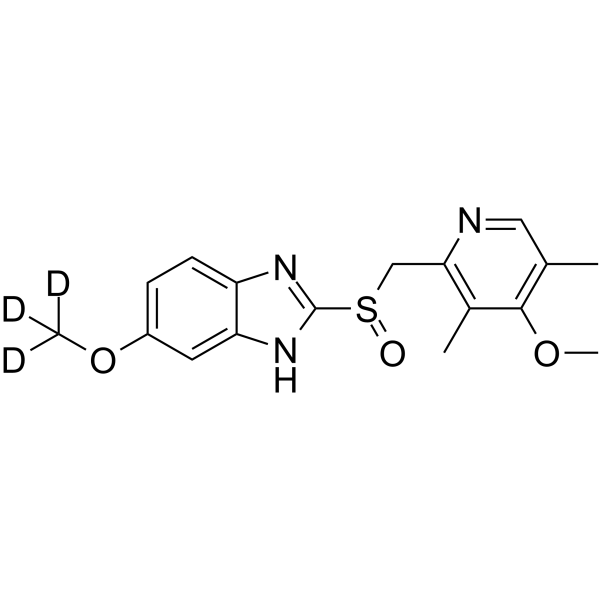
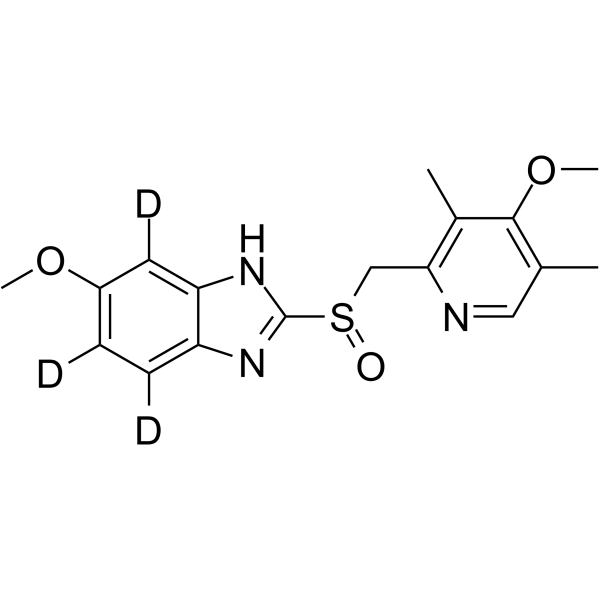
    Omeprazole-d3
    1 Publications Verification

    H 16868-d3

    Na+/K+ ATPase Interleukin Related Proton Pump Cytochrome P450 Bacterial Apoptosis Autophagy TNF Receptor Atg8/LC3 Infection Metabolic Disease Cancer
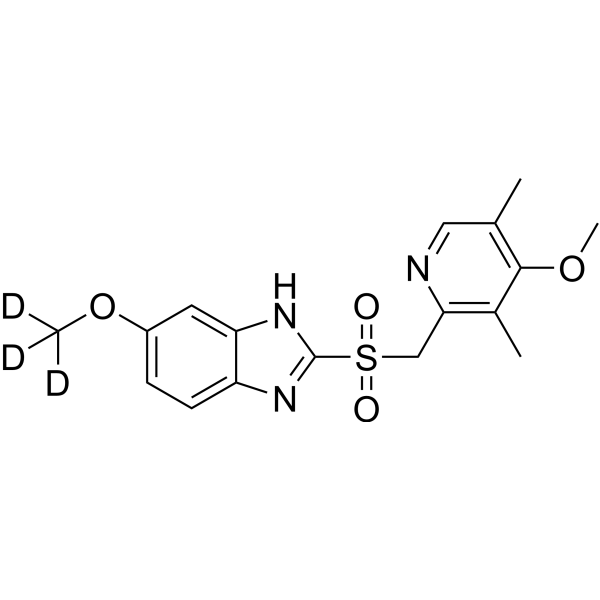
    Omeprazole-d3 (H 16868-d3) is deuterium labeled Omeprazole. Omeprazole (H 16868) is an orally active H +,K +-ATPase inhibitor and a proton pump inhibitor. Omeprazole competitively inhibits CYP2C19, CYP3A4, and CYP2C9 activity. Omeprazole inhibits gastric acid secretion and can be used for acid-related gastrointestinal disorders. Omeprazole inhibits pancreatic cancer cell proliferation, induces apoptosis, autophagosome accumulation (elevated LC3-I and LC3-II levels), oxidative stress, and cytogenetic imbalance, modulates lysosomal transport, reduces inflammatory cytokines. Omeprazole alters small intestinal morphology and magnesium absorption, and induces gastric mucosa morphologic changes. Omeprazole aslo has neuroprotective and antibacterial effects .
    Omeprazole-d3
  • HY-121872

    MMP Cytochrome P450 Calcium Channel Neurological Disease
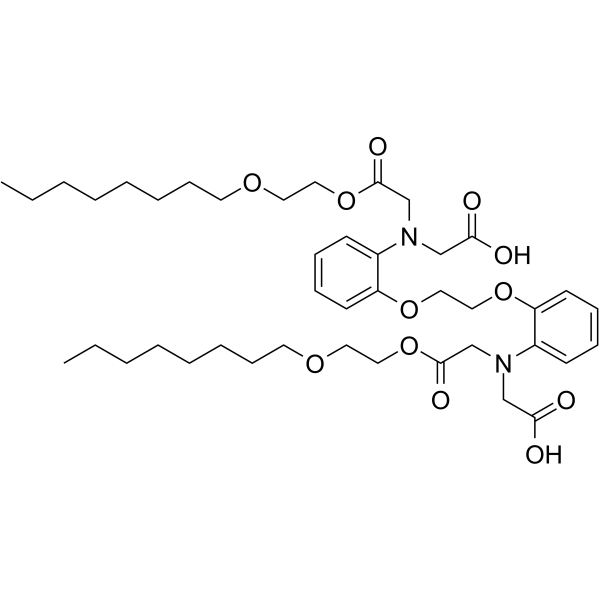
    DP-b99 is a blood-brain barrier-permeable inhibitor of CYP2C9 and MMP-9, with a Ki value of 4.655 μM against CYP2C9. DP-b99 inhibits CYP2C9 via apparent non-competitive inhibition, mainly chelates pathological Zn 2+ in the membrane environment, attenuates the elevation of intracellular Zn 2+ and Ca 2+ levels, delays seizure onset and reduces seizure severity, and also prevents MMP-9-dependent dendritic spine remodeling, β-dystroglycan cleavage and gelatinase activity. DP-b99 can be used in the research of acute ischemic stroke, epileptogenesis and stroke .
    DP-b99
  • HY-N1201R
    Apigenin (Standard)
    Maximum Cited Publications
    45 Publications Verification

    4',5,7-Trihydroxyflavone(Standard); Apigenol(Standard); C.I. Natural Yellow 1 (Standard)

    Reference Standards Autophagy Cytochrome P450 Endogenous Metabolite Inflammation/Immunology Cancer
    Apigenin (Standard) is the analytical standard of Apigenin. This product is intended for research and analytical applications. Apigenin (4',5,7-Trihydroxyflavone) is a competitive CYP2C9 inhibitor with a Ki of 2 μM.
    Apigenin (Standard)
  • HY-128859

    Cytochrome P450 Metabolic Disease
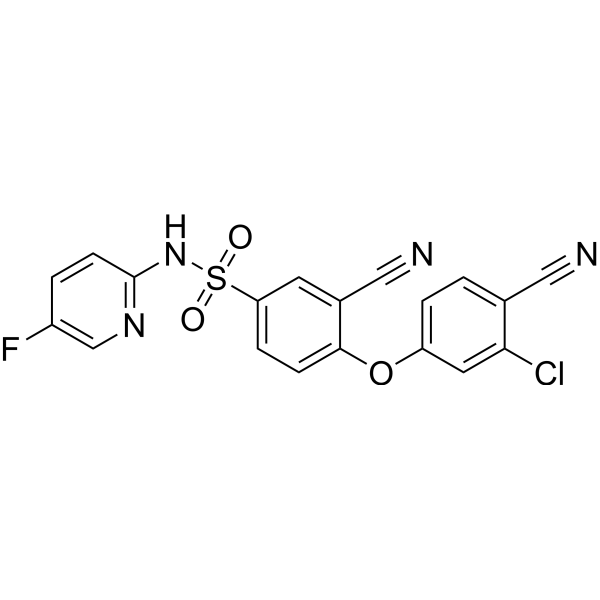
    EMT inhibitor-2 (Compound 1) inhibits epithelial-mesenchymal transition (EMT) induced by substances such as IL-1β and TGF-β released from the immunocytes. EMT inhibitor-2 inhibits CYP3A4 testosteron and CYP2C9 with IC50s of 49.72 and 5.54 μM, respectively .
    EMT inhibitor-2
  • HY-114759
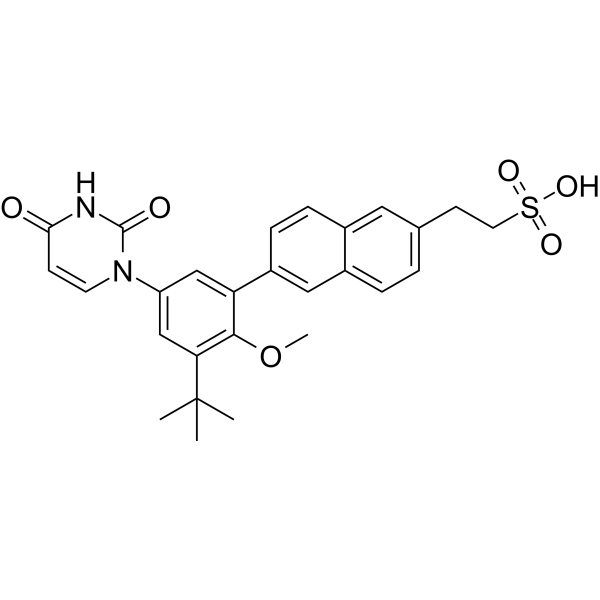
    MS-PPOH
    1 Publications Verification

    Cytochrome P450 Neurological Disease Metabolic Disease Cancer
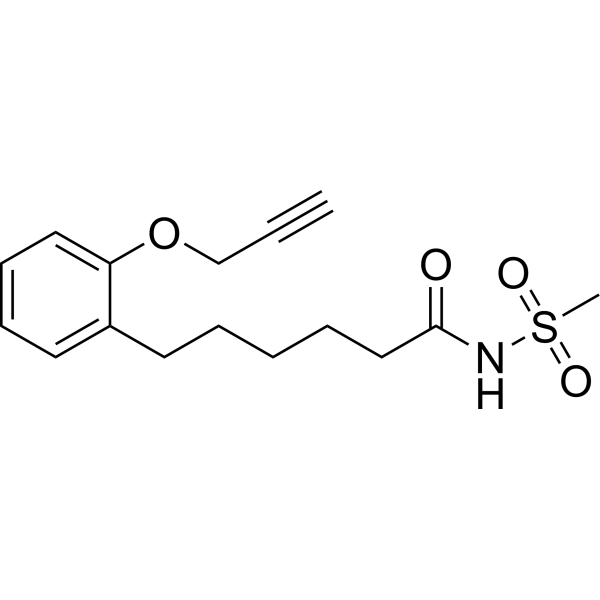
    MS-PPOH is a potent and selective cytochrome P450 (CYP) epoxygenase inhibitor . MS-PPOH inhibits CYP2C8 and CYP2C9 with IC50s of 15 and 11 μM, respectively . MS-PPOH is a click chemistry reagent, it contains an Alkyne group and can undergo copper-catalyzed azide-alkyne cycloaddition (CuAAc) with molecules containing Azide groups.
    MS-PPOH
  • HY-17356R
    Fenofibrate (Standard)
    30+ Cited Publications

    Reference Standards PPAR Cytochrome P450 Autophagy Cardiovascular Disease Cancer
    Fenofibrate (Standard) is the analytical standard of Fenofibrate. This product is intended for research and analytical applications. Fenofibrate is a selective PPARα agonist with an EC50 of 30 μM. Fenofibrate also inhibits human cytochrome P450 isoforms, with IC50s of 0.2, 0.7, 9.7, 4.8 and 142.1 μM for CYP2C19, CYP2B6, CYP2C9, CYP2C8, and CYP3A4, respectively.
    Fenofibrate (Standard)
  • HY-109546

    Na+/K+ ATPase Interleukin Related Proton Pump Cytochrome P450 Bacterial Apoptosis Autophagy TNF Receptor Atg8/LC3 Infection Metabolic Disease Cancer
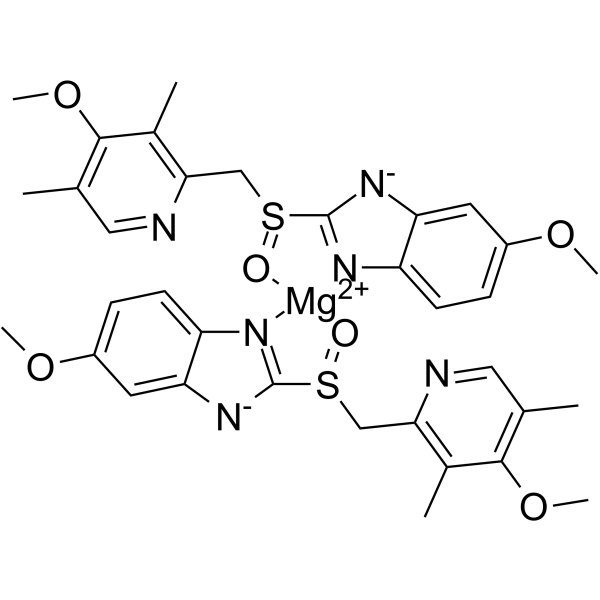
    Omeprazole (H 16868) magnesium is an orally active H +,K +-ATPase inhibitor and a proton pump inhibitor. Omeprazole magnesium competitively inhibits CYP2C19, CYP3A4, and CYP2C9 activity. Omeprazole magnesium inhibits gastric acid secretion and can be used for acid-related gastrointestinal disorders. Omeprazole magnesium inhibits pancreatic cancer cell proliferation, induces apoptosis, autophagosome accumulation (elevated LC3-I and LC3-II levels), oxidative stress, and cytogenetic imbalance, modulates lysosomal transport, reduces inflammatory cytokines. Omeprazole magnesium alters small intestinal morphology and magnesium absorption, and induces gastric mucosa morphologic changes. Omeprazole magnesium aslo has neuroprotective and antibacterial effects .
    Omeprazole magnesium
  • HY-B0113S3

    H 16868-13C,d3

    Isotope-Labeled Compounds Na+/K+ ATPase Interleukin Related Proton Pump Cytochrome P450 Bacterial Apoptosis Autophagy TNF Receptor Atg8/LC3 Infection Metabolic Disease Cancer
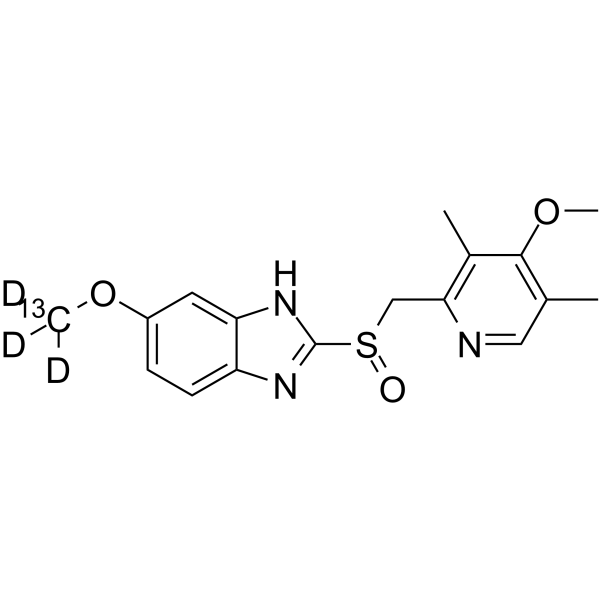
    Omeprazole- 13C,d3 is a 13C-labeled and deuterium labeled Omeprazole. Omeprazole (H 16868) is an orally active H +,K +-ATPase inhibitor and a proton pump inhibitor. Omeprazole competitively inhibits CYP2C19, CYP3A4, and CYP2C9 activity. Omeprazole inhibits gastric acid secretion and can be used for acid-related gastrointestinal disorders. Omeprazole inhibits pancreatic cancer cell proliferation, induces apoptosis, autophagosome accumulation (elevated LC3-I and LC3-II levels), oxidative stress, and cytogenetic imbalance, modulates lysosomal transport, reduces inflammatory cytokines. Omeprazole alters small intestinal morphology and magnesium absorption, and induces gastric mucosa morphologic changes. Omeprazole aslo has neuroprotective and antibacterial effects .
    Omeprazole-13C,d3
  • HY-U00048

    Paramidin; Paramidine

    Cytochrome P450 Inflammation/Immunology
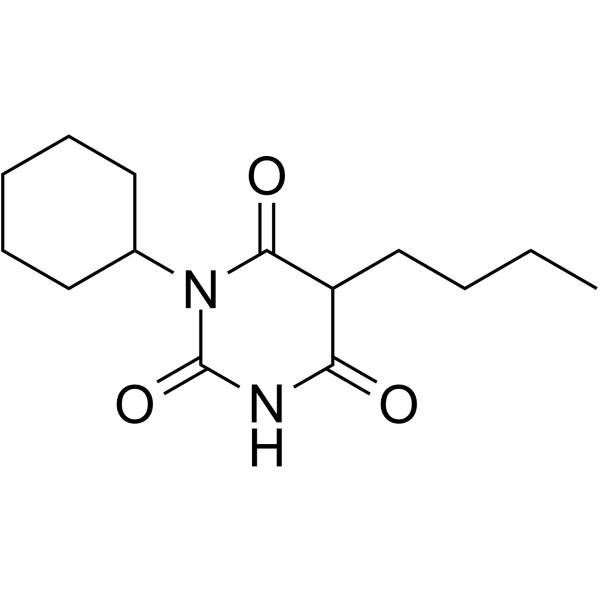
    Bucolome is a CYP2C9 inhibitor, used as an uricosuric agent or anti-inflammatory agent.
    Bucolome
  • HY-N1201S

    Isotope-Labeled Compounds Endogenous Metabolite Autophagy Cytochrome P450 Inflammation/Immunology
    Apigenin-d5 is a deuterated labeled Apigenin . Apigenin (4',5,7-Trihydroxyflavone) is a competitive CYP2C9 inhibitor with a Ki of 2 μM.
    Apigenin-d5
  • HY-N0893R

    HZIV 81-2 (Standard)

    Reference Standards Cytochrome P450 Autophagy Endogenous Metabolite Inflammation/Immunology Cancer
    Tetrahydrocurcumin (Standard) is the analytical standard of Tetrahydrocurcumin. This product is intended for research and analytical applications. Tetrahydrocurcumin is a Curcuminoid found in turmeric (Curcuma longa) that is produced by the reduction of Curcumin. Tetrahydrocurcumin inhibit CYP2C9 and CYP3A4.
    Tetrahydrocurcumin (Standard)
  • HY-B0258S

    CI-719-d6

    PPAR Cytochrome P450 Cardiovascular Disease Metabolic Disease
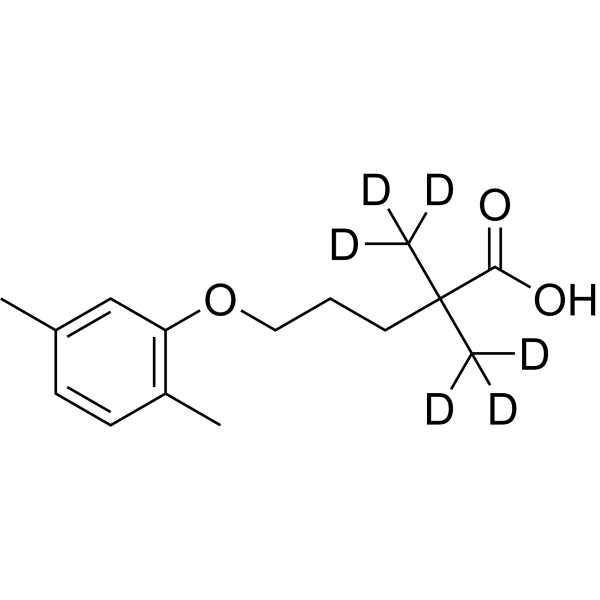
    Gemfibrozil-d6 is the deuterium labeled Gemfibrozil. Gemfibrozil is an activator of PPAR-α, used as a lipid-lowering agent; Gemfibrozil is also a nonselective inhibitor of several P450 isoforms, with Ki values for CYP2C9, 2C19, 2C8, and 1A2 of 5.8, 24, 69, and 82 μM, respectively.
    Gemfibrozil-d6
  • HY-B0258R
    Gemfibrozil (Standard)
    5+ Cited Publications

    CI-719 (Standard)

    Reference Standards PPAR Cytochrome P450 Cardiovascular Disease Metabolic Disease Cancer
    Gemfibrozil (Standard) is the analytical standard of Gemfibrozil. This product is intended for research and analytical applications. Gemfibrozil is an activator of PPAR-α, used as a lipid-lowering agent; Gemfibrozil is also a nonselective inhibitor of several P450 isoforms, with Ki values for CYP2C9, 2C19, 2C8, and 1A2 of 5.8, 24, 69, and 82 μM, respectively.
    Gemfibrozil (Standard)
  • HY-114415

    Parasite Infection
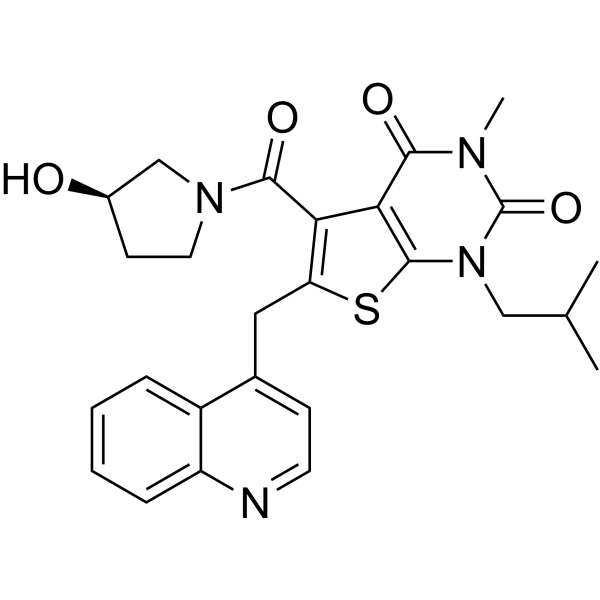
    AWZ1066S is a highly potent, specific and orally active anti-Wolbachia agent with EC50 value of 121 nM. AWZ1066S also is a weak CYP2C9 inhibitor and a weak CYP3A4 inducer with IC50 values of 9.7 μM and 37 uM, respectively. AWZ1066S can be used for the research of tropical diseases such as Onchocerciasis (river blindness) and lymphatic filariasis (elephantiasis) .
    AWZ1066S
  • HY-W587878

    Cytochrome P450 Pyruvate Kinase Fungal Apoptosis Insecticide Infection Cancer
    Thujopsene is the inhibitor for cytochrome P450, that inhibits CYP2B6, CYP3A4, CYP2C19, CYP2C8, CYP2C9 with IC50s of 1.3, 12.6, 13.6, 29.8, and 44.9 μM, respectively. Thujopsene binds to PKM2, inhibits the metabolism pathway of cancer cell, induces apoptosis in MKN45, thereby exhibiting antitumor efficacy. Thujopsene exhibits anti-termite and antifungal activities through autoxidation .
    Thujopsene
  • HY-12946

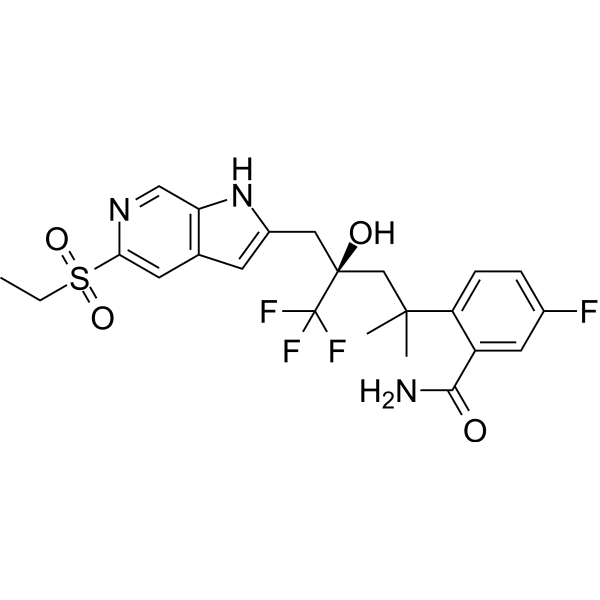
    Glucocorticoid Receptor Cytochrome P450 HCV Protease Infection Inflammation/Immunology
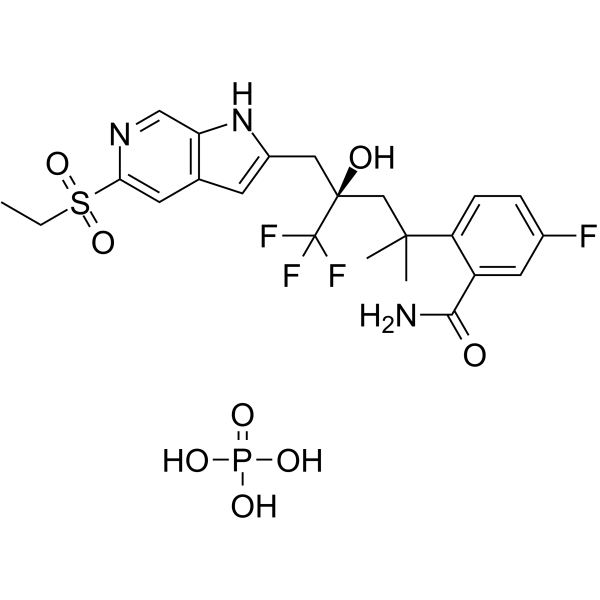
    BI 653048, a chemical probe, is a selective and orally active nonsteroidal glucocorticoid (GC) agonist with an IC50 value of 55 nM . BI 653048 inhibits CP1A2, CYP2D6, CYP2C9, CYP2C19 and CYP3A4 isoforms’ activity and reduces affinity for the hERG ion channel (IC50>30 μM) . BI 653048 (Compound 103) is also a HCV NS3 protease inhibitor that can reduce viral loads infected with the hepatitis C virus .
    BI 653048
  • HY-N8382

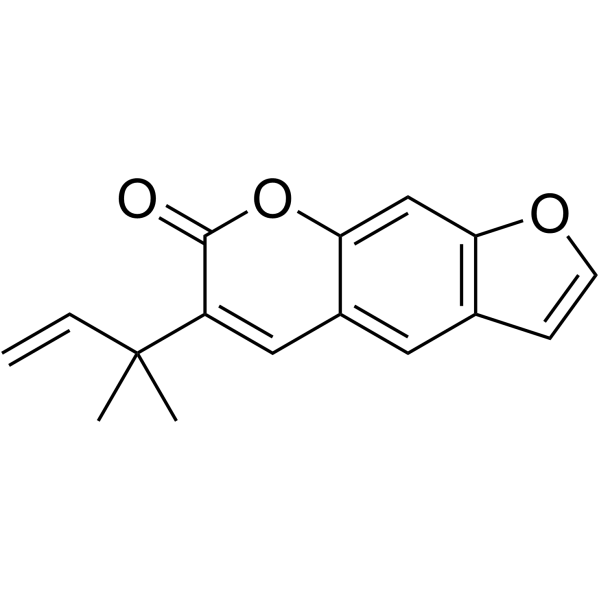
    Cytochrome P450 Parasite Insecticide Infection
    Chalepensin is a nematicide and CYP inhibitor. Chalepensin inhibits CYP2A6, CYP1A1, CYP1A2, CYP2A13, CYP2C9, CYP2D6, CYP2E1, and CYP3A4 to varying degrees, with IC50 values of 82.3 μM, 2.86 μM, 3.01 μM, 0.21 μM, 6.58 μM, 1.67 μM, 61.1 μM, and 61.7 μM, respectively. Chalepensin potently and selectively kills third-stage infective larvae of Strongyloides venezuelensis .
    Chalepensin
  • HY-105408A

    Endothelin Receptor Cytochrome P450 Cardiovascular Disease
    Fandosentan potassium is a potent endothelin A receptor (ETAR) antagonist. Fandosentan potassium inhibits CYP2C9 and CYP3A4 activities with IC50 values of 39.6 and 21.6 μM, respectively. Fandosentan potassium reverses the hypoxic pulmonary vasoconstriction in the perinatal lamb. Fandosentan potassium can be used for pulmonary hypertension research [1][2].
    Fandosentan potassium
  • HY-131495

    (S)-6-Desmethyl Naproxen

    COX Inflammation/Immunology
    (S)-6-O-Desmethylnaproxen ((S)-6-Desmethyl Naproxen) is a metabolite of the non-steroidal anti-inflammatory drug (NSAID) and COX inhibitor (+)-naproxen ((S)-naproxen). (S)-6-O-Desmethylnaproxen is formed from (S)-naproxen by the cytochrome P450 (CYP) isoforms CYP1A2 and CYP2C9.
    (S)-6-O-Desmethylnaproxen
  • HY-117160

    4-trans-hydroxycyclohexyl Glyburide; 4-trans-hydroxy Glibenclamide

    Potassium Channel Neurological Disease
    rac-trans-4-hydroxy Glyburide is an active metabolite of the SUR1/Kir6.2 sulfonylurea inhibitor glyburide (HY-15206). It is formed from glyburide by the cytochrome P450 (CYP) isoforms CYP2C8 and CYP2C9. rac-trans-4-hydroxy Glyburide inhibits glyburide binding to rat brain synaptosomes at the high and low affinity sites of SUR1/Kir6.2 with IC50 values of 0.95 and 100 nM, respectively.
    4-trans-Hydroxy-glibenclamide
  • HY-151251

    Cytochrome P450 Virus Protease Infection
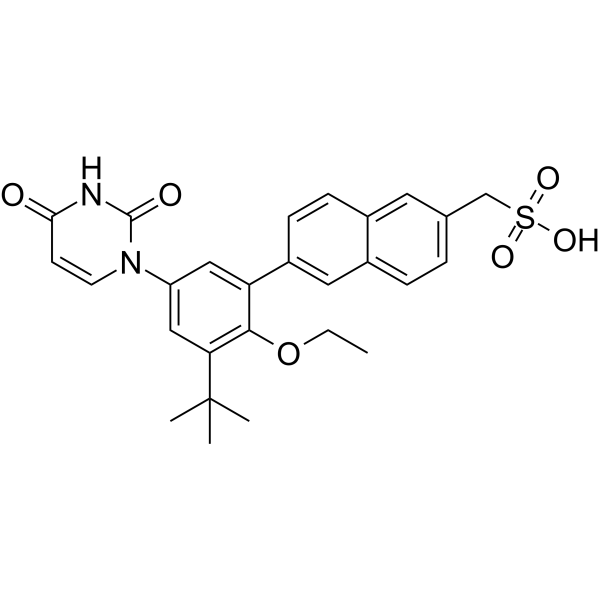
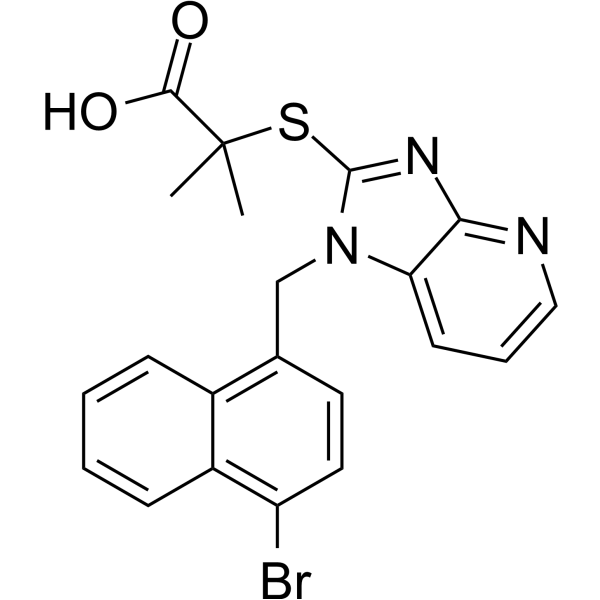
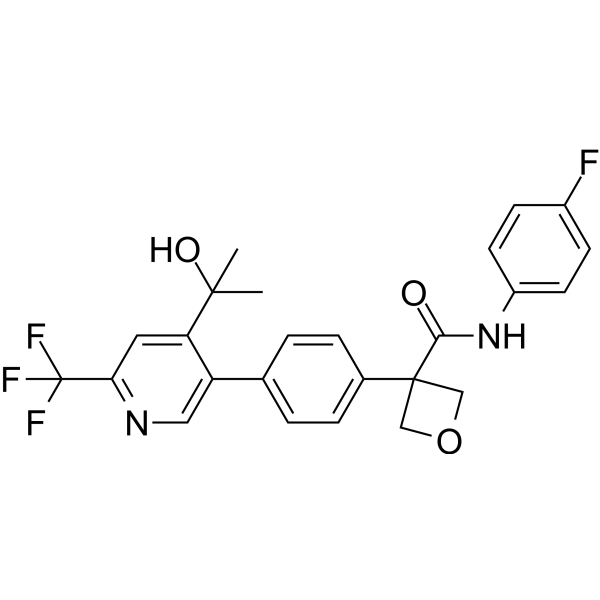
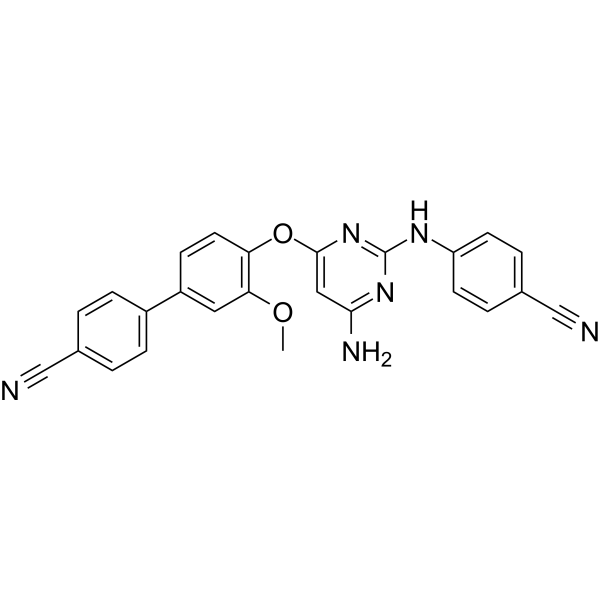
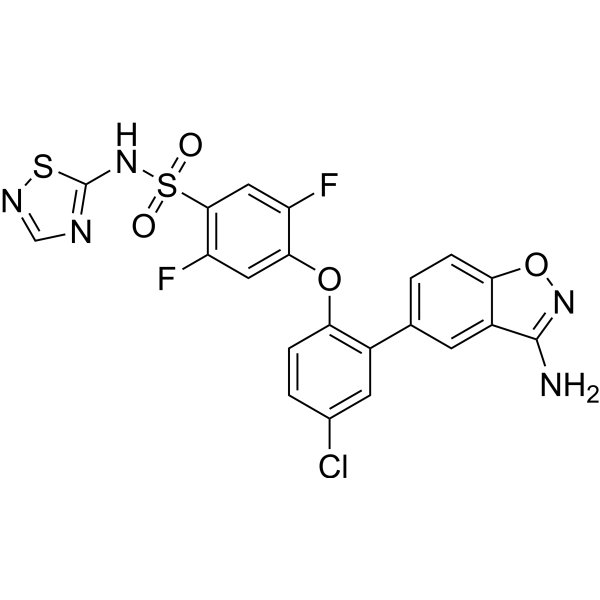
    CYP2C9/CYP2C19-IN-1 (compound 22d) is a potent CYP2C9/CYP2C19 inhibitor, possessing no hepatotoxicity and ames toxicity. CYP2C9/CYP2C19-IN-1 can be used in study of anti-ZIKV .
    CYP2C9/CYP2C19-IN-1
  • HY-N1201S1

    Isotope-Labeled Compounds Autophagy Cytochrome P450 Endogenous Metabolite Inflammation/Immunology
    Apigenin- 13C is the 13C-abeled Apigenin (HY-N1201). Apigenin is a competitive CYP2C9 inhibitor with a Ki of 2 μM .
    Apigenin-13C
  • HY-177070

    Xanthine Oxidase Inflammation/Immunology
    Angexostat (Compound 2) is an inhibitor of xanthine oxidase. Angexostat exhibits high permeability. Angexostat inhibits CYP2C9 with an IC50 of 18.1 μM. Angexostat can be studied in research for xanthine oxidase-related diseases such as hyperuricemia and gout .
    Angexostat
  • HY-W140208

    Cytochrome P450 Neurological Disease
    3-Phenylthiophene (Compound 25) is a CYP2A6 inhibitor with a Ki value of 3.3 μM. The Ki values for CYP2E1, CYP2B6, CYP2C9, and CYP2C19 are 9.7, 14, 112, and 107 μM respectively. It shows no significant inhibition on CYP3A4 and CYP2D6. 3-Phenylthiophene can be used in smoking cessation research .
    3-Phenylthiophene
  • HY-17356G

    Cytochrome P450 PPAR Autophagy Cardiovascular Disease
    Fenofibrate (GMP) is Fenofibrate (HY-17356) produced by using GMP guidelines. GMP small molecules work appropriately as an auxiliary reagent for cell therapy manufacture. Fenofibrate is a selective PPARα agonist with an EC50 of 30 μM. Fenofibrate also inhibits human cytochrome P450 isoforms, with IC50s of 0.2, 0.7, 9.7, 4.8 and 142.1 μM for CYP2C19, CYP2B6, CYP2C9, CYP2C8, and CYP3A4, respectively.
    Fenofibrate
  • HY-12946A

    Glucocorticoid Receptor Cytochrome P450 HCV Protease Infection Inflammation/Immunology
    BI 653048 phosphate is a selective and orally active nonsteroidal glucocorticoid (GC) agonist with an IC50 value of 55 nM . BI 653048 phosphate inhibits CP1A2, CYP2D6, CYP2C9, CYP2C19 and CYP3A4 isoforms’ activity and reduces affinity for the hERG ion channel (IC50>30 μM) . BI 653048 phosphate is extracted from patent WO2005028501A1 (Compound 103), is also a HCV NS3 protease inhibitor that can reduce viral loads infected with the hepatitis C virus .
    BI 653048 phosphate
  • HY-149866

    Cytochrome P450 HIV Reverse Transcriptase Infection
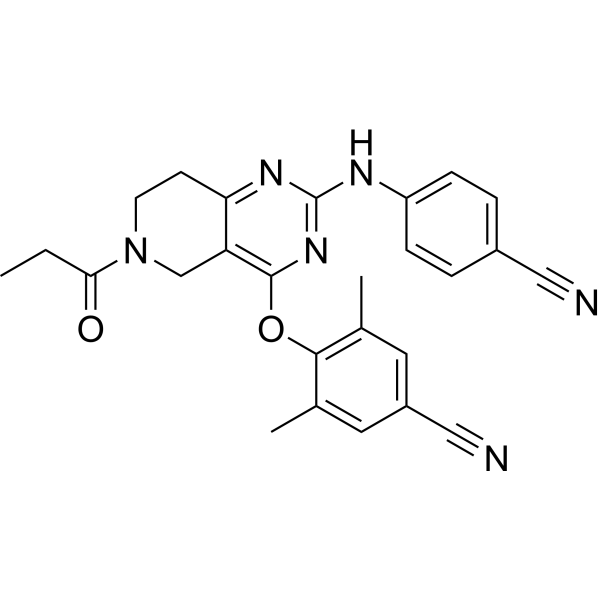
    HIV-1 inhibitor-58 (Compound 10c) is a broad-spectrum antiviral agent. HIV-1 inhibitor-58 is a non-nucleoside reverse transcriptase inhibitor. HIV-1 inhibitor-58 inhibits WT strain IIIB, NNRTI-resistant strains (such as K103N and E138K) in MT-4 cells, with EC50 less than 50 nM. HIV-1 inhibitor-58 also inhibits CYP2C9 and CYP2C19 (IC50: 2.06 μM, 1.91 μM). HIV-1 inhibitor-58 can be used for HIV infection reserch .
    HIV-1 inhibitor-58

オンラインお問い合わせ

入力情報は安全に管理されます. 必須入力項目.

タイトル


国或いは地域 *

お名前 *


組纖名 *

デパートメント *


メールアドレス *


製品名 *

製品番号


カスタマ需要量 *

電話番号 *


必ず会社名を記載ください。個人への返信は行いません。

備考

バルクお問い合わせ

Inquiry Information

製品名:
製品番号:
数量:
MCE 日本正規代理店: