Search Result
Results for "
Cysteine peptide
" in MedChemExpress (MCE) Product Catalog:
-
- HY-D0843
-
|
NEM
|
Cathepsin
Deubiquitinase
Apoptosis
|
Others
|
|
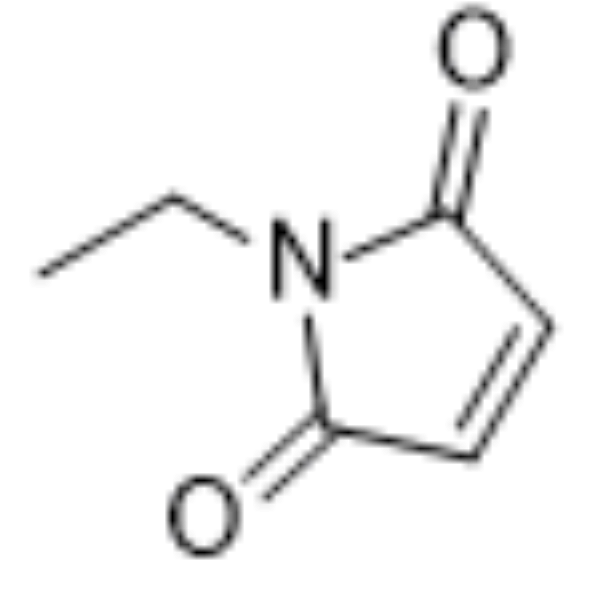
N-Ethylmaleimide (NEM) derives from maleic acid, it can alkylates free sulfhydryl. N-Ethylmaleimide is an irreversible cysteine protease inhibitor. N-ethylmaleimide specific inhibits phosphate transport in mitochondria. N-Ethylmaleimide inhibits prolyl endopeptidase with an IC50 value of 6.3 μM. N-Ethylmaleimide can be used to modify cysteine residues in proteins and peptides .
|
-
-
- HY-P1351
-
|
|
Biochemical Assay Reagents
|
Cancer
|
|
Angiopep-2-cys is a conjugate of Angiopep-2 hydrochloride (HY-P2341) and cysteine. Angiopep-2 hydrochloride is a brain peptide vector. The conjugation of anticancer agents with the Angiopep-2 peptide vector could increase their efficacy in the treatment of brain cancer .
|
-
-
- HY-D0098
-
|
N-(5-Fluoresceinyl)maleimide
|
Fluorescent Dye
|
Others
|
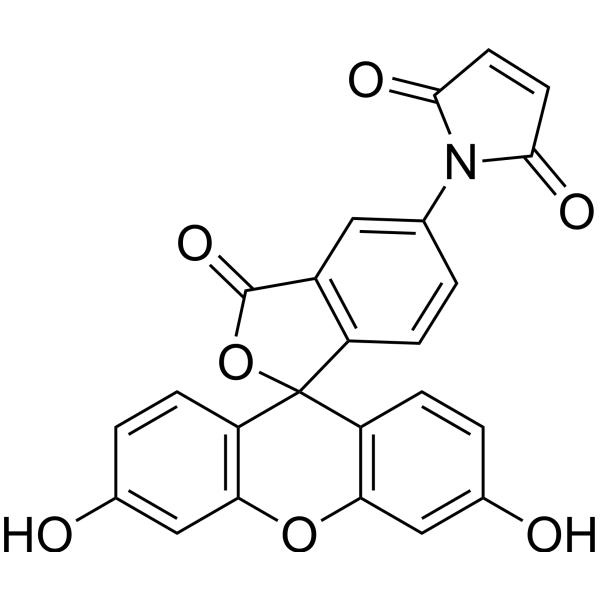
Fluorescein-5-maleimide (N-(5-Fluoresceinyl)maleimide) is a fluorescent dye. Fluorescein-5-maleimide can be used to detect the redox state of thiols in eukaryotic cells. Fluorescein-5-maleimide can label peptides and is used to detect negatively charged nanoparticles. Fluorescein-5-maleimide can also label actin to explore its interaction with cardiac myosin-binding protein C (cMyBP-C), which helps in developing small molecule modulators for heart failure. Fluorescein-5-maleimide can screen mutant proteins that contain cysteine residues. The excitation wavelength of Fluorescein-5-maleimide is 494 nm, and the emission wavelength is 519 nm .
|
-
-
- HY-P10533
-
|
|
Tyrosinase
|
Others
|
|
Cysteine peptide is a tyrosinase inhibitor with skin-whitening, antioxidant and multi-regulatory activities. Cysteine peptide inhibits enzyme activity and blocks melanin transport, effectively reducing UV-B-induced skin erythema and pigmentation. Cysteine peptide synergistically maintains skin health by quenching ROS, resisting oxidative stress and promoting pheomelanin production. Cysteine peptide safely prevents daily ultraviolet damage and supports moderate sun exposure for vitamin D synthesis. Cysteine peptide also acts as a plant signaling factor to regulate vegetative growth, development and stress resistance responses .
|
-
-
- HY-128945
-
|
|
ADC Linker
|
Inflammation/Immunology
Cancer
|
|
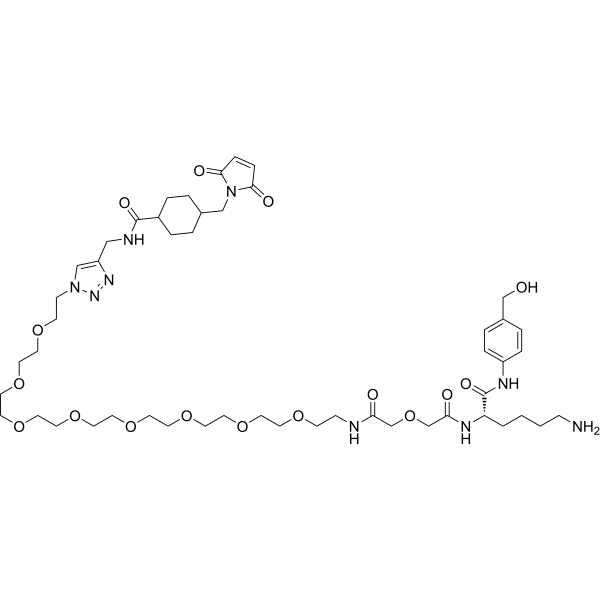
CL2A is a claevable complicated PEG8- and triazole-containing PABC-peptide-mc linker. CL2A is cleavable through pH sensitivity, giving rise to bystander effect, and binds the antibody at a cysteine residue via a disulfide bond. Labetuzumab govitecan used this linker .
|
-
-
- HY-113110
-
|
L-Cysteinylglycine; Cys-Gly; H-Cys-Gly-OH
|
Endogenous Metabolite
Reactive Oxygen Species (ROS)
DNA/RNA Synthesis
|
Cardiovascular Disease
Cancer
|
|
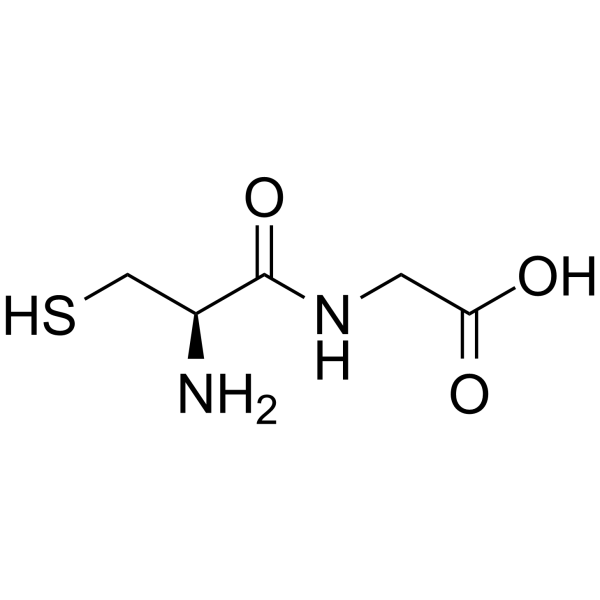
Cysteinylglycine (L-Cysteinylglycine; Cys-Gly) is a dipeptide formed by the peptide bond linkage between cysteine (Cysteine) and glycine (Glycine). Cysteinylglycine is an important metabolic intermediate in the human body, mainly derived from the degradation of glutathione (GSH). Cysteinylglycine reduces ferric iron to ferrous iron, drives the redox cycle of iron, generates reactive oxygen species (ROS), stimulates oxidative reactions, induces lipid peroxidation of human plasma LDL lipoproteins, and causes oxidative damage to DNA bases. Cysteinylglycine can be used as a biomarker to evaluate ischemic heart disease, breast cancer and other conditions .
|
-
-
- HY-W087027
-
|
|
Radionuclide-Drug Conjugates (RDCs)
Biochemical Assay Reagents
Integrin
|
Cancer
|
|
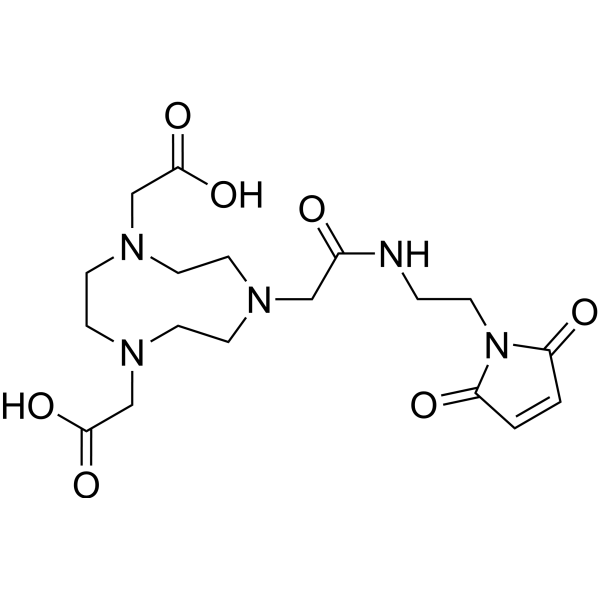
Maleimide-NOTA is a chelate. Maleimide-NOTA can be site-specifically coupled to the hPD-L1 nanobody bearing the Cys-tag. Maleimide-NOTA can specifically conjugate to A20FMDV2 (HY-P1654). The [ 68Ga]Ac-CG6 formed by the conjugation of 68Ga radiolabeled Maleimide-NOTA with A20FMDV2 can be used for PET imaging of αvβ6 integrin-positive pancreatic ductal adenocarcinoma .
|
-
-
- HY-D2906
-
|
|
Fluorescent Dye
|
Others
|
|
Alexa fluor 647 maleimide is a bright, far-red-emitting fluorescent dye for labeling of protein SH groups (Ex/Em = 656/670 nm). Alexa fluor 647 maleimide can be used to attach AF 647 fluorophore to proteins and peptides containing cysteine residues, as well as to other thiolated molecules (such as thiol-containing oligonucleotides). Alexa Fluor 647 maleimide is promising for research of cell biology, neuroscience, and disease diagnostics .
|
-
-
- HY-P4093
-
|
|
Biochemical Assay Reagents
|
Others
|
|
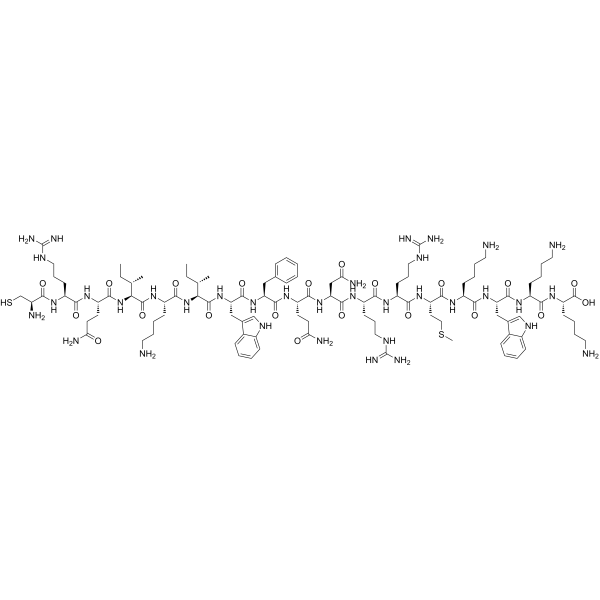
Cys-Penetratin is a cysteine-containing cell-penetrating peptide with sequence CRQIKIWFQNRRMKWKK. Cys-Penetratin can Cys-Penetratin can be used for the research for the research of drug delivery .
|
-
-
- HY-151696
-
|
|
ADC Linker
|
Others
|
|
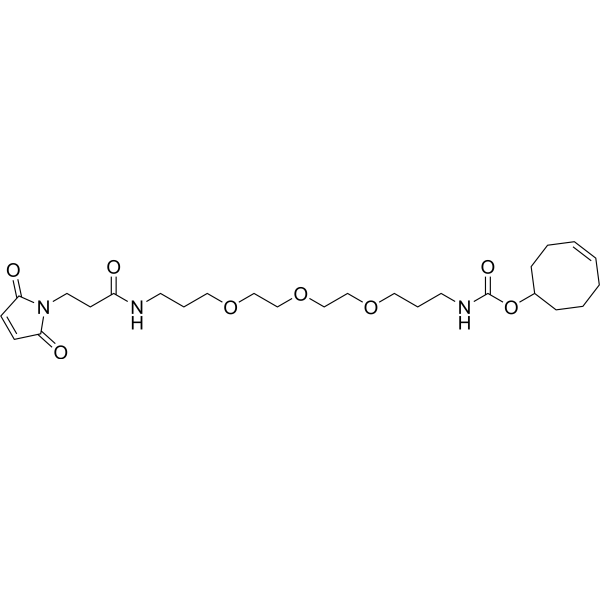
TCO-PEG3-maleimide (TCO-PEG3-NEM) is a click chemistry reagent. TCO-PEG3-maleimide efficiently binds TCO (trans-cyclooctene) moiety to thiol-containing molecules (such as antibodies, cysteine-containing peptides) .
|
-
-
- HY-P11308
-
|
|
EGFR
|
Cancer
|
|
Cys-GE11 is an N-terminal modified GE11 (HY-P10128) with cysteine (Cys) added. Cys-GE11 can be coupled through the thiol group of Cys. Cys-GE11 can be linked to PEG-P (TMC-DTC) through the N-terminus of cysteine to form a targeted polymer. Cys-GE11 can target cells with high EGFR expression (such as SMMC-7721 cells). Cys-GE11 can significantly enhance drug enrichment at the tumor site and exhibit low toxicity .
|
-
-
- HY-D2381
-
|
|
Fluorescent Dye
|
Others
|
|
AF 488 maleimide is a thiol-reactive dye used to label SH groups of proteins, which can attach the AF 488 fluorophore to cysteine residue-containing proteins and peptides as well as other thiolated molecules. AF 488 maleimide enables real-time visualization of dynamic pilus extension and retraction in live bacterial cells via epifluorescence microscopy (Ex/Em = 470/520 nm) .
|
-
-
- HY-142021
-
|
|
Cathepsin
Parasite
|
Infection
Inflammation/Immunology
|
|
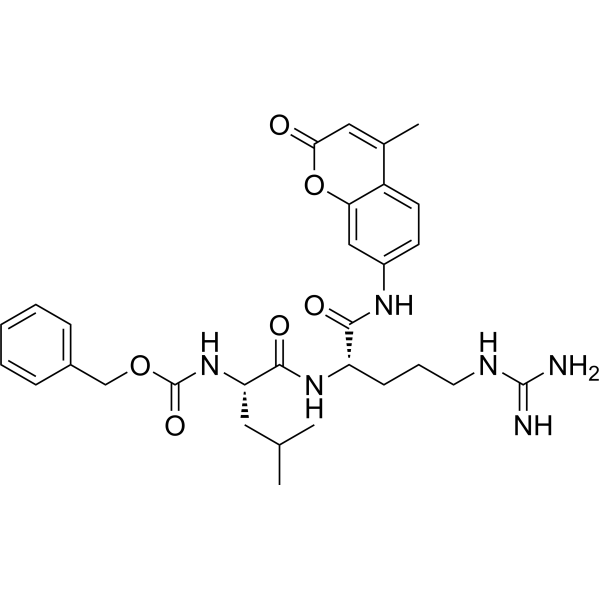
Z-Leu-Arg-AMC is a fluorogenic peptide substrate for cysteine proteases (e.g., Cathepsin) (Ex=350 nm,Em=460 nm). Z-Leu-Arg-AMC is preferentially cleaved by Cathepsin K and S under weakly acidic conditions, while its hydrolysis relies on residual Cathepsin S activity at neutral pH. Z-Leu-Arg-AMC serves as a substrate for recombinant Sphenophorus levis Cathepsin L, falcipain-2, falcipain-3, berghepain-2, knowlepain-2, vivapain-2, as well as falcipain-2 chimeras and constructs. It enables quantitative detection of cysteine protease activity in human inflammatory bronchoalveolar lavage fluid via fluorescence generation. Z-Leu-Arg-AMC can be used in research related to pulmonary inflammatory diseases and malaria .
|
-
-
- HY-165613
-
|
Dipalmitoyl-S-glyceryl-Cysteine; S-[2,3-Bis(palmitoyloxy)propyl]Cysteine
|
Toll-like Receptor (TLR)
Influenza Virus
NF-κB
|
Infection
Inflammation/Immunology
|
|
Pam2Cys (Dipalmitoyl-S-glyceryl-cysteine; S-[2,3-Bis(palmitoyloxy)propyl]cysteine) is a TLR2 agonist and immunostimulant. Pam2Cys binds to TLR2 to activate dendritic cells and trigger the TLR2-dependent NF-κB signaling pathway. Pam2Cys also induces dendritic cell maturation by upregulating the expression of cell surface MHC II molecules. Pam2Cys activates innate immune signaling pathways, drives pro-inflammatory and antimicrobial responses, enhances the expression of macrophage activation markers, increases phagocytic activity, induces the release of IL-12 and pro-inflammatory cytokines, and polarizes macrophages into a pro-inflammatory, antimicrobial phenotype without interfering with IL-10-induced macrophage polarization. Pam2Cys also serves as the lipid moiety in synthetic lipopeptide vaccines and possesses self-adjuvant properties. Pam2Cys enhances the immunogenicity of conjugated peptide segments and induces cellular and humoral immune responses. However, it does not activate CD4 T cells in mouse splenocyte cultures when used alone. Pam2Cys activates pulmonary TLR2 signaling pathways, triggers innate immune responses, recruits neutrophils and macrophages, induces the secretion of various cytokines, alleviates symptoms and damages associated with influenza A virus infection in mice without impairing adaptive immunity. Pam2Cys can be used in studies related to tuberculosis and influenza A virus infection .
|
-
-
- HY-137199
-
-
-
- HY-114174
-
|
|
Amyloid-β
|
Neurological Disease
|
|
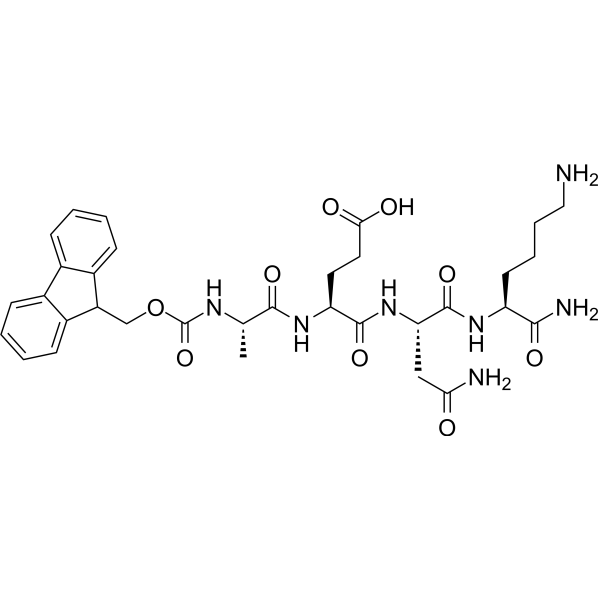
Fmoc-Ala-Glu-Asn-Lys-NH2 is a selective asparagine endopeptidase (AEP) inhibitor peptide and suppresses amyloid precursor protein (APP) cleavage. AEP, a pH-controlled cysteine proteinase, is activated during ageing and mediates APP proteolytic processing .
|
-
-
- HY-P2315
-
|
HβD-1
|
Antibiotic
Bacterial
|
Infection
|
|
Human β-defensin-1 (HβD-1) is a cysteine-rich cationic skin-antimicrobial peptide (SAP) produced by all epithelial surfaces, but also by circulatory cells and cells of the reproductive tract. Human β-defensin-1 has antimicrobial activities against a broad-sperm bacteria .
|
-
-
- HY-D2186
-
|
|
Biochemical Assay Reagents
|
Others
|
|
BTD probe-1 is a benzothiazine-based chemoproteomic probe and selective protein S-sulfenic acid (Cys-SOH) labeling agent. BTD probe-1 labels protein S-sulfenic acids in vitro in cell and tissue samples, and in situ in intact cells, enabling detection or enrichment of modified proteins/peptides. BTD probe-1 exhibits no cytotoxicity in cells at concentrations ≤1 mM. BTD probe-1 enables global, site-specific mapping and quantification of cysteine S-sulfenylation in complex proteomes with lower input material .
|
-
-
- HY-E70364
-
|
|
Biochemical Assay Reagents
|
Inflammation/Immunology
|
|
IgdE protease is a cysteine protease, which is initially isolated from Streptococcus agalactiae. IgdE protease digests monoclonal antibodies (mAbs) of the IgG1 type specifically at their upper hinge region, produces Fc/2, hinge peptide dimers, and Fab fragment. IgdE protease can be used in disulfide bonds and free thiol analysis, as it requires no reducing agents for cleavage .
|
-
-
- HY-P1801A
-
|
Cys-[HIV-Tat (47-57)] TFA
|
HIV
Drug Derivative
|
Others
|
|
Cys-TAT(47-57) (Cys-[HIV-Tat (47-57)]) TFA, TAT (HY-P0281) derivative, is a Cysteine (HY-Y0337)-tagged cell-penetrating peptide (CPP) derived from the HIV TAT protein. Cys-TAT(47-57) TFA can be used for the research for the research of drug delivery .
|
-
-
- HY-W012166
-
|
NHS-Bromoacetate
|
Biochemical Assay Reagents
|
Infection
|
|
N-Succinimidyl bromoacetate (NHS-Bromoacetate) is a heterobifunctional crosslinking reagent, mainly used to modify the ɛ-amino group of lysine side chains. By covalently linking its bromoacetyl moiety to the ɛ-amino group of lysine in peptidomimetics, N-Succinimidyl bromoacetate enables their conjugation with thiol-modified nanoparticles via thioether bonds. N-Succinimidyl bromoacetate also performs bromoacetylation modification on carrier proteins, which then forms stable thioether bonds with the thiol groups of cysteine in peptides, thus efficiently preparing soluble peptide-protein conjugates with high substitution ratios. N-Succinimidyl bromoacetate can be used to prepare activated Sepharose derivatives for affinity chromatography, protein affinity labeling reagents, and peptide-protein immunogen conjugates with non-immunogenic linkages. N-Succinimidyl bromoacetate is applicable to studies related to HIV-1 infection and glioblastoma multiforme .
|
-
-
- HY-P4087
-
|
|
HIV
|
Infection
Cancer
|
|
Cys(Npys)-(Arg)9 is a synthetic cationic cell-penetrating peptide with a reversible thiol-reactive nitropyridyl (Npys) group. Cys(Npys)-(Arg)9 efficiently mediates the internalization and delivery of various "cargo" such as proteins and antibodies by forming reversible disulfide bonds with surface-exposed cysteine residues. Cys(Npys)-(Arg)9 endows TALEN proteins with cell-penetrating activity, enabling gene knockout in mammalian cells and protein transduction in wheat microspores. Cys(Npys)-(Arg)9 can be conjugated with antibodies to form cationized IgG for enhancing endosomal escape of oligonucleotides, or form siRNA delivery complexes. When the molar ratio of Cys(Npys)-(Arg)9 to loaded molecules is higher than 1:1, it exerts certain cytotoxic effects on cells. Cys(Npys)-(Arg)9 can be used in studies related to oral squamous cell carcinoma and HIV infection .
|
-
-
- HY-P5681
-
|
|
Bacterial
|
Infection
Inflammation/Immunology
|
|
Human α-Defensin 6, a 32-residue cysteine-rich peptide, can inhibit bacterial invasion and contribute to the mucosal immunity. Human α-Defensin 6 forms ordered self-assembly fibrils and nanonets that surround and entangle bacteria after stochastic binding to bacterial surface proteins. Human α-Defensin 6 also inhibits C. albicans biofilm formation .
|
-
-
- HY-W736950A
-
|
|
Amino Acid Derivatives
|
Others
|
|
H-L-Cys(MDNPE)-OH hydrochloride is a cysteine derivative with a short peptide sequence attached to the thiol group of cysteine.
|
-
-
- HY-P5969
-
-
-
- HY-D1423
-
|
|
Fluorescent Dye
|
Others
|
|
Dibromobimane is a thiol-selective fluorescent imaging agent. Dibromobimane is used to crosslink cysteine- and homocysteine-containing peptides .
|
-
-
- HY-177205
-
|
|
Biochemical Assay Reagents
|
Others
|
|
DSPE-PEG2000-CRPPR is a polyethylene glycol (PEG) conjugate composed of DSPE and Heart-homing peptide (CRPPR) (HY-P10641). DSPE-PEGs are modified with the CRPPR peptide to bind cysteine-rich protein 2 (CRIP2) as well as FITC-labeled superparamagnetic iron oxide nanoparticles .
|
-
-
- HY-P4101
-
|
|
HIV
|
Infection
|
|
Cys(Npys)-TAT (47-57) is a peptide fragment of TAT peptide and it is able to interact with plasmid DNA electrostatically. Cys(Npys)-TAT (47-57) is corresponding to the transduction domain of TAT with an activated cysteine residue C. TAT is a small nuclear transcriptional activator protein encoded by HIV-1 .
|
-
-
- HY-P11286
-
|
|
Complement System
|
Cancer
|
|
A7RC is a multifunctional peptide used in tumor-targeted therapy, with Cysteine added to the C-terminal of the A7R peptide (sequence: ATWLPPR). A7R (HY-P1663) is a ligand of the NRP-1 receptor, regulating intracellular signal transduction related to tumor vascularization and tumor growth .
|
-
-
- HY-126809A
-
|
Bz-PFR-pNA hydrochloride
|
Factor Xa
|
Others
|
|
Bz-Pro-Phe-Arg-pNA (Bz-PFR-pNA) hydrochloride is a chromogenic peptide substrate for plasma and glandular Kallikrein, cysteine proteinase (Cruzipain) and Trypsin. Bz-Pro-Phe-Arg-pNA hydrochloride can be used in Factor XII assay .
|
-
-
- HY-P1801
-
|
Cys-[HIV-Tat (47-57)]
|
HIV
Drug Derivative
|
Others
|
|
Cys-TAT(47-57) (Cys-[HIV-Tat (47-57)]), TAT (HY-P0281) derivative, is a Cysteine (HY-Y0337)-tagged cell-penetrating peptide (CPP) derived from the HIV TAT protein. Cys-TAT(47-57) can be used for the research for the research of drug delivery .
|
-
-
- HY-172721
-
|
|
Fluorescent Dye
|
Others
|
|
Cy3B maleimide is a mono-reactive dye containing maleimide group, which can selectively and efficiently attach Cyanine3 fluorophore (an analog of Cy3) to proteins and peptides containing cysteine residues, as well as to other thiolated molecules (such as thiol-containing oligonucleotides). Cy3B is an improved version of Cy3 dyes with significantly increased fluorescence quantum yield and photostability.
|
-
-
- HY-E70018
-
|
|
Endogenous Metabolite
|
Infection
Metabolic Disease
|
|
Picornain 3C is a protease found in picornaviruses, which cleaves peptide bonds of non-terminal sequences. Picornain 3C is an intermediate between the serine peptidase chymotrypsin and the cysteine peptidase papain. Picornain 3C shows endopeptidase activity by selectively cleaving Gln-Gly bonds in the polyprotein of poliovirus and with substitution of Glu for Gln, and Ser or Thr for Gly in other picornaviruses .
|
-
-
- HY-P2313
-
|
HβD-2
|
Antibiotic
Bacterial
|
Infection
|
|
Human β-defensin-2 (HβD-2) is a small cysteine-rich cationic skin-antimicrobial peptide (SAP) produced by a number of epithelial cells.Human β-defensin-2 has antimicrobial activity against gram-negative bacteria and Candida, but not gram-positive Staphylococcus aureus . Human β-defensin-2 can be used for the study of colitis .
|
-
-
- HY-113110A
-
|
L-Cysteinylglycine TFA; Cys-Gly TFA; H-Cys-Gly-OH TFA
|
Endogenous Metabolite
Reactive Oxygen Species (ROS)
DNA/RNA Synthesis
|
Cardiovascular Disease
Cancer
|
|
Cysteinylglycine (L-Cysteinylglycine; Cys-Gly) TFA is a dipeptide formed by the peptide bond connection of cysteine and glycine. Cysteinylglycine TFA is an important metabolic intermediate in the human body, mainly derived from the degradation of glutathione (GSH). Cysteinylglycine TFA can reduce trivalent iron to divalent iron, driving the redox cycle of iron, generating reactive oxygen species (ROS), stimulating oxidative reactions, inducing lipid peroxidation in human plasma LDL lipoproteins, and causing oxidative damage to DNA base. Cysteinylglycine TFA can be used as a biomarker to assess ischemic heart disease and breast cancer, etc [1][2][3][4].
|
-
-
- HY-P4087B
-
|
|
HIV
|
Others
|
|
Cys(Npys)-(Arg)9 acetate is a synthetic cationic cell-penetrating peptide with a reversible thiol-reactive nitropyridyl (Npys) group. Cys(Npys)-(Arg)9 acetate efficiently mediates the internalization and delivery of various "cargo" such as proteins and antibodies by forming reversible disulfide bonds with surface-exposed cysteine residues. Cys(Npys)-(Arg)9 acetate endows TALEN proteins with cell-penetrating activity, enabling gene knockout in mammalian cells and protein transduction in wheat microspores. Cys(Npys)-(Arg)9 acetate can be conjugated with antibodies to form cationized IgG for enhancing endosomal escape of oligonucleotides, or form siRNA delivery complexes. When the molar ratio of Cys(Npys)-(Arg)9 acetate to loaded molecules is higher than 1:1, it exerts certain cytotoxic effects on cells. Cys(Npys)-(Arg)9 acetate can be used in studies related to oral squamous cell carcinoma and HIV infection .
|
-
-
- HY-P11316
-
|
|
Biochemical Assay Reagents
Drug-Linker Conjugates for ADC
|
Others
|
|
DBCO-tag peptide P1 is a cysteine-containing peptide tag. DBCO-tag peptide P1 selectively reacts with dibenzocyclooctyne (DBCO) to yield stable dibenzocyclooctenyl thioethers. DBCO-tag peptide P1 enables site-selective mEGFP labeling and antibody (such as Trastuzumab (HY-P9907)) labelling without impairing the protein binding function. DBCO-tag peptide P1 can be used for ADC synthesis and mEGFP labeling research .
|
-
-
- HY-159703
-
|
Glutamyl-Cysteine; PSSGlu-Cys
|
Endogenous Metabolite
|
Others
|
|
Glu-Cys (Glutamyl-cysteine; PSSGlu-Cys) is a dipeptide composed of L-glutamic acid (HY-14608) and L-cysteine (HY-Y0337) joined by a peptide linkage .
|
-
-
- HY-P11541
-
-
-
- HY-134517
-
|
|
Amino Acid Derivatives
|
Others
|
|
Fmoc-HoCys(ACM)-OH, a homolog of cysteine, is synthesized from L-methionine. Fmoc-HoCys(ACM)-OH also can be used for the synthesis of solid phase peptide .
|
-
-
- HY-128945A
-
|
|
ADC Linker
|
Inflammation/Immunology
Cancer
|
|
CL2A TFA is a claevable complicated PEG8- and triazole-containing PABC-peptide-mc linker. CL2A TFA is cleavable through pH sensitivity, giving rise to bystander effect, and binds the antibody at a cysteine residue via a disulfide bond. Labetuzumab govitecan used this linker .
|
-
-
- HY-P5320
-
|
|
Apoptosis
|
Others
|
|
TAT-BH4 (Bcl-xL) localized mainly at the mitochondria, prevents apoptotic cell death. TAT-BH4 (Bcl-xL) is a fusion peptide that combines the N-terminal cysteine conjugated protein transduction domain of HIV TAT protein (amino acids 49 to 57) with the Bcl-xL BH4 peptide. TAT-BH4 can be used for research of diseases caused by accelerated apoptosis .
|
-
-
- HY-P10428
-
|
|
HPV
|
Infection
|
|
E6AP-mimicking peptide (compound 13) is a high-affinity, selective, irreversible and potent peptide-based covalent HPV16 E6 inhibitor targeting the 16E6 oncoprotein using a cysteine-reactive acrylamide warhead. E6AP-mimicking peptide has a Ki of 17 nM. E6AP-mimicking peptide targets all residues appearing in the binding pocket of E6 to disrupt the binding interface of 16E6 and E6AP. E6AP-mimicking peptide selectively binds and crosslinks to MBP-16E6 in PBS or a protein mixture .
|
-
-
- HY-P4370
-
|
|
Bacterial
Fungal
|
Infection
|
|
Hepcidin-20 (human) is a histidine-containing, cysteine-rich, β-sheet structured peptide. Hepcidin-20 (human) shows antifungal activity. Hepcidin-20 (human) inhibits biofilm formation and bacterial cell metabolism of polysaccharide intercellular adhesin (PIA)-positive and PIA-negative strains .
|
-
-
- HY-113110R
-
|
L-Cysteinylglycine (Standard); Cys-Gly (Standard); H-Cys-Gly-OH (Standard)
|
Reference Standards
Endogenous Metabolite
Reactive Oxygen Species (ROS)
DNA/RNA Synthesis
|
Cardiovascular Disease
Cancer
|
|
Cysteinylglycine (Standard) is the analytical standard of Cysteinylglycine. This product is intended for research and analytical applications. Cysteinylglycine is a dipeptide formed by the peptide bond linkage between cysteine (Cysteine) and glycine (Glycine). Cysteinylglycine is an important metabolic intermediate in the human body, mainly derived from the degradation of glutathione (GSH). Cysteinylglycine reduces ferric iron to ferrous iron, drives the redox cycle of iron, generates reactive oxygen species (ROS), stimulates oxidative reactions, induces lipid peroxidation of human plasma LDL lipoproteins, and causes oxidative damage to DNA bases. Cysteinylglycine can be used as a biomarker to evaluate ischemic heart disease, breast cancer and other conditions .
|
-
-
- HY-P5377
-
|
Cathepsin K substrate
|
Ser/Thr Protease
|
Others
|
|
Abz-HPGGPQ-EDDnp (Cathepsin K substrate) is a biological active peptide. (Cathepsins are a class of globular lysosomal proteases, playing a vital role in mammalian cellular turnover. They degrade polypeptides and are distinguished by their substrate specificities. Cathepsin K is the lysosomal cysteine protease involved in bone remodeling and resorption. It has potential as a drug target in autoimmune diseases and osteoporosis.This FRET peptide can be used to monitor selectively cathepsin K activity in physiological fluids and cell lysates. Abz-HPGGPQ-EDDnp [where Abz represents o-aminobenzoic acid and EDDnp represents N -(2, 4-dinitrophenyl)-ethylenediamine], a substrate initially developed for trypanosomal enzymes, is efficiently cleaved at the Gly-Gly bond by cathepsin K. This peptide is resistant to hydrolysis by cathepsins B, F, H, L, S and V, Ex/Em=340 nm/420 nm.)
|
-
-
- HY-P5071
-
|
|
Bacterial
|
Infection
|
|
EcAMP3 is a hairpin-like peptide. EcAMP3 has antifungal and antibacterial activity. EcAMPs precursor family contains seven identical cysteine motifs: C1XXXC2(11–13)C3XXXC4 .
|
-
-
- HY-133975
-
|
|
Bacterial
|
Metabolic Disease
|
|
Isoleucylcysteine, a dipeptide composed of isoleucine and cysteine, is an intermediate peptide in bacitracin biosynthesis .
|
-
-
- HY-P3920
-
|
|
PKA
|
Cancer
|
|
Cys-Kemptide is a cysteine-terminated substrate peptide that can used to measure protein kinase A (PKA) activity .
|
-
-
- HY-P6009
-
|
|
Integrin
|
Cancer
|
|
Cys-αvβ6-BP is a cysteine-terminated αvβ6 binding peptide .
|
-
- HY-P6009A
-
|
|
Integrin
|
Cancer
|
|
Cys-αvβ6-BP TFA is a cysteine-terminated αvβ6 binding peptide .
|
-
- HY-150242A
-
|
|
Liposome
|
Others
|
|
Cbz-Ala-Ala-Asn TFA is a peptide that designed based on the sequence of the substrate of legumain. Legumain is a cysteine protease. Cbz-Ala-Ala-Asn TFA can be applied as a scaffold for drug delivery .
|
-
- HY-126809
-
|
Bz-PFR-pNA
|
Kallikrein
Ser/Thr Protease
Parasite
Factor Xa
|
Others
|
|
Bz-Pro-Phe-Arg-pNA (Bz-PFR-pNA) is a chromogenic peptide substrate for plasma and glandular Kallikrein, cysteine proteinase (Cruzipain) and Trypsin. Bz-Pro-Phe-Arg-pNA can be used in Factor XII assay .
|
-
- HY-P5439
-
|
|
PKC
MARCKS
|
Others
|
|
Epsilon-V1-2, Cys-conjugated is a biological active peptide. (This peptide is the εPKC specific inhibitor. Its inhibitory activity is based on εPKC translocation and MARCKS phosphorylation. This peptide interferes with εPKC interaction with the anchoring protein εRACK. This peptide contains a cysteine residue added to the C-terminus for potential S-S bond formation with a carrier protein.Pyroglutamyl (pGlu) peptides may spontaneously form when either Glutamine (Q) or Glutamic acid (E) is located at the sequence N-terminus. The conversion of Q or E to pGlu is a natural occurrence and in general it is believed that the hydrophobic γ-lactam ring of pGlu may play a role in peptide stability against gastrointestinal proteases. Pyroglutamyl peptides are therefore considered a normal subset of such peptides and are included as part of the peptide purity during HPLC analysis.)
|
-
- HY-P4095
-
|
|
CXCR
|
Cancer
|
|
NoxaBH3 is a cysteine-based cross-linked peptide with increased cell permeability and higher inhibitory activity against Mcl-1. NoxaBH3 binds to the endogenous CXCR4 ligand to produce ubiquitin-Noxabh3 conjugate. NoxaBH3 is then delivered to cancer cells .
|
-
- HY-P5320A
-
|
|
Apoptosis
|
Others
|
|
TAT-BH4 (Bcl-xL) TFA is localized mainly at the mitochondria, prevents apoptotic cell death. TAT-BH4 (Bcl-xL) is a fusion peptide that combines the N-terminal cysteine conjugated protein transduction domain of HIV TAT protein (amino acids 49 to 57) with the Bcl-xL BH4 peptide. TAT-BH4 TFA can be used for research of diseases caused by accelerated apoptosis .
|
-
- HY-P11311
-
|
|
Proteasome
|
Cancer
|
|
NC-002, a cell-permeable peptide, is a Trypsin-like proteasome inhibitor without inhibition of lysosomal cysteine proteases. NC-002 is the epoxyketone derivative of Leupeptin (HY-18234). NC-002 sensitizes myeloma cells to Bortezomib (HY-10227) and Carfilzomib (HY-10455). NC-002 can be used for cancers research .
|
-
- HY-D0151
-
|
|
Fluorescent Dye
|
Others
|
|
Tetramethylrhodamine-5-maleimide is a fluorescent probe with high specificity for cysteine thiol (SH) groups. Tetramethylrhodamine-5-maleimide has high sensitivity, responds rapidly to negatively charged nanoparticles, and shows a concentration-dependent decrease in fluorescence intensity, but it is susceptible to interference from humic acids .
|
-
- HY-P10540
-
|
|
Bacterial
|
Infection
|
|
Pantinin-2 is a cysteine-free toxic peptide found in the emperor scorpion (paninus imperator). Pantinin-2 has high activity against Gram-positive bacteria but weak activity against Gram-negative bacteria. Pantinin-2 also exhibits activity against Candida tropicalis and has relatively mild hemolytic activity against human erythrocytes. Pantinin-2 can be used in the development of antimicrobial drugs for drug-resistant pathogens .
|
-
- HY-P3436B
-
-
- HY-P11284B
-
|
|
Drug Derivative
|
Neurological Disease
|
|
TGN, Cys modified is a cysteine modified TGN (HY-P11284) on the C-terminus. TGN, a 12-amino acid ligand, is a BBB-penetrating peptide. TGN can be used as a drug delivery vehicle for Alzheimer's disease research .
|
-
- HY-P0307B
-
|
|
Biochemical Assay Reagents
|
Neurological Disease
|
|
Penetratin-Cys is a cell-penetrating peptide derived from Antennapedia Peptide (HY-P0307) via C-terminal cysteine modification. Penetratin-Cys acts as a cytotoxin and reduces the viability of differentiated neuronal cells. Penetratin-Cys localizes to the perinuclear region and binds to the Golgi apparatus. Penetratin-Cys can be used in research related to neurological disorders .
|
-
- HY-P11781
-
|
|
Drug Derivative
|
Cancer
|
|
HW12 is a random peptide containing an N-terminal cysteine and is not an EGFR ligand. HW12 can serve as a control for GE11 (HY-P10128)-conjugated mixed micelles targeting EGFR. HW12 is applicable to pancreatic cancer-related research .
|
-
- HY-P3051A
-
|
|
Drug Derivative
|
Infection
Inflammation/Immunology
|
|
CKS-17 (dimer) is the dimer of CKS-17 (HY-P3051). CKS-17 (dimer) can be prepared by introducing a naturally occurring cysteine at the carboxyl terminus and dimerizing via a cysteine-disulfide bond. CKS-17 is a synthetic retroviral envelope peptide. CKS-17 has a highly conserved amino acid sequence present in the transmembrane envelope proteins of numerous animal and human retroviruses. As an immunomodulatory epitope, CKS-17 exhibits inhibitory properties on a variety of immune functions .
|
-
- HY-177205C
-
|
|
Liposome
|
Cardiovascular Disease
|
|
DSPE-PEG5000-CRPPR is a PEG compound which composed of DSPE and a?Heart-homing peptide?(CRPPR) (HY-P10641). CRPPR is a linear peptide containing arginine that has the ability to specifically bind to the cardiac endothelium and uses cysteine-rich protein-2 (CRIP-2) as its receptor. DSPE-PEG5000-CGKRK can be used for drug delivery .
|
-
- HY-177205A
-
|
|
Liposome
|
Cardiovascular Disease
|
|
DSPE-PEG1000-CRPPR is a PEG compound which composed of DSPE and a?Heart-homing peptide?(CRPPR) (HY-P10641). CRPPR is a linear peptide containing arginine that has the ability to specifically bind to the cardiac endothelium and uses cysteine-rich protein-2 (CRIP-2) as its receptor. DSPE-PEG1000-CGKRK can be used for drug delivery .
|
-
- HY-177205B
-
|
|
Liposome
|
Cardiovascular Disease
|
|
DSPE-PEG3400-CRPPR is a PEG compound which composed of DSPE and a?Heart-homing peptide?(CRPPR) (HY-P10641). CRPPR is a linear peptide containing arginine that has the ability to specifically bind to the cardiac endothelium and uses cysteine-rich protein-2 (CRIP-2) as its receptor. DSPE-PEG3400-CGKRK can be used for drug delivery .
|
-
- HY-P5423D
-
|
|
Exosomes
|
Others
|
|
Ahx-GALA-Cys is a GALA peptide (HY-P5423) derivative with an N-terminal 6-aminohexanoic acid (Ahx) linker and a C-terminal cysteine residue. Ahx-GALA-Cys possesses strong covalent coupling capacity, which can be used to conjugate fluorophores and targeting ligands for investigating the surface functionalization of small extracellular vesicles (sEV) and lysosomal escape .
|
-
- HY-P11753
-
|
|
TGF-beta/Smad
|
Neurological Disease
Inflammation/Immunology
|
|
IKVAVC is a derivative peptide of IKVAV with an artificially added cysteine (Cys) at its C-terminus. IKVAVC retains all the biological activities of the original IKVAV, mainly acting as a neural adhesion/differentiation signaling peptide, and is equipped with an engineered linker arm that enables covalent conjugation to molecular materials. IKVAV inhibits the migration and activation of fibroblasts, downregulates the TGF-β1 signaling pathway and endoplasmic reticulum stress, and promotes nerve repair. IKVAV regulates the phenotype of macrophages, shifting them from the pro-inflammatory M1 type to the pro-reparative M2 type .
|
-
- HY-P1654A
-
|
|
Integrin
|
Cancer
|
|
A20FMDV2-Cys is a cysteine-containing 20-mer peptide that targets integrin αvβ6 with high affinity. A20FMDV2-Cys can be used for targeted liposome modification to enhance liver and bile duct targeting. A20FMDV2-Cys is applicable for research in drug delivery .
|
-
- HY-P11781A
-
|
|
Drug Derivative
|
Cancer
|
|
Cys-HW12 is a random peptide containing an N-terminal cysteine. Cys-HW12 can be coupled via the thiol group of Cys. Cys-HW12 can serve as a control for GE11 (HY-P10128)-conjugated mixed micelles targeting EGFR, and also functions as a cytotoxic agent, cellular uptake inhibitor, and tumor growth inhibitor. Cys-HW12 is applicable to pancreatic cancer-related research .
|
-
- HY-P11767
-
|
|
Ferroptosis
|
Infection
|
|
NCR247 is a defensin-like nodule cysteine-rich (NCR) peptide and haem sequesterer. NCR247 forms 6:6 haem:NCR247 hexamers and higher-order complexes to render haem and bound iron biologically inaccessible, induces iron-starvation response in Sinorhizobium meliloti and Medicago truncatula, and supports nitrogenase activity.NCR247 is critical for establishing nitrogen-fixing symbiosis between Sinorhizobium meliloti and Medicago truncatula, and is inactive against cytochrome haem.NCR247’s D-enantiomer binds and sequesters haem equivalently to its L-enantiomer.NCR247 can be used for the research of infections, periodontal disease, toxoplasmosis .
|
-
- HY-DY1088
-
|
N-(5-Fluoresceinyl)maleimide (solution)
|
Fluorescent Dye
|
Others
|
Fluorescein-5-maleimide (solution) (N-(5-Fluoresceinyl)maleimide (solution)) is a fluorescent dye. Fluorescein-5-maleimide can be used to detect the redox state of thiols in eukaryotic cells. Fluorescein-5-maleimide can label peptides and is used to detect negatively charged nanoparticles. Fluorescein-5-maleimide can also label actin to explore its interaction with cardiac myosin-binding protein C (cMyBP-C), which helps in developing small molecule modulators for heart failure. Fluorescein-5-maleimide can screen mutant proteins that contain cysteine residues. The excitation wavelength of Fluorescein-5-maleimide is 494 nm, and the emission wavelength is 519 nm .
Solvent and concentration: DMSO: 10 mM
|
-
-
- HY-D0098
-
|
N-(5-Fluoresceinyl)maleimide
|
蛍光色素
|
Fluorescein-5-maleimide (N-(5-Fluoresceinyl)maleimide) is a fluorescent dye. Fluorescein-5-maleimide can be used to detect the redox state of thiols in eukaryotic cells. Fluorescein-5-maleimide can label peptides and is used to detect negatively charged nanoparticles. Fluorescein-5-maleimide can also label actin to explore its interaction with cardiac myosin-binding protein C (cMyBP-C), which helps in developing small molecule modulators for heart failure. Fluorescein-5-maleimide can screen mutant proteins that contain cysteine residues. The excitation wavelength of Fluorescein-5-maleimide is 494 nm, and the emission wavelength is 519 nm .
|
-
- HY-D2906
-
|
|
蛍光色素
|
|
Alexa fluor 647 maleimide is a bright, far-red-emitting fluorescent dye for labeling of protein SH groups (Ex/Em = 656/670 nm). Alexa fluor 647 maleimide can be used to attach AF 647 fluorophore to proteins and peptides containing cysteine residues, as well as to other thiolated molecules (such as thiol-containing oligonucleotides). Alexa Fluor 647 maleimide is promising for research of cell biology, neuroscience, and disease diagnostics .
|
-
- HY-D2381
-
|
|
蛍光色素
|
|
AF 488 maleimide is a thiol-reactive dye used to label SH groups of proteins, which can attach the AF 488 fluorophore to cysteine residue-containing proteins and peptides as well as other thiolated molecules. AF 488 maleimide enables real-time visualization of dynamic pilus extension and retraction in live bacterial cells via epifluorescence microscopy (Ex/Em = 470/520 nm) .
|
-
- HY-D2186
-
|
|
蛍光色素
|
|
BTD probe-1 is a benzothiazine-based chemoproteomic probe and selective protein S-sulfenic acid (Cys-SOH) labeling agent. BTD probe-1 labels protein S-sulfenic acids in vitro in cell and tissue samples, and in situ in intact cells, enabling detection or enrichment of modified proteins/peptides. BTD probe-1 exhibits no cytotoxicity in cells at concentrations ≤1 mM. BTD probe-1 enables global, site-specific mapping and quantification of cysteine S-sulfenylation in complex proteomes with lower input material .
|
-
- HY-D1423
-
|
|
蛍光色素
|
|
Dibromobimane is a thiol-selective fluorescent imaging agent. Dibromobimane is used to crosslink cysteine- and homocysteine-containing peptides .
|
-
- HY-172721
-
|
|
蛍光色素
|
|
Cy3B maleimide is a mono-reactive dye containing maleimide group, which can selectively and efficiently attach Cyanine3 fluorophore (an analog of Cy3) to proteins and peptides containing cysteine residues, as well as to other thiolated molecules (such as thiol-containing oligonucleotides). Cy3B is an improved version of Cy3 dyes with significantly increased fluorescence quantum yield and photostability.
|
-
- HY-P11316
-
|
|
蛍光色素
|
|
DBCO-tag peptide P1 is a cysteine-containing peptide tag. DBCO-tag peptide P1 selectively reacts with dibenzocyclooctyne (DBCO) to yield stable dibenzocyclooctenyl thioethers. DBCO-tag peptide P1 enables site-selective mEGFP labeling and antibody (such as Trastuzumab (HY-P9907)) labelling without impairing the protein binding function. DBCO-tag peptide P1 can be used for ADC synthesis and mEGFP labeling research .
|
-
- HY-D0151
-
|
|
蛍光色素
|
|
Tetramethylrhodamine-5-maleimide is a fluorescent probe with high specificity for cysteine thiol (SH) groups. Tetramethylrhodamine-5-maleimide has high sensitivity, responds rapidly to negatively charged nanoparticles, and shows a concentration-dependent decrease in fluorescence intensity, but it is susceptible to interference from humic acids .
|
-
- HY-DY1088
-
|
N-(5-Fluoresceinyl)maleimide (solution)
|
蛍光色素
|
Fluorescein-5-maleimide (solution) (N-(5-Fluoresceinyl)maleimide (solution)) is a fluorescent dye. Fluorescein-5-maleimide can be used to detect the redox state of thiols in eukaryotic cells. Fluorescein-5-maleimide can label peptides and is used to detect negatively charged nanoparticles. Fluorescein-5-maleimide can also label actin to explore its interaction with cardiac myosin-binding protein C (cMyBP-C), which helps in developing small molecule modulators for heart failure. Fluorescein-5-maleimide can screen mutant proteins that contain cysteine residues. The excitation wavelength of Fluorescein-5-maleimide is 494 nm, and the emission wavelength is 519 nm .
Solvent and concentration: DMSO: 10 mM
|
-
- HY-177205
-
|
|
生化学アッセイ試薬
|
|
DSPE-PEG2000-CRPPR is a polyethylene glycol (PEG) conjugate composed of DSPE and Heart-homing peptide (CRPPR) (HY-P10641). DSPE-PEGs are modified with the CRPPR peptide to bind cysteine-rich protein 2 (CRIP2) as well as FITC-labeled superparamagnetic iron oxide nanoparticles .
|
-
- HY-177205C
-
|
|
生化学アッセイ試薬
|
|
DSPE-PEG5000-CRPPR is a PEG compound which composed of DSPE and a?Heart-homing peptide?(CRPPR) (HY-P10641). CRPPR is a linear peptide containing arginine that has the ability to specifically bind to the cardiac endothelium and uses cysteine-rich protein-2 (CRIP-2) as its receptor. DSPE-PEG5000-CGKRK can be used for drug delivery .
|
-
- HY-177205A
-
|
|
生化学アッセイ試薬
|
|
DSPE-PEG1000-CRPPR is a PEG compound which composed of DSPE and a?Heart-homing peptide?(CRPPR) (HY-P10641). CRPPR is a linear peptide containing arginine that has the ability to specifically bind to the cardiac endothelium and uses cysteine-rich protein-2 (CRIP-2) as its receptor. DSPE-PEG1000-CGKRK can be used for drug delivery .
|
-
- HY-177205B
-
|
|
生化学アッセイ試薬
|
|
DSPE-PEG3400-CRPPR is a PEG compound which composed of DSPE and a?Heart-homing peptide?(CRPPR) (HY-P10641). CRPPR is a linear peptide containing arginine that has the ability to specifically bind to the cardiac endothelium and uses cysteine-rich protein-2 (CRIP-2) as its receptor. DSPE-PEG3400-CGKRK can be used for drug delivery .
|
-
- HY-P1351
-
|
|
Biochemical Assay Reagents
|
Cancer
|
|
Angiopep-2-cys is a conjugate of Angiopep-2 hydrochloride (HY-P2341) and cysteine. Angiopep-2 hydrochloride is a brain peptide vector. The conjugation of anticancer agents with the Angiopep-2 peptide vector could increase their efficacy in the treatment of brain cancer .
|
-
- HY-P10533
-
|
|
Tyrosinase
|
Others
|
|
Cysteine peptide is a tyrosinase inhibitor with skin-whitening, antioxidant and multi-regulatory activities. Cysteine peptide inhibits enzyme activity and blocks melanin transport, effectively reducing UV-B-induced skin erythema and pigmentation. Cysteine peptide synergistically maintains skin health by quenching ROS, resisting oxidative stress and promoting pheomelanin production. Cysteine peptide safely prevents daily ultraviolet damage and supports moderate sun exposure for vitamin D synthesis. Cysteine peptide also acts as a plant signaling factor to regulate vegetative growth, development and stress resistance responses .
|
-
- HY-113110
-
|
L-Cysteinylglycine; Cys-Gly; H-Cys-Gly-OH
|
Endogenous Metabolite
Reactive Oxygen Species (ROS)
DNA/RNA Synthesis
|
Cardiovascular Disease
Cancer
|
|
Cysteinylglycine (L-Cysteinylglycine; Cys-Gly) is a dipeptide formed by the peptide bond linkage between cysteine (Cysteine) and glycine (Glycine). Cysteinylglycine is an important metabolic intermediate in the human body, mainly derived from the degradation of glutathione (GSH). Cysteinylglycine reduces ferric iron to ferrous iron, drives the redox cycle of iron, generates reactive oxygen species (ROS), stimulates oxidative reactions, induces lipid peroxidation of human plasma LDL lipoproteins, and causes oxidative damage to DNA bases. Cysteinylglycine can be used as a biomarker to evaluate ischemic heart disease, breast cancer and other conditions .
|
-
- HY-P4093
-
|
|
Biochemical Assay Reagents
|
Others
|
|
Cys-Penetratin is a cysteine-containing cell-penetrating peptide with sequence CRQIKIWFQNRRMKWKK. Cys-Penetratin can Cys-Penetratin can be used for the research for the research of drug delivery .
|
-
- HY-P11308
-
|
|
EGFR
|
Cancer
|
|
Cys-GE11 is an N-terminal modified GE11 (HY-P10128) with cysteine (Cys) added. Cys-GE11 can be coupled through the thiol group of Cys. Cys-GE11 can be linked to PEG-P (TMC-DTC) through the N-terminus of cysteine to form a targeted polymer. Cys-GE11 can target cells with high EGFR expression (such as SMMC-7721 cells). Cys-GE11 can significantly enhance drug enrichment at the tumor site and exhibit low toxicity .
|
-
- HY-137199
-
-
- HY-114174
-
|
|
Amyloid-β
|
Neurological Disease
|
|
Fmoc-Ala-Glu-Asn-Lys-NH2 is a selective asparagine endopeptidase (AEP) inhibitor peptide and suppresses amyloid precursor protein (APP) cleavage. AEP, a pH-controlled cysteine proteinase, is activated during ageing and mediates APP proteolytic processing .
|
-
- HY-P10940
-
|
|
ペプチド
|
Inflammation/Immunology
|
|
Ac-RFAAKAA-COOH is a cysteine-containing polypeptide with a reactive lysine residue, and serves as a substrate for covalent modification and chemical reactivity assays. Ac-RFAAKAA-COOH forms stable covalent adducts with isothiocyanates, resulting in peptide depletion over time. Ac-RFAAKAA-COOH acts as a model peptide in direct peptide reactivity assays, where its chemical reactivity is evaluated via fluorescamine-based free amine assays. Ac-RFAAKAA-COOH can be used in studies related to allergic contact dermatitis and skin sensitization .
|
-
- HY-P2315
-
|
HβD-1
|
Antibiotic
Bacterial
|
Infection
|
|
Human β-defensin-1 (HβD-1) is a cysteine-rich cationic skin-antimicrobial peptide (SAP) produced by all epithelial surfaces, but also by circulatory cells and cells of the reproductive tract. Human β-defensin-1 has antimicrobial activities against a broad-sperm bacteria .
|
-
- HY-P10641A
-
|
|
ペプチド
|
Cardiovascular Disease
|
|
Heart-homing peptide TFA is a Pentapeptide, CRPPR. CRPPR is a linear peptide containing arginine that has been identified as a heart-homing peptide owing to its ability to specifically bind to heart endothelium, and cysteine-rich protein-2 (CRIP-2) has been proposed as the receptor. Heart-homing peptide TFA can be used for conjugating liposomes .
|
-
- HY-P1801A
-
|
Cys-[HIV-Tat (47-57)] TFA
|
HIV
Drug Derivative
|
Others
|
|
Cys-TAT(47-57) (Cys-[HIV-Tat (47-57)]) TFA, TAT (HY-P0281) derivative, is a Cysteine (HY-Y0337)-tagged cell-penetrating peptide (CPP) derived from the HIV TAT protein. Cys-TAT(47-57) TFA can be used for the research for the research of drug delivery .
|
-
- HY-P4087
-
|
|
HIV
|
Infection
Cancer
|
|
Cys(Npys)-(Arg)9 is a synthetic cationic cell-penetrating peptide with a reversible thiol-reactive nitropyridyl (Npys) group. Cys(Npys)-(Arg)9 efficiently mediates the internalization and delivery of various "cargo" such as proteins and antibodies by forming reversible disulfide bonds with surface-exposed cysteine residues. Cys(Npys)-(Arg)9 endows TALEN proteins with cell-penetrating activity, enabling gene knockout in mammalian cells and protein transduction in wheat microspores. Cys(Npys)-(Arg)9 can be conjugated with antibodies to form cationized IgG for enhancing endosomal escape of oligonucleotides, or form siRNA delivery complexes. When the molar ratio of Cys(Npys)-(Arg)9 to loaded molecules is higher than 1:1, it exerts certain cytotoxic effects on cells. Cys(Npys)-(Arg)9 can be used in studies related to oral squamous cell carcinoma and HIV infection .
|
-
- HY-P5681
-
|
|
Bacterial
|
Infection
Inflammation/Immunology
|
|
Human α-Defensin 6, a 32-residue cysteine-rich peptide, can inhibit bacterial invasion and contribute to the mucosal immunity. Human α-Defensin 6 forms ordered self-assembly fibrils and nanonets that surround and entangle bacteria after stochastic binding to bacterial surface proteins. Human α-Defensin 6 also inhibits C. albicans biofilm formation .
|
-
- HY-P5969
-
-
- HY-P4101
-
|
|
HIV
|
Infection
|
|
Cys(Npys)-TAT (47-57) is a peptide fragment of TAT peptide and it is able to interact with plasmid DNA electrostatically. Cys(Npys)-TAT (47-57) is corresponding to the transduction domain of TAT with an activated cysteine residue C. TAT is a small nuclear transcriptional activator protein encoded by HIV-1 .
|
-
- HY-P11286
-
|
|
Complement System
|
Cancer
|
|
A7RC is a multifunctional peptide used in tumor-targeted therapy, with Cysteine added to the C-terminal of the A7R peptide (sequence: ATWLPPR). A7R (HY-P1663) is a ligand of the NRP-1 receptor, regulating intracellular signal transduction related to tumor vascularization and tumor growth .
|
-
- HY-126809A
-
|
Bz-PFR-pNA hydrochloride
|
Factor Xa
|
Others
|
|
Bz-Pro-Phe-Arg-pNA (Bz-PFR-pNA) hydrochloride is a chromogenic peptide substrate for plasma and glandular Kallikrein, cysteine proteinase (Cruzipain) and Trypsin. Bz-Pro-Phe-Arg-pNA hydrochloride can be used in Factor XII assay .
|
-
- HY-P1801
-
|
Cys-[HIV-Tat (47-57)]
|
HIV
Drug Derivative
|
Others
|
|
Cys-TAT(47-57) (Cys-[HIV-Tat (47-57)]), TAT (HY-P0281) derivative, is a Cysteine (HY-Y0337)-tagged cell-penetrating peptide (CPP) derived from the HIV TAT protein. Cys-TAT(47-57) can be used for the research for the research of drug delivery .
|
-
- HY-P2313
-
|
HβD-2
|
Antibiotic
Bacterial
|
Infection
|
|
Human β-defensin-2 (HβD-2) is a small cysteine-rich cationic skin-antimicrobial peptide (SAP) produced by a number of epithelial cells.Human β-defensin-2 has antimicrobial activity against gram-negative bacteria and Candida, but not gram-positive Staphylococcus aureus . Human β-defensin-2 can be used for the study of colitis .
|
-
- HY-113110A
-
|
L-Cysteinylglycine TFA; Cys-Gly TFA; H-Cys-Gly-OH TFA
|
Endogenous Metabolite
Reactive Oxygen Species (ROS)
DNA/RNA Synthesis
|
Cardiovascular Disease
Cancer
|
|
Cysteinylglycine (L-Cysteinylglycine; Cys-Gly) TFA is a dipeptide formed by the peptide bond connection of cysteine and glycine. Cysteinylglycine TFA is an important metabolic intermediate in the human body, mainly derived from the degradation of glutathione (GSH). Cysteinylglycine TFA can reduce trivalent iron to divalent iron, driving the redox cycle of iron, generating reactive oxygen species (ROS), stimulating oxidative reactions, inducing lipid peroxidation in human plasma LDL lipoproteins, and causing oxidative damage to DNA base. Cysteinylglycine TFA can be used as a biomarker to assess ischemic heart disease and breast cancer, etc [1][2][3][4].
|
-
- HY-P4087B
-
|
|
HIV
|
Others
|
|
Cys(Npys)-(Arg)9 acetate is a synthetic cationic cell-penetrating peptide with a reversible thiol-reactive nitropyridyl (Npys) group. Cys(Npys)-(Arg)9 acetate efficiently mediates the internalization and delivery of various "cargo" such as proteins and antibodies by forming reversible disulfide bonds with surface-exposed cysteine residues. Cys(Npys)-(Arg)9 acetate endows TALEN proteins with cell-penetrating activity, enabling gene knockout in mammalian cells and protein transduction in wheat microspores. Cys(Npys)-(Arg)9 acetate can be conjugated with antibodies to form cationized IgG for enhancing endosomal escape of oligonucleotides, or form siRNA delivery complexes. When the molar ratio of Cys(Npys)-(Arg)9 acetate to loaded molecules is higher than 1:1, it exerts certain cytotoxic effects on cells. Cys(Npys)-(Arg)9 acetate can be used in studies related to oral squamous cell carcinoma and HIV infection .
|
-
- HY-P11316
-
|
|
Biochemical Assay Reagents
Drug-Linker Conjugates for ADC
|
Others
|
|
DBCO-tag peptide P1 is a cysteine-containing peptide tag. DBCO-tag peptide P1 selectively reacts with dibenzocyclooctyne (DBCO) to yield stable dibenzocyclooctenyl thioethers. DBCO-tag peptide P1 enables site-selective mEGFP labeling and antibody (such as Trastuzumab (HY-P9907)) labelling without impairing the protein binding function. DBCO-tag peptide P1 can be used for ADC synthesis and mEGFP labeling research .
|
-
- HY-159703
-
|
Glutamyl-Cysteine; PSSGlu-Cys
|
Endogenous Metabolite
|
Others
|
|
Glu-Cys (Glutamyl-cysteine; PSSGlu-Cys) is a dipeptide composed of L-glutamic acid (HY-14608) and L-cysteine (HY-Y0337) joined by a peptide linkage .
|
-
- HY-P11541
-
-
- HY-P11414
-
|
|
ペプチド
|
Neurological Disease
|
|
Cys-flag peptide (CDYKDDDDK) is a FLAG tag peptide containing cysteine. Cys-flag peptide has a targeted interaction for protein purification and detection. Cys-flag peptide can be used for the research of neurological disease, such as Alzheimer’s disease .
|
-
- HY-P5320
-
|
|
Apoptosis
|
Others
|
|
TAT-BH4 (Bcl-xL) localized mainly at the mitochondria, prevents apoptotic cell death. TAT-BH4 (Bcl-xL) is a fusion peptide that combines the N-terminal cysteine conjugated protein transduction domain of HIV TAT protein (amino acids 49 to 57) with the Bcl-xL BH4 peptide. TAT-BH4 can be used for research of diseases caused by accelerated apoptosis .
|
-
- HY-P10428
-
|
|
HPV
|
Infection
|
|
E6AP-mimicking peptide (compound 13) is a high-affinity, selective, irreversible and potent peptide-based covalent HPV16 E6 inhibitor targeting the 16E6 oncoprotein using a cysteine-reactive acrylamide warhead. E6AP-mimicking peptide has a Ki of 17 nM. E6AP-mimicking peptide targets all residues appearing in the binding pocket of E6 to disrupt the binding interface of 16E6 and E6AP. E6AP-mimicking peptide selectively binds and crosslinks to MBP-16E6 in PBS or a protein mixture .
|
-
- HY-P4370
-
|
|
Bacterial
Fungal
|
Infection
|
|
Hepcidin-20 (human) is a histidine-containing, cysteine-rich, β-sheet structured peptide. Hepcidin-20 (human) shows antifungal activity. Hepcidin-20 (human) inhibits biofilm formation and bacterial cell metabolism of polysaccharide intercellular adhesin (PIA)-positive and PIA-negative strains .
|
-
- HY-P11171
-
|
|
ペプチド
|
Others
|
|
Cysteine proteinase inhibitor peptide is a peptide that can be isolated form the culture media of Candida albicans with a molecular weight of 15 kDa and a PI of 4.9. Cysteine proteinase inhibitor peptide exhibits stability under both high temperature and a broad pH range .
|
-
- HY-P5377
-
|
Cathepsin K substrate
|
Ser/Thr Protease
|
Others
|
|
Abz-HPGGPQ-EDDnp (Cathepsin K substrate) is a biological active peptide. (Cathepsins are a class of globular lysosomal proteases, playing a vital role in mammalian cellular turnover. They degrade polypeptides and are distinguished by their substrate specificities. Cathepsin K is the lysosomal cysteine protease involved in bone remodeling and resorption. It has potential as a drug target in autoimmune diseases and osteoporosis.This FRET peptide can be used to monitor selectively cathepsin K activity in physiological fluids and cell lysates. Abz-HPGGPQ-EDDnp [where Abz represents o-aminobenzoic acid and EDDnp represents N -(2, 4-dinitrophenyl)-ethylenediamine], a substrate initially developed for trypanosomal enzymes, is efficiently cleaved at the Gly-Gly bond by cathepsin K. This peptide is resistant to hydrolysis by cathepsins B, F, H, L, S and V, Ex/Em=340 nm/420 nm.)
|
-
- HY-P5071
-
|
|
Bacterial
|
Infection
|
|
EcAMP3 is a hairpin-like peptide. EcAMP3 has antifungal and antibacterial activity. EcAMPs precursor family contains seven identical cysteine motifs: C1XXXC2(11–13)C3XXXC4 .
|
-
- HY-133975
-
|
|
Bacterial
|
Metabolic Disease
|
|
Isoleucylcysteine, a dipeptide composed of isoleucine and cysteine, is an intermediate peptide in bacitracin biosynthesis .
|
-
- HY-P3920
-
|
|
PKA
|
Cancer
|
|
Cys-Kemptide is a cysteine-terminated substrate peptide that can used to measure protein kinase A (PKA) activity .
|
-
- HY-P6009
-
|
|
Integrin
|
Cancer
|
|
Cys-αvβ6-BP is a cysteine-terminated αvβ6 binding peptide .
|
-
- HY-P6009A
-
|
|
Integrin
|
Cancer
|
|
Cys-αvβ6-BP TFA is a cysteine-terminated αvβ6 binding peptide .
|
-
- HY-126809
-
|
Bz-PFR-pNA
|
Kallikrein
Ser/Thr Protease
Parasite
Factor Xa
|
Others
|
|
Bz-Pro-Phe-Arg-pNA (Bz-PFR-pNA) is a chromogenic peptide substrate for plasma and glandular Kallikrein, cysteine proteinase (Cruzipain) and Trypsin. Bz-Pro-Phe-Arg-pNA can be used in Factor XII assay .
|
-
- HY-P5439
-
|
|
PKC
MARCKS
|
Others
|
|
Epsilon-V1-2, Cys-conjugated is a biological active peptide. (This peptide is the εPKC specific inhibitor. Its inhibitory activity is based on εPKC translocation and MARCKS phosphorylation. This peptide interferes with εPKC interaction with the anchoring protein εRACK. This peptide contains a cysteine residue added to the C-terminus for potential S-S bond formation with a carrier protein.Pyroglutamyl (pGlu) peptides may spontaneously form when either Glutamine (Q) or Glutamic acid (E) is located at the sequence N-terminus. The conversion of Q or E to pGlu is a natural occurrence and in general it is believed that the hydrophobic γ-lactam ring of pGlu may play a role in peptide stability against gastrointestinal proteases. Pyroglutamyl peptides are therefore considered a normal subset of such peptides and are included as part of the peptide purity during HPLC analysis.)
|
-
- HY-P4095
-
|
|
CXCR
|
Cancer
|
|
NoxaBH3 is a cysteine-based cross-linked peptide with increased cell permeability and higher inhibitory activity against Mcl-1. NoxaBH3 binds to the endogenous CXCR4 ligand to produce ubiquitin-Noxabh3 conjugate. NoxaBH3 is then delivered to cancer cells .
|
-
- HY-P5320A
-
|
|
Apoptosis
|
Others
|
|
TAT-BH4 (Bcl-xL) TFA is localized mainly at the mitochondria, prevents apoptotic cell death. TAT-BH4 (Bcl-xL) is a fusion peptide that combines the N-terminal cysteine conjugated protein transduction domain of HIV TAT protein (amino acids 49 to 57) with the Bcl-xL BH4 peptide. TAT-BH4 TFA can be used for research of diseases caused by accelerated apoptosis .
|
-
- HY-P11311
-
|
|
Proteasome
|
Cancer
|
|
NC-002, a cell-permeable peptide, is a Trypsin-like proteasome inhibitor without inhibition of lysosomal cysteine proteases. NC-002 is the epoxyketone derivative of Leupeptin (HY-18234). NC-002 sensitizes myeloma cells to Bortezomib (HY-10227) and Carfilzomib (HY-10455). NC-002 can be used for cancers research .
|
-
- HY-P10540
-
|
|
Bacterial
|
Infection
|
|
Pantinin-2 is a cysteine-free toxic peptide found in the emperor scorpion (paninus imperator). Pantinin-2 has high activity against Gram-positive bacteria but weak activity against Gram-negative bacteria. Pantinin-2 also exhibits activity against Candida tropicalis and has relatively mild hemolytic activity against human erythrocytes. Pantinin-2 can be used in the development of antimicrobial drugs for drug-resistant pathogens .
|
-
- HY-P3436B
-
-
- HY-P1876D
-
|
|
ペプチド
|
Others
|
|
Cys-NLS is a cysteine-containing nuclear localization signal peptide derived from the simian virus 40 large T antigen, which enhances nuclear import .
|
-
- HY-P5151
-
|
|
ペプチド
|
Others
|
|
LiTx3 is a lethal and cysteine-rich peptide. LiTx3 can be isolated from L. intermedia crude venom. LiTx3 induces flaccid paralysis in Spodoptera frugiperda larvae .
|
-
- HY-P0307B
-
|
|
Biochemical Assay Reagents
|
Neurological Disease
|
|
Penetratin-Cys is a cell-penetrating peptide derived from Antennapedia Peptide (HY-P0307) via C-terminal cysteine modification. Penetratin-Cys acts as a cytotoxin and reduces the viability of differentiated neuronal cells. Penetratin-Cys localizes to the perinuclear region and binds to the Golgi apparatus. Penetratin-Cys can be used in research related to neurological disorders .
|
-
- HY-P11754
-
|
|
ペプチド
|
Others
|
|
YIGSRC is a laminin-mimetic peptide. YIGSRC supports endothelial cell adhesion and tube formation. YIGSRC contains a cysteine residue for chemical modification to hydrogels via thiol-ene reaction. YIGSRC can be chemically modified onto hydrogels to improve in vitro vascularization .
|
-
- HY-P11781
-
|
|
Drug Derivative
|
Cancer
|
|
HW12 is a random peptide containing an N-terminal cysteine and is not an EGFR ligand. HW12 can serve as a control for GE11 (HY-P10128)-conjugated mixed micelles targeting EGFR. HW12 is applicable to pancreatic cancer-related research .
|
-
- HY-P3051A
-
|
|
Drug Derivative
|
Infection
Inflammation/Immunology
|
|
CKS-17 (dimer) is the dimer of CKS-17 (HY-P3051). CKS-17 (dimer) can be prepared by introducing a naturally occurring cysteine at the carboxyl terminus and dimerizing via a cysteine-disulfide bond. CKS-17 is a synthetic retroviral envelope peptide. CKS-17 has a highly conserved amino acid sequence present in the transmembrane envelope proteins of numerous animal and human retroviruses. As an immunomodulatory epitope, CKS-17 exhibits inhibitory properties on a variety of immune functions .
|
-
- HY-P5423D
-
|
|
Exosomes
|
Others
|
|
Ahx-GALA-Cys is a GALA peptide (HY-P5423) derivative with an N-terminal 6-aminohexanoic acid (Ahx) linker and a C-terminal cysteine residue. Ahx-GALA-Cys possesses strong covalent coupling capacity, which can be used to conjugate fluorophores and targeting ligands for investigating the surface functionalization of small extracellular vesicles (sEV) and lysosomal escape .
|
-
- HY-P4096C
-
|
|
ペプチド
|
Inflammation/Immunology
|
|
Cys-scHAP-1 is an N-terminal cysteine-labeled disordered peptide of HAP-1. Cys-scHAP-1 can be used to construct scHAP-1-targeted liposomes, which bind to human and rabbit fibroblast-like synoviocytes and localize to inflamed joints in vivo in a rat adjuvant-induced arthritis model. Cys-scHAP-1 is applicable to arthritis research .
|
- HY-P11753
-
|
|
TGF-beta/Smad
|
Neurological Disease
Inflammation/Immunology
|
|
IKVAVC is a derivative peptide of IKVAV with an artificially added cysteine (Cys) at its C-terminus. IKVAVC retains all the biological activities of the original IKVAV, mainly acting as a neural adhesion/differentiation signaling peptide, and is equipped with an engineered linker arm that enables covalent conjugation to molecular materials. IKVAV inhibits the migration and activation of fibroblasts, downregulates the TGF-β1 signaling pathway and endoplasmic reticulum stress, and promotes nerve repair. IKVAV regulates the phenotype of macrophages, shifting them from the pro-inflammatory M1 type to the pro-reparative M2 type .
|
- HY-P1654A
-
|
|
Integrin
|
Cancer
|
|
A20FMDV2-Cys is a cysteine-containing 20-mer peptide that targets integrin αvβ6 with high affinity. A20FMDV2-Cys can be used for targeted liposome modification to enhance liver and bile duct targeting. A20FMDV2-Cys is applicable for research in drug delivery .
|
- HY-P11781A
-
|
|
Drug Derivative
|
Cancer
|
|
Cys-HW12 is a random peptide containing an N-terminal cysteine. Cys-HW12 can be coupled via the thiol group of Cys. Cys-HW12 can serve as a control for GE11 (HY-P10128)-conjugated mixed micelles targeting EGFR, and also functions as a cytotoxic agent, cellular uptake inhibitor, and tumor growth inhibitor. Cys-HW12 is applicable to pancreatic cancer-related research .
|
- HY-P11767
-
|
|
Ferroptosis
|
Infection
|
|
NCR247 is a defensin-like nodule cysteine-rich (NCR) peptide and haem sequesterer. NCR247 forms 6:6 haem:NCR247 hexamers and higher-order complexes to render haem and bound iron biologically inaccessible, induces iron-starvation response in Sinorhizobium meliloti and Medicago truncatula, and supports nitrogenase activity.NCR247 is critical for establishing nitrogen-fixing symbiosis between Sinorhizobium meliloti and Medicago truncatula, and is inactive against cytochrome haem.NCR247’s D-enantiomer binds and sequesters haem equivalently to its L-enantiomer.NCR247 can be used for the research of infections, periodontal disease, toxoplasmosis .
|
| 製品番号 |
製品名 |
Category |
Target |
構造式 |
-
- HY-151696
-
|
|
|
TCO
|
|
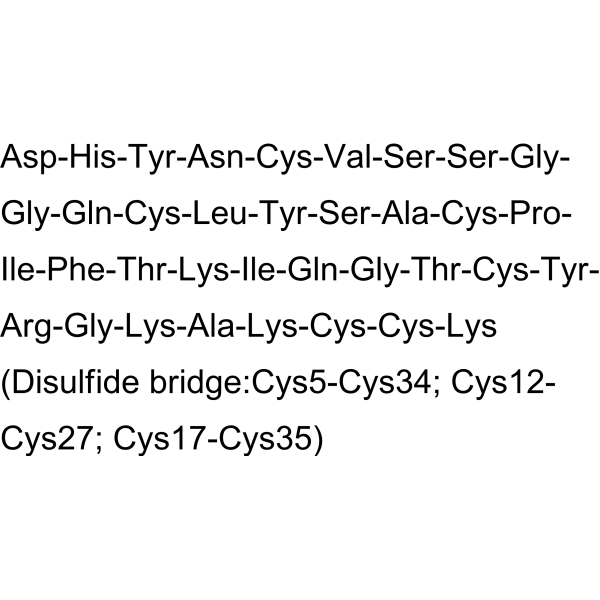
TCO-PEG3-maleimide (TCO-PEG3-NEM) is a click chemistry reagent. TCO-PEG3-maleimide efficiently binds TCO (trans-cyclooctene) moiety to thiol-containing molecules (such as antibodies, cysteine-containing peptides) .
|
-
- HY-177205
-
|
|
|
Pegylated Lipids
|
|
DSPE-PEG2000-CRPPR is a polyethylene glycol (PEG) conjugate composed of DSPE and Heart-homing peptide (CRPPR) (HY-P10641). DSPE-PEGs are modified with the CRPPR peptide to bind cysteine-rich protein 2 (CRIP2) as well as FITC-labeled superparamagnetic iron oxide nanoparticles .
|
入力情報は安全に管理されます. ※ 必須入力項目.
Inquiry Information
- 製品名:
- 製品番号:
- 数量:
- MCE 日本正規代理店:

