Search Result
Results for "
Farnesoid+X+receptor
" in MedChemExpress (MCE) Product Catalog:
10
Isotope-Labeled Compounds
| Cat. No. |
Product Name |
Target |
Research Areas |
Chemical Structure |
-
- HY-13771
-
|
Ursodeoxycholate; Ursodiol; UDCA
|
G protein-coupled Bile Acid Receptor 1
FXR
Angiotensin-converting Enzyme (ACE)
Endogenous Metabolite
|
Infection
Metabolic Disease
Cancer
|
|
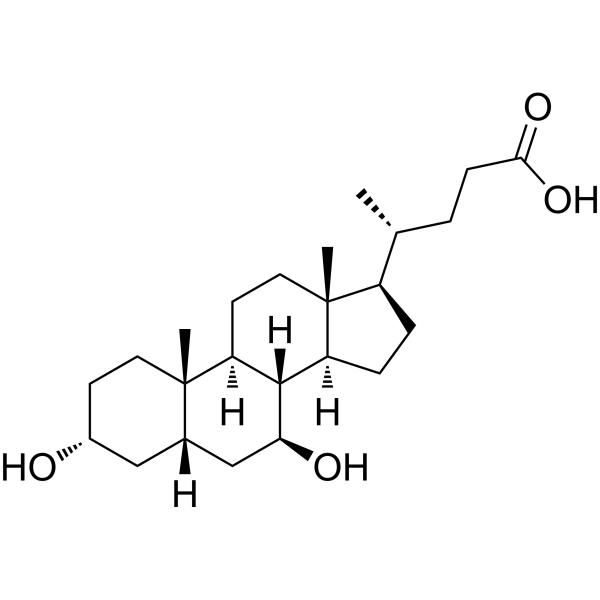
Ursodeoxycholic acid (Ursodeoxycholate) is a secondary bile acid issued from the transformation of (cheno)deoxycholic acid by intestinal bacteria, acting as a key regulator of the intestinal barrier integrity and essential for lipid metabolism. Ursodeoxycholic acid acts as signaling molecule, exerting its effects by interacting with bile acid activated receptors, including G-protein coupled bile acid receptor 5 (TGR5, GPCR19) and the farnesoid X receptor (FXR). Ursodeoxycholic acid can be used for the research of a variety of hepatic and gastrointestinal diseases. Ursodeoxycholic acid also reduces ACE2 expression and is beneficial for reducing SARS-CoV-2 infection. Orally active .
|
-
-
- HY-114392
-
|
|
FXR
Autophagy
|
Metabolic Disease
|
|
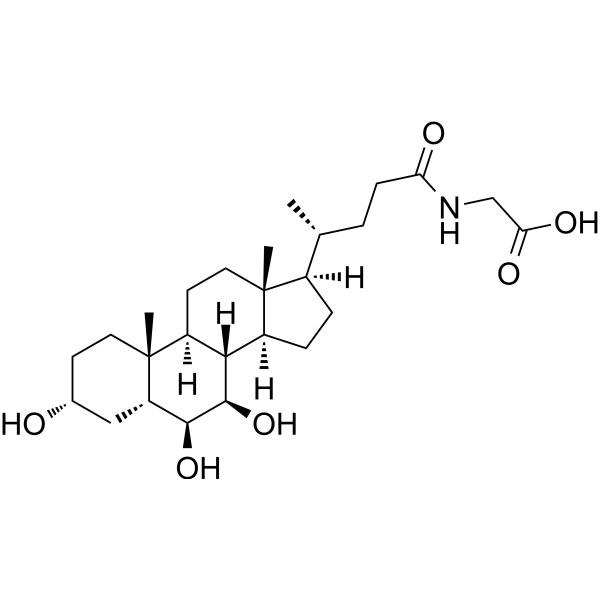
Gly-β-MCA, a bile acid, is a potent, sable, intestine-selective and oral bioactive farnesoid X receptor (FXR) inhibitor that may be a candidate for the treatment of metabolic disorders .
|
-
-
- HY-107738
-
|
Z/E-Guggulsterone
|
Apoptosis
JNK
Akt
Caspase
FXR
Autophagy
|
Cancer
|
|
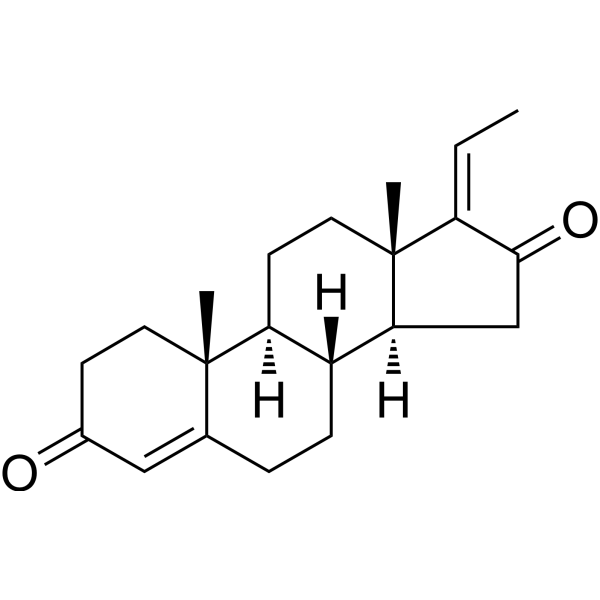
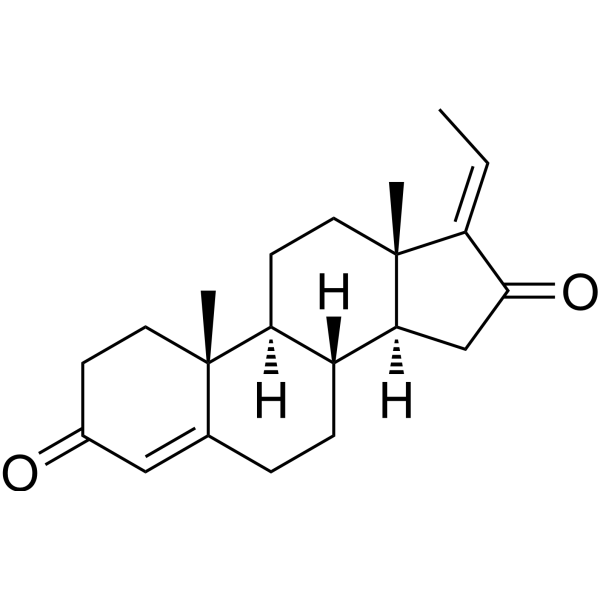
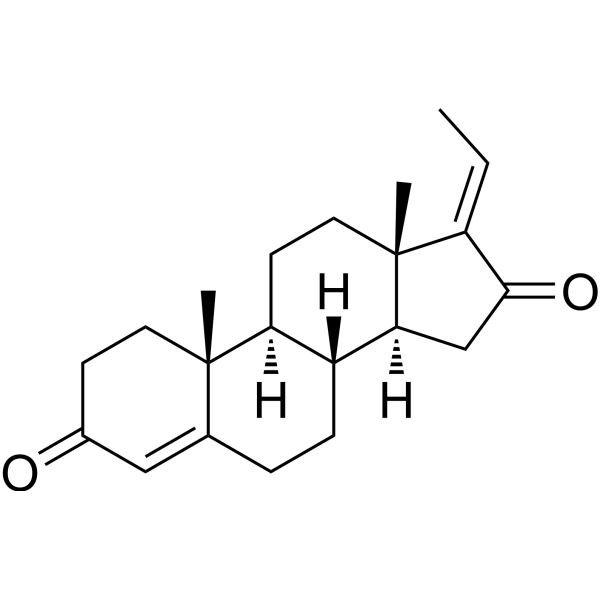
Guggulsterone is a plant sterol derived from the gum resin of the tree Commiphora wightii. Guggulsterone inhibits the growth of a wide variety of tumor cells and induces apoptosis through down regulation of antiapoptotic gene products (IAP1, xIAP, Bfl-1/A1, Bcl-2, cFLIP and survivin), modulation of cell cycle proteins (cyclin D1 and c-Myc), activation of caspases and JNK, inhibition of Akt . Guggulsterone, a farnesoid X receptor (FXR) antagonist, with IC50s of 24.06 μM and 39.05 μM for (-)-(E)-Guggulsterone (HY-N7781) and (Z)-Guggulsterone (HY-110066), respectively .
|
-
-
- HY-135103
-
|
T-βMCA sodium
|
FXR
|
Cancer
|
|
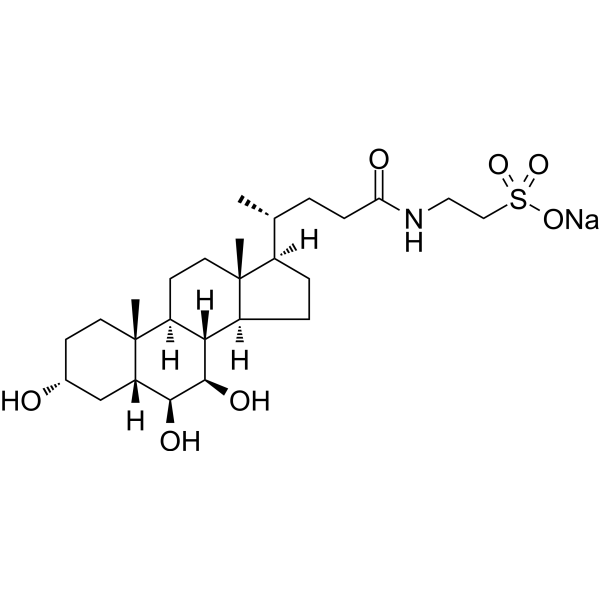
Tauro-β-muricholic Acid sodium (T-βMCA sodium), a endogenous metabolite, is a competitive and reversible farnesoid X receptor (FXR) antagonist, with an IC50 of 40 μM .
|
-
-
- HY-110267
-
DY268
3 Publications Verification
|
FXR
|
Metabolic Disease
|
|
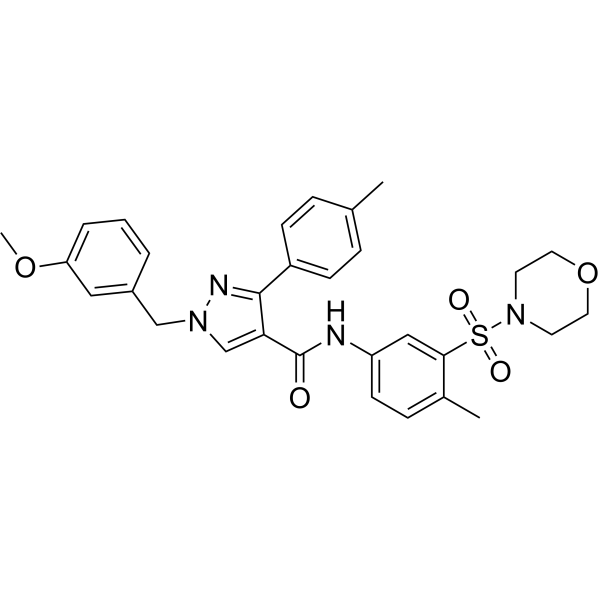
DY268 is a farnesoid X receptor (FXR) antagonist (IC50=7.5 nM). It inhibits FXR transactivation in a cell-based assay with an IC50 value of 468 nM. DY268 can be used in the study of drug-induced liver injury (DILI) .
|
-
-
- HY-13771A
-
|
Ursodeoxycholate sodium; Ursodiol sodium; UCDA sodium
|
G protein-coupled Bile Acid Receptor 1
FXR
Endogenous Metabolite
|
Metabolic Disease
Inflammation/Immunology
Cancer
|
|
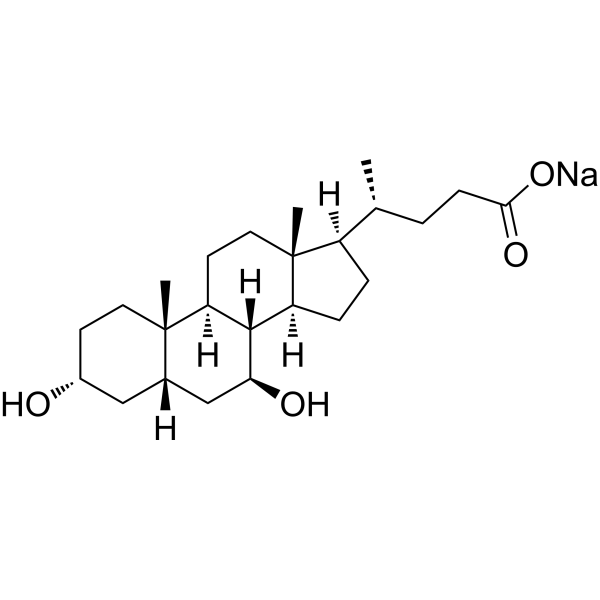
Ursodeoxycholic acid (Ursodeoxycholate) sodium is a secondary bile acid issued from the transformation of (cheno)deoxycholic acid by intestinal bacteria, acting as a key regulator of the intestinal barrier integrity and essential for lipid metabolism. Ursodeoxycholic acid sodium acts as signaling molecule, exerting its effects by interacting with bile acid activated receptors, including G-protein coupled bile acid receptor 5 (TGR5, GPCR19) and the farnesoid X receptor (FXR). Ursodeoxycholic acid sodium can be used for the research of a variety of hepatic and gastrointestinal diseases. Orally active .
|
-
-
- HY-14908
-
|
4sc-101; SC12267
|
Dihydroorotate Dehydrogenase
Interleukin Related
FXR
|
Infection
Inflammation/Immunology
|
|
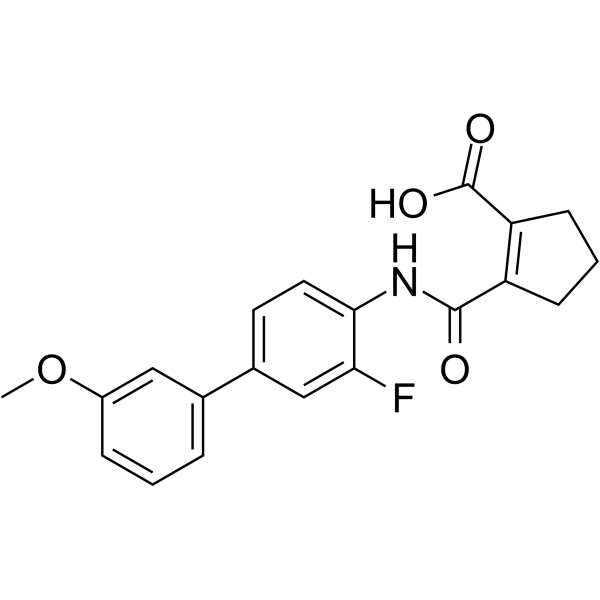
Vidofludimus is an orally active inhibitor for dihydroorotate dehydrogenase (DHODH) and also is a novel modulator for farnesoid X receptor (FXR). Vidofludimus, as an immunomodulatory agent, can be used for the research of autoimmune disorders such as inflammatory bowel disease (IBD). Vidofludimus also can be used for the research of fatty liver by targeting FXR .
|
-
-
- HY-N0712
-
|
|
Autophagy
mTOR
Akt
FXR
|
Cardiovascular Disease
Neurological Disease
Metabolic Disease
Cancer
|
|
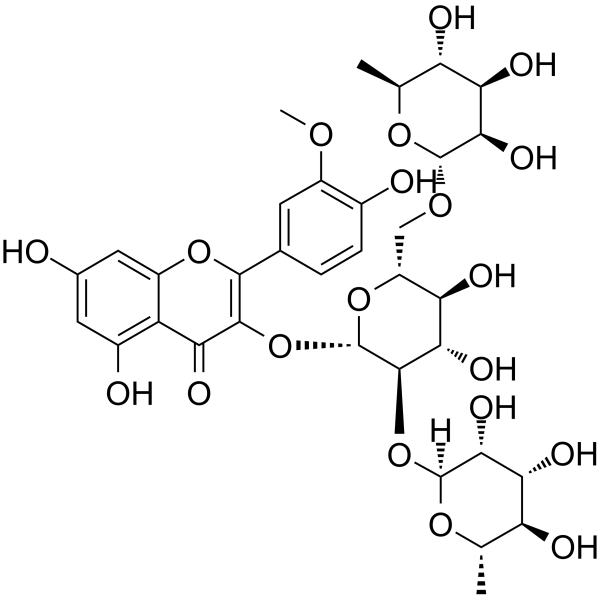
Typhaneoside is an orally bioavailable signal modulator and cellular regulator. Typhaneoside regulates the PI3K/Akt/mTOR autophagy transduction pathway. Typhaneoside promotes the activation of AMP-activated protein kinase and Caspase-3, induces apoptosis, ferroptosis, autophagy, ROS accumulation, and cell cycle arrest at the G2/M phase, and reduces cancer cell viability. Typhaneoside activates the farnesoid X receptor signaling pathway, improves glucose and lipid metabolism, alleviates inflammatory responses, oxidative stress and hepatic lipid accumulation, and exerts hepatoprotective effects. Typhaneoside is applicable to research related to post-myocardial infarction heart failure, acute myeloid leukemia, non-alcoholic fatty liver disease, and neurological disorders .
|
-
-
- HY-113478S
-
|
Ursodeoxycholate-d4; Ursodiol-d4; UDCA-d4
|
Isotope-Labeled Compounds
|
Infection
Metabolic Disease
|
|
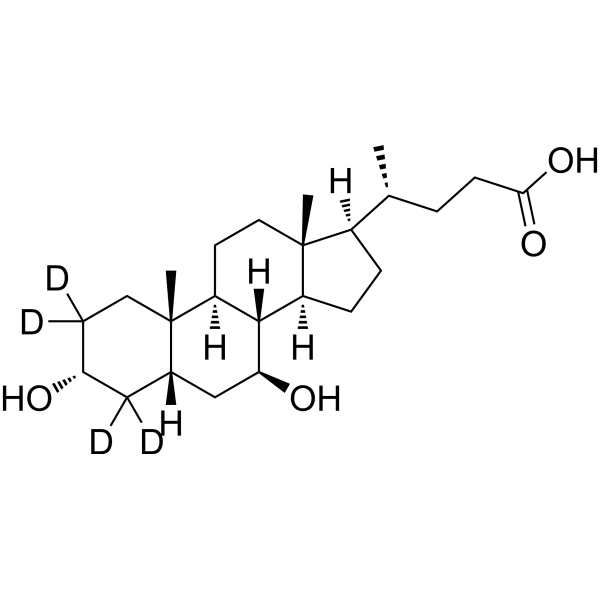
Ursodeoxycholic acid-2,2,4,4-d4 is the deuterium labeled Ursodeoxycholic acid (HY-13771). Ursodeoxycholic acid is a secondary bile acid issued from the transformation of (cheno)deoxycholic acid by intestinal bacteria, acting as a key regulator of the intestinal barrier integrity and essential for lipid metabolism. Ursodeoxycholic acid acts as signaling molecule, exerting its effects by interacting with bile acid activated receptors, including G-protein coupled bile acid receptor 5 (TGR5, GPCR19) and the farnesoid X receptor (FXR). Ursodeoxycholic acid can be used for the research of a variety of hepatic and gastrointestinal diseases. Ursodeoxycholic acid also reduces ACE2 expression and is beneficial for reducing SARS-CoV-2 infection .
|
-
-
- HY-12434
-
-
-
- HY-N3431
-
|
|
AMPK
PD-1/PD-L1
FXR
Reactive Oxygen Species (ROS)
|
Cardiovascular Disease
|
|
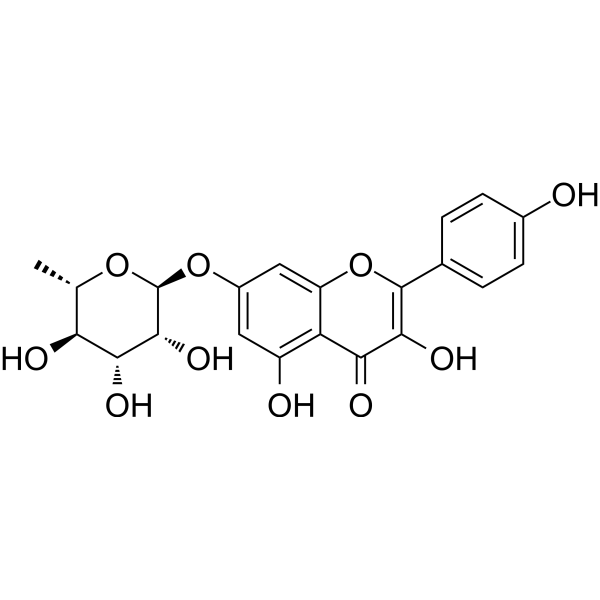
Kaempferol-7-O-rhamnoside is a PD-1/PD-L1 inhibitor and farnesoid X receptor (FXR) agonist. Kaempferol-7-O-rhamnoside demonstrates cardioprotective potential targeting the AMPKα1 signaling pathway. Kaempferol-7-O-rhamnoside significantly upregulates the mRNA expression of AMPKα1 in H9c2 cardiomyocytes. Kaempferol-7-O-rhamnoside reverses APAP-induced reduction of glutathione (GSH) content and increase of ROS production in L02 cells. Kaempferol-7-O-rhamnoside has the potential for heart failure .
|
-
-
- HY-109096
-
|
LMB763
|
FXR
Autophagy
|
Inflammation/Immunology
|
|
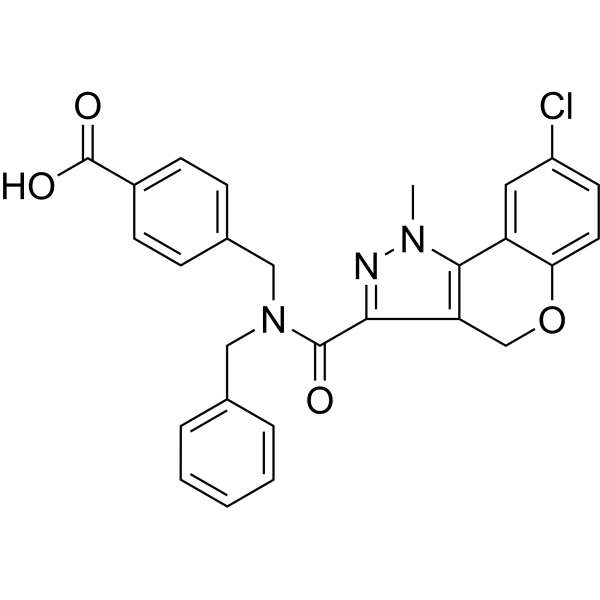
Nidufexor (LMB763) is an orally-available farnesoid X receptor (FXR) agonist for the research of nonalcoholic steatohepatitis (NASH) .
|
-
-
- HY-134988
-
|
|
FXR
Phosphatase
Cytochrome P450
|
Inflammation/Immunology
|
|
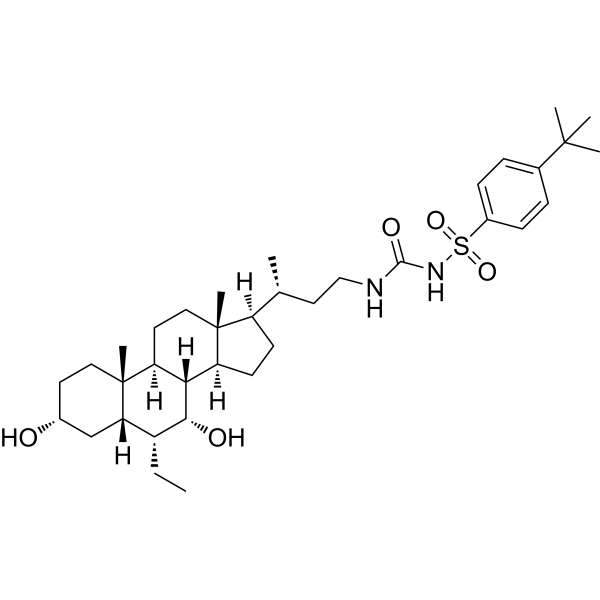
EDP-305 is an orally active, potent and selective farnesoid X receptor (FXR) agonist, with EC50 values of 34 nM (chimeric FXR in CHO cells) and 8 nM (full-length FXR in HEK cells). EDP-305 shows a potent and consistent antifibrotic effect. EDP-305 can be used for primary biliary cholangitis (PBC) and non-alcoholic steatohepatitis (NASH) research .
|
-
-
- HY-N6987
-
|
|
FXR
Factor Xa
|
Cardiovascular Disease
Inflammation/Immunology
|
|
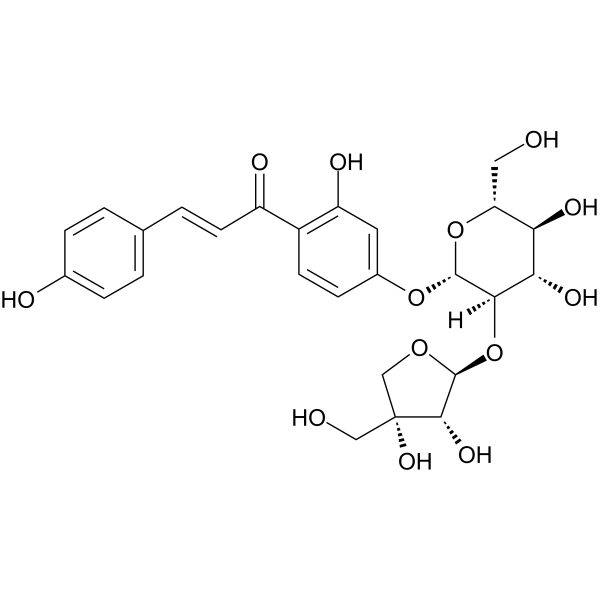
Licraside, found in Glycyrrhiza glabra, is a Farnesoid X receptor (FXR) activator. Licraside activates FXR to induce upregulation of SHP and BSEP, regulates bile acid homeostasis, reduces elevated biliary and serum TBA, serum ALT, AST, GGT, ALP, and TBIL levels, and attenuates liver histopathological damage. Licraside inhibits factor Xa with an IC50 of 48.54 mM. Licraside can be used for the research of cholestasis and thromboembolic diseases .
|
-
-
- HY-100277
-
|
SR-202
|
PPAR
|
Metabolic Disease
|
|
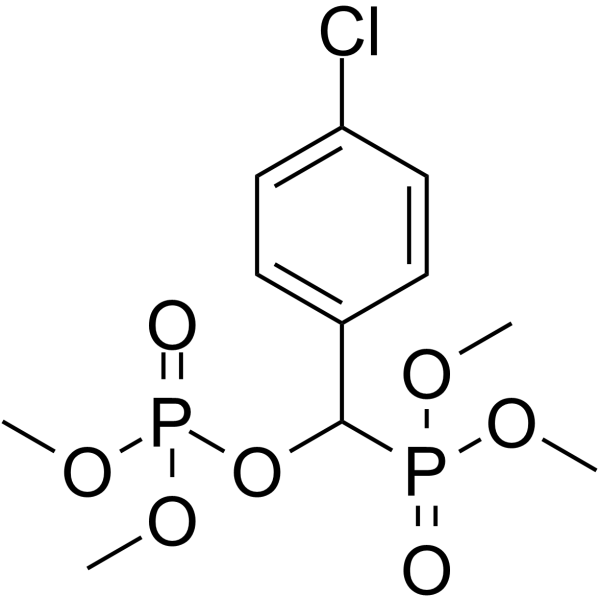
Mifobate (SR-202) is a potent and specific PPARγ antagonist. Mifobate (SR-202) selectively inhibits Thiazolidinedione (TZD)-induced PPARγ transcriptional activity (IC50=140 μM). Mifobate (SR-202) does not affect basal or ligand-stimulated transcriptional activity of PPARα, PPARβ, or the farnesoid X receptor (FXR). Mifobate (SR-202) shows antiobesity and antidiabetic effects .
|
-
-
- HY-N7781
-
-
-
- HY-13771R
-
|
Ursodeoxycholate (Standard); Ursodiol (Standard); UDCA (Standard)
|
Reference Standards
G protein-coupled Bile Acid Receptor 1
FXR
Angiotensin-converting Enzyme (ACE)
Endogenous Metabolite
|
Infection
Metabolic Disease
Cancer
|
|
Ursodeoxycholic acid (Standard) is the analytical standard of Ursodeoxycholic acid. This product is intended for research and analytical applications. Ursodeoxycholic acid (Ursodeoxycholate) is a secondary bile acid issued from the transformation of (cheno)deoxycholic acid by intestinal bacteria, acting as a key regulator of the intestinal barrier integrity and essential for lipid metabolism. Ursodeoxycholic acid acts as signaling molecule, exerting its effects by interacting with bile acid activated receptors, including G-protein coupled bile acid receptor 5 (TGR5, GPCR19) and the farnesoid X receptor (FXR). Ursodeoxycholic acid can be used for the research of a variety of hepatic and gastrointestinal diseases. Ursodeoxycholic acid also reduces ACE2 expression and is beneficial for reducing SARS-CoV-2 infection. Orally active .
|
-

-
- HY-163436
-
|
|
FXR
Cytochrome P450
RAR/RXR
PPAR
ROR
|
Metabolic Disease
|
|
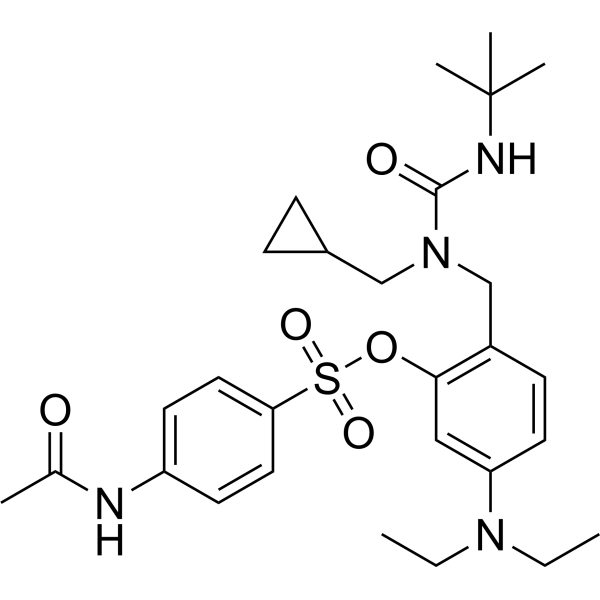
F44-A13 is an orally active and highly selective farnesoid X receptor (FXR) antagonist with an IC50 value of 1.1 μM. F44-A13 can optimize cholesterol metabolism and reduce its activity by inducing CYP7A1 expression. F44-A13 reduces levels of cholesterol, triglycerides, and low-density lipoprotein cholesterol (LDL-C) in mouse models. F44-A13 can be used in the study of metabolic diseases associated with lipid disorders .
|
-
-
- HY-135399
-
|
|
FXR
|
Inflammation/Immunology
|
|
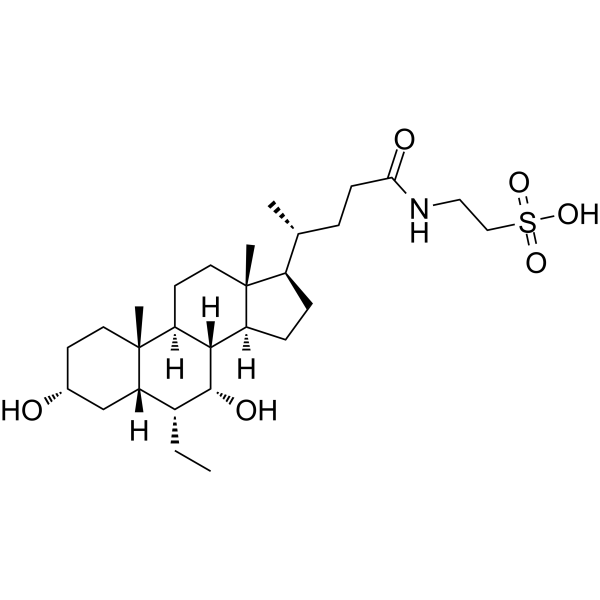
Tauro-obeticholic acid is an active metabolite of Obeticholic acid. Obeticholic acid is an orally bioavailable farnesoid-X receptor (FXR) agonist .
|
-
-
- HY-151959
-
|
|
FXR
|
Cardiovascular Disease
Metabolic Disease
Inflammation/Immunology
|
|
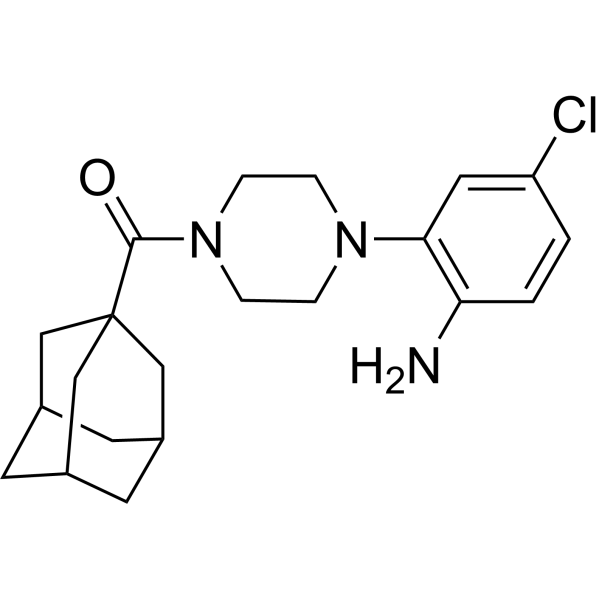
FXR agonist 4 (compound 10a) is an agonist of farnesoid X receptor (FXR) with an EC50 value of 1.05 μM. FXR agonist 4 effectively improves hyperlipidemia, hepatic steatosis, insulin resistance and hepatic inflammation in DIO mice. FXR agonist 4 can be used for the research of non-alcoholic fatty liver disease (NAFLD) .
|
-
-
- HY-N3209
-
-
-
- HY-N10640
-
|
|
FXR
|
Inflammation/Immunology
|
|
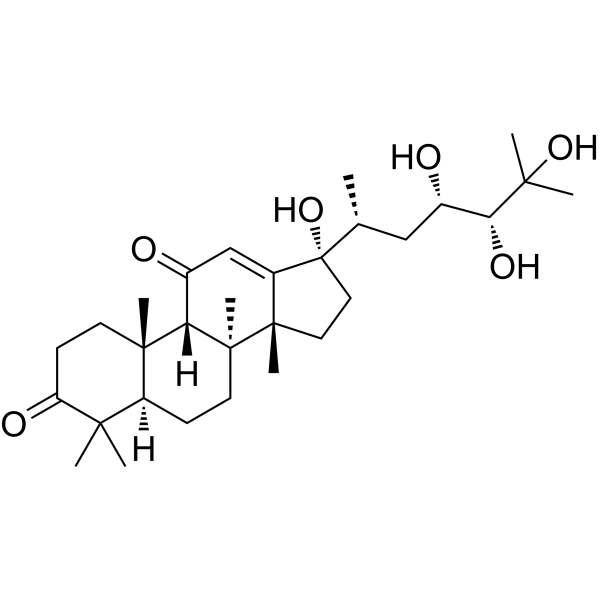
Alismanol M is a farnesoid X receptor (FXR) agonist with an EC50 value of 50.25 μM. Alismanol M is a protostane-type triterpenoid that can be isolated from the rhizome of Alisma orientale. Alismanol M can be used for the research of cholestasis and nonalcoholic steatohepatitis .
|
-
-
- HY-W587451
-
|
OCA-3-glucuronide disodium
|
FXR
|
Metabolic Disease
|
|
Cholic acid 3-O-glucuronide (OCA-3-glucuronide) disodium is a farnesoid X receptor (FXR) agonist with an EC50 value of 91.5 μM. Cholic acid 3-O-glucuronide is promising for research of bile acid metabolism and detoxification .
|
-

-
- HY-100443
-
|
PX-102
|
FXR
|
Cancer
|
|
PX20606 is an orally active agonist for farnesoid X receptor (FXR), with EC50 220 nM (mFXR) and 50 nM (hFXR), measured by Gal4-FXR assay. PX20606 induces the expression of tumor suppressor gene NDRG2, inhibits the tumor growth and metastasis in mouse HCC model. PX20606 exhibits hepatoprotective efficacy .
|
-

-
- HY-14908A
-
|
4sc-101 hemicalcium; SC12267 hemicalcium
|
Dihydroorotate Dehydrogenase
Interleukin Related
FXR
|
Infection
Inflammation/Immunology
|
|
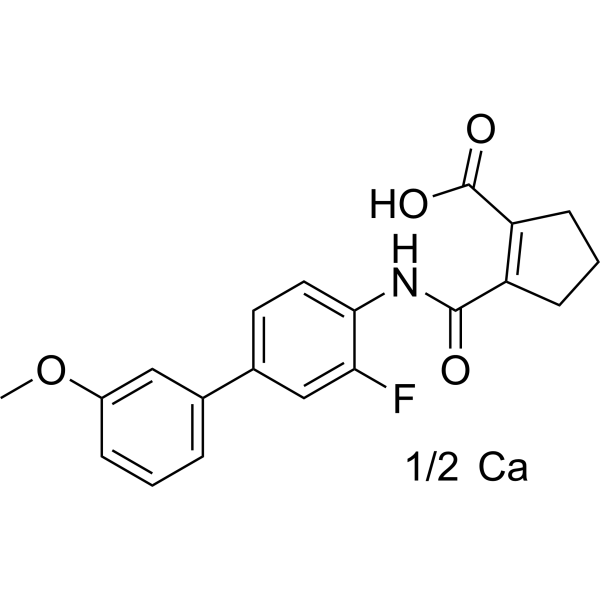
Vidofludimus (4sc-101; SC12267) hemicalcium is an orally active inhibitor for dihydroorotate dehydrogenase (DHODH) and also is a novel modulator for farnesoid X receptor (FXR). Vidofludimus hemicalcium, as an immunomodulatory agent, can be used for the research of autoimmune disorders such as inflammatory bowel disease (IBD). Vidofludimus hemicalcium also can be used for the research of fatty liver by targeting FXR .
|
-
-
- HY-153114
-
|
|
FXR
|
Inflammation/Immunology
|
|
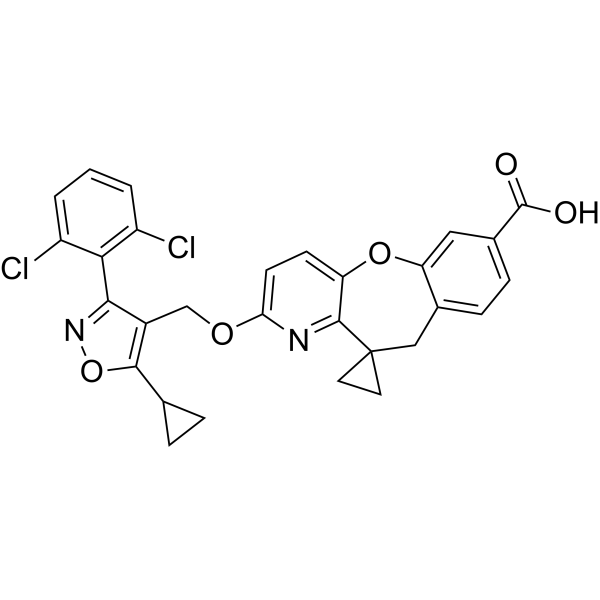
HEC96719 is a selective and orally active tricyclic farnesoid X receptor (FXR) agonist with EC50 values of 1.37 and 1.55 nM by time-resolved fluorescence energy transfer (TR-FRET) and luciferase reporter assays, respectively. HEC96719 significantly improves non-alcoholic steatohepatitis (NASH) and liver fibrosis with favorable tissue distribution in liver and intestine. HEC96719 can be used for the research of non-alcoholic steatohepatitis .
|
-
-
- HY-B1734
-
|
16-DPA
|
FXR
5 alpha Reductase
Cytochrome P450
Drug Intermediate
|
Cardiovascular Disease
Cancer
|
|
16-Dehydropregnenolone acetate (16-DPA), a sterols compound, is an orally active 17α-hydroxylase and 5α-reductase inhibitor. 16-Dehydropregnenolone is also a potent bile acid receptor (BAR)/farnesoid X receptor (FXR) antagonist. 16-Dehydropregnenolone hypolipidemic and anticancer effects. 16-Dehydropregnenolone acetate (16-DPA) is the drug intermediate that can be used for synthesis of Dexamethasone (HY-14648) and related other steroidal pharmacophores .
|
-

-
- HY-13771S1
-
|
Ursodeoxycholate-13C; Ursodiol-13C; UDCA-13C
|
Isotope-Labeled Compounds
G protein-coupled Bile Acid Receptor 1
FXR
Endogenous Metabolite
|
Cancer
|
|
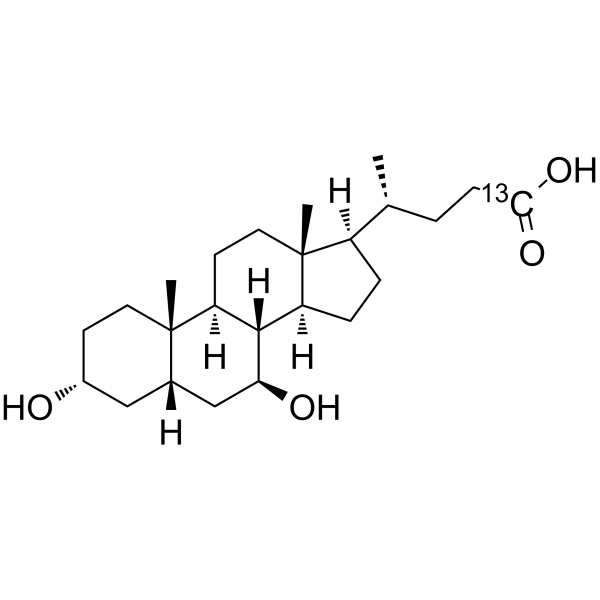
Ursodeoxycholic acid- 13C is the 13C labeled Ursodeoxycholic acid. Ursodeoxycholic acid (Ursodeoxycholate) is a secondary bile acid issued from the transformation of (cheno)deoxycholic acid by intestinal bacteria, acting as a key regulator of the intestinal barrier integrity and essential for lipid metabolism. Ursodeoxycholic acid acts as signaling molecule, exerting its effects by interacting with bile acid activated receptors, including G-protein coupled bile acid receptor 5 (TGR5, GPCR19) and the farnesoid X receptor (FXR). Ursodeoxycholic acid can be used for the research of a variety of hepatic and gastrointestinal diseases. Orally active .
|
-
-
- HY-107738R
-
|
Z/E-Guggulsterone (Standard)
|
Apoptosis
JNK
Akt
Caspase
FXR
Autophagy
Reference Standards
|
Cancer
|
|
Guggulsterone (Standard) is the analytical standard of Guggulsterone (HY-107738). This product is intended for research and analytical applications. Guggulsterone is a plant sterol derived from the gum resin of the tree Commiphora wightii. Guggulsterone inhibits the growth of a wide variety of tumor cells and induces apoptosis through down regulation of antiapoptotic gene products (IAP1, xIAP, Bfl-1/A1, Bcl-2, cFLIP and survivin), modulation of cell cycle proteins (cyclin D1 and c-Myc), activation of caspases and JNK, inhibition of Akt. Guggulsterone, a farnesoid X receptor (FXR) antagonist, with IC50s of 24.06 μM and 39.05 μM for (-)-(E)-Guggulsterone (HY-N7781) and (Z)-Guggulsterone (HY-110066), respectively.
|
-

-
- HY-172422
-
|
|
FXR
|
Others
|
|
Danifexor is the agonist for farnesoid X receptor .
|
-

-
- HY-159845
-
-

-
- HY-135400
-
|
|
FXR
|
Inflammation/Immunology
|
|
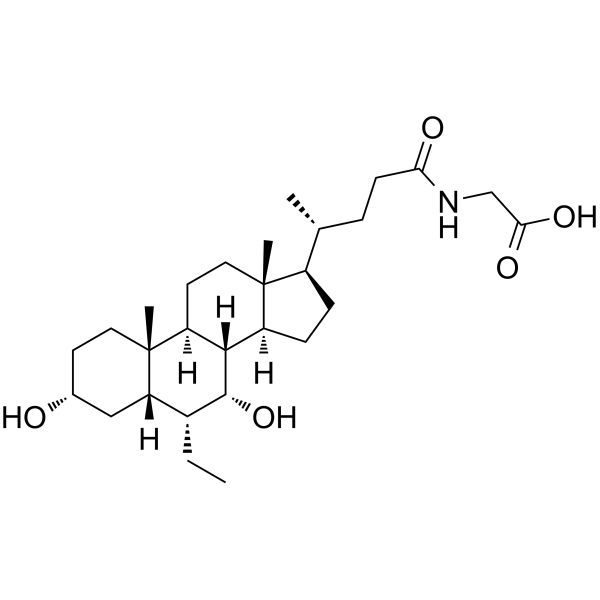
Glyco-obeticholic acid is an active metabolite of Obeticholic acid. Obeticholic acid is a farnesoid X receptor (FXR) agonist .
|
-
-
- HY-121110
-
|
|
FXR
|
Metabolic Disease
|
|
Fexarene is a potent and selective nonsteroidal Farnesoid X Receptor (FXR) agonist with an EC50 of 36 nM. Fexarene can be used in studies of cholesterol and bile acid metabolism .
|
-

-
- HY-163072
-
|
|
FXR
|
Metabolic Disease
|
|
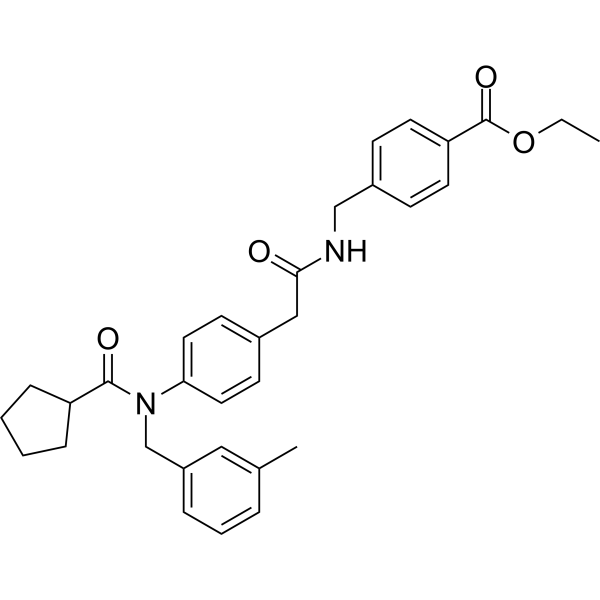
FXR antagonist 3 (V02-8) is an intestine-specific farnesoid X receptor (FXR) antagonist, with an IC50 of 0.89 μM .
|
-
-
- HY-133969
-
|
|
FXR
|
Metabolic Disease
|
|
5β-Cholane is a farnesoid X receptor (FXR) activator. 5β-Cholane can be used for the research of cholesterol and lipid-related diseases .
|
-

-
- HY-122338
-
|
|
FXR
|
Metabolic Disease
|
|
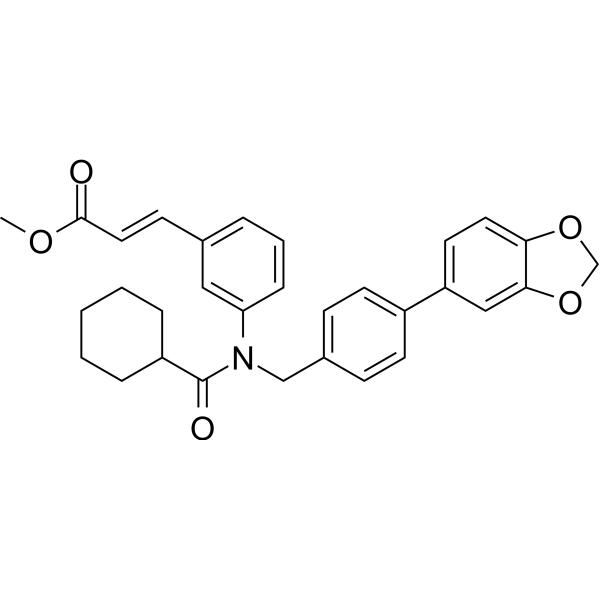
Fexarine is a potent, non-steroidal and selective agonist of farnesoid X receptor (EC50: 38 nM). Fexarine can be used for the research of diseases linked to cholesterol, bile acids .
|
-
-
- HY-135400S
-
|
|
FXR
|
Inflammation/Immunology
|
|
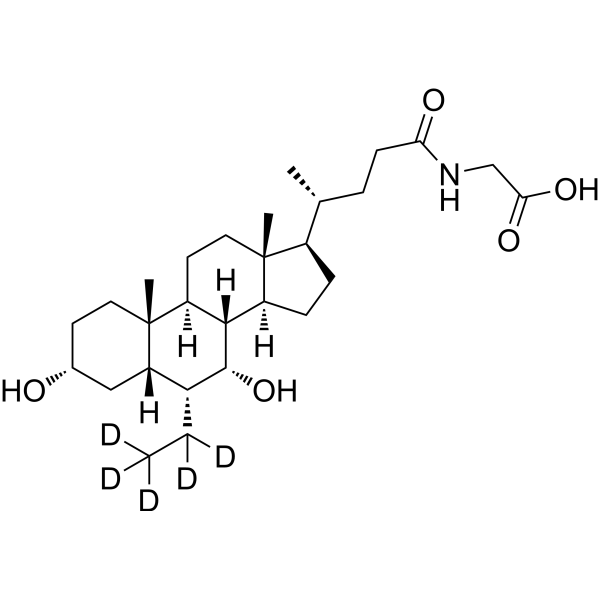
Glyco-obeticholic acid-d5 is the deuterium labeled Glyco-Obeticholic acid. Glyco-obeticholic acid is an active metabolite of Obeticholic acid. Obeticholic acid is a farnesoid X receptor (FXR) agonist .
|
-
-
- HY-111049
-
|
|
FXR
|
Metabolic Disease
|
|
GSK8062 is a farnesoid X receptor (FXR) agonist with activity that improves compound development parameters. Analog 1c of GSK8062 showed a reduction in weight gain and serum glucose levels .
|
-

-
- HY-N15305
-
|
|
FXR
|
Inflammation/Immunology
|
|
Ferolin is the agonist for farnesoid X receptor (FXR) with an EC50 of 0.56 µM. Ferolin inhibits the expression of inflammatory genes (such as iNOS, IL-1β and TNFα) upon the FXR activation .
|
-

-
- HY-12365S2
-
-

-
- HY-135399S
-
-
-
- HY-W653920
-
|
|
Isotope-Labeled Compounds
FXR
|
Inflammation/Immunology
|
|
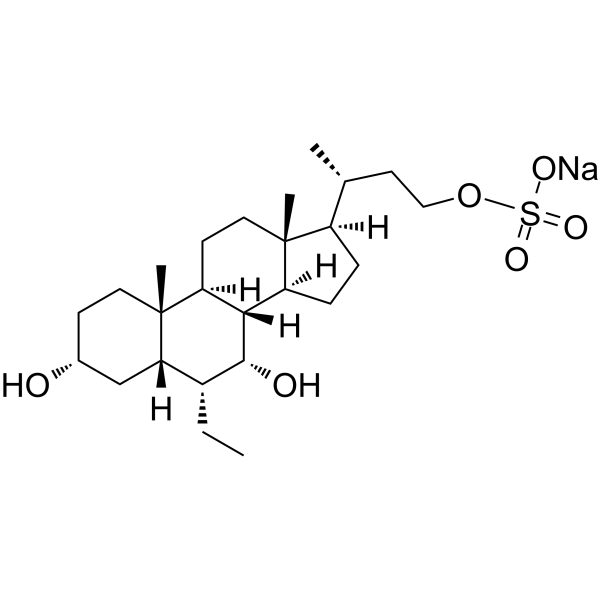
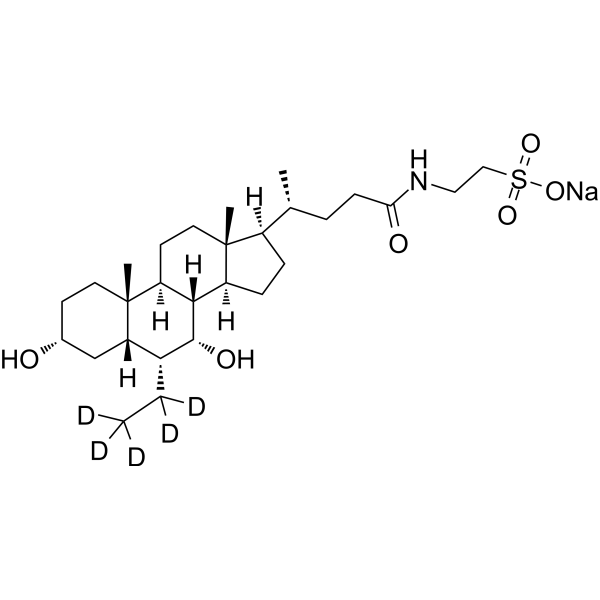
Tauro 6-ethlchenodeoxycholic acid-d5 sodium is deuterium labeled Tauro-obeticholic acid (HY-135399). Tauro-obeticholic acid is an active metabolite of Obeticholic acid. Obeticholic acid is an orally bioavailable farnesoid-X receptor (FXR) agonist .
|
-

-
- HY-135103S
-
|
|
Isotope-Labeled Compounds
FXR
|
Cancer
|
|
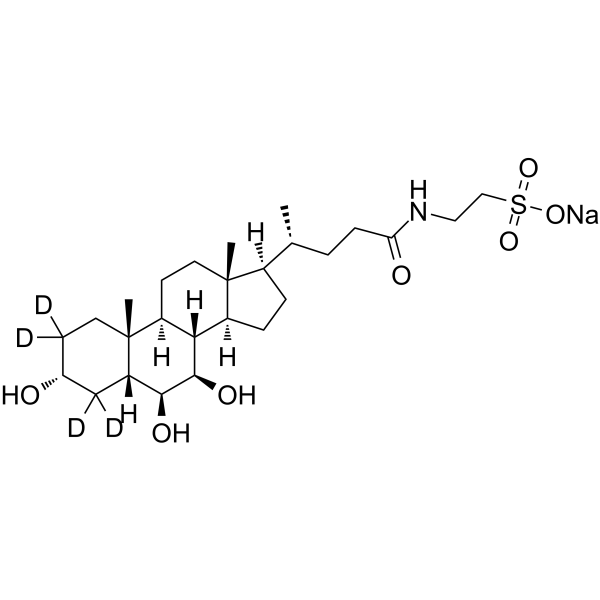
Tauro-β-muricholic acid-d4 (sodium) is the deuterium labeled Tauro-β-muricholic acid sodium. Tauro-β-muricholic Acid sodium (T-βMCA sodium), a endogenous metabolite, is a competitive and reversible farnesoid X receptor (FXR) antagonist, with an IC50 of 40 μM .
|
-
-
- HY-114392R
-
|
|
Reference Standards
FXR
Autophagy
|
Metabolic Disease
|
|
Gly-β-MCA (Standard) is the analytical standard of Gly-β-MCA. This product is intended for research and analytical applications. Gly-β-MCA, a bile acid, is a potent, sable, intestine-selective and oral bioactive farnesoid X receptor (FXR) inhibitor that may be a candidate for the treatment of metabolic disorders[1].
|
-

-
- HY-W654353
-
|
T-α-MCA-d4-1 sodium
|
Isotope-Labeled Compounds
FXR
Endogenous Metabolite
|
Others
|
|
Tauro-α-muricholic acid-d4-1 (sodium) is deuterium labeled Tauro-α-muricholic acid (sodium). Tauro-α-muricholic acid (T-α-MCA) sodium is a FXR (Farnesoid X receptor) antagonist (IC50=28μM). Tauro-α-muricholic acid sodium is also a endogenous metabolite that can be found in cecal .
|
-

-
- HY-168713
-
|
|
FXR
|
Metabolic Disease
|
|
LZ-007 is an agonist for farnesoid X receptor (FXR) with an EC50 of 51 nM measuring by TR-FRET assay, or an EC50 of 76 nM in HepG2 cell. LZ-007 exhibits good pharmacokinetic characheristics in SD rats. LZ-007 ameliorates western diet and CCl4 (HY-Y0298)-induced mice metabolic dysfunction-associated steatohepatitis
|
-

-
- HY-100277R
-
|
SR-202 (Standard)
|
Reference Standards
PPAR
|
Metabolic Disease
|
|
Mifobate (Standard) is the analytical standard of Mifobate. This product is intended for research and analytical applications. Mifobate (SR-202) is a potent and specific PPARγ antagonist. Mifobate (SR-202) selectively inhibits Thiazolidinedione (TZD)-induced PPARγ transcriptional activity (IC50=140 μM). Mifobate (SR-202) does not affect basal or ligand-stimulated transcriptional activity of PPARα, PPARβ, or the farnesoid X receptor (FXR). Mifobate (SR-202) shows antiobesity and antidiabetic effects .
|
-

-
- HY-N7781R
-
-
-
- HY-118503
-
-

-
- HY-135400S2
-
|
|
Isotope-Labeled Compounds
|
Inflammation/Immunology
|
|
Glyco-obeticholic acid-d4 is the deuterium labeled Glyco-obeticholic acid (HY-135400). Glyco-obeticholic acid is an active metabolite of Obeticholic acid. Obeticholic acid is a farnesoid X receptor (FXR) agonist .
|
-

- HY-135399S2
-
|
|
Isotope-Labeled Compounds
FXR
|
Inflammation/Immunology
|
|
Tauro-obeticholic acid-d4 is the deuterium labeled Tauro-obeticholic acid (HY-135399). Tauro-obeticholic acid is an active metabolite of Obeticholic acid. Obeticholic acid is an orally bioavailable farnesoid-X receptor (FXR) agonist .
|
-

- HY-N1749
-
|
|
FXR
|
Others
|
|
2-Oxokolavenol is a selective agonist targeting the farnesoid X receptor (FXR), with an EC50 of ~3.7 μM. 2-Oxokolavenol exerts its activity against Acetaminophen (HY-66005)-induced hepatocyte damage in an FXR-dependent manner by binding to the FXR ligand-binding pocket, recruiting co-activators, and inducing FXR transcriptional activity. 2-Oxokolavenol can be naturally extracted from Aglaia spectabilis (a plant of the Aglaia genus in the Meliaceae family) and can be used in research related to liver diseases .
|
-

- HY-179703
-
|
|
FXR
|
Inflammation/Immunology
|
|
FXR agonist 15 is a selective, potent and orally active farnesoid X receptor (FXR) agonist with EC50 of 0.76 μM. FXR agonist 15 exhibits no obvious activation on other nuclear receptors including LXRα/β, PXR, PPARα/β/γ, THR-β, with EC50 values all >10 μM. FXR agonist 15 can alleviate steatosis, lobular inflammation, hepatocyte ballooning and liver fibrosis. FXR agonist 15 can be used for the research of nonalcoholic steatohepatitis (NASH) .
|
-

| Cat. No. |
Product Name |
Category |
Target |
Chemical Structure |
-
- HY-13771
-
-
-
- HY-107738
-
|
Z/E-Guggulsterone
|
Triterpenes
Structural Classification
Classification of Application Fields
Terpenoids
Plants
Burseraceae
Disease Research Fields
Commiphora wightii
Cancer
|
Apoptosis
JNK
Akt
Caspase
FXR
Autophagy
|
|
Guggulsterone is a plant sterol derived from the gum resin of the tree Commiphora wightii. Guggulsterone inhibits the growth of a wide variety of tumor cells and induces apoptosis through down regulation of antiapoptotic gene products (IAP1, xIAP, Bfl-1/A1, Bcl-2, cFLIP and survivin), modulation of cell cycle proteins (cyclin D1 and c-Myc), activation of caspases and JNK, inhibition of Akt . Guggulsterone, a farnesoid X receptor (FXR) antagonist, with IC50s of 24.06 μM and 39.05 μM for (-)-(E)-Guggulsterone (HY-N7781) and (Z)-Guggulsterone (HY-110066), respectively .
|
-
-
- HY-13771A
-
-
-
- HY-N0712
-
|
|
Cardiovascular Disease
Flavonols
Structural Classification
Flavonoids
Typhaceae
Classification of Application Fields
Typha angustifolia L.
Phenols
Polyphenols
Plants
Disease Research Fields
Source Classification
|
Autophagy
mTOR
Akt
FXR
|
|
Typhaneoside is an orally bioavailable signal modulator and cellular regulator. Typhaneoside regulates the PI3K/Akt/mTOR autophagy transduction pathway. Typhaneoside promotes the activation of AMP-activated protein kinase and Caspase-3, induces apoptosis, ferroptosis, autophagy, ROS accumulation, and cell cycle arrest at the G2/M phase, and reduces cancer cell viability. Typhaneoside activates the farnesoid X receptor signaling pathway, improves glucose and lipid metabolism, alleviates inflammatory responses, oxidative stress and hepatic lipid accumulation, and exerts hepatoprotective effects. Typhaneoside is applicable to research related to post-myocardial infarction heart failure, acute myeloid leukemia, non-alcoholic fatty liver disease, and neurological disorders .
|
-
-
- HY-N3431
-
-
-
- HY-N6987
-
|
|
Structural Classification
Chalcones
Flavonoids
Classification of Application Fields
Leguminosae
Phenols
Polyphenols
Plants
Glycyrrhiza uralensis Fisch.
Inflammation/Immunology
Disease Research Fields
Source Classification
|
FXR
Factor Xa
|
|
Licraside, found in Glycyrrhiza glabra, is a Farnesoid X receptor (FXR) activator. Licraside activates FXR to induce upregulation of SHP and BSEP, regulates bile acid homeostasis, reduces elevated biliary and serum TBA, serum ALT, AST, GGT, ALP, and TBIL levels, and attenuates liver histopathological damage. Licraside inhibits factor Xa with an IC50 of 48.54 mM. Licraside can be used for the research of cholestasis and thromboembolic diseases .
|
-
-
- HY-N7781
-
-
-
- HY-13771R
-
-
-
- HY-N3209
-
-
-
- HY-N10640
-
-
-
- HY-107738R
-
|
Z/E-Guggulsterone (Standard)
|
Triterpenes
Structural Classification
Terpenoids
Plants
Burseraceae
Commiphora wightii
|
Apoptosis
JNK
Akt
Caspase
FXR
Autophagy
Reference Standards
|
|
Guggulsterone (Standard) is the analytical standard of Guggulsterone (HY-107738). This product is intended for research and analytical applications. Guggulsterone is a plant sterol derived from the gum resin of the tree Commiphora wightii. Guggulsterone inhibits the growth of a wide variety of tumor cells and induces apoptosis through down regulation of antiapoptotic gene products (IAP1, xIAP, Bfl-1/A1, Bcl-2, cFLIP and survivin), modulation of cell cycle proteins (cyclin D1 and c-Myc), activation of caspases and JNK, inhibition of Akt. Guggulsterone, a farnesoid X receptor (FXR) antagonist, with IC50s of 24.06 μM and 39.05 μM for (-)-(E)-Guggulsterone (HY-N7781) and (Z)-Guggulsterone (HY-110066), respectively.
|
-
-
- HY-N15305
-
-
-
- HY-N7781R
-
-
-
- HY-N1749
-
-
| Cat. No. |
Product Name |
Chemical Structure |
-
- HY-113478S
-
|
|
|
Ursodeoxycholic acid-2,2,4,4-d4 is the deuterium labeled Ursodeoxycholic acid (HY-13771). Ursodeoxycholic acid is a secondary bile acid issued from the transformation of (cheno)deoxycholic acid by intestinal bacteria, acting as a key regulator of the intestinal barrier integrity and essential for lipid metabolism. Ursodeoxycholic acid acts as signaling molecule, exerting its effects by interacting with bile acid activated receptors, including G-protein coupled bile acid receptor 5 (TGR5, GPCR19) and the farnesoid X receptor (FXR). Ursodeoxycholic acid can be used for the research of a variety of hepatic and gastrointestinal diseases. Ursodeoxycholic acid also reduces ACE2 expression and is beneficial for reducing SARS-CoV-2 infection .
|
-
-
- HY-13771S1
-
|
|
|
Ursodeoxycholic acid- 13C is the 13C labeled Ursodeoxycholic acid. Ursodeoxycholic acid (Ursodeoxycholate) is a secondary bile acid issued from the transformation of (cheno)deoxycholic acid by intestinal bacteria, acting as a key regulator of the intestinal barrier integrity and essential for lipid metabolism. Ursodeoxycholic acid acts as signaling molecule, exerting its effects by interacting with bile acid activated receptors, including G-protein coupled bile acid receptor 5 (TGR5, GPCR19) and the farnesoid X receptor (FXR). Ursodeoxycholic acid can be used for the research of a variety of hepatic and gastrointestinal diseases. Orally active .
|
-
-
- HY-135400S
-
|
|
|
Glyco-obeticholic acid-d5 is the deuterium labeled Glyco-Obeticholic acid. Glyco-obeticholic acid is an active metabolite of Obeticholic acid. Obeticholic acid is a farnesoid X receptor (FXR) agonist .
|
-
-
- HY-12365S2
-
|
|
|
Tauro-obeticholic acid-d5 is deuterium labeled Tauro-obeticholic acid (HY-135399). Tauro-obeticholic acid is an active metabolite of Obeticholic acid. Obeticholic acid is an orally bioavailable farnesoid-X receptor (FXR) agonist .
|
-
-
- HY-135399S
-
|
|
|
Tauro-obeticholic acid-d5 sodium is deuterium labeled Tauro-obeticholic acid sodium (HY-135399A). Tauro-obeticholic acid is an active metabolite of Obeticholic acid. Obeticholic acid is an orally bioavailable farnesoid-X receptor (FXR) agonist .
|
-
-
- HY-W653920
-
|
|
|
Tauro 6-ethlchenodeoxycholic acid-d5 sodium is deuterium labeled Tauro-obeticholic acid (HY-135399). Tauro-obeticholic acid is an active metabolite of Obeticholic acid. Obeticholic acid is an orally bioavailable farnesoid-X receptor (FXR) agonist .
|
-
-
- HY-135103S
-
|
|
|
Tauro-β-muricholic acid-d4 (sodium) is the deuterium labeled Tauro-β-muricholic acid sodium. Tauro-β-muricholic Acid sodium (T-βMCA sodium), a endogenous metabolite, is a competitive and reversible farnesoid X receptor (FXR) antagonist, with an IC50 of 40 μM .
|
-
-
- HY-W654353
-
|
|
|
Tauro-α-muricholic acid-d4-1 (sodium) is deuterium labeled Tauro-α-muricholic acid (sodium). Tauro-α-muricholic acid (T-α-MCA) sodium is a FXR (Farnesoid X receptor) antagonist (IC50=28μM). Tauro-α-muricholic acid sodium is also a endogenous metabolite that can be found in cecal .
|
-
-
- HY-135400S2
-
|
|
|
Glyco-obeticholic acid-d4 is the deuterium labeled Glyco-obeticholic acid (HY-135400). Glyco-obeticholic acid is an active metabolite of Obeticholic acid. Obeticholic acid is a farnesoid X receptor (FXR) agonist .
|
-
-
- HY-135399S2
-
|
|
|
Tauro-obeticholic acid-d4 is the deuterium labeled Tauro-obeticholic acid (HY-135399). Tauro-obeticholic acid is an active metabolite of Obeticholic acid. Obeticholic acid is an orally bioavailable farnesoid-X receptor (FXR) agonist .
|
-
Your information is safe with us. * Required Fields.
Inquiry Information
- Product Name:
- Cat. No.:
- Quantity:
- MCE Japan Authorized Agent:








