Delivery of temperature sensitive items including proteins and kits will be paused on 6/19 for the Juneteenth holiday. For urgent orders please contact customer service.
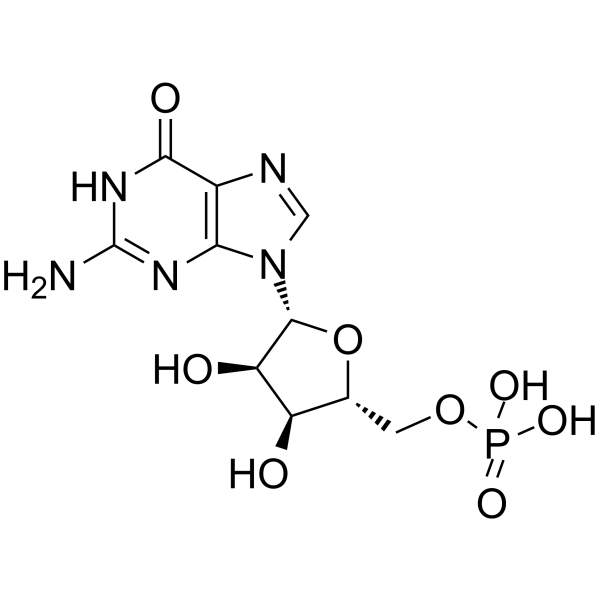
5'-Guanylic acid is a purine nucleotide that participates in physiological processes such as energy metabolism, signal transduction, and gene expression regulation. 5'-Guanylic acid regulates the expression of genes related to fatty acid metabolism. 5'-Guanylic acid is the weak agonist for ionotropic glutamate receptors (iGluR), reduces the activity of the glutamatergic system and exhibits neuroprotective effect. 5'-Guanylic acid also causes neuronal cell death at high concentrations .
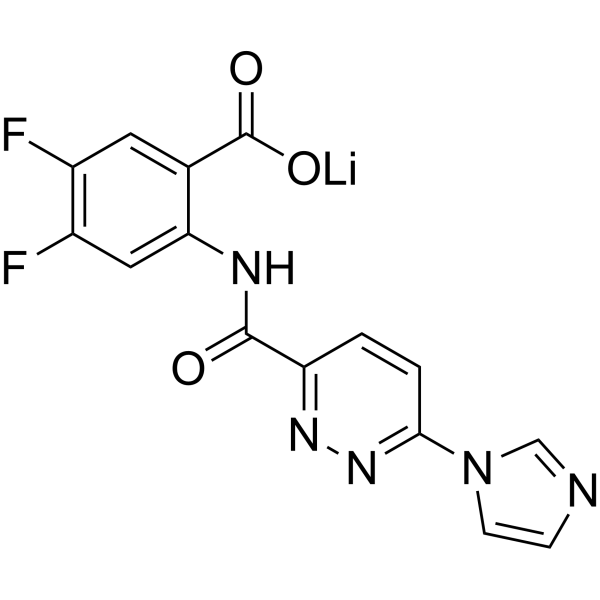
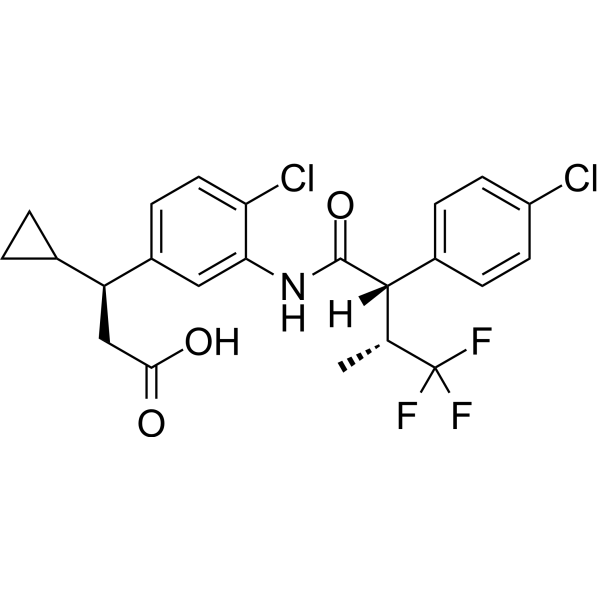
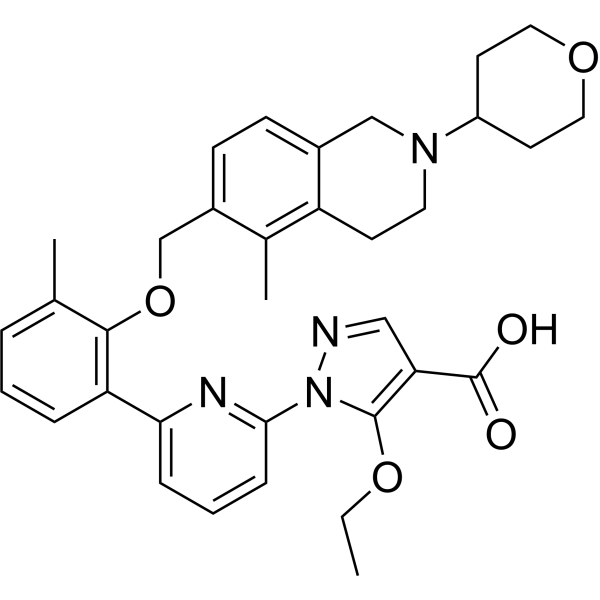
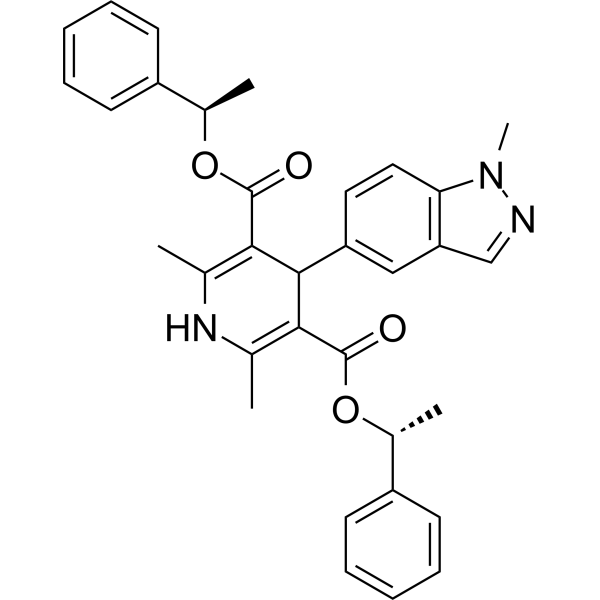
SR-717 is a non-nucleotide STING agonist with EC50s of 2.1 μM and 2.2 μM in ISG-THP1 (WT) and ISG-THP1 cGAS KO (cGAS KO) cell lines, respectively. SR-717 is a stable cyclic guanosine monophosphate-adenosine monophosphate (cGAMP) mimetic. Antitumor activity .
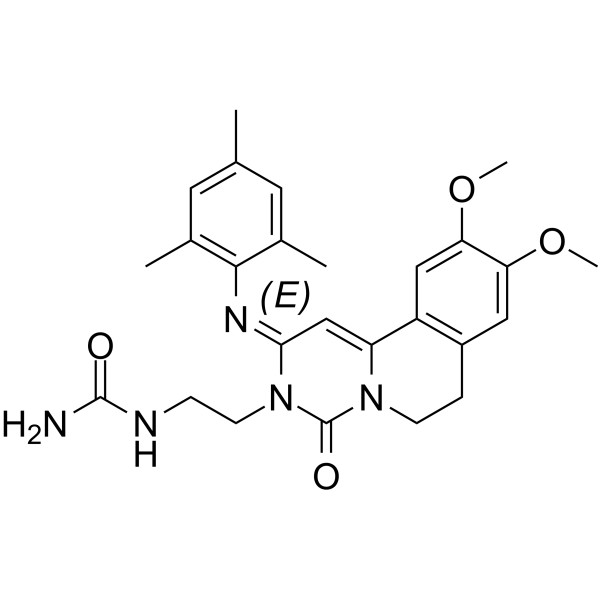
Ensifentrine (RPL-554) is an inhaled dual inhibitor of PDE3 and PDE4 with IC50s of 0.4 nM and 1479 nM, respectively. Ensifentrine blocks PDE3 and PDE4 enzymes, thereby increasing the levels of cyclic adenosine monophosphate (cAMP) and cyclic guanosine monophosphate (cGMP) in lung cells, dilating the bronchi, and inhibiting the activation and migration of inflammatory cells. Ensifentrine can be used in the research of chronic obstructive pulmonary disease (COPD) .
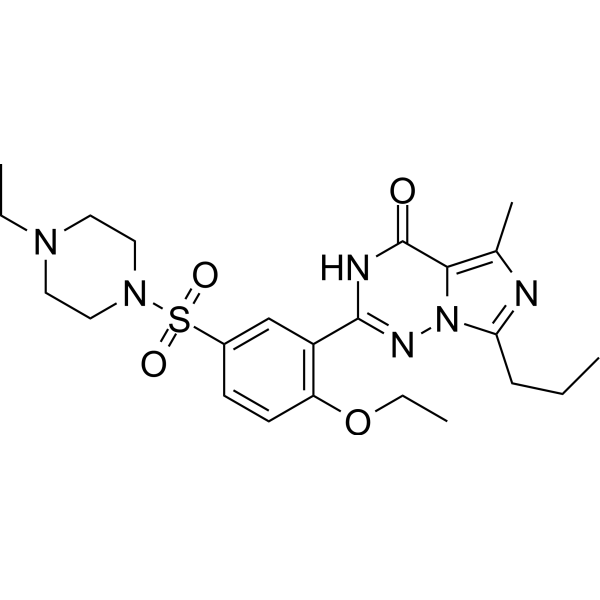
Vardenafil is a selective and orally active inhibitor of phosphodiesterase-5 (PDE5), with an IC50 of 0.7 nM. Vardenafil shows inhibitory towards PDE1, PDE6 with IC50s of 180 nM, and 11 nM, while IC50s are >1000 nM for PDE3 and PDE4 . Vardenafil competitively inhibits cyclic guanosine monophosphate (cGMP) hydrolysis and thus increases cGMP levels . Vardenafil can be used for the research of erectile dysfunction, hepatitis, diabetes [1]-[6].
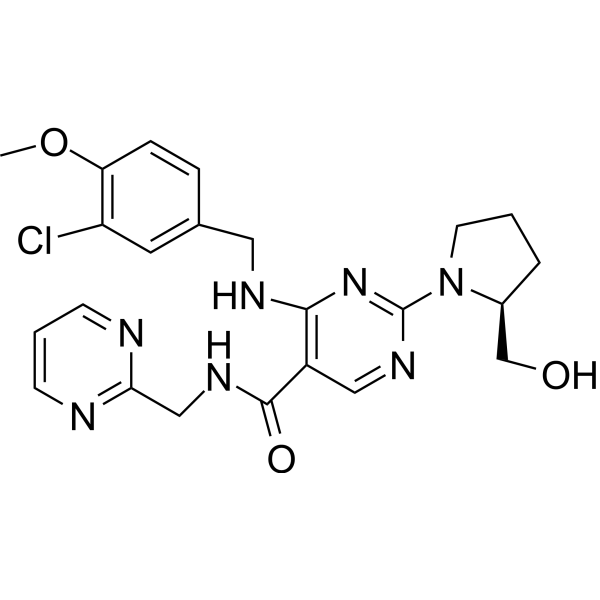
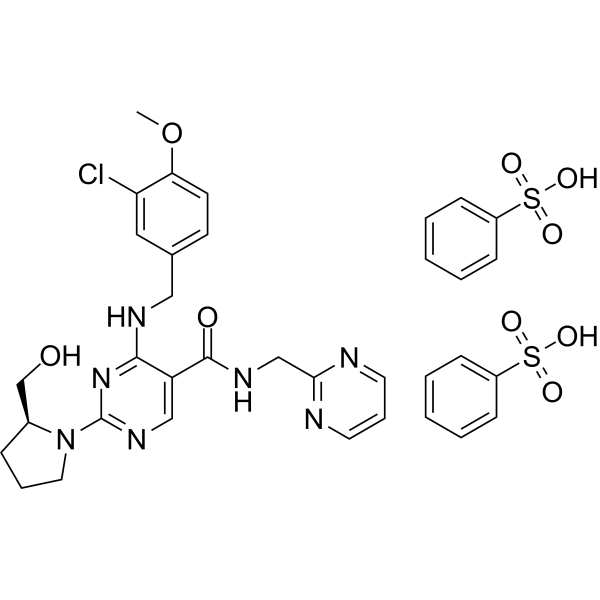
Avanafil (TA-1790) is a potent and selective phosphodiesterase-5 (PDE-5) inhibitor with IC50 values of 5.2 nM, 630 nM, 5700 nM, 6200 nM, 12000 nM, 27000 nM, 51000 nM and 53000 nM for PDE-5, PDE-6, PDE-4, PDE-10, PDE-8, PDE-7, PDE-2 and PDE-1, respectively. Avanafil activates NO/cGMP/PKG signaling-pathway to decrease loss in BMD, bone atrophy, and oxidative stress. Avanafil inhibits cyclic guanosine monophosphate (cGMP) hydrolysis and thus increases cGMP levels. Avanafil can be used for the research of erectile dysfunction and osteoporosis .
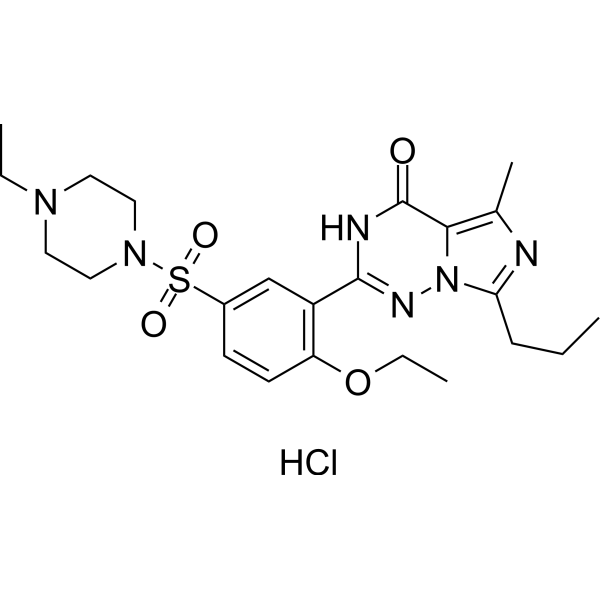
Vardenafil hydrochloride is a selective and orally active inhibitor of phosphodiesterase-5 (PDE5), with an IC50 of 0.7 nM. Vardenafil hydrochloride shows inhibitory towards PDE1, PDE6 with IC50s of 180 nM, and 11 nM, while IC50s are >1000 nM for PDE3 and PDE4 . Vardenafil hydrochloride competitively inhibits cyclic guanosine monophosphate (cGMP) hydrolysis and thus increases cGMP levels . Vardenafil hydrochloride can be used for the research of erectile dysfunction, hepatitis, diabetes [1]-[6].
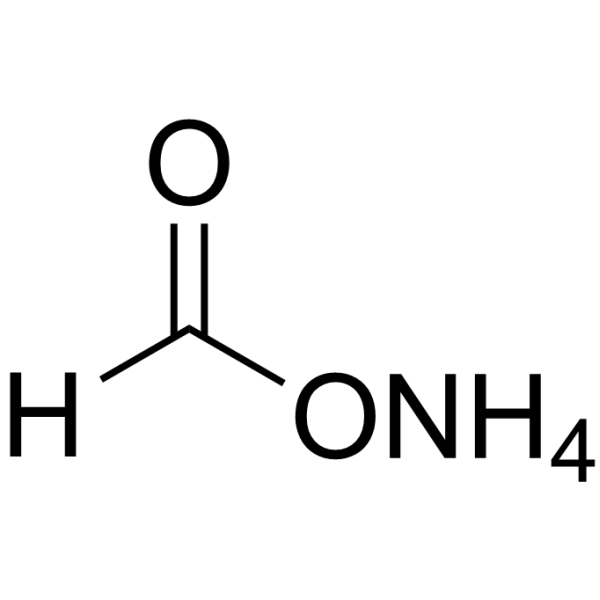
Formic acid ammonium is the ammonium salt form of formic acid, which is an endogenous metabolite. Formic acid ammonium activates the nitric oxide/cyclic guanosine monophosphate (NO/cGMP) signaling pathway in endothelial cells and inhibits calcium ion influx in vascular smooth muscle cells, resulting in vasomotor relaxation. Formic acid ammonium inhibits cytochrome C oxidase (CcO) and disrupts the electron transport chain, leading to ATP depletion. Formic acid ammonium can be used as a feed additive, which can lower the feed pH value, inhibit the growth of microorganisms (such as Escherichia coli, Salmonella), and extend the shelf life of the feed .
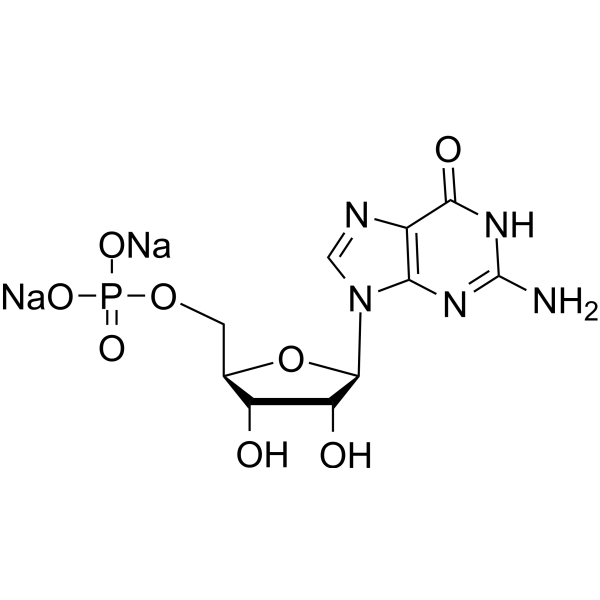
5'-Guanylic acid disodium salt is the disodium salt form of 5'-Guanylic acid (HY-N5134). 5'-Guanylic acid disodium salt is a purine nucleotide that participates in physiological processes such as energy metabolism, signal transduction, and gene expression regulation. 5'-Guanylic acid disodium salt regulates the expression of genes related to fatty acid metabolism. 5'-Guanylic acid disodium salt is the weak agonist for ionotropic glutamate receptors (iGluR), reduces the activity of the glutamatergic system and exhibits neuroprotective effect. 5'-Guanylic acid disodium salt also causes neuronal cell death at high concentrations .
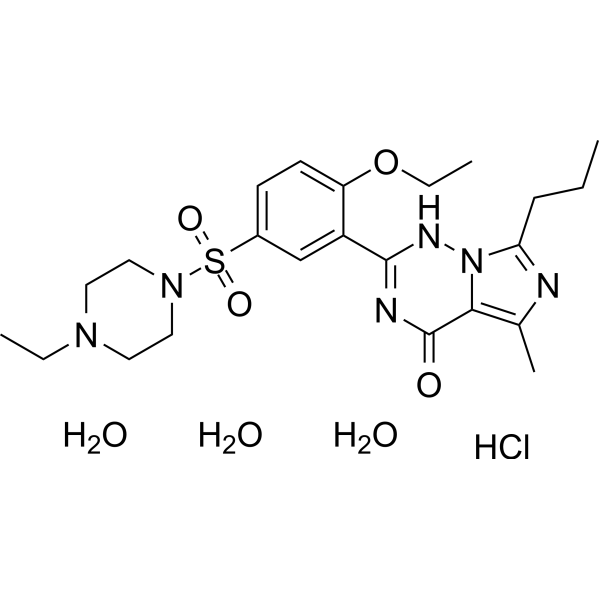
Vardenafil hydrochloride trihydrate is a selective and orally active inhibitor of phosphodiesterase-5 (PDE5), with an IC50 of 0.7 nM. Vardenafil hydrochloride trihydrate shows inhibitory towards PDE1, PDE6 with IC50s of 180 nM, and 11 nM, while IC50s are >1000 nM for PDE3 and PDE4 . Vardenafil hydrochloride trihydrate competitively inhibits cyclic guanosine monophosphate (cGMP) hydrolysis and thus increases cGMP levels . Vardenafil hydrochloride trihydrate can be used for the research of erectile dysfunction, hepatitis, diabetes [1]-[6].
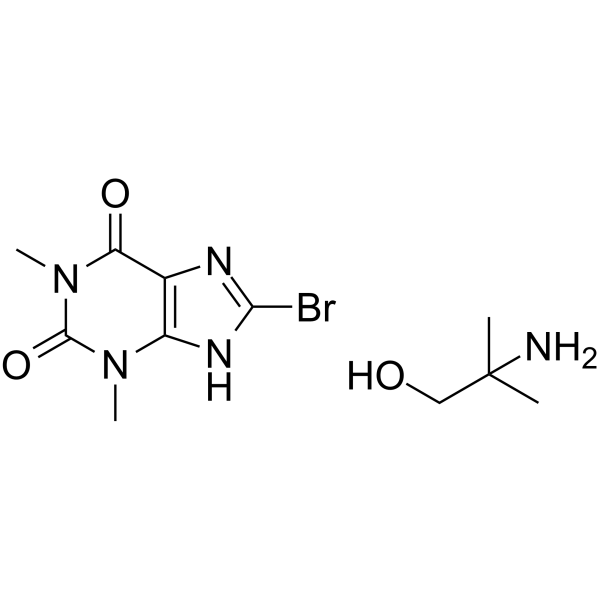
Pamabrom is a diuretic that acts on the opioid receptor-nitric oxide (NO) -cyclic guanosine monophosphate (cGMP) -K + channel pathway. Pamabrom exerts peripheral antinociceptive activity by activating this pathway. The mechanism involves activating opioid receptors, promoting the release of nitric oxide, and then influencing cyclic guanosine monophosphate and K channels to produce an analgesic effect. Pamabrom is orally active and is mainly used in the research and treatment of premenstrual syndrome and primary dysmenorrhea[1].
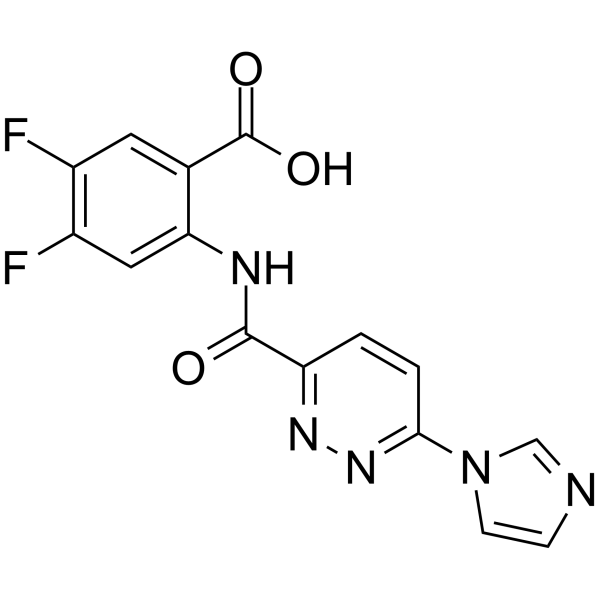
SR-717 free acid is a non-nucleotide STING agonist with EC50s of 2.1 μM and 2.2 μM in ISG-THP1 (WT) and ISG-THP1 cGAS KO (cGAS KO) cell lines, respectively. SR-717 free acid is a stable cyclic guanosine monophosphate-adenosine monophosphate (cGAMP) mimetic. Antitumor activity .
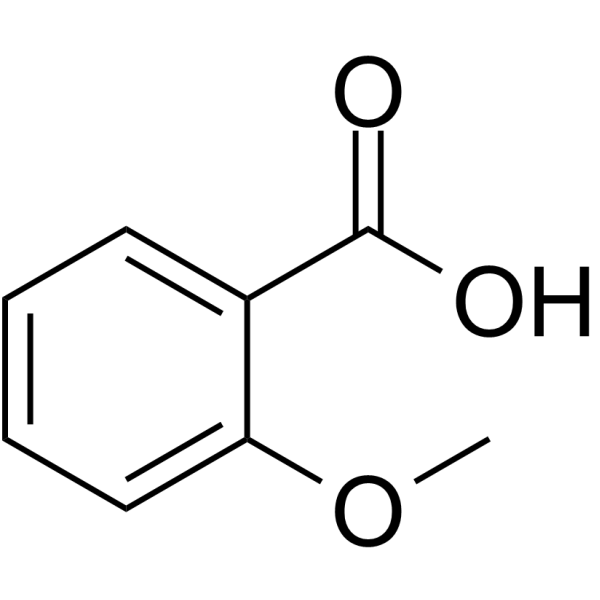
2-Methoxybenzoic acid (NSC 3778; O-Methylsalicylic acid; Salicylic acid methyl ether) is a natural compound with potential salicylate-like effect. 2-Methoxybenzoic acid inhibits carbonic anhydrase activity, elevates intraplatelet cyclic guanosine monophosphate level, and suppresses cytosolic phospholipase A2 phosphorylation. 2-Methoxybenzoic acid suppresses platelet reactivity, including decreased spreading, retraction, and aggregation in platelets. 2-Methoxybenzoic acid ameliorates arterial thrombosis in a dose-dependent manner without affecting normal hemostasis in mice. 2-Methoxybenzoic acid can be used for the research of arterial thrombosis .
Runcaciguat (BAY 1101042) is a selective, orally active, allosteric activator of soluble guanylate cyclase (sGC) that specifically targets its oxidized and heme-free form. Runcaciguat binds to sGC in a histidine-dependent manner and restores cyclic guanosine monophosphate (cGMP) production under oxidative stress, independent of nitric oxide (NO) or heme. Runcaciguat exhibits renoprotective and cardioprotective activities, such as reduced proteinuria and improved renal function. Runcaciguat is primarily being studied in chronic kidney disease (CKD) associated with hypertension, diabetes, and metabolic disorders, as well as potential cardiovascular indications such as heart failure with preserved ejection fraction (HFpEF) .
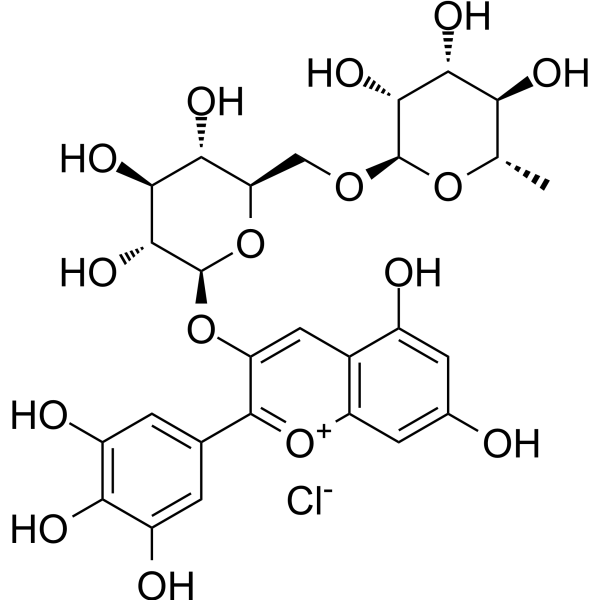
Delphinidin 3-rutinoside chloride is an anthocyanin component. Delphinidin 3-rutinoside chloride is isolable from the fruits of blackcurrant Ribes nigrum L. Delphinidin 3-rutinoside chloride activates the ETB receptor and stimulates the NO/cGMP pathway. Delphinidin 3-rutinoside chloride increases cyclic guanosine monophosphate production and reduces the phosphorylation level of Myosin regulatory light chain. Delphinidin 3-rutinoside chloride stimulates GLP-1 secretion. It significantly induces relaxation of bovine ciliary muscle strips contracted by ET-1 and inhibits ET-1-induced contraction of bovine ciliary muscle strips. Delphinidin 3-rutinoside chloride is applicable to research related to type 2 diabetes .
5'-Guanylic acid is a purine nucleotide that participates in physiological processes such as energy metabolism, signal transduction, and gene expression regulation. 5'-Guanylic acid regulates the expression of genes related to fatty acid metabolism. 5'-Guanylic acid is the weak agonist for ionotropic glutamate receptors (iGluR), reduces the activity of the glutamatergic system and exhibits neuroprotective effect. 5'-Guanylic acid also causes neuronal cell death at high concentrations .
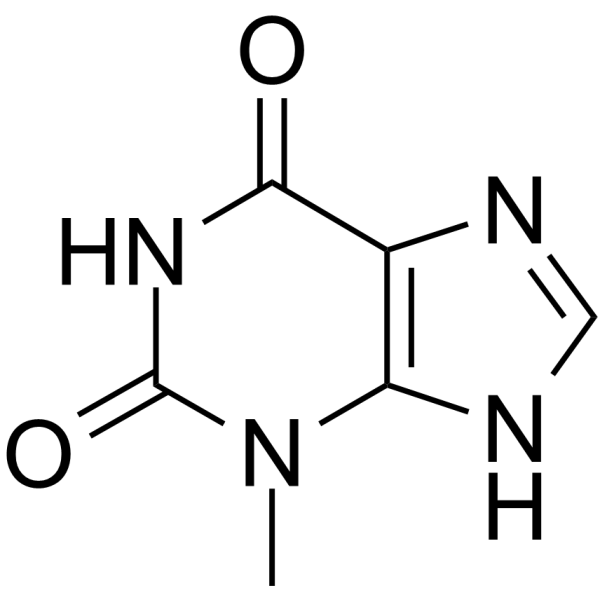
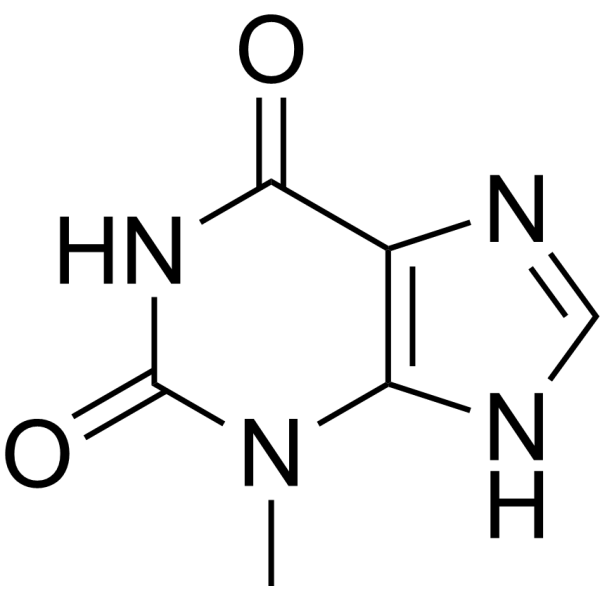
3-Methylxanthine, a xanthine derivative, is a cyclic guanosine monophosphate(GMP) inhibitor, with an IC50 of 920 μM on guinea-pig isolated trachealis muscle.
Guanosine (Standard) is the analytical standard of Guanosine. This product is intended for research and analytical applications. Guanosine (DL-Guanosine) is a purine nucleoside comprising guanine attached to a ribose (ribofuranose) ring via a β-N9-glycosidic bond. Guanosine possesses anti-HSV activity.
In Vitro:Guanosine can be phosphorylated to become guanosine monophosphate (GMP), cyclic guanosine monophosphate (cGMP), guanosine diphosphate (GDP), and guanosine triphosphate (GTP). These forms play important roles in various biochemical processes such as synthesis of nucleic acids and proteins, photosynthesis, muscle contraction, and intracellular signal transduction (cGMP).
2′-Deoxy-GDP (dGDP) trisodium, a guanosine monophosphate (GMP) analogue, is a hypoxanthine phosphoribosyltransferase (HGPRT) inhibitor with an IC50 of 12.5 μM. HGPRT is a central enzyme in the purine recycling pathway of all protozoan parasites .
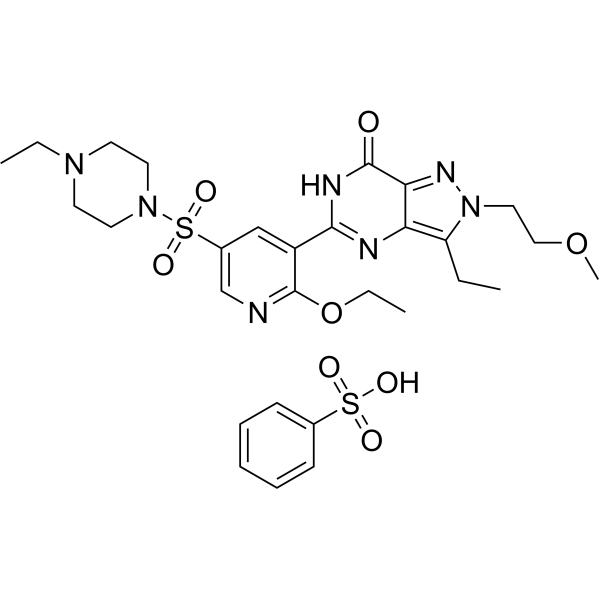
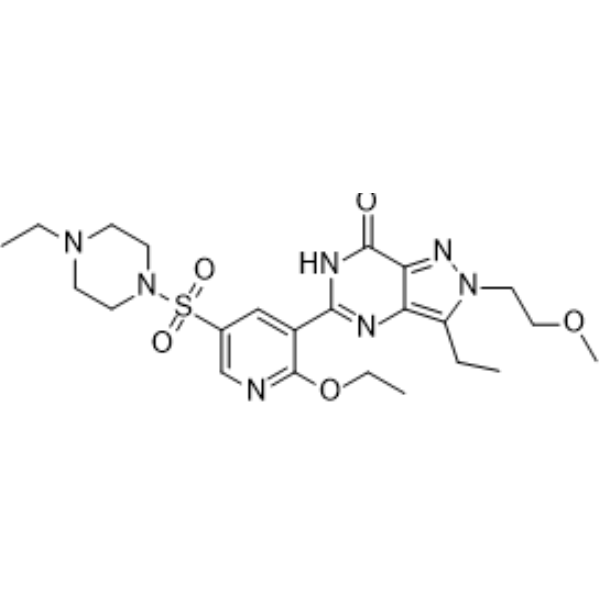
Gisadenafil besylate (UK 369003-26) is a specific, orally active phosphodiesterase 5 (PDE5) inhibitor with an IC50 of 3.6 nM and prevents degradation of cyclic guanosine monophosphate (cGMP) .
3-Methylxanthine (Standard) is the analytical standard of 3-Methylxanthine. This product is intended for research and analytical applications. 3-Methylxanthine, a xanthine derivative, is a cyclic guanosine monophosphate(GMP) inhibitor, with an IC50 of 920 μM on guinea-pig isolated trachealis muscle.
Avenciguat (BI-685509) is a potent and orally active sGC activator. Avenciguat restores cyclic guanosine monophosphate (cGMP) and improves functionality of nitric oxide (NO) pathways. Avenciguat can be used in research of chronic kidney disease (CKD) and diabetic kidney disease (DKD) .
Dasatinib derivative 1 (2e) effectively releases NO and increases the concentration of 3′,5′-cyclic guanosine monophosphate, as well as maintains senolytic activity. Dasatinib derivative 1 (2e) can be used in the research for chronic ocular hypertension (COHT) glaucoma .
Phosphodiesterase II (EC 3.1.16.1), namely phosphodiesterase 2, is mainly involved in the hydrolysis of the important second messengers cyclic adenosine monophosphate (cAMP) and cyclic guanosine monophosphate (cGMP), and is often used in biochemical research. Phosphodiesterase II is expressed in a variety of tissues, such as the adrenal medulla, brain, heart, platelets, macrophages and endothelial cells, and is involved in the regulation of many different intracellular processes .
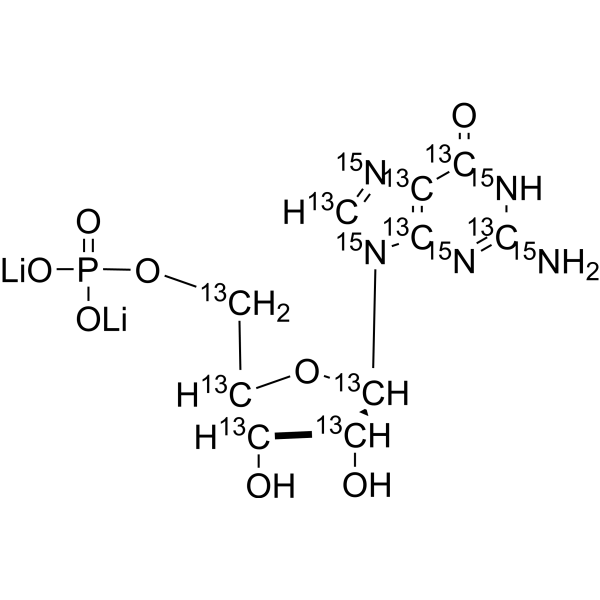
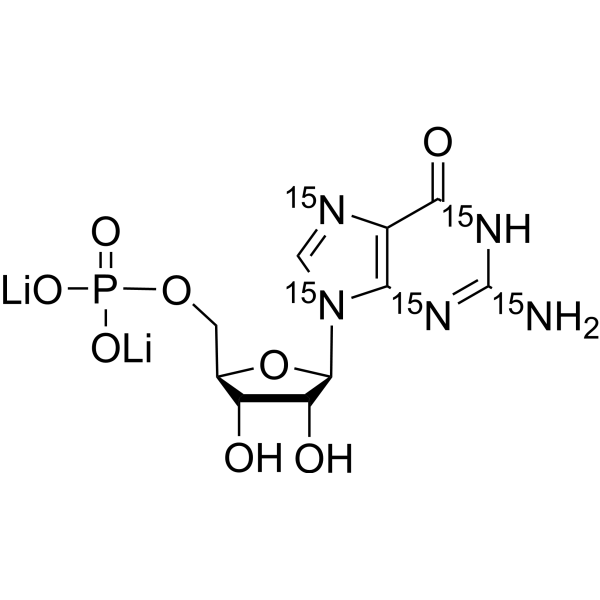
5'-Guanylic acid- 13C10, 15N5 (5'-GMP- 13C10, 15N5 dilithium; 5'-guanosine monophosphate- 13C10, 15N5) dilithium is 13C and 15N-labeled 5'-Guanylic acid (HY-N5134). 5'-Guanylic acid (5'-GMP) is involved in several metabolic disorders, including the AICA-ribosiduria pathway, adenosine deaminase deficiency, adenine phosphoribosyltransferase deficiency (aprt), and the 2-hydroxyglutric aciduria pathway.
PET-cGMP is a cyclic guanosine monophosphate analog and an effective selective agonist of PKG I, the EC50 of PET-cGMP for PKG Iβ is 3.8 nM, while for PKG II, it's 193 nM .
Gp(2′-5′)Ap sodium is a linear dinucleotide analog after hydrolysis of cyclic guanosine monophosphate- adenosine monophosphate (2’3’-cGAMP) by phosphodiesterases. Due to its linear conformation, 2’5’GpAp is intended to serve as a negative control for 2’3’-cGAMP in type I IFN induction assays.
Besifovir Dipivoxil (LB-80380), an analog of guanosine monophosphate, is an acyclic nucleotide phosphonate with antiviral effect. Besifovir Dipivoxil is rapidly converted by the liver and intestine to the intermediate metabolite LB80331 via the esterification process, subsequently phosphorylated into the di- and triphosphate forms, which act as antiviral DNA synthesis inhibitors. Besifovir Dipivoxil is promising for research of chronic hepatitis B .
Sp-8-pCPT-cGMPS is a potent cyclic guanosine monophosphate-gated channel agonist and a lipophilic activator of protein kinase G (types I α, I β, and II) and protein kinase A type II with excellent cell membrane permeability and phosphodiesterase stability. Sp-8-pCPT-cGMPS can be used to study the role of cGMP in neural plasticity and synaptic transmission .
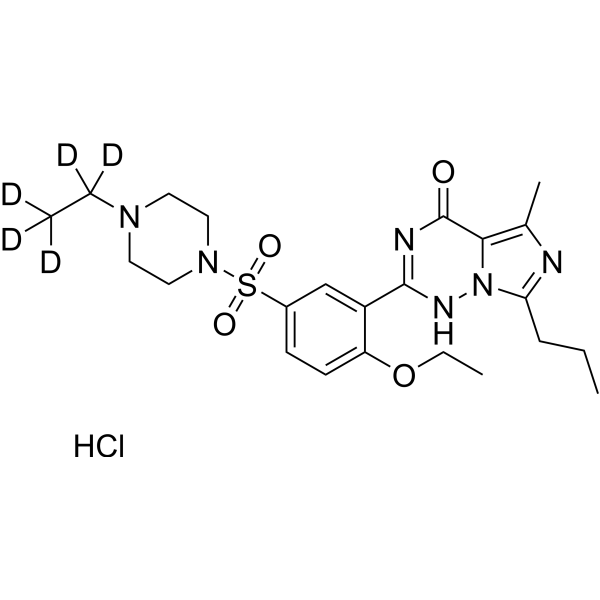
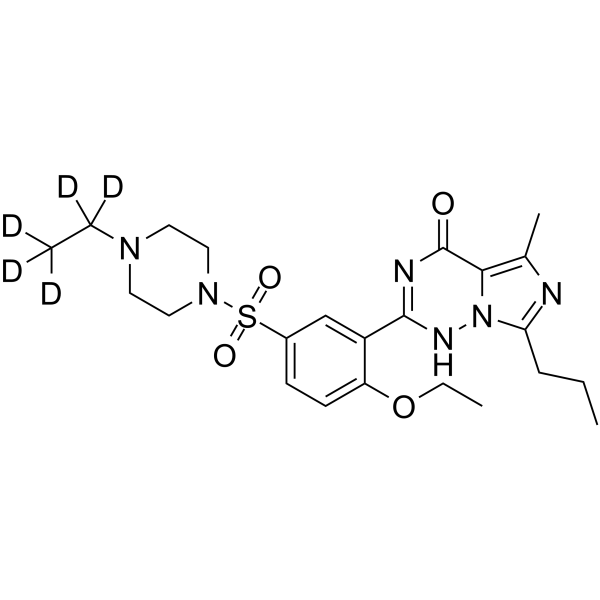
Vardenafil-d5 hydrochloride is deuterated labeled Vardenafil hydrochloride (HY-B0442A). Vardenafil hydrochloride is a selective and orally active inhibitor of phosphodiesterase-5 (PDE5), with an IC50 of 0.7 nM. Vardenafil hydrochloride shows inhibitory towards PDE1, PDE6 with IC50s of 180 nM, and 11 nM, while IC50s are >1000 nM for PDE3 and PDE4 . Vardenafil hydrochloride competitively inhibits cyclic guanosine monophosphate (cGMP) hydrolysis and thus increases cGMP levels . Vardenafil hydrochloride can be used for the research of erectile dysfunction, hepatitis, diabetes [1]-[6].
Gisadenafil (UK-369003) is a specific, orally active phosphodiesterase 5 (PDE5) inhibitor with an IC50 of 3.6 nM and prevents degradation of cyclic guanosine monophosphate (cGMP) .
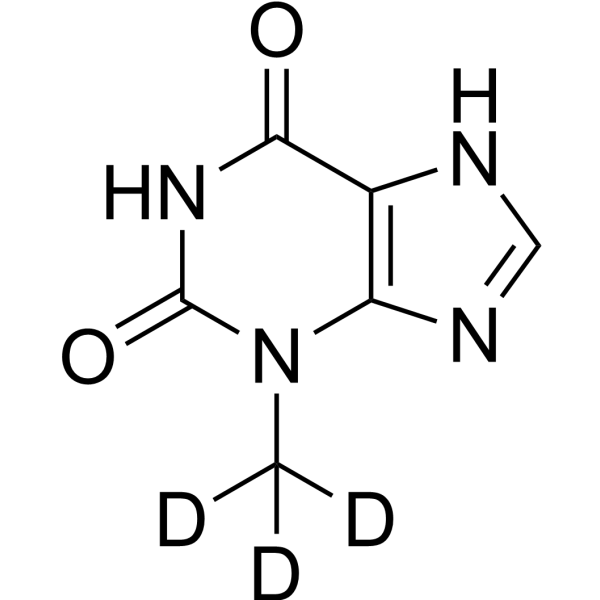
3-Methylxanthine-d3 is deuterated labeled 3-Methylxanthine (HY-50723). 3-Methylxanthine, a xanthine derivative, is a cyclic guanosine monophosphate(GMP) inhibitor, with an IC50 of 920 μM on guinea-pig isolated trachealis muscle.
(R)-Xanthoanthrafil is a phosphodiesterase-5 (PDE5) inhibitor. (R)-Xanthoanthrafil selectively inhibits PDE5, increasing cyclic guanosine monophosphate (cGMP) levels, leading to smooth muscle relaxation and promoting penile erection. (R)-Xanthoanthrafil can be used to study erectile dysfunction .
FR-181074 is a selective and orally active PDE V inhibitor. FR-181074 can specifically block PDE V to inhibit the degradation of cyclic guanosine monophosphate (cGMP) in order to relax smooth muscle. FR-181074 can be used for the researches of cardiovascular disease and endocrinology, such as hypertension and erectile dysfunction .
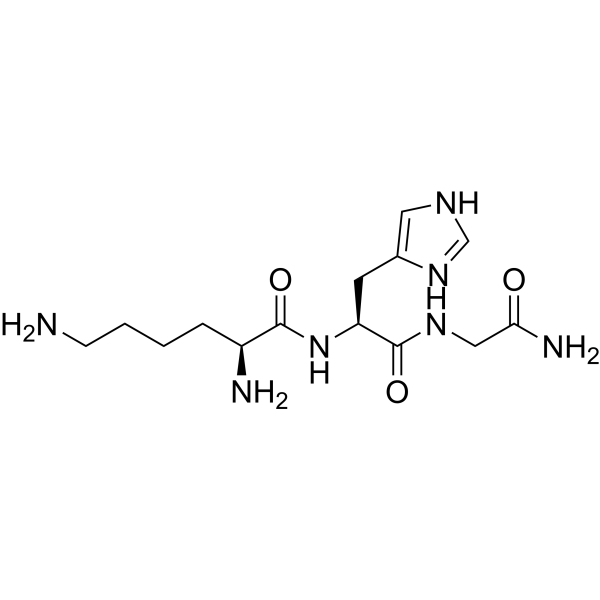
Bursin is a peptide that can be isolated from the bursa of Fabricius of chicken. Bursin induces the phenotypic differentiation of mammalian and avian B precursor cells. Bursin also increases cyclic guanosine monophosphate in cells of the human B-cell line Daudi, its derivatives are able to protect against infection by amplifying the immune response induced by H9N2 .
BMS-341400 is an orally active selective phosphodiesterase 5 (PDE5) inhibitor with an IC50 value of 0.3 nM. BMS-341400 reduces the degradation of cyclic guanosine monophosphate (cGMP), thereby enhancing nitric oxide (NO)-mediated relaxation of the smooth muscle of the corpus cavernosum and promoting erection. BMS-341400 can be used to study erectile dysfunction.
Avanafil (TA-1790) dibenzenesulfonate is a potent and selective phosphodiesterase-5 (PDE-5) inhibitor with IC50 values of 5.2 nM, 630 nM, 5700 nM, 6200 nM, 12000 nM, 27000 nM, 51000 nM and 53000 nM for PDE-5, PDE-6, PDE-4, PDE-10, PDE-8, PDE-7, PDE-2 and PDE-1, respectively. Avanafil dibenzenesulfonate activates NO/cGMP/PKG signaling-pathway to decrease loss in BMD, bone atrophy, and oxidative stress. Avanafil dibenzenesulfonate inhibits cyclic guanosine monophosphate (cGMP) hydrolysis and thus increases cGMP levels. Avanafil dibenzenesulfonate can be used for the research of erectile dysfunction and osteoporosis .
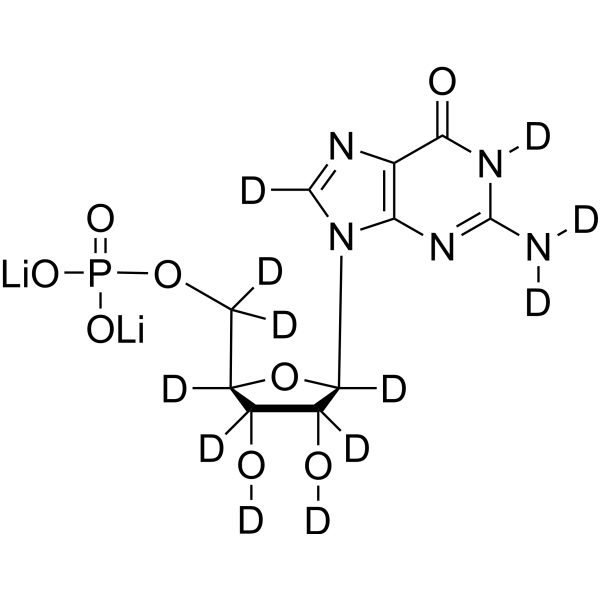
5'-Guanylic acid-d12 (5'-GMP-d12 dilithium; 5'-guanosine monophosphate-d12) dilithium is deuterium labeled 5'-Guanylic acid (HY-N5134). 5'-Guanylic acid (5'-GMP) is involved in several metabolic disorders, including the AICA-ribosiduria pathway, adenosine deaminase deficiency, adenine phosphoribosyltransferase deficiency (aprt), and the 2-hydroxyglutric aciduria pathway.
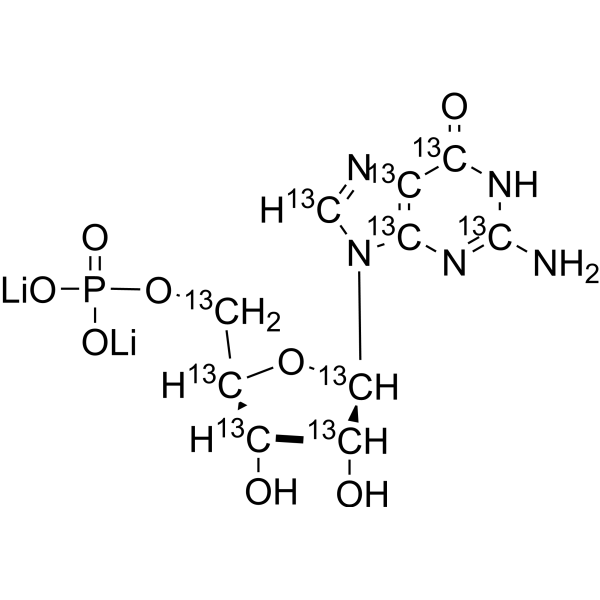
5'-Guanylic acid- 13C10 (5'-GMP- 13C10 dilithium; 5'-guanosine monophosphate- 13C10) dilithium is 13C-labeled 5'-Guanylic acid (HY-N5134). 5'-Guanylic acid (5'-GMP) is involved in several metabolic disorders, including the AICA-ribosiduria pathway, adenosine deaminase deficiency, adenine phosphoribosyltransferase deficiency (aprt), and the 2-hydroxyglutric aciduria pathway.
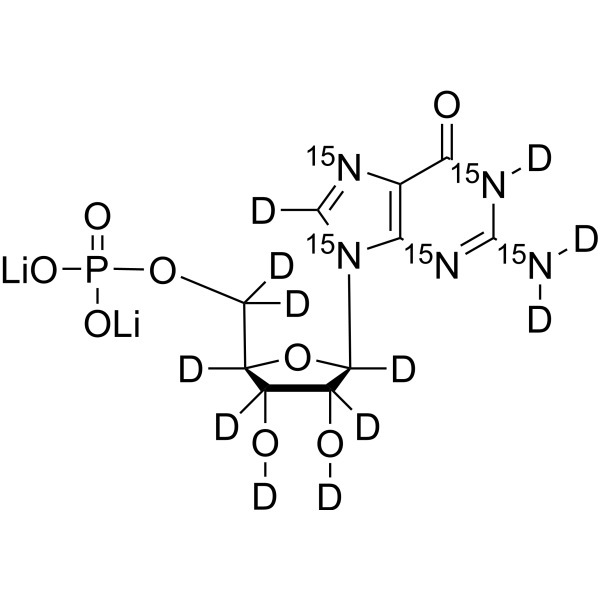
5'-Guanylic acid- 15N5,d12 (5'-GMP- 15N5,d12 dilithium; 5'-guanosine monophosphate- 15N5,d12) dilithium is deuterium and 15N labeled 5'-Guanylic acid (HY-N5134). 5'-Guanylic acid (5'-GMP) is involved in several metabolic disorders, including the AICA-ribosiduria pathway, adenosine deaminase deficiency, adenine phosphoribosyltransferase deficiency (aprt), and the 2-hydroxyglutric aciduria pathway.
(Rac)-Tovinontrine ((Rac)-IMR-687) is a phosphodiesterase 9 (PDE9) inhibitor that increases cyclic guanosine monophosphate (cGMP) levels. (Rac)-Tovinontrine is promising for research of thalassemia .
Bursin triacetate is a peptide that can be isolated from the bursa of Fabricius in chickens. It promotes the phenotypic differentiation of B precursor cells in both mammals and birds. Bursin triacetate increases cyclic guanosine monophosphate levels in the human B-cell line Daudi .
8-NBD-cGMP is a fluorescent analog of cyclic guanosine monophosphate and a potent, membrane-permeable, fluorescent activator of cGMP-dependent protein kinase isozymes I α and I β. 8-NBD-cGMP is barely fluorescent in aqueous solution but fluoresces strongly in hydrophobic environments such as hydrophobic protein binding sites
KMUP-4, as a xanthine derivative with cGMP-enhancing activity, induces aortic relaxation through endothelium-dependent and independent mechanisms. KMUP-4 increases cytoplasmic cyclic guanosine monophosphate (cGMP) and cyclic adenosine monophosphate (cAMP) levels by inhibiting phosphodiesterases (PDEs) and activating K + channels. KMUP-4 can be used in the study of cardiovascular diseases .
BMS-341400 mesylate is a selective phosphodiesterase 5 (PDE5) inhibitor with an IC50 value of 0.3 nM. BMS-341400 mesylate reduces the degradation of cyclic guanosine monophosphate (cGMP), thereby enhancing nitric oxide (NO)-mediated relaxation of the smooth muscle of the corpus cavernosum and promoting erection. BMS-341400 mesylate can be used to study erectile dysfunction .
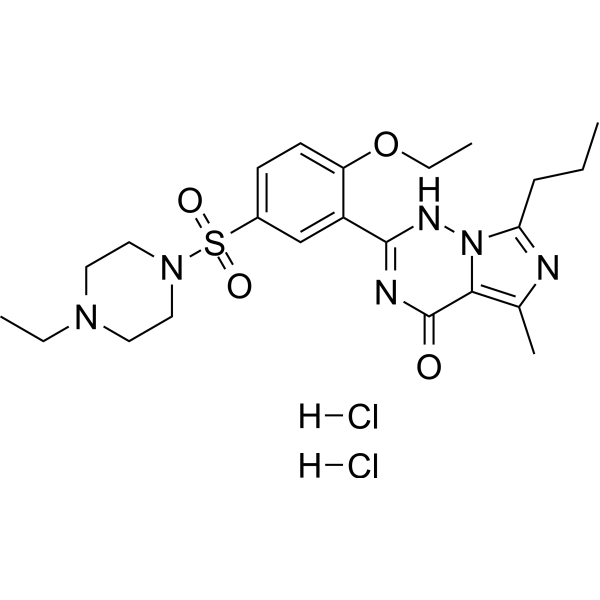
Vardenafil dihydrochloride is a selective and orally active inhibitor of phosphodiesterase-5 (PDE5), with an IC50 of 0.7 nM. Vardenafil dihydrochloride shows inhibitory towards PDE1, PDE6 with IC50s of 180 nM, and 11 nM respectively, while IC50s are >1000 nM for PDE3 and PDE4. Vardenafil dihydrochloride competitively inhibits cyclic guanosine monophosphate (cGMP) hydrolysis and thus increases cGMP levels. Vardenafil dihydrochloride can be used for the research of erectile dysfunction, hepatitis, diabetes - .
Vardenafil-d5 is deuterium labeled Vardenafil. Vardenafil is a selective, orally active, potent inhibitor of phosphodiesterase-5 (PDE5), with an IC50 of 0.7 nM. Vardenafil shows selectivity over PDE1 (180 nM), PDE6 (11 nM), PDE2, PDE3, and PDE4 (>1000 nM). Vardenafil competitively inhibits cyclic guanosine monophosphate (cGMP) hydrolysis and thus increases cGMP levels. Vardenafil can be used for the research of erectile dysfunction .
CP 461 free base (OSI-461 free base) is a novel pro-apoptotic compound with the activity of inhibiting cyclic guanosine monophosphate phosphodiesterase. CP 461 free base exhibits growth inhibitory activity against a variety of human tumor cell lines in vitro. CP 461 free base selectively induces apoptosis in cancer cell lines but has no effect on normal cells. CP 461 free base can be used in the study of renal cell carcinoma, prostate cancer and Crohn's disease .
T-0156 is a potent and selective phosphodiesterase type 5 (PDE5) inhibitor. T-0156 specifically inhibits the hydrolysis of cyclic guanosine monophosphate (cGMP) by PDE5 in a competitive manner (IC50=0.23 nM). T-0156 inhibits PDE6 (IC50=56 nM) and has low potencies against PDE1, PDE2, PDE3, and PDE4 (IC50>10 μM). T-0156 enhances the nitric oxide (NO)/cGMP pathway .
Vardenafil (dihydrochloride) (Standard) is the analytical standard of Vardenafil (dihydrochloride). This product is intended for research and analytical applications. Vardenafil dihydrochloride is a selective and orally active inhibitor of phosphodiesterase-5 (PDE5), with an IC50 of 0.7 nM. Vardenafil dihydrochloride shows inhibitory towards PDE1, PDE6 with IC50s of 180 nM, and 11 nM respectively, while IC50s are >1000 nM for PDE3 and PDE4. Vardenafil dihydrochloride competitively inhibits cyclic guanosine monophosphate (cGMP) hydrolysis and thus increases cGMP levels. Vardenafil dihydrochloride can be used for the research of erectile dysfunction, hepatitis, diabetes - .
Vardenafil (hydrochloride) (Standard) is the analytical standard of Vardenafil (hydrochloride). This product is intended for research and analytical applications. Vardenafil hydrochloride is a selective and orally active inhibitor of phosphodiesterase-5 (PDE5), with an IC50 of 0.7 nM. Vardenafil hydrochloride shows inhibitory towards PDE1, PDE6 with IC50s of 180 nM, and 11 nM, while IC50s are >1000 nM for PDE3 and PDE4 . Vardenafil hydrochloride competitively inhibits cyclic guanosine monophosphate (cGMP) hydrolysis and thus increases cGMP levels . Vardenafil hydrochloride can be used for the research of erectile dysfunction, hepatitis, diabetes - .
Vardenafil (Standard) is the analytical standard of Vardenafil. This product is intended for research and analytical applications. Vardenafil is a selective and orally active inhibitor of phosphodiesterase-5 (PDE5), with an IC50 of 0.7 nM. Vardenafil shows inhibitory towards PDE1, PDE6 with IC50s of 180 nM, and 11 nM, while IC50s are >1000 nM for PDE3 and PDE4 . Vardenafil competitively inhibits cyclic guanosine monophosphate (cGMP) hydrolysis and thus increases cGMP levels . Vardenafil can be used for the research of erectile dysfunction, hepatitis, diabetes [1]-[6].
Vardenafil (dihydrochloride) (Standard) is the analytical standard of Vardenafil (dihydrochloride). This product is intended for research and analytical applications. Vardenafil dihydrochloride is a selective and orally active inhibitor of phosphodiesterase-5 (PDE5), with an IC50 of 0.7 nM. Vardenafil dihydrochloride shows inhibitory towards PDE1, PDE6 with IC50s of 180 nM, and 11 nM respectively, while IC50s are >1000 nM for PDE3 and PDE4. Vardenafil dihydrochloride competitively inhibits cyclic guanosine monophosphate (cGMP) hydrolysis and thus increases cGMP levels. Vardenafil dihydrochloride can be used for the research of erectile dysfunction, hepatitis, diabetes - .
Vardenafil (hydrochloride trihydrate) (Standard) is the analytical standard of Vardenafil (hydrochloride trihydrate). This product is intended for research and analytical applications. Vardenafil hydrochloride trihydrate is a selective and orally active inhibitor of phosphodiesterase-5 (PDE5), with an IC50 of 0.7 nM. Vardenafil hydrochloride trihydrate shows inhibitory towards PDE1, PDE6 with IC50s of 180 nM, and 11 nM, while IC50s are >1000 nM for PDE3 and PDE4 . Vardenafil hydrochloride trihydrate competitively inhibits cyclic guanosine monophosphate (cGMP) hydrolysis and thus increases cGMP levels . Vardenafil hydrochloride trihydrate can be used for the research of erectile dysfunction, hepatitis, diabetes - .
T-0156 free base is a potent and selective phosphodiesterase type 5 (PDE5) inhibitor. T-0156 free base specifically inhibits the hydrolysis of cyclic guanosine monophosphate (cGMP) by PDE5 in a competitive manner (IC50=0.23 nM). T-0156 free base inhibits PDE6 (IC50=56 nM) and has low potencies against PDE1, PDE2, PDE3, and PDE4 (IC50>10 μM). T-0156 free base enhances the nitric oxide (NO)/cGMP pathway .
2-Methoxybenzoic acid (NSC 3778; O-Methylsalicylic acid; Salicylic acid methyl ether) (Standard) is the analytical standard of 2-Methoxybenzoic acid (HY-N1393). 2-Methoxybenzoic acid is a natural compound with potential salicylate-like effect. 2-Methoxybenzoic acid inhibits carbonic anhydrase activity, elevates intraplatelet cyclic guanosine monophosphate level, and suppresses cytosolic phospholipase A2 phosphorylation. 2-Methoxybenzoic acid suppresses platelet reactivity, including decreased spreading, retraction, and aggregation in platelets. 2-Methoxybenzoic acid ameliorates arterial thrombosis in a dose-dependent manner without affecting normal hemostasis in mice. 2-Methoxybenzoic acid can be used for the research of arterial thrombosis .
Formic acid ammonium (Standard) is the analytical standard of Formic acid ammonium. This product is intended for research and analytical applications. Formic acid ammonium is the ammonium salt form of formic acid, which is an endogenous metabolite. Formic acid ammonium activates the nitric oxide/cyclic guanosine monophosphate (NO/cGMP) signaling pathway in endothelial cells and inhibits calcium ion influx in vascular smooth muscle cells, resulting in vasomotor relaxation. Formic acid ammonium inhibits cytochrome C oxidase (CcO) and disrupts the electron transport chain, leading to ATP depletion. Formic acid ammonium can be used as a feed additive, which can lower the feed pH value, inhibit the growth of microorganisms (such as Escherichia coli, Salmonella), and extend the shelf life of the feed.
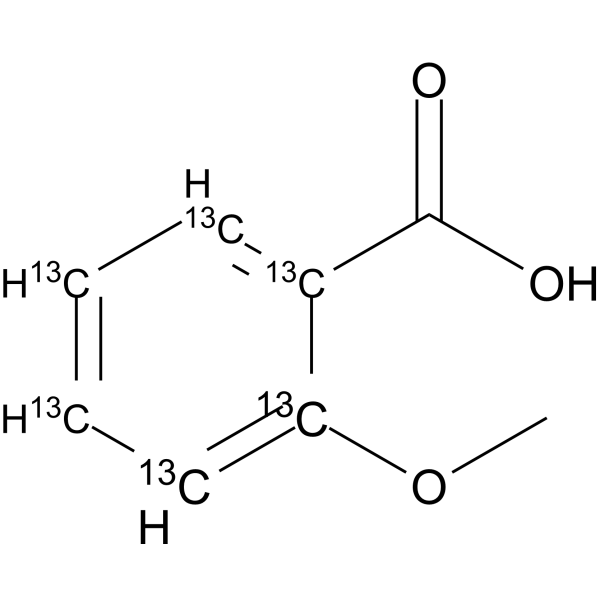
2-Methoxybenzoic acid (NSC 3778; O-Methylsalicylic acid; Salicylic acid methyl ether)- 13C6 is the 13C-labeled 2-Methoxybenzoic acid (HY-N1393). 2-Methoxybenzoic acid is a natural compound with potential salicylate-like effect. 2-Methoxybenzoic acid inhibits carbonic anhydrase activity, elevates intraplatelet cyclic guanosine monophosphate level, and suppresses cytosolic phospholipase A2 phosphorylation. 2-Methoxybenzoic acid suppresses platelet reactivity, including decreased spreading, retraction, and aggregation in platelets. 2-Methoxybenzoic acid ameliorates arterial thrombosis in a dose-dependent manner without affecting normal hemostasis in mice. 2-Methoxybenzoic acid can be used for the research of arterial thrombosis .
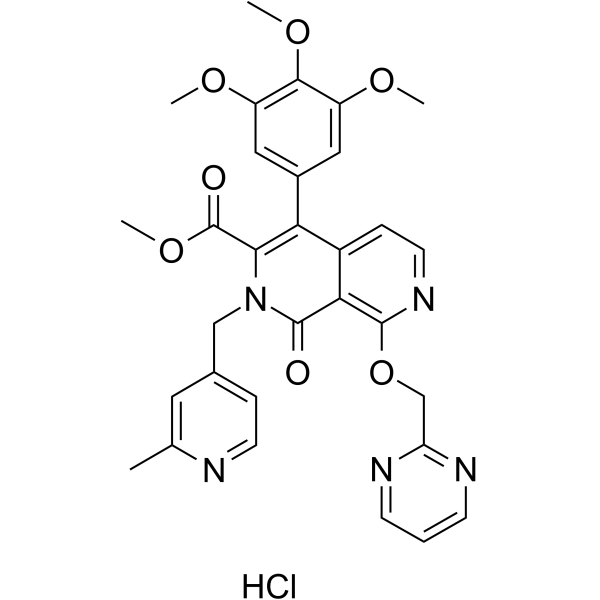
PDE1-IN-4 (compound 2g) is a potent and selective PDE1 (phosphodiesterase-1) inhibitor, with IC50 values of 10, 145, and 354 nM for PDE1C, PDE1A, and PDE1B, respectively. PDE1-IN-4 inhibits myofibroblast differentiation of human lung fibroblasts induced by TGF-β1. PDE1-IN-4 shows anti-fibrosis effects through the regulation of cAMP (3′,5′-cyclic adenosine monophosphate) and cGMP (3′,5′-cyclic guanosine monophosphate). PDE1-IN-4 can be used for idiopathic pulmonary fibrosis (IPF) research .
Avanafil (Standard) is the analytical standard of Avanafil. This product is intended for research and analytical applications. Avanafil (TA-1790) is a potent and selective phosphodiesterase-5 (PDE-5) inhibitor with IC50 values of 5.2 nM, 630 nM, 5700 nM, 6200 nM, 12000 nM, 27000 nM, 51000 nM and 53000 nM for PDE-5, PDE-6, PDE-4, PDE-10, PDE-8, PDE-7, PDE-2 and PDE-1, respectively. Avanafil activates NO/cGMP/PKG signaling-pathway to decrease loss in BMD, bone atrophy, and oxidative stress. Avanafil inhibits cyclic guanosine monophosphate (cGMP) hydrolysis and thus increases cGMP levels. Avanafil can be used for the research of erectile dysfunction and osteoporosis .
Avanafil- 13C5 (TA1790- 13C5) is 13C labeled Avanafil. Avanafil (TA-1790) is a potent and selective phosphodiesterase-5 (PDE-5) inhibitor with IC50 values of 5.2 nM, 630 nM, 5700 nM, 6200 nM, 12000 nM, 27000 nM, 51000 nM and 53000 nM for PDE-5, PDE-6, PDE-4, PDE-10, PDE-8, PDE-7, PDE-2 and PDE-1, respectively. Avanafil activates NO/cGMP/PKG signaling-pathway to decrease loss in BMD, bone atrophy, and oxidative stress. Avanafil inhibits cyclic guanosine monophosphate (cGMP) hydrolysis and thus increases cGMP levels. Avanafil can be used for the research of erectile dysfunction and osteoporosis .
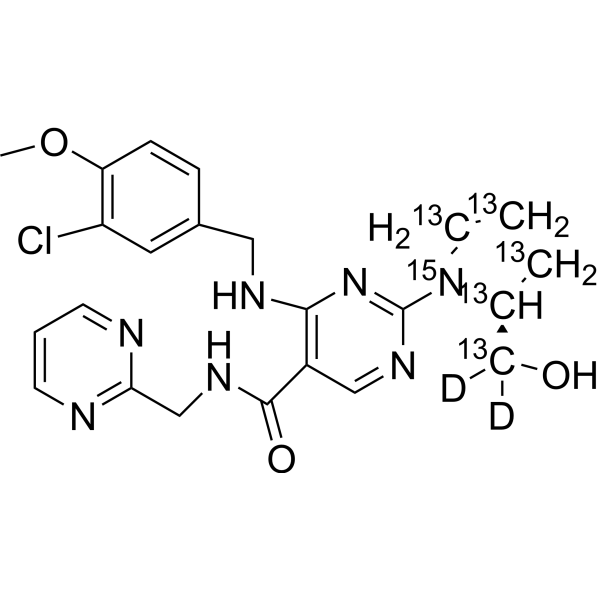
Avanafil- 13C5, 15N,d2 is 15N and deuterated labeled Avanafil (HY-18252). Avanafil (TA-1790) is a potent and selective phosphodiesterase-5 (PDE-5) inhibitor with IC50 values of 5.2 nM, 630 nM, 5700 nM, 6200 nM, 12000 nM, 27000 nM, 51000 nM and 53000 nM for PDE-5, PDE-6, PDE-4, PDE-10, PDE-8, PDE-7, PDE-2 and PDE-1, respectively. Avanafil activates NO/cGMP/PKG signaling-pathway to decrease loss in BMD, bone atrophy, and oxidative stress. Avanafil inhibits cyclic guanosine monophosphate (cGMP) hydrolysis and thus increases cGMP levels. Avanafil can be used for the research of erectile dysfunction and osteoporosis .
Gisadenafil-d5 (UK-369003-d5) is the deuterium labeled Gisadenafil (HY-14841). Gisadenafil (UK-369003) is a specific, orally active phosphodiesterase 5 (PDE5) inhibitor with an IC50 of 3.6 nM and prevents degradation of cyclic guanosine monophosphate (cGMP) .
Ensifentrine (RPL-554) tosylate is an inhaled dual inhibitor of PDE3 and PDE4 with IC50s of 0.4 nM and 1479 nM, respectively. Ensifentrine tosylate blocks PDE3 and PDE4 enzymes, thereby increasing the levels of cyclic adenosine monophosphate (cAMP) and cyclic guanosine monophosphate (cGMP) in lung cells, dilating the bronchi, and inhibiting the activation and migration of inflammatory cells. Ensifentrine tosylate can be used in the research of chronic obstructive pulmonary disease (COPD) .
cGAS-IN-9 is a cyclic guanosine monophosphate-adenosine monophosphate synthase (cGAS) inhibitor, with IC50 values of 27.5 nM and 5.15 μM against human and murine cGAS, respectively. cGAS-IN-9 shows weak inhibitory activity against human soluble adenylate cyclase, with an IC50 of 26.4 μM. cGAS-IN-9 inhibits dsDNA-induced expression of IFNB1 and CXCL10, as well as activation of the NF-κB pathway, in human immune cells. cGAS-IN-9 can be used in research related to cGAS-dependent inflammatory diseases .
2-Methoxybenzoic acid (NSC 3778; O-Methylsalicylic acid; Salicylic acid methyl ether)-d3 is deuterium-labeled 2-Methoxybenzoic acid (HY-N1393). 2-Methoxybenzoic acid is a natural compound with potential salicylate-like effect. 2-Methoxybenzoic acid inhibits carbonic anhydrase activity, elevates intraplatelet cyclic guanosine monophosphate level, and suppresses cytosolic phospholipase A2 phosphorylation. 2-Methoxybenzoic acid suppresses platelet reactivity, including decreased spreading, retraction, and aggregation in platelets. 2-Methoxybenzoic acid ameliorates arterial thrombosis in a dose-dependent manner without affecting normal hemostasis in mice. 2-Methoxybenzoic acid can be used for the research of arterial thrombosis .
Avanafil (Standard) is the analytical standard of Avanafil. This product is intended for research and analytical applications. Avanafil (TA-1790) is a potent and selective phosphodiesterase-5 (PDE-5) inhibitor with IC50 values of 5.2 nM, 630 nM, 5700 nM, 6200 nM, 12000 nM, 27000 nM, 51000 nM and 53000 nM for PDE-5, PDE-6, PDE-4, PDE-10, PDE-8, PDE-7, PDE-2 and PDE-1, respectively. Avanafil activates NO/cGMP/PKG signaling-pathway to decrease loss in BMD, bone atrophy, and oxidative stress. Avanafil inhibits cyclic guanosine monophosphate (cGMP) hydrolysis and thus increases cGMP levels. Avanafil can be used for the research of erectile dysfunction and osteoporosis .
Bursin is a peptide that can be isolated from the bursa of Fabricius of chicken. Bursin induces the phenotypic differentiation of mammalian and avian B precursor cells. Bursin also increases cyclic guanosine monophosphate in cells of the human B-cell line Daudi, its derivatives are able to protect against infection by amplifying the immune response induced by H9N2 .
5'-Guanylic acid is a purine nucleotide that participates in physiological processes such as energy metabolism, signal transduction, and gene expression regulation. 5'-Guanylic acid regulates the expression of genes related to fatty acid metabolism. 5'-Guanylic acid is the weak agonist for ionotropic glutamate receptors (iGluR), reduces the activity of the glutamatergic system and exhibits neuroprotective effect. 5'-Guanylic acid also causes neuronal cell death at high concentrations .
Vardenafil is a selective and orally active inhibitor of phosphodiesterase-5 (PDE5), with an IC50 of 0.7 nM. Vardenafil shows inhibitory towards PDE1, PDE6 with IC50s of 180 nM, and 11 nM, while IC50s are >1000 nM for PDE3 and PDE4 . Vardenafil competitively inhibits cyclic guanosine monophosphate (cGMP) hydrolysis and thus increases cGMP levels . Vardenafil can be used for the research of erectile dysfunction, hepatitis, diabetes [1]-[6].
Avanafil (TA-1790) is a potent and selective phosphodiesterase-5 (PDE-5) inhibitor with IC50 values of 5.2 nM, 630 nM, 5700 nM, 6200 nM, 12000 nM, 27000 nM, 51000 nM and 53000 nM for PDE-5, PDE-6, PDE-4, PDE-10, PDE-8, PDE-7, PDE-2 and PDE-1, respectively. Avanafil activates NO/cGMP/PKG signaling-pathway to decrease loss in BMD, bone atrophy, and oxidative stress. Avanafil inhibits cyclic guanosine monophosphate (cGMP) hydrolysis and thus increases cGMP levels. Avanafil can be used for the research of erectile dysfunction and osteoporosis .
Vardenafil hydrochloride is a selective and orally active inhibitor of phosphodiesterase-5 (PDE5), with an IC50 of 0.7 nM. Vardenafil hydrochloride shows inhibitory towards PDE1, PDE6 with IC50s of 180 nM, and 11 nM, while IC50s are >1000 nM for PDE3 and PDE4 . Vardenafil hydrochloride competitively inhibits cyclic guanosine monophosphate (cGMP) hydrolysis and thus increases cGMP levels . Vardenafil hydrochloride can be used for the research of erectile dysfunction, hepatitis, diabetes [1]-[6].
Formic acid ammonium is the ammonium salt form of formic acid, which is an endogenous metabolite. Formic acid ammonium activates the nitric oxide/cyclic guanosine monophosphate (NO/cGMP) signaling pathway in endothelial cells and inhibits calcium ion influx in vascular smooth muscle cells, resulting in vasomotor relaxation. Formic acid ammonium inhibits cytochrome C oxidase (CcO) and disrupts the electron transport chain, leading to ATP depletion. Formic acid ammonium can be used as a feed additive, which can lower the feed pH value, inhibit the growth of microorganisms (such as Escherichia coli, Salmonella), and extend the shelf life of the feed .
5'-Guanylic acid disodium salt is the disodium salt form of 5'-Guanylic acid (HY-N5134). 5'-Guanylic acid disodium salt is a purine nucleotide that participates in physiological processes such as energy metabolism, signal transduction, and gene expression regulation. 5'-Guanylic acid disodium salt regulates the expression of genes related to fatty acid metabolism. 5'-Guanylic acid disodium salt is the weak agonist for ionotropic glutamate receptors (iGluR), reduces the activity of the glutamatergic system and exhibits neuroprotective effect. 5'-Guanylic acid disodium salt also causes neuronal cell death at high concentrations .
Vardenafil hydrochloride trihydrate is a selective and orally active inhibitor of phosphodiesterase-5 (PDE5), with an IC50 of 0.7 nM. Vardenafil hydrochloride trihydrate shows inhibitory towards PDE1, PDE6 with IC50s of 180 nM, and 11 nM, while IC50s are >1000 nM for PDE3 and PDE4 . Vardenafil hydrochloride trihydrate competitively inhibits cyclic guanosine monophosphate (cGMP) hydrolysis and thus increases cGMP levels . Vardenafil hydrochloride trihydrate can be used for the research of erectile dysfunction, hepatitis, diabetes [1]-[6].
2-Methoxybenzoic acid (NSC 3778; O-Methylsalicylic acid; Salicylic acid methyl ether) is a natural compound with potential salicylate-like effect. 2-Methoxybenzoic acid inhibits carbonic anhydrase activity, elevates intraplatelet cyclic guanosine monophosphate level, and suppresses cytosolic phospholipase A2 phosphorylation. 2-Methoxybenzoic acid suppresses platelet reactivity, including decreased spreading, retraction, and aggregation in platelets. 2-Methoxybenzoic acid ameliorates arterial thrombosis in a dose-dependent manner without affecting normal hemostasis in mice. 2-Methoxybenzoic acid can be used for the research of arterial thrombosis .
Delphinidin 3-rutinoside chloride is an anthocyanin component. Delphinidin 3-rutinoside chloride is isolable from the fruits of blackcurrant Ribes nigrum L. Delphinidin 3-rutinoside chloride activates the ETB receptor and stimulates the NO/cGMP pathway. Delphinidin 3-rutinoside chloride increases cyclic guanosine monophosphate production and reduces the phosphorylation level of Myosin regulatory light chain. Delphinidin 3-rutinoside chloride stimulates GLP-1 secretion. It significantly induces relaxation of bovine ciliary muscle strips contracted by ET-1 and inhibits ET-1-induced contraction of bovine ciliary muscle strips. Delphinidin 3-rutinoside chloride is applicable to research related to type 2 diabetes .
3-Methylxanthine, a xanthine derivative, is a cyclic guanosine monophosphate(GMP) inhibitor, with an IC50 of 920 μM on guinea-pig isolated trachealis muscle.
Guanosine (Standard) is the analytical standard of Guanosine. This product is intended for research and analytical applications. Guanosine (DL-Guanosine) is a purine nucleoside comprising guanine attached to a ribose (ribofuranose) ring via a β-N9-glycosidic bond. Guanosine possesses anti-HSV activity.
In Vitro:Guanosine can be phosphorylated to become guanosine monophosphate (GMP), cyclic guanosine monophosphate (cGMP), guanosine diphosphate (GDP), and guanosine triphosphate (GTP). These forms play important roles in various biochemical processes such as synthesis of nucleic acids and proteins, photosynthesis, muscle contraction, and intracellular signal transduction (cGMP).
3-Methylxanthine (Standard) is the analytical standard of 3-Methylxanthine. This product is intended for research and analytical applications. 3-Methylxanthine, a xanthine derivative, is a cyclic guanosine monophosphate(GMP) inhibitor, with an IC50 of 920 μM on guinea-pig isolated trachealis muscle.
Avanafil (TA-1790) dibenzenesulfonate is a potent and selective phosphodiesterase-5 (PDE-5) inhibitor with IC50 values of 5.2 nM, 630 nM, 5700 nM, 6200 nM, 12000 nM, 27000 nM, 51000 nM and 53000 nM for PDE-5, PDE-6, PDE-4, PDE-10, PDE-8, PDE-7, PDE-2 and PDE-1, respectively. Avanafil dibenzenesulfonate activates NO/cGMP/PKG signaling-pathway to decrease loss in BMD, bone atrophy, and oxidative stress. Avanafil dibenzenesulfonate inhibits cyclic guanosine monophosphate (cGMP) hydrolysis and thus increases cGMP levels. Avanafil dibenzenesulfonate can be used for the research of erectile dysfunction and osteoporosis .
Vardenafil dihydrochloride is a selective and orally active inhibitor of phosphodiesterase-5 (PDE5), with an IC50 of 0.7 nM. Vardenafil dihydrochloride shows inhibitory towards PDE1, PDE6 with IC50s of 180 nM, and 11 nM respectively, while IC50s are >1000 nM for PDE3 and PDE4. Vardenafil dihydrochloride competitively inhibits cyclic guanosine monophosphate (cGMP) hydrolysis and thus increases cGMP levels. Vardenafil dihydrochloride can be used for the research of erectile dysfunction, hepatitis, diabetes - .
Vardenafil (dihydrochloride) (Standard) is the analytical standard of Vardenafil (dihydrochloride). This product is intended for research and analytical applications. Vardenafil dihydrochloride is a selective and orally active inhibitor of phosphodiesterase-5 (PDE5), with an IC50 of 0.7 nM. Vardenafil dihydrochloride shows inhibitory towards PDE1, PDE6 with IC50s of 180 nM, and 11 nM respectively, while IC50s are >1000 nM for PDE3 and PDE4. Vardenafil dihydrochloride competitively inhibits cyclic guanosine monophosphate (cGMP) hydrolysis and thus increases cGMP levels. Vardenafil dihydrochloride can be used for the research of erectile dysfunction, hepatitis, diabetes - .
Vardenafil (hydrochloride) (Standard) is the analytical standard of Vardenafil (hydrochloride). This product is intended for research and analytical applications. Vardenafil hydrochloride is a selective and orally active inhibitor of phosphodiesterase-5 (PDE5), with an IC50 of 0.7 nM. Vardenafil hydrochloride shows inhibitory towards PDE1, PDE6 with IC50s of 180 nM, and 11 nM, while IC50s are >1000 nM for PDE3 and PDE4 . Vardenafil hydrochloride competitively inhibits cyclic guanosine monophosphate (cGMP) hydrolysis and thus increases cGMP levels . Vardenafil hydrochloride can be used for the research of erectile dysfunction, hepatitis, diabetes - .
Vardenafil (Standard) is the analytical standard of Vardenafil. This product is intended for research and analytical applications. Vardenafil is a selective and orally active inhibitor of phosphodiesterase-5 (PDE5), with an IC50 of 0.7 nM. Vardenafil shows inhibitory towards PDE1, PDE6 with IC50s of 180 nM, and 11 nM, while IC50s are >1000 nM for PDE3 and PDE4 . Vardenafil competitively inhibits cyclic guanosine monophosphate (cGMP) hydrolysis and thus increases cGMP levels . Vardenafil can be used for the research of erectile dysfunction, hepatitis, diabetes [1]-[6].
Vardenafil (dihydrochloride) (Standard) is the analytical standard of Vardenafil (dihydrochloride). This product is intended for research and analytical applications. Vardenafil dihydrochloride is a selective and orally active inhibitor of phosphodiesterase-5 (PDE5), with an IC50 of 0.7 nM. Vardenafil dihydrochloride shows inhibitory towards PDE1, PDE6 with IC50s of 180 nM, and 11 nM respectively, while IC50s are >1000 nM for PDE3 and PDE4. Vardenafil dihydrochloride competitively inhibits cyclic guanosine monophosphate (cGMP) hydrolysis and thus increases cGMP levels. Vardenafil dihydrochloride can be used for the research of erectile dysfunction, hepatitis, diabetes - .
Vardenafil (hydrochloride trihydrate) (Standard) is the analytical standard of Vardenafil (hydrochloride trihydrate). This product is intended for research and analytical applications. Vardenafil hydrochloride trihydrate is a selective and orally active inhibitor of phosphodiesterase-5 (PDE5), with an IC50 of 0.7 nM. Vardenafil hydrochloride trihydrate shows inhibitory towards PDE1, PDE6 with IC50s of 180 nM, and 11 nM, while IC50s are >1000 nM for PDE3 and PDE4 . Vardenafil hydrochloride trihydrate competitively inhibits cyclic guanosine monophosphate (cGMP) hydrolysis and thus increases cGMP levels . Vardenafil hydrochloride trihydrate can be used for the research of erectile dysfunction, hepatitis, diabetes - .
2-Methoxybenzoic acid (NSC 3778; O-Methylsalicylic acid; Salicylic acid methyl ether) (Standard) is the analytical standard of 2-Methoxybenzoic acid (HY-N1393). 2-Methoxybenzoic acid is a natural compound with potential salicylate-like effect. 2-Methoxybenzoic acid inhibits carbonic anhydrase activity, elevates intraplatelet cyclic guanosine monophosphate level, and suppresses cytosolic phospholipase A2 phosphorylation. 2-Methoxybenzoic acid suppresses platelet reactivity, including decreased spreading, retraction, and aggregation in platelets. 2-Methoxybenzoic acid ameliorates arterial thrombosis in a dose-dependent manner without affecting normal hemostasis in mice. 2-Methoxybenzoic acid can be used for the research of arterial thrombosis .
Formic acid ammonium (Standard) is the analytical standard of Formic acid ammonium. This product is intended for research and analytical applications. Formic acid ammonium is the ammonium salt form of formic acid, which is an endogenous metabolite. Formic acid ammonium activates the nitric oxide/cyclic guanosine monophosphate (NO/cGMP) signaling pathway in endothelial cells and inhibits calcium ion influx in vascular smooth muscle cells, resulting in vasomotor relaxation. Formic acid ammonium inhibits cytochrome C oxidase (CcO) and disrupts the electron transport chain, leading to ATP depletion. Formic acid ammonium can be used as a feed additive, which can lower the feed pH value, inhibit the growth of microorganisms (such as Escherichia coli, Salmonella), and extend the shelf life of the feed.
Avanafil (Standard) is the analytical standard of Avanafil. This product is intended for research and analytical applications. Avanafil (TA-1790) is a potent and selective phosphodiesterase-5 (PDE-5) inhibitor with IC50 values of 5.2 nM, 630 nM, 5700 nM, 6200 nM, 12000 nM, 27000 nM, 51000 nM and 53000 nM for PDE-5, PDE-6, PDE-4, PDE-10, PDE-8, PDE-7, PDE-2 and PDE-1, respectively. Avanafil activates NO/cGMP/PKG signaling-pathway to decrease loss in BMD, bone atrophy, and oxidative stress. Avanafil inhibits cyclic guanosine monophosphate (cGMP) hydrolysis and thus increases cGMP levels. Avanafil can be used for the research of erectile dysfunction and osteoporosis .
Avanafil (Standard) is the analytical standard of Avanafil. This product is intended for research and analytical applications. Avanafil (TA-1790) is a potent and selective phosphodiesterase-5 (PDE-5) inhibitor with IC50 values of 5.2 nM, 630 nM, 5700 nM, 6200 nM, 12000 nM, 27000 nM, 51000 nM and 53000 nM for PDE-5, PDE-6, PDE-4, PDE-10, PDE-8, PDE-7, PDE-2 and PDE-1, respectively. Avanafil activates NO/cGMP/PKG signaling-pathway to decrease loss in BMD, bone atrophy, and oxidative stress. Avanafil inhibits cyclic guanosine monophosphate (cGMP) hydrolysis and thus increases cGMP levels. Avanafil can be used for the research of erectile dysfunction and osteoporosis .
GMPR protein plays a crucial role in nucleotide metabolism by catalyzing the irreversible NADPH-dependent deamination of to IMP. This enzymatic activity is pivotal for the conversion of nucleobase, nucleoside, and nucleotide derivatives of guanine (G) to adenine (A) nucleotides, contributing to the intricate network of biochemical processes involved in maintaining the essential intracellular balance between A and G nucleotides. GMPR Protein, Human (His) is the recombinant human-derived GMPR protein, expressed by E. coli , with N-His labeled tag.
GMP reductase 1 (GMPR1) catalyzes the irreversible NADPH-dependent deamination of GMP to IMP. GMPR1 functions in the conversion of nucleobase, nucleoside and nucleotide derivatives of G to A nucleotides, and in maintaining the intracellular balance of A and G nucleotides. GMPR1 contributes to non-shivering thermogenesis while promoting the progression of Alzheimer's disease. GMPR Protein, Human (HEK293, His) is the recombinant human-derived GMPR protein, expressed by HEK293 , with C-6*His labeled tag.
5'-Guanylic acid- 13C10, 15N5 (5'-GMP- 13C10, 15N5 dilithium; 5'-guanosine monophosphate- 13C10, 15N5) dilithium is 13C and 15N-labeled 5'-Guanylic acid (HY-N5134). 5'-Guanylic acid (5'-GMP) is involved in several metabolic disorders, including the AICA-ribosiduria pathway, adenosine deaminase deficiency, adenine phosphoribosyltransferase deficiency (aprt), and the 2-hydroxyglutric aciduria pathway.
Vardenafil-d5 hydrochloride is deuterated labeled Vardenafil hydrochloride (HY-B0442A). Vardenafil hydrochloride is a selective and orally active inhibitor of phosphodiesterase-5 (PDE5), with an IC50 of 0.7 nM. Vardenafil hydrochloride shows inhibitory towards PDE1, PDE6 with IC50s of 180 nM, and 11 nM, while IC50s are >1000 nM for PDE3 and PDE4 . Vardenafil hydrochloride competitively inhibits cyclic guanosine monophosphate (cGMP) hydrolysis and thus increases cGMP levels . Vardenafil hydrochloride can be used for the research of erectile dysfunction, hepatitis, diabetes [1]-[6].
3-Methylxanthine-d3 is deuterated labeled 3-Methylxanthine (HY-50723). 3-Methylxanthine, a xanthine derivative, is a cyclic guanosine monophosphate(GMP) inhibitor, with an IC50 of 920 μM on guinea-pig isolated trachealis muscle.
5'-Guanylic acid-d12 (5'-GMP-d12 dilithium; 5'-guanosine monophosphate-d12) dilithium is deuterium labeled 5'-Guanylic acid (HY-N5134). 5'-Guanylic acid (5'-GMP) is involved in several metabolic disorders, including the AICA-ribosiduria pathway, adenosine deaminase deficiency, adenine phosphoribosyltransferase deficiency (aprt), and the 2-hydroxyglutric aciduria pathway.
5'-Guanylic acid- 13C10 (5'-GMP- 13C10 dilithium; 5'-guanosine monophosphate- 13C10) dilithium is 13C-labeled 5'-Guanylic acid (HY-N5134). 5'-Guanylic acid (5'-GMP) is involved in several metabolic disorders, including the AICA-ribosiduria pathway, adenosine deaminase deficiency, adenine phosphoribosyltransferase deficiency (aprt), and the 2-hydroxyglutric aciduria pathway.
5'-Guanylic acid- 15N5,d12 (5'-GMP- 15N5,d12 dilithium; 5'-guanosine monophosphate- 15N5,d12) dilithium is deuterium and 15N labeled 5'-Guanylic acid (HY-N5134). 5'-Guanylic acid (5'-GMP) is involved in several metabolic disorders, including the AICA-ribosiduria pathway, adenosine deaminase deficiency, adenine phosphoribosyltransferase deficiency (aprt), and the 2-hydroxyglutric aciduria pathway.
Vardenafil-d5 is deuterium labeled Vardenafil. Vardenafil is a selective, orally active, potent inhibitor of phosphodiesterase-5 (PDE5), with an IC50 of 0.7 nM. Vardenafil shows selectivity over PDE1 (180 nM), PDE6 (11 nM), PDE2, PDE3, and PDE4 (>1000 nM). Vardenafil competitively inhibits cyclic guanosine monophosphate (cGMP) hydrolysis and thus increases cGMP levels. Vardenafil can be used for the research of erectile dysfunction .
2-Methoxybenzoic acid (NSC 3778; O-Methylsalicylic acid; Salicylic acid methyl ether)- 13C6 is the 13C-labeled 2-Methoxybenzoic acid (HY-N1393). 2-Methoxybenzoic acid is a natural compound with potential salicylate-like effect. 2-Methoxybenzoic acid inhibits carbonic anhydrase activity, elevates intraplatelet cyclic guanosine monophosphate level, and suppresses cytosolic phospholipase A2 phosphorylation. 2-Methoxybenzoic acid suppresses platelet reactivity, including decreased spreading, retraction, and aggregation in platelets. 2-Methoxybenzoic acid ameliorates arterial thrombosis in a dose-dependent manner without affecting normal hemostasis in mice. 2-Methoxybenzoic acid can be used for the research of arterial thrombosis .
Avanafil- 13C5 (TA1790- 13C5) is 13C labeled Avanafil. Avanafil (TA-1790) is a potent and selective phosphodiesterase-5 (PDE-5) inhibitor with IC50 values of 5.2 nM, 630 nM, 5700 nM, 6200 nM, 12000 nM, 27000 nM, 51000 nM and 53000 nM for PDE-5, PDE-6, PDE-4, PDE-10, PDE-8, PDE-7, PDE-2 and PDE-1, respectively. Avanafil activates NO/cGMP/PKG signaling-pathway to decrease loss in BMD, bone atrophy, and oxidative stress. Avanafil inhibits cyclic guanosine monophosphate (cGMP) hydrolysis and thus increases cGMP levels. Avanafil can be used for the research of erectile dysfunction and osteoporosis .
Avanafil- 13C5, 15N,d2 is 15N and deuterated labeled Avanafil (HY-18252). Avanafil (TA-1790) is a potent and selective phosphodiesterase-5 (PDE-5) inhibitor with IC50 values of 5.2 nM, 630 nM, 5700 nM, 6200 nM, 12000 nM, 27000 nM, 51000 nM and 53000 nM for PDE-5, PDE-6, PDE-4, PDE-10, PDE-8, PDE-7, PDE-2 and PDE-1, respectively. Avanafil activates NO/cGMP/PKG signaling-pathway to decrease loss in BMD, bone atrophy, and oxidative stress. Avanafil inhibits cyclic guanosine monophosphate (cGMP) hydrolysis and thus increases cGMP levels. Avanafil can be used for the research of erectile dysfunction and osteoporosis .
Gisadenafil-d5 (UK-369003-d5) is the deuterium labeled Gisadenafil (HY-14841). Gisadenafil (UK-369003) is a specific, orally active phosphodiesterase 5 (PDE5) inhibitor with an IC50 of 3.6 nM and prevents degradation of cyclic guanosine monophosphate (cGMP) .
2-Methoxybenzoic acid (NSC 3778; O-Methylsalicylic acid; Salicylic acid methyl ether)-d3 is deuterium-labeled 2-Methoxybenzoic acid (HY-N1393). 2-Methoxybenzoic acid is a natural compound with potential salicylate-like effect. 2-Methoxybenzoic acid inhibits carbonic anhydrase activity, elevates intraplatelet cyclic guanosine monophosphate level, and suppresses cytosolic phospholipase A2 phosphorylation. 2-Methoxybenzoic acid suppresses platelet reactivity, including decreased spreading, retraction, and aggregation in platelets. 2-Methoxybenzoic acid ameliorates arterial thrombosis in a dose-dependent manner without affecting normal hemostasis in mice. 2-Methoxybenzoic acid can be used for the research of arterial thrombosis .
5'-Guanylic acid disodium salt is the disodium salt form of 5'-Guanylic acid (HY-N5134). 5'-Guanylic acid disodium salt is a purine nucleotide that participates in physiological processes such as energy metabolism, signal transduction, and gene expression regulation. 5'-Guanylic acid disodium salt regulates the expression of genes related to fatty acid metabolism. 5'-Guanylic acid disodium salt is the weak agonist for ionotropic glutamate receptors (iGluR), reduces the activity of the glutamatergic system and exhibits neuroprotective effect. 5'-Guanylic acid disodium salt also causes neuronal cell death at high concentrations .
Gp(2′-5′)Ap sodium is a linear dinucleotide analog after hydrolysis of cyclic guanosine monophosphate- adenosine monophosphate (2’3’-cGAMP) by phosphodiesterases. Due to its linear conformation, 2’5’GpAp is intended to serve as a negative control for 2’3’-cGAMP in type I IFN induction assays.
Inquiry Online
Your information is safe with us. * Required Fields.
Western blot analysis of extracts from THP-1(lane 2(20μg), Jurkat (lane 3(20μg) and NIH3T3(lane 4(20μg) using FOXO1A (HY-P80132) Rabbit mAb. Proteins were transferred
to a PVDF membrane and blocked with 5% non-fat milk in TBST for 2 hour at room temperature. The primary antibody (1/1000) and Loading control antibody (Beta Actin, HY-P80438, 1/10000) was
used in 5% non-fat milk in TBST at 4°C overnight. Goat Anti-Mouse/Rabbit IgG-HRP Secondary Antibody (1/10000) was used for 1 hour at room temperature.
Western blot analysis of extracts from THP-1(lane 2(20μg), Jurkat (lane 3(20μg) and NIH3T3(lane 4(20μg) using FOXO1A (HY-P80132) Rabbit mAb. Proteins were transferred
to a PVDF membrane and blocked with 5% non-fat milk in TBST for 2 hour at room temperature. The primary antibody (1/1000) and Loading control antibody (Beta Actin, HY-P80438, 1/10000) was
used in 5% non-fat milk in TBST at 4°C overnight. Goat Anti-Mouse/Rabbit IgG-HRP Secondary Antibody (1/10000) was used for 1 hour at room temperature.
Western blot analysis of extracts from THP-1(lane 2(20μg), Jurkat (lane 3(20μg) and NIH3T3(lane 4(20μg) using FOXO1A (HY-P80132) Rabbit mAb. Proteins were transferred
to a PVDF membrane and blocked with 5% non-fat milk in TBST for 2 hour at room temperature. The primary antibody (1/1000) and Loading control antibody (Beta Actin, HY-P80438, 1/10000) was
used in 5% non-fat milk in TBST at 4°C overnight. Goat Anti-Mouse/Rabbit IgG-HRP Secondary Antibody (1/10000) was used for 1 hour at room temperature.
Western blot analysis of extracts from THP-1(lane 2(20μg), Jurkat (lane 3(20μg) and NIH3T3(lane 4(20μg) using FOXO1A (HY-P80132) Rabbit mAb. Proteins were transferred
to a PVDF membrane and blocked with 5% non-fat milk in TBST for 2 hour at room temperature. The primary antibody (1/1000) and Loading control antibody (Beta Actin, HY-P80438, 1/10000) was
MedchemExpress Validation 03
Western blot analysis of extracts from THP-1(lane 2(20μg), Jurkat (lane 3(20μg) and NIH3T3(lane 4(20μg) using FOXO1A (HY-P80132) Rabbit mAb. Proteins were transferred
MedchemExpress Validation 04
Western blot analysis of extracts from THP-1(lane 2(20μg), Jurkat (lane 3(20μg) and NIH3T3(lane 4(20μg) using FOXO1A (HY-P80132) Rabbit mAb. Proteins were transferred
to a PVDF membrane and blocked with 5% non-fat milk in TBST for 2 hour at room temperature. The primary antibody (1/1000) and Loading control antibody (Beta Actin, HY-P80438, 1/10000) was
used in 5% non-fat milk in TBST at 4°C overnight. Goat Anti-Mouse/Rabbit IgG-HRP Secondary Antibody (1/10000) was used for 1 hour at room temperature.
MedchemExpress Validation
Western blot analysis of extracts from THP-1(lane 2(20μg), Jurkat (lane 3(20μg) and NIH3T3(lane 4(20μg) using FOXO1A (HY-P80132) Rabbit mAb. Proteins were transferred
to a PVDF membrane and blocked with 5% non-fat milk in TBST for 2 hour at room temperature. The primary antibody (1/1000) and Loading control antibody (Beta Actin, HY-P80438, 1/10000) was
used in 5% non-fat milk in TBST at 4°C overnight. Goat Anti-Mouse/Rabbit IgG-HRP Secondary Antibody (1/10000) was used for 1 hour at room temperature.
Western blot analysis of extracts from THP-1(lane 2(20μg), Jurkat (lane 3(20μg) and NIH3T3(lane 4(20μg) using FOXO1A (HY-P80132) Rabbit mAb. Proteins were transferred
to a PVDF membrane and blocked with 5% non-fat milk in TBST for 2 hour at room temperature. The primary antibody (1/1000) and Loading control antibody (Beta Actin, HY-P80438, 1/10000) was
used in 5% non-fat milk in TBST at 4°C overnight. Goat Anti-Mouse/Rabbit IgG-HRP Secondary Antibody (1/10000) was used for 1 hour at room temperature.
MedchemExpress Validation
Western blot analysis of extracts from THP-1(lane 2(20μg), Jurkat (lane 3(20μg) and NIH3T3(lane 4(20μg) using FOXO1A (HY-P80132) Rabbit mAb. Proteins were transferred
to a PVDF membrane and blocked with 5% non-fat milk in TBST for 2 hour at room temperature. The primary antibody (1/1000) and Loading control antibody (Beta Actin, HY-P80438, 1/10000) was
used in 5% non-fat milk in TBST at 4°C overnight. Goat Anti-Mouse/Rabbit IgG-HRP Secondary Antibody (1/10000) was used for 1 hour at room temperature.
MedchemExpress Validation
Western blot analysis of extracts from THP-1(lane 2(20μg), Jurkat (lane 3(20μg) and NIH3T3(lane 4(20μg) using FOXO1A (HY-P80132) Rabbit mAb. Proteins were transferred
to a PVDF membrane and blocked with 5% non-fat milk in TBST for 2 hour at room temperature. The primary antibody (1/1000) and Loading control antibody (Beta Actin, HY-P80438, 1/10000) was
used in 5% non-fat milk in TBST at 4°C overnight. Goat Anti-Mouse/Rabbit IgG-HRP Secondary Antibody (1/10000) was used for 1 hour at room temperature.
MedchemExpress Validation
Western blot analysis of extracts from THP-1(lane 2(20μg), Jurkat (lane 3(20μg) and NIH3T3(lane 4(20μg) using FOXO1A (HY-P80132) Rabbit mAb. Proteins were transferred
to a PVDF membrane and blocked with 5% non-fat milk in TBST for 2 hour at room temperature. The primary antibody (1/1000) and Loading control antibody (Beta Actin, HY-P80438, 1/10000) was
used in 5% non-fat milk in TBST at 4°C overnight. Goat Anti-Mouse/Rabbit IgG-HRP Secondary Antibody (1/10000) was used for 1 hour at room temperature.
MedchemExpress Validation
Western blot analysis of extracts from THP-1(lane 2(20μg), Jurkat (lane 3(20μg) and NIH3T3(lane 4(20μg) using FOXO1A (HY-P80132) Rabbit mAb. Proteins were transferred
to a PVDF membrane and blocked with 5% non-fat milk in TBST for 2 hour at room temperature. The primary antibody (1/1000) and Loading control antibody (Beta Actin, HY-P80438, 1/10000) was
used in 5% non-fat milk in TBST at 4°C overnight. Goat Anti-Mouse/Rabbit IgG-HRP Secondary Antibody (1/10000) was used for 1 hour at room temperature.
MedchemExpress Validation
Western blot analysis of extracts from THP-1(lane 2(20μg), Jurkat (lane 3(20μg) and NIH3T3(lane 4(20μg) using FOXO1A (HY-P80132) Rabbit mAb. Proteins were transferred
to a PVDF membrane and blocked with 5% non-fat milk in TBST for 2 hour at room temperature. The primary antibody (1/1000) and Loading control antibody (Beta Actin, HY-P80438, 1/10000) was
used in 5% non-fat milk in TBST at 4°C overnight. Goat Anti-Mouse/Rabbit IgG-HRP Secondary Antibody (1/10000) was used for 1 hour at room temperature.
MedchemExpress Validation
Western blot analysis of extracts from THP-1(lane 2(20μg), Jurkat (lane 3(20μg) and NIH3T3(lane 4(20μg) using FOXO1A (HY-P80132) Rabbit mAb. Proteins were transferred
to a PVDF membrane and blocked with 5% non-fat milk in TBST for 2 hour at room temperature. The primary antibody (1/1000) and Loading control antibody (Beta Actin, HY-P80438, 1/10000) was
used in 5% non-fat milk in TBST at 4°C overnight. Goat Anti-Mouse/Rabbit IgG-HRP Secondary Antibody (1/10000) was used for 1 hour at room temperature.
MedChemExpress values your privacy and your trust is important to us. We use cookies to enhance your website experience. Some cookies are necessary to run the website.
Privacy and Cookie Policy