1. Search Result
Search Result
Results for "

Histone+Acetyltransferase

" in MedChemExpress (MCE) Product Catalog:

66

Inhibitors & Agonists

3

Screening Libraries

1

Biochemical Assay Reagents

7

Peptides

8

Natural
Products

4

Recombinant Proteins

2

Isotope-Labeled Compounds

9

Antibodies

Targets Recommended:
Cat. No. Product Name Target Research Areas Chemical Structure
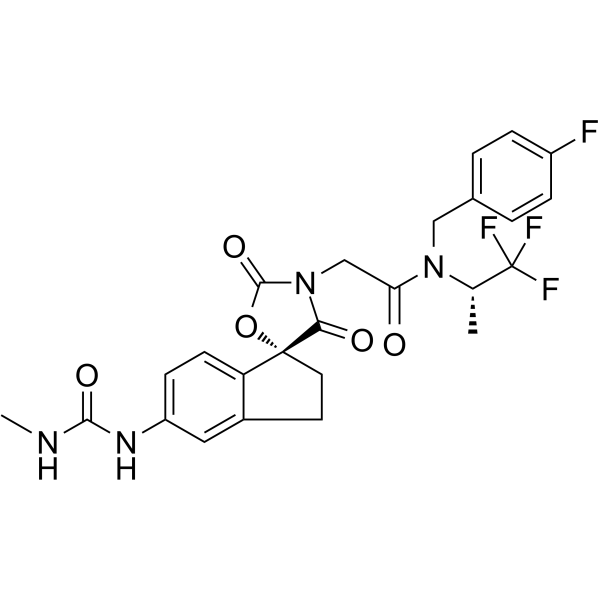
  • HY-107455
    A-485
    95+ Cited Publications

    Epigenetic Reader Domain Histone Acetyltransferase Cancer
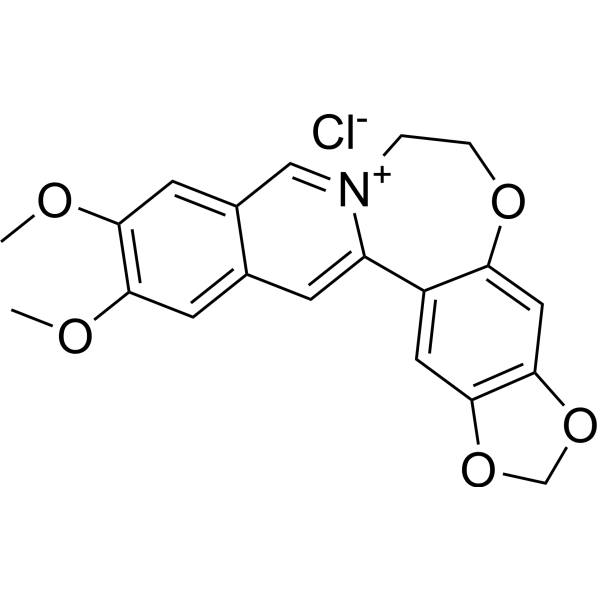
    A-485, a chemical probe, is a potent and selective catalytic inhibitor of p300/CBP with IC50s of 9.8 nM and 2.6 nM for p300 and CBP histone acetyltransferase (HAT), respectively .
    A-485
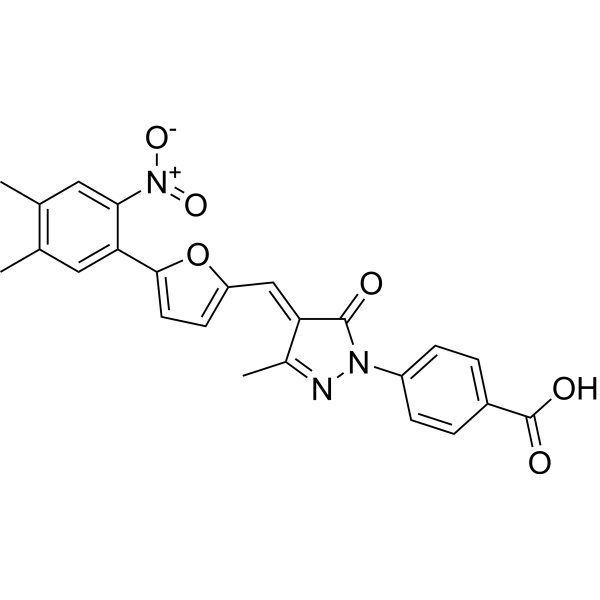
  • HY-13823
    C646
    90+ Cited Publications

    Histone Acetyltransferase Autophagy Epigenetic Reader Domain Apoptosis Cancer
    C646 is a selective and competitive histone acetyltransferase p300 inhibitor with Ki of 400 nM, and is less potent for other acetyltransferases .
    C646
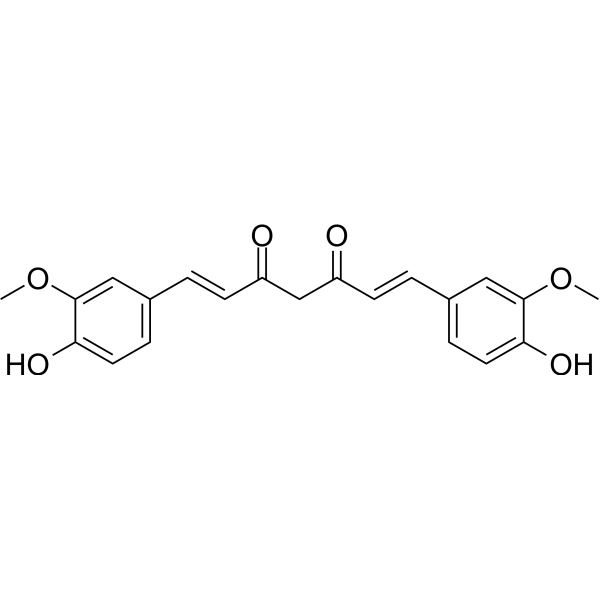
  • HY-N0005
    Curcumin
    Maximum Cited Publications
    123 Publications Verification

    Diferuloylmethane; Natural Yellow 3; Turmeric yellow

    Histone Acetyltransferase Epigenetic Reader Domain Keap1-Nrf2 Autophagy Mitophagy Influenza Virus Ferroptosis Apoptosis Infection Metabolic Disease Inflammation/Immunology Cancer
    Curcumin (Diferuloylmethane), a natural phenolic compound, is a p300/CREB-binding protein-specific inhibitor of acetyltransferase, represses the acetylation of histone/nonhistone proteins and histone acetyltransferase-dependent chromatin transcription. Curcumin is a photosensitizer against microorganisms. Curcumin shows inhibitory effects on NF-κB and MAPKs, and has diverse pharmacologic effects including anti-inflammatory, antioxidant, antiproliferative and antiangiogenic activities. Curcumin induces stabilization of Nrf2 protein through Keap1 cysteine modification.
    Curcumin
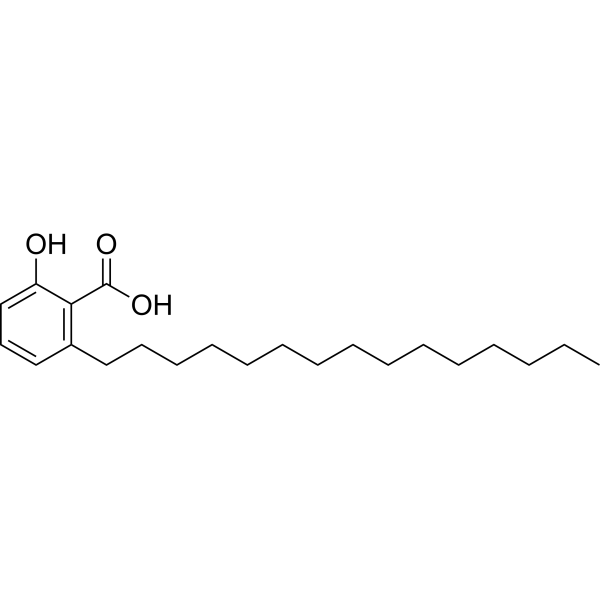
  • HY-N2020
    Anacardic Acid
    15+ Cited Publications

    Hydroginkgolic acid; Ginkgolic Acid C15:0

    Histone Acetyltransferase Epigenetic Reader Domain Bacterial Cancer
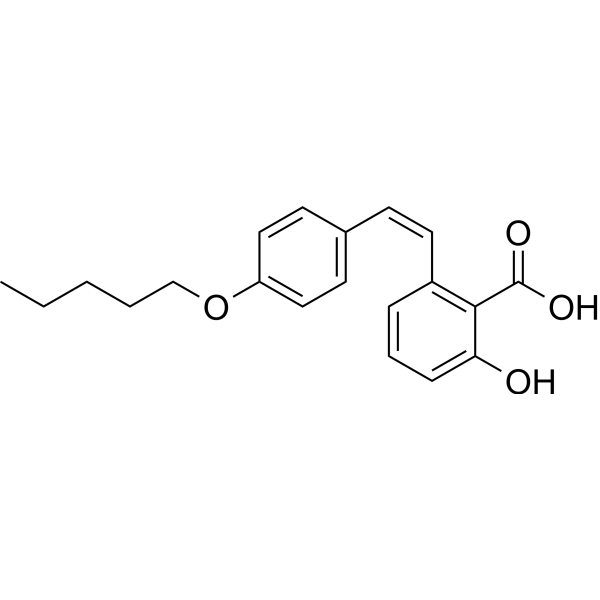
    Anacardic Acid, extracted from cashew nut shell liquid, is a histone acetyltransferase inhibitor, inhibits HAT activity of p300 and PCAF, with IC50s of ∼8.5 μM and ∼5 μM, respectively.
    Anacardic Acid
  • HY-107569
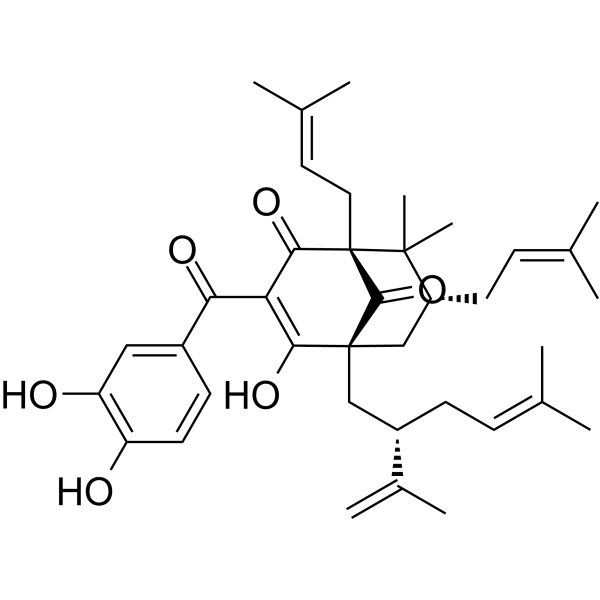
    Garcinol
    5 Publications Verification

    Cholinesterase (ChE) Histone Acetyltransferase Apoptosis Endogenous Metabolite Inflammation/Immunology Cancer
    Garcinol, a polyisoprenylated benzophenone harvested from Garcinia indica, exerts anti-cholinesterase properties towards acetyl cholinesterase (AChE) and butyrylcholinesterase (BChE) with IC50s of 0.66 μM and 7.39 μM, respectively . Garcinol also inhibits histone acetyltransferases (HATs, IC50= 7 μM) and p300/CPB-associated factor (PCAF, IC50 = 5 μM). Garcinol has anti-inflammatory and anti-cancer activity .
    Garcinol
  • HY-109521A

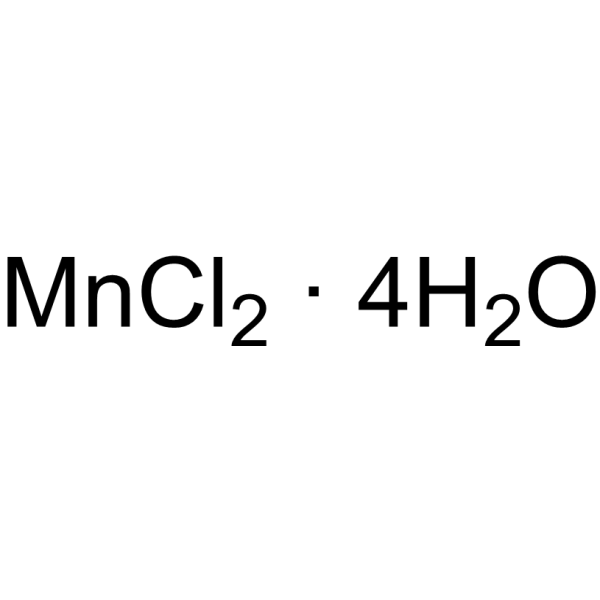
    Manganese(Ⅱ) chloride tetrahydrate, molecular biology grade,≥99.0% (KT)

    Biochemical Assay Reagents Histone Acetyltransferase HDAC Neurological Disease
    Manganese chloride (tetrahydrate), molecular biology grade,≥99.0% (KT) is an orally active and a blood-brain barrier penetrant compound. It affects the activities of multiple enzymes in cells, such as regulating the activities of histone acetyltransferase (HAT) and histone deacetylase (HDAC), thereby affecting gene expression. It has multiple activities such as neurotoxicity, embryotoxicity, and reproductive toxicity. It is currently mainly used in neurodegenerative diseases and toxicology research.
    Manganese chloride tetrahydrate, molecular biology grade,≥99.0% (KT)
  • HY-129039
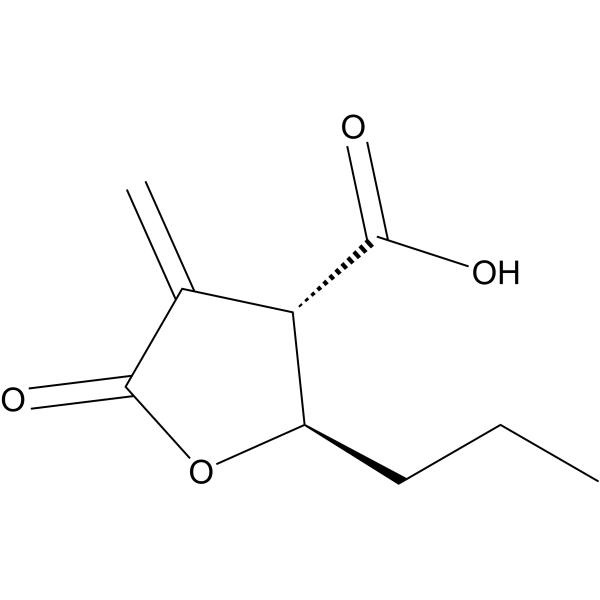
    Butyrolactone 3
    10+ Cited Publications

    MB-3

    Histone Acetyltransferase Neurological Disease Metabolic Disease Inflammation/Immunology Cancer
    Butyrolactone 3 (MB-3) is a specifical small-molecule inhibitor of the histone acetyltransferase Gcn5 (IC50=100 μM), which has a high affinity to the Gcn5 enzyme comparable to that of its natural substrate, histone H3. Butyrolactone 3 shows weak inhibitory on CBP (IC50=0.5 mM). Butyrolactone 3 can be used in studies of cancer, metabolic, autoimmune and neurological diseases .
    Butyrolactone 3
  • HY-102060
    WM-8014
    3 Publications Verification

    Histone Acetyltransferase Cancer
    WM-8014 is an inhibitor of MOZ, a member of histone acetyltransferases, with an IC50 of 55 nM.
    WM-8014
  • HY-134964
    CTB
    5+ Cited Publications

    Histone Acetyltransferase Apoptosis Neurological Disease Cancer
    CTB is a potent p300 histone acetyltransferase activator . CTB can effectively induce apoptosis in MCF-7 cells .
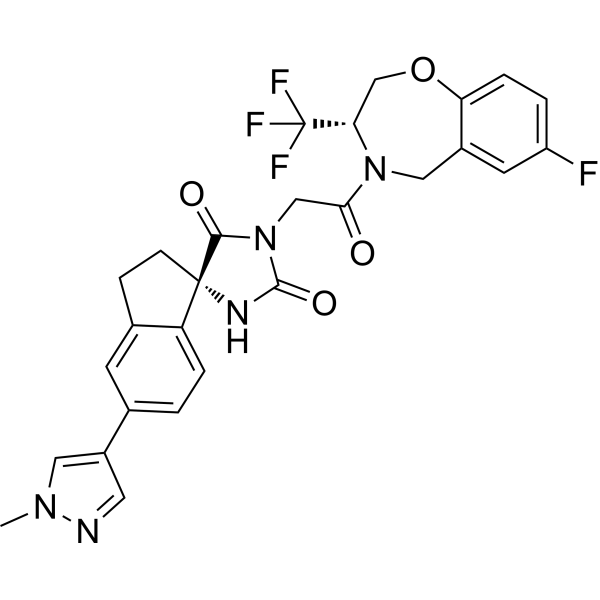
    CTB
  • HY-110127
    NU9056
    5+ Cited Publications

    Histone Acetyltransferase Apoptosis Cancer
    NU9056 is a potent and selective Tip60 (KAT5) histone acetyltransferase inhibitor with an of 2 µM. NU9056 shows >16-fold selectivity for Tip60 over PCAF, p300 and GCN5. NU9056 induces apoptosis of prostate cancer cells .
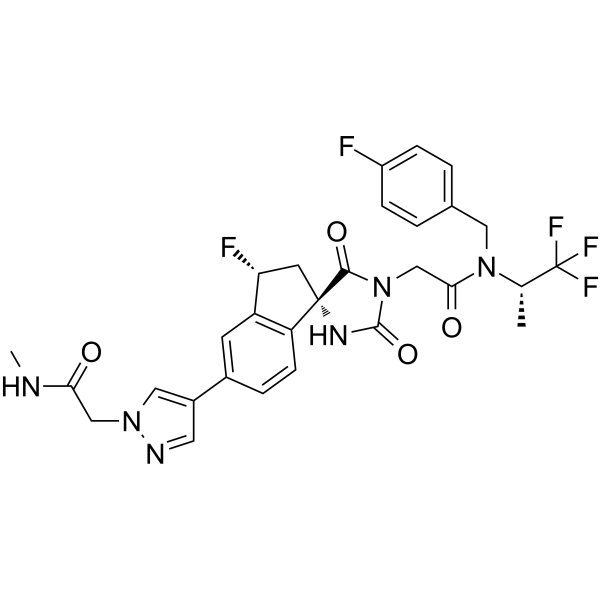
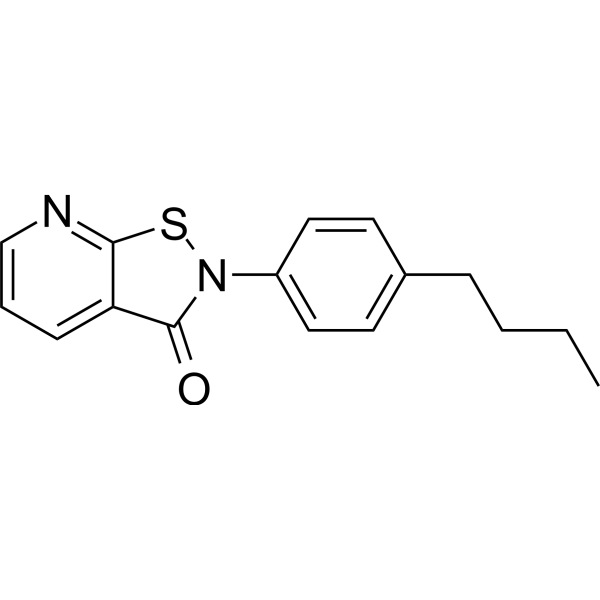
    NU9056
  • HY-W015239
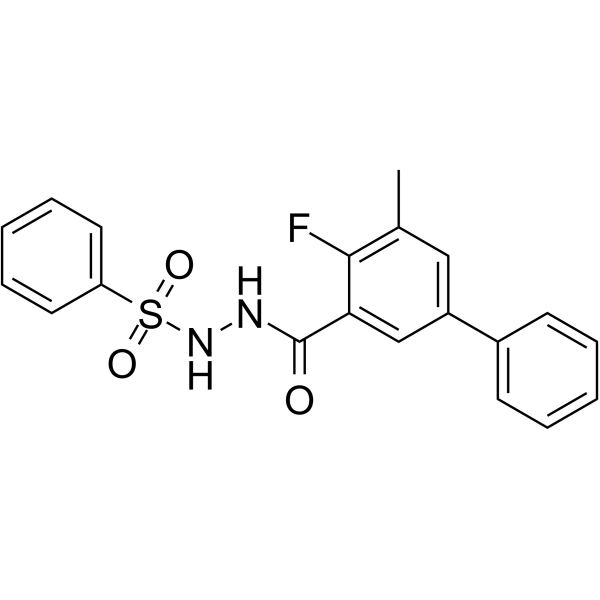
    KAT8-IN-1
    3 Publications Verification

    Acyltransferase Inflammation/Immunology Cancer
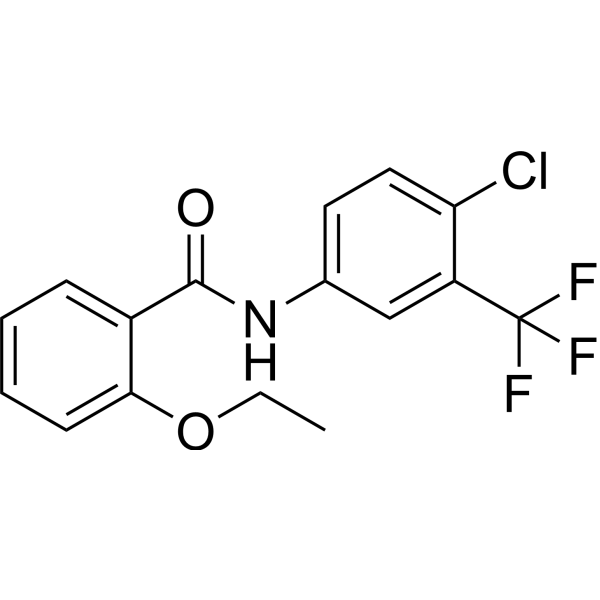
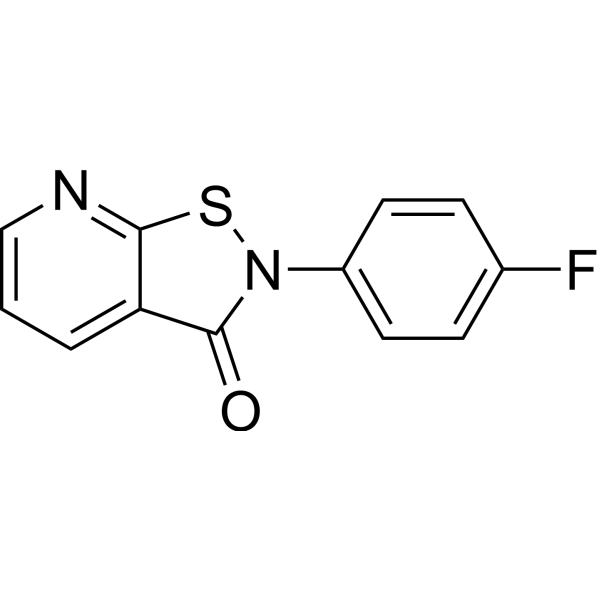
    KAT8-IN-1 is a lysine (K) acetyltransferase 8 (KAT8) inhibitor, with IC50s of 141 μM (KAT8), 221 μM (KAT2B), 106 μM (KAT3B), respectively. KAT8 inhibits histone acetyltransferases (HATs), and could result in disease states, such as cancer or inflammatory diseases .
    KAT8-IN-1
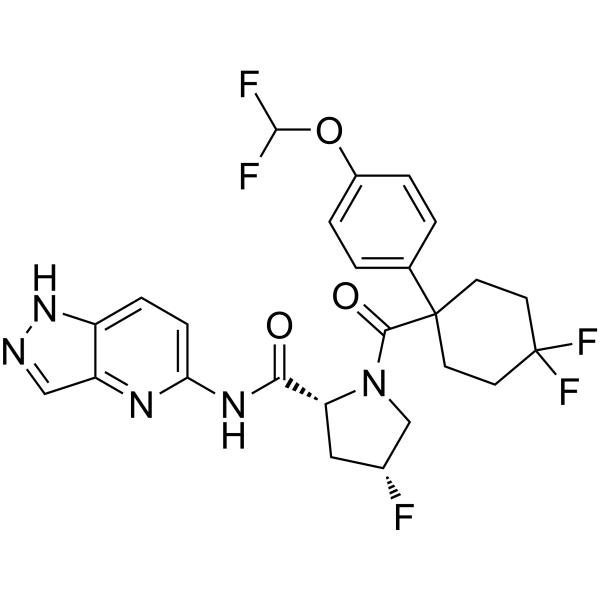
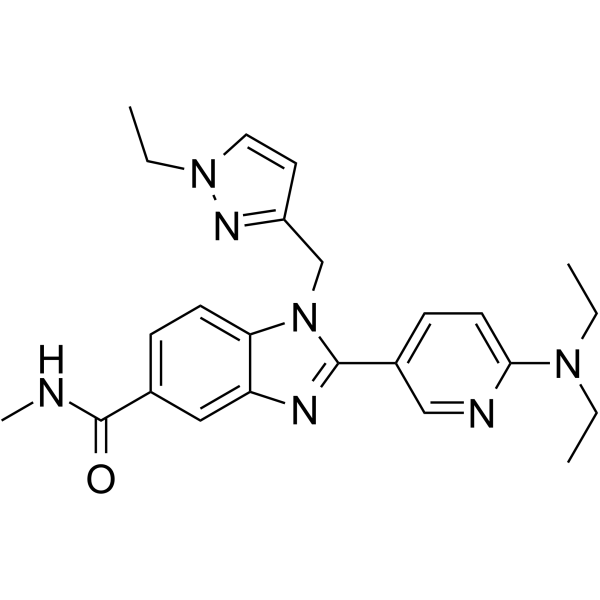
  • HY-136285

    Histone Acetyltransferase Cancer
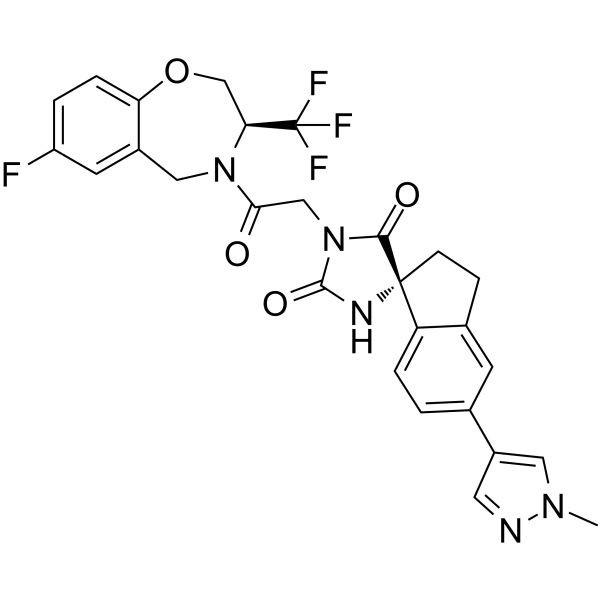
    CPI-1612 is a highly potent, orally active EP300/CBP histone acetyltransferase (HAT) inhibitor with an IC50 of 8.1 nM for EP300 HAT. CPI-1612 has an anticancer activity .
    CPI-1612
  • HY-W013274
    CPTH2
    1 Publications Verification

    Histone Acetyltransferase Apoptosis Cancer
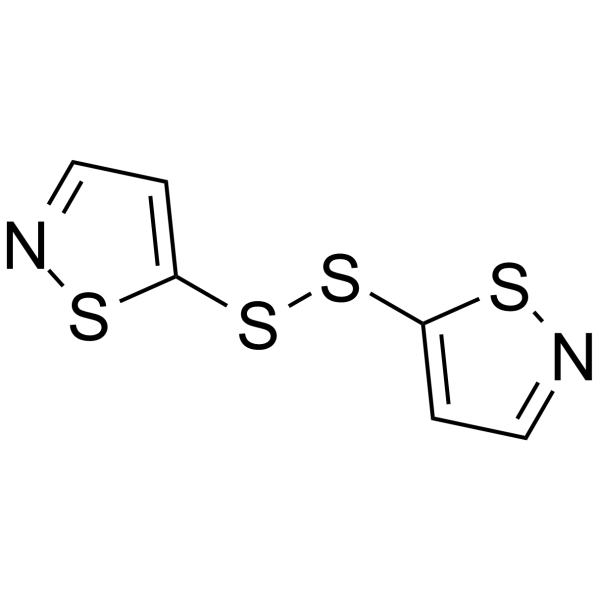
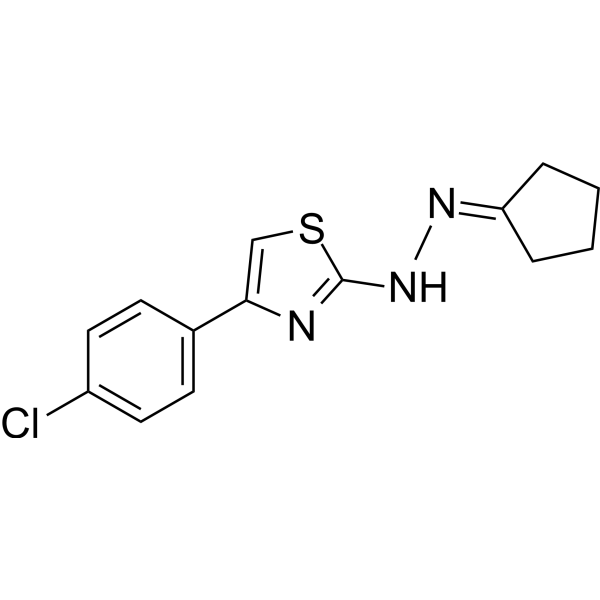
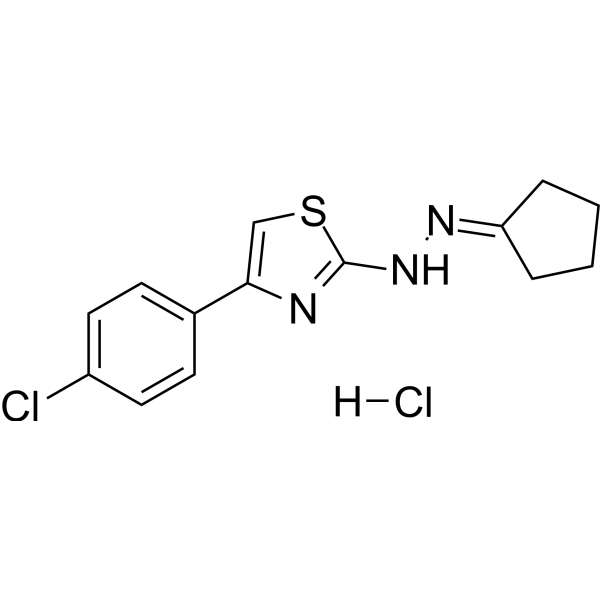
    CPTH2 is a potent histone acetyltransferase (HAT) inhibitor. CPTH2 selectively inhibits the acetylation of histone H3 by Gcn5. CPTH2 induces apoptosis and decreases the invasiveness of a clear cell renal carcinoma (ccRCC) cell line through the inhibition of acetyltransferase p300 (KAT3B) .
    CPTH2
  • HY-N2345
    Procyanidin B3
    1 Publications Verification

    Histone Acetyltransferase Toll-like Receptor (TLR) Androgen Receptor Inflammation/Immunology Cancer
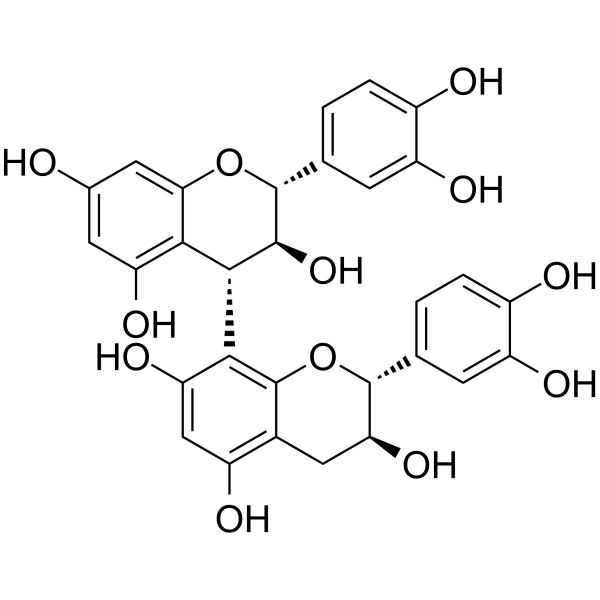
    Procyanidin B3 is a natural product with antioxidant activity and oral bioavailability, possessing good blood-brain barrier penetration. Procyanidin B3 is a selective inhibitor of histone acetyltransferase (HAT). By inhibiting p300 HAT-mediated acetylation of the androgen receptor (androgen receptor). Procyanidin B3 alleviates intervertebral disc degeneration (IVDD) by inhibiting the formation of the TLR4/MD-2 complex. Procyanidin B3 can be used in research on prostate cancer and arthritis .
    Procyanidin B3
  • HY-124696
    PU139
    4 Publications Verification

    Histone Acetyltransferase Cancer
    PU139 is a potent pan-histone acetyltransferase (HAT) inhibitor. PU139 blocks the HATs Gcn5, p300/CBP-associated factor (PCAF), CREB (cAMP response element-binding) protein (CBP) and p300 with IC50s of 8.39, 9.74, 2.49 and 5.35 μM, respectively .
    PU139
  • HY-N0005R
    Curcumin (Standard)
    1 Publications Verification

    Diferuloylmethane (Standard); Natural Yellow 3 (Standard); Turmeric yellow (Standard)

    Reference Standards Histone Acetyltransferase Epigenetic Reader Domain Keap1-Nrf2 Autophagy Mitophagy Influenza Virus Ferroptosis Infection Neurological Disease Inflammation/Immunology Cancer
    Curcumin (Standard) is the analytical standard of Curcumin (HY-N0005). This product is intended for research and analytical applications. Curcumin (Diferuloylmethane), a natural phenolic compound, is a p300/CREB-binding protein-specific inhibitor of acetyltransferase, represses the acetylation of histone/nonhistone proteins and histone acetyltransferase-dependent chromatin transcription. Curcumin is a photosensitizer against microorganisms. Curcumin shows inhibitory effects on NF-κB and MAPKs, and has diverse pharmacologic effects including anti-inflammatory, antioxidant, antiproliferative and antiangiogenic activities. Curcumin induces stabilization of Nrf2 protein through Keap1 cysteine modification.
    Curcumin (Standard)
  • HY-116673

    Histone Acetyltransferase Neurological Disease
    TTK21 is an activator of the histone acetyltransferases CBP/p300. TTK21 passes the blood–brain barrier, induces no toxicity, and reaches different parts of the brain when conjugated to glucose-based carbon nanosphere (CSP). TTK21 has beneficial implications for the brain functions of neurogenesis and long-term memory .CSP-TTK21 can ameliorate Aβ-impaired long-term potentiation (LTP). CSP-TTK21 may enhance the transcription of genes that promote synaptic health and cognitive function . CSP-TTK21 is orally effective and leads to improvements in motor functions, histone acetylation dynamics in a spinal injury rat model .
    TTK21
  • HY-100734
    Histone Acetyltransferase Inhibitor II
    1 Publications Verification

    Histone Acetyltransferase Cancer
    Histone Acetyltransferase Inhibitor II (compound 2c) is a potent, selective and cell permeable p300 histone acetyltransferase inhibitor, with an IC50 of 5 µM. Histone Acetyltransferase Inhibitor II shows anti-acetylase activity in mammalian cells .
    Histone Acetyltransferase Inhibitor II
  • HY-123604
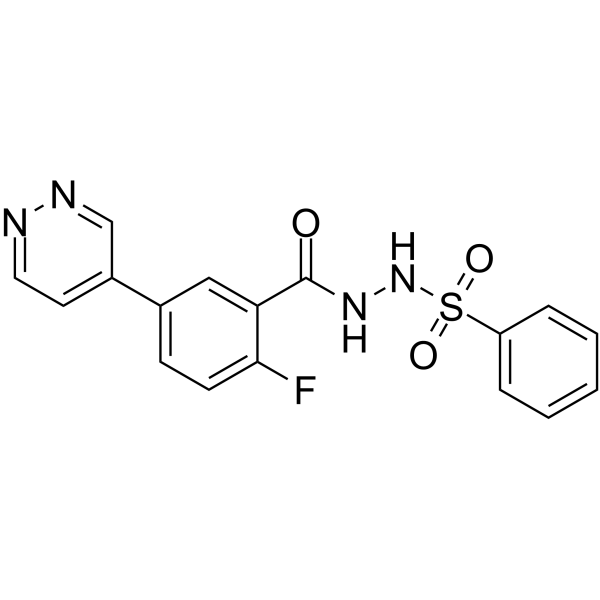
    TH1834
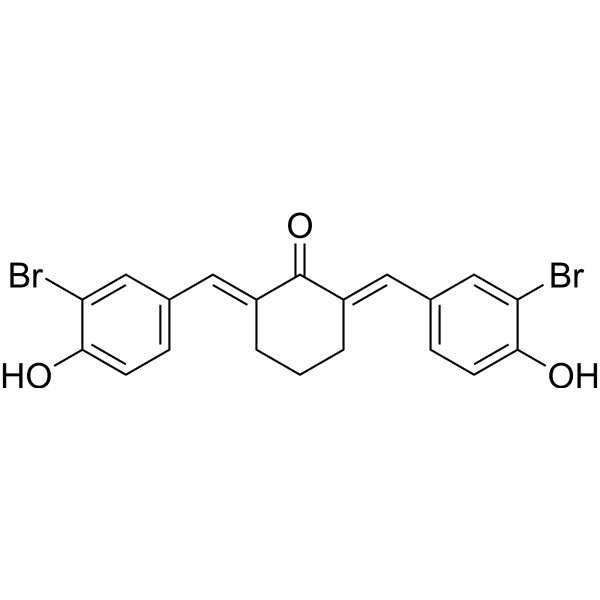
    3 Publications Verification

    Histone Acetyltransferase Apoptosis Cancer
    TH1834 is a specific Tip60 (KAT5) histone acetyltransferase (HAT) inhibitor. TH1834 induces apoptosis and increases DNA damage in breast cancer. TH1834 does not affect the activity of related histone acetyltransferase MOF. Anticancer activity .
    TH1834
  • HY-154944
    JG-2016
    2 Publications Verification

    Histone Acetyltransferase Cancer
    JG-2016 is a potent inhibitor of histone acetyltransferase 1 (HAT1) with an IC50 of 14.8 μM. JG-2016 can inhibit the growth of multiple tumor cells and has anti-tumor activity .
    JG-2016
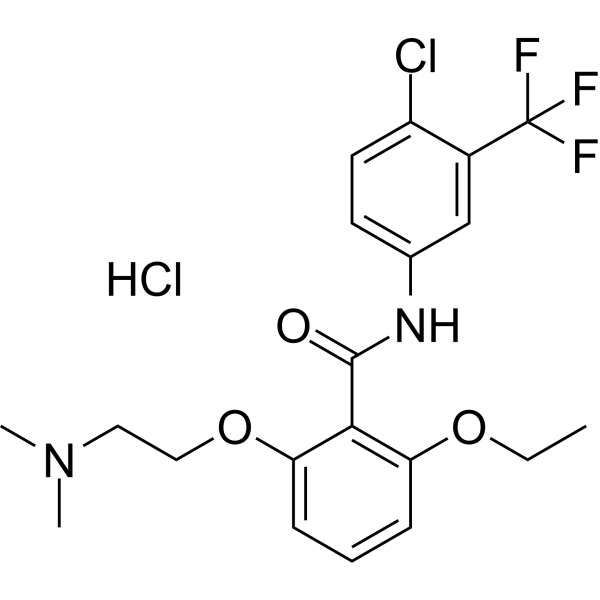
  • HY-16531
    YF-2
    2 Publications Verification

    Histone Acetyltransferase Neurological Disease Cancer
    YF-2 is a highly selective, blood-brain-barrier permeable histone acetyltransferase activator, acetylates H3 in the hippocampus, with EC50s of 2.75 μM, 29.04 μM and 49.31 μM for CBP, PCAF, and GCN5, respectively, shows no effect on HDAC. Anti-cancer and anti-Alzheimer's disease .
    YF-2
  • HY-128875

    Histone Acetyltransferase Cancer
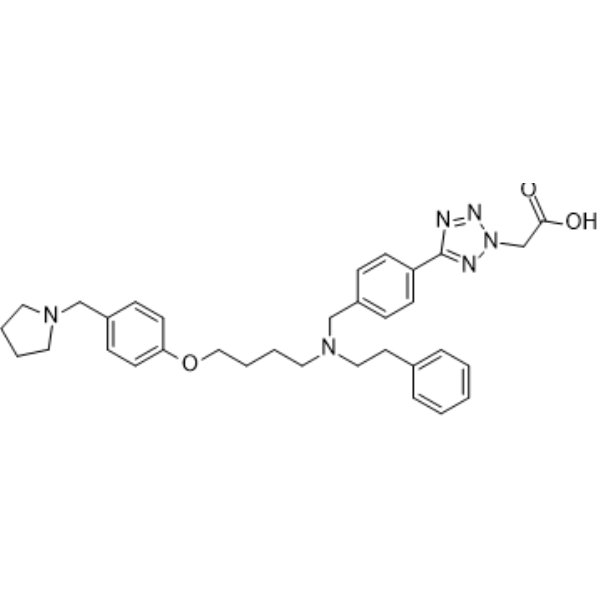
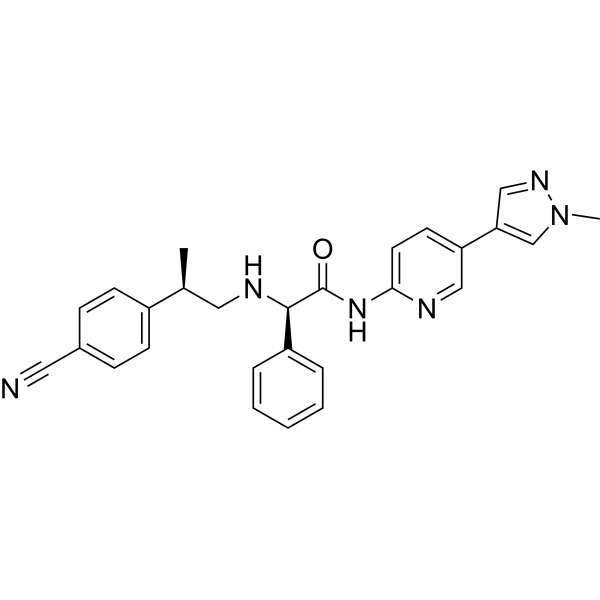
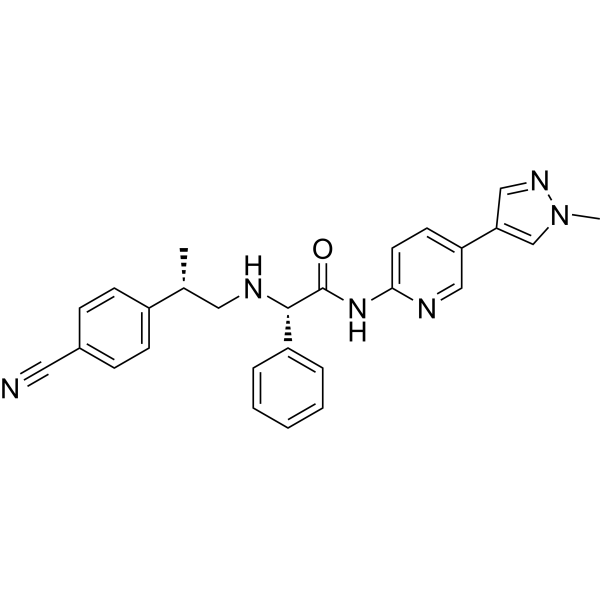
    CBP/p300-IN-10 is a highly potent histone acetyltransferase EP300 and CREBBP with IC50 values of 26 nM and 39 nM, respectively. CBP/p300-IN-10 can be used to research anticancer .
    CBP/p300-IN-10
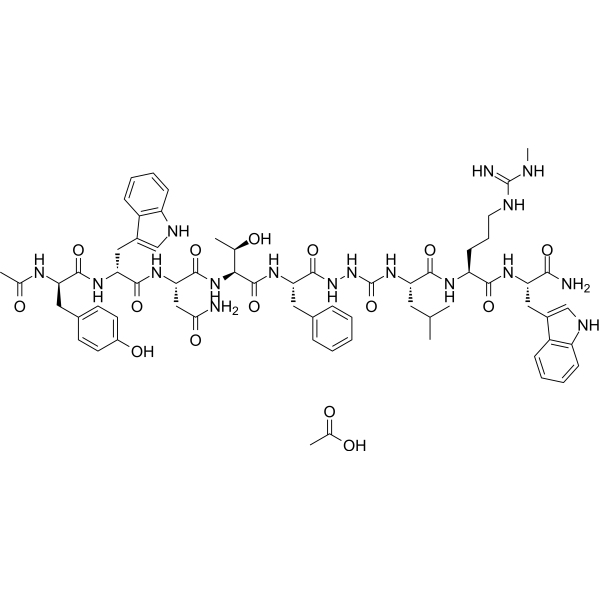
  • HY-P2161B
    TAK-683 acetate
    4 Publications Verification

    Kisspeptin Receptor Cancer
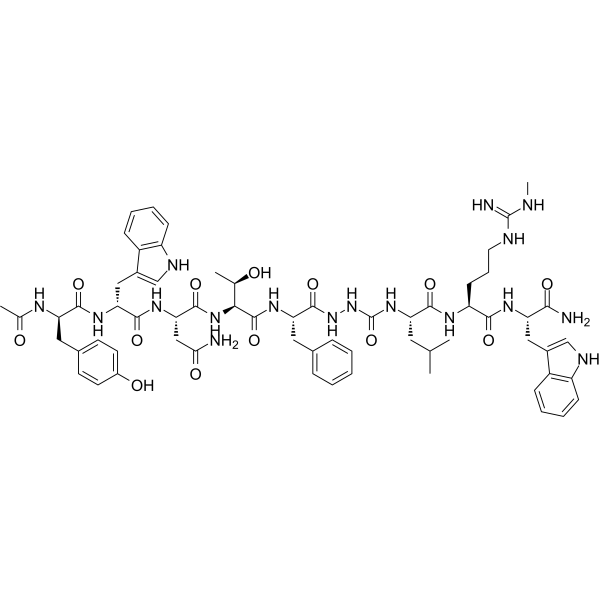
    TAK-683 acetate is a potent full KISS1 receptor (KISS1R) agonist (IC50=170 pM) with improved metabolic stability. TAK-683 acetate is a nonapeptide metastin analog, exhibits agonistic activities to KISS1R with EC50 values of 0.96 nM and 1.6 nM for human and rat, respectively . TAK-683 acetate depletes GnRH in the hypothalamus and reduces plasma FSH, LH, and testosterone levels in vivo, it has the potential for the study of hormone-dependent prostate cancer .
    TAK-683 acetate
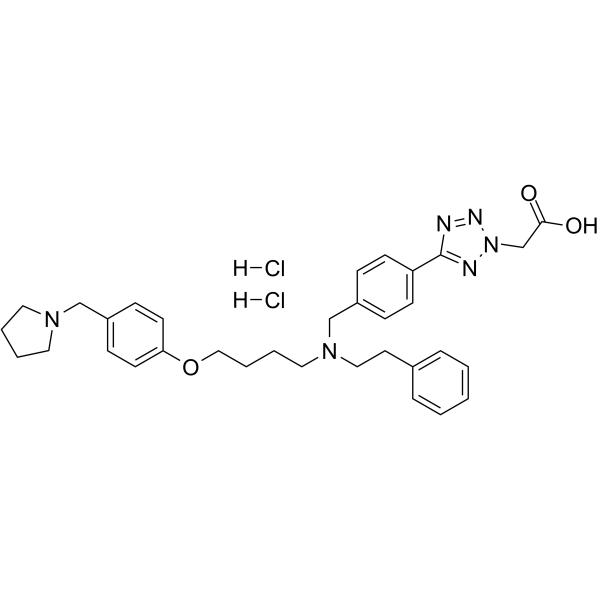
  • HY-123604A
    TH1834 dihydrochloride
    3 Publications Verification

    Histone Acetyltransferase Apoptosis Cancer
    TH1834 dihydrochloride is a specific Tip60 (KAT5) histone acetyltransferase inhibitor. TH1834 dihydrochloride induces apoptosis and increases DNA damage in breast cancer. TH1834 dihydrochloride does not affect the activity of related histone acetyltransferase MOF. Anticancer activity .
    TH1834 dihydrochloride
  • HY-16531A
    YF-2 hydrochloride
    2 Publications Verification

    Histone Acetyltransferase Neurological Disease Cancer
    YF-2 hydrochloride is a highly selective, blood-brain-barrier permeable histone acetyltransferase activator, acetylates H3 in the hippocampus, with EC50s of 2.75 μM, 29.04 μM and 49.31 μM for CBP, PCAF, and GCN5, respectively, shows no effect on HDAC. Anti-cancer and anti-Alzheimer's disease .
    YF-2 hydrochloride
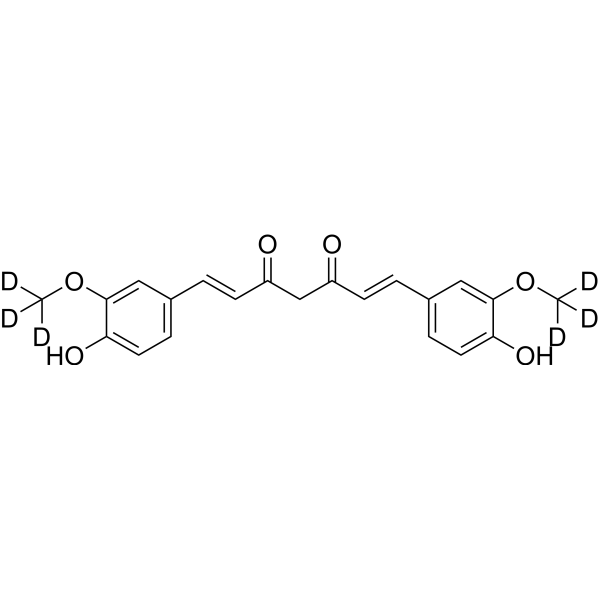
  • HY-N0005S

    Diferuloylmethane-d6; Natural Yellow 3-d6; Turmeric yellow-d6

    Isotope-Labeled Compounds Keap1-Nrf2 Ferroptosis Autophagy Histone Acetyltransferase Epigenetic Reader Domain Mitophagy Influenza Virus Infection Metabolic Disease Inflammation/Immunology Cancer
    Curcumin-d6 (Diferuloylmethane-d6 ) is deuterium labeled Curcumin (HY-N0005). Curcumin (Diferuloylmethane), a natural phenolic compound, is a p300/CREB-binding protein-specific inhibitor of acetyltransferase, represses the acetylation of histone/nonhistone proteins and histone acetyltransferase-dependent chromatin transcription. Curcumin is a photosensitizer against microorganisms. Curcumin shows inhibitory effects on NF-κB and MAPKs, and has diverse pharmacologic effects including anti-inflammatory, antioxidant, antiproliferative and antiangiogenic activities. Curcumin induces stabilization of Nrf2 protein through Keap1 cysteine modification.
    Curcumin-d6
  • HY-122822

    PROTACs Histone Acetyltransferase Interleukin Related CXCR TNF Receptor CD28 Inflammation/Immunology Cancer
    GSK699 is a KAT2A/B/PCAF/GCN5 PROTAC degrader . GSK699 induces proteasome-dependent degradation of KAT2A, KAT2B, PCAF and GCN5, regulates the histone acetyltransferase activity of the SAGA complex, and reduces the level of histone H3K9ac. GSK699 inhibits the growth of neuroblastoma, acute myeloid leukemia and small cell lung cancer cells. GSK699 reduces the production of inflammatory cytokines and chemokines, and impairs LPS-stimulated immune cell responses. GSK699 is applicable to research related to acute myeloid leukemia, small cell lung cancer, neuroblastoma and inflammatory diseases .
    GSK699
  • HY-102059

    Histone Acetyltransferase Cancer
    MOZ-IN-2 is an inhibitor of protein MOZ, a member of histone acetyltransferases, with an IC50 of 125 μM.
    MOZ-IN-2
  • HY-128876

    Histone Acetyltransferase Cancer
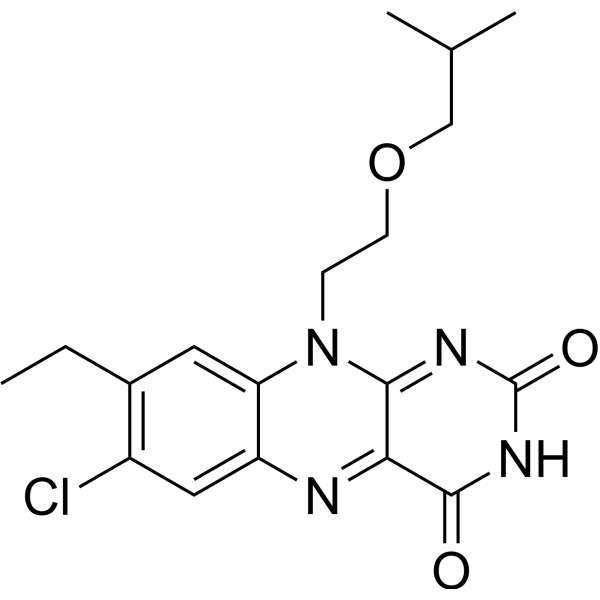
    CBP/p300-IN-3, a p300/CBP histone acetyltransferase inhibitor, Compound 6, is sourced from patent WO 2019049061 A1 .
    CBP/p300-IN-3
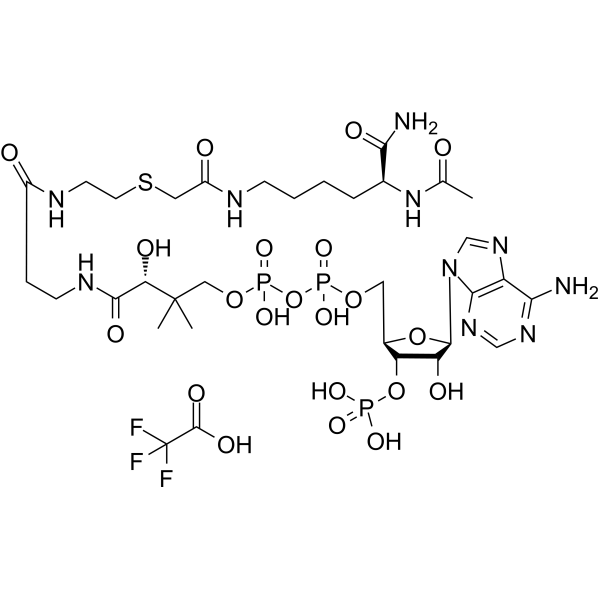
  • HY-131035

    Lys-coenzyme A

    Histone Acetyltransferase Cancer
    Lys-CoA TFA is a selective p300 histone acetyltransferase (HAT) inhibitor (IC50=50-500 nM). Lys-CoA TFA displays >100-fold selectivity for p300 over PCAF (IC50=200 μM). Lys-CoA TFA inhibits p300 HAT activity-dependent transcriptional activation .
    Lys-CoA TFA
  • HY-132197
    CBP/p300-IN-12
    1 Publications Verification

    Epigenetic Reader Domain Histone Acetyltransferase Cancer
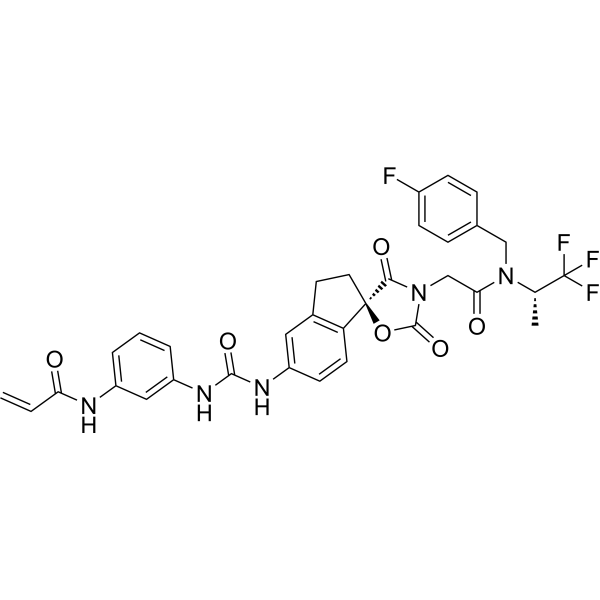
    CBP/p300-IN-12 is a potent and selective covalent histone acetyltransferases p300 (IC50 of 166 nM) and CBP inhibitor. CBP/p300-IN-12 decreases the levels of H3K27Ac of PC-3 cells (EC50 of 37 nM). CBP/p300-IN-12 forms a covalent adduct with C1450 .
    CBP/p300-IN-12
  • HY-P5544

    N-Acetylmuramyl-L-Ala-γ-D-Glu-meso-diaminopimelic acid

    NOD-like Receptor (NLR) Others
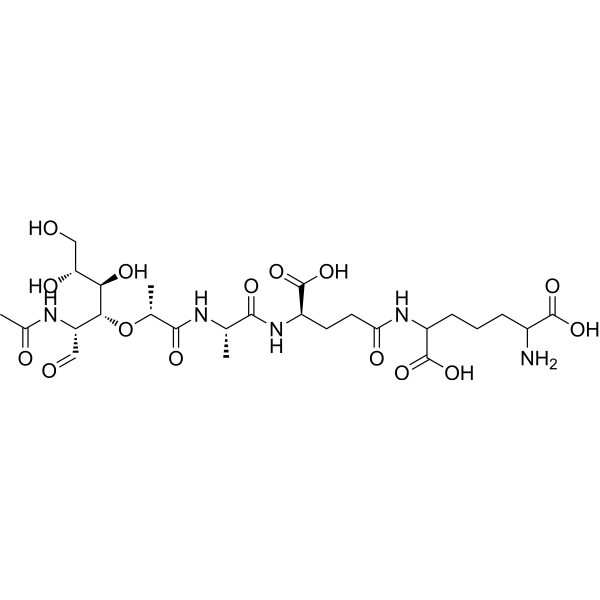
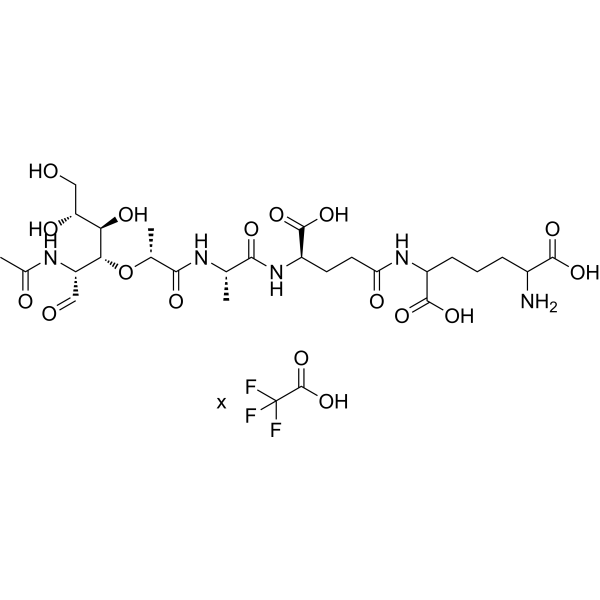
    M-TriDAP (N-Acetylmuramyl-L-Ala-γ-D-Glu-meso-diaminopimelic acid) is a NOD1/2 agoist and biological active peptide .
    M-TriDAP
  • HY-174868

    Ligands for Target Protein for PROTAC Histone Acetyltransferase Cancer
    iP300w (Compound 9) is a Histone acetyltransferase p300 (KAT3B) inhibitor. iP300w can be used for synthesis of PROTAC BT-O2C (HY-174866) .
    iP300w
  • HY-139149

    Histone Acetyltransferase Cancer
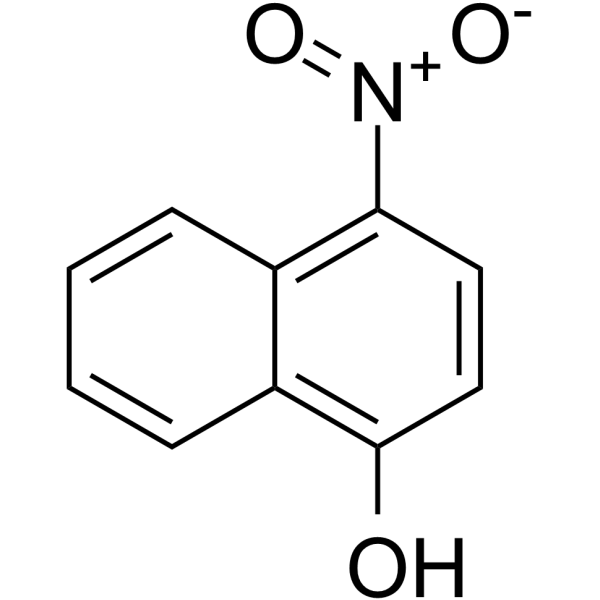
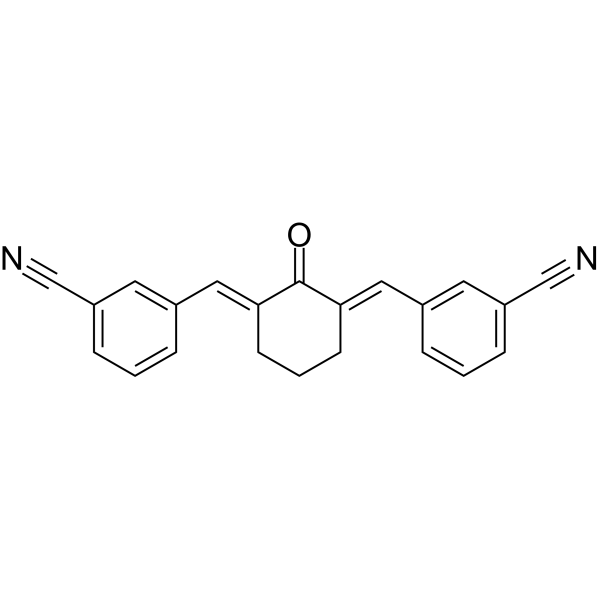
    NiCur is a potent and selective CBP histone acetyltransferase (HAT) inhibitor with an IC50 value of 0.35 μΜ. NiCur, which blocks CBP HAT activity and downregulates p53 activation upon genotoxic stress. NiCur can be used for performing mechanistic studies without affecting the expression of target proteins .
    NiCur
  • HY-117617

    Histone Acetyltransferase Cancer
    CAY10669 (compound 6d) is an anacardic acid (HY-N2020) derivative that inhibits histone acetyltransferase PCAF with an IC50 of 662 μM . CAY10669 enhances the SAHA-induced acetylation in HEPG2 cells, exhibits cytotoxicity in zebrafish embryo, promotes transgene expression in CHO-K1 cells .
    CAY10669
  • HY-147261

    Histone Acetyltransferase Cancer
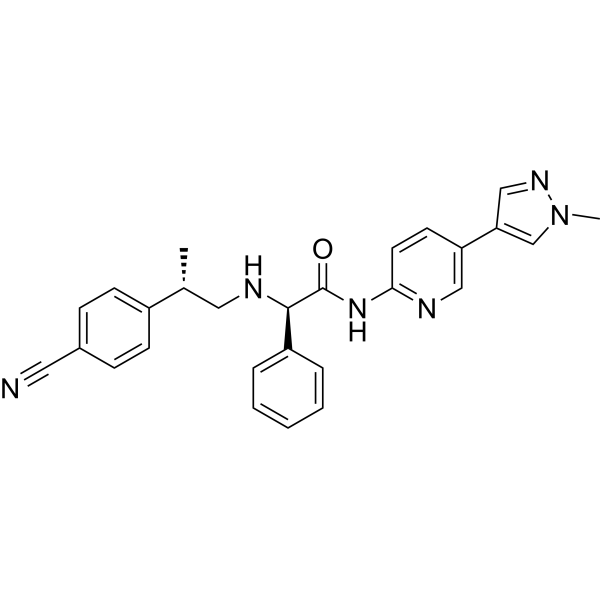
    B026 is a selective, potent, orally active p300/CBP histone acetyltransferase (HAT) inhibitor with IC50 values of 1.8 nM and 9.5 nM for p300 and CBP enzyme, respectively. B026 has anticancer activity for androgen receptor-positive (AR+) prostate cancer cell lines .
    B026
  • HY-125969

    Histone Acetyltransferase Fungal Infection
    Rtt109 inhibitor 1 (Compound 1) is an inhibitor for histone acetyltransferase Rtt109 through a tight binding, uncompetitive system. Rtt109 inhibitor 1 exhibits antifungal activity through acetylation at H3K56 site .
    Rtt109 inhibitor 1
  • HY-100132

    Histone Acetyltransferase Cancer
    P300/CBP-IN-5 is a potent p300/CBP histone acetyltransferase inhibitor extracted from patent WO2016044770A1, Example 715, has an IC50 of 18.8 nM .
    CBP/p300-IN-5
  • HY-147290

    Histone Acetyltransferase Cancer
    NSC 694623 is a potent histone acetyltransferase (HAT) inhibitor with an IC50 value of 15.9 μM for recombinant HAT p300/CBP-associated factor (PCAF). NSC 694623 has antiproliferative activity against certain cancer cells. NSC 694623 can be used for researching anticancer .
    NSC 694623
  • HY-161483

    Epigenetic Reader Domain Histone Acetyltransferase Neurological Disease Cancer
    CBP/p300 ligand 3 is a target protein ligand of CBPD-268 (HY-161369). CBP and p300 are two proteins with histone acetyltransferase (HAT) activity, and CBP and p300 play key roles in regulating biological processes such as gene expression, cell proliferation, differentiation and DNA repair. Through its acetyltransferase activity, CBP/p300 can acetylate histones and other proteins, thereby regulating chromatin structure and gene expression. CBP/p300 ligand 3 regulates the function of CBP/p300 by binding to a specific domain of the CBP/p300 protein (the bromine domain or HAT domain), inhibiting its enzyme activity or altering its interactions with other proteins (transcription factors). CBP/p300 ligand 3 can be used in cancer, neurodegenerative diseases and other disease models associated with abnormal CBP/p300 function .
    CBP/p300 ligand 3
  • HY-P2161

    Kisspeptin Receptor Cancer
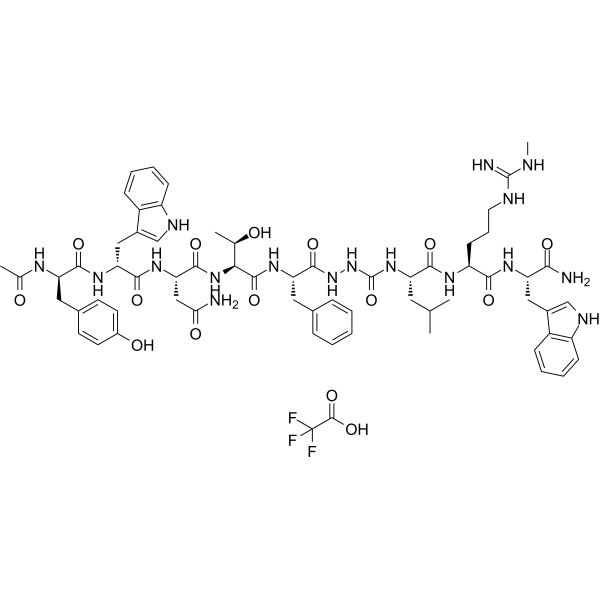
    TAK-683 is a potent full KISS1 receptor (KISS1R) agonist (IC50=170 pM) with improved metabolic stability. TAK-683 is a nonapeptide metastin analog, exhibits agonistic activities to KISS1R with EC50 values of 0.96 nM and 1.6 nM for human and rat, respectively . TAK-683 depletes GnRH in the hypothalamus and reduces plasma FSH, LH, and testosterone levels in vivo, it has the potential for the study of hormone-dependent prostate cancer .
    TAK-683
  • HY-168201

    PROTACs Histone Acetyltransferase Cancer
    MJP6412 is a potent degrader histone acetyltransferases p300/CBP, with DC50 of 1.6 and 1.2 nM for p300 and CBP, respectively. MJP6412 plays an important role in cancer research .
    MJP6412
  • HY-N2020R

    Hydroginkgolic acid (Standard); Ginkgolic Acid C15:0 (Standard)

    Reference Standards Histone Acetyltransferase Epigenetic Reader Domain Bacterial Cancer
    Anacardic Acid (Standard) is the analytical standard of Anacardic Acid. This product is intended for research and analytical applications. Anacardic Acid, extracted from cashew nut shell liquid, is a histone acetyltransferase inhibitor, inhibits HAT activity of p300 and PCAF, with IC50s of ~8.5 μM and ~5 μM, respectively.
    Anacardic Acid (Standard)
  • HY-141830

    Histone Acetyltransferase Cancer
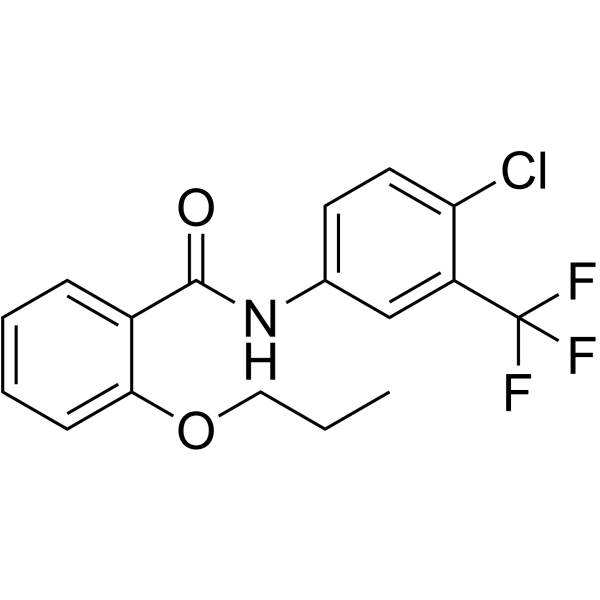
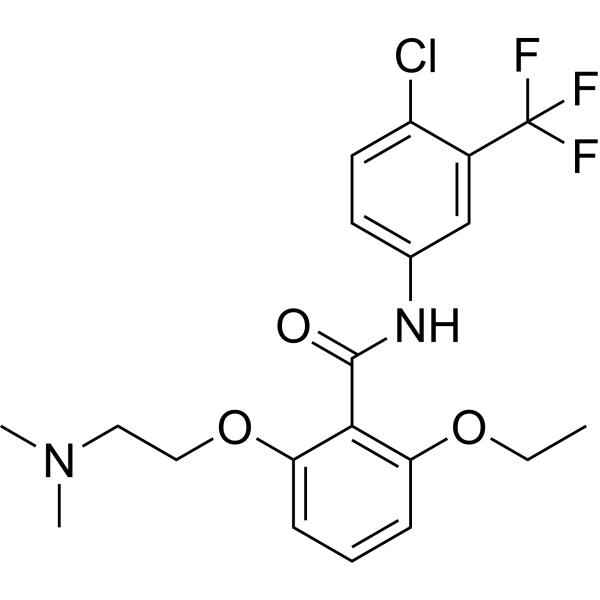
    SYY-B029-2 is a potent histone acetyltransferase (HAT) inhibitor with an IC50 of 1.4 nM. SYY-B029-2 cell growth of human mantle cell lymphoma (MCL) cell line MAVER-1 and human castration resistant prostate cancer cell line LNCaP clone FGC, with IC50 values of 15 nM and 13 nM, respectively .
    SYY-B029-2
  • HY-107569R

    Cholinesterase (ChE) Histone Acetyltransferase Apoptosis Endogenous Metabolite Reference Standards Inflammation/Immunology Cancer
    Garcinol (Standard) is the analytical standard of Garcinol. This product is intended for research and analytical applications. Garcinol, a polyisoprenylated benzophenone harvested from Garcinia indica, exerts anti-cholinesterase properties towards acetyl cholinesterase (AChE) and butyrylcholinesterase (BChE) with IC50s of 0.66 μM and 7.39 μM, respectively . Garcinol also inhibits histone acetyltransferases (HATs, IC50= 7 μM) and p300/CPB-associated factor (PCAF, IC50 = 5 μM). Garcinol has anti-inflammatory and anti-cancer activity .
    Garcinol (Standard)
  • HY-N0005S1

    Diferuloylmethane-d3; Natural Yellow 3-d3; Turmeric yellow-d3

    Isotope-Labeled Compounds Autophagy Histone Acetyltransferase Keap1-Nrf2 Influenza Virus Mitophagy Epigenetic Reader Domain Ferroptosis Infection Metabolic Disease Inflammation/Immunology Cancer
    Curcumin-d3 (Diferuloylmethane-d3 ) is deuterium labeled Curcumin (HY-N0005). Curcumin (Diferuloylmethane), a natural phenolic compound, is a p300/CREB-binding protein-specific inhibitor of acetyltransferase, represses the acetylation of histone/nonhistone proteins and histone acetyltransferase-dependent chromatin transcription. Curcumin is a photosensitizer against microorganisms. Curcumin shows inhibitory effects on NF-κB and MAPKs, and has diverse pharmacologic effects including anti-inflammatory, antioxidant, antiproliferative and antiangiogenic activities. Curcumin induces stabilization of Nrf2 protein through Keap1 cysteine modification.
    Curcumin-d3
  • HY-P2115

    GnRH Receptor Cancer
    Ramorelix is a luteinizing-hormone-releasing hormone (LHRH) antagonist. Ramorelix can inhibit tumor progression in vivo. Ramorelix can be studied in anti-cancer research .
    Ramorelix
  • HY-100734R

    Histone Acetyltransferase Reference Standards Cancer
    Histone Acetyltransferase Inhibitor II (Standard) is the analytical standard of Histone Acetyltransferase Inhibitor II (HY-100734). This product is intended for research and analytical applications. Histone Acetyltransferase Inhibitor II (compound 2c) is a potent, selective and cell permeable p300 histone acetyltransferase inhibitor, with an IC50 of 5 μM. Histone Acetyltransferase Inhibitor II shows anti-acetylase activity in mammalian cells .
    Histone Acetyltransferase Inhibitor II (Standard)
  • HY-138945

    Histone Acetyltransferase Cancer
    SYY-B085-1 is a histone acetyltransferase (HAT) inhibitor extracted from patent WO2019201291A1 .
    SYY-B085-1
  • HY-139149A

    Histone Acetyltransferase Cancer
    (E/Z)-NiCur is the active isomer of NiCur (HY-139149). (E/Z)-NiCur is a potent CBP histone acetyltransferase (HAT) inhibitor .
    (E/Z)-NiCur

Inquiry Online

Your information is safe with us. * Required Fields.

Salutation


Country or Region *

Applicant Name *


Organization Name *

Department *


Email Address *


Product Name *

Cat. No.


Requested quantity *

Phone Number *


Remarks

Inquiry Online

Inquiry Information

Product Name:
Cat. No.:
Quantity:
MCE Japan Authorized Agent: