



CTB
Based on 14 publication(s) in Google Scholar
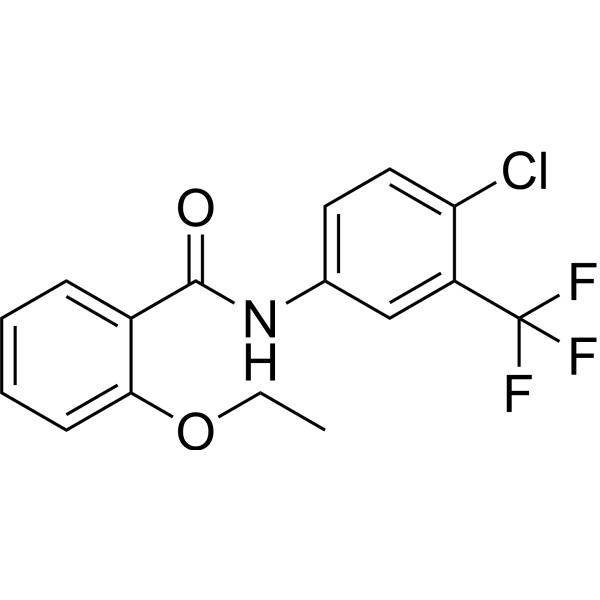
CTB is a potent p300 histone acetyltransferase activator. CTB can effectively induce apoptosis in MCF-7 cells.
For research use only. We do not sell to patients.
- Purity : 99.96%
- CAS No.: 451491-47-7
- Formula: C16H13ClF3NO2
- Molecular Weight:343.73
-
Storage:
4°C, protect from light
* In solvent : -80°C, 6 months; -20°C, 1 month (protect from light)

To place orders, for customer services and technical support, please contact: MedChemExpress USA
Tel: 609-228-6898 E-mail: [email protected] [email protected]


-
 Biological Activity
-
Chemical Information
-
Solvent & Solubility
- Protocols
- Purity & Documentation
- References
-
 Help & FAQs


-
HY-13823
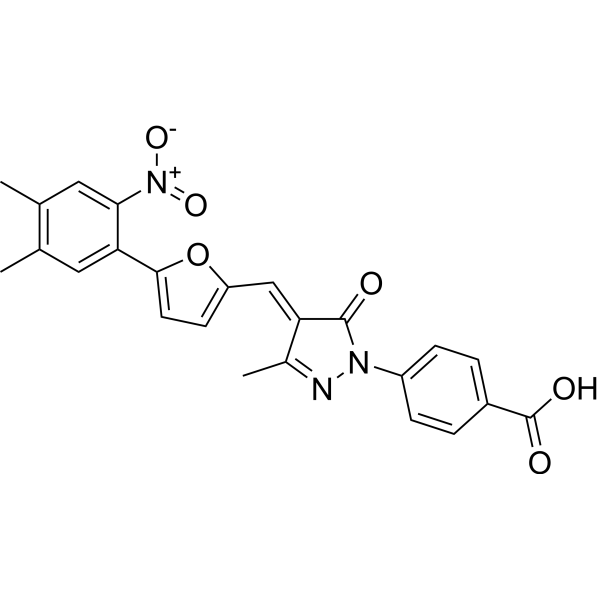
C646p300/CBP HAT Inhibitor -
HY-116673
TTK21CBP/p300 Activator -
HY-124960
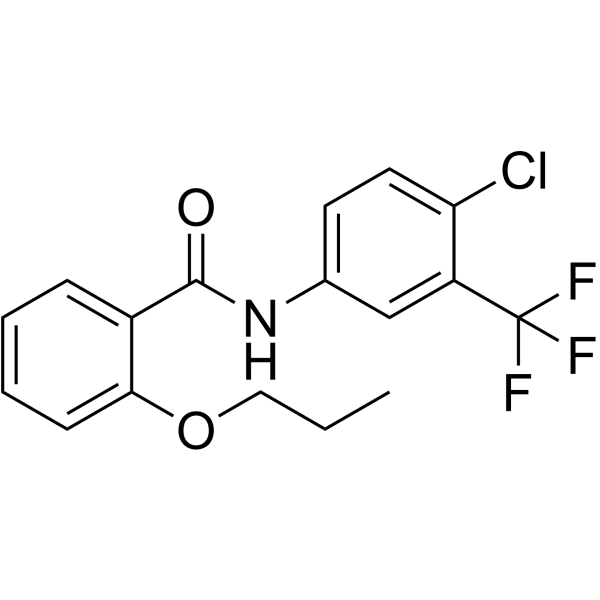
CTPBHistone Acetyltransferase Activator -
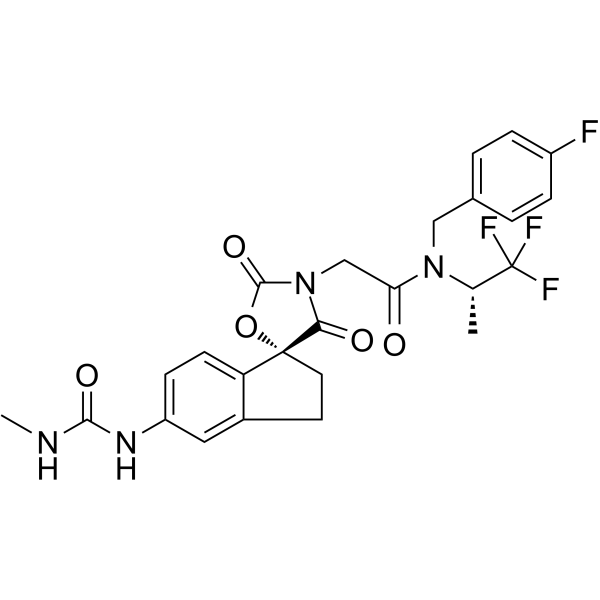
HY-107455
A-485p300/CBP Inhibitor -
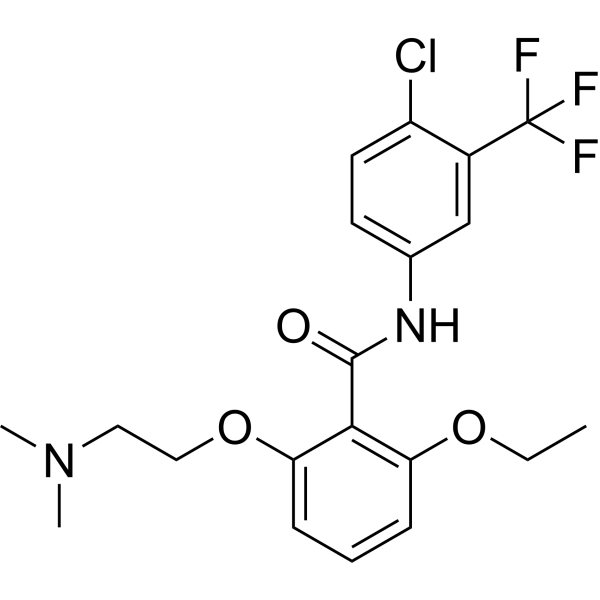
HY-16531
YF-2Histone Acetyltransferase -
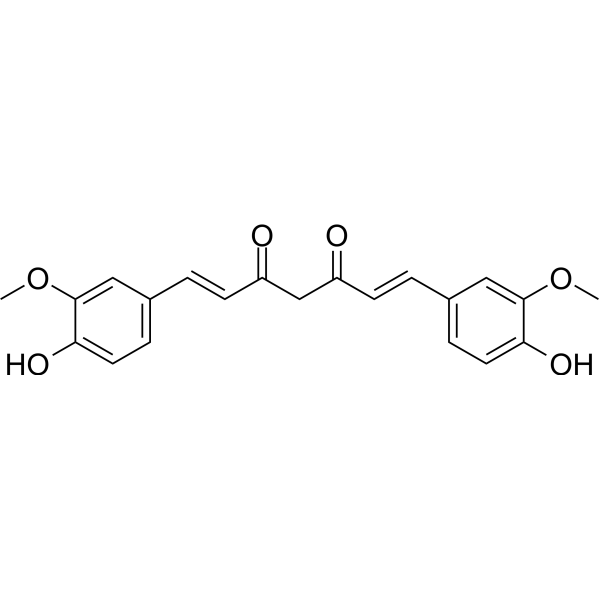
HY-N0005
Curcuminp300 Histone Acetylatransferase Inhibitor -
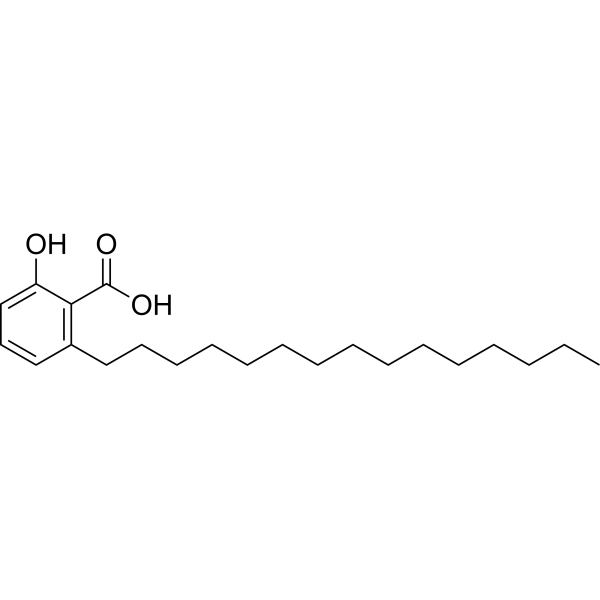
HY-N2020
Anacardic AcidHistone Acetyltransferase Inhibitor -
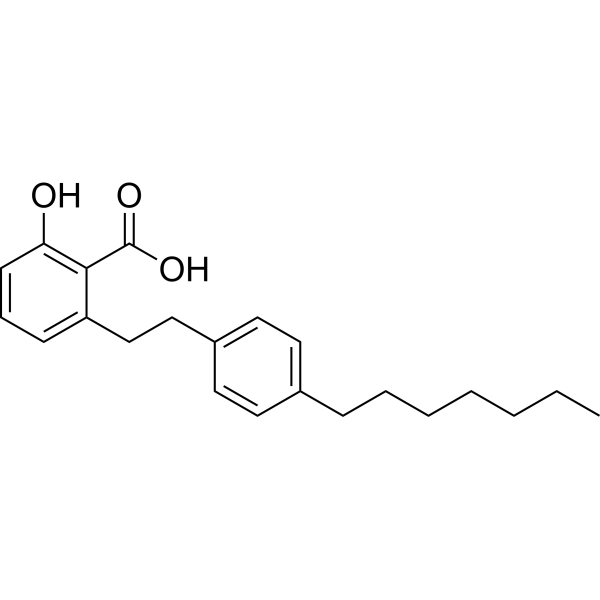
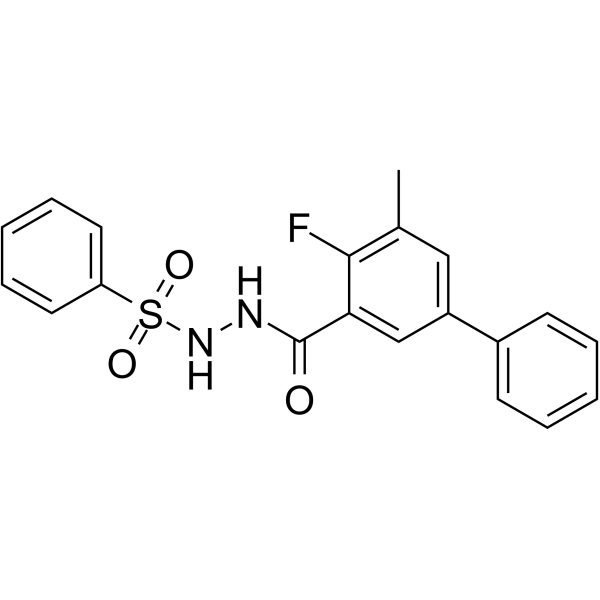
HY-15887
MG 149Tip60 Inhibitor -
HY-102060
WM-8014MOZ Inhibitor -
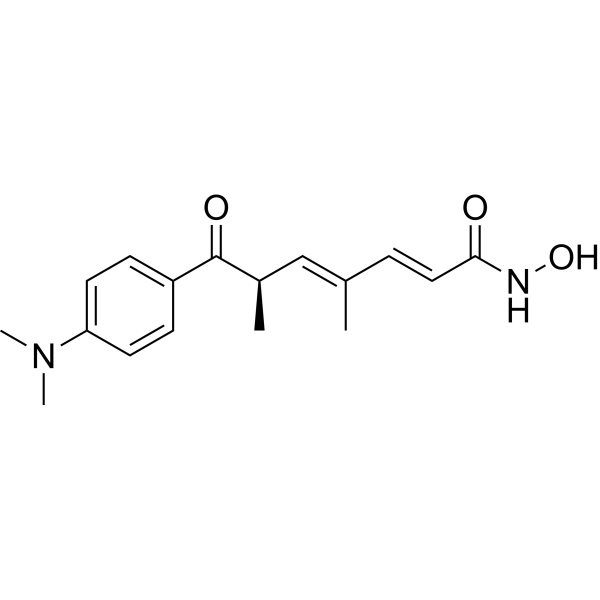
HY-15144
Trichostatin AHDAC Class I/II Inhibitor -
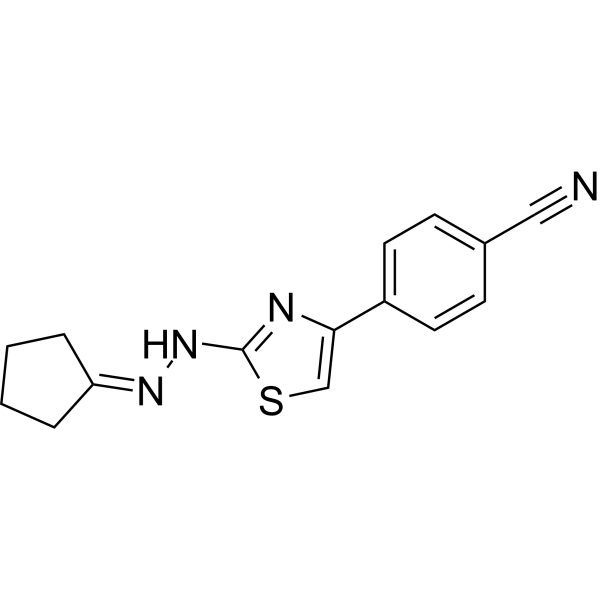
HY-16706
RemodelinHistone Acetyltransferase Inhibitor -
HY-16561
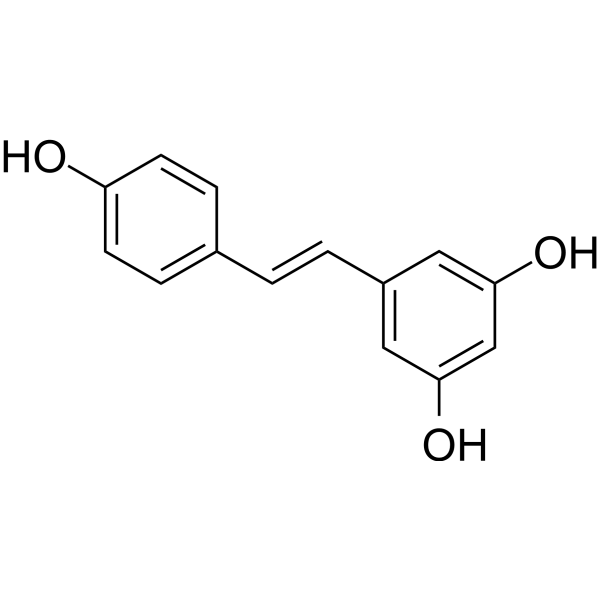
ResveratrolPolyphenolic Phytoalexin
Publications Citing Use of MedChemExpress (MCE) CTB
More- Cell Res. 2023 Sep;33(9):679-698. [Abstract]
- J Nanobiotechnology. 2026 Jan 29;24(1):156. [Abstract]
- Adv Sci (Weinh). 2026 May 27:e21445. [Abstract]
- Cancer Lett. 2026 May 1:645:218337. [Abstract]
- Oncogene. 2025 Sep;44(34):3096-3112. [Abstract]
- Apoptosis. 2026 Jan 10;31(1):37. [Abstract]
- Clin Transl Med. 2026 Aug;16(8):e70745.
- Inflammopharmacology. 2023 Aug;31(4):2007-2021. [Abstract]
- Stem Cells Transl Med. 2024 Feb 14;13(2):151-165. [Abstract]
- Eur J Pharmacol. 2026 May 10:1023:178866. [Abstract]
- Eur J Pharmacol. 2025 Jul 5:998:177495. [Abstract]
- Int Immunopharmacol. 2026 Jun 15:179:116613. [Abstract]
- Int J Mol Sci. 2024 Nov 21;25(23):12483. [Abstract]
- Biochim Biophys Acta Mol Cell Res. 2025 Apr;1872(4):119933. [Abstract]
 Customer Validation & Images

-
Cell Imaging/Staining
-
Cell Proliferation/Viability Assay
-
ELISA
-
In Vivo Efficacy Study
-
RT-PCR


Biological Activity
Description
IC50 & Target
[1]|
CBP/p300 |
In Vitro
CTB (10, 50, 100, 150, 200, and 250 μM; 10 min) enhances p300 HAT activity of p300 in a dosedependent manner[1]. CTB (0-200 μM; 24 hours) inhibits the viability of MCF-7 cells with an IC50 of 85.43 μM[2]. CTB (85.43 μM; 24, 48 and 72 h) induces time dependence apoptosis of MCF-7 cells[2]. CTB (50 uM; 24 h) increases p300/CBP activity , and reduces autophagic flux in primary neurons[3].
MedChemExpress (MCE) has not independently confirmed the accuracy of these methods. They are for reference only.
Clinical Trial
| NCT Number | Sponsor | Condition | Start Date |
Phase

|
|---|---|---|---|---|
| NCT01329991 | 2011-05 | PHASE1 |


Chemical Information
-
CAS No. 451491-47-7
-
Appearance Solid
-
Molecular Weight 343.73
-
Formula C16H13ClF3NO2
-
Color White to off-white
-
SMILES
O=C(NC1=CC=C(Cl)C(C(F)(F)F)=C1)C2=CC=CC=C2OCC
-
Shipping
Room temperature in continental US; may vary elsewhere.
-
Storage
4°C, protect from light
* In solvent : -80°C, 6 months; -20°C, 1 month (protect from light)


Publications (14)
-
Journal Impact Factor
-
Most Recent
-
Cell Res
α-myosin heavy chain lactylation maintains sarcomeric structure and function and alleviates the development of heart failure. [Abstract]2023 Sep;33(9):679-698. PMID: 37443257 -
J Nanobiotechnology
CD8a antibody-functionalized biomimetic red blood cell membrane ectosomes delivering C646 reverse CD8⁺ T Cell exhaustion via H3K18la histone delactylation in gastric cardia adenocarcinoma. [Abstract]2026 Jan 29;24(1):156. PMID: 41612336 -
Adv Sci (Weinh)
β-Elemene Rescues Radiation-Induced Enteritis by Orchestrating a Host-Microbiome Circuit That Fuels Epigenetic DNA Repair. [Abstract]2026 May 27:e21445. PMID: 42201651 -
Cancer Lett
Nutrient deprivation promotes bladder cancer metastasis through Beclin-1 deacetylation-mediated autophagy activation. [Abstract]2026 May 1:645:218337. PMID: 41707981 -
Oncogene
ACSL5 regulated acetyl-CoA to promote bladder cancer cellular senescence via 53BP1 acetylation. [Abstract]2025 Sep;44(34):3096-3112. PMID: 40595416 -
Apoptosis
HSPA8 lactylation attenuates neuronal pyroptosis via E3 ligase-mediated NLRP3 degradation after ischemic stroke. [Abstract]2026 Jan 10;31(1):37. PMID: 41518395 -
-
Inflammopharmacology
Inhibition of STAT3 phosphorylation by colchicine regulates NLRP3 activation to alleviate sepsis-induced acute lung injury. [Abstract]2023 Aug;31(4):2007-2021. PMID: 37115345 -
Stem Cells Transl Med
3D Spheroids Facilitate Differentiation of Human Adipose-Derived Mesenchymal Stem Cells into Hepatocyte-Like Cells via p300-Mediated H3K56 Acetylation. [Abstract]2024 Feb 14;13(2):151-165. PMID: 37936499
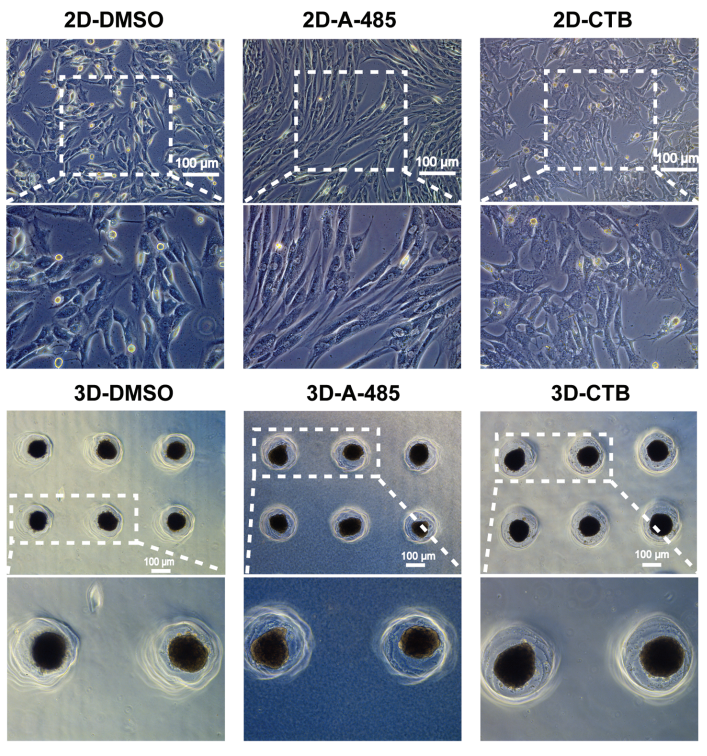
CTB purchased from MedChemExpress. Usage Cited in: Stem Cells Transl Med. 2024 Feb 14;13(2):151-165. [Abstract]
CTB (10 μM) was added in HLCs maturation stage (days 7-21). The morphological changes of cells with the addition of A-485 and CTB during hepatic induction of hADMSCs.
-
Eur J Pharmacol
Inhibition of PKM2 lactylation by geniposide ameliorates synovial hyperplasia in experimental arthritis. [Abstract]2026 May 10:1023:178866. PMID: 41990904 -
Eur J Pharmacol
2025 Jul 5:998:177495. PMID: 40058756 -
Int Immunopharmacol
Anacardic acid mitigates traumatic brain injury-induced inflammatory damage: involvement of TLR4/MyD88/NF-κB pathway regulation and inhibition of P300 HAT activity on NF-κB acetylation. [Abstract]2026 Jun 15:179:116613. PMID: 41950807 -
Int J Mol Sci
The Activation of p300 Enhances the Sensitivity of Pituitary Adenomas to Dopamine Agonist Treatment by Regulating the Transcription of DRD2. [Abstract]2024 Nov 21;25(23):12483. PMID: 39684198
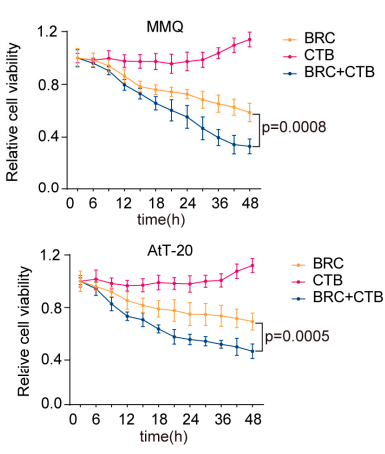
CTB purchased from MedChemExpress. Usage Cited in: Int J Mol Sci. 2024 Nov 21;25(23):12483. [Abstract]
CCK-8 assay of cell viability in MMQ and AtT-20 cells treated with BRC (10 μM), CTB (50 μM), or BRC (10 μM) + CTB (50 μM) for various periods (0, 3, 6, 9, 12, 15, 18, 21, 24, 30, 36, 42, 48 h), n = 3.
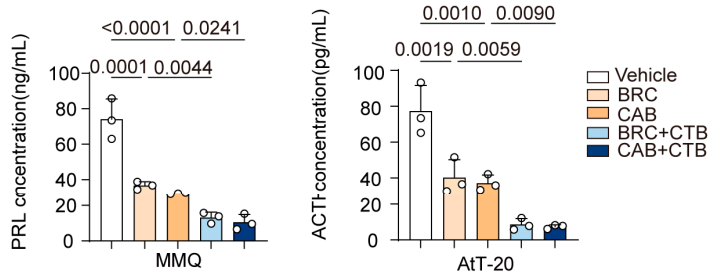
CTB purchased from MedChemExpress. Usage Cited in: Int J Mol Sci. 2024 Nov 21;25(23):12483. [Abstract]
MMQ and AtT-20 cells were treated with BRC (10 μM), CAB (25 μM), CTB (50 μM), BRC (10 μM) + CTB (50 μM), or CAB (25 μM) + CTB (50 μM) for 48 h. PRL ELISA assay of supernatant prolactin concentration in the MMQ cells, and ACTH ELISA assay of supernatant ACTH concentration in the AtT-20 cells.
CTB purchased from MedChemExpress. Usage Cited in: Int J Mol Sci. 2024 Nov 21;25(23):12483. [Abstract]
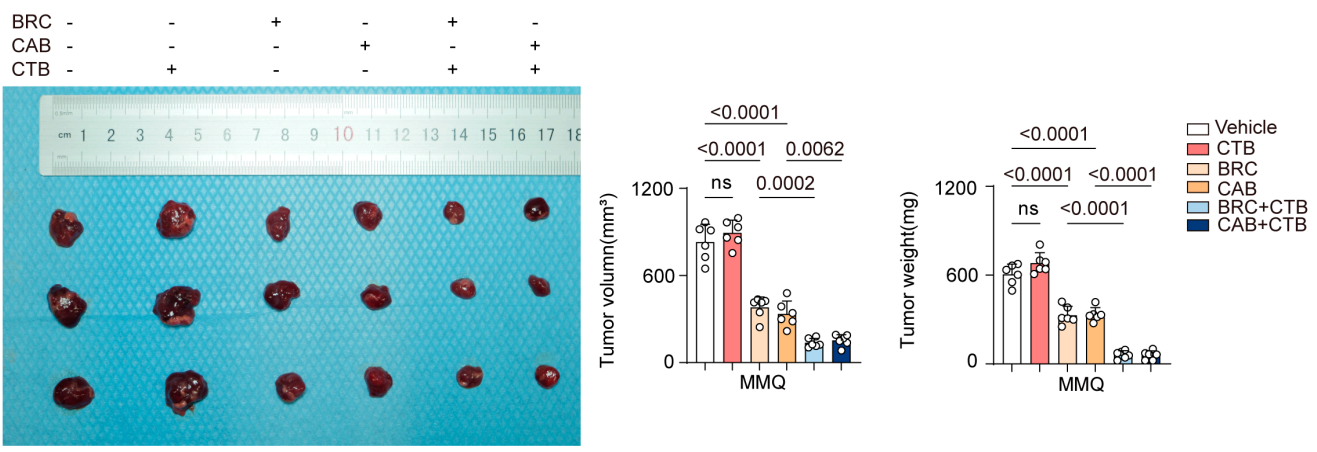
Subcutaneous tumor formation in nude mice using MMQ cells, followed by intraperitoneal injections of PBS, BRC (10 mg/kg/d), CAB (15 mg/kg/d), CTB (20 mg/kg/d), BRC (10 mg/kg/d) + CTB (20 mg/kg/d), or CAB (15 mg/kg/d) + CTB (20 mg/kg/d) for 2 weeks, representative images of subcutaneous xenograft tumors (left), average volume of excised tumors (middle), average weight of excised tumors (right).
CTB purchased from MedChemExpress. Usage Cited in: Int J Mol Sci. 2024 Nov 21;25(23):12483. [Abstract]
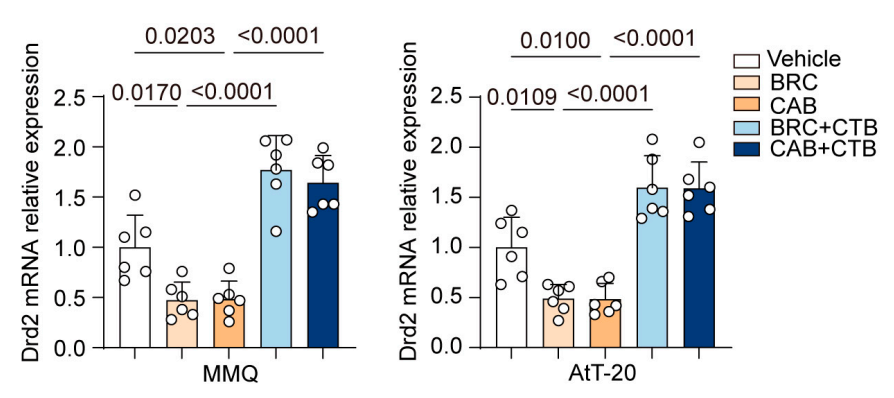
q-PCR of DRD2 expression in MMQ and AtT-20 cells treated with BRC (10 μM), CAB (25 μM), CTB (50 μM), BRC (10 μM) + CTB (50 μM), and CAB (25 μM) + CTB (50 μM) for 48 h, n = 3.
-
Biochim Biophys Acta Mol Cell Res
Transcription factor EP300 targets SIRT5 to promote autophagy of nucleus pulposus cells and attenuate intervertebral disc degeneration. [Abstract]2025 Apr;1872(4):119933. PMID: 40096894


Solvent & Solubility
In Vitro:
DMSO : 100 mg/mL (290.93 mM; Need ultrasonic; Hygroscopic DMSO has a significant impact on the solubility of product, please use newly opened DMSO)
Please refer to the solubility information to select the appropriate solvent. Once prepared, please aliquot and store the solution to prevent product inactivation from repeated freeze-thaw cycles.
Storage method and period of stock solution: -80°C, 6 months; -20°C, 1 month (protect from light). When stored at -80°C, please use it within 6 months. When stored at -20°C, please use it within 1 month.
Please refer to the solubility information to select the appropriate solvent. Once prepared, please aliquot and store the solution to prevent product inactivation from repeated freeze-thaw cycles.
Storage method and period of stock solution: -80°C, 6 months; -20°C, 1 month (protect from light). When stored at -80°C, please use it within 6 months. When stored at -20°C, please use it within 1 month.
Concentration (start) × Volume (start) = Concentration (final) × Volume (final)
In Vivo:
Select the appropriate dissolution method based on your experimental animal and administration route.
- For the following dissolution methods, please ensure to first prepare a clear stock solution using an In Vitro approach and then sequentially add co-solvents:
- To ensure reliable experimental results, the clarified stock solution can be appropriately stored based on storage conditions. As for the working solution for In Vivo experiments, it is recommended to prepare freshly and use it on the same day.
- The percentages shown for the solvents indicate their volumetric ratio in the final prepared solution. If precipitation or phase separation occurs during preparation, heat and/or sonication can be used to aid dissolution.
Add each solvent one by one: 10% DMSO 40% PEG300 5% Tween-80 45% Saline
Solubility: ≥ 2.5 mg/mL (7.27 mM); Clear solution
This protocol yields a clear solution of ≥ 2.5 mg/mL (saturation unknown).
Taking 1 mL working solution as an example, add 100 μL DMSO stock solution (25.0 mg/mL) to 400 μL PEG300, and mix evenly; then add 50 μL Tween-80 and mix evenly; then add 450 μL Saline to adjust the volume to 1 mL.
Preparation of Saline: Dissolve 0.9 g sodium chloride in ddH₂O and dilute to 100 mL to obtain a clear Saline solution.
In Vivo Dissolution Calculator
Please enter the basic information of animal experiments:
-
-
-
-
Recommended: Prepare an additional quantity of animals to account for potential losses during experiments.
Please enter your animal formula composition:
-
%DMSO +
Recommended: Keep the proportion of DMSO in working solution below 2% if your animal is weak.
-
%+
-
+%Tween-80 + +
-
%Saline +
The co-solvents required include: DMSO, . All of co-solvents are available by MedChemExpress (MCE). , Tween 80. All of co-solvents are available by MedChemExpress (MCE).
Working solution concentration: 0.22 mg/mL
Method for preparing stock solution: mg drug dissolved in μL DMSO. Stock solution concentration: mg/mL. * In solvent : -80°C, 6 months; -20°C, 1 month (protect from light)
1. Take μL DMSO stock solution;
2. Add μL .
μL , mix evenly;
3. Then add μL Tween 80, mix evenly;
4. Then add μL
Please ensure that the stock solution in the first step is dissolved to a clear state, and add co-solvents in sequence. You can use ultrasonic heating (ultrasonic cleaner, recommended frequency 20-40 kHz), vortexing, etc. to assist dissolution.


Purity & Documentation
-
Data Sheet (277 KB)
-
SDS (393 KB)
- English - EN (393 KB)
- Français - FR (393 KB)
- Deutsch - DE (393 KB)
- Norwegian - NO (393 KB)
- Español - ES (393 KB)
- Swedish - SV (393 KB)
- Italian - IT (393 KB)
- Korean - KR (393 KB)
- Portuguese - PT (393 KB)
-
Handling Instructions (2659 KB)
References
[1]. Mantelingu K, et al. Activation of p300 histone acetyltransferase by small molecules altering enzyme structure: probed by surface-enhanced Raman spectroscopy. J Phys Chem B. 2007;111(17):4527-4534. [Content Brief]
[2]. Dastjerdi MN, et al. The effect of CTB on P53 protein acetylation and consequence apoptosis on MCF-7 and MRC-5 cell lines. Adv Biomed Res. 2013;2:24. Published 2013 Mar 6. [Content Brief]
[3]. Chen X, et al. Promoting tau secretion and propagation by hyperactive p300/CBP via autophagy-lysosomal pathway in tauopathy. Mol Neurodegener. 2020;15(1):2. Published 2020 Jan 6. [Content Brief]


Complete Stock Solution Preparation Table
Please refer to the solubility information to select the appropriate solvent. Once prepared, please aliquot and store the solution to prevent product inactivation from repeated freeze-thaw cycles.
Storage method and period of stock solution: -80°C, 6 months; -20°C, 1 month (protect from light). When stored at -80°C, please use it within 6 months. When stored at -20°C, please use it within 1 month.
| Optional Solvent | Concentration Solvent Mass | 1 mg | 5 mg | 10 mg | 25 mg |
|---|---|---|---|---|---|
| DMSO | 1 mM | 2.9093 mL | 14.5463 mL | 29.0926 mL | 72.7315 mL |
| 5 mM | 0.5819 mL | 2.9093 mL | 5.8185 mL | 14.5463 mL | |
| 10 mM | 0.2909 mL | 1.4546 mL | 2.9093 mL | 7.2732 mL | |
| 15 mM | 0.1940 mL | 0.9698 mL | 1.9395 mL | 4.8488 mL | |
| 20 mM | 0.1455 mL | 0.7273 mL | 1.4546 mL | 3.6366 mL | |
| 25 mM | 0.1164 mL | 0.5819 mL | 1.1637 mL | 2.9093 mL | |
| 30 mM | 0.0970 mL | 0.4849 mL | 0.9698 mL | 2.4244 mL | |
| 40 mM | 0.0727 mL | 0.3637 mL | 0.7273 mL | 1.8183 mL | |
| 50 mM | 0.0582 mL | 0.2909 mL | 0.5819 mL | 1.4546 mL | |
| 60 mM | 0.0485 mL | 0.2424 mL | 0.4849 mL | 1.2122 mL | |
| 80 mM | 0.0364 mL | 0.1818 mL | 0.3637 mL | 0.9091 mL | |
| 100 mM | 0.0291 mL | 0.1455 mL | 0.2909 mL | 0.7273 mL |


CTB Related Classifications
HY-134964 Related Classifications
 Powered by Bioz