Search Result
Results for "
M 2 Antagonist
" in MedChemExpress (MCE) Product Catalog:
13
Isotope-Labeled Compounds
| Cat. No. |
Product Name |
Target |
Research Areas |
Chemical Structure |
-
- HY-100001
-
|
|
TRP Channel
CRAC Channel
Autophagy
CaMK
Akt
Apoptosis
Na+/Ca2+ Exchanger
Calcium Channel
|
Neurological Disease
Inflammation/Immunology
Cancer
|
|
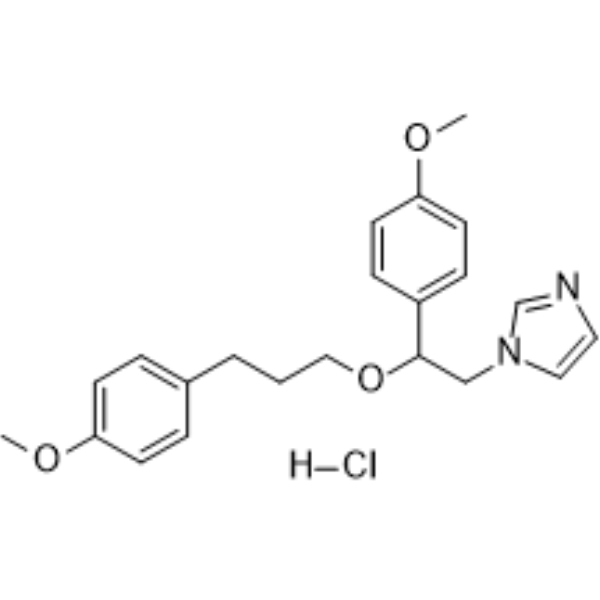
SKF-96365 hydrochloride is a TRPC channel antagonist and store-operated calcium entry (SOCE) inhibitor. SKF-96365 hydrochloride reduces calcium ion influx by inhibiting the activity and expression of TRPC6, STIM1 and Orai1. SKF-96365 hydrochloride inhibits voltage-gated sodium current (cardiac INa/NaV1.5) and slows myocardial conduction. SKF-96365 hydrochloride inhibits phosphorylation/activation of CaMKIIγ and suppresses the downstream AKT signaling pathway. SKF-96365 hydrochloride induces G2/M phase cell cycle arrest, apoptosis and cytoprotective autophagy in colorectal cancer cells. SKF-96365 hydrochloride alleviates allergic rhinitis symptoms by reducing inflammatory cytokine levels. SKF-96365 hydrochloride reduces intracellular calcium overload, inhibits Homer1 expression, prevents nuclear damage and suppresses apoptosis. SKF-96365 hydrochloride inhibits the growth of colorectal cancer xenografts in nude mice . SKF-96365 hydrochloride is applicable to research related to allergic rhinitis, colorectal cancer, Parkinson's disease, persistent spontaneous nociception and hyperalgesia .
|
-
-
- HY-P6292A
-
|
|
PACAP Receptor
|
Neurological Disease
Inflammation/Immunology
Cancer
|
|
KS-133 TFA is a highly selective and potent antagonist of the vascular active enteropeptide receptor 2 (VIPR2) with IC50 values for Ca influx measurement and cAMP measurement of 24.8 nM and 500 nM, respectively. KS-133 TFA reverses the tumor-promoting M2 phenotype of tumor-associated macrophages to the anti-tumor M1 phenotype, alters the tumor immune microenvironment, and inhibits tumor growth. KS-133 TFA can be used for research on schizophrenia and cancer immune regulation .
|
-

-
- HY-A0034
-
|
YM905 free base
|
mAChR
|
Neurological Disease
Cancer
|
|
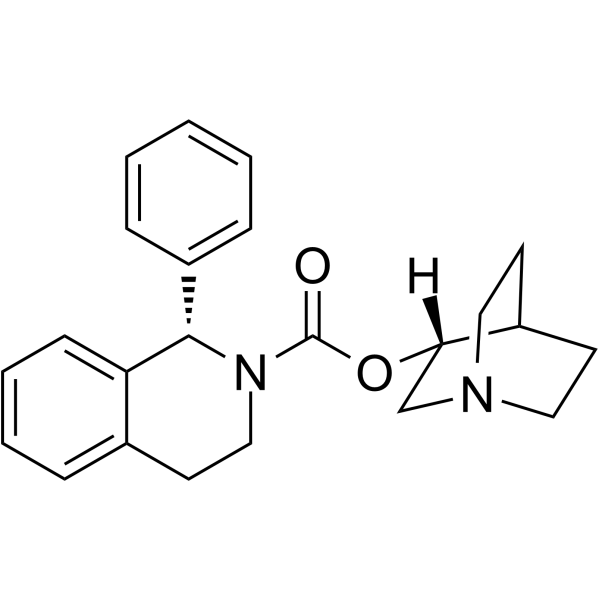
Solifenacin (YM905 free base) is a novel muscarinic receptor antagonist with pKis of 7.6, 6.9 and 8.0 for M1, M2 and M3 receptors, respectively.
|
-
-
- HY-B0461
-
|
|
mAChR
|
Neurological Disease
|
|
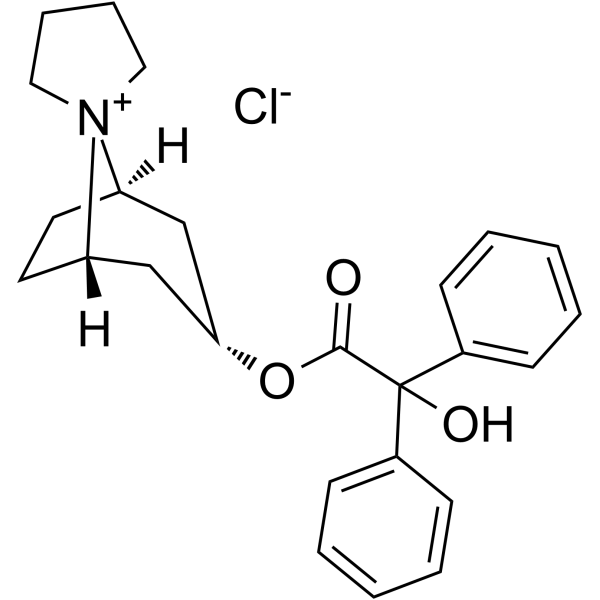
Trospium chloride is an orally active, specific and competitive antagonist of muscarinic cholinergic receptors (mAChRs), with antimuscarinic activity. Trospium chloride binds to muscarinic receptors M1, M2 and M3 with high affinity, but not nicotinic, cholinergic receptors .
|
-
-
- HY-A0030
-
|
|
mAChR
|
Neurological Disease
Metabolic Disease
Cancer
|
|
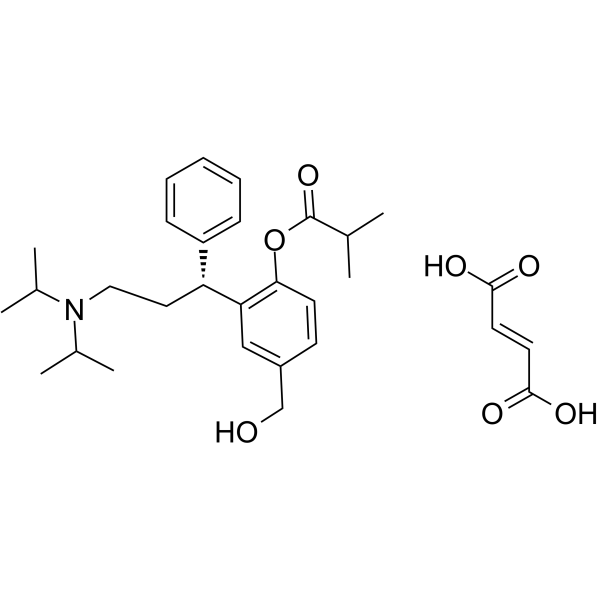
Fesoterodine Fumarate is an orally active, nonsubtype selective, competitive muscarinic receptor (mAChR) antagonist with pKi values of 8.0, 7.7, 7.4, 7.3, 7.5 for M1, M2, M3, M4, M5 receptors, respectively. Fesoterodine Fumarate is used for the overactive bladder (OAB) .
|
-
-
- HY-N0340
-
|
Hyoscine butylbromide; (-)-Scopolamine butylbromide; Butylscopolamine bromide
|
mAChR
|
Neurological Disease
Inflammation/Immunology
|
|
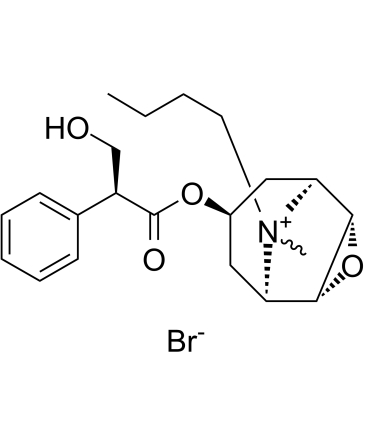
Scopolamine butylbromide (Hyoscine butylbromide) is an orally active anticholinergic agent and spasmolytic. Scopolamine butylbromide binds with high affinity to rat cardiac M2 (Ki 83 nmol/L), hM2 (Ki 233 nmol/L), rat intestinal M3 (Ki 290 nmol/L) and hM3 (Ki 643 nmol/L) muscarinic receptors. Scopolamine butylbromide exerts a dose-dependent antagonistic effect on Carbachol-induced gastrointestinal smooth muscle spasm. Scopolamine butylbromide can be used for the research of abdominal colic and pain associated with gastrointestinal spasm, functional abdominal pain, chronic gastropathy and gastric ulcer .
|
-
-
- HY-A0002
-
|
YM905
|
mAChR
|
Neurological Disease
Cancer
|
|
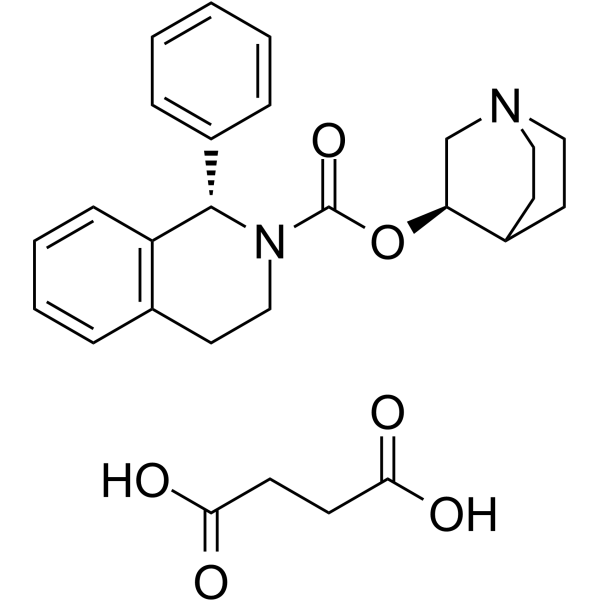
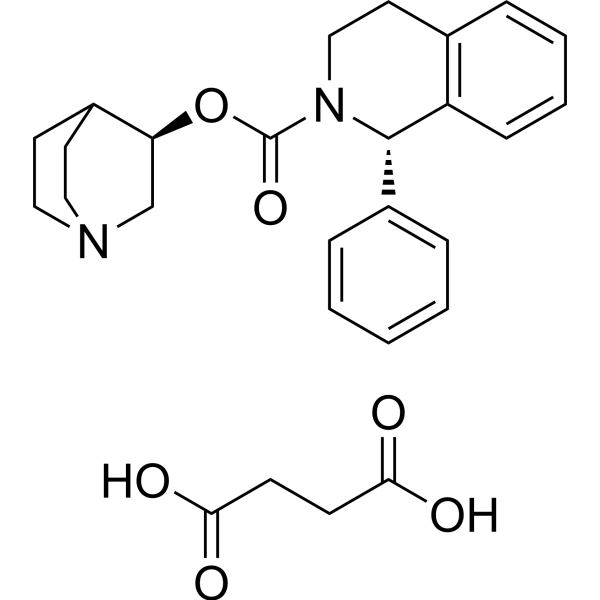
Solifenacin Succinate (YM905) is a novel muscarinic receptor antagonist with pKis of 7.6, 6.9 and 8.0 for M1, M2 and M3 receptors, respectively.
|
-
-
- HY-101381
-
|
AF-DX 116
|
mAChR
|
Neurological Disease
Metabolic Disease
|
|
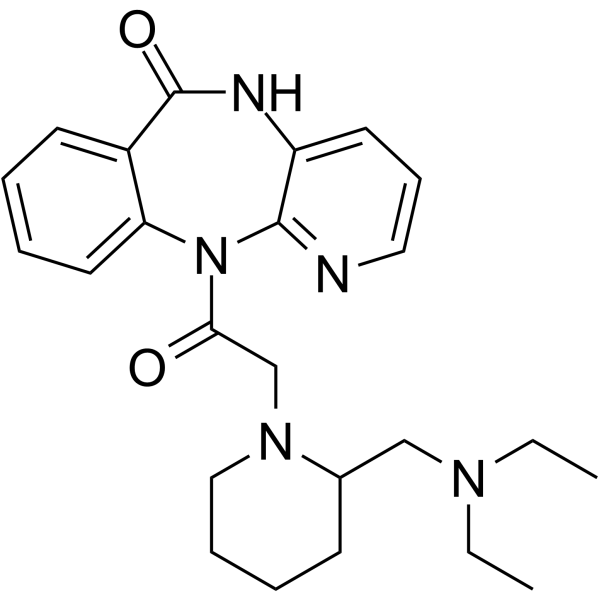
Otenzepad (AF-DX 116) is a selective and competitive M2 muscarinic acetylcholine receptor antagonist, with IC50 values of 640 nM and 386 nM for rabbit peripheral lung and rat heart, respectively .
|
-
-
- HY-B1339
-
|
Dicycloverine hydrochloride
|
mAChR
|
Neurological Disease
|
|
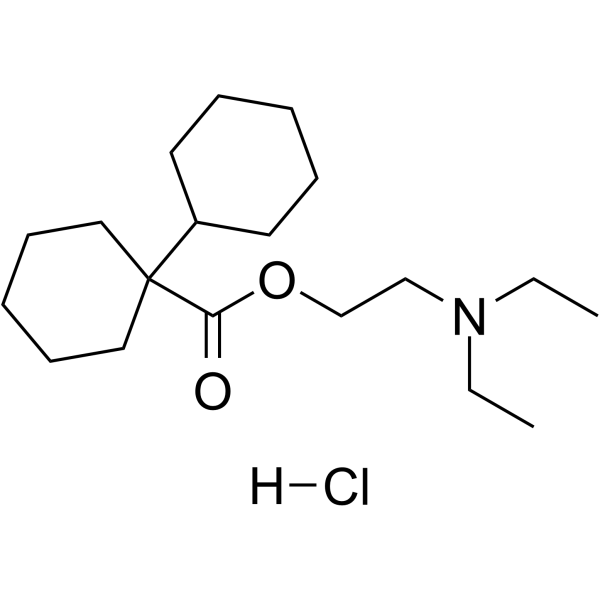
Dicyclomine hydrochloride is a potent and orally active muscarinic cholinergic receptors antagonist. Dicyclomine hydrochloride shows high affinity for muscarinic M1 receptor subtype (Ki=5.1 nM) and M2 receptor subtype (Ki=54.6 nM) in brush-border membrane and basal plasma membranes, respectively . Dicyclomine is an antispasmodic agent and relieves smooth muscle spasm of the gastrointestinal tract in vivo .
|
-
-
- HY-107646
-
|
|
mAChR
|
Neurological Disease
|
|
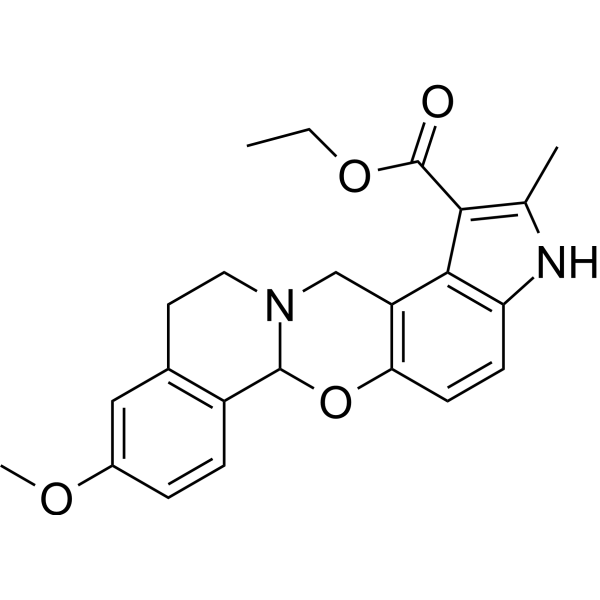
PD 102807 is a M4 muscarinic receptor antagonist with an IC50 of 90.7 nM. PD 102807 inhibits M1, M2, M3, M5 muscarinic receptor with IC50s of 6558.7, 3440.7, 950.0, and 7411.7 nM, respectively . Antidyskinetic effect.
|
-
-
- HY-107647
-
|
|
mAChR
Histamine Receptor
|
Inflammation/Immunology
|
|
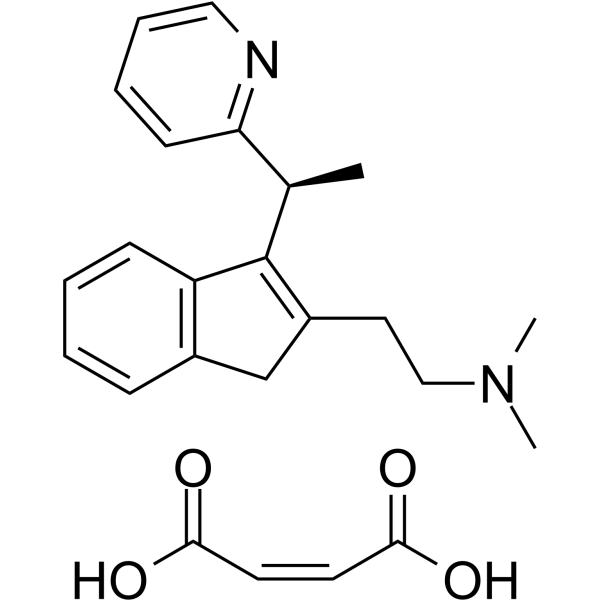
(S)-(+)-Dimethindene maleate, an enantiomer, is a potent M2-selective muscarinic receptor antagonist (pA2 = 7.86/7.74; pKi = 7.78). (S)-(+)-Dimethindene maleate shows lower affinities for the muscarinic M1 (pA2 = 6.83/6.36; pKi = 7.08), the M3 (pA2 = 6.92/6.96; pKi = 6.70) and the M4 receptors (pKi = 7.00), respectively. (S)-(+)-Dimethindene maleate also is a histamine H1 receptor antagonist (pA2 = 7.48) .
|
-
-
- HY-70053
-
|
|
mAChR
|
Neurological Disease
Metabolic Disease
|
|
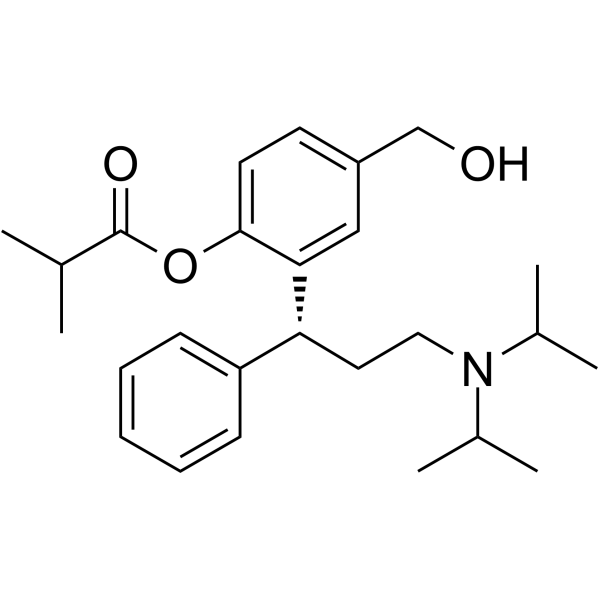
Fesoterodine is an orally active, nonsubtype selective, competitive muscarinic receptor (mAChR) antagonist with pKi values of 8.0, 7.7, 7.4, 7.3, 7.5 for M1, M2, M3, M4, M5 receptors, respectively. Fesoterodine is used for the overactive bladder (OAB) .
|
-
-
- HY-B0241
-
|
Sch 1000
|
mAChR
|
Neurological Disease
Inflammation/Immunology
|
|
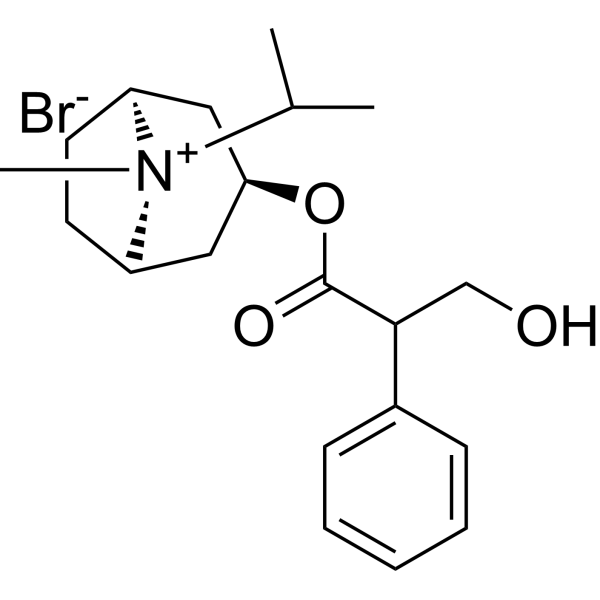
Ipratropium bromide (Sch 1000) is a muscarinic receptor antagonist, with IC50s of 2.9 nM, 2 nM, and 1.7 nM for M1, M2, and M3 receptors, respectively. Ipratropium bromide relaxes smooth muscle, can be used in the research for COPD (chronic obstructive pulmonary disease) and asthma .
|
-
-
- HY-B1332
-
|
Sch 1000 bromide hydrate
|
mAChR
|
Neurological Disease
Inflammation/Immunology
|
|
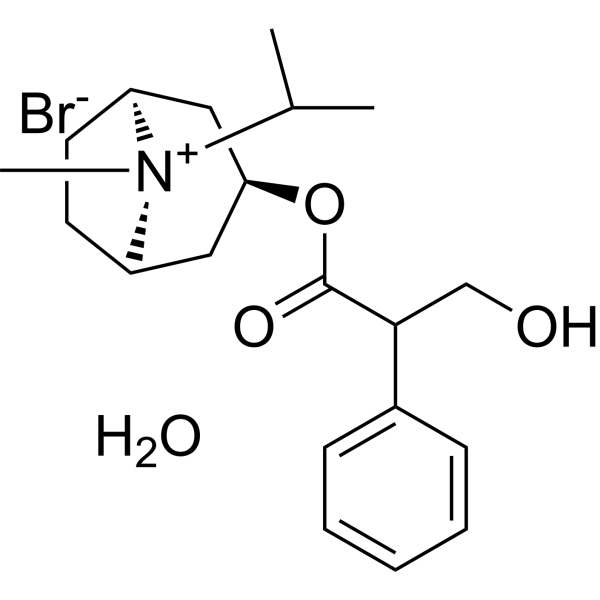
Ipratropium bromide (Sch 1000) hydrate is a muscarinic receptor antagonist, with IC50s of 2.9 nM, 2 nM, and 1.7 nM for M1, M2, and M3 receptors, respectively. Ipratropium bromide hydrate relaxes smooth muscle, can be used in the research for COPD (chronic obstructive pulmonary disease) and asthma .
|
-
-
- HY-116294A
-
|
|
mAChR
|
Cardiovascular Disease
|
|
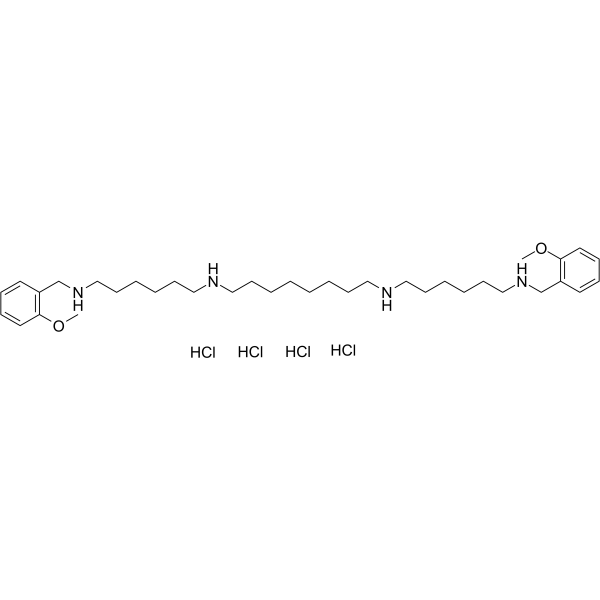
Methoctramine tetrahydrochloride is a potent and cardioselectivity antagonist of M2 muscarinic receptor. Methoctramine tetrahydrochloride can inhibit Muscarine (HY-121404)-induced bradycardia in vivo. Methoctramine tetrahydrochloride can be used in the study of cardiovascular diseases .
|
-
-
- HY-136587
-
|
|
Histamine Receptor
mGluR
|
Inflammation/Immunology
|
|
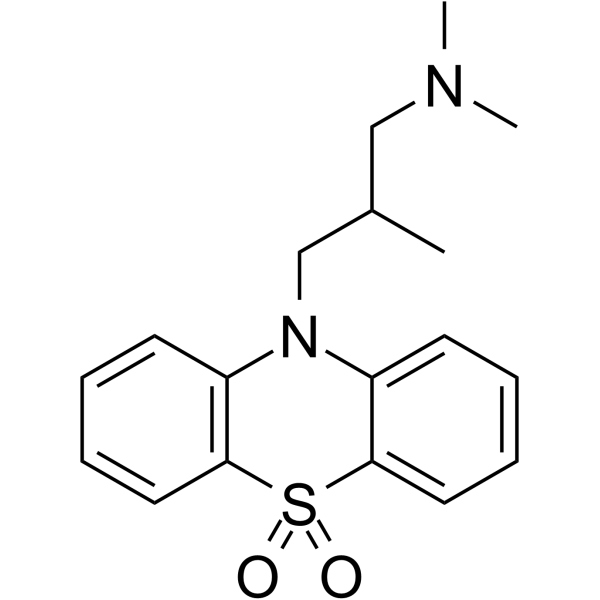
Oxomemazine is a phenothiazine-based histamine H1-receptor blocker. Oxomemazine is a selective antagonist for muscarinic M1 receptor, displays about 20-fold difference in the affinity for high (Ki = 84 nM, M1 receptor) and low (Ki = 1.65 μM, M2 receptor) affinity sites. Oxomemazine is an antihistamine and anticholinergic agent used for the study of cough treatment. Oxomemazine is protective against anaphylactic microshock in guinea pigs .
|
-
-
- HY-B1101A
-
|
Pimetixene maleate
|
5-HT Receptor
Histamine Receptor
|
Neurological Disease
Endocrinology
|
|
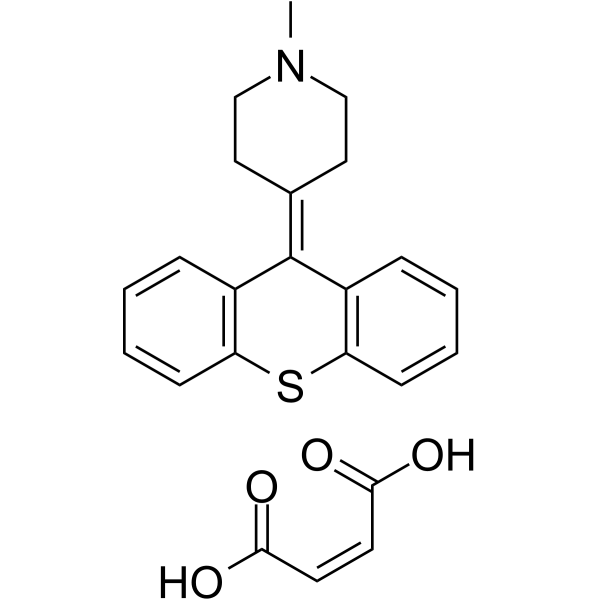
Pimethixene maleate is antihistamine and antiserotonergic compound, acts as an antimigraine agent.
Pimethixene maleate is a highly potent antagonist of 5-HT1A, 5-HT2A, 5-HT2B, 5-HT2C, histamine H1, dopamine D2 and D4.4 as well as muscarinic M1 and M2 receptors, with pKis of 7.63, 10.22, 10.44, 8.42, 10.14, 8.19, 7.54, 8.61 and 9.38, respectively .
|
-
-
- HY-I0230
-
|
YM905 hydrochloride
|
mAChR
|
Neurological Disease
Cancer
|
|
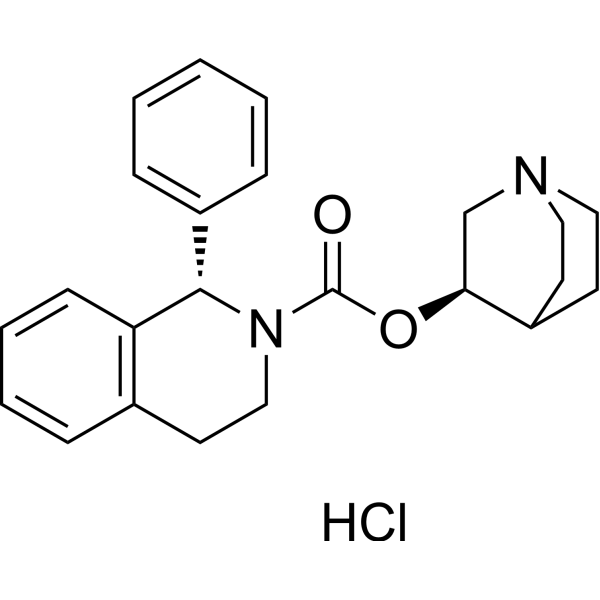
Solifenacin hydrochloride (YM905 hydrochloride) is a muscarinic receptor antagonist, with pKis of 7.6, 6.9 and 8.0 for M1, M2 and M3 receptors, respectively.
|
-
-
- HY-122203
-
|
|
mAChR
Cholinesterase (ChE)
|
Neurological Disease
|
|
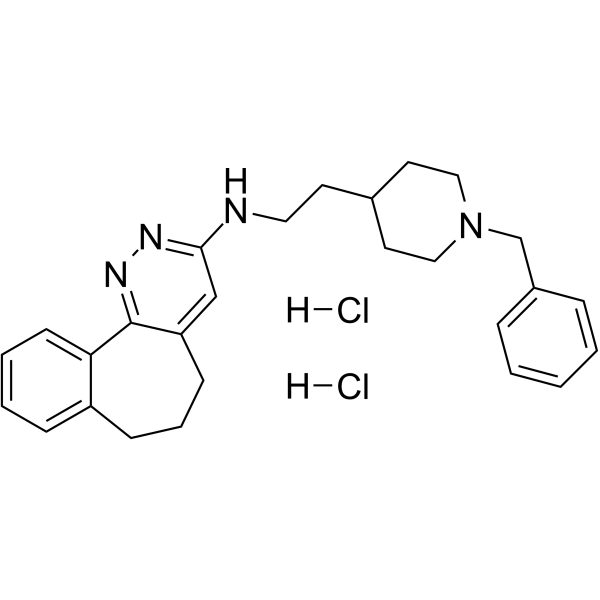
PCS1055 dihydrochloride is a potent, selective and competitive muscarinic M4 receptor antagonist with an IC50 of 18.1 nM and a Kd of 5.72 nM. PCS1055 dihydrochloride inhibits radioligand [ 3H]-NMS binding to the M4 receptor with a Ki of 6.5 nM. PCS1055 dihydrochloride exhibits >100-fold selectivity over M1-, M3-, and M5-receptors and 30-fold selectivity at the M2 receptor. PCS1055 dihydrochloride is also a potent AChE inhibitor with IC50 s of 22 nM and 120 nM for electric eel and human AChE, respectively .
|
-
-
- HY-B0461R
-
|
|
mAChR
Reference Standards
|
Neurological Disease
|
|
Trospium (chloride) (Standard) is the analytical standard of Trospium (chloride). This product is intended for research and analytical applications. Trospium chloride is an orally active, specific and competitive antagonist of muscarinic cholinergic receptors (mAChRs), with antimuscarinic activity. Trospium chloride binds to muscarinic receptors M1, M2 and M3 with high affinity, but not nicotinic, cholinergic receptors .
|
-

-
- HY-76570
-
|
(Rac)-Desfesoterodine; (Rac)-PNU-200577
|
mAChR
|
Neurological Disease
|
|
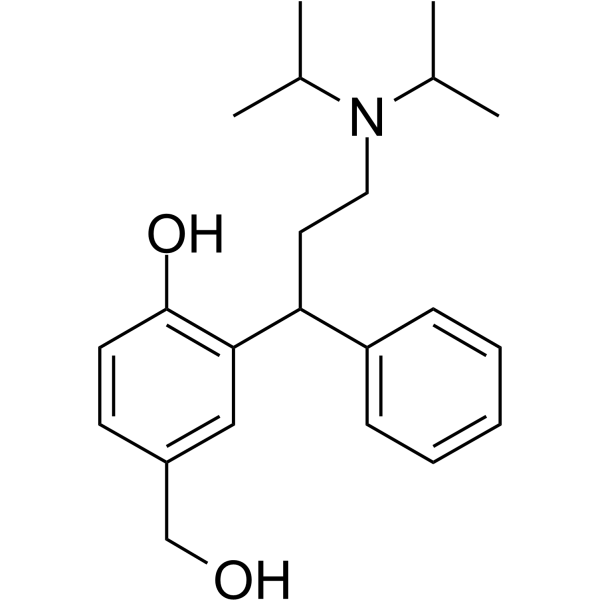
(Rac)-5-Hydroxymethyl Tolterodine ((Rac)-Desfesoterodine), an active metabolite of Tolterodine, is a mAChR antagonist (Ki values of 2.3 nM, 2 nM, 2.5 nM, 2.8 nM, and 2.9 nM for M1, M2, M3, M4, and M5 receptors, respectively). (Rac)-5-Hydroxymethyl Tolterodine can be used for overactive bladder research .
|
-
-
- HY-14825A
-
|
SVT-40776 D-tartrate
|
mAChR
|
Inflammation/Immunology
|
|
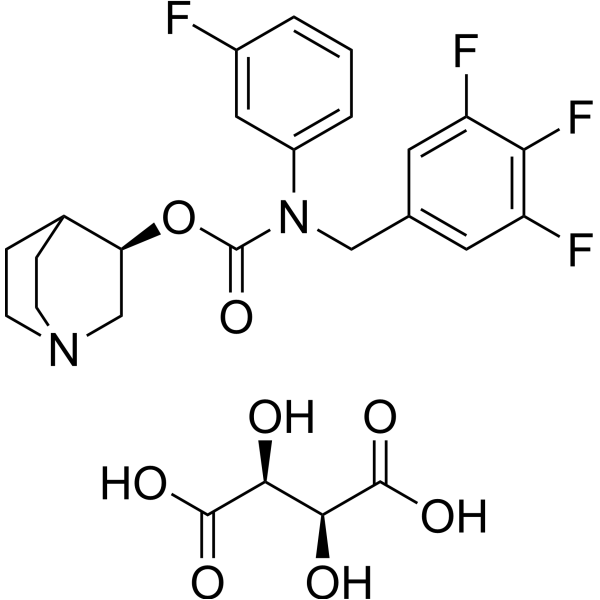
Tarafenacin (SVT-40776) D-tartrate is an orally active, selective M3 muscarinic receptor (M3 muscarinic receptor) antagonist with 203-fold selectivity over the M2 muscarinic receptor. Tarafenacin D-tartrate does not affect atrial contraction, arterial blood pressure or arterial pressure at high doses. Tarafenacin D-tartrate can be used in the research of overactive bladder .
|
-
-
- HY-101586
-
-
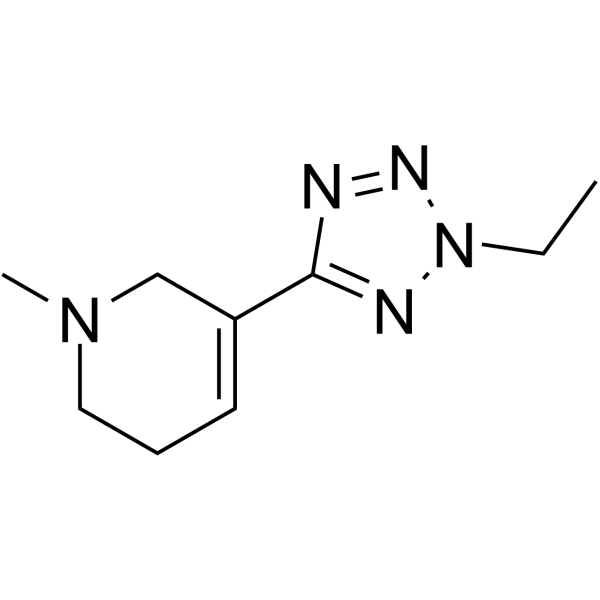
-
- HY-125942
-
SKF-96365
Maximum Cited Publications
27 Publications Verification
|
CRAC Channel
TRP Channel
CaMK
Akt
Apoptosis
Autophagy
Na+/Ca2+ Exchanger
Calcium Channel
|
Neurological Disease
Inflammation/Immunology
Cancer
|
|
SKF-96365 is a TRPC channel antagonist and store-operated calcium entry (SOCE) inhibitor. SKF-96365 reduces calcium ion influx by inhibiting the activity and expression of TRPC6, STIM1 and Orai1. SKF-96365 inhibits voltage-gated sodium current (cardiac INa/NaV1.5) and slows myocardial conduction. SKF-96365 inhibits phosphorylation/activation of CaMKIIγ and suppresses the downstream AKT signaling pathway. SKF-96365 induces G2/M phase cell cycle arrest, apoptosis and cytoprotective autophagy in colorectal cancer cells. SKF-96365 alleviates allergic rhinitis symptoms by reducing inflammatory cytokine levels. SKF-96365 reduces intracellular calcium overload, inhibits Homer1 expression, prevents nuclear damage and suppresses apoptosis. SKF-96365 inhibits the growth of colorectal cancer xenografts in nude mice . SKF-96365 is applicable to research related to allergic rhinitis, colorectal cancer, Parkinson's disease, persistent spontaneous nociception and hyperalgesia .
|
-

-
- HY-B0461S
-
|
|
Isotope-Labeled Compounds
mAChR
|
Neurological Disease
|
|
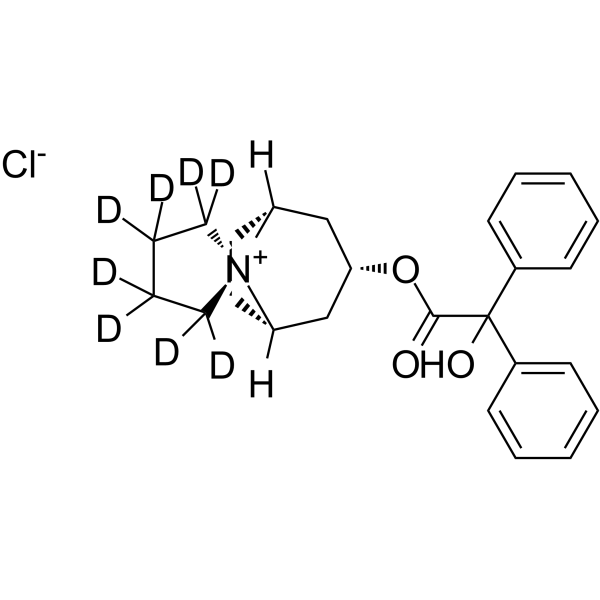
Trospium-d8 (chloride) is the deuterium labeled Trospium chloride. Trospium chloride is an orally active, specific and competitive antagonist of muscarinic cholinergic receptors (mAChRs), with antimuscarinic activity. Trospium chloride binds to muscarinic receptors M1, M2 and M3 with high affinity, but not nicotinic, cholinergic receptors .
|
-
-
- HY-70053A
-
|
|
mAChR
|
Neurological Disease
Metabolic Disease
Cancer
|
|
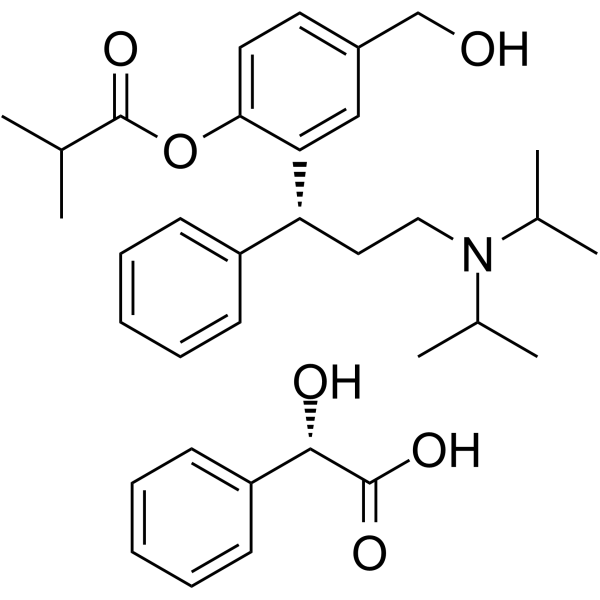
Fesoterodine L-mandelate is an orally active, nonsubtype selective, competitive muscarinic receptor (mAChR) antagonist with pKi values of 8.0, 7.7, 7.4, 7.3, 7.5 for M1, M2, M3, M4, M5 receptors, respectively. Fesoterodine L-mandelate is used for the overactive bladder (OAB) .
|
-
-
- HY-148527
-
|
AZD8999
|
Adrenergic Receptor
mAChR
|
Others
|
|
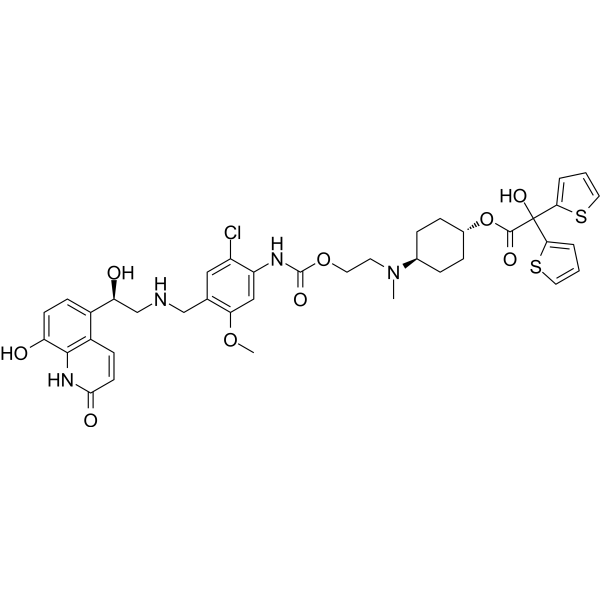
LAS190792 (AZD8999) is a potent muscarinic antagonist and β2-adrenoceptor agonist with pIC50 8.9, 8.8, 8.8, 9.2, 8.2, 7.5, 9.1, 5.6 for M1, M2, M3, M4, M5, β1, β2, β3, respectively. LAS190792 can be used as a bronchodilator .
|
-
-
- HY-107656
-
|
|
mAChR
|
Neurological Disease
|
|
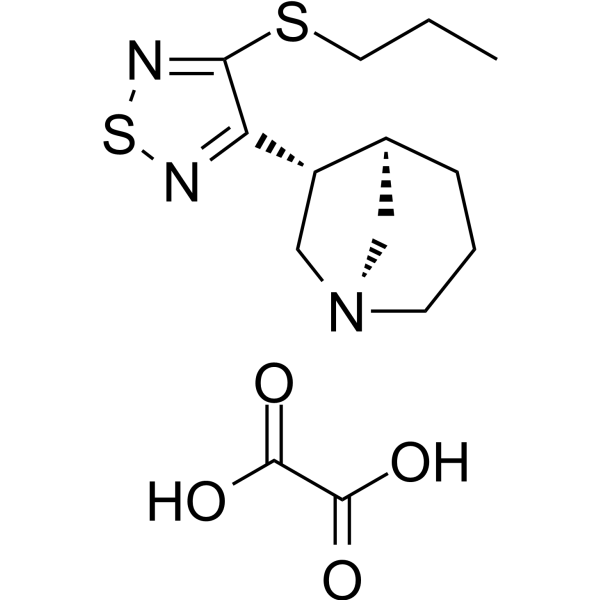
PTAC oxalate is a selective muscarinic receptor ligand. PTAC oxalate is an partial agonist of M2 and M4 but antagonist of M1, M3, and M5 (Ki values of 0.2-2.8 nM for hM1-5 in CHO cells). PTAC oxalate alleviates the mechanical allodynia on the neuropathic pain and has antidepression effects .
|
-
-
- HY-A0030S
-
|
|
mAChR
|
Metabolic Disease
|
|
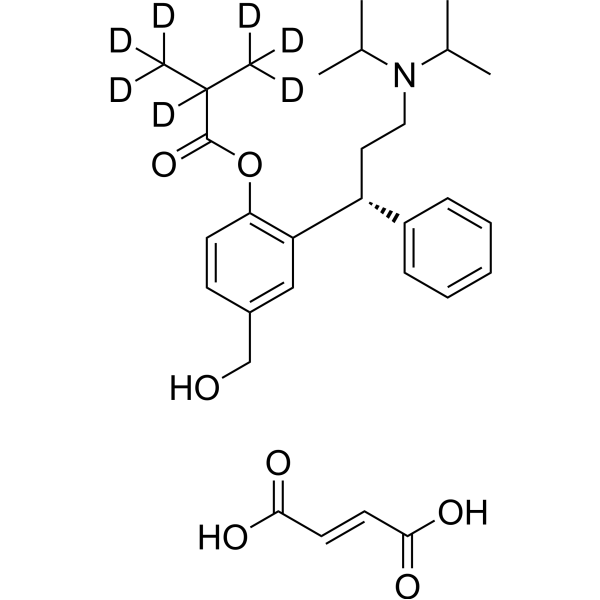
Fesoterodine-d7 (fumarate) is the deuterium labeled Fesoterodine fumarate . Fesoterodine Fumarate is an orally active, nonsubtype selective, competitive muscarinic receptor (mAChR) antagonist with pKi values of 8.0, 7.7, 7.4, 7.3, 7.5 for M1, M2, M3, M4, M5 receptors, respectively. Fesoterodine Fumarate is used for the overactive bladder (OAB) .
|
-
-
- HY-B1101
-
|
Pimetixene
|
5-HT Receptor
Histamine Receptor
|
Neurological Disease
Endocrinology
|
|
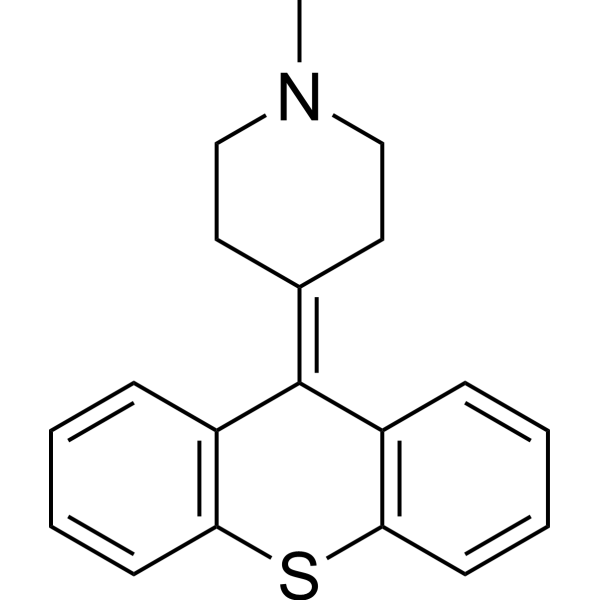
Pimethixene is antihistamine and antiserotonergic compound, acts as an antimigraine agent.
Pimethixene is a highly potent antagonist of 5-HT1A, 5-HT2A, 5-HT2B, 5-HT2C, histamine H1, dopamine D2 and D4.4 as well as muscarinic M1 and M2 receptors, with pKis of 7.63, 10.22, 10.44, 8.42, 10.14, 8.19, 7.54, 8.61 and 9.38, respectively .
|
-
-
- HY-151801
-
|
|
mAChR
|
Others
|
|
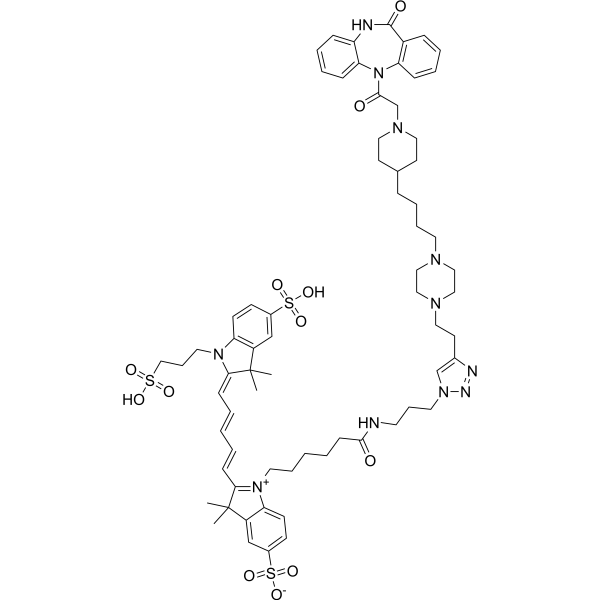
DIBA-Cy5 is a fluorescent DIBA antagonist made up be DIBA-alkyne binding Cyanine5 fluorophores (Cy5) and polyethylene glycol (PEG) biomolecules. DIBA-Cy5 can serve as a fluorescent ligand, suitable for probe attachment through click chemistry. DIBA-Cy5 exerts a high binding affinity to type-2 mAChR (M2R) with the Kd value of 1.80 nM, can directly stain M2R receptors in the sinoatrial node of a mouse heart .
|
-
-
- HY-107653
-
|
|
mAChR
|
Neurological Disease
|
|
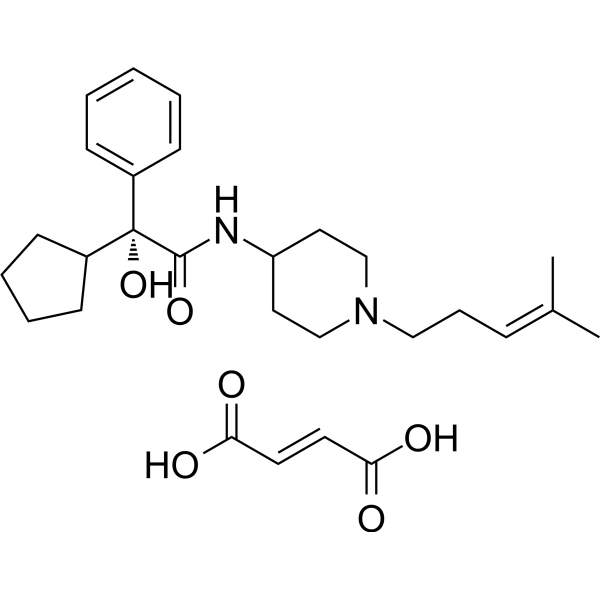
J 104129 fumarate is a selective and orally active muscarinic M3 antagonist with Ki values of 4.2 nM and 490 nM for M3 and M2, respectively. J 104129 fumarate antagonized ACh-induced bronchoconstriction. J 104129 fumarate has the potential for the research of obstructive airway disease .
|
-
-
- HY-108171A
-
|
|
mAChR
|
Inflammation/Immunology
|
|
Hexocyclium methylsulfate is a potent mAChR antagonist with pKi values of 8.9, 7.7, 8.4, 8.8 for M1, M2, M3, and M4 subtype, respectively. Hexocyclium methylsulfate has the potential for the research of duodenal ulcer and irritable bowel syndrome .
|
-

-
- HY-U00302
-
|
|
mAChR
|
Inflammation/Immunology
|
|
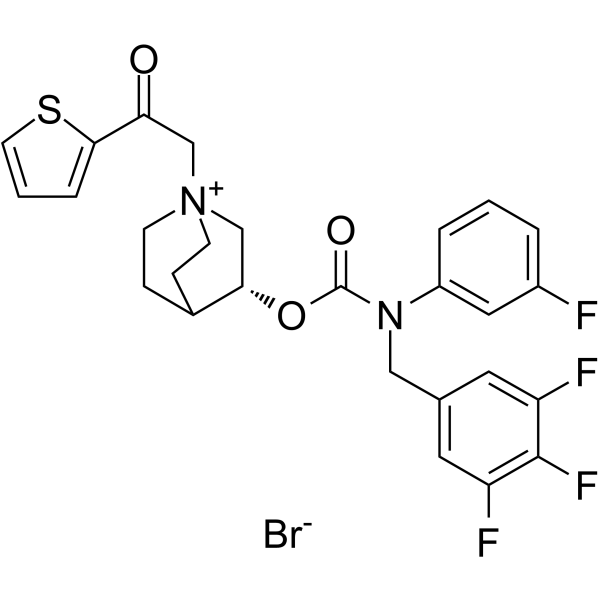
CHF5407 is a selective, long-acting and competitive muscarinic M3 receptor antagonist. CHF5407 shows subnanomolar affinities for human muscarinic M1 (hM1), M2 (hM2) and M3 (hM3) receptors. CHF5407 shows a prolonged antibronchospastic activity .
|
-
-
- HY-P1376
-
|
|
mAChR
Adrenergic Receptor
|
Endocrinology
|
|
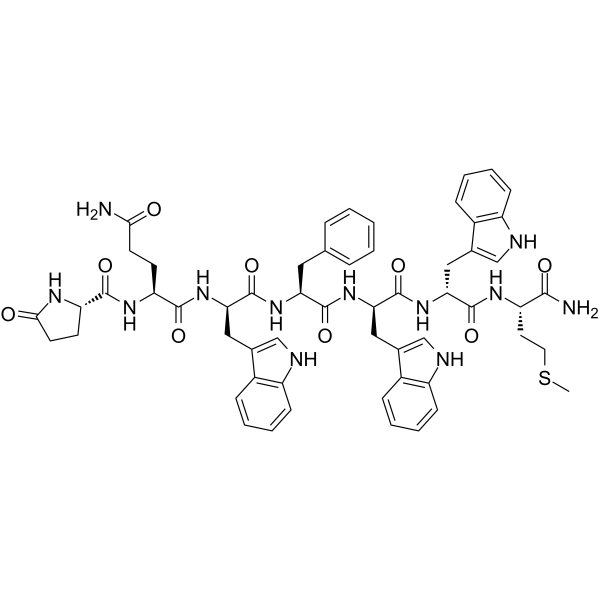
G-Protein antagonist peptide is the substance P-related peptide that inhibits binding of G proteins to their receptors. G-Protein antagonist peptide competitively and reversibly inhibits M2 muscarinic receptor activation of Gi or Go and inhibits Gs activation by β-adrenoceptors.
|
-
-
- HY-101679A
-
|
|
mAChR
|
Neurological Disease
|
|
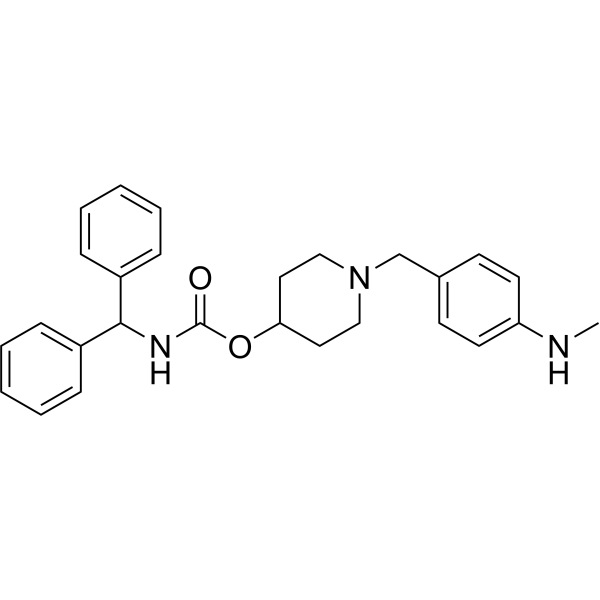
YM-58790 free base is a potent antagonist of mAChR. YM-58790 free base binds M1, M2, M3 with Ki values of 28 nM, 260 nM, and 15 nM. YM-58790 free base exhibits potent inhibitory activity on bladder pressuer in reflexly-evoked rhythmic contraction in rats .
|
-
-
- HY-100979
-
|
HDMPPA
|
mAChR
|
Others
|
|
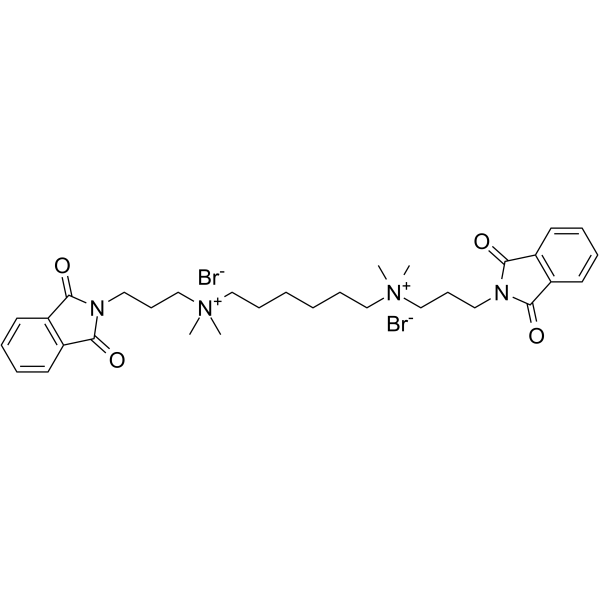
W-84 (dibromide) is a potent allosteric modulator of M2-cholinoceptors, which retards [ 3H]N-methylscopolamine dissociation. W-84 dibromide can stabilize cholinergic antagonist-receptor complexes. W-84 (dibromide) is a non-competitive muscarinic acetylcholine receptors antagonist with allosteric effects. W-84 (dibromide) protects over additively against an organophosphate-intoxication when applied in combination with atropine .
|
-
-
- HY-107652
-
|
|
mAChR
|
Neurological Disease
|
|
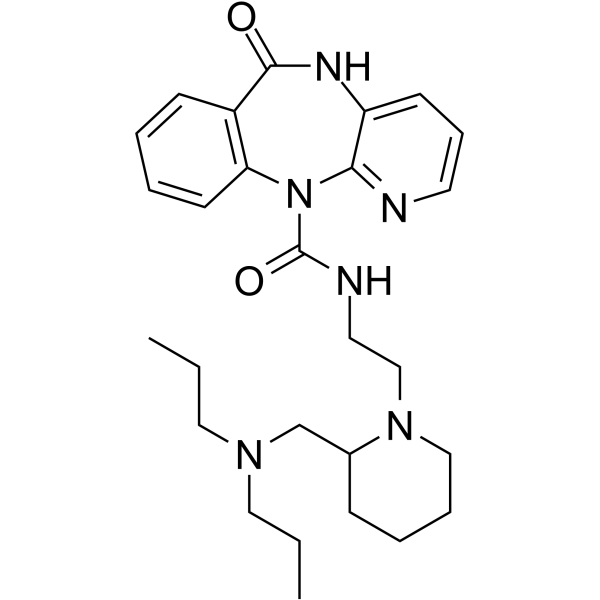
AF-DX 384 is a selective antagonist of M2 and M4 muscarinic acetylcholine receptors (Kis=6.03 and 10 nM, respectively) . AF-DX 384 reverses deficits in novel object recognition and passive avoidance in aged rats, as well as in young rats with impairments induced by scopolamine .
|
-
-
- HY-B0241S
-
|
Sch 1000-d3
|
mAChR
|
Neurological Disease
Inflammation/Immunology
|
|
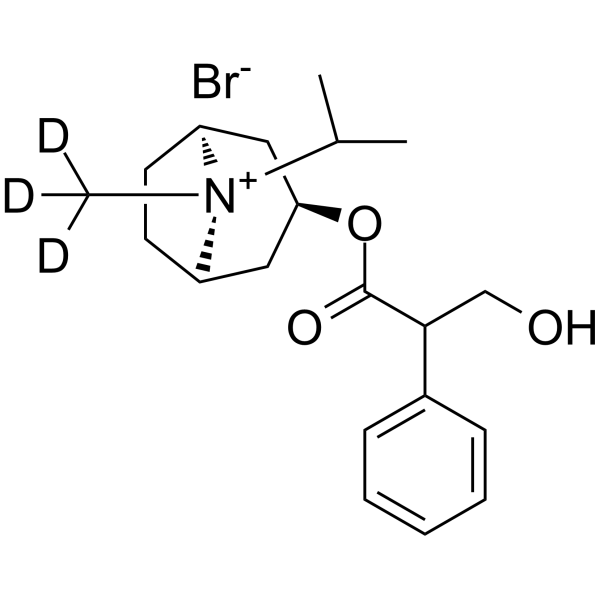
Ipratropium-d3 (bromide) is the deuterium labeled Ipratropium bromide. Ipratropium bromide (Sch 1000) is a muscarinic receptor antagonist, with binding IC50 values of 2.9 nM, 2 nM, and 1.7 nM for M1, M2, and M3 receptors, respectively. Ipratropium bromide can be used in the research for COPD (chronic obstructive pulmonary disease) and asthma .
|
-
-
- HY-B1339A
-
|
Dicycloverine
|
mAChR
|
Neurological Disease
|
|
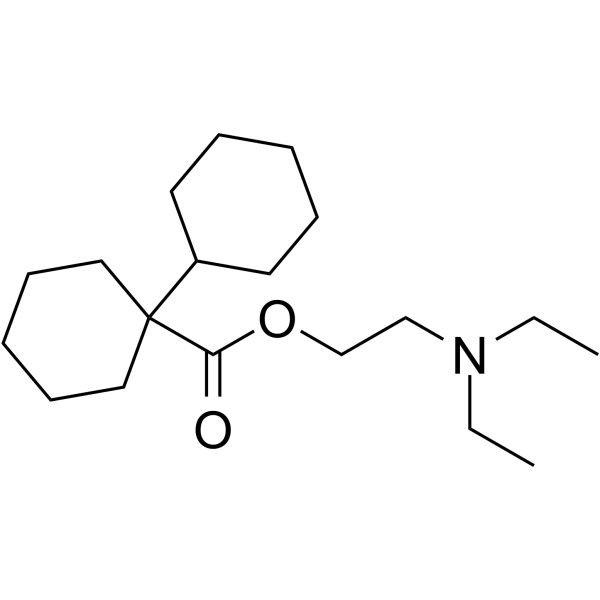
Dicyclomine (Dicycloverine) is a potent and orally active muscarinic cholinergic receptors antagonist. Dicyclomine (Dicycloverine) shows high affinity for muscarinic M1 receptor subtype (Ki=5.1 nM) and M2 receptor subtype (Ki=54.6 nM) in brush-border membrane and basal plasma membranes, respectively . Dicyclomine is an antispasmodic agent and relieves smooth muscle spasm of the gastrointestinal tract in vivo .
|
-
-
- HY-16375
-
|
D-63153
|
GnRH Receptor
Apoptosis
|
Cancer
|
|
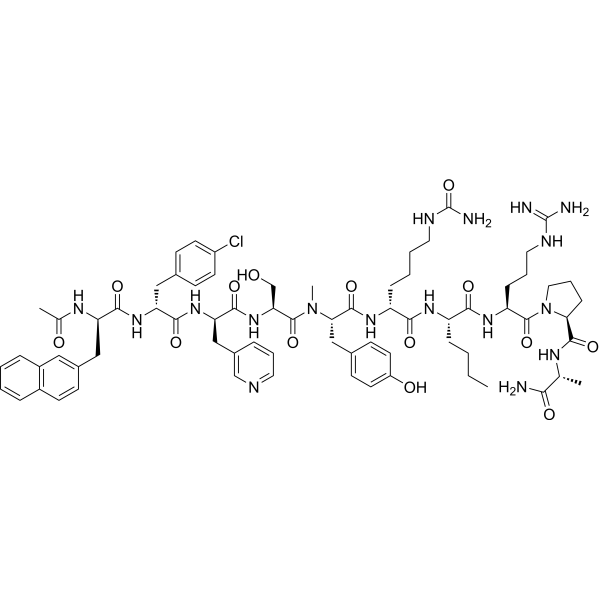
Ozarelix (D-63153) is a GnRH antagonist. Ozarelix induces cell apoptosis and arrests cell in G2/M phase. Ozarelix can be used in the research of prostate cancer .
|
-
-
- HY-117087
-
|
|
Phosphatase
PANoptosis
|
Cancer
|
|
K103 is an inhibitor discovered from the screen that is an analog of the serotonin antagonist benzazocine. K103 exhibited inhibition of SHIP homologues, labelling it a pan-SHIP1/2 inhibitor, but the molecule had no effect on another 5' inositol phosphatase, OCRL. In line with the "two PIPs hypothesis", the molecule exhibited significant anti-tumour effects against a variety of cell lines, particularly breast cancer cells. Additional studies with K103 revealed that inhibition of SHIP1/2 in multiple myeloma cells resulted in G2/M cell cycle arrest followed by extensive apoptosis via activation of the caspase cascade. K103 fits the commonly used small molecule agent property profile, but while this work was being conducted, it was discovered that K103 caused psychoactive effects in mice, which limited the utility of the molecule in vivo. Therefore, certain synthetic studies were conducted on this tryptamine to identify the features that needed to be present in the molecule to maintain pan-SHIP1/2 inhibition in order to design an inhibitor with favourable pharmacodynamic properties and an improved side effect profile.
|
-

-
- HY-123566
-
|
RO 3202904
|
mAChR
|
Metabolic Disease
|
|
PSD-506 (RO 3202904) is a muscarinic M2/M3 antagonist. PSD-506 has the potential to be used in studies of bladder overactivity and urinary incontinence .
|
-

-
- HY-171843
-
|
|
mAChR
|
Endocrinology
|
|
TD-6301 is a bladder-selective M2/4 muscarinic receptor antagonist. TD-6301 binds to and blocks M2/4 muscarinic receptors with high selectivity, especially human M2 receptors with strong affinity (Ki = 0.36 nM). TD-6301 inhibits volume-induced bladder contractions (ID50 = 0.075 mg/kg). TD-6301 can be used in the research of overactive bladder .
|
-

-
- HY-U00104
-
|
|
mAChR
|
Endocrinology
|
|
YM-46303 is an mAChR antagonist which exhibits the highest affinities for M1 and M3 receptors, and selectivity for M3 over M2 receptor.
|
-
-
- HY-129709
-
|
|
mAChR
|
Cardiovascular Disease
|
|
DAC 5945 is a potent muscarinic antagonist in the airways than in the heart, with pKi values of 8.3 and 7.52 for M1 and M2, respectively .
|
-

-
- HY-P1376A
-
|
|
mAChR
Adrenergic Receptor
|
Endocrinology
|
|
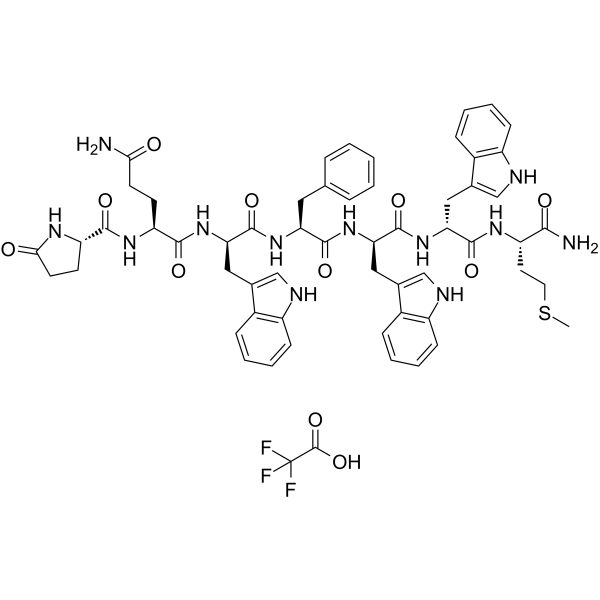
G-Protein antagonist peptide TFA is a truncated substance P-related peptide, competes with receptor for G protein binding. G-Protein antagonist peptide TFA inhibits the activation of Gi or Go by M2 muscarinic cholinergic receptor (M2 mAChR) or of Gs by beta-adrenergic receptor in the reconstituted phospholipid vesicles, assayed by receptor-promoted GTP hydrolysis .
|
-
-
- HY-169814
-
|
|
mAChR
|
Neurological Disease
|
|
Lu 25-077 is a brain-penetrant and pharmacologically active N-demethyl metabolite of Lu 25-109 (HY-101586), a partial M1 agonist and M2/M3 antagonist. Lu 25-077 can be utilized in neurological research .
|
-

-
- HY-171449
-
-

-
- HY-122510
-
|
Atropine oxidation
|
Parasite
|
Neurological Disease
|
|
Atropine Oxide (Atropine oxidation), a derivative of Atropine, acts as a competitive antagonist to the muscarinic acetylcholine receptors M1, M2, M3, M4, and M5, and is utilized in the treatment of specific nerve agent and pesticide poisonings.
|
-

- HY-135329
-
|
|
mAChR
|
Neurological Disease
|
|
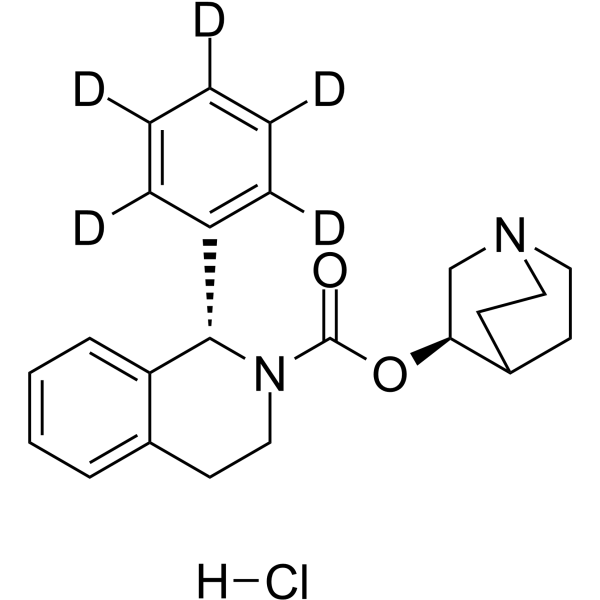
Solifenacin D5 hydrochloride is a deuterium labeled Solifenacin hydrochloride. Solifenacin hydrochloride is a muscarinic receptor antagonist with pKis of 7.6, 6.9 and 8.0 for M1, M2 and M3 receptors, respectively .
|
-
- HY-122510A
-
|
Atropine oxidation hydrochloride
|
mAChR
|
|
|
Atropine Oxide (Atropine oxidation) hydrochloride, a derivative of Atropine, acts as a competitive antagonist to the muscarinic acetylcholine receptors M1, M2, M3, M4, and M5, and is utilized in the treatment of specific nerve agent and pesticide poisonings .
|
-

- HY-130431
-
|
|
Parasite
|
Infection
|
|
Vinclozolin M2 is an active metabolite of vinclozolin. It is formed from vinclozolin by successive esterase activity and decarboxylation of vinclozolin in C. elegans and by decarboxylation in human liver microsomes. Vinclozolin M2 is an antagonist of the mineralocorticoid receptor (IC50=1,400 nM) and androgen receptor (IC50=0.17 nM) in reporter assays using MCF-7 cells.
|
-

- HY-W076756
-
|
|
mAChR
|
Inflammation/Immunology
|
|
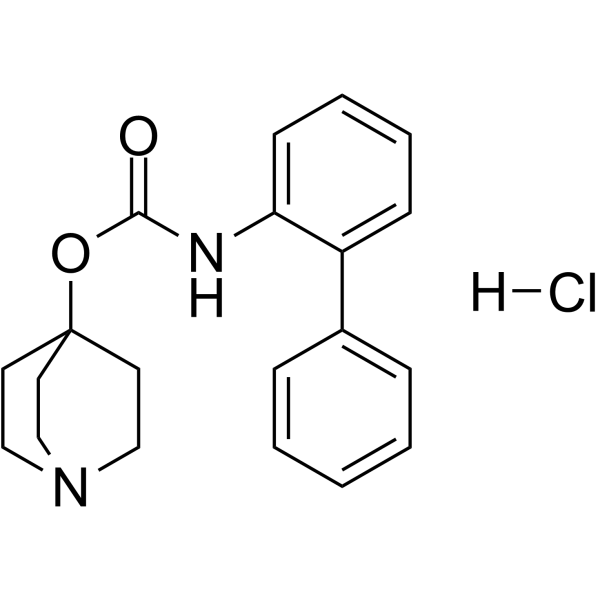
4-Piperidyl N-(2-biphenyl)carbamate (compound MA) is a competitive muscarinic acetylcholine receptor (mAChR) antagonist. 4-Piperidyl N-(2-biphenyl)carbamate exhibits higher affinity for M2 and M3 mAChR than β2AR (M2 pKi = 7.33; M3 pKi = 7.51; β2AR pKi = 4.94) .
|
-

- HY-I0230S
-
|
|
Isotope-Labeled Compounds
mAChR
|
Neurological Disease
|
|
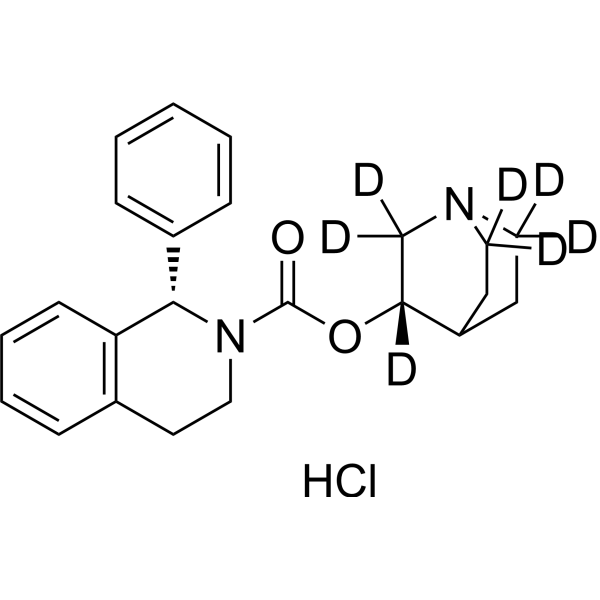
Solifenacin-d7 (hydrochloride) is the deuterium labeled Solifenacin hydrochloride. Solifenacin hydrochloride (YM905 hydrochloride) is a muscarinic receptor antagonist, with pKis of 7.6, 6.9 and 8.0 for M1, M2 and M3 receptors, respectively.
|
-
- HY-134971
-
|
|
mAChR
|
Neurological Disease
|
|
AE9C90CB, muscarinic receptor antagonist, has greater affinity for M3 muscarinic receptors with pKi of 9.90 and was 20-fold more selective for M3 than for M2 muscarinic receptors .
|
-

- HY-120792
-
|
|
mAChR
|
Others
|
|
DAU 5884 is a muscarinic receptor antagonist with activity that discriminates between different muscarinic receptor subtypes. DAU 5884 discriminates between M4 and M2 receptor sites and is a highly potent M1-selective antagonist with specific activity at different muscarinic receptors characterized by radioligand binding studies and functional assays.
|
-

- HY-120329
-
|
|
mAChR
|
Others
|
|
Lu 26-046 is the agonist for muscarinic M1 receptor and M2 receptor and a weak antagonist for M3 receptor, with Ki of 0.51, 26 and 5 nM, respectively. Lu 26-046 exhibits specific stimulus property, that can be recognized by rats .
|
-

- HY-A0002S
-
|
YM905-d5
|
Isotope-Labeled Compounds
mAChR
|
Neurological Disease
|
|
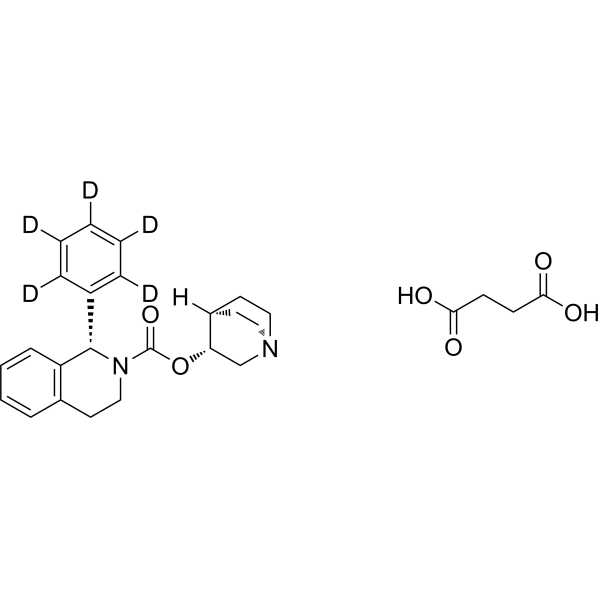
Solifenacin-d5 (succinate) is deuterium labeled Solifenacin (Succinate). Solifenacin Succinate (YM905) is a novel muscarinic receptor antagonist with pKis of 7.6, 6.9 and 8.0 for M1, M2 and M3 receptors, respectively.
|
-
- HY-119953
-
|
|
mAChR
|
Neurological Disease
|
|
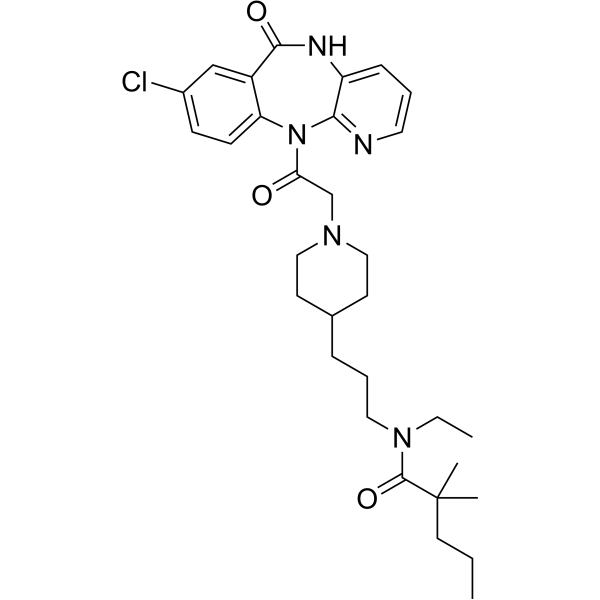
BIBN-99 is a selective, BBB-penetrable and competitive muscarinic M2 receptor antagonist. BIBN-99 improves cognitive performancein rats with traumatic brain injury .
|
-
- HY-A0034R
-
|
YM905 free base (Standard)
|
Reference Standards
mAChR
|
Neurological Disease
Cancer
|
|
Solifenacin (Standard) is the analytical standard of Solifenacin. This product is intended for research and analytical applications. Solifenacin (YM905 free base) is a novel muscarinic receptor antagonist with pKis of 7.6, 6.9 and 8.0 for M1, M2 and M3 receptors, respectively.
|
-

- HY-101586A
-
|
Lu 25-109 maleate
|
mAChR
|
Neurological Disease
|
|
Alvameline (Lu 25-109) maleate is a partial agonist of M1 and an antagonist of M2/M3. Alvameline maleate competitively antagonizes contractions induced by ammonium chloride (HY-Y1269) and electrical field stimulation in human detrusor muscle, indicating its potential application in regulating bladder function. Additionally, alvameline maleate can improve cognitive function following traumatic brain injury in rats .
|
-

- HY-101679
-
|
|
mAChR
|
Neurological Disease
|
|
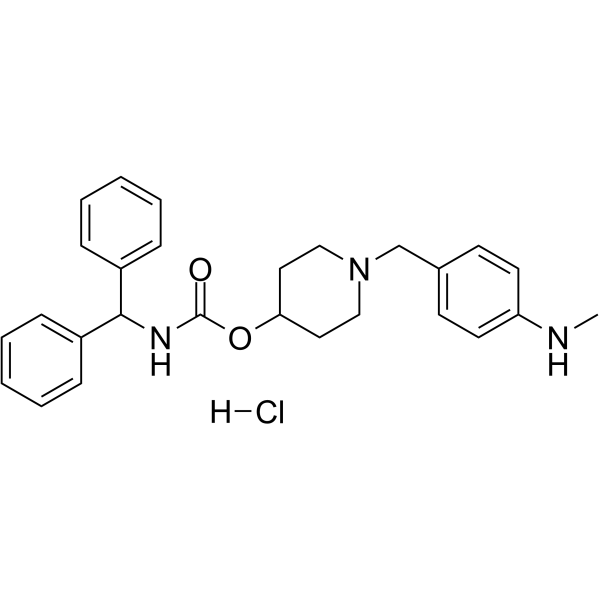
YM-58790 is a potent antagonist of mAChR. YM-58790 binds M1, M2, M3 with Ki values of 28 nM, 260 nM, and 15 nM. YM-58790 exhibits potent inhibitory activity on bladder pressuer in reflexly-evoked rhythmic contraction in rats .
|
-
- HY-A0002R
-
|
YM905 (Standard)
|
Reference Standards
mAChR
|
Neurological Disease
Cancer
|
|
Solifenacin (Succinate) (Standard) is the analytical standard of Solifenacin (Succinate). This product is intended for research and analytical applications. Solifenacin Succinate (YM905) is a novel muscarinic receptor antagonist with pKis of 7.6, 6.9 and 8.0 for M1, M2 and M3 receptors, respectively.
|
-
- HY-120418
-
|
|
mAChR
|
Others
|
|
L-687306 is a high affinity muscarinic M1 receptor partial agonist with activity as a partial agonist of M1 receptors in rat ganglia and as a high affinity competitive antagonist at guinea pig cardiac M2 and ileal M3 muscarinic receptors, useful for studying the receptor reserve of muscarinic receptors.
|
-

- HY-106874B
-
|
rel-RS-15385-197
|
Adrenergic Receptor
|
Neurological Disease
|
|
rel-Delequamine (rel-RS-15385-197) is an orally active, brain-penetrant, potent and selective M2-adrenoceptor antagonist and α2-adrenoceptor antagonist. rel-Delequamine has a pKi of 9.45 for α2-adrenoceptors in the rat cortex. rel-Delequamine augments K +-evoked release of noradrenaline with an EC50 of 1 nM .
|
-

- HY-16489A
-
|
|
mAChR
Calcium Channel
|
Neurological Disease
|
|
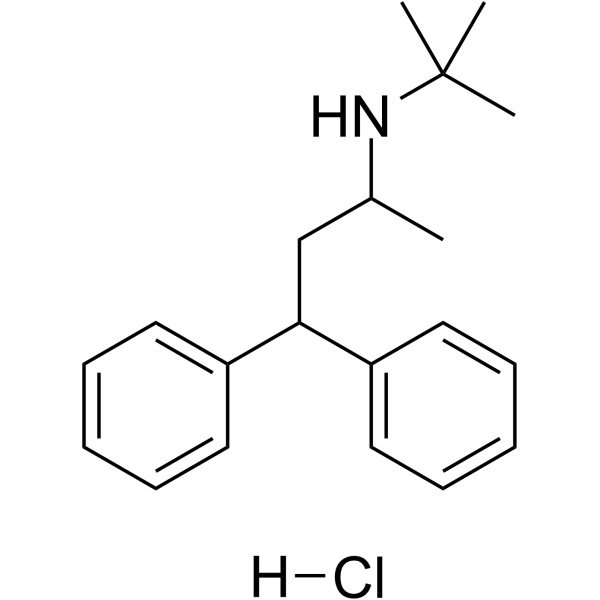
Terodiline hydrochloride is an M1-selective muscarinic receptor (mAChR) antagonist with Kbs of 15, 160, 280, and 198 nM in rabbit vas deferens (M1), atria (M2), bladder (M3) and ileal muscle (M3), respectively. Terodiline hydrochloride also is a Ca 2+ blocker. Terodiline hydrochloride acts as a treatment for urinary frequency and urge incontinence .
|
-
- HY-135329S
-
|
|
Isotope-Labeled Compounds
mAChR
|
Neurological Disease
|
|
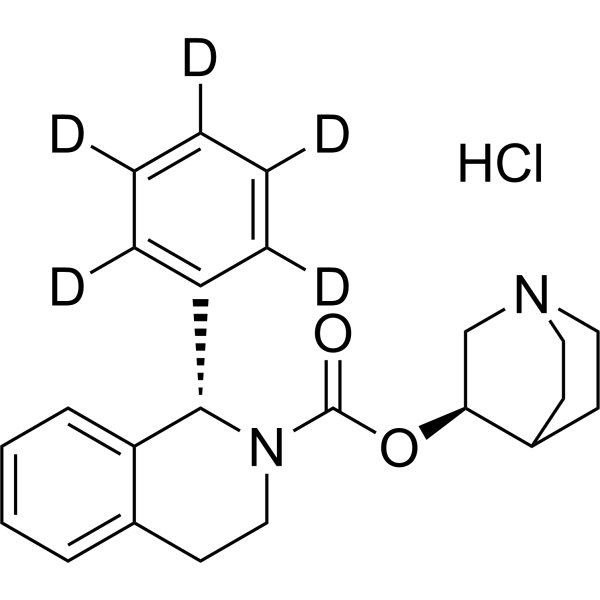
(1R,3S-)Solifenacin-d5 hydrochloride is the deuterium labeled Solifenacin hydrochloride. Solifenacin D5 hydrochloride is a deuterium labeled Solifenacin hydrochloride. Solifenacin hydrochloride is a muscarinic receptor antagonist with pKis of 7.6, 6.9 and 8.0 for M1, M2 and M3 receptors, respectively .
|
-
- HY-76570A
-
|
(Rac)-Desfesoterodine hydrochloride; (Rac)-PNU-200577 hydrochloride
|
mAChR
|
Neurological Disease
|
|
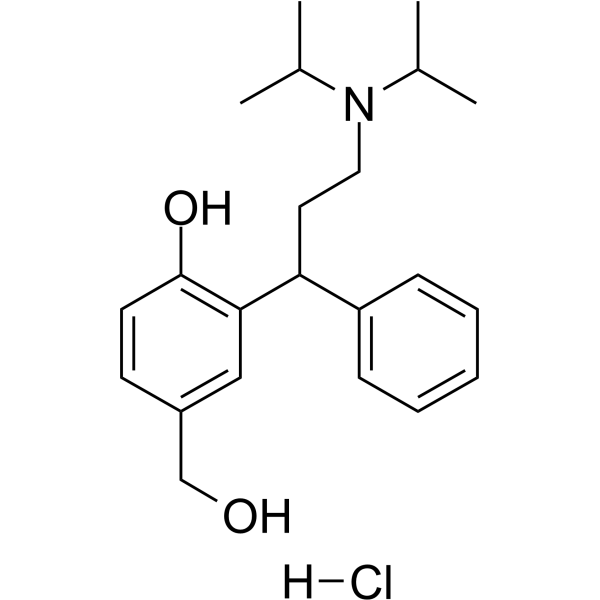
(Rac)-5-Hydroxymethyl Tolterodine ((Rac)-Desfesoterodine) hydrochloride, an active metabolite of Tolterodine, is a mAChR antagonist (Ki values of 2.3 nM, 2 nM, 2.5 nM, 2.8 nM, and 2.9 nM for M1, M2, M3, M4, and M5 receptors, respectively). (Rac)-5-Hydroxymethyl Tolterodine hydrochloride can be used for overactive bladder research .
|
-
- HY-70053S
-
|
|
Isotope-Labeled Compounds
mAChR
|
Neurological Disease
Metabolic Disease
|
|
(Rac)-Fesoterodine-d14 fumarate is a labelled racemic Fesoterodine. Fesoterodine is an orally active, nonsubtype selective, competitive muscarinic receptor (mAChR) antagonist with pKivalues of 8.0, 7.7, 7.4, 7.3, 7.5 for M1, M2, M3, M4, M5 receptors, respectively. Fesoterodine is used for the overactive bladder (OAB) .
|
-

- HY-W720879
-
|
|
Isotope-Labeled Compounds
mAChR
|
Metabolic Disease
|
|
Fesoterodine-d3 is the deuterium labeled Fesoterodine (HY-70053). Fesoterodine is an orally active, nonsubtype selective, competitive muscarinic receptor (mAChR) antagonist with pKi values of 8.0, 7.7, 7.4, 7.3, 7.5 for M1, M2, M3, M4, M5 receptors, respectively. Fesoterodine is used for the overactive bladder (OAB) .
|
-

- HY-A0030R
-
|
|
Reference Standards
mAChR
|
Neurological Disease
Metabolic Disease
Cancer
|
|
Fesoterodine (fumarate) (Standard) is the analytical standard of Fesoterodine (fumarate). This product is intended for research and analytical applications. Fesoterodine Fumarate is an orally active, nonsubtype selective, competitive muscarinic receptor (mAChR) antagonist with pKi values of 8.0, 7.7, 7.4, 7.3, 7.5 for M1, M2, M3, M4, M5 receptors, respectively. Fesoterodine Fumarate is used for the overactive bladder (OAB) .
|
-

- HY-124223
-
|
|
mAChR
|
Neurological Disease
|
|
AF-DX 384 (methanesulfonate) is a selective antagonist of M2 and M4 muscarinic acetylcholine receptors (Kis=6.03 and 10 nM, respectively) . AF-DX 384 (methanesulfonate) reverses deficits in novel object recognition and passive avoidance in aged rats, as well as in young rats with impairments induced by scopolamine .
|
-
- HY-B0241S1
-
|
Sch 1000-d7 bromide
|
Isotope-Labeled Compounds
mAChR
|
Neurological Disease
Inflammation/Immunology
|
|
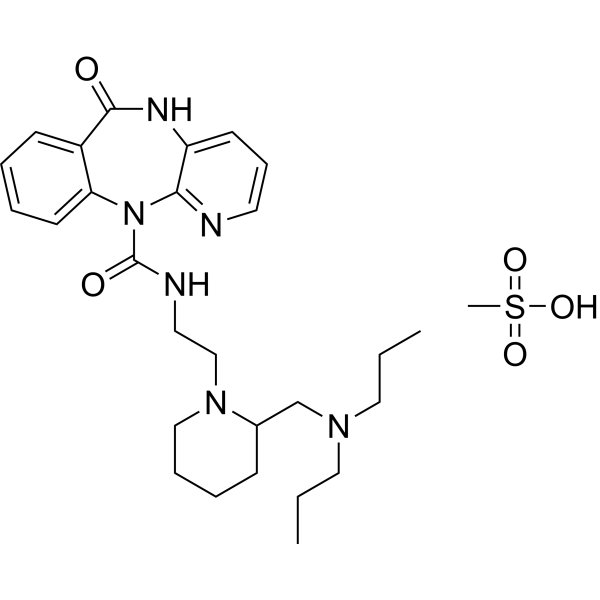
Ipratropium-d7 (bromide)eis the deuterium labeled Ipratropium bromide. Ipratropium bromide (Sch 1000) is a muscarinic receptor antagonist, with binding IC50 values of 2.9 nM, 2 nM, and 1.7 nM for M1, M2, and M3 receptors, respectively. Ipratropium bromide can be used in the research for COPD (chronic obstructive pulmonary disease) and asthma .
|
-
- HY-14825
-
|
SVT-40776
|
mAChR
|
Inflammation/Immunology
|
|
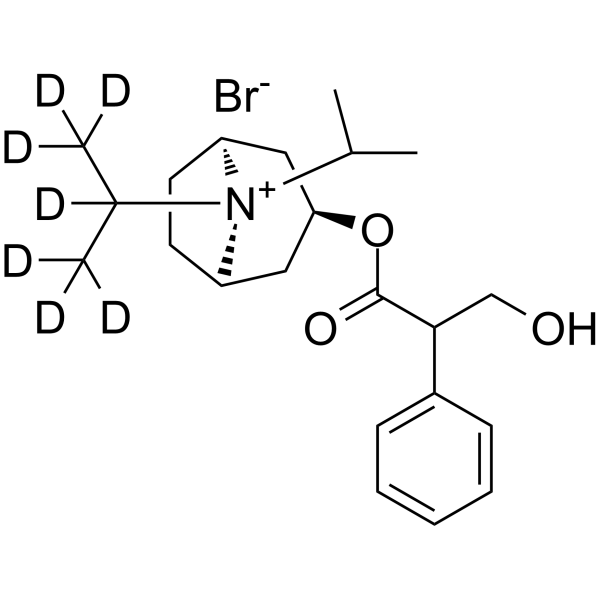
Tarafenacin (SVT-40776) is an orally active, selective M3 muscarinic receptor (M3 muscarinic receptor) antagonist with 203-fold selectivity over the M2 muscarinic receptor. Tarafenacin does not affect atrial contraction, arterial blood pressure or arterial pressure at high doses. Tarafenacin can be used in the research of overactive bladder .
|
-
- HY-167633
-
|
|
mGluR
Histamine Receptor
|
Neurological Disease
|
|
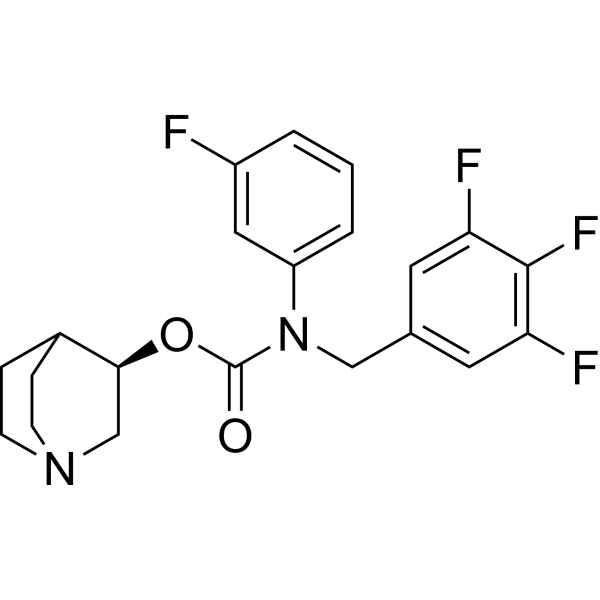
Oxomemazine hydrochloride is a phenothiazine-based histamine H1-receptor blocker with pronounced antimuscarinic properties. Oxomemazine hydrochloride is a selective antagonist for muscarinic M1 receptor, displays about 20-fold difference in the affinity for high (Ki= 84 nM, M1 receptor) and low (Ki= 1.65 μM, M2 receptor) affinity sites [1]. Oxomemazine hydrochloride an antihistamine and anticholinergic agent used for the study of cough treatment .
|
-

- HY-157956
-
|
|
mAChR
|
Neurological Disease
|
|
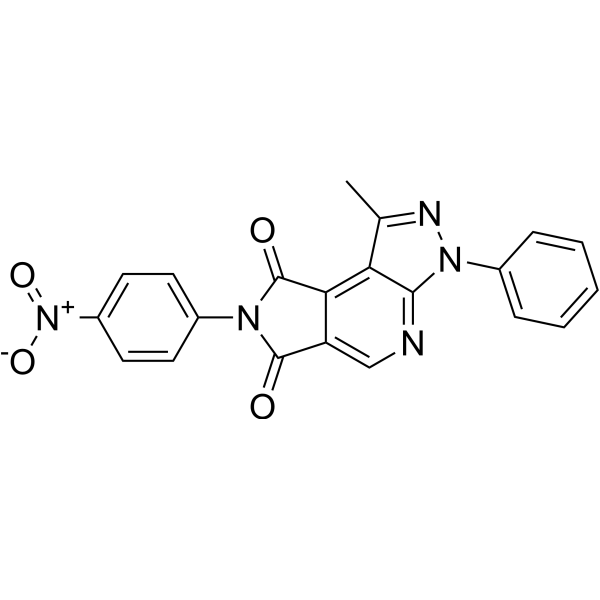
LASSBio-873 is an orally active muscarinic cholinergic receptor (mAChR) agonist that crosses the blood-brain barrier. LASSBio-873 has potent analgesic effects on acute and inflammatory pain. The analgesic effect of LASSBio-873 can be inhibited by intrathecal injection of the M2 receptor antagonist methoctramine .
|
-
- HY-76570S1
-
|
|
Isotope-Labeled Compounds
mAChR
|
Neurological Disease
|
|
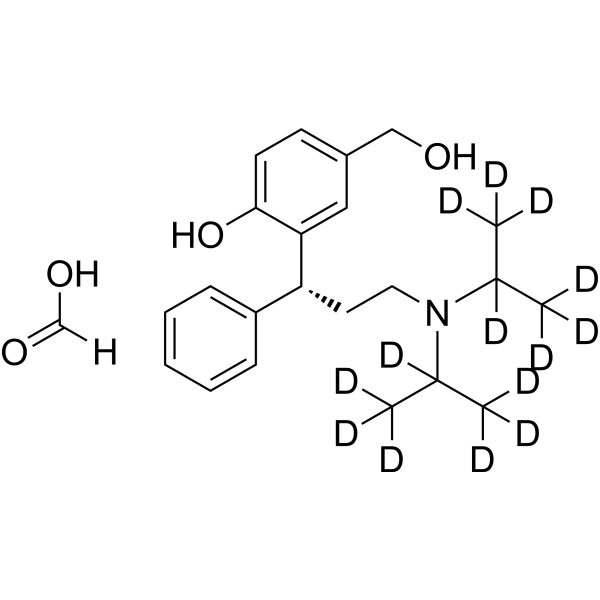
5-Hydroxymethyl Tolterodine-d14 (formate) is deuterium labeled (Rac)-5-Hydroxymethyl Tolterodine. (Rac)-5-Hydroxymethyl Tolterodine ((Rac)-Desfesoterodine), an active metabolite of Tolterodine, is a mAChR antagonist (Ki values of 2.3 nM, 2 nM, 2.5 nM, 2.8 nM, and 2.9 nM for M1, M2, M3, M4, and M5 receptors, respectively). (Rac)-5-Hydroxymethyl Tolterodine can be used for overactive bladder research .
|
-
- HY-B1332R
-
|
Sch 1000 bromide hydrate (Standard)
|
Reference Standards
mAChR
|
Neurological Disease
Inflammation/Immunology
|
|
Ipratropium (bromide hydrate) (Standard) is the analytical standard of Ipratropium (bromide hydrate). This product is intended for research and analytical applications. Ipratropium bromide (Sch 1000) hydrate is a muscarinic receptor antagonist, with IC50s of 2.9 nM, 2 nM, and 1.7 nM for M1, M2, and M3 receptors, respectively. Ipratropium bromide hydrate relaxes smooth muscle, can be used in the research for COPD (chronic obstructive pulmonary disease) and asthma .
|
-

- HY-76570S
-
|
(Rac)-Desfesoterodine-d14; (Rac)-PNU-200577-d14
|
Isotope-Labeled Compounds
mAChR
|
Neurological Disease
|
|
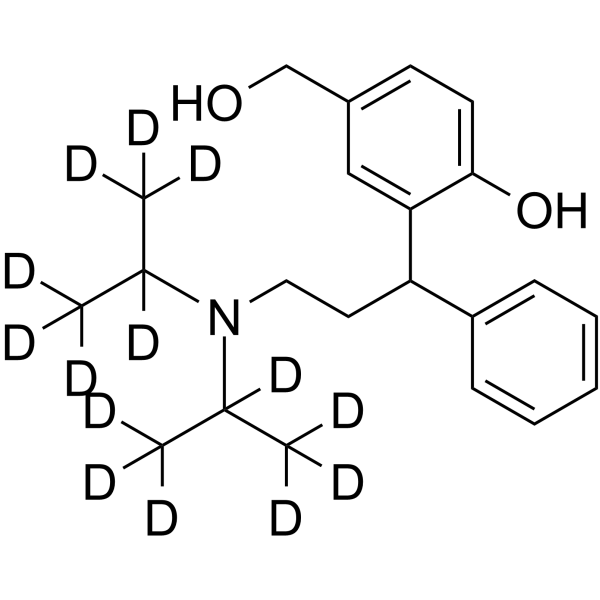
(Rac)-5-Hydroxymethyl Tolterodine-d14 is the deuterium labeled (Rac)-5-Hydroxymethyl Tolterodine. (Rac)-5-Hydroxymethyl Tolterodine ((Rac)-Desfesoterodine), an active metabolite of Tolterodine, is a mAChR antagonist (Ki values of 2.3 nM, 2 nM, 2.5 nM, 2.8 nM, and 2.9 nM for M1, M2, M3, M4, and M5 receptors, respectively). (Rac)-5-Hydroxymethyl Tolterodine can be used for overactive bladder research .
|
-
- HY-B1339AS
-
|
Dicycloverine-d4
|
mAChR
|
Neurological Disease
|
|
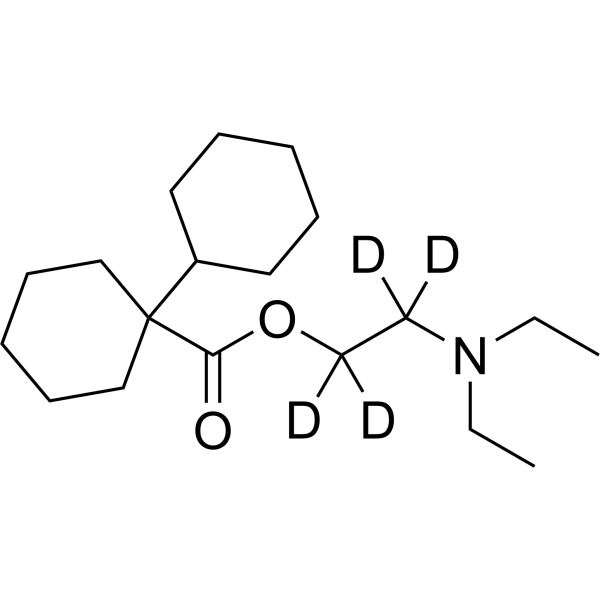
Dicyclomine-d4 is the deuterium labeled Dicyclomine . Dicyclomine (Dicycloverine) is a potent and orally active muscarinic cholinergic receptors antagonist. Dicyclomine (Dicycloverine) shows high affinity for muscarinic M1 receptor subtype (Ki=5.1 nM) and M2 receptor subtype (Ki=54.6 nM) in brush-border membrane and basal plasma membranes, respectively . Dicyclomine is an antispasmodic agent and relieves smooth muscle spasm of the gastrointestinal tract in vivo .
|
-
- HY-B1339R
-
|
Dicycloverine hydrochloride (Standard)
|
Reference Standards
mAChR
|
Neurological Disease
|
|
Dicyclomine (hydrochloride) (Standard) is the analytical standard of Dicyclomine (hydrochloride). This product is intended for research and analytical applications. Dicyclomine hydrochloride is a potent and orally active muscarinic cholinergic receptors antagonist. Dicyclomine hydrochloride shows high affinity for muscarinic M1 receptor subtype (Ki=5.1 nM) and M2 receptor subtype (Ki=54.6 nM) in brush-border membrane and basal plasma membranes, respectively . Dicyclomine is an antispasmodic agent and relieves smooth muscle spasm of the gastrointestinal tract in vivo .
|
-

- HY-B1339S
-
|
Dicycloverine-d4 hydrochloride
|
Isotope-Labeled Compounds
mAChR
|
Neurological Disease
|
|
Dicyclomine-d4 hydrochloride (Dicycloverine-d4 hydrochloride) is the deuterium labeled Dicyclomine hydrochloride (HY-B1339). Dicyclomine hydrochloride is a potent and orally active muscarinic cholinergic receptors antagonist. Dicyclomine hydrochloride shows high affinity for muscarinic M1 receptor subtype (Ki=5.1 nM) and M2 receptor subtype (Ki=54.6 nM) in brush-border membrane and basal plasma membranes, respectively . Dicyclomine is an antispasmodic agent and relieves smooth muscle spasm of the gastrointestinal tract in vivo .
|
-

- HY-136587R
-
|
|
Reference Standards
Histamine Receptor
mGluR
|
Inflammation/Immunology
|
|
Oxomemazine (Standard) is the analytical standard of Oxomemazine (HY-136587). This product is intended for research and analytical applications. Oxomemazine is a phenothiazine-based histamine H1-receptor blocker. Oxomemazine is a selective antagonist for muscarinic M1 receptor, displays about 20-fold difference in the affinity for high (Ki = 84 nM, M1 receptor) and low (Ki = 1.65 μM, M2 receptor) affinity sites. Oxomemazine is an antihistamine and anticholinergic agent used for the study of cough treatment. Oxomemazine is protective against anaphylactic microshock in guinea pigs .
|
-

- HY-101343
-
|
|
5-HT Receptor
|
Neurological Disease
|
|
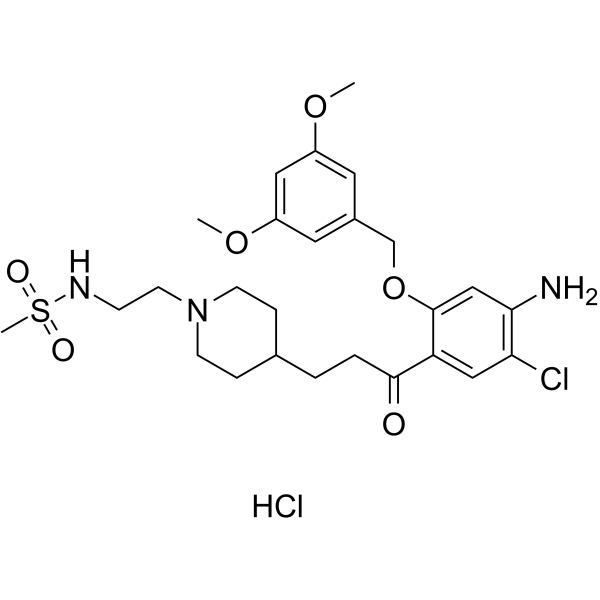
RS 39604 is a potent, selective, and orally active 5-HT4 receptor antagonist with a pKi of 9.1 in guinea pig striatal membranes. RS 39604 displays a low affinity (pKi<6.5) for 5-HT1A, 5-HT2C, 5-HT3, α1c, D1, D2, M1, M2, AT1, B1 and opioid mu receptors and moderate affinity for δ1, (pKi=6.8) and δ2 (pKi=7.8) sites .
|
-
- HY-N0340R
-
|
Hyoscine butylbromide (Standard); (-)-Scopolamine butylbromide (Standard); Butylscopolamine bromide (Standard)
|
Reference Standards
mAChR
|
Neurological Disease
Inflammation/Immunology
|
|
Scopolamine butylbromide (Standard) is the analytical standard of Scopolamine butylbromide (HY-N0340). This product is intended for research and analytical applications. Scopolamine butylbromide (Hyoscine butylbromide) is an orally active anticholinergic agent and spasmolytic. Scopolamine butylbromide binds with high affinity to rat cardiac M2 (Ki 83 nmol/L), hM2 (Ki 233 nmol/L), rat intestinal M3 (Ki 290 nmol/L) and hM3 (Ki 643 nmol/L) muscarinic receptors. Scopolamine butylbromide exerts a dose-dependent antagonistic effect on Carbachol-induced gastrointestinal smooth muscle spasm. Scopolamine butylbromide can be used for the research of abdominal colic and pain associated with gastrointestinal spasm, functional abdominal pain, chronic gastropathy and gastric ulcer .
|
-

- HY-B1101AR
-
|
Pimetixene maleate (Standard)
|
Reference Standards
5-HT Receptor
Histamine Receptor
|
Neurological Disease
Endocrinology
|
|
Pimethixene maleate (Standard) is the analytical standard of Pimethixene maleate. This product is intended for research and analytical applications. Pimethixene maleate is antihistamine and antiserotonergic compound, acts as an antimigraine agent.
Pimethixene maleate is a highly potent antagonist of 5-HT1A, 5-HT2A, 5-HT2B, 5-HT2C, histamine H1, dopamine D2 and D4.4 as well as muscarinic M1 and M2 receptors, with pKis of 7.63, 10.22, 10.44, 8.42, 10.14, 8.19, 7.54, 8.61 and 9.38, respectively .
|
-

- HY-107644
-
|
|
mAChR
|
Cardiovascular Disease
|
|
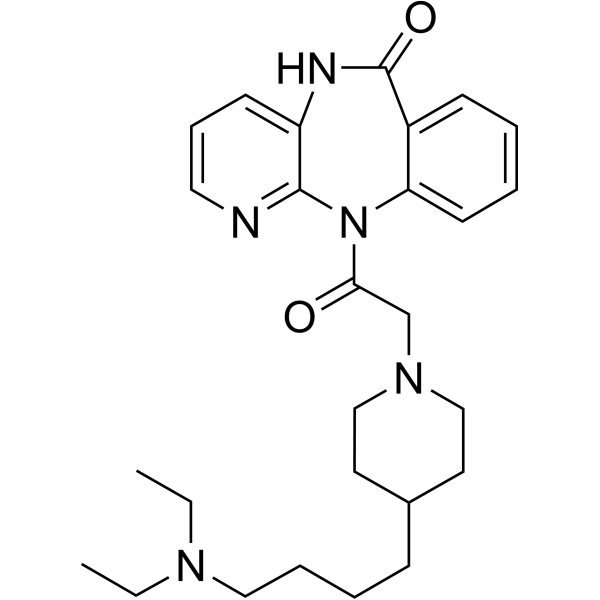
AQ-RA 741 is a potent and selective M 2 antagonist. AQ-RA 741 inhibits the vagally or agonist-induced bradycardia in rats, cats and guinea-pigs. AQ-RA 741 is used in bradycardiac disorders research .
|
-
- HY-126862
-
|
|
mAChR
|
Others
|
|
AQ-RA 721 is a muscarinic receptor antagonist with differential affinity for the m4 and M2 sites, which can be used to characterize muscarinic receptor subtypes. Other muscarinic receptor antagonists have differential affinity for the M1 (rat cerebral cortex), M2 (rat heart), M3 (rat submandibular gland), m4 (receptor expressed in Chinese hamster ovary cells transfected with CHO), and guinea pig uterine smooth muscle at the muscarinic binding site .
|
-

- HY-180358
-
|
|
mAChR
Cholinesterase (ChE)
|
Inflammation/Immunology
|
|
Gallamine is an allosteric, selective muscarinic M2 acetylcholine receptor antagonist (EC50: 130 nM for [ 3H]NMS dissociation from porcine muscarinic M2 receptors). Gallamine is also an acetylcholinesterase inhibitor (IC50s : 1070 μM, 1480 μM, 235 μM for EeAChE, hAChE, hBChE, respectively (in the absence of MeCN)). Gallamine increases free norepinephrine levels. Gallamine can be used as a muscle relaxant .
|
-

- HY-116294
-
|
|
mAChR
|
Cardiovascular Disease
|
|
Methoctramine is a potent and cardioselectivity antagonist of M2 muscarinic receptor. Methoctramine can inhibit Muscarine (HY-121404)-induced bradycardia in vivo. Methoctramine can be used in the study of cardiovascular diseases .
|
-

- HY-107647R
-
|
|
Reference Standards
mAChR
Histamine Receptor
|
Inflammation/Immunology
|
|
(S)-(+)-Dimethindene maleate (Standard) is the analytical standard of (S)-(+)-Dimethindene (maleate) (HY-107647). This product is intended for research and analytical applications. (S)-(+)-Dimethindene maleate, an enantiomer, is a potent M2-selective muscarinic receptor antagonist (pA2 = 7.86/7.74; pKi = 7.78). (S)-(+)-Dimethindene maleate shows lower affinities for the muscarinic M1 (pA2 = 6.83/6.36; pKi = 7.08), the M3 (pA2 = 6.92/6.96; pKi = 6.70) and the M4 receptors (pKi = 7.00), respectively. (S)-(+)-Dimethindene maleate also is a histamine H1 receptor antagonist (pA2 = 7.48) .
|
-

- HY-183845
-
|
|
Prostaglandin Receptor
|
Cancer
|
|
HTL0039732 is an orally active antagonist of the prostaglandin EP4 receptor (Prostaglandin E2 Receptor EP4). HTL0039732 reverses PGE2-induced differentiation toward M2-like macrophages. HTL0039732 exhibits efficacy in syngeneic tumor models and acts synergistically with PD-1/PD-L1 pathway blockers. HTL0039732 can be used for the research of advanced solid tumors .
|
-

- HY-101679R
-
|
|
mAChR
Reference Standards
|
Neurological Disease
|
|
YM-58790 (Standard) is the analytical standard of YM-58790 (HY-101679). This product is intended for research and analytical applications. YM-58790 is a potent antagonist of mAChR. YM-58790 binds M1, M2, M3 with Ki values of 28 nM, 260 nM, and 15 nM. YM-58790 exhibits potent inhibitory activity on bladder pressuer in reflexly-evoked rhythmic contraction in rats .
|
-

- HY-183932
-
|
|
mAChR
|
Neurological Disease
Inflammation/Immunology
|
|
NPC-14695 is a competitive and selective M3 muscarinic receptor antagonist, with a Kd value of 15 nM for guinea pig M3, 60 nM for guinea pig M2, and 25 nM for rabbit M1. NPC-14695 exhibits higher activity towards M3 receptors in bronchial smooth muscle than towards those regulating salivary secretion. NPC-14695 inhibits Carbachol (HY-B1208)-induced contraction of isolated rabbit iris smooth muscle .
|
-

- HY-153149
-
|
|
Adenosine Receptor
Apoptosis
PGC-1α
|
Metabolic Disease
Inflammation/Immunology
|
|
LJ-2698 is an orally active adenosine A3 receptor antagonist. LJ-2698 induces increased levels of anti-inflammatory cytokines in macrophages and significantly elevates the number of anti-inflammatory M2 macrophages in the lung. LJ-2698 prevents alveolar cavity enlargement, restores pulmonary function, inhibits matrix metalloproteinase activity and pulmonary cell apoptosis in the lung tissues of mice. LJ-2698 prevents renal injury, inhibits renal lipid accumulation, and increases PGC1α levels in renal tissues of mice with diabetic nephropathy. LJ-2698 is applicable to the research of emphysema and diabetic nephropathy .
|
-

| Cat. No. |
Product Name |
Type |
-
- HY-151801
-
|
|
Fluorescent Dyes
|
|
DIBA-Cy5 is a fluorescent DIBA antagonist made up be DIBA-alkyne binding Cyanine5 fluorophores (Cy5) and polyethylene glycol (PEG) biomolecules. DIBA-Cy5 can serve as a fluorescent ligand, suitable for probe attachment through click chemistry. DIBA-Cy5 exerts a high binding affinity to type-2 mAChR (M2R) with the Kd value of 1.80 nM, can directly stain M2R receptors in the sinoatrial node of a mouse heart .
|
| Cat. No. |
Product Name |
Target |
Research Area |
-
- HY-P6292A
-
|
|
PACAP Receptor
|
Neurological Disease
Inflammation/Immunology
Cancer
|
|
KS-133 TFA is a highly selective and potent antagonist of the vascular active enteropeptide receptor 2 (VIPR2) with IC50 values for Ca influx measurement and cAMP measurement of 24.8 nM and 500 nM, respectively. KS-133 TFA reverses the tumor-promoting M2 phenotype of tumor-associated macrophages to the anti-tumor M1 phenotype, alters the tumor immune microenvironment, and inhibits tumor growth. KS-133 TFA can be used for research on schizophrenia and cancer immune regulation .
|
-
- HY-P1376
-
|
|
mAChR
Adrenergic Receptor
|
Endocrinology
|
|
G-Protein antagonist peptide is the substance P-related peptide that inhibits binding of G proteins to their receptors. G-Protein antagonist peptide competitively and reversibly inhibits M2 muscarinic receptor activation of Gi or Go and inhibits Gs activation by β-adrenoceptors.
|
-
- HY-16375
-
|
D-63153
|
GnRH Receptor
Apoptosis
|
Cancer
|
|
Ozarelix (D-63153) is a GnRH antagonist. Ozarelix induces cell apoptosis and arrests cell in G2/M phase. Ozarelix can be used in the research of prostate cancer .
|
-
- HY-P1376A
-
|
|
mAChR
Adrenergic Receptor
|
Endocrinology
|
|
G-Protein antagonist peptide TFA is a truncated substance P-related peptide, competes with receptor for G protein binding. G-Protein antagonist peptide TFA inhibits the activation of Gi or Go by M2 muscarinic cholinergic receptor (M2 mAChR) or of Gs by beta-adrenergic receptor in the reconstituted phospholipid vesicles, assayed by receptor-promoted GTP hydrolysis .
|
| Cat. No. |
Product Name |
Category |
Target |
Chemical Structure |
-
- HY-N0340
-
|
Hyoscine butylbromide; (-)-Scopolamine butylbromide; Butylscopolamine bromide
|
Alkaloids
Structural Classification
Other Alkaloids
Datura metel L.
Solanaceae
Plants
Source Classification
|
mAChR
|
|
Scopolamine butylbromide (Hyoscine butylbromide) is an orally active anticholinergic agent and spasmolytic. Scopolamine butylbromide binds with high affinity to rat cardiac M2 (Ki 83 nmol/L), hM2 (Ki 233 nmol/L), rat intestinal M3 (Ki 290 nmol/L) and hM3 (Ki 643 nmol/L) muscarinic receptors. Scopolamine butylbromide exerts a dose-dependent antagonistic effect on Carbachol-induced gastrointestinal smooth muscle spasm. Scopolamine butylbromide can be used for the research of abdominal colic and pain associated with gastrointestinal spasm, functional abdominal pain, chronic gastropathy and gastric ulcer .
|
-
-
- HY-N0340R
-
|
Hyoscine butylbromide (Standard); (-)-Scopolamine butylbromide (Standard); Butylscopolamine bromide (Standard)
|
Alkaloids
Structural Classification
Other Alkaloids
Datura metel L.
Solanaceae
Plants
Source Classification
|
Reference Standards
mAChR
|
|
Scopolamine butylbromide (Standard) is the analytical standard of Scopolamine butylbromide (HY-N0340). This product is intended for research and analytical applications. Scopolamine butylbromide (Hyoscine butylbromide) is an orally active anticholinergic agent and spasmolytic. Scopolamine butylbromide binds with high affinity to rat cardiac M2 (Ki 83 nmol/L), hM2 (Ki 233 nmol/L), rat intestinal M3 (Ki 290 nmol/L) and hM3 (Ki 643 nmol/L) muscarinic receptors. Scopolamine butylbromide exerts a dose-dependent antagonistic effect on Carbachol-induced gastrointestinal smooth muscle spasm. Scopolamine butylbromide can be used for the research of abdominal colic and pain associated with gastrointestinal spasm, functional abdominal pain, chronic gastropathy and gastric ulcer .
|
-
| Cat. No. |
Product Name |
Chemical Structure |
-
- HY-B0461S
-
|
|
|
Trospium-d8 (chloride) is the deuterium labeled Trospium chloride. Trospium chloride is an orally active, specific and competitive antagonist of muscarinic cholinergic receptors (mAChRs), with antimuscarinic activity. Trospium chloride binds to muscarinic receptors M1, M2 and M3 with high affinity, but not nicotinic, cholinergic receptors .
|
-
-
- HY-A0030S
-
|
|
|
Fesoterodine-d7 (fumarate) is the deuterium labeled Fesoterodine fumarate . Fesoterodine Fumarate is an orally active, nonsubtype selective, competitive muscarinic receptor (mAChR) antagonist with pKi values of 8.0, 7.7, 7.4, 7.3, 7.5 for M1, M2, M3, M4, M5 receptors, respectively. Fesoterodine Fumarate is used for the overactive bladder (OAB) .
|
-
-
- HY-B0241S
-
|
|
|
Ipratropium-d3 (bromide) is the deuterium labeled Ipratropium bromide. Ipratropium bromide (Sch 1000) is a muscarinic receptor antagonist, with binding IC50 values of 2.9 nM, 2 nM, and 1.7 nM for M1, M2, and M3 receptors, respectively. Ipratropium bromide can be used in the research for COPD (chronic obstructive pulmonary disease) and asthma .
|
-
-
- HY-I0230S
-
|
|
|
Solifenacin-d7 (hydrochloride) is the deuterium labeled Solifenacin hydrochloride. Solifenacin hydrochloride (YM905 hydrochloride) is a muscarinic receptor antagonist, with pKis of 7.6, 6.9 and 8.0 for M1, M2 and M3 receptors, respectively.
|
-
-
- HY-A0002S
-
|
|
|
Solifenacin-d5 (succinate) is deuterium labeled Solifenacin (Succinate). Solifenacin Succinate (YM905) is a novel muscarinic receptor antagonist with pKis of 7.6, 6.9 and 8.0 for M1, M2 and M3 receptors, respectively.
|
-
-
- HY-135329S
-
|
|
|
(1R,3S-)Solifenacin-d5 hydrochloride is the deuterium labeled Solifenacin hydrochloride. Solifenacin D5 hydrochloride is a deuterium labeled Solifenacin hydrochloride. Solifenacin hydrochloride is a muscarinic receptor antagonist with pKis of 7.6, 6.9 and 8.0 for M1, M2 and M3 receptors, respectively .
|
-
-
- HY-70053S
-
|
|
|
(Rac)-Fesoterodine-d14 fumarate is a labelled racemic Fesoterodine. Fesoterodine is an orally active, nonsubtype selective, competitive muscarinic receptor (mAChR) antagonist with pKivalues of 8.0, 7.7, 7.4, 7.3, 7.5 for M1, M2, M3, M4, M5 receptors, respectively. Fesoterodine is used for the overactive bladder (OAB) .
|
-
-
- HY-W720879
-
|
|
|
Fesoterodine-d3 is the deuterium labeled Fesoterodine (HY-70053). Fesoterodine is an orally active, nonsubtype selective, competitive muscarinic receptor (mAChR) antagonist with pKi values of 8.0, 7.7, 7.4, 7.3, 7.5 for M1, M2, M3, M4, M5 receptors, respectively. Fesoterodine is used for the overactive bladder (OAB) .
|
-
-
- HY-B0241S1
-
|
|
|
Ipratropium-d7 (bromide)eis the deuterium labeled Ipratropium bromide. Ipratropium bromide (Sch 1000) is a muscarinic receptor antagonist, with binding IC50 values of 2.9 nM, 2 nM, and 1.7 nM for M1, M2, and M3 receptors, respectively. Ipratropium bromide can be used in the research for COPD (chronic obstructive pulmonary disease) and asthma .
|
-
-
- HY-76570S1
-
|
|
|
5-Hydroxymethyl Tolterodine-d14 (formate) is deuterium labeled (Rac)-5-Hydroxymethyl Tolterodine. (Rac)-5-Hydroxymethyl Tolterodine ((Rac)-Desfesoterodine), an active metabolite of Tolterodine, is a mAChR antagonist (Ki values of 2.3 nM, 2 nM, 2.5 nM, 2.8 nM, and 2.9 nM for M1, M2, M3, M4, and M5 receptors, respectively). (Rac)-5-Hydroxymethyl Tolterodine can be used for overactive bladder research .
|
-
-
- HY-76570S
-
|
|
|
(Rac)-5-Hydroxymethyl Tolterodine-d14 is the deuterium labeled (Rac)-5-Hydroxymethyl Tolterodine. (Rac)-5-Hydroxymethyl Tolterodine ((Rac)-Desfesoterodine), an active metabolite of Tolterodine, is a mAChR antagonist (Ki values of 2.3 nM, 2 nM, 2.5 nM, 2.8 nM, and 2.9 nM for M1, M2, M3, M4, and M5 receptors, respectively). (Rac)-5-Hydroxymethyl Tolterodine can be used for overactive bladder research .
|
-
-
- HY-B1339AS
-
|
|
|
Dicyclomine-d4 is the deuterium labeled Dicyclomine . Dicyclomine (Dicycloverine) is a potent and orally active muscarinic cholinergic receptors antagonist. Dicyclomine (Dicycloverine) shows high affinity for muscarinic M1 receptor subtype (Ki=5.1 nM) and M2 receptor subtype (Ki=54.6 nM) in brush-border membrane and basal plasma membranes, respectively . Dicyclomine is an antispasmodic agent and relieves smooth muscle spasm of the gastrointestinal tract in vivo .
|
-
-
- HY-B1339S
-
|
|
|
Dicyclomine-d4 hydrochloride (Dicycloverine-d4 hydrochloride) is the deuterium labeled Dicyclomine hydrochloride (HY-B1339). Dicyclomine hydrochloride is a potent and orally active muscarinic cholinergic receptors antagonist. Dicyclomine hydrochloride shows high affinity for muscarinic M1 receptor subtype (Ki=5.1 nM) and M2 receptor subtype (Ki=54.6 nM) in brush-border membrane and basal plasma membranes, respectively . Dicyclomine is an antispasmodic agent and relieves smooth muscle spasm of the gastrointestinal tract in vivo .
|
-
| Cat. No. |
Product Name |
|
Classification |
-
- HY-120329
-
|
|
|
Alkynes
|
|
Lu 26-046 is the agonist for muscarinic M1 receptor and M2 receptor and a weak antagonist for M3 receptor, with Ki of 0.51, 26 and 5 nM, respectively. Lu 26-046 exhibits specific stimulus property, that can be recognized by rats .
|
Your information is safe with us. * Required Fields.
Inquiry Information
- Product Name:
- Cat. No.:
- Quantity:
- MCE Japan Authorized Agent:








