1. Search Result
Search Result
Results for "

Protein Kinase R

" in MedChemExpress (MCE) Product Catalog:

48

Inhibitors & Agonists

1

Screening Libraries

1

Peptides

3

Natural
Products

41

Recombinant Proteins

1

Isotope-Labeled Compounds

22

Antibodies

1

Oligonucleotides

Cat. No. Product Name Target Research Areas Chemical Structure
  • HY-18072
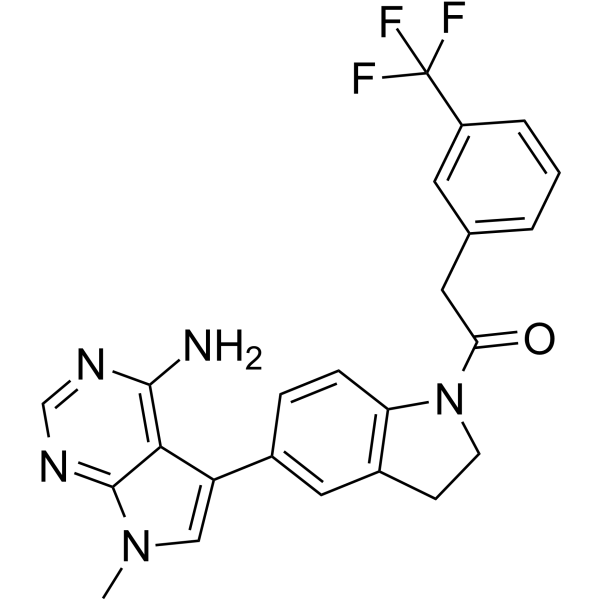
    GSK2606414
    Maximum Cited Publications
    121 Publications Verification

    PERK Autophagy Apoptosis Cancer
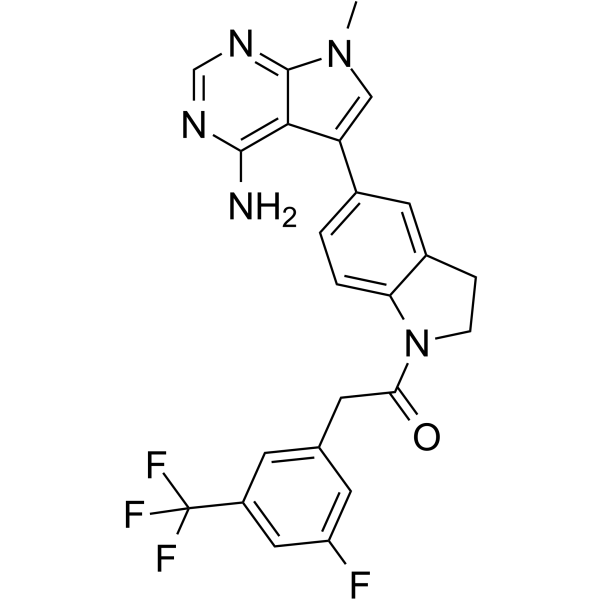
    GSK2606414 is a cell-permeable and orally available protein kinase R-like endoplasmic reticulum (ER) kinase (PERK) inhibitor with an IC50 of 0.4 nM.
    GSK2606414
  • HY-13820
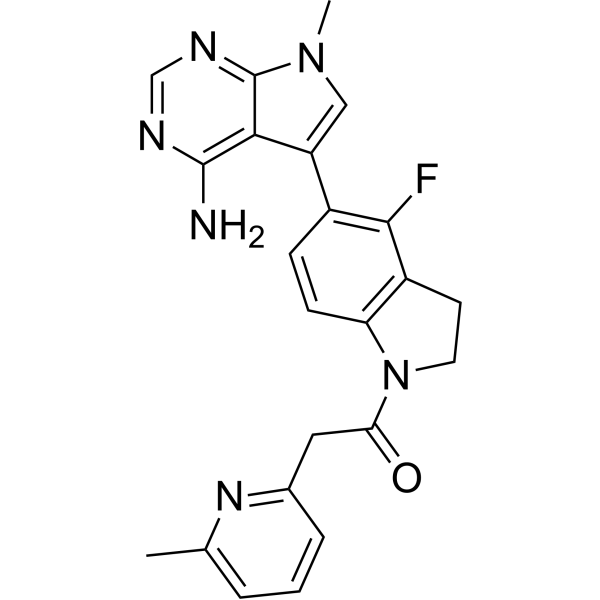
    GSK2656157
    60+ Cited Publications

    PERK Autophagy Apoptosis Cancer
    GSK2656157 is a selective and ATP-competitive inhibitor of protein kinase R (PKR)-like endoplasmic reticulum kinase (PERK) with an IC50 of 0.9 nM.
    GSK2656157
  • HY-108355
    R59949
    1 Publications Verification

    PKC Cancer
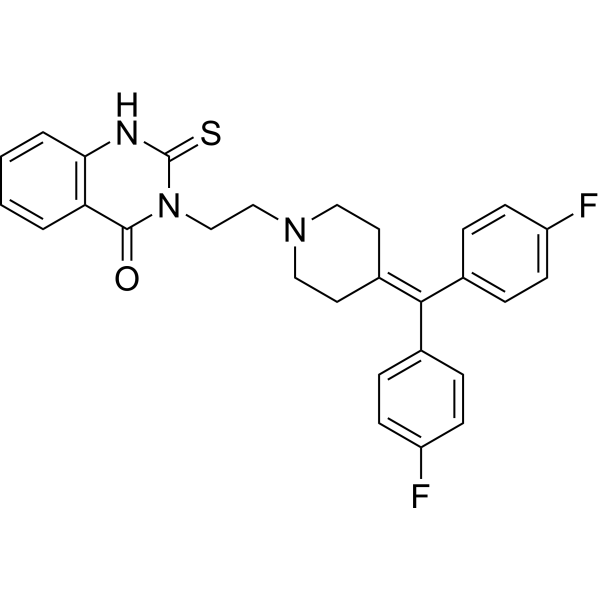
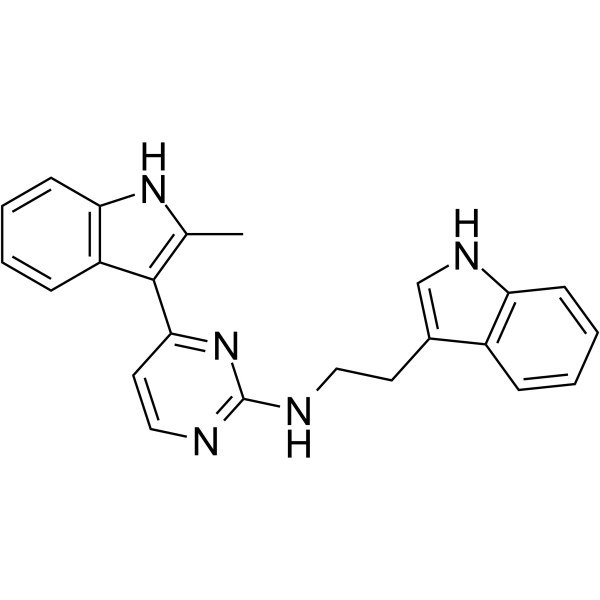
    R59949 is a pan diacylglycerol kinase (DGK) inhibitor with an IC50 of 300 nM. R59949 strongly inhibits the activity of type I DGK α and γ and moderately attenuates the activity of type II DGK θ and κ. R59949 activates protein kinase C (PKC) by enhancing the levels of the endogenous ligand diacyl glycerol .
    R59949
  • HY-107613
    R 59-022
    2 Publications Verification

    DKGI-I; Diacylglycerol Kinase inhibitor I

    PKC 5-HT Receptor Inflammation/Immunology
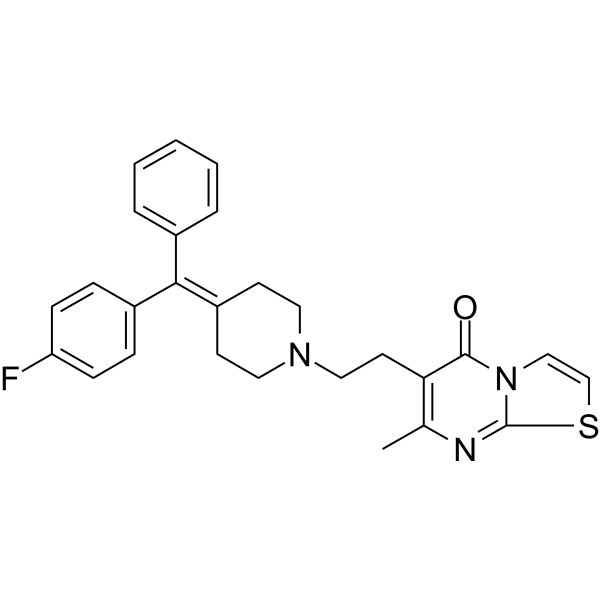
    R 59-022 (DKGI-I) is a DGK inhibitor (IC50: 2.8 µM). R 59-022 inhibits the phosphorylation of OAG to OAPA. R 59-022 is a 5-HT Receptor antagonist, and activates protein kinase C (PKC). R 59-022 potentiates thrombin-induced diacylglycerol production in platelets and inhibits phosphatidic acid production in neutrophils .
    R 59-022
  • HY-13326
    ASP3026
    5+ Cited Publications

    Anaplastic lymphoma kinase (ALK) Apoptosis ROS Kinase Caspase PARP IGF-1R STAT Akt JNK Cancer
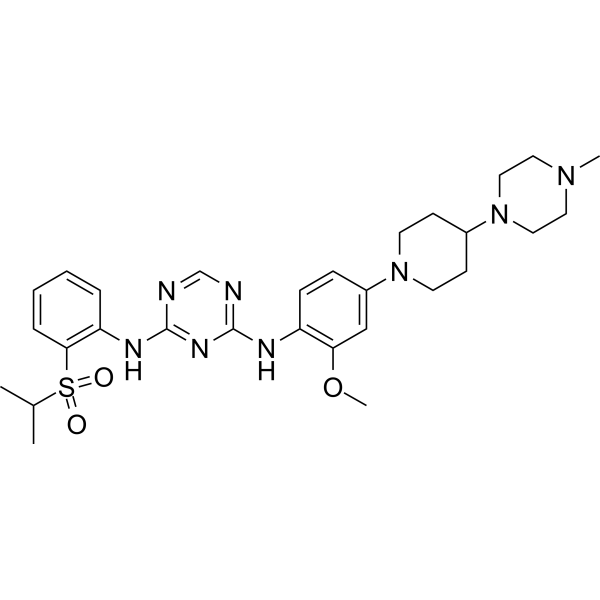
    ASP3026 is a selective and orally active inhibitor of anaplastic lymphoma kinase (ALK). ASP3026 is a selective and oral active anaplastic lymphoma kinase (ALK) inhibitor with a IC50 value of 3.5 nM. ASP3026 can inhibit the phosphorylation of IGF-1R, STAT3, AKT and JNK proteins, and induce the cleavage of caspase 3 and PARP. It also inhibited ROS and ACK. ASP3026 can be used in anti-tumor research .
    ASP3026
  • HY-137813

    PERK Neurological Disease Metabolic Disease Cancer
    PERK-IN-4 is a potent and selective PERK (protein kinase R (PKR)-like endoplasmic reticulum kinase) inhibitor with an IC 50 of 0.3 nM. PERK is activated in response to a variety of endoplasmic reticulum stresses implicated in numerous disease states .
    PERK-IN-4
  • HY-21291

    PDGFR EGFR IGF-1R Cancer
    SU-4313 is a potent protein tyrosine kinases (PTKs) modulator with IC50s of 14.5 μM, 18.8 μM, 11 μM, 16.9 μM, 8.0 μM for PDGFR, FLK-1, EGFR, HER2 Kinase and IGF-1R, respectively. SU-4313 has the potential for modulating tyrosine kinase signal transduction in order to regulate abnormal cell proliferation .
    SU-4313
  • HY-P5438

    Btk c-Kit FAK FLT3 Insulin Receptor Others
    Srctide is a biological active peptide. (This is a peptide substrate for many protein kinases, such as Blk, BTK, cKit, EPHA1, EPHB2, EPHB3, ERBB4, FAK, Flt3, IGF-1R, ITK, Lck, MET, MUSK, Ret, Src, TIE2, TrkB, VEGF-R1 (Flt-1) and VEGF-R2 (KDR).)
    Srctide
  • HY-124857

    7-Desacetoxy-6,7-dehydrogedunin

    PERK Prokineticin Receptor P2X Receptor Caspase NOD-like Receptor (NLR) Pyroptosis Tyrosinase Neurological Disease Metabolic Disease Inflammation/Immunology
    7DG (7-Desacetoxy-6,7-dehydrogedunin) is a PKR inhibitor, P2X7 purinergic receptor inhibitor, and skin-lightening agent. 7DG binds outside the ATP-catalytic domain of PKR, blocks the kinase activity-independent protein-protein interactions of PKR, inhibits the phosphorylation and activity of PKR, disrupts ASC assembly and caspase-1 activation, and suppresses the activation of the NLRP1 inflammasome. 7DG inhibits pyroptosis, suppresses the ATP-P2X7 signaling pathway, and abolishes ATP-induced increases in the expression levels of MITF, tyrosinase, PMEL/gp100, and melanin content. 7DG exerts skin-lightening effects in cultured skin in vitro. 7DG can be used in research related to chronic obstructive pulmonary disease, gout, type 2 diabetes, Alzheimer's disease, and hyperpigmentary skin disorders .
    7DG
  • HY-113509B

    15-epi-LXA4

    STAT COX Lipoxygenase JNK Endogenous Metabolite Neurological Disease Inflammation/Immunology
    15 (R)-Lipoxin A4 (15-epi-LXA4) is a specialized pro-resolving mediator and an acetylated derivative of COX2. 15 (R)-Lipoxin A4 is present in neurons. 15 (R)-Lipoxin A4 induces the SPM synthases ALOX12 and ALOX15, as well as the pro-resolving receptor ALX. 15 (R)-Lipoxin A4 inhibits protein kinases, including JNK1/2/3, Lyn, STAT-3 and STAT-6. 15 (R)-Lipoxin A4 enhances the release of pro-resolving mediators. 15 (R)-Lipoxin A4 alleviates the pro-inflammatory phenotype of tendon-derived stromal cells. 15 (R)-Lipoxin A4 promotes the resolution of neuroinflammation. 15 (R)-Lipoxin A4 is applicable to research related to achilles tendinitis, achilles tendon rupture and Alzheimer’s disease .
    15(R)-Lipoxin A4
  • HY-13856

    PDK-1 Cancer
    (R)-PS210, the R enantiomer of PS210 (compound 4h-eutomer), is a substrate-selective allosteric activator of PDK1 with an AC50 value of 1.8 μM. (R)-PS210 targets to the PIF-binding pocket of?PDK1. PIF: The protein kinase C-related kinase 2 (PRK2)-interacting fragment .
    (R)-PS210
  • HY-107613A
    R 59-022 hydrochloride
    2 Publications Verification

    DKGI-I hydrochloride; Diacylglycerol Kinase inhibitor I hydrochloride

    PKC 5-HT Receptor Infection Inflammation/Immunology Cancer
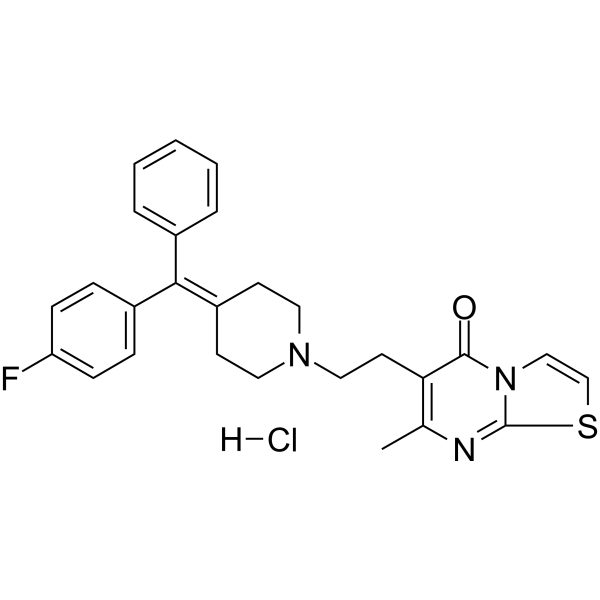
    R 59-022 (DKGI-I) hydrochloride is a DGK inhibitor (IC50: 2.8 µM). R 59-022 hydrochloride inhibits the phosphorylation of OAG to OAPA. R 59-022 hydrochloride is a 5-HT Receptor antagonist, and activates protein kinase C (PKC). R 59-022 hydrochloride potentiates thrombin-induced diacylglycerol production in platelets and inhibits phosphatidic acid production in neutrophils .
    R 59-022 hydrochloride
  • HY-E70658

    CDK Cancer
    CDK12 R722C/CycK Recombinant Human Active Protein Kinase is a cyclin-dependent kinase and regulates the expression of genes involved in DNA repair and is required for the maintenance of genomic stability .
    CDK12 R722C/CycK Recombinant Human Active Protein Kinase
  • HY-E70751

    c-Met/HGFR Cancer
    Mesenchymal-to-epithelial transition (MET) is a receptor tyrosine kinase for hepatocyte growth factor (HGF). MET overactivation is strongly associated with angiogenesis, cellular motility, growth, and invasion. Aberrant MET signaling can drive tumorigenesis in several cancer types through various molecular mechanisms, including MET amplification, MET exon 14 skipping mutation, MET overexpression, and MET fusions. MET G1163R is a mutant of MET. MET G1163R Recombinant Human Active Protein Kinase is a recombinant MET G1163R protein that can be used to study MET G1163R-related functions .
    MET G1163R Recombinant Human Active Protein Kinase
  • HY-E70696

    EGFR Cancer
    EGFR is a driver of tumorigenesis. EGFR is mainly found in an auto-inhibited, dimerization-incompetent, state at the plasma membrane (PM). Ligand binding promotes receptor dimerization, which determines a series of structural rearrangements that are conveyed to the cytoplasmic domain allowing the formation of asymmetric dimers between the two juxtaposed catalytic domains. EGFR has multiple mutants. EGFR C797S/L858R Recombinant Human Active Protein Kinase is a recombinant EGFR C797S/L858R protein that can be used to study EGFR C797S/L858R-related functions .
    EGFR C797S/L858R Recombinant Human Active Protein Kinase
  • HY-E70731

    IRAK Inflammation/Immunology
    The IRAK4 protein is a serine/threonine protein kinase that is critical for initiating the innate immune response through the Toll-like receptor (TLR) and IL-1R signaling pathways. After TLR is activated, it rapidly forms the Myddosome with IRAK2. IRAK4 aa104-460 Recombinant Human Active Protein Kinase is a recombinant IRAK4 aa104-460 protein that can be used to study IRAK4 aa104-460-related functions .
    IRAK4 aa104-460 Recombinant Human Active Protein Kinase
  • HY-139553A

    (R)-ATI-450; (R)-CDD-450

    Drug Isomer Inflammation/Immunology
    (R)-Zunsemetinib is the isomer of Zunsemetinib (HY-139553), and can be used as an experimental control. Zunsemetinib (CDD-450) is an orally active and selective p38α mitogen-activated protein kinase-activated protein kinase 2 (MK2) pathway inhibitor. Zunsemetinib can be used for the research of immuno-inflammatory diseases .
    (R)-Zunsemetinib
  • HY-121033

    Sigma Receptor p38 MAPK Apoptosis Cancer
    BS148 is a selective sigma-2 receptor (S2R) agonist with a Ki 20 nM. BS148 shows >80-fold selective for S2R than S1R. BS148 activates the endoplasmic reticulum stress response through the upregulation of protein kinase R-like ER kinase (PERK), activating transcription factor 4 (ATF4) genes, and C/EBP homologous protein (CHOP). BS148 induces apoptosis in melanoma cell. BS148 downregulates genes related to the cholesterol pathway and activates the MAPK signaling pathway. BS148 can be used for the study of melanoma .
    BS148
  • HY-E70730

    IGF-1R Metabolic Disease
    The whole IGF axis constitutes an interactive network composed of the peptide-ligands IGF1, IGF2 and insulin, and the receptors IGF1R, IGF2R and insulin receptor (INSR) as IGF binding proteins (IGFBPs). The INSR itself appears in two isoforms, INSRA and INSRB differing in 12 amino acids encoded by exon 11. INSR Recombinant Human Active Protein Kinase is a recombinant INSR protein that can be used to study INSR-related functions .
    INSR Recombinant Human Active Protein Kinase
  • HY-118046

    ROCK IGF-1R G Protein-coupled Receptor Kinase (GRK) Cardiovascular Disease
    GSK2163632A is a selective G protein-coupled receptor kinase (GRK) inhibitor that can be used as a probe for studying heart failure and Parkinson's disease. GSK2163632A potently inhibits GRK1 and GRK5, and also inhibits Rho-associated coiled-coil kinase (ROCK) and insulin-like growth factor receptor IGF-1R. GSK2163632A binds to GRK2 in a manner similar to Paroxetine (HY-122272).
    GSK2163632A
  • HY-W288951

    PKA Metabolic Disease
    FMP-API-1 is an A-kinase anchoring protein (AKAP)-PKA interaction inhibitor. FMP-API-1 binds to the allosteric site of PKA R subunits and increases the activity of PKA and AQP2 in PKA-knockout cell lines of renal cortical collecting ducts (mpkCCD cells). FMP-API-1 has the potential for the study of nephrogenic diabetes insipidus (NDI) .
    FMP-API-1
  • HY-N3634

    EGFR TAM Receptor Tie Cancer
    Corylifol C is a potent protein kinase inhibitor with IC50 valueS of 8.7, 3.0, 2.1, 6.4, 4.5, 6.2, 2.3, 1.2, 5.1 μg/ml for ARK5, Aurora-A, Aurora-B, AXL, B-RAF-VE, CDK4/CycD1, TIE2, EGF-R, EPHB4, respectively .
    Corylifol C
  • HY-149489

    PKC Neurological Disease
    JH-131e-153, a diacylglycerol (DAG)-lactone, is a small molecule activator of Munc13-1, targeting the C1 domain. The activation sequence of JH-131e-153 on Munc13-1 is WT>I590≈R592A≈W588A. The C1 domain of Munc13-1 and protein kinase C (PKC) are homologous in sequence and structure. The activation sequence of JH-131e-153 on Munc13-1 and PKC was PKCα>Munc13-1>PKCε. JH-131e-153 regulates neuronal processes through Munc13-1 and can be further used in the study of neurodegenerative diseases .
    JH-131e-153
  • HY-178448

    EGFR JAK Ferroptosis Apoptosis Reactive Oxygen Species (ROS) Cannabinoid Receptor Glutathione Peroxidase Caspase Inflammation/Immunology Cancer
    EGFR-IN-178 is an orally active EGFR mutant inhibitor, exhibits highly selective inhibitory activity against mutants of the EGFR enzyme, including Del19 (IC50 = 3.4 nM), L858R/T790 M (IC50 = 2.9 nM), and Del19/T790 M (IC50 = 2.5 nM). EGFR-IN-178 has good activity against JAK2 (IC50 = 55.6 nM) and JAK3 (IC50 = 46.1 nM) kinases. EGFR-IN-178 can increase cellular lipid oxide MDA, meanwhile decrease GSH content, causing ferroptosis in cancer cells. EGFR-IN-178 promotes apoptosis by increasing cleaved caspase-3 expression. EGFR-IN-178 can inhibit the phosphorylation of EGFR protein and decrease the active form p-JAK2 for JAK2, induce an increase in intracellular ROS. EGFR-IN-178 can be used for the study of non-small cell lung cancer (NSCLC) .
    EGFR-IN-178
  • HY-E70647

    Anaplastic lymphoma kinase (ALK) Cancer
    Anaplastic lymphoma kinase (ALK) is a receptor tyrosine kinase in the insulin receptor superfamily. ALK has multiple mutants. ALK R1275Q is commonly found in neuroblastoma (NB). ALK R1275Q Recombinant Human Active Protein Kinase is a recombinant ALK R1275Q protein that can be used to study ALK R1275Q-related functions .
    ALK R1275Q Recombinant Human Active Protein Kinase
  • HY-E70645

    Anaplastic lymphoma kinase (ALK) Cancer
    Anaplastic lymphoma kinase (ALK) is a receptor tyrosine kinase in the insulin receptor superfamily. ALK can be used for the study of non-small cell lung carcinoma (NSCLC). ALK has multiple mutants. ALK G1202R Recombinant Human Active Protein Kinase is a recombinant ALK G1202R protein that can be used to study ALK G1202R-related functions .
    ALK G1202R Recombinant Human Active Protein Kinase
  • HY-E70775

    RET Cancer
    Rearranged during transfection (RET) is a transmembrane receptor protein tyrosine kinase (PTK) activated normally by forming ternary complexes with its cognate ligands and co-receptors. RET alterations by point mutations and gene fusions were found in diverse cancers. RET R813Q is a mutant of RET. RET R813Q Recombinant Human Active Protein Kinase is a recombinant RET R813Q protein that can be used to study RET R813Q-related functions .
    RET R813Q Recombinant Human Active Protein Kinase
  • HY-E70774

    RET Cancer
    Rearranged during transfection (RET) is a transmembrane receptor protein tyrosine kinase (PTK) activated normally by forming ternary complexes with its cognate ligands and co-receptors. RET alterations by point mutations and gene fusions were found in diverse cancers. RET R749T is a mutant of RET. RET R749T Recombinant Human Active Protein Kinase is a recombinant RET R749T protein that can be used to study RET R749T-related functions .
    RET R749T Recombinant Human Active Protein Kinase
  • HY-E70769

    RET Cancer
    Rearranged during transfection (RET) is a transmembrane receptor protein tyrosine kinase (PTK) activated normally by forming ternary complexes with its cognate ligands and co-receptors. RET alterations by point mutations and gene fusions were found in diverse cancers. RET G810R is a mutant of RET. RET G810R Recombinant Human Active Protein Kinase is a recombinant RET G810R protein that can be used to study RET G810R-related functions .
    RET G810R Recombinant Human Active Protein Kinase
  • HY-E70808

    Btk Inflammation/Immunology Cancer
    Bruton's tyrosine kinase (BTK) plays a vital role in B-cell antigen receptor (BCR) signalling transduction pathway. BTK can be used for the study of lymphomas and autoimmune diseases. BTK has multiple mutants. BTK C481R Recombinant Human Active Protein Kinase is a recombinant BTK C481R protein that can be used to study BTK C481R-related functions .
    BTK C481R Recombinant Human Active Protein Kinase
  • HY-E70782

    Tie Cardiovascular Disease
    TIE2 plays an important role in vascular formation and maintenance. Mutations in TIE2 lead to vascular malformations, which are painful vascular lesions that cause disfigurement, bleeding, and thrombosis. TIE2 R849W is the most common mutation implicated in an inherited form of vascular malformations. TIE2 R849W Recombinant Human Active Protein Kinase is a recombinant TIE2 R849W protein that can be used to study TIE2 R849W-related functions .
    TIE2 R849W Recombinant Human Active Protein Kinase
  • HY-E70707

    EGFR Cancer
    EGFR is a driver of tumorigenesis. EGFR is mainly found in an auto-inhibited, dimerization-incompetent, state at the plasma membrane (PM). Ligand binding promotes receptor dimerization, which determines a series of structural rearrangements that are conveyed to the cytoplasmic domain allowing the formation of asymmetric dimers between the two juxtaposed catalytic domains. EGFR has multiple mutants. EGFR L858R Recombinant Human Active Protein Kinase is a recombinant EGFR L858R protein that can be used to study EGFR L858R-related functions .
    EGFR L858R Recombinant Human Active Protein Kinase
  • HY-E70711

    EGFR Cancer
    EGFR is a driver of tumorigenesis. EGFR is mainly found in an auto-inhibited, dimerization-incompetent, state at the plasma membrane (PM). Ligand binding promotes receptor dimerization, which determines a series of structural rearrangements that are conveyed to the cytoplasmic domain allowing the formation of asymmetric dimers between the two juxtaposed catalytic domains. EGFR has multiple mutants. EGFR T790M/L858R Recombinant Human Active Protein Kinase is a recombinant EGFR T790M/L858R protein that can be used to study EGFR T790M/L858R-related functions .
    EGFR T790M/L858R Recombinant Human Active Protein Kinase
  • HY-14974

    p38 MAPK Inflammation/Immunology
    R 1487 is an orally active and highly selective p38α mitogen-activated protein kinase inhibitor. R 1487 can be used in the study of rheumatoid arthritis .
    R 1487
  • HY-10508

    MEK Cancer
    (R)-PD 0325901CL is an isomer of PD 0325901CL. PD 0325901CL is a selective inhibitor of mitogen-activated protein kinase kinase (MEK) involved in cancer research. PD 0325901CL inhibits the growth of cancer cells in vitro and in vivo .
    (R)-PD 0325901CL
  • HY-112080A

    Histone Methyltransferase Others
    (R)-BAY-6035 is a novel inhibitor that selectively targets the methylation of MAP3K2 by SMYD3, demonstrating nanomolar potency and specificity against kinases and other protein lysine methyltransferases.
    (R)-BAY-6035
  • HY-107613R

    DKGI-I (Standard); Diacylglycerol Kinase inhibitor I (Standard)

    PKC 5-HT Receptor Reference Standards Inflammation/Immunology
    R 59-022 (Standard) is the analytical standard of R 59-022. This product is intended for research and analytical applications. R 59-022 (DKGI-I) is a DGK inhibitor (IC50: 2.8 µM). R 59-022 inhibits the phosphorylation of OAG to OAPA. R 59-022 is a 5-HT Receptor antagonist, and activates protein kinase C (PKC). R 59-022 potentiates thrombin-induced diacylglycerol production in platelets and inhibits phosphatidic acid production in neutrophils .
    R 59-022 (Standard)
  • HY-137813S

    Isotope-Labeled Compounds PERK Neurological Disease Metabolic Disease Cancer
    PERK-IN-4-d3 is the deuterium labeled PERK-IN-4. PERK-IN-4 is a potent and selective PERK (protein kinase R (PKR)-like endoplasmic reticulum kinase) inhibitor with an IC50 of 0.3 nM. PERK is activated in response to a variety of endoplasmic reticulum stresses implicated in numerous disease states .
    PERK-IN-4-d3
  • HY-13326R

    Anaplastic lymphoma kinase (ALK) Apoptosis ROS Kinase Caspase PARP IGF-1R STAT Akt JNK Cancer
    ASP3026 (Standard) is the analytical standard of ASP3026. This product is intended for research and analytical applications. ASP3026 is a selective and orally active inhibitor of anaplastic lymphoma kinase (ALK). ASP3026 is a selective and oral active anaplastic lymphoma kinase (ALK) inhibitor with a IC50 value of 3.5 nM. ASP3026 can inhibit the phosphorylation of IGF-1R, STAT3, AKT and JNK proteins, and induce the cleavage of caspase 3 and PARP. It also inhibited ROS and ACK. ASP3026 can be used in anti-tumor research .
    ASP3026 (Standard)
  • HY-E70824

    FGFR Cancer
    FGFR2 is a receptor tyrosine kinase that is involved in many human cancers such as intrahepatic cholangiocarcinomas and hepatocellular carcinomas. FGFR2 R612T is a mutant of FGFR3. FGFR2 R612T Recombinant Human Active Protein Kinase is a recombinant FGFR2 R612T protein that can be used to study FGFR2 R612T-related functions .
    FGFR2 R612T Recombinant Human Active Protein Kinase
  • HY-E70817

    FGFR Cancer
    FGFR2 is a receptor tyrosine kinase that is involved in many human cancers such as intrahepatic cholangiocarcinomas and hepatocellular carcinomas. FGFR2 K641R is a mutant of FGFR3. FGFR2 K641R Recombinant Human Active Protein Kinase is a recombinant FGFR2 K641R protein that can be used to study FGFR2 K641R-related functions .
    FGFR2 K641R Recombinant Human Active Protein Kinase
  • HY-178898

    NOD-like Receptor (NLR) Caspase Insecticide Ser/Thr Protease Pyroptosis Infection
    7-Oxogedunin (Compound 7DG; Compound 16) is a small molecule that protects macrophages from cell pyroptosis induced by anthrax lethal toxin (LT). Its target is protein kinase R (PKR). 7-Oxogedunin can widely inhibit the assembly of various inflammasomes (NLRP1 and NLRP3) and the activation of caspase-1 by inhibiting the kinase-independent function of PKR. 7-Oxogedunin has growth inhibitory activity on European corn borer larvae. 7-Oxogedunin can be used for LT toxicity inhibition and pest control research .
    7-Oxogedunin
  • HY-E70700

    EGFR Cancer
    EGFR is a driver of tumorigenesis. EGFR is mainly found in an auto-inhibited, dimerization-incompetent, state at the plasma membrane (PM). Ligand binding promotes receptor dimerization, which determines a series of structural rearrangements that are conveyed to the cytoplasmic domain allowing the formation of asymmetric dimers between the two juxtaposed catalytic domains. EGFR has multiple mutants. EGFR d746-750/T790M/C797S/L858R Recombinant Human Active Protein Kinase is a recombinant EGFR d746-750/T790M/C797S/L858R protein that can be used to study EGFR d746-750/T790M/C797S/L858R-related functions .
    EGFR d746-750/T790M/C797S/L858R Recombinant Human Active Protein Kinase
  • HY-108355R

    Reference Standards PKC Cancer
    R59949 (Standard) is the analytical standard of R59949 (HY-108355). This product is intended for research and analytical applications. R59949 is a pan diacylglycerol Kinase (DGK) inhibitor with an IC50 of 300 nM. R59949 strongly inhibits the activity of type I DGK α and γ and moderately attenuates the activity of type II DGK θ and κ. R59949 activates protein Kinase C (PKC) by enhancing the levels of the endogenous ligand diacyl glycerol .
    R59949 (Standard)
  • HY-174721

    mRNA Cancer
    Human EGFR mRNA encodes the human epidermal growth factor receptor (EGFR) protein, a member of the protein kinase superfamily. IGF1R plays a critical role in transformation events. EGFR is a cell surface protein that binds to epidermal growth factor, thus inducing receptor dimerization and tyrosine autophosphorylation leading to cell proliferation.
    Human EGFR mRNA
  • HY-107613AR

    DKGI-I hydrochloride (Standard); Diacylglycerol Kinase inhibitor I hydrochloride (Standard)

    Reference Standards PKC 5-HT Receptor Infection Inflammation/Immunology Cancer
    R 59-022 hydrochloride (Standard) is the analytical standard of R 59-022 (hydrochloride) (HY-107613A). This product is intended for research and analytical applications. R 59-022 (DKGI-I) hydrochloride is a DGK inhibitor (IC50: 2.8 µM). R 59-022 hydrochloride inhibits the phosphorylation of OAG to OAPA. R 59-022 hydrochloride is a 5-HT Receptor antagonist, and activates protein Kinase C (PKC). R 59-022 hydrochloride potentiates thrombin-induced diacylglycerol production in platelets and inhibits phosphatidic acid production in neutrophils .
    R 59-022 hydrochloride (Standard)
  • HY-132304A

    PKC Inflammation/Immunology
    (1S,4R)-CC-90005 is the (1S,4R)-enantiomer of CC-90005 (HY-132304). CC-90005 is a potent, selective and orally active inhibitor of protein kinase C-θ (PKC-θ), with an IC50 of 8 nM. CC-90005 shows selectivity for PKC-θ over PKC-δ (IC50 = 4440 nM). CC-90005 can inhibit T cell activation by inhibiting IL-2 expression .
    (1S,4R)-CC-90005
  • HY-179623

    PI3K mTOR Akt CDK Cadherin Cancer
    PI3Kα-IN-29 is a potent, orally active and selective PI3Kα with an IC50 of 2.5 nM. PI3Kα-IN-29 exhibits >400-fold selectivity over PI3Kβ/δ/γ/mTOR. PI3Kα-IN-29 selectively degrades the H1047R mutant p110α protein and inhibits PI3Kα kinase activity. PI3Kα-IN-29 suppresses PI3K/AKT/mTOR signaling, induces G1 arrest, and inhibits migration. PI3Kα-IN-29 inhibits tumor growth in a T47 mouse model. PI3Kα-IN-29 can be used for the research of breast cancer .
    PI3Kα-IN-29

Inquiry Online

Your information is safe with us. * Required Fields.

Salutation


Country or Region *

Applicant Name *


Organization Name *

Department *


Email Address *


Product Name *

Cat. No.


Requested quantity *

Phone Number *


Remarks

Inquiry Online

Inquiry Information

Product Name:
Cat. No.:
Quantity:
MCE Japan Authorized Agent:

