1. Search Result
Search Result
Results for "

Sprague Dawley Rat

" in MedChemExpress (MCE) Product Catalog:

47

Inhibitors & Agonists

1

Biochemical Assay Reagents

5

Peptides

10

Natural
Products

Cat. No. Product Name Target Research Areas Chemical Structure
  • HY-N0568
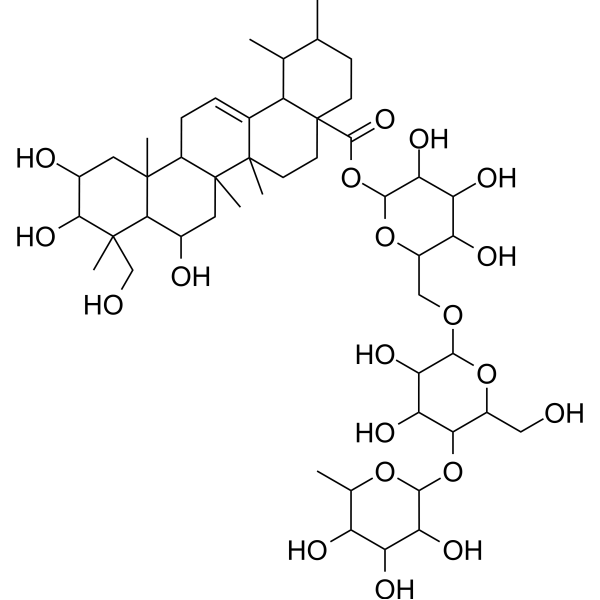
    Madecassoside
    3 Publications Verification

    Asiaticoside A

    Endogenous Metabolite Apoptosis Autophagy Keap1-Nrf2 p38 MAPK Caspase Cardiovascular Disease Others Neurological Disease Inflammation/Immunology Endocrinology Cancer
    Madecassoside is a pentacyclic triterpene isolated from Centella asiatica and has anti-inflammatory properties. Antioxidant and anti-aging effects. Madecassoside is a pentacyclic triterpene isolated from Centella asiatica. Madecassoside is orally active and has inhibitory properties against inflammation, oxidation, apoptosis and autophagy. Madecassosid inhibits activities of p38 MAPK and NF-kB , exhibits an anti-apopototic property, activates Nrf2 expression to reduce the neurotoxicity . Madecassoside can be used in endocrine diseases, cardiovascular diseases, skin diseases and other diseases.
    Madecassoside
  • HY-P11274A

    Amycretin sodium; NN 9487 sodium

    Amylin Receptor Insulin Receptor GCGR Metabolic Disease
    Zenagamtide (Amycretin; NN 9487) sodium is an orally active, blood-brain barrier permeable triple agonist that targets GLP-1, amylin (Amylin Receptor) and calcitonin receptor (Calcitonin Receptor). Zenagamtide sodium is a single peptide consisting of 68 amino acids that can target brain regions regulating food intake, significantly suppress appetite and reduce energy intake. Therefore, Zenagamtide sodium improves body weight, waist circumference, glycated hemoglobin and lipid profile, and also alleviates the histological features of metabolic dysfunction-associated steatotic liver disease (MASLD) and enhances insulin sensitivity. Zenagamtide sodium may cause transient increases in heart rate and fluctuations in serum calcium levels, but it is an important compound for the study of overweight, obesity, insulin resistance and related metabolic diseases .
    Zenagamtide sodium
  • HY-N7108
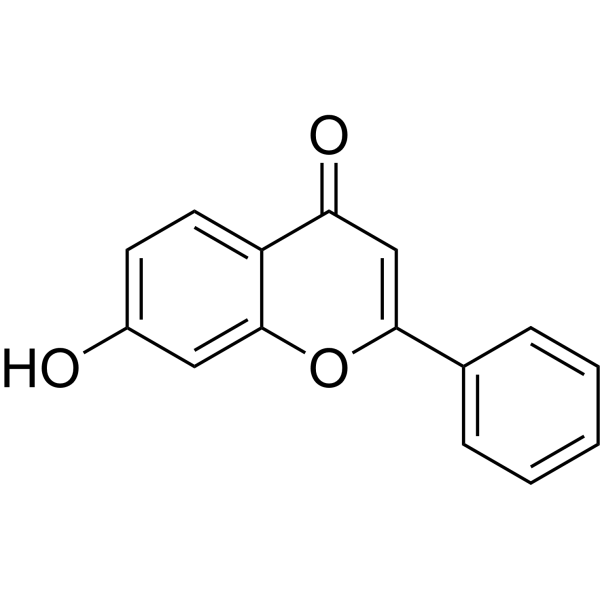
    7-Hydroxyflavone
    1 Publications Verification

    ERK Keap1-Nrf2 Apoptosis COX Pyruvate Kinase Lipoxygenase Enterovirus Virus Protease Infection Cardiovascular Disease Neurological Disease Metabolic Disease Inflammation/Immunology
    7-Hydroxyflavone is a flavonoid isolated from Clerodendrum phlomidis, with anti-inflammatory activity. 7-Hydroxyflavone protects renal cells from nicotine (NIC)-associated cytotoxicity via the ERK/Nrf2/HO-1 pathway. 7-Hydroxyflavone inhibits PKM2 with an IC50 of 2.12 μM. 7-Hydroxyflavone inhibits COX-2 and 5-LOX with IC50 of 27 µg/mL and 33 µg/mL. 7-Hydroxyflavone is orally active .
    7-Hydroxyflavone
  • HY-B0206

    MK 462

    5-HT Receptor Neurological Disease
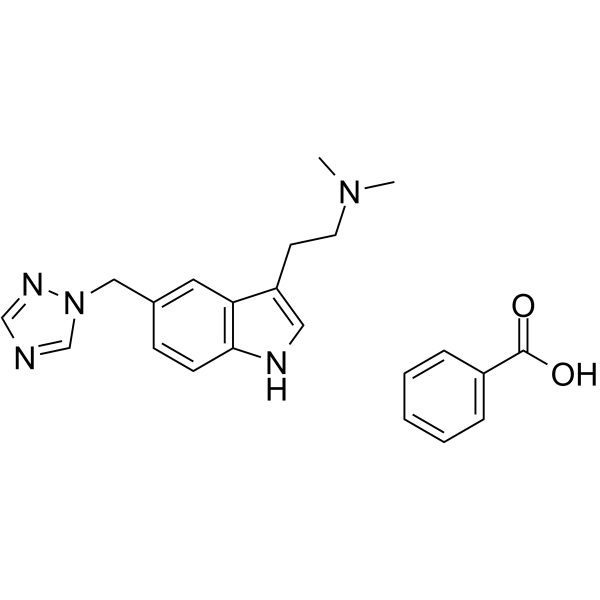
    Rizatriptan benzoate is the agonist for 5-HT1B and 5-HT1D. Rizatriptan benzoate has a peripheral vasoconstrictive effect, penetrates the intact blood-brain barrier, and inhibits pain neurotransmission in the central nervous system .
    Rizatriptan benzoate
  • HY-E70558

    5 alpha Reductase Metabolic Disease
    5α-reductase, Rat (Sprague-Dawley) Liver is an enzyme involved in steroid metabolism and participates in the androgen metabolic pathway. 5α-reductase, Rat (Sprague-Dawley) Liver catalyzes the conversion of testosterone to 5α-dihydrotestosterone (DHT). DHT plays important roles in the development of male sex organs, hair growth, prostate function, and other aspects .
    5α-reductase, Rat(Sprague-Dawley) Liver
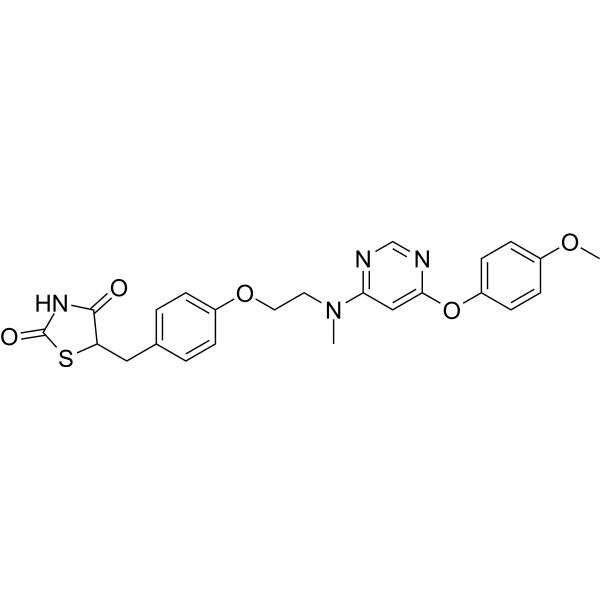
  • HY-14928

    PPAR ERK JNK TGF-beta/Smad NO Synthase COX NF-κB Interleukin Related Cardiovascular Disease Metabolic Disease Inflammation/Immunology
    Lobeglitazone is a new type of thiazolidinedione. Lobeglitazone is the orally active agonist for PPAR with EC50 of 137.4 nM and 546.3 nM for PPARγ and PPARα. Lobeglitazone is the inhibitor for ERK/JNK/Smad/NF-κB signaling pathway. Lobeglitazone exhibits anti-inflammatory, anti-diabetic, anti-fibrotic and anti-atherosclerotic properties .
    Lobeglitazone
  • HY-W012836
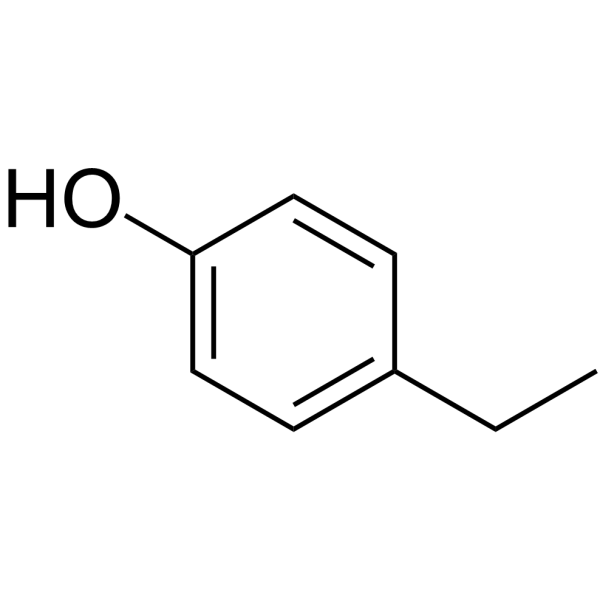
    4-Ethylphenol
    1 Publications Verification

    Environmental Pollutants Endogenous Metabolite Neurological Disease
    4-Ethylphenol is a volatile phenolic compound associated with off-odour in wine. 4-Ethylphenol is a phenolic compound that can be synthesized by intestinal flora. 4-Ethylphenol will be converted to 4-ethylphenyl sulfate (HY-W674241) by Lactobacillus plantarum .
    4-Ethylphenol
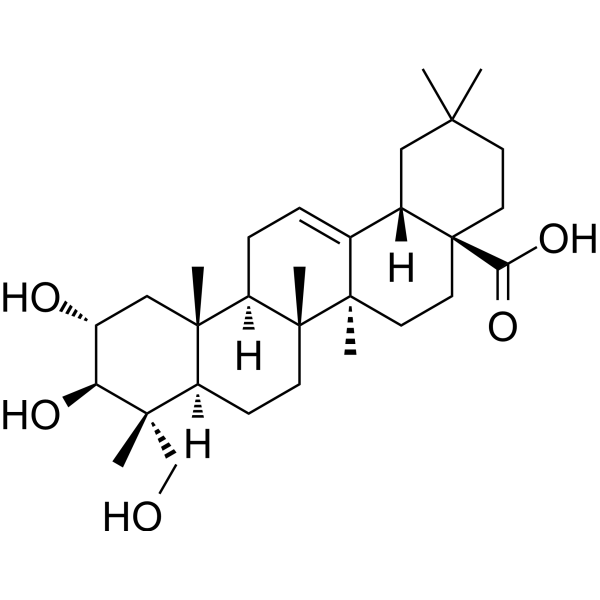
  • HY-N2896

    Reactive Oxygen Species (ROS) Apoptosis Fungal Bacterial NF-κB SOD AMPK mTOR Notch Toll-like Receptor (TLR) Wnt MyD88 Sirtuin Infection Neurological Disease Inflammation/Immunology Cancer
    Arjunolic acid is an orally active, multifunctional bioactive compound. Arjunolic acid exhibits free radical scavenging activity, as well as fungal and bacterial activities. Arjunolic acid induces apoptosis (Apoptosis) in various cancer cells. Arjunolic acid protects hepatocytes against induced oxidative stress and apoptosis by reducing reactive oxygen species and inhibiting NF-κB activation. Arjunolic acid regulates pancreatic dysfunction in type 2 diabetic rats by blocking the activation of the TLR-4/MyD88 and canonical Wnt pathways. Arjunolic acid inhibits neuroinflammation and ameliorates depressive behaviors via the SIRT1/AMPK/Notch1 signaling pathway in microglia. Arjunolic acid improves Crohn's disease-like colitis by restoring gut microbiota composition and inhibiting TLR4 signaling. Arjunolic acid suppresses osteosarcoma progression by inhibiting Wnt3a-mediated M2 polarization of macrophages. Arjunolic acid ameliorates diabetic retinopathy via the autophagy pathway regulated by AMPK/mTOR/HO-1. Arjunolic acid is applicable to research related to type 2 diabetes, organ toxicity, depression, Crohn's disease, osteosarcoma, diabetic retinopathy, and testicular dysfunction .
    Arjunolic acid
  • HY-E70558A

    5 alpha Reductase Endocrinology
    5α-Reductase, Rat (Sprague-Dawley) Testis is the enzyme responsible for the conversion of testosterone into 5-alpha dihydrotestosterone (DHT), which is a potent androgen involved in male sexual differentiation.5α-reductase enzyme family is comprised of 3 subfamilies and 5 isoenzyme members: 5αR1, 5αR2, 5αR3, GPSN2, and GPSN2L .
    5α-reductase, Rat(Sprague-Dawley) Testis
  • HY-130479

    Adiponectin Receptor PPAR PGC-1α Sirtuin AMPK Metabolic Disease
    AdipoR agonist 1 (Compound 112254) is an agonist for adiponectin receptor (AdipoR), which activates the transcriptional regulators like peroxisome proliferator-activated receptors (PPARs), peroxisome proliferator-activated receptor gamma coactivator 1α (PGC-1α), sirtuin 1 (SIRT1), and adenylate-activated protein kinase (AMPK). AdipoR agonist 1 is utilized in preventive doping research .
    AdipoR agonist 1
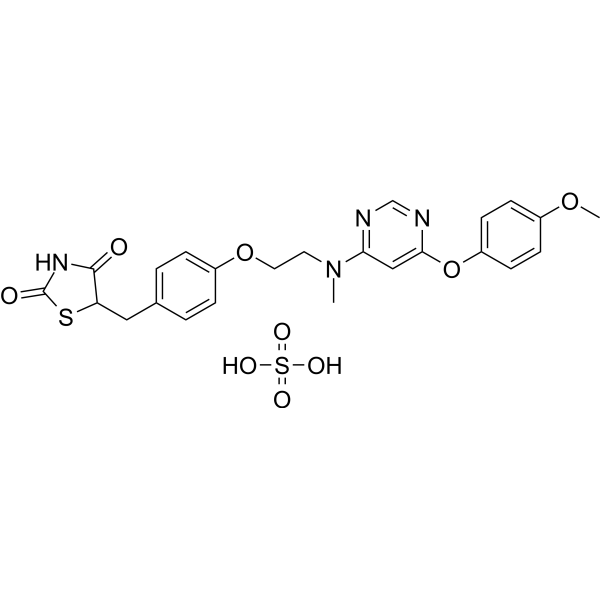
  • HY-14928A

    PPAR ERK JNK TGF-beta/Smad NO Synthase COX NF-κB Interleukin Related Cardiovascular Disease Metabolic Disease Inflammation/Immunology
    Lobeglitazone sulfate is a new type of thiazolidinedione. Lobeglitazone sulfate is the orally active agonist for PPAR with EC50 of 137.4 nM and 546.3 nM for PPARγ and PPARα. Lobeglitazone sulfate is the inhibitor for ERK/JNK/Smad/NF-κB signaling pathway. Lobeglitazone sulfate exhibits anti-inflammatory, anti-diabetic, anti-fibrotic and anti-atherosclerotic properties .
    Lobeglitazone sulfate
  • HY-125928

    Sodium Channel Neurological Disease
    AA43279 is an in gamma-aminobutyric acid (GABA) fast-firing interneurons located activator for Nav1.1 channel (SCN1A) with an EC50 of 9.5 μM. AA43279 enhances specific neuronal firing activity in vitro, and exhibits anticonvulsant activity in rat MEST model .
    AA43279
  • HY-N0568R

    Asiaticoside A (Standard)

    Reference Standards Endogenous Metabolite Apoptosis Autophagy Keap1-Nrf2 p38 MAPK Caspase Cardiovascular Disease Others Neurological Disease Inflammation/Immunology Endocrinology Cancer
    Madecassoside (Standard) is the analytical standard of Madecassoside. This product is intended for research and analytical applications. Madecassoside is a pentacyclic triterpene isolated from Centella asiatica and has anti-inflammatory properties. Antioxidant and anti-aging effects. Madecassoside is a pentacyclic triterpene isolated from Centella asiatica. Madecassoside is orally active and has inhibitory properties against inflammation, oxidation, apoptosis and autophagy. Madecassosid inhibits activities of p38 MAPK and NF-kB , exhibits an anti-apopototic property, activates Nrf2 expression to reduce the neurotoxicity[10]. Madecassoside can be used in endocrine diseases, cardiovascular diseases, skin diseases and other diseases.
    Madecassoside (Standard)
  • HY-14811

    ZGN-440; CKD-732 free base

    MetAP NF-κB Metabolic Disease
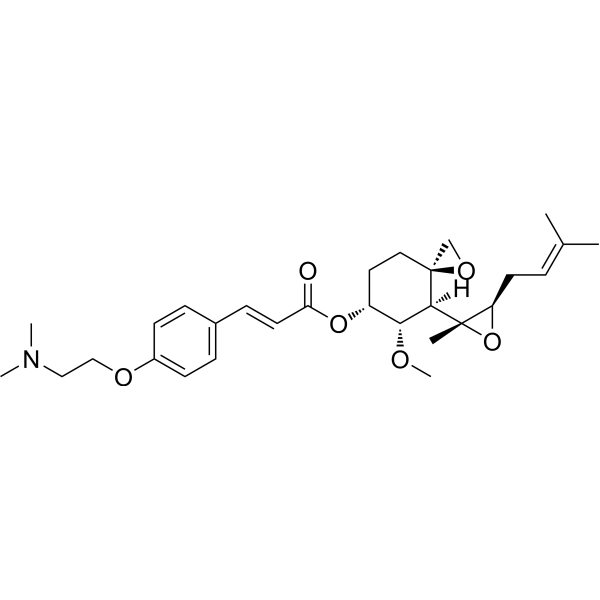
    Beloranib (ZGN-440; CKD-732 free base) is a selective, irreversible inhibitor of methionine aminopeptidase MetAP2 that suppresses appetite and increases energy expenditure. Beloranib blocks the enzymatic cleavage of N-terminal methionine from nascent proteins by forming a covalent bond with MetAP2, thereby regulating fatty acid metabolism, adrenergic signaling, and hypothalamic NF-κB expression. Beloranib significantly reduces food intake, body weight, and fat accumulation, while improving glucose tolerance, insulin sensitivity, and lipid metabolism. Beloranib also elevates energy expenditure and fat oxidation levels, without affecting body temperature, spontaneous activity, or the inflammatory cytokine IL-1β. Beloranib can be used in research on obesity and hypothalamic obesity .
    Beloranib
  • HY-101710

    GLN-1062

    Drug Intermediate Neurological Disease
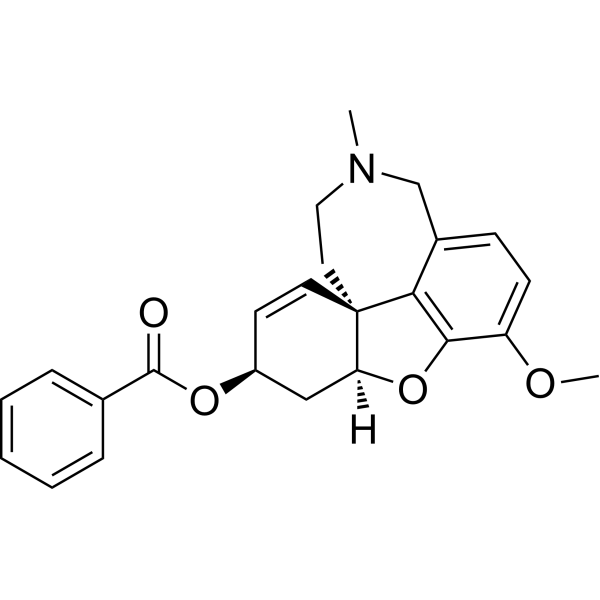
    Benzgalantamine (GLN-1062) is a pro-agent of galantamine, used for the treatment for Alzheimer’s disease.
    Benzgalantamine
  • HY-14811A

    ZGN-440 hemioxalate; ZGN-433 hemioxalate; CDK732 hemioxalate

    NF-κB MetAP Metabolic Disease
    Beloranib (ZGN-440; CKD-732 free base) hemioxalate is a selective, irreversible inhibitor of methionine aminopeptidase MetAP2 that suppresses appetite and increases energy expenditure. Beloranib hemioxalate blocks the enzymatic cleavage of N-terminal methionine from nascent proteins by forming a covalent bond with MetAP2, thereby regulating fatty acid metabolism, adrenergic signaling, and hypothalamic NF-κB expression. Beloranib hemioxalate significantly reduces food intake, body weight, and fat accumulation, while improving glucose tolerance, insulin sensitivity, and lipid metabolism. Beloranib hemioxalate also elevates energy expenditure and fat oxidation levels, without affecting body temperature, spontaneous activity, or the inflammatory cytokine IL-1β. Beloranib hemioxalate can be used in research on obesity and hypothalamic obesity .
    Beloranib hemioxalate
  • HY-N2196

    Others Inflammation/Immunology
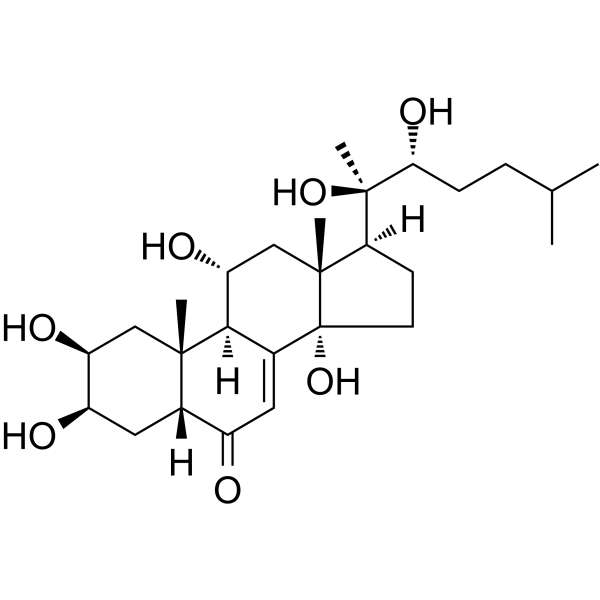
    Ajugasterone C is an ecdysteroid isolated from Leuzea carthamoides. Ajugasterone C shows significant inhibitory effect at 100 mg/kg dose on rat paw oedema development due to Carrageenan-induced inflammation in Sprague Dawley rats .
    Ajugasterone C
  • HY-120398

    PTHR Endocrinology
    CH5447240 is an agonist for parathyroid hormone receptor 1 (PTHR1), that inhibits human PTHR1 with an EC50 of 12 μM. CH5447240 exhibits good metabolic stability in human liver microsomes. CH5447240 increases serum calcium levels in rats. CH5447240 can be used in research about hypoparathyroidism .
    CH5447240
  • HY-105454

    Wy-42362

    Sodium Channel Cardiovascular Disease
    Recainam (Wy-42362) is an orally active anti-arrhythmic agent with Class I electrophysiological properties. Recainam suppresses complex ventricular arrhythmias. Racainam exhibits a good pharmacokinetic character in Sprague Dawley rats .
    Recainam
  • HY-N16499

    Interleukin Related GDNF Receptor Trk Receptor ERK Neurological Disease Inflammation/Immunology
    Hericene A is an orally active aromatic hericene derivative. Hericene A exhibits anti-inflammatory and neurotrophic activities, and can found in the fruiting bodies of Hericium erinaceus. Hericene A inhibits the secretion of pro-inflammatory mediators. Hericene A promotes axonal growth, neurite branching, neurotrophic factor expression and downstream signal transduction. Hericene A can be used for the research of inflammatory and neurological diseases .
    Hericene A
  • HY-172905

    Others Cardiovascular Disease
    BCX-3607 is an orally active tissue factor/factor VIIa (TF-FVIIa) inhibitor (IC50: 4 nM). BCX-3607 blocks the extrinsic coagulation pathway by inhibiting the TF-FVIIa complex and significantly prolongs the prothrombin time (PT). BCX-3607 has a higher selectivity for TF-FVIIa than other serine proteases (such as thrombin, FXa, etc.). BCX-3607 can reduce thrombus weight and inflammatory response, and has both anti-thrombotic and anti-inflammatory effects. BCX-3607 can be used in the study of thrombosis-related diseases .
    BCX-3607
  • HY-120464

    SAM-760

    5-HT Receptor Neurological Disease
    PF-05212377 (SAM-760) is an inhibitor for serotonin receptor 5-HT6. PF-05212377 is a substrate for P-gp/non-BCRP human transporter. PF-05212377 exhibits blood brain barrier permeability in non-human primates. PF-05212377 can be used for Alzheimer’s Disease research .
    PF-05212377
  • HY-N11925

    Others Cardiovascular Disease
    (+)-Osbeckic acid is a vasorelaxatant that can be isolated from Tartary Buckwheat. (+)-Osbeckic acid has a potent vasorelaxant effect in Sprague-Dawley rat thoracic aorta rings with an EC50 of 887 μM .
    (+)-Osbeckic acid
  • HY-P5130

    Endothelin Receptor Cardiovascular Disease
    Big endothelin-1 (rat 1-39) is a 39-residues peptide. Big endothelin-1 (rat 1-39) induces diuretic and natriuretic response in conscious Sprague-Dawley rats. Big endothelin-1 (rat 1-39) raises blood pressure in mice .
    Big endothelin-1 (rat 1-39)
  • HY-172365

    Phosphodiesterase (PDE) Inflammation/Immunology
    P7-2302 inhibits PDE7 and PDE4B with IC50 of 0.18 nM and 77.3 nM. P7-2302 inhibits the efflux of P-gp and BCRP (breast cancer resistance protein), exhibits low uptake in rats brain. P7-2302 can be used as a PET tracer when labeled with 18F .
    P7–2302
  • HY-168459

    MAGL Neurological Disease
    MAGL-IN-21 (Compound (S)-6) is a selective inhibitor for monoacylglycerol lipase (MAGL) with an IC50 of 1.59 nM .
    MAGL-IN-21
  • HY-151360

    Sodium Channel Metabolic Disease
    NHE3-IN-3 (Compound 1) is a Na +/H + exchanger isoform 3 (NHE3) inhibitor with pIC50 of 6.2 and 6.6 against human and rat NHE3, respectively. NHE3-IN-3 shows high (98%) oral bioavailability in SpragueDawley rats .
    NHE3-IN-3
  • HY-W687496

    Vitamin A acid methyl ester

    Drug Derivative Others
    Methyl retinoate (Vitamin A acid methyl ester) is a derivative of vitamin A. Methyl retinoate causes degenerative changes in the seminiferous tubules in Sprague Dawley rats .
    Methyl retinoate
  • HY-105454A

    Wy-42362 hydrochloride

    Sodium Channel Cardiovascular Disease
    Recainam (Wy-42362) hydrochloride is an orally active anti-arrhythmic agent with Class I electrophysiological properties. Recainam suppresses complex ventricular arrhythmias. Racainam hydrochloride exhibits a good pharmacokinetic character in Sprague Dawley rats .
    Recainam hydrochloride
  • HY-114751

    16,16-dimethyl-PGE1

    Prostaglandin Receptor Cardiovascular Disease
    16,16-Dimethylprostaglandin E1 (16,16-dimethyl-PGE1) is a PGE1 (HY-B0131) analog, induces bronchoconstrict and vascular smooth muscle contractions and suppresses the indomethacin induced cellular elongation .
    16,16-Dimethylprostaglandin E1
  • HY-127159

    Drug Metabolite Others
    Laurencin is a cyclic ether, which can be isolated red alga L. glandulifera. Laurencin prolongs the pentobarbitone-induced sleep time through inhibition of pentobarbitone metabolism .
    Laurencin
  • HY-19141

    Potassium Channel Cardiovascular Disease
    L-691121 exhibits antiarrhythmic efficacy through block of potassium channel and a followed prolonged cardiac potential. L-691121 exhibits embryotoxicity with fetal mortality at the dose of 0.8 mg/kg/day (p.o.). L-691121 is orally active .
    L-691121
  • HY-P5914A

    WaTx TFA

    TRP Channel Neurological Disease
    Wasabi Receptor Toxin TFA (WaTx TFA) is the TFA salt form of Wasabi Receptor Toxin (HY-P5914). Wasabi Receptor Toxin TFA is a cell-penetrating scorpion toxin. Wasabi Receptor Toxin TFA is the activator for TRPA1 ion channel with EC50 in nanomolar level, and prolongs the channel open time, but reduces Ca 2+ permeability. Wasabi Receptor Toxin TFA causes thermal hypersensitivity and mechanical allodynia in rats, without triggering neurogenic inflammation .
    Wasabi Receptor Toxin TFA
  • HY-P5914

    WaTx

    TRP Channel Neurological Disease
    Wasabi Receptor Toxin is a cell-penetrating scorpion toxin. Wasabi Receptor Toxin is the activator for TRPA1 ion channel with EC50 in nanomolar level, and prolongs the channel open time, but reduces Ca 2+ permeability. Wasabi Receptor Toxin causes thermal hypersensitivity and mechanical allodynia in rats, without triggering neurogenic inflammation .
    Wasabi Receptor Toxin
  • HY-162729

    Histone Demethylase Monoamine Oxidase TGF-beta/Smad Cardiovascular Disease
    LSD1-IN-34 (Compound 7d) is the orally active inhibitor for Lysine-specific demethylase (LSD) and monoamine oxidase (MAO), with IC50 of 4.51 and 18.46 nM, for LSD1 and MAO A. LSD1-IN-34 inhibits the Ang II-induced neonatal rat myocardial fibroblasts (NRCFs) activation, without significant toxicity (20 μM). LSD1-IN-34 inhibits TGFβ/Smad signaling pathway, and ameliorates heart failure in mice. LSD1-IN-34 exhibits good pharmacokinetic characteristics in rats .
    LSD1-IN-34
  • HY-158688

    PI3K Inflammation/Immunology
    PI3Kδ-IN-21 (Compound 31) is a selective inhibitor for phosphoinositide 3-kinases δ (PI3Kδ), with an IC50 of 13.6 nM. PI3Kδ-IN-21 inhibits proliferation and differentation of T cells through PI3K/AKT/mTOR signaling pathway. PI3Kδ-IN-21 exhibits good pharmacokinetic characters in rat model, and attenuates the experimental autoimmune encephalomyelitis in myelin oligodendrocyte glycoprotein (MOG)-induced EAE model .
    PI3Kδ-IN-21
  • HY-168713

    FXR Metabolic Disease
    LZ-007 is an agonist for farnesoid X receptor (FXR) with an EC50 of 51 nM measuring by TR-FRET assay, or an EC50 of 76 nM in HepG2 cell. LZ-007 exhibits good pharmacokinetic characheristics in SD rats. LZ-007 ameliorates western diet and CCl4 (HY-Y0298)-induced mice metabolic dysfunction-associated steatohepatitis
    LZ-007
  • HY-161644

    STAT Apoptosis Cancer
    STAT3-IN-27 (Compound 41) is an orally active inhibitor for phosphorylation of STAT3 (KD is 4.4 μM) and STAT3 transcription (IC50 is 22.57 nM). STAT3-IN-27 inhibits proliferation of various cancer cells with IC50 of 10-500 nM. STAT3-IN-27 arrests the cell cycle at G2/M phase, induces mitochondrial dysfunction and apoptosis in HCT116, inhibits cell migration of HCT116. STAT3-IN-27 exhibits antitumor efficacy in mouse model .
    STAT3-IN-27
  • HY-163538

    PI3K Apoptosis Cancer
    TYM-3-98 is a selective inhibitor for PI3Kδ, with an IC50 of 7.1 nM. TYM-3-98 inhibits proliferationso of B-lymphoma cells. TYM-3-98 inhibits PI3K/AKT/mTOR signaling pathway through induction of apoptosis. TYM-3-98 exhibits good pahrmacokinetic characters and antitumor efficacy in mouse/rat model, without significant toxicity .
    TYM-3-98
  • HY-105454R

    Wy-42362 (Standard)

    Reference Standards Others Cardiovascular Disease
    Recainam (Standard) is the analytical standard of Recainam. This product is intended for research and analytical applications. Recainam (Wy-42362) is an orally active anti-arrhythmic agent with Class I electrophysiological properties. Recainam suppresses complex ventricular arrhythmias. Racainam exhibits a good pharmacokinetic character in Sprague Dawley rats .
    Recainam (Standard)
  • HY-101710R

    GLN-1062 (Standard)

    Reference Standards Drug Intermediate Neurological Disease
    Benzgalantamine (Standard) (GLN-1062 (Standard)) is the analytical standard of Benzgalantamine (HY-101710). This product is intended for research and analytical applications. Benzgalantamine (GLN-1062) is a pro-agent of galantamine, used for the treatment for Alzheimer’s disease.
    Benzgalantamine (Standard)
  • HY-N19646

    Glycosidase Tyrosinase Metabolic Disease
    [8]-Dehydrogingerdione is a Hydroxyphenylalkanone. [8]-Dehydrogingerdione can be isolated from the seeds of Aframomum melegueta and the rhizomes of Curcuma xanthorrhia. [8]-Dehydrogingerdione acts as an inhibitor of α-glucosidase and Tyrosinase, with an IC50 value of 19.5 μM against α-glucosidase and an approximate IC50 value of 100 μM against tyrosinase. [8]-Dehydrogingerdione can be used in diabetes-related research .
    [8]-Dehydrogingerdione
  • HY-185424

    Integrin Others
    Tri-SM6.1 is a tridentate small-molecule ligand targeting integrin αvβ6. Tri-SM6.1 binds to integrin αvβ6 on epithelial cells to deliver conjugated α-ENaC RNAi agents .
    Tri-SM6.1
  • HY-182248

    ST1326 chloride

    Carnitine Palmitoyltransferase (CPT) Acyltransferase Metabolic Disease
    Teglicar chloride (ST1326 chloride) is an orally active, reversible, mixed-type, selective inhibitor of hepatic carnitine palmitoyltransferase I (L-CPT I), with an IC50 of 1.1 μM against rat L-CPT I. Teglicar chloride reduces serum glucose levels. Teglicar chloride exhibits antiketotic activity in normal fasted rats. Teglicar chloride can be used in research related to type 2 diabetes and ketoacidosis .
    Teglicar chloride
  • HY-N19615

    Keap1-Nrf2 GSK-3 TNF Receptor Interleukin Related SOD Inflammation/Immunology
    Isoeucommin A is a lignan compound. Isoeucommin A activates the Nrf2/HO-1 pathway and induces phosphorylation of GSK-3β. Isoeucommin A reduces the levels of pro-inflammatory cytokines TNF-α, IL-1β and IL-6, decreases the oxidative stress marker MDA, increases the antioxidants SOD and GSH, and alleviates oxidative stress in mesangial cells. Isoeucommin A alleviates renal tissue injury, improves impaired renal function and enhances the viability of renal tubular epithelial cells in diabetic nephropathy models. Isoeucommin A can be used in the research of diabetic nephropathy .
    Isoeucommin A
  • HY-179260A

    Biochemical Assay Reagents Others
    PDLLA3000-mPEG2000, PDI≤1.25 is an amphiphilic block copolymer composed of methoxy poly(ethylene glycol) and poly(D,L-lactide). PDLLA3000-mPEG2000, PDI≤1.25 functions as a self-assembled polymeric micelle component to enhance aqueous solubility and oral bioavailability in bioactive substances. PDLLA3000-mPEG2000, PDI≤1.25 can be used in the study of drug delivery .
    PDLLA3000-mPEG2000, PDI≤1.25
  • HY-183666

    nAChR Serotonin Transporter Neurological Disease
    NS3956 is a blood-brain barrier-permeable human α4β2-nicotinic acetylcholine receptor (nAChR) agonist (Ki = 0.36 nM). NS3956 induces dopamine release, produces analgesic effects, modulates rotational behavior in 6-OHDA-lesioned rats, and potentiates the effects of SSRI/SNRI in the forced swim test in mice. NS3956 can be used in research related to depression, Parkinson's disease, and acute pain .
    NS3956

Inquiry Online

Your information is safe with us. * Required Fields.

Salutation


Country or Region *

Applicant Name *


Organization Name *

Department *


Email Address *


Product Name *

Cat. No.


Requested quantity *

Phone Number *


Remarks

Inquiry Online

Inquiry Information

Product Name:
Cat. No.:
Quantity:
MCE Japan Authorized Agent:

