
1. Search Result
Search Result
Results for "

active site residues

" in MedChemExpress (MCE) Product Catalog:

52

Inhibitors & Agonists

2

Screening Libraries

3

Biochemical Assay Reagents

3

Peptides

5

Natural
Products

1

Isotope-Labeled Compounds

Targets Recommended:
Cat. No. Product Name Target Research Areas Chemical Structure
  • HY-158301
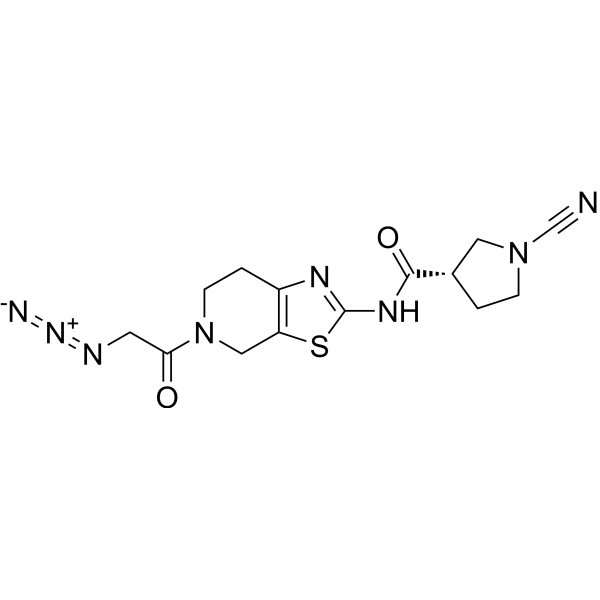
    MY-1B
    1 Publications Verification

    DNA Methyltransferase RNA MTase Others
    MY-1B is a covalent inhibitor of the RNA Methyltransferase NSUN2 (IC50: 1.3 μM). MY-1B stereoselectively ligands active-site cysteine residues (C271) of NSUN2. MY-1B can stereoselectively and covalently bind to PSME1, disrupting the proteasome regulatory complex and downregulating the presentation of specific MHC-I subtypes .
    MY-1B
  • HY-B2228
    Proteinase, Aspergillus oryzae
    1 Publications Verification

    Biochemical Assay Reagents Cancer
    Proteinase, Aspergillus oryzae is a serine protease that hydrolyzes peptide bonds in protein substrates, preferring alkaline conditions (optimal pH 10.5). It efficiently degrades casein, poly-L-glutamic acid, and poly-L-lysine, with activity irreversibly inhibited by diisopropylfluorophosphate (DFP) and potato inhibitor. This enzyme catalyzes proteolysis via serine residues in its active site, finding applications in food processing (e.g., soy sauce fermentation), detergents, and leather industries due to its high yield in solid-state fermentation and cost-effective production.
    Proteinase, Aspergillus oryzae
  • HY-12903
    Macozinone
    5 Publications Verification

    PBTZ169

    Bacterial Antibiotic Infection
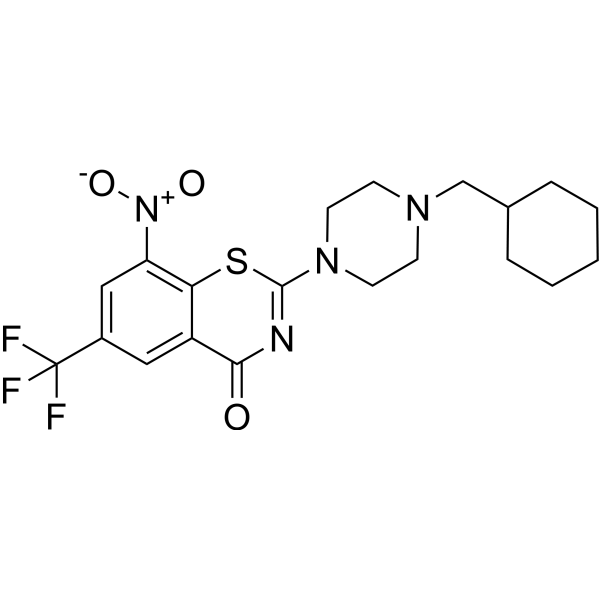
    Macozinone (PBTZ169) is a bactericidal benzothiazinone and a potent DprE1 (decaprenylphosphoryl-β-d-ribose 2′-oxidase) inhibitor. Macozinone inhibits the essential flavoprotein DprE1 by forming a covalent bond with the active-site Cys387 residue. Macozinone has antituberculosis effect .
    Macozinone
  • HY-128206
    I3MT-3
    5 Publications Verification

    HMPSNE

    Hippo (MST) Metabolic Disease
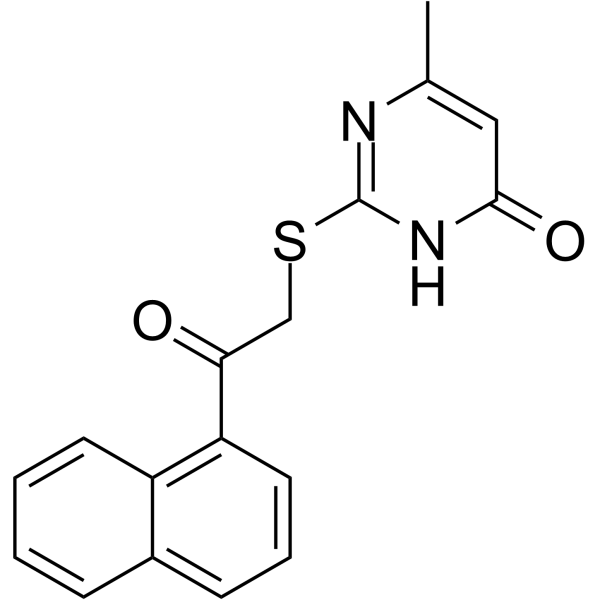
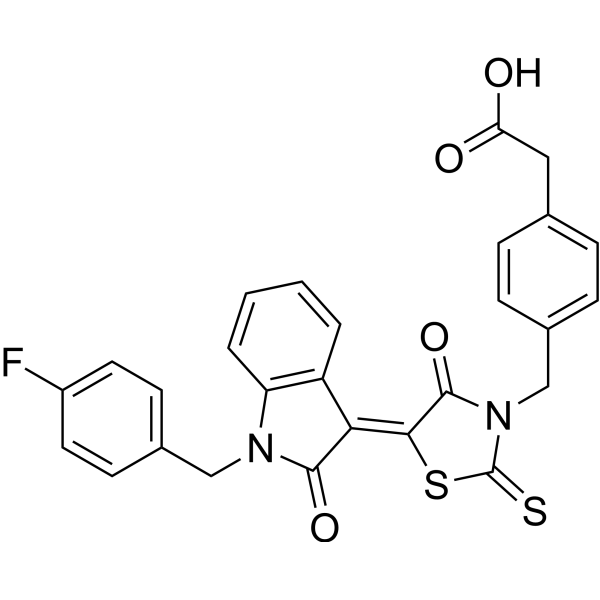
    I3MT-3 (HMPSNE) is a potent, selective, and cell-membrane permeable inhibitor of 3-Mercaptopyruvate sulfurtransferase (3MST) (IC50=2.7 μM). I3MT-3 is inactive for other H2S/sulfane sulfur-producing enzymes.?I3MT-3 targets a persulfurated cysteine residue located in the active site of 3MST .
    I3MT-3
  • HY-12412

    NCGC-00183434

    Caspase Inflammation/Immunology Cancer
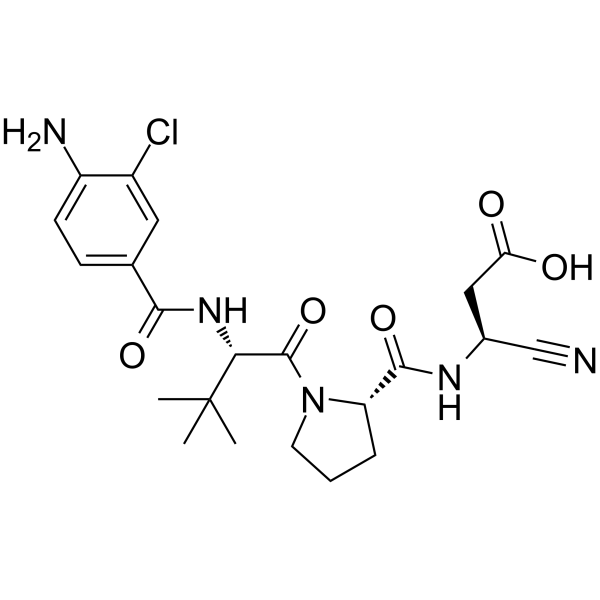
    ML132 (NCGC-00183434) is a selective caspase 1 inhibitor with an IC50 value of 0.023 nM. ML132 has good stability and can be used as a caspase 1 molecular probe. ML132 is applicable to research in the fields of anticancer and anti-inflammatory studies .
    ML132
  • HY-157521

    Acyltransferase Neurological Disease Metabolic Disease
    AANAT-IN-1 is an arylalkylamine N-acetyltransferase (AANAT) inhibitor with a sheep AANAT IC50 of 9.9 μM. AANAT-IN-1 binds to the active site of sheep AANAT, interacting with amino acid residues via hydrogen bonds, hydrophobic interactions, ionic interactions, and water bridges, inhibiting the enzyme's catalytic activity. AANAT-IN-1 can be used for the researches of circadian rhythm-associated neuropsychiatric conditions, seasonal affective disorder, and other diseases associated with abnormally elevated melatonin levels .
    AANAT-IN-1
  • HY-N1341

    HCV HCV Protease DNA/RNA Synthesis Bacterial Infection
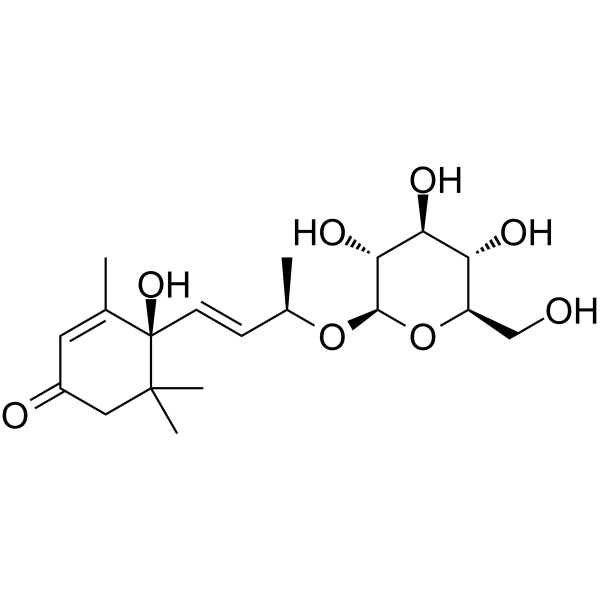
    Roseoside is an inhibitor of DNA gyrase and HAV 3C protease, and also inhibits HCV NS5A/B replicase in human systems with an IC50 of 20 μM. Roseoside binds to the active site of enzymes and stabilizes the interaction by forming hydrogen bonds with key amino acid residues. Roseoside inhibits the growth of Gram-positive bacteria, Gram-negative bacteria, and Candida albicans, and interferes with HCV RNA replication in vitro by inhibiting HCV NS5A/B replicase (IC50=20 μM). Roseoside shows no cytotoxicity and serves as a research tool for studies related to bacterial infections, candidiasis, HAV and HCV .
    Roseoside
  • HY-P2759

    TrxR

    TrxR Infection Cardiovascular Disease Inflammation/Immunology Cancer
    Thioredoxin reductase (TrxR) is a selenoprotein that plays a central role in cellular redox homeostasis by utilizing highly reactive selenocysteine ​​(Sec) residues exposed to solvents at its active site. Thioredoxin reductase can be used for the study of diverse diseases, from rheumatoid arthritis and ischemia to cancer and parasitic infections .
    Thioredoxin reductase
  • HY-N10423

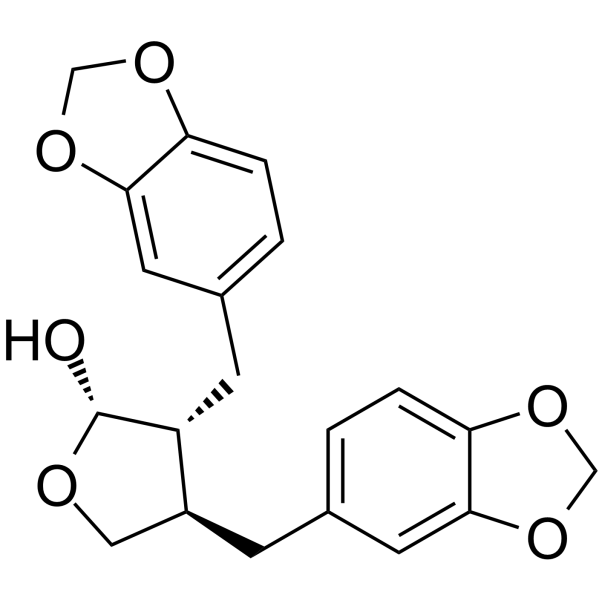
    (-)-Cubebin

    Cholinesterase (ChE) Bacterial Fungal Parasite p38 MAPK Infection Neurological Disease Metabolic Disease Inflammation/Immunology Cancer
    Cubebin ((-)-Cubebin), a dibenzyl butyrolactone lignan, is an orally active AChE inhibitor. Cubebin binds to active sites of NF-κB, TNF-α, and TGF-β1 via hydrogen and hydrophobic interactions, obstructing critical residues to inhibit pro-inflammatory or renal fibrosis-related activity. Cubebin enhances p38 MAPK phosphorylation to increase tyrosinase gene expression, stimulating melanogenesis via elevated tyrosinase activity, expression, and mRNA levels. Cubebin reduces oxidative stress via enhanced endogenous antioxidant enzyme activity and inhibited lipid peroxidation, regulates lipid metabolism, improves glycemic control, and exerts renoprotective effects via reduced renal dysfunction markers and improved renal architecture. Cubebin shows antimicrobial activity. Cubebin exerts larvicidal activity against Angiostrongylus cantonensis larvae, with no cytotoxicity toward monkey or human cell lines or Caenorhabditis elegans. Cubebin can be used for the research of diabetic nephropathy, melanoma, colon adenocarcinoma, neuroangiostrongyliasis, Alzheimer’s disease (AD) and depression .
    Cubebin
  • HY-W000854

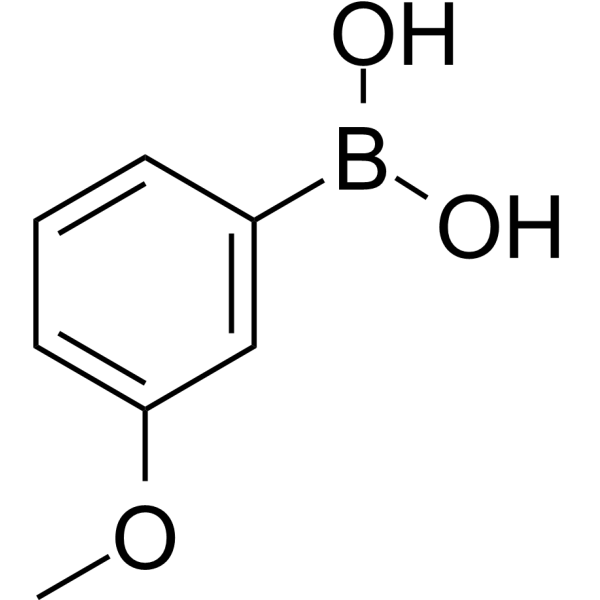
    3-Methoxyphenylboronic acid

    Biochemical Assay Reagents Others
    3-Methoxybenzeneboronic acid (3-Methoxyphenylboronic acid) is a boronic acid derivative. 3-Methoxybenzeneboronic acid shows best suitable binding pattern at the active site by interacting non-covalently with amino acid residues of proteins. 3-Methoxybenzeneboronic acid is a biochemical reagent that can be used as a biological material or organic compound for life science related research .
    3-Methoxybenzeneboronic acid
  • HY-175249

    Others
    TKL-IN-2 is a herbicide and SvTKL inhibitor with an IC50 of 0.11 mg/L. TKL-IN-2 binds to the SvTKL active site, interacts with key pocket residues, and inhibits enzyme activity. TKL-IN-2 can be used for the research of weed control in maize, wheat, soybean, and cotton fields .
    TKL-IN-2
  • HY-B1863

    Environmental Pollutants Cholinesterase (ChE) Fungal Infection
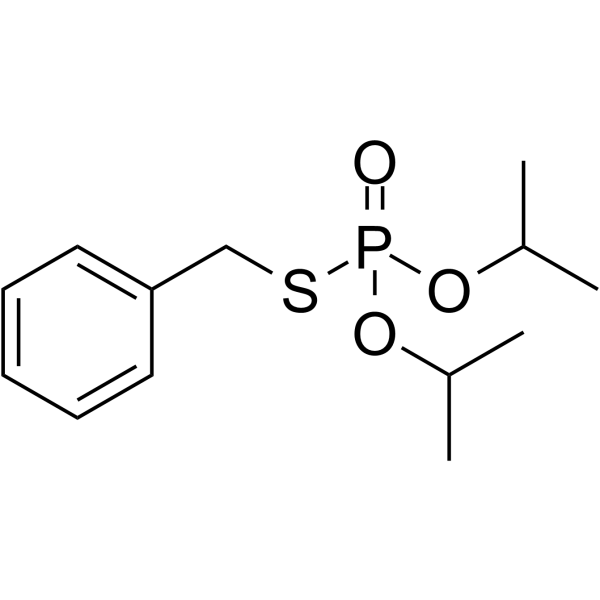
    Iprobenfos is an organophosphorus fungicide and is widely used to control the rice blast fungus. Iprobenfos can phosphorylate the -OH group on the serine residue in the active (esteratic) site of ChEs and so inhibit both AChE and BChE activity .
    Iprobenfos
  • HY-124308

    PKC Cancer
    PS315, a derivative of PS48 (HY-15967), is an allosteric PKC inhibitor by binding to the PIF-pocket of aPKC and inducing a displacement of the active site residue Lys111. PS315 inhibits the full-length and catalytic domain constructs of PKCζ (IC50=10 μM) and PKCη (IC50=30 μM). PS315 has anti-cancer activity .
    PS315
  • HY-175031

    HIV Protease Infection
    GRL-07524 (Compound 4e) is a potent inhibitor of HIV-1 protease (Ki = 0.22 nM). GRL-07524 contains oxaspirocyclic carbamates as the P2 ligands. GRL-07524 exhibits good antiviral activity with an EC50 = 210 nM. GRL-07524 binds to the HIV-1 PR active site in one of the four symmetry independent molecules along with key catalytic residues .
    GRL-07524
  • HY-174438

    HSP Metabolic Disease
    PSEC13 is an activator of HSF-1/DAF-16 axis. PSEC13 can upregulate heat shock proteins. PSEC13 can form hydrogen bonds with key residues in the HSP-16.2 active site. PSEC13 can be used to enhance proteostasis and extend lifespan through the modulation of HSP-16.2. PSEC13 could promote the nuclear translocation of daf-16, upgrading the proportion of intermediate. PSEC13 can be studied in research for aging and age-related diseases .
    PSEC13
  • HY-E70628

    Biochemical Assay Reagents Others
    Aspartic acid proteinase is a type of proteolytic enzyme, which is characterized by its action via two critical aspartic acid residues in the active site, which facilitate the hydrolysis of peptide bonds in proteins .
    Aspartic acid proteinase
  • HY-158378

    R-AST-OH

    Glutaminase Cancer
    Trivalent hydroxyarsinothricn (R-AST-OH) is a covalent and irreversible kidney-type glutaminase (KGA) inhibitor. Trivalent hydroxyarsinothricn binds to the glutamine binding site and forms a covalent bond with an active site cysteine residue. Trivalent hydroxyarsinothricn selectively kills triple-negative breast cancer (TNBC) cells and is not cytotoxic to the control cell line. KGA is the enzyme that controls glutamine metabolism and is correlated with tumor malignancy .
    Trivalent hydroxyarsinothricn
  • HY-171781

    SARS-CoV Virus Protease Infection
    FL-166 is a SARS coronavirus main protease (Mpro) inhibitor (Ki: 40 nM). FL-166 exerts its inhibitory effect by targeting a cluster of serine residues near the active site of the protease. FL-166 can be used in the study of SARS-CoV .
    FL-166
  • HY-137028

    PD157432

    EGFR Cancer
    2'-Thioadenosine (PD157432) is a selective and irreversible inhibitor of ErbB-1 and ErbB-2, with an IC50 of 45 µM for ErbB-2. 2'-Thioadenosine covalently inactivates ErbB-1 via modification of a cysteine residue at the active site .
    2′-Thioadenosine
  • HY-168766

    Prostaglandin Receptor COX Inflammation/Immunology
    O-Acetylsalicylhydroxamic acid is an acetylation inhibitor of prostaglandin H2 synthase that can suppress PGE2 synthesis in the body and block the cyclooxygenase activity of PGHS in vitro. O-Acetylsalicylhydroxamic acid requires the presence of the active site residue Ser-529 to act on human PGHS-1; the S529A mutant is resistant to the inactivation effects of this inhibitor .
    O-Acetylsalicylhydroxamic acid
  • HY-B1863R

    Reference Standards Fungal Cholinesterase (ChE) Infection
    Iprobenfos (Standard) is the analytical standard of Iprobenfos (HY-B1863). This product is intended for research and analytical applications. Iprobenfos is an organophosphorus fungicide and is widely used to control the rice blast fungus. Iprobenfos can phosphorylate the -OH group on the serine residue in the active (esteratic) site of ChEs and so inhibit both AChE and BChE activity .
    Iprobenfos (Standard)
  • HY-12903R

    PBTZ169 (Standard)

    Reference Standards Bacterial Antibiotic Infection
    Macozinone (Standard) is the analytical standard of Macozinone. This product is intended for research and analytical applications. Macozinone (PBTZ169) is a bactericidal benzothiazinone and a potent DprE1 (decaprenylphosphoryl-β-d-ribose 2′-oxidase) inhibitor. Macozinone inhibits the essential flavoprotein DprE1 by forming a covalent bond with the active-site Cys387 residue. Macozinone has antituberculosis effect[1][2].
    Macozinone (Standard)
  • HY-149350

    HIV Infection
    HIV-1 inhibitor-57 (Compound 12g) is a HIV inhibitor. HIV-1 inhibitor-57 is active against wild-type and five prevalent NNRTI-resistant HIV-1 strains with EC50 values ranging from 0.024 to 0.0010 μM. HIV-1 inhibitor-57 forms additional interactions with residues around the binding site in HIV-1 RT .
    HIV-1 inhibitor-57
  • HY-16183A

    Echothiophate chloride

    Cholinesterase (ChE) Cardiovascular Disease
    Echothiophate (Echothiophate) chloride is a highly effective, long-lasting cholinesterase inhibitor employed as a miotic for managing glaucoma. Echothiopate chloride forms a covalent bond with the serine residue at the active site of cholinesterase through its phosphate group, rendering the enzyme permanently inactive and necessitating the synthesis of new enzymes by the cell. Given its irreversible binding to cholinesterase and the extremely slow rate of hydrolysis, the effects of echothiophate can persist for a week or longer. Echothiopate chloride is utilized as an ocular antihypertensive agent in the treatment of chronic glaucoma and, in certain cases, accommodative esotropia.
    Echothiopate chloride
  • HY-159481

    Succinate Dehydrogenase Fungal Infection Inflammation/Immunology
    SDH-IN-17 (compound C32), a hydrazide-containing flavonol derivative, is a potent succinate dehydrogenase (SDH) inhibitor with an IC50 of 8.42 μM. SDH-IN-17 can occupy the active site and form strong interactions with the key residues of SDH. SDH-IN-17 exhibits antifungal activity against Rhizoctonia solani (EC50=0.170 μg/mL). SDH-IN-17 disrupts the normal growth of hyphae by affecting the structural integrity of the cell membrane and cellular respiration. SDH-IN-17 has the potential for plant disease control research .
    SDH-IN-17
  • HY-170557

    Topoisomerase Apoptosis Mitochondrial Metabolism Cancer
    Topoisomerase IIα-IN-10 (Compound 13r) is an inhibitor of Topoisomerase IIα. It binds to the active site of DNA when complexed with Topoisomerase IIα, and this binding is stabilized through interactions with DNA base pairs and amino acid residues. Topoisomerase IIα-IN-10 can induce Apoptosis by intercalating DNA and inhibiting Topoisomerase IIα, thereby disrupting the mitochondrial membrane potential and inhibiting the growth of HCT116 cell lines, with an IC50 of 4.37 μM against HCT116 cells. Topoisomerase IIα-IN-10 can be used for research in the field of cancer treatment .
    Topoisomerase IIα-IN-10
  • HY-172965

    SARS-CoV Virus Protease Infection Inflammation/Immunology
    SARS-CoV-2 Mpro-IN-43 (Compound 1) is a coronavirus main protease (Mpro) inhibitor (IC50: 72 μM). SARS-CoV-2 Mpro-IN-43 interacts with key residues in the active site of Mpro via non-covalent binding, exerting its anti-coronavirus effect. SARS-CoV-2 Mpro-IN-43 exhibits moderate to low cytotoxicity, with CC50 values of 13.24, 41.02, and 42.26 µM in HaCaT, HEK293T, and HepG2 cells, respectively. SARS-CoV-2 Mpro-IN-43 can be used in anti-SARS-CoV-2 research .
    SARS-CoV-2 Mpro-IN-43
  • HY-N18420

    Sirtuin Metabolic Disease
    Citriniorl A is a SIRT1 enhancer with an EC50 of 5.8 μM. Citriniorl A binds to key amino acid residues in the SIRT1 active site to stabilize binding and enhance SIRT1-mediated deacetylation. Citriniorl A can be used for the research of metabolic disorders .
    Citriniorl A
  • HY-E70933

    Endogenous Metabolite Metabolic Disease
    Protease, Streptomyces griseus, exhibits broad substrate specificity. Its active site consists of one aspartic acid residue, one histidine residue, and one serine residue. Protease tends to hydrolyze the peptide bond on the carboxyl side of glutamate or aspartate.
    Protease, Streptomyces griseus
  • HY-P2820D

    Biochemical Assay Reagents Others
    β-Phosphoglucomutase (EC 5.4.2.6) requires Mg2+ and phosphorylation of an aspartate residue at the active site. The enzyme is able to autophosphorylate itself with its substrate β-D-glucose 1-phosphate.
    β-Phosphoglucomutase
  • HY-180522

    COX Inflammation/Immunology
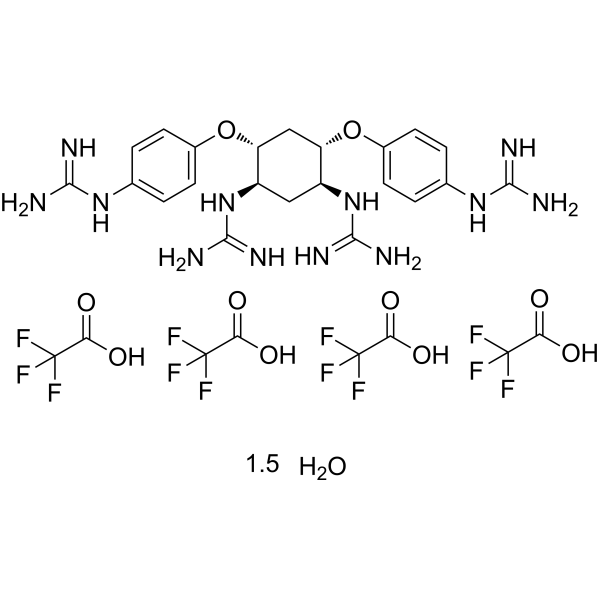
    4F-PMPH is a COX-II inhibitor with anti-inflammatory activity. 4F-PMPH binds to the active site of COX-II by forming key interactions with residues such as Val102, Tyr341, and Leu338 .
    4F-PMPH
  • HY-180567

    HIV Protease Infection Inflammation/Immunology
    PAC-Phe-Val is a potent HIV-1 protease inhibitor with an IC50 value of 33.10 nM. PAC-Phe-Val forms stable and strong interactions with critical active site residues, contributing to its high inhibitory potency. PAC-Phe-Val can be used for HIV/AIDS research .
    PAC-Phe-Val
  • HY-181139

    Anaplastic lymphoma kinase (ALK) Metabolic Disease
    ALK5-IN-86 (Compound 22f) is a selective ALK5 inhibitor with an IC50 of 0.267 μM. ALK5-IN-86 forms hydrogen bonds with key amino acid residues in the active site of ALK5. ALK5-IN-86 is applicable to the research of diseases such as liver fibrosis .
    ALK5-IN-86
  • HY-183362

    Parasite Adenosine Kinase Infection
    Antileishmanial agent-42 is an antileishmanial agent. Antileishmanial agent-42 has favorable interactions with key active site residues (e.g., Ser63, Asn66/295/299) of adenosine kinase. Antileishmanial agent-42 exerts activity against promastigote and amastigote forms of L. amazonensis, L. braziliensis, L. infantum, and L. donovani .
    Antileishmanial agent-42
  • HY-N19854

    NO Synthase Neurological Disease
    Mariaterpenoside A is an inducible nitric oxide synthase (iNOS) inhibitor. Mariaterpenoside A interacts with the active cavity of iNOS protein via hydrogen bonds with specific residues of the binding site. Mariaterpenoside A suppresses NO release in LPS (HY-D1056)-induced murine microglial BV-2 cells. Mariaterpenoside A can be used for the research of neurodegenerative disease .
    Mariaterpenoside A
  • HY-181141

    Cholinesterase (ChE) Monoamine Oxidase Neurological Disease
    AChE/MAO-B-IN-8 is an acetylcholinesterase (AChE) and monoamine oxidase B (MAO-B) inhibitor with IC50 values of 0.72 and 0.19 μM. AChE/MAO-B-IN-8 interactions with AChE and MAO-B active-site amino acid residues. AChE/MAO-B-IN-8 can be used for the research of Alzheimer’s disease .
    AChE/MAO-B-IN-8
  • HY-183076

    Bacterial Infection
    AW00718 is a Brachyspira pilosicoli glutamate racemase (Bp-MurI) inhibitor. AW00718 binds to Bp-MurI active site residues, forming stable hydrogen bonds and interactions with conserved amino acids in the enzyme’s binding cavity. AW00718 exerts antibacterial and bactericidal activity against Brachyspira pilosicoli in vitro. AW00718 can be used for the research of intestinal spirochaetosis .
    AW00718
  • HY-115373

    MMP Inflammation/Immunology
    RO314724 is a selective MMP-1 inhibitor. RO314724 chelates to the catalytic zinc ion within the active site of MMP-1 and forms a stable complex with MMP-1. RO314724 can be used for the research of osteoarthritis .
    RO314724
  • HY-181408

    Steroid Sulfatase Cancer
    Steroid sulfatase-IN-11 is a steroid sulfatase inhibitor, which functionally inhibits steroid sulfatase activity, reducing the enzyme's ability to hydrolyze steroid sulfates. Steroid sulfatase-IN-11 can be used for the research of hormone-dependent cancers .
    Steroid sulfatase-IN-11
  • HY-W000854S

    3-Methoxyphenylboronic acid-d3

    Isotope-Labeled Compounds Others
    3-Methoxybenzeneboronic acid-d3 is the deuterium labeled 3-Methoxybenzeneboronic acid (HY-W000854). 3-Methoxybenzeneboronic acid (3-Methoxyphenylboronic acid) is a boronic acid derivative. 3-Methoxybenzeneboronic acid shows best suitable binding pattern at the active site by interacting non-covalently with amino acid residues of proteins. 3-Methoxybenzeneboronic acid is a biochemical reagent that can be used as a biological material or organic compound for life science related research .
    3-Methoxybenzeneboronic acid-d3
  • HY-183698

    CDK Cancer
    CDK9-IN-51 is a CDK9 inhibitor. CDK9-IN-51 binds stably to purified CDK9 protein via interactions with key active-site residues Cys106, Asp109, and Phe103. CDK9-IN-51 exhibits antiproliferative activity against multiple cancer cells. CDK9-IN-51 can be used for the research of cancer, such as lung carcinoma, cervical carcinoma and breast carcinoma .
    CDK9-IN-51
  • HY-127083

    SARS-CoV Virus Protease Infection
    Artecanin is a SARS-CoV-2 main protease (M pro) inhibitor with predicted high gastrointestinal absorption and oral bioavailability, and no predicted hepatotoxicity, carcinogenicity, mutagenicity or cytotoxicity. Artecanin interacts with His41 and Cys145, the key amino acid residues in the active site of M pro, blocks the cleavage and maturation of viral precursor proteins, and forms a stable complex with M pro. Artecanin blocks the invasion of SARS-CoV-2. Artecanin is applicable to the research of COVID-19 .
    Artecanin
  • HY-181116

    CDK Cancer
    Anticancer agent 298 is a bi-nuclear Cu(II)-hydrazone complexe. Anticancer agent 298 can bind to the CDK-2 active site (PDB ID: 3IG7) via hydrogen bonds with key amino acid residues. Anticancer agent 298 exerts cytotoxic effects against hepatocellular carcinoma cells, and has lower cytotoxicity against normal human embryonic kidney cells. Anticancer agent 298 can be used for the research of hepatocellular carcinoma .
    Anticancer agent 298
  • HY-N17394

    Cholinesterase (ChE) Neurological Disease
    Melineurine is a reversible mixed-type acetylcholinesterase inhibitor, with an IC50 of 95.3 μM against AChE and an IC50 of 28.0 μM against BChE. Melineurine is applicable to the research of Alzheimer's disease .
    Melineurine
  • HY-113658

    Endogenous Metabolite Others
    ts-SA is a carbonic anhydrase (CA) inhibitor with activity against seven human CA homologues. ts-SA can bind to the Zn(II) ion in the enzyme active site in a deprotonated form. The organic skeleton of ts-SA extends in the enzyme cavity and participates in multiple interactions with amino acid residues and water molecules. Due to its structural differences, the inhibitory performance of ts-SA is significantly better than that of another pyridine derivative. ts-SA exhibits low nanomolar inhibitory activity and is a multi-target CA inhibitor .
    ts-SA
  • HY-123883

    HIV HIV Integrase Infection
    MK-0536 is a highly potent HIV-1 integrase inhibitor that effectively suppresses the replication of wild-type viruses. MK-0536 retains significant antiviral activity against multiple key drug-resistant mutants such as Y143R and N155H, and shows no toxicity to uninfected cells. MK-0536 selectively blocks the strand transfer reaction of integrase by chelating magnesium ions at the active site and interacting with viral DNA and enzyme residues. MK-0536 is applicable to the study of HIV infection mechanisms .
    MK-0536
  • HY-115894

    Herbicide Infection
    DapL-IN-1 is an inhibitor of L,L-diaminoheptanoic acid aminotransferase (DapL) with the characteristics of inhibiting DapL activity in bacteria and plants. DapL-IN-1 can be used to design and discover new biocides such as antibiotics, herbicides or algaecides with the potential to be non-toxic to animals. DapL-IN-1 shows differential sensitivity in inhibiting different DapL homologues, which can provide important information for further drug development. DapL-IN-1 may affect its biological activity by affecting the interaction with residues adjacent to the active site, which may lead to different binding modes .
    DapL-IN-1
  • HY-118460

    VCP/p97-IN-PPA

    p97 Cancer
    ACJI-99C (VCP/p97-IN-PPA) is a selective covalent p97/VCP ATPase inhibitor with an IC50 value of 0.6 μM. ACJI-99C binds with p97 active site residues to block ATPase activity. ACJI-99C irreversibly blocks degradation of p97-dependent protein in cells. ACJI-99C inhibits proliferation of cancer cells, including p97 inhibitor-resistant lines. ACJI-99C can be used for the research of colorectal cancer .
    ACJI-99C
  • HY-182636

    Deubiquitinase Aldehyde Dehydrogenase (ALDH) Metabolic Disease Inflammation/Immunology Cancer
    MT16-001 is a cell-permeable UCHL1 inhibitor with an IC50 value of 580 nM. MT16-001 also exhibits considerable inhibitory activity against USP30, and shows selectivity for other UCH family deubiquitinases (DUBs) as well as the broader proteome. MT16-001 binds covalently to the cysteine residue at the active site of UCHL1, and forms covalent interactions with ALDH2, ALDH9A1 and GATD3A in intact cells. Meanwhile, as a cytotoxic agent, it displays a steep dose-response curve in human embryonic kidney cells. MT16-001 can be used for research on various cancers, liver fibrosis and pulmonary fibrosis .
    MT16-001
  • HY-117641

    Ser/Thr Protease Cardiovascular Disease
    CP 81282 is a tripeptide aspartic protease inhibitor, with an IC50 of 1 nM against human renin and an IC50 of 11 nM against endopeptidase. CP 81282 is applicable to the research of hypertension .
    CP 81282

Inquiry Online

Your information is safe with us. * Required Fields.

Salutation


Country or Region *

Applicant Name *


Organization Name *

Department *


Email Address *


Product Name *

Cat. No.


Requested quantity *

Phone Number *


Remarks

Inquiry Online

Inquiry Information

Product Name:
Cat. No.:
Quantity:
MCE Japan Authorized Agent:

