1. Search Result
Search Result
Results for "

bacterial metabolite

" in MedChemExpress (MCE) Product Catalog:

93

Inhibitors & Agonists

2

Screening Libraries

1

Biochemical Assay Reagents

3

Peptides

39

Natural
Products

10

Isotope-Labeled Compounds

Cat. No. Product Name Target Research Areas Chemical Structure
  • HY-A0132
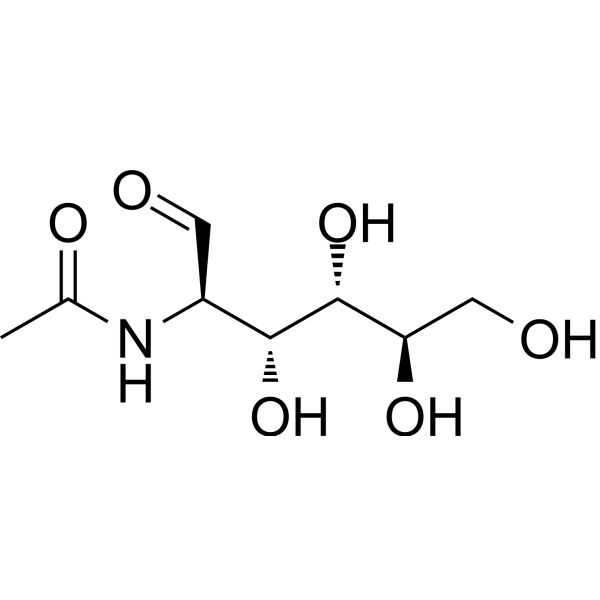
    N-Acetyl-D-glucosamine
    2 Publications Verification

    N-Acetyl-2-amino-2-deoxy-D-glucose

    Endogenous Metabolite Drug Derivative Drug Isomer Interleukin Related Metabolic Disease Inflammation/Immunology Cancer
    N-Acetyl-D-Glucosamine (N-Acetyl-2-amino-2-deoxy-D-glucose), the D isomer of N-acetylglucosamine, is an orally active monosaccharide derivative of glucose with anti-tumor and anti-inflammation properties. N-Acetyl-D-Glucosamine is also a bacterial metabolite, which is found in Escherichia coli. N-Acetyl-D-Glucosamine can induce yeast-mycelial conversion in Candida albicans. N-Acetyl-D-Glucosamine also enhances healing of cartilaginous injuries in rabbits .
    N-Acetyl-D-glucosamine
  • HY-N0904
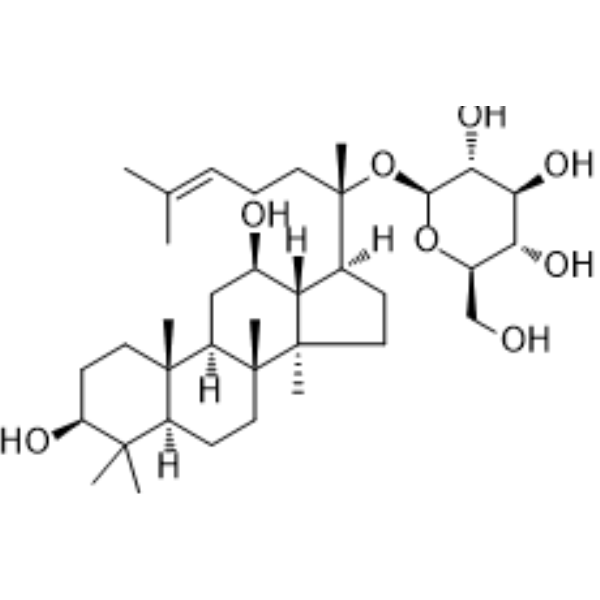
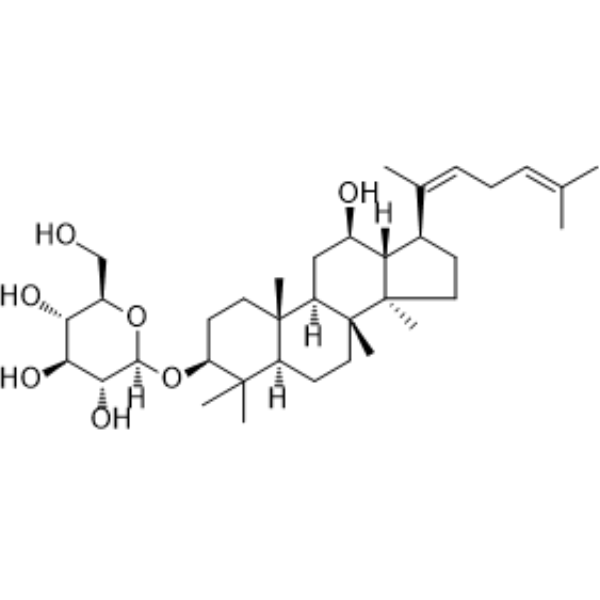
    Ginsenoside C-K
    5 Publications Verification

    Ginsenoside compound K; Ginsenoside K

    COX NO Synthase Cytochrome P450 Inflammation/Immunology
    Ginsenoside C-K, a bacterial metabolite of G-Rb1, exhibits anti-inflammatory effects by reducing iNOS and COX-2. Ginsenoside C-K exhibits an inhibition against the activity of CYP2C9 and CYP2A6 in human liver microsomes with IC50s of 32.0±3.6 μM and 63.6±4.2 μM, respectively.
    Ginsenoside C-K
  • HY-B1367
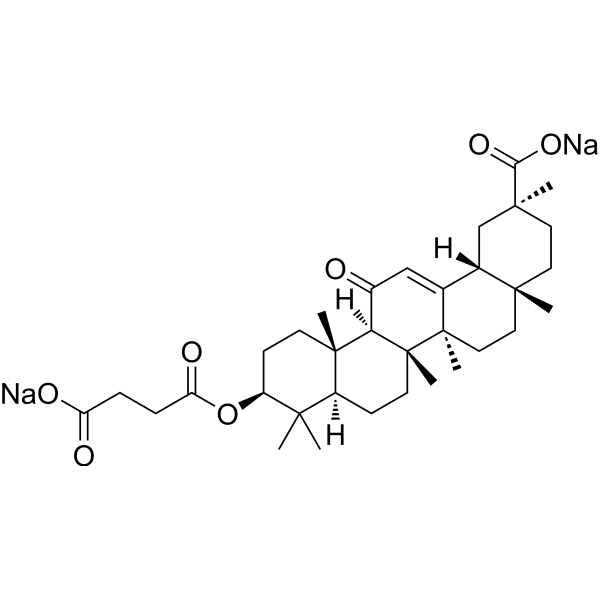
    Carbenoxolone disodium
    Maximum Cited Publications
    10 Publications Verification

    Gap Junction Protein Orthopoxvirus 11β-HSD Infection Inflammation/Immunology
    Carbenoxolone disodium is the active metabolite of Glycyrrhizic acid (HY-N0184) and the inhibitor of human 11β-HSD and bacterial 3α, 20β-HSD . Carbenoxolone disodium is an uncoupling agent for gap junctions and a potent inhibitor of Vaccinia virus replication . Carbenoxolone disodium is used for the study of peptic, esophageal and oral ulceration and inflammation. Carbenoxolone disodium inhibits Vaccinia virus replication.
    Carbenoxolone disodium
  • HY-N7378
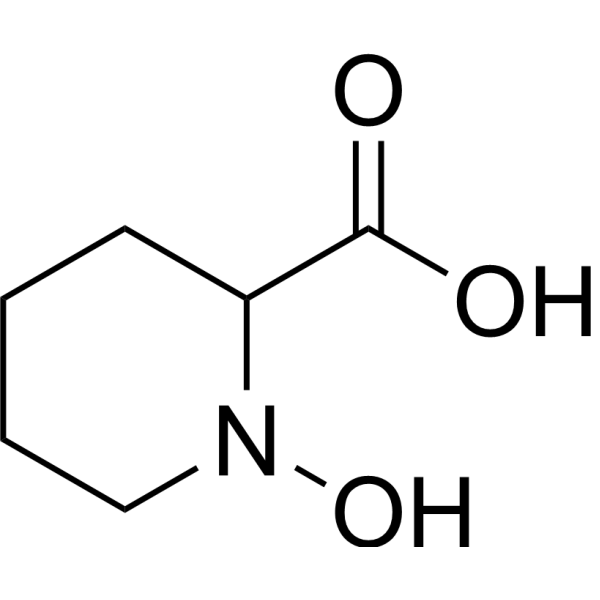
    N-Hydroxypipecolic acid
    5 Publications Verification

    1-Hydroxy-2-piperidinecarboxylic acid; NHP

    Bacterial Inflammation/Immunology
    N-Hydroxypipecolic acid (1-Hydroxy-2-piperidinecarboxylic acid), a plant metabolite and a systemic acquired resistance (SAR) regulator, orchestrates SAR establishment in concert with the immune signal salicylic acid. N-Hydroxypipecolic acid accumulates systemically in the plant foliage in response to pathogen attack. N-Hydroxypipecolic acid induces SAR to bacterial and oomycete infection .
    N-Hydroxypipecolic acid
  • HY-W015450

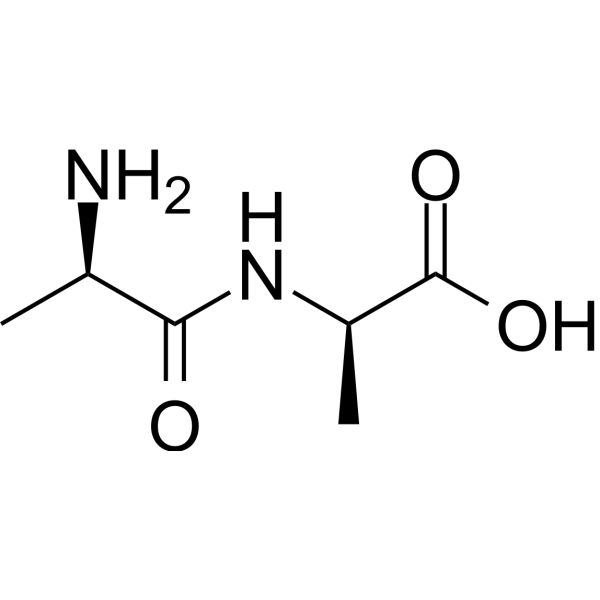
    D-Alanyl-D-alanine; H-D-Ala-D-Ala-OH

    Endogenous Metabolite Others
    D-Ala-D-Ala is a bacterial endogenous metabolite. D-Ala-D-Ala constitutes the terminus of the peptide part of the peptidoglycan monomer unit and is involved in the transpeptidation reaction as the substrate. D-Ala-D-Ala is catalyzed by D-Alanine-D-Alanine ligase .
    D-Ala-D-Ala
  • HY-N1029
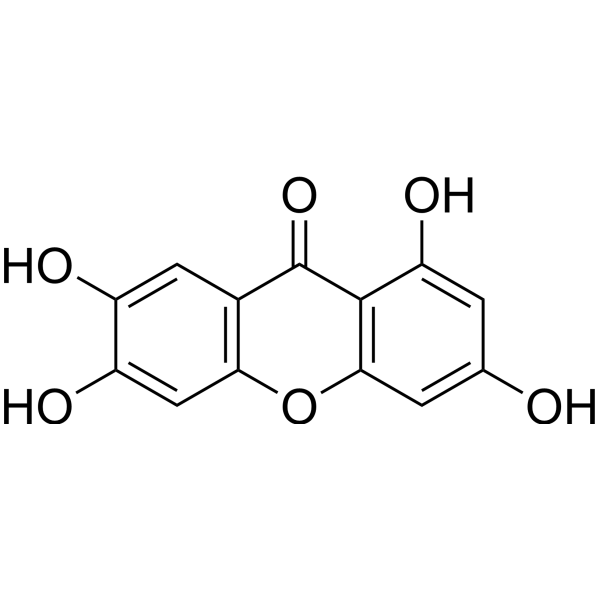
    Norathyriol
    3 Publications Verification

    Mangiferitin

    Glycosidase PPAR Infection Inflammation/Immunology Cancer
    Norathyriol (Mangiferitin) is a natural metabolite of Mangifera. Norathyriol inhibits α-glucosidase in a noncompetitive manner with an IC50 of 3.12 μM . Norathyriol inhibits PPARα, PPARβ, and PPARγ with IC50s of 92.8 µM, 102.4 µM, and 153.5 µM, respectively . Antioxidant, anticancer, antimicrobial, anti-inflammatory, anti-bacterial activities.
    Norathyriol
  • HY-N13356

    gamma-Glutamylthreonine; H-γ-Glu-Thr-OH; γ-Glu-Thr

    Bacterial Peptide-Drug Conjugates (PDCs) Drug Metabolite Infection Inflammation/Immunology
    L-gamma-Glutamyl-L-threonine (gamma-Glutamylthreonine; H-γ-Glu-Thr-OH; γ-Glu-Thr) is a dipeptide obtained through the formal condensation of the L-glutamic acid side chain carboxyl group and the L-threonine amino group. L-gamma-Glutamyl-L-threonine is present in high concentrations in human urine and exhibits antibacterial activity against Gram-negative bacterial. L-gamma-Glutamyl-L-threonine is also a flavor compound. Gamma-Glutamylthreonine is a metabolite catalyzed by γ-glutamyl transpeptidase and is associated with immune regulation. Gamma-Glutamylthreonine can be used in research on inflammation and bacterial infections .
    L-gamma-Glutamyl-L-threonine
  • HY-135470
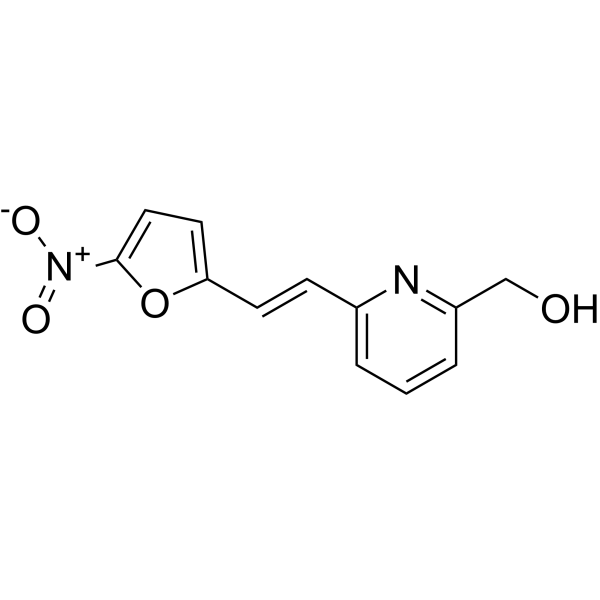
    Nifurpirinol
    1 Publications Verification

    P-7138

    Bacterial Infection
    Nifurpirinol (P-7138) is a selective prosubstrate of bacterial nitroreductase (NTR). NTR catalyzes the reduction of nifurpirinol to generate cytotoxic metabolites that induce apoptosis in target cells. Nifurpirinol selectively ablates NTR-expressing cells such as pancreatic β cells, osteoblasts, dopaminergic neurons, and podocytes in transgenic zebrafish models. Nifurpirinol can be used in regeneration studies and disease modeling such as focal segmental glomerulosclerosis (FSGS) .
    Nifurpirinol
  • HY-A0111
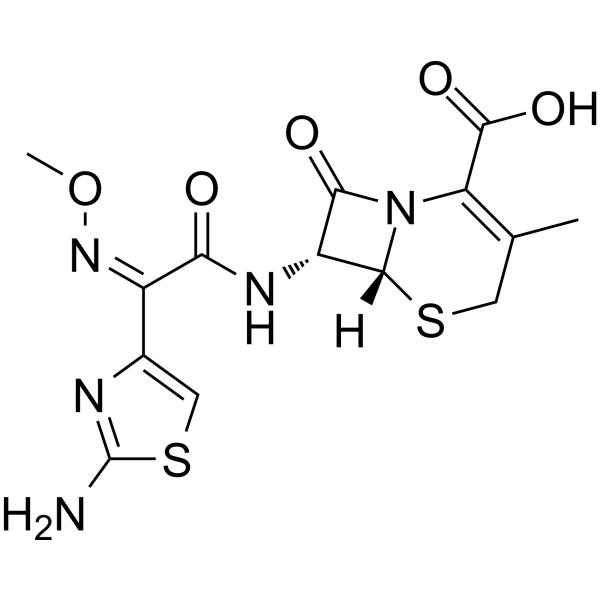
    Cefetamet
    1 Publications Verification

    Ro 15-8074; Deacetoxycefotaxime

    Antibiotic Bacterial Penicillin-binding protein (PBP) Drug Metabolite Infection
    Cefetamet (Ro 15-8074) is a cephalosporin antibiotic and the active metabolite of Cefetamet pivoxil (HY-B1894A). Cefetamet binds to bacterial penicillin-binding protein (PBP) (IC50 for PBP3 in Escherichia coli W3110 is 2.5 μg/mL). Cefetamet has significant activity against Gram-negative bacteria such as Enterobacteriaceae, Neisseria species, and Haemophilus influenzae, as well as Gram-positive bacteria such as Streptococcus. Cefetamet kills and lyses Treponema pallidum. Cefetamet can be used in the research of respiratory tract, urinary tract, ear, nose and throat infections, and syphilis .
    Cefetamet
  • HY-138877

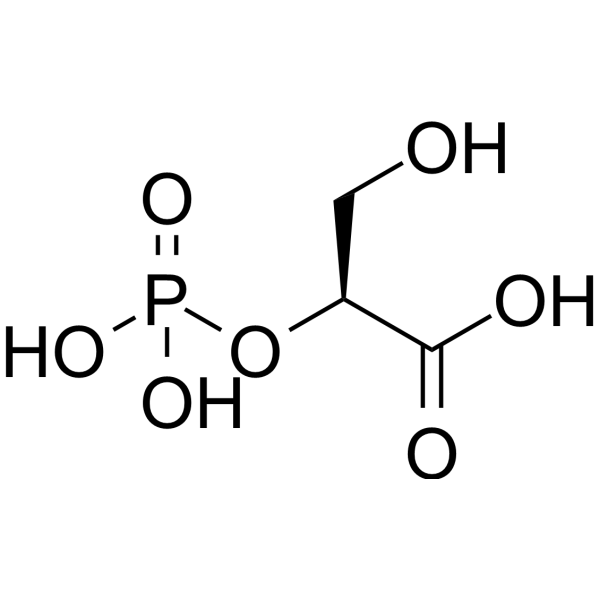
    Endogenous Metabolite Infection
    Phosphoglycolic acid is a metabolite and a bacterial cytoplasmic component. Phosphoglycolic acid acts as a by-product generated during the preparation of phosphoglycolohydroxamic acid via hydrolysis of ethyl phosphoglycolate. Phosphoglycolic acid also functions as an active component of postbiotics .
    Phosphoglycolic acid
  • HY-48814

    Bacterial FXR Infection Inflammation/Immunology
    3-Epideoxycholic acid is a secondary bile acid and a microbial metabolite of Deoxycholic acid (HY-N0593). 3-Epideoxycholic acid targets FXR in dendritic cells, reduces their immunostimulatory properties, promotes the generation of Treg cells, and exerts anti-inflammatory activity. 3-Epideoxycholic acid can promote the growth of the bacterium Bacteroides. 3-Epideoxycholic acid can be used in research related to inflammatory and immune diseases as well as bacterial infections .
    3-Epideoxycholic acid
  • HY-113247

    Drug Metabolite Others
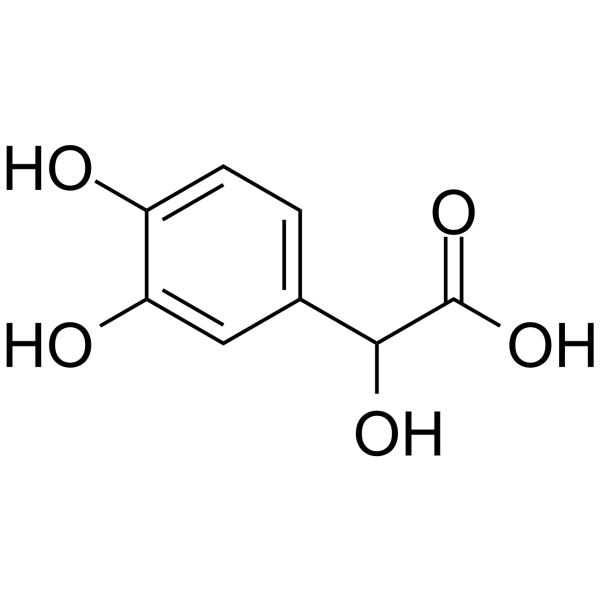
    trans-trans-Muconic acid is a urinary metabolite of Benzene. trans-trans-Muconic acid serves as a urinary biomarker for occupational benzene exposure .
    trans-trans-Muconic acid
  • HY-115249

    Bacterial Infection
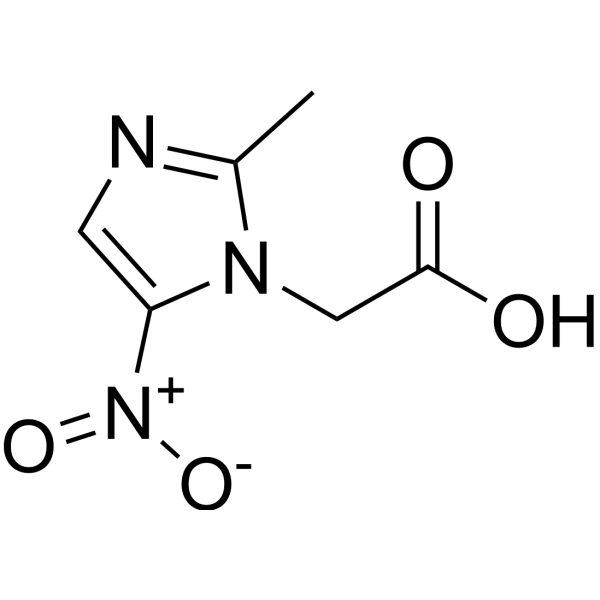
    Metronidazole acetic acid is a metabolite of Metronidazole (HY-B0318) and exhibits mutagenic activity in bacterial .
    Metronidazole acetic acid
  • HY-N0606
    Ginsenoside Rh3
    1 Publications Verification

    Quinone Reductase Keap1-Nrf2 Inflammation/Immunology
    Ginsenoside Rh3 is a bacterial metabolite of Ginsenoside Rg5. Ginsenoside Rh3 treatment in human retinal cells induces Nrf2 activation.
    Ginsenoside Rh3
  • HY-118099

    Bacterial Drug Metabolite Infection
    Florfenicol amine hydrochloride is a metabolite of Florfenicol (HY-B1374). Florfenicol inhibits bacterial protein synthesis by binding to 50S and 70S subunits in the ribosome to abolish the activity of peptidyltransferase. Florfenicol, is a veterinary antibiotic, can be used in aquaculture to control susceptible bacterial diseases .
    Florfenicol amine hydrochloride
  • HY-W014701

    Aryl Hydrocarbon Receptor Cytochrome P450 Apoptosis Interleukin Related Neurological Disease Inflammation/Immunology Endocrinology
    1,4-Dihydroxy-2-naphthoic acid is an aryl hydrocarbon receptor (AhR) agonist. 1,4-Dihydroxy-2-naphthoic acid is also a bacterially derived metabolite and has anti-inflammatory activity .
    1,4-Dihydroxy-2-naphthoic acid
  • HY-125407

    N-Palmitoyl serinol

    Cannabinoid Receptor Inflammation/Immunology
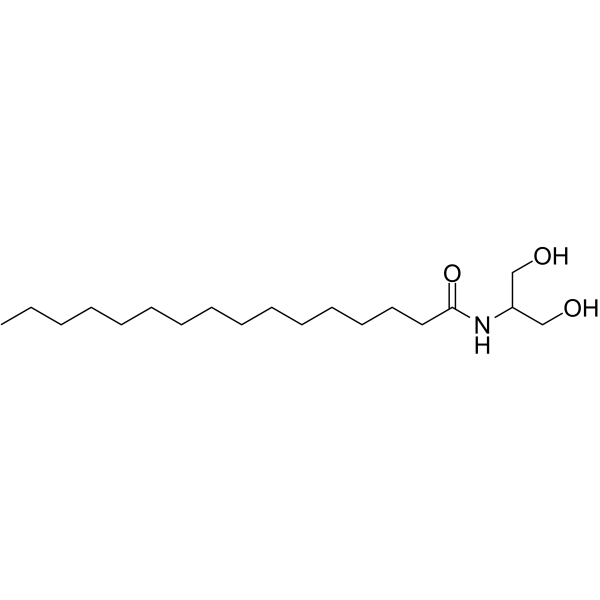
    Palmitoyl serinol (N-Palmitoyl serinol) is an analog of the endocannabinoid N-palmitoyl ethanolamine (PEA). Palmitoyl serinol improves the epidermal permeability barrier in both normal and inflamed skin .
    Palmitoyl serinol
  • HY-128866

    Bacterial Infection
    TBAJ-876 is an orally active diarylquinoline anti-Mycobacterium agent. TBAJ-876 regulates energy metabolism by targeting the c and ε subunits of Mycobacterium tuberculosis F-ATP synthase, exerts bactericidal activity against replicating Mycobacterium tuberculosis, and retains activity against strains carrying the Rv0678 mutation. TBAJ-876 undergoes N-demethylation in vivo to form its major active metabolite TBAJ-876-M3, which has lower lipophilicity and hERG potassium channel binding affinity. TBAJ-876 is well tolerated in BALB/c mice and significantly reduces the colony-forming units of Mycobacterium tuberculosis in the lungs. In addition, TBAJ-876 exhibits inhibitory activity against Mycobacterium abscessus, reduces bacterial loads in the lungs and spleens of infected mice, and shows no antagonistic effect when used in combination with common antibiotics. TBAJ-876 can be used in studies related to tuberculosis and Mycobacterium abscessus pulmonary diseases .
    TBAJ-876
  • HY-N7921

    Bacterial Others
    Urolithin M6 is a polyhydroxy-rich metabolite with potential antioxidant activity. Urolithin M6 is produced by intestinal microbial metabolism and may act as an analog of tannic acid compounds. The production of Urolithin M6 in humans requires specific bacterial 3-dehydroxylase activity, which provides a new mechanism for its biotransformation. The metabolic profile of Urolithin M6 helps to stratify volunteers and further explore its potential role in health and disease .
    Urolithin M6
  • HY-W016203

    Sodium phenylpyruvate

    Endogenous Metabolite PDI Infection Metabolic Disease
    Phenylpyruvic acid sodium is a endogenous metabolite that participates in the synthesis of 3-phenyllactic acid (PLA) by lactate dehydrogenase. Phenylpyruvic acid is a precursor of the antifungal compound phenyllactic acid. Phenylpyruvic acid can improve the antifungal activity of eight lactic acid bacterial strains through the addition into a dedined growth medium. Phenylpyruvic acid demonstrates improved inhibitory activity against fungal bread contaminants Aspergillus niger and Penicillium roqueforti. Phenylpyruvic acid affects enzyme activity of the pentose phosphate pathway involved in the oxidative phase in rat brain homogenates. Phenylpyruvic acid can reduce glucose-6-phosphate dehydrogenase activity .
    Phenylpyruvic acid sodium
  • HY-108279

    Antibiotic Bacterial Infection
    Ulifloxacin is a broad-spectrum quinolone antibiotic. Ulifloxacin is the active metabolite of Prulifloxacin (HY-B0024). Ulifloxacin has anti-bacterial activity .
    Ulifloxacin
  • HY-135389

    Drug Metabolite Antibiotic Infection
    Desmethyl Levofloxacin is a metabolite of Levofloxacin. Levofloxacin, a synthetic fluoroquinolone, is an antibacterial agent that inhibits the supercoiling activity of bacterial DNA gyrase, halting DNA replication .
    Desmethyl Levofloxacin
  • HY-125587

    Desacetylrifampicin

    Drug Metabolite Infection
    25-Desacetyl rifampicin (Desacetylrifampicin) is a metabolite of Rifampin (HY-B0272) via β-esterase. Rifampicin is a potent and broad spectrum antibiotic against bacterial pathogens .
    25-Desacetyl rifampicin
  • HY-N7503

    Drug Intermediate Bacterial Infection Cancer
    Psoralenoside is an orally active benzofuran glycoside. Psoralenoside is isolated from the fruits of Psoralea corylifolia. As a metabolite precursor, Psoralenoside undergoes deglycosylation by intestinal flora to form Psoralen (HY-N0053). Psoralenoside is applicable to research related to cancer and bacterial infections .
    Psoralenoside
  • HY-W130610R

    Liposome Reference Standards Akt mTOR Others
    Ginsenoside C-K (Standard) is the analytical standard of Ginsenoside C-K. This product is intended for research and analytical applications. Ginsenoside C-K, a bacterial metabolite of G-Rb1, exhibits anti-inflammatory effects by reducing iNOS and COX-2. Ginsenoside C-K exhibits an inhibition against the activity of CYP2C9 and CYP2A6 in human liver microsomes with IC50s of 32.0±3.6 μM and 63.6±4.2 μM, respectively.
    Stearamide (Standard)
  • HY-N15080

    Antibiotic Bacterial Infection Inflammation/Immunology
    S-2,3-Dicarboxyaziridine, a metabolite that can be isolated from a streptomyces, possesses anti-bacterial activity .
    S-2,3-Dicarboxyaziridine
  • HY-133695

    Drug Metabolite Infection
    Florfenicol amine is a metabolite of Florfenicol (HY-B1374). Florfenicol, a veterinary antibiotic, can be used in aquaculture to control susceptible bacterial diseases .
    Florfenicol amine
  • HY-136440

    Metronidazole-OH

    Bacterial Parasite Infection
    Hydroxymetronidazole (Metronidazole-OH) is a metabolite of Metronidazole belonging to the class of nitroimidazoles. Hydroxymetronidazole can be used for the research of certain bacterial and protozoal diseases in poultry, swine dysentery and genital trichomoniasis in cattle .
    Hydroxymetronidazole
  • HY-W653871

    Isotope-Labeled Compounds Infection
    Florfenicol amine-d3 is deuterated labeled Florfenicol amine. Florfenicol amine is a metabolite of Florfenicol (HY-B1374). Florfenicol, a veterinary antibiotic, can be used in aquaculture to control susceptible bacterial diseases .
    Florfenicol amine-d3
  • HY-133695S

    Isotope-Labeled Compounds Antibiotic Infection
    Florfenicol amine-d3-1 is the deuterium labeled Florfenicol amine. Florfenicol amine is a metabolite of Florfenicol (HY-B1374). Florfenicol, a veterinary antibiotic, can be used in aquaculture to control susceptible bacterial diseases .
    Florfenicol amine-d3-1
  • HY-136440R

    Metronidazole-OH (Standard)

    Reference Standards Bacterial Parasite Infection
    Hydroxymetronidazole (Standard) is the analytical standard of Hydroxymetronidazole. This product is intended for research and analytical applications. Hydroxymetronidazole (Metronidazole-OH) is a metabolite of Metronidazole belonging to the class of nitroimidazoles. Hydroxymetronidazole can be used for the research of certain bacterial and protozoal diseases in poultry, swine dysentery and genital trichomoniasis in cattle .
    Hydroxymetronidazole (Standard)
  • HY-N0904R

    Ginsenoside compound K(Standard); Ginsenoside K (Standard)

    Reference Standards COX NO Synthase Cytochrome P450 Inflammation/Immunology
    Ginsenoside C-K (Standard) is the analytical standard of Ginsenoside C-K. This product is intended for research and analytical applications. Ginsenoside C-K, a bacterial metabolite of G-Rb1, exhibits anti-inflammatory effects by reducing iNOS and COX-2. Ginsenoside C-K exhibits an inhibition against the activity of CYP2C9 and CYP2A6 in human liver microsomes with IC50s of 32.0±3.6 μM and 63.6±4.2 μM, respectively.
    Ginsenoside C-K (Standard)
  • HY-N11546

    Cytochrome P450 Bacterial Fungal Infection Cancer
    Sapindoside B is a substance with hepatoprotective activity, and also acts as a cytochrome P-450 (cytochrome P-450) inhibitor, antibacterial agent and membrane-disrupting agent. Sapindoside B reversibly inhibits the content of cytochrome P-450 in liver microsomes, suppresses the phenobarbital-induced increase in enzyme content, reduces the production of active metabolites mediated by cytochrome P-450, and alleviates hepatotoxic injury. Sapindoside B binds to Cutibacterium acnes lipase, reduces lipase activity, inhibits biofilm formation, and decreases bacterial adhesion. Sapindoside B exhibits cytotoxicity against human cancer, liver cancer, leukemia and glioblastoma cells. Sapindoside B inhibits mycelial growth of phytopathogenic fungal strains, possesses antibacterial activity against dermatophytes, and also has hemolytic/membrane-lytic activity. Sapindoside B can be used in research related to liver injury, Cutibacterium acnes biofilm-associated infections, gastric cancer, carcinoma, promyelocytic leukemia, glioblastoma, apple scab and grape gray mold .
    Sapindoside B
  • HY-111402

    Erizomycin; NSC 246134

    Bacterial Antibiotic Infection
    Pyridomycin (Erizomycin) is a selective and low cytotoxic inhibitor of Mycobacterium tuberculosis that effectively targets InhA. Pyrdomycin is also an antibiotic that can be obtained from metabolites of Dactylosporangium fulvum. Pyrdomycin can be used in the study of bacterial infections such as tuberculosis .
    Pyridomycin
  • HY-121178

    Bacterial Fungal Infection
    Deoxyviolacein is a bacterial metabolite and byproduct in the biosynthesis of the bisindole alkaloid violacein (HY-119809) that has anticancer, antibacterial, and antifungal properties. It inhibits proliferation of hepatocellular carcinoma cells when used at concentrations ranging from 0.1 to 1 μM. Deoxyviolacein (125 μg/mL) has antibacterial activity against Gram-positive bacteria, including S. aureus, B. subtilis, and B. megaterium. It also has antifungal activity against R. solani when used at a concentration of 2 mg/ml.
    Deoxyviolacein
  • HY-N8504

    NSC 260179; Spectinabilin

    Bacterial Infection
    Neoaureothin is a bacterial metabolite that has been found in Streptomyces. It is an androgen receptor (AR) antagonist that inhibits binding of dihydrotestosterone (DHT) to ARs (IC50=13 μM) and inhibits DHT-induced expression of prostate-specific antigen in LNCaP cells (IC50=1.75 nM). Neoaureothin is cytotoxic to A549, HCT116, and HepG2 cells (IC50s=34.3, 47, and 37.2 μg/mL, respectively). It also has nematocidal activity against the pine wood nematode B. xylophilus (LC50=0.84 μg/mL) and increases survival of P. densiflora trees inoculated with B. xylophilus.
    Neoaureothin
  • HY-W743473

    Ro 15-8074-d3; Deacetoxycefotaxime-d3

    Isotope-Labeled Compounds Bacterial Antibiotic Penicillin-binding protein (PBP) Drug Metabolite Infection
    Cefetamet-d3 (Ro 15-8074-d3; Deacetoxycefotaxime-d3) is the deuterium labeled Cefetamet (HY-A0111). Cefetamet (Ro 15-8074) is a cephalosporin antibiotic and the active metabolite of Cefetamet pivoxil (HY-B1894A). Cefetamet binds to bacterial penicillin-binding protein (PBP) (IC50 for PBP3 in Escherichia coli W3110 is 2.5 μg/mL). Cefetamet has significant activity against Gram-negative bacteria such as Enterobacteriaceae, Neisseria species, and Haemophilus influenzae, as well as Gram-positive bacteria such as Streptococcus. Cefetamet kills and lyses Treponema pallidum. Cefetamet can be used in the research of respiratory tract, urinary tract, ear, nose and throat infections, and syphilis .
    Cefetamet-d3
  • HY-N12145

    Ao58A; NSC 66645

    Bacterial Infection Cancer
    Streptimidone (Ao58A) is a bacterial metabolite found in Streptomyces. Streptimidone has antitumor activity .
    Streptimidone
  • HY-125058

    Apoptosis Cancer
    Kinamycin C is a bacterial metabolite containing a diazo group with anticancer activities. Kinamycin C induces a rapid apoptotic response in K562 cells .
    Kinamycin C
  • HY-N12255

    Glyoxalase (GLO) Cancer
    COTC is a bacterial metabolite with anticancer activity that is found in S. griseosporeus. COTC inhibits glyoxalase in the presence of glutathione (GSH). COTC also inhibits the proliferation of HeLa cells (IC50 = 18 µg/mL), as well as reduces tumor growth and improves survival in an Ehrlich murine spontaneous adenocarcinoma model .
    COTC
  • HY-N12108

    Phosphatase Infection Inflammation/Immunology Cancer
    Forphenicine is a bacterial metabolite that is found in S. fulvoviridis and an inhibitor of alkaline phosphatase. Forphenicine inhibits the growth of HL-60 leukemia cells at 10 µM. Forphenicine also increases survival in a guinea pig model of experimental autoimmune encephalomyelitis (EAE) .
    Forphenicine
  • HY-N7378A

    1-Hydroxy-2-piperidinecarboxylic acid potassium; NHP potassium

    Bacterial Inflammation/Immunology
    N-Hydroxypipecolic acid potassium (1-Hydroxy-2-piperidinecarboxylic acid potassium), a plant metabolite and a systemic acquired resistance (SAR) regulator, orchestrates SAR establishment in concert with the immune signal salicylic acid. N-Hydroxypipecolic acid potassium accumulates systemically in the plant foliage in response to pathogen attack. N-Hydroxypipecolic acid potassium induces SAR to bacterial and oomycete infection .
    N-Hydroxypipecolic acid potassium
  • HY-N14051

    Bacterial Infection
    Arizonin C1 is a microbial metabolite with anti-Gram-positive bacterial activities .
    Arizonin C1
  • HY-N14052

    Bacterial Infection
    Arizonin C3 is a microbial metabolite with anti-Gram-positive bacterial activities .
    Arizonin C3
  • HY-N14014

    Antibiotic Bacterial Infection
    Arizonin A1, a microbial metabolite, is an antibiotic with anti-Gram-positive bacterial activities .
    Arizonin B1
  • HY-118221

    Antibiotic Bacterial Infection
    Arizonin B1, a microbial metabolite, is an antibiotic with anti-Gram-positive bacterial activities .
    Arizonin A1
  • HY-W013266R

    Acetylsulfamethoxazole (Standard)

    Drug Metabolite Reference Standards Infection Metabolic Disease
    N4-Acetylsulfamethoxazole (Acetylsulfamethoxazole) Standard of N4-Acetylsulfamethoxazole (HY-W013266). This product is intended for research and analytical applications. N4-Acetylsulfamethoxazole (Acetylsulfamethoxazole) is the N4-acetylated metabolite of Sulfamethoxazole (HY-B0322) .
    N4-Acetylsulfamethoxazole (Standard)
  • HY-N15367

    Endogenous Metabolite Infection
    Aklaviketone is a bacterial metabolite found in strain S 383 of Streptomyces galilaeus. Aklaviketone can be used in the biosynthetic pathway of anthracycline antibiotics .
    Aklaviketone
  • HY-W748099

    Antibiotic Bacterial Infection
    Tetranor-Misoprostol is a derivative of Moxifloxacin (HY-66011A) and the active metabolite of a prostaglandin E1 analog. Moxifloxacin is an 8-methoxyquinolone antibacterial antibiotic used in the research of acute bacterial sinusitis, acute bacterial exacerbations of chronic bronchitis, and infectious pneumonia .
    tetranor-Misoprostol
  • HY-126699

    Antibiotic TAN 420D

    Bacterial Infection
    Herbimycin C is a bacterial metabolite originally isolated from S. hygroscopicus. It is cytotoxic to HeLa and Ehrlich cells (IC50s=7.3 and 1.2 μg/mL, respectively).
    Herbimycin C

Inquiry Online

Your information is safe with us. * Required Fields.

Salutation


Country or Region *

Applicant Name *


Organization Name *

Department *


Email Address *


Product Name *

Cat. No.


Requested quantity *

Phone Number *


Remarks

Inquiry Online

Inquiry Information

Product Name:
Cat. No.:
Quantity:
MCE Japan Authorized Agent:

