1. Search Result
Search Result
Results for "

human NLRP3

" in MedChemExpress (MCE) Product Catalog:

53

Inhibitors & Agonists

3

Inhibitory Antibodies

12

Natural
Products

2

Recombinant Proteins

2

Oligonucleotides

Cat. No. Product Name Target Research Areas Chemical Structure
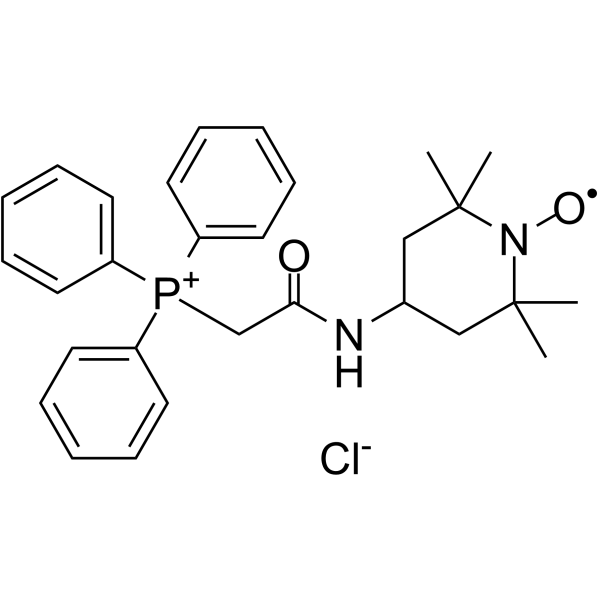
  • HY-112879
    Mito-TEMPO
    Maximum Cited Publications
    164 Publications Verification

    Calcium Channel PINK1/Parkin Mitochondrial Metabolism Apoptosis Autophagy NOD-like Receptor (NLR) Cardiovascular Disease Neurological Disease Metabolic Disease Inflammation/Immunology
    Mito-TEMPO is a mitochondria-targeted antioxidant. Mito-TEMPO induces mitophagy by activating the PINK1/Parkin pathway, inhibits NLRP3 inflammasome activation, restores mitochondrial membrane potential, and improves renal function and podocyte injury. Mito-TEMPO regulates Ca 2+ homeostasis, inhibits Bnip3 overexpression, shortens action potential duration, and exerts antiarrhythmic effects. Mito-TEMPO reverses premature senescence, reduces trabecular bone loss, and decreases cell apoptosis. Mito-TEMPO can be used in studies of chronic kidney disease, age-related cardiac dysfunction, postmenopausal osteoporosis, and ischemic stroke .
    Mito-TEMPO
  • HY-N0194
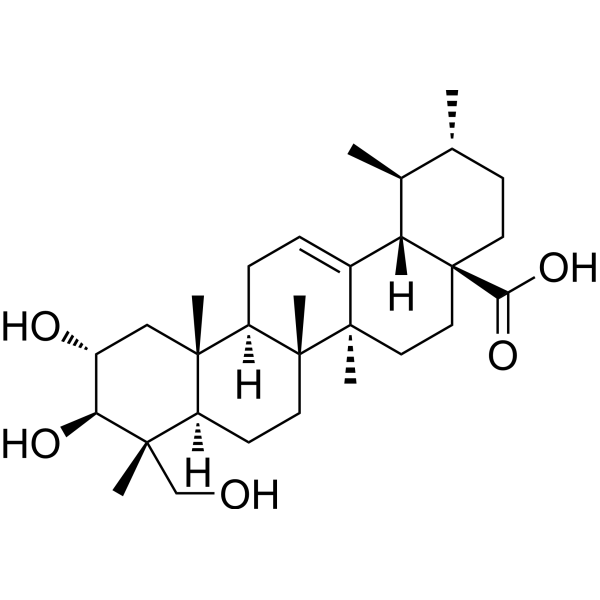
    Asiatic acid
    4 Publications Verification

    Apoptosis Parasite Inflammation/Immunology Cancer
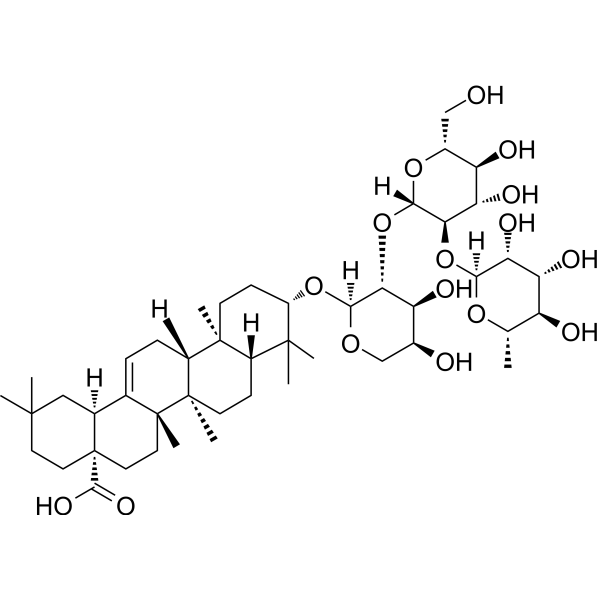
    Asiatic acid, a pentacyclic triterpene found in Centella asiatica (Centella asiatica), has anticancer activity. Asiatic acid induces apoptosis in melanoma cells and has barrier protective effects on human aortic endothelial cells (HAEC). Asiatic acid also has anti-inflammatory activity and inhibits tumor necrosis factor (TNF)-α-induced endothelial barrier dysfunction. Asiatic acid also inhibits NLRP3 inflammasome activation and NF-κB pathway, effectively inhibits inflammation in rats, and has neuroprotective effects in rat spinal cord injury (SCI) model .
    Asiatic acid
  • HY-132831
    Selnoflast
    1 Publications Verification

    Somalix; RO-7486967; IZD334

    NOD-like Receptor (NLR) Interleukin Related Neurological Disease Inflammation/Immunology
    Selnoflast (RO7486967), formerly somalix/RG6418/IZD334, is an orally active, potent, selective and reversible small molecule NLRP3 inflammasome inhibitor. Selnoflast is a potent inhibitor of IL-1β release stimulated by NLRP3 activation in human Alzheimer's disease (AD) monocyte-derived macrophages. Selnoflast is promising for research of AD and systemic inflammatory diseases, such as ulcerative colitis and chronic obstructive pulmonary disease .
    Selnoflast
  • HY-P9928
    Alirocumab
    1 Publications Verification

    REGN 727; SAR 236553

    PCSK9 NOD-like Receptor (NLR) Keap1-Nrf2 HMG Family NF-κB CX3CR1 Cardiovascular Disease Cancer
    Alirocumab is an anti-PCSK9 human monoclonal antibody. Alirocumab inhibits PCSK9. Alirocumab reduces NLRP3 inflammasome, regulates Nrf2/HO-1, HMGB1/NF-κB and Fractalkine/CX3CR1. Alirocumab increases the ability of the liver to bind LDL-cholesterol (LDL-C) and reduces levels of LDL-C in blood. Alirocumab improves atherosclerosis and inflammation .
    Alirocumab
  • HY-B0987
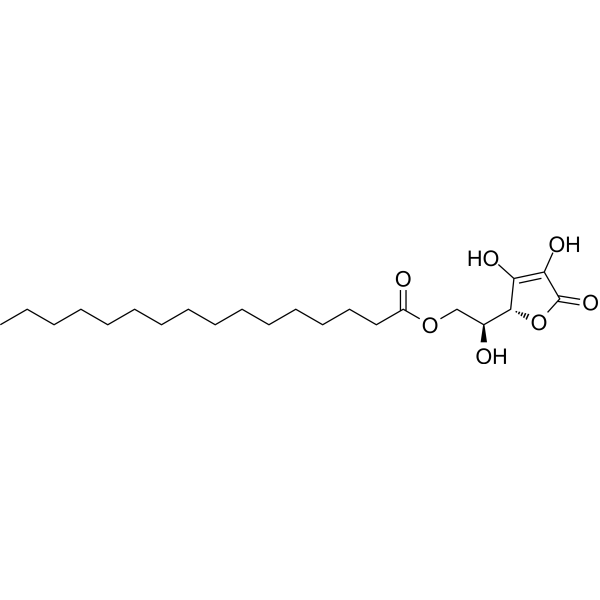
    Ascorbyl palmitate
    3 Publications Verification

    L-Ascorbic acid 6-hexadecanoate; 6-O-Palmitoyl-L-ascorbic acid

    Environmental Pollutants Reactive Oxygen Species (ROS) Endogenous Metabolite Apoptosis Bcl-2 Family Caspase Calcium Channel NOD-like Receptor (NLR) Sodium Channel Inflammation/Immunology
    Ascorbyl palmitate is an orally active ester formed from ascorbic acid and palmitic acid, used as an antioxidant and food additive. Ascorbyl palmitate in preventing fat and oil oxidation is more efficient than Butylated hydroxyanisole (HY-B1066) and Butylated hydroxytoluene (HY-Y0172). Ascorbyl palmitate mitigates inhibition of collagen synthesis by select calcium and sodium channel blockers. Ascorbyl palmitate induces Apoptosis in human umbilical vein endothelial cells (HUVECs). Ascorbyl palmitate ameliorates inflammatory diseases by inhibition of NLRP3 inflammasome .
    Ascorbyl palmitate
  • HY-156438

    NT-0796

    NOD-like Receptor (NLR) Interleukin Related Neurological Disease
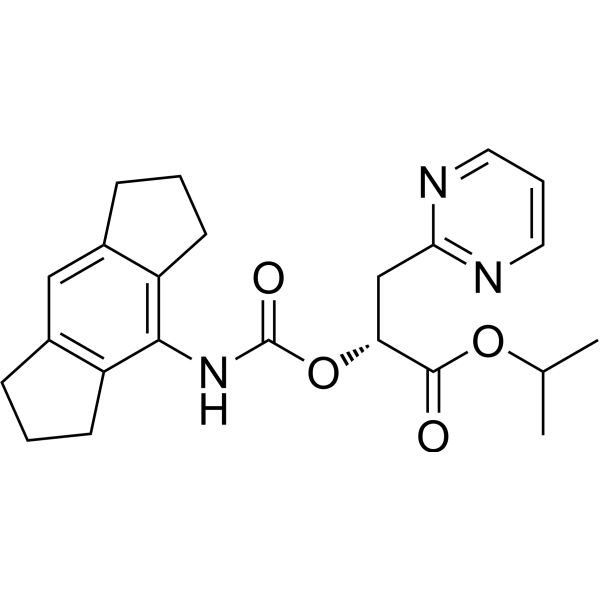
    Ruvonoflast (NT-0796) is an orally active, selective and CNS-penetrant NLRP3 inflammasome inhibitor. Ruvonoflast inhibits IL-1β release in human PBMC cells with an IC50 value of 0.32 nM. Ruvonoflast is an isopropyl ester that undergoes intracellular conversion to Ruvonoflast, the carboxylic acid active species. Ruvonoflast reverses high fat diet-induced obesity, systemic inflammation and astrogliosis in the diet-induced obesity mouse model. Ruvonoflast is promising for research of neurodegenerative disorders, including Alzheimer’s disease, Parkinson’s disease, multiple sclerosis, and amyotrophic lateral sclerosis .
    Ruvonoflast
  • HY-A0020
    Eldecalcitol
    4 Publications Verification

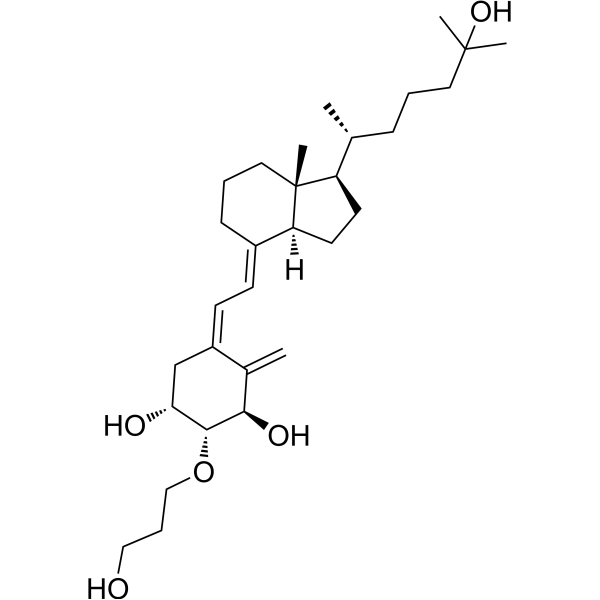
    ED-71; 2-(3-hydroxypropoxy)-1,25-dihydroxyvitamin D3

    VD/VDR Apoptosis Metabolic Disease Inflammation/Immunology Cancer
    Eldecalcitol (ED-71) is an orally active vitamin D3 analogue, inhibits bone resorption and increases bone mineral density. Eldecalcitol (ED-71) displays anti-tumor effect and inhibits cell proliferation, migration and induces apoptosis by suppressing GPx-1 .
    Eldecalcitol
  • HY-N1990
    Gypenoside XLIX
    2 Publications Verification

    PPAR Sirtuin Keap1-Nrf2 Toll-like Receptor (TLR) NF-κB Reactive Oxygen Species (ROS) NOD-like Receptor (NLR) Apoptosis Pyroptosis Autophagy Cardiovascular Disease Neurological Disease Metabolic Disease Inflammation/Immunology
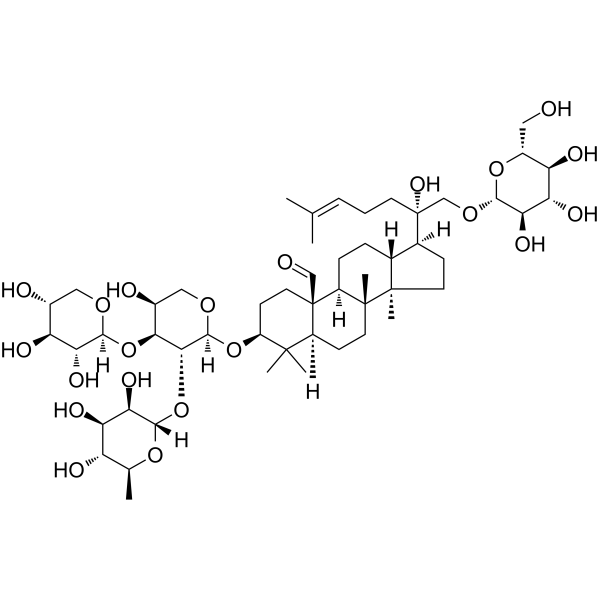
    Gypenoside XLIX is a multifunctional bioactive compound that can be isolated from Gynostemma pentaphyllum, with a Ka value of 1.58 μM for its binding to SIRT1. Gypenoside XLIX acts as a PPAR-α agonist. It inhibits the activation of TLR4-mediated NF-κB signaling pathway by activating the Sirt1/Nrf2 signaling pathway, reduces ROS accumulation, and alleviates hepatic inflammatory injury in mice with sepsis-induced liver disease. Gypenoside XLIX targets SIRT1 to block YAP-NLRP3 activation and improve sepsis-induced cardiomyopathy. Gypenoside XLIX inhibits apoptosis (Apoptosis), pyroptosis (Pyroptosis), autophagy (Autophagy), lipid peroxidation, pro-inflammatory cytokines and anti-inflammatory cytokines. Gypenoside XLIX alleviates sepsis-induced splenic injury by inhibiting inflammation and oxidative stress, and mitigates sepsis-associated encephalopathy by targeting PPAR-α. Gypenoside XLIX prevents acute kidney injury by inhibiting IGFBP7/IGF1R-mediated programmed cell death and inflammation. Gypenoside XLIX inhibits the expression and activity of vascular cell adhesion molecule-1 in cytokine-induced human endothelial cells. Gypenoside XLIX is applicable to research related to acute liver injury, lung injury, cardiomyopathy, acute splenic injury, sepsis-associated encephalopathy, acute kidney injury, atherosclerosis and chronic inflammation .
    Gypenoside XLIX
  • HY-148258

    NOD-like Receptor (NLR) Interleukin Related Caspase Neurological Disease Inflammation/Immunology
    GDC-2394 is an orally active and selective NLRP3 inhibitor, and also inhibits IL-1β with IC50s of 0.4 μM (human IL-1β) and 0.1 μM (mouse IL-1β). GDC-2394 inhibits NLRP3-induced caspase-1 activity without inhibiting NLRC4-dependent inflammasome activation. GDC-2394 could be used to study gouty arthritis.
    GDC-2394
  • HY-N0819
    Raddeanin A
    1 Publications Verification

    Apoptosis PI3K Akt ERK mTOR Wnt β-catenin Wee1 JNK VEGFR CDK Neurological Disease Inflammation/Immunology Cancer
    Raddeanin A is an oleanane-type triterpenoid saponin with oral activity. Raddeanin A inhibits SRC, mTOR, JNK, VEGFR2, NLRP3 inflammasome, Wnt/β-catenin, Wee1, PI3K/AKT signaling pathway, MAPK/ERK signaling pathway, AR-FL, AR-Vs, and downregulates the expression of p-PI3K and p-AKT. Raddeanin A inhibits osteoclast formation, bone resorption, osteolysis, cancer cell invasion, migration, proliferation, angiogenesis and epithelial-mesenchymal transition, while induces apoptosis, cell cycle arrest, ROS production, immunogenic cell death and dendritic cell maturation. Raddeanin A improves blood-retinal barrier function, alleviates inflammation, regulates the tumor microenvironment, and enhances the activity of anti-PD-1 antibody. Raddeanin A is applicable to the research of breast cancer-associated osteolysis, human osteosarcoma, colorectal cancer, glioblastoma, Alzheimer's disease, cholangiocarcinoma, melanoma, non-small cell lung cancer, castration-resistant prostate cancer and multiple myeloma .
    Raddeanin A
  • HY-P9928A
    Alirocumab (anti-PCSK9)
    1 Publications Verification

    REGN 727(anti-PCSK9); SAR 236553(anti-PCSK9)

    PCSK9 NOD-like Receptor (NLR) Keap1-Nrf2 HMG Family NF-κB CX3CR1 Cardiovascular Disease Cancer
    Alirocumab (anti-PCSK9) is an anti-PCSK9 human monoclonal antibody. Alirocumab (anti-PCSK9) inhibits PCSK9. Alirocumab (anti-PCSK9) reduces NLRP3 inflammasome, regulates Nrf2/HO-1, HMGB1/NF-κB and Fractalkine/CX3CR1. Alirocumab (anti-PCSK9) increases the ability of the liver to bind LDL-cholesterol (LDL-C) and reduces levels of LDL-C in blood. Alirocumab (anti-PCSK9) improves atherosclerosis and inflammation .
    Alirocumab (anti-PCSK9)
  • HY-125944
    MitoTEMPO hydrate
    Maximum Cited Publications
    164 Publications Verification

    Mitochondrial Metabolism PINK1/Parkin NOD-like Receptor (NLR) Autophagy Calcium Channel Apoptosis Cardiovascular Disease Neurological Disease Metabolic Disease Endocrinology
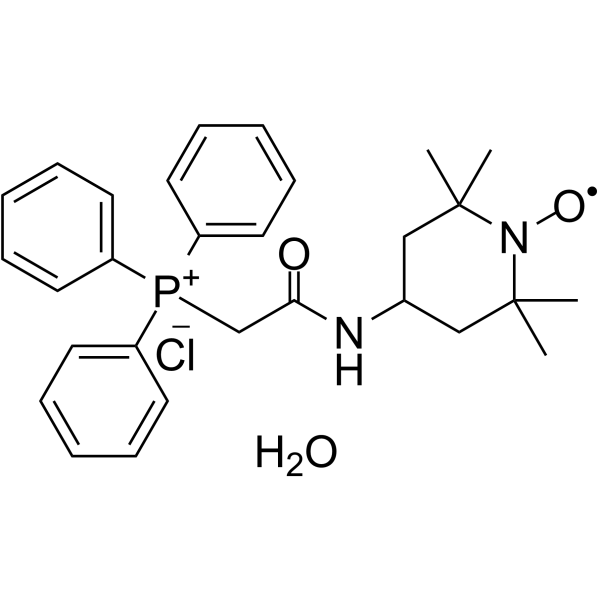
    MitoTEMPO hydrate is a mitochondria-targeted antioxidant . MitoTEMPO hydrate induces mitophagy by activating the PINK1/Parkin pathway, inhibits NLRP3 inflammasome activation, restores mitochondrial membrane potential, and improves renal function and podocyte injury. MitoTEMPO hydrate regulates Ca 2+ homeostasis, inhibits Bnip3 overexpression, shortens action potential duration, and exerts antiarrhythmic effects. MitoTEMPO hydrate reverses premature senescence, reduces trabecular bone loss, and decreases cell apoptosis. MitoTEMPO hydrate can be used in studies of chronic kidney disease, age-related cardiac dysfunction, postmenopausal osteoporosis, and ischemic stroke .
    MitoTEMPO hydrate
  • HY-117878
    ML345
    1 Publications Verification

    IDE NOD-like Receptor (NLR) Interleukin Related Inflammation/Immunology Endocrinology
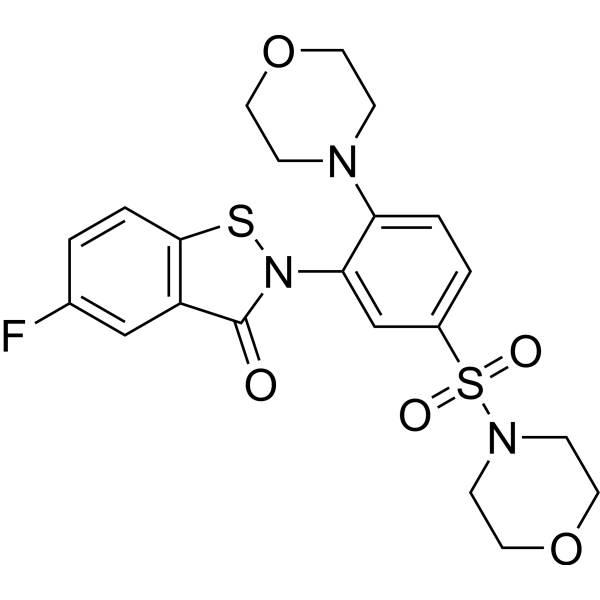
    ML345 is a potent and selective inhibitor of insulin-degrading enzyme (IDE) and NLRP3, with an IC50 of 188 nM against IDE. ML345 targets the Cys819 residue of IDE to inhibit IDE. ML345 selectively binds to NLRP3 in a non-covalent manner. ML345 inhibits inflammatory cytokines (IL-1β, IL-6) and exhibits potent anti-inflammatory activity. ML345 exerts a protective effect against miscarriage .
    ML345
  • HY-163159

    NOD-like Receptor (NLR) Interleukin Related Inflammation/Immunology
    NP3-562 is an orally active NLRP3 Inhibitor. NP3-562 inhibits IL-1β release in the supernatant of Nigericin (HY-127019)-stimulated THP-1 cells (IC50 = 66 nM), human whole blood (IC50 = 214 nM) and a mouse acute peritonitis model. NP3-562 can be used for the study of acute peritonitis .
    NP3-562
  • HY-161627

    Pyruvate Carboxylase (PC) NOD-like Receptor (NLR) NF-κB Interleukin Related Inflammation/Immunology
    Anemoside A3-methyl 6-aminohexanoate is an orally effective pyruvate carboxylase (PC) inhibitor with a Kd value of 10.1 μM against human PC. Anemoside A3-methyl 6-aminohexanoate exerts its function through the PC/NF-κB/NLRP3 inflammasome axis. Anemoside A3-methyl 6-aminohexanoate significantly alleviates symptoms of DSS (HY-116282C)-induced colitis in mice. Anemoside A3-methyl 6-aminohexanoate can be used in colitis-related research .
    Anemoside A3-methyl 6-aminohexanoate
  • HY-B1239
    Drofenine hydrochloride
    1 Publications Verification

    Hexahydroadiphenine hydrochloride

    Cholinesterase (ChE) Potassium Channel Amyloid-β TRP Channel Tau Protein NOD-like Receptor (NLR) JNK NF-κB IKK Neurological Disease Metabolic Disease Inflammation/Immunology
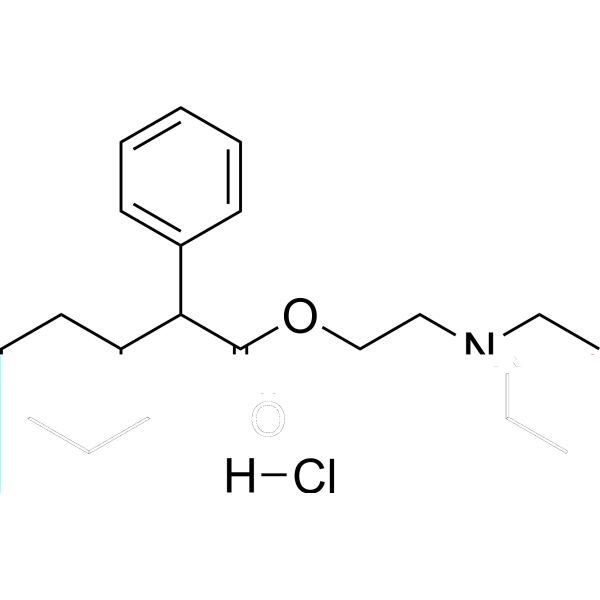
    Drofenine (Cycloadiphene; Hexahydroadiphenine) hydrochloride is an brain-penetrant antispasmodic agent. Drofenine hydrochloride is a Kv2.1 channel inhibitor with human IC50 of 9.53 μM. Drofenine hydrochloride is a butyrylcholinesterase (BChE) inhibitor with Ki of 0.003 mM, and is a TRPV3 activator. Drofenine hydrochloride blocks Kv2.1-dependent potassium efflux, inhibits Kv2.1/JNK/NF-κB and IkBa/NF-kB signaling, suppresses Kv2.1 mRNA/protein expression. Drofenine suppresses oligomeric -induced microglial NLRP3 inflammasome activation and neuronal Tau hyperphosphorylation, improves cognitive impairment, promotes neurite outgrowth. Drofenine hydrochloride induces calcium influx in keratinocytes and exert cytotoxicity against keratinocytes. Drofenine hydrochloride ameliorates diabetic peripheral neuropathy -like pathology. Drofenine hydrochloride can be used for the researches of Alzheimer's disease, diabetic peripheral neuropathy and smooth muscle spasm .
    Drofenine hydrochloride
  • HY-RS09357

    Small Interfering RNA (siRNA) Others

    NLRP3 Human Pre-designed siRNA Set A contains three designed siRNAs for NLRP3 gene (Human), as well as a negative control, a positive control, and a FAM-labeled negative control.

    NLRP3 Human Pre-designed siRNA Set A
    NLRP3 Human Pre-designed siRNA Set A
  • HY-N0442

    4'-O-β-D-Glucosyl-5-O-methylvisamminol

    NF-κB p38 MAPK JNK Src TNF Receptor NOD-like Receptor (NLR) Amyloid-β MEK ERK Ferroptosis VEGFR Anaplastic lymphoma kinase (ALK) Reactive Oxygen Species (ROS) Neurological Disease Metabolic Disease Inflammation/Immunology Cancer
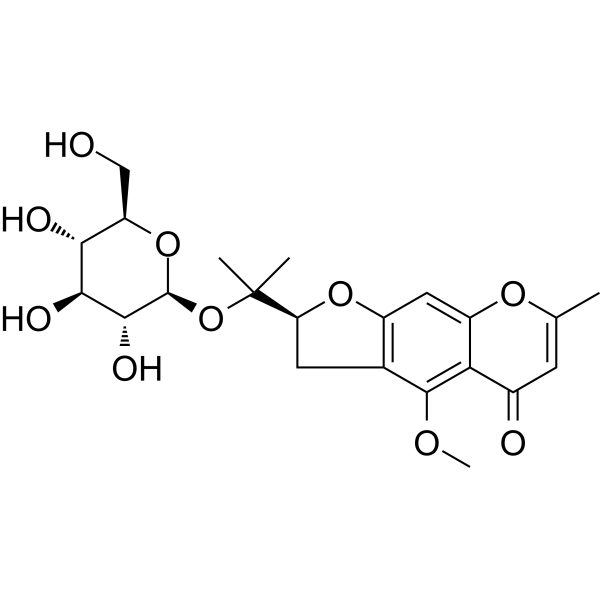
    5-O-Methylvisammioside (4'-O-β-D-Glucosyl-5-O-methylvisamminol) is an orally active natural chromone glycoside and multiple biological activities. 5-O-Methylvisammioside inhibits ferroptosis by activating the Nrf2/HO-1 signaling axis. 5-O-Methylvisammioside alleviates intestinal barrier damage by inhibiting the ROS/NF-κB/NLRP3 pathway. 5-O-Methylvisammioside exerts a protective effect against acute liver injury by reducing ALT/AST, decreasing inflammatory infiltration, and inhibiting IκB-α phosphorylation and NF-κB nuclear translocation. 5-O-Methylvisammioside blocks the HMGB1/RAGE/MEK/ERK signaling axis to exert anti-tumor and anti-angiogenic effects. 5-O-Methylvisammioside improves depression-like behaviors by inhibiting Src kinase and the NF-κB pathway .
    5-O-Methylvisammioside
  • HY-175278

    NOD-like Receptor (NLR) Neurological Disease Inflammation/Immunology
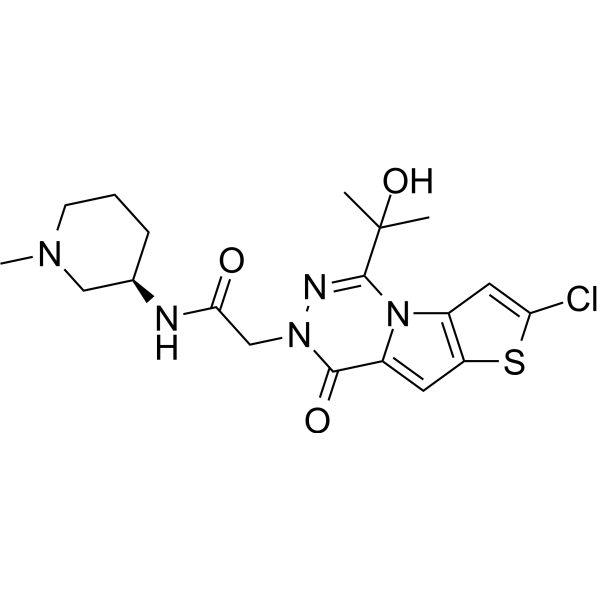
    BAL-1516 is an orally active NLRP3 inhibitor with human NLRP3 Kd of 14.2 nM, mouse NLRP3 Kd of 200 nM, and blood-brain barrier penetration.BAL-1516 binds to a surface groove of the NLRP3 nucleotide-binding domain, contacts FISNA and WHD subdomains, forms three hydrogen bonds to the peripheral β-strand of the triple-ATPase, and does not alter NLRP3 ATP-hydrolysis activity.BAL-1516 shows specificity for NLRP3 over other NOD-like receptors, directly binds mouse NLRP3, and inhibits inflammasome formation in monocytes and microglia .
    BAL-1516
  • HY-119684

    NOD-like Receptor (NLR) Interleukin Related Neurological Disease Inflammation/Immunology
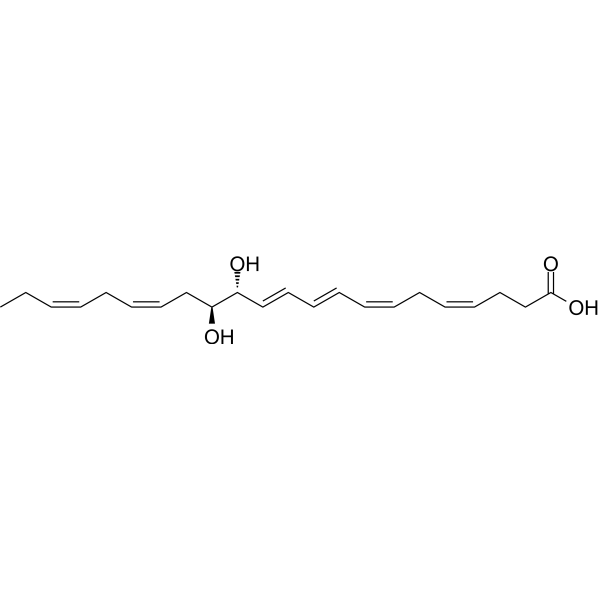
    Maresin 2 is an anti-inflammatory and pro-resolving mediator. Maresin 2 drives intestinal epithelial cell migration by activating the focal cell-matrix adhesion signaling pathway in primary human intestinal epithelial cells, thereby promoting mucosal wound repair. Maresin 2 alleviates nociceptive and anxiety-like behaviors in rats with type 1 diabetes by inhibiting IL-1β in the spinal cord and prefrontal cortex. Maresin 2 attenuates allergic airway inflammation in mice by inhibiting the activation of the NLRP3 inflammasome, Th2-type immune responses, and oxidative stress. Maresin 2 inhibits inflammatory and neuropathic trigeminal neuralgia and reduces neuronal activation in the trigeminal ganglion. Maresin 2 promotes inflammation resolution and mucosal repair after DSS-induced colitis or biopsy-induced colonic mucosal injury .
    Maresin 2
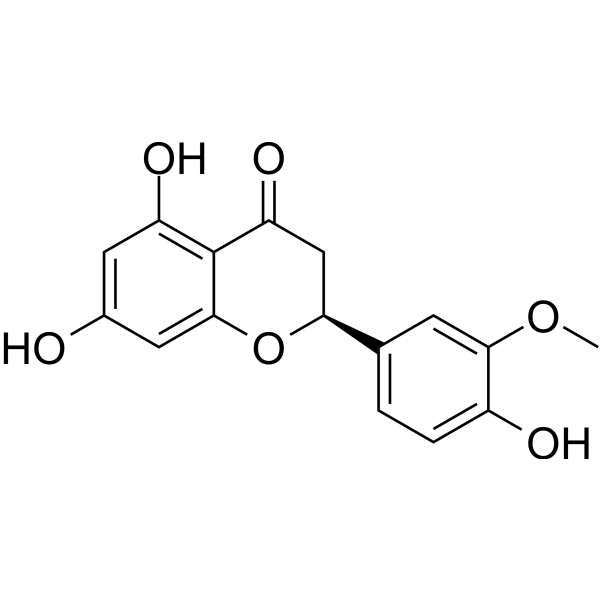
  • HY-N8210

    Drug Metabolite Autophagy Apoptosis Reactive Oxygen Species (ROS) Keap1-Nrf2 MMP Caspase PARP MDM-2/p53 Neurological Disease Inflammation/Immunology Cancer
    Homoeriodictyol is an orally active, bitter-tasting flavanone that can penetrate the blood-brain barrier. Homoeriodictyol enhances synaptic-related protein expression through NCOA4-mediated ferritin autophagy. Homoeriodictyol improves memory impairment in mice by inhibiting the NLRP3 inflammasome. Homoeriodictyol protects human endothelial cells from oxidative damage by activating Nrf2 and inhibiting mitochondrial dysfunction. Homoeriodictyol enhances ROS activity and induces apoptosis, exhibiting anticancer effects. Homoeriodictyol inhibits the survival and migration of androgen-resistant prostate cancer cells in vitro. Homoeriodictyol exerts antinociceptive activity in mice in vivo .
    Homoeriodictyol
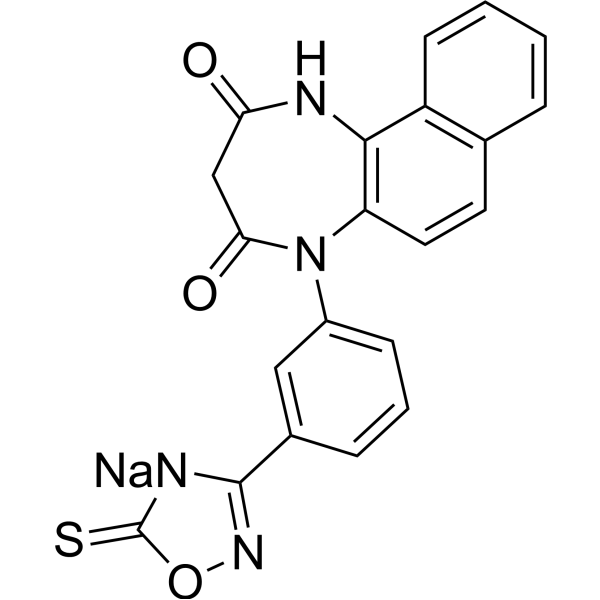
  • HY-150270A

    P2X Receptor Prostaglandin Receptor NOD-like Receptor (NLR) Caspase Interleukin Related Inflammation/Immunology
    NP-1815-PX sodium is an orally active dual inhibitor of P2X4 and prostaglandin TP receptors, with an IC50 of 0.26 μM against human P2X4 receptors. NP-1815-PX sodium specifically inhibits ATP-mediated prostaglandin production, TP receptor-induced calcium elevation, and the canonical/non-canonical NLRP3 inflammasome signaling pathway. NP-1815-PX sodium selectively blocks smooth muscle contractions induced by ATP, U46619 (HY-108566) and prostaglandin F2α. NP-1815-PX sodium not only produces anti-allodynic effects in vivo, but also significantly alleviates symptoms of DNBS (HY-W324435)-induced colitis (such as weight loss and tissue damage). NP-1815-PX sodium exerts anti-inflammatory effects by downregulating IL-1β levels and Caspase-1 activity. NP-1815-PX sodium is used in studies related to asthma and inflammatory bowel disease (colitis) .
    NP-1815-PX sodium
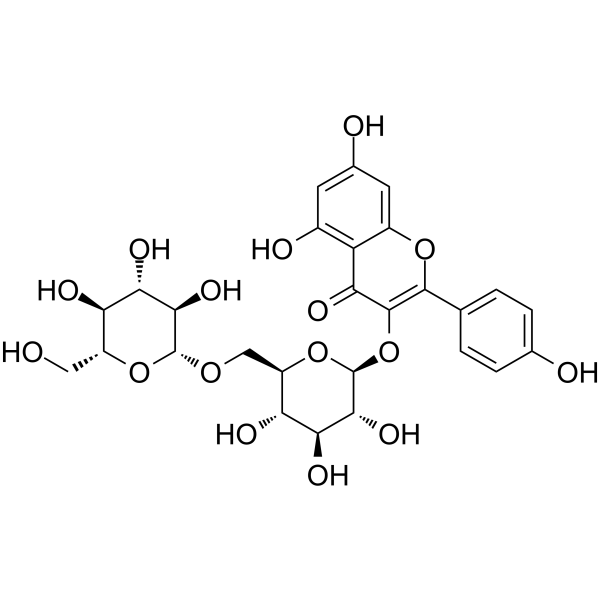
  • HY-N1510

    Glycosidase Notch Toll-like Receptor (TLR) NF-κB Mucin Reactive Oxygen Species (ROS) Bacterial TGF-beta/Smad Anaplastic lymphoma kinase (ALK) Infection Inflammation/Immunology Cancer
    Kaempferol 3-O-gentiobioside is an orally active flavonoid, with a Ka value of 57 µM against human NOTCH1 and an IC50 value of 50 μM against α-glucosidase. Kaempferol 3-O-gentiobioside inhibits the NOTCH signaling pathway. It downregulates the expression of TLR4 and NLRP3, and suppresses the activation and nuclear translocation of NF-κB. Kaempferol 3-O-gentiobioside inhibits the expression of MUC5AC, reduces nitrite and ROS levels, and attenuates excessive mucus secretion. It exhibits antibacterial activity, reducing the formation and growth of MRSA biofilms. Kaempferol 3-O-gentiobioside blocks the TGF-β/ALK5/Smad signaling pathway and inhibits epithelial-mesenchymal transition. It suppresses the proliferation, migration, invasion and metastatic growth of tumor cells. Kaempferol 3-O-gentiobioside alleviates airway inflammation and mucus hypersecretion in mice with allergic asthma . It reduces the volume of ovarian cancer xenografts in mice. Kaempferol 3-O-gentiobioside can be used in research related to allergic asthma, diabetes, MRSA infection, breast cancer, gastric cancer and ovarian cancer .
    Kaempferol 3-O-gentiobioside
  • HY-173154B

    Molecular Glues NEKs NOD-like Receptor (NLR) Interleukin Related Inflammation/Immunology
    NK7-902 diTFA is a selective and orally active CRBN-dependent NEK7 molecular glue degrader with Kd values of 1.5 and 2.6 μM for hNEK7 and mNEK7. NK7-902 diTFA fully degrades NEK7 in human primary monocytes and whole blood but only partially inhibits NLRP3-dependent IL-1β production. NK7-902 diTFA shows activity in murine systems and induces a profound and long-lasting NEK7 degradation but only transiently blocks NLRP3 inflammasome activation. NK7-902 diTFA can be used for the research of inflammation, such as cryopyrin-associated periodic syndromes .
    NK7-902 diTFA
  • HY-P990781

    SM03

    CD22 NOD-like Receptor (NLR) Interleukin Related Integrin Neurological Disease Inflammation/Immunology
    Suciraslimab (SM03) is an anti-human CD22 monoclonal antibody. Suciraslimab inhibits NLRP3 and ASC signaling. Suciraslimab suppresses cytokine (IL-1β, IL-12, IL-23) secretion and α4 integrin expression. Suciraslimab improves working memory and neuroinflammation . Suciraslimab isotype control product: Human IgG1 kappa, Isotype Control (HY-P99001).
    Suciraslimab
  • HY-N0194R

    Reference Standards Apoptosis Parasite Inflammation/Immunology Cancer
    Asiatic acid (Standard) is the analytical standard of Asiatic acid. This product is intended for research and analytical applications. Asiatic acid, a pentacyclic triterpene found in Centella asiatica (Centella asiatica), has anticancer activity. Asiatic acid induces apoptosis in melanoma cells and has barrier protective effects on human aortic endothelial cells (HAEC). Asiatic acid also has anti-inflammatory activity and inhibits tumor necrosis factor (TNF)-α-induced endothelial barrier dysfunction. Asiatic acid also inhibits NLRP3 inflammasome activation and NF-κB pathway, effectively inhibits inflammation in rats, and has neuroprotective effects in rat spinal cord injury (SCI) model .
    Asiatic acid (Standard)
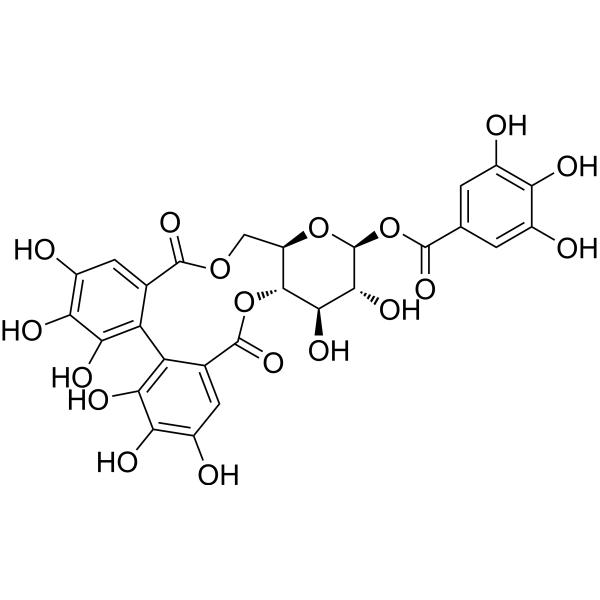
  • HY-135319

    Bacterial Antibiotic ERK JNK NF-κB ROR Apoptosis Caspase GSK-3 Akt PI3K Infection Metabolic Disease Inflammation/Immunology Cancer
    Strictinin is an orally active phenolic compound. Strictinin reduces xanthine oxidase activity, uric acid production, and the activation of ERK1/2, JNK, NF-κB, and NLRP3 inflammasome components in hepatocytes treated with Xanthine (HY-W017389). Strictinin decreases elevated serum uric acid levels and enhanced xanthine oxidase activity in mice treated with potassium oxonate. Strictinin acts as a ROR1 inhibitor and exhibits anticancer activity against highly aggressive non-androgen-dependent prostate cancer. Strictinin induces cancer cell apoptosis (apoptosis), arrests cell cycle, and inhibits cancer cell migration, invasion, and epithelial-mesenchymal transition. Strictinin modulates gut microbiota, inhibits bacterial growth and biofilm formation, accelerates small intestinal transit, and blocks viral entry and replication. Strictinin can be used in research related to hyperuricemia, androgen receptor-negative non-androgen-dependent prostate cancer, triple-negative breast cancer, bacterial infections, constipation, coronavirus infections, dental caries, and infections caused by influenza A, influenza B, and human parainfluenza virus type 1 .
    Strictinin
  • HY-164826

    Interleukin Related Reactive Oxygen Species (ROS) MMP Pyroptosis Ferroptosis Notch Keap1-Nrf2 PINK1/Parkin Mitophagy Caspase Apoptosis Inflammation/Immunology Cancer
    Acetyl zingerone is an analog of Zingerone (HY-14621). Acetyl zingerone downregulates the expression of ROS metabolism-related genes, fibroblast senescence-related genes, keratinocyte differentiation-related genes, and IL-17A target genes. Acetyl zingerone inhibits the activities of MMP-1, MMP-3, and MMP-12, as well as the activation of NLRP3 inflammasome, pyroptosis (pyroptosis), ferroptosis (ferroptosis), cartilage destruction, and UVA-induced cyclobutane pyrimidine dimer formation. Acetyl zingerone upregulates the expression of collagen, proteoglycan, extracellular matrix glycoprotein, Notch pathway, and GPX4 gene, activates Nrf2 and HO-1, induces extracellular matrix synthesis and PINK1/Parkin-mediated mitophagy (mitophagy), and promotes chondrocyte survival. Acetyl zingerone alleviates the progression of osteoarthritis in mice . Acetyl zingerone can be used in research related to skin aging, inflammatory skin diseases, osteoarthritis, melanoma, and non-melanoma skin cancer .
    Acetyl zingerone
  • HY-177447

    mRNA NOD-like Receptor (NLR) Inflammation/Immunology
    Human NLRP3 mRNA encodes the human NLRP3 protein, an inflammasome. NLRP3 belongs to the NLR protein family and plays a crucial role in immunity and human disease .
    Human NLRP3 mRNA
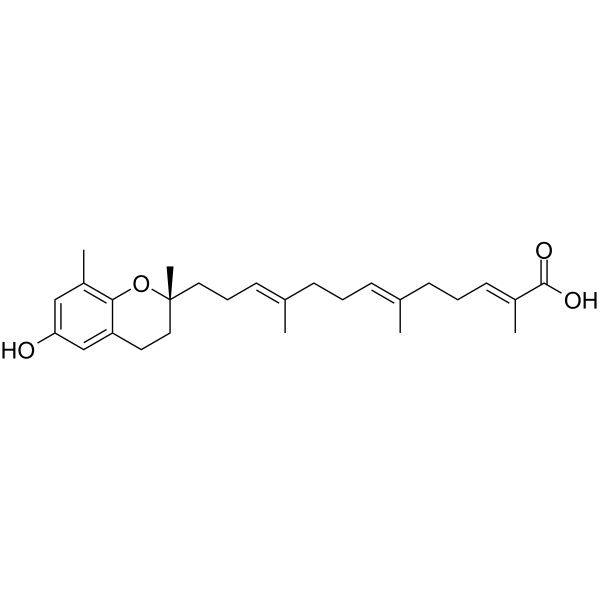
  • HY-N9454

    Pregnane X Receptor (PXR) COX NF-κB Amylases β-glucuronidase DNA/RNA Synthesis Amyloid-β NOD-like Receptor (NLR) Pyroptosis Cancer
    Garcinoic acid is an orally active anti-inflammatory agent that crosses the blood-brain barrier. Garcinoic acid also enhances efferocytosis and enzyme/receptor regulation, and selectively inhibits human COX-2, porcine α-amylase, Saccharomyces cerevisiae α-glucosidase and human DNA polymerase β (IC50=11 μM), as well as activates human PXR. Garcinoic acid enhances macrophage efferocytosis via receptors such as MerTK and LRP-1, and promotes the production of pro-resolving lipid mediators. Garcinoic acid inhibits NF-κB activation and pro-inflammatory cytokine secretion, interferes with aggregation, downregulates NLRP3 inflammasome activity, and binds to targets including CD44 and EGFR to inhibit leukemia cell proliferation. The pharmacological activities of Garcinoic acid, such as antioxidant, anti-inflammatory and lipid metabolism-regulating effects, are widely used in studies related to various diseases including atherosclerosis, Alzheimer's disease, type 2 diabetes, inflammatory bowel disease and viral pneumonia .
    Garcinoic acid
  • HY-177559

    NEKs Interleukin Related NOD-like Receptor (NLR) Inflammation/Immunology
    NEK7 degrader-2 (Compound 25) is a NEK7 degrader. NEK7 degrader-2 shows dose-dependent NEK7 degradation ability in human PBMC-derived macrophages. NEK7 degrader-2 reduce the release level of pro-inflammatory cytokines IL-1β induced by NLRP3 inflammasome activation. NEK7 degrader-2 can be used for the study of inflammatory diseases .
    NEK7 degrader-2
  • HY-150270

    Prostaglandin Receptor P2X Receptor NOD-like Receptor (NLR) Caspase Interleukin Related Neurological Disease Inflammation/Immunology
    NP-1815-PX is an orally active dual inhibitor of P2X4 and prostaglandin TP receptors, with an IC50 of 0.26 μM against human P2X4 receptors. NP-1815-PX specifically inhibits ATP-mediated prostaglandin production, TP receptor-induced calcium elevation, and the canonical/non-canonical NLRP3 inflammasome signaling pathway. NP-1815-PX selectively blocks smooth muscle contractions induced by ATP, U46619 (HY-108566) and prostaglandin F2α. NP-1815-PX not only produces anti-allodynic effects in vivo, but also significantly alleviates symptoms of DNBS (HY-W324435)-induced colitis (such as weight loss and tissue damage). NP-1815-PX exerts anti-inflammatory effects by downregulating IL-1β levels and Caspase-1 activity. NP-1815-PX is used in studies related to asthma and inflammatory bowel disease (colitis) .
    NP-1815-PX
  • HY-132831B

    Somalix potassium; RO-7486967 potassium; IZD334 potassium

    NOD-like Receptor (NLR) Interleukin Related Neurological Disease Inflammation/Immunology
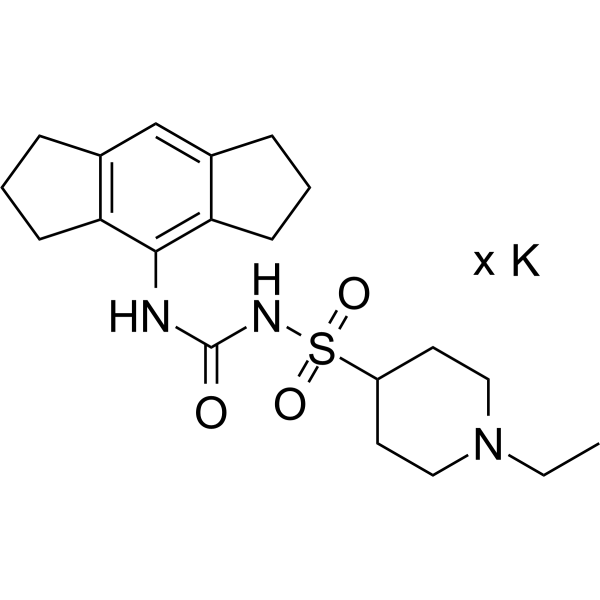
    Selnoflast potassium (RO7486967 potassium), formerly somalix/RG6418/IZD334, is an orally active, potent, selective and reversible small molecule NLRP3 inflammasome inhibitor. Selnoflast potassium is a potent inhibitor of IL-1β release stimulated by NLRP3 activation in human Alzheimer's disease (AD) monocyte-derived macrophages. Selnoflast potassium is promising for research of AD and systemic inflammatory diseases, such as ulcerative colitis and chronic obstructive pulmonary disease .
    Selnoflast potassium
  • HY-155517

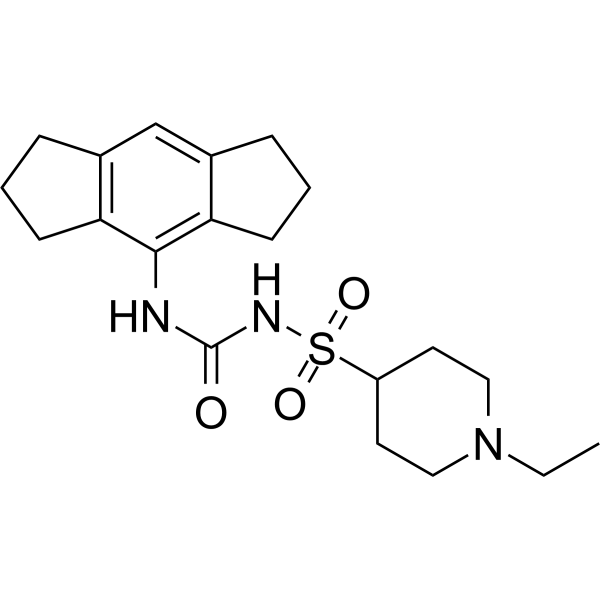
    NOD-like Receptor (NLR) Pyroptosis Inflammation/Immunology
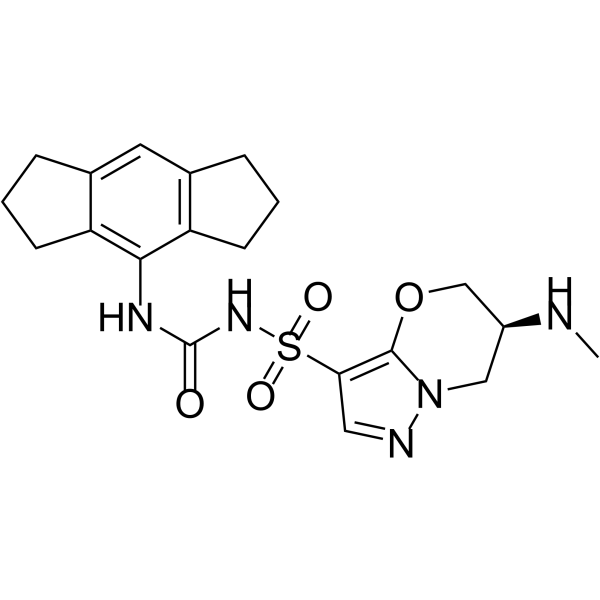
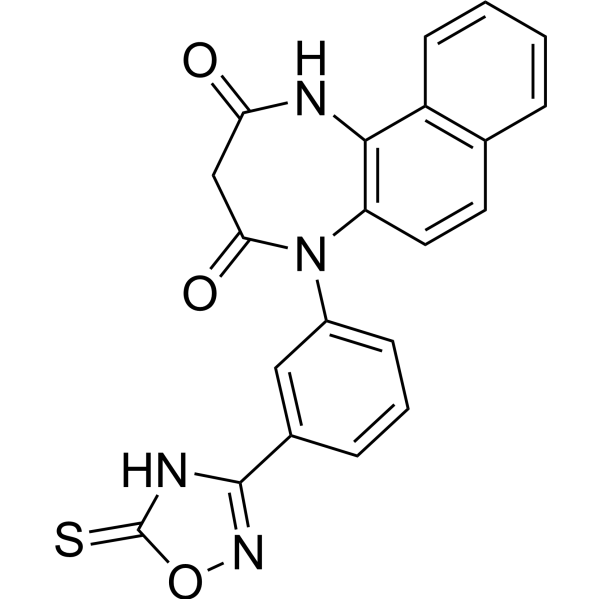
    INF200 (compound 5) is a sulfonylurea-based inhibitor of NLRP3 and NLRP3-mediated pyroptosis. INF200 has beneficial cardiometabolic effects in rat model of high-fat diet (HFD)-induced metaflammation,and shows anti-inflammatory activity to (10 μM) decreases IL-1β release in human macrophages. INF200 improves glucose and lipid profiles,and attenuates systemic inflammation and biomarkers of cardiac dysfunction (particularly BNP). INF200 also improves myocardial damage-dependent ischemia/reperfusion injury (IRI) in hemodynamic evaluation .
    INF200
  • HY-170364

    NOD-like Receptor (NLR) Pyroptosis Inflammation/Immunology
    NLRP3-IN-60 (Compound 39) is the orally active inhibitor for NLRP3. NLRP3-IN-60 inhibits pyroptosis with an IC50 of 13 nM in THP-1 cell. NLRP3-IN-60 inhibits IL-1β release with an IC50 of 225 nM in human whole blood .
    NLRP3-IN-60
  • HY-176452

    Cancer
    NLRP3 agonist 3 (Compound Payload 5) is an antibody-drug conjugate (ADC). NLRP3 agonist 3 is a NLRP3 agonist that induces IL-1β secretion in primary human monocytes. NLRP3 agonist 3 can be used in cancer research .
    NLRP3 agonist 3
  • HY-132831A

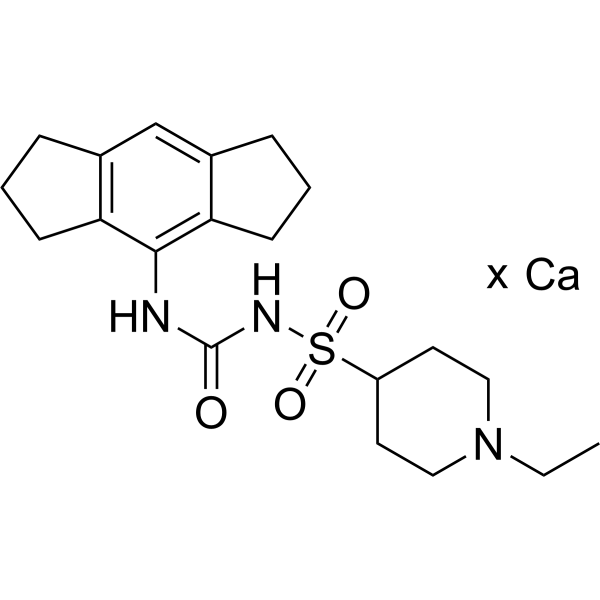
    Somalix calcium; RO-7486967 calcium; IZD334 calcium

    NOD-like Receptor (NLR) Interleukin Related Neurological Disease Inflammation/Immunology
    Selnoflast calcium (RO7486967 calcium), formerly somalix/RG6418/IZD334, is an orally active, potent, selective and reversible small molecule NLRP3 inflammasome inhibitor. Selnoflast calcium is a potent inhibitor of IL-1β release stimulated by NLRP3 activation in human Alzheimer's disease (AD) monocyte-derived macrophages. Selnoflast calcium is promising for research of AD and systemic inflammatory diseases, such as ulcerative colitis and chronic obstructive pulmonary disease .
    Selnoflast calcium
  • HY-A0020R

    ED-71 (Standard); 2-(3-hydroxypropoxy)-1,25-dihydroxyvitamin D3 (Standard)

    Reference Standards VD/VDR Apoptosis Metabolic Disease Inflammation/Immunology Cancer
    Eldecalcitol (Standard) is the analytical standard of Eldecalcitol. This product is intended for research and analytical applications. Eldecalcitol (ED-71) is an orally active vitamin D3 analogue, inhibits bone resorption and increases bone mineral density. Eldecalcitol (ED-71) displays anti-tumor effect and inhibits cell proliferation, migration and induces apoptosis by suppressing GPx-1 .
    Eldecalcitol (Standard)
  • HY-B1239A

    Cycloadiphene; Hexahydroadiphenine

    Potassium Channel Cholinesterase (ChE) TRP Channel NOD-like Receptor (NLR) Amyloid-β Tau Protein JNK NF-κB IKK Neurological Disease Metabolic Disease Inflammation/Immunology
    Drofenine (Cycloadiphene; Hexahydroadiphenine) is an brain-penetrant antispasmodic agent. Drofenine is a Kv2.1 channel inhibitor with human IC50 of 9.53 μM. Drofenine is a butyrylcholinesterase (BChE) inhibitor with Ki of 0.003 mM, and is a TRPV3 activator. Drofenine blocks Kv2.1-dependent potassium efflux, inhibits Kv2.1/JNK/NF-κB and IkBa/NF-kB signaling, suppresses Kv2.1 mRNA/protein expression. Drofenine suppresses oligomeric -induced microglial NLRP3 inflammasome activation and neuronal Tau hyperphosphorylation, improves cognitive impairment, promotes neurite outgrowth. Drofenine induces calcium influx in keratinocytes and exert cytotoxicity against keratinocytes. Drofenine ameliorates diabetic peripheral neuropathy -like pathology. Drofenine can be used for the researches of Alzheimer's disease, diabetic peripheral neuropathy and smooth muscle spasm .
    Drofenine
  • HY-159898

    Cholinesterase (ChE) Amyloid-β Tau Protein NOD-like Receptor (NLR) Reactive Oxygen Species (ROS) Mitochondrial Metabolism Neurological Disease
    AChE/BChE-IN-23 (Compound 6e) is an AChE/BChE inhibitor (IC50: 0.91 μM, 1.19 μM and 1.01 μM for hAChE, eq BChE and hBChE, respectively). AChE/BChE-IN-23 has antioxidant activity and inhibits 1-42 and Tau protein aggregation. AChE/BChE-IN-23 also inhibits microglial activation by reducing ROS release and mitochondrial injury. AChE/BChE-IN-23 suppresses NLRP3 inflammasome and pro-inflammatory cytokines in human microglial cells. AChE/BChE-IN-23 also reverses the Scopolamine (HY-N0296)-induced memory impairment in mice model .
    AChE/BChE-IN-23
  • HY-N8210R

    Reference Standards Drug Metabolite Autophagy Apoptosis Reactive Oxygen Species (ROS) Keap1-Nrf2 MMP Caspase PARP MDM-2/p53 Neurological Disease Inflammation/Immunology Cancer
    Homoeriodictyol (Standard) is the analytical standard of Homoeriodictyol (HY-N8210). This product is intended for research and analytical applications. Homoeriodictyol is an orally active, bitter-tasting flavanone that can penetrate the blood-brain barrier. Homoeriodictyol enhances synaptic-related protein expression through NCOA4-mediated ferritin autophagy. Homoeriodictyol improves memory impairment in mice by inhibiting the NLRP3 inflammasome. Homoeriodictyol protects human endothelial cells from oxidative damage by activating Nrf2 and inhibiting mitochondrial dysfunction. Homoeriodictyol enhances ROS activity and induces apoptosis, exhibiting anticancer effects. Homoeriodictyol inhibits the survival and migration of androgen-resistant prostate cancer cells in vitro. Homoeriodictyol exerts antinociceptive activity in mice in vivo .
    Homoeriodictyol (Standard)
  • HY-N0819R

    Reference Standards Apoptosis PI3K Akt ERK mTOR Wnt β-catenin Wee1 JNK VEGFR CDK Neurological Disease Inflammation/Immunology Cancer
    Raddeanin A (Standard) is the analytical standard of Raddeanin A (HY-N0819). This product is intended for research and analytical applications. Raddeanin A is an oleanane-type triterpenoid saponin with oral activity. Raddeanin A inhibits SRC, mTOR, JNK, VEGFR2, NLRP3 inflammasome, Wnt/β-catenin, Wee1, PI3K/AKT signaling pathway, MAPK/ERK signaling pathway, AR-FL, AR-Vs, and downregulates the expression of p-PI3K and p-AKT. Raddeanin A inhibits osteoclast formation, bone resorption, osteolysis, cancer cell invasion, migration, proliferation, angiogenesis and epithelial-mesenchymal transition, while induces apoptosis, cell cycle arrest, ROS production, immunogenic cell death and dendritic cell maturation. Raddeanin A improves blood-retinal barrier function, alleviates inflammation, regulates the tumor microenvironment, and enhances the activity of anti-PD-1 antibody. Raddeanin A is applicable to the research of breast cancer-associated osteolysis, human osteosarcoma, colorectal cancer, glioblastoma, Alzheimer's disease, cholangiocarcinoma, melanoma, non-small cell lung cancer, castration-resistant prostate cancer and multiple myeloma.
    Raddeanin A (Standard)
  • HY-148258A

    NOD-like Receptor (NLR) Interleukin Related Caspase Metabolic Disease Inflammation/Immunology
    GDC-2394 (Compound 20) sodium is an orally active and selective NLRP3 inhibitor, and also inhibits IL-1β with IC50s of 0.4 μM (human IL-1β) and 0.1 μM (mouse IL-1β). GDC-2394 sodium inhibits NLRP3-induced caspase-1 activity without inhibiting NLRC4-dependent inflammasome activation. GDC-2394 sodium could be used to study gouty arthritis .
    GDC-2394 sodium
  • HY-132831C

    Somalix monopotassium; RO-7486967 monopotassium; IZD334 monopotassium

    NOD-like Receptor (NLR) Interleukin Related Neurological Disease Inflammation/Immunology
    Selnoflast (RO7486967) monopotassium, formerly somalix/RG6418/IZD334 monopotassium, is an orally active, potent, selective and reversible small molecule NLRP3 inflammasome inhibitor. Selnoflast monopotassium is a potent inhibitor of IL-1β release stimulated by NLRP3 activation in human Alzheimer's disease (AD) monocyte-derived macrophages. Selnoflast monopotassium is promising for research of AD and systemic inflammatory diseases, such as ulcerative colitis and chronic obstructive pulmonary disease .
    Selnoflast monopotassium
  • HY-182380

    STAT NOD-like Receptor (NLR) Apoptosis Others Neurological Disease Inflammation/Immunology Cancer
    ODZ10117 is a STAT3 and NLRP3 inhibitor with a human STAT3 SH2 domain IC50 of 7.5 μM. ODZ10117 binds to the STAT3 SH2 domain, suppressing tyrosine phosphorylation, dimerization, nuclear translocation, and transcriptional activity. ODZ10117 binds to NLRP3, impairs NEK7 interaction, prevents inflammasome formation, and inhibits caspase-1 and IL-1β cleavage.ODZ10117 reduces MSU (HY-B2130A)-induced IL-1β release, lowers LPS (HY-D1056)-induced sepsis mortality, and exhibits anti-inflammatory effects. ODZ10117 induces apoptosis, suppresses breast cancer cell migration and invasion, reduces tumor growth and lung metastasis, and extends survival in breast cancer models. ODZ10117 can be used for the research of Monosodium urate (HY-B2130A)-induced peritonitis, LPS-induced sepsis, breast cancer, glioblastoma, and Alzheimer's disease .
    ODZ10117
  • HY-180916

    Carbonic Anhydrase Reactive Oxygen Species (ROS) NOD-like Receptor (NLR) Apoptosis Neurological Disease
    CAII-IN-11 (Compound A1) is a dual-target compound that contains a hCA II inhibitor (IC₅₀ = 2 nM) portion and a NO donor portion. CAII-IN-11 also has inhibitory activity against hCA IX, hCA XII, and hCA I, with IC50 values of 6, 3, and 152 nM respectively. CAII-IN-11 significantly increases the intracellular cGMP level in human trabecular meshwork cells. CAII-IN-11 reduces the apoptosis of retinal ganglion cells by reducing oxidative stress (ROS levels), inhibiting astrocytes and the NLRP3 inflammasome activation. CAII-IN-11 has hypotensive activity in rabbit models and can be used for the study of glaucoma .
    CAII-IN-11
  • HY-182287

    Reactive Oxygen Species (ROS) NOD-like Receptor (NLR) Metabolic Disease
    PRDX1-IN-4 is a PRDX1 inhibitor with an IC50 of 122 nM against human targets and high subtype selectivity. PRDX1-IN-4 covalently binds to PRDX1 to promote ROS accumulation. PRDX1-IN-4 inhibits NLRP3 inflammasome activation, blocks hepatic stellate cell activation and reduces collagen deposition. PRDX1-IN-4 induces apoptosis in activated hepatic stellate cells. PRDX1-IN-4 has good safety profile, with no significant body weight loss or hepatotoxicity observed in mice at a dose of 20 mg/kg. PRDX1-IN-4 ameliorates CCl4-induced liver injury and liver fibrosis in mice at a dose of 1 mg/kg. PRDX1-IN-4 can be used for the research of liver fibrosis .
    PRDX1-IN-4
  • HY-183283

    Carbonic Anhydrase Apoptosis NOD-like Receptor (NLR) Interleukin Related Reactive Oxygen Species (ROS) Neurological Disease
    CAII-IN-15 is a potent carbonic anhydrase II (CA II) inhibitor with a hCA II IC50 of 10 nM. CAII-IN-15 elevates cGMP levels, releases nitric oxide, reduces oxidative stress, and exhibits neuroprotective activity in vitro. CAII-IN-15 inhibits NLRP3 inflammasome activation, reduces neuronal apoptosis. CAII-IN-15 reduces Intraocular pressure (IOP) in rabbits. CAII-IN-15 can be used for the research of glaucoma .
    CAII-IN-15
  • HY-183337

    NOD-like Receptor (NLR) Interleukin Related Inflammation/Immunology
    ZM734 is an orally active and selective NLRP3 inflammasome inhibitor. ZM734 inhibits the secretion of IL-1β. ZM734 alleviates pulmonary inflammation in a mouse model of acute lung injury. ZM734 can be used for the research of inflammatory diseases such as acute lung injury .
    ZM734
  • HY-183889

    NOD-like Receptor (NLR) Neurological Disease Inflammation/Immunology
    p-Ethoxychrysoidin is a benzotriazole-based NLRP3 inhibitor. p-Ethoxychrysoidin can be used in research on inflammatory diseases and neurodegenerative diseases .
    p-Ethoxychrysoidin

Inquiry Online

Your information is safe with us. * Required Fields.

Salutation


Country or Region *

Applicant Name *


Organization Name *

Department *


Email Address *


Product Name *

Cat. No.


Requested quantity *

Phone Number *


Remarks

Inquiry Online

Inquiry Information

Product Name:
Cat. No.:
Quantity:
MCE Japan Authorized Agent: