Search Result
Results for "
metastatic prostate cancer
" in MedChemExpress (MCE) Product Catalog:
-
- HY-138641
-
|
ARV-110
|
PROTACs
Androgen Receptor
|
Cancer
|
|
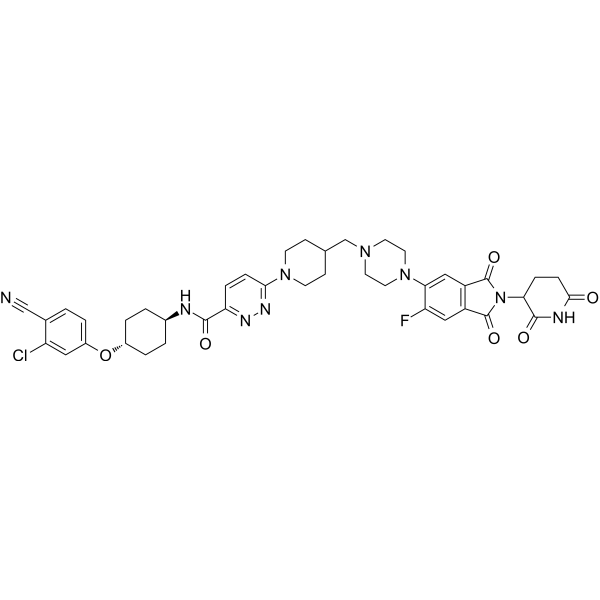
Bavdegalutamide (ARV-110) is an orally active, specific androgen receptor (AR) PROTAC degrader. Bavdegalutamide promotes ubiquitination and degradation of AR. Bavdegalutamide can be used for the research of prostate cancer (Pink: AR ligand (HY-168299); Blue: E3 ligase ligand (HY-W093272); Black: linker (HY-W091986)) .
|
-
-
- HY-158101
-
|
CC-94676
|
PROTACs
Androgen Receptor
|
Cancer
|
|
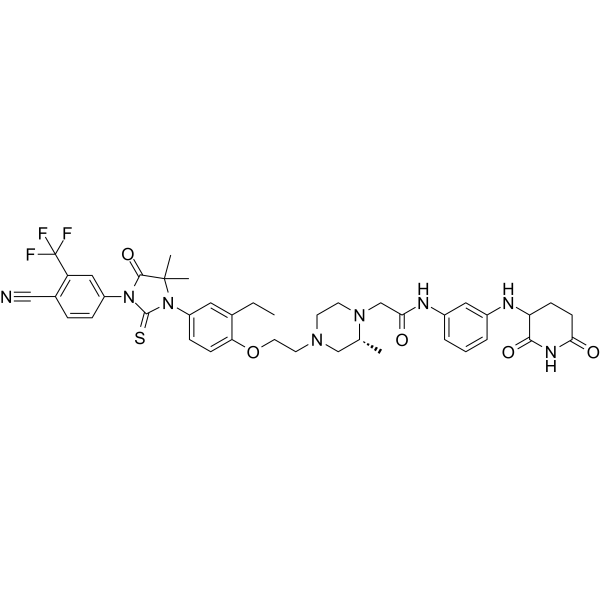
BMS-986365 (CC-94676) is an orally active and selective targeted androgen receptor (AR) PROTAC degrader (DC50 of 10-40 nM). BMS-986365 is capable of inducing cereblon (CRBN) E3 ligase-dependent ubiquitination and degradation of the androgen receptor (AR), as well as various AR mutants. BMS-986365 shows no degradation of the close AR family members estrogen receptor (ER), progesterone receptor (PR), and glucocorticoid receptor (GR). BMS-986365 shows significant in vivo potency, degrading AR, inhibiting AR signaling, and restricting tumor growth in animal models of advanced prostate cancer. BMS-986365 can be used for the study of metastatic castration-resistant prostate cancer (mCRPC) .
|
-
-
- HY-156628
-
|
MK-5684; ODM-208
|
Cytochrome P450
|
Cancer
|
|
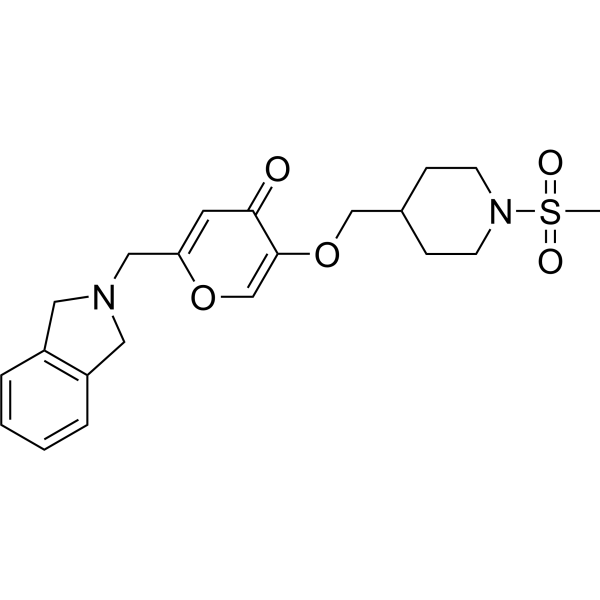
Opevesostat (MK-5684; ODM-208) is an orally active and selective CYP11A1 inhibitor. Opevesostat has the potential for the research of metastatic castration-resistant prostate cancer (mCRPC) .
|
-
-
- HY-P3371
-
|
DS-7300a; MABX-9001a; I-DXd
|
Antibody-Drug Conjugates (ADCs)
Topoisomerase
Apoptosis
|
Cancer
|
|
Ifinatamab deruxtecan (DS-7300a) is a B7-H3-targeting Antibody-drug conjugate (ADC), which is composed of a humanized anti-B7-H3 monoclonal antibody, an enzymatically cleavable peptide-based linker, and Exatecan derivative (DXd) (HY-13631D). Ifinatamab deruxtecan is a DNA Topoisomerase I inhibitor. Ifinatamab deruxtecan induces Apoptosis. DS-7300a exerts potent antitumor activities against B7-H3-expressing tumors. against rhabdomyosarcoma, endometrial adenocarcinoma and lung adenocarcinoma. Ifinatamab deruxtecan does not exert direct immunomodulatory effects
|
-

-
- HY-N2022
-
|
|
Glycosidase
|
Inflammation/Immunology
Cancer
|
|
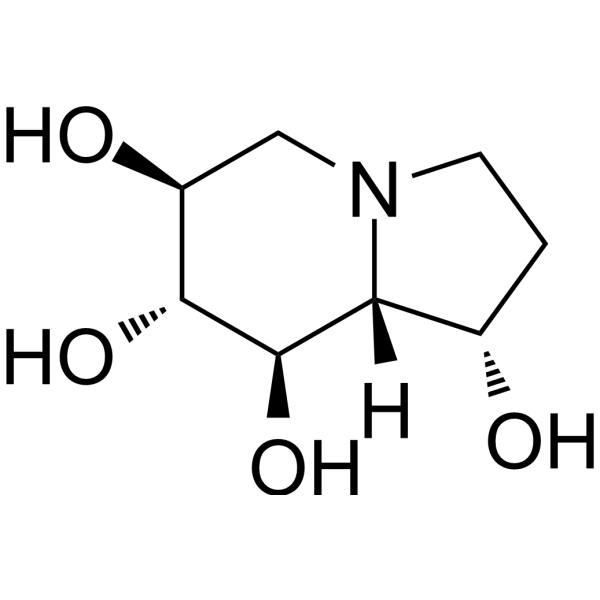
Castanospermine is a natural alkaloid that can be extracted from black beans or the Moreton Bay chestnut tree (Castanospermum australae). Castanospermine is an α/ β-glucosidase inhibitor. Castanospermine has anti-inflammatory, antiviral replication and anti-metastatic effects on prostate cancer. Castanospermine can be used as an immunosuppressant to prevent transplant rejection .
|
-
-
- HY-P991015
-
|
JNJ-78278343; KLCB-245
|
CD3
|
Cancer
|
|
Pasritamig (JNJ-78278343; KLCB-245) is a bispecific T-cell engager (BiTE) that targets the complex of human kallikrein KLK2 and CD3 receptor. Pasritamig redirects the cytotoxicity of T cells to KLK2-expressing tumor cells and induces T cell-mediated lysis of KLK2-expressing prostate cancer cells. Administered via subcutaneous injection, subcutaneous infusion or intravenous infusion, Pasritamig exhibits antitumor activity against metastatic castration-resistant prostate cancer. Pasritamig has a safety profile with an extremely low incidence of cytokine release syndrome and can be safely administered in an outpatient setting. Pasritamig is applicable to the research of metastatic castration-resistant prostate cancer .
|
-

-
- HY-158102
-
|
ORIC-944
|
Histone Methyltransferase
|
Cancer
|
|
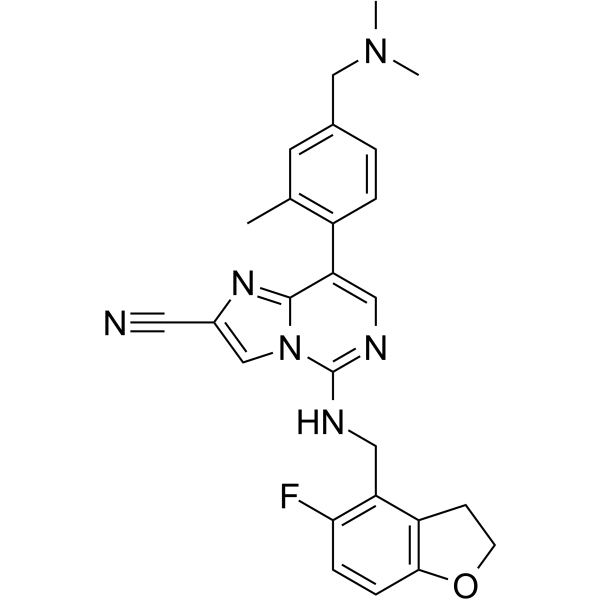
Rinzimetostat (ORIC-944) is a selective, orally active, allosteric inhibitor targeting the EED subunit of polycomb repressive complex 2 (PRC2). Rinzimetostat is synergistic with androgen receptor pathway inhibitors (ARPIs) for the study of metastatic prostate cancer.
|
-
-
- HY-P990673
-
|
DSTP-3086S Antibody; RG-7450 Antibody
|
ADC Antibody
Transmembrane Glycoprotein
Mitosis
|
Cancer
|
|
Vandortuzumab (DSTP-3086S Antibody; RG-7450 Antibody) is a humanized anti-STEAP1 IgG1 antibody and antimitotic agent that can be conjugated with MMAE (HY-15162) to form the antibody-drug conjugate (ADC) Vandortuzumab vedotin. Vandortuzumab vedotin specifically binds to STEAP1 and drives internalization of the complex, releasing the MMAE (HY-15162) payload intracellularly. After binding to tubulin, MMAE inhibits cell division and induces cell death. Vandortuzumab exhibits antitumor activity in preclinical xenograft models of prostate cancer and can be used for research related to metastatic castration-resistant prostate cancer (mCRPC) .
|
-

-
- HY-P990688
-
|
AMG-509
|
CD3
|
Cancer
|
|
Xaluritamig (AMG-509) is a bispecific T cell engager and cytolytic agent with a Kd of 27.6 nM for human CD3ε. Xaluritamig binds to CD3ε via an anti-CD3 single-chain variable fragment (scFv) domain, and to STEAP1 via a bispecific anti-STEAP1 antigen-binding fragment (Fab) domain, thereby recruiting and activating T cells and forming a bridge between T cells and STEAP1-expressing cancer cells. Xaluritamig induces T cell-mediated redirected cytotoxicity, tumor cell lysis, cytokine release, CD8 + T cell activation and expansion, as well as tumor stasis or regression. Xaluritamig contains an Fc domain with no effector function, which prolongs serum half-life, exhibits only minimal activity against cells with low STEAP1 expression and normal cells, and shows extremely low target-related off-tumor toxicity in cynomolgus monkeys. Xaluritamig is used in STEAP1×CD3 XmAb 2+1 immunotherapy and in research on metastatic castration-resistant prostate cancer and Ewing sarcoma .
|
-

-
- HY-17473
-
|
Embelic acid; Emberine; NSC 91874
|
IAP
NF-κB
Apoptosis
Autophagy
|
Cancer
|
|
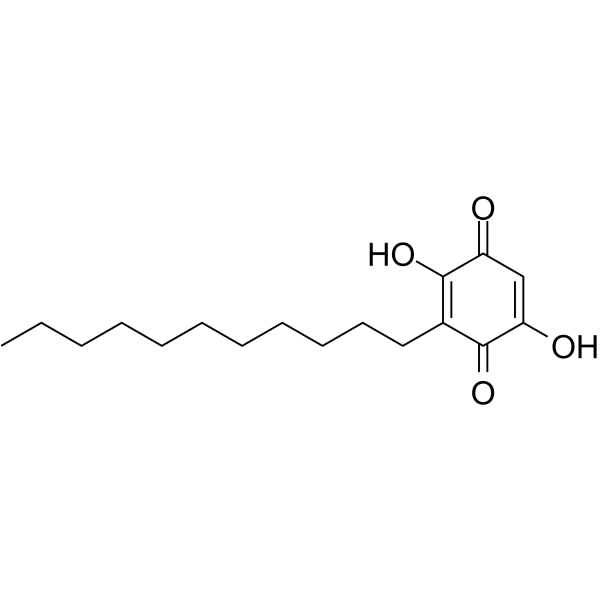
Embelin (Embelic acid), a potent, nonpeptidic XIAP inhibitor (IC50=4.1 μM), inhibits cell growth, induces apoptosis, and activates caspase-9 in prostate cancer cells with high levels of XIAP. Embelin blocks NF-kappaB signaling pathway leading to suppression of NF-kappaB-regulated antiapoptotic and metastatic gene products. Embelin also induces autophagic and apoptotic cell death in human oral squamous cell carcinoma cells .
|
-
-
- HY-P99802
-
|
BAY 2010112; AMG 212; MT112
|
CD3
|
Cancer
|
|
Pasotuxizumab (BAY 2010112) is a PSMA and CD3 bispecific T-cell engager (BiTE). Pasotuxizumab binds to CD3 and PSMA with KDs of 9.4 nM and 47.0 nM for human CD3 and PSMA. Pasotuxizumab can be used for research of metastatic castration-resistant prostate cancer (mCRPC) .
|
-

-
- HY-P1416
-
|
|
Wnt
|
Cancer
|
|
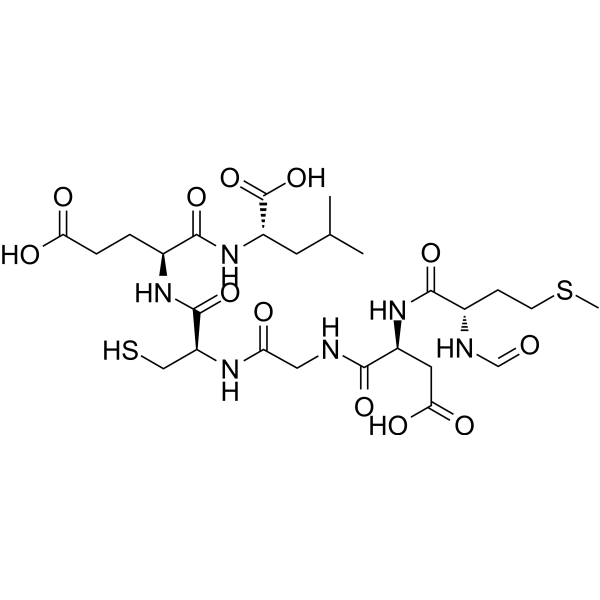
Foxy-5, a WNT5A agonist, is a mimicking peptide of WNT5A which is a non-canonical member of the Wnt family. Foxy-5 triggers cytosolic free calcium signaling without affecting β-catenin activation and it impairs the migration and invasion of epithelial cancer cells. Foxy-5 effectively reduces the metastatic spread of WNT5A-low prostate cancer cells in an orthotopic mouse model .
|
-
-
- HY-120599
-
|
VERU-111; ABI-231
|
Microtubule/Tubulin
Apoptosis
HPV
|
Cancer
|
|
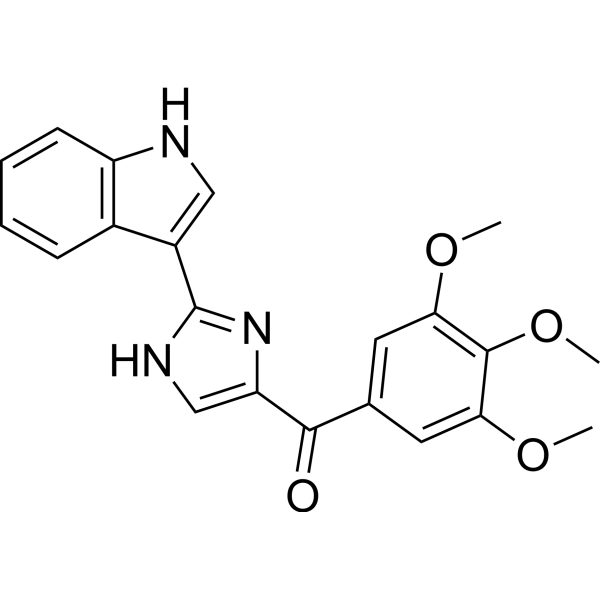
VERU-111 (ABI-231) is a potent and orally active α and β tubulin inhibitor, which displays strong antiproliferative activity, with an average IC50 of 5.2 nM against panels of melanoma and prostate cancer cell lines. VERU-111 (ABI-231) suppresses tumor growth and metastatic phenotypes of cervical cancer cells via targeting HPV E6 and E7, and has potential for the treatment of prostate cancer .
|
-
-
- HY-13963
-
ZCL278
3 Publications Verification
|
Ras
Dengue Virus
VSV
Arenavirus
|
Infection
Neurological Disease
Metabolic Disease
Cancer
|
|
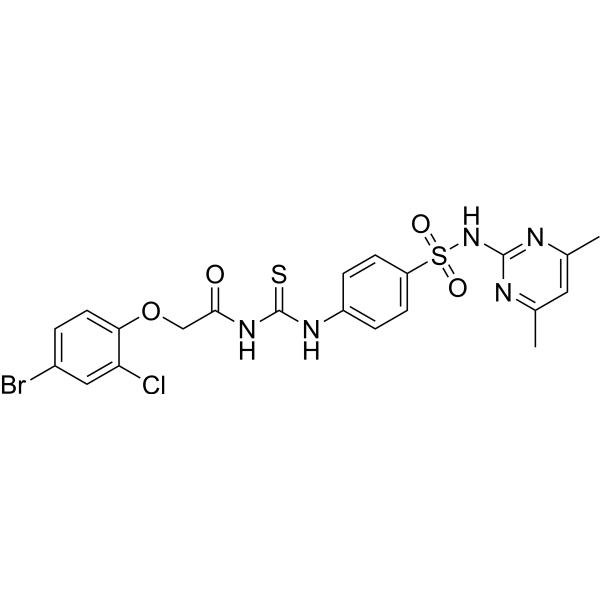
ZCL278 is a selective Cdc42 inhibitor with Kds of 6.4 μM in fluorescence titration and 11.4 μM in surface plasmon resonance (SPR) measurement. ZCL278 is able to disrupt the Cdc42-ITSN interaction as well as GTP/GDP binding. ZCL278 has inhibitory effects on various enveloped viruses, but is ineffective against non-enveloped viruses. ZCL278 can be used for the studies of arsenic neurotoxicity and HER2-positive gastric cancer (GC) .
|
-
-
- HY-P9992
-
|
BAY-2315497; PSMA-TTC
|
PSMA
Apoptosis
|
Cancer
|
|
Peligifatamab is a PSMA-targeted α-radioimmunoconjugate with an EC50 of 1.2 nM against human targets. Peligifatamab induces DNA damage, DNA double-strand breaks, cell cycle arrest and apoptosis (Apoptosis) in PSMA-positive prostate cancer cells. Peligifatamab reduces cell viability in a manner dependent on cellular PSMA expression levels. Peligifatamab inhibits tumor growth and tumor-induced abnormal bone growth in prostate cancer bone metastasis models. Peligifatamab exhibits antitumor efficacy in subcutaneous prostate cancer models and xenograft models. Peligifatamab can be used for the research of metastatic castration-resistant prostate cancer .
|
-

-
- HY-70002B
-
|
MDV3100 carboxylic acid
|
Drug Metabolite
|
Cancer
|
|
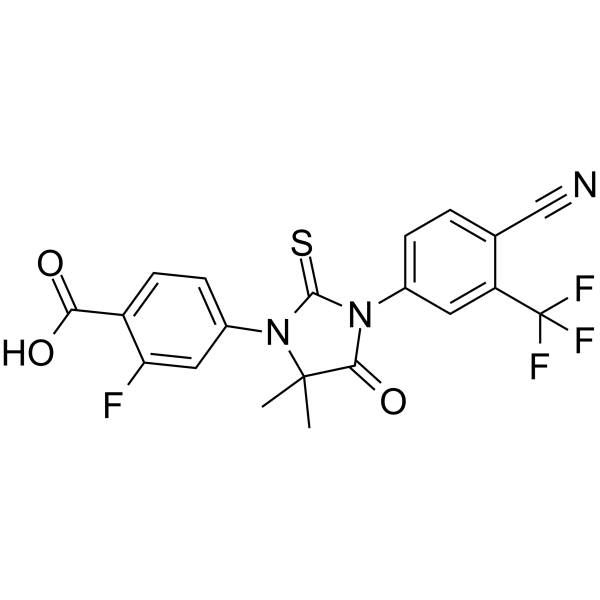
Enzalutamide carboxylic acid (MDV3100 carboxylic acid) is an inactive metabolite of Enzalutamide (MDV3100). Enzalutamide is an androgen receptor (AR) antagonist .
|
-
-
- HY-B0237
-
|
DL-Aminoglutethimide
|
Cytochrome P450
|
Neurological Disease
Endocrinology
Cancer
|
|
Aminoglutethimide (DL-Aminoglutethimide) is an orally active anticonvulsant with various endocrine-related side effects. Aminoglutethimide blocks multiple steroid hormone synthesis pathways by inhibiting several cytochrome P-450-dependent hydroxylases, such as aromatase, cholesterol side-chain cleavage enzyme, 11-hydroxylase, and 18-hydroxylase, with IC50 values of 0.3, 3.5, 120, and 20 μM, respectively. Aminoglutethimide reduces cortisol levels. Aminoglutethimide can be used in research on Cushing's syndrome, breast cancer, and other conditions .
|
-

-
- HY-45661
-
|
NUV-422
|
CDK
|
Neurological Disease
Cancer
|
|
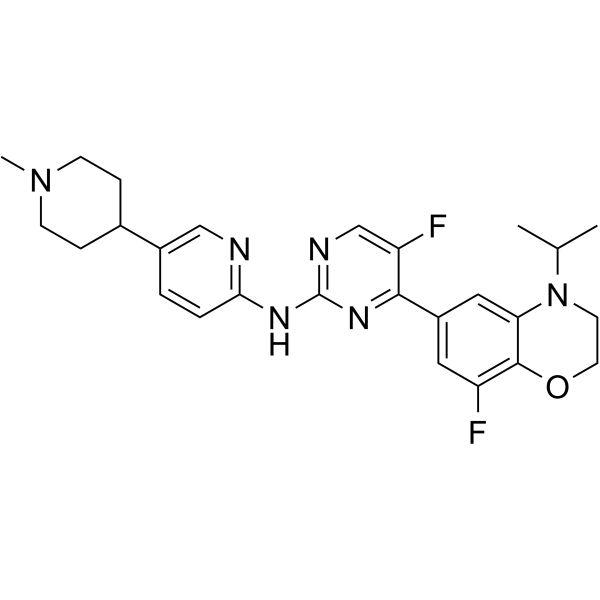
Inixaciclib (NUV-422) is a blood-brain barrier-penetrant inhibitor of CDK2, CDK4 and CDK6. Inixaciclib inhibits cancer cell growth. Inixaciclib induces anti-tumor activity in xenograft models of glioblastoma, CDK4/CDK6 inhibitor-resistant HR + HER2 - metastatic breast cancer, and anti-androgen-resistant prostate cancer. Inixaciclib can be used for the research of relapsed or metastatic castration-resistant prostate cancer .
|
-
-
- HY-109050
-
|
GS-5829
|
Epigenetic Reader Domain
|
Cancer
|
|
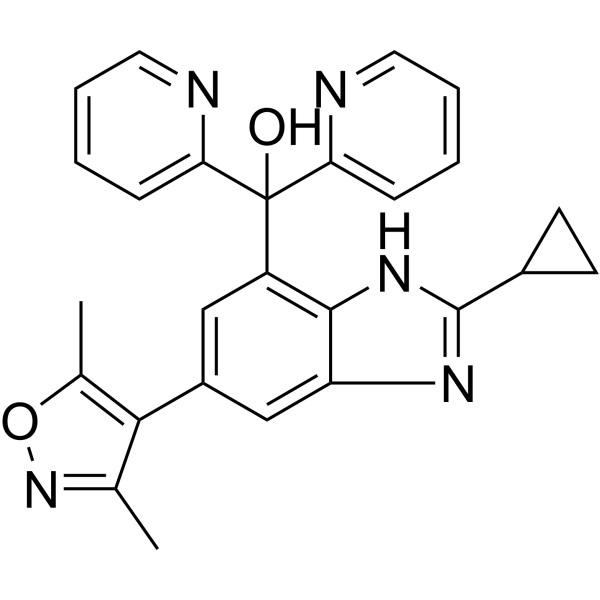
Alobresib (GS-5829) is a BET bromodomain inhibitor, which represents a highly effective therapeutics agent against recurrent/chemotherapy resistant uterine serous carcinoma (USC) overexpressing c-Myc. Alobresib can be used in the metastatic castration-resistant prostate cancer (mCRPC) research .
|
-
-
- HY-W587488
-
|
3′-AMP
|
Nucleoside Antimetabolite/Analog
Cyclic GMP-AMP Synthase
|
Cancer
|
|
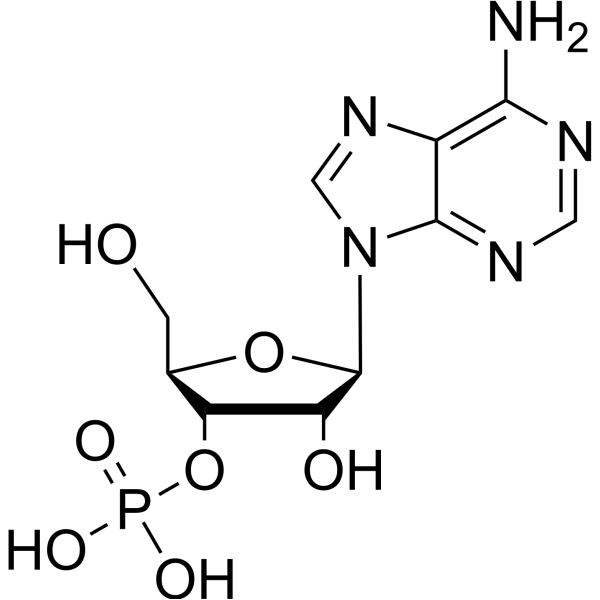
Adenosine 3’-monophosphate (3’-AMP) is a nucleotide. Adenosine 3’-monophosphate is a cyclic AMP production agonist. Adenosine 3’-monophosphate increases cyclic AMP levels concentration-dependently in NG108-15 cells. Adenosine 3’-monophosphate can be used in the determination of acid phosphatase activity of human serum, which is estabilished as a laboratory procedure in the diagnosis of prostate cancer, metastatic mammary cancer and Gaucher’s disease. Adenosine 3’-monophosphate inhibits human aortic and coronary vascular smooth muscle cell proliferation via A2B receptors .
|
-
-
- HY-117756
-
|
DCFPYL
|
PSMA
|
Cancer
|
|
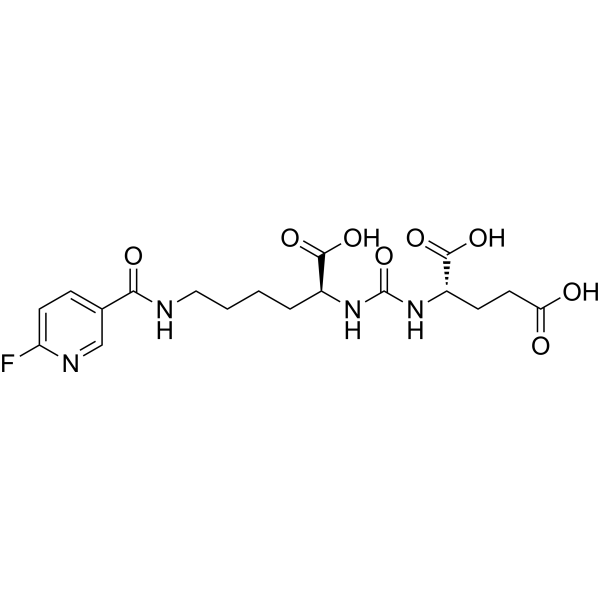
Piflufolastat (DCFPYL) can be used for the preparation of piflufolastat F 18 (DCFPyL F-18). Piflufolastat F-18 (DCFPyL F-18) is an 18F-labeled imaging agent. Piflufolastat F-18 can be used for positron emission tomography (PET) targeting prostate-specific membrane antigen (PSMA). Piflufolastat can be used for imaging of prostate cancer .
|
-
-
- HY-P99714
-
|
MGD019
|
PD-1/PD-L1
CTLA-4
|
Cancer
|
|
Lorigerlimab (MGD019) is a bispecific IgG4 dual-affinity re-targeting antibody (DART). Lorigerlimab can block PD-1 and CTLA-4, and improves T-cell responses. Lorigerlimab can be used for research of metastatic castration-resistant prostate cancer (mCRPC) .
|
-

-
- HY-118487
-
OB-24
2 Publications Verification
|
Heme Oxygenase (HO)
Reactive Oxygen Species (ROS)
|
Cancer
|
|
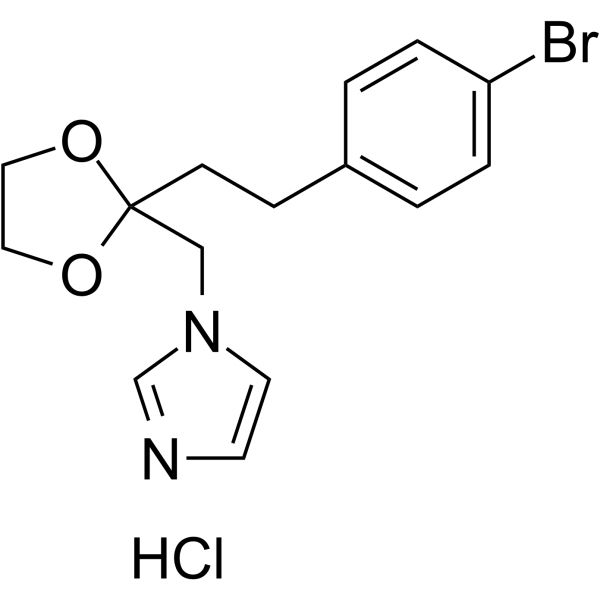
OB-24 is a selective small-molecule HO-1 inhibitor (IC50 = 1.9 μM for HO-1 and IC50 for HO-2 >100 μM). OB-24 possesses anti-tumor and anti-metastatic properties. OB-24 can be studies in research such as prostate cancer, melanoma, ovarian carcinoma and lung metastasis .
|
-
-
- HY-158123
-
|
|
PSMA
|
Cancer
|
|
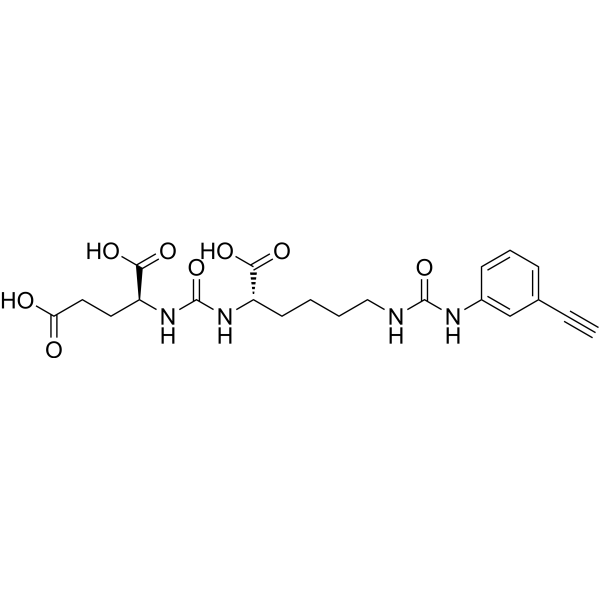
PSMA binder-1 is a ligand for PSMA and can be used to synthesize PSMA targeting molecule, such as Ac-PSMA-trillium .
|
-
-
- HY-B0657
-
|
Clodronate
|
Apoptosis
|
Metabolic Disease
Cancer
|
|
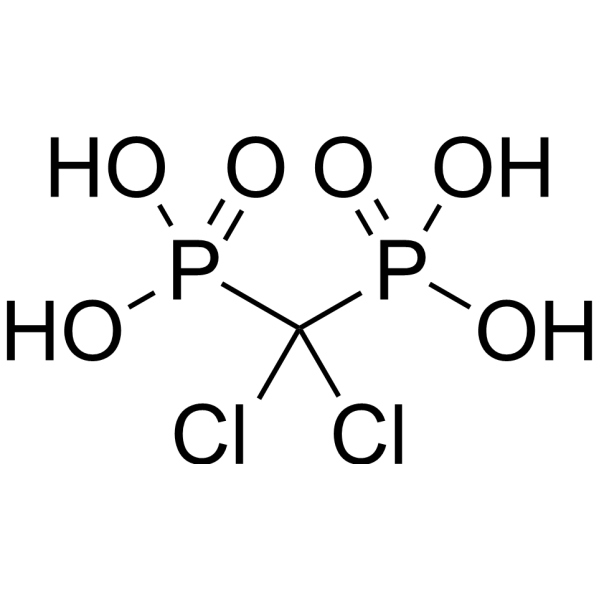
Clodronic acid (Clodronate) is an orally active bisphosphonate. Clodronic acid inhibits osteoclast-mediated bone resorption. Clodronic acid reduces skeletal event risk in malignant bone disease, impairs malignant osteolysis, blocks bone matrix growth-factor release, induces apoptosis in osteoclasts and macrophages. Clodronic acid is effective in the maintenance or improvement of bone mineral density. Clodronic acid can be used for the research of multiple myeloma and postmenopausal osteoporosis .
|
-
-
- HY-118134
-
|
|
Ser/Thr Protease
|
Cancer
|
|
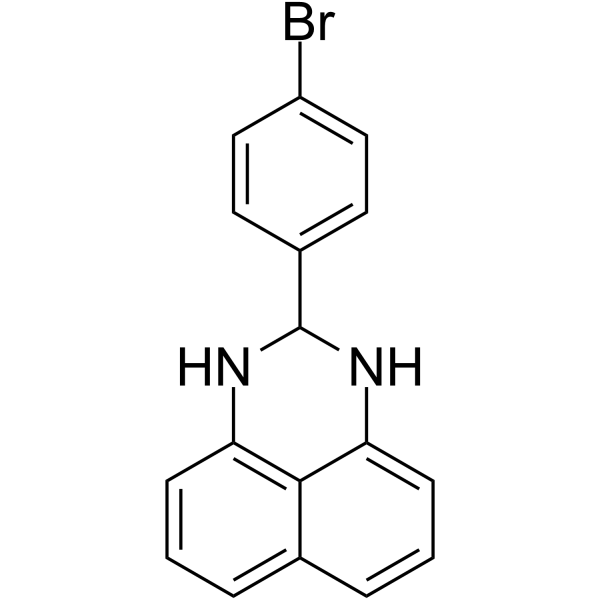
Hepln-13 is a potent and orally active Hepsin inhibitor with an IC50 of 0.33 μM. Hepln-13 can be used for the research of metastatic prostate cancer .
|
-
-
- HY-P1416A
-
|
|
Wnt
|
Cancer
|
|
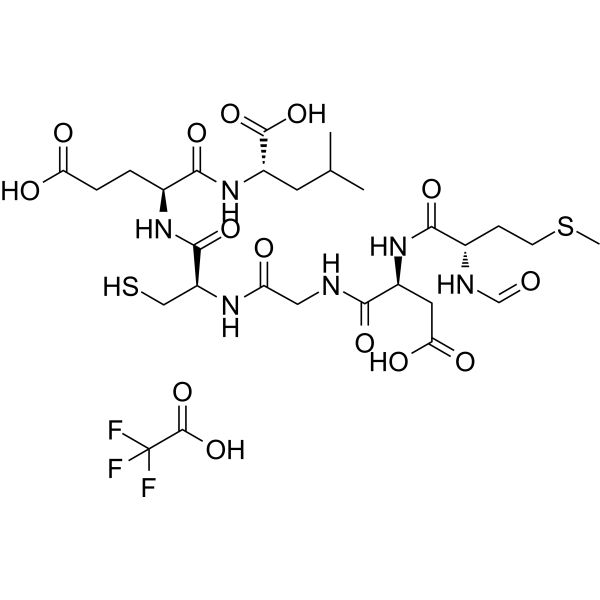
Foxy-5 TFA, a WNT5A agonist, is a mimicking peptide of WNT5A which is a non-canonical member of the Wnt family. Foxy-5 TFA triggers cytosolic free calcium signaling without affecting β-catenin activation and it impairs the migration and invasion of epithelial cancer cells. Foxy-5 TFA effectively reduces the metastatic spread of WNT5A-low prostate cancer cells in an orthotopic mouse model .
|
-
-
- HY-118762
-
|
|
Cathepsin
|
Cancer
|
|
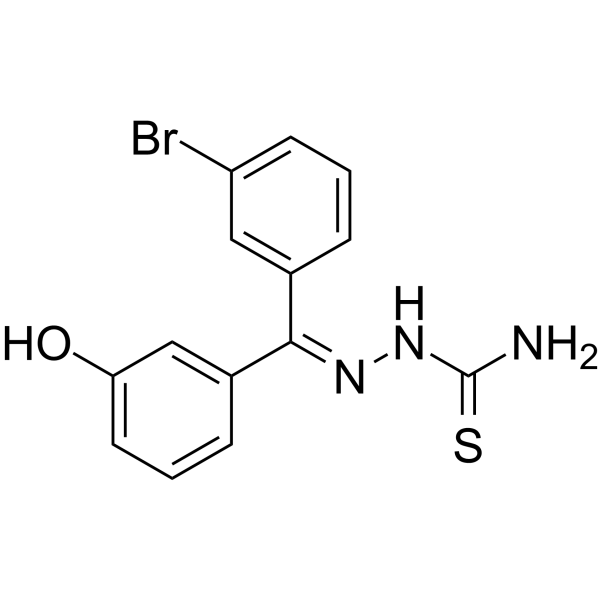
KGP94 is a selective inhibitor of cathepsin L with an IC50 of 189 nM . KGP94 inhibits migration and invasion of metastatic carcinoma and shows low cytotoxicity (GI50=26.9 µM) against various human cell lines .
|
-
-
- HY-158102A
-
|
ORIC-944 TFA
|
Histone Methyltransferase
|
Cancer
|
|
Rinzimetostat (ORIC-944) TFA is the TFA salt form of ORIC (HY-158102). Rinzimetostat TFA is a selective, orally active, allosteric inhibitor targeting the EED subunit of polycomb repressive complex 2 (PRC2). Rinzimetostat TFA is synergistic with androgen receptor pathway inhibitors (ARPIs) for the study of metastatic prostate cancer .
|
-

-
- HY-P10740
-
|
|
Peptide-Drug Conjugates (PDCs)
PSMA
Folate Receptor (FR)
|
Cancer
|
|
CBP-1018 is a PDC (peptide-drug conjugate) formed by conjugating Monomethyl auristatin E (HY-15162) to a dual-targeting ligand of FLOR1/PSMA (prostate-specific membrane antigen) via a linker (HY-78738). CBP-1018 binds to FLOR1 and prostate-specific membrane antigen (PSMA). CBP-1018 is applicable to the research of solid tumors and metastatic castration-resistant prostate cancer .
|
-

-
- HY-19833
-
|
CFG920
|
Cytochrome P450
|
Cancer
|
|
Lapiteronel (CFG920) is an orally active, nonsteroidal, reversible dual CYP17 and CYP11B2 inhibitor. Lapiteronel has the potential for metastatic castration-resistant prostate cancer research .
|
-

-
- HY-158119A
-
|
Felivotide mopaxetan
|
PSMA
|
Cancer
|
|
PSMA-trillium (Felivotide mopaxetan) is a PSMA-targeted molecule that contains a highly specific PSMA-binding motif, an albumin-binding domain optimized for tumor uptake and retention, and a Macropa chelator conjugated to the α-emitter 225Ac. PSMA-trillium binds to albumin to prolong plasma retention time and binds to PSMA via its specific motif. 225Ac-PSMA-Trillium exhibits dose-dependent inhibition of LNCaP tumor growth in mice. PSMA-trillium can be used in research related to prostate cancer and metastatic castration-resistant prostate cancer .
|
-

-
- HY-143230
-
|
OGX-011
|
Apoptosis
|
Cancer
|
|
Custirsen (OGX-011) is an antisense oligonucleotide that targets clusterin mRNA. Custirsen induces apoptosis by activating Bax, triggering mitochondrial translocation and cytochrome c release. Custirsen acts as a chemosensitizer, radiosensitizer and hormone sensitizer. Custirsen can be used in research related to prostate cancer, non-small cell lung cancer and metastatic breast cancer .
|
-

-
- HY-158118
-
|
|
DNA-PK
|
Cancer
|
|
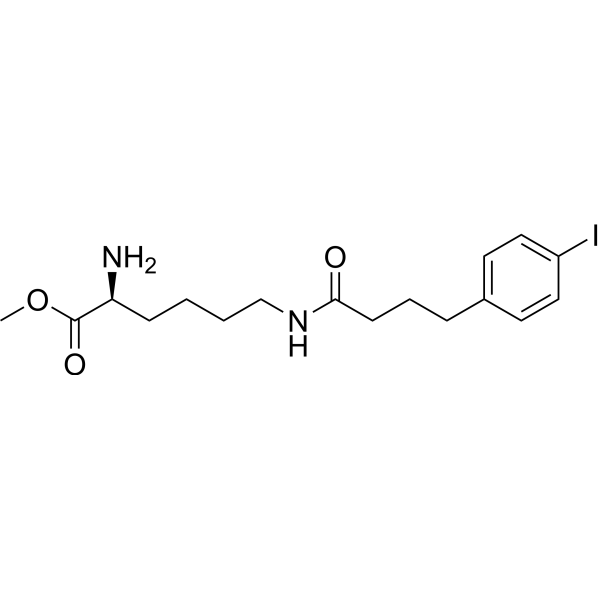
Lys(CO-C3-p-I-Ph)-OMe is a pharmacokinetic modifier (PK modifier) that can improve the PK properties of PSMA ligand molecules (such as Ac-PSMA-trillium). Lys(CO-C3-p-I-Ph)-OMe can increase the residence time of Ac-PSMA-trillium in plasma by increasing its binding capacity to albumin. Lys(CO-C3-p-I-Ph)-OMe also reduces salivary gland absorption of Ac-PSMA-trillium, potentially extending its half-life. Ac-PSMA-trillium is a suitable PSMA-targeting compound that has different biological applications after modification with different radioactive isotopes. If labeled with 111In, it can be used as DOTA chelating agent and imaging agent. Or labeled with 225Ac as a Macropa chelator for targeted radionuclide therapy (TRT) in the study of metastatic castration-resistant prostate cancer (mCRPC) .
|
-
-
- HY-158125
-
|
|
PSMA
|
Cancer
|
|
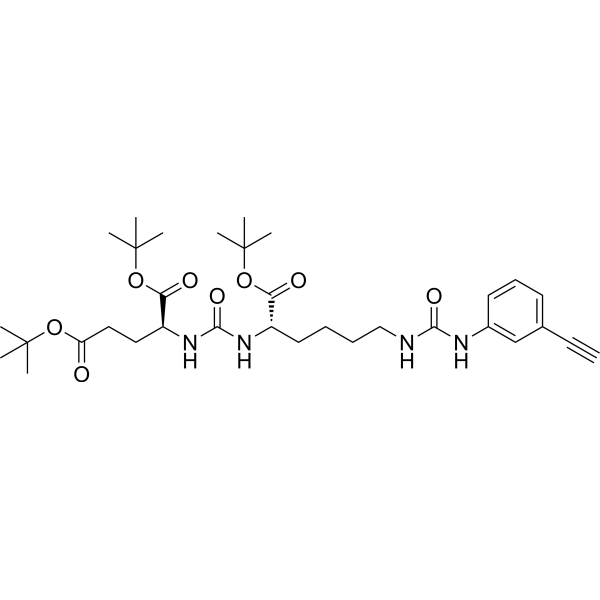
PSMA binder-2 is a ligand for PSMA and can be used to synthesize Ac-PSMA-trillium. Ac-PSMA-trillium is a suitable PSMA-targeting compound with improved PSMA binding properties and pharmacokinetic properties. PSMA ligands have different biological applications after being modified with different radioactive isotopes. If labeled with 111In, it can be used as DOTA chelating agent and imaging agent. Or labeled with 225Ac as a Macropa chelator for targeted radionuclide therapy (TRT) in the study of metastatic castration-resistant prostate cancer (mCRPC) .
|
-
-
- HY-103385
-
|
NO-Aspirin
|
Apoptosis
|
Inflammation/Immunology
Cancer
|
|
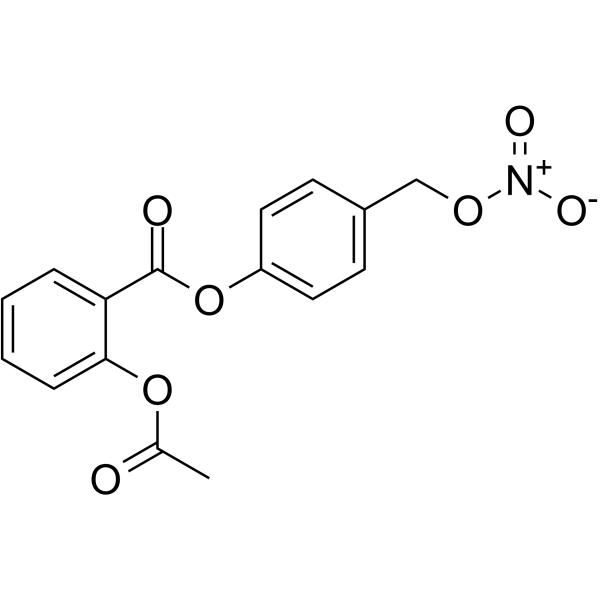
NCX4040 (NO-Aspirin), a non-steroidal anti-inflammatory drug (NSAID), is a nitric oxide (NO) releasing form of Aspirin. NCX4040 induces apoptosis in PC3 metastatic prostate cancer cells. NCX4040 has anti-inflammatory and anti-cancer effects .
|
-
-
- HY-146397
-
|
|
PROTACs
Androgen Receptor
|
Cancer
|
|
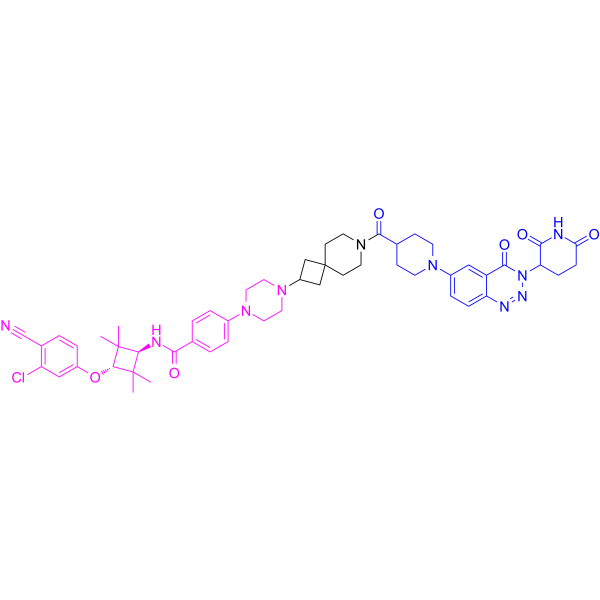
TD-802 (Compound 33c) is an androgen receptor (AR) PROTAC degrader with good microsomal stability. TD-802 has good antitumor efficacy in vivo and can be used for metastatic castration-resistant prostate cancer research .
|
-
-
- HY-N2022R
-
|
|
Reference Standards
Glycosidase
|
Inflammation/Immunology
Cancer
|
|
Castanospermine is a natural alkaloid that can be extracted from black beans or the Moreton Bay chestnut tree (Castanospermum australae). Castanospermine is an α/ β-glucosidase inhibitor. Castanospermine has anti-inflammatory, antiviral replication and anti-metastatic effects on prostate cancer. Castanospermine can be used as an immunosuppressant to prevent transplant rejection .
|
-

-
- HY-158122
-
|
|
DNA-PK
|
Cancer
|
|
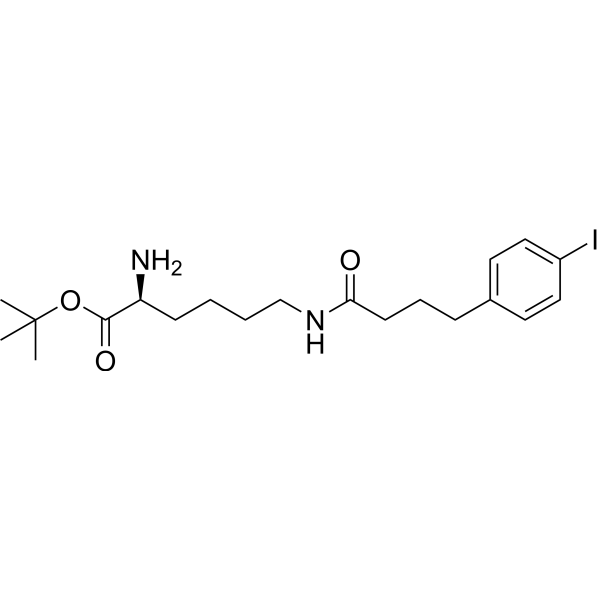
Lys(CO-C3-p-I-Ph)-O-tBu is a pharmacokinetic modifier (PK modifier) that can improve the pharmacokinetic properties of PSMA ligand molecules. Lys(CO-C3-p-I-Ph)-O-tBu can increase the residence time of PSMA ligand in plasma by increasing its binding capacity to albumin. Lys(CO-C3-p-I-Ph)-O-tBu also reduces salivary gland absorption, possibly extending the half-life of the active compound .
|
-
-
- HY-173186
-
|
|
TLK
Apoptosis
|
Cancer
|
|
TLK1-IN-1 is a TLK1B inhibitor with a human IC50 of 7.2 μM. TLK1-IN-1 causes accumulation of DNA damage and induces apoptotic cell death in cancer cells. TLK1-IN-1 can be used for the research of metastatic castration-resistant prostate cancer .
|
-

-
- HY-P10743
-
|
|
Radionuclide-Drug Conjugates (RDCs)
PSMA
|
Cancer
|
|
BQ7876 is a probe targeting prostate-specific membrane antigen (PSMA) that contains a DOTA chelator. BQ7876, after being radiolabeled with radionuclide (177Lu), functions in both radionuclide imaging and tumor cell destruction by specifically binding to PSMA. BQ7876 shows potential for research in the field of metastatic castration-resistant prostate cancer (mCRPC) . BQ7876 can be used for the synthesis/research of Radionuclide-Drug Conjugates (RDCs).
|
-

-
- HY-17473R
-
|
Embelic acid (Standard); Emberine (Standard); NSC 91874 (Standard)
|
Reference Standards
IAP
NF-κB
Apoptosis
Autophagy
|
Cancer
|
|
Embelin (Standard) is the analytical standard of Embelin. This product is intended for research and analytical applications. Embelin (Embelic acid), a potent, nonpeptidic XIAP inhibitor (IC50=4.1 μM), inhibits cell growth, induces apoptosis, and activates caspase-9 in prostate cancer cells with high levels of XIAP. Embelin blocks NF-kappaB signaling pathway leading to suppression of NF-kappaB-regulated antiapoptotic and metastatic gene products. Embelin also induces autophagic and apoptotic cell death in human oral squamous cell carcinoma cells .
|
-

-
- HY-119001
-
|
|
Survivin
|
Cancer
|
|
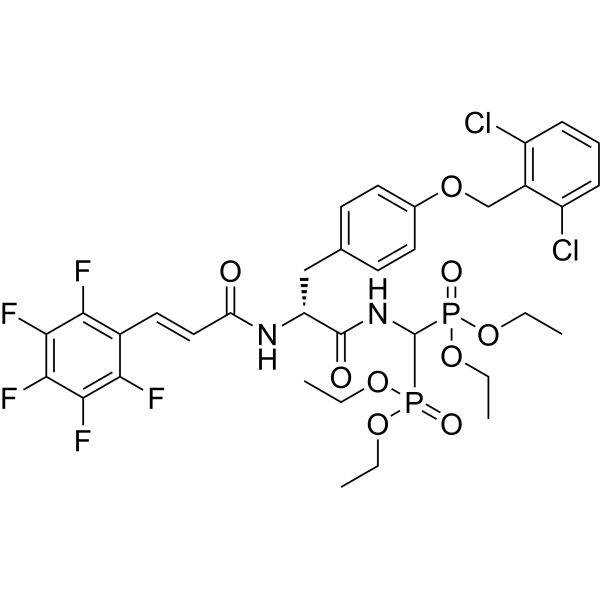
BKM1644, an acyl-tyrosine bisphosphonate amide derivative, exhibits potent anti-cancer activity. BKM1644 effectively inhibits the proliferation of metastatic, castration-resistant prostate cance (mCRPC) cells. BKM1644 sensitizes mCRPC cells to Docetaxel (HY-B0011) and retards the bone metastatic growth of prostate cance .
|
-
-
- HY-128938A
-
|
|
ADC Linker
|
Cancer
|
|
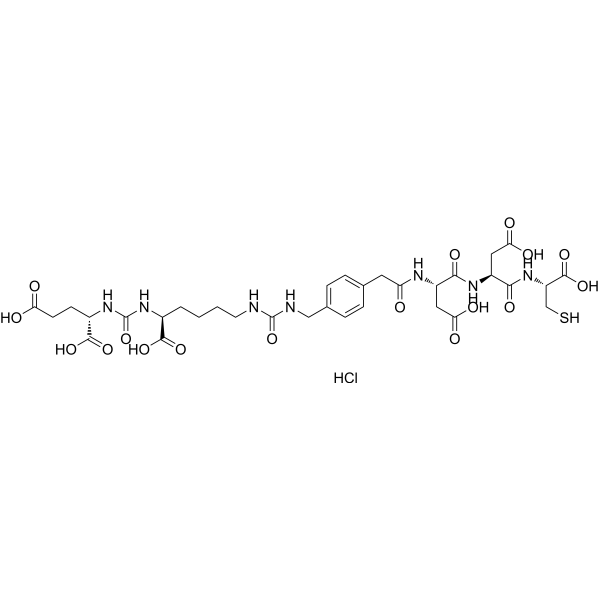
EC1167 hydrochloride is the linker for EC1169. EC1169 is prostate-specific membrane antigen targeting-tubulysin conjugate. EC1169 hydrochloride has the potential to treat recurrent metastatic, castration-resistant prostate cancer (MCRPC) .
|
-
-
- HY-128938
-
|
|
ADC Linker
|
Cancer
|
|
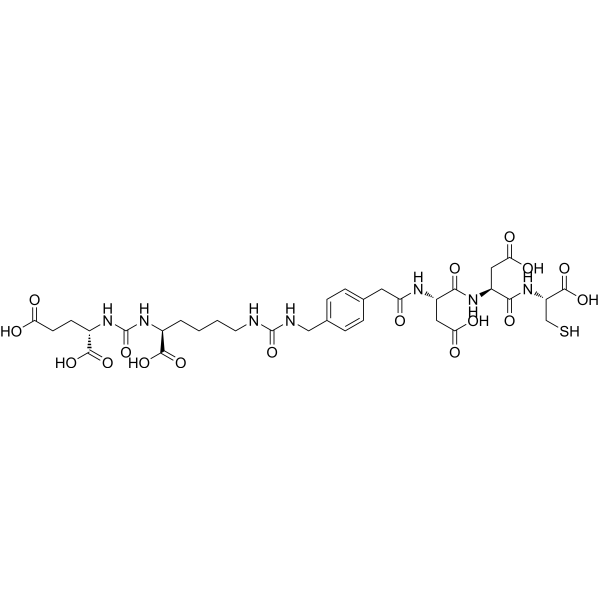
EC1167 is the linker for EC1169. EC1169 is prostate-specific membrane antigen targeting-tubulysin conjugate. EC1169 has the potential to treat recurrent metastatic, castration-resistant prostate cancer (MCRPC) .
|
-
-
- HY-152520
-
|
|
Androgen Receptor
|
Cancer
|
|
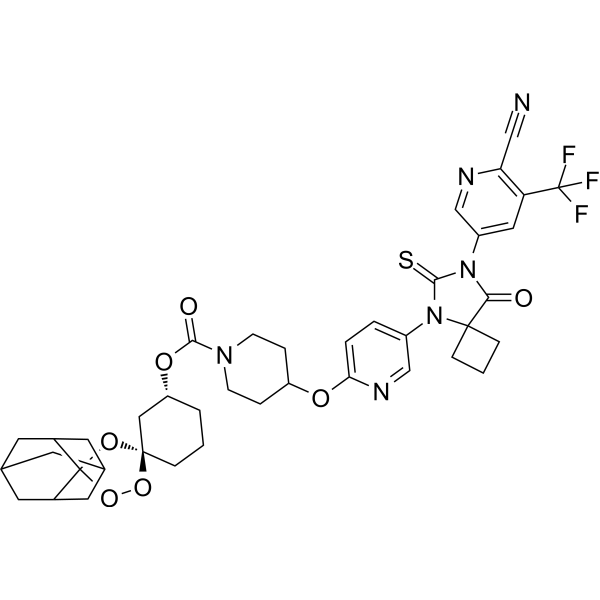
RLA-5331 is an iron activator containing anti-androgen. RLA-5331 has anti-proliferative activity on metastatic castration-resistant prostate cancer (mCRPC) cell line .
|
-
-
- HY-152512
-
|
|
Androgen Receptor
|
Cancer
|
|
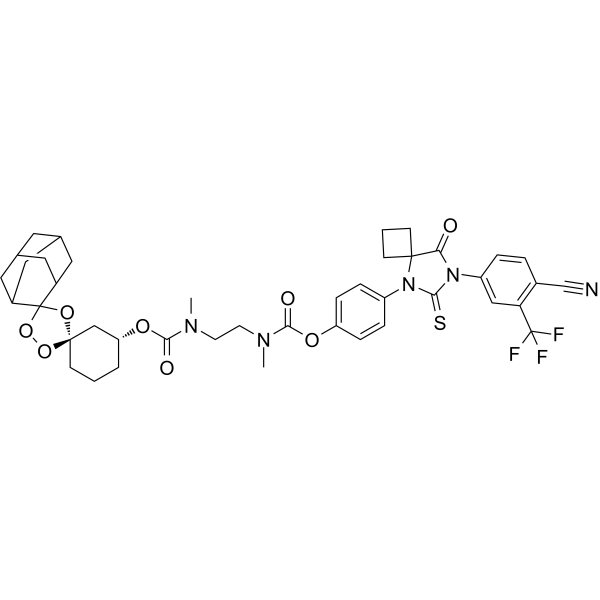
RLA-4842 is an iron activator containing anti-androgen. RLA-4842 has anti-proliferative activity on metastatic castration-resistant prostate cancer (mCRPC) cell line .
|
-
-
- HY-103385R
-
|
NO-Aspirin (Standard)
|
Reference Standards
Apoptosis
|
Inflammation/Immunology
Cancer
|
|
NCX4040 (Standard) is the analytical standard of NCX4040. This product is intended for research and analytical applications. NCX4040 (NO-Aspirin), a non-steroidal anti-inflammatory drug (NSAID), is a nitric oxide (NO) releasing form of Aspirin. NCX4040 induces apoptosis in PC3 metastatic prostate cancer cells. NCX4040 has anti-inflammatory and anti-cancer effects .
|
-

-
- HY-123664
-
|
LY133314
|
Estrogen Receptor/ERR
|
Cancer
|
|
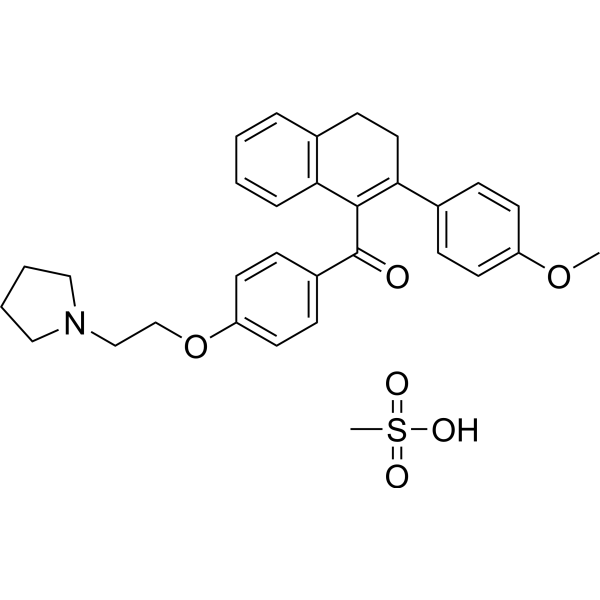
Trioxifene mesylate (LY133314) is an orally active and selective estrogen receptor (ER) modulator with human ERα IC50 of 203.49 nM and Ki of 20.84 nM. Trioxifene mesylate binds estradiol receptors, inhibits ERα-mediated gene expression, reduces circulating gonadotrophin levels. Trioxifene mesylate can be used for the research of advanced breast cancer and androgen-independent, metastatic prostatic adenocarcinoma .
|
-
-
- HY-N8230
-
|
|
HIV
HIV Protease
|
Infection
Inflammation/Immunology
Cancer
|
|
Ganosinensic acid C is a triterpenoid compound that can be extracted from Ganoderma lucidum. Ganosinensic acid C has important biological activities such as anti-tumor, anti-prostate cancer, anti-inflammatory, and inhibition of HIV-I protease. Ganosinensic acid C has an IC50 value of 10.5 μM against human highly metastatic lung cancer cell line 95D. Ganosinensic acid C has an IC50 value of Ganosinensic acid C against cervical cancer cell line Hela is 13.2 μM .
|
-

- HY-70002BR
-
|
MDV3100 carboxylic acid (Standard)
|
Reference Standards
Drug Metabolite
|
Cancer
|
|
Bromoxynil octanoate (Standard) is the analytical standard of Bromoxynil octanoate. This product is intended for research and analytical applications. Bromoxynil octanoate is an herbicide widely applied to maize, is potentially toxic to both animals and humans .
|
-

- HY-181696
-
|
|
PSMA
|
Cancer
|
|
EC0652 is a PSMA imaging agent with SPECT imaging capability. EC0652 can be used for the research of metastatic castration-resistant prostate cancer .
|
-

- HY-P11591
-
|
PSMA-DOTA-PEI2
|
Radionuclide-Drug Conjugates (RDCs)
PSMA
|
Cancer
|
|
PDI2 (PSMA-DOTA-PEI2) is a prostate-specific membrane antigen (PSMA) ligand that acts as a tumor retention agent, renal uptake reducer, imaging agent and antitumor agent, applicable in SPECT diagnostic imaging and radiotheranostics. PDI2 specifically binds to PSMA on prostate cancer cells, enters cells via clathrin-dependent endocytosis, and exhibits higher tumor retention rate and lower renal uptake level. PDI2 is applicable in research related to prostate cancer and castration-resistant metastatic prostate cancer .
|
-

- HY-P99528
-
|
DSTP 3086S; RG 7450; MSTP2109A
|
Antibody-Drug Conjugates (ADCs)
|
Cancer
|
|
Vandortuzumab vedotin (DSTP 3086S; RG 7450) is a STEAP1-targeted antibody-drug conjugate (ADC). Vandortuzumab vedotin binds specifically to STEAP1, triggers internalization of the conjugate complex, mediates intracellular release of monomethyl auristatin E, inhibits cell division, and induces cell death. Vandortuzumab vedotin exhibits antitumor activity in preclinical prostate cancer xenografts. Vandortuzumab vedotin can be used for the research of metastatic castration-resistant prostate cancer .
|
-

- HY-184124
-
|
|
Androgen Receptor
Histone Acetyltransferase
|
Cancer
|
|
JYZ3032 is an orally active super inhibitor of androgen receptor (AR) and p300/CBP. JYZ3032 redirects the catalytic activity of p300 and locks the complex in a transcriptionally inactive state, thereby inhibiting AR-driven transcription and proliferation. JYZ3032 induces deep and durable tumor regression in castration-resistant and patient-derived xenograft models, and exhibits good tolerability. JYZ3032 can be used in research related to metastatic castration-resistant prostate cancer and prostate cancer .
|
-

- HY-183273
-
|
|
Epigenetic Reader Domain
Akt
CDK
Autophagy
Apoptosis
|
Cancer
|
|
BRD4/AKT-IN-1 is a BRD4/AKT inhibitor with BRD4 IC50 66.12 nM and AKT1 IC50 143.81 nM. BRD4/AKT-IN-1 blocks BRD4-mediated c-Myc transcriptional regulation, modulates AKT1 signaling, decouples AKT phosphorylation from pro-survival effectors. BRD4/AKT-IN-1 induces G0/G1 cell cycle arrest via downregulated phosphorylated RB, cyclin E1, CDK2. BRD4/AKT-IN-1 elevates LC3B levels to promote autophagy. BRD4/AKT-IN-1 promotes apoptosis in cancer cells. BRD4/AKT-IN-1 can be used for the research of metastatic castration-resistant prostate cancer .
|
-

- HY-135529
-
|
LY133314 free base
|
Estrogen Receptor/ERR
|
Cancer
|
|
Trioxifene (LY133314 free base) is an orally active and selective estrogen receptor (ER) modulator with human ERα IC50 of 203.49 nM and Ki of 20.84 nM. Trioxifene binds estradiol receptors, inhibits ERα-mediated gene expression, reduces circulating gonadotrophin levels. Trioxifene can be used for the research of advanced breast cancer and androgen-independent, metastatic prostatic adenocarcinoma .
|
-

- HY-109050R
-
|
GS-5829 (Standard)
|
Reference Standards
Epigenetic Reader Domain
|
Cancer
|
|
Alobresib (Standard) is the analytical standard of Alobresib (HY-109050). This product is intended for research and analytical applications. Alobresib (GS-5829) is a BET bromodomain inhibitor, which represents a highly effective therapeutics agent against recurrent/chemotherapy resistant uterine serous carcinoma (USC) overexpressing c-Myc. Alobresib can be used in the metastatic castration-resistant prostate cancer (mCRPC) research .
|
-

- HY-P10370B
-
|
|
Apoptosis
Caspase
|
Cancer
|
|
d-(KLAKLAK)2, Proapoptotic Peptide acetate is a pro-Apoptotic peptide whose core mechanism of action is to disrupt organelle membranes, especially mitochondrial membranes, thereby inducing apoptosis. d-(KLAKLAK)2, Proapoptotic Peptide acetate activates the activity of caspase 3/7 in cancer cells. Although d-(KLAKLAK)2 Proapoptotic Peptide acetate exhibits very low toxicity to eukaryotic cells extracellularly, it cannot effectively penetrate cell membranes to enter the cytoplasm on its own. d-(KLAKLAK)2, Proapoptotic Peptide acetate must be conjugated with a carrier capable of "homing" and "internalization" to exert its anti-cancer effects .
|
-

- HY-185167
-
|
|
|
Cancer
|
|
PSMA-1-DOTA is a prostate-specific membrane antigen (PSMA) binder with high affinity, enables targeted radionuclide delivery for imaging and therapy. PSMA-1-DOTA acts as a tumor growth inhibitor that reduces growth of PSMA-expressing prostate cancer tumors .
|
-

- HY-P992209
-
|
|
Transmembrane Glycoprotein
|
Cancer
|
|
Anti-CD318/CDCP1 Antibody (25A11) is an anti-CDCP1 antibody. Anti-CD318/CDCP1 Antibody (25A11) drives the internalization of antibody-CDCP1 complexes, inhibits cancer cell migration and invasion, and blocks downstream migration/invasion signaling pathways. When conjugated with saponin, Anti-CD318/CDCP1 Antibody (25A11) mediates the killing of prostate cancer cells. When conjugated with saponin, this antibody acts as an immunotoxin to inhibit the growth and metastasis of primary prostate tumors in mouse xenograft models. Anti-CD318/CDCP1 Antibody (25A11) is applicable to prostate cancer-related research .
|
-

-
- HY-P3371
-
|
DS-7300a; MABX-9001a; I-DXd
|
蛍光色素
|
|
Ifinatamab deruxtecan (DS-7300a) is a B7-H3-targeting Antibody-drug conjugate (ADC), which is composed of a humanized anti-B7-H3 monoclonal antibody, an enzymatically cleavable peptide-based linker, and Exatecan derivative (DXd) (HY-13631D). Ifinatamab deruxtecan is a DNA Topoisomerase I inhibitor. Ifinatamab deruxtecan induces Apoptosis. DS-7300a exerts potent antitumor activities against B7-H3-expressing tumors. against rhabdomyosarcoma, endometrial adenocarcinoma and lung adenocarcinoma. Ifinatamab deruxtecan does not exert direct immunomodulatory effects
|
-
- HY-P1416
-
|
|
Wnt
|
Cancer
|
|
Foxy-5, a WNT5A agonist, is a mimicking peptide of WNT5A which is a non-canonical member of the Wnt family. Foxy-5 triggers cytosolic free calcium signaling without affecting β-catenin activation and it impairs the migration and invasion of epithelial cancer cells. Foxy-5 effectively reduces the metastatic spread of WNT5A-low prostate cancer cells in an orthotopic mouse model .
|
-
- HY-P1416A
-
|
|
Wnt
|
Cancer
|
|
Foxy-5 TFA, a WNT5A agonist, is a mimicking peptide of WNT5A which is a non-canonical member of the Wnt family. Foxy-5 TFA triggers cytosolic free calcium signaling without affecting β-catenin activation and it impairs the migration and invasion of epithelial cancer cells. Foxy-5 TFA effectively reduces the metastatic spread of WNT5A-low prostate cancer cells in an orthotopic mouse model .
|
-
- HY-P10740
-
|
|
Peptide-Drug Conjugates (PDCs)
PSMA
Folate Receptor (FR)
|
Cancer
|
|
CBP-1018 is a PDC (peptide-drug conjugate) formed by conjugating Monomethyl auristatin E (HY-15162) to a dual-targeting ligand of FLOR1/PSMA (prostate-specific membrane antigen) via a linker (HY-78738). CBP-1018 binds to FLOR1 and prostate-specific membrane antigen (PSMA). CBP-1018 is applicable to the research of solid tumors and metastatic castration-resistant prostate cancer .
|
-
- HY-P10743
-
|
|
Radionuclide-Drug Conjugates (RDCs)
PSMA
|
Cancer
|
|
BQ7876 is a probe targeting prostate-specific membrane antigen (PSMA) that contains a DOTA chelator. BQ7876, after being radiolabeled with radionuclide (177Lu), functions in both radionuclide imaging and tumor cell destruction by specifically binding to PSMA. BQ7876 shows potential for research in the field of metastatic castration-resistant prostate cancer (mCRPC) . BQ7876 can be used for the synthesis/research of Radionuclide-Drug Conjugates (RDCs).
|
-
- HY-181696
-
|
|
PSMA
|
Cancer
|
|
EC0652 is a PSMA imaging agent with SPECT imaging capability. EC0652 can be used for the research of metastatic castration-resistant prostate cancer .
|
-
- HY-P11591
-
|
PSMA-DOTA-PEI2
|
Radionuclide-Drug Conjugates (RDCs)
PSMA
|
Cancer
|
|
PDI2 (PSMA-DOTA-PEI2) is a prostate-specific membrane antigen (PSMA) ligand that acts as a tumor retention agent, renal uptake reducer, imaging agent and antitumor agent, applicable in SPECT diagnostic imaging and radiotheranostics. PDI2 specifically binds to PSMA on prostate cancer cells, enters cells via clathrin-dependent endocytosis, and exhibits higher tumor retention rate and lower renal uptake level. PDI2 is applicable in research related to prostate cancer and castration-resistant metastatic prostate cancer .
|
-
- HY-P10370B
-
|
|
Apoptosis
Caspase
|
Cancer
|
|
d-(KLAKLAK)2, Proapoptotic Peptide acetate is a pro-Apoptotic peptide whose core mechanism of action is to disrupt organelle membranes, especially mitochondrial membranes, thereby inducing apoptosis. d-(KLAKLAK)2, Proapoptotic Peptide acetate activates the activity of caspase 3/7 in cancer cells. Although d-(KLAKLAK)2 Proapoptotic Peptide acetate exhibits very low toxicity to eukaryotic cells extracellularly, it cannot effectively penetrate cell membranes to enter the cytoplasm on its own. d-(KLAKLAK)2, Proapoptotic Peptide acetate must be conjugated with a carrier capable of "homing" and "internalization" to exert its anti-cancer effects .
|
| 製品番号 |
製品名 |
Target |
研究分野 |
Image |
-
- HY-P3371
-
|
DS-7300a; MABX-9001a; I-DXd
|
Antibody-Drug Conjugates (ADCs)
Topoisomerase
Apoptosis
|
Cancer
|
|
Ifinatamab deruxtecan (DS-7300a) is a B7-H3-targeting Antibody-drug conjugate (ADC), which is composed of a humanized anti-B7-H3 monoclonal antibody, an enzymatically cleavable peptide-based linker, and Exatecan derivative (DXd) (HY-13631D). Ifinatamab deruxtecan is a DNA Topoisomerase I inhibitor. Ifinatamab deruxtecan induces Apoptosis. DS-7300a exerts potent antitumor activities against B7-H3-expressing tumors. against rhabdomyosarcoma, endometrial adenocarcinoma and lung adenocarcinoma. Ifinatamab deruxtecan does not exert direct immunomodulatory effects
|
-

(5)
-
- HY-P991015
-
|
JNJ-78278343; KLCB-245
|
CD3
|
Cancer
|
|
Pasritamig (JNJ-78278343; KLCB-245) is a bispecific T-cell engager (BiTE) that targets the complex of human kallikrein KLK2 and CD3 receptor. Pasritamig redirects the cytotoxicity of T cells to KLK2-expressing tumor cells and induces T cell-mediated lysis of KLK2-expressing prostate cancer cells. Administered via subcutaneous injection, subcutaneous infusion or intravenous infusion, Pasritamig exhibits antitumor activity against metastatic castration-resistant prostate cancer. Pasritamig has a safety profile with an extremely low incidence of cytokine release syndrome and can be safely administered in an outpatient setting. Pasritamig is applicable to the research of metastatic castration-resistant prostate cancer .
|
-
(5)
-
- HY-P990673
-
|
DSTP-3086S Antibody; RG-7450 Antibody
|
ADC Antibody
Transmembrane Glycoprotein
Mitosis
|
Cancer
|
|
Vandortuzumab (DSTP-3086S Antibody; RG-7450 Antibody) is a humanized anti-STEAP1 IgG1 antibody and antimitotic agent that can be conjugated with MMAE (HY-15162) to form the antibody-drug conjugate (ADC) Vandortuzumab vedotin. Vandortuzumab vedotin specifically binds to STEAP1 and drives internalization of the complex, releasing the MMAE (HY-15162) payload intracellularly. After binding to tubulin, MMAE inhibits cell division and induces cell death. Vandortuzumab exhibits antitumor activity in preclinical xenograft models of prostate cancer and can be used for research related to metastatic castration-resistant prostate cancer (mCRPC) .
|
-
(5)
-
- HY-P990688
-
|
AMG-509
|
CD3
|
Cancer
|
|
Xaluritamig (AMG-509) is a bispecific T cell engager and cytolytic agent with a Kd of 27.6 nM for human CD3ε. Xaluritamig binds to CD3ε via an anti-CD3 single-chain variable fragment (scFv) domain, and to STEAP1 via a bispecific anti-STEAP1 antigen-binding fragment (Fab) domain, thereby recruiting and activating T cells and forming a bridge between T cells and STEAP1-expressing cancer cells. Xaluritamig induces T cell-mediated redirected cytotoxicity, tumor cell lysis, cytokine release, CD8 + T cell activation and expansion, as well as tumor stasis or regression. Xaluritamig contains an Fc domain with no effector function, which prolongs serum half-life, exhibits only minimal activity against cells with low STEAP1 expression and normal cells, and shows extremely low target-related off-tumor toxicity in cynomolgus monkeys. Xaluritamig is used in STEAP1×CD3 XmAb 2+1 immunotherapy and in research on metastatic castration-resistant prostate cancer and Ewing sarcoma .
|
-
(5)
-
- HY-P99802
-
|
BAY 2010112; AMG 212; MT112
|
CD3
|
Cancer
|
|
Pasotuxizumab (BAY 2010112) is a PSMA and CD3 bispecific T-cell engager (BiTE). Pasotuxizumab binds to CD3 and PSMA with KDs of 9.4 nM and 47.0 nM for human CD3 and PSMA. Pasotuxizumab can be used for research of metastatic castration-resistant prostate cancer (mCRPC) .
|
-
(5)
-
- HY-P9992
-
|
BAY-2315497; PSMA-TTC
|
PSMA
Apoptosis
|
Cancer
|
|
Peligifatamab is a PSMA-targeted α-radioimmunoconjugate with an EC50 of 1.2 nM against human targets. Peligifatamab induces DNA damage, DNA double-strand breaks, cell cycle arrest and apoptosis (Apoptosis) in PSMA-positive prostate cancer cells. Peligifatamab reduces cell viability in a manner dependent on cellular PSMA expression levels. Peligifatamab inhibits tumor growth and tumor-induced abnormal bone growth in prostate cancer bone metastasis models. Peligifatamab exhibits antitumor efficacy in subcutaneous prostate cancer models and xenograft models. Peligifatamab can be used for the research of metastatic castration-resistant prostate cancer .
|
-
(5)
-
- HY-P99714
-
|
MGD019
|
PD-1/PD-L1
CTLA-4
|
Cancer
|
|
Lorigerlimab (MGD019) is a bispecific IgG4 dual-affinity re-targeting antibody (DART). Lorigerlimab can block PD-1 and CTLA-4, and improves T-cell responses. Lorigerlimab can be used for research of metastatic castration-resistant prostate cancer (mCRPC) .
|
-
(5)
-
- HY-P99528
-
|
DSTP 3086S; RG 7450; MSTP2109A
|
Antibody-Drug Conjugates (ADCs)
|
Cancer
|
|
Vandortuzumab vedotin (DSTP 3086S; RG 7450) is a STEAP1-targeted antibody-drug conjugate (ADC). Vandortuzumab vedotin binds specifically to STEAP1, triggers internalization of the conjugate complex, mediates intracellular release of monomethyl auristatin E, inhibits cell division, and induces cell death. Vandortuzumab vedotin exhibits antitumor activity in preclinical prostate cancer xenografts. Vandortuzumab vedotin can be used for the research of metastatic castration-resistant prostate cancer .
|
-
(5)
-
- HY-P992209
-
|
|
Transmembrane Glycoprotein
|
Cancer
|
|
Anti-CD318/CDCP1 Antibody (25A11) is an anti-CDCP1 antibody. Anti-CD318/CDCP1 Antibody (25A11) drives the internalization of antibody-CDCP1 complexes, inhibits cancer cell migration and invasion, and blocks downstream migration/invasion signaling pathways. When conjugated with saponin, Anti-CD318/CDCP1 Antibody (25A11) mediates the killing of prostate cancer cells. When conjugated with saponin, this antibody acts as an immunotoxin to inhibit the growth and metastasis of primary prostate tumors in mouse xenograft models. Anti-CD318/CDCP1 Antibody (25A11) is applicable to prostate cancer-related research .
|
-
(5)
| 製品番号 |
製品名 |
Category |
Target |
構造式 |
-
- HY-N2022
-
-
-
- HY-17473
-
-
-
- HY-N2022R
-
-
-
- HY-17473R
-
|
Embelic acid (Standard); Emberine (Standard); NSC 91874 (Standard)
|
Quinones
Structural Classification
Benzene Quinones
Embelia laeta (Linn.) Mez
Plants
Myrsinaceae
Source Classification
|
Reference Standards
IAP
NF-κB
Apoptosis
Autophagy
|
|
Embelin (Standard) is the analytical standard of Embelin. This product is intended for research and analytical applications. Embelin (Embelic acid), a potent, nonpeptidic XIAP inhibitor (IC50=4.1 μM), inhibits cell growth, induces apoptosis, and activates caspase-9 in prostate cancer cells with high levels of XIAP. Embelin blocks NF-kappaB signaling pathway leading to suppression of NF-kappaB-regulated antiapoptotic and metastatic gene products. Embelin also induces autophagic and apoptotic cell death in human oral squamous cell carcinoma cells .
|
-
-
- HY-N8230
-
|
|
Microorganisms
Ketones, Aldehydes, Acids
Source Classification
|
HIV
HIV Protease
|
|
Ganosinensic acid C is a triterpenoid compound that can be extracted from Ganoderma lucidum. Ganosinensic acid C has important biological activities such as anti-tumor, anti-prostate cancer, anti-inflammatory, and inhibition of HIV-I protease. Ganosinensic acid C has an IC50 value of 10.5 μM against human highly metastatic lung cancer cell line 95D. Ganosinensic acid C has an IC50 value of Ganosinensic acid C against cervical cancer cell line Hela is 13.2 μM .
|
-
-
- HY-W587488
-
|
3′-AMP
|
|
Nucleotide Analogs
Adenine Nucleotide
|
|
Adenosine 3’-monophosphate (3’-AMP) is a nucleotide. Adenosine 3’-monophosphate is a cyclic AMP production agonist. Adenosine 3’-monophosphate increases cyclic AMP levels concentration-dependently in NG108-15 cells. Adenosine 3’-monophosphate can be used in the determination of acid phosphatase activity of human serum, which is estabilished as a laboratory procedure in the diagnosis of prostate cancer, metastatic mammary cancer and Gaucher’s disease. Adenosine 3’-monophosphate inhibits human aortic and coronary vascular smooth muscle cell proliferation via A2B receptors .
|
-
- HY-143230
-
|
OGX-011
|
|
Antisense Oligonucleotides
|
|
Custirsen (OGX-011) is an antisense oligonucleotide that targets clusterin mRNA. Custirsen induces apoptosis by activating Bax, triggering mitochondrial translocation and cytochrome c release. Custirsen acts as a chemosensitizer, radiosensitizer and hormone sensitizer. Custirsen can be used in research related to prostate cancer, non-small cell lung cancer and metastatic breast cancer .
|
入力情報は安全に管理されます. ※ 必須入力項目.
Inquiry Information
- 製品名:
- 製品番号:
- 数量:
- MCE 日本正規代理店:





