
1. Search Result
Search Result
Results for "

neurogenic

" in MedChemExpress (MCE) Product Catalog:

69

Inhibitors & Agonists

5

Peptides

5

Natural
Products

5

Recombinant Proteins

7

Isotope-Labeled Compounds

9

Antibodies

1

Oligonucleotides

Cat. No. Product Name Target Research Areas Chemical Structure
  • HY-129047
    Trypsin
    Maximum Cited Publications
    20 Publications Verification

    Ser/Thr Protease Protease Activated Receptor (PAR) Infection Inflammation/Immunology
    Trypsin is a serine protease enzyme, and hydrolyzes proteins at the carboxyl side of the Lysine or Arginine. Trypsin activates PAR2 and PAR4. Trypsin induces cell-to-cell membrane fusion in PDCoV infection by the interaction of S glycoprotein of PDCoV and pAPN. Trypsin also promotes cell proliferation and differentiation. Trypsin can be used in the research of wound healing and neurogenic inflammation .
    Trypsin
  • HY-129047A

    Ser/Thr Protease Protease Activated Receptor (PAR) Infection Inflammation/Immunology
    Trypsin MS grade is a serine protease enzyme, and hydrolyzes proteins at the carboxyl side of the Lysine or Arginine. Trypsin MS grade activates PAR2 and PAR4. Trypsin MS grade induces cell-to-cell membrane fusion in PDCoV infection by the interaction of S glycoprotein of PDCoV and pAPN. Trypsin MS grade also promotes cell proliferation and differentiation. Trypsin MS grade can be used in the research of wound healing and neurogenic inflammation .
    Trypsin (MS grade)
  • HY-110220
    CIM0216
    3 Publications Verification

    TRP Channel Neurological Disease
    CIM0216, a synthetic TRPM3 ligand, acts as a potent and selective agonist of TRPM3. CIM0216 exhibits selectivity for TRPM3 over TRPM1, TRPM2 and TRPM4-8. CIM0216 acts in a TRPM3-dependent manner to induce pain and evoke neuropeptide release from sensory nerve terminals in vitro. CIM0216 is a powerful tool for studies of the physiological functions of TRPM3, and can be used for neurogenic inflammation research .
    CIM0216
  • HY-13458

    L-DOPS; DOPS; SM5688

    Adrenergic Receptor Cardiovascular Disease Neurological Disease
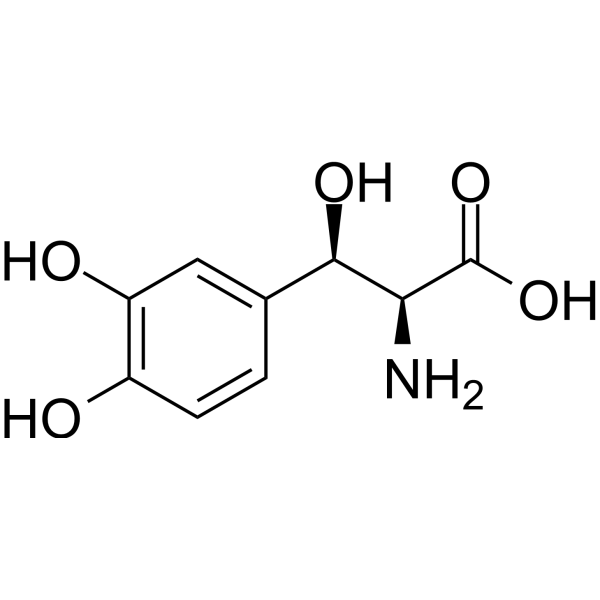
    Droxidopa (L-DOPS; SM5688) is a potent, orally active norepinephrine precursor. Droxidopa increases standing blood pressure, ameliorates symptoms of orthostatic hypotension and improves standing ability. Droxidopa has the potential for the research of neurogenic orthostatic hypotension (nOH) and alternative ADHD (attention deficit hyperactivity disorder) .
    Droxidopa
  • HY-B0229

    BW-311C90; 311C90

    5-HT Receptor Endogenous Metabolite Neurological Disease
    Zolmitriptan (BW-311C90; 311C90) is a 5-HT1B/1D receptor partial agonist that can cross the blood-brain barrier, with Kis of 5.01 nM, 0.63 nM, and 63.09 nM for 5-HT1B, 5-HT1D, 5-HT1F receptor, respectively. Zolmitriptan can be used for the research of migraine .
    Zolmitriptan
  • HY-B0197A
    Naratriptan hydrochloride
    2 Publications Verification

    GR-85548A hydrochloride

    5-HT Receptor Cardiovascular Disease Neurological Disease Inflammation/Immunology
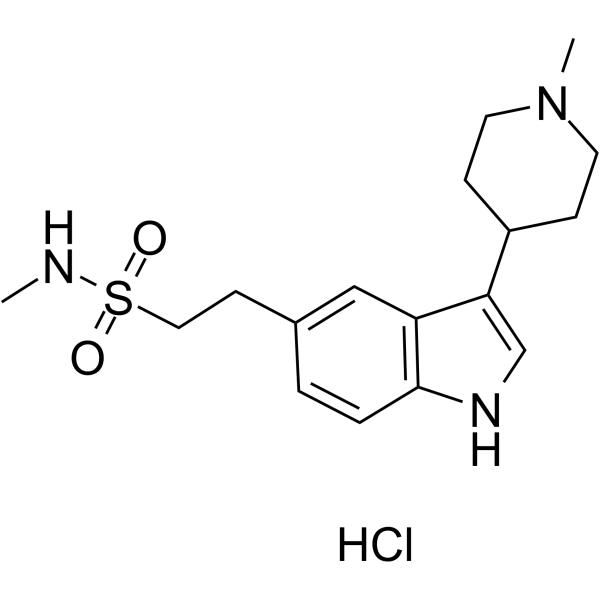
    Naratriptan (GR-85548A) hydrochloride is a selective 5-HT1B/1D receptor agonist. Naratriptan hydrochloride is peripherally active and has good oral bioavailability, inducing cranial artery vasoconstriction by activating 5-HT1B/1D receptors (EC50=0.11 μM for dog basilar artery). Naratriptan hydrochloride also inhibits trigeminal nerve-mediated dural neurogenic plasma extravasation and reduces sterile inflammation. Naratriptan hydrochloride is mainly used in the research of acute migraine, targeting cranial vascular and neuroinflammatory mechanisms .
    Naratriptan hydrochloride
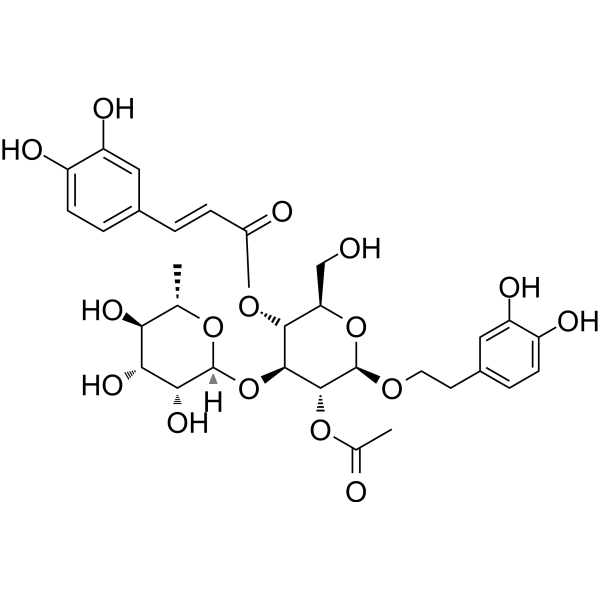
  • HY-N0026
    2'-Acetylacteoside
    1 Publications Verification

    2'-AA

    Monoamine Oxidase RANKL/RANK TNF Receptor NF-κB IKK Cardiovascular Disease Neurological Disease Metabolic Disease
    2'-Acetylacteoside (2'-AA) is a natural compound with oral activity and blood-brain barrier permeability. 2'-Acetylacteosideexhibits MAO‑B inhibitory activity (IC50 = 17.71 μM, Ki = 13.81 μM). 2'-Acetylacteoside downregulates the expression of RANK, TRAF6, NF‑κB, NFATc1 and IKKβ, disrupts the RANKL/RANK interaction, blocks downstream signaling pathways, and increases the level of phosphorylated Akt. 2'-Acetylacteoside possesses potent anti-osteoclastogenic, anti-bone resorptive, pro-neurogenic, neuroprotective and antioxidant activities. 2'-Acetylacteoside can be used in the research of osteoporosis, ischemic stroke and Parkinson's disease .
    2'-Acetylacteoside
  • HY-116522
    AR420626
    4 Publications Verification

    Free Fatty Acid Receptor Histone Methyltransferase HDAC mTOR CaMK p38 MAPK Epigenetic Reader Domain GLUT nAChR TNF Receptor Metabolic Disease Inflammation/Immunology Cancer
    AR420626 is a selective agonist of free fatty acid receptor 3 (FFAR3) (IC50=117 nM). AR420626 has anti-inflammatory, anticancer and antidiabetic activities. AR420626 improves neurogenic diarrhea by inhibiting nAChR mediated neural pathways. AR420626 inhibits the growth of HepG2 xenografts and inhibits the proliferation of hepatoma cells by inducing apoptosis. AR420626 also suppresses allergic asthma and eczema and has the ability to activate GPR41 to increase Ca 2+ signal-mediated glucose uptake and improve diabetes .
    AR420626
  • HY-13999

    NSI-189

    Trk Receptor Neurological Disease
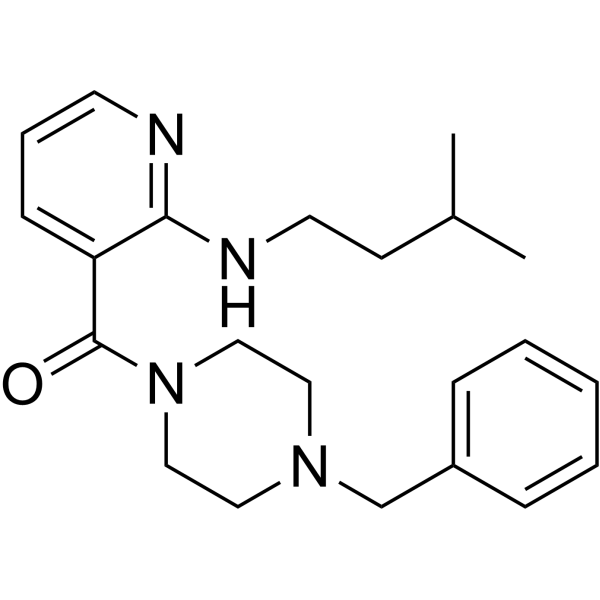
    Amdiglurax (NSI-189) is an orally active chemical entity with enhanced neurogenic activity. Amdiglurax up-regulates neurogenic factors such as BDNF (brain derived-neurotrophic factor) and SCF. Amdiglurax exhibits anti-depressant effect. Amdiglurax enhances synaptic plasticity and reduces cognitive dysfunction. Amdiglurax holds potential for psychiatric disorder research .
    Amdiglurax
  • HY-108439

    Wnt Hedgehog Neurological Disease
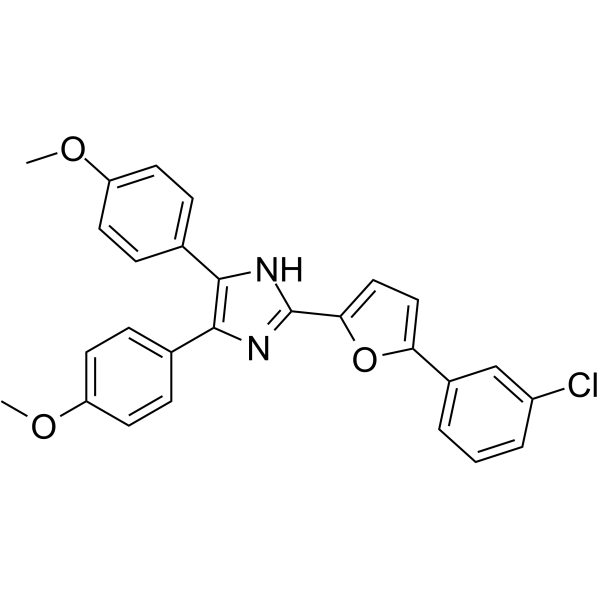
    Neurodazine is a neurogenic inducer, serve as a promoter of neurogenesisin pluripotent cells. Neurodazine promotes neurogenesis by activating Wnt and Shh signaling pathways. .
    Neurodazine
  • HY-15065
    Chembridge-5861528
    1 Publications Verification

    TCS 5861528

    TRP Channel Neurological Disease Metabolic Disease Inflammation/Immunology
    Chembridge-5861528 (TCS 5861528) is a potent TRPA1 channel antagonist that antagonizes similarly allyl isothiocyanate- and 4-HNE-evoked TRPA1 responses, with IC50 values of 14.3 μM and 18.7 μM, respectively. Chembridge-5861528 shows antihypersensitivity activities .
    Chembridge-5861528
  • HY-108483

    Neurokinin Receptor Neurological Disease Inflammation/Immunology
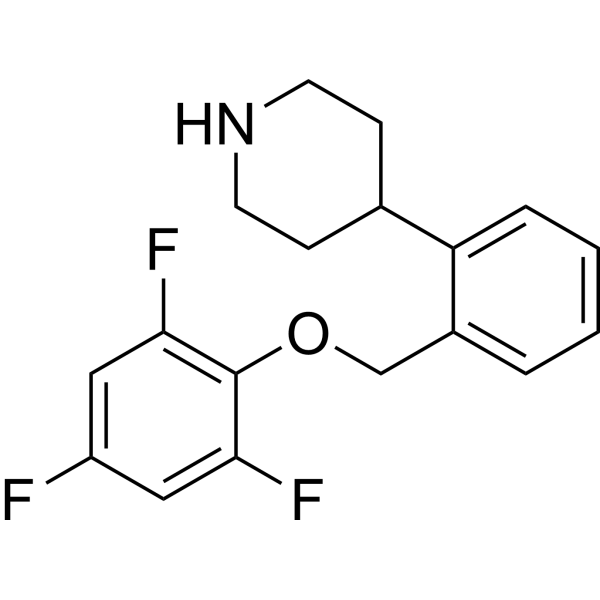
    RP 67580 is a non-peptide antagonist of substance P (SP), competitively inhibits the binding of [3H]SP to neurokinin receptor 1 (NK1 receptor) in rat brain membranes with a Ki value of 4.16 nM. RP 67580 is a specific antagonist of NK1 receptors and can be used in the research of pain and neurogenic inflammation .
    RP 67580
  • HY-14406A
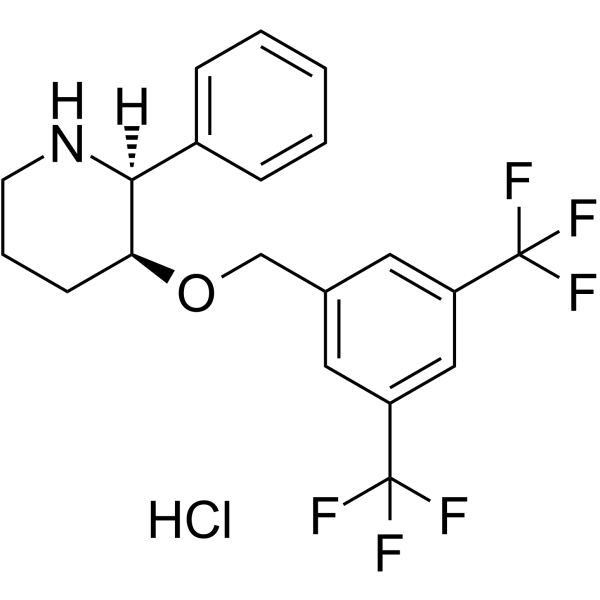
    L-733060 hydrochloride
    1 Publications Verification

    Neurokinin Receptor Neurological Disease Cancer
    L-733060 hydrochloride is a selective neurokinin-1 (NK-1) receptor antagonist. L-733060 hydrochloride mainly regulates pain transmission and neural plasticity by blocking the binding of Substance P (P substance) to the NK-1 receptor. L-733060 hydrochloride blocks the promoting effect of Substance P on long-term potentiation (LTP) in the hippocampus. L-733060 hydrochloride reverses the orofacial hyperalgesia induced by experimental occlusal interference (EOI) in rats. L-733060 hydrochloride hydrochloride inhibits neurogenic plasma extravasation at a dose that does not cause adverse cardiovascular effects in rodents, and also acts as an anti-tumor agent. L-733060 hydrochloride can be used for the study of chronic orofacial pain .
    L-733060 hydrochloride
  • HY-108482

    Neurokinin Receptor Cardiovascular Disease Neurological Disease Inflammation/Immunology
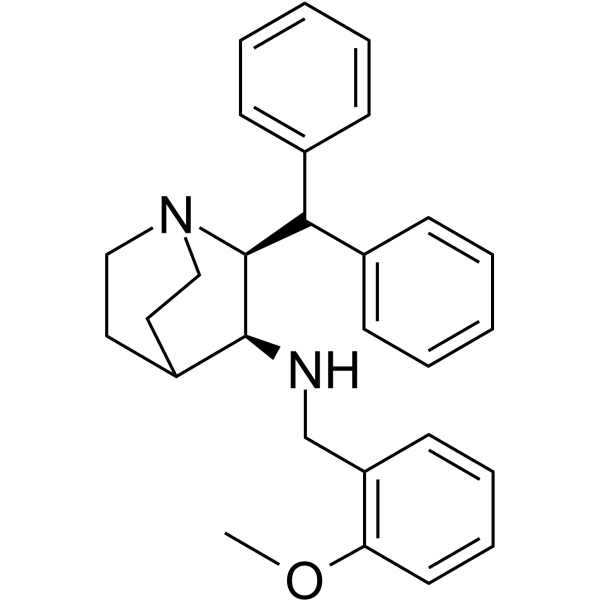
    CP-96,345 is a specific, highly potent, and orally active tachykinin and substance P receptor non-peptide inhibitor. CP-96,345 prevents the drop in blood pressure evoked by substance P and neurokinin A. CP-96,345 can be used for researching neurogenic inflammation .
    CP-96,345
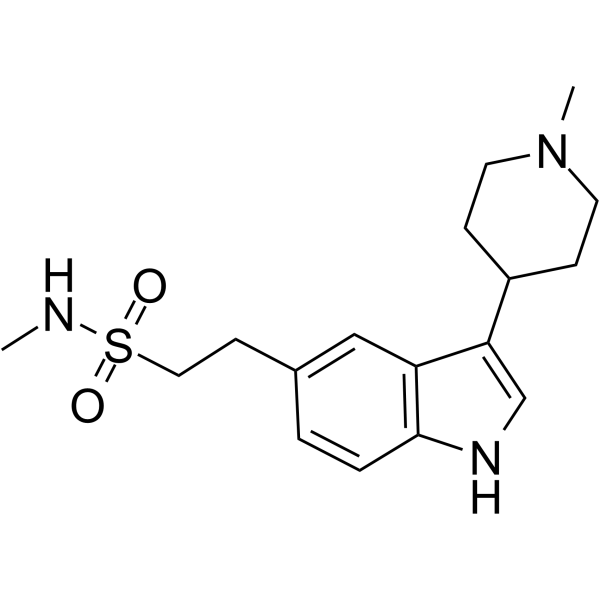
  • HY-B0197
    Naratriptan
    2 Publications Verification

    GR-85548A

    5-HT Receptor Cardiovascular Disease Neurological Disease Inflammation/Immunology
    Naratriptan is an orally active and selective 5-HT1B/1D receptor agonist. Naratriptan is peripherally active and has good oral bioavailability, inducing cranial artery vasoconstriction by activating 5-HT1B/1D receptors (EC50=0.11 μM for dog basilar artery). Naratriptan also inhibits trigeminal nerve-mediated dural neurogenic plasma extravasation and reduces sterile inflammation. Naratriptan is mainly used in the research of acute migraine, targeting cranial vascular and neuroinflammatory mechanisms .
    Naratriptan
  • HY-119541

    TD-9855

    5-HT Receptor Adrenergic Receptor Cardiovascular Disease Neurological Disease
    Ampreloxetine (TD-9855) is a potent and orally active norepinephrine (NE) and serotonin 5-HT inhibitor. Ampreloxetine has the potential for the research of neurogenic orthostatic hypotension .
    Ampreloxetine
  • HY-B0267C

    Aroxybutynin

    mAChR Neurological Disease
    (R)-Oxybutynin (Aroxybutynin) is the racemic isomer of Oxybutynin and an orally active muscarinic receptor antagonist. (R)-Oxybutynin has antispasmodic, antimuscarinic, and anticholinergic activities and competitively antagonizes carbachol-induced contractions. (R)-Oxybutynin can be used to study urinary incontinence caused by neurogenic bladder dysfunction .
    (R)-Oxybutynin
  • HY-13999A1

    NSI-189 phosphate

    Trk Receptor Neurological Disease
    Amdiglurax (NSI-189) phosphate is an orally active chemical entity with enhanced neurogenic activity. Amdiglurax phosphate up-regulates neurogenic factors such as BDNF (brain derived-neurotrophic factor) and SCF. Amdiglurax phosphate exhibits anti-depressant effect. Amdiglurax enhances synaptic plasticity and reduces cognitive dysfunction. Amdiglurax phosphate holds potential for psychiatric disorder research .
    Amdiglurax phosphate
  • HY-P3852

    SPR393-407

    Neurokinin Receptor Neurological Disease Inflammation/Immunology
    Neurokinin Receptor (393-407), rat (SPR393–407) is a rat neurokinin 1 receptor (NK1R) fragment. NK1R is rapidly internalized by endocytosis and recycled to the plasma membrane when binding to substance P (SP). Neurokinin Receptor (393-407), rat can be used in the research of neurogenic inflammation .
    Neurokinin Receptor (393-407), rat
  • HY-19665

    LY303870

    Neurokinin Receptor Neurological Disease Inflammation/Immunology
    Lanepitant (LY303870) is a selective neurokinin-1 (NK-1) receptor antagonist. Lanepitant blocks neurogenic inflammation and pain transmission by preventing the binding of substance P to NK-1 receptors on both neuronal and non-neuronal tissues. Lanepitant can be used to study osteoarthritis .
    Lanepitant
  • HY-13458A

    L-DOPS hydrochloride; DOPS hydrochloride; SM5688 hydrochloride

    Adrenergic Receptor Cardiovascular Disease Neurological Disease
    Droxidopa (L-DOPS) hydrochloride is a potent, orally active norepinephrine precursor. Droxidopa hydrochloride increases standing blood pressure, ameliorates symptoms of orthostatic hypotension and improves standing ability. Droxidopa hydrochloride has the potential for the research of neurogenic orthostatic hypotension (nOH) and alternative ADHD (attention deficit hyperactivity disorder) .
    Droxidopa hydrochloride
  • HY-A0039

    UK-116044

    5-HT Receptor Neurological Disease Inflammation/Immunology
    Eletriptan (UK-116044) is a highly selective and orally active serotonin 5-HT1B and 5-HT1D receptor agonist, with pKi values of 8.0 and 8.9, respectively. Eletriptan has inhibitory effects on markers of neurogenic inflammation in rats. Eletriptan can be used for researching migraine .
    Eletriptan
  • HY-B0267B

    Aroxybutynin hydrochloride

    mAChR Neurological Disease
    (R)-Oxybutynin hydrochloride, a (R)-isomer of Oxybutynin hydrochloride, is an orally active muscarinic receptor antagonist. (R)-Oxybutynin hydrochloride has antimuscarinic, antispasmodic and anticholinergic activity, competitively antagonizes Carbachol-induced contractions. (R)-Oxybutynin hydrochloride can be used for researching incontinence due to neurogenic bladder dysfunction . (R)-Oxybutynin (hydrochloride) is a click chemistry reagent, it contains an Alkyne group and can undergo copper-catalyzed azide-alkyne cycloaddition (CuAAc) with molecules containing Azide groups.
    (R)-Oxybutynin hydrochloride
  • HY-10568

    Phosphodiesterase (PDE) Metabolic Disease
    TC-E 5005 is a potent and selective PDE10A inhibitor with IC50 values of 7.28, 239, 779, 919, 3,100, and 3,700 nM for PDE10A, 2A, 11A, 5A, 7B and 3A, respectively. TC-E 5005 inhibits adrenergic and neurogenic smooth muscle contractions in the human prostate .
    TC-E 5005
  • HY-A0039S1

    5-HT Receptor Inflammation/Immunology
    Eletriptan-d5 is the deuterium labeled Eletriptan . Eletriptan (UK-116044) is a highly selective and orally active serotonin 5-HT1B and 5-HT1D receptor agonist, with pKi values of 8.0 and 8.9, respectively. Eletriptan has inhibitory effects on markers of neurogenic inflammation in rats. Eletriptan can be used for researching migraine .
    Eletriptan-d5
  • HY-118387

    Potassium Channel Cardiovascular Disease
    AVE-0118 is a Kv1.5 potassium channel blocker and antiarrhythmic agent. AVE-0118 blocks neuronal Kv1.5 potassium channels, thereby enhancing the release of norepinephrine. AVE-0118 enhances field stimulation-induced neurogenic contraction, an effect sensitive to α1-adrenergic receptor blockade. AVE-0118 terminates persistent atrial fibrillation in some dogs. AVE-0118 is applicable to research related to atrial fibrillation and persistent atrial fibrillation .
    AVE-0118
  • HY-P5155

    Potassium Channel Neurological Disease
    Stromatoxin 1 is an inhibitor of Potassium Channel, a peptide which can be isolated from tarantulas. Stromatoxin 1 selectively inhibits K(V)2.1, K(V)2.2, K(V)4.2, and K(V)2.1/9.3 channels. K(V)2.1 and K(V)2.2, but not K(V)4.2, channel subunits play a key role in opposing both myogenic and neurogenic urinary bladder smooth muscle (UBSM) contractions in rats .
    Stromatoxin 1
  • HY-167836

    Trk Receptor Neurological Disease
    BNN-20 is a synthetic microneurotrophin that mimics brain-derived neurotrophic factor (BDNF) and exhibits area-specific pleiotropic neuroprotective and pro-neurogenic effects. BNN-20 can be utilized in research related to Parkinson's disease .
    BNN-20
  • HY-128856

    Drug Derivative Neurological Disease
    P7C3-OMe is a pro-neurogenic compound, has therapeutic benefits in neuropsychiatric and/or neurodegenerative disease. The R-enantiomer of P7C3-OMe is far more active than the S-enantiomer .
    P7C3-OMe
  • HY-167741

    nAChR Cardiovascular Disease Neurological Disease
    Chlorisondamine is a nicotinic antagonist that acts as a ganglionic blocker and has been utilized to evaluate the neurogenic contributions to blood pressure and sympathetic vasomotor tone in animal models. Chlorisondamine has demonstrated antihypertensive properties, primarily being assessed through its effects on blood pressure, cardiac output, and heart rate in various experimental settings, particularly in mice.
    Chlorisondamine
  • HY-137090

    BP 2.94

    Histamine Receptor Neurological Disease
    BP 2-94 (BP 2.94) is an orally active and highly selective prodrug targeting the histamine H3 receptor. BP 2-94 exerts anti-inflammatory, analgesic and antinociceptive effects by inhibiting histamine release and modulating neurogenic inflammation. BP 2-94 is promising for research of asthma, migraines, and inflammatory pain-related disorders .
    BP 2-94
  • HY-N15711

    Reactive Oxygen Species (ROS) Neurological Disease Inflammation/Immunology
    Ganoleucoin R is a triterpenoid compound that can be isolated from Ganoderma leucocontextum. Ganoleucoin R exerts a protective effect against H2O2-induced oxidative damage and can promote neurite outgrowth in PC12 cells. Ganoleucoin R possesses neuroprotective and neurogenic activities, and can be used in the research of neurodegenerative diseases .
    Ganoleucoin R
  • HY-N13232

    Amyloid-β Neurological Disease
    Grape Skin Extract is a grape skin extract, and its ingredients include: Polyphenols. Grape Skin Extract has neuroprotective effects and can improve Aβ-induced cytotoxicity to SH-SY5Y cells. Grape Skin Extract can increase the proliferation and memory of neurogenic areas, but reduce the oxidative stress associated with proinflammatory cytokines during aging, thereby protecting neurons. .
    Grape Skin Extract
  • HY-15977

    Drug Isomer Neurological Disease
    (S)-P7C3-OMe, P7C3-A20 hydroxylated analog, is the (S)-enantiomer of P7C3-OMe. P7C3-OMe is a pro-neurogenic compound, can be used for the research of neuropsychiatric and/or neurodegenerative disease .
    (S)-P7C3-OMe
  • HY-147106

    Mas-related G-protein-coupled Receptor (MRGPR) Cardiovascular Disease Inflammation/Immunology
    Mrgx2 antagonist-1 (example 1) is a potent Mrgx2 (Mas-related Gene X2) antagonist. Mrgx2 antagonist-1 can be used for the research of MrgX2-mediated diseases and disorders.
    Mrgx2 antagonist-1
  • HY-14406

    Neurokinin Receptor Neurological Disease Cancer
    L-733060 is a selective neurokinin-1 (NK-1) receptor antagonist. L-733060 mainly regulates pain transmission and neural plasticity by blocking the binding of Substance P (P substance) to the NK-1 receptor. L-733060 blocks the promoting effect of Substance P on long-term potentiation (LTP) in the hippocampus. L-733060 reverses the orofacial hyperalgesia induced by experimental occlusal interference (EOI) in rats. L-733060 hydrochloride inhibits neurogenic plasma extravasation at a dose that does not cause adverse cardiovascular effects in rodents, and also acts as an anti-tumor agent. L-733060 can be used for the study of chronic orofacial pain .
    L-733060
  • HY-B0197AS

    GR-85548A d3

    5-HT Receptor Cardiovascular Disease Neurological Disease Inflammation/Immunology
    Naratriptan-d3 (GR-85548A-d3) is the deuterium labeled Naratriptan hydrochloride (HY-B0197A). Naratriptan hydrochloride is a selective 5-HT1B/1D receptor agonist. Naratriptan hydrochloride is peripherally active and has good oral bioavailability, inducing cranial artery vasoconstriction by activating 5-HT1B/1D receptors (EC50=0.11 μM for dog basilar artery). Naratriptan hydrochloride also inhibits trigeminal nerve-mediated dural neurogenic plasma extravasation and reduces sterile inflammation. Naratriptan hydrochloride is mainly used in the research of acute migraine, targeting cranial vascular and neuroinflammatory mechanisms .
    Naratriptan-d3 hydrochloride
  • HY-106896

    Potassium Channel Neurological Disease Inflammation/Immunology
    YM 934 is a potassium channel opener. YM 934 inhibits neurogenic plasma leakage. YM 934 inhibits airway neurogenic inflammation .
    YM 934
  • HY-105192

    5-HT Receptor Neurological Disease Inflammation/Immunology
    CP-122288, a highly potent inhibitor of neurogenic inflammation, can be used in migraine study .
    CP-122288
  • HY-13458R

    L-DOPS (Standard); DOPS (Standard); SM5688 (Standard)

    Reference Standards Adrenergic Receptor Neurological Disease
    Droxidopa (Standard) is the analytical standard of Droxidopa. This product is intended for research and analytical applications. Droxidopa (L-DOPS; SM5688) is a potent, orally active norepinephrine precursor. Droxidopa increases standing blood pressure, ameliorates symptoms of orthostatic hypotension and improves standing ability. Droxidopa has the potential for the research of neurogenic orthostatic hypotension (nOH) and alternative ADHD (attention deficit hyperactivity disorder) .
    Droxidopa (Standard)
  • HY-B0267BS

    mAChR Isotope-Labeled Compounds Neurological Disease
    Oxybutynin-d5 hydrochloride is deuterated labeled (R)-Oxybutynin hydrochloride (HY-B0267B). (R)-Oxybutynin hydrochloride, a (R)-isomer of Oxybutynin hydrochloride, is an orally active muscarinic receptor antagonist. (R)-Oxybutynin hydrochloride has antimuscarinic, antispasmodic and anticholinergic activity, competitively antagonizes Carbachol-induced contractions. (R)-Oxybutynin hydrochloride can be used for researching incontinence due to neurogenic bladder dysfunction . (R)-Oxybutynin hydrochloride is a click chemistry reagent, it contains an Alkyne group and can undergo copper-catalyzed azide-alkyne cycloaddition (CuAAc) with molecules containing Azide groups.
    Oxybutynin-d5 hydrochloride
  • HY-120928

    Neurokinin Receptor Neurological Disease Inflammation/Immunology
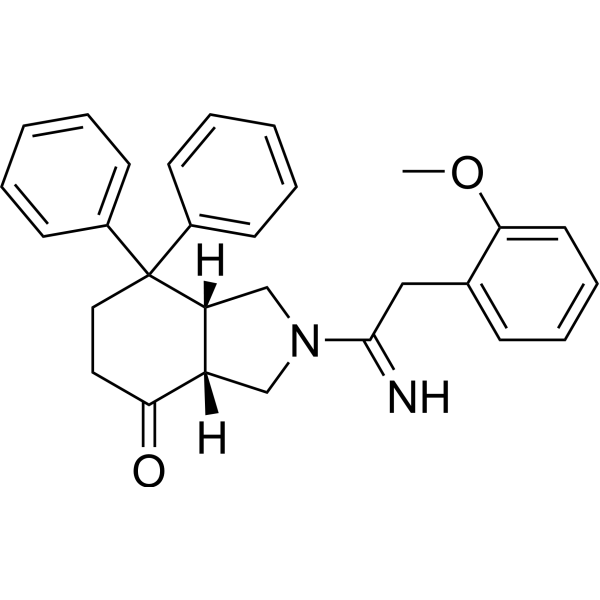
    S 16474 is a cyclic peptide with antagonistic effects on NK1 and NK2 receptors. S 16474 can be used in the study of neurogenic inflammation .
    S 16474
  • HY-143576

    P2X Receptor Neurological Disease
    P2X3 antagonist 37 is a potent P2X3 receptor antagonist with an IC50 of 32.45 nM for hP2X3 (WO2021115225A1, example 68) .
    P2X3 antagonist 37
  • HY-119541A

    TD-9855 TFA

    5-HT Receptor Adrenergic Receptor Cardiovascular Disease Neurological Disease
    Ampreloxetine (TD-9855) TFA is a potent and orally active norepinephrine (NE) and serotonin 5-HT inhibitor. Ampreloxetine TFA has the potential for the research of neurogenic orthostatic hypotension .
    Ampreloxetine TFA
  • HY-128402

    P2X Receptor Neurological Disease
    P2X3-IN-1 (example 7) is an inhibitor of P2X3 receptor. P2X3-IN-1 can be used for neurogenic diseases research .
    P2X3-IN-1
  • HY-120699

    mGluR Neurological Disease
    RO5488608 is a negative allosteric metabotropic modulator of glutamate receptor 2/3. RO5488608 inhibits LY354740 (HY-18941)-induced intracellular Ca 2+ release and can be used for study of antidepressant .
    RO5488608
  • HY-P5914

    WaTx

    TRP Channel Neurological Disease
    Wasabi Receptor Toxin is a cell-penetrating scorpion toxin. Wasabi Receptor Toxin is the activator for TRPA1 ion channel with EC50 in nanomolar level, and prolongs the channel open time, but reduces Ca 2+ permeability. Wasabi Receptor Toxin causes thermal hypersensitivity and mechanical allodynia in rats, without triggering neurogenic inflammation .
    Wasabi Receptor Toxin
  • HY-160980

    Calcium Channel Cardiovascular Disease Neurological Disease Inflammation/Immunology
    Sornidipine is a calcium channel blocker. Sornidipine also reduces neurogenic inflammation. Sornidipine reduces the inflow of calcium ions into cells by blocking L-type calcium channels, thereby reducing the contraction of vascular smooth muscle, leading to vasodilation and decreased blood pressure. Sornidipine can be used to study the cardiovascular system especially in hypertension and related cardiovascular diseases .
    Sornidipine
  • HY-147748

    COX Inflammation/Immunology
    COX-2-IN-17 (compound 10) is a potent and BBB-penetrated COX-2 (cyclooxygenase-2) inhibitor, with an IC50 of 0.02 μM. COX-2-IN-17 shows anti-inflammatory and analgesic activities. COX-2-IN-17 attenuates hyperalgesia in the neurogenic phase as well as the inflammatory phase .
    COX-2-IN-17
  • HY-B0267CS

    Aroxybutynin-d10

    Isotope-Labeled Compounds mAChR Neurological Disease
    (R)-Oxybutynin-d10 (Aroxybutynin-d10) is deuterium labeled (R)-Oxybutynin. (R)-Oxybutynin (Aroxybutynin) is the racemic isomer of Oxybutynin and an orally active muscarinic receptor antagonist. (R)-Oxybutynin has antispasmodic, antimuscarinic, and anticholinergic activities and competitively antagonizes carbachol-induced contractions. (R)-Oxybutynin can be used to study urinary incontinence caused by neurogenic bladder dysfunction .
    (R)-Oxybutynin-d10

Inquiry Online

Your information is safe with us. * Required Fields.

Salutation


Country or Region *

Applicant Name *


Organization Name *

Department *


Email Address *


Product Name *

Cat. No.


Requested quantity *

Phone Number *


Remarks

Inquiry Online

Inquiry Information

Product Name:
Cat. No.:
Quantity:
MCE Japan Authorized Agent:

