1. Search Result
Search Result
Results for "

nmda+receptor+antagonist

" in MedChemExpress (MCE) Product Catalog:

114

Inhibitors & Agonists

1

Screening Libraries

9

Natural
Products

9

Isotope-Labeled Compounds

Cat. No. Product Name Target Research Areas Chemical Structure
  • HY-100714A
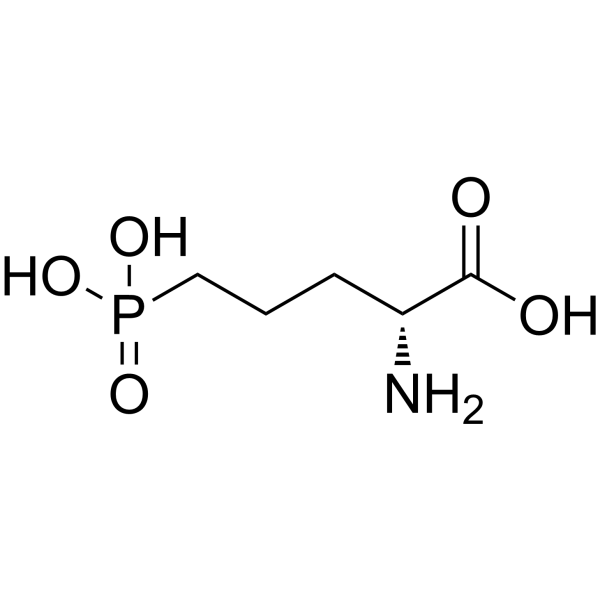
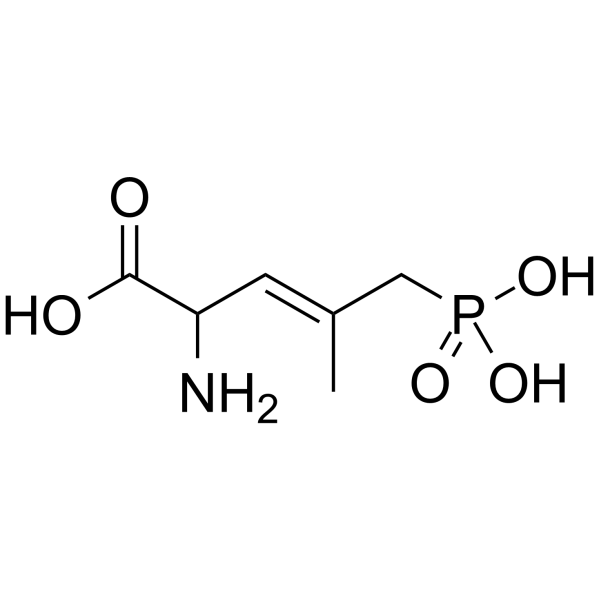
    D-AP5
    25+ Cited Publications

    D-APV; D-2-Amino-5-phosphonovaleric acid

    iGluR Neurological Disease
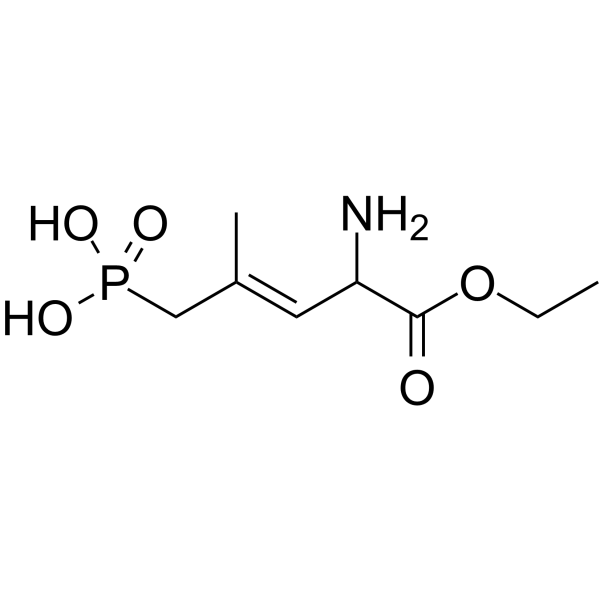
    D-AP5 (D-APV) is a selective and competitive NMDA receptor antagonist with a Kd of 1.4 μM. D-AP5 (D-APV) inhibits the glutamate binding site of NMDA receptors .
    D-AP5
  • HY-15084
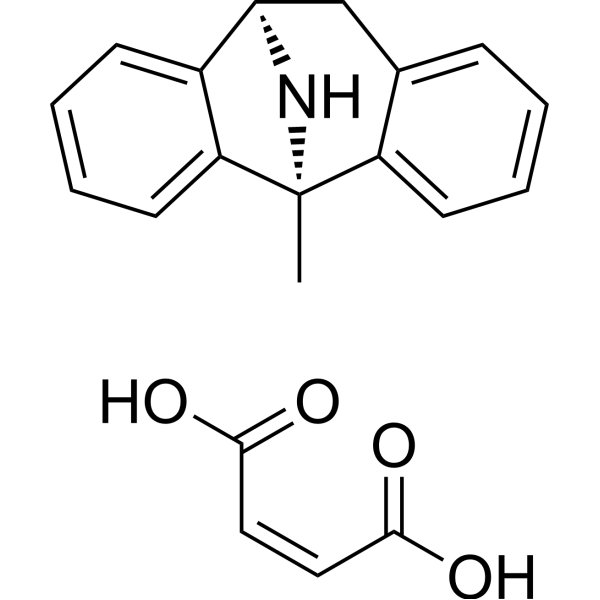
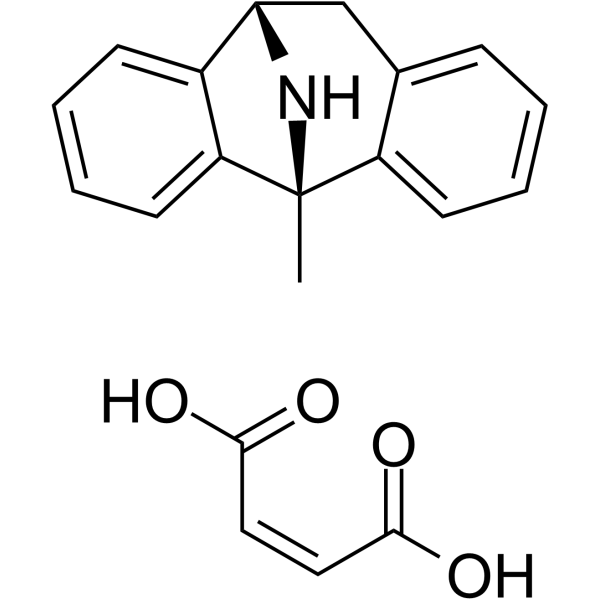
    Dizocilpine maleate
    Maximum Cited Publications
    44 Publications Verification

    (+)-MK 801 Maleate

    iGluR Neurological Disease
    Dizocilpine maleate (MK-801 maleate) is a potent, selective and non-competitive NMDA receptor antagonist with Kd of 37.2 nM in rat brain membranes.
    Dizocilpine maleate
  • HY-15084B
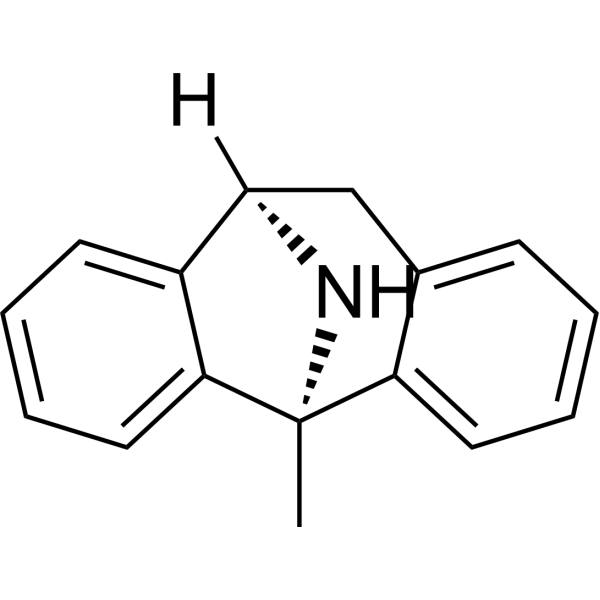
    Dizocilpine
    Maximum Cited Publications
    44 Publications Verification

    MK-801

    iGluR Neurological Disease
    Dizocilpine (MK-801), a potent anticonvulsant, is a selective and non-competitive NMDA receptor antagonist, with a Kd of 37.2 nM in rat brain membranes. Dizocilpine acts by binding to a site located within the NMDA associated ion channel and thus prevents Ca 2+ flux .
    Dizocilpine
  • HY-15066
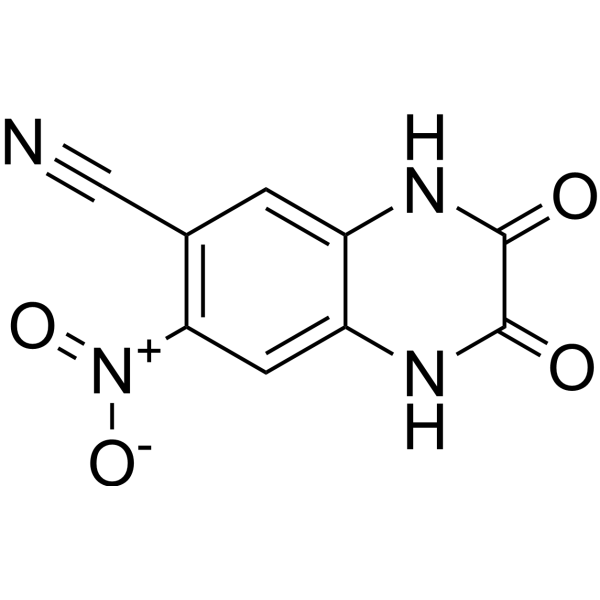
    CNQX
    15+ Cited Publications

    FG9065

    iGluR Neurological Disease
    CNQX (FG9065) is a potent and competitive AMPA/kainate receptor antagonist with IC50s of 0.3 μM and 1.5 μM, respectively. CNQX is a competitive non-NMDA receptor antagonist . CNQX blocks the expression of fear-potentiated startle in rats .
    CNQX
  • HY-N0368
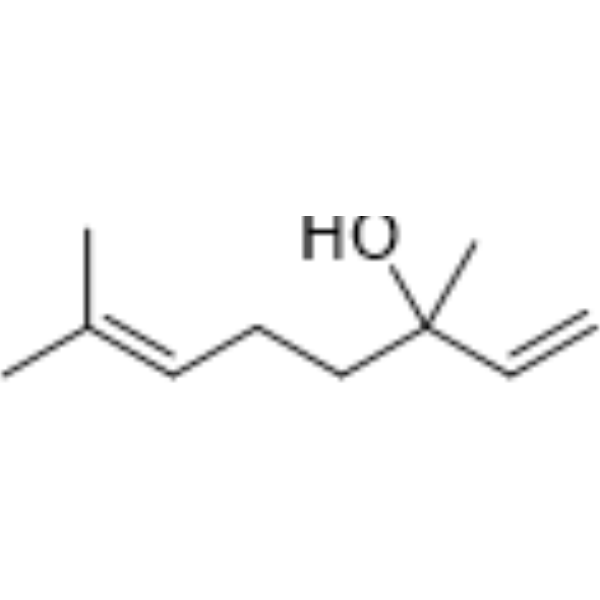
    Linalool,98% (stabilized with MEHQ)
    4 Publications Verification

    Environmental Pollutants Apoptosis iGluR Endogenous Metabolite Bacterial TNF Receptor Infection Cardiovascular Disease Neurological Disease Inflammation/Immunology Cancer
    Linalool is a natural monoterpene which is a competitive NMDA receptor antagonist. Linalool is orally active and crosses the blood-brain barrier. Linalool has anticancer, antibacterial, anti-inflammatory, neuroprotective, anxiolytic, antidepressant, anti-stress, cardioprotective, hepatoprotective, nephroprotective and pulmonary protective activities .
    Linalool,98% (stabilized with MEHQ)
  • HY-15066A
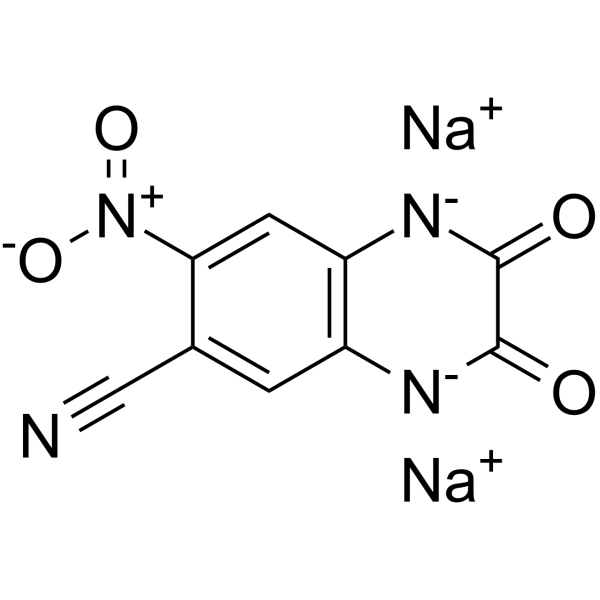
    CNQX disodium
    15+ Cited Publications

    FG9065 disodium

    iGluR Neurological Disease
    CNQX disodium (FG9065 disodium) is a potent and competitive AMPA/kainate receptor antagonist with IC50s of 0.3 μM and 1.5 μM, respectively. CNQX disodium is a competitive non-NMDA receptor antagonist . CNQX disodium blocks the expression of fear-potentiated startle in rats .
    CNQX disodium
  • HY-B1270

    Adrenergic Receptor iGluR Neurological Disease Endocrinology
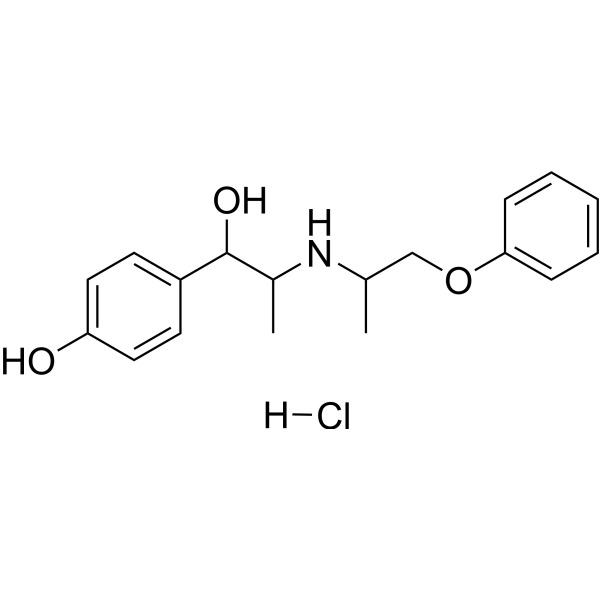
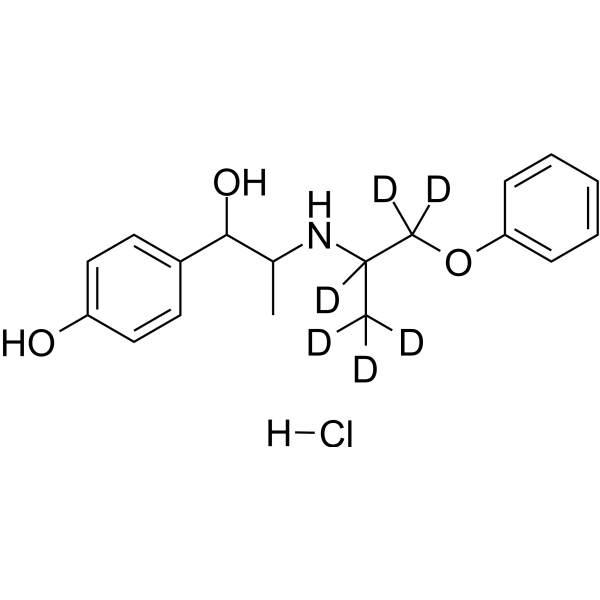
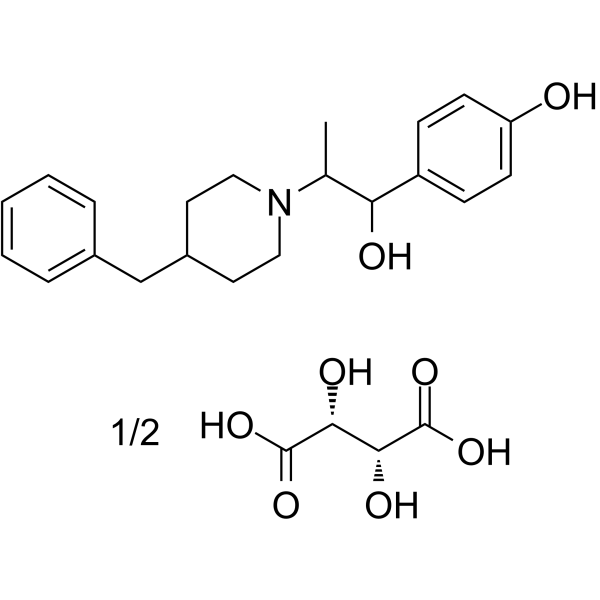
    Isoxsuprine hydrochloride is a beta-adrenergic receptor agonist with Kis of 13.65 μΜ and 3.48 μΜ for myometrial and placcntal beta-adrenergic receptor, respectively. Isoxsuprine hydrochloride is also a NMDA receptor antagonist.
    Isoxsuprine hydrochloride
  • HY-B0369A

    iGluR Neurological Disease Cancer
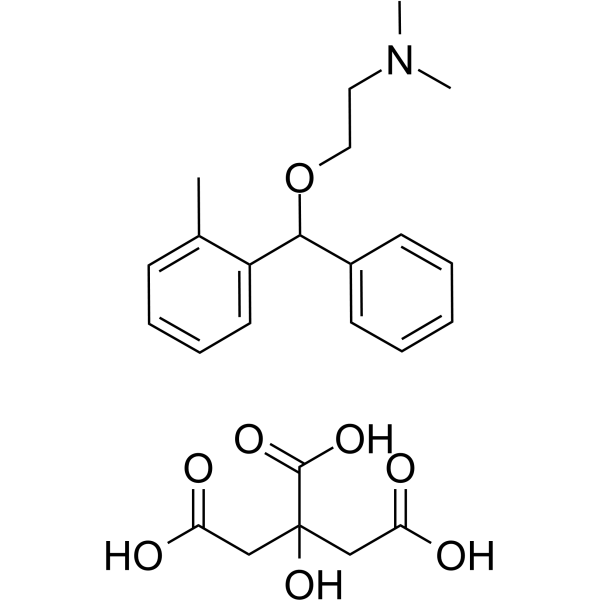
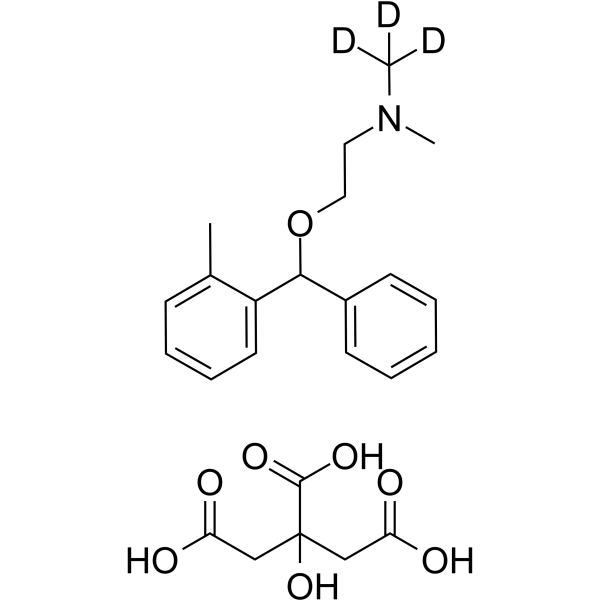
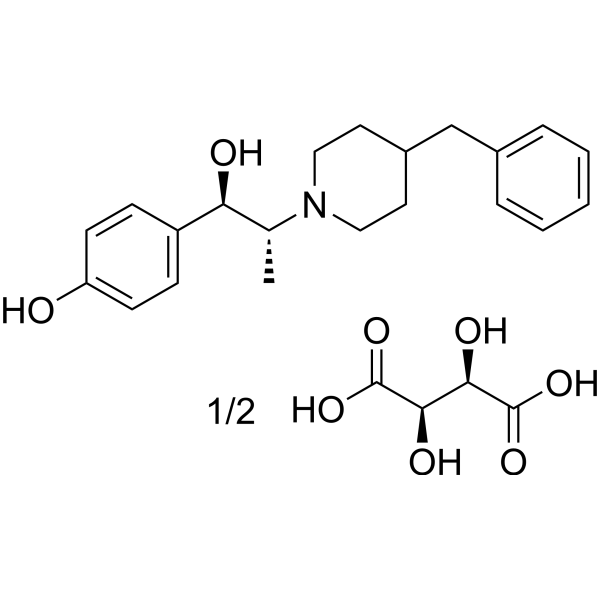
    Orphenadrine citrate is an orally active and non-competitive NMDA receptor antagonist (crosses the blood-brain barrier) with a Ki of 6.0 μM. Orphenadrine citrate relieves stiffness, pain and discomfort due to muscle strains, sprains or other injuries. Orphenadrine citrate is also used to relieve tremors associated with parkinson's disease. Orphenadrine citrate has good neuroprotective properties, can be used in studies of neurodegenerative diseases .
    Orphenadrine citrate
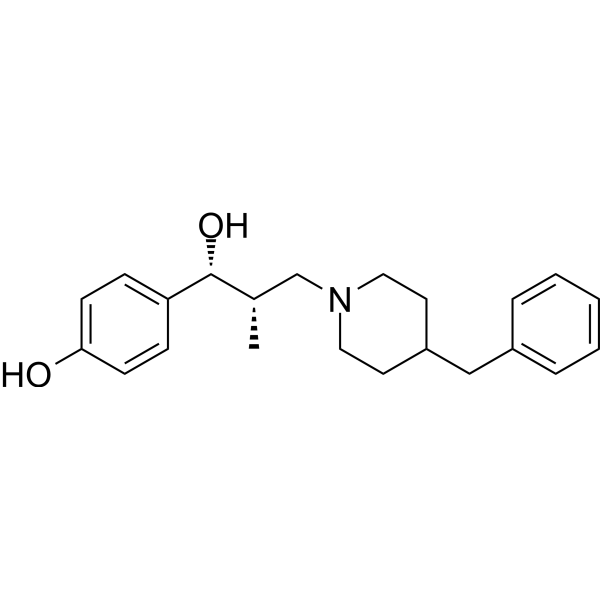
  • HY-13993
    Ro 25-6981
    5+ Cited Publications

    iGluR Neurological Disease
    Ro 25-6981 is a potent, selective and activity-dependent NR2B subunit specific NMDA receptor antagonist. Ro 25-6981 shows anticonvulsant and anti-parkinsonian activity. Ro 25-6981 has the potential for the research of parkinson's disease (PD) .
    Ro 25-6981
  • HY-18698

    iGluR Neurological Disease
    L-701324 is a potent, orally active NMDA receptor antagonist that antagonizes the activity of the NMDA receptor by blocking its glycine B binding site. L-701324 binds with high affinity to rat brain membranes (IC50=2 nM). L-701324 has antidepressant activity .
    L-701324
  • HY-15084A

    (-)-MK-801 maleate

    iGluR Neurological Disease
    (-)-Dizocilpine maleate ((-)-MK-801 maleate) is a less active (-)-enantiomer of Dizocilpine. (-)-Dizocilpine maleate is a selective and non-competitive N-methyl-D-aspartate (NMDA) receptor antagonist with a Ki of 211.7 nM. (-)-Dizocilpine maleate has antidepressant effects .
    (-)-Dizocilpine maleate
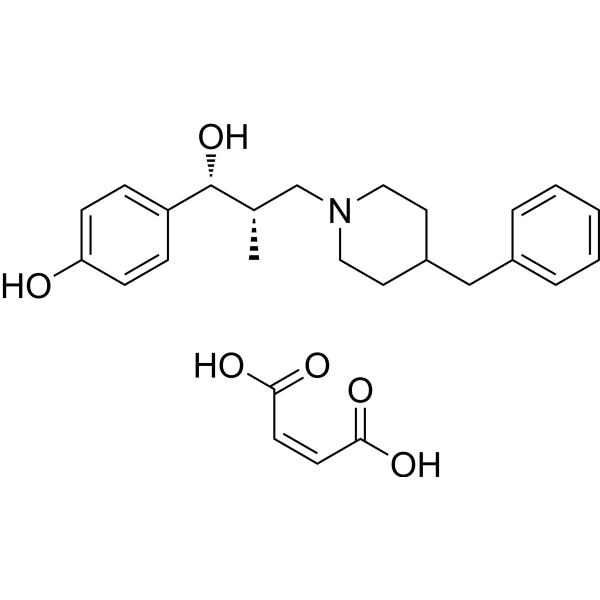
  • HY-13993A
    Ro 25-6981 Maleate
    5+ Cited Publications

    iGluR Neurological Disease
    Ro 25-6981 Maleate is a potent, selective and activity-dependent NR2B subunit specific NMDA receptor antagonist. Ro 25-6981 Maleat shows anticonvulsant and anti-parkinsonian activity. Ro 25-6981 Maleate has the potential for the research of parkinson's disease (PD) .
    Ro 25-6981 Maleate
  • HY-100814
    (R)-CPP
    1 Publications Verification

    iGluR Neurological Disease
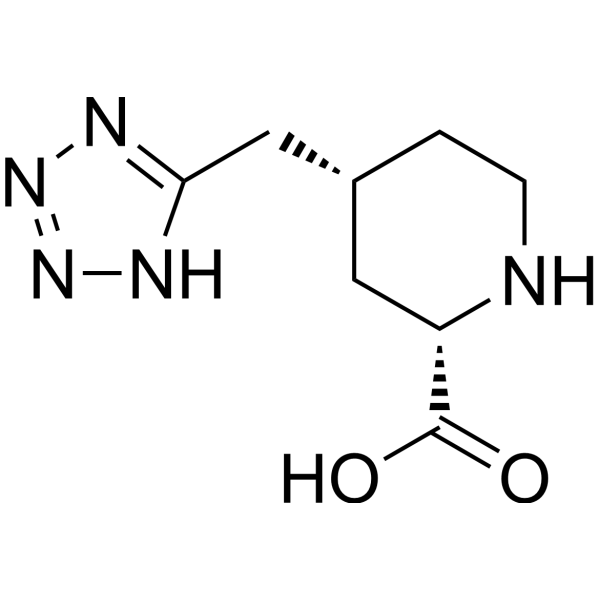
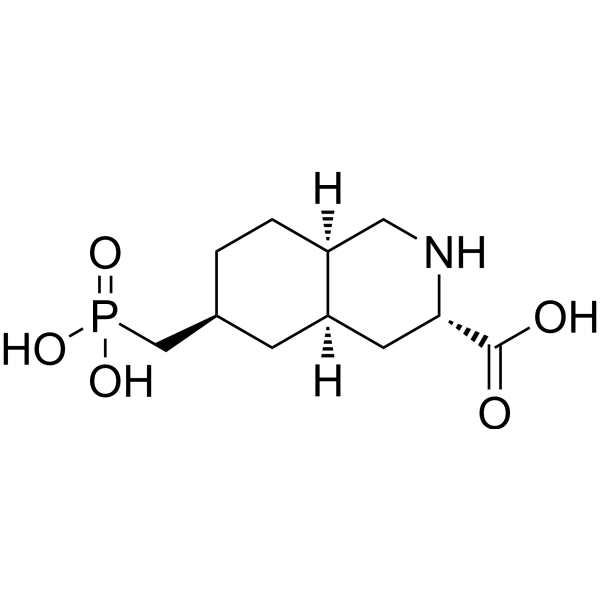
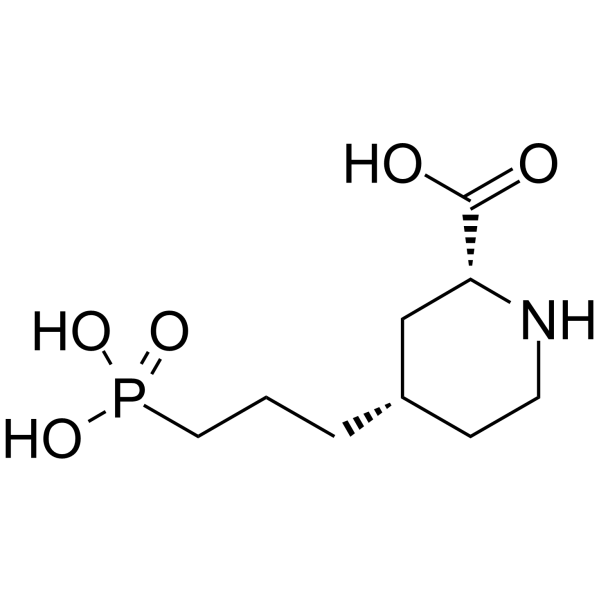
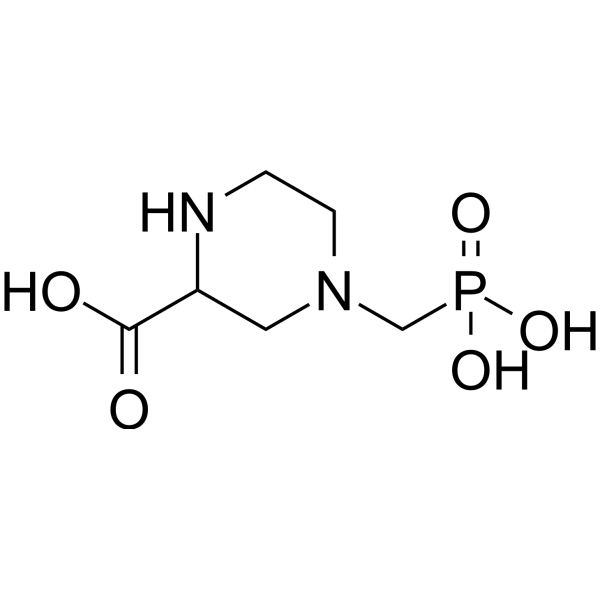
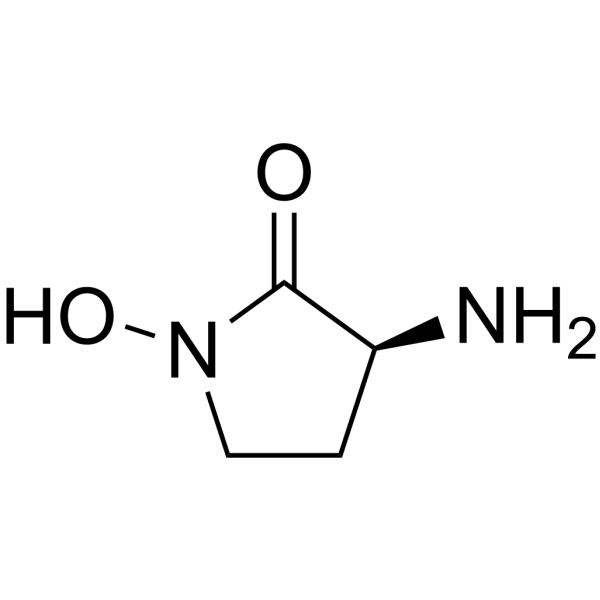
    (R)-CPP is a highly potent NMDA receptor antagonist .
    (R)-CPP
  • HY-101178

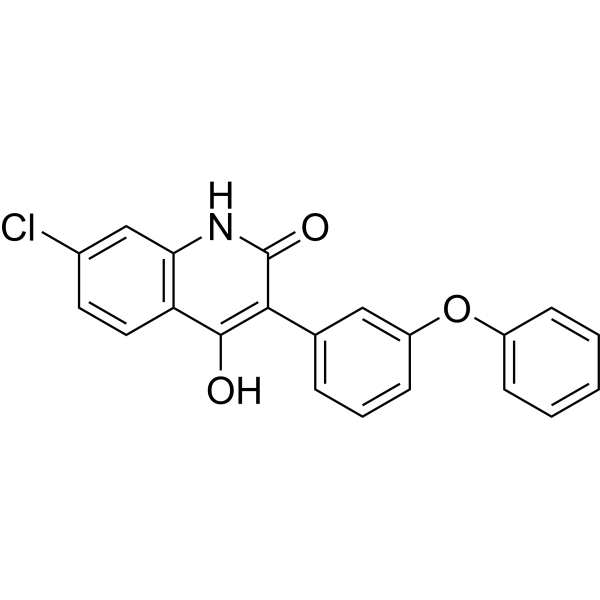
    iGluR Neurological Disease
    L-689560 is a potent N-methyl-D-aspartate (NMDA) receptor antagonist at the GluN1 glycine binding site. L-689560 is widely used as a radiolabeled ligand in binding studies and used for study the roles of NMDA receptors in normal neurological processes as well as in diseases .
    L-689560
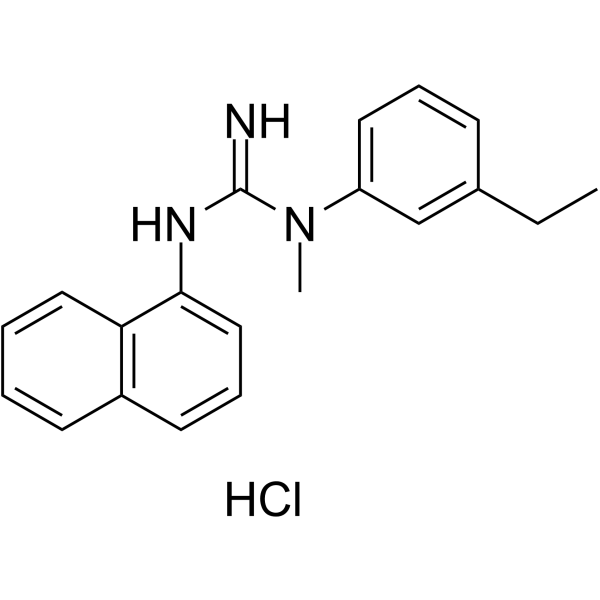
  • HY-110097

    CNS 1102

    iGluR Neurological Disease
    Aptiganel hydrochloride (Cerestat) is a non-competitive NMDA receptor antagonist with neuroprotective effect.
    Aptiganel hydrochloride
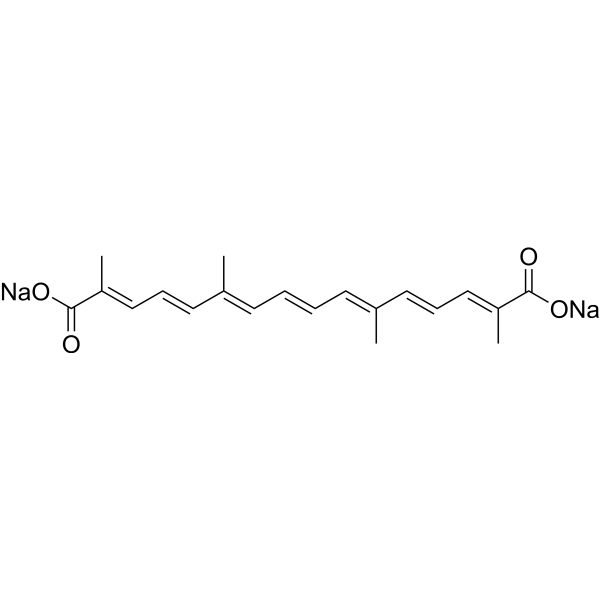
  • HY-16502
    Crocetin disodium
    3 Publications Verification

    Transcrocetin disodium; trans-Crocetin disodium

    iGluR Cancer
    Crocetin (Transcrocetin) disodium, extracted from saffron (Crocus sativus L.), acts as an NMDA receptor antagonist with high affinity.
    Crocetin disodium
  • HY-13059

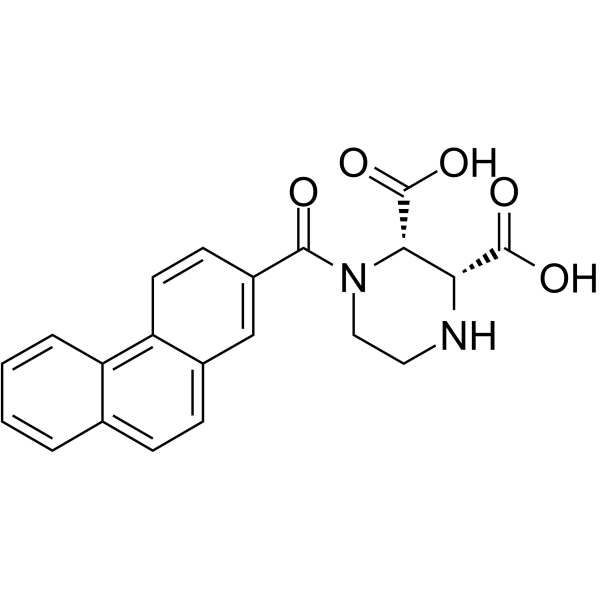
    iGluR Neurological Disease
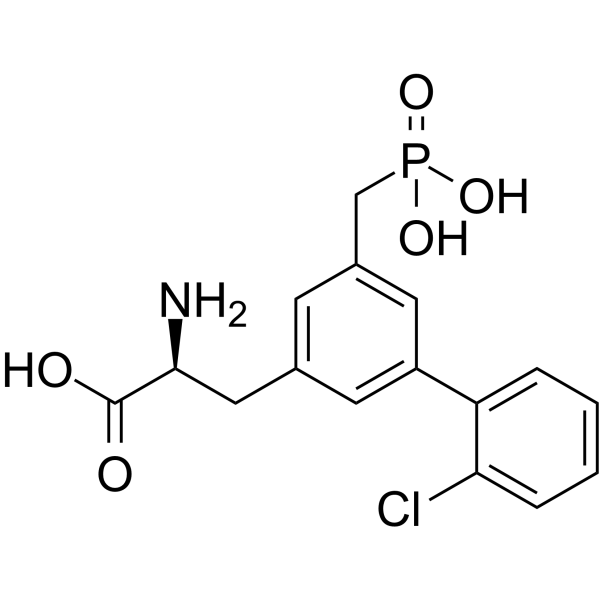
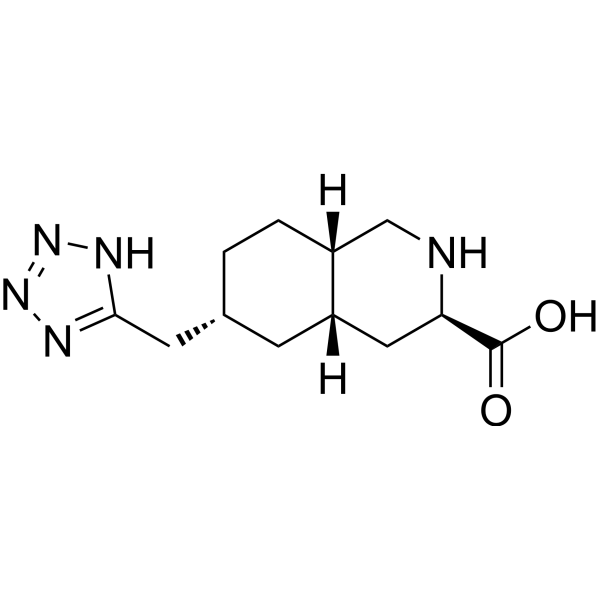
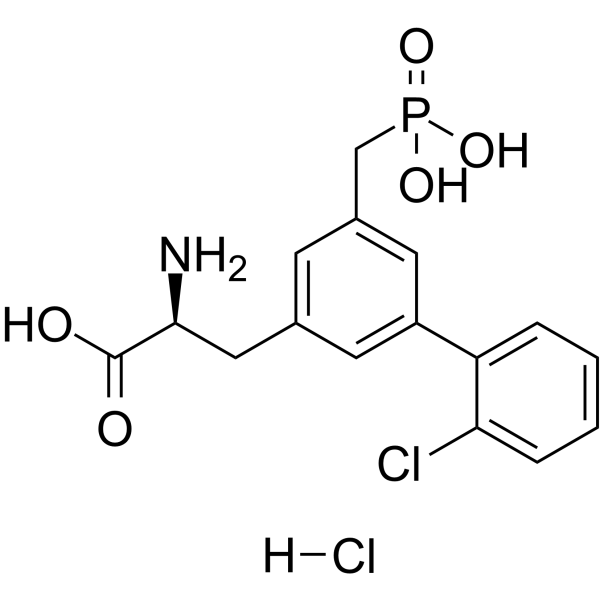
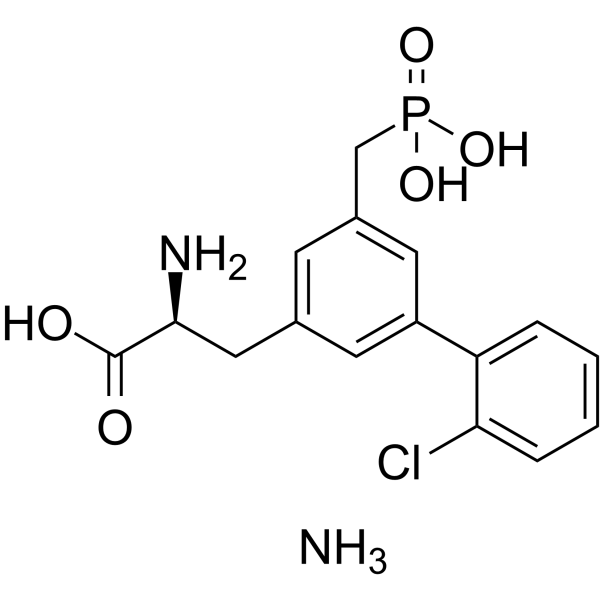
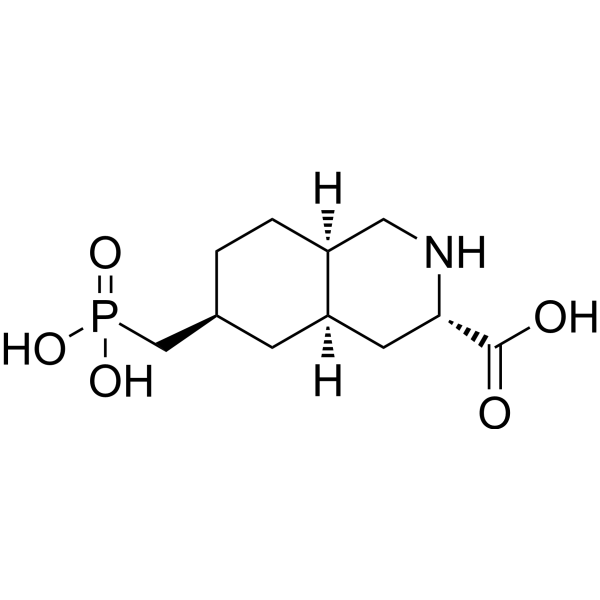
    SDZ 220-581 is an orally active, potent, competitive NMDA receptor antagonist with pKi value of 7.7 .
    SDZ 220-581
  • HY-12881

    SL-820715

    iGluR Neurological Disease
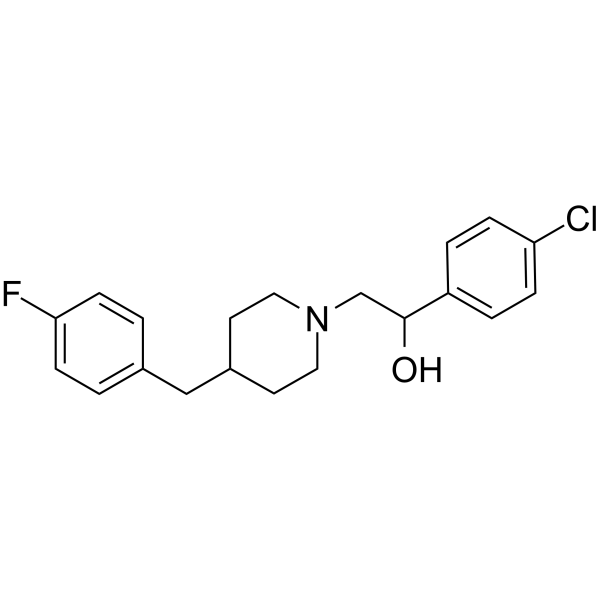
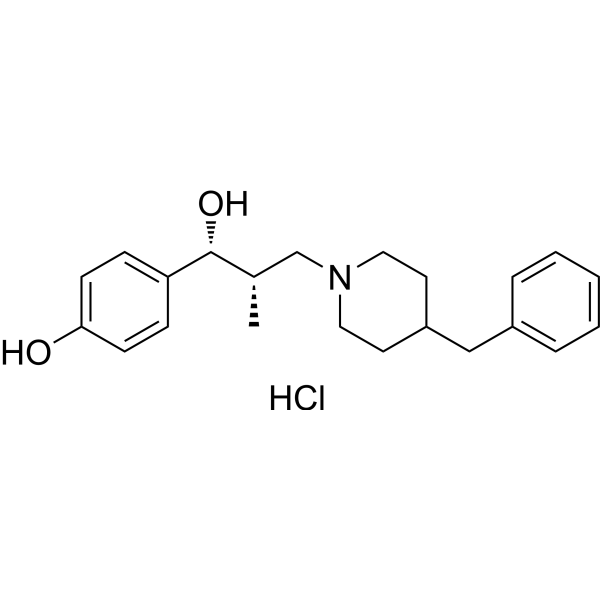
    Eliprodil(SL-820715) is a non-competitive NR2B-NMDA receptor antagonist(IC50=1 uM), less potent for NR2A- and NR2C-containing receptors(IC50> 100 uM).
    Eliprodil
  • HY-107711
    DQP-1105
    1 Publications Verification

    iGluR Neurological Disease
    DQP-1105 is a potent noncompetitive NMDA receptor antagonist. DQP-1105 inhibits GluN2C- and GluN2D-containing receptors (IC50=7.0 and 2.7 μM, respectively). The IC50 values are at least 50-fold lower than those for recombinant GluN2A-, GluN2B-, GluA1-, or GluK2-containing receptors .
    DQP-1105
  • HY-107706

    PD 174494 hydrochloride

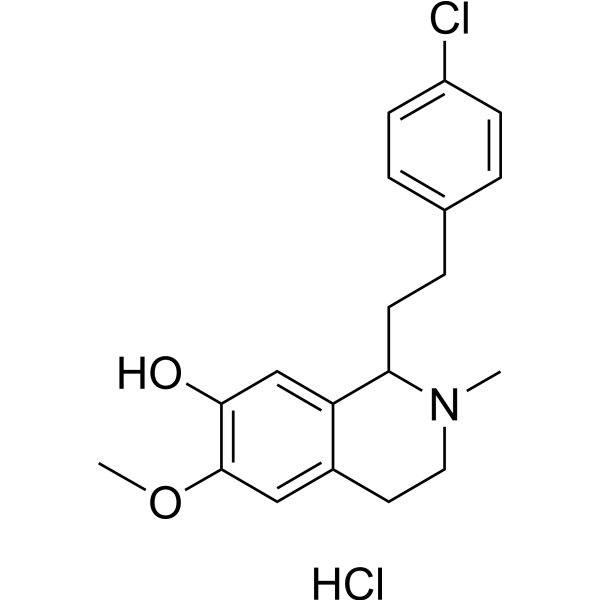
    iGluR Neurological Disease
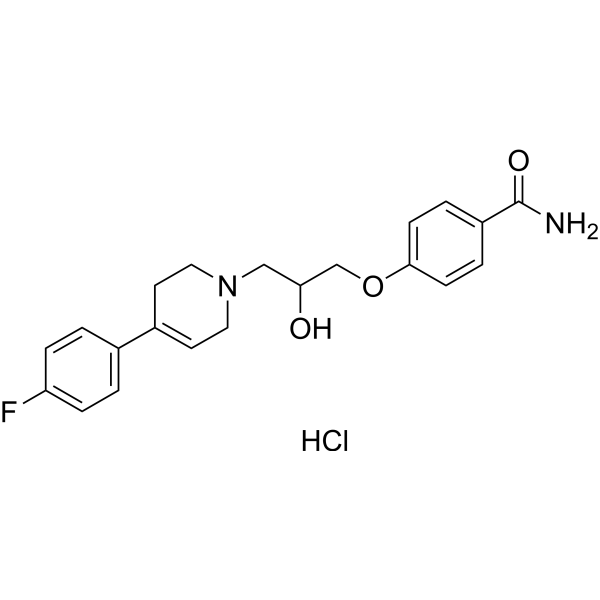
    Co 101244 (PD 174494) hydrochloride is a NR2B-containing NMDA receptor antagonist .
    Co 101244 hydrochloride
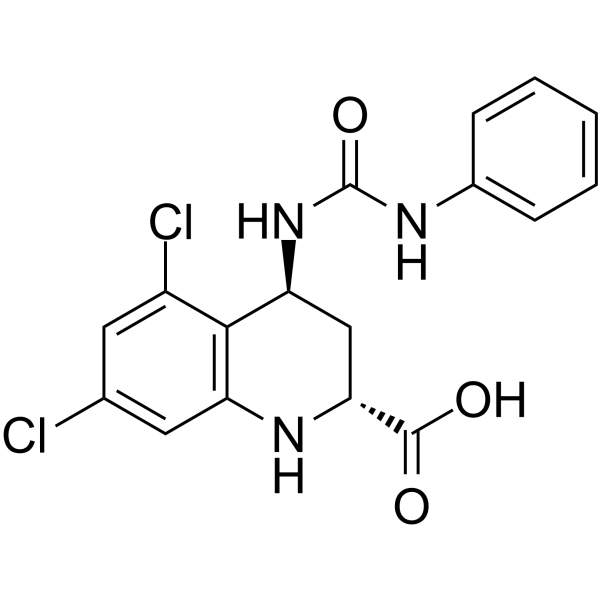
  • HY-150138

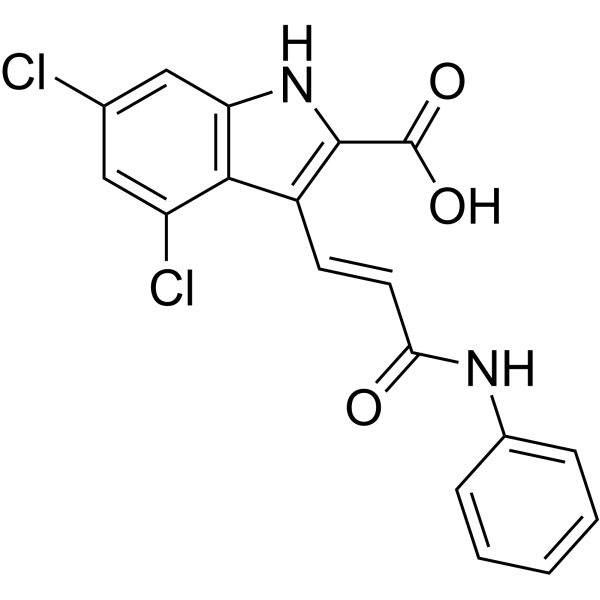
    GV 150526

    iGluR Neurological Disease
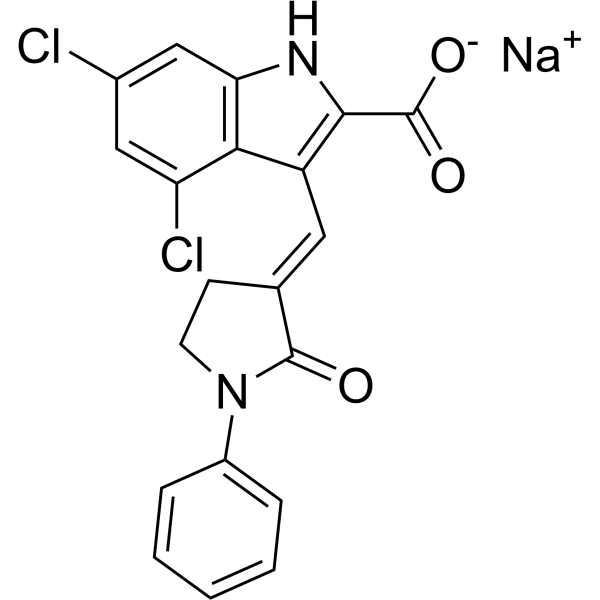
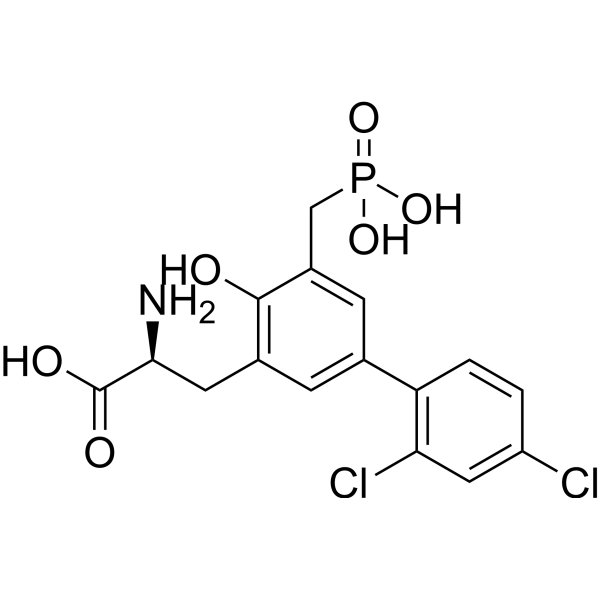
    Gavestinel (GV 150526) is a selective and potent the glycine site of the NMDA receptor antagonist. Gavestinel has neuroprotectant effects .
    Gavestinel
  • HY-B0365AS

    Cytochrome P450 iGluR Autophagy Neurological Disease
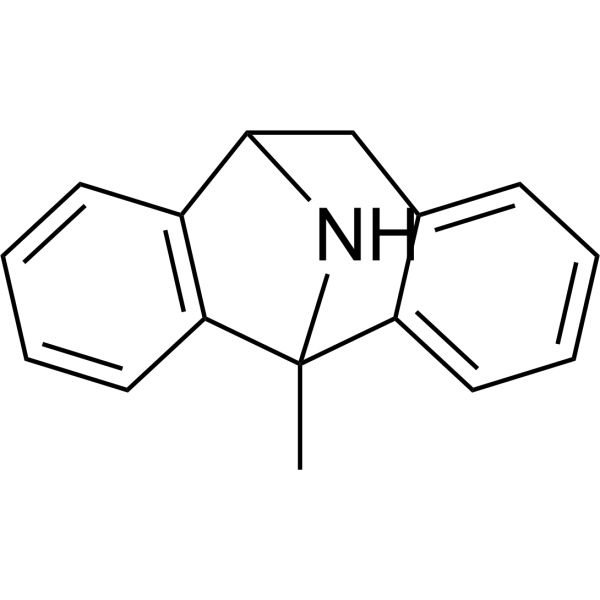
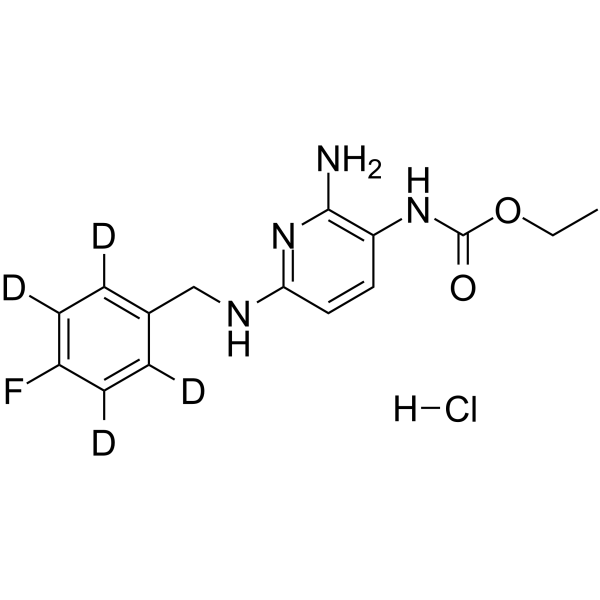
    Memantine-d6 (hydrochloride) is the deuterium labeled Memantine hydrochloride. Memantine (hydrochloride) (D-145 (hydrochloride)) is a moderate affinity, uncompetitive NMDA receptor antagonist, inhibit CYP2B6 and CYP2D6 with Kis of 0.51 nM and 94.9 μM, respectively .
    Memantine-d6 hydrochloride
  • HY-42937
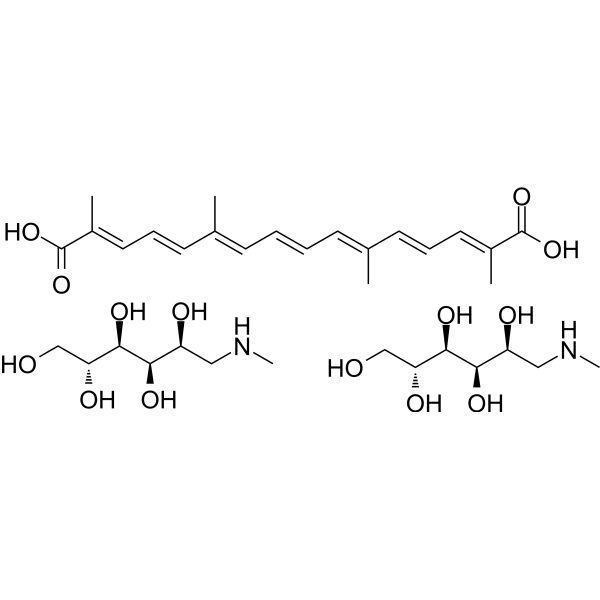
    Crocetin meglumine
    3 Publications Verification

    Transcrocetin meglumine; trans-Crocetin meglumine

    iGluR Cancer
    Crocetin (Transcrocetin) meglumine, extracted from saffron (Crocus sativus L.), acts as an NMDA receptor antagonist with high affinity.
    Crocetin meglumine
  • HY-107713

    iGluR Neurological Disease
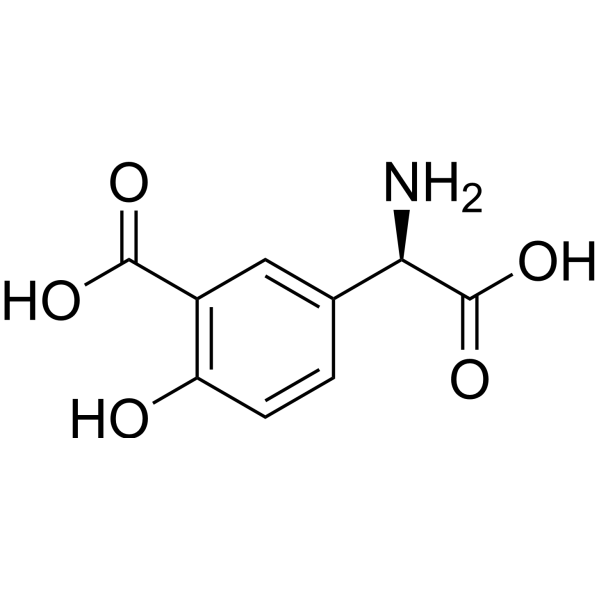
    PPDA is a subtype-selective NMDA receptor antagonist that preferentially binds to NR2C/NR2D containing receptors .
    PPDA
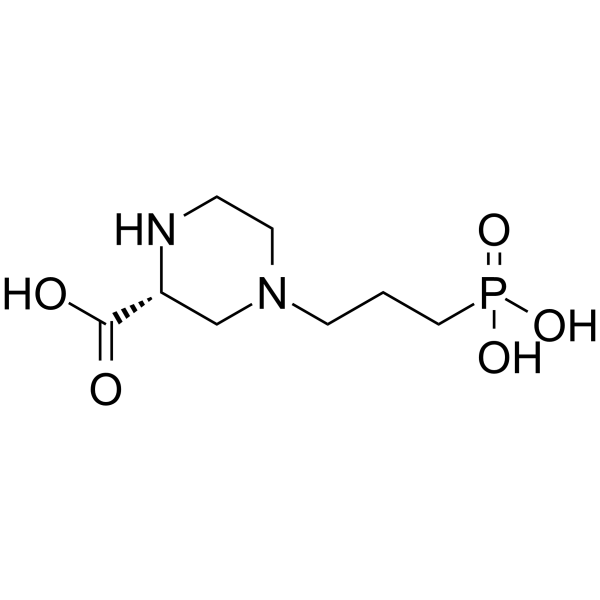
  • HY-19168

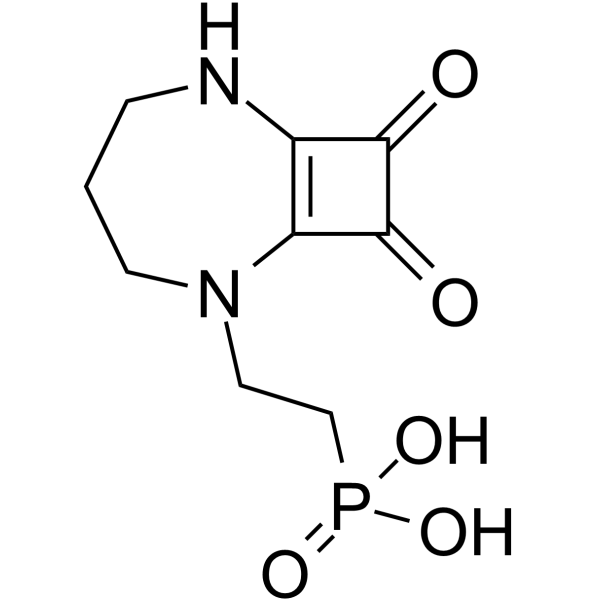
    EAA-090

    iGluR Neurological Disease
    Perzinfotel (EAA-090) is a potent, selective, and competitive NMDA receptor antagonist with neuroprotective effects. Perzinfotel (EAA-090) shows high affinity (IC50=30 nM) for the glutamate site .
    Perzinfotel
  • HY-160604

    FPL 12924; PR 934-423; FPL 13592

    iGluR Neurological Disease
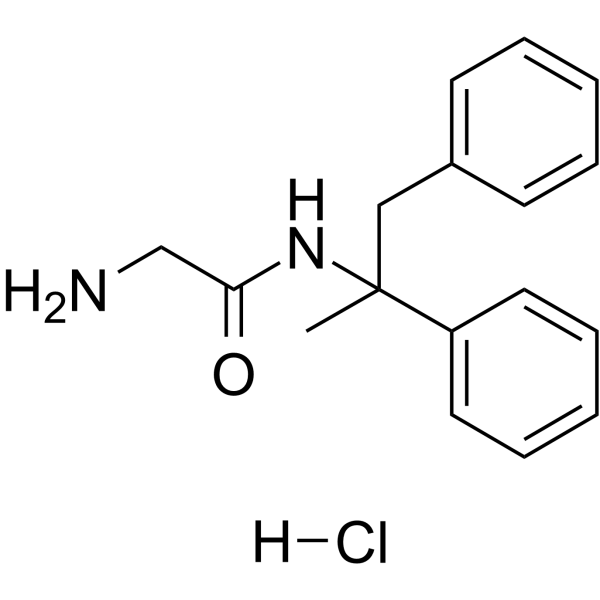
    Remacemide (FPL 12924) is an orally active, non-competitive, low-affinity NMDA receptor antagonist. Remacemide shows neuroprotection activity in animal models of hypoxia and ischemic stroke. Remacemide is also an anticonvulsant, and can be used in Parkinson's disease and Huntington's disease research .
    Remacemide
  • HY-B1283

    iGluR Neurological Disease
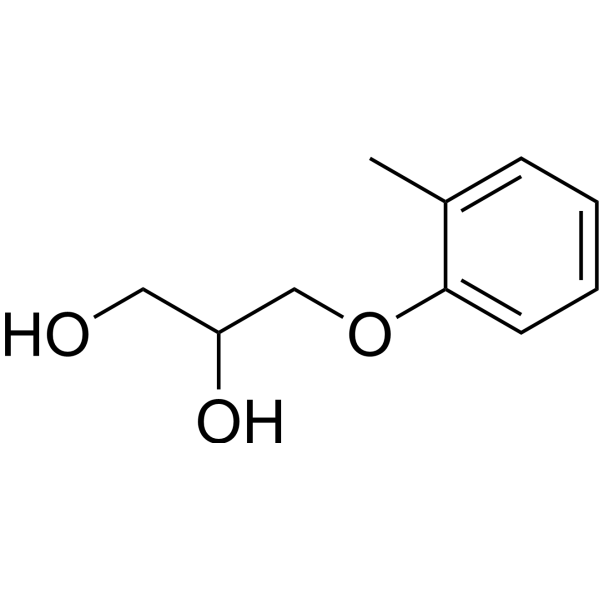
    Mephenesin is an NMDA receptor antagonist. Mephenesin is also a central muscle relaxant with antianxiety, muscle-paralyzing and anticonvulsant effects. Mephenesin acts directly on the skeletal muscle fibres to produce skeletal muscle relaxation. Mephenesin is promising for research of spasticity or painful muscle spasm .
    Mephenesin
  • HY-B1126

    iGluR Neurological Disease Cancer
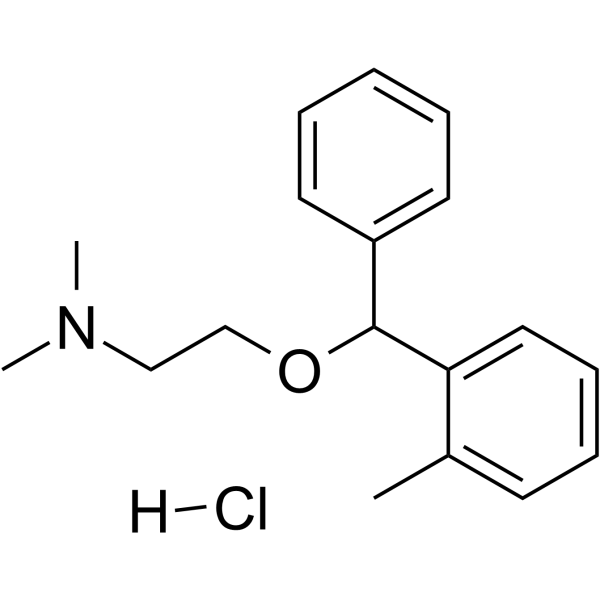
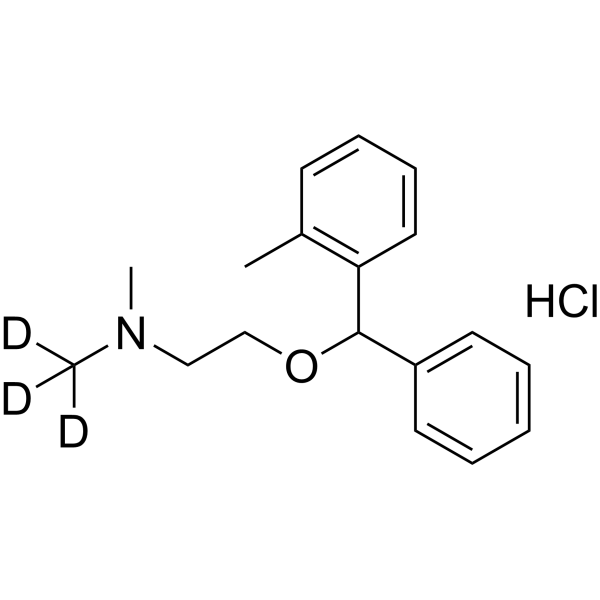
    Orphenadrine hydrochloride is an orally active and non-competitive NMDA receptor antagonist (crosses the blood-brain barrier) with a Ki of 6.0 μM. Orphenadrine hydrochloride relieves stiffness, pain and discomfort due to muscle strains, sprains or other injuries. Orphenadrine hydrochloride is also used to relieve tremors associated with parkinson's disease. Orphenadrine citrate has good neuroprotective properties, can be used in studies of neurodegenerative diseases .
    Orphenadrine hydrochloride
  • HY-152052S

    Isotope-Labeled Compounds Others
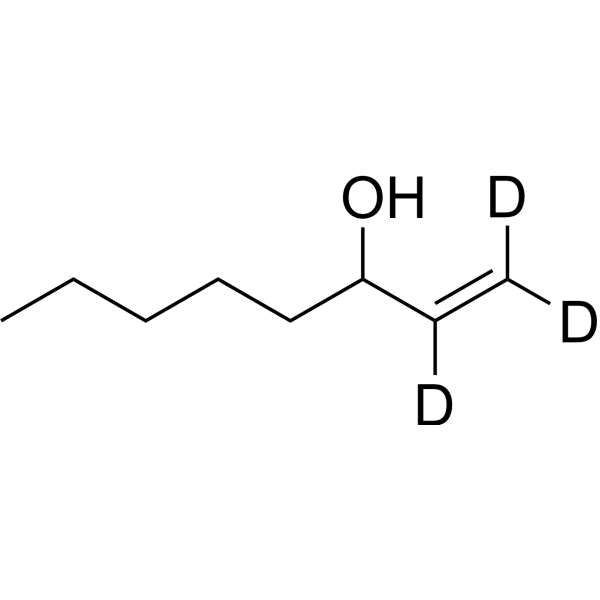
    Linalool-d5 is the deuterium labeled Linalool (HY-N0368). Linalool is a natural monoterpene which is a competitive NMDA receptor antagonist. Linalool is orally active and crosses the blood-brain barrier. Linalool has anticancer, antibacterial, anti-inflammatory, neuroprotective, anxiolytic, antidepressant, anti-stress, cardioprotective, hepatoprotective, nephroprotective and pulmonary protective activities .
    Linalool-d5
  • HY-110152

    mGluR Neurological Disease
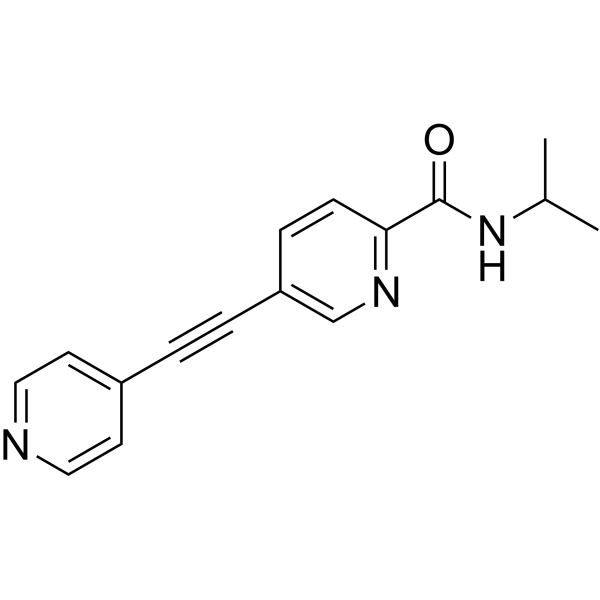
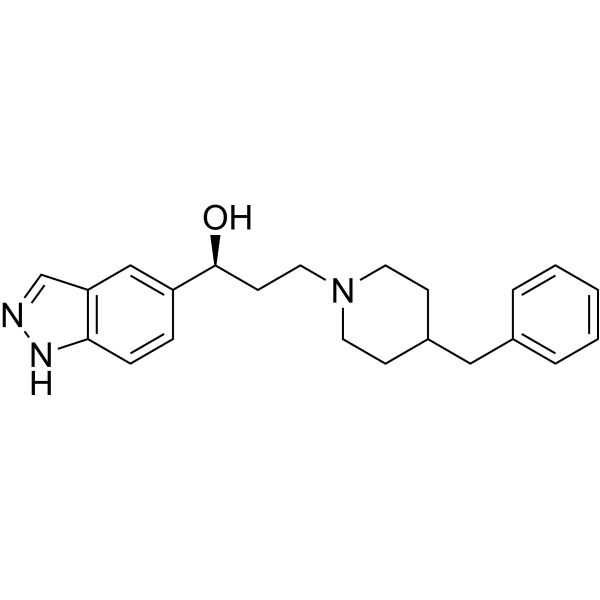
    LSN2463359 is positive allosteric modulator of metabotropic glutamate 5 (mGlu5). LSN2463359 attenuates aspects of the behavioral response to administration of the competitive NMDA receptor antagonist. LSN2463359 selectively attenuates reversal learning deficits observed in the neurodevelopmental MAM E17 model . LSN2463359 is a click chemistry reagent, it contains an Alkyne group and can undergo copper-catalyzed azide-alkyne cycloaddition (CuAAc) with molecules containing Azide groups.
    LSN2463359
  • HY-15436

    iGluR Neurological Disease
    L-687414 is an orally active glycine-site NMDA receptor antagonist or low-potency partial agonist. L-687414 has anticonvulsant activity .
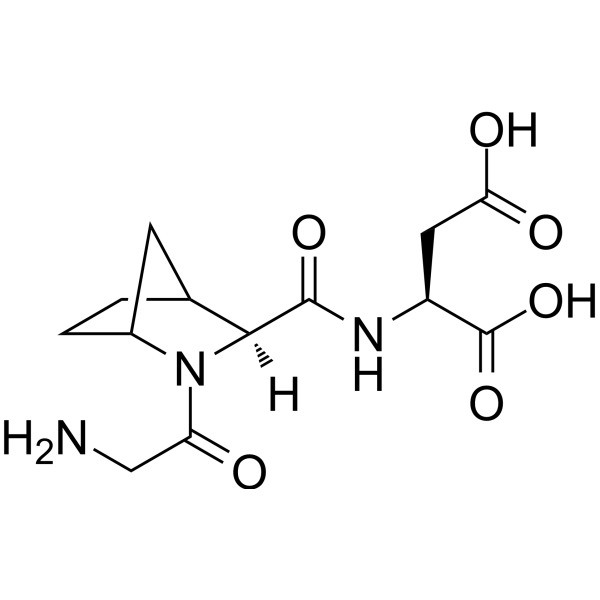
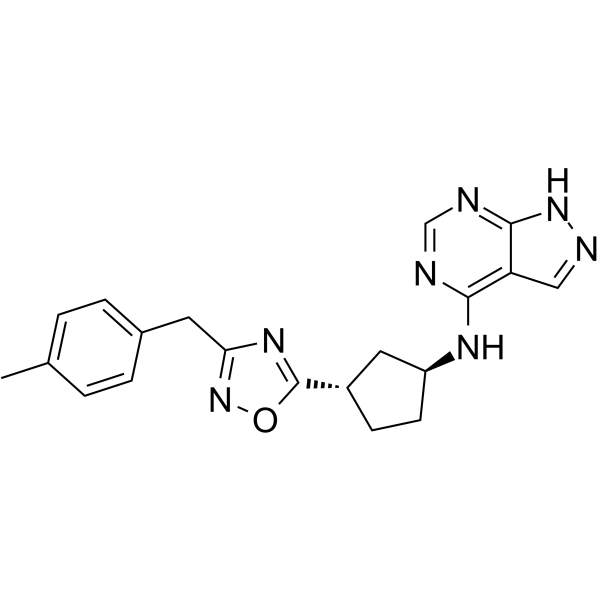
    L-687414
  • HY-N12180A

    Opioid Receptor Bacterial Fungal Infection Neurological Disease
    Hodgkinsine is an opioid receptor agonist and NMDA receptor antagonist, which has analgesic and anti-injurial effects. In addition, Hodgkinsine has antiviral, antibacterial and antifungal activities .
    Hodgkinsine
  • HY-W835175

    iGluR Neurological Disease
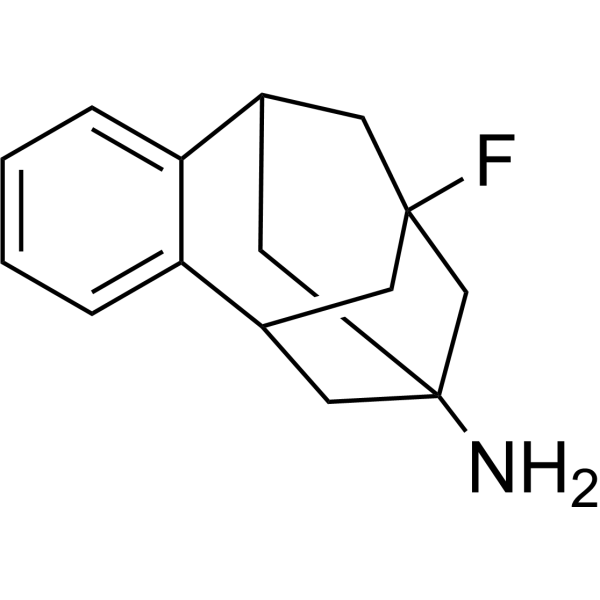
    Neramexane hydrochloride is an oral N-methyl-D-aspartate (NMDA) receptor antagonist, as a potential neuroprotectant for various central nervous system disorders, including Alzheimer's disease, and for the potential study of drug and alcohol dependence, and pain.
    Neramexane hydrochloride
  • HY-106969A

    Glycine Receptor (GlyR) iGluR Cardiovascular Disease Neurological Disease
    ZD 9379 sodium is a competitive glycine/NMDA receptor antagonist, with an IC50 value of 75 nM (glutamate site). ZD 9379 sodium selectively antagonizes the glycine binding site (GlyB site) on the NMDA receptor, inhibiting the binding of glycine to the NMDA receptor and alleviating excitotoxicity. ZD 9379 sodium reduces the frequency of cortical spreading depression (SDs), alleviates energy depletion in the ischemic penumbra, and delays the expansion of infarction. ZD 9379 sodium reduces the infarct volume and improves neurological function in mouse models. ZD 9379 sodium can be used in studies of acute ischemic stroke, etc .
    ZD 9379 sodium
  • HY-146101

    iGluR Neurological Disease
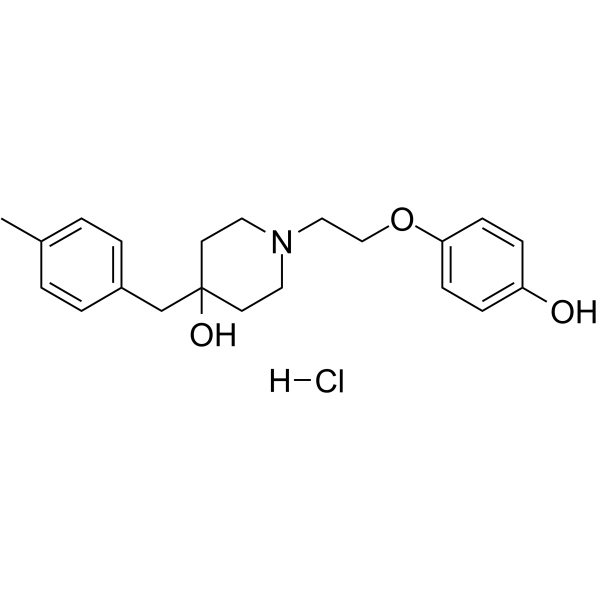
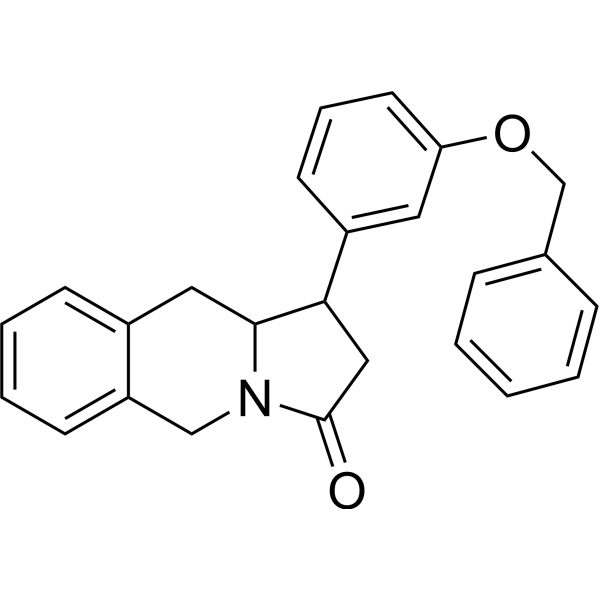
    NMDA receptor antagonist 5 (Compound 10e) is a potent, brain permeable and non-toxic NMDA receptor antagonist. NMDA receptor antagonist 5 can be used for neurological disorder research .
    NMDA receptor antagonist 5
  • HY-155185A

    iGluR Neurological Disease
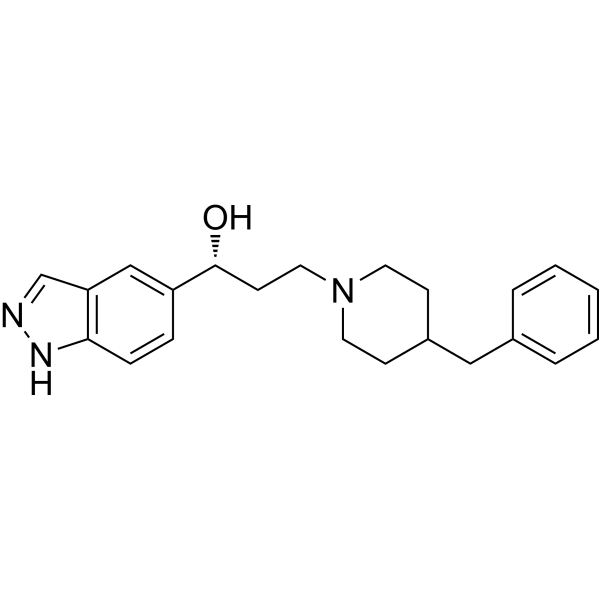
    NMDA receptor antagonist 8 (Compound (R)-10a) is GluN2B subunit-selective NMDA Receptor antagonist, with an Ki of 265 nM and an IC50 of 62 nM. NMDA receptor antagonist 8 can be used for research of neurodegenerative diseases .
    NMDA receptor antagonist 8
  • HY-155185

    iGluR Neurological Disease
    NMDA receptor antagonist 7 (Compound (S)-10a) is GluN2B subunit-selective NMDA Receptor antagonist, with an Ki of 93 nM and an IC50 of 72 nM. NMDA receptor antagonist 7 can be used for research of neurodegenerative diseases .
    NMDA receptor antagonist 7
  • HY-139708

    iGluR Neurological Disease
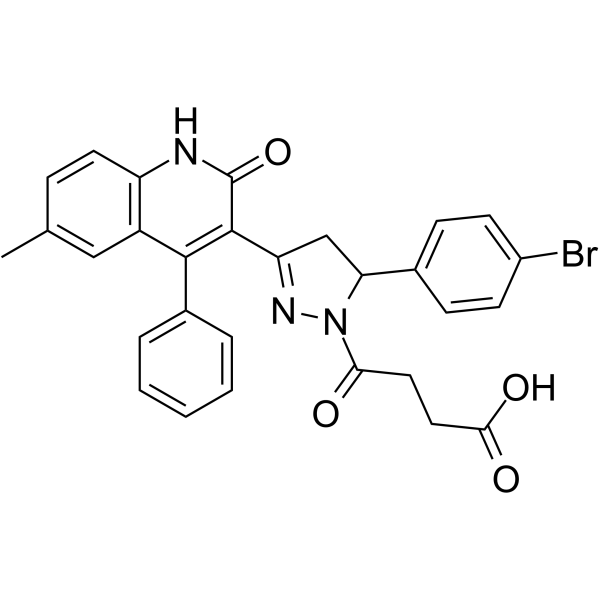
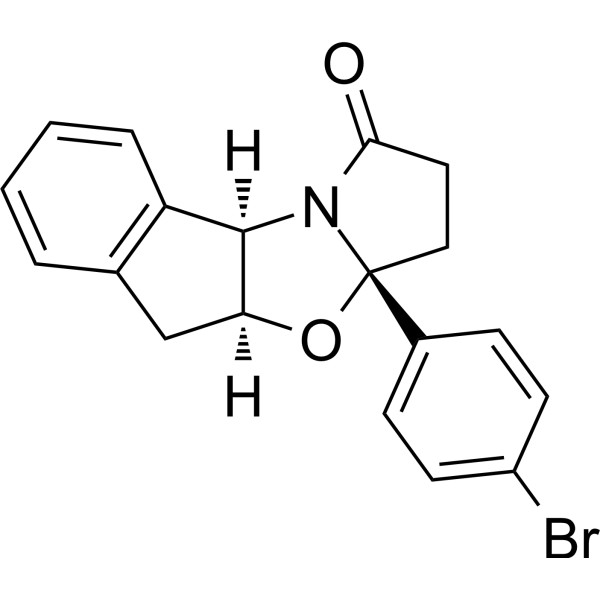
    NMDA receptor antagonist-3, a NMDA receptor antagonist, stands out with a remarkable percentage of recovery (40.0%, at 100 μM) and safe toxicological profile in SH-SY5Y and human adipose mesenchymal stem cells.
    NMDA receptor antagonist-3
  • HY-136459

    iGluR Neurological Disease
    NMDA receptor antagonist 2 is a potent and orally active NR2B subtype-selective NMDA antagonist with an IC50 and a Ki of 1.0 nM and 0.88 nM, respectively. NMDA receptor antagonist 2 is used for the study of neuropathic pain and Parkinson’s disease .
    NMDA receptor antagonist 2
  • HY-155049

    iGluR Neurological Disease
    NMDA receptor antagonist 6 (compound 13b) is an antagonist of NMDA receptor, targeting to the glycine binding site. NMDA receptor antagonist 6 shows cytoneuroprotective potency, and protects PC12 cells against NMDA-induced injury and cell apoptosis .
    NMDA receptor antagonist 6
  • HY-146588

    iGluR Neurological Disease
    NMDA receptor antagonist 4 (IIc) is a uncompetitive, voltage-dependent, orally active NMDAR blocker, with an IC50 of 1.93 μM. NMDA receptor antagonist 4 shows a positive predicted blood-brain-barrier (BBB) permeability, and can be studied in Alzheimer's disease .
    NMDA receptor antagonist 4
  • HY-138940

    3-MEO PCE hydrochloride

    iGluR Neurological Disease
    3-Methoxy PCE (3-MEO PCE) hydrochloride is structurally classified as an arylcyclohexylamine and is an /b>NMDA receptor antagonist with a pKi value of 7.22 .
    3-Methoxy PCE hydrochloride
  • HY-107702

    iGluR Neurological Disease
    CGP 37849 is a potent, competitive and orally active N-methyl-D-aspartate (NMDA) receptor antagonist. CGP 37849 is an anticonvulsant in rodents and has antidepressant and anxiolytic-like effects .
    CGP 37849
  • HY-105450

    iGluR Neurological Disease
    GPI-3000 is a NMDA receptor antagonist. GPI-3000 can ameliorate metabolic injury and shows neuroprotective effect. GPI-3000 can be used for the researches of metabolic and neurological disease .
    GPI-3000
  • HY-B1585B

    Parpanil (edisylate)

    iGluR Neurological Disease
    Caramiphen edisylate (Parpanil edisylate) is an anticholinergic agent with NMDA receptor antagonist activity. Caramiphen edisylate can be used to inhibit diseases related to cholinergic neurotransmission. Caramiphen edisylate exerts its pharmacological effects by blocking cholinergic effects .
    Caramiphen (edisylate)
  • HY-107695

    FPL 12924AA

    iGluR Sodium Channel Neurological Disease
    Remacemide hydrochloride (FPL 12924AA), a moderate inhibitor of the Na + channel, is a weak uncompetitive NMDA receptor antagonist with IC50s of 68 μM and 76 μM for MK-801 binding and NMDA currents, respectively . Remacemide hydrochloride is an anticonvulsant agent .
    Remacemide hydrochloride
  • HY-126123

    iGluR Potassium Channel Neurological Disease
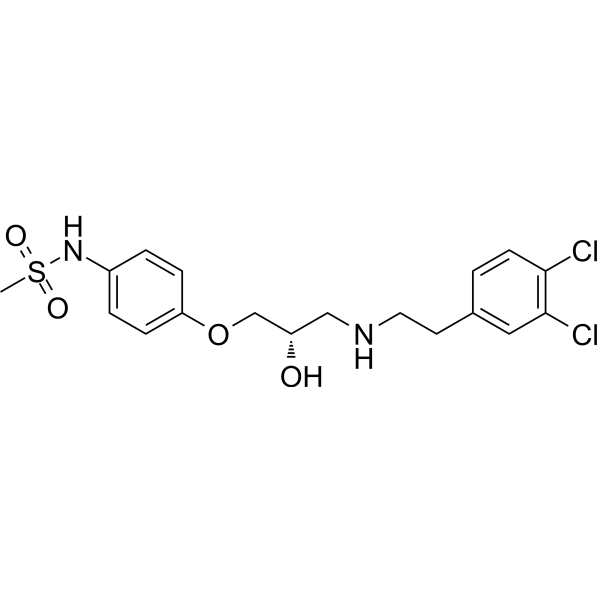
    NR2B-selective NMDA receptor antagonist 1 (compound 29) is a potent antagonist of NR1/NR2B receptors, with IC50s of 0.05 μM, 0.73 μM, 2.4 μM to NR1/NR2B NMDA receptor, hERG, α1-AdR, respectivity. NR2B-selective NMDA receptor antagonist 1 exhibites efficient permeability across the blood–brain barrier .
    NR2B-selective NMDA receptor antagonist 1
  • HY-108920

    4-Cl-KYN; AV-101

    iGluR Neurological Disease
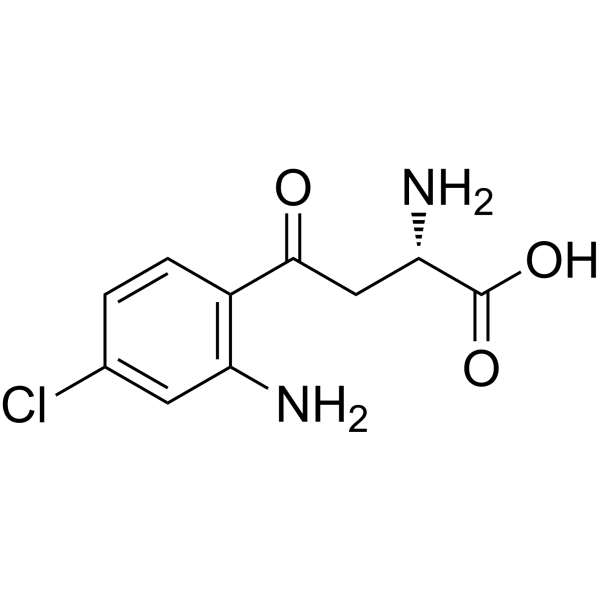
    4-Chlorokynurenine (4-Cl-KYN) is a prodrug of 7-Chlorokynurenic acid (NMDA receptor antagonist) (HY-100811). 4-Chlorokynurenine has orally activity and blood-brain permeability. 4-Chlorokynurenine can reduce depressive symptoms and neurotoxicity. 4-Chlorokynurenine can be used for the research of neurological disease, such as depression and seizure .
    4-Chlorokynurenine
  • HY-N0368S1

    Apoptosis Endogenous Metabolite iGluR Bacterial Isotope-Labeled Compounds Cancer
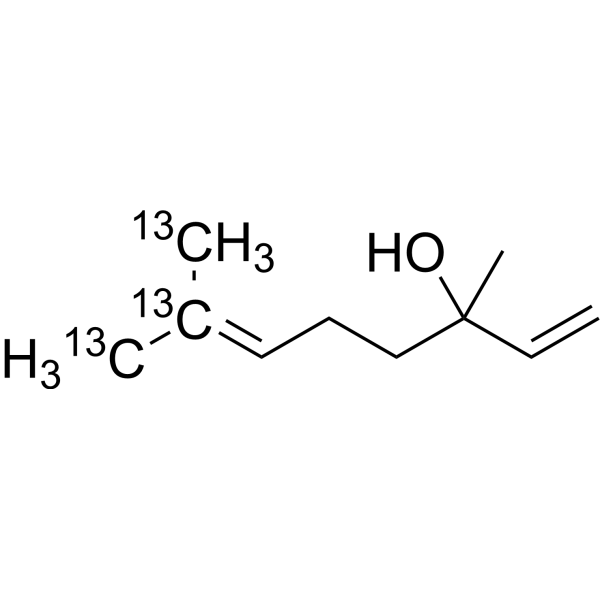
    Linalool- 13C3 is 13C labeled Linalool (HY-N0368). Linalool is a natural monoterpene which is a competitive NMDA receptor antagonist. Linalool is orally active and crosses the blood-brain barrier. Linalool has anticancer, antibacterial, anti-inflammatory, neuroprotective, anxiolytic, antidepressant, anti-stress, cardioprotective, hepatoprotective, nephroprotective and pulmonary protective activities .
    Linalool-13C3
  • HY-183200

    iGluR Neurological Disease
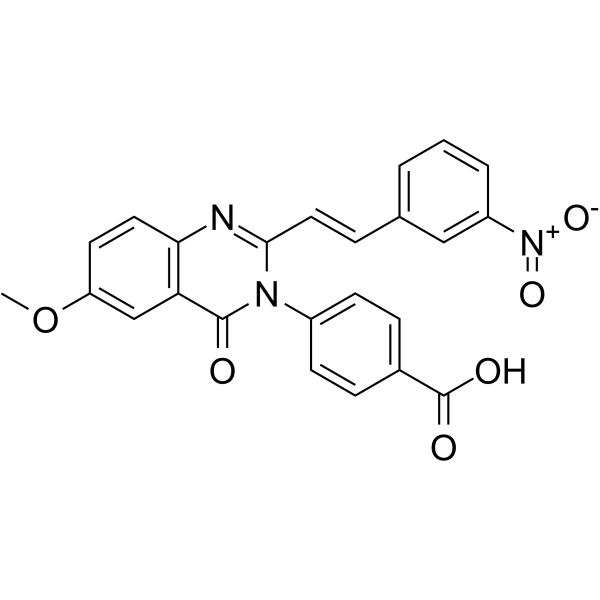
    NMDA receptor antagonist 10 is a NMDA receptor antagonist with an IC50 of 28 μM. NMDA receptor antagonist 10 inhibits glycine action at the NMDA receptor glycine site. NMDA receptor antagonist 10 can be used for research on neurological diseases .
    NMDA receptor antagonist 10

Inquiry Online

Your information is safe with us. * Required Fields.

Salutation


Country or Region *

Applicant Name *


Organization Name *

Department *


Email Address *


Product Name *

Cat. No.


Requested quantity *

Phone Number *


Remarks

Inquiry Online

Inquiry Information

Product Name:
Cat. No.:
Quantity:
MCE Japan Authorized Agent: