Search Result
Results for "
oxidative+stress+inducer
" in MedChemExpress (MCE) Product Catalog:
5
Isotope-Labeled Compounds
| Cat. No. |
Product Name |
Target |
Research Areas |
Chemical Structure |
-
- HY-12040
-
Elesclomol
Maximum Cited Publications
115 Publications Verification
STA-4783
|
Reactive Oxygen Species (ROS)
Apoptosis
Cuproptosis
|
Cancer
|
|
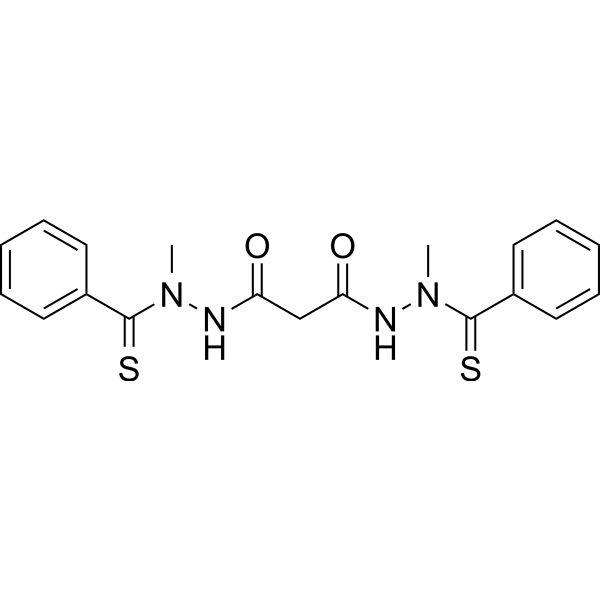
Elesclomol (STA-4783) is a potent copper ionophore and promotes copper-dependent cell death (cuproptosis). Elesclomol specifically binds ferredoxin 1 (FDX1) α2/α3 helices and β5 strand. Elesclomol inhibits FDX1-mediated Fe-S cluster biosynthesis. Elesclomol is an oxidative stress inducer that induces cancer cell apoptosis. Elesclomol is a reactive oxygen species (ROS) inducer. Elesclomol can be used for Menkes and associated disorders of hereditary copper deficiency research .
|
-
-
- HY-101200
-
|
SIN-1 chloride
|
Apoptosis
Autophagy
Reactive Oxygen Species (ROS)
Annexin A
NF-κB
|
Cardiovascular Disease
Neurological Disease
Inflammation/Immunology
Cancer
|
|
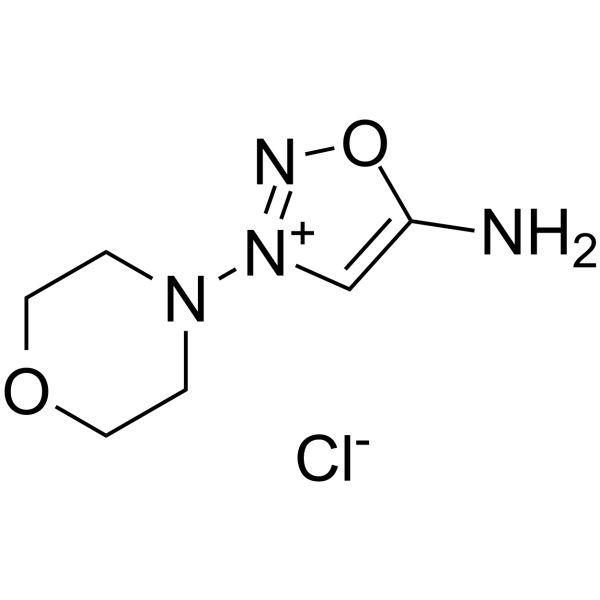
Linsidomine hydrochloride (SIN-1 chloride) is a spontaneous ROS/RNS generator and peroxynitrite donor. Linsidomine hydrochloride is a vasodilator and platelet aggregation inhibitor. Linsidomine hydrochloride induces oxidative stress-induced chondrocyte apoptosis and necrosis. Linsidomine hydrochloride inhibits the migration, proliferation and neointima formation of vascular smooth muscle cells by inhibiting the expression of annexin A2. In addition, low doses of Linsidomine hydrochloride shows protective effects on Zn 2+ treated nerve cells .
|
-
-
- HY-N0540
-
Cynaroside
Maximum Cited Publications
14 Publications Verification
Luteolin 7-glucoside; Luteolin 7-O-β-D-glucoside
|
Influenza Virus
DNA/RNA Synthesis
Apoptosis
Parasite
Bacterial
Fungal
|
Infection
Cardiovascular Disease
Cancer
|
|
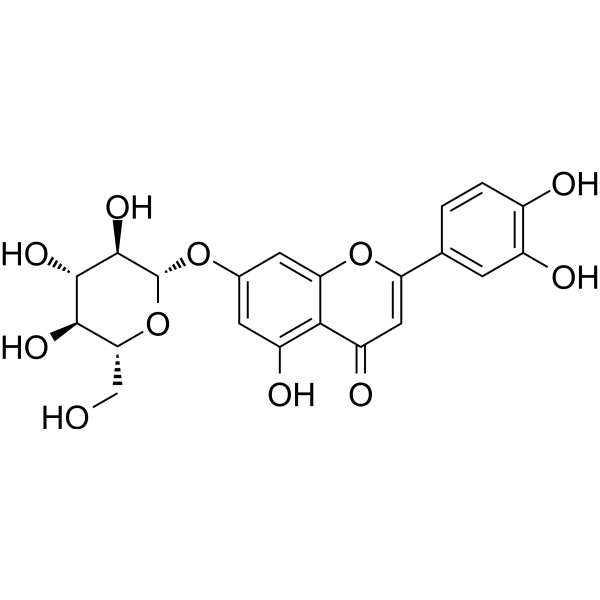
Cynaroside (Luteolin 7-glucoside) is a flavonoid compound that exhibits anti-oxidative capabilities. Cynaroside is also a potent influenza RNA-dependent RNA polymerase inhibitor with an IC50 of 32 nM. Cynaroside also is a promising inhibitor for H2O2-induced apoptosis, has cytoprotection against oxidative stress-induced cardiovascular diseases. Cynaroside also has antibacterial, antifungal and anticancer activities, antioxidant and anti-inflammatory activities .
|
-
-
- HY-112540B
-
|
|
Endogenous Metabolite
|
Metabolic Disease
|
|
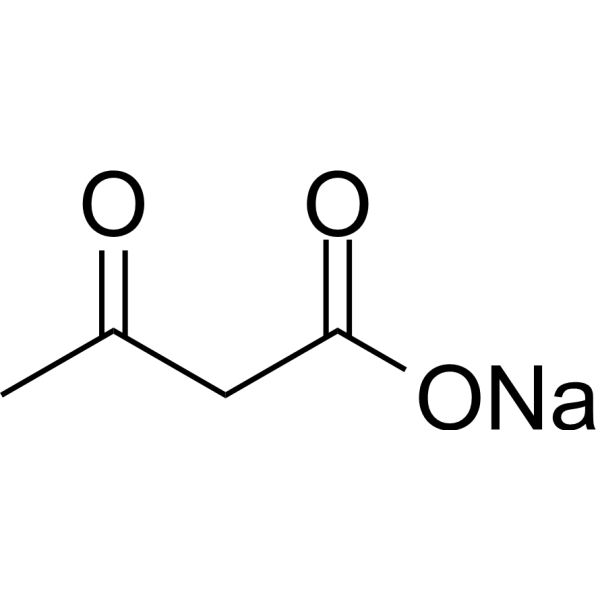
Acetoacetic acid sodium is an oxidative stress inducer that affects the antioxidant enzyme system and lipoprotein metabolism. Acetoacetic acid sodium induces oxidative stress by decreasing the mRNA expression and activity of superoxide dismutase (SOD), catalase (CAT), and glutathione peroxidase (GSH-Px), increasing MDA content, and inhibiting very low density lipoprotein (VLDL) assembly by downregulating apolipoprotein ApoB100, ApoE, and low density lipoprotein receptor (LDLR), leading to triglyceride (TG) accumulation in hepatocytes. Acetoacetic acid sodium can be used to study metabolic diseases .
|
-
-
- HY-N0147
-
|
Rutecarpine
|
COX
Keap1-Nrf2
|
Neurological Disease
Inflammation/Immunology
Cancer
|
|
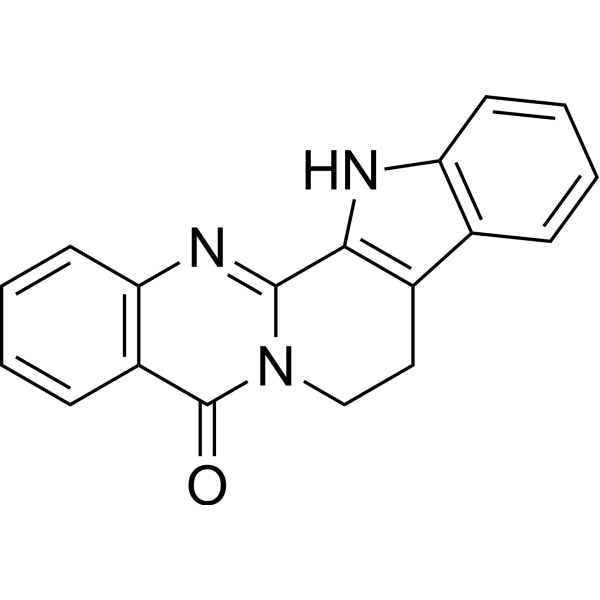
Rutaecarpine, an alkaloid of Evodia rutaecarpa, is an inhibitor of COX-2 with an IC50 value of 0.28 μM. Rutaecarpine can target and activate the NRF2/HO-1 pathway to reduce craniofacial injury. Rutaecarpine sttenuates oxidative stress-induced traumatic brain injury (TBI) and reduces secondary injury via the PGK1/KEAP1/NRF2 signaling pathway. Rutaecarpine can cross the blood-brain barrier (BBB).
|
-
-
- HY-N0637
-
|
Huazhongilexone
|
Melanocortin Receptor
TRP Channel
|
Infection
Inflammation/Immunology
|
|
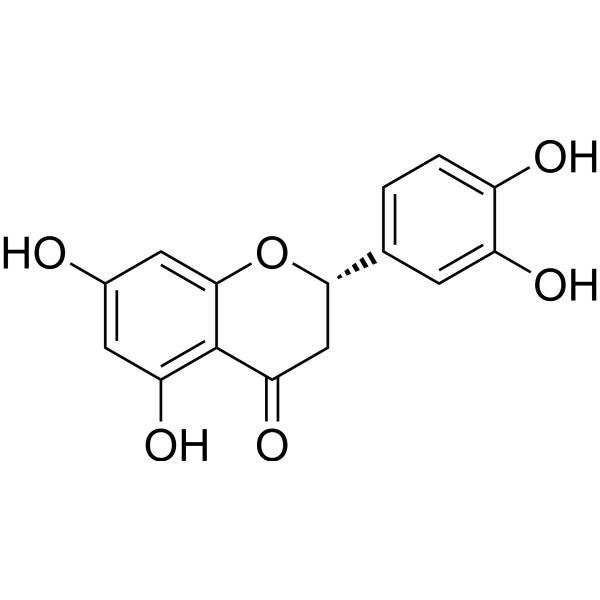
Eriodictyol ((±)-Huazhongilexone; Dihydroluteolin) is an orally active TRPV1 receptor antagonist (IC50=44-47 nM, rTRPV1) with antioxidant and anti-inflammatory activities. Eriodictyol effectively inhibits lipid peroxidation and the release of proinflammatory cytokines by specifically antagonizing the TRPV1 receptor and activating the Nrf2 signaling pathway. Eriodictyol reduces the levels of ICAM-1, VEGF, eNOS and TNF-α in the retina and maintains the integrity of the blood-retinal barrier. Eriodictyol alleviates oxidative stress-induced apoptosis and hyperalgesia, enhances the activity and cytotoxicity of immune cells (such as B lymphocytes, NK cells and macrophages), and increases the levels of antioxidant enzymes simultaneously. Eriodictyol can be used in the research of diabetic retinopathy, acute lung injury and various pain-related diseases .
|
-
-
- HY-108599
-
|
FR236924
|
PKC
CaMK
Phosphatase
Apoptosis
|
Neurological Disease
|
|
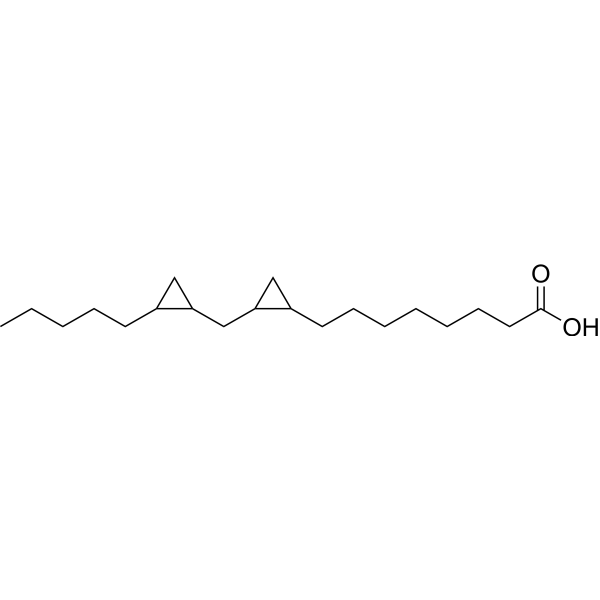
DCP-LA (FR236924), a linoleic acid derivative, selectively and directly activates PKCε. DCP-LA activates Ca( 2+)/calmodulin-dependent protein kinase II (CaMKII) and inhibits protein phosphatase-1 (PP-1) to stimulate AMPA receptor exocytosis. DCP-LA inhibits activation of caspase-3/-9 and protects neurons at least in part from oxidative stress-induced apoptosis .
|
-
-
- HY-112540
-
|
|
Endogenous Metabolite
|
Metabolic Disease
|
|
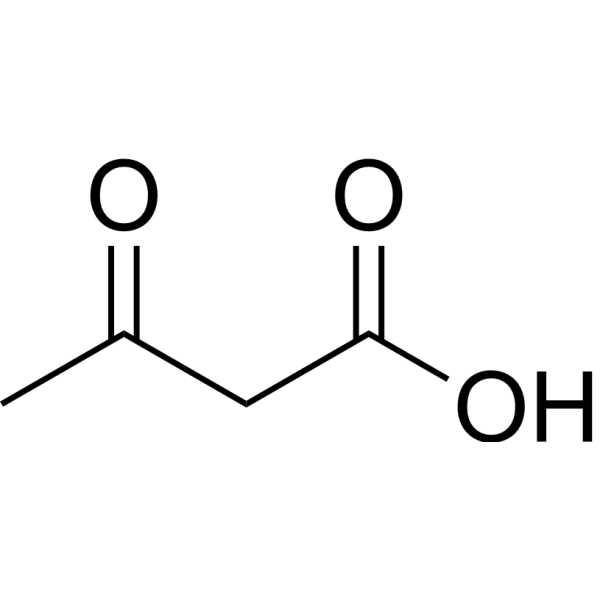
Acetoacetic acid is an oxidative stress inducer that affects the antioxidant enzyme system and lipoprotein metabolism. Acetoacetic acid induces oxidative stress by decreasing the mRNA expression and activity of superoxide dismutase (SOD), catalase (CAT), and glutathione peroxidase (GSH-Px), increasing MDA content, and inhibiting very low density lipoprotein (VLDL) assembly by downregulating apolipoprotein ApoB100, ApoE, and low density lipoprotein receptor (LDLR), leading to triglyceride (TG) accumulation in hepatocytes. Acetoacetic acid can be used to study metabolic diseases .
|
-
-
- HY-B0481
-
|
BAY1099; BAY-m1099
|
Glycosidase
AMPK
Reactive Oxygen Species (ROS)
|
Metabolic Disease
|
|
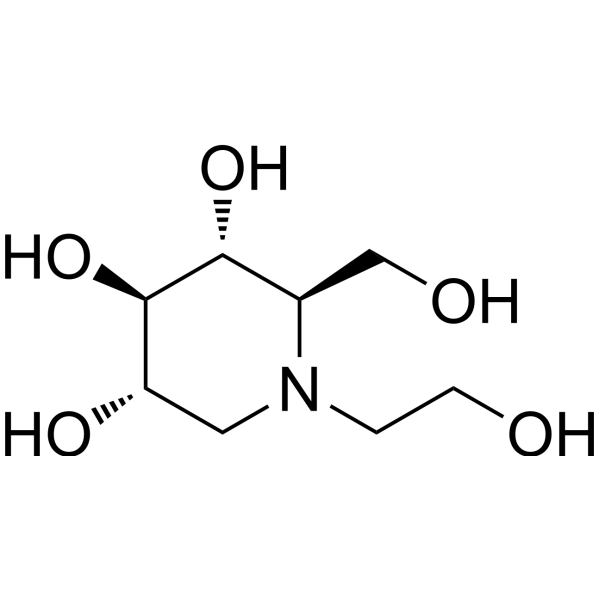
Miglitol (BAY-m1099) is an orally active antidiabetic compound that inhibits the breakdown of glycoconjugates into glucose. Miglitol inhibits glycoside hydrolase enzymes called α-glucosidases. Miglitol inhibits oxidative stress-induced apoptosis and mitochondrial ROS over-production in endothelial cells by enhancement of AMP-activated protein kinase. Dietary supplementation with Miglitol from pre-onset stage in OLETF rats delays the onset and development of diabetes and preserves the insulin secretory function of pancreatic islets .
|
-
-
- HY-W040129
-
|
|
DNA Alkylator/Crosslinker
DNA/RNA Synthesis
Apoptosis
Caspase
|
Infection
Neurological Disease
Cancer
|
|
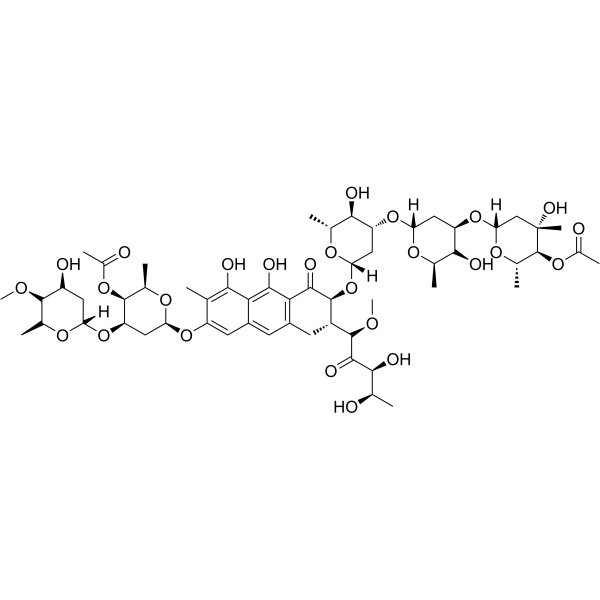
Chromomycin A3 is an inhibitor that selectively binds to GC-rich DNA sequences. Chromomycin A3 targets the DNA minor groove after forming a dimer with Mg 2+. Chromomycin A3 inhibits DNA replication and transcription, blocks the binding of Sp1 transcription factor to target gene promoters, downregulates the expression of anti-apoptotic proteins such as FLIP, Mcl-1, and XIAP, and induces S-phase cycle arrest and caspase-dependent apoptosis in tumor cells. Chromomycin A3 can antagonize oxidative stress induced by glutathione depletion and neuronal apoptosis induced by Camptothecin (HY-15660). Chromomycin A3 can be used in basic research on malignant tumors such as cholangiocarcinoma, and is a potential chemosensitizer and GC-rich region probe .
|
-
-
- HY-N0637A
-
|
(±)-Huazhongilexone; Dihydroluteolin
|
Melanocortin Receptor
TRP Channel
|
Metabolic Disease
|
|
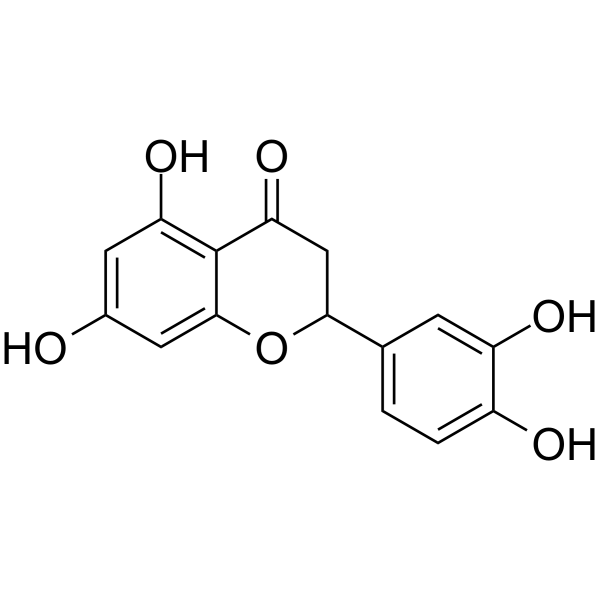
(±)-Eriodictyol ((±)-Huazhongilexone; Dihydroluteolin) is an orally active TRPV1 receptor antagonist (IC50=44-47 nM, rTRPV1) with antioxidant and anti-inflammatory activities. (±)-Eriodictyol effectively inhibits lipid peroxidation and the release of proinflammatory cytokines by specifically antagonizing the TRPV1 receptor and activating the Nrf2 signaling pathway. (±)-Eriodictyol reduces the levels of ICAM-1, VEGF, eNOS and TNF-α in the retina and maintains the integrity of the blood-retinal barrier. (±)-Eriodictyol alleviates oxidative stress-induced apoptosis and hyperalgesia, enhances the activity and cytotoxicity of immune cells (such as B lymphocytes, NK cells and macrophages), and increases the levels of antioxidant enzymes simultaneously. (±)-Eriodictyol can be used in the research of diabetic retinopathy, acute lung injury and various pain-related diseases .
|
-
-
- HY-N0447
-
|
|
TRP Channel
Bacterial
Apoptosis
Autophagy
STAT
PERK
EGFR
PI3K
Akt
mTOR
Caspase
MMP
|
Infection
Cardiovascular Disease
Inflammation/Immunology
Cancer
|
|
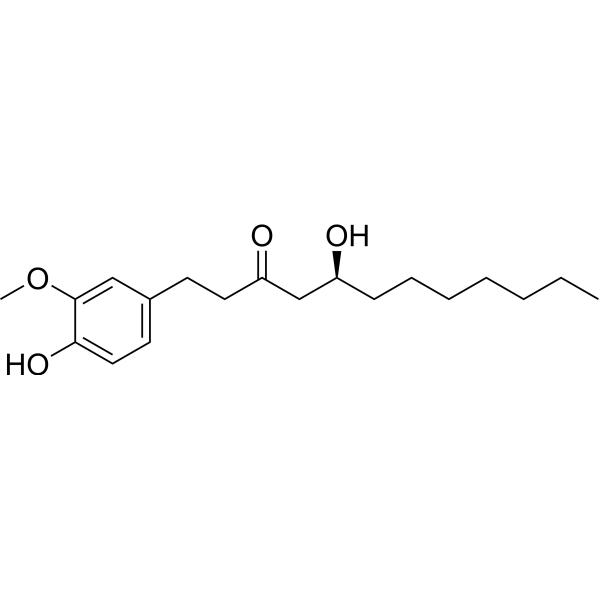
8-Gingerol can be found in the rhizome of ginger (Z. officinale) and has oral bioactivity. It activates TRPV1, with an EC50 value of 5.0 µM. 8-Gingerol inhibits COX-2 and also suppresses the growth of H. pylori in vitro. Additionally, 8-Gingerol exhibits anticancer, antioxidant, and anti-inflammatory properties by inhibiting the epidermal growth factor receptor (EGFR) and modulating its downstream STAT3/ERK pathway to suppress the proliferation, migration, and invasion of colorectal cancer cells. 8-Gingerol also exerts immunosuppressive effects by inhibiting oxidative stress, inducing cell cycle arrest, promoting apoptosis, and regulating autophagy. Furthermore, 8-Gingerol has cardioprotective effects. 8-Gingerol is promising for research in the fields of cancer, infection, immunosuppression, and cardiovascular diseases.
|
-
-
- HY-N12060
-
|
|
Bcl-2 Family
Caspase
Apoptosis
Autophagy
Reactive Oxygen Species (ROS)
Akt
JNK
ERK
|
Cardiovascular Disease
Neurological Disease
|
|
Ginkgo biloba extract is a natural product that can be isolated from Ginkgo biloba leaves . Ginkgo biloba extract alleviates oxidative stress-induced neuronal apoptosis (Apoptosis) by stabilizing mitochondrial function, regulating Bcl-2 family proteins and inhibiting caspase activation. Ginkgo biloba extract alleviates testicular injury by upregulating SKP2 and inhibiting Beclin1-independent autophagy (Autophagy) . Ginkgo biloba extract alleviates various types of neuronal damage in animal models. Ginkgo biloba extract reduces behavioral sensitization in rats. Ginkgo biloba extract counteracts Aβ-induced neurotoxicity by blocking a series of Aβ-triggered events, including glucose uptake, ROS accumulation, AKT activation, mitochondrial dysfunction, JNK and ERK 1/2 pathways, and apoptosis, and also interferes with the formation of Aβ oligomers. Ginkgo biloba extract is applicable to research related to cerebral hypoperfusion, testicular injury, Alzheimer's disease, Parkinson's disease, multi-infarct dementia, stroke, traumatic brain injury and amyotrophic lateral sclerosis .
|
-

-
- HY-30267
-
|
4-HPA; 4-Acetoxyphenol
|
Quinone Reductase
Endogenous Metabolite
|
Others
|
|
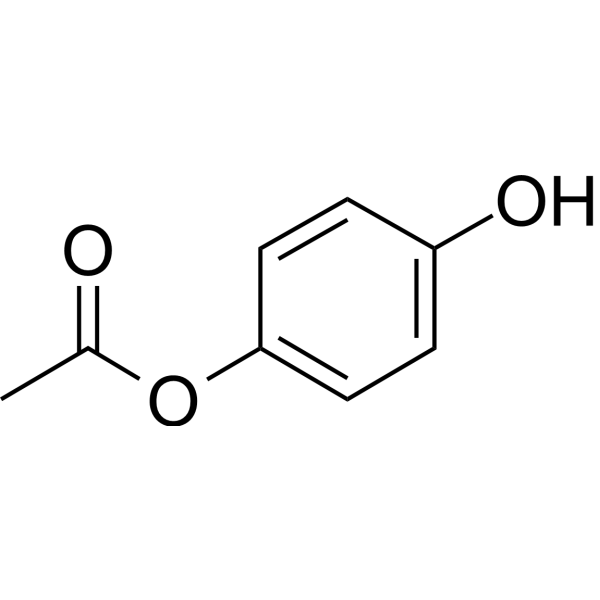
4-Hydroxyphenyl acetate (4-HPA) is a natural antioxidant and protects cells from oxidative stress-induced necrosis. 4-Hydroxyphenyl acetate blocks the increase of cellular ROS induced by oxidative stress, and up-regulates NQO1 and HO-1 genes by stabilizing and inducing the nuclear translocation of NRF2 transcription factor .
|
-
-
- HY-149143
-
|
|
TRP Channel
|
Inflammation/Immunology
|
|
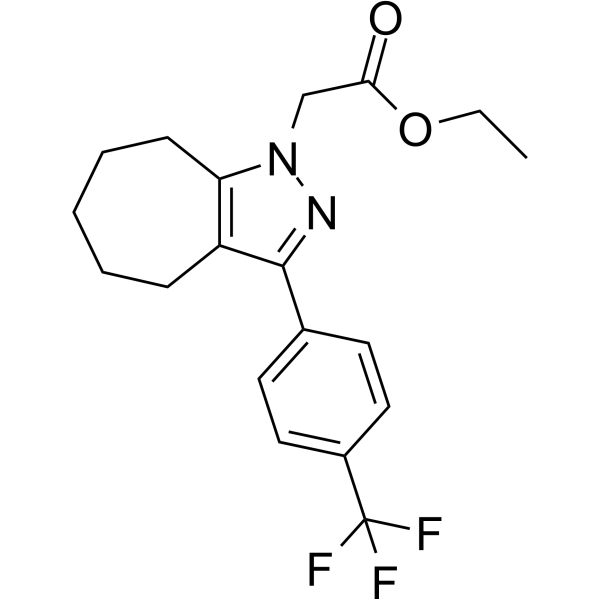
JNJ-28583113 is an TRPM2 antagonist with brain permeability. JNJ-28583113 inhibits TRPM2 blocked phosphorylation of GSK3α and β subunits. JNJ-28583113 protects cells from oxidative stress induced cell death. JNJ-28583113 also suppresses cytokine release in response to pro-inflammatory stimuli in microglia .
|
-
-
- HY-112540A
-
|
|
Endogenous Metabolite
|
Metabolic Disease
|
|
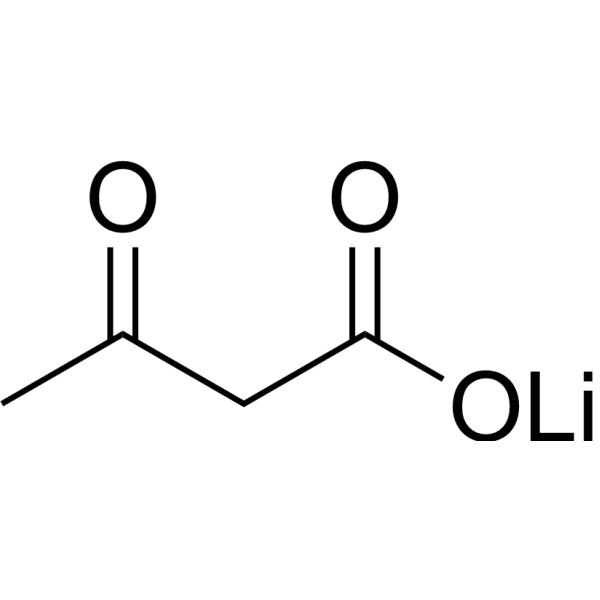
Acetoacetic acid lithium is an oxidative stress inducer that affects the antioxidant enzyme system and lipoprotein metabolism. Acetoacetic acid lithium induces oxidative stress by decreasing the mRNA expression and activity of superoxide dismutase (SOD), catalase (CAT), and glutathione peroxidase (GSH-Px), increasing MDA content, and inhibiting very low density lipoprotein (VLDL) assembly by downregulating apolipoprotein ApoB100, ApoE, and low density lipoprotein receptor (LDLR), leading to triglyceride (TG) accumulation in hepatocytes. Acetoacetic acid lithium can be used to study metabolic diseases .
|
-
-
- HY-14608R
-
|
|
Reference Standards
Endogenous Metabolite
iGluR
Ferroptosis
Apoptosis
|
Neurological Disease
|
L-Glutamic acid (Standard) is the analytical standard of L-Glutamic acid. This product is intended for research and analytical applications. L-Glutamic acid is an excitatory amino acid neurotransmitter that acts as an agonist for all subtypes of glutamate receptors (metabolic rhodophylline, NMDA, and AMPA). L-Glutamic acid has an agonist effect on the release of DA from dopaminergic nerve endings. L-Glutamic acid can be used in the study of neurological diseases .
IC50 & Target:DA .
In Vitro: L-Glutamic acid (120, 500, 750, 1000 mg/dL) can reduce the harmful effect of lithium on the embryonic development of Xenopus Xenopus .
L-Glutamic acid (2, 5, 10, 20 mM, 24-48 h) can induce neuroexcitotoxicity in neuroblastoma .
In Vivo: L-Glutamic acid (3 g/kg, subcutaneous injection) can promote excitotoxic degeneration of retinal ganglion cells in mice .
L-Glutamic acid (750 mg/kg, intraperitoneal injection) can reduce and inhibit oxidative stress induced by chlorpyrifos (CPF) in rats .
|
-

-
- HY-108351
-
|
|
Necroptosis
|
Cardiovascular Disease
|
|
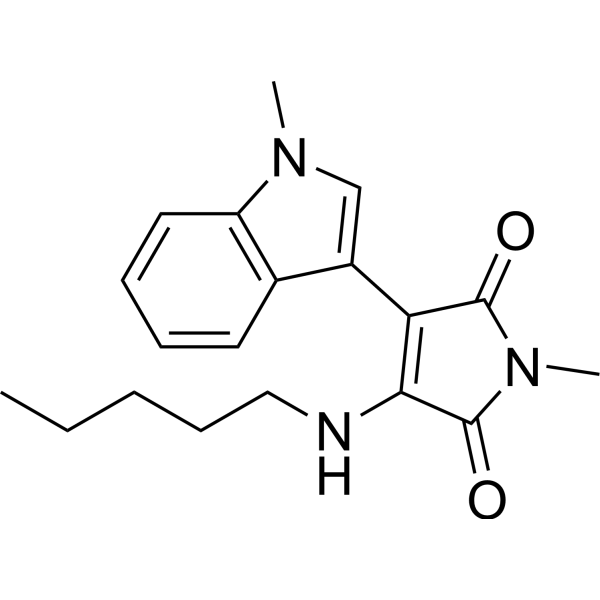
IM-54 is a selective inhibitor of oxidative stress-induced necrosis. IM-54 shows potent inhibitory activity against H2O2-induced necrosis. IM-54 acts as a potential cardioprotective agent and biological tool for investigating the molecular mechanisms of cell death .
|
-
-
- HY-128393
-
|
|
PI3K
Akt
E-Selectin
Apoptosis
MMP
MEK
ERK
|
Cancer
|
|
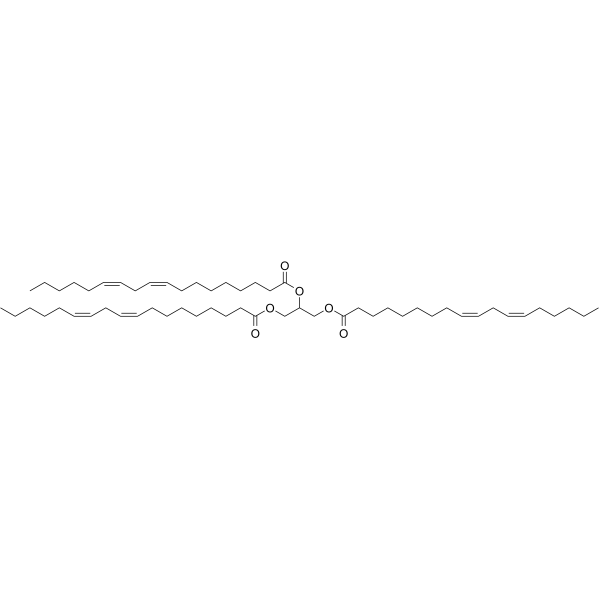
Trilinolein is an orally active triglyceride that inhibits the PI3K/Akt, Ras/MEK/ERK signaling pathways, and MMP-2. Trilinolein can reduce oxidative stress, induce apoptosis, and inhibit cell migration. Trilinolein can be used in the research fields of cardiovascular disease, cerebrovascular disease (such as cerebral ischemia), and non-small cell lung cancer .
|
-
-
- HY-164159
-
|
|
Reactive Oxygen Species (ROS)
MMP
|
Inflammation/Immunology
|
|
α-Glucosylrutin, a flavonoid, is a potent antioxidant with free radical scavenging activity. α-Glucosylrutin reduces MMP-1 gene expression, protein expression, and enzyme activity, and reduces MMP-2 protein expression and enzyme activity in UVA-irradiated human dermal fibroblasts. α-Glucosylrutin prevents oxidative stress-induced intracellular tyrosine residue phosphorylation and counteracts intracellular thiol level depletion in human skin cells. α-Glucosylrutin is effective in the prevention of dermatologic diseases in which oxidative stress is of pathogenetic relevance, e.g. in polymorphous light eruption (PLE). α-Glucosylrutin can be used for the research of UV-induced skin photodamage/photoaging .
|
-

-
- HY-W142432
-
|
|
Biochemical Assay Reagents
β-catenin
Wnt
Arginase
TGF-beta/Smad
mTOR
Akt
ERK
Atg8/LC3
p62
Autophagy
|
Metabolic Disease
Inflammation/Immunology
Cancer
|
|
Perfluoroundecanoic acid is a perfluoroalkyl substance (PFAS). Perfluoroundecanoic acid is an orally active oxidative stress inducer. Perfluoroundecanoic acid promotes macrophage M2 polarization, activates Wnt/β-catenin signaling and enhances β-catenin nuclear accumulation. Perfluoroundecanoic acid -induced M2 phenotype macrophage accelerates tumor progression in vitro and in vivo. Perfluoroundecanoic acid induces DNA damage, reproductive and pathophysiological dysfunctions via oxidative stress in male Swiss mice. Perfluoroundecanoic acid inhibits Leydig cell development in pubertal male rats via inducing oxidative stress and autophagy. Perfluoroundecanoic acid accelerates insulitis development in a mouse model of type 1 diabetes. Perfluoroundecanoic acid can be used for the study of ovarian cancer, type 1 diabetes and inflammation .
|
-

-
- HY-Y1322
-
|
|
Environmental Pollutants
Mitophagy
Apoptosis
NF-κB
p38 MAPK
ERK
JNK
PI3K
Akt
Monoamine Oxidase
Reactive Oxygen Species (ROS)
PPAR
Indoleamine 2,3-Dioxygenase (IDO)
|
Cardiovascular Disease
Neurological Disease
Metabolic Disease
Inflammation/Immunology
Endocrinology
|
|
Triphenyl phosphate is an orally active, blood-brain barrier-permeable aryl organophosphate flame retardant and endocrine disruptor. Triphenyl phosphate disrupts mitochondrial dynamic balance through oxidative stress, induces excessive mitophagy and apoptosis, and ultimately leads to myocardial fibrosis. In the brain, Triphenyl phosphate activates the NF-κB inflammatory pathway by disrupting the gut microbiota, alters tryptophan metabolism and elevates neurotoxins, thereby inducing anxiety- and depression-like behaviors. In the skeletal and reproductive systems, Triphenyl phosphate inhibits osteoblast differentiation and induces germ cell apoptosis by suppressing the MAPK/ERK pathway and activating the JNK signal, respectively. In adipose and placental tissues, Triphenyl phosphate promotes lipid accumulation by activating the PI3K/AKT-PPARγ axis, and disrupts placental metabolism via the MAOA/ROS/NF-κB cascade, impairing neurodevelopment of offspring .
|
-

-
- HY-110084
-
BTZO-1
2 Publications Verification
|
Macrophage migration inhibitory factor (MIF)
Apoptosis
|
Cardiovascular Disease
|
|
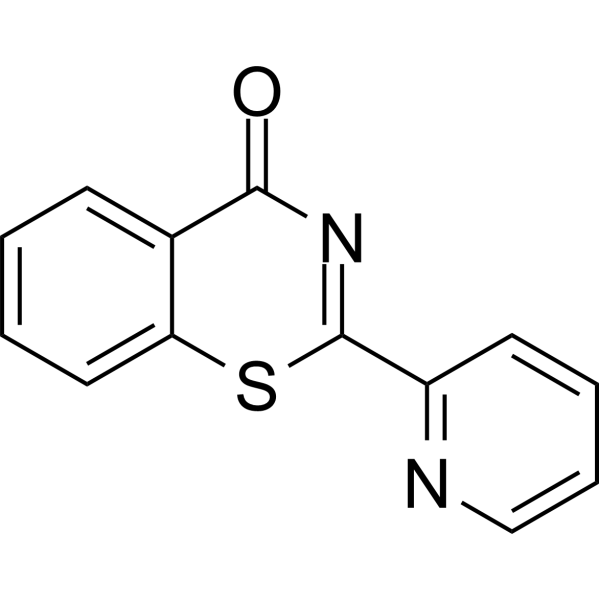
BTZO-1, a chemical probe, binds to Macrophage migration inhibitory factor (MIF) with a Kd value of 68.6 nM, and its binding requires the N-terminal Pro1. BTZO-1 can activate antioxidant response element (ARE)-mediated gene expression and suppress oxidative stress-induced cardiomyocyte apoptosis in vitro .
|
-
-
- HY-125972
-
-

-
- HY-156780
-
|
|
Cuproptosis
|
Cancer
|
|
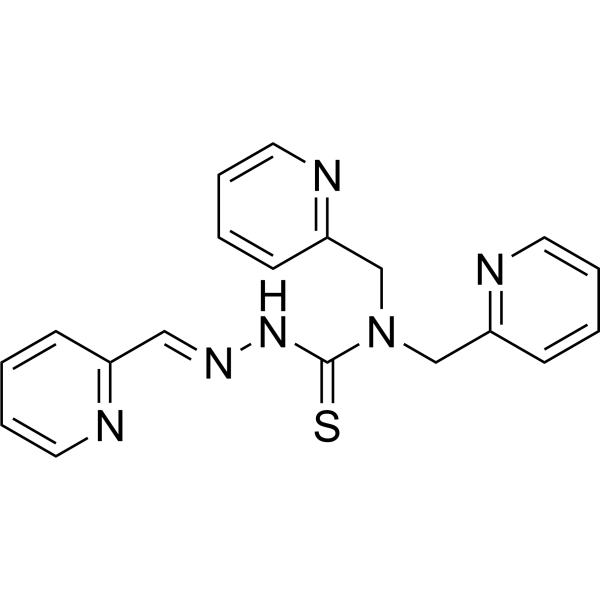
NSC 689534 can form copper chelate with Cu 2+. NSC 689534/Cu 2+ complex is a potent oxidative stress inducer, and has antitumor activity .
|
-
-
- HY-W023323
-
|
|
Endogenous Metabolite
|
Metabolic Disease
|
|
(S)-β-Aminoisobutyric acid hydrochloride is a cytoprotective agent, which is a non-proteinogenic amino acid enantiomer derived from valine metabolism in skeletal muscle mitochondria. The plasma level of (S)-β-Aminoisobutyric acid hydrochloride increases significantly after acute aerobic exercise (and is not affected by the AGXT2 rs37369 genotype), and it is secreted by mouse extensor digitorum longus and soleus muscles in ex vivo contraction assays. (S)-β-Aminoisobutyric acid hydrochloride specifically protects osteocytes from oxidative stress-induced cell death .
|
-

-
- HY-N0540R
-
|
Luteolin 7-glucoside (Standard); Luteolin 7-O-β-D-glucoside (Standard)
|
Apoptosis
DNA/RNA Synthesis
Parasite
Bacterial
Influenza Virus
Fungal
Reference Standards
|
Infection
Cancer
|
|
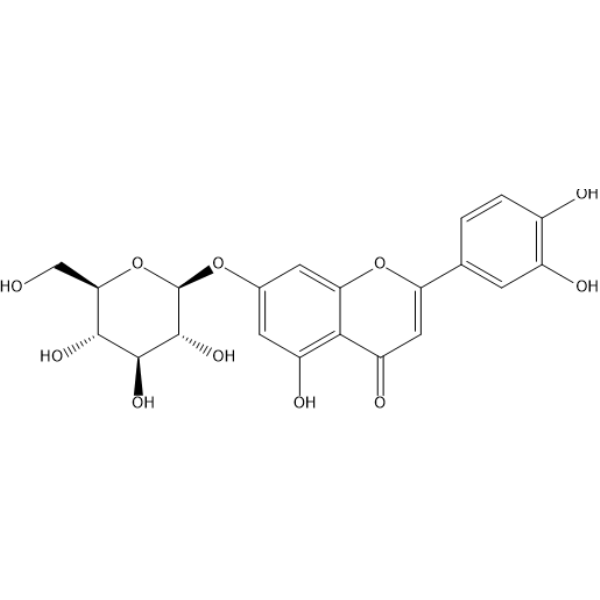
Cynaroside (Standard) is the analytical standard of Cynaroside. This product is intended for research and analytical applications. Cynaroside (Luteolin 7-glucoside) is a flavonoid compound that exhibits anti-oxidative capabilities. Cynaroside is also a potent influenza RNA-dependent RNA polymerase inhibitor with an IC50 of 32 nM. Cynaroside also is a promising inhibitor for H2O2-induced apoptosis, has cytoprotection against oxidative stress-induced cardiovascular diseases. Cynaroside also has antibacterial, antifungal and anticancer activities, antioxidant and anti-inflammatory activities .
|
-
-
- HY-170938
-
|
|
Cholinesterase (ChE)
Monoamine Oxidase
Beta-secretase
COX
LOX-1
|
Neurological Disease
|
|
AChE-IN-82 (compound 49) is an acetylcholinesterase (AChE) inhibitor. AChE-IN-82 inhibits eeAChE, eqBChE, hMAO-A, hMAO-B, and BACE-1 with IC50s of 0.072, 9.81, 14.52, 0.024, 2.42 μM, respectively. AChE-IN-82 inhibits COX-1, COX-2 and 5-LOX with IC50s of 60.41, 0.187, 0.18 μM, respectively. AChE-IN-82 shows an excellent neuroprotective effect by significantly reducing oxidative stress induced by H2 O2 .
|
-

-
- HY-Y1322S
-
|
Celluflex TPP-d15; DHPF 005-d15; Disflamol TP-d15; Disflamoll TP-d15; NSC 57868-d15; Phenyl phosphate ((PhO)3PO)-d15; Phoscon FR 903N-d15
|
Isotope-Labeled Compounds
Environmental Pollutants
ERK
Indoleamine 2,3-Dioxygenase (IDO)
p38 MAPK
NF-κB
Akt
Monoamine Oxidase
Mitophagy
Reactive Oxygen Species (ROS)
JNK
PI3K
PPAR
Apoptosis
|
Cardiovascular Disease
Neurological Disease
Metabolic Disease
Inflammation/Immunology
Endocrinology
|
|
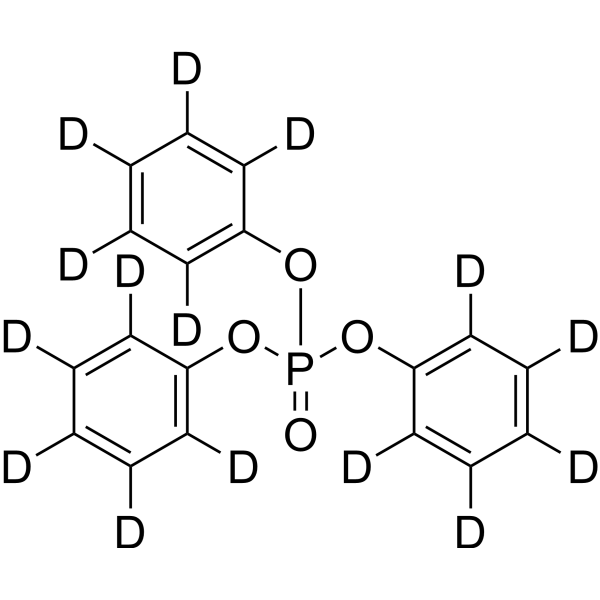
Triphenyl phosphate-d15 is the deuterium labeled Triphenyl phosphate. Triphenyl phosphate is an orally active, blood-brain barrier-permeable aryl organophosphate flame retardant and endocrine disruptor. Triphenyl phosphate disrupts mitochondrial dynamic balance through oxidative stress, induces excessive mitophagy and apoptosis, and ultimately leads to myocardial fibrosis. In the brain, Triphenyl phosphate activates the NF-κB inflammatory pathway by disrupting the gut microbiota, alters tryptophan metabolism and elevates neurotoxins, thereby inducing anxiety- and depression-like behaviors. In the skeletal and reproductive systems, Triphenyl phosphate inhibits osteoblast differentiation and induces germ cell apoptosis by suppressing the MAPK/ERK pathway and activating the JNK signal, respectively. In adipose and placental tissues, Triphenyl phosphate promotes lipid accumulation by activating the PI3K/AKT-PPARγ axis, and disrupts placental metabolism via the MAOA/ROS/NF-κB cascade, impairing neurodevelopment of offspring.
|
-
-
- HY-134579
-
|
|
Farnesyl Transferase
|
Inflammation/Immunology
|
|
Chaetomellic acid A can be isolated from Chaetomella acutiseta. Chaetomellic acid A is a specific inhibitor of farnesyl-protein transferase. Chaetomellic acid A decreases oxidative stress-induced apoptosis in cells. Chaetomellic acid A reduces renal damage after unilateral ureteral obstruction (UUO) in mice .
|
-

-
- HY-W505984
-
|
KM05073
|
Keap1-Nrf2
|
Inflammation/Immunology
|
|
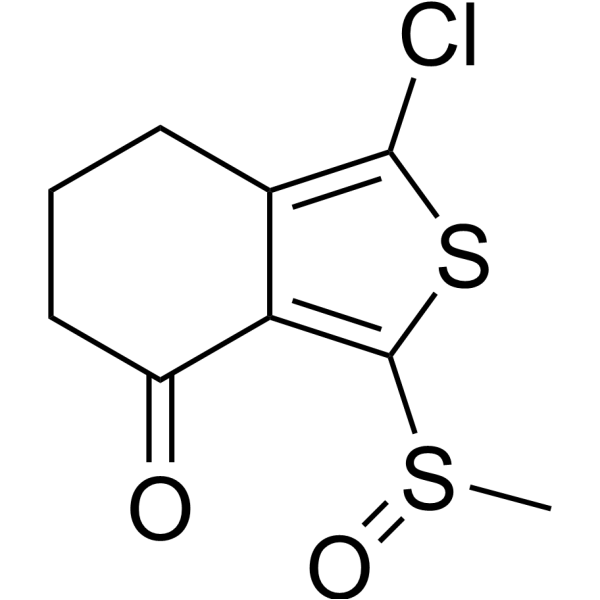
TPNA10168 is an Nrf-2 activator that activates the Keap1-Nrf2-ARE pathway. TPNA10168 is neuroprotective against oxidative stress-induced damage. TPNA10168 significantly reduces the transcription of inflammatory genes, including TNF-α, IL-1β, IL-6, and iNOS. TPNA10168 can be used in research on anti-inflammatory and neurological diseases .
|
-
-
- HY-P10322
-
|
|
Fluorescent Dye
|
Cancer
|
|
Z-IETD-R110 is a fluorescent substrate of caspases. Z-IETD-R110 acts as a substrate for caspase-8. When caspase-8 is activated, it can recognize and cut Z-IETD-R110, releasing fluorophore, which can be detected by fluorescence microscopy. Z-IETD-R110 can be used to study oxidative stress-induced apoptosis, particularly in pancreatic acinar cells .
|
-

-
- HY-12040S
-
|
STA-4783-d2
|
Isotope-Labeled Compounds
Reactive Oxygen Species (ROS)
Apoptosis
Cuproptosis
|
Cancer
|
|
Elesclomol-d2 (STA-4783-d2) is a deuterium labeled Elesclomol (HY-12040). Elesclomol (STA-4783) is a potent copper ionophore and promotes copper-dependent cell death (cuproptosis). Elesclomol specifically binds ferredoxin 1 (FDX1) α2/α3 helices and β5 strand. Elesclomol inhibits FDX1-mediated Fe-S cluster biosynthesis. Elesclomol is an oxidative stress inducer that induces cancer cell apoptosis. Elesclomol is a reactive oxygen species (ROS) inducer. Elesclomol can be used for Menkes and associated disorders of hereditary copper deficiency research .
|
-

-
- HY-P5891
-
|
|
PKC
|
Cardiovascular Disease
|
|
TAT-SAMβA is the peptide consist of RNAENFDRF (SAMβA; HY-P3429) conjugated to the cell penetrating TAT protein-derived peptide TAT47–57. TAT-SAMβA is a selective antagonist of Mfn1-βIIPKC association. TAT-SAMβA protects mouse embryonic fibroblast cells (MEFs) against oxidative stress-induced cytotoxicity .
|
-

-
- HY-N11526
-
|
|
Others
|
Inflammation/Immunology
|
|
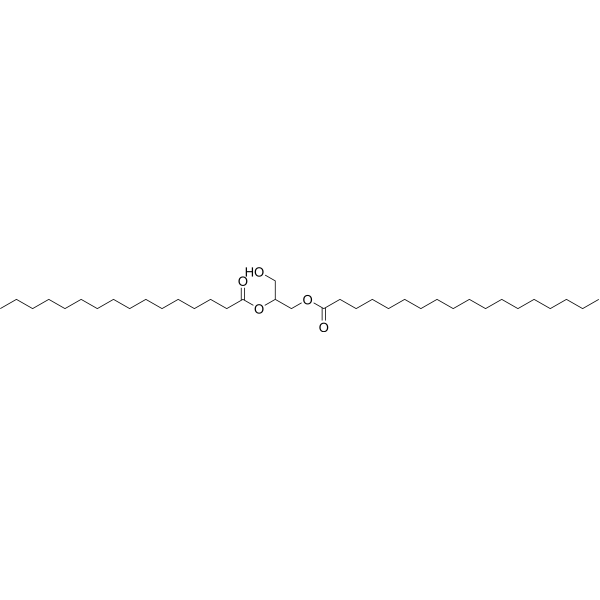
3-Hydroxy-2-(palmitoyloxy)propyl stearat is a non-volatile compound. 3-Hydroxy-2-(palmitoyloxy)propyl stearat can be isolated from less polar fractions of the brown macroalga Fucus virsoides J. Agardh. This part of the substance has a good ability to scavenge free radicals and has a protective effect on the oxidative stress induced by hydrogen peroxide in zebrafish embryos .
|
-
-
- HY-30267R
-
|
4-HPA (Standard); 4-Acetoxyphenol (Standard)
|
Endogenous Metabolite
Reference Standards
|
Others
|
|
4-Hydroxyphenyl acetate (Standard) is the analytical standard of 4-Hydroxyphenyl acetate. This product is intended for research and analytical applications. 4-Hydroxyphenyl acetate (4-HPA) is a natural antioxidant and protects cells from oxidative stress-induced necrosis. 4-Hydroxyphenyl acetate blocks the increase of cellular ROS induced by oxidative stress, and up-regulates NQO1 and HO-1 genes by stabilizing and inducing the nuclear translocation of NRF2 transcription factor .
|
-

-
- HY-128393S1
-
|
|
Isotope-Labeled Compounds
PI3K
Akt
E-Selectin
Apoptosis
MMP
MEK
ERK
|
Cancer
|
|
Trilinolein- 13C54 is the 13C-labeled Trilinolein (HY-128393). Trilinolein is an orally active triglyceride that inhibits the PI3K/Akt, Ras/MEK/ERK signaling pathways, and MMP-2. Trilinolein can reduce oxidative stress, induce apoptosis, and inhibit cell migration. Trilinolein can be used in the research fields of cardiovascular disease, cerebrovascular disease (such as cerebral ischemia), and non-small cell lung cancer .
|
-

-
- HY-128393R
-
|
|
Reference Standards
PI3K
Akt
E-Selectin
Apoptosis
MMP
MEK
ERK
|
Cancer
|
|
Trilinolein (Standard) is the analytical standard of Trilinolein (HY-128393). This product is intended for research and analytical applications. Trilinolein is an orally active triglyceride that inhibits the PI3K/Akt, Ras/MEK/ERK signaling pathways, and MMP-2. Trilinolein can reduce oxidative stress, induce apoptosis, and inhibit cell migration. Trilinolein can be used in the research fields of cardiovascular disease, cerebrovascular disease (such as cerebral ischemia), and non-small cell lung cancer .
|
-

-
- HY-101200R
-
|
SIN-1 chloride (Standard)
|
Reference Standards
Apoptosis
Autophagy
Reactive Oxygen Species (ROS)
Annexin A
NF-κB
|
Cardiovascular Disease
Neurological Disease
Inflammation/Immunology
Cancer
|
|
Linsidomine (hydrochloride) (Standard) is the analytical standard of Linsidomine (hydrochloride). This product is intended for research and analytical applications. Linsidomine hydrochloride (SIN-1 chloride) is a spontaneous ROS/RNS generator and peroxynitrite donor. Linsidomine hydrochloride is a vasodilator and platelet aggregation inhibitor. Linsidomine hydrochloride induces oxidative stress-induced chondrocyte apoptosis and necrosis. Linsidomine hydrochloride inhibits the migration, proliferation and neointima formation of vascular smooth muscle cells by inhibiting the expression of annexin A2. In addition, low doses of Linsidomine hydrochloride shows protective effects on Zn 2+ treated nerve cells .
|
-

-
- HY-155997
-
|
|
COX
|
Inflammation/Immunology
|
|
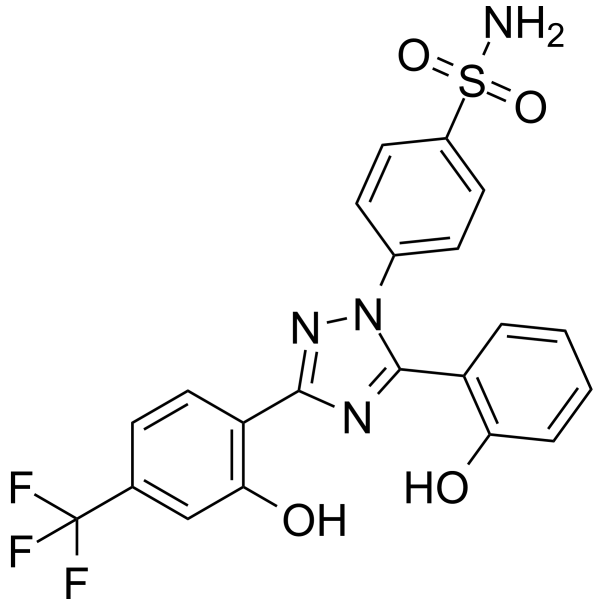
Anti-inflammatory agent 56 (Compound 9) is a selective COX-2 inhibitor (IC50: 0.54 μM). Anti-inflammatory agent 56 has anti-oxidant and anti-inflammatory effects. Anti-inflammatory agent 56 inhibits oxidative stress induced cell death. Anti-inflammatory agent 56 inhibits oxidative stress and neuroinflammation by inhibiting Keap1, COX-2 and iNOS. Anti-inflammatory agent 56 has low acute toxicity in mice (LD50: 1000 mg/kg) .
|
-
-
- HY-108599R
-
|
FR236924 (Standard)
|
Reference Standards
PKC
CaMK
Phosphatase
Apoptosis
|
Neurological Disease
|
|
DCP-LA (Standard) is the analytical standard of DCP-LA. This product is intended for research and analytical applications. DCP-LA (FR236924), a linoleic acid derivative, selectively and directly activates PKCε. DCP-LA activates Ca(2+)/calmodulin-dependent protein kinase II (CaMKII) and inhibits protein phosphatase-1 (PP-1) to stimulate AMPA receptor exocytosis. DCP-LA inhibits activation of caspase-3/-9 and protects neurons at least in part from oxidative stress-induced apoptosis[1][2][3].
|
-

-
- HY-N0147R
-
|
Rutecarpine (Standard)
|
Reference Standards
COX
Keap1-Nrf2
|
Inflammation/Immunology
Cancer
|
|
Rutaecarpine (Standard) is the analytical standard of Rutaecarpine. This product is intended for research and analytical applications. Rutaecarpine, an alkaloid of Evodia rutaecarpa, is an inhibitor of COX-2 with an IC50 value of 0.28 μM. Rutaecarpine can target and activate the NRF2/HO-1 pathway to reduce craniofacial injury. Rutaecarpine sttenuates oxidative stress-induced traumatic brain injury (TBI) and reduces secondary injury via the PGK1/KEAP1/NRF2 signaling pathway. Rutaecarpine can cross the blood-brain barrier (BBB).
|
-

-
- HY-112540AR
-
|
|
Endogenous Metabolite
Reference Standards
|
Metabolic Disease
|
|
Acetoacetic acid (lithium) (Standard) is the analytical standard of Acetoacetic acid (lithium). This product is intended for research and analytical applications. Acetoacetic acid lithium is an oxidative stress inducer that affects the antioxidant enzyme system and lipoprotein metabolism. Acetoacetic acid lithium induces oxidative stress by decreasing the mRNA expression and activity of superoxide dismutase (SOD), catalase (CAT), and glutathione peroxidase (GSH-Px), increasing MDA content, and inhibiting very low density lipoprotein (VLDL) assembly by downregulating apolipoprotein ApoB100, ApoE, and low density lipoprotein receptor (LDLR), leading to triglyceride (TG) accumulation in hepatocytes. Acetoacetic acid lithium can be used to study metabolic diseases .
|
-

-
- HY-N0637AR
-
|
(±)-Huazhongilexone (Standard); Dihydroluteolin (Standard)
|
Reference Standards
Melanocortin Receptor
TRP Channel
|
Metabolic Disease
|
|
3-Chlorobenzoic acid (Standard) is the analytical standard of 3-Chlorobenzoic acid. This product is intended for research and analytical applications. (±)-Eriodictyol ((±)-Huazhongilexone; Dihydroluteolin) is an orally active TRPV1 receptor antagonist (IC50=44-47 nM, rTRPV1) with antioxidant and anti-inflammatory activities. (±)-Eriodictyol effectively inhibits lipid peroxidation and the release of proinflammatory cytokines by specifically antagonizing the TRPV1 receptor and activating the Nrf2 signaling pathway. (±)-Eriodictyol reduces the levels of ICAM-1, VEGF, eNOS and TNF-α in the retina and maintains the integrity of the blood-retinal barrier. (±)-Eriodictyol alleviates oxidative stress-induced apoptosis and hyperalgesia, enhances the activity and cytotoxicity of immune cells (such as B lymphocytes, NK cells and macrophages), and increases the levels of antioxidant enzymes simultaneously. (±)-Eriodictyol can be used in the research of diabetic retinopathy, acute lung injury and various pain-related diseases .
|
-

-
- HY-W040129R
-
|
|
Reference Standards
Bacterial
Fungal
Apoptosis
Antibiotic
|
Infection
Neurological Disease
Cancer
|
|
Chromomycin A3 (Standard) is the analytical standard of Chromomycin A3 (HY-W040129). This product is intended for research and analytical applications. Chromomycin A3 is an inhibitor that selectively binds to GC-rich DNA sequences. Chromomycin A3 targets the DNA minor groove after forming a dimer with Mg 2+. Chromomycin A3 inhibits DNA replication and transcription, blocks the binding of Sp1 transcription factor to target gene promoters, downregulates the expression of anti-apoptotic proteins such as FLIP, Mcl-1, and XIAP, and induces S-phase cycle arrest and caspase-dependent apoptosis in tumor cells. Chromomycin A3 can antagonize oxidative stress induced by glutathione depletion and neuronal apoptosis induced by Camptothecin (HY-15660). Chromomycin A3 can be used in basic research on malignant tumors such as cholangiocarcinoma, and is a potential chemosensitizer and GC-rich region probe .
|
-

-
- HY-117171
-
-

-
- HY-N18752
-
|
|
Others
|
Inflammation/Immunology
|
|
Rubus idaeus fruit extract, derived from raspberry fruits, encompasses a remarkable natural compound. Its profound antioxidant properties have incited widespread research within the biomedical industry aiming to oxidative stress-induced ailments.
|
-

-
- HY-Y0590
-
|
|
Environmental Pollutants
Reactive Oxygen Species (ROS)
Glutathione Reductase (GR)
|
Inflammation/Immunology
|
|
Copper (I) oxide is an oxidative stress inducer and cytotoxic agent. Copper (I) oxide causes dose-dependent decrease in the viability of airway epithelial cells by impairing the activities of catalase and glutathione reductase, generating reactive oxygen species, and increasing the levels of 8-isoprostane and the ratio of oxidized glutathione. However, when combined with Resveratrol (HY-16561), the cytotoxic effect induced by Copper (I) oxide is significantly attenuated, and oxidative damage is effectively alleviated .
|
-

-
- HY-128393S2
-
|
|
Isotope-Labeled Compounds
PI3K
Apoptosis
ERK
MMP
Akt
MEK
E-Selectin
|
Cancer
|
|
Trilinolein-d5 is the deuterium labeled Trilinolein (HY-128393). Trilinolein is an orally active triglyceride that inhibits the PI3K/Akt, Ras/MEK/ERK signaling pathways, and MMP-2. Trilinolein can reduce oxidative stress, induce apoptosis, and inhibit cell migration. Trilinolein can be used in the research fields of cardiovascular disease, cerebrovascular disease (such as cerebral ischemia), and non-small cell lung cancer .
|
-

-
- HY-108351R
-
|
|
Necroptosis
Reference Standards
|
Cardiovascular Disease
|
|
IM-54 (Standard) is the analytical standard of IM-54 (HY-108351). This product is intended for research and analytical applications. IM-54 is a selective inhibitor of oxidative stress-induced necrosis. IM-54 shows potent inhibitory activity against H2O2-induced necrosis. IM-54 acts as a potential cardioprotective agent and biological tool for investigating the molecular mechanisms of cell death .
|
-

- HY-181075
-
|
|
Bacterial
Reactive Oxygen Species (ROS)
|
Infection
|
|
Antibacterial agent 318 is an antibacterial agent that binds to bacterial DNA, blocks its replication, and forms supramolecular complexes. Antibacterial agent 318 acts as an oxidative stress inducer, elevating intracellular reactive oxygen species (ROS) levels, oxidizing glutathione (GSH) to glutathione disulfide (GSSG), depleting cellular GSH reserves, and inducing bacterial cell death through oxidative damage. Antibacterial agent 318 disrupts the bacterial cell membrane and reduces bacterial metabolic activity. Antibacterial agent 318 exhibits rapid bactericidal activity, inhibits bacterial biofilm formation, and displays minimal cytotoxicity toward non-cancerous mammalian cells. Antibacterial agent 318 is applicable in research on drug-resistant bacterial infections .
|
-

- HY-W142432S
-
|
|
Isotope-Labeled Compounds
Biochemical Assay Reagents
β-catenin
Wnt
Arginase
TGF-beta/Smad
mTOR
Akt
ERK
Atg8/LC3
p62
Autophagy
|
Metabolic Disease
|
|
Perfluoroundecanoic acid- 13C7 is the 13C-labeled Perfluoroundecanoic acid (HY-W142432). Perfluoroundecanoic acid is a perfluoroalkyl substance (PFAS). Perfluoroundecanoic acid is an orally active oxidative stress inducer. Perfluoroundecanoic acid promotes macrophage M2 polarization, activates Wnt/β-catenin signaling and enhances β-catenin nuclear accumulation. Perfluoroundecanoic acid -induced M2 phenotype macrophage accelerates tumor progression in vitro and in vivo. Perfluoroundecanoic acid induces DNA damage, reproductive and pathophysiological dysfunctions via oxidative stress in male Swiss mice. Perfluoroundecanoic acid inhibits Leydig cell development in pubertal male rats via inducing oxidative stress and autophagy. Perfluoroundecanoic acid accelerates insulitis development in a mouse model of type 1 diabetes. Perfluoroundecanoic acid can be used for the study of ovarian cancer, type 1 diabetes and inflammation .
|
-

- HY-N9541
-
|
|
Others
|
Inflammation/Immunology
|
|
Chaetoglobosin Vb is a novel cytotoxic alkaloid with anti-inflammatory and antioxidant activities. Chaetoglobosin Vb can inhibit oxidative stress induced by LPS stimulation, reduce the production of reactive oxygen species and increase the expression of the antioxidant enzyme superoxide dismutase (SOD). Chaetoglobosin Vb significantly reduced the gene and protein expression of inducible nitric oxide synthase (iNOS) and cyclooxygenase-2 (COX-2) induced by LPS, and alleviated the production of proinflammatory cytokines such as TNF-α, IL-6 and IL-1β. Chaetoglobosin Vb exerts its biological activity through the TLR4-mediated MyD88-dependent signaling pathway and the TRIF-dependent signaling pathway, which is specifically manifested by inhibiting the phosphorylation of p38, ERK, and JNK MAPK and the translocation of NF-κB p65 subunit to the nucleus. Chaetoglobosin Vb showed no cytotoxic effect in the concentration range of 25-100 μM and promoted SOD enzyme activity and phosphorylation of p38, ERK1/2 and JNK in a dose-dependent manner .
|
-

| Cat. No. |
Product Name |
Target |
Research Area |
-
- HY-P10322
-
|
|
Fluorescent Dye
|
Cancer
|
|
Z-IETD-R110 is a fluorescent substrate of caspases. Z-IETD-R110 acts as a substrate for caspase-8. When caspase-8 is activated, it can recognize and cut Z-IETD-R110, releasing fluorophore, which can be detected by fluorescence microscopy. Z-IETD-R110 can be used to study oxidative stress-induced apoptosis, particularly in pancreatic acinar cells .
|
-
- HY-P5891
-
|
|
PKC
|
Cardiovascular Disease
|
|
TAT-SAMβA is the peptide consist of RNAENFDRF (SAMβA; HY-P3429) conjugated to the cell penetrating TAT protein-derived peptide TAT47–57. TAT-SAMβA is a selective antagonist of Mfn1-βIIPKC association. TAT-SAMβA protects mouse embryonic fibroblast cells (MEFs) against oxidative stress-induced cytotoxicity .
|
| Cat. No. |
Product Name |
Category |
Target |
Chemical Structure |
-
- HY-N0540
-
-
-
- HY-112540B
-
-
-
- HY-N0147
-
-
-
- HY-N0637
-
-
-
- HY-112540
-
|
|
Human Gut Microbiota Metabolites
Microorganisms
Endogenous metabolite
Source Classification
|
Endogenous Metabolite
|
|
Acetoacetic acid is an oxidative stress inducer that affects the antioxidant enzyme system and lipoprotein metabolism. Acetoacetic acid induces oxidative stress by decreasing the mRNA expression and activity of superoxide dismutase (SOD), catalase (CAT), and glutathione peroxidase (GSH-Px), increasing MDA content, and inhibiting very low density lipoprotein (VLDL) assembly by downregulating apolipoprotein ApoB100, ApoE, and low density lipoprotein receptor (LDLR), leading to triglyceride (TG) accumulation in hepatocytes. Acetoacetic acid can be used to study metabolic diseases .
|
-
-
- HY-W040129
-
|
|
Microorganisms
Source Classification
|
DNA Alkylator/Crosslinker
DNA/RNA Synthesis
Apoptosis
Caspase
|
|
Chromomycin A3 is an inhibitor that selectively binds to GC-rich DNA sequences. Chromomycin A3 targets the DNA minor groove after forming a dimer with Mg 2+. Chromomycin A3 inhibits DNA replication and transcription, blocks the binding of Sp1 transcription factor to target gene promoters, downregulates the expression of anti-apoptotic proteins such as FLIP, Mcl-1, and XIAP, and induces S-phase cycle arrest and caspase-dependent apoptosis in tumor cells. Chromomycin A3 can antagonize oxidative stress induced by glutathione depletion and neuronal apoptosis induced by Camptothecin (HY-15660). Chromomycin A3 can be used in basic research on malignant tumors such as cholangiocarcinoma, and is a potential chemosensitizer and GC-rich region probe .
|
-
-
- HY-N0637A
-
|
(±)-Huazhongilexone; Dihydroluteolin
|
Structural Classification
Flavonoids
Lawsonia inermis L.
Lythraceae
Flavones
Plants
Source Classification
|
Melanocortin Receptor
TRP Channel
|
|
(±)-Eriodictyol ((±)-Huazhongilexone; Dihydroluteolin) is an orally active TRPV1 receptor antagonist (IC50=44-47 nM, rTRPV1) with antioxidant and anti-inflammatory activities. (±)-Eriodictyol effectively inhibits lipid peroxidation and the release of proinflammatory cytokines by specifically antagonizing the TRPV1 receptor and activating the Nrf2 signaling pathway. (±)-Eriodictyol reduces the levels of ICAM-1, VEGF, eNOS and TNF-α in the retina and maintains the integrity of the blood-retinal barrier. (±)-Eriodictyol alleviates oxidative stress-induced apoptosis and hyperalgesia, enhances the activity and cytotoxicity of immune cells (such as B lymphocytes, NK cells and macrophages), and increases the levels of antioxidant enzymes simultaneously. (±)-Eriodictyol can be used in the research of diabetic retinopathy, acute lung injury and various pain-related diseases .
|
-
-
- HY-N0447
-
|
|
Zingiber officinale Roscoe
Monophenols
Classification of Application Fields
Phenols
Plants
Inflammation/Immunology
Disease Research Fields
Source Classification
Zingiberaceae
Cancer
|
TRP Channel
Bacterial
Apoptosis
Autophagy
STAT
PERK
EGFR
PI3K
Akt
mTOR
Caspase
MMP
|
|
8-Gingerol can be found in the rhizome of ginger (Z. officinale) and has oral bioactivity. It activates TRPV1, with an EC50 value of 5.0 µM. 8-Gingerol inhibits COX-2 and also suppresses the growth of H. pylori in vitro. Additionally, 8-Gingerol exhibits anticancer, antioxidant, and anti-inflammatory properties by inhibiting the epidermal growth factor receptor (EGFR) and modulating its downstream STAT3/ERK pathway to suppress the proliferation, migration, and invasion of colorectal cancer cells. 8-Gingerol also exerts immunosuppressive effects by inhibiting oxidative stress, inducing cell cycle arrest, promoting apoptosis, and regulating autophagy. Furthermore, 8-Gingerol has cardioprotective effects. 8-Gingerol is promising for research in the fields of cancer, infection, immunosuppression, and cardiovascular diseases.
|
-
-
- HY-N12060
-
|
|
Structural Classification
Natural Products
Ginkgoaceae
Plants
Ginkgo biloba
Source Classification
|
Bcl-2 Family
Caspase
Apoptosis
Autophagy
Reactive Oxygen Species (ROS)
Akt
JNK
ERK
|
|
Ginkgo biloba extract is a natural product that can be isolated from Ginkgo biloba leaves . Ginkgo biloba extract alleviates oxidative stress-induced neuronal apoptosis (Apoptosis) by stabilizing mitochondrial function, regulating Bcl-2 family proteins and inhibiting caspase activation. Ginkgo biloba extract alleviates testicular injury by upregulating SKP2 and inhibiting Beclin1-independent autophagy (Autophagy) . Ginkgo biloba extract alleviates various types of neuronal damage in animal models. Ginkgo biloba extract reduces behavioral sensitization in rats. Ginkgo biloba extract counteracts Aβ-induced neurotoxicity by blocking a series of Aβ-triggered events, including glucose uptake, ROS accumulation, AKT activation, mitochondrial dysfunction, JNK and ERK 1/2 pathways, and apoptosis, and also interferes with the formation of Aβ oligomers. Ginkgo biloba extract is applicable to research related to cerebral hypoperfusion, testicular injury, Alzheimer's disease, Parkinson's disease, multi-infarct dementia, stroke, traumatic brain injury and amyotrophic lateral sclerosis .
|
-
-
- HY-30267
-
-
-
- HY-112540A
-
-
-
- HY-14608R
-
|
|
Structural Classification
Microorganisms
Disease markers
Endocrine diseases
Amino acids
Nervous System Disorder
Endogenous metabolite
Cardiovascular System Disorder
Cancer
Source Classification
|
Reference Standards
Endogenous Metabolite
iGluR
Ferroptosis
Apoptosis
|
L-Glutamic acid (Standard) is the analytical standard of L-Glutamic acid. This product is intended for research and analytical applications. L-Glutamic acid is an excitatory amino acid neurotransmitter that acts as an agonist for all subtypes of glutamate receptors (metabolic rhodophylline, NMDA, and AMPA). L-Glutamic acid has an agonist effect on the release of DA from dopaminergic nerve endings. L-Glutamic acid can be used in the study of neurological diseases .
IC50 & Target:DA .
In Vitro: L-Glutamic acid (120, 500, 750, 1000 mg/dL) can reduce the harmful effect of lithium on the embryonic development of Xenopus Xenopus .
L-Glutamic acid (2, 5, 10, 20 mM, 24-48 h) can induce neuroexcitotoxicity in neuroblastoma .
In Vivo: L-Glutamic acid (3 g/kg, subcutaneous injection) can promote excitotoxic degeneration of retinal ganglion cells in mice .
L-Glutamic acid (750 mg/kg, intraperitoneal injection) can reduce and inhibit oxidative stress induced by chlorpyrifos (CPF) in rats .
|
-
-
- HY-128393
-
-
-
- HY-N0540R
-
-
-
- HY-134579
-
-
-
- HY-30267R
-
|
4-HPA (Standard); 4-Acetoxyphenol (Standard)
|
Structural Classification
Monophenols
Phenols
Endogenous metabolite
Source Classification
|
Endogenous Metabolite
Reference Standards
|
|
4-Hydroxyphenyl acetate (Standard) is the analytical standard of 4-Hydroxyphenyl acetate. This product is intended for research and analytical applications. 4-Hydroxyphenyl acetate (4-HPA) is a natural antioxidant and protects cells from oxidative stress-induced necrosis. 4-Hydroxyphenyl acetate blocks the increase of cellular ROS induced by oxidative stress, and up-regulates NQO1 and HO-1 genes by stabilizing and inducing the nuclear translocation of NRF2 transcription factor .
|
-
-
- HY-128393R
-
-
-
- HY-N0147R
-
-
-
- HY-112540AR
-
|
|
Structural Classification
Ketones, Aldehydes, Acids
Endogenous metabolite
Source Classification
|
Endogenous Metabolite
Reference Standards
|
|
Acetoacetic acid (lithium) (Standard) is the analytical standard of Acetoacetic acid (lithium). This product is intended for research and analytical applications. Acetoacetic acid lithium is an oxidative stress inducer that affects the antioxidant enzyme system and lipoprotein metabolism. Acetoacetic acid lithium induces oxidative stress by decreasing the mRNA expression and activity of superoxide dismutase (SOD), catalase (CAT), and glutathione peroxidase (GSH-Px), increasing MDA content, and inhibiting very low density lipoprotein (VLDL) assembly by downregulating apolipoprotein ApoB100, ApoE, and low density lipoprotein receptor (LDLR), leading to triglyceride (TG) accumulation in hepatocytes. Acetoacetic acid lithium can be used to study metabolic diseases .
|
-
-
- HY-N0637AR
-
|
(±)-Huazhongilexone (Standard); Dihydroluteolin (Standard)
|
Structural Classification
Flavonoids
Lawsonia inermis L.
Lythraceae
Flavones
Plants
Source Classification
|
Reference Standards
Melanocortin Receptor
TRP Channel
|
|
3-Chlorobenzoic acid (Standard) is the analytical standard of 3-Chlorobenzoic acid. This product is intended for research and analytical applications. (±)-Eriodictyol ((±)-Huazhongilexone; Dihydroluteolin) is an orally active TRPV1 receptor antagonist (IC50=44-47 nM, rTRPV1) with antioxidant and anti-inflammatory activities. (±)-Eriodictyol effectively inhibits lipid peroxidation and the release of proinflammatory cytokines by specifically antagonizing the TRPV1 receptor and activating the Nrf2 signaling pathway. (±)-Eriodictyol reduces the levels of ICAM-1, VEGF, eNOS and TNF-α in the retina and maintains the integrity of the blood-retinal barrier. (±)-Eriodictyol alleviates oxidative stress-induced apoptosis and hyperalgesia, enhances the activity and cytotoxicity of immune cells (such as B lymphocytes, NK cells and macrophages), and increases the levels of antioxidant enzymes simultaneously. (±)-Eriodictyol can be used in the research of diabetic retinopathy, acute lung injury and various pain-related diseases .
|
-
-
- HY-W040129R
-
|
|
Microorganisms
Source Classification
|
Reference Standards
Bacterial
Fungal
Apoptosis
Antibiotic
|
|
Chromomycin A3 (Standard) is the analytical standard of Chromomycin A3 (HY-W040129). This product is intended for research and analytical applications. Chromomycin A3 is an inhibitor that selectively binds to GC-rich DNA sequences. Chromomycin A3 targets the DNA minor groove after forming a dimer with Mg 2+. Chromomycin A3 inhibits DNA replication and transcription, blocks the binding of Sp1 transcription factor to target gene promoters, downregulates the expression of anti-apoptotic proteins such as FLIP, Mcl-1, and XIAP, and induces S-phase cycle arrest and caspase-dependent apoptosis in tumor cells. Chromomycin A3 can antagonize oxidative stress induced by glutathione depletion and neuronal apoptosis induced by Camptothecin (HY-15660). Chromomycin A3 can be used in basic research on malignant tumors such as cholangiocarcinoma, and is a potential chemosensitizer and GC-rich region probe .
|
-
-
- HY-N18752
-
|
|
Structural Classification
Extract
|
Others
|
|
Rubus idaeus fruit extract, derived from raspberry fruits, encompasses a remarkable natural compound. Its profound antioxidant properties have incited widespread research within the biomedical industry aiming to oxidative stress-induced ailments.
|
-
-
- HY-N9541
-
|
|
Alkaloids
Microorganisms
Pyrrole Alkaloids
Source Classification
|
Others
|
|
Chaetoglobosin Vb is a novel cytotoxic alkaloid with anti-inflammatory and antioxidant activities. Chaetoglobosin Vb can inhibit oxidative stress induced by LPS stimulation, reduce the production of reactive oxygen species and increase the expression of the antioxidant enzyme superoxide dismutase (SOD). Chaetoglobosin Vb significantly reduced the gene and protein expression of inducible nitric oxide synthase (iNOS) and cyclooxygenase-2 (COX-2) induced by LPS, and alleviated the production of proinflammatory cytokines such as TNF-α, IL-6 and IL-1β. Chaetoglobosin Vb exerts its biological activity through the TLR4-mediated MyD88-dependent signaling pathway and the TRIF-dependent signaling pathway, which is specifically manifested by inhibiting the phosphorylation of p38, ERK, and JNK MAPK and the translocation of NF-κB p65 subunit to the nucleus. Chaetoglobosin Vb showed no cytotoxic effect in the concentration range of 25-100 μM and promoted SOD enzyme activity and phosphorylation of p38, ERK1/2 and JNK in a dose-dependent manner .
|
-
| Cat. No. |
Product Name |
Chemical Structure |
-
- HY-Y1322S
-
|
|
|
Triphenyl phosphate-d15 is the deuterium labeled Triphenyl phosphate. Triphenyl phosphate is an orally active, blood-brain barrier-permeable aryl organophosphate flame retardant and endocrine disruptor. Triphenyl phosphate disrupts mitochondrial dynamic balance through oxidative stress, induces excessive mitophagy and apoptosis, and ultimately leads to myocardial fibrosis. In the brain, Triphenyl phosphate activates the NF-κB inflammatory pathway by disrupting the gut microbiota, alters tryptophan metabolism and elevates neurotoxins, thereby inducing anxiety- and depression-like behaviors. In the skeletal and reproductive systems, Triphenyl phosphate inhibits osteoblast differentiation and induces germ cell apoptosis by suppressing the MAPK/ERK pathway and activating the JNK signal, respectively. In adipose and placental tissues, Triphenyl phosphate promotes lipid accumulation by activating the PI3K/AKT-PPARγ axis, and disrupts placental metabolism via the MAOA/ROS/NF-κB cascade, impairing neurodevelopment of offspring.
|
-
-
- HY-12040S
-
|
|
|
Elesclomol-d2 (STA-4783-d2) is a deuterium labeled Elesclomol (HY-12040). Elesclomol (STA-4783) is a potent copper ionophore and promotes copper-dependent cell death (cuproptosis). Elesclomol specifically binds ferredoxin 1 (FDX1) α2/α3 helices and β5 strand. Elesclomol inhibits FDX1-mediated Fe-S cluster biosynthesis. Elesclomol is an oxidative stress inducer that induces cancer cell apoptosis. Elesclomol is a reactive oxygen species (ROS) inducer. Elesclomol can be used for Menkes and associated disorders of hereditary copper deficiency research .
|
-
-
- HY-128393S1
-
|
|
|
Trilinolein- 13C54 is the 13C-labeled Trilinolein (HY-128393). Trilinolein is an orally active triglyceride that inhibits the PI3K/Akt, Ras/MEK/ERK signaling pathways, and MMP-2. Trilinolein can reduce oxidative stress, induce apoptosis, and inhibit cell migration. Trilinolein can be used in the research fields of cardiovascular disease, cerebrovascular disease (such as cerebral ischemia), and non-small cell lung cancer .
|
-
-
- HY-128393S2
-
|
|
|
Trilinolein-d5 is the deuterium labeled Trilinolein (HY-128393). Trilinolein is an orally active triglyceride that inhibits the PI3K/Akt, Ras/MEK/ERK signaling pathways, and MMP-2. Trilinolein can reduce oxidative stress, induce apoptosis, and inhibit cell migration. Trilinolein can be used in the research fields of cardiovascular disease, cerebrovascular disease (such as cerebral ischemia), and non-small cell lung cancer .
|
-
-
- HY-W142432S
-
|
|
|
Perfluoroundecanoic acid- 13C7 is the 13C-labeled Perfluoroundecanoic acid (HY-W142432). Perfluoroundecanoic acid is a perfluoroalkyl substance (PFAS). Perfluoroundecanoic acid is an orally active oxidative stress inducer. Perfluoroundecanoic acid promotes macrophage M2 polarization, activates Wnt/β-catenin signaling and enhances β-catenin nuclear accumulation. Perfluoroundecanoic acid -induced M2 phenotype macrophage accelerates tumor progression in vitro and in vivo. Perfluoroundecanoic acid induces DNA damage, reproductive and pathophysiological dysfunctions via oxidative stress in male Swiss mice. Perfluoroundecanoic acid inhibits Leydig cell development in pubertal male rats via inducing oxidative stress and autophagy. Perfluoroundecanoic acid accelerates insulitis development in a mouse model of type 1 diabetes. Perfluoroundecanoic acid can be used for the study of ovarian cancer, type 1 diabetes and inflammation .
|
-
Your information is safe with us. * Required Fields.
Inquiry Information
- Product Name:
- Cat. No.:
- Quantity:
- MCE Japan Authorized Agent:








