




Search Result
Results for "
plasma glucose
" in MedChemExpress (MCE) Product Catalog:
2
Biochemical Assay Reagents
1
Isotope-Labeled Compounds
| Cat. No. |
Product Name |
Target |
Research Areas |
Chemical Structure |
-
- HY-B0133
-
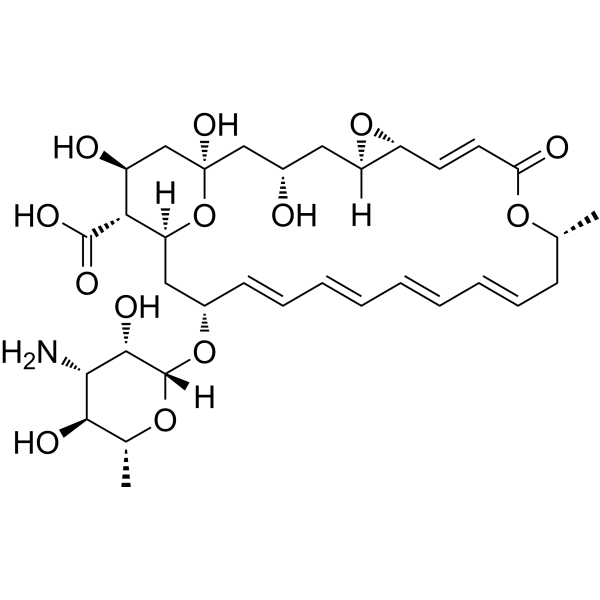
Natamycin
Maximum Cited Publications
8 Publications Verification
Pimaricin
|
Environmental Pollutants
Antibiotic
Endogenous Metabolite
Fungal
Bacterial
|
Infection
|
|
Natamycin (Pimaricin) is a macrolide antibiotic agent produced by several Streptomyces strains. Natamycin inhibits the growth of fungi via inhibition of amino acid and glucose transport across the plasma membrane. Natamycin is a food preservative, an antifungal agent in agriculture, and is widely used for fungal keratitis research .
|
-
-
- HY-W015611
-
|
|
Endogenous Metabolite
|
Metabolic Disease
|
|
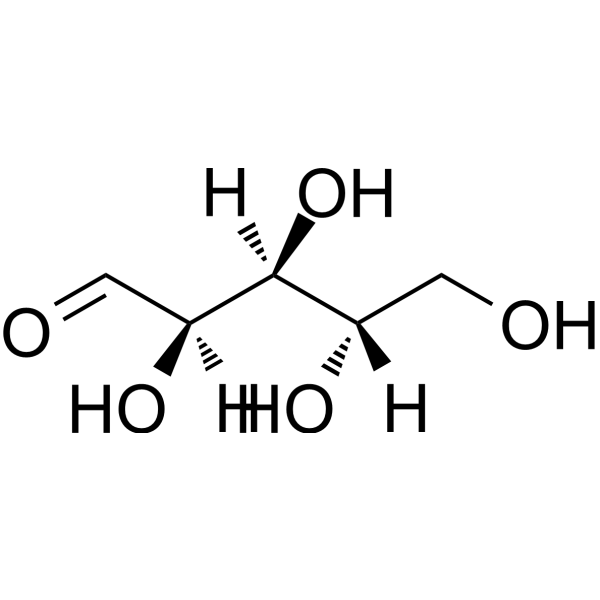
L-(+)-Arabinose selectively inhibits intestinal sucrase activity in a noncompetitive manner and suppresses the plasma glucose increase due to sucrose ingestion.
|
-
-
- HY-P1393
-
|
|
Amylin Receptor
|
Endocrinology
|
|
AC 187 is a potent and orally active amylin receptor antagonist with an IC50 of 0.48 nM and a Ki of 0.275 nM. AC 187 shows more selective for amylin receptor than calcitonin and CGRP receptors. AC 187 has neuroprotective effects .
|
-
-
- HY-N9410
-
|
1-Linoleoyl-2-Hydroxy-sn-glycero-3-PC; LPC(18:2/0:0); LysoPC(18:2)
|
Endogenous Metabolite
|
Metabolic Disease
|
|
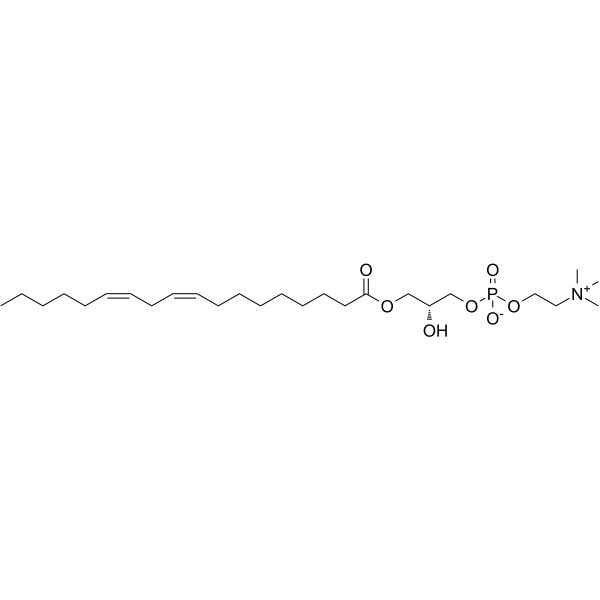
Lysophosphatidylcholine 18:2 (1-Linoleoyl-2-Hydroxy-sn-glycero-3-PC), a lysophospholipid, is a potential biomarker identified from insulin resistance (IR) polycystic ovary syndrome (PCOS). Low plasma Lysophosphatidylcholine 18:2 also has been shown to predict impaired glucose tolerance, insulin resistance, type 2 diabetes, coronary artery disease, and memory impairment .
|
-
-
- HY-P4070
-
|
|
Insulin Receptor
|
Metabolic Disease
|
|
Insulin icodec is an Insulin (HY-P0035) analog that strongly but reversibly binds to albumin. Insulin icodec has long plasma half-life. Insulin icodec modulates insulin receptor activity, controls blood glucose levels, reduces HbA1c levels, and binds reversibly to human serum albumin. Insulin icodec can be used for the research of type 2 diabetes mellitus .
|
-
-
- HY-112624C
-
|
|
Biochemical Assay Reagents
Endogenous Metabolite
|
Others
|
|
Dextran (MW 40000) is a complex carbohydrate polymer consisting of glucose molecules linked by glycosidic bonds. Dextran has excellent solubility in water, making it useful as a viscosity modifier or stabilizer in foods, paints and adhesives. In the biomedical field, dextran is often used as a plasma expander because of its ability to increase blood volume when administered intravenously. It can also be modified to create dextran-based drug delivery systems, such as targeted nanoparticles.
|
-
-
- HY-N0936
-
Coixol
1 Publications Verification
6-Methoxy-2-benzoxazolinone; 6-MBOA
|
Others
|
Inflammation/Immunology
|
|
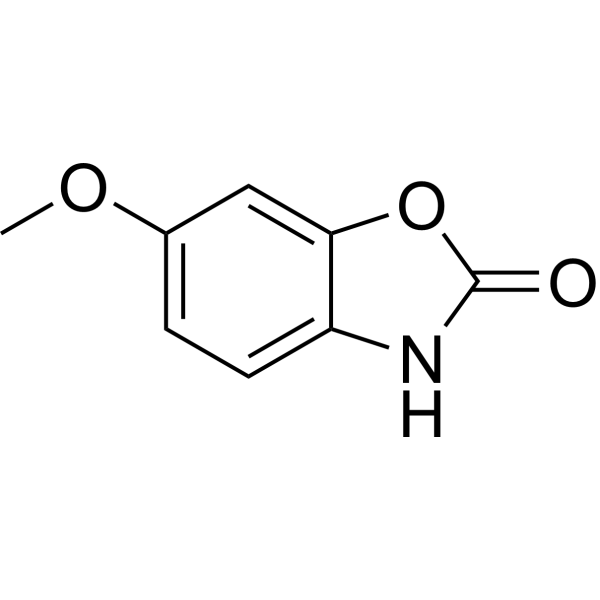
Coixol (6-Methoxy-2-benzoxazolinone; 6-MBOA) is a potent and orally active anti-inflammatory agent. Coixol decreases the iNOS protein expression. Coixol inhibits the production of TNF-α, IL-6, and IL-1β. Coixol improves glucose tolerance and plasma insulin. Coixol decreases the blood glucose level .
|
-
-
- HY-14945
-
|
GSK189075
|
SGLT
|
Metabolic Disease
|
|
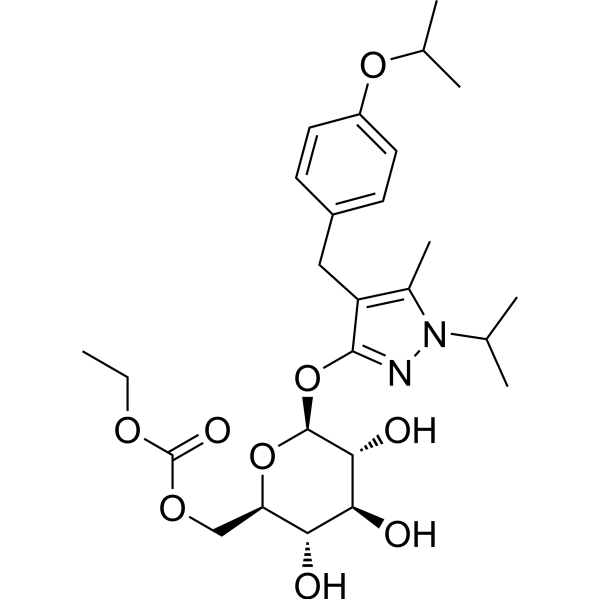
Remogliflozin etabonate (GSK189075) is an orally active, selective and low-affinity sodium glucose cotransporter (SGLT2) inhibitor with Ki values of 1.95 μM, 2.14 μM, 43.1 μM, 8.57 μM for hSGLT2, rSGLT2, hSGLT1, rSGLT1, respectively. Remogliflozin etabonate is a proagent based on benzylpyrazole glucoside and is metabolized to its active form, Remogliflozin, in the body. Remogliflozin etabonate exhibits antidiabetic efficacy in rodent models .
|
-
-
- HY-P3469A
-
|
|
GCGR
|
Metabolic Disease
|
|
Dasiglucagon acetate is a human glucagon analog, and can increase plasma glucose. Dasiglucagon can be used in hypoglycemia research .
|
-
-
- HY-117755
-
|
|
AMPK
|
Metabolic Disease
|
|
PF-739 is an orally active and non-selective activator of AMPK. PF-739 activates 12 heterotrimeric AMPK complexes and significantly reduces the level of glucose in plasma complexes .
|
-
-
- HY-15344
-
|
|
Biochemical Assay Reagents
|
Neurological Disease
Metabolic Disease
|
|
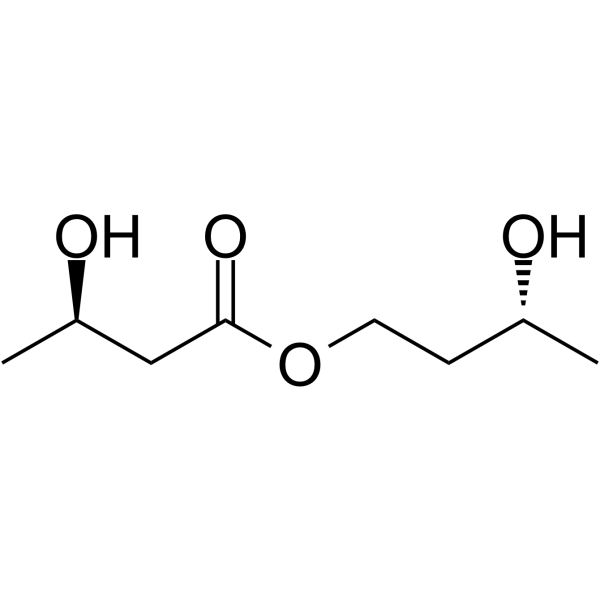
Ketone monoester is an orally available ketone monoester that serves as a source of nutritional ketones. Ketone monoester increases plasma beta-hydroxybutyrate, acetoacetate, blood glucose, blood sodium, and blood creatinine levels in mouse models. Ketone monoester has the potential to improve athletic performance and endurance in animals. Ketone monoester partially prevents myasthenia in septic mice. Ketone monoester may also be used to study Parkinson's disease or diabetes .
|
-
-
- HY-W1126235
-
|
D223
|
Molecular Glues
Ras
PI3K
GLUT
|
Metabolic Disease
|
|
DS02312223 (D223) is a molecular glue that promotes the binding of RAS to PI3Kα, with a Kd of 0.76 μM for p110α. DS02312223 increases the binding affinity between GTP-bound KRAS (KRAS-GMPPNP) and p110α by nearly three orders of magnitude (KD = 0.017 μM). DS02312223 stimulates the translocation of GLUT4 to the plasma membrane. DS02312223 promotes glucose uptake in the absence of insulin. DS02312223 can be used in diabetes research .
|
-
-
- HY-W145482
-
|
|
Drug Isomer
|
Metabolic Disease
|
|
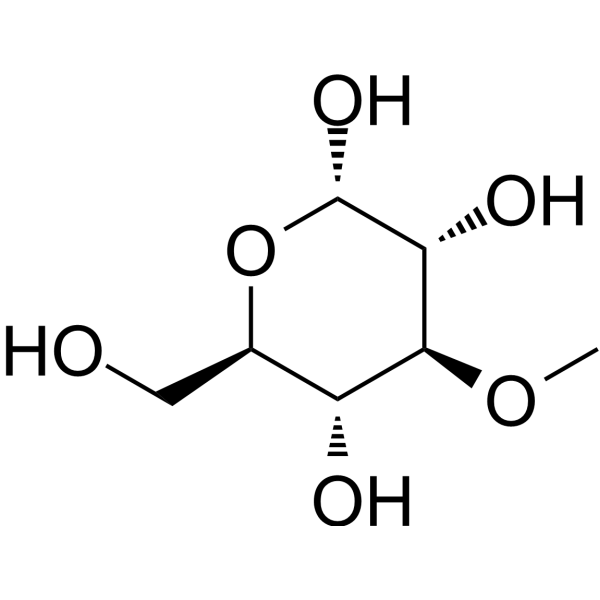
3-O-Methyl-D-glucopyranose is a non-metabolizable glucose analog. 3-O-Methyl-D-glucopyranose exerts a protective effect against alloxan-induced damage to rat pancreatic islet β cells. 3-O-Methyl-D-glucopyranose can be used in diabetes research .
|
-
-
- HY-N1775
-
|
3,4-DHAP
|
Tyrosinase
Reactive Oxygen Species (ROS)
Keap1-Nrf2
PARP
Autophagy
Apoptosis
|
Cardiovascular Disease
Neurological Disease
Metabolic Disease
Inflammation/Immunology
Cancer
|
|
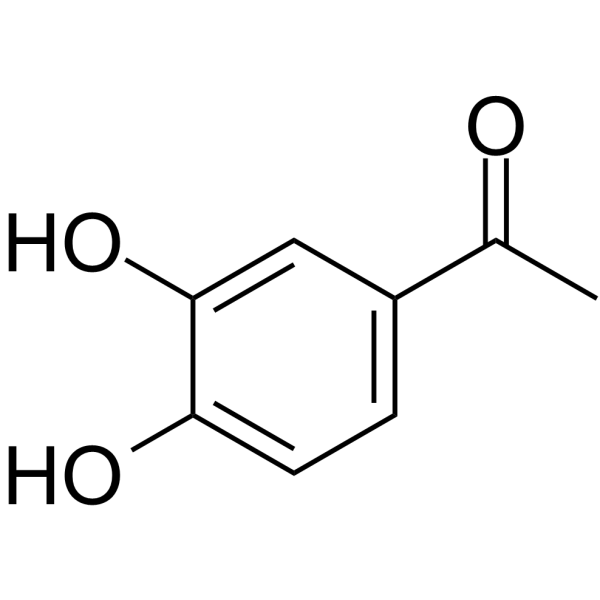
3',4'-Dihydroxyacetophenone (3,4-DHAP) is a phenolic compound with oral bioavailability, possessing potent antioxidant, anti-inflammatory, anticancer and cardiovascular protective activities. 3',4'-Dihydroxyacetophenone inhibits mushroom Tyrosinase activity with an IC50 of 10 μM, thereby suppressing melanogenesis . 3',4'-Dihydroxyacetophenone inhibits platelet aggregation in platelet-rich plasma. 3',4'-Dihydroxyacetophenone reduces ROS levels in human umbilical vein endothelial cells treated with high glucose, upregulates the expression of Nrf2, HO-1 and PARP-1 in cells, and promotes the nuclear translocation of Nrf2 . 3',4'-Dihydroxyacetophenone induces autophagy and apoptosis. 3',4'-Dihydroxyacetophenone inhibits seed germination/growth in most plants. 3',4'-Dihydroxyacetophenone can be used in the research of cancer, neurodegenerative diseases, non-alcoholic steatohepatitis, diabetes, obesity, skin pigmentation disorders, and cardiovascular and cerebrovascular diseases .
|
-
-
- HY-106181
-
|
R-106056
|
PPAR
|
Cardiovascular Disease
Metabolic Disease
|
|
Rivoglitazone (R-106056) is an orally active, selective PPARγ agonist with an EC50 of 0.22 μM for hPPARγ. Rivoglitazone regulates fatty acid storage and uptake, glucose homeostasis, and cardiac glucose/fatty acid metabolism. Rivoglitazone reduces levels of hyperglycemia, hyperinsulinemia, and hypertriglyceridemia, decreases hepatic glucose production, and accelerates plasma triglyceride clearance. Rivoglitazone induces a reduction in glycated hemoglobin A1C, while causing peripheral edema and weight gain. Rivoglitazone can be used in research related to type 2 diabetes .
|
-
-
- HY-P1393A
-
|
|
Amylin Receptor
|
Endocrinology
|
|
AC 187 TFA is a potent and orally active amylin receptor antagonist with an IC50 of 0.48 nM and a Ki of 0.275 nM. AC 187 TFA shows more selective for amylin receptor than calcitonin and CGRP receptors. AC 187 TFA has neuroprotective effects .
|
-
-
- HY-117912
-
|
|
Endogenous Metabolite
|
Cardiovascular Disease
|
|
TRC210258 is a TGR5 agonist with activity to improve diabetes-associated hyperglycemia and dyslipidemia. TRC210258 promotes energy expenditure by enhancing the release of glucagon-like peptide-1. TRC210258 is able to improve glucose metabolic control in high-fat diet-induced obese mice. TRC210258 also showed improvement in lipid parameters in high-fat-fed hamsters, including reductions in plasma triglyceride and low-density lipoprotein cholesterol levels. TRC210258 improved emerging lipid-related cardiovascular risk parameters including remnant cholesterol and triglyceride clearance .
|
-
-
- HY-N0857
-
|
|
GLUT
HDAC
Virus Protease
PI3K
AMPK
Akt
Histone Demethylase
MDM-2/p53
IFNAR
Reactive Oxygen Species (ROS)
|
Infection
Metabolic Disease
Inflammation/Immunology
|
|
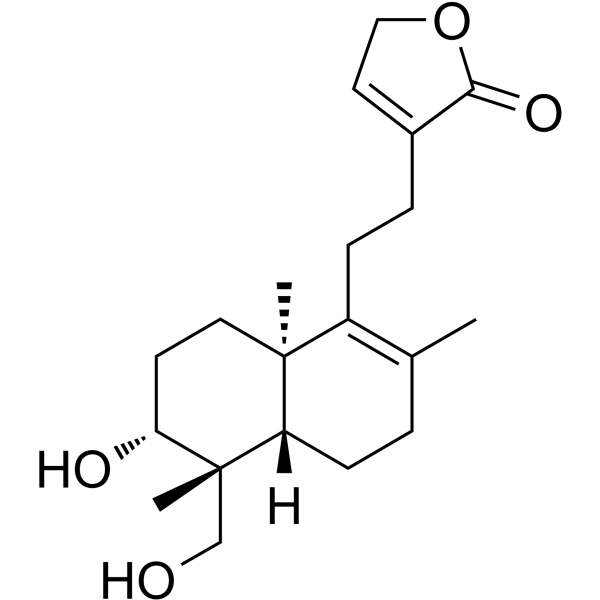
Deoxyandrographolide is an orally active lactone found in the Andrographis paniculata Nees. Deoxyandrographolide shows a KD of 38.4 μM of HDAC1. Deoxyandrographolide enhances GLUT4 plasma membrane translocation, activates PI3K and AMPK-dependent signaling pathways, suppresses fasting blood glucose, serum insulin, triglycerides, and LDL-cholesterol levels. Deoxyandrographolide enhances HDAC1 expression via inhibited ubiquitination degradation, represses H3K4me3, improves chromosome stability, and restrains aging biomarkers p16, p21, γH2A.X, p53 and ROS production. Deoxyandrographolide interacts with Foot-and-Mouth Disease Virus 3Cpro active site, inhibits protease and IFN-antagonist activity, derepresses ISG expression, and inhibits viral replication. Deoxyandrographolide can be used for the researches of type 2 diabetes mellitus, vascular senescence and virus infection .
|
-
-
- HY-105285
-
|
Neu-P11
|
Melatonin Receptor
5-HT Receptor
P2X Receptor
TRP Channel
Sodium Channel
|
Neurological Disease
|
|
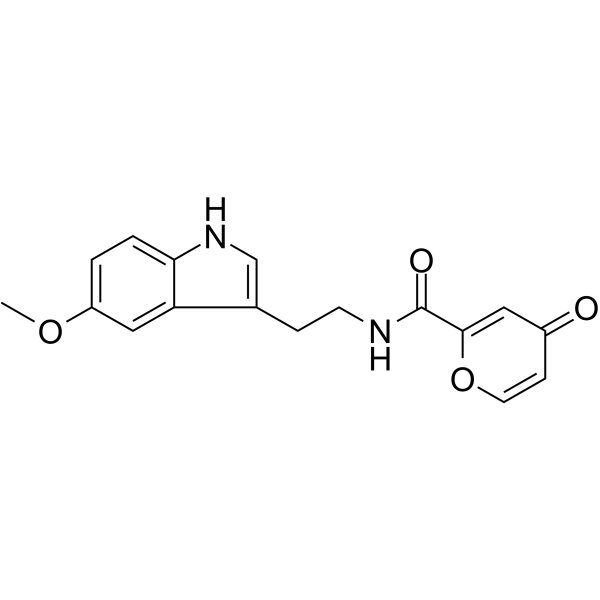
Piromelatine (Neu-P11) is a melatonin MT1/MT2 receptor agonist, serotonin 5-HT1A/5-HT1D agonist, and serotonin 5-HT2B antagonist. Piromelatine (Neu-P11) possesses sleep promoting, analgesic, anti-neurodegenerative, anxiolytic and antidepressant potentials. Piromelatine (Neu-P11) also possesses pain-related P2X3, TRPV1, and Nav1.7 channel-inhibition capacities .
|
-
-
- HY-W015611R
-
|
|
Reference Standards
Endogenous Metabolite
|
Metabolic Disease
|
|
L-(+)-Arabinose (Standard) is the analytical standard of L-(+)-Arabinose. This product is intended for research and analytical applications. L-(+)-Arabinose selectively inhibits intestinal sucrase activity in a noncompetitive manner and suppresses the plasma glucose increase due to sucrose ingestion.
|
-
-
- HY-103433
-
|
|
Dipeptidyl Peptidase
|
Metabolic Disease
|
|
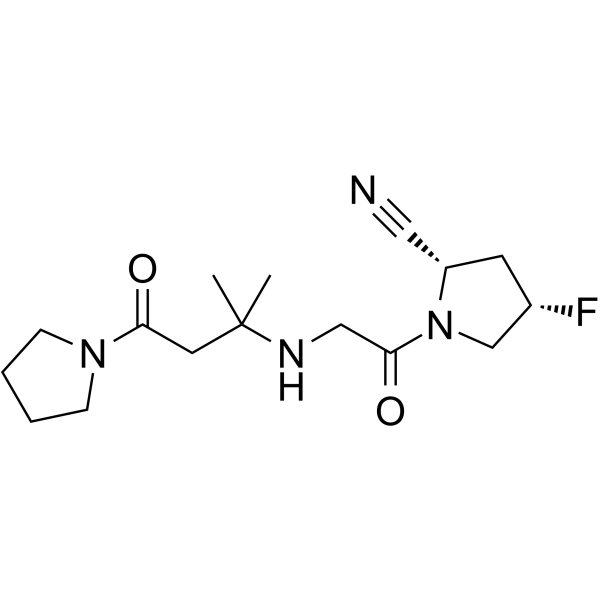
K579 is a potent and orally active dipeptidyl peptidase IV inhibitor. K579 inhibits the blood glucose elevation. K579 increases the plasma insulin and active forms of glucagon-like peptide-1 (GLP-1). K579 has the potential for the research of diabetic .
|
-
-
- HY-101122
-
|
|
SGLT
GLP Receptor
|
Metabolic Disease
|
|
LX2761 is an orally active, dual SGLT1/SGLT2 inhibitor with IC50 values of 2.2 nM and 2.7 nM against human SGLT1 and SGLT2, respectively. LX2761 locks human SGLT1 in an outward-open conformation and blocks its putative water permeation pathway. After oral administration, LX2761 is confined exclusively to the intestinal lumen, delays intestinal glucose absorption, regulates intestinal glucose metabolism, increases cecal glucose levels, reduces cecal pH, improves glycemic control and elevates plasma total GLP-1 levels. However, LX2761 induces diarrhea in a dose-dependent manner. LX2761 can be used in diabetes-related research .
|
-
-
- HY-B0133R
-
|
Pimaricin (Standard)
|
Reference Standards
Fungal
Endogenous Metabolite
Antibiotic
Bacterial
|
Infection
|
|
Natamycin (Standard) is the analytical standard of Natamycin. This product is intended for research and analytical applications. Natamycin (Pimaricin) is a macrolide antibiotic agent produced by several Streptomyces strains. Natamycin inhibits the growth of fungi via inhibition of amino acid and glucose transport across the plasma membrane. Natamycin is a food preservative, an antifungal agent in agriculture, and is widely used for fungal keratitis research .
|
-
-
- HY-E70599
-
|
|
Carboxylesterase (CES)
|
Metabolic Disease
|
|
Human CES2 Enzyme is a carboxylesterase involved in drug metabolism and lipid homeostasis. Human CES2 Enzyme hydrolyzes triglycerides, cholesteryl esters and retinyl esters to regulate lipid metabolism and energy homeostasis. Human CES2 Enzyme improves glucose tolerance and insulin sensitivity, reduces hepatic lipid accumulation, alleviates white adipose tissue steatitis, decreases plasma cholesterol levels, and reduces body weight and white adipose tissue weight. Human CES2 Enzyme can be used in the research of metabolic syndrome .
|
-
-
- HY-P3469
-
|
|
GCGR
|
Metabolic Disease
|
|
Dasiglucagon is a human glucagon analog, and can increase plasma glucose. Dasiglucagon can be used in hypoglycemia research .
|
-
-
- HY-W201317
-
|
|
PPAR
|
Metabolic Disease
|
|
E17241 is an inducer of the expression of ABCA1 that increases the protein levels of ABCA1 in RAW 264.7 macrophages. E17241 is also an agonist of peroxisome proliferator-activated receptors (PPARs ). E17241 decreases plasma glucose levels and body weight in KKAy diabetic mice fed a high-fat and high-glucose (HFHG) diet .
|
-
-
- HY-111803
-
|
|
Androgen Receptor
SOD
|
Metabolic Disease
Cancer
|
|
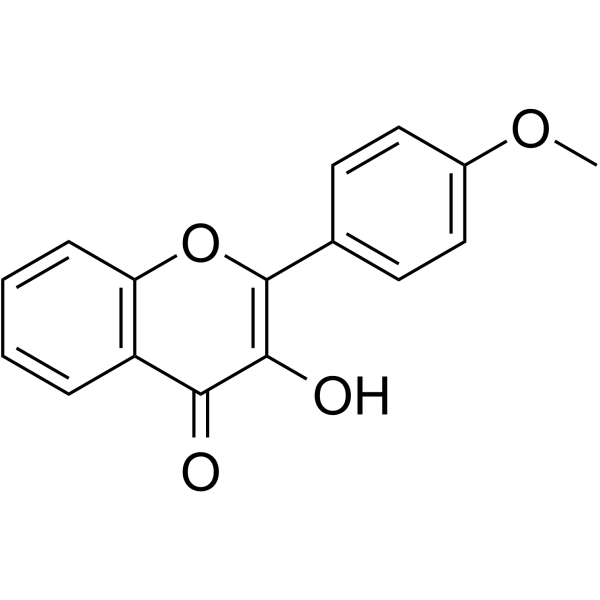
4'-Methoxyflavonol is a flavonol. 4'-Methoxyflavonol reduces androgen receptor and increases SOD. 4'-Methoxyflavonol reduces plasma glucose, cholesterol, and triglycerides. 4'-Methoxyflavonol has anti-stress and antioxidant activities. 4'-Methoxyflavonol can be used in prostate cancer research .
|
-
-
- HY-148247
-
|
|
Free Fatty Acid Receptor
|
Metabolic Disease
|
|
BI-2081, a chemical probe, is a GPR40 (FFAR1) partial agonist (EC50: 4 nM). BI-2081 induces glucose depending insulin secretion and reduces the plasma glucose concentration. BI-2081 can be used in the research of metabolic diseases, in particular diabetes type 2 .
|
-
-
- HY-117172
-
|
|
Phosphorylase
|
Metabolic Disease
|
|
CP320626 is a potent inhibitor of human liver glycogen phosphorylase (IC50=205 nM). CP320626 reduces blood glucose in diabetic mice without changing plasma insulin levels. CP320626 can be used in the study of type 2 diabetes .
|
-
-
- HY-121565
-
|
|
Insulin Receptor
|
Metabolic Disease
Endocrinology
|
|
SaRI 59-801 is an orally effective hypoglycemic compound with stimulation activity of insulin secretion. SaRI 59-801 decreases blood glucose in several species and to elevate plasma insulin in rats and mice .
|
-
-
- HY-124581
-
|
|
PPAR
|
Metabolic Disease
|
|
DS-6930 is a potent and selective agonist of PPARγ, with an EC50 of 41 nM. DS-6930 could robust reduce plasma glucose (PG), and with fewer PPARγ-related adverse effects than Rosiglitazone. DS-6930 can be used for the research of diabetes .
|
-
-
- HY-157312
-
|
|
Cannabinoid Receptor
|
Metabolic Disease
|
|
TM38837 is an orally active and selective inverse agonist of cannabinoid receptor 1 (CB1) with an IC50 of 24 nM. TM38837 has higher selectivity for CB1 than for CB2 (IC50: 4500 nM). TM38837 can reduce body weight, improve plasma inflammatory markers and glucose homeostasis .
|
-
-
- HY-P10062
-
|
|
Biochemical Assay Reagents
|
Metabolic Disease
|
|
Hylambatin, a tachykinin, increases both plasma glucose and plasma insulin, whereas the secretion of glucagon was not affected. Hylambatin can be used in diabetes research .
|
-
-
- HY-122083
-
|
|
PPAR
|
Metabolic Disease
|
|
T2384 is a peroxisome proliferator-activated receptor γ (PPARγ) ligand. T2384 also is an orally active antidiabetic agent. T2384 reduces the fasting plasma glucose levels and plasma insulin levels .
|
-
-
- HY-118113
-
|
|
11β-HSD
|
Others
|
|
BVT-116429 is an 11βHSD1 inhibitor with the activity of increasing adiponectin concentration and improving glucose homeostasis in diabetic mice. BVT-116429 can increase plasma adiponectin levels in diabetic KKAy mice, reduce basal insulin levels, and reduce fasting blood glucose levels after 10 days of inhibition, similar to the effect of rosiglitazone.
|
-
-
- HY-105285R
-
|
Neu-P11 (Standard)
|
Reference Standards
Melatonin Receptor
5-HT Receptor
P2X Receptor
TRP Channel
Sodium Channel
|
Neurological Disease
|
|
Piromelatine (Standard) is the analytical standard of Piromelatine. This product is intended for research and analytical applications. Piromelatine (Neu-P11) is a melatonin MT1/MT2 receptor agonist, serotonin 5-HT1A/5-HT1D agonist, and serotonin 5-HT2B antagonist. Piromelatine (Neu-P11) possesses sleep promoting, analgesic, anti-neurodegenerative, anxiolytic and antidepressant potentials. Piromelatine (Neu-P11) also possesses pain-related P2X3, TRPV1, and Nav1.7 channel-inhibition capacities .
|
-
-
- HY-161892
-
|
|
FABP
|
Metabolic Disease
Inflammation/Immunology
|
|
FABP4-IN-4 (Compound 30) is an orally active inhibitor for FABP, with IC50 of 1.18 μM for FABP 1. FABP4-IN-4 improves the glucose tolerance, reduces the level of blood glucose, plasma lipids and hepatic inflammatory factors, attenuates hepatic steatosis, and exhibits anti-inflammatory effects in mouse diet-induced obesity models .
|
-
-
- HY-N0936R
-
|
6-Methoxy-2-benzoxazolinone (Standard); 6-MBOA (Standard)
|
Reference Standards
Others
|
Inflammation/Immunology
|
|
Coixol (6-Methoxy-2-benzoxazolinone; 6-MBOA) is a potent and orally active anti-inflammatory agent. Coixol decreases the iNOS protein expression. Coixol inhibits the production of TNF-α, IL-6, and IL-1β. Coixol improves glucose tolerance and plasma insulin. Coixol decreases the blood glucose level .
|
-
-
- HY-10287A
-
|
|
Dipeptidyl Peptidase
|
Metabolic Disease
|
|
Gosogliptin hydrochloride is the hydrochloride of Gosogliptin (HY-10287). Gosogliptin (PF-00734200) is a potent, orally active, selective, and competitive inhibitor of DPP-IV, the enzyme mainly responsible for the degradation of the incretin peptides GLP-1 and glucose-dependent insulinotropic polypeptide. Gosogliptin demonstrates rapid and reversible inhibition of plasma DPP-4 activity. Gosogliptin stimulates insulin secretion and improves glucose tolerance .
|
-
-
- HY-135505
-
|
|
Acyltransferase
|
Metabolic Disease
|
|
JTP-103237 is a MGAT2 inhibitor (IC50: 0.019 μM and 6.423 μM for hMGAT2 and hMGAT3 respectively). JTP-103237 modulates fat absorption, decreases plasma glucose levels and prevents diet-induced obesity .
|
-
-
- HY-137934
-
|
7-Deacetylforskolin
|
Endogenous Metabolite
|
Cardiovascular Disease
|
|
Deacetylforskolin is a deacetylated derivative of forskolin (HY-15371) that can be extracted from C. forskohlii. Deacetylforskolin activates rat adipocyte adenylyl cyclase (IC50 = 20 µM), inhibits glucose transport in rat adipocyte plasma membranes and exhibits antihypertensive activity .
|
-
-
- HY-123171
-
|
|
Dipeptidyl Peptidase
|
Metabolic Disease
|
|
ASP8497 is a competitive dipeptidyl peptidase IV (DPP-IV) inhibitor that reduces blood glucose levels and increases plasma active GLP-1 and insulin levels without causing hypoglycemia in fasted normal mice. ASP8497 can be utilized for antihyperglycemic research .
|
-
-
- HY-12413A
-
|
|
Free Fatty Acid Receptor
|
Metabolic Disease
|
|
BMS-986118 is a potent, orally active, and selective GPR40 agonist with an EC50 of 0.07 µM. BMS-986118 has dual insulinotropic and GLP-1 secretory effects, resulting in robust plasma glucose lowering effects in acute animal models .
|
-
-
- HY-123765
-
|
|
Acyltransferase
|
Metabolic Disease
|
|
JTT-553 is a DGAT1 inhibitor (IC50: 2.38 nM). JTT-553 reduces plasma concentrations of glucose, insulin, non-esterified fatty acids (NEFA), total cholesterol (TC), and hepatic triglycerides (TG). JTT-553 improves insulin-dependent glucose uptake and glucose intolerance in adipose tissue of DIO mice. JTT-553 reduces TNF-α mRNA levels and increases GLUT4 mRNA levels in adipose tissue of KK-Ay mice. JTT-553 improves adipose tissue insulin resistance and systemic glucose metabolism by reducing body weight. JTT-553 can be used in the study of obesity and type 2 diabetes mellitus (T2DM) .
|
-
-
- HY-101824
-
|
|
PPAR
|
Metabolic Disease
|
|
NC-2100 is a PPAR activator. NC-2100 can effectively reduce the plasma glucose and triglyceride levels of obese KKAy mice. NC-2100 can induce UCP1 and UCP2 expression in mesenteric and subcutaneous WAT of mice. NC-2100 can be used in research related to type 2 diabetes .
|
-
-
- HY-121798
-
|
|
PPAR
|
Metabolic Disease
|
|
TZD18 is a potent and orally active PPARα and PPARγ dual agonist with IC50 values of 0.028, 0.057, >10 µM for PPARα, PPARγ, PPARδ, respectively. TZD18 reduces plasma levels of both glucose and triglycerides in diabetic mice. TZD18 has the potential for the research of type 2 diabetes .
|
-
-
- HY-P0165B
-
|
ITM077 acetate; R1583 acetate; BIM51077 acetate
|
GLP Receptor
|
Metabolic Disease
|
|
Taspoglutide (R1583) acetate is an agonist of the glucagon-like peptide 1 receptor (GLP-1R) with an Ki value of 1.1 nM. Taspoglutide acetate induces cAMP accumulation in CHO-K1 cells expressing human GLP-1R (EC50 = 0.06 nM). Taspoglutide acetate decreases blood levels of glucose and increases blood levels of insulin in a glucose tolerance test in Zucker diabetic obese rats. Taspoglutide acetate reduces blood levels of gastric inhibitory polypeptide (GIP), plasma levels of triglycerides, and body weight in the same model .
|
-
-
- HY-109089S
-
|
15(S)-HEPE-d5 ethyl ester; 15(S)-Hydoxy EPA-d5 ethyl ester; 15(S)-Hydoxy eicosapetaeoic acid-d5 ethyl ester
|
Isotope-Labeled Compounds
|
Others
|
|
Epeleuton-d5 (15(S)-HEPE-d5 ethyl ester) is deuterium labeled Epeleuton. Epeleuton is a second-generation synthetic N-3 fatty acid derivative with activity in patients with non-alcoholic fatty liver disease, although it did not reach the primary endpoints of alanine aminotransferase and liver stiffness, but it can significantly reduce triglycerides, glycated hemoglobin, plasma glucose and inflammatory markers .
|
-
-
- HY-125316
-
|
ARRY-403
|
Endogenous Metabolite
|
Metabolic Disease
|
|
AMG-151 (ARRY-403) is a glucokinase agonist with fasting plasma glucose (FPG) lowering activity. AMG-151 showed a significant linear dose-response trend compared with placebo in a randomized, placebo-controlled Phase IIa study. The use of AMG-151 was associated with a higher incidence of hypoglycemia and hypertriglyceridemia. AMG-151 may serve as a potential compound for the inhibition of type 1 diabetes .
|
-
-
- HY-I0786
-
|
|
Dipeptidyl Peptidase
|
Metabolic Disease
|
|
(2S,4R)-Teneligliptin is a selective inhibitor of dipeptidyl peptidase IV (DPP-4). (2S,4R)-Teneligliptin increases the plasma concentration of active glucagon-like peptide-1 (GLP-1), which promotes insulin secretion in response to elevated blood glucose levels, exerting hypoglycemic activity. (2S,4R)-Teneligliptin is promising for research of type 2 diabetes .
|
-
- HY-10289
-
|
RO-4876904
|
Dipeptidyl Peptidase
GLP Receptor
P-glycoprotein
|
Metabolic Disease
|
|
Carmegliptin (RO-4876904) is an orally active and potent DPP IV inhibitor with a human DPP IV IC50 of 6.8 nM. Carmegliptin binds to the S1 pocket of DPP IV, blocks the degradation of GLP 1, potentiates endogenous GLP 1, increases plasma insulin levels, alleviates hyperglycemia, improves glucose tolerance. Carmegliptin acts as a substrate for human P glycoprotein without inhibiting the transporter, shows low in vitro cell permeability. Carmegliptin can be used for the research of type 2 diabetes, non insulin dependent diabetes mellitus .
|
-
- HY-124399
-
|
|
Endogenous Metabolite
PPAR
|
Metabolic Disease
|
|
Peroxisome proliferator-activated receptors (PPARs) play an important role in regulating lipid and glucose metabolism, and oleoylethanolamide (OEA) is a natural ligand for PPARα. N-Octadecyl-N'-propyl-sulfamide is an analog of OEA and a potent activator of PPARα, with selective binding affinity for PPARα (EC50=100 nM, compared to 120 nM for OEA). N-Octadecyl-N'-propyl-sulfamide (10 mg/kg; ip) inhibits food intake and reduces body weight gain in rats. At a dose of 1 mg/kg, N-Octadecyl-N'-propyl-sulfamide induces satiety, thereby reducing food intake, body weight, and plasma triglyceride concentrations in free-feeding Wistar rats and obese Zucker (fa/fa) rats.
|
-
- HY-153667
-
|
|
Free Fatty Acid Receptor
|
Metabolic Disease
|
|
MK-2305 is an orally active GPR40 partial agonist with an EC50 of 6 nM in rats. MK-2305 mediates glucose-stimulated insulin secretion and inhibits endogenous glucose production by reducing gluconeogenesis from tricarboxylic acid (TCA) cycle substrates. MK-2305 increases plasma insulin levels under hyperglycemic and glucose-stimulated conditions, reduces fasting blood glucose, and improves glucose homeostasis. MK-2305 can be used in studies related to type 2 diabetes .
|
-
- HY-P992007
-
|
RN909
|
GCGR
|
Metabolic Disease
|
|
PF-06293620 (RN909) is a monoclonal antibody antagonist of the glucagon receptor. PF-06293620 produces dose-dependent, durable lowering of fasting plasma glucose and reduces HbA1c levels. PF-06293620 can be used for the research of type 2 diabetes mellitus .
|
-
- HY-P11588
-
|
|
Amylin Receptor
CGRP Receptor
|
Metabolic Disease
|
|
KBP-042 is an orally active amylin receptor activator, a calcitonin receptor activator. KBP-042 induces sustained weight loss, reduces adipose tissue mass, lowers hepatic lipid deposition, increases plasma adiponectin, decreases plasma leptin, and reduces plasma glucose-dependent insulinotropic peptide levels. KBP-042 can be used for the research of obesity and insulin resistance .
|
-
- HY-182580
-
|
|
GPR119
Dipeptidyl Peptidase
|
Metabolic Disease
Inflammation/Immunology
|
|
HBK001 is an orally active and selective dual GPR119 agonist and DPP-IV inhibitor. HBK001 triggers cAMP production, PKA activation, CREB phosphorylation, glucose-stimulated insulin secretion, plasma incretin elevation, β-cell proliferation, and β-cell function gene up-regulation. HBK001 reduces blood glucose, ameliorates hyperglycemia, improves glucose tolerance, and enhances islet morphology. HBK001 can be used for the research of type 2 diabetes mellitus .
|
-
- HY-P992153
-
|
|
Interleukin Related
|
Inflammation/Immunology
|
|
Serrumab is a human monoclonal antibody that counteracts the biochemical and immunological effects of Tityus serrulatus venom. Serrumab inhibits the TsV-induced increase in the production of IL-6, TNFα and IL-10. Serrumab also prevents TsV-induced elevations in plasma urea, creatinine, aspartate transaminase and glucose levels, as well as the TsV-induced increase in neutrophil recruitment. Serrumab can be used in research related to envenoming by the Brazilian yellow scorpion .
|
-
- HY-10289A
-
|
RO-4876904 hydrochloride
|
Dipeptidyl Peptidase
GLP Receptor
P-glycoprotein
|
Metabolic Disease
|
|
Carmegliptin hydrochloride (RO-4876904 hydrochloride) is an orally active and potent DPP‑IV inhibitor with a human DPP‑IV IC50 of 6.8 nM. Carmegliptin hydrochloride binds to the S1 pocket of DPP‑IV, blocks the degradation of GLP‑1, potentiates endogenous GLP‑1, increases plasma insulin levels, alleviates hyperglycemia, improves glucose tolerance. Carmegliptin hydrochloride acts as a substrate for human P‑glycoprotein without inhibiting the transporter, shows low in vitro cell permeability. Carmegliptin hydrochloride can be used for the research of type 2 diabetes, non‑insulin‑dependent diabetes mellitus .
|
-
- HY-182280
-
|
|
Insulin Receptor
|
Metabolic Disease
|
|
BDM71230 is an orally active inducer of insulin-degrading enzyme (IDE), with an EC50 of 1.9 μM against human IDE. BDM71230 binds to the interface of IDE dimers and enhances the catalytic activity of IDE via steric effects. BDM71230 can potentiate the hydrolytic effect of IDE on insulin and slightly attenuate the hypoglycemic effect of insulin. BDM71230 serves as a pharmacological tool for investigating IDE function and is applicable to studies related to glucose intolerance .
|
-
- HY-182014
-
|
|
LXR
|
Cardiovascular Disease
Metabolic Disease
|
|
TLC-2716 is an orally available, gut- and liver-restricted inhibitor against LXRα and LXRβ, with EC50 values of 7 nM and 15 nM, respectively. TLC-2716 represses LXRα/β transcriptional activity, downregulates genes involved in lipogenesis, lipid absorption and lipoprotein metabolism, and preserves peripheral reverse cholesterol transport. TLC-2716 reduces lipid accumulation, suppresses inflammation and fibrotic gene expression, enhances triglyceride-rich lipoprotein clearance, and improves glucose homeostasis and insulin sensitivity. TLC-2716 lowers serum and hepatic triglycerides, plasma cholesterol and other atherogenic lipid profiles in experimental models and humanized liver mice. TLC-2716 can be used for the research of dyslipidemia and related cardiometabolic disorders .
|
-
| Cat. No. |
Product Name |
Type |
-
- HY-112624C
-
|
|
Biochemical Assay Reagents
|
|
Dextran (MW 40000) is a complex carbohydrate polymer consisting of glucose molecules linked by glycosidic bonds. Dextran has excellent solubility in water, making it useful as a viscosity modifier or stabilizer in foods, paints and adhesives. In the biomedical field, dextran is often used as a plasma expander because of its ability to increase blood volume when administered intravenously. It can also be modified to create dextran-based drug delivery systems, such as targeted nanoparticles.
|
-
- HY-W145482
-
|
|
Biochemical Assay Reagents
|
|
3-O-Methyl-D-glucopyranose is a non-metabolizable glucose analog. 3-O-Methyl-D-glucopyranose exerts a protective effect against alloxan-induced damage to rat pancreatic islet β cells. 3-O-Methyl-D-glucopyranose can be used in diabetes research .
|
| Cat. No. |
Product Name |
Target |
Research Area |
-
- HY-P1393
-
|
|
Amylin Receptor
|
Endocrinology
|
|
AC 187 is a potent and orally active amylin receptor antagonist with an IC50 of 0.48 nM and a Ki of 0.275 nM. AC 187 shows more selective for amylin receptor than calcitonin and CGRP receptors. AC 187 has neuroprotective effects .
|
-
- HY-P4070
-
|
|
Insulin Receptor
|
Metabolic Disease
|
|
Insulin icodec is an Insulin (HY-P0035) analog that strongly but reversibly binds to albumin. Insulin icodec has long plasma half-life. Insulin icodec modulates insulin receptor activity, controls blood glucose levels, reduces HbA1c levels, and binds reversibly to human serum albumin. Insulin icodec can be used for the research of type 2 diabetes mellitus .
|
-
- HY-P3469A
-
|
|
GCGR
|
Metabolic Disease
|
|
Dasiglucagon acetate is a human glucagon analog, and can increase plasma glucose. Dasiglucagon can be used in hypoglycemia research .
|
-
- HY-P1393A
-
|
|
Amylin Receptor
|
Endocrinology
|
|
AC 187 TFA is a potent and orally active amylin receptor antagonist with an IC50 of 0.48 nM and a Ki of 0.275 nM. AC 187 TFA shows more selective for amylin receptor than calcitonin and CGRP receptors. AC 187 TFA has neuroprotective effects .
|
-
- HY-P3469
-
|
|
GCGR
|
Metabolic Disease
|
|
Dasiglucagon is a human glucagon analog, and can increase plasma glucose. Dasiglucagon can be used in hypoglycemia research .
|
-
- HY-P10062
-
|
|
Biochemical Assay Reagents
|
Metabolic Disease
|
|
Hylambatin, a tachykinin, increases both plasma glucose and plasma insulin, whereas the secretion of glucagon was not affected. Hylambatin can be used in diabetes research .
|
-
- HY-P0165B
-
|
ITM077 acetate; R1583 acetate; BIM51077 acetate
|
GLP Receptor
|
Metabolic Disease
|
|
Taspoglutide (R1583) acetate is an agonist of the glucagon-like peptide 1 receptor (GLP-1R) with an Ki value of 1.1 nM. Taspoglutide acetate induces cAMP accumulation in CHO-K1 cells expressing human GLP-1R (EC50 = 0.06 nM). Taspoglutide acetate decreases blood levels of glucose and increases blood levels of insulin in a glucose tolerance test in Zucker diabetic obese rats. Taspoglutide acetate reduces blood levels of gastric inhibitory polypeptide (GIP), plasma levels of triglycerides, and body weight in the same model .
|
-
- HY-P11588
-
|
|
Amylin Receptor
CGRP Receptor
|
Metabolic Disease
|
|
KBP-042 is an orally active amylin receptor activator, a calcitonin receptor activator. KBP-042 induces sustained weight loss, reduces adipose tissue mass, lowers hepatic lipid deposition, increases plasma adiponectin, decreases plasma leptin, and reduces plasma glucose-dependent insulinotropic peptide levels. KBP-042 can be used for the research of obesity and insulin resistance .
|
| Cat. No. |
Product Name |
Target |
Research Area |
Image |
-
- HY-P992007
-
|
RN909
|
GCGR
|
Metabolic Disease
|
|
PF-06293620 (RN909) is a monoclonal antibody antagonist of the glucagon receptor. PF-06293620 produces dose-dependent, durable lowering of fasting plasma glucose and reduces HbA1c levels. PF-06293620 can be used for the research of type 2 diabetes mellitus .
|
-
(5)
-
- HY-P992153
-
|
|
Interleukin Related
|
Inflammation/Immunology
|
|
Serrumab is a human monoclonal antibody that counteracts the biochemical and immunological effects of Tityus serrulatus venom. Serrumab inhibits the TsV-induced increase in the production of IL-6, TNFα and IL-10. Serrumab also prevents TsV-induced elevations in plasma urea, creatinine, aspartate transaminase and glucose levels, as well as the TsV-induced increase in neutrophil recruitment. Serrumab can be used in research related to envenoming by the Brazilian yellow scorpion .
|
-
(5)
| Cat. No. |
Product Name |
Category |
Target |
Chemical Structure |
-
- HY-B0133
-
-
-
- HY-W015611
-
-
-
- HY-N9410
-
-
-
- HY-N0936
-
-
-
- HY-N1775
-
|
3,4-DHAP
|
Structural Classification
Classification of Application Fields
Pinaceae
Phenols
Polyphenols
Picea schrenkiana Fisch. et Mey.
Plants
Disease Research Fields
Source Classification
Cancer
|
Tyrosinase
Reactive Oxygen Species (ROS)
Keap1-Nrf2
PARP
Autophagy
Apoptosis
|
|
3',4'-Dihydroxyacetophenone (3,4-DHAP) is a phenolic compound with oral bioavailability, possessing potent antioxidant, anti-inflammatory, anticancer and cardiovascular protective activities. 3',4'-Dihydroxyacetophenone inhibits mushroom Tyrosinase activity with an IC50 of 10 μM, thereby suppressing melanogenesis . 3',4'-Dihydroxyacetophenone inhibits platelet aggregation in platelet-rich plasma. 3',4'-Dihydroxyacetophenone reduces ROS levels in human umbilical vein endothelial cells treated with high glucose, upregulates the expression of Nrf2, HO-1 and PARP-1 in cells, and promotes the nuclear translocation of Nrf2 . 3',4'-Dihydroxyacetophenone induces autophagy and apoptosis. 3',4'-Dihydroxyacetophenone inhibits seed germination/growth in most plants. 3',4'-Dihydroxyacetophenone can be used in the research of cancer, neurodegenerative diseases, non-alcoholic steatohepatitis, diabetes, obesity, skin pigmentation disorders, and cardiovascular and cerebrovascular diseases .
|
-
-
- HY-N0857
-
|
|
Structural Classification
Acanthaceae
Simsia foetida (Cav.) S.F.Blake
Terpenoids
Diterpenoids
Plants
Source Classification
|
GLUT
HDAC
Virus Protease
PI3K
AMPK
Akt
Histone Demethylase
MDM-2/p53
IFNAR
Reactive Oxygen Species (ROS)
|
|
Deoxyandrographolide is an orally active lactone found in the Andrographis paniculata Nees. Deoxyandrographolide shows a KD of 38.4 μM of HDAC1. Deoxyandrographolide enhances GLUT4 plasma membrane translocation, activates PI3K and AMPK-dependent signaling pathways, suppresses fasting blood glucose, serum insulin, triglycerides, and LDL-cholesterol levels. Deoxyandrographolide enhances HDAC1 expression via inhibited ubiquitination degradation, represses H3K4me3, improves chromosome stability, and restrains aging biomarkers p16, p21, γH2A.X, p53 and ROS production. Deoxyandrographolide interacts with Foot-and-Mouth Disease Virus 3Cpro active site, inhibits protease and IFN-antagonist activity, derepresses ISG expression, and inhibits viral replication. Deoxyandrographolide can be used for the researches of type 2 diabetes mellitus, vascular senescence and virus infection .
|
-
-
- HY-W015611R
-
-
-
- HY-B0133R
-
-
-
- HY-N0936R
-
-
-
- HY-137934
-
-
| Cat. No. |
Product Name |
Chemical Structure |
-
- HY-109089S
-
|
|
|
Epeleuton-d5 (15(S)-HEPE-d5 ethyl ester) is deuterium labeled Epeleuton. Epeleuton is a second-generation synthetic N-3 fatty acid derivative with activity in patients with non-alcoholic fatty liver disease, although it did not reach the primary endpoints of alanine aminotransferase and liver stiffness, but it can significantly reduce triglycerides, glycated hemoglobin, plasma glucose and inflammatory markers .
|
-
| Cat. No. |
Product Name |
|
Classification |
-
- HY-N9410
-
|
1-Linoleoyl-2-Hydroxy-sn-glycero-3-PC; LPC(18:2/0:0); LysoPC(18:2)
|
|
Phospholipids
|
|
Lysophosphatidylcholine 18:2 (1-Linoleoyl-2-Hydroxy-sn-glycero-3-PC), a lysophospholipid, is a potential biomarker identified from insulin resistance (IR) polycystic ovary syndrome (PCOS). Low plasma Lysophosphatidylcholine 18:2 also has been shown to predict impaired glucose tolerance, insulin resistance, type 2 diabetes, coronary artery disease, and memory impairment .
|
Your information is safe with us. * Required Fields.
Inquiry Information
- Product Name:
- Cat. No.:
- Quantity:
- MCE Japan Authorized Agent:

