



JTP-103237
Based on 1 publication(s) in Google Scholar
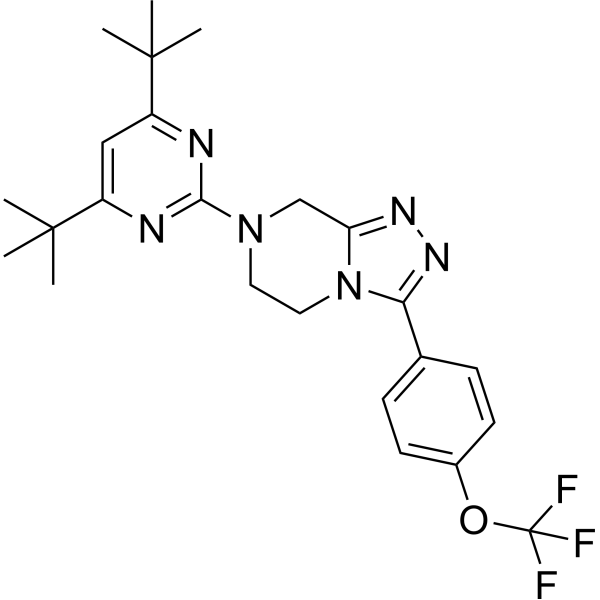
JTP-103237 is a MGAT2 inhibitor (IC50: 0.019 μM and 6.423 μM for hMGAT2 and hMGAT3 respectively). JTP-103237 modulates fat absorption, decreases plasma glucose levels and prevents diet-induced obesity.
Nur für Forschungszwecke. Wir verkaufen nicht an Patienten.
- CAS. Nr.: 1883864-16-1
- Formel: C24H29F3N6O
- Molecular Weight:474.52
-
Speicherung:
Please store the product under the recommended conditions in the Certificate of Analysis.

To place orders, for customer services and technical support, please contact: MedChemExpress USA
Tel: 609-228-6898 E-mail: [email protected] [email protected]


-
 Biologische Aktivität
-
Chemical Information
- Protokoll
- Reinheit & Dokumentation
- Verweise
-
 Help & FAQs


-
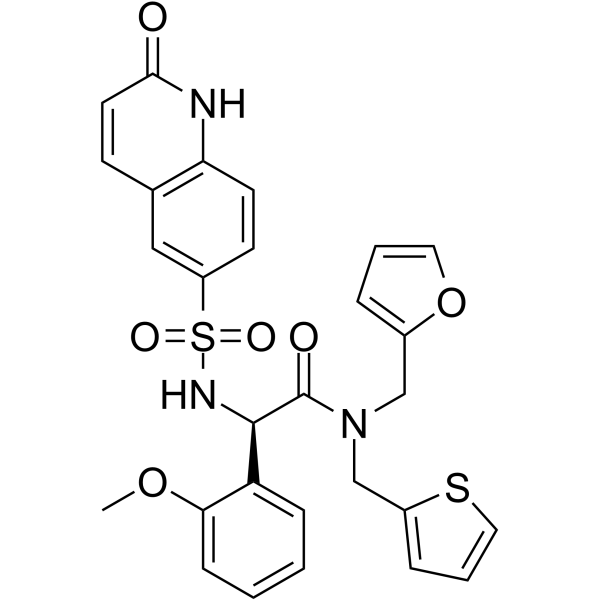
HY-119738
OSMI-1O-GlcNAc Transferase Inhibitor -
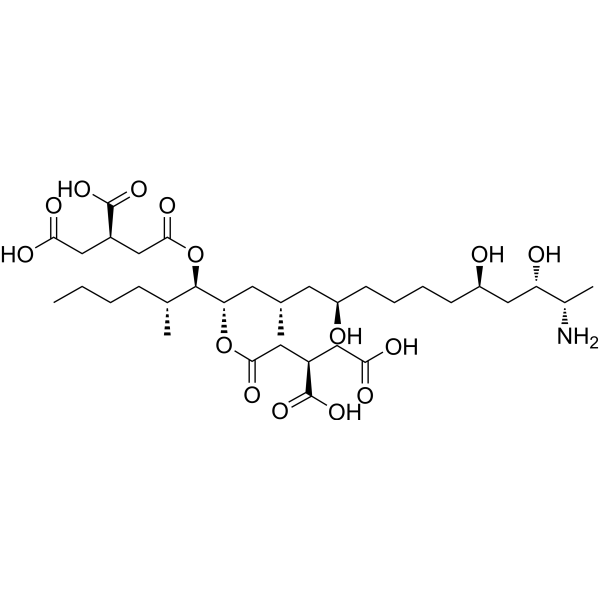
HY-N6719
Fumonisin B1Sphingosine N-acyltransferase Inhibitor -
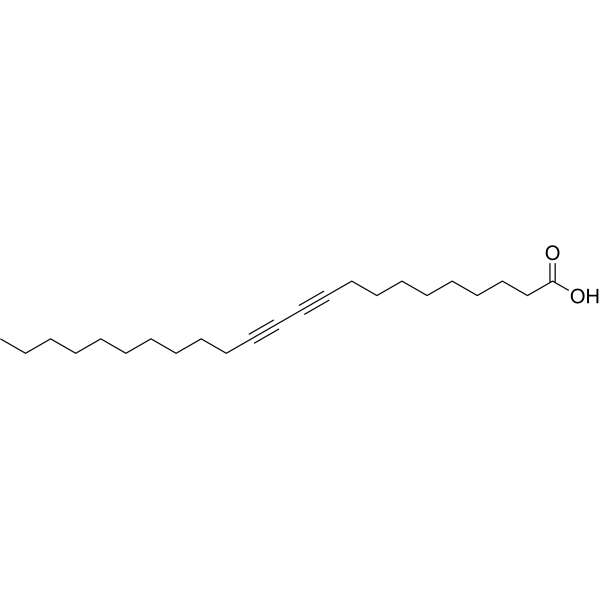
HY-135425
10,12-Tricosadiynoic acidACOX1 Inhibitor -
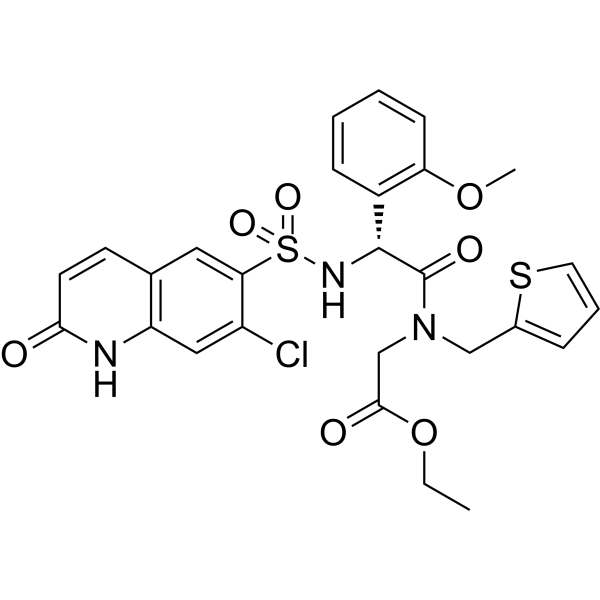
HY-114361
OSMI-4OGT Inhibitor -
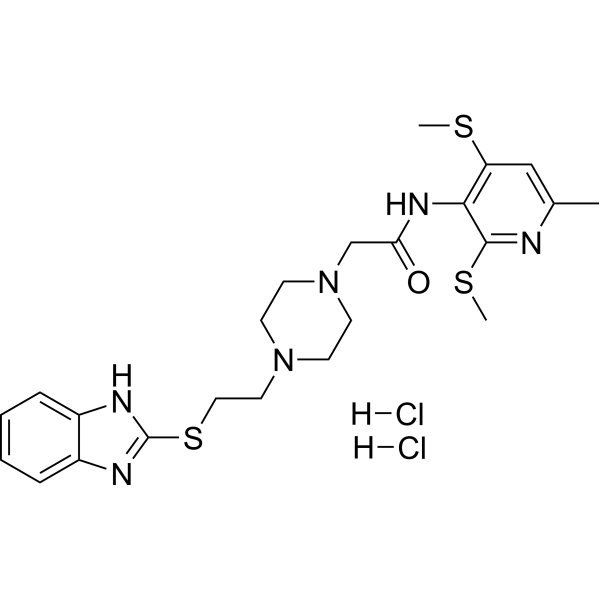
HY-100400A
K-604 dihydrochlorideACAT1 Inhibitor -
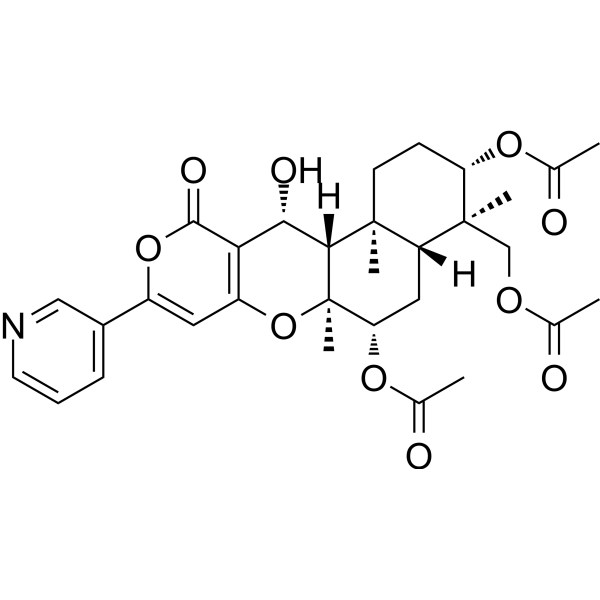
HY-117832
Pyripyropene ASOAT2/ACAT2 Inhibitor -
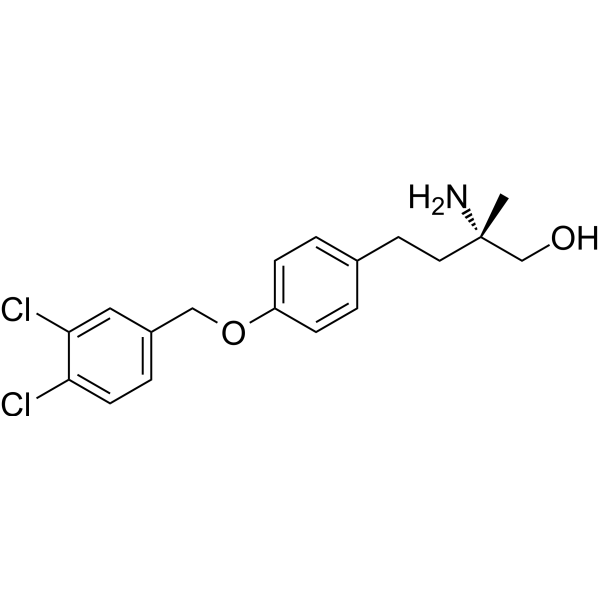
HY-126015
P053CerS1 Inhibitor -
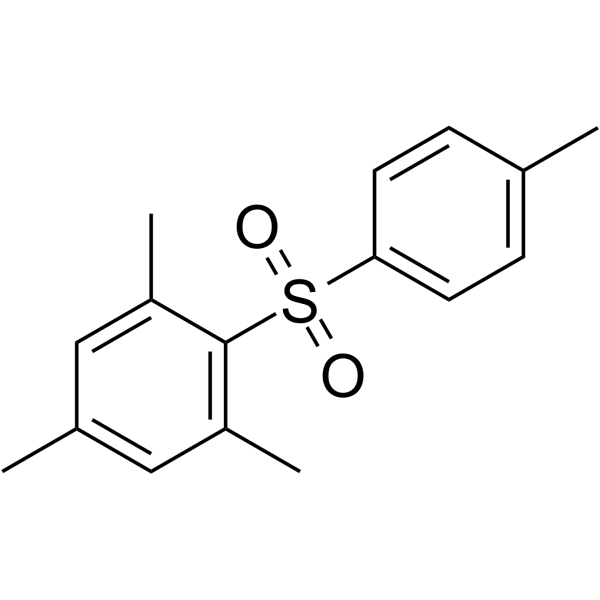
HY-117656
ESI-05EPAC2 Inhibitor -
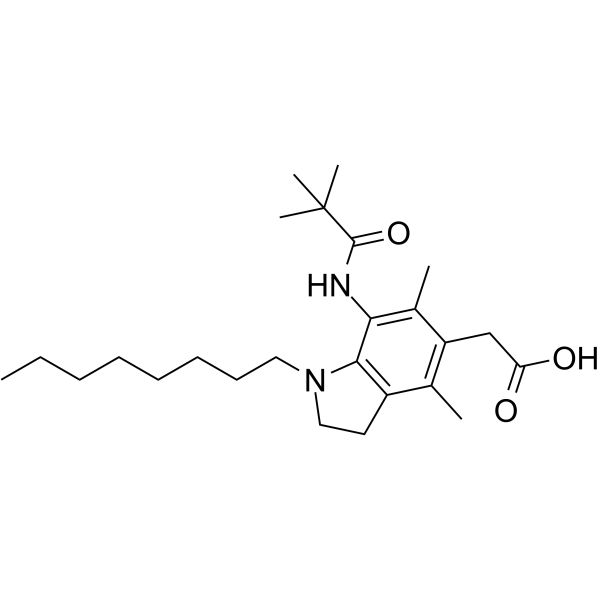
HY-100401
PactimibeACAT1/2 Inhibitor -
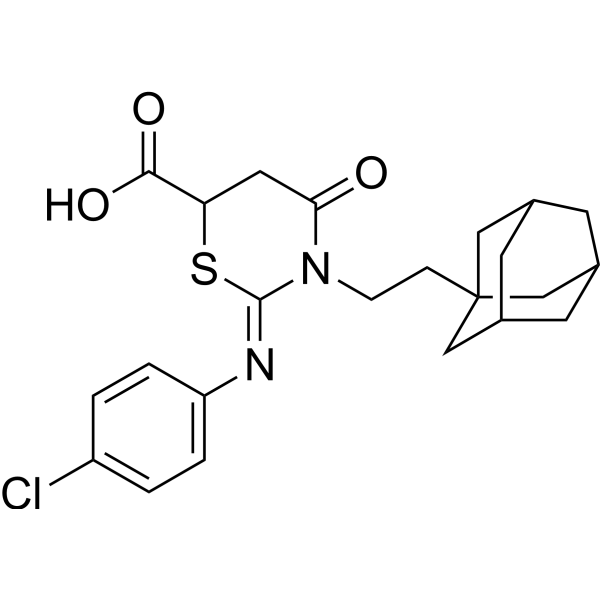
HY-136282
ST045849OGT Inhibitor -
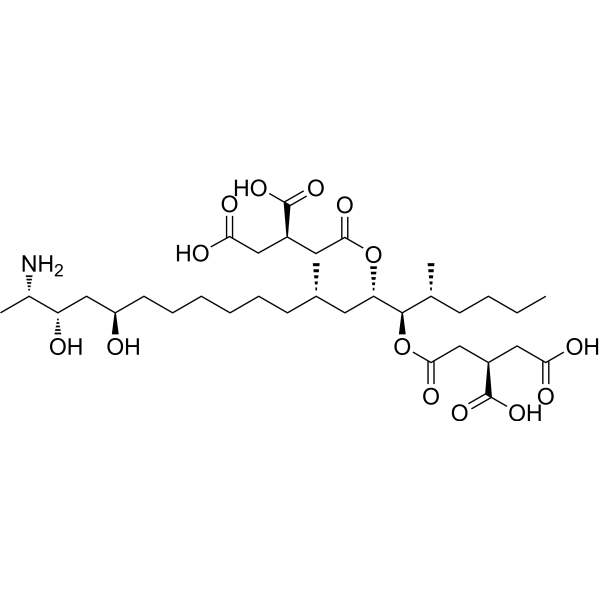
HY-N6723
Fumonisin B2Ceramide Synthase Inhibitor -
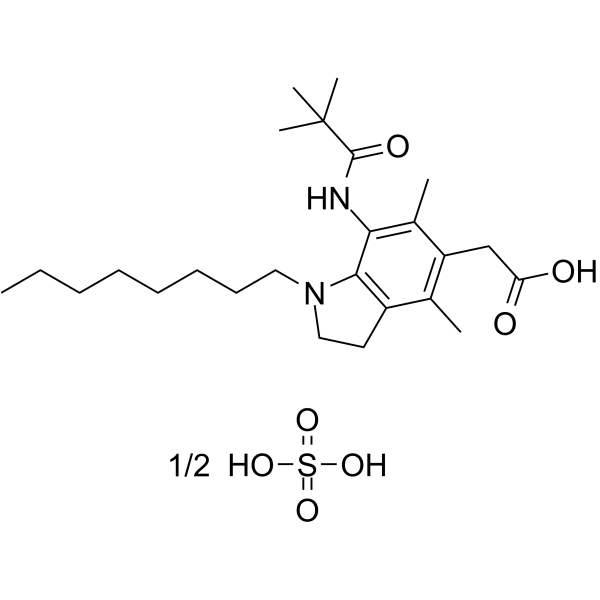
HY-100401A
Pactimibe sulfateACAT1/2 Inhibitor
Publications Citing Use of MedChemExpress (MCE) JTP-103237
More

Biologische Aktivität
Beschreibung


Chemical Information
-
CAS. Nr. 1883864-16-1
-
Molecular Weight 474.52
-
Formel C24H29F3N6O
-
SMILES
FC(F)(F)OC1=CC=C(C2=NN=C3CN(C4=NC(C(C)(C)C)=CC(C(C)(C)C)=N4)CCN32)C=C1
-
Versand
Room temperature in continental US; may vary elsewhere.
-
Speicherung
Please store the product under the recommended conditions in the Certificate of Analysis.


Publications (1)
-
Journal Impact Factor
-
Most Recent
-
Mol Ther
A CRISPR-based genome-wide loss-of-function screen defines a role of host metabolism in regulating hepatitis B virus infection. [Abstract]2025 Dec 1:S1525-0016(25)01019-6. PMID: 41332134


Reinheit & Dokumentation
Verweise

Calculators
Konzentration (Stammlösung) × Volumen (Stammlösung) = Konzentration (Ziellösung) × Volumen (Ziellösung)


JTP-103237 Related Classifications
HY-135505 Related Classifications
 Powered by Bioz