


Search Result
Results for "
potent toxin
" in MedChemExpress (MCE) Product Catalog:
3
Isotope-Labeled Compounds
| Cat. No. |
Product Name |
Target |
Research Areas |
Chemical Structure |
-
- HY-120501
-
B022
Maximum Cited Publications
17 Publications Verification
|
NF-κB
|
Inflammation/Immunology
|
|
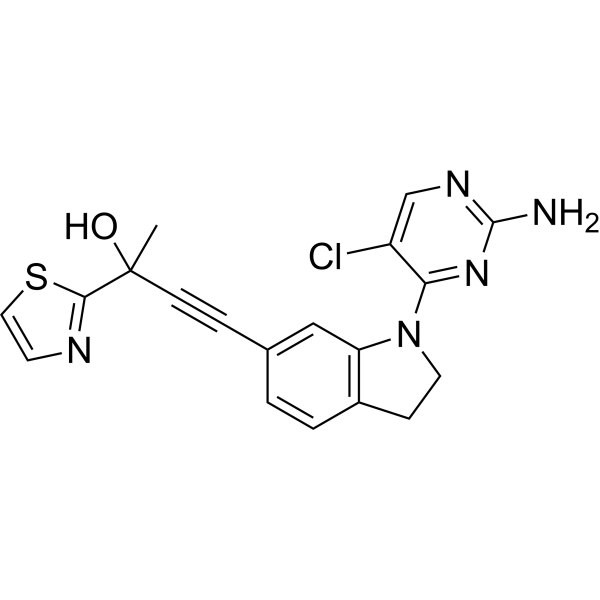
B022 is a potent and selective NF-κB-inducing kinase (NIK) inhibitor (Ki of 4.2 nM; IC50=15.1 nM). B022 protects liver from toxin-induced inflammation, oxidative stress, and injury . B022 is a click chemistry reagent, it contains an Alkyne group and can undergo copper-catalyzed azide-alkyne cycloaddition (CuAAc) with molecules containing Azide groups.
|
-
-
- HY-103474
-
|
(-)-Bicuculline methiodide
|
GABA Receptor
|
Neurological Disease
|
|
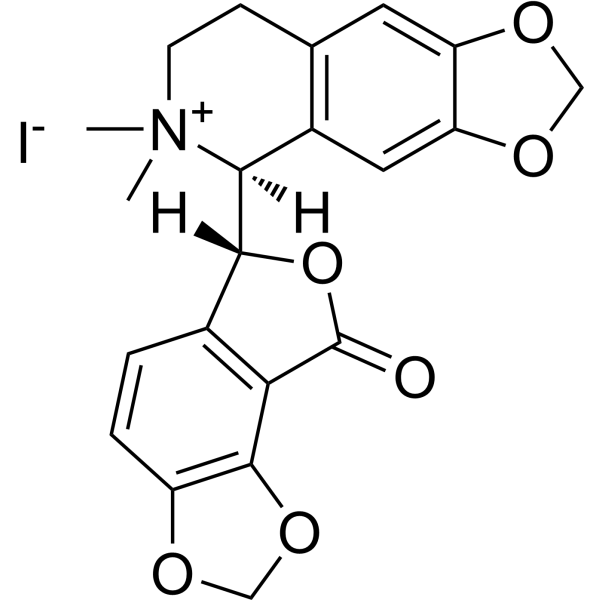
Bicuculline methiodide ((-)-Bicuculline methiodide) is a potent GABAA blocker. Bicuculline methiodide alters membrane properties and firing pattern. Bicuculline methiodide reduces the Apamin-sensitive afterhyperpolarization, while Apamin is a toxin isolated from bee venom to block small conductance Ca 2+ -activated K + channels. Bicuculline methiodide facilitates burst firing via blocking apamin-sensitive Ca 2+ -activated K + current .
|
-
-
- HY-W011910
-
-
-
- HY-131089
-
|
|
DNA/RNA Synthesis
Drug-Linker Conjugates for ADC
|
Cancer
|
|
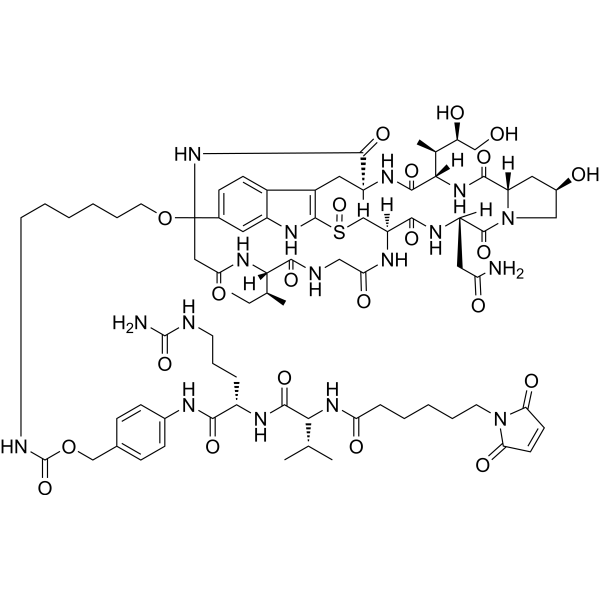
MC-VC-PABC-C6-α-Amanitin is a Drug-Linker Conjugates for ADC, consisting of an anticancer toxin alpha-Amanitin (HY-19610) and a MC-VC-PABC-C6 linker. Among them, alpha-Amanitin is a potent inhibitor of RNA polymerase IIα.
|
-
-
- HY-P99583
-
|
MEDI4893
|
Bacterial
|
Infection
Inflammation/Immunology
|
|
Suvratoxumab (MEDI4893) is a long-acting, high-affinity human anti-α-toxin monoclonal antibody (IgG1κ type). Suvratoxumab potently neutralizes α-toxin, a key S. aureus virulence factor. Suvratoxumab improves survival and reduces lung injury in an immunocompromised mice model of pneumonia. Suvratoxumab also enhances the antibacterial activity of Vancomycin (HY-B0671) or Linezolid (HY-10394) .
|
-
-
- HY-126690
-
|
|
Drug-Linker Conjugates for ADC
|
Cancer
|
|
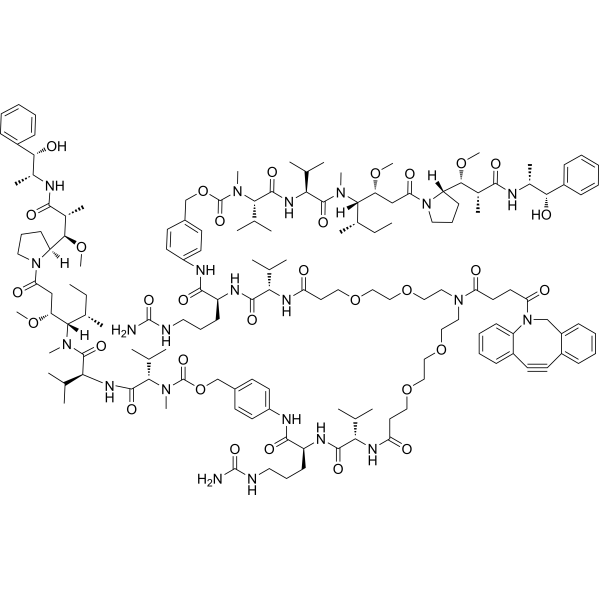
DBCO-(PEG2-VC-PAB-MMAE)2 is made by MMAE conjugated to the cleavable DBCO-(PEG2-VC-PAB)2 linker. Monomethyl auristatin E (MMAE), a potent tubulin inhibitor, is a toxin payload in antibody agent conjugate . DBCO-(PEG2-VC-PAB-MMAE)2 is a click chemistry reagent, it contains a DBCO group that can undergo strain-promoted alkyne-azide cycloaddition (SPAAC) with molecules containing Azide groups.
|
-
-
- HY-N7053
-
|
|
ADC Payload
Microtubule/Tubulin
|
Cancer
|
|
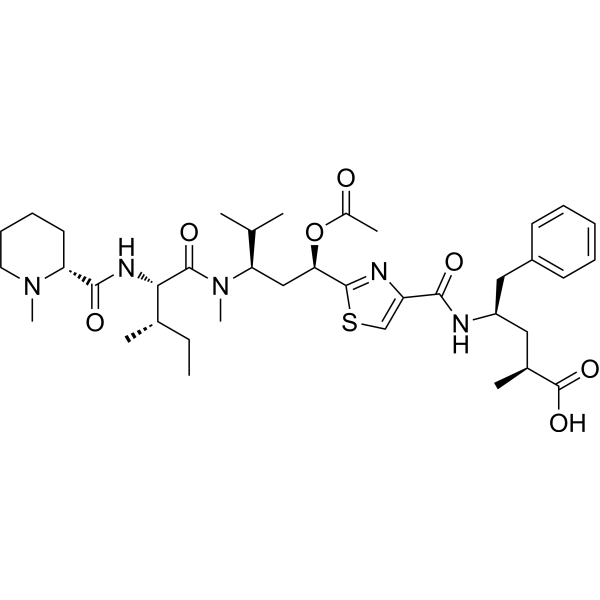
Tubulysin M is a highly cytotoxic anti-microtubule toxin (anti-microtubule toxins) that is synthesized as an ADC cytotoxin (ADC Cytotoxin). Tubulysin M can be isolated from the myxobacteria Archangium geophyra and Angiococcus disciformis. Tubulysin M displays extremely potent cytotoxic activity in mammalian cells, including multidrug-resistant cell lines, with IC50 values in the low nanomolar range. Tubulysin M inhibits microtubule/tubulin polymerization and leads to cell cycle arrest and apoptosis .
|
-
-
- HY-23155
-
|
2-PE ITC
|
Fungal
|
Infection
|
|
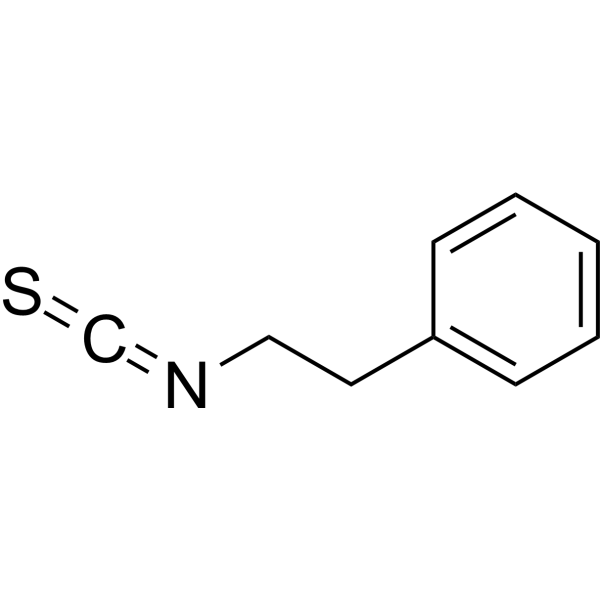
2-Phenylethyl isothiocyanate is a potent antifungal agent. 2-Phenylethyl isothiocyanate significantly inhibited spore germination and mycelial growth of Alternaria alternata, with a MIC (minimum inhibitory concentration) of 1.22 mM. The antifungal effect of 2-Phenylethyl isothiocyanate against Alternaria alternate might be via reduction in toxin content and breakdown of cell membrane integrity .
|
-
-
- HY-136390
-
ML417
1 Publications Verification
|
Dopamine Receptor
|
Neurological Disease
|
|
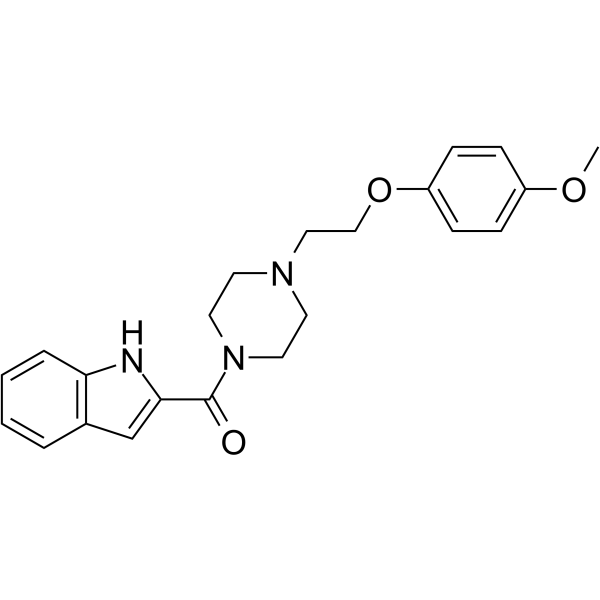
ML417 is a selective and brain penetrant D3 dopamine receptor (D3R) agonist, with an EC50 of 38 nM. ML417 potently promotes D3R-mediated β-arrestin translocation, G protein mediated signaling, and pERK phosphorylation with minimal effects on other GPCR-mediated signaling. ML417 exhibits neuroprotection against toxin-induced neurodegeneration of dopaminergic neurons .
|
-
-
- HY-15581
-
|
Demethyldolastatin 10; Monomethylauristatin D; Monomethyl Dolastatin 10
|
Microtubule/Tubulin
ADC Payload
|
Cancer
|
|
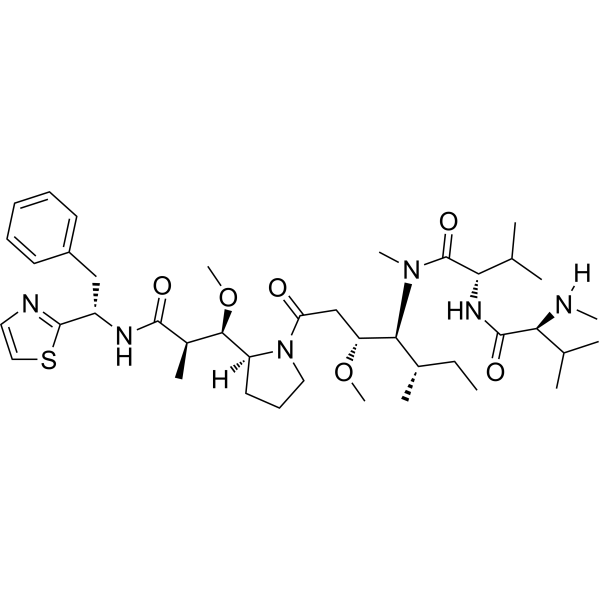
MMAD is a potent tubulin inhibitor, is a toxin payload in antibody agent conjugates (ADCs).
|
-
-
- HY-160807
-
|
|
Drug-Linker Conjugates for ADC
|
Cancer
|
|
DBM-GGFG-NH-O-CO-Exatecan (Example 4, Compound 14) is a conjugate of an ADC drug toxin molecule and a linker. DBM-GGFG-NH-O-CO-Exatecan is a complete antibody-drug conjugate intermediate that integrates a potent camptothecin-based toxin, a cleavable peptide linker (GGFG), and a reactive terminus that can directly conjugate to antibodies .
|
-
-
- HY-126686
-
|
|
Drug-Linker Conjugates for ADC
|
Cancer
|
|
Mal-Phe-C4-VC-PAB-MMAE is made by MMAE conjugated to Mal-Phe-C4-VC-PAB linker. Monomethyl auristatin E (MMAE), a potent tubulin inhibitor, is a toxin payload in antibody agent conjugate.
|
-
-
- HY-P1117
-
MMK1
1 Publications Verification
|
Formyl Peptide Receptor (FPR)
Calcium Channel
|
Neurological Disease
Inflammation/Immunology
|
|
MMK1 is a potent and selective human formyl peptide receptor like-1 (FPRL-1/FPR2) agonist with EC50s of <2 nM and >10000 nM for FPRL-1 and FPR1, respectively. MMK1 is a potent chemotactic and calcium-mobilizing agonist. MMK1 potently activates phagocytic leukocytes and enhances Pertussis Toxin-sensitive production by human monocytes of proinflammatory cytokines IL-1b and IL-6. MMK1 exerts anxiolytic-like activity .
|
-
-
- HY-P1411
-
Psalmotoxin 1
Maximum Cited Publications
6 Publications Verification
PcTx1; Psalmopoeus cambridgei toxin-1
|
Sodium Channel
Apoptosis
|
Neurological Disease
Cancer
|
|
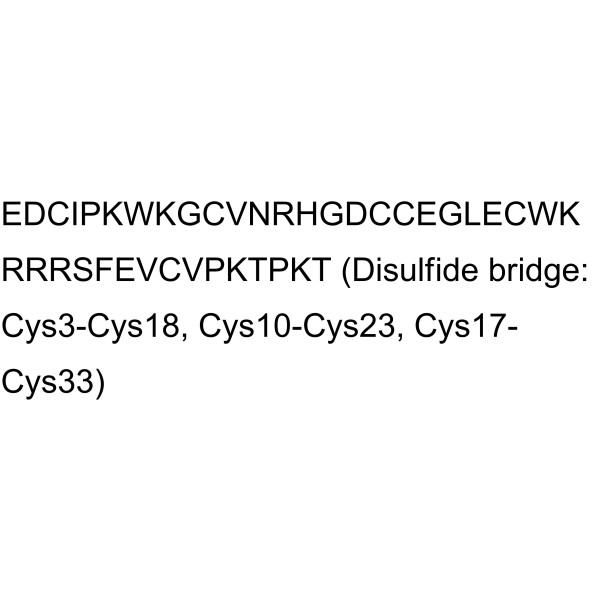
Psalmotoxin 1 (PcTx1) is a protein toxin that can bind at subunit-subunit interfaces of acid-sensing ion channel 1a (ASIC1a). Psalmotoxin 1 is a potent and slective ASIC1a inhibitor (IC50: 0.9 nM) by increasing the apparent affinity for H + of ASIC1a. Psalmotoxin 1 can induce cell apoptosis, also inhibits cell migration, proferliration and invasion of cancer cells. Psalmotoxin 1 can be used in the research of cancers, or neurological disease .
|
-
-
- HY-132429S
-
|
|
Isotope-Labeled Compounds
|
Others
|
|
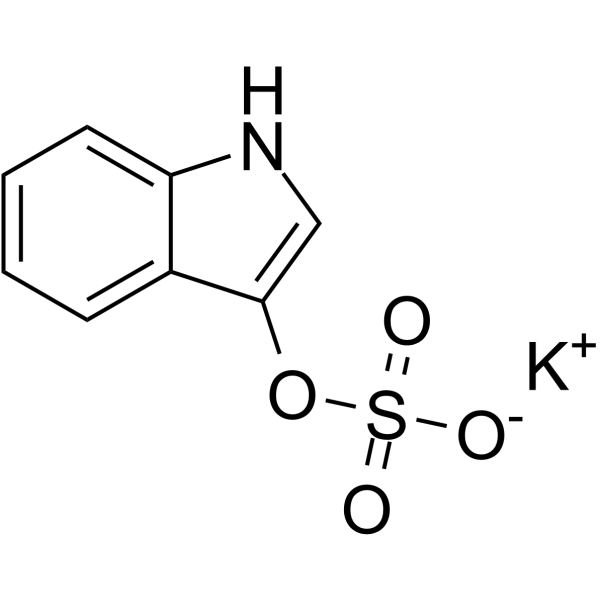
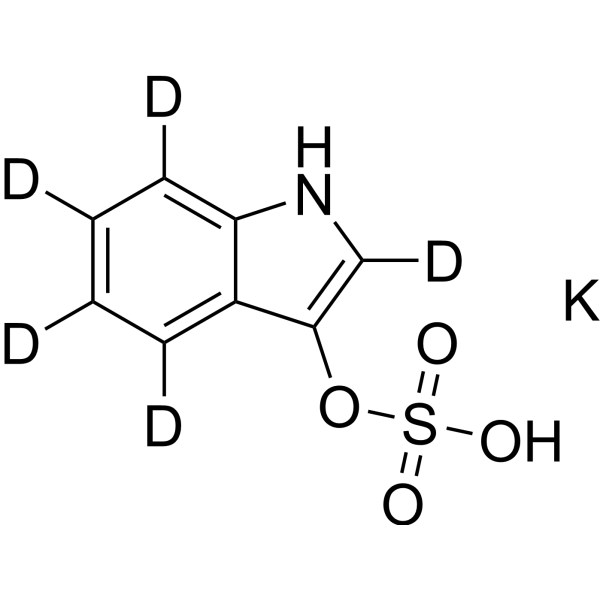
Potassium 1H-indol-3-yl sulfate-d5 is the deuterium labeled 3-Indoxyl Sulfate potassium. Potassium 1H-indol-3-yl sulfate is a metabolite of tryptophan, produced by intestinal microorganisms and combined with sulfate in the liver before entering the circulatory system. Potassium 1H-indol-3-yl sulfate is a potent endogenous agonist of the aryl hydrocarbon receptor (AhR) and a urinary toxin. Potassium 1H-indol-3-yl sulfate can be used for research on kidney diseases.
|
-
-
- HY-16386
-
|
|
Mitochondrial Metabolism
|
Cancer
|
|
PENAO is a potent tumour cell mitochondrial toxin. PENAO inactivates tumor cell mitochondria by targeting inner-membrane adenine nucleotide transferase .
|
-
-
- HY-P9932
-
|
ETI 204
|
Bacterial
|
Infection
Cardiovascular Disease
|
|
Obiltoxaximab (ETI 204) is the second and potent anti-protective antigen (PA) monoclonal antibody with immunogenicity. Obiltoxaximab plays a central role in anthrax toxin assembly and target cell intoxication, promoting survival, and inhibiting bacterial spread to the periphery in animal models. Obiltoxaximab can be used in the research of inhalational anthrax, bacteremia and toxemia .
|
-
-
- HY-100783
-
|
|
GABA Receptor
|
Neurological Disease
|
|
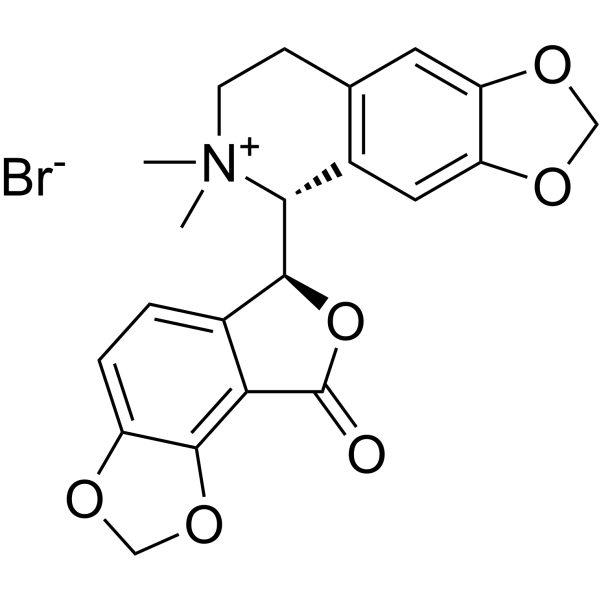
(-)-Bicuculline methobromide is a potent GABAA blocker. (-)-Bicuculline methobromide alters membrane properties and firing pattern. (-)-Bicuculline methobromide reduces the Apamin-sensitive afterhyperpolarization, while Apamin is a toxin isolated from bee venom to block small conductance Ca 2+ -activated K + channels. (-)-Bicuculline methobromide facilitates burst firing via blocking apamin-sensitive Ca 2+ -activated K + current .
|
-
-
- HY-W011910S
-
-
-
- HY-126856
-
|
|
HDAC
Apoptosis
|
Cancer
|
|
HC-Toxin, a cyclic tetrapeptide, is a potent HDAC inhibitor with an IC50 of 30 nM . HC-Toxin induces tumor cell apoptosis and has anticancer effects .
|
-
-
- HY-16386A
-
|
|
Mitochondrial Metabolism
|
Cancer
|
|
PENAO TFA is the trifluoroacetic acid of PENAO (HY-16386). PENAO is a potent tumour cell mitochondrial toxin. PENAO inactivates tumor cell mitochondria by targeting inner-membrane adenine nucleotide transferase .
|
-
-
- HY-115440
-
|
REP-3123 dihydrochloride
|
Bacterial
Antibiotic
|
Infection
|
|
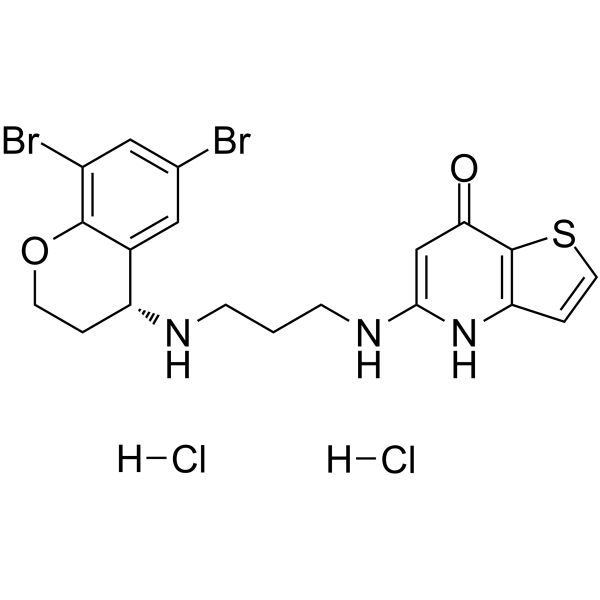
CRS3123 (REP-3123) dihydrochloride, a fully synthetic antibacterial agent, potently inhibits methionyl-tRNA synthetase (MetRS) of Clostridioides difficile, inhibiting Clostridioides difficile toxin production and spore formation. CRS3123 dihydrochloride is an oral agent for the research of Clostridioides difficile infection (CDI) .
|
-
-
- HY-P1079
-
|
|
Calcium Channel
|
Neurological Disease
|
|
ω-Agatoxin TK, a peptidyl toxin of the venom of Agelenopsis aperta, is a potent and selective P/Q type Ca 2+ channel blocker. ω-Agatoxin TK inhibits the high K + depolarisation-induced rise in internal Ca 2+ in cerebral isolated nerve endings with an IC50 of of 60 nM. ω-Agatoxin TK has no effect on L-type, N-type, or T-type calcium channels .
|
-
-
- HY-P1073
-
|
|
Calcium Channel
Potassium Channel
Sodium Channel
TRP Channel
|
Neurological Disease
Cancer
|
ProTx-I is a toxin derived from Thrixopelma pruriens and a peptide inhibitor targeting TTX-resistant sodium channels. ProTx-I interacts with voltage sensors of multiple domains such as NaV1.7, reduces neuronal excitability through allosteric modulation of channel gating and alteration of voltage dependence. The IC50 values of ProTx-I against human NaV1.7, NaV1.2, NaV1.6, and NaV1.5 are 95 nM, 104 nM, 21 nM, and 358 nM, respectively; ProTx-I also potently inhibits Ba 2+ currents of hCav3.1, while its inhibitory potency against hCav3.2 is approximately 160-fold lower. ProTx-I is applicable to the research of chronic pain .
|
-
-
- HY-N2348
-
|
|
ADC Payload
Microtubule/Tubulin
|
Cancer
|
|
Tubulysin D is a highly cytotoxic anti-microtubule toxin (anti-microtubule toxins) that is synthesized as an ADC cytotoxin (ADC Cytotoxin). Tubulysin D can be isolated from the myxobacteria Archangium geophyra and Angiococcus disciformis. Tubulysin D displays extremely potent cytotoxic activity in mammalian cells, including multidrug-resistant cell lines, with IC50 values in the low nanomolar range. Tubulysin D inhibits microtubule/Tubulin polymerization and leads to cell cycle arrest and apoptosis .
|
-
-
- HY-115766
-
|
|
nAChR
|
Neurological Disease
|
|
Anabaseine, a brain-penetrant occurring alkaloid toxin, is potent agonist of multiple nicotinic acetylcholine receptors (AChRs). Anabaseine stimulates the neuromuscular α12β1γδ or α12β1γɛ and α7 AChRs. Anabaseine is also a weak partial agonist at α4β2 nAChRs .
|
-
-
- HY-171489
-
|
|
Drug-Linker Conjugates for ADC
|
Cancer
|
|
Mal-VC-PAB-EDA-N-Ac-Calicheamicin is a Drug-Linker Conjugate for ADC with potent antitumor activity. Mal-VC-PAB-EDA-N-Ac-Calicheamicin consists of ADC toxin Calicheamicin (HY-19609) and a linker. Mal-VC-PAB-EDA-N-Ac-Calicheamicin can be used for synthesis of ADC, PF-06647263 (HY-111965) .
|
-
-
- HY-P1411A
-
|
PcTx1 TFA; Psalmopoeus cambridgei toxin-1 TFA
|
Sodium Channel
Apoptosis
|
Neurological Disease
Cancer
|
|
Psalmotoxin 1 (PcTx1) TFA is a protein toxin that can bind at subunit-subunit interfaces of acid-sensing ion channel 1a (ASIC1a). Psalmotoxin 1 TFA is a potent and slective ASIC1a inhibitor (IC50: 0.9 nM) by increasing the apparent affinity for H + of ASIC1a. Psalmotoxin 1 TFA can induce cell apoptosis, also inhibits cell migration, proferliration and invasion of cancer cells. Psalmotoxin 1 TFA can be used in the research of cancers, or neurological disease .
|
-
-
- HY-P1218B
-
|
|
Sodium Channel
|
Neurological Disease
|
|
Phrixotoxin 3-NH2 TFA is a derivative of Phrixotoxin 3 TFA (HY-P1218A). Phrixotoxin 3 TFA is a potent blocker of voltage-gated sodium channels, with IC50s of 0.6, 42, 72, 288, 610 nM for NaV1.2, NaV1.3, NaV1.4, NaV1.1 and NaV1.5, respectively. Phrixotoxin 3 TFA modulates voltage-gated sodium channels with properties similar to those of typical gating-modifier toxins, both by causing a depolarizing shift in gating kinetics and by blocking the inward component of the sodium current .
|
-
-
- HY-P5917A
-
|
Vaejovis mexicanus peptide 24 TFA
|
Potassium Channel
|
Inflammation/Immunology
Cancer
|
|
Vm24-toxin (Vaejovis mexicanus peptide 24) TFA, a 36-residue peptide, is a potent and selective Kv1.3 blocker with a Kd of ~3 pM in lymphocytes. Vm24-toxin TFA shows >1500-fold affinity for Kv1.3 over other assayed potassium channels. Vm24-toxin TFA folds into a distorted cystine-stabilized α/β motif consisting of a single-turn α-helix and a three-stranded antiparallel β-sheet, stabilized by four disulfide bridges. Vm24-toxin TFA attenuates the CD4 + effector memory T cell response to T cell receptor (TCR) stimulation .
|
-
-
- HY-P5925A
-
|
SsTx toxin TFA
|
Potassium Channel
|
Neurological Disease
Inflammation/Immunology
|
|
Ssm Spooky Toxin TFA is found in Scolopendra mutilans that potently inhibits KCNQ (voltage-gated potassium channel family 7) channels, with IC50s of 2.8 μM, 5.26 μM and 0.1-0.3 M for Kv7.4, Kv1.3, and Shal channel, respectivily. Ssm Spooky Toxin TFA inhibits cytokine generation by specifically acting on the KV1.3 channel in T cells. Ssm Spooky Toxin TFA plays an essential role in the centipede’s circulatory system .
|
-
-
- HY-N7052
-
|
|
ADC Payload
Microtubule/Tubulin
|
Cancer
|
|
Tubulysin I is a highly cytotoxic anti-microtubule toxin (anti-microtubule toxins) that is synthesized as an ADC cytotoxin (ADC Cytotoxin). Tubulysin I can be isolated from the myxobacteria Archangium geophyra and Angiococcus disciformis. Tubulysin I displays extremely potent cytotoxic activity in mammalian cells, including multidrug-resistant cell lines, with IC50 values in the low nanomolar range. Tubulysin I inhibits microtubule/tubulin polymerization and leads to cell cycle arrest and apoptosis .
|
-
-
- HY-N7050
-
|
|
ADC Payload
Microtubule/Tubulin
|
Cancer
|
|
Tubulysin G is a highly cytotoxic anti-microtubule toxin (anti-microtubule toxins) that is synthesized as an ADC cytotoxin (ADC Cytotoxin). Tubulysin G can be isolated from the myxobacteria Archangium geophyra and Angiococcus disciformis. Tubulysin G displays extremely potent cytotoxic activity in mammalian cells, including multidrug-resistant cell lines, with IC50 values in the low nanomolar range. Tubulysin G inhibits microtubule/tubulin polymerization and leads to cell cycle arrest and apoptosis .
|
-
-
- HY-N2347
-
|
|
ADC Payload
Microtubule/Tubulin
|
Cancer
|
|
Tubulysin C is a highly cytotoxic anti-microtubule toxin (anti-microtubule toxins) that is synthesized as an ADC cytotoxin (ADC Cytotoxin). Tubulysin C can be isolated from the myxobacteria Archangium geophyra and Angiococcus disciformis. Tubulysin C displays extremely potent cytotoxic activity in mammalian cells, including multidrug-resistant cell lines, with IC50 values in the low nanomolar range. Tubulysin C inhibits microtubule/Tubulin polymerization and leads to cell cycle arrest and apoptosis .
|
-
-
- HY-177979
-
|
|
Nucleoside Antimetabolite/Analog
|
Infection
|
|
DNA-GAG is a slow substrate for Ricin toxin A-chain (RTA). RTA depurinates a single adenylate on a GAGA stem-loop region of eukaryotic 28S RNA, making it a potent toxin .
|
-
-
- HY-P1218
-
|
|
Sodium Channel
|
Neurological Disease
|
|
Phrixotoxin 3 is a potent blocker of voltage-gated sodium channels, with IC50s of 0.6, 42, 72, 288, 610 nM for NaV1.2, NaV1.3, NaV1.4, NaV1.1 and NaV1.5, respectively. Phrixotoxin 3 modulates voltage-gated sodium channels with properties similar to those of typical gating-modifier toxins, both by causing a depolarizing shift in gating kinetics and by blocking the inward component of the sodium current .
|
-
-
- HY-23155S
-
|
2-PE ITC-d5
|
Fungal
|
Infection
|
|
2-Phenylethyl isothiocyanate-d5 isothiocyanate-d5 is the deuterium labeled 2-Phenylethyl isothiocyanate[1]. 2-Phenylethyl isothiocyanate is a potent antifungal agent. 2-Phenylethyl isothiocyanate significantly inhibited spore germination and mycelial growth of Alternaria alternata, with a MIC (minimum inhibitory concentration) of 1.22 mM. The antifungal effect of 2-Phenylethyl isothiocyanate against Alternaria alternata might be via reduction in toxin content and breakdown of cell membrane integrity[2][3].
|
-
-
- HY-177980
-
|
|
Nucleoside Antimetabolite/Analog
|
Infection
|
|
DNA-GAGA is a slow substrate for Ricin toxin A-chain (RTA). RTA depurinates a single adenylate on a GAGA stem-loop region of eukaryotic 28S RNA, making it a potent toxin .
|
-
-
- HY-133570
-
|
|
HSP
ADC Payload
|
Cancer
|
|
17-AEP-GA, an HSP90 antagonist, is a potent inhibitor of glioblastoma cell proliferation, survival, migration and invasion. ADCs Toxin .
|
-
-
- HY-P5925
-
|
SsTx toxin
|
Potassium Channel
|
Neurological Disease
Inflammation/Immunology
|
|
Ssm Spooky Toxin is found in Scolopendra mutilans that potently inhibits KCNQ (voltage-gated potassium channel family 7) channels, with IC50s of 2.8 μM, 5.26 μM and 0.1-0.3 M for Kv7.4, Kv1.3, and Shal channel, respectivily. Ssm Spooky Toxin inhibits cytokine generation by specifically acting on the KV1.3 channel in T cells. Ssm Spooky Toxin plays an essential role in the centipede’s circulatory system .
|
-
-
- HY-W009497
-
|
Quaternium-15
|
Environmental Pollutants
Bacterial
|
Infection
|
|
Dowicil 200 (Quaternium-15) is a skin toxin and allergen that inhibits the growth of Pinctada fucata cells. Dowicil 200 has antimicrobial activity and is more potent against fungi and molds than against fungi.
|
-
-
- HY-N2346
-
|
|
ADC Payload
Microtubule/Tubulin
|
Cancer
|
|
Tubulysin E is a highly cytotoxic anti-microtubule toxin (anti-microtubule toxins) that is synthesized as an ADC cytotoxin (ADC Cytotoxin). Tubulysin E can be isolated from the myxobacteria Archangium geophyra and Angiococcus disciformis. Tubulysin E displays extremely potent cytotoxic activity in mammalian cells, including multidrug-resistant cell lines, with IC50 values in the low nanomolar range. Tubulysin E inhibits microtubule/Tubulin polymerization and leads to cell cycle arrest and apoptosis .
|
-
-
- HY-N7049
-
|
|
ADC Payload
Microtubule/Tubulin
|
Cancer
|
|
Tubulysin F is a highly cytotoxic anti-microtubule toxin (anti-microtubule toxins) that is synthesized as an ADC cytotoxin (ADC Cytotoxin). Tubulysin F can be isolated from the myxobacteria Archangium geophyra and Angiococcus disciformis. Tubulysin F displays extremely potent cytotoxic activity in mammalian cells, including multidrug-resistant cell lines, with IC50 values in the low nanomolar range. Tubulysin F inhibits microtubule/Tubulin polymerization and leads to cell cycle arrest and apoptosis .
|
-
-
- HY-N7051
-
|
|
ADC Payload
Microtubule/Tubulin
|
Cancer
|
|
Tubulysin H is a highly cytotoxic anti-microtubule toxin (anti-microtubule toxins) that is synthesized as an ADC cytotoxin (ADC Cytotoxin). Tubulysin H can be isolated from the myxobacteria Archangium geophyra and Angiococcus disciformis. Tubulysin H displays extremely potent cytotoxic activity in mammalian cells, including multidrug-resistant cell lines, with IC50 values in the low nanomolar range. Tubulysin H inhibits microtubule/tubulin polymerization and leads to cell cycle arrest and apoptosis .
|
-
-
- HY-136291
-
|
|
Drug-Linker Conjugates for ADC
|
Cancer
|
|
Sulfo-SPDB-DGN462 is a agent-linker conjugate for ADC. Sulfo-SPDB-DGN462 consists a toxin DGN462 (HY-101150) conjugated to the cleavable Sulfo-SPDB linker. DGN462, a potent DNA-alkylating agent, shows anti-tumor activity, such as acute myeloid leukemia (AML).
|
-
-
- HY-100783A
-
|
|
GABA Receptor
|
Neurological Disease
|
|
(+)-Bicuculline methobromide is a potent GABAA blocker. (+)-Bicuculline methobromide alters membrane properties and firing pattern. (+)-Bicuculline methobromide reduces the Apamin-sensitive afterhyperpolarization, while Apamin is a toxin isolated from bee venom to block small conductance Ca 2+ -activated K + channels. (+)-Bicuculline methobromide facilitates burst firing via blocking apamin-sensitive Ca 2+ -activated K + current .
|
-
-
- HY-P10988
-
|
|
Apoptosis
MDM-2/p53
Integrin
|
Cancer
|
|
LVTX-8 is a peptide toxin, exacted from Lycosa vittata. LVTX-8 has potent anticancer and and anti-metastasis activities towards lung cancer with strong cytotoxicity. LVTX-8 significantly induces apoptosis and inhibits the proliferation, invasion and migration of lung cancer cells through P53 hypoxia pathways and integrin signaling. LVTX-8 significantly inhibits the tumor growth and metastasis in A549/H460 xenograft mice model .
|
-
-
- HY-23155R
-
|
2-PE ITC (Standard)
|
Fungal
Reference Standards
|
Infection
|
|
2-Phenylethyl isothiocyanate (Standard) is the analytical standard of 2-Phenylethyl isothiocyanate. This product is intended for research and analytical applications. 2-Phenylethyl isothiocyanate is a potent antifungal agent. 2-Phenylethyl isothiocyanate significantly inhibited spore germination and mycelial growth of Alternaria alternata, with a MIC (minimum inhibitory concentration) of 1.22 mM. The antifungal effect of 2-Phenylethyl isothiocyanate against Alternaria alternate might be via reduction in toxin content and breakdown of cell membrane integrity .
|
-
-
- HY-P5917
-
|
Vaejovis mexicanus peptide 24
|
Potassium Channel
|
Inflammation/Immunology
Cancer
|
|
Vm24-toxin (Vaejovis mexicanus peptide 24), a 36-residue peptide, is a potent and selective Kv1.3 blocker with a Kd of ~3 pM in lymphocytes. Vm24-toxin shows >1500-fold affinity for Kv1.3 over other assayed potassium channels. Vm24-toxin folds into a distorted cystine-stabilized α/β motif consisting of a single-turn α-helix and a three-stranded antiparallel β-sheet, stabilized by four disulfide bridges. Vm24-toxin attenuates the CD4 + effector memory T cell response to T cell receptor (TCR) stimulation .
|
-
-
- HY-148193
-
|
|
ADC Payload
Microtubule/Tubulin
|
Cancer
|
|
Tubulin polymerization-IN-38 is an analogue of Tubulysin (HY-128914), a potent anticancer agent. Tubulin polymerization-IN-38 inhibits tubulin polymerization (tubulin polymerisation), thereby inducing apoptosis (apoptosis). Tubulysin series products are potent anti-microtubule toxins (anti-microtubule toxins) and can be used as ADC cytotoxins (ADC Cytotoxin) to synthesize ADCs .
|
-
- HY-P3656
-
|
|
Potassium Channel
|
Inflammation/Immunology
|
|
Kaliotoxin (1-37) is a toxin from the scorpion Artdroctonus mauretanicus mauretanicus. Kaliotoxin (1-37) is a potent calcium-dependent potassium channel blocker .
|
-
- HY-P5162
-
|
|
Sodium Channel
|
Inflammation/Immunology
|
|
Dc1a potently promotes opening of the German cockroach Nav channel (BgNav1). Dc1a is a toxin can be isolated from the desert bush spider Diguetia canities .
|
-
- HY-172912
-
|
|
Bacterial
|
Infection
|
|
Anti-MRSA agent 27 (compound 4a) is a potent anti-methicillin-resistant Staphylococcus aureus agent with a MIC of 0.0975 μmol/L. Anti-MRSA agent 27 disrupts MRSA biofilms and suppresses hemolytic toxin production .
|
-
- HY-169871
-
|
|
iGluR
|
Neurological Disease
|
|
Argiotoxin 636 is a toxin and the non-specific, non-competitive, and potent ionotropic glutamate receptor (iGluR) antagonist. Argiotoxin 636 blocks excitatory synaptic transmission in neurons and has paralysis and muscle relaxation effects. Argiotoxin 636 can be used in the study of nervous system diseases .
|
-
- HY-P5846
-
|
MT3
|
mAChR
Adrenergic Receptor
|
Neurological Disease
|
|
Muscarinic toxin 3 (MT3) is a potent and non-competitive mAChR and adrenoceptors antagonist with pIC50s of 6.71, 8.79, 8.86, 7.57, 8.13, 8.49, <6.5, 7.29 against M1, M4, α1A, α1B, α1D,α2A,α2B and α2C receptors, respectively. Muscarinic toxin 3 displays prominent adrenoceptor activity .
|
-
- HY-P1117A
-
|
|
Formyl Peptide Receptor (FPR)
Calcium Channel
|
Neurological Disease
Inflammation/Immunology
|
|
MMK1 TFA is a potent and selective human formyl peptide receptor like-1 (FPRL-1/FPR2) agonist with EC50s of <2 nM and >10000 nM for FPRL-1 and FPR1, respectively. MMK1 TFA is a potent chemotactic and calcium-mobilizing agonist. MMK1 TFA potently activates phagocytic leukocytes and enhances Pertussis Toxin-sensitive production by human monocytes of proinflammatory cytokines IL-1b and IL-6. MMK1 TFA exerts anxiolytic-like activity .
|
-
- HY-P3316
-
|
|
Potassium Channel
|
Neurological Disease
Inflammation/Immunology
|
|
OSK-1 is a potent Kv channel blocker with IC50s of of 0.6 nM, 5.4 nM, 0.014 nM for Kv1.1, Kv1.2 and Kv1.3, respectively. OSK1 is a moderate blocker of Ca 2+-activated KCa3.1 channel with an IC50 of 225 nM. OSK-1 belongs to α-KTx3 toxins and is used as a immunosuppressive agent .
|
-
- HY-P1218A
-
|
|
Sodium Channel
|
Neurological Disease
|
|
Phrixotoxin 3 TFA is a potent blocker of voltage-gated sodium channels, with IC50s of 0.6, 42, 72, 288, 610 nM for NaV1.2, NaV1.3, NaV1.4, NaV1.1 and NaV1.5, respectively. Phrixotoxin 3 TFA modulates voltage-gated sodium channels with properties similar to those of typical gating-modifier toxins, both by causing a depolarizing shift in gating kinetics and by blocking the inward component of the sodium current .
|
-
- HY-181824
-
|
|
Bacterial
|
Infection
|
|
Cholera toxin-IN-1 is a potent competitive inhibitor of cholera toxin B subunit (CTB) with an IC50 value of 11.78 μM. Cholera toxin-IN-1 forms stable hydrogen bonds and hydrophobic interactions. Cholera toxin-IN-1 competitively blocks the binding of CTB to GM1 ganglioside. Cholera toxin-IN-1 can be used for the research of cholera .
|
-
- HY-185495
-
|
|
ADC Linker
|
Cancer
|
|
seco-CBI-PBD-disulfide linker is a conjugate of an ADC drug toxin molecule and a linker, consisting of two potent DNA-damaging moieties seco-CBI, PBD (HY-101127), and a disulfide linker .
|
-
- HY-103474R
-
|
(-)-Bicuculline methiodide (Standard)
|
Reference Standards
GABA Receptor
|
Neurological Disease
|
|
Bicuculline methiodide (Standard) is the analytical standard of Bicuculline methiodide (HY-103474). This product is intended for research and analytical applications. Bicuculline methiodide ((-)-Bicuculline methiodide) is a potent GABAA blocker. Bicuculline methiodide alters membrane properties and firing pattern. Bicuculline methiodide reduces the Apamin-sensitive afterhyperpolarization, while Apamin is a toxin isolated from bee venom to block small conductance Ca2+ -activated K+ channels. Bicuculline methiodide facilitates burst firing via blocking apamin-sensitive Ca2+ -activated K+ current .
|
-
- HY-W011910R
-
|
|
Endogenous Metabolite
Reference Standards
Aryl Hydrocarbon Receptor
Cytochrome P450
UGT
Interleukin Related
|
Endocrinology
|
|
Potassium 1H-indol-3-yl sulfate (Standard) is the analytical standard of Potassium 1H-indol-3-yl sulfate (HY-W011910). This product is intended for research and analytical applications. Potassium 1H-indol-3-yl sulfate is a metabolite of tryptophan, produced by intestinal microorganisms and combined with sulfate in the liver before entering the circulatory system. Potassium 1H-indol-3-yl sulfate is a potent endogenous agonist of the aryl hydrocarbon receptor (AhR) and a urinary toxin. Potassium 1H-indol-3-yl sulfate can be used for research on kidney diseases.
|
-
| Cat. No. |
Product Name |
Target |
Research Area |
-
- HY-P1117
-
MMK1
1 Publications Verification
|
Formyl Peptide Receptor (FPR)
Calcium Channel
|
Neurological Disease
Inflammation/Immunology
|
|
MMK1 is a potent and selective human formyl peptide receptor like-1 (FPRL-1/FPR2) agonist with EC50s of <2 nM and >10000 nM for FPRL-1 and FPR1, respectively. MMK1 is a potent chemotactic and calcium-mobilizing agonist. MMK1 potently activates phagocytic leukocytes and enhances Pertussis Toxin-sensitive production by human monocytes of proinflammatory cytokines IL-1b and IL-6. MMK1 exerts anxiolytic-like activity .
|
-
- HY-P1411
-
Psalmotoxin 1
Maximum Cited Publications
6 Publications Verification
PcTx1; Psalmopoeus cambridgei toxin-1
|
Sodium Channel
Apoptosis
|
Neurological Disease
Cancer
|
|
Psalmotoxin 1 (PcTx1) is a protein toxin that can bind at subunit-subunit interfaces of acid-sensing ion channel 1a (ASIC1a). Psalmotoxin 1 is a potent and slective ASIC1a inhibitor (IC50: 0.9 nM) by increasing the apparent affinity for H + of ASIC1a. Psalmotoxin 1 can induce cell apoptosis, also inhibits cell migration, proferliration and invasion of cancer cells. Psalmotoxin 1 can be used in the research of cancers, or neurological disease .
|
-
- HY-P1079
-
|
|
Calcium Channel
|
Neurological Disease
|
|
ω-Agatoxin TK, a peptidyl toxin of the venom of Agelenopsis aperta, is a potent and selective P/Q type Ca 2+ channel blocker. ω-Agatoxin TK inhibits the high K + depolarisation-induced rise in internal Ca 2+ in cerebral isolated nerve endings with an IC50 of of 60 nM. ω-Agatoxin TK has no effect on L-type, N-type, or T-type calcium channels .
|
-
- HY-P1073
-
|
|
Calcium Channel
Potassium Channel
Sodium Channel
TRP Channel
|
Neurological Disease
Cancer
|
ProTx-I is a toxin derived from Thrixopelma pruriens and a peptide inhibitor targeting TTX-resistant sodium channels. ProTx-I interacts with voltage sensors of multiple domains such as NaV1.7, reduces neuronal excitability through allosteric modulation of channel gating and alteration of voltage dependence. The IC50 values of ProTx-I against human NaV1.7, NaV1.2, NaV1.6, and NaV1.5 are 95 nM, 104 nM, 21 nM, and 358 nM, respectively; ProTx-I also potently inhibits Ba 2+ currents of hCav3.1, while its inhibitory potency against hCav3.2 is approximately 160-fold lower. ProTx-I is applicable to the research of chronic pain .
|
-
- HY-P1411A
-
|
PcTx1 TFA; Psalmopoeus cambridgei toxin-1 TFA
|
Sodium Channel
Apoptosis
|
Neurological Disease
Cancer
|
|
Psalmotoxin 1 (PcTx1) TFA is a protein toxin that can bind at subunit-subunit interfaces of acid-sensing ion channel 1a (ASIC1a). Psalmotoxin 1 TFA is a potent and slective ASIC1a inhibitor (IC50: 0.9 nM) by increasing the apparent affinity for H + of ASIC1a. Psalmotoxin 1 TFA can induce cell apoptosis, also inhibits cell migration, proferliration and invasion of cancer cells. Psalmotoxin 1 TFA can be used in the research of cancers, or neurological disease .
|
-
- HY-P1218B
-
|
|
Sodium Channel
|
Neurological Disease
|
|
Phrixotoxin 3-NH2 TFA is a derivative of Phrixotoxin 3 TFA (HY-P1218A). Phrixotoxin 3 TFA is a potent blocker of voltage-gated sodium channels, with IC50s of 0.6, 42, 72, 288, 610 nM for NaV1.2, NaV1.3, NaV1.4, NaV1.1 and NaV1.5, respectively. Phrixotoxin 3 TFA modulates voltage-gated sodium channels with properties similar to those of typical gating-modifier toxins, both by causing a depolarizing shift in gating kinetics and by blocking the inward component of the sodium current .
|
-
- HY-P5917A
-
|
Vaejovis mexicanus peptide 24 TFA
|
Potassium Channel
|
Inflammation/Immunology
Cancer
|
|
Vm24-toxin (Vaejovis mexicanus peptide 24) TFA, a 36-residue peptide, is a potent and selective Kv1.3 blocker with a Kd of ~3 pM in lymphocytes. Vm24-toxin TFA shows >1500-fold affinity for Kv1.3 over other assayed potassium channels. Vm24-toxin TFA folds into a distorted cystine-stabilized α/β motif consisting of a single-turn α-helix and a three-stranded antiparallel β-sheet, stabilized by four disulfide bridges. Vm24-toxin TFA attenuates the CD4 + effector memory T cell response to T cell receptor (TCR) stimulation .
|
-
- HY-P5925A
-
|
SsTx toxin TFA
|
Potassium Channel
|
Neurological Disease
Inflammation/Immunology
|
|
Ssm Spooky Toxin TFA is found in Scolopendra mutilans that potently inhibits KCNQ (voltage-gated potassium channel family 7) channels, with IC50s of 2.8 μM, 5.26 μM and 0.1-0.3 M for Kv7.4, Kv1.3, and Shal channel, respectivily. Ssm Spooky Toxin TFA inhibits cytokine generation by specifically acting on the KV1.3 channel in T cells. Ssm Spooky Toxin TFA plays an essential role in the centipede’s circulatory system .
|
-
- HY-P1218
-
|
|
Sodium Channel
|
Neurological Disease
|
|
Phrixotoxin 3 is a potent blocker of voltage-gated sodium channels, with IC50s of 0.6, 42, 72, 288, 610 nM for NaV1.2, NaV1.3, NaV1.4, NaV1.1 and NaV1.5, respectively. Phrixotoxin 3 modulates voltage-gated sodium channels with properties similar to those of typical gating-modifier toxins, both by causing a depolarizing shift in gating kinetics and by blocking the inward component of the sodium current .
|
-
- HY-P5925
-
|
SsTx toxin
|
Potassium Channel
|
Neurological Disease
Inflammation/Immunology
|
|
Ssm Spooky Toxin is found in Scolopendra mutilans that potently inhibits KCNQ (voltage-gated potassium channel family 7) channels, with IC50s of 2.8 μM, 5.26 μM and 0.1-0.3 M for Kv7.4, Kv1.3, and Shal channel, respectivily. Ssm Spooky Toxin inhibits cytokine generation by specifically acting on the KV1.3 channel in T cells. Ssm Spooky Toxin plays an essential role in the centipede’s circulatory system .
|
-
- HY-P10988
-
|
|
Apoptosis
MDM-2/p53
Integrin
|
Cancer
|
|
LVTX-8 is a peptide toxin, exacted from Lycosa vittata. LVTX-8 has potent anticancer and and anti-metastasis activities towards lung cancer with strong cytotoxicity. LVTX-8 significantly induces apoptosis and inhibits the proliferation, invasion and migration of lung cancer cells through P53 hypoxia pathways and integrin signaling. LVTX-8 significantly inhibits the tumor growth and metastasis in A549/H460 xenograft mice model .
|
-
- HY-P5917
-
|
Vaejovis mexicanus peptide 24
|
Potassium Channel
|
Inflammation/Immunology
Cancer
|
|
Vm24-toxin (Vaejovis mexicanus peptide 24), a 36-residue peptide, is a potent and selective Kv1.3 blocker with a Kd of ~3 pM in lymphocytes. Vm24-toxin shows >1500-fold affinity for Kv1.3 over other assayed potassium channels. Vm24-toxin folds into a distorted cystine-stabilized α/β motif consisting of a single-turn α-helix and a three-stranded antiparallel β-sheet, stabilized by four disulfide bridges. Vm24-toxin attenuates the CD4 + effector memory T cell response to T cell receptor (TCR) stimulation .
|
-
- HY-P3656
-
|
|
Potassium Channel
|
Inflammation/Immunology
|
|
Kaliotoxin (1-37) is a toxin from the scorpion Artdroctonus mauretanicus mauretanicus. Kaliotoxin (1-37) is a potent calcium-dependent potassium channel blocker .
|
-
- HY-P5162
-
|
|
Sodium Channel
|
Inflammation/Immunology
|
|
Dc1a potently promotes opening of the German cockroach Nav channel (BgNav1). Dc1a is a toxin can be isolated from the desert bush spider Diguetia canities .
|
-
- HY-P5846
-
|
MT3
|
mAChR
Adrenergic Receptor
|
Neurological Disease
|
|
Muscarinic toxin 3 (MT3) is a potent and non-competitive mAChR and adrenoceptors antagonist with pIC50s of 6.71, 8.79, 8.86, 7.57, 8.13, 8.49, <6.5, 7.29 against M1, M4, α1A, α1B, α1D,α2A,α2B and α2C receptors, respectively. Muscarinic toxin 3 displays prominent adrenoceptor activity .
|
-
- HY-P1117A
-
|
|
Formyl Peptide Receptor (FPR)
Calcium Channel
|
Neurological Disease
Inflammation/Immunology
|
|
MMK1 TFA is a potent and selective human formyl peptide receptor like-1 (FPRL-1/FPR2) agonist with EC50s of <2 nM and >10000 nM for FPRL-1 and FPR1, respectively. MMK1 TFA is a potent chemotactic and calcium-mobilizing agonist. MMK1 TFA potently activates phagocytic leukocytes and enhances Pertussis Toxin-sensitive production by human monocytes of proinflammatory cytokines IL-1b and IL-6. MMK1 TFA exerts anxiolytic-like activity .
|
-
- HY-P3316
-
|
|
Potassium Channel
|
Neurological Disease
Inflammation/Immunology
|
|
OSK-1 is a potent Kv channel blocker with IC50s of of 0.6 nM, 5.4 nM, 0.014 nM for Kv1.1, Kv1.2 and Kv1.3, respectively. OSK1 is a moderate blocker of Ca 2+-activated KCa3.1 channel with an IC50 of 225 nM. OSK-1 belongs to α-KTx3 toxins and is used as a immunosuppressive agent .
|
-
- HY-P1218A
-
|
|
Sodium Channel
|
Neurological Disease
|
|
Phrixotoxin 3 TFA is a potent blocker of voltage-gated sodium channels, with IC50s of 0.6, 42, 72, 288, 610 nM for NaV1.2, NaV1.3, NaV1.4, NaV1.1 and NaV1.5, respectively. Phrixotoxin 3 TFA modulates voltage-gated sodium channels with properties similar to those of typical gating-modifier toxins, both by causing a depolarizing shift in gating kinetics and by blocking the inward component of the sodium current .
|
| Cat. No. |
Product Name |
Target |
Research Area |
Image |
-
- HY-P99583
-
|
MEDI4893
|
Bacterial
|
Infection
Inflammation/Immunology
|
|
Suvratoxumab (MEDI4893) is a long-acting, high-affinity human anti-α-toxin monoclonal antibody (IgG1κ type). Suvratoxumab potently neutralizes α-toxin, a key S. aureus virulence factor. Suvratoxumab improves survival and reduces lung injury in an immunocompromised mice model of pneumonia. Suvratoxumab also enhances the antibacterial activity of Vancomycin (HY-B0671) or Linezolid (HY-10394) .
|
-
(5)
-
- HY-P9932
-
|
ETI 204
|
Bacterial
|
Infection
Cardiovascular Disease
|
|
Obiltoxaximab (ETI 204) is the second and potent anti-protective antigen (PA) monoclonal antibody with immunogenicity. Obiltoxaximab plays a central role in anthrax toxin assembly and target cell intoxication, promoting survival, and inhibiting bacterial spread to the periphery in animal models. Obiltoxaximab can be used in the research of inhalational anthrax, bacteremia and toxemia .
|
-
(5)
| Cat. No. |
Product Name |
Category |
Target |
Chemical Structure |
| Cat. No. |
Product Name |
Chemical Structure |
-
- HY-132429S
-
|
|
|
Potassium 1H-indol-3-yl sulfate-d5 is the deuterium labeled 3-Indoxyl Sulfate potassium. Potassium 1H-indol-3-yl sulfate is a metabolite of tryptophan, produced by intestinal microorganisms and combined with sulfate in the liver before entering the circulatory system. Potassium 1H-indol-3-yl sulfate is a potent endogenous agonist of the aryl hydrocarbon receptor (AhR) and a urinary toxin. Potassium 1H-indol-3-yl sulfate can be used for research on kidney diseases.
|
-
-
- HY-W011910S
-
|
|
|
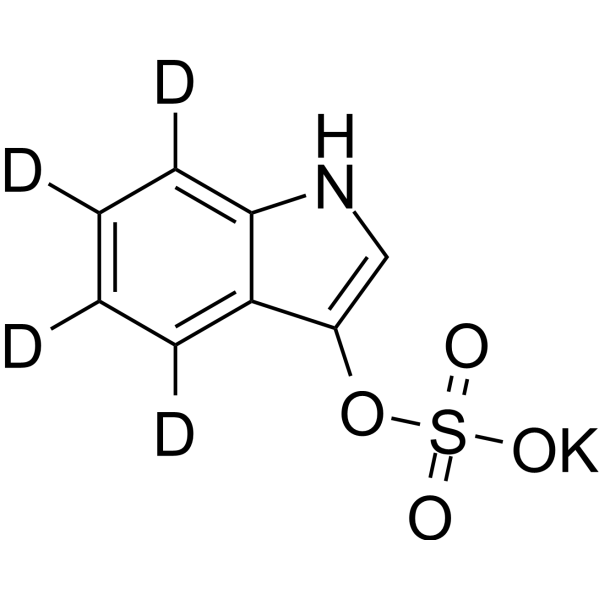
Potassium 1H-indol-3-yl sulfate-d4 potassium is the deuterium labeled Potassium 1H-indol-3-yl sulfate. Potassium 1H-indol-3-yl sulfate is a metabolite of tryptophan, produced by intestinal microorganisms and combined with sulfate in the liver before entering the circulatory system. Potassium 1H-indol-3-yl sulfate is a potent endogenous agonist of the aryl hydrocarbon receptor (AhR) and a urinary toxin. Potassium 1H-indol-3-yl sulfate can be used for research on kidney diseases.
|
-
-
- HY-23155S
-
|
|
|
2-Phenylethyl isothiocyanate-d5 isothiocyanate-d5 is the deuterium labeled 2-Phenylethyl isothiocyanate[1]. 2-Phenylethyl isothiocyanate is a potent antifungal agent. 2-Phenylethyl isothiocyanate significantly inhibited spore germination and mycelial growth of Alternaria alternata, with a MIC (minimum inhibitory concentration) of 1.22 mM. The antifungal effect of 2-Phenylethyl isothiocyanate against Alternaria alternata might be via reduction in toxin content and breakdown of cell membrane integrity[2][3].
|
-
| Cat. No. |
Product Name |
|
Classification |
-
- HY-126690
-
|
|
|
DBCO
|
|
DBCO-(PEG2-VC-PAB-MMAE)2 is made by MMAE conjugated to the cleavable DBCO-(PEG2-VC-PAB)2 linker. Monomethyl auristatin E (MMAE), a potent tubulin inhibitor, is a toxin payload in antibody agent conjugate . DBCO-(PEG2-VC-PAB-MMAE)2 is a click chemistry reagent, it contains a DBCO group that can undergo strain-promoted alkyne-azide cycloaddition (SPAAC) with molecules containing Azide groups.
|
Your information is safe with us. * Required Fields.
Inquiry Information
- Product Name:
- Cat. No.:
- Quantity:
- MCE Japan Authorized Agent:

