
1. Search Result
Search Result
Results for "

retinopathy.

" in MedChemExpress (MCE) Product Catalog:

63

Inhibitors & Agonists

2

Biochemical Assay Reagents

5

Peptides

4

Inhibitory Antibodies

13

Natural
Products

1

Recombinant Proteins

2

Isotope-Labeled Compounds

Cat. No. Product Name Target Research Areas Chemical Structure
  • HY-W031727
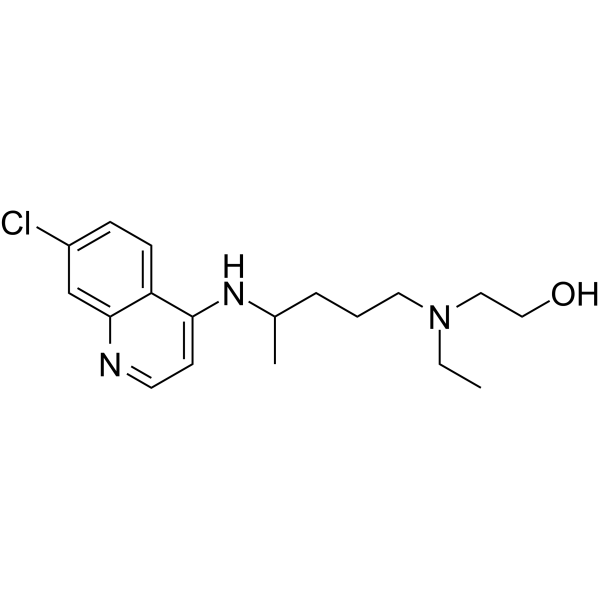
    Hydroxychloroquine
    Maximum Cited Publications
    87 Publications Verification

    Parasite Toll-like Receptor (TLR) SARS-CoV Autophagy Infection Cancer
    Hydroxychloroquine (HCQ) is a synthetic oral antimalarial drug that can be used in the study of malaria and autoimmune diseases such as systemic lupus erythematosus and rheumatoid arthritis. Hydroxychloroquine is a potent autophagic flux inhibitor with antiviral activity (such as SARS-CoV-2 virus) that inhibits Toll-like receptor 7/9 (TLR7/9) signaling .
    Hydroxychloroquine
  • HY-B2163
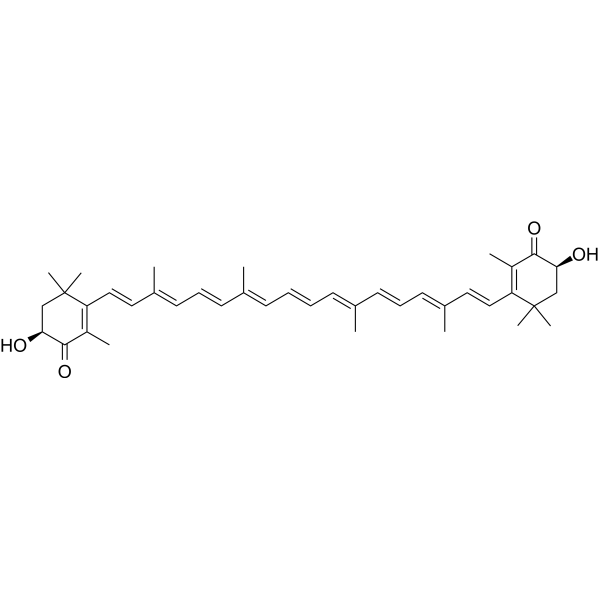
    Astaxanthin
    Maximum Cited Publications
    18 Publications Verification

    PPAR Reactive Oxygen Species (ROS) STAT NF-κB Apoptosis Cardiovascular Disease Metabolic Disease Cancer
    Astaxanthin, the red dietary carotenoid, is an orally effective and potent antioxidant. Astaxanthin inhibits NF-κB and down-regulates VEGF in blood glucose. Astaxanthin exerts anti-cancer cell proliferation, increases apoptosis, impairs migration and invasion by activating PPARγ and reducing the expression of STAT3. Astaxanthin also has neuroprotective and anti-inflammatory activity and can be used in studies of cancer, diabetic retinopathy, cardiovascular disease, and in the coloring of animal feed .
    Astaxanthin
  • HY-B1670A
    (-)-Isoproterenol hydrochloride
    1 Publications Verification

    Levisoprenaline hydrochloride; Proternol L hydrochloride

    Caspase TNF Receptor Metabolic Disease
    (-)-Isoproterenol (Levisoprenalinel) hydrochloride is the R-isomer of Isoproterenol. (-)-Isoproterenol hydrochloride can reduce the cleavage of caspase 3 and TNFα levels in retinal endothelial cells (REC). (-)-Isoproterenol hydrochloride can be used for the study of diabetic retinopathy .
    (-)-Isoproterenol hydrochloride
  • HY-N0794
    Proanthocyanidins
    4 Publications Verification

    Bacterial Fungal Infection Cardiovascular Disease Inflammation/Immunology Cancer
    Proanthocyanidin (Procyanidin) are a class of polyphenolic that are widely distributed in higher plants, consisted of an electrophilic flavanyl unit. Proanthocyanidin can be used as antioxidant and anti-cancers agent. Proanthocyanidin also exhibit anti-inflammatory, cardioprotective, antibacterial and antifungal properties, which can be used in the treatment of chronic venous insufficiency, capillary fragility, sunburn and retinopathy. .
    Proanthocyanidins
  • HY-Y0669
    Pipecolic acid
    2 Publications Verification

    Endogenous Metabolite YAP Glutathione Peroxidase Ferroptosis Neurological Disease Metabolic Disease Inflammation/Immunology
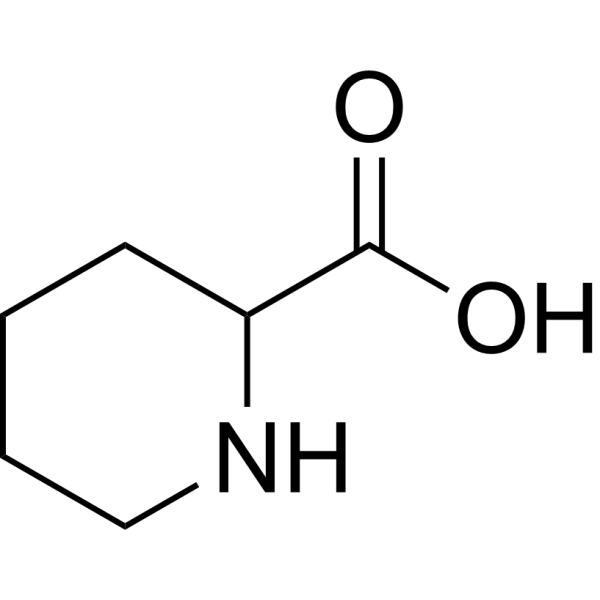
    Pipecolic acid is an orally bioavailable, blood-brain barrier-permeable metabolite of lysine with antioxidant, inhibitor, and inducer activity. Pipecolic acid modulates the YAP-GPX4 signaling pathway, reduces retinal vascular tube formation, and mitigates ferroptosis. Pipecolic acid potentiates voltage-sensitive Ca 2+ channel currents and induces neuronal apoptosis. Pipecolic acid can be used for the research of diabetic retinopathy .
    Pipecolic acid
  • HY-N0637
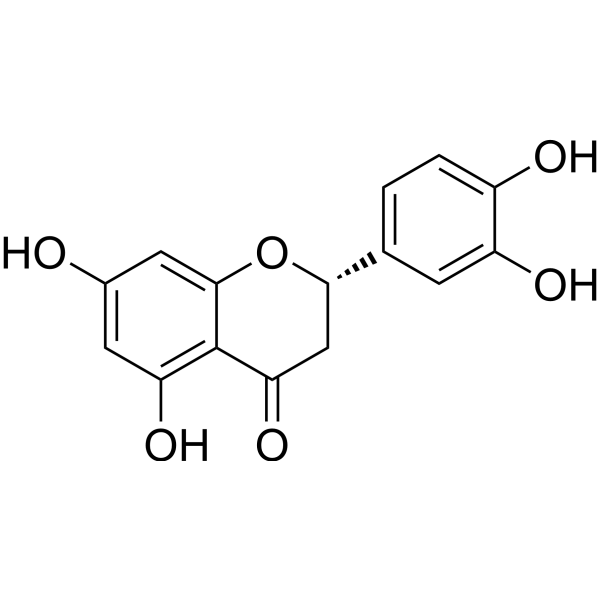
    Eriodictyol
    10+ Cited Publications

    Huazhongilexone

    Melanocortin Receptor TRP Channel Infection Inflammation/Immunology
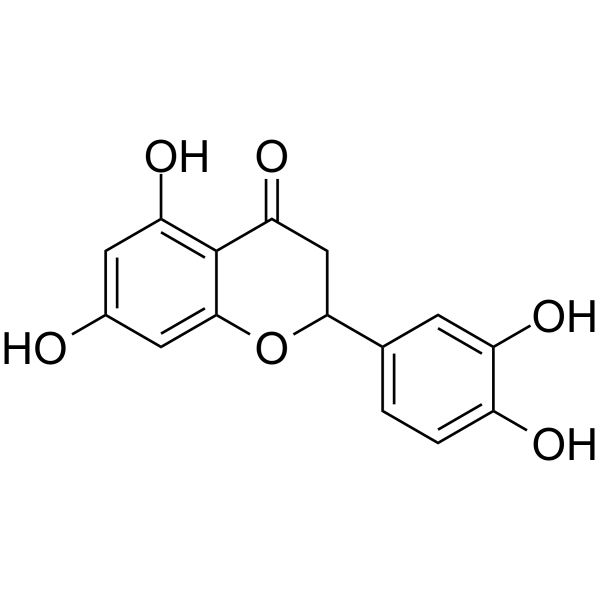
    Eriodictyol ((±)-Huazhongilexone; Dihydroluteolin) is an orally active TRPV1 receptor antagonist (IC50=44-47 nM, rTRPV1) with antioxidant and anti-inflammatory activities. Eriodictyol effectively inhibits lipid peroxidation and the release of proinflammatory cytokines by specifically antagonizing the TRPV1 receptor and activating the Nrf2 signaling pathway. Eriodictyol reduces the levels of ICAM-1, VEGF, eNOS and TNF-α in the retina and maintains the integrity of the blood-retinal barrier. Eriodictyol alleviates oxidative stress-induced apoptosis and hyperalgesia, enhances the activity and cytotoxicity of immune cells (such as B lymphocytes, NK cells and macrophages), and increases the levels of antioxidant enzymes simultaneously. Eriodictyol can be used in the research of diabetic retinopathy, acute lung injury and various pain-related diseases .
    Eriodictyol
  • HY-N0637A

    (±)-Huazhongilexone; Dihydroluteolin

    Melanocortin Receptor TRP Channel Metabolic Disease
    (±)-Eriodictyol ((±)-Huazhongilexone; Dihydroluteolin) is an orally active TRPV1 receptor antagonist (IC50=44-47 nM, rTRPV1) with antioxidant and anti-inflammatory activities. (±)-Eriodictyol effectively inhibits lipid peroxidation and the release of proinflammatory cytokines by specifically antagonizing the TRPV1 receptor and activating the Nrf2 signaling pathway. (±)-Eriodictyol reduces the levels of ICAM-1, VEGF, eNOS and TNF-α in the retina and maintains the integrity of the blood-retinal barrier. (±)-Eriodictyol alleviates oxidative stress-induced apoptosis and hyperalgesia, enhances the activity and cytotoxicity of immune cells (such as B lymphocytes, NK cells and macrophages), and increases the levels of antioxidant enzymes simultaneously. (±)-Eriodictyol can be used in the research of diabetic retinopathy, acute lung injury and various pain-related diseases .
    (±)-Eriodictyol
  • HY-Y1139
    Pimelic acid
    2 Publications Verification

    Heptanedioic acid; 1,5-Pentanedicarboxylic acid; 1,7-Heptanedioic acid

    Endogenous Metabolite PROTAC Linkers Metabolic Disease
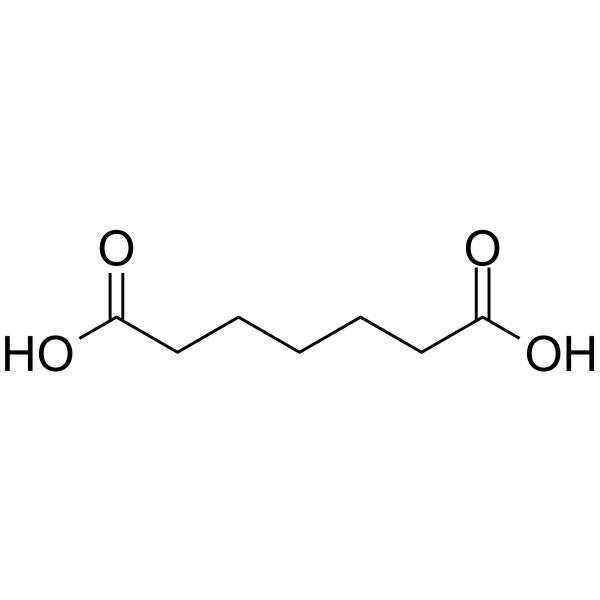
    Pimelic acid (Heptanedioic acid; 1,5-Pentanedicarboxylic acid) is a seven-carbon α,ω-dicarboxylic acid and a downstream product of fatty acid synthesis. Pimelic acid is a key precursor in biotin biosynthesis. Pimelic acid can be converted to pimelic acid-CoA by the BioW enzyme, thereby bypassing exogenous biotin requirements to support growth in various biotinytrophic bacteria and fungi, and reversing antibiotic-induced inhibition of biotin synthesis. Furthermore, Pimelic acid has been proposed as a highly specific biomarker for oxygen-induced retinopathy in mice. Pimelic acid can be used to study retinopathy of preterm infants, oxygen-induced retinopathy, and microbial biotin metabolism .
    Pimelic acid
  • HY-112482
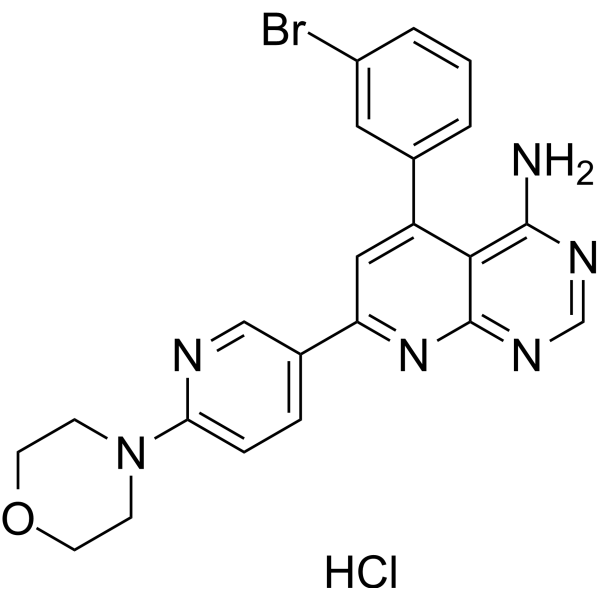
    ABT-702
    3 Publications Verification

    Adenosine Kinase Adenosine Receptor Neurological Disease Inflammation/Immunology
    ABT-702 (Adenosine Kinase Inhibitor) is a potent, orally active, and selective adenosine kinase (AK) inhibitor with an IC50 of 1.7 nM. ABT-702 shows >1300-fold selectivity for AK over other biological targets, including cyclooxygenases-1 and -2. ABT-702 attenuates inflammation in diabetic retinopathy by increasing free adenosine levels. ABT-702 shows analgesic and anti-inflammatory effects in vivo. ABT-702 can be used for diabetic retinopathy research .
    ABT-702
  • HY-150069

    Bcl-2 Family Apoptosis Metabolic Disease
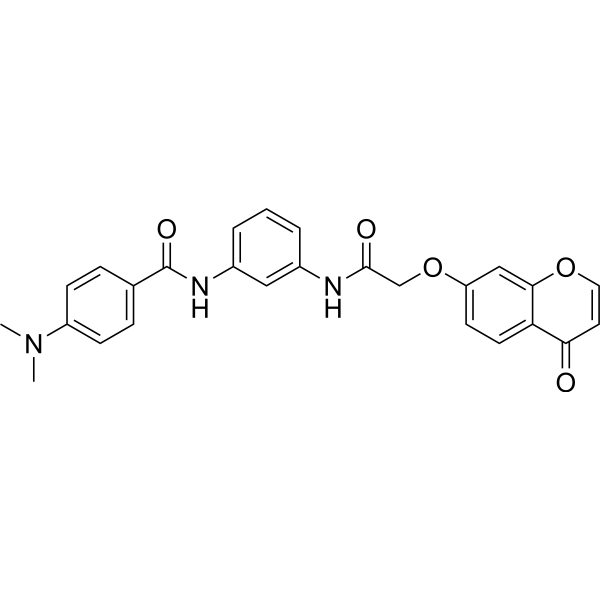
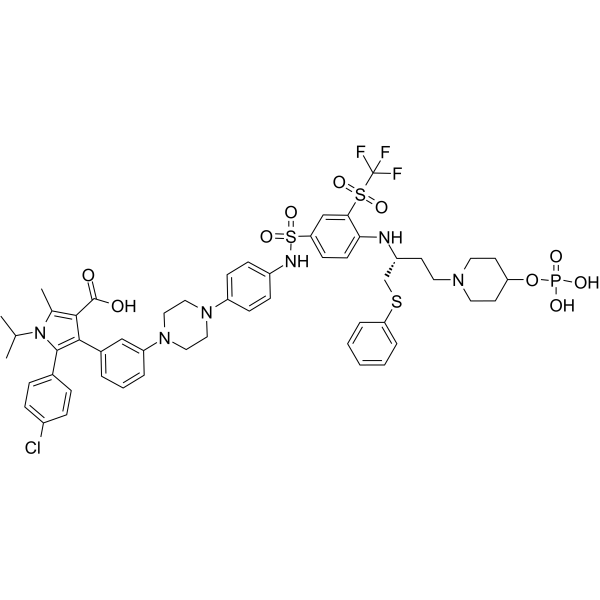
    UBX1325 is an Bcl-xL inhibitor that promotes apoptosis in senescent cells. UBX1325 is a potent anti-aging agent that can be used in studies of age-related eye diseases such as diabetic macular oedema (DME), age-related macular degeneration (AMD) and diabetic retinopathy (DR) .
    UBX1325
  • HY-111603
    Calcium dobesilate
    1 Publications Verification

    Apoptosis Metabolic Disease Inflammation/Immunology
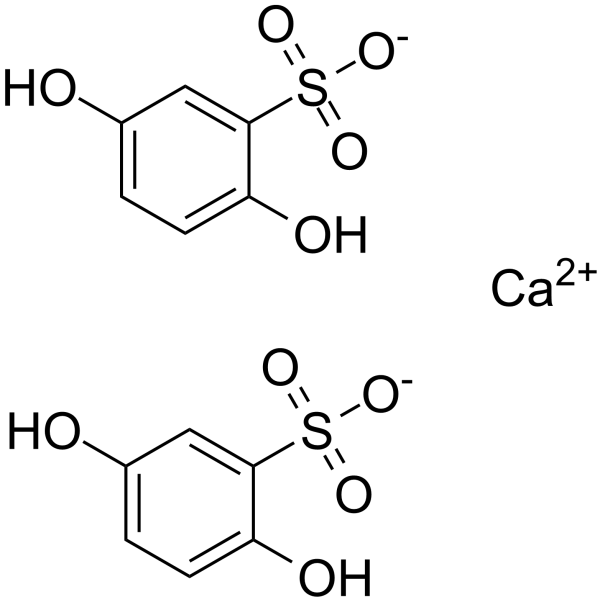
    Calcium dobesilate is a vascular protector with oral activity that can clear hydroxyl free radicals, with an IC50 of 1.1 pM. Calcium dobesilate has antioxidant activity and helps to reduce oxidative stress and inflammation in the retinas of diabetic mice. Calcium dobesilate can be used to study chronic venous diseases, diabetic retinopathy, and the occurrence of hemorrhoids, among other conditions .
    Calcium dobesilate
  • HY-112482A
    ABT-702 hydrochloride
    3 Publications Verification

    Adenosine Kinase Adenosine Receptor Neurological Disease Inflammation/Immunology
    ABT-702 hydrochloride is a potent, orally active, and selective adenosine kinase (AK) inhibitor with an IC50 of 1.7 nM. ABT-702 hydrochloride shows >1300-fold selectivity for AK over other biological targets, including cyclooxygenases-1 and -2. ABT-702 hydrochloride attenuates inflammation in diabetic retinopathy by increasing free adenosine levels. ABT-702 hydrochloride shows analgesic and anti-inflammatory effects in vivo. ABT-702 hydrochloride can be used for diabetic retinopathy research .
    ABT-702 hydrochloride
  • HY-N2896

    Reactive Oxygen Species (ROS) Apoptosis Fungal Bacterial NF-κB SOD AMPK mTOR Notch Toll-like Receptor (TLR) Wnt MyD88 Sirtuin Infection Neurological Disease Inflammation/Immunology Cancer
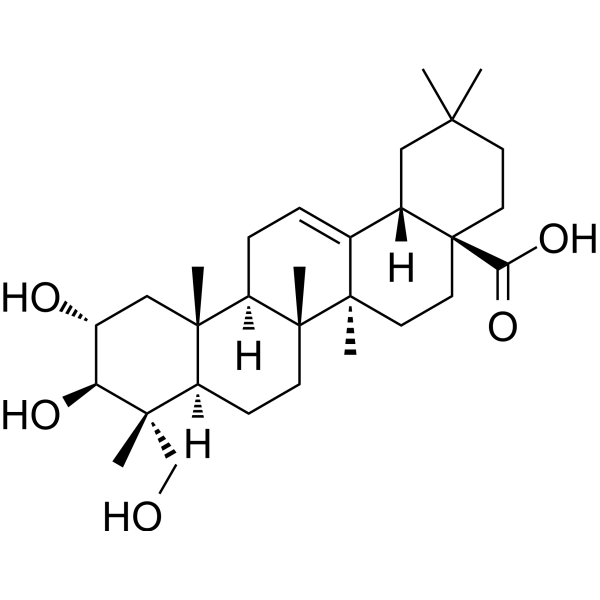
    Arjunolic acid is an orally active, multifunctional bioactive compound. Arjunolic acid exhibits free radical scavenging activity, as well as fungal and bacterial activities. Arjunolic acid induces apoptosis (Apoptosis) in various cancer cells. Arjunolic acid protects hepatocytes against induced oxidative stress and apoptosis by reducing reactive oxygen species and inhibiting NF-κB activation. Arjunolic acid regulates pancreatic dysfunction in type 2 diabetic rats by blocking the activation of the TLR-4/MyD88 and canonical Wnt pathways. Arjunolic acid inhibits neuroinflammation and ameliorates depressive behaviors via the SIRT1/AMPK/Notch1 signaling pathway in microglia. Arjunolic acid improves Crohn's disease-like colitis by restoring gut microbiota composition and inhibiting TLR4 signaling. Arjunolic acid suppresses osteosarcoma progression by inhibiting Wnt3a-mediated M2 polarization of macrophages. Arjunolic acid ameliorates diabetic retinopathy via the autophagy pathway regulated by AMPK/mTOR/HO-1. Arjunolic acid is applicable to research related to type 2 diabetes, organ toxicity, depression, Crohn's disease, osteosarcoma, diabetic retinopathy, and testicular dysfunction .
    Arjunolic acid
  • HY-N3677

    OGT Akt mTOR GSK-3 Reactive Oxygen Species (ROS) Apoptosis PARP MDM-2/p53 Inflammation/Immunology Cancer
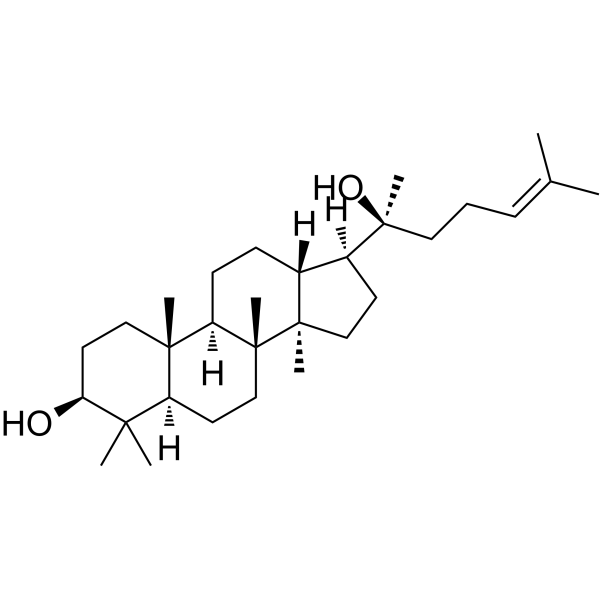
    Dammarenediol II is a ginsenoside precursor . Dammarenediol II reduces the activity of O-GlcNAc transferase (OGT) and downregulates the global O-GlcNAcylation level. Dammarenediol II inhibits the phosphorylation of Akt, mTOR and GSK3β. Dammarenediol II inhibits human carboxylesterase activity, VEGF-induced ROS production, stress fiber formation and vascular endothelial cadherin disruption. Dammarenediol II promotes cell apoptosis (apoptosis), increases the levels of cleaved PARP1 and p53, and inhibits retinal microvascular leakage. Dammarenediol II can be used in studies related to liver cancer and diabetic retinopathy .
    Dammarenediol II
  • HY-126195

    ML-090

    NADPH Oxidase Neurological Disease
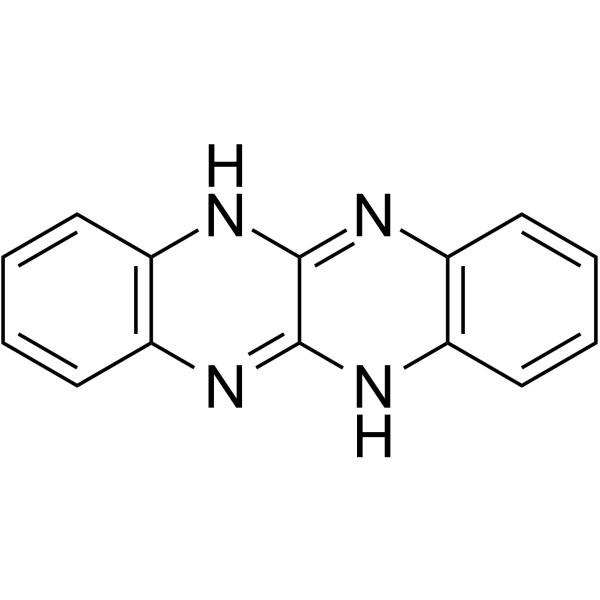
    Fluoflavine (ML-090) is a selective NOX1 inhibitor and reactive oxygen species inhibitor. Fluoflavine reduces reactive oxygen species production, NOX1-mediated downstream signaling events, and oxygen-glucose deprivation-induced retinal ganglion cell death. Fluoflavine inhibits NADPH oxidase activity and pathological retinal neovascularization induced by oxygen-induced retinopathy in the retinas of ischemic mice. Fluoflavine can be used in studies related to retinal ischemia-reperfusion injury and proliferative retinopathy .
    Fluoflavine
  • HY-139170

    ROCK Metabolic Disease
    CAY10746 is a selective Rho kinase (ROCK) inhibitor. CAY10746 has inhibitory activity for ROCK I, ROCK II with IC50 values of 0.014 μM and 0.003 μM, respectively. CAY10746 can be used for the research of diabetic retinopathy (DR) .
    CAY10746
  • HY-P3226

    IGF-1R VEGFR Drug Derivative Cardiovascular Disease Neurological Disease
    JB-1, an IGF-I analog, is a selective IGF-I receptor inhibitor that does not interact with IGF-II. JB-1 competes with IGF-I for binding to IGF-1R and blocks receptor autophosphorylation. JB-1 increases the level of sVEGFR-1. JB-1 normalizes retinal abnormalities, including reducing retinal neovascularization. JB-1 is applicable to studies related to oxygen-induced retinopathy .
    JB-1
  • HY-P10086
    TREM-1 inhibitory peptide GF9
    1 Publications Verification

    Human TREM-1(213-221)

    TREM receptor TNF Receptor Interleukin Related c-Fms Neurological Disease Inflammation/Immunology Cancer
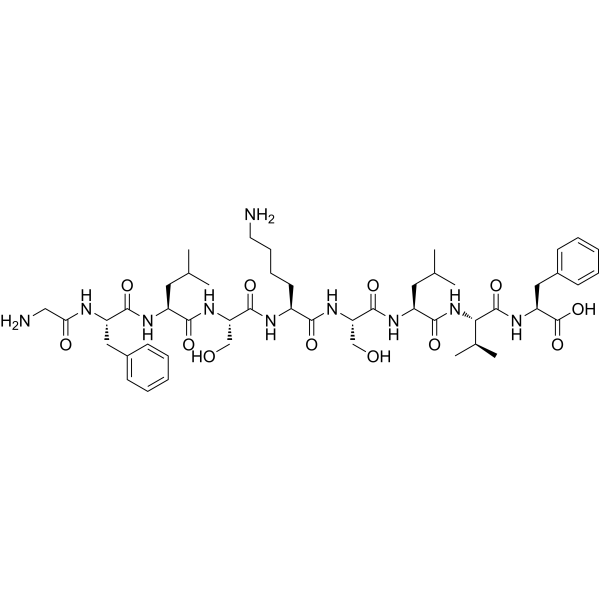
    TREM-1 inhibitory peptide GF9 (Human TREM-1 (213-221)) is a TREM-1 inhibitor. TREM-1 inhibitory peptide GF9 blocks the TREM-1 signaling pathway via a ligand-independent mechanism, spontaneously inserts into the cell membrane to dissociate TREM-1 from DAP-12, and functions through the Signaling Chain Homooligomerization (SCHOOL) model. TREM-1 inhibitory peptide GF9 reduces the levels of TNFα, IL-1β, IL-6, and M-CSF. TREM-1 inhibitory peptide GF9 inhibits tumor growth, prolongs the survival of mice with pancreatic cancer models, ameliorates collagen-induced arthritis, and exerts protective effects on bone and cartilage simultaneously. TREM-1 inhibitory peptide GF9 can be used in research related to arthritis, pancreatic cancer, retinopathy, alcoholic liver disease, and liver cancer .
    TREM-1 inhibitory peptide GF9
  • HY-Y0669S

    Isotope-Labeled Compounds Endogenous Metabolite Ferroptosis YAP Glutathione Peroxidase Infection
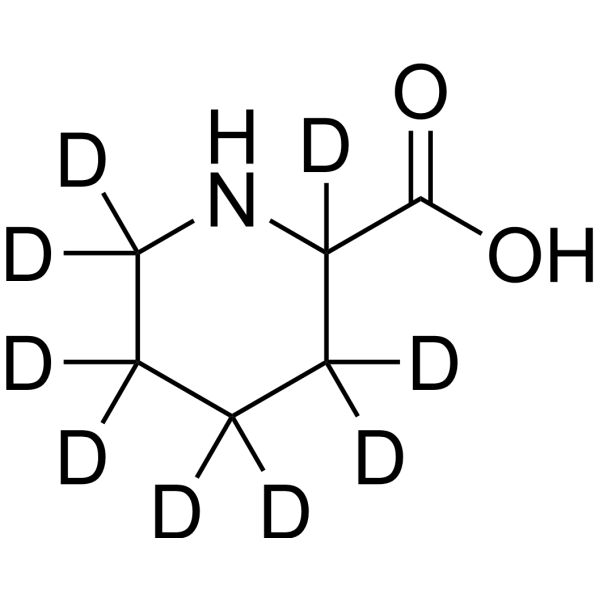
    Pipecolic acid-d9 is the deuterium labeled Pipecolic acid. Pipecolic acid is a metabolite of lysine and an important precursor for many useful microbial secondary metabolites. Pipecolic acid slows ferroptosis in diabetic retinopathy by inhibiting the YAP-GPX4 signaling pathway. In addition, Pipecolic acid can be used as a diagnostic marker for pyridoxine-dependent epilepsy .
    Pipecolic acid-d9
  • HY-117133

    SF0166

    Integrin Metabolic Disease
    Nesvategrast (SF0166) is a potent and selective αvβ3 antagonist with IC50 values of 0.6 nM, 8 nM, and 13 nM for αvβ3, αvβ6, and αvβ8, respectively. Nesvategrast inhibits cellular adhesion to vitronectin across human, rat, rabbit, and dog cell lines with IC50 values of 7.6 pM to 76 nM. Nesvategrast decreases neovascularization in the oxygen-induced retinopathy mouse model .
    Nesvategrast
  • HY-P4253

    H-Arg-Gln-OH

    VEGFR Cardiovascular Disease
    Arginyl-Glutamine is a dipeptide that can decrease VEGF levels and inhibit retinal neovascularization in a mouse model of oxygen-induced retinopathy .
    Arginyl-Glutamine
  • HY-111603R

    Reference Standards Apoptosis Others
    Calcium dobesilate (Standard) is the analytical standard of Calcium dobesilate. This product is intended for research and analytical applications. Calcium dobesilate, a vasoprotective, is widely used in chronic venous disease, diabetic retinopathy and the symptoms of haemorrhoidal attack in many countries.
    Calcium dobesilate (Standard)
  • HY-116301

    Phospholipase Inflammation/Immunology
    CAY10502 is a potent, calcium-dependent cytosolic phospholipase A2 α (cPLA2α) inhibitor with an IC50 of 4.3 nM for isolated enzyme. CAY10502 can be used in the research of retinopathy and inflammatory diseases .
    CAY10502
  • HY-W031727R

    Reference Standards Parasite Toll-like Receptor (TLR) SARS-CoV Autophagy Infection Cancer
    Hydroxychloroquine (HCQ) is a synthetic oral antimalarial drug that can be used in the study of malaria and autoimmune diseases such as systemic lupus erythematosus and rheumatoid arthritis. Hydroxychloroquine is a potent autophagic flux inhibitor with antiviral activity (such as SARS-CoV-2 virus) that inhibits Toll-like receptor 7/9 (TLR7/9) signaling .
    Hydroxychloroquine (Standard)
  • HY-125639

    (rac)-AR-13324 M1 metabolite

    PKC ROCK Cardiovascular Disease
    (rac)-AR-13503 ((rac)-AR-13324 M1 metabolite) is the isoform of AR-13503 (HY-12798C). AR-13503 a ROCK/PKC inhibitor, inhibiting angiogenesis and enhancing retinal pigment epithelium (RPE) permeability. AR-13503 also inhibits the formation of aberrant neovascularization (NV) in oxygen-induced retinopathy (OIR) model in mice .
    (rac)-AR-13503
  • HY-P3318

    L-BOC2

    Leukotriene Receptor Inflammation/Immunology
    Boc-Phe-Leu-Phe-Leu-Phe (Boc-FLFLF) is a N-formyl peptide receptors (FPR) inhibitor. Boc-Phe-Leu-Phe-Leu-Phe abolishes the FMLP-induced release of peptide leukotrienes. Boc-Phe-Leu-Phe-Leu-Phe inhibits the sprouting of human umbilical vein endothelial cell (HUVEC) spheroids mediated by proliferative diabetic retinopathy (PDR) vitreous and vascular endothelial growth factor (VEGF) respectively in a three-dimensional fibrin gel. Boc-Phe-Leu-Phe-Leu-Phe inhibits the anti-inflammatory and antifibrotic effects of Ac2-26 (HY-P1098). Boc-Phe-Leu-Phe-Leu-Phe can be used for the study of immunology .
    Boc-Phe-Leu-Phe-Leu-Phe
  • HY-122963

    Adenosine Receptor Metabolic Disease
    Danshenol B is a diterpenoid. Danshenol B has strong aldose reductase (AR) inhibitory activity with IC50 value of 0.042μM. Danshenol B can be used for the research of diabetic related complication resulted by metabolic abnormality, such as cataracts, retinopathy, neuropathy, and nephropathy .
    Danshenol B
  • HY-Y0669R

    Reference Standards Endogenous Metabolite YAP Glutathione Peroxidase Ferroptosis Neurological Disease Metabolic Disease Inflammation/Immunology
    Pipecolic acid (Standard) is the analytical standard of Pipecolic acid. This product is intended for research and analytical applications. Pipecolic acid is a metabolite of lysine and an important precursor for many useful microbial secondary metabolites. Pipecolic acid slows ferroptosis in diabetic retinopathy by inhibiting the YAP-GPX4 signaling pathway. In addition, Pipecolic acid can be used as a diagnostic marker for pyridoxine-dependent epilepsy .
    Pipecolic acid (Standard)
  • HY-115821

    Rutascorbin

    Others Metabolic Disease
    Ascorutin (Rutascorbin), a combination of ascorbic acid and rutoside, is utilized in the treatment of diabetic retinopathy.
    Ascorutin
  • HY-P4253A

    H-Arg-Gln-OH TFA

    VEGFR Cardiovascular Disease
    Arginyl-Glutamine TFA is a dipeptide that can decrease VEGF levels and inhibit retinal neovascularization in a mouse model of oxygen-induced retinopathy .
    Arginyl-Glutamine TFA
  • HY-149325

    RPE65 Others
    RPE65-IN-1(Compound 16e) is a potent RPE65 inhibitor, with an IC50 value of 0.29 μM. which can be used in retinopathy-related research .
    RPE65-IN-1
  • HY-B1670

    Levisoprenalinel; Proternol L

    Caspase TNF Receptor Metabolic Disease
    (-)-Isoproterenol (Levisoprenalinel) is the R-isomer of Isoproterenol. (-)-Isoproterenol can reduce the cleavage of caspase 3 and TNFα levels in retinal endothelial cells (REC). (-)-Isoproterenol can be used for the study of diabetic retinopathy .
    (-)-Isoproterenol
  • HY-150052

    Kallikrein Cardiovascular Disease Metabolic Disease
    Plasma kallikrein-IN-3 is a plasma kallikrein inhibitor (IC50: 0.15 μM). Plasma kallikrein-IN-3 can be used for hereditary angioedema, diabetic macular edema, and diabetic retinopathy research .
    Plasma kallikrein-IN-3
  • HY-N11286

    TG-DHA; Meganol D

    Others Neurological Disease Metabolic Disease Inflammation/Immunology
    Tridocosahexaenoylglycerol (TG-DHA) is an orally active dietary supplement that improves autoimmune encephalomyelitis in mice. Tridocosahexaenoylglycerol shows beneficial effects on neurodegenerative diseases and also improves macular function in diabetic retinopathy. Tridocosahexaenoylglycerol can be used for research on neurological diseases, inflammatory immune diseases, and metabolic diseases .
    Tridocosahexaenoylglycerol
  • HY-143721

    Monoamine Oxidase Cardiovascular Disease Metabolic Disease Inflammation/Immunology
    SSAO inhibitor-2 (Compound 1) is a semicarbazide-sensitive amine oxidase (SSAO) inhibitor with IC50s of <10 nM, and 10-100 μM for human SSAO and MAO-A, respectively. SSAO inhibitor-3 can be used for the research of atherosclerosis, diabetes and its complications, obesity, stroke, chronic kidney disease, retinopathy, chronic obstructive pulmonary disease (COPD), autoimmune diseases, multiple sclerosis, etc .
    SSAO inhibitor-2
  • HY-145604

    RG7774

    Cannabinoid Receptor Cardiovascular Disease Neurological Disease Metabolic Disease Inflammation/Immunology
    Vicasinabin (RG7774) is an orally active, selective, and full CB2R agonist, with EC50 values of 2.81 nM and 2.60 nM for human CB2R and mouse CB2R, respectively. Vicasinabin inhibits inflammation, reduces leukocyte adhesion and decreases vascular permeability by selectively activating CB2R. Vicasinabin can be used in the researches for diabetic retinopathy, uveitis and laser-induced choroidal neovascularization .
    Vicasinabin
  • HY-143723

    Monoamine Oxidase Cardiovascular Disease Metabolic Disease Inflammation/Immunology
    SSAO inhibitor-3 (Compound 2) is a semicarbazide-sensitive amine oxidase (SSAO) inhibitor with IC50s of <10 nM, and 0.1-10 μM for human SSAO and AOC1, respectively. SSAO inhibitor-3 can be used for the research of atherosclerosis, diabetes and its complications, obesity, stroke, chronic kidney disease, retinopathy, chronic obstructive pulmonary disease (COPD), autoimmune diseases, multiple sclerosis, etc .
    SSAO inhibitor-3
  • HY-106915

    SPR 210

    Aldose Reductase Neurological Disease Metabolic Disease
    SG-210 (SPR 210) is an orally active and selective aldose reductase (AR) inhibitor. SG-210 has IC50 values of 9.5 nM and 10 nM for AR from porcine lens and human placenta, respectively. SG-210 can inhibit sorbitol accumulation and ameliorate diabetic neuropathy and retinopathy in Streptozotocin (HY-13753)-induced diabetic rats. SG-210 can be used in the research of diseases such as diabetes-related complications .
    SG-210
  • HY-111159

    Drug Derivative Others
    CP-467688 is a retinal toxicant with a basic pKa=8.1 and lipophilic clogP=5.0. CP-467688 is promising for research of drug-induced retinopathy .
    CP-467688
  • HY-143476

    Kallikrein Cardiovascular Disease Metabolic Disease
    Plasma kallikrein-IN-2 (Compound 198) is a potent plasma kallikrein (PKal) inhibitor with an IC50 of 0.1 nM. Plasma kallikrein-IN-2 can be used for hereditary angioedema, diabetic macular edema, and diabetic retinopathy research .
    Plasma kallikrein-IN-2
  • HY-119112A

    PKC Neurological Disease
    LY 379196 is a PKC-β inhibitor (IC50: 50 nM and 30 nM for PKC βI and βII respectively). LY 379196 inhibits the VEGF, IGF-1 and bFGF-induced proliferation of bovine retinal microvascular endothelial cells (BREC). LY 379196 is an antiproliferatory agentfor proliferative retinopathy .
    LY 379196
  • HY-175331

    Aldose Reductase Metabolic Disease Cancer
    ALR2-IN-7 (Compound 5a) is a highly potent and selective aldose reductase (ALR2/AKR1B1) inhibitor (Ki=8.71 nM). ALR2-IN-7 is promising for research of diabetic complications (e.g., retinopathy, nephropathy) and cancers .
    ALR2-IN-7
  • HY-N4145

    Cinnamtannin A3; Cinnamtannin II

    Drug Derivative Bacterial Fungal Infection Cardiovascular Disease Inflammation/Immunology Cancer
    Procyanidin A3 (Cinnamtannin A3; Cinnamtannin II) is a sub class of Proanthocyanidins (HY-N0794). Proanthocyanidin are a class of polyphenolic that are widely distributed in higher plants, consisted of an electrophilic flavanyl unit. Proanthocyanidin can be used as antioxidant and anti-cancer agent. Proanthocyanidin also exhibit anti-inflammatory, cardioprotective, antibacterial and antifungal properties, which can be used in the treatment of chronic venous insufficiency, capillary fragility, sunburn and retinopathy .
    Procyanidin A3
  • HY-175663

    RPE65 Metabolic Disease
    EYE-002 is a RPE65 inhibitor with an IC50 of 69 nM. EYE-002 promotes recovery of scotopic ERG a-/b-wave amplitudes. EYE-002 regulates the visual cycle in mice by reducing 11-cis-retinal (11cRAL) (HY-116711) synthesis and increasing all-trans-retinyl esters (atREs). EYE-002 exerts protective effects against photic retinal damage in mice. EYE-002 can be used for the study of visual cycle-associated retinopathies, such as Stargardt disease type 1 (STGD1) .
    EYE-002
  • HY-175664

    RPE65 Metabolic Disease
    EYE-003 is an orally active RPE65 inhibitor with an IC50 of 102 nM. EYE-003 regulates the visual cycle in mice by reducing 11-cis-retinal (11cRAL) (HY-116711) synthesis and increasing all-trans-retinyl esters (atREs). EYE-003 suppresses scotopic ERG b-wave amplitude and exerts protective effects against retinal degeneration in Abca4 ⁻/⁻ Rdh8 ⁻/⁻ mice (a STGD1 model) by reducing retinal autofluorescent puncta and preserving outer nuclear layer (ONL) thickness in a dose-dependent manner. EYE-003 can be used for the study of visual cycle-associated retinopathies, such as Stargardt disease type 1 (STGD1) .
    EYE-003
  • HY-129685

    Aldose Reductase Metabolic Disease
    M79175 is an aldose reductase inhibitor that can be used in the study of early diabetic retinopathy .
    M79175
  • HY-P991429

    VEGFR Metabolic Disease
    THR-317 is a human monoclonal antibody (mAb) targeting PLGF. THR-317 can be used in Diabetic retinopathy research .
    THR-317
  • HY-131528

    CAS 997

    TNF Receptor Neurological Disease Metabolic Disease
    Tenilsetam (CAS 997) is an antidementia compound. Tenilsetam is an advanced glycation end product (AGE) inhibitor. Tenilsetam inhibits early retinopathy in experimental diabetes rats .
    Tenilsetam
  • HY-111603S

    Isotope-Labeled Compounds Apoptosis Others
    Dobesilate-d6 (calcium) is deuterium labeled Calcium dobesilate. Calcium dobesilate, a vasoprotective, is widely used in chronic venous disease, diabetic retinopathy and the symptoms of haemorrhoidal attack in many countries.
    Dobesilate-d6 calcium
  • HY-P991385

    Tie Neurological Disease Metabolic Disease
    UBX2050 is a human monoclonal antibody (mAb) targeting TIE2. UBX2050 can be used in Age-related macular degeneration, Diabetic macular oedema and Diabetic retinopathy research .
    UBX2050

Inquiry Online

Your information is safe with us. * Required Fields.

Salutation


Country or Region *

Applicant Name *


Organization Name *

Department *


Email Address *


Product Name *

Cat. No.


Requested quantity *

Phone Number *


Remarks

Inquiry Online

Inquiry Information

Product Name:
Cat. No.:
Quantity:
MCE Japan Authorized Agent:

