


1. Search Result
Search Result
Results for "

soluble Aβ

" in MedChemExpress (MCE) Product Catalog:

66

阻害剤およびアゴニスト

1

蛍光色素

8

生化学アッセイ試薬

10

ペプチド

3

阻害性抗体

9

天然物

2

同位体標識化合物

3

オリゴヌクレオチド

Targets Recommended:
製品番号 製品名 Target 研究分野 構造式
  • HY-17031
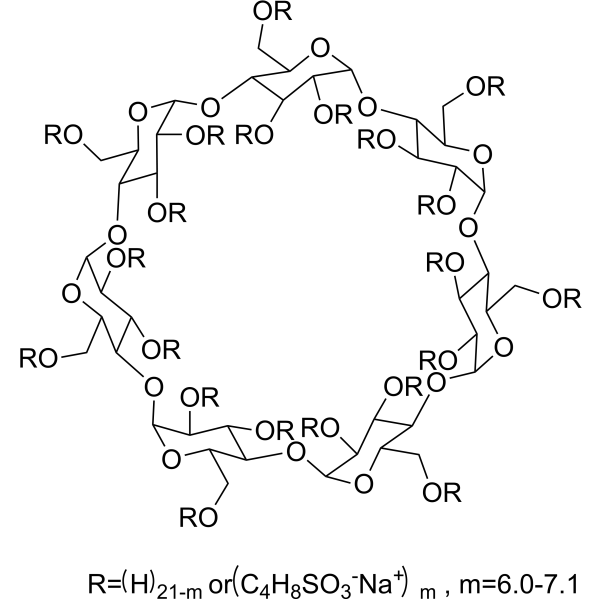
    SBE-β-CD
    Maximum Cited Publications
    147 Publications Verification

    Sulfobutylether-β-Cyclodextrin

    Biochemical Assay Reagents Others
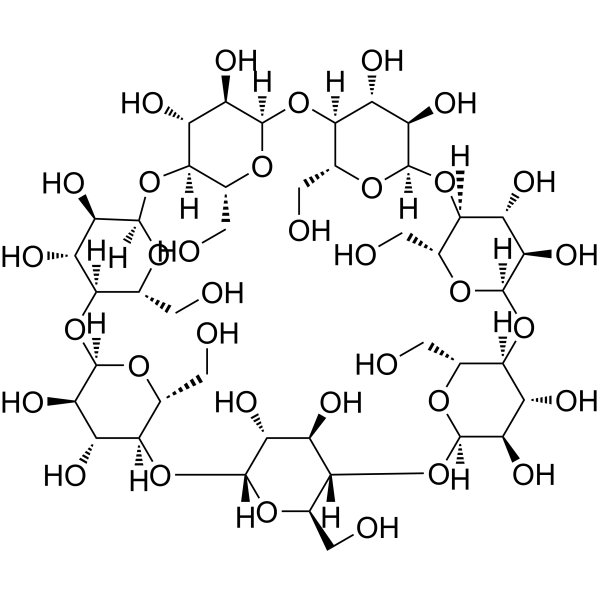
    SBE-β-CD is a sulfobutylether β-cyclodextrin derivative used as an excipient or a formulating agent to increase the solubility of poorly soluble agents .
    SBE-β-CD
  • HY-P1363
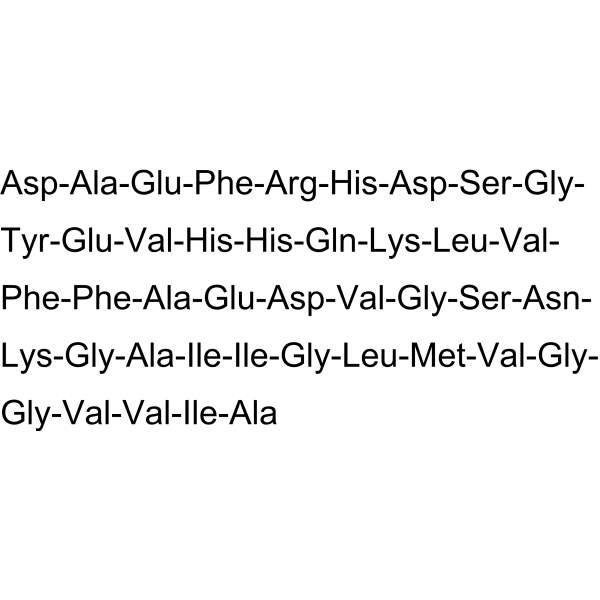
    β-Amyloid (1-42), human TFA
    Maximum Cited Publications
    24 Publications Verification

    Amyloid β-peptide (1-42) (human) TFA

    Amyloid-β Neurological Disease
    β-Amyloid (1-42) (Amyloid β-peptide (1-42), human TFA, a 42-amino acid peptide that has not been treated with HFIP, is a brain-penetrant amyloid protein fragment, which can be used in research on Alzheimer's disease and Down’s syndrome. β-Amyloid (1-42), human TFA remaining as a monomer exhibits antioxidant and neuroprotective effects. β-Amyloid (1-42), human TFA, after being monomericized by HFIP and dissolved in DMSO to form the stock solution, on the one hand, can form soluble oligomers (AβOs) when incubated at 4 °C, which have synaptic toxicity and neurotoxicity; on the other hand, it can be incubated at 37 °C to form insoluble fibrils, with lower neurotoxicity, and participating in the oxidative damage process. Aβ42 oligomers bind to various neuronal surface receptors (such as PrPc, mGluR5, NMDA receptors, etc.), triggering oxidative stress, calcium homeostasis imbalance, and synaptic toxicity via activating downstream signaling pathways, leading to neuronal dysfunction and death .
    β-Amyloid (1-42), human TFA
  • HY-P1363A
    β-Amyloid (1-42), human
    Maximum Cited Publications
    24 Publications Verification

    Amyloid β-peptide (1-42) (human)

    Amyloid-β Neurological Disease
    β-Amyloid (1-42) (Amyloid β-peptide (1-42)), human, a 42-amino acid peptide that has not been treated with HFIP, is a brain-penetrant amyloid protein fragment, which can be used in research on Alzheimer's disease and Down’s syndrome. β-Amyloid (1-42), human remaining as a monomer exhibits antioxidant and neuroprotective effects. β-Amyloid (1-42), human, after being monomericized by HFIP and dissolved in DMSO to form the stock solution, on the one hand, can form soluble oligomers (AβOs) when incubated at 4 °C, which have synaptic toxicity and neurotoxicity; on the other hand, it can be incubated at 37 °C to form insoluble fibrils, with lower neurotoxicity, and participating in the oxidative damage process. Aβ42 oligomers bind to various neuronal surface receptors (such as PrPc, mGluR5, NMDA receptors, etc.), triggering oxidative stress, calcium homeostasis imbalance, and synaptic toxicity via activating downstream signaling pathways, leading to neuronal dysfunction and death .
    β-Amyloid (1-42), human
  • HY-P1363B
    β-Amyloid (1-42), human, HFIP-treated
    Maximum Cited Publications
    24 Publications Verification

    Amyloid-β Neurological Disease
    β-Amyloid (1-42), human, HFIP-treated, a 42-amino acid peptide that has been treated with HFIP from β-Amyloid (1-42), human (HY-P1363A), is a brain-penetrant amyloid protein fragment, which can be used in research on Alzheimer's disease and Down’s syndrome. β-Amyloid (1-42), human, HFIP-treated remaining as a monomer exhibits antioxidant and neuroprotective effects. β-Amyloid (1-42), human, HFIP-treated, after being dissolved in DMSO to form the stock solution, on the one hand, can form soluble oligomers (AβOs) when incubated at 4°C, which have synaptic toxicity and neurotoxicity; on the other hand, it can be incubated at 37°C to form insoluble fibrils, with lower neurotoxicity, and participating in the oxidative damage process. Aβ42 oligomers bind to various neuronal surface receptors (such as PrPc, mGluR5, NMDA receptors, etc.), triggering oxidative stress, calcium homeostasis imbalance, and synaptic toxicity via activating downstream signaling pathways, leading to neuronal dysfunction and death .
    β-Amyloid (1-42), human, HFIP-treated
  • HY-B1829A
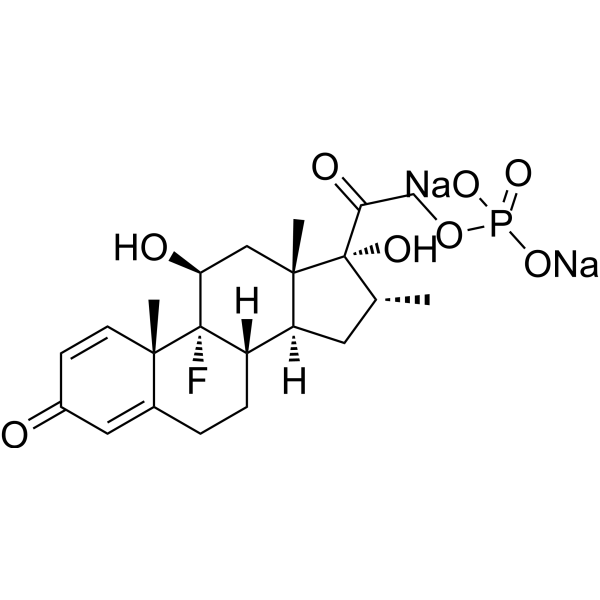
    Dexamethasone phosphate disodium
    10+ Cited Publications

    Dexamethasone 21-phosphate disodium

    Glucocorticoid Receptor TGF-β Receptor Interleukin Related Neurological Disease Inflammation/Immunology
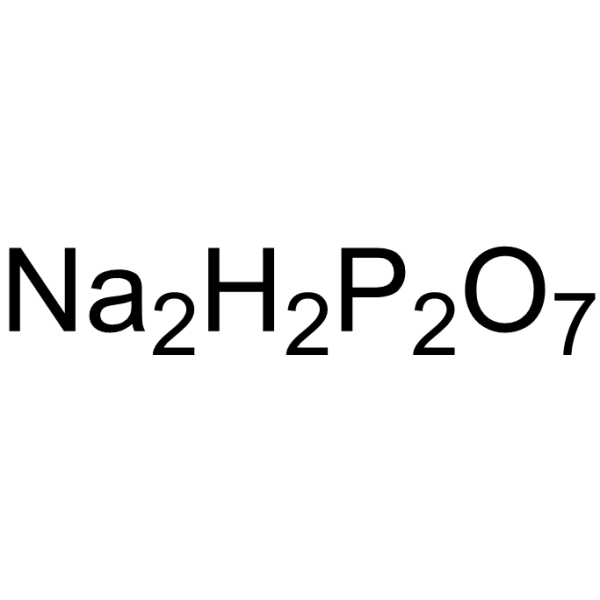
    Dexamethasone phosphate (Dexamethasone 21-phosphate) disodium is a prodrug form of the glucocorticoid Dexamethasone (HY-14648). Dexamethasone phosphate disodium is produced by introducing a phosphate ester group at the 21-position of the Dexamethasone molecule, forming a salt with sodium ions, thereby significantly improving water solubility. Dexamethasone phosphate disodium inhibits LPS (HY-D1056)-induced degradation of IRAK-1 and IRAK-4, and blocks LPS-induced activation of TRAF6, p-TAK1 and p-JNK. Dexamethasone phosphate disodium inhibits the secretion of RANTES, TGF-β1 and NO, promotes the production of MIP-1α and IL-10, and blocks microglial migration. Dexamethasone phosphate disodium is almost completely converted to Dexamethasone in rat blood, and supports transdermal delivery via iontophoresis. Dexamethasone phosphate disodium can be used in research related to steroid-dependent ulcerative colitis, chemotherapy-induced vomiting, allergic asthma and acute colitis (inflammatory bowel disease) .
    Dexamethasone phosphate disodium
  • HY-W011183

    Biochemical Assay Reagents Metabolic Disease
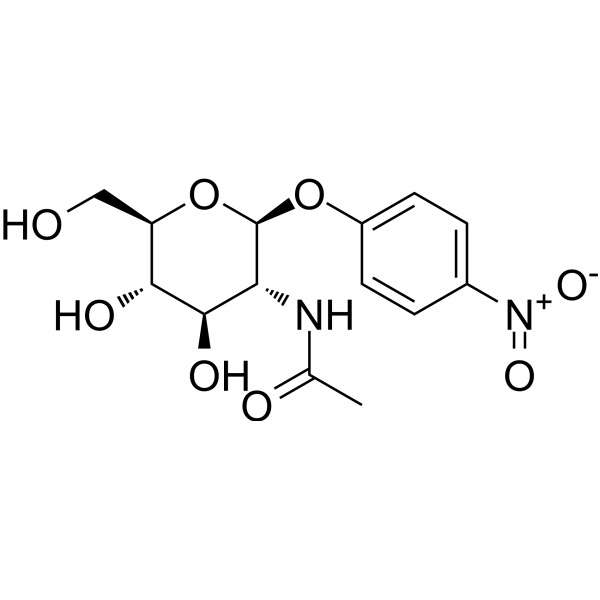
    4-Nitrophenyl-N-acetyl-β-D-glucosaminide, an artificial substrate of N-acetyl-beta-D-hexosaminidase (NAGase), can be used in rapid and accurate rate assay for N-acetyl-beta-D-hexosaminidase. 4-Nitrophenyl-N-acetyl-β-D-glucosaminide is highly soluble and stable. 4-Nitrophenyl-N-acetyl-β-D-glucosaminide can be used for the study of renal tubular injury .
    4-Nitrophenyl-N-acetyl-β-D-glucosaminide
  • HY-N0322A
    Cholesterol (Water Soluble)
    80+ Cited Publications

    Liposome Others
    Cholesterol Water Soluble is a major sterol in mammals, constituting 20-25% of the structural composition of the plasma membrane. The plasma membrane is highly permeable to water but relatively impermeable to ions and protons. Cholesterol Water Soluble plays an important role in determining the fluidity and permeability characteristics of membranes and the function of transporters and signaling proteins. Cholesterol Water Soluble is also an endogenous estrogen-related receptor alpha (ERRα) agonist. Cholesterol Water Soluble can be used to study the effects of cholesterol on potassium currents in inner hair cells .
    (Note: This product is a mixture of Cholesterol and Methyl-β-cyclodextrin. The product specifications below only indicate the effective content of Cholesterol.)
    Cholesterol (Water Soluble)
  • HY-14927
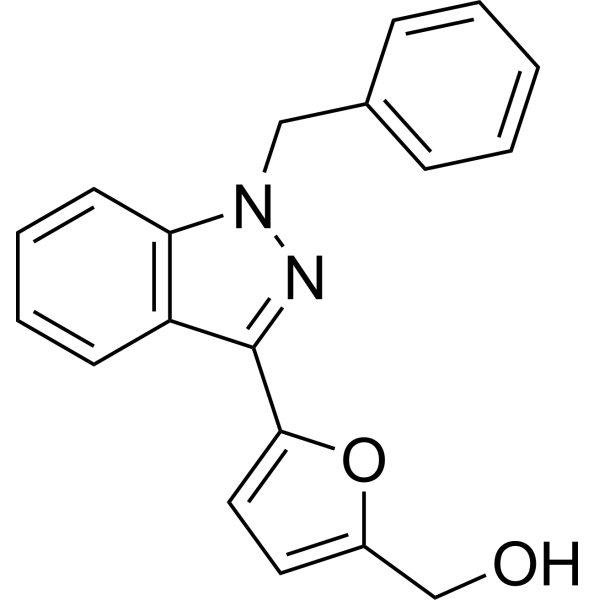
    Lificiguat
    30+ Cited Publications

    YC-1

    Guanylate Cyclase Cardiovascular Disease Cancer
    Lificiguat binds to the β subunit of soluble guanylyl cyclase(sGC) with Kd of 0.6-1.1 μM in the presence of CO.
    Lificiguat
  • HY-P990110
    Lecanemab (Mouse IGG2a)
    1 Publications Verification

    Mab158

    Amyloid-β Neurological Disease
    Lecanemab (Mouse IGG2a) (Mab158) is a monoclonal antibody that targets soluble β-amyloid and has the potential to reduce cognitive decline. The variable region of Lecanemab (Mouse IGG2a) is consistent with that of Lecanemab, while the constant region is of Mouse IGG2a sequence. Lecanemab (Mouse IGG2a) almost abolishes Aβ accumulation in astrocytes and rescues neurons from Aβ-induced cell death. Lecanemab (Mouse IGG2a) holds promise for research in the field of Alzheimer's disease .
    Lecanemab (Mouse IGG2a)
  • HY-107201
    β-Cyclodextrin
    5+ Cited Publications

    Betadex

    Environmental Pollutants Influenza Virus Infection
    β-Cyclodextrin is a cyclic polysaccharide composed of seven units of glucose (α-D-glucopyranose) linked by α-(1,4) type bonds. β-Cyclodextrin has often been used to enhance the solubility of agents. β-Cyclodextrin has anti-influenza virus H1N1 activities.
    β-Cyclodextrin
  • HY-50751
    Linifanib
    5 Publications Verification

    ABT-869; AL-39324

    PDGFR VEGFR FLT3 c-Fms c-Kit Autophagy Apoptosis Cancer
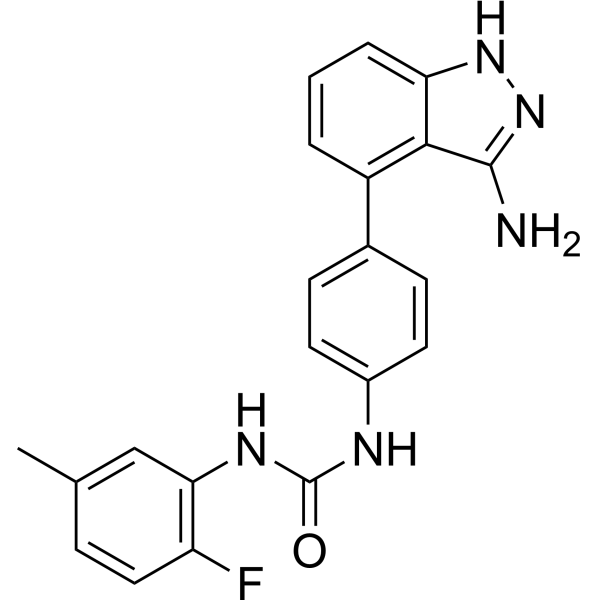
    Linifanib (ABT-869) is a potent and orally active multi-target inhibitor of VEGFR and PDGFR family with IC50s of 4, 3, 66, and 4 nM for KDR, FLT1, PDGFRβ, and FLT3, respectively. Linifanib shows prominent antitumor activity. Linifanib has much less activity against unrelated RTKs, soluble tyrosine kinases, or serine/threonine kinases. Linifanib is a specific miR-10b inhibitor that blocks miR-10b biogenesis .
    Linifanib
  • HY-137234

    2,6-Di-O-methyl-β-cyclodextrin

    Biochemical Assay Reagents Others
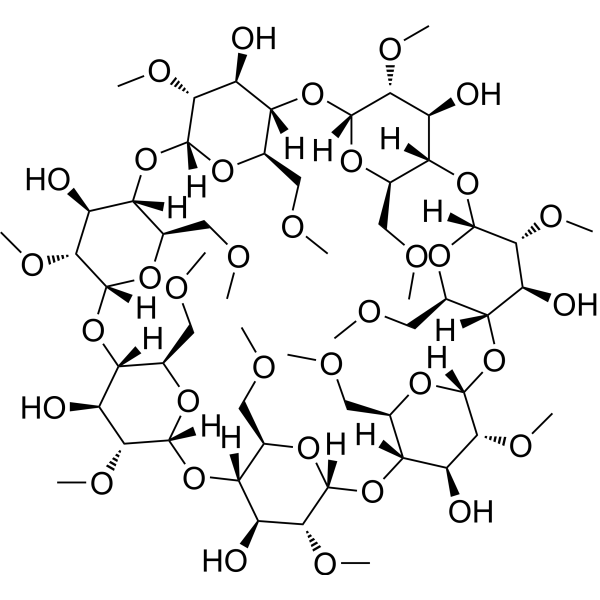
    DM-β-CD (2,6-Di-O-methyl-β-cyclodextrin) is a cyclic molecule consisting of seven glucose units modified with two methyl groups at the 2- and 6-positions. It is usually used as a solubilizer and carrier for poorly soluble drugs in pharmaceutical preparations. Furthermore, it has applications in analytical chemistry, food science, and environmental remediation due to its ability to form clathrates with various guest molecules, such as aromatic compounds, pesticides, and heavy metals.
    DM-β-CD
  • HY-P2857

    Amyloglucosidase, Aspergillus niger

    Endogenous Metabolite Metabolic Disease
    Amyloglucosidase, Aspergillus niger (Amyloglucosidase, Aspergillus niger) is a starch-hydrolyzing enzyme with high catalytic efficiency towards soluble starch and raw starch. Amyloglucosidase, Aspergillus niger hydrolyzes α-1,4 and α-1,6 glycosidic linkages in starch and similar substrates, and primarily releases β-glucose molecules from the non-reducing ends. Amyloglucosidase, Aspergillus niger participates in glycogen metabolism and is associated with type II glycogen storage disease. Amyloglucosidase, Aspergillus niger converts starch into glucose, and is applicable to the industrial production of high-fructose syrup, ethanol and other fermented products .
    Glucoamylase, Aspergillus niger
  • HY-14602
    Tramiprosate
    2 Publications Verification

    Homotaurine; 3-Amino-1-propanesulfonic acid

    Amyloid-β Cardiovascular Disease Cancer
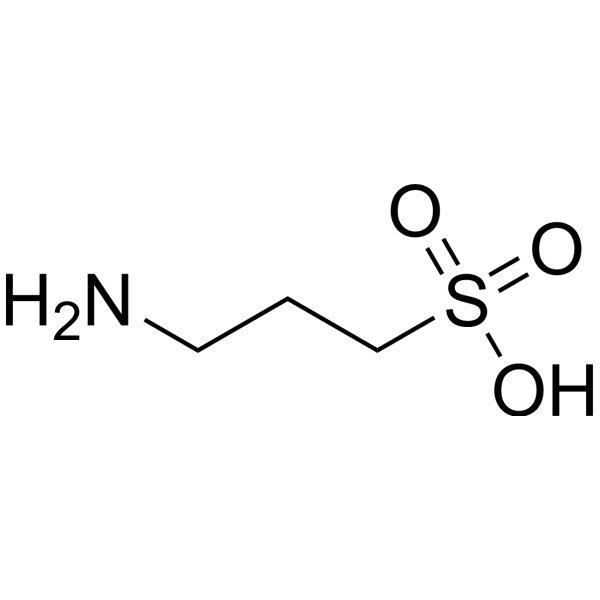
    Tramiprosate (Homotaurine), an orally active and brain-penetrant natural amino acid found in various species of red marine algae. Tramiprosate binds to soluble Aβ and maintains Aβ in a non-fibrillar form. Tramiprosate is also a GABA analog and possess neuroprotection, anticonvulsion and antihypertension effects .
    Tramiprosate
  • HY-P99590A
    Sotatercept (mIgG2a)
    1 Publications Verification

    RAP-011

    TGF-β Receptor TGF-beta/Smad Cardiovascular Disease Metabolic Disease
    Sotatercept (mIgG2a) (RAP-011), the murine homolog of Sotatercept (ACE-011) (HY-P99590), is a soluble activin receptor type IIA (ActRIIA) ligand trap. Sotatercept (mIgG2a) inhibits the binding of activin A and other members of the TGF-β superfamily (such as Activin A/B, GDF11 and BMP9/10) to their receptors by combining and neutralizing them, thereby regulating cell proliferation and differentiation. Sotatercept (mIgG2a) mainly inhibits the SMAD2/3 signaling pathway, and can be used in various diseases such as chronic kidney disease. Sotatercept (mIgG2a) reduces the expression of erythropoietic hepcidin (ERFE), regulates iron metabolism, and promotes red blood cell production. Sotatercept (mIgG2a) has a dual effect of promoting bone formation (anabolic) and inhibiting bone resorption (catabolic) .
    Sotatercept (mIgG2a)
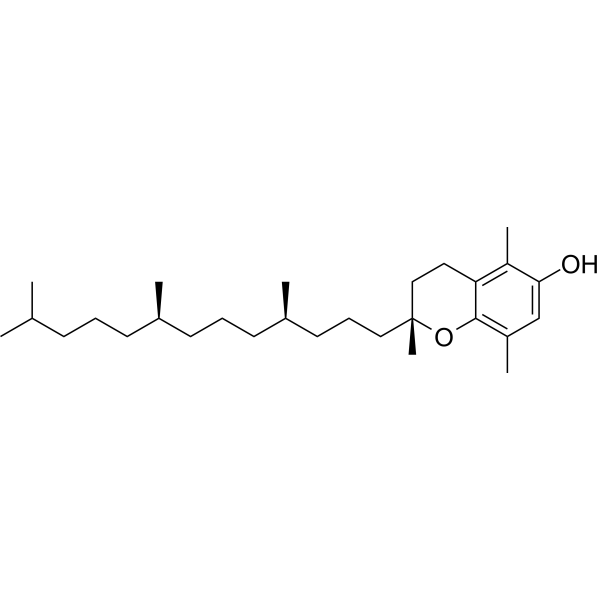
  • HY-113068

    Tyrosinase Metabolic Disease
    (rel)-β-Tocopherol is a relative configuration of β-Tocopherol. β-Tocopherol is a lipid-soluble form of vitamin E with antioxidant activity .
    (rel)-β-Tocopherol
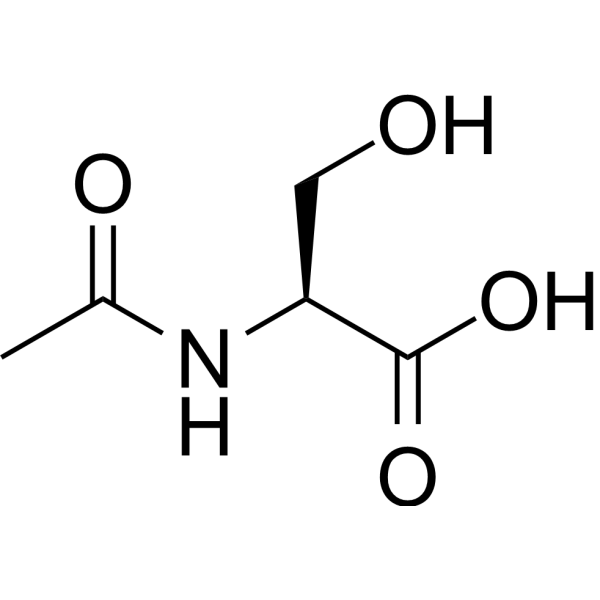
  • HY-134222A

    N-Acetyl-L-serine

    Endogenous Metabolite Complement System Others
    N-Acetylserine (N-Acetyl-L-serine) is a complement pathway modulator targeting activated third complement protein (C3b) and an amino-terminal residue (an N-terminal acetylation modification group). N-Acetylserine reacts with the exposed thioester group of C3b via its hydroxyl group, thereby blocking the covalent binding of glycerol to this thioester group. N-Acetylserine widely exists in soluble proteins of mammalian cells (accounting for approximately 80% of such proteins). N-Acetylserine has a blocking property that prevents direct Edman sequencing of proteins; deblocking is achievable through trifluoroacetic acid-catalyzed N→O acetyl migration followed by β-elimination. N-Acetylserine is suitable for sequencing of proteins with N-terminal acetylserine modification .
    N-Acetylserine
  • HY-18257

    Antibiotic Bacterial Dengue Virus Amyloid-β HIV Integrase Infection Neurological Disease Inflammation/Immunology
    Rolitetracycline is a highly soluble, broad-spectrum antibiotic derived from tetracycline. Rolitetracycline binds to and stabilizes bovine serum albumin, and also inhibits HIV-1 integrase, blocks Aβ fibril formation and suppresses dengue virus proliferation. Rolitetracycline mediates the inhibition of Aβ fibrils via a specific three-dimensional pharmacophore conformation, and exerts bacteriostatic and bactericidal activities. Rolitetracycline acts synergistically with Penicillin G (HY-N7139) or Cephalothin (HY-B1275A) to alter the effects on microbial growth. Rolitetracycline serves as an important tool compound for the study of bacterial infections (urinary tract infections, sepsis), HIV-1 and dengue virus infections, as well as Alzheimer's disease .
    Rolitetracycline
  • HY-18593
    Mal-β-CD
    2 Publications Verification

    6-O-alpha-D-Maltosyl-beta-cyclodextrin

    Biochemical Assay Reagents Others
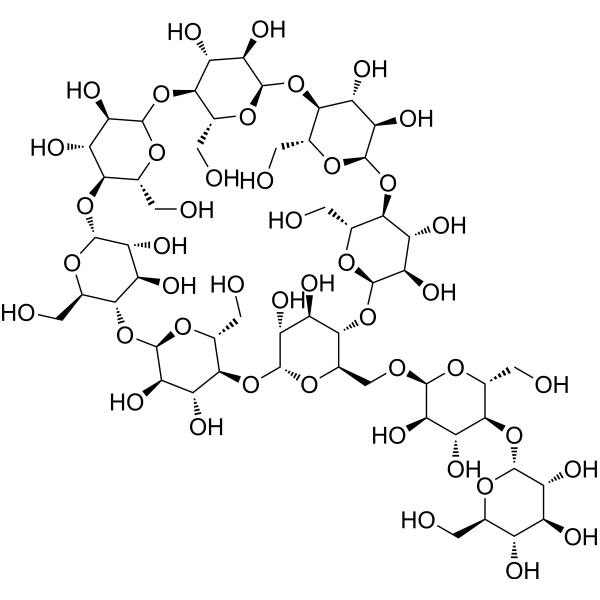
    Mal-β-CD is a cellular cholesterol modifier which can form soluble inclusion complex with cholesterol.
    Mal-β-CD
  • HY-137845

    Fluorescent Dye Others
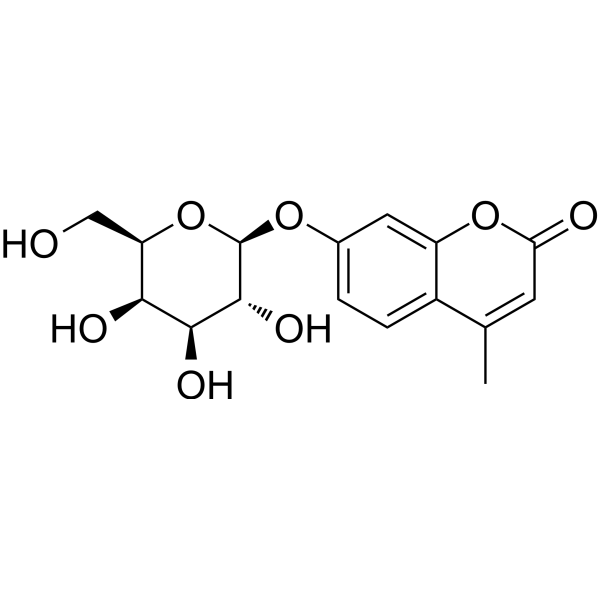
    4-Methylumbelliferyl β-D-galactopyranoside is a fluorescent substrate for β-galactosidase which, when cleaved, produces a water-soluble blue fluorescent coumarin fluorophore that can be detected using a fluoroenzymeter or fluorometer .
    4-Methylumbelliferyl β-D-galactopyranoside
  • HY-P5124

    KLVFF

    Amyloid-β Neurological Disease
    β-Amyloid peptide(16-20) is a amino acid sequences (KLVFF) of Amyloid-β (Abeta). β-Amyloid peptide(16-20) is an effective inhibitor of Abeta fibril formation, with RG-/-GR-NH2 residues added at N- and C-terminal ends to aid solubility) .
    β-Amyloid peptide(16-20)
  • HY-34643

    Hept-6-ynoic acid

    Drug Intermediate Others
    Hexanoylic acid (Hex-6-ynoic acid) is a drug intermediate. Hexanoylic acid can be functionalized by esterification reaction to paclitaxel (HY-B0015), enabling it to undergo an efficient ring addition reaction with β-cyclodextrin, thereby enhancing its water solubility, stability and targeting properties .
    6-Heptynoic acid
  • HY-P99835

    MABT 5102A; RG 7412

    Amyloid-β Neurological Disease
    Crenezumab (MABT 5102A; RG 7412) is a fully humanized anti-Aβ monoclonal antibody that binds multiple forms of Aβ, such as soluble, oligomeric and fibrillar, for use in Alzheimer's disease research .
    Crenezumab
  • HY-126400

    Endogenous Metabolite Others
    Tocopherols are an important class of fat-soluble vitamins, the most common form of which is gamma-tocopherol, followed by beta-tocopherol and alpha-tocopherol .
    Tocopherols
  • HY-P2857A

    Amyloglucosidase, Rhizopus sp.

    Endogenous Metabolite Metabolic Disease
    Glucoamylase, Rhizopus sp. (Amyloglucosidase, Rhizopus sp.) is a starch-hydrolyzing enzyme with high catalytic efficiency towards soluble starch and raw starch. Glucoamylase, Rhizopus sp. hydrolyzes α-1,4 and α-1,6 glycosidic linkages in starch and similar substrates, and primarily releases β-glucose molecules from the non-reducing ends. Glucoamylase, Rhizopus sp. participates in glycogen metabolism and is associated with type II glycogen storage disease. Glucoamylase, Rhizopus sp. converts starch into glucose, and is applicable to the industrial production of high-fructose syrup, ethanol and other fermented products .
    Glucoamylase, Rhizopus sp.
  • HY-P4211

    Bacterial Infection
    PSM-β is a active peptide , which can be isolated from Staphylococcus epidermidis. PSM-β is an analog of staphylococcal toxins, as well as a termed phenol-soluble modulin. PSM-β has bacteriostatic and poorly hemolytic properties .
    PSM-β
  • HY-P5905

    Citrullinated (1-42); Citrullinated 42

    Amyloid-β Neurological Disease
    Citrullinated amyloid-β (1-42) peptide (human) (Citrullinated Aβ (1-42)) is a modified form of β-Amyloid (1-42) (HY-P1363) with a citrullination at the Arg5 site. Compared to the unmodified β-Amyloid (1-42), its formation of soluble low-molecular-weight oligomers is enhanced, the rate of fibril formation is reduced, and like unmodified Aβ42, it forms protofibrils comprised of parallel β-sheets .
    Citrullinated amyloid-β (1-42) peptide (human)
  • HY-108499

    Somatostatin Receptor Amyloid-β Neurological Disease
    NNC 26-9100 is a selective somatostatin sst4 receptor full agonist (Ki: 6 nM, EC50: 2 nM). NNC 26-9100 decreases total soluble Aβ42, increases brain neprilysin activity and improves learning .
    NNC 26-9100
  • HY-10277

    SB-424323

    Thrombin Cardiovascular Disease Metabolic Disease
    Odiparcil (SB-424323) is an orally active β-D-xyloside derivative. Odiparcil can effectively divert the synthesis of cellular glycosaminoglycans (GAG) into secreted soluble species and reduce GAG accumulation. Odiparcil shows antithrombin and antiplatelet activity. Odiparcil can be used for the researches of metabolic and cardiovascular disease, such as mucopolysaccharidoses (MPS) and thrombosis .
    Odiparcil
  • HY-B1829AR

    Dexamethasone 21-phosphate disodium (Standard)

    Glucocorticoid Receptor Reference Standards Interleukin Related TGF-β Receptor Neurological Disease Metabolic Disease Inflammation/Immunology
    Dexamethasone phosphate (Dexamethasone 21-phosphate) disodium (Standard) is the analytical standard of Dexamethasone phosphate disodium (HY-B1829A). This product is intended for research and analytical applications. Dexamethasone phosphate (Dexamethasone 21-phosphate) disodium is a prodrug form of the glucocorticoid Dexamethasone (HY-14648). Dexamethasone phosphate disodium is produced by introducing a phosphate ester group at the 21-position of the Dexamethasone molecule, forming a salt with sodium ions, thereby significantly improving water solubility. Dexamethasone phosphate disodium inhibits LPS (HY-D1056)-induced degradation of IRAK-1 and IRAK-4, and blocks LPS-induced activation of TRAF6, p-TAK1 and p-JNK. Dexamethasone phosphate disodium inhibits the secretion of RANTES, TGF-β1 and NO, promotes the production of MIP-1α and IL-10, and blocks microglial migration. Dexamethasone phosphate disodium is almost completely converted to Dexamethasone in rat blood, and supports transdermal delivery via iontophoresis. Dexamethasone phosphate disodium can be used in research related to steroid-dependent ulcerative colitis, chemotherapy-induced vomiting, allergic asthma and acute colitis (inflammatory bowel disease).
    Dexamethasone phosphate disodium (Standard)
  • HY-Y0850U5

    Polyvinyl alcohol (Mw 27000, 98-99% hydrolyzed, ~600 polymerization); Poly(Ethenol) (Mw 27000, 98-99% hydrolyzed, ~600 polymerization)

    Biochemical Assay Reagents Fungal Infection
    PVA (Polyvinyl alcohol) (Mw 27000, 98-99% hydrolyzed, ~600 polymerization) is a nonionic ethanol homopolymer with hydrophilicity, water solubility and biodegradability. PVA (Mw 27000, 98-99% hydrolyzed, ~600 polymerization) exhibits biocompatibility, non-toxicity and non-carcinogenicity, as well as antibacterial activity against Gram-positive bacteria, Gram-negative bacteria and fungal strains. PVA (Mw 27000, 98-99% hydrolyzed, ~600 polymerization) can serve as a solubilizer, stabilizer, mucoadhesive agent and sustained-release agent, and has a synergistic solubilizing effect on voriconazole/sulfobutyl ether β-cyclodextrin complexes. By stabilizing such complexes, PVA (Mw 27000, 98-99% hydrolyzed, ~600 polymerization) forms freeze-thaw hydrogels with high mucoadhesion, sustained drug release and ex vivo corneal permeability. When compounded with hyaluronic acid hydrogels, PVA (Mw 27000, 98-99% hydrolyzed, ~600 polymerization) supports chondrocyte growth in vitro, and also forms complexes with Cu 2+, Co 2+, Ni 2+ and Zn 2+ ions. PVA (Mw 27000, 98-99% hydrolyzed, ~600 polymerization) can be used in studies related to fungal keratitis, bacterial infections and fungal infections .
    PVA (Mw 27000, 98-99% hydrolyzed, ~600 polymerization)
  • HY-14602S

    Homotaurine-d6; 3-Amino-1-propanesulfonic acid-d6

    Amyloid-β Cancer
    Tramiprosate-d6 is the deuterium labeled Tramiprosate. Tramiprosate (Homotaurine), an orally active and brain-penetrant natural amino acid found in various species of red marine algae. Tramiprosate binds to soluble Aβ and maintains Aβ in a non-fibrillar form. Tramiprosate is also a GABA analog and possess neuroprotection, anticonvulsion and antihypertension effects .
    Tramiprosate-d6
  • HY-50751R

    ABT-869 (Standard); AL-39324 (Standard)

    PDGFR VEGFR FLT3 c-Fms c-Kit Autophagy Apoptosis Reference Standards Cancer
    Linifanib (Standard) is the analytical standard of Linifanib. This product is intended for research and analytical applications. Linifanib (ABT-869) is a potent and orally active multi-target inhibitor of VEGFR and PDGFR family with IC50s of 4, 3, 66, and 4 nM for KDR, FLT1, PDGFRβ, and FLT3, respectively. Linifanib shows prominent antitumor activity. Linifanib has much less activity against unrelated RTKs, soluble tyrosine kinases, or serine/threonine kinases. Linifanib is a specific miR-10b inhibitor that blocks miR-10b biogenesis .
    Linifanib (Standard)
  • HY-163783

    Casein Kinase Infection
    CSNK2-IN-1 is a potent and selective CSNK2 inhibitor with IC50 of 1.7 nM and 0.66 nM for CSNK2A1 and CSNK2A2, respectively. CSNK2-IN-1 has antiviral activity against beta-coronaviruses such as SARS-CoV-2 and MHV. CSNK2-IN-1 has good solubility, metabolic stability, and low cytotoxicity, but its plasma concentration in vivo decreases rapidly and is insufficient to achieve pharmacological effects. CSNK2-IN-1 can be used in the research of antiviral drug development .
    CSNK2-IN-1
  • HY-113068R

    Reference Standards Tyrosinase Metabolic Disease
    (rel)-β-Tocopherol (Standard) is the analytical standard of (rel)-β-Tocopherol. This product is intended for research and analytical applications. (rel)-β-Tocopherol is a relative configuration of β-Tocopherol.(±)-β-Tocopherol is a lipid-soluble form of vitamin E with antioxidant activity. β-Tocopherol can inhibit tyrosinase activity and melanin synthesis. β-Tocopherol also can prevent the inhibition of cell growth and of PKC activity caused by d-alpha-tocopherol .
    (rel)-β-Tocopherol (Standard)
  • HY-174305

    Amyloid-β Neurological Disease
    Aβ42-IN-7 (Compound CT-01) is a brain-penetrant and selective amyloid-β42 (Aβ42) inhibitor. Aβ42-IN-7 inhibits Aβ42’s assembly into neurotoxic soluble oligomers and extracellular fibrillary aggregates. Aβ42-IN-7 exerts neuroprotective effects by reducing amyloid-mediated neuronal toxicity. Aβ42-IN-7 can be used in research on Alzheimer’s disease (AD) .
    Aβ42-IN-7
  • HY-P1363S1

    Isotope-Labeled Compounds Amyloid-β Neurological Disease
    β-Amyloid (1-42), human, Ala( 13C3, 15N) TFA is the 13C and 15N-labeled β-Amyloid (1-42), human (HY-P1363A). β-Amyloid (1-42) (Amyloid β-peptide (1-42)), human, a 42-amino acid peptide that has not been treated with HFIP, is a brain-penetrant amyloid protein fragment, which can be used in research on Alzheimer's disease and Down’s syndrome. β-Amyloid (1-42), human remaining as a monomer exhibits antioxidant and neuroprotective effects. β-Amyloid (1-42), human, after being monomericized by HFIP and dissolved in DMSO to form the stock solution, on the one hand, can form soluble oligomers (AβOs) when incubated at 4 °C, which have synaptic toxicity and neurotoxicity; on the other hand, it can be incubated at 37 °C to form insoluble fibrils, with lower neurotoxicity, and participating in the oxidative damage process. Aβ42 oligomers bind to various neuronal surface receptors (such as PrPc, mGluR5, NMDA receptors, etc.), triggering oxidative stress, calcium homeostasis imbalance, and synaptic toxicity via activating downstream signaling pathways, leading to neuronal dysfunction and death .
    β-Amyloid (1-42), human, Ala(13C3,15N) TFA
  • HY-178191

    Guanylate Cyclase Autophagy AMPK TGF-β Receptor Cardiovascular Disease
    sGC stimulator 1 is a carbonyl sulfide (COS)/H2S-donor hybrid soluble guanylyl cyclase (sGC) stimulator (EC50 = 496 nM). sGC stimulator 1 exhibits a well-characterized H2S-releasing property. sGC stimulator 1 reduces fibrosis in TGF-β1-treated cardiac fibroblasts by increasing cGMP and H2S levels. sGC stimulator 1 can exert anti-fibrotic effects by activating sGC and increasing H2S. sGC stimulator 1 can be used for the study of heart failure (HF) .
    SGC stimulator 1
  • HY-158204

    Lipoxygenase Amyloid-β Reactive Oxygen Species (ROS) Apoptosis Neurological Disease Metabolic Disease Inflammation/Immunology
    CNB-001 is a potent and orally active 5-lipoxygenase (5-LOX) inhibitor. CNB-001 can decreases 5-LOX expression and increase proteasome activity. CNB-001 can inhibit accumulation of soluble Amyloid-β and ubiquitinated aggregated proteins. CNB-001 can inhibit apoptosis, ROS production and stabilize mitochondrial membrane potential. CNB-001 can reduce insulin resistance and increase glucose uptake. CNB-001 also exhibits anti-ischemic, anti-inflammatory effects. CNB-001 can be used for the researches of inflammation, neurological and metabolic disease, such as Alzheimer's disease, stroke and diabetes .
    CNB-001
  • HY-114234

    Beta-secretase Amyloid-β Neurological Disease
    TAK-070 hydrochloride hydrate is a noncompetitive and orally active BACE1 inhibitor (IC50 = 3.15 μM). TAK-070 hydrochloride hydrate can be used for research of Alzheimer’s disease (AD). TAK-070 hydrochloride hydrate inhibits brain levels of soluble Aβ, and improves cognitive impairments in AD model .
    TAK-070 hydrochloride hydrate
  • HY-114234A

    Beta-secretase Amyloid-β Neurological Disease
    TAK-070 Free base is a noncompetitive and orally active BACE1 inhibitor (IC50: 3.15 μM). TAK-070 Free base can be used for research of Alzheimer’s disease (AD). TAK-070 Free base inhibits brain levels of soluble Aβ, and improves cognitive impairments in AD model .
    TAK-070 Free base
  • HY-N1014

    Others Others
    11α,12β-Di-O-acetyltenacigenin B is a polyoxypregnane compound isolated from the CHCl(3)-soluble fraction of the ethanolic extract of the stem of Marsdenia tenacissima .
    11α,12β-Di-O-acetyltenacigenin B
  • HY-P5906

    Citrullinated (1-40); Citrullinated 40

    Amyloid-β Neurological Disease
    Citrullinated amyloid-β (1-40) peptide (human) (Citrullinated Aβ (1-40)) is a modified form of β-Amyloid (1-40) (HY-P0265) with a citrullination at the Arg5 site. Citrullinated amyloid-β (1-40) peptide (human) exhibits increased transient formation of soluble oligomers and insoluble aggregates composed of distorted parallel β-sheets compared with unmodified β-Amyloid (1-40) .
    Citrullinated amyloid-β (1-40) peptide (human)
  • HY-14927R

    YC-1 (Standard)

    Guanylate Cyclase Reference Standards Cardiovascular Disease Cancer
    Lificiguat (Standard) is the analytical standard of Lificiguat. This product is intended for research and analytical applications. Lificiguat binds to the β subunit of soluble guanylyl cyclase(sGC) with Kd of 0.6-1.1 μM in the presence of CO.
    Lificiguat (Standard)
  • HY-W721681

    Amyloid-β Neurological Disease
    Dehydro nicardipine is a dihydropyridine metabolite of Nicardipine (HY-12515) and belongs to the dihydropyridine class of compounds. Dehydro nicardipine can selectively inhibit the aggregation of Aβ monomers, specifically regulate the extension and binding of Aβ soluble aggregates, change the morphology of Aβ aggregates, and inhibit the growth of aggregate length. Dehydro nicardipine can be used in the study of Alzheimer's disease (AD) .
    Dehydro nicardipine
  • HY-113784R

    Isoxyl (Standard)

    Reference Standards Antibiotic Bacterial Infection
    β-Cyclodextrin (Standard) is the analytical standard of β-Cyclodextrin. This product is intended for research and analytical applications. β-Cyclodextrin is a cyclic polysaccharide composed of seven units of glucose (α-D-glucopyranose) linked by α-(1,4) type bonds. β-Cyclodextrin has often been used to enhance the solubility of agents. β-Cyclodextrin has anti-influenza virus H1N1 activities.
    Thiocarlide (Standard)
  • HY-W738314

    Biochemical Assay Reagents
    Heptakis(6-O-tert-butyldimethylsilyl)-β-cyclodextrin tetradecaacetate is a chemically modified cyclodextrin with good cosolvent activity. Heptakis(6-O-tert-butyldimethylsilyl)-β-cyclodextrin tetradecaacetate is widely used in compound formulations to improve the solubility and bioavailability of compounds. Heptakis(6-O-tert-butyldimethylsilyl)-β-cyclodextrin tetradecaacetate helps improve the release characteristics of compounds.
    Heptakis(6-O-tert-butyldimethylsilyl)-β-cyclodextrin tetradecaacetate
  • HY-134924

    Biochemical Assay Reagents Others
    Succinyl-β-cycloaltrin is a modified cyclodextrin with unique chemical properties that make it an effective solubilizer and stabilizer for various compounds, especially in the pharmaceutical industry. Succinyl-β-cycloaltrin has a hydrophobic interior and a hydrophilic exterior, enabling it to form stable clathrates with hydrophobic molecules such as drugs and nutrients. This increases their solubility and bioavailability, making them more effective for recreational or nutritional purposes.
    Succinyl-β-cycloaltrin
  • HY-14602R

    Homotaurine (Standard); 3-Amino-1-propanesulfonic acid (Standard)

    Reference Standards Amyloid-β Cancer
    Tramiprosate (Standard) is the analytical standard of Tramiprosate. This product is intended for research and analytical applications. Tramiprosate (Homotaurine), an orally active and brain-penetrant natural amino acid found in various species of red marine algae. Tramiprosate binds to soluble Aβ and maintains Aβ in a non-fibrillar form. Tramiprosate is also a GABA analog and possess neuroprotection, anticonvulsion and antihypertension effects .
    Tramiprosate (Standard)
  • HY-174529

    mRNA Inflammation/Immunology
    Human TGFBR3 mRNA encodes the human transforming growth factor beta receptor 3 (TGFBR3) protein, a transforming growth factor (TGF)-beta type III receptor. TGFBR3 is a membrane proteoglycan that often functions as a co-receptor with other TGF-beta receptor superfamily members. Ectodomain shedding produces soluble TGFBR3, which may inhibit TGFB signaling. Decreased expression of this receptor has been observed in various cancers.
    Human TGFBR3 mRNA

オンラインお問い合わせ

入力情報は安全に管理されます. 必須入力項目.

タイトル


国或いは地域 *

お名前 *


組纖名 *

デパートメント *


メールアドレス *


製品名 *

製品番号


カスタマ需要量 *

電話番号 *


必ず会社名を記載ください。個人への返信は行いません。

備考

バルクお問い合わせ

Inquiry Information

製品名:
製品番号:
数量:
MCE 日本正規代理店:

