Search Result
Results for "
tumor+progression
" in MedChemExpress (MCE) Product Catalog:
2
Isotope-Labeled Compounds
| Cat. No. |
Product Name |
Target |
Research Areas |
Chemical Structure |
-
- HY-N9933
-
|
TβMCA
|
FXR
Apoptosis
|
Neurological Disease
Metabolic Disease
Inflammation/Immunology
Cancer
|
|
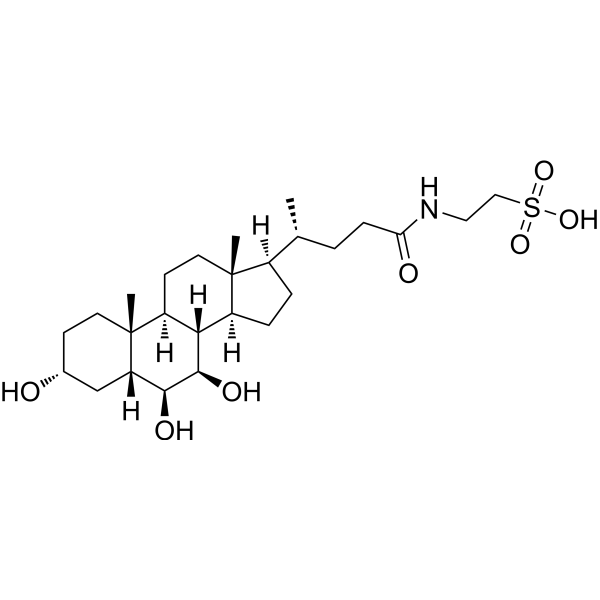
Tauro-β-muricholic acid (TβMCA) is an orally active trihydroxylated bile acid and a competitive, reversible FXR antagonist (IC50=40 μM). Tauro-β-muricholic acid inhibits bile acid-induced hepatocyte apoptosis by maintaining mitochondrial membrane potential, while simultaneously inhibiting intestinal FXR signaling, affecting bile acid synthesis, hepatic lipid metabolism, and insulin sensitivity. Accumulation of tauro-β-muricholic acid disrupts metabolic homeostasis, promoting cancer stem cell proliferation and tumor progression. The mechanisms of tauro-β-muricholic acid involve two aspects: first, inhibiting the translocation of the pro-apoptotic protein Bax to mitochondria and maintaining mitochondrial membrane potential (MMP); and second, blocking the FXR signaling pathway to regulate bile acid metabolism, reduce serum ceramide production, and downregulate the hepatic SREBP1C/CIDEA pathway. Tauro-β-muricholic acid possesses anti-hepatocyte apoptosis, bile acid homeostasis regulation, and liver fat accumulation reduction properties, and also functions as a biomarker, making it useful in the study of diseases such as bile acid metabolism disorders, non-alcoholic fatty liver disease, colorectal cancer, and liver fibrosis .
|
-
-
- HY-135899
-
|
|
Sirtuin
Apoptosis
|
Cancer
|
|
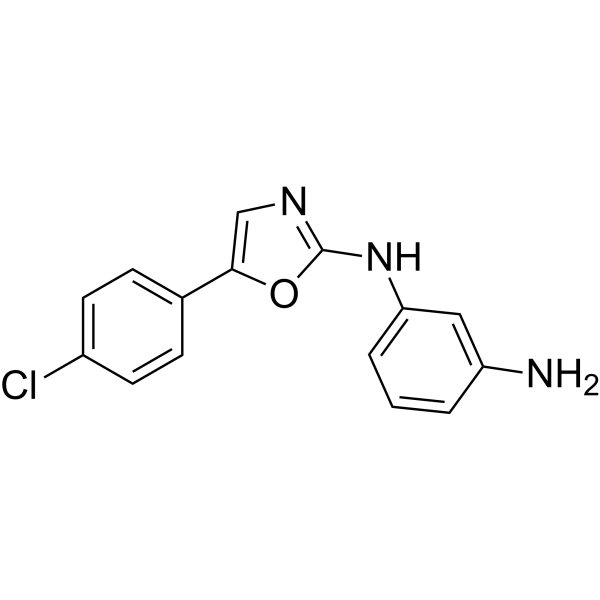
SIRT7 inhibitor 97491, a potent SIRT7 inhibitor with an IC50 of 325 nM, reduces deacetylase activity of SIRT7 in a dose-dependent manner. SIRT7 inhibitor 97491 prevents tumor progression by increasing p53 stability through acetylation at K373/382. SIRT7 inhibitor 97491 promotes apoptosis through caspase pathway. .
|
-
-
- HY-119711
-
|
|
MMP
|
Cancer
|
|
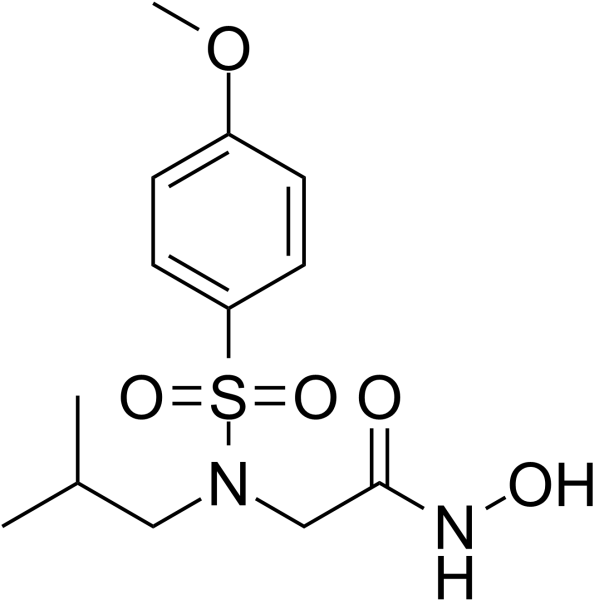
NNGH is a stromelysin-1 (MMP-3) inhibitor. MMP-3 is both a direct transcriptional target and a necessary contributor of the Wnt/β-catenin signaling pathway. Matrix metalloproteinases (MMPs) play a well-defined role in later stages of tumor progression .
|
-
-
- HY-P1408
-
|
|
Integrin
VEGFR
|
Cancer
|
|
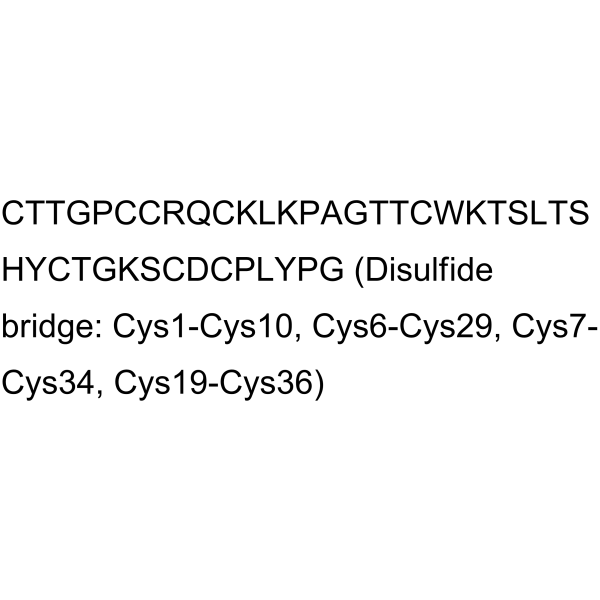
Obtustatin is a non-RGD disintegrin consisting of 41 residues. Obtustatin inhibits the adhesion of α1β1 integrin to type IV Collagen (HY-NP003), blocks α1β1 integrin signaling in endothelial cells, and suppresses FGF2-induced angiogenesis. Obtustatin inhibits tumor progression in mouse models and upregulates VEGF expression in sarcoma-bearing mice. Obtustatin can be used in research related to Lewis lung carcinoma and S-180 sarcoma .
|
-
-
- HY-N3415
-
|
|
Apoptosis
Autophagy
Caspase
Ferroptosis
SARS-CoV
|
Neurological Disease
Inflammation/Immunology
Cancer
|
|
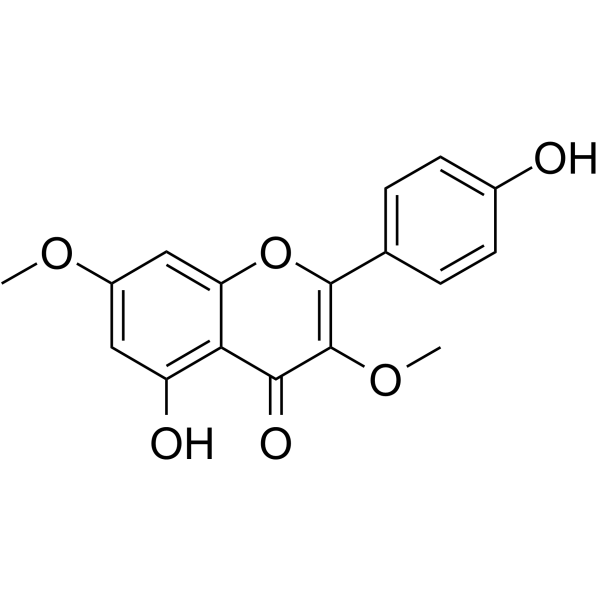
Kumatakenin is an orally active apoptosis inducer and autophagy inhibitor, with a Kd value of 2.94 μM for mouse ATG5. Kumatakenin increases the activities of caspase-3, caspase-8 and caspase-9, thereby inducing caspase-dependent apoptosis in ovarian cancer cells. Kumatakenin reduces the expression of chemokines and pro-oncogenic factors in ovarian cancer cells, and inhibits M2 macrophage polarization. Kumatakenin inactivates TRIM65 function, reduces the expression and stability of FASN, and thus inhibits the proliferation, migration, invasion and tumor progression of esophageal cancer cells. Kumatakenin interacts with ATG5 to reduce its protein level, decrease LC3 level, and reduce the number of autophagosomes in the hippocampus. Kumatakenin binds to Eno3 to upregulate its expression, reduce the stability and expression level of IRP1 mRNA, inhibit ferroptosis, alleviate intestinal inflammation, and restore epithelial barrier function. Kumatakenin enhances the efficacy of antibiotics against pathogenic bacteria, inhibits SARS-CoV-2 replication, and reduces cytokine production. Kumatakenin is applicable to research related to ovarian cancer, esophageal cancer, depression and colitis .
|
-
-
- HY-N0660
-
|
|
Apoptosis
PARP
Caspase
AMPK
Autophagy
VEGFR
Keap1-Nrf2
STING
11β-HSD
Ferroptosis
PI3K
Akt
p38 MAPK
ERK
|
Neurological Disease
Metabolic Disease
Inflammation/Immunology
Cancer
|
|
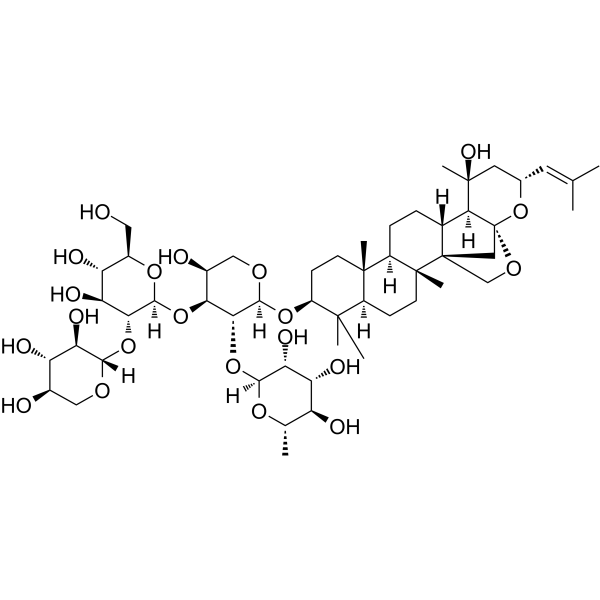
Jujuboside B is a bioactive saponin component isolated from Ziziphi Spinosae Semen (sour jujube seed), with oral efficacy and blood-brain barrier permeability. Jujuboside B induces acute leukemia cell death and drives necroptosis apoptosis by activating the RIPK1/RIPK3/MLKL pathway. Jujuboside B upregulates the expression of NOXA, PARP and caspase-3, activates AMPK, inhibits the proliferation of breast cancer cells, and induces cell apoptosis and autophagy. Jujuboside B inhibits angiogenesis and tumor growth by blocking the VEGFR-2 signaling pathway. Jujuboside B alleviates liver injury in mice by regulating the Nrf2-STING signaling pathway . Jujuboside B alleviates liver injury by regulating anti-inflammatory responses and downregulating the expression of 11β-HSD2. Jujuboside B induces ferroptosis and overcomes radioresistance in non-small cell lung cancer via the PPARγ-ATF3-Gpx4 signaling pathway. Jujuboside B exerts inhibitory effects on platelet aggregation. Jujuboside B inhibits febrile seizures by suppressing the activity of AMPA receptors. Jujuboside B reverses chronic unpredictable mild stress-promoted tumor progression by blocking the PI3K/Akt and MAPK/ERK pathways and dephosphorylating CREB signaling. Jujuboside B is applicable to related studies on acute leukemia, breast cancer, PM2.5-induced lung injury, hepatotoxicity, liver injury, colorectal cancer, non-small cell lung cancer, thromboembolic diseases, cardiovascular diseases associated with high platelet aggregation, febrile seizures, and depressive-like phenotypes .
|
-
-
- HY-141831
-
|
|
Phosphodiesterase (PDE)
|
Cancer
|
|
STF-1084 is a specific, cell-impermeable, competitive inhibitor of ENPP1 (Ki = 33 nM). STF-1084 increases extracellular cGAMP concentrations by preventing its degradation by ENPP1, thereby enhancing immune infiltration. STF-1084 acts synergistically with ionizing radiation (IR) and cGAMP to delay tumor progression. STF-1084 can be used to study cancers with low immunogenicity .
|
-

-
- HY-133558
-
VII-31
2 Publications Verification
|
E1/E2/E3 Enzyme
Apoptosis
|
Cancer
|
|
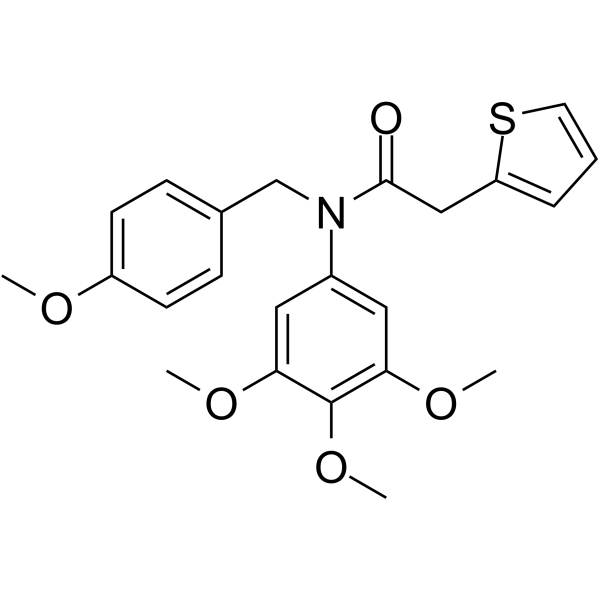
VII-31 is a potent NEDDylation pathway activator to inhibit the tumor progression in vitro and in vivo. VII-31 induces apoptosis via intrinsic and extrinsic pathways .
|
-
-
- HY-16532
-
|
AEZS-108; AN-152
|
Peptide-Drug Conjugates (PDCs)
GnRH Receptor
|
Cancer
|
|
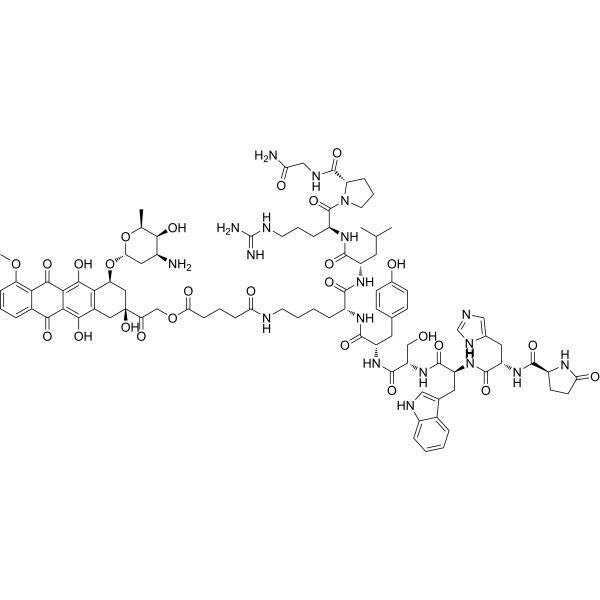
Zoptarelin doxorubicin (AEZS-108; AN-152) is a hybrid anticancer agent, containing Zoptarelin and Doxorubicin. Zoptarelin doxorubicin has been used to research targeting tumors expressing LHRH receptors. Zoptarelin doxorubicin abolishes tumor progression and induces remarkable apoptosis in vitro .
|
-
-
- HY-132822
-
|
SBP-101
|
Drug Derivative
|
Cancer
|
|
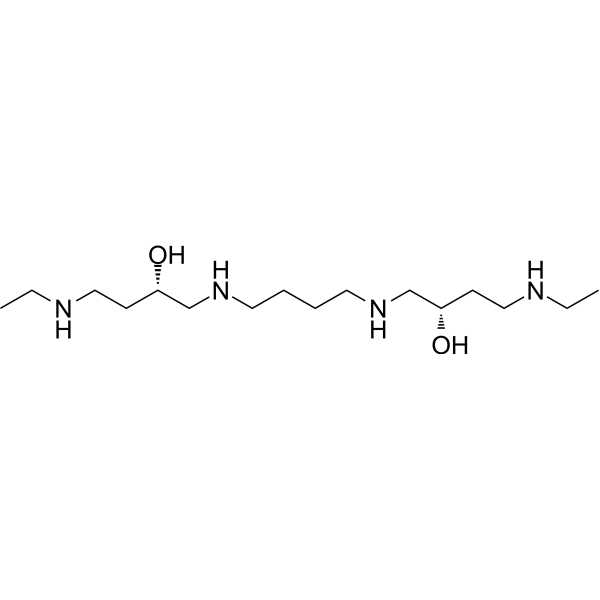
Ivospemin (SBP-101) is an antineoplastic spermine analog. Ivospemin has shown efficacy in slowing pancreatic and ovarian tumor progression in vitro and in vivo. Ivospemin shows modest induction of polyamine catabolism, but stronger repression of ornithine decarboxylase activity. Ivospemin is promising for research of cancers .
|
-
-
- HY-W142432
-
|
|
Biochemical Assay Reagents
β-catenin
Wnt
Arginase
TGF-beta/Smad
mTOR
Akt
ERK
Atg8/LC3
p62
Autophagy
|
Metabolic Disease
Inflammation/Immunology
Cancer
|
|
Perfluoroundecanoic acid is a perfluoroalkyl substance (PFAS). Perfluoroundecanoic acid is an orally active oxidative stress inducer. Perfluoroundecanoic acid promotes macrophage M2 polarization, activates Wnt/β-catenin signaling and enhances β-catenin nuclear accumulation. Perfluoroundecanoic acid -induced M2 phenotype macrophage accelerates tumor progression in vitro and in vivo. Perfluoroundecanoic acid induces DNA damage, reproductive and pathophysiological dysfunctions via oxidative stress in male Swiss mice. Perfluoroundecanoic acid inhibits Leydig cell development in pubertal male rats via inducing oxidative stress and autophagy. Perfluoroundecanoic acid accelerates insulitis development in a mouse model of type 1 diabetes. Perfluoroundecanoic acid can be used for the study of ovarian cancer, type 1 diabetes and inflammation .
|
-

-
- HY-12929
-
|
SU093
|
Pim
Apoptosis
|
Cancer
|
|
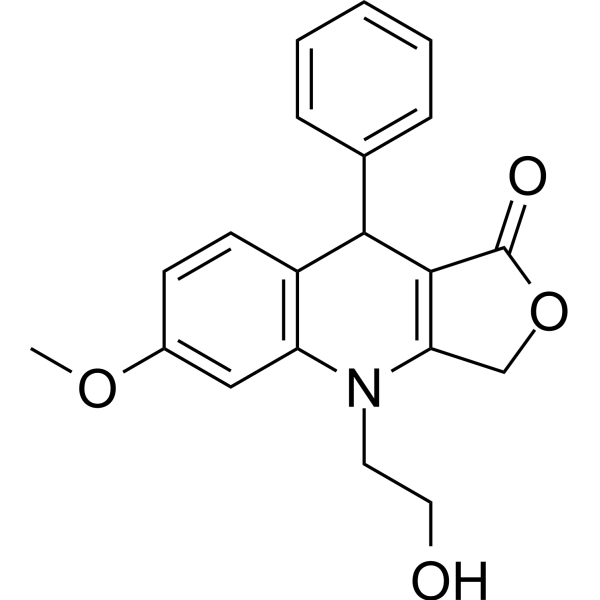
NSC756093 (SU093) is a GBP1:PIM1 interaction inhibitor. NSC756093 binds to GBP1-PIM1 with a Kd of 38 nM. NSC756093 suppresses proliferation, reduces migration, induces G1 phase cell-cycle arrest, and increases apoptotic cell death in ovarian cancer cells. NSC756093 reduces cellular proteasomal activity, induces accumulation of ubiquitinated proteins, and restrains tumor progression and lung metastasis in murine ovarian cancer xenograft models. NSC756093 increases sensitivity of prostate cancer cells to Docetaxel (HY-B0011) and sensitizes GBP1-overexpressing ovarian cancer cells to Paclitaxel (HY-B0015). NSC756093 can be used for the research of prostate cancer and ovarian cancer .
|
-
-
- HY-169903
-
|
|
Apoptosis
|
Cancer
|
|
SMIP34 is a PELP1 inhibitor. SMIP34 binds to PELP1 with a Kd of 37.4 μM. SMIP34 inhibits cancer cell proliferation and tumor progression. SMIP34 can be used for breast cancer research, and is active against wild-type (WT), mutant (MT) ER+ and therapy-resistant (TR)-ER+ breast cancer .
|
-

-
- HY-176861
-
|
|
E1/E2/E3 Enzyme
Cadherin
|
Cancer
|
|
Hakin-1 is a E3 Ubiquitin-Ligase Hakai inhibitor. Hakin-1 blocks Hakai-mediated global ubiquitination and specific ubiquitination of E-cadherin and inhibits epithelial-mesenchymal transition (EMT) progression. Hakan-1 inhibits tumor progression and cancer metastasis. Hakin-1 can be used for the study of carcinoma such as colorectal cancer .
|
-

-
- HY-P2822
-
|
PGK
|
Endogenous Metabolite
|
Infection
Endocrinology
Cancer
|
Phosphoglycerate kinase, yeast (PGK), namely phosphoglycerate kinase, is a glycolytic enzyme commonly used in biochemical research. Phosphoglycerate kinase can catalyze the reversible transfer of phosphate groups from 1,3-bisphosphoglycerate (1,3-BPG) to ADP to generate 3-phosphoglycerate (3-PG) and ATP. At the same time, it can also participate in gluconeogenesis, catalyzing the opposite reaction to produce 1,3BPGA and ADP. Phosphoglycerate kinase is involved in energy metabolism, interaction with nucleic acid, tumor progression, cell death and virus replication and other related processes .
|
-
-
- HY-149482
-
LN5P45
1 Publications Verification
|
Cathepsin
|
Cancer
|
|
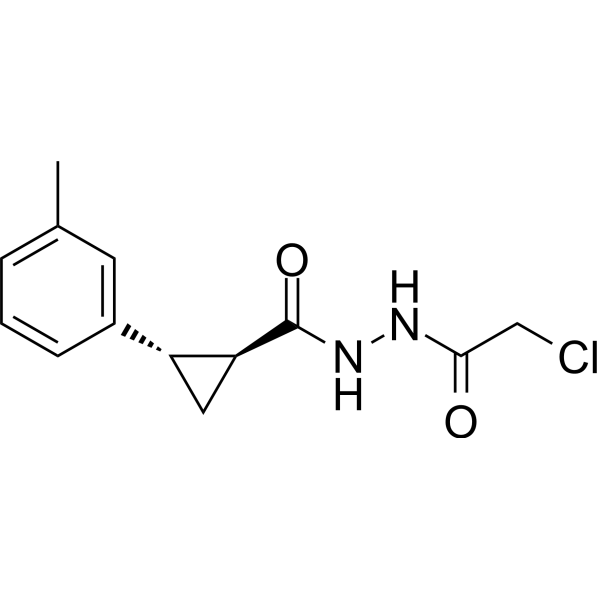
LN5P45 is an OTUB2 inhibitor (IC50: 2.3 μM). LN5P45 induces monoubiquitination of OTUB2 on lysine 31. LN5P45 can be used for research of tumor progression and metastasis .
|
-
-
- HY-172448
-
|
|
ATM/ATR
|
Cancer
|
|
YY2201 is a highly potent and selective ATR inhibitor with an IC50 of 8 nM. YY2201 shows >200-fold more selective for ATR than mTOR. YY2201 inhibits tumor progression in broad-spectrum cancer types (such as lung cancer) .
|
-

-
- HY-123733A
-
|
RPS-001 TFA
|
PSMA
|
Cancer
|
|
MIP-1095 (RPS-001) TFA is a potent inhibitor of PSMA with good biodistribution and efficient targeting of tumor lesions. In applications, MIP-1095 TFA will be isotopically labeled ( 131I labeled) as an imaging probe to indicate tumor progression. And 131I-MIP-1095 showed higher renal uptake in mice .
|
-

-
- HY-P991042
-
|
|
IGF-1R
|
Cancer
|
|
Anti-IGFBP2 Antibody (M14) is an human anti-IGFBP2 monoclonal inhibitory antibody, which binds IGFBP2 with high affinity and blocks its binding with IGF1. Anti-IGFBP2 Antibody (M14) inhibits human endothelial cell recruitment, thus blocks the tumor progression of human metastatic cancer .
|
-

-
- HY-120499
-
|
|
Hedgehog
Smo
|
Cancer
|
|
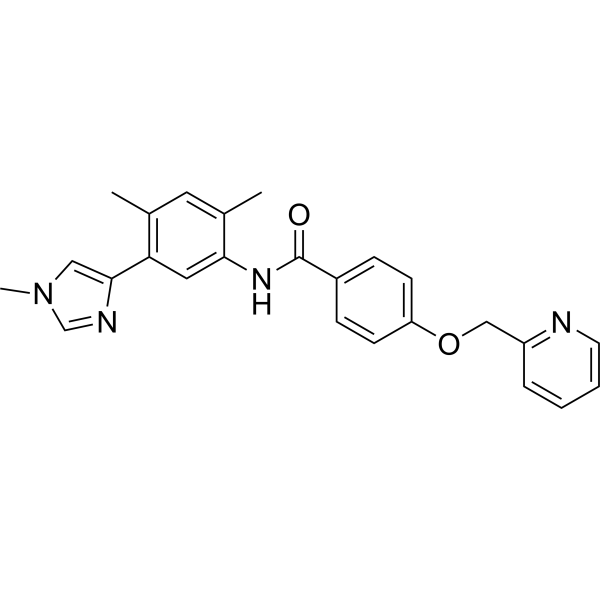
AZD8542 is an antagonist of Smoothened (SMO), playing an important role in oncology. AZD8542 is an Hedgehog (Hh) pathway antagonist on tumor progression with an emphasis on the role of the stroma compartment .
|
-
-
- HY-W854385A
-
|
SLeA sodium
|
Biochemical Assay Reagents
|
Cancer
|
|
Sialyl Lewis A (SLeA) sodium is a tumor-associated carbohydrate antigen, also known as carbohydrate antigen 19-9 (CA19-9), that binds to E-selectin (ELAM-1) and selectins to mediate cell-endothelium adhesion. Sialyl Lewis A sodium promotes cancer cell-vascular endothelium adhesion, and its surface presence correlates with increased tumorigenicity and invasiveness in cancer cells. Sialyl Lewis A sodium shows elevated expression in human adenocarcinomas of the colon, pancreas, and stomach, with expression levels linked to tumor progression and poor prognosis in colorectal and gastric carcinomas. Sialyl Lewis A sodium can be used for the research of cancers, such as colon, pancreas, stomach, and squamous lung cancer .
|
-

-
- HY-W854385
-
|
SLeA
|
Biochemical Assay Reagents
E-Selectin
|
Cancer
|
|
Sialyl Lewis A (SLeA) is a tumor-associated carbohydrate antigen, also known as carbohydrate antigen 19-9 (CA19-9), that binds to E-selectin (ELAM-1) and selectins to mediate cell-endothelium adhesion. Sialyl Lewis A promotes cancer cell-vascular endothelium adhesion, and its surface presence correlates with increased tumorigenicity and invasiveness in cancer cells. Sialyl Lewis A shows elevated expression in human adenocarcinomas of the colon, pancreas, and stomach, with expression levels linked to tumor progression and poor prognosis in colorectal and gastric carcinomas. Sialyl Lewis A can be used for the research of cancers, such as colon, pancreas, stomach, and squamous lung cancer .
|
-

-
- HY-P2115
-
|
|
GnRH Receptor
|
Cancer
|
|
Ramorelix is a luteinizing-hormone-releasing hormone (LHRH) antagonist. Ramorelix can inhibit tumor progression in vivo. Ramorelix can be studied in anti-cancer research .
|
-

-
- HY-32015
-
|
|
MAP3K
|
Inflammation/Immunology
|
|
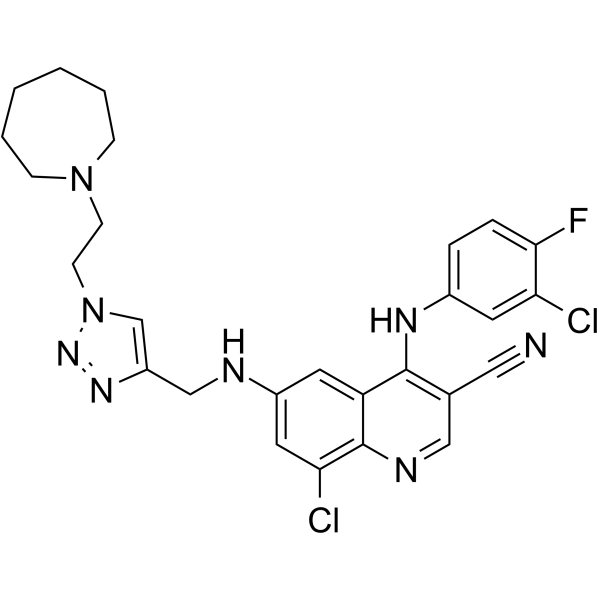
Cot inhibitor-1 (compound 28) is a selective tumor progression loci-2 (Tpl2) kinase inhibitor with an IC50 of 28 nM. Cot inhibitor-1 shows an inhibition of TNF-alpha production in human whole blood with an IC50 of 5.7 nM .
|
-
-
- HY-P991647
-
|
|
CXCR
|
Cancer
|
|
ALX-0651 is a biparatopic humanized monoclonal antibody inhibitor targeting CXCR4. ALX-0651 inhibits hematopoietic stem cell trafficking, tumor progression and metastasis. ALX-0651 can be used for non-Hodgkin’s lymphoma and multiple myeloma research .
|
-

-
- HY-132822A
-
|
SBP-101 hydrochloride
|
Drug Derivative
|
Cancer
|
|
Ivospemin (SBP-101) hydrochloride is an antineoplastic spermine analog. Ivospemin hydrochloride has shown efficacy in slowing pancreatic and ovarian tumor progression in vitro and in vivo. Ivospemin hydrochloride shows modest induction of polyamine catabolism, but stronger repression of ornithine decarboxylase activity. Ivospemin hydrochloride is promising for research of cancers .
|
-

-
- HY-154313
-
|
Clospirazine
|
Ras
|
Cancer
|
|
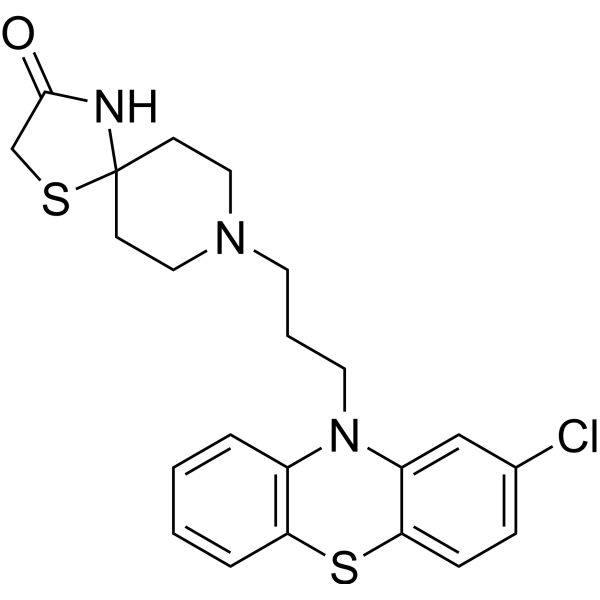
Spiclomazine (Clospirazine) is a potent mutant KRAS(G12C) inhibitor that selectively inhibits mutant KRAS-driven pancreatic cancer. Spiclomazine can eliminate KRas-GTP levels in KRAS-driven pancreatic cancer and effectively inhibit RAS-mediated signaling. Spiclomazine significantly inhibits tumor progression in mouse renal capsule xenotransplantation models .
|
-
-
- HY-P11052
-
|
|
HSP
|
Cancer
|
|
A8 peptide is a Hsp72 antagonist. A8 peptide inhibits tumor progression and metastasis as well as enhances the cancer cells' sensitivity to apoptosis induced by chemotherapeutic agents (such as Cisplatin (HY-17394)) by blocking the Hsp72-TLR2 interaction and the subsequent activation of MDSCs. A8 peptide can be used for cancers research .
|
-

-
- HY-156792
-
|
|
RIO Kinase
|
Cancer
|
|
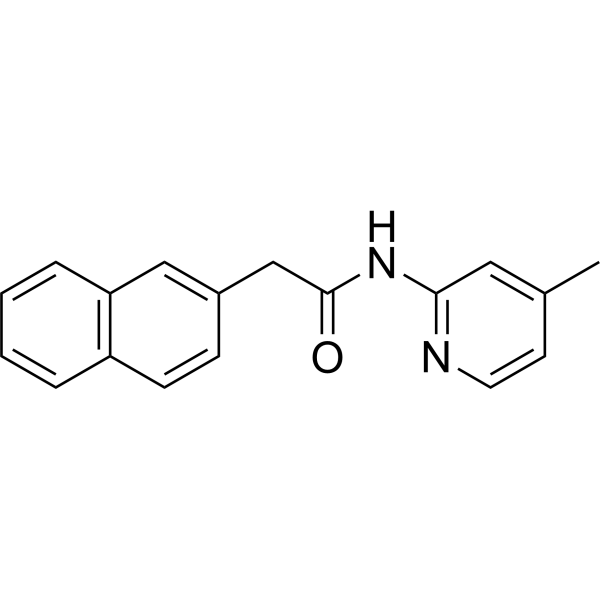
RIOK2-IN-1 (com 4) is a potent and selective RIOK2 inhibitor (Kd=150 nM), but has low cellular activity (IC50=14,600 nM). RIOK2 is an atypical kinase associated with a variety of human cancers and is involved in ribosome maturation and cell cycle progression. The small molecule inhibitor CQ211 (HY-147655), an improvement of RIOK2-IN-1 as the lead compound, has good in vivo and in vitro activity, inhibits the proliferation of MKN-1 and HT-29 cancer cells, and can xenograft MKN in mice -1 model inhibits tumor progression .
|
-
-
- HY-178391
-
|
|
ROS Kinase
p38 MAPK
ERK
Apoptosis
|
Cancer
|
|
SMU-037 is an orally active and selective ROS1 inhibitor that demonstrates potent activity (IC₅₀ = 6.8 nM) and possesses the ability to penetrate the blood-brain barrier. SMU-037 shows ~25-fold selectivity over ALK, and superior sensitivity against the G2032R mutation. SMU-037 attenuates phosphorylation of ROS1 and downstream MAPK-ERK signaling pathway, leading to cell cycle arrest and apoptosis. SMU-037 effectively suppresses tumor progression in both xenograft and intracranial mouse models. SMU-037 can be used for non-small cell lung cancer (NSCLC) research .
|
-

-
- HY-E70725
-
|
|
Src
|
Cancer
|
|
FRK Recombinant Human Active Protein Kinase, a non-receptor tyrosine kinase Fyn-related kinase, is a member of the BRK family kinases (BFKs). FRK may be involved in tumor progression .
|
-

-
- HY-E70663
-
|
|
CDK
|
Cancer
|
|
CDK15 is a cell cycle-dependent kinase that is involved in tumor progression. CDK15/CycB1 Recombinant Human Active Protein Kinase is an ortholog of CDK15 .
|
-

-
- HY-E70662
-
|
|
CDK
|
Cancer
|
|
CDK15 is a cell cycle-dependent kinase that is involved in tumor progression. CDK15/CycA2 Recombinant Human Active Protein Kinase is an ortholog of CDK15 .
|
-

-
- HY-131651
-
|
LTB4 ethanolamide
|
Endogenous Metabolite
Leukotriene Receptor
|
Cancer
|
|
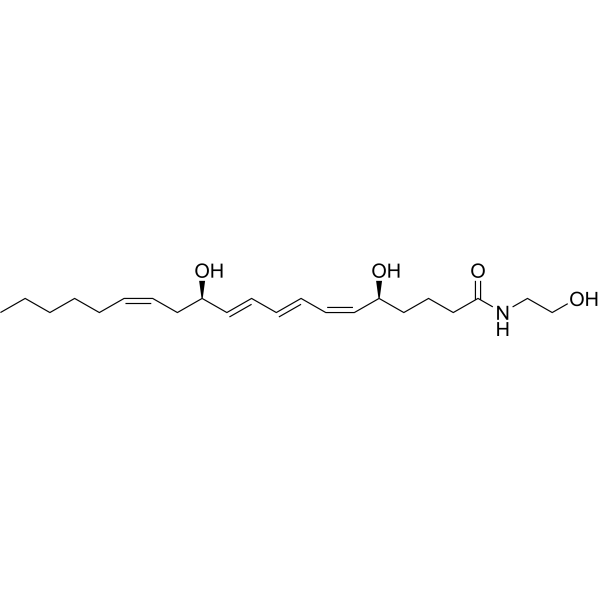
Leukotriene B4 ethanolamide (LTB4 ethanolamide) is an antagonist and a partial agonist for Leukotriene B4 (LTB4) receptor 1 (BLTR1). Leukotriene B4 ethanolamide ameliorates the tumor progression, which is only asscociated with inflammation .
|
-
-
- HY-N6985R
-
|
|
Reference Standards
Others
|
Cancer
|
|
Baccatin III (Standard) is the analytical standard of Baccatin III. This product is intended for research and analytical applications. Baccatin III is a natural product isolated from Pacific yew tree and related species. Baccatin III reduces tumor progression by inhibiting the accumulation and suppressive function of MDSCs .
|
-

-
- HY-174549
-
|
|
mRNA
|
Cancer
|
|
Human PDGFRA mRNA encodes the human platelet derived growth factor receptor alpha (PDGFRA) protein, a cell surface tyrosine kinase receptor for members of the platelet-derived growth factor family. PDGFRA may play a role in organ development, wound healing, and tumor progression.
|
-

-
- HY-W040293
-
|
PE(6:0/6:0); 1,2-Dihexanoyl-sn-glycero-3-phosphoethanolamine
|
Apoptosis
|
Cancer
|
|
06:0 PE (PE(6:0/6:0)) is a water-soluble phospholipid characterized by its short acyl chains, exhibiting notable antitumor activity and the ability to inhibit tumor progression in vivo, alongside antiproliferative and proapoptotic effects, while serving as a precursor for phosphatidylcholine and phosphatidylethanolamine.
|
-

-
- HY-153699
-
|
|
SHP2
|
Cancer
|
|
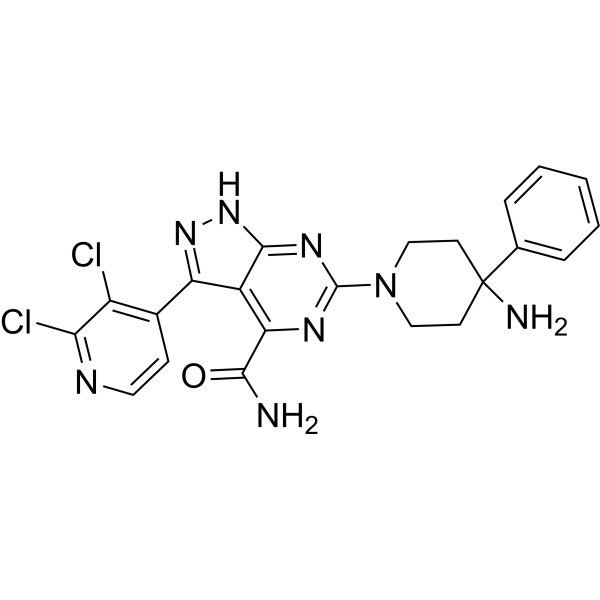
SHP2-IN-14 (compound 27) is an orally active and potent SHP2 allosteric inhibitor (IC50=7 nM) with anti-tumor activity. SHP2-IN-14 inhibits tumor progression in NCI-H358 tumor bearing mice, exhibits good pharmacokinetic characteristics and safty .
|
-
-
- HY-E70293
-
|
GALNT12
|
Endogenous Metabolite
YAP
|
Cancer
|
|
N-Acetylgalactosaminyltransferase 12 (GALNT12) belongs to the uridine diphosphate N-acetylgalactosamine gene family and is involved in the biological processes of many diseases, such as tumor progression. N-Acetylgalactosaminyltransferase 12 is a potential biomarker for fibrosarcoma, and its high expression level is closely related to the yes1-associated transcriptional regulator (YAP1) signaling pathway .
|
-

-
- HY-P10650
-
|
|
Ras
|
Cancer
|
|
FAM49B (190-198) mouse is a peptide fragment of FAM49B. FAM49B is a mitochondria-localized protein that regulates mitochondrial fission. FAM49B regulates mitochondrial function and integrity and tumor progression. FAM49B is also a negative regulator in T cell activation, it acts by repressing GTPase Rac activity and modulating cytoskeleton reorganization .
|
-

-
- HY-172449
-
|
|
Hedgehog
|
Cancer
|
|
GLI1-IN-3 (Compound 11a), a triterpenoid analogue, can inhibit Hedgehog signaling in GLI1 overexpression cancer cells. GLI1-IN-3 inhibits the proliferation in NSCLC and prostate cancer cell lines exhibiting hyper-activated Hh signaling. GLI1-IN-3 can also decrease the expression of endogenous GLI1 protein and its target genes associated with tumor progression and proliferation in A549 and DU-145 cancer cells .
|
-

-
- HY-117885
-
|
|
PDK-1
|
Cancer
|
|
PF-5177624 is a specific and potent inhibitor of PDK1, a key enzyme in the PI3K/AKT signaling pathway that is frequently dysregulated in breast cancer. PDK1 phosphorylates AKT at T308 and other substrates, activating downstream signaling pathways that are important for tumor progression. PF-5177624 blocks IGF-1-stimulated PDK1 activity and downstream AKT and p70S6K phosphorylation, reducing cell proliferation and transformation in breast cancer cells .
|
-

-
- HY-170877
-
|
|
SHP2
PI3K
Akt
Autophagy
|
Cancer
|
|
SHP2-IN-35 (Compound 3f) is the inhibitor for SHP2. SHP2-IN-35 exhibits antiproliferative activity in cancer cells RKO, SW480 and CT26 with IC50 of 5.72 μM, 3.71 μM and 1.42 μM, respectively. SHP2-IN-35 inhibits the PI3K-Akt signaling pathway, regulates the cell cycle associated gene expressions, and induces mitochondrial-related autophagy. SHP2-IN-35 inhibits the expression of certain cytokines and chemokines in the tumor microenvironment (TME), thereby regulating the tumor progression .
|
-

-
- HY-178029
-
|
|
Ribosomal S6 Kinase (RSK)
Topoisomerase
Apoptosis
Autophagy
Reactive Oxygen Species (ROS)
|
Cancer
|
|
RSK2/TOP2-IN-1 is a RSK2/TOP2 dual inhibitor. RSK2/TOP2-IN-1 targets key tumor progression enzymes including ribosomal S6 kinase 2 and topoisomerases IIα/IIβ. RSK2/TOP2-IN-1 shows selectivity index > 2 against all squamous cell carcinoma (SCC) cell lines. RSK2/TOP2-IN-1 can induce cell apoptosis, autophagy and ROS production. RSK2/TOP2-IN-1 can be used for the research of cancer, such as squamous cell carcinoma .
|
-

-
- HY-P2997B
-
|
|
Biochemical Assay Reagents
|
Cardiovascular Disease
Neurological Disease
Inflammation/Immunology
Cancer
|
|
γ-glutamyltransferase, Human (HEK293) is a γ-glutamyltransferase expressed in HEK293 cells. γ-glutamyltransferase participates in glutathione metabolism. Serum γ-glutamyltransferase activity is identified as a predictor of atherosclerotic complications, and has prognostic value for cardiovascular diseases and stroke. γ-glutamyltransferase also serves as a biomarker for carcinogenesis and tumor progression .
|
-

-
- HY-178999
-
|
|
Drug Derivative
|
Cancer
|
|
Carnosol analog 1 (Compound 10) is a derivative of carnosol. Carnosol analog 1 attenuates myotube atrophy (67.08% reversal) and adipocyte lipolysis in C26 tumor-conditioned models. Carnosol analog 1 alleviates cachexia-related weight loss without altering tumor progression in C26 tumor-bearing mice. Carnosol analog 1 can be used for the study of cancer cachexia .
|
-

-
- HY-W040293S
-
|
PE(6:0/6:0)-d22; 1,2-Dihexanoyl-sn-glycero-3-phosphoethanolamine-d22
|
Isotope-Labeled Compounds
|
Cancer
|
|
06:0 PE-d22 (PE(6:0/6:0)-d22) is the deuterium labeled 06:0 PE (HY-W040293). 06:0 PE (PE(6:0/6:0)) is a water-soluble phospholipid characterized by its short acyl chains, exhibiting notable antitumor activity and the ability to inhibit tumor progression in vivo, alongside antiproliferative and proapoptotic effects, while serving as a precursor for phosphatidylcholine and phosphatidylethanolamine.
|
-

-
- HY-186140
-
|
|
SHP1
Phospholipase
ERK
Interleukin Related
|
Inflammation/Immunology
Cancer
|
|
SHP1‑IN‑2 is a selective and orally active SHP1 inhibitor. SHP1‑IN‑2 covalently binds to Cys480 of SHP1. SHP1‑IN‑2 elicits potent antitumor immunity and suppresses syngeneic tumor growth. SHP1‑IN‑2 blocks tumor progression in a svngeneic cancer model by
activating natural killer cells and cytotoxic CD8 + T cells, along with reduced T cel
l. SHP1‑IN‑2 can be used for cancer‑related research .
|
-

-
- HY-181059
-
|
|
Drug Derivative
mTOR
AMPK
|
Metabolic Disease
Inflammation/Immunology
Cancer
|
|
AMPK/mTOR modulator-1, Ginsenoside derivative, is an orally active mTOR inhibitor and AMPK activator. AMPK/mTOR modulator-1 activates AMPK signaling with a Kd of 4.759 μM. AMPK/mTOR modulator-1 promotes M1-like tumor-associated macrophage polarization while suppressing M2-like polarization. AMPK/mTOR modulator-1 can enhance glycolysis. AMPK/mTOR modulator-1 significantly inhibits tumor progression and shows anti-inflammation activity. AMPK/mTOR modulator-1 can be used for the research of colorectal cancer .
|
-

-
- HY-19938
-
|
|
Biochemical Assay Reagents
|
Cancer
|
|
MTL-005 is a boron-containing radiosensitizer used in Boron Neutron Capture Therapy (BNCT). MTL-005 enriches the boron-10 isotope in tumor tissues, causing nuclear fission under thermal neutron irradiation, releasing high linear energy transfer (LET) α particles and lithium ions, which selectively destroy tumor cells while minimizing damage to surrounding normal tissues. MTL-005 significantly controlls the tumor progression in the SCCVII squamous cell carcinoma mouse model and prolonged the survival of the mice. MTL-005 can be used to study solid tumors such as head and neck cancer.
|
-

- HY-138195
-
|
|
DNA/RNA Synthesis
Apoptosis
FAK
Src
MMP
Autophagy
|
Cancer
|
|
NEO212 is an orally active, blood-brain barrier permeable conjugate of Temozolomide (TMZ) (HY-17364) and Perillyl Alcohol (POH) (HY-N7000), with potent anticancer activity. NEO212 overcomes classical TMZ resistance and DNA alkylation by depleting MGMT. By inhibiting the FAK/Src signaling pathway, NEO212 reduces the production of MMP2 and MMP9, induces mesenchymal-epithelial transition, and inhibits the migration, invasion and tumor progression of glioma stem cells. NEO212 disrupts autophagy flux to enhance mitochondrial apoptosis; it induces differentiation of acute myeloid leukemia (AML) cells into macrophages and proliferation arrest .
|
-

- HY-W072962
-
|
|
Histone Methyltransferase
PAK
Bcl-2 Family
KLF
|
Cancer
|
|
WX2-43 is a PRMT5-KLF4 inhibitor (Kd of 11.0 nM). WX2-43 binds to the region between amino acids L400-M500 on PRMT5. WX2-43 efficiently intercepts the interaction between KLF4 and PRMT5, and blocks KLF4 methylation. WX2-43 decreases p21 levels and increases Bax levels. WX2-43 suppresses triple negative breast tumor progression. WX2-43 can be used in the research of triple-negative breast cancer and colorectal cancer .
|
-

- HY-W142432S
-
|
|
Isotope-Labeled Compounds
Biochemical Assay Reagents
β-catenin
Wnt
Arginase
TGF-beta/Smad
mTOR
Akt
ERK
Atg8/LC3
p62
Autophagy
|
Metabolic Disease
|
|
Perfluoroundecanoic acid- 13C7 is the 13C-labeled Perfluoroundecanoic acid (HY-W142432). Perfluoroundecanoic acid is a perfluoroalkyl substance (PFAS). Perfluoroundecanoic acid is an orally active oxidative stress inducer. Perfluoroundecanoic acid promotes macrophage M2 polarization, activates Wnt/β-catenin signaling and enhances β-catenin nuclear accumulation. Perfluoroundecanoic acid -induced M2 phenotype macrophage accelerates tumor progression in vitro and in vivo. Perfluoroundecanoic acid induces DNA damage, reproductive and pathophysiological dysfunctions via oxidative stress in male Swiss mice. Perfluoroundecanoic acid inhibits Leydig cell development in pubertal male rats via inducing oxidative stress and autophagy. Perfluoroundecanoic acid accelerates insulitis development in a mouse model of type 1 diabetes. Perfluoroundecanoic acid can be used for the study of ovarian cancer, type 1 diabetes and inflammation .
|
-

- HY-N0660R
-
|
|
Reference Standards
ERK
p38 MAPK
Akt
PI3K
11β-HSD
STING
VEGFR
Ferroptosis
Autophagy
Apoptosis
Keap1-Nrf2
Caspase
PARP
AMPK
|
Neurological Disease
Metabolic Disease
Inflammation/Immunology
Cancer
|
|
Jujuboside B (Standard) is the analytical standard of Jujuboside B. This product is intended for research and analytical applications. Jujuboside B is a bioactive saponin component isolated from Ziziphi Spinosae Semen (sour jujube seed), with oral efficacy and blood-brain barrier permeability. Jujuboside B induces acute leukemia cell death and drives necroptosis apoptosis by activating the RIPK1/RIPK3/MLKL pathway. Jujuboside B upregulates the expression of NOXA, PARP and caspase-3, activates AMPK, inhibits the proliferation of breast cancer cells, and induces cell apoptosis and autophagy. Jujuboside B inhibits angiogenesis and tumor growth by blocking the VEGFR-2 signaling pathway. Jujuboside B alleviates liver injury in mice by regulating the Nrf2-STING signaling pathway . Jujuboside B alleviates liver injury by regulating anti-inflammatory responses and downregulating the expression of 11β-HSD2. Jujuboside B induces ferroptosis and overcomes radioresistance in non-small cell lung cancer via the PPARγ-ATF3-Gpx4 signaling pathway. Jujuboside B exerts inhibitory effects on platelet aggregation. Jujuboside B inhibits febrile seizures by suppressing the activity of AMPA receptors. Jujuboside B reverses chronic unpredictable mild stress-promoted tumor progression by blocking the PI3K/Akt and MAPK/ERK pathways and dephosphorylating CREB signaling. Jujuboside B is applicable to related studies on acute leukemia, breast cancer, PM2.5-induced lung injury, hepatotoxicity, liver injury, colorectal cancer, non-small cell lung cancer, thromboembolic diseases, cardiovascular diseases associated with high platelet aggregation, febrile seizures, and depressive-like phenotypes.
|
-

| Cat. No. |
Product Name |
Target |
Research Area |
-
- HY-P1408
-
|
|
Integrin
VEGFR
|
Cancer
|
|
Obtustatin is a non-RGD disintegrin consisting of 41 residues. Obtustatin inhibits the adhesion of α1β1 integrin to type IV Collagen (HY-NP003), blocks α1β1 integrin signaling in endothelial cells, and suppresses FGF2-induced angiogenesis. Obtustatin inhibits tumor progression in mouse models and upregulates VEGF expression in sarcoma-bearing mice. Obtustatin can be used in research related to Lewis lung carcinoma and S-180 sarcoma .
|
-
- HY-16532
-
|
AEZS-108; AN-152
|
Peptide-Drug Conjugates (PDCs)
GnRH Receptor
|
Cancer
|
|
Zoptarelin doxorubicin (AEZS-108; AN-152) is a hybrid anticancer agent, containing Zoptarelin and Doxorubicin. Zoptarelin doxorubicin has been used to research targeting tumors expressing LHRH receptors. Zoptarelin doxorubicin abolishes tumor progression and induces remarkable apoptosis in vitro .
|
-
- HY-P2115
-
|
|
GnRH Receptor
|
Cancer
|
|
Ramorelix is a luteinizing-hormone-releasing hormone (LHRH) antagonist. Ramorelix can inhibit tumor progression in vivo. Ramorelix can be studied in anti-cancer research .
|
-
- HY-P11052
-
|
|
HSP
|
Cancer
|
|
A8 peptide is a Hsp72 antagonist. A8 peptide inhibits tumor progression and metastasis as well as enhances the cancer cells' sensitivity to apoptosis induced by chemotherapeutic agents (such as Cisplatin (HY-17394)) by blocking the Hsp72-TLR2 interaction and the subsequent activation of MDSCs. A8 peptide can be used for cancers research .
|
-
- HY-P10650
-
|
|
Ras
|
Cancer
|
|
FAM49B (190-198) mouse is a peptide fragment of FAM49B. FAM49B is a mitochondria-localized protein that regulates mitochondrial fission. FAM49B regulates mitochondrial function and integrity and tumor progression. FAM49B is also a negative regulator in T cell activation, it acts by repressing GTPase Rac activity and modulating cytoskeleton reorganization .
|
| Cat. No. |
Product Name |
Target |
Research Area |
Image |
-
- HY-P991319
-
|
|
Inhibitory Antibodies
|
Cancer
|
|
TAB-004 is a murine IgG1 monoclonal antibody that specifically binds to the tumor-associated hypoglycosylated mucin 1 (tMUC1), with high selectivity for human tMUC1. TAB-004 can be conjugated with Indocyanine green (ICG) (HY-D0711) for in vivo targeted imaging. TAB-004 can be used for the research of early detection, tumor progression monitoring and cancer stem cell targeting in breast cancer and pancreatic cancer.
|
-


(5)
-
- HY-P991042
-
|
|
IGF-1R
|
Cancer
|
|
Anti-IGFBP2 Antibody (M14) is an human anti-IGFBP2 monoclonal inhibitory antibody, which binds IGFBP2 with high affinity and blocks its binding with IGF1. Anti-IGFBP2 Antibody (M14) inhibits human endothelial cell recruitment, thus blocks the tumor progression of human metastatic cancer .
|
-
(5)
-
- HY-P991647
-
|
|
CXCR
|
Cancer
|
|
ALX-0651 is a biparatopic humanized monoclonal antibody inhibitor targeting CXCR4. ALX-0651 inhibits hematopoietic stem cell trafficking, tumor progression and metastasis. ALX-0651 can be used for non-Hodgkin’s lymphoma and multiple myeloma research .
|
-
(5)
| Cat. No. |
Product Name |
Category |
Target |
Chemical Structure |
-
- HY-N9933
-
|
TβMCA
|
Structural Classification
Human Gut Microbiota Metabolites
Animals
Endogenous metabolite
Steroids
Source Classification
|
FXR
Apoptosis
|
|
Tauro-β-muricholic acid (TβMCA) is an orally active trihydroxylated bile acid and a competitive, reversible FXR antagonist (IC50=40 μM). Tauro-β-muricholic acid inhibits bile acid-induced hepatocyte apoptosis by maintaining mitochondrial membrane potential, while simultaneously inhibiting intestinal FXR signaling, affecting bile acid synthesis, hepatic lipid metabolism, and insulin sensitivity. Accumulation of tauro-β-muricholic acid disrupts metabolic homeostasis, promoting cancer stem cell proliferation and tumor progression. The mechanisms of tauro-β-muricholic acid involve two aspects: first, inhibiting the translocation of the pro-apoptotic protein Bax to mitochondria and maintaining mitochondrial membrane potential (MMP); and second, blocking the FXR signaling pathway to regulate bile acid metabolism, reduce serum ceramide production, and downregulate the hepatic SREBP1C/CIDEA pathway. Tauro-β-muricholic acid possesses anti-hepatocyte apoptosis, bile acid homeostasis regulation, and liver fat accumulation reduction properties, and also functions as a biomarker, making it useful in the study of diseases such as bile acid metabolism disorders, non-alcoholic fatty liver disease, colorectal cancer, and liver fibrosis .
|
-
-
- HY-N3415
-
|
|
Flavonols
Structural Classification
Flavonoids
Classification of Application Fields
Phenols
Polyphenols
Myrtaceae
Plants
Syzygium aromaticum
Disease Research Fields
Source Classification
Cancer
|
Apoptosis
Autophagy
Caspase
Ferroptosis
SARS-CoV
|
|
Kumatakenin is an orally active apoptosis inducer and autophagy inhibitor, with a Kd value of 2.94 μM for mouse ATG5. Kumatakenin increases the activities of caspase-3, caspase-8 and caspase-9, thereby inducing caspase-dependent apoptosis in ovarian cancer cells. Kumatakenin reduces the expression of chemokines and pro-oncogenic factors in ovarian cancer cells, and inhibits M2 macrophage polarization. Kumatakenin inactivates TRIM65 function, reduces the expression and stability of FASN, and thus inhibits the proliferation, migration, invasion and tumor progression of esophageal cancer cells. Kumatakenin interacts with ATG5 to reduce its protein level, decrease LC3 level, and reduce the number of autophagosomes in the hippocampus. Kumatakenin binds to Eno3 to upregulate its expression, reduce the stability and expression level of IRP1 mRNA, inhibit ferroptosis, alleviate intestinal inflammation, and restore epithelial barrier function. Kumatakenin enhances the efficacy of antibiotics against pathogenic bacteria, inhibits SARS-CoV-2 replication, and reduces cytokine production. Kumatakenin is applicable to research related to ovarian cancer, esophageal cancer, depression and colitis .
|
-
-
- HY-N0660
-
|
|
Cardiovascular Disease
Triterpenes
Structural Classification
other families
Classification of Application Fields
Terpenoids
Plants
Disease Research Fields
Source Classification
|
Apoptosis
PARP
Caspase
AMPK
Autophagy
VEGFR
Keap1-Nrf2
STING
11β-HSD
Ferroptosis
PI3K
Akt
p38 MAPK
ERK
|
|
Jujuboside B is a bioactive saponin component isolated from Ziziphi Spinosae Semen (sour jujube seed), with oral efficacy and blood-brain barrier permeability. Jujuboside B induces acute leukemia cell death and drives necroptosis apoptosis by activating the RIPK1/RIPK3/MLKL pathway. Jujuboside B upregulates the expression of NOXA, PARP and caspase-3, activates AMPK, inhibits the proliferation of breast cancer cells, and induces cell apoptosis and autophagy. Jujuboside B inhibits angiogenesis and tumor growth by blocking the VEGFR-2 signaling pathway. Jujuboside B alleviates liver injury in mice by regulating the Nrf2-STING signaling pathway . Jujuboside B alleviates liver injury by regulating anti-inflammatory responses and downregulating the expression of 11β-HSD2. Jujuboside B induces ferroptosis and overcomes radioresistance in non-small cell lung cancer via the PPARγ-ATF3-Gpx4 signaling pathway. Jujuboside B exerts inhibitory effects on platelet aggregation. Jujuboside B inhibits febrile seizures by suppressing the activity of AMPA receptors. Jujuboside B reverses chronic unpredictable mild stress-promoted tumor progression by blocking the PI3K/Akt and MAPK/ERK pathways and dephosphorylating CREB signaling. Jujuboside B is applicable to related studies on acute leukemia, breast cancer, PM2.5-induced lung injury, hepatotoxicity, liver injury, colorectal cancer, non-small cell lung cancer, thromboembolic diseases, cardiovascular diseases associated with high platelet aggregation, febrile seizures, and depressive-like phenotypes .
|
-
-
- HY-N6985R
-
-
-
- HY-N0660R
-
|
|
Triterpenes
Structural Classification
other families
Terpenoids
Plants
Source Classification
|
Reference Standards
ERK
p38 MAPK
Akt
PI3K
11β-HSD
STING
VEGFR
Ferroptosis
Autophagy
Apoptosis
Keap1-Nrf2
Caspase
PARP
AMPK
|
|
Jujuboside B (Standard) is the analytical standard of Jujuboside B. This product is intended for research and analytical applications. Jujuboside B is a bioactive saponin component isolated from Ziziphi Spinosae Semen (sour jujube seed), with oral efficacy and blood-brain barrier permeability. Jujuboside B induces acute leukemia cell death and drives necroptosis apoptosis by activating the RIPK1/RIPK3/MLKL pathway. Jujuboside B upregulates the expression of NOXA, PARP and caspase-3, activates AMPK, inhibits the proliferation of breast cancer cells, and induces cell apoptosis and autophagy. Jujuboside B inhibits angiogenesis and tumor growth by blocking the VEGFR-2 signaling pathway. Jujuboside B alleviates liver injury in mice by regulating the Nrf2-STING signaling pathway . Jujuboside B alleviates liver injury by regulating anti-inflammatory responses and downregulating the expression of 11β-HSD2. Jujuboside B induces ferroptosis and overcomes radioresistance in non-small cell lung cancer via the PPARγ-ATF3-Gpx4 signaling pathway. Jujuboside B exerts inhibitory effects on platelet aggregation. Jujuboside B inhibits febrile seizures by suppressing the activity of AMPA receptors. Jujuboside B reverses chronic unpredictable mild stress-promoted tumor progression by blocking the PI3K/Akt and MAPK/ERK pathways and dephosphorylating CREB signaling. Jujuboside B is applicable to related studies on acute leukemia, breast cancer, PM2.5-induced lung injury, hepatotoxicity, liver injury, colorectal cancer, non-small cell lung cancer, thromboembolic diseases, cardiovascular diseases associated with high platelet aggregation, febrile seizures, and depressive-like phenotypes.
|
-
| Cat. No. |
Product Name |
Chemical Structure |
-
- HY-W040293S
-
|
|
|
06:0 PE-d22 (PE(6:0/6:0)-d22) is the deuterium labeled 06:0 PE (HY-W040293). 06:0 PE (PE(6:0/6:0)) is a water-soluble phospholipid characterized by its short acyl chains, exhibiting notable antitumor activity and the ability to inhibit tumor progression in vivo, alongside antiproliferative and proapoptotic effects, while serving as a precursor for phosphatidylcholine and phosphatidylethanolamine.
|
-
-
- HY-W142432S
-
|
|
|
Perfluoroundecanoic acid- 13C7 is the 13C-labeled Perfluoroundecanoic acid (HY-W142432). Perfluoroundecanoic acid is a perfluoroalkyl substance (PFAS). Perfluoroundecanoic acid is an orally active oxidative stress inducer. Perfluoroundecanoic acid promotes macrophage M2 polarization, activates Wnt/β-catenin signaling and enhances β-catenin nuclear accumulation. Perfluoroundecanoic acid -induced M2 phenotype macrophage accelerates tumor progression in vitro and in vivo. Perfluoroundecanoic acid induces DNA damage, reproductive and pathophysiological dysfunctions via oxidative stress in male Swiss mice. Perfluoroundecanoic acid inhibits Leydig cell development in pubertal male rats via inducing oxidative stress and autophagy. Perfluoroundecanoic acid accelerates insulitis development in a mouse model of type 1 diabetes. Perfluoroundecanoic acid can be used for the study of ovarian cancer, type 1 diabetes and inflammation .
|
-
| Cat. No. |
Product Name |
|
Classification |
-
- HY-174549
-
|
|
|
mRNA
|
|
Human PDGFRA mRNA encodes the human platelet derived growth factor receptor alpha (PDGFRA) protein, a cell surface tyrosine kinase receptor for members of the platelet-derived growth factor family. PDGFRA may play a role in organ development, wound healing, and tumor progression.
|
Your information is safe with us. * Required Fields.
Inquiry Information
- Product Name:
- Cat. No.:
- Quantity:
- MCE Japan Authorized Agent:








