1. 疾患モデリングル製品 GPCR/G Protein Neuronal Signaling Autophagy Immunology/Inflammation MAPK/ERK Pathway Apoptosis
  2. Nervous System Disease Models Dopamine Receptor Autophagy Mitophagy COX PGE synthase Interleukin Related p38 MAPK Apoptosis Caspase
  3. Parkinson's Disease Models
  4. Oxidopamine hydrobromide

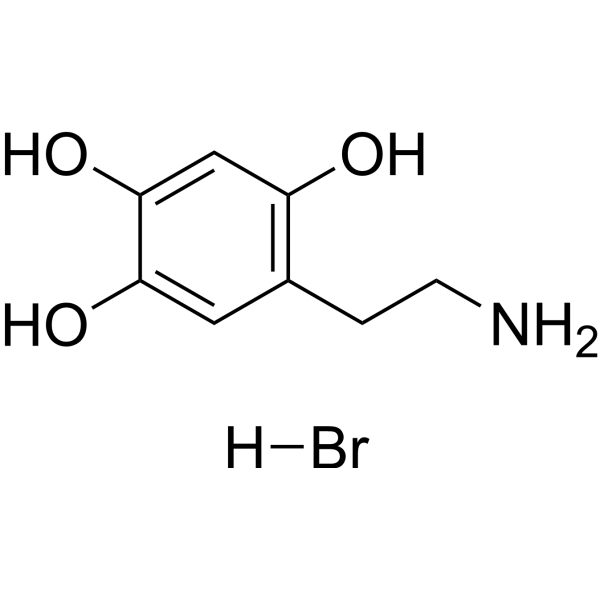
6-Hydroxydopamine hydrobromide  (Synonyms: Oxidopamine (hydrobromide); 6-OHDA hydrobromide)

製品番号: HY-B1081A 純度: 99.42%
COA 取扱説明書 Technical Support

Oxidopamine (6-OHDA) hydrobromide is an antagonist of the neurotransmitter dopamine. Oxidopamine hydrobromide is a widely used neurotoxin and selectively destroys dopaminergic neurons. Oxidopamine hydrobromide promotes COX-2 activation, leading to PGE2 synthesis and pro-inflammatory cytokine IL-1β secretion. Oxidopamine hydrobromide can be used for the research of Parkinson’s disease (PD), attention-deficit hyperactivity disorder (ADHD), and Lesch-Nyhan syndrome.

商品は「研究用試薬」です。人や動物の医療用・臨床診断用・食品用の製品ではありません。
研究用途以外に使用した場合、当社は一切の責任を負いかねます。

CAS 番号 : 636-00-0

容量 価格(税別) 在庫状況 数量
50 mg $35 在庫あり
100 mg $58 在庫あり
200 mg $93 在庫あり
500 mg $187 在庫あり
1 g $300 在庫あり
5 g   お問い合わせ  
10 g   お問い合わせ  

* アイテムを追加する前、数量をご選択ください

This product is a controlled substance and not for sale in your territory.

カスタマーレビュー

Based on 41 publication(s) in Google Scholar

Other Forms of Oxidopamine hydrobromide:

Top Publications Citing Use of Products

顧客検証

In Vivo Efficacy Study
IF
WB
Histological Imaging/Staining

    Oxidopamine hydrobromide purchased from MedChemExpress. Usage Cited in: Nat Commun. 2025 Dec 1;16(1):10796.  [Abstract]

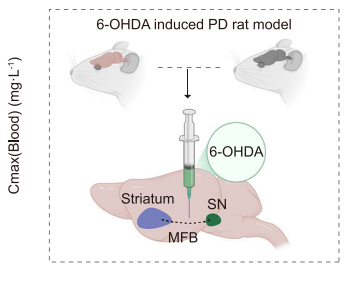
    Schematic of targeted injection of 6-hydroxydopamine (20 μg) into the medial forebrain bundle (MFB) to induce a PD rat model.

    Oxidopamine hydrobromide purchased from MedChemExpress. Usage Cited in: Nat Commun. 2025 Dec 1;16(1):10796.  [Abstract]

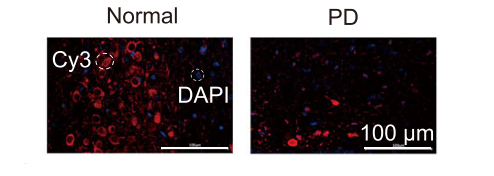
    Confocal fluorescence images of brain sections from saline-injected (control) and 6-OHDA (20 μg) -injected (PD) rats, stained with 4′,6-diamidino-2-phenylindole (DAPI, blue FL) and cyanine 3 (Cy3, red FL).

    Oxidopamine hydrobromide purchased from MedChemExpress. Usage Cited in: Ind Crops Prod. 2025 Nov 19;238:122328.

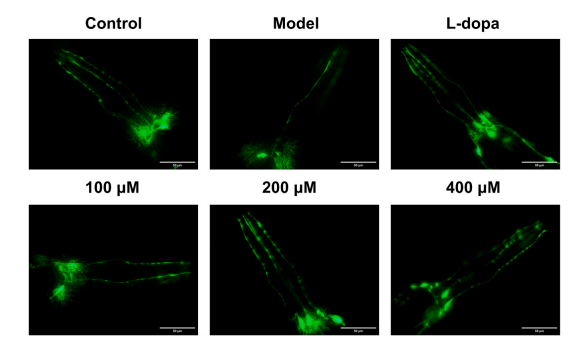
    Representative fluorescence images of DA neurons in worms subjected to 6-OHDA (50 mM; 2 h)-induced toxicity after treatment with vehicle (Control), L-DOPA, or varying concentrations of GPA.

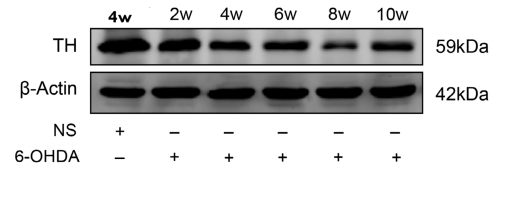
    Oxidopamine hydrobromide purchased from MedChemExpress. Usage Cited in: CNS Neurosci Ther. 2023 Oct;29(10):2925-2939.  [Abstract]

    6-OHDA (4 μg; 4 weeks). The western blot analysis revealed that the marker of dopaminergic neurons (Tyrosine hydroxylase) reduced significantly from the fourth week.

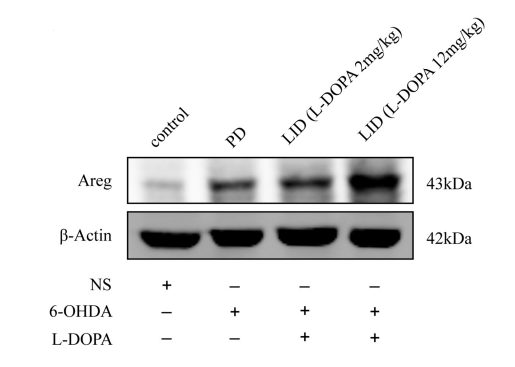
    Oxidopamine hydrobromide purchased from MedChemExpress. Usage Cited in: CNS Neurosci Ther. 2023 Oct;29(10):2925-2939.  [Abstract]

    Amphiregulin (Areg) is highly expressed in the levodopa‐induced dyskinesia 6‐OHDA (4 μg; 4 weeks) Parkinson's disease mouse model. The Parkinson's disease group treated with a daily 12 mg/kg of levodopa for 15 days developed dyskinetic movement. On western blotting, this group further showed a significant increase of Amphiregulin protein expression relative to the Parkinson's disease group injected with normal saline only .
    • 生物活性

    • 純度とドキュメンテーション

    • 参考文献

    • カスタマーレビュー

    製品説明

    Oxidopamine (6-OHDA) hydrobromide is an antagonist of the neurotransmitter dopamine. Oxidopamine hydrobromide is a widely used neurotoxin and selectively destroys dopaminergic neurons. Oxidopamine hydrobromide promotes COX-2 activation, leading to PGE2 synthesis and pro-inflammatory cytokine IL-1β secretion. Oxidopamine hydrobromide can be used for the research of Parkinson’s disease (PD), attention-deficit hyperactivity disorder (ADHD), and Lesch-Nyhan syndrome[1][2][3][4].

    IC50 & Target

    COX-2


    IL-1β


    Caspase-3


    Caspase-8


    Caspase-9


    体外実験

    Oxidopamine hydrobromide (0-500 μM, 24 h) decreases the viability of both Neuro-2a cells and SH-SY5Y cells in a concentration-dependent manner[1].
    Oxidopamine hydrobromide (75-150 μM, 0-24 h) induces COX-2 expression and nuclear translocation[1].
    Oxidopamine hydrobromide (75-150 μM, 0-24 h) causes PGE2 biosynthesis and pro-inflammatory cytokine IL-1β production[1].
    Oxidopamine hydrobromide (0-150 μM, 12 h) induces apoptosis and mitochondrial membrane depolarization of pheochromocytoma PC12 cells[3].
    Oxidopamine hydrobromide (75 μM, 0-12 h) induces p38 phosphorylation[3].

    MedChemExpress (MCE) has not independently confirmed the accuracy of these methods. They are for reference only.

    Cell Viability Assay[1]

    Cell Line: Neuro-2a cells and SH-SY5Y cells
    Concentration: 0-500 µM
    Incubation Time: 24 or 48 h
    Result: Induced neurotoxicity, caused cytotoxicity in both Neuro-2a cells and SH-SY5Y cells in a concentration dependent manner. EC50=111 µM for 24 h incubation and 109 µM for 48 h incubation in the Neuro-2a cells; EC50=118 µM for 24 h incubation and 107 µM for 48 h incubation in the SH-SY5Y cells.

    RT-PCR[1]

    Cell Line: Neuro-2a cells and SH-SY5Y cells
    Concentration: 75 or 150 µM
    Incubation Time: 0, 6 or 24 h
    Result: Quickly and robustly induced COX-2 in a time-dependent manner. Induced COX-2 activation characterized by expression induction and nuclear translocation. Substantially increased PGE2 in the culture medium by nearly 5-fold in Neuro-2a cells (at 75 µM) and 3-fold in SH-SY5Y cells (at 150 µM). Significantly upregulated the pro-inflammatory cytokine interleukin-1β (IL-1β) within Neuro-2a cells and SH-SY5Y cells.

    Apoptosis Analysis[3]

    Cell Line: PC12 cells
    Concentration: 0, 25, 50, 75, and 150 μM
    Incubation Time: 0, 2, 4, 6, 12, and 20 h
    Result: Induced apoptosis of PC12 cells. Increased the activities of caspase-3, -8 and -9 in PC12 cells in a time- and concentration-dependent manner. Increased these caspase activities at 2-4 h and reached a maximum at 12 h. Decreased cells with high mitochondrial membrane potential (JC-1 aggregate) in a time- and concentration-dependent manner.

    Western Blot Analysis[3]

    Cell Line: PC12 cells
    Concentration: 75 μM
    Incubation Time: 0, 3, 5, 6, 8, 10, and 12 h
    Result: Increased the level of p-p38 in a time-dependent manner.
    体内実験

    Note:
    Please do not refer to only one article to determine the experimental conditions. It is recommended to determine the optimal experimental conditions (animal strain, age, dosage, frequency and cycle, detection time and indicators, etc.) through preliminary experiments before the formal experiment.

    Oxidopamine (6-OHDA) hydrobromide can induce Parkinson's disease models[5][6].

    Induction of Parkinson's disease model[5][6][7]
    Background
    The chemical structure of Oxidopamine (6-OHDA) hydrobromide is similar to dopamine (DA), enabling it to compete with DA for uptake sites and be subsequently taken into cells. Once inside the cells, oxidopamine hydrochloride can be oxidized and decomposed, generating reactive oxygen species, which further produce oxygen free radicals through MAO (monoamine oxidase) or directly cause mitochondrial dysfunction, leading to the death of dopaminergic neurons.
    Specific Modeling Methods
    Rat: Sprague-Dawley (SD) • Male • 200-250 g;
    Administration: 5μg/2μL/site • stereotaxically injected in the fight striatum • single dose.
    Solvent: dissolved in 0.1%-0.2% Ascorbic acid in PBS or 0.01%-0.02% Ascorbic acid in saline.
    Note
    Oxidopamine hydrobromide is commonly dissolved in 0.02% Ascorbic acid in saline or 0.02% Ascorbic acid in PBS in the literature. L‑Ascorbic acid (HY‑B0166) (ascorbic acid) has been reported to possess antioxidant properties, which can prevent the degradation of Oxidopamine.
    (1) Lesions were made by the unilateral injection of Oxidopamine hydrobromide (5 μg in 2 μl/site) into the right striatum at the two coordinates:
    ① AP, 0.7; L, 3.0; DV, 5.5 and 4.5 mm from Bregma.
    ② AP, 0.2; L, 2.6; DV, 5.5 and 4.5 mm from Bregma.
    The two coordinates were injected Oxidopamine hydrobromide 10 μg in 4 μl/2 sites.
    (2) Oxidopamine hydrobromide was prepared freshly in dark to avoid autooxidation, and was administered using a 5 μl microinjector at a rate of 0.5 μl/min. The syringe was left in place for 5 min before slowly retracting it to allow for toxin diffusion and prevent the toxin reflux.
    (3) On the 56th day after the injury, the animals were decapitated under deep halothane anesthesia. Their brains were quickly removed from the skull, rinsed with chilled saline, and tissue samples containing the caudate-putamen head were dissected from both the lesioned and unlesioned striata on ice.
    (4) The animals were housed in an environment with a 12-hour light/dark cycle, with the temperature maintained at 22-23°C. They were allowed free access to food and tap water.
    Modeling Indicators
    Behavioral monitoring: Rats exhibit rotation with a rotation count greater than 210 r/30 min. Molecular changes: Elevated levels of COX-2, TNF-α mRNA, and COX-2 protein. Histopathological changes: Chromatin condensation into clumps around the nucleus, along with evident mitochondrial swelling and vacuolation. Induced nigrostriatal nerve terminal lesions. Decreased striatal dopamine levels and reduced number of tyrosine hydroxylase immunoreactive cells in the ipsilateral substantia nigra, accompanied by long-term significant atrophy of remaining dopaminergic neurons.
    Opposite Product(s): Resveratrol (HY-16561)

    MedChemExpress (MCE) has not independently confirmed the accuracy of these methods. They are for reference only.

    分子量

    250.09

    分子式

    C8H12BrNO3

    CAS 番号
    Appearance

    Solid

    Color

    Light brown to gray

    SMILES

    OC1=CC(CCN)=C(O)C=C1O.[H]Br

    輸送条件

    Room temperature in continental US; may vary elsewhere.

    保管条件

    4°C, stored under nitrogen, away from moisture

    *The compound is unstable in solutions, freshly prepared is recommended.

    溶剤 & 溶解度
    体外: 

    DMSO : 50 mg/mL (199.93 mM; Need ultrasonic; Hygroscopic DMSO has a significant impact on the solubility of product, please use newly opened DMSO)

    H2O : 20 mg/mL (79.97 mM; Need ultrasonic)

    Preparing
    Stock Solutions
    Concentration Solvent Mass 1 mg 5 mg 10 mg
    1 mM 3.9986 mL 19.9928 mL 39.9856 mL
    5 mM 0.7997 mL 3.9986 mL 7.9971 mL
    10 mM 0.3999 mL 1.9993 mL 3.9986 mL
    View the Complete Stock Solution Preparation Table

    * Please refer to the solubility information to select the appropriate solvent. The compound is unstable in solutions, freshly prepared is recommended.

    * Note: If you choose water as the stock solution, please dilute it to the working solution, then filter and sterilize it with a 0.22 μm filter before use.

    • Molarity Calculator

    • Dilution Calculator

    Mass (g) = Concentration (mol/L) × Volume (L) × Molecular Weight (g/mol)

    Mass
    =
    Concentration
    ×
    Volume
    ×
    Molecular Weight *

    Concentration (start) × Volume (start) = Concentration (final) × Volume (final)

    一般には略語で表示されます:C1V1 = C2V2

    濃度 (開始)

    C1

    ×
    体積 (開始)

    V1

    =
    濃度 (終了)

    C2

    ×
    体積 (終了)

    V2

    体内:

    Select the appropriate dissolution method based on your experimental animal and administration route.

    For the following dissolution methods, please ensure to first prepare a clear stock solution using an In Vitro approach and then sequentially add co-solvents:
    To ensure reliable experimental results, the clarified stock solution can be appropriately stored based on storage conditions. As for the working solution for in vivo experiments, it is recommended to prepare freshly and use it on the same day.
    The percentages shown for the solvents indicate their volumetric ratio in the final prepared solution. If precipitation or phase separation occurs during preparation, heat and/or sonication can be used to aid dissolution.

    • Protocol 1

      Add each solvent one by one:  0.02% Ascorbic acid in PBS

      Solubility: 50 mg/mL (199.93 mM); Clear solution; Need ultrasonic

    • Protocol 2

      Add each solvent one by one:  0.02% Ascorbic acid in Saline water

      Solubility: 50 mg/mL (199.93 mM); Clear solution; Need ultrasonic

    In Vivo Dissolution Calculator
    Please enter the basic information of animal experiments:

    Dosage

    mg/kg

    Animal weight
    (per animal)

    g

    Dosing volume
    (per animal)

    μL

    Number of animals

    Recommended: Prepare an additional quantity of animals to account for potential losses during experiments.
    Calculation results:
    Working solution concentration: mg/mL
    This product has good water solubility, please refer to the measured solubility data in water/PBS/Saline for details.
    The concentration of the stock solution you require exceeds the measured solubility. The following solution is for reference only.If necessary, please contact MedChemExpress (MCE).
    純度とドキュメンテーション

    純度: 99.42%

    参考文献

    Complete Stock Solution Preparation Table

    * Please refer to the solubility information to select the appropriate solvent. The compound is unstable in solutions, freshly prepared is recommended.

    Optional Solvent Concentration Solvent Mass 1 mg 5 mg 10 mg 25 mg
    H2O / DMSO 1 mM 3.9986 mL 19.9928 mL 39.9856 mL 99.9640 mL
    5 mM 0.7997 mL 3.9986 mL 7.9971 mL 19.9928 mL
    10 mM 0.3999 mL 1.9993 mL 3.9986 mL 9.9964 mL
    15 mM 0.2666 mL 1.3329 mL 2.6657 mL 6.6643 mL
    20 mM 0.1999 mL 0.9996 mL 1.9993 mL 4.9982 mL
    25 mM 0.1599 mL 0.7997 mL 1.5994 mL 3.9986 mL
    30 mM 0.1333 mL 0.6664 mL 1.3329 mL 3.3321 mL
    40 mM 0.1000 mL 0.4998 mL 0.9996 mL 2.4991 mL
    50 mM 0.0800 mL 0.3999 mL 0.7997 mL 1.9993 mL
    60 mM 0.0666 mL 0.3332 mL 0.6664 mL 1.6661 mL
    DMSO 80 mM 0.0500 mL 0.2499 mL 0.4998 mL 1.2496 mL
    100 mM 0.0400 mL 0.1999 mL 0.3999 mL 0.9996 mL

    * Note: If you choose water as the stock solution, please dilute it to the working solution, then filter and sterilize it with a 0.22 μm filter before use.

    • No file chosen (Maximum size is: 1024 Kb)
    • If you have published this work, please enter the PubMed ID.
    • Your name will appear on the site.
    • Molarity Calculator

    • Dilution Calculator

    The molarity calculator equation

    Mass (g) = Concentration (mol/L) × Volume (L) × Molecular Weight (g/mol)

    質量   濃度   体積   分子量 *
    = × ×

    The dilution calculator equation

    Concentration (start) × Volume (start) = Concentration (final) × Volume (final)

    一般には略語で表示されます:C1V1 = C2V2

    濃度 (開始) × 体積 (開始) = 濃度 (終了) × 体積 (終了)
    × = ×
    C1   V1   C2   V2
    Help & FAQs
    • Do most proteins show cross-species activity?

      Species cross-reactivity must be investigated individually for each product. Many human cytokines will produce a nice response in mouse cell lines, and many mouse proteins will show activity on human cells. Other proteins may have a lower specific activity when used in the opposite species.

    最近チェックした製品:

    オンラインお問い合わせ

    Your information is safe with us. * Required Fields.

    製品名


    カスタマ需要量 *

    お名前 *


    タイトル

    メールアドレス *


    電話番号 *

    デパートメント


    組纖名 *

    市区町村

    都道府県

    国或いは地域 *


    必ず会社名を記載ください。個人への返信は行いません。

    備考

    バルクお問い合わせ

    Inquiry Information

    製品名:
    Oxidopamine hydrobromide
    製品番号:
    HY-B1081A
    数量:
    MCE 日本正規代理店: