



MMP
Matrix metalloproteinases
MMPs (Matrix metalloproteinases) are zinc-dependent endopeptidases. The MMPs belong to a larger family of proteases known as the metzincin superfamily. MMPs are capable of degrading all kinds of extracellular matrix proteins, but also can process a number of bioactive molecules. They are known to be involved in the cleavage of cell surface receptors, the release of apoptotic ligands and chemokine/cytokine inactivation. MMPs are also thought to play a major role on cell behaviors such as cell proliferation, migration, differentiation, angiogenesis, apoptosis, and host defense. MMP-2 and MMP-9 are thought to be important in metastasis. MMP-1 is thought to be important in rheumatoid arthritis and osteoarthritis. Recent data suggests active role of MMPs in the pathogenesis of Aortic Aneurysm. Excess MMPs degrade the structural proteins of the aortic wall. Disregulation of the balance between MMPs and TIMPs is also a characteristic of acute and chronic cardiovascular diseases.
MMP Isoform Specific Products
-
MMP-1
(63)
View all products
-
MMP-2
(143)
View all products
-
MMP-3
(56)
View all products
-
MMP-8
(30)
View all products
-
MMP-9
(178)
View all products
-
MMP-13
(54)
View all products
-
MMP-14
(23)
View all products
-
MMP-17
(3)
View all products
-
ADAM10
(9)
View all products
-
ADAM17
(10)
View all products
-
MMP-7
(22)
View all products
-
MMP-12
(18)
View all products
-
MMP-10
(8)
View all products
-
MMP
(437)
View all products
-
ADAM8
(1)
View all products
-
MMP-19
(1)
View all products
All Product Categories
-
MMP Inhibitors
(587)
View all products
-
MMP Agonists
(2)
View all products
-
MMP Antagonist
(1)
View all products
-
MMP Activators
(35)
View all products
-
MMP Modulators
(3)
View all products
-
MMP Chemicals
(2)
View all products
-
MMP Inducers
(13)
View all products
-
MMP Degrader
(1)
View all products
-
MMP Controls
(5)
View all products
-
MMP Substrates
(14)
View all products
-
MMP Ligands
(3)
View all products
-
Matrix Metalloproteinases Proteins
(42)
View all products
-
MMP-1 Proteins
(2)
View all products
-
MMP-2 Proteins
(7)
View all products
-
MMP-3 Proteins
(2)
View all products
-
MMP-7 Proteins
(2)
View all products
-
MMP-10 Proteins
(2)
View all products
-
MMP-12 Proteins
(2)
View all products
-
MMP-8 Proteins
(7)
View all products
-
MMP-9 Proteins
(11)
View all products
-
MMP-13 Proteins
(1)
View all products
-
MMP-14 Proteins
(1)
View all products
-
ADAM8 Proteins
(4)
View all products
-
ADAM10 Proteins
(1)
View all products
-
ADAM17/TACE Proteins
(3)
View all products
-
MMP Related Products (785)
Related Products (785)

-
Recombinant Proteins (50)
-
Antibodies (15)
-
MMP Isoform Comparison
-
Tranexamic acid (Standard)
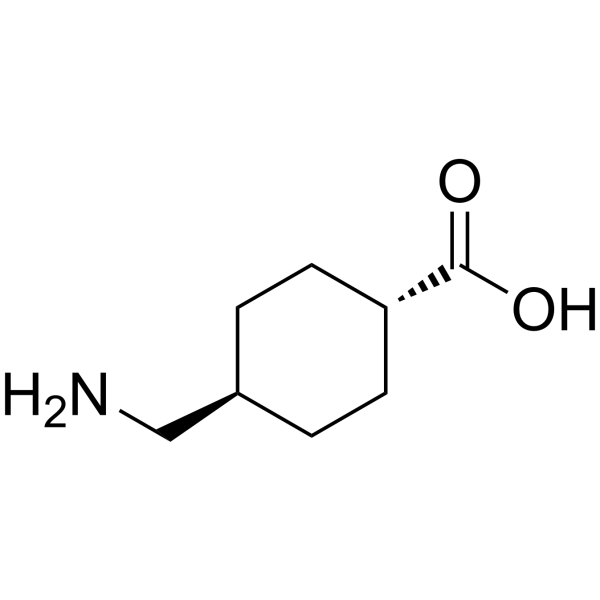 0 ImagesTranexamic acid (Standard) is the analytical standard of Tranexamic acid. This product is intended for research and analytical applications. Tranexamic acid (cyclocapron), a cyclic analog of lysine, is an orally active antifibrinolytic agent. Tranexamic acid attenuates the effects of severe trauma, inhibits urokinase plasminogen activator and ameliorates dry wrinkles. Tranexamic acid can used for the research of hemostasis .
-
MMP-2/MMP-9-IN-1
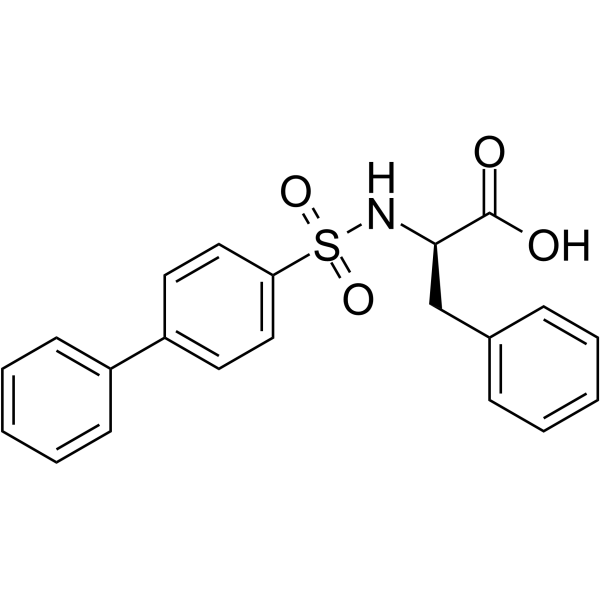 0 ImagesMMP-2/MMP-9-IN-1 is a highly selective, orally active and potent type IV collagenase (MMP-9 and MMP-2) inhibitor with IC50s of 0.24 and 0.31 μM for MMP-9 and MMP-2, respectively. MMP-2/MMP-9-IN-1 is orally active in animal models of tumor growth and metastasis. MMP-2/MMP-9-IN-1 can be used for the research of cancer.
-
Tanomastat
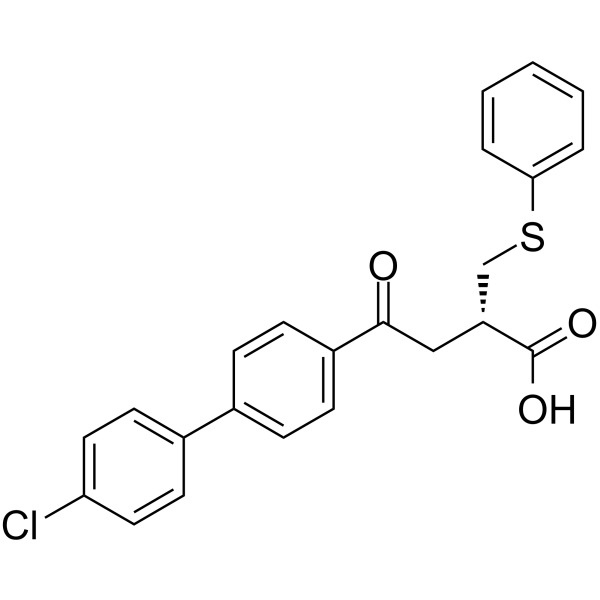 0 ImagesSynonyms: BAY 12-9566Tanomastat (BAY 12-9566) is an orally bioavailable, non-peptidic biphenyl matrix metalloproteinases (MMPs) inhibitor with a Zn-binding carboxyl group. The Ki values are 11, 143, 301, and 1470 nM for MMP-2, MMP-3, MMP-9, MMP-13 respectively. Tanomastat shows anti-invasive and antimetastatic activity in several experimental tumor models.
-
Tianeptine sodium salt
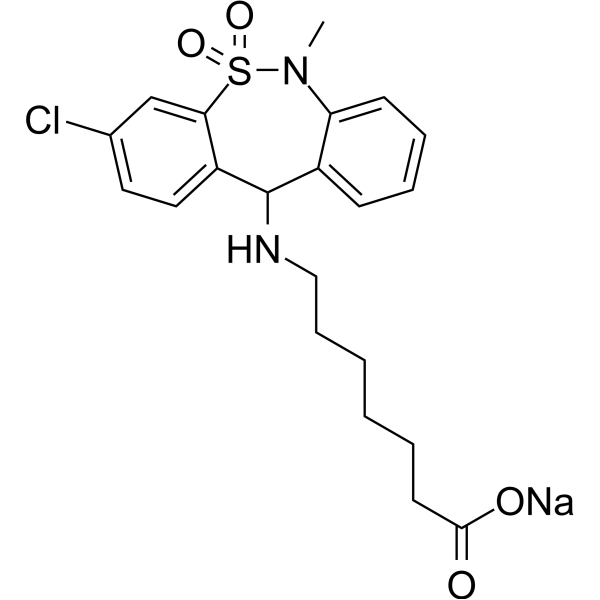 0 ImagesTianeptine sodium salt is an atypical antidepressant. Tianeptine sodium salt is a moderate-intensity agonist of the μ-opioid receptor (MOR), and to a lesser extent, is an agonist of the δ-opioid receptor (DOR). Tianeptine sodium salt is a glutamate modulator that can enhance AMPA receptor and antagonize NMDA receptor. Tianeptine sodium salt increases sensitivity of the α1 adrenergic receptor, which only manifests in chronic treatment. Tianeptine sodium salt exerts neuroprotective effects under stress/inflammation-induced conditions, exhibiting anti-inflammatory and antioxidant properties. Tianeptine sodium salt inhibits MMP-9 by suppressing the PI3K/Akt-mediated NF-κB pathway. Tianeptine sodium salt can be used to alleviate symptoms of depression and anxiety, but does not cause sedative effects.
-
Phenyl β-D-glucopyranoside
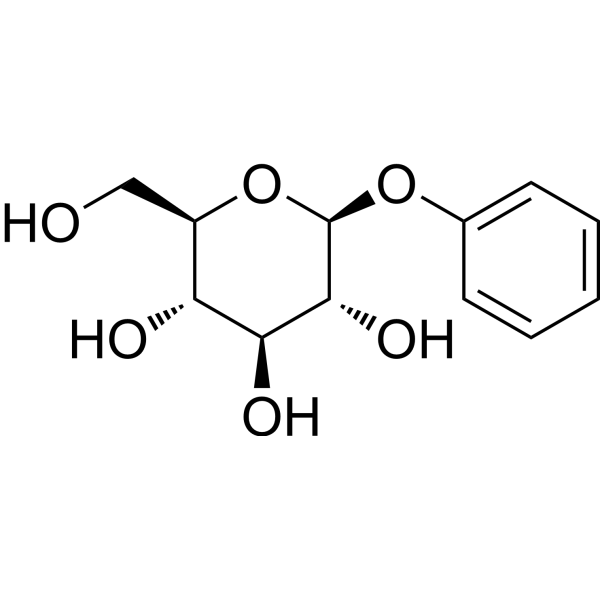 0 ImagesPhenyl β-D-glucopyranoside is a component isolated from Phellodendron amurense, which has anti-inflammatory and anti-tumor activities. Phenyl β-D-glucopyranoside inhibits nitric oxide (NO) production, and the expression of iNOS and COX-2. Phenyl β-D-glucopyranoside also inhibits the nuclear translocation of NF-κB. Phenyl β-D-glucopyranoside inhibits the expression of pro-inflammatory cytokines and related genes.
-
Hexapeptide-11
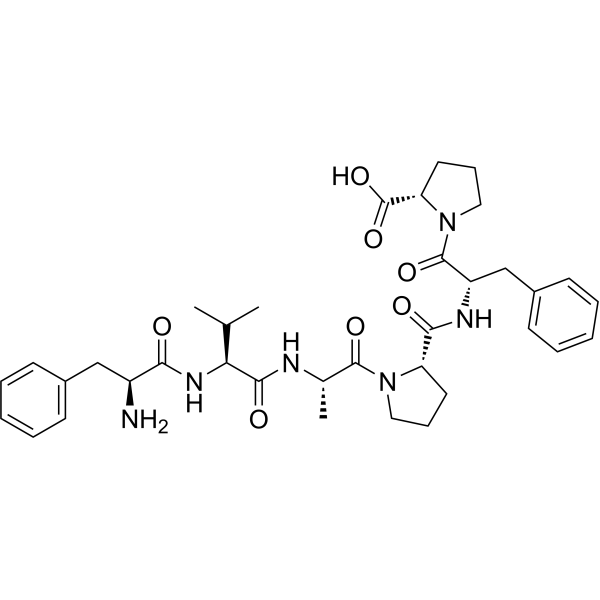 0 ImagesHexapeptide-11 is an anti-aging peptide that can protect fibroblasts from premature cell senescence mediated by oxidative stress. Hexapeptide-11 is also a potential stimulator of hyaluronic acid in keratinocytes, and can enhance skin barrier function by upregulating the expression of HAS2 and EGR3, and downregulating the expression of HYAL2. Hexapeptide-11 can also improve skin elasticity.
-
(+)-Medioresinol
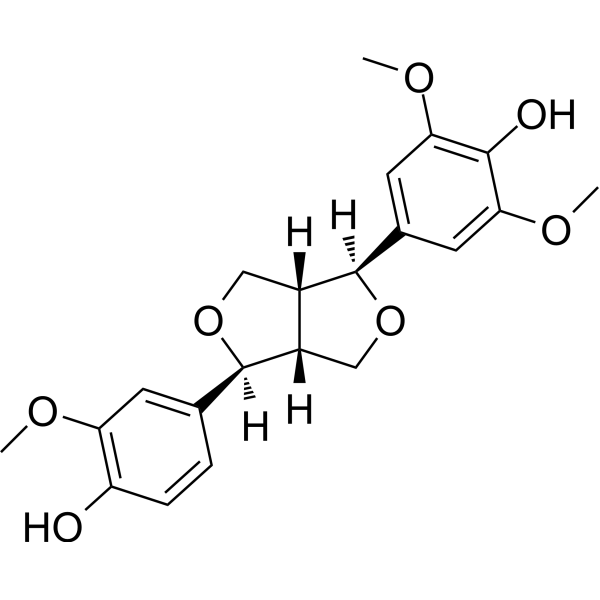 0 Images(+)-Medioresinol is a furofuran-type lignan with antifungal and antibacterial properties. (+)-Medioresinol synergizes with antibiotics to exert antimicrobial and antibiofilm effects. (+)-Medioresinol induces intracellular ROS accumulation and mitochondrial-mediated apoptosis in Candida albicans. (+)-Medioresinol inhibits LPS (HY-D1056)-stimulated IL-12p40 production. (+)-Medioresinol is a PGC-1α activator that protects against endothelial cell pyroptosis in ischemic stroke via the PPARα-GOT1 axis. (+)-Medioresinol can be used in research on fungal and bacterial infection, inflammation, and ischemic stroke.
-
DL-erythro-Dihydrosphingosine
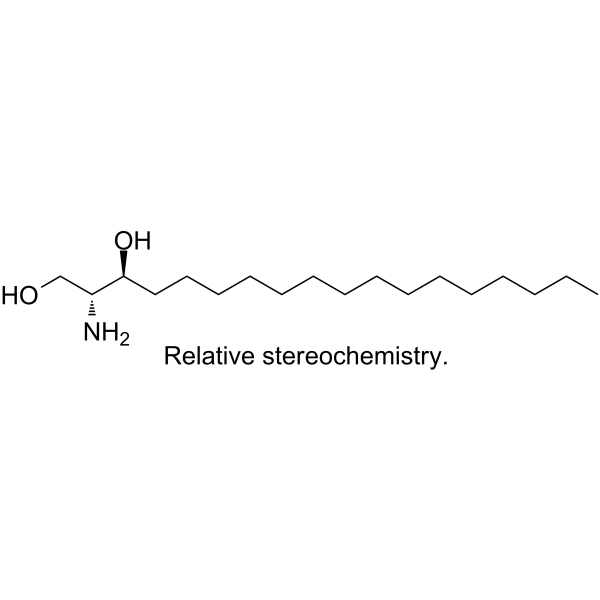 0 ImagesDL-erythro-Dihydrosphingosine is a sphingosine-based PKC inhibitor. DL-erythro-Dihydrosphingosine directly inhibits the enzymatic activity of PLA2. DL-erythro-Dihydrosphingosine inhibits the activity of Bcl-2 protein involved in apoptosis. DL-erythro-Dihydrosphingosine inhibits the activity of matrix metalloproteinases (MMP). DL-erythro-Dihydrosphingosine is applicable for research on cancer and inflammatory diseases.
-
PTPσ Inhibitor, ISP
 0 ImagesCat. No.: HY-P5982PTPσ Inhibitor, ISP is a PTPσ intracellular wedge domain mimetic peptide containing a TAT cell-penetrating domain, which acts as a PTPσ inhibitor. PTPσ Inhibitor, ISP binds to and inhibits PTPσ, thereby relieving CSPG-mediated axonal growth inhibition. PTPσ Inhibitor, ISP enhances CSPG degradation by promoting the secretion of Cathepsin B or MMP-2, and promotes DRG axonal growth, OPC migration and remyelination. PTPσ Inhibitor, ISP promotes nerve regeneration and improves sensory, motor and urinary functions in animal models of spinal cord injury, dorsal root injury and multiple sclerosis. PTPσ Inhibitor, ISP also increases the phosphorylation of ERK and AKT in colorectal cancer cells. PTPσ Inhibitor, ISP can be used in studies related to PTPσ/CSPG signaling, nerve regeneration, demyelinating diseases and RAS/ERK signaling.
-
Rilpivirine hydrochloride
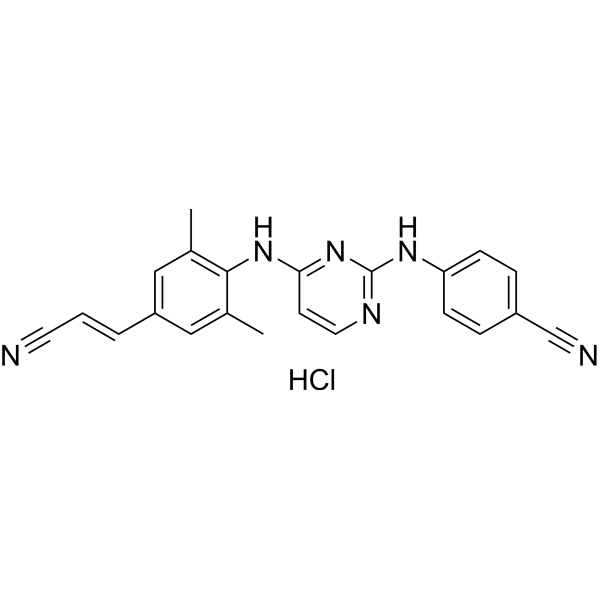 0 ImagesSynonyms: TMC-278 hydrochlorideRilpivirine (R278474) hydrochloride is a potent and specific diarylpyrimidine (DAPY) non-nucleoside reverse transcriptase inhibitor (NNRTI). Rilpivirine hydrochloride has high antiviral activity against wild-type HIV (EC50=0.4 nM) and mutant viruses (EC50=0.1-2.0 nM). Rilpivirine hydrochloride has a high genetic barrier to resistance development of HIV.
-
PD-166793
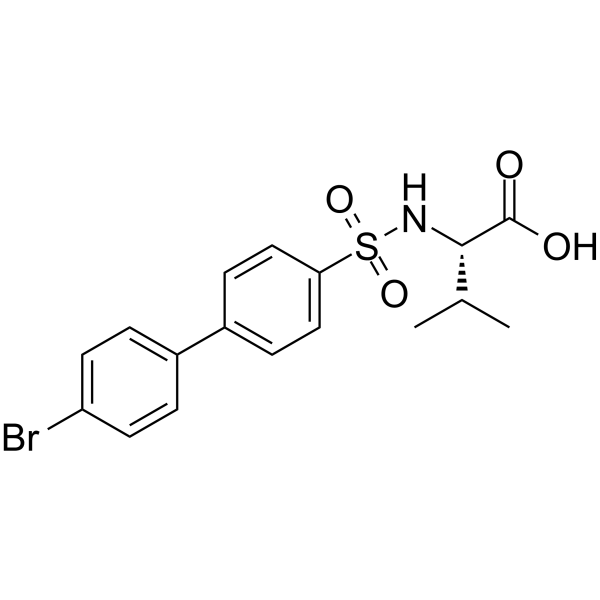 0 ImagesPD-166793 is a potent, selective, orally active and wide-broad spectrum inhibitor of MMP, exhibiting nanomolar potency against MMP-2, MMP-3 and MMP-13 (IC50=4, 7, and 8 nM, respectively) and micromolar potency vs MMP-1, -7 and -9 (IC50=6.0, 7.2, and 7.9 μM, respectively). PD-166793 can attenuate left ventricular remodeling and dysfunction in a rat model of progressive heart failure.
-
RXP470.1
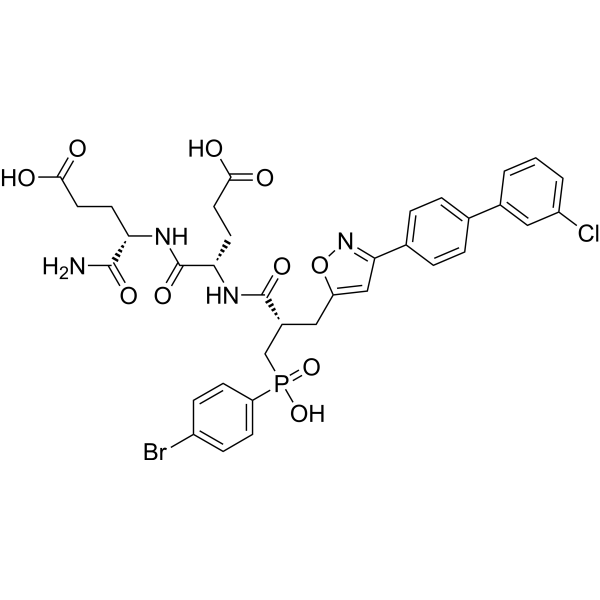 0 ImagesSynonyms: RXP-470RXP470.1 (RXP-470) is a potent, selective MMP-12 inhibitor with a Ki of 0.2 nM against human MMP-12. RXP470.1 is 2 to 4 orders of magnitude less potent against other MMPs. RXP470.1 significantly reduces atherosclerotic plaque cross-sectional area in mouse. RXP470.1 results in less complex plaques with increased smooth muscle cell:macrophage ratio, less macrophage apoptosis, increased cap thickness, smaller necrotic cores, and decreased incidence of calcification.
-
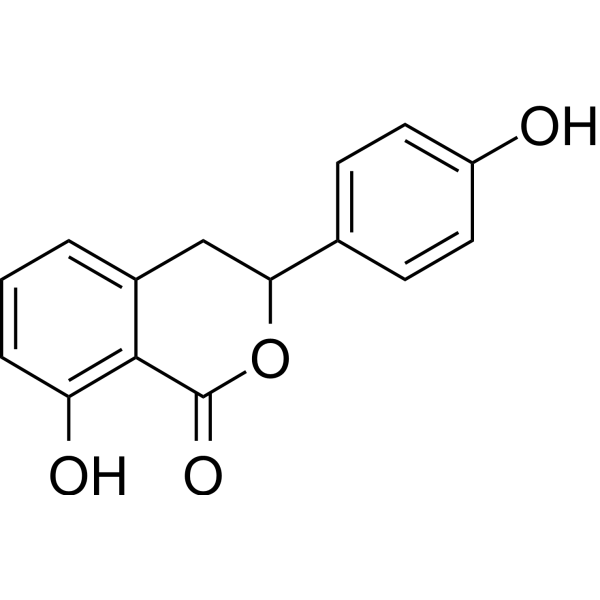
Kuwanon G
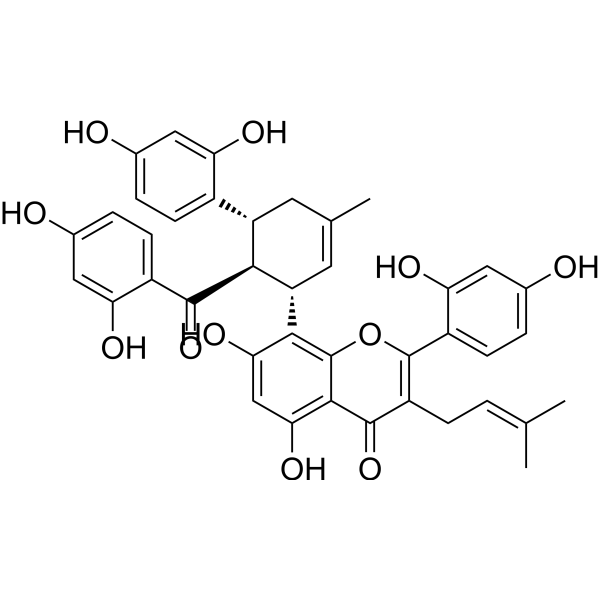 0 ImagesKuwanon G is a flavonoid compound and an antagonist of the bombesin receptor. Kuwanon G has multiple activities such as bactericidal, anti-tumor, anti-inflammatory, antioxidant, anti-atherosclerotic, and neuroprotective effects. Kuwanon G exhibits strong antibacterial activity against oral pathogens, especially cariogenic bacteria and periodontal pathogens. Kuwanon G can induce apoptosis and inhibit proliferation, migration, and invasion of tumor cells. Kuwanon G can be used in the research of diseases such as gastric cancer and atherosclerosis.
-
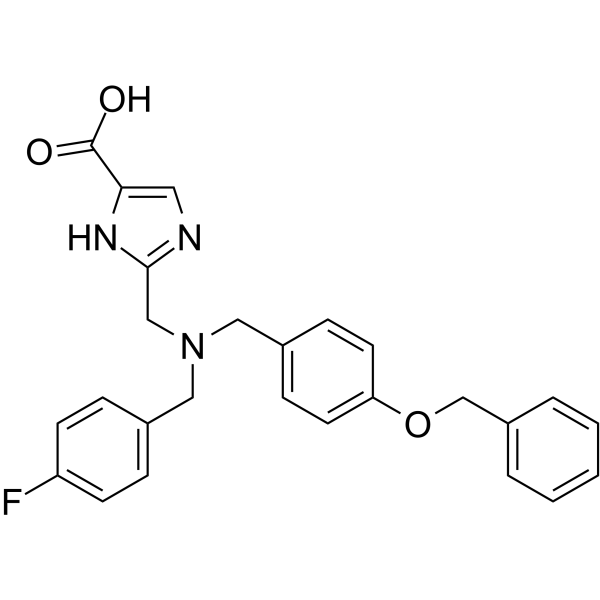
MMP408
 0 ImagesMMP408 is a selective and orally effective inhibitor of MMP-12 with IC50 values for human, mouse and rat MMP-12 of 2 nM, 160 nM and 3 μM respectively. MMP408 exhibits IC50 value for human MMP-13 of 120 nM, and its activity against other MMPs is weak. MMP408 can alleviate inflammation, fibrosis and tissue remodeling by inhibiting MMP-12. MMP408 can be used in the research of chronic obstructive pulmonary disease and chronic sinusitis with nasal polyps.

-
20(R)-Ginsenoside Rh2
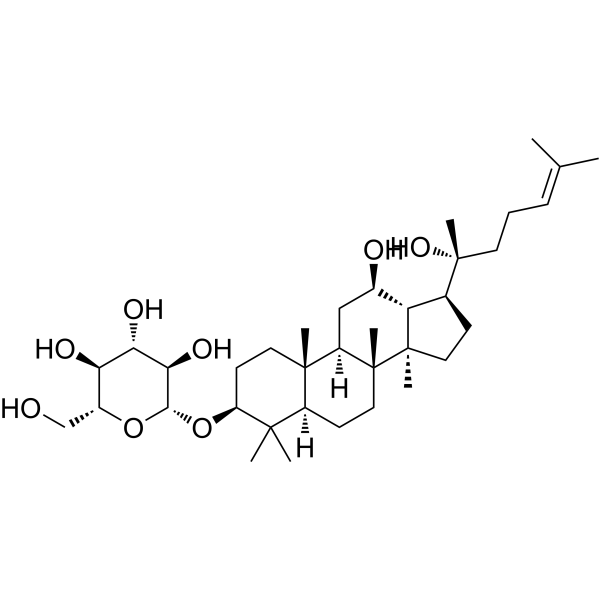 0 Images20(R)-Ginsenoside Rh2 is an orally active protopanaxadiol-type saponin with multiple biological activities. 20(R)-Ginsenoside Rh2 exerts a significant inhibitory effect on non-small cell lung cancer and liver cancer by inducing cell cycle arrest and promoting apoptosis. 20(R)-Ginsenoside Rh2 exerts anti-γ-herpesvirus effects by inhibiting viral DNA replication. 20(R)-Ginsenoside Rh2 inhibits inflammatory mediators by reducing the levels of NO, PGE2, and ROS; it can delay skin photoaging by reducing ROS and inhibiting MMP-9/2 activity. 20(R)-Ginsenoside Rh2 accelerates the recovery after muscle injury by activating the Akt1/PKB signaling pathway. 20(R)-Ginsenoside Rh2 can inhibit osteoclast formation and exert an anti-osteoporosis effect.
-
Imidapril
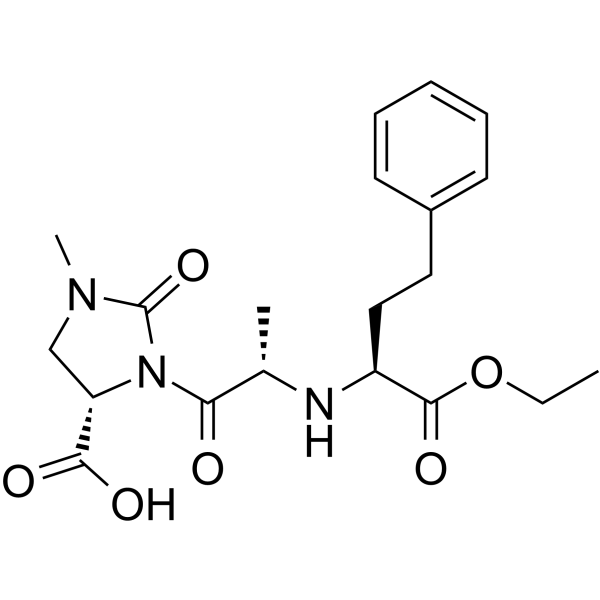 0 ImagesSynonyms: TA-6366 free baseImidapril (TA-6366 free base) is an orally active dual inhibitor of angiotensin-converting enzyme (ACE) and MMP-9. Imidapril inhibits lipopolysaccharide-induced phosphorylation of c-Jun, MKK4 and JNK in monocytes, and downregulates the production of specific inflammatory factors such as TNF-α and IP-10, thereby exerting anti-inflammatory activity. Imidapril also effectively ameliorates mesangial expansion and reduces urinary albumin excretion by inhibiting angiotensin AngII production, lowering glomerular pressure and oxidative stress, thus delaying disease progression. Imidapril can also directly bind to the active site of MMP-9 to inhibit gelatinase activity, and suppress the enlargement of cerebral aneurysms without altering systemic blood pressure. Imidapril is widely applicable to related studies on autoimmune glomerulonephritis, diabetic nephropathy, cerebral aneurysms and other conditions.
-
7-Methoxy-1-tetralone
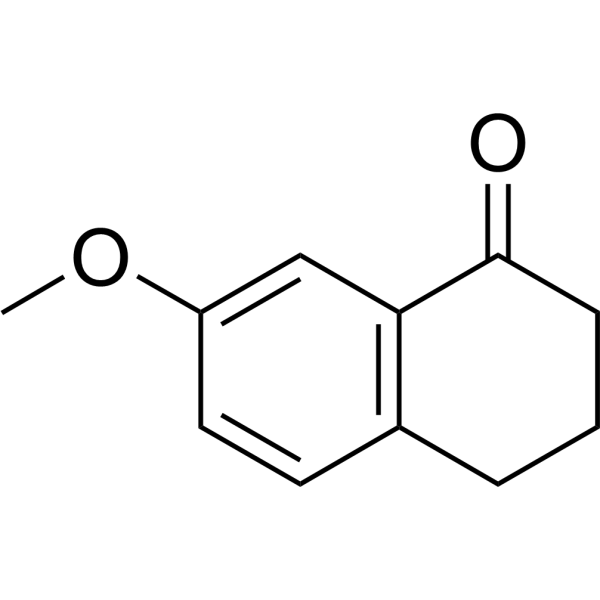 0 Images7-Methoxy-1-tetralone is a potent antitumor agent. 7-Methoxy-1-tetralone inhibits cancer cell proliferation and migration, and induces hepatocellular carcinoma cell (HCC) apoptosis. 7-Methoxy-1-tetralone decreased the protein levels of NF-κB, matrix metallopeptidase 2 (MMP2)/MMP9, and p-AKT. 7-Methoxy-1-tetralone showed antitumor activity in nude mice and had no effect on body weight and liver, spleen and organ index.




