Search Result
Results for "
ATR inhibitor
" in MedChemExpress (MCE) Product Catalog:
-
- HY-19323
-
|
AZD6738
|
ATM/ATR
|
Cancer
|
|
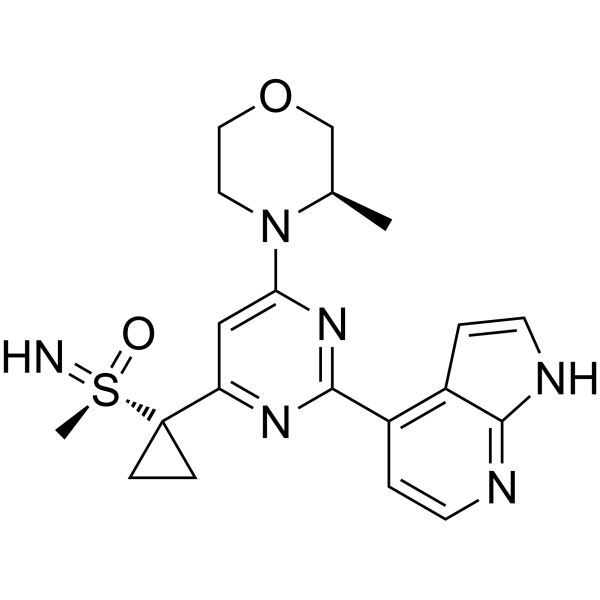
Ceralasertib (AZD6738) is an orally active and bioavailable inhibitor of ATR kinase with an IC50 of 1 nM.
|
-
-
- HY-13902
-
|
VE-822; VX-970; M6620
|
ATM/ATR
Apoptosis
STING
Caspase
|
Infection
Metabolic Disease
Cancer
|
|
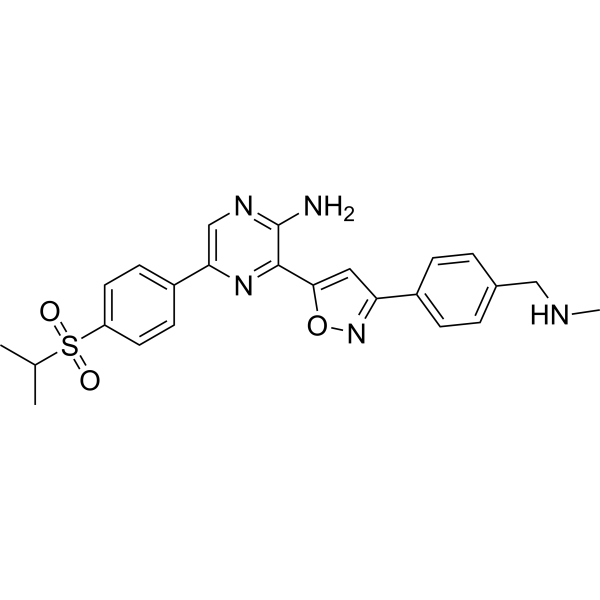
Berzosertib (VE-822) is an orally active, CNS-penetrant, and selective ATR kinase inhibitor. Berzosertib blocks ATR kinase activity, abrogates G2/M cell cycle checkpoint, impairs DNA damage repair. Berzosertib induces apoptosis, inhibnits conlony migration, inhibits cell proliferation, and activates cGAS-STING axes in cancer cells. Berzosertib can be used for the research of cancers, such as head and neck squamous cell carcinoma, and colorectal cancer .
|
-
-
- HY-B0097
-
|
5-Fluorouracil 2'-deoxyriboside
|
Nucleoside Antimetabolite/Analog
DNA/RNA Synthesis
Bacterial
CMV
HSV
Apoptosis
|
Infection
Cancer
|
|
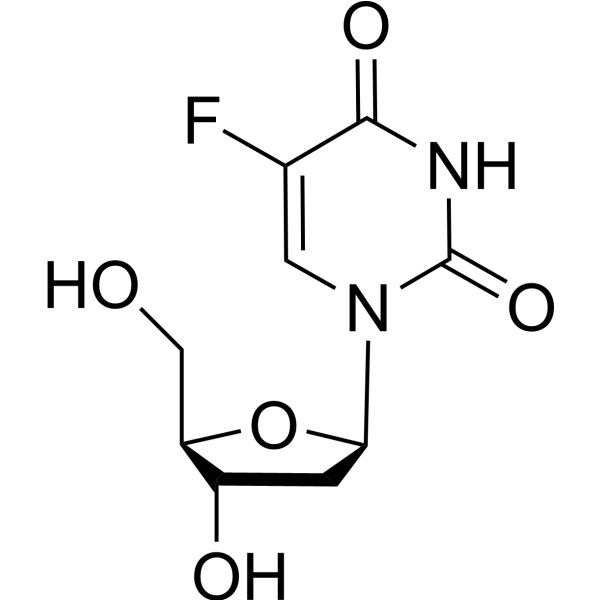
Floxuridine (5-Fluorouracil 2'-deoxyriboside) is a pyrimidine analog and known as an oncology antimetabolite. Floxuridine inhibits Poly(ADP-Ribose) polymerase and induces DNA damage by activating the ATM and ATR checkpoint signaling pathways in vitro. Floxuridine is a extreamly potent inhibitor for S. aureus infection and induces cell apoptosis . Floxuridine has antiviral effects against HSV and CMV .
|
-
-
- HY-136270
-
|
VX-803; M4344; ATR inhibitor 2
|
ATM/ATR
|
Cancer
|
|
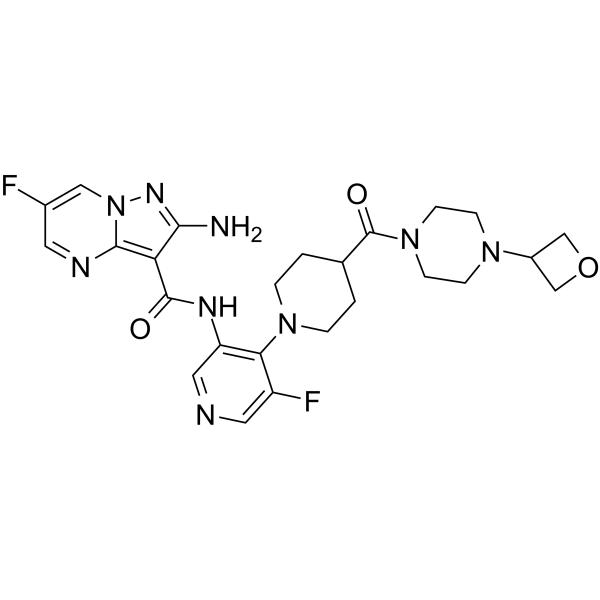
Gartisertib (VX-803) is an ATP-competitive, orally active, and selective ATR inhibitor, with a Ki of <150 pM. Gartisertib potently inhibits ATR-driven phosphorylated checkpoint kinase-1 (Chk1) phosphorylation with an IC50 of 8 nM. Antitumor activity .
|
-
-
- HY-101566
-
|
BAY 1895344
|
ATM/ATR
|
Cancer
|
|
Elimusertib (BAY-1895344) is a potent, orally active and selective ATR inhibitor with an IC50 of 7 nM. Elimusertib has anti-tumor activity . Elimusertib can be used for the research of solid tumors and lymphomas .
|
-
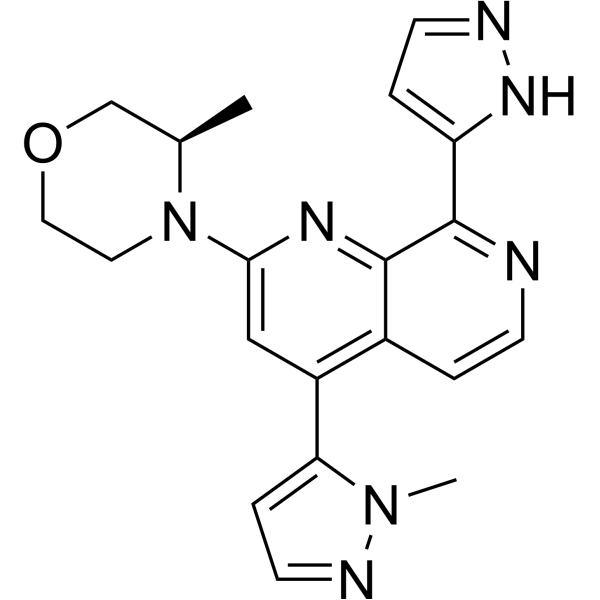
-
- HY-12016
-
KU-55933
Maximum Cited Publications
62 Publications Verification
|
ATM/ATR
Autophagy
|
Cancer
|
|
KU-55933 is a potent ATM inhibitor with an IC50 and Ki of 12.9 and 2.2 nM, respectively, and is highly selective for ATM as compared to DNA-PK, PI3K/PI4K, ATR and mTOR.
|
-
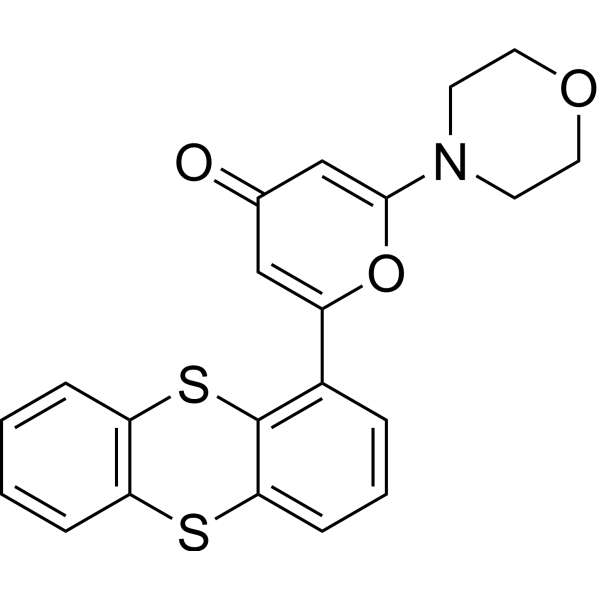
-
- HY-139609
-
|
RP-3500; ATR inhibitor 4
|
ATM/ATR
mTOR
|
Cancer
|
|
Camonsertib (RP-3500) is an orally active, selective ATR kinase inhibitor (ATRi) with an IC50 of 1.00 nM in biochemical assays. Camonsertib shows 30-fold selectivity for ATR over mTOR (IC50=120 nM) and >2,000-fold selectivity over ATM, DNA-PK, and PI3Kα kinases. Camonsertib has potent antitumor activity .
|
-
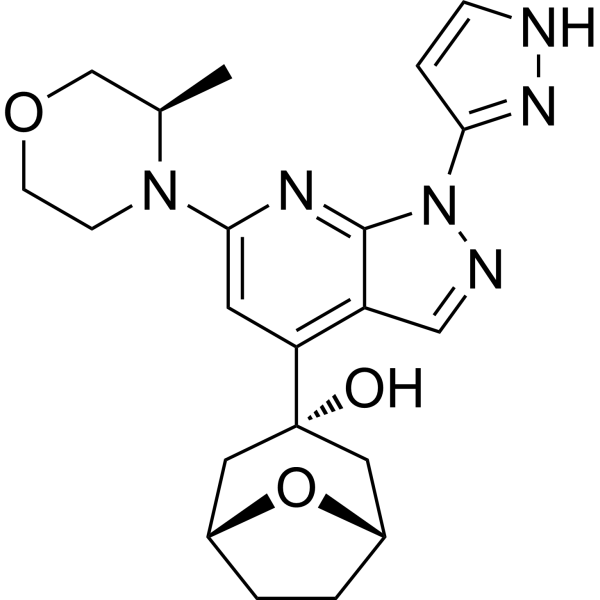
-
- HY-111451
-
|
M1774; ATR inhibitor 1
|
ATM/ATR
|
Cancer
|
|
Tuvusertib (M1774; ATR inhibitor 1) is a selective and orally active ATR inhibitor extracted from patent WO2015187451A1, compound I-l, with a Ki value below 1 μΜ .
|
-
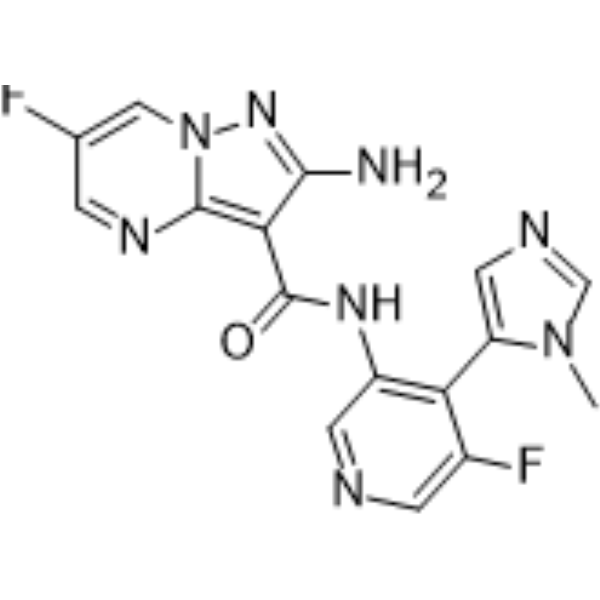
-
- HY-157941
-
|
|
ATM/ATR
Checkpoint Kinase (Chk)
DNA/RNA Synthesis
|
Cancer
|
|
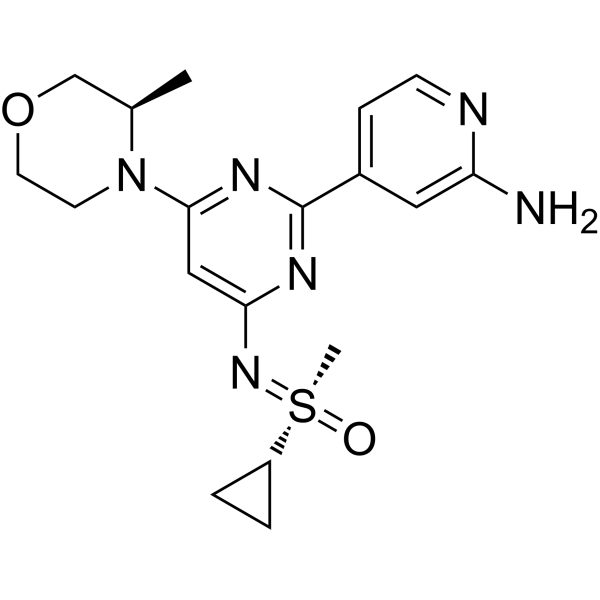
ART0380 is a potent, selective and orally active ATR kinase inhibitor. ART0380 potently inhibits human ATR-ATRIP complex with an IC50 of 51.7 nM. ART0380 binds the ATP pocket of the ATR-ATRIP complex, blocks ATR-dependent Chk1 serine 345 phosphorylation, and induces cell cycle disorder and DNA damage. ART0380 demonstrates potent and selective antitumor activity in preclinical models with varying types of ataxia-telangiectasia mutated (ATM) gene aberrancy. ART0380 can be used for the research of cancer, such as colorectal cancer and prostate cancer .
|
-
-
- HY-14731
-
|
|
ATM/ATR
|
Cancer
|
|
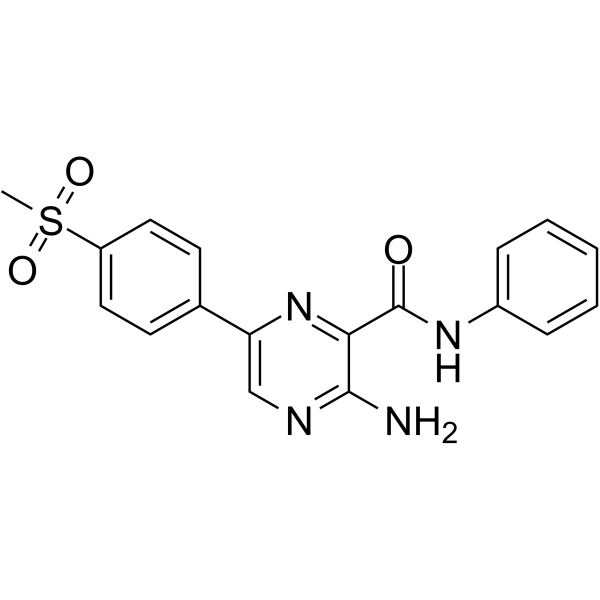
VE-821 is a potent ATP-competitive inhibitor of ATR with Ki/IC50 of 13 nM/26 nM.
|
-
-
- HY-P991272
-
|
PF-05230900
|
Interleukin Related
|
Inflammation/Immunology
|
|
ATR-107 (PF-05230900) is a humanized monoclonal antibody inhibitor that targets the interleukin-21 receptor (IL-21R). The Ka value of ATR-107 is 2-4 nM in cynomolgus monkeys, 16 nM in mice, and 71 nM in rats. ATR-107 can be used in research related to systemic lupus erythematosus and air pouch inflammation .
|
-

-
- HY-B0255
-
|
GS 0840
|
HBV
Orthopoxvirus
HSV
DNA/RNA Synthesis
ATM/ATR
CDK
|
Infection
Cancer
|
|
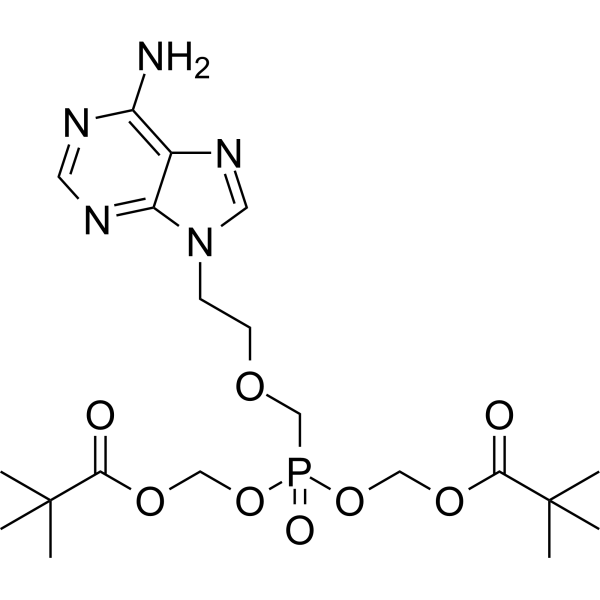
Adefovir dipivoxil is an orally active adenosine analog and Adefovir prodrug. Adefovir dipivoxil inhibits DNA synthesis, activates the ATR signaling pathway, and disrupts the KCTD12-CDK1 interaction. Adefovir dipivoxil has antiviral activity against PRV, HBV, and orthopoxviruses. Adefovir dipivoxil has inhibitory effects on both lamivudine-resistant and wild-type strains. Adefovir dipivoxil has antitumor activity against lung and colon cancer .
|
-
-
- HY-171124
-
|
AZD9592
|
Antibody-Drug Conjugates (ADCs)
EGFR
c-Met/HGFR
Topoisomerase
DNA/RNA Synthesis
|
Cancer
|
|
Tilatamig samrotecan (AZD9592) is an anti-EGFR/c-MET antibody-drug conjugate (ADC). Tilatamig samrotecan consists of an anti-EGFR/c-MET antibody with the drug-linker conjugate being AZ14170133 (HY-145399) (a topoisomerase I (TOP1i) inhibitor payload). Tilatamig samrotecan induces multiple DNA damage response pathway markers (like ATM, ATR, γH2AX). Tilatamig samrotecan selectively binds to EGFR and c-MET, delivering the cytotoxic payload. Tilatamig samrotecan exerts anti-tumor activity in vivo. Tilatamig samrotecan can be used for non-small cell lung cancer (NSCLC) and head and neck squamous cell carcinoma (HNSCC) research .
|
-

-
- HY-15520
-
|
|
ATM/ATR
|
Cancer
|
|
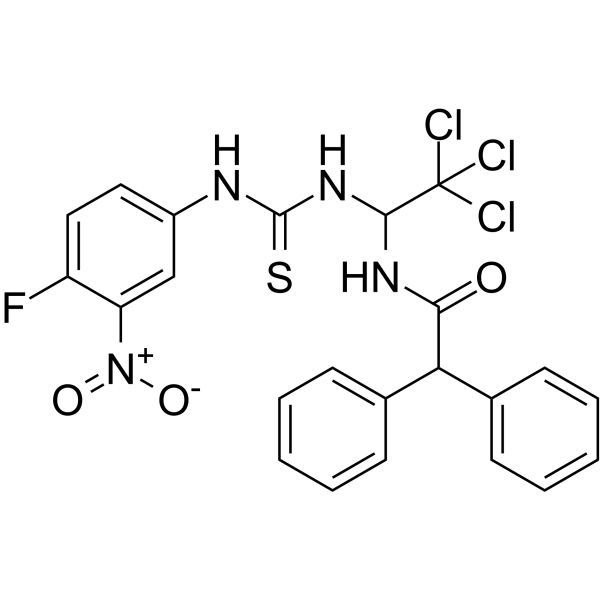
CGK733 is a potent ATM/ATR inhibitor, used for the research of cancer.
|
-
-
- HY-15557
-
|
|
ATM/ATR
|
Cancer
|
|
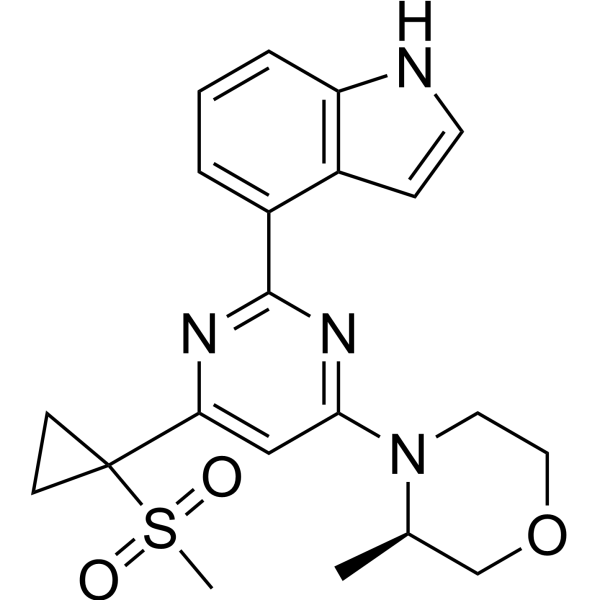
AZ20 is a potent and selective inhibitor of ATR with an IC50 of 5 nM, and has 8-fold selectivity against mTOR (IC50=38 nM).
|
-
-
- HY-N7046
-
|
Silibinin B
|
Amyloid-β
Apoptosis
JNK
p38 MAPK
|
Neurological Disease
Cancer
|
|
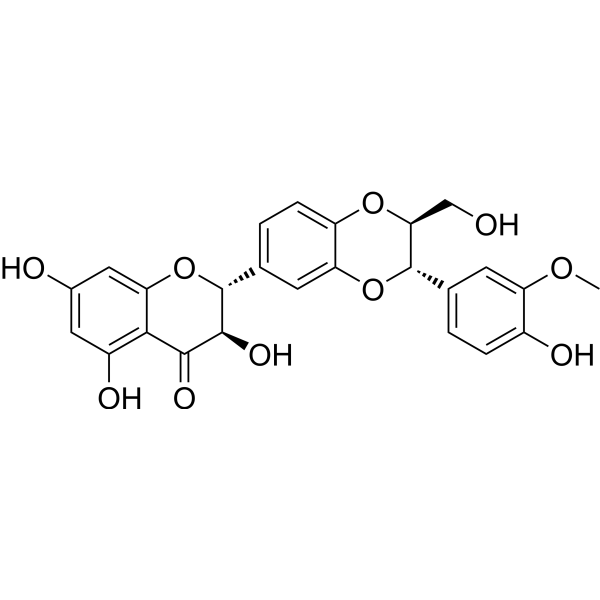
Silybin B (Silibinin B) is an orally active amyloid-β aggregation inhibitor and ATR pathway activator that can cross the blood-brain barrier. Silybin B inhibits Aβ fibril formation and promotes amorphous aggregate formation, while activating the ATR-mediated DNA damage repair pathway and inhibiting JNK/p38 MAPK signaling. Silybin B can reduce Cisplatin (HY-17394)-induced neuronal DNA damage and apoptosis. Silybin B has anti-oxidative stress, cell cycle regulation and neuroprotective activities. Silybin B is mainly used in the study of Alzheimer's disease and Cisplatin chemotherapy-related neurotoxicity .
|
-
-
- HY-150617
-
|
M4076; ATM inhibitor-5
|
ATM/ATR
STING
PD-1/PD-L1
|
Cardiovascular Disease
Inflammation/Immunology
Cancer
|
|
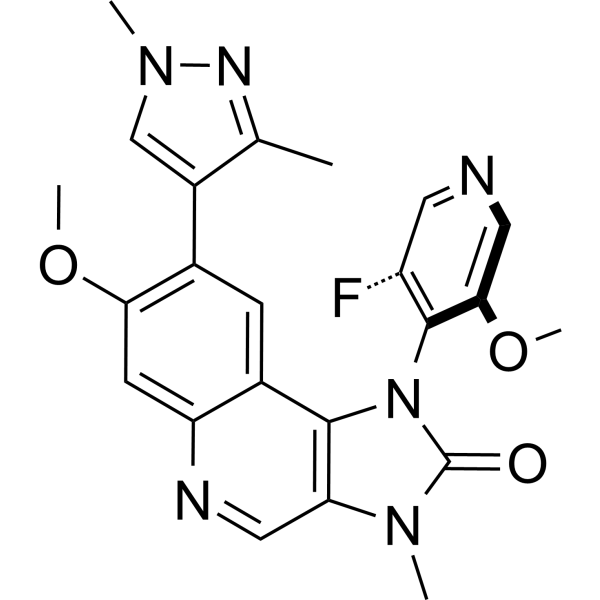
Lartesertib (M4076) is an inhibitor of the serine/threonine protein kinase ATM with high potency. Lartesertib can inhibit the growth of multiple hematopoietic cell lines. Additionally, when combined with the ATR inhibitor Tuvusertib (HY-111451), Lartesertib can promote the death of tumor cells, activate the immune signaling pathway, and exhibit anti-tumor activity .
|
-
-
- HY-161615
-
|
|
PROTACs
ATM/ATR
Apoptosis
|
Inflammation/Immunology
Cancer
|
|
PROTAC ATR degrader-2 is a selective ATR PROTAC degrader. PROTAC ATR degrader-2 degrades ATR in acute myeloid leukemia (AML) cells MV-4-11 and MOLM-13, with DC50 values of 22.9 nM and 34.5 nM, respectively. PROTAC ATR degrader-2 has an IC50 of 29.6 nM against ATR, and its IC50 values against ATM and PI3K are both greater than 2000 nM. PROTAC ATR degrader-2 induces apoptosis, DNA damage, and upregulates p53 expression. PROTAC ATR degrader-2 inhibits cancer cell proliferation through the kinase-independent function of ATR protein. PROTAC ATR degrader-2 is applicable to research related to acute myeloid leukemia .
|
-

-
- HY-15521
-
|
|
mTOR
ATM/ATR
|
Cancer
|
|
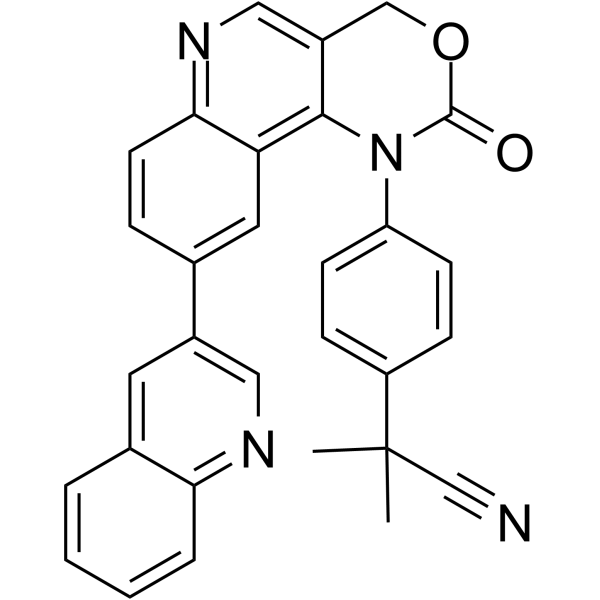
ETP-46464 is an effective mTOR and ATR inhibitor with IC50s of 0.6 and 14 nM, respectively.
|
-
-
- HY-101566A
-
|
BAY 1895344 hydrochloride
|
ATM/ATR
|
Cancer
|
|
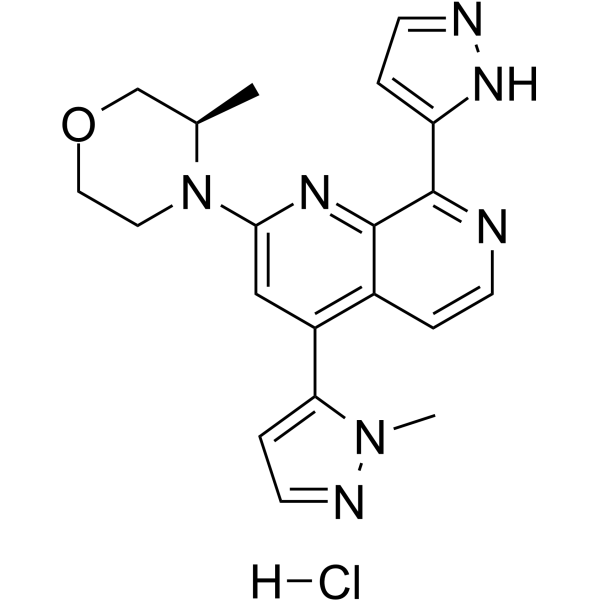
Elimusertib (BAY 1895344) hydrochloride is a potent, orally active and selective ATR inhibitor with an IC50 of 7 nM. Elimusertib hydrochloride has anti-tumor activity . Elimusertib hydrochloride can be used for the research of solid tumors and lymphomas .
|
-
-
- HY-159480
-
|
|
Src
ATM/ATR
Apoptosis
mTOR
AMPK
|
Cancer
|
|
AD1058 is an orally active, selective, and BBB-permeable inhibitor of ATR (IC50: 1.6 nM). AD1058 exhibits anticancer activity by inhibiting tumor cell proliferation, inducing cell cycle arrest, and promoting apoptosis. AD1058 is suitable for research on advanced malignancies and brain metastases .
|
-

-
- HY-112198
-
|
|
ATM/ATR
|
Cancer
|
|
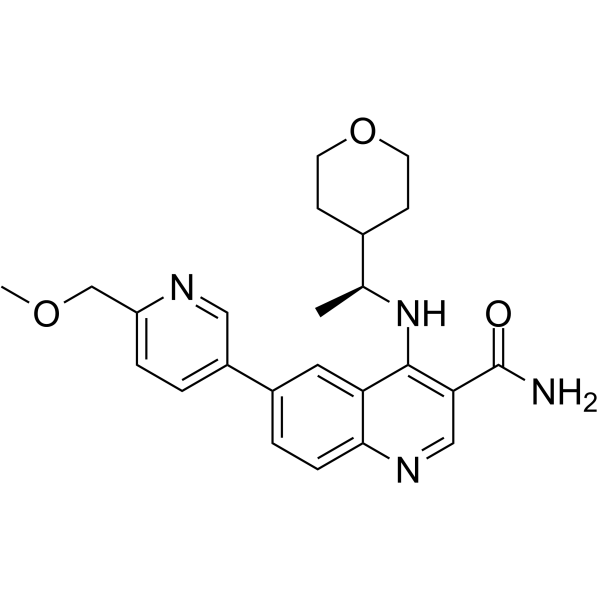
AZ31 is a a potent, highly selective, and orally active ATM inhibitor with an IC50 of <1.2 nM for ATM enzyme, and an IC50 of 46 nM for ATM in cell. AZ31 shows excellent selectivity over ATR (>500-fold) and excellent PIKK-family selectivity and pan-kinase selectivity. AZ31 is a potent radiosensitizer in vitro, it can be used for the research of cancer .
|
-
-
- HY-13816
-
|
|
CDK
ATM/ATR
|
Cancer
|
|
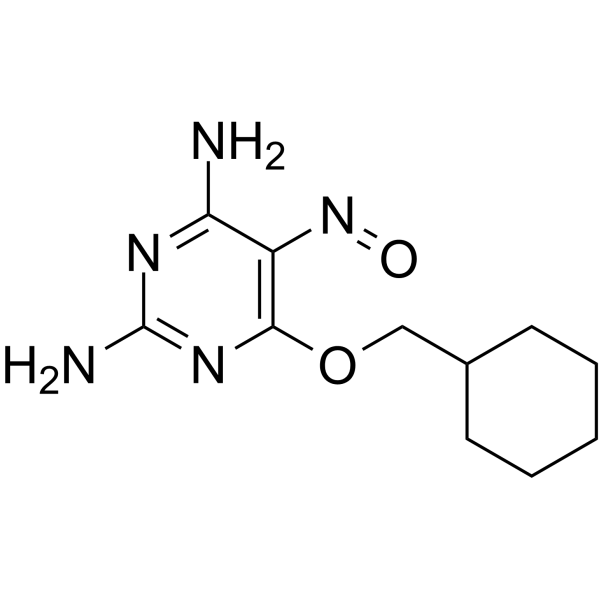
NU6027 is a potent and ATP-competitive inhibitor of both CDK1 and CDK2, with Kis of 2.5 μM and 1.3 μM, respectively. NU6027 is also a potent inhibitor of ATR and enhances hydroxyurea and cisplatin cytotoxicity in an ATR-dependent manner .
|
-
-
- HY-19323A
-
|
(S)-AZD6738
|
ATM/ATR
|
Cancer
|
|
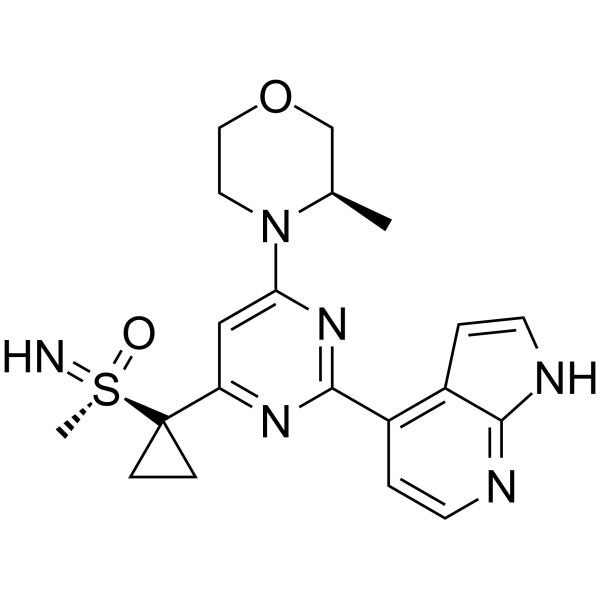
(S)-Ceralasertib ((S)-AZD6738) is the S-enantiomer of Ceralasertib (HY-19323). (S)-Ceralasertib is the inhibitor for ataxia telangiectasia mutated and rad3 related (ATR) .
|
-
-
- HY-161138
-
|
|
BCL6
Apoptosis
|
Cancer
|
|
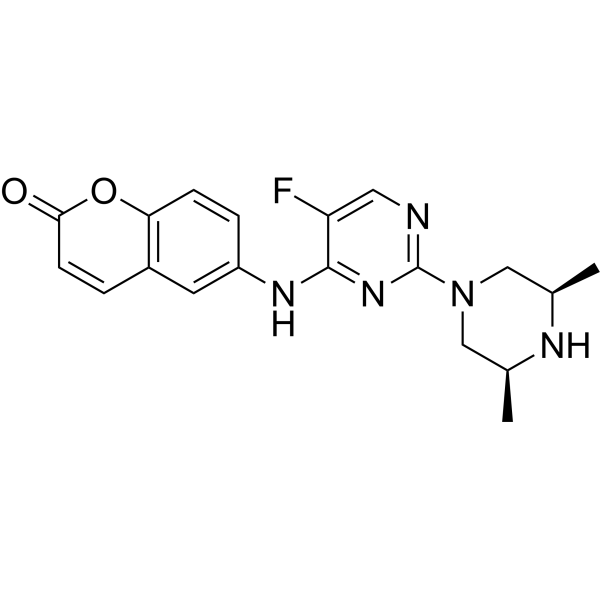
WK369 is a novel BCL6 small molecule inhibitor, which exhibits excellent anti-ovarian cancer bioactivity, induces cell cycle arrest and causes apoptosis. WK369 can directly bind to the BCL6-BTB domain and block the interaction between BCL6 and SMRT, leading to the reactivation of p53, ATR and CDKN1A .
|
-
-
- HY-N6954
-
|
|
ATM/ATR
STAT
CDK
Hedgehog
|
Inflammation/Immunology
Cancer
|
|
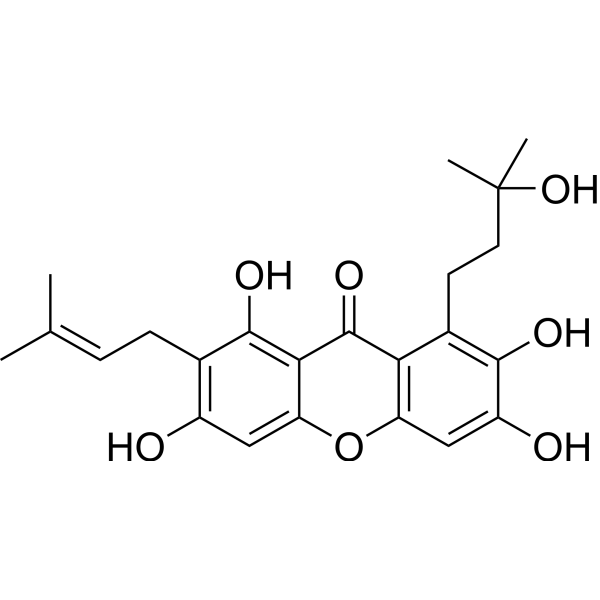
Garcinone C, a xanthone derivative, is a natural compound extracted from Garcinia oblongifolia that is used as an anti-inflammatory, astringency and granulation-promoting medicine, and has potential cytotoxic effects on certain cancers. Garcinone C stimulates the expression levels of ATR and 4E-BP1, arrests the cell cycle, inhibits cell viability of the human Nasopharyngeal carcinoma (NPC) cell lines CNE1, CNE2, HK1 and HONE1 in a time‑ and dose‑dependent manner through inhibition of Hedgehog signaling pathway. Garcinone C is orally active .
|
-
-
- HY-145312
-
|
|
ATM/ATR
|
Cancer
|
|
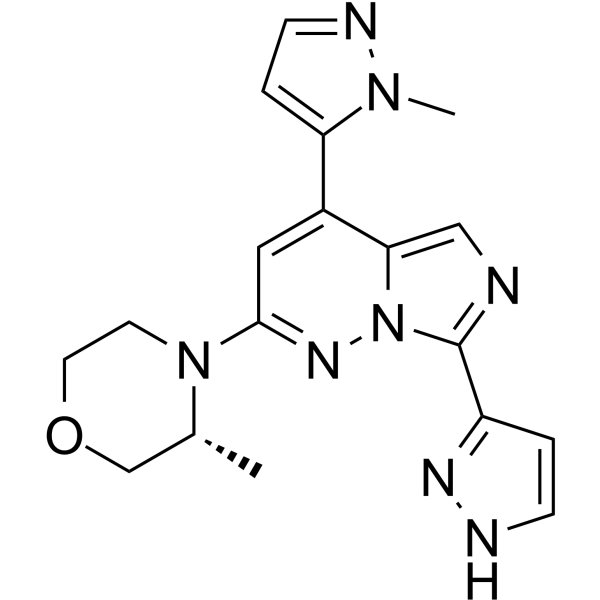
ATR-IN-4 is a potent ATR (Ataxia telangiectasia mutated gene Rad 3-associated kinase) inhibitor. ATR-IN-4 inhibits growth of human prostate cancer cells DU145 and human lung cancer cells NCI-H460 with IC50s of 130.9 nM and 41 .33 nM, respectively. (Patent CN112142744A, compound 13) .
|
-
-
- HY-P10280
-
|
|
ATM/ATR
|
Cancer
|
|
ATR kinase substrate peptide (ASELPASQPQPFSAKKK) is a peptide substrate for ATR protein kinase and can be used to detect ATR kinase activity .
|
-

-
- HY-B0097R
-
|
5-Fluorouracil 2'-deoxyriboside (Standard)
|
Reference Standards
Nucleoside Antimetabolite/Analog
DNA/RNA Synthesis
Bacterial
CMV
HSV
Apoptosis
|
Infection
Cancer
|
|
Floxuridine (Standard) is the analytical standard of Floxuridine. This product is intended for research and analytical applications. Floxuridine (5-Fluorouracil 2'-deoxyriboside) is a pyrimidine analog and known as an oncology antimetabolite. Floxuridine inhibits Poly(ADP-Ribose) polymerase and induces DNA damage by activating the ATM and ATR checkpoint signaling pathways in vitro. Floxuridine is a extreamly potent inhibitor for S. aureus infection and induces cell apoptosis . Floxuridine has antiviral effects against HSV and CMV .
|
-

-
- HY-172448
-
|
|
ATM/ATR
|
Cancer
|
|
YY2201 is a highly potent and selective ATR inhibitor with an IC50 of 8 nM. YY2201 shows >200-fold more selective for ATR than mTOR. YY2201 inhibits tumor progression in broad-spectrum cancer types (such as lung cancer) .
|
-

-
- HY-101566S
-
|
BAY 1895344-d3
|
ATM/ATR
|
Cancer
|
|
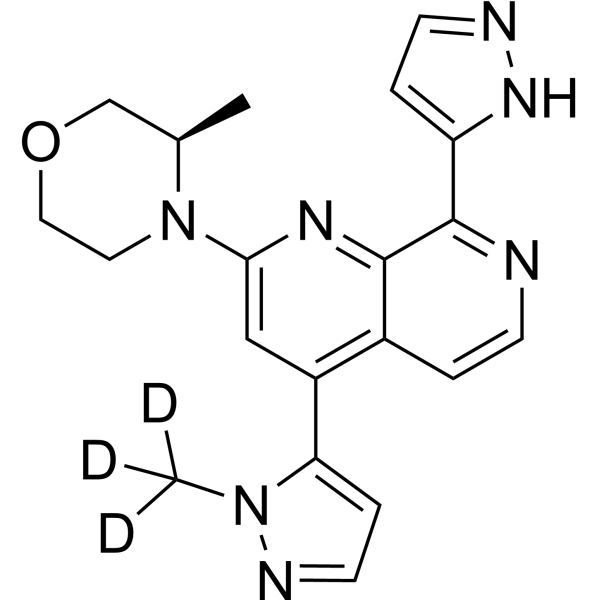
Elimusertib-d3 (BAY 1895344-d3) is the deuterium labeled Elimusertib (BAY 1895344). Elimusertib is a potent, orally active and selective ATR inhibitor and has anti-tumor activity .
|
-
-
- HY-171745
-
|
|
ATM/ATR
|
Cancer
|
|
ATR-IN-32 is an orally active ATR inhibitor. ATR-IN-32 potently inhibits the proliferation of MIA PaCa-2 cells. ATR-IN-32 exerts significant tumor growth inhibition in mice bearing LOVO and HT-29 xenografts. ATR-IN-32 can be used for the study of cancers mediated by ATR protein kinase, such as colorectal cancer, pancreatic cancer .
|
-

-
- HY-147190
-
|
|
ATM/ATR
|
Cancer
|
|
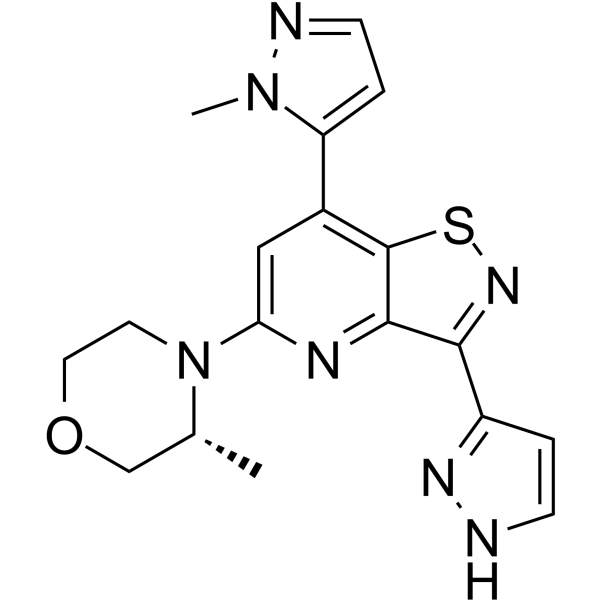
ATR-IN-19 (Compound 15 R-configure) is an ATR inhibitor .
|
-
-
- HY-174828
-
|
|
PARP
ATM/ATR
Apoptosis
|
Cancer
|
|
ATR/PARP1-IN-1 is a potent ATR and PARP1 dual inhibitor with IC50s of 17.3 nM and 0.38 nM, respectively. ATR/PARP1-IN-1 effectively reduces cell viability, induces apoptosis and DNA damage. ATR/PARP1-IN-1 significantly impairs triple-negative breast cancer (TNBC) colony formation, migration, and invasion. ATR/PARP1-IN-1 suppresses tumor growth effectively in MDA-MB-468 xenografted mice, with no significant body weight change .
|
-

-
- HY-145450
-
|
|
ATM/ATR
|
Cancer
|
|
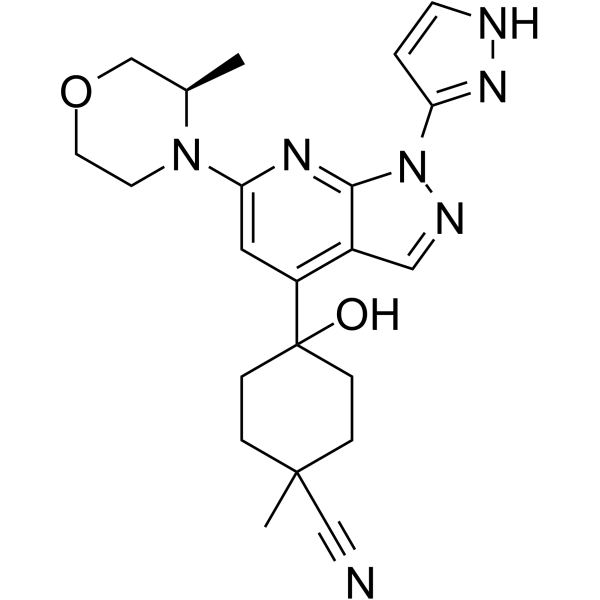
ATR-IN-9 is a potent inhibitor of Ataxia-telangiectasia and RAD-3-related protein kinase (ATR) extracted from patent WO2020087170A1, compound 59, has an IC50 of 10 nM .
|
-
-
- HY-149952
-
|
|
ATM/ATR
|
Cancer
|
|
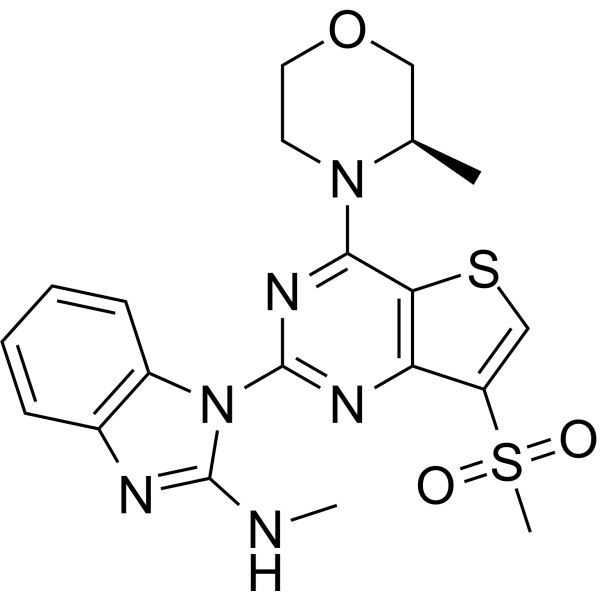
ATR-IN-23 (Compound 34) is a potent and selective ATR inhibitor with an IC50 of 1.5 nM. ATR-IN-23 has potent antiproliferative effects on LoVo cells and synthetic lethality on HT-29 cells, and can be used in the study of DNA damage response (DDR)-deficient cancers .
|
-
-
- HY-153462
-
|
|
ATM/ATR
|
Cancer
|
|
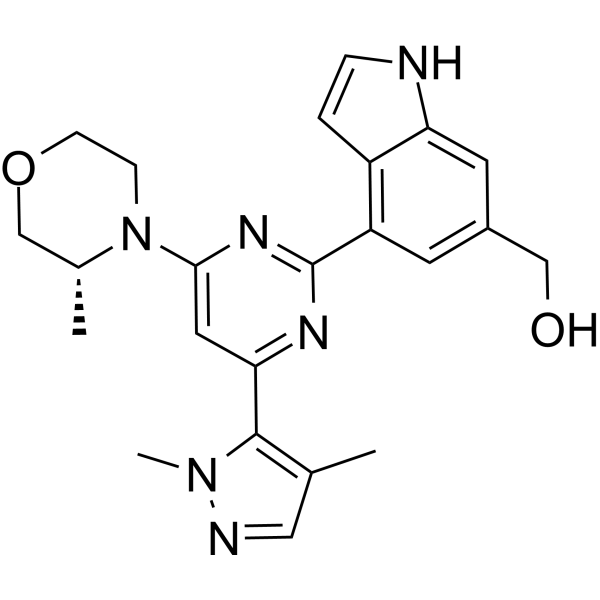
ATR-IN-24 (Compound 1) is a ATR inhibitor. ATR-IN-24 has anticancer activity .
|
-
-
- HY-147566
-
|
|
ATM/ATR
|
Cancer
|
|
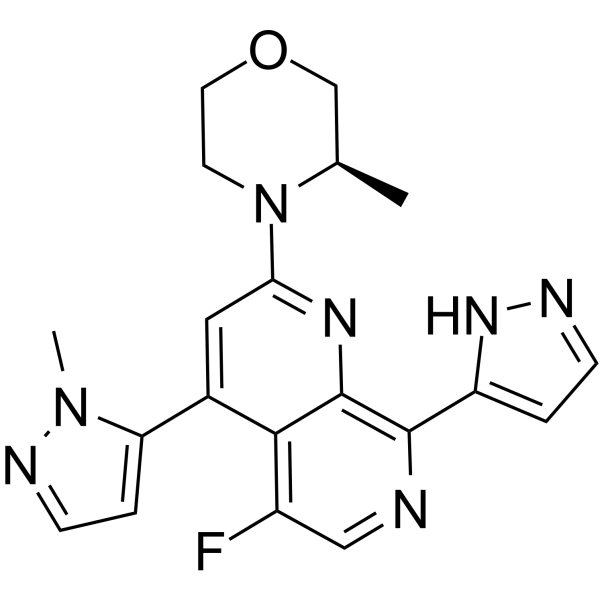
ATR-IN-14 (compound 1) is a potent ATR kinase inhibitor. ATR-IN-14 inhibits ATR signaling pathways downstream CHKI protein phosphorylation, with inhibition of 98.03% at 25 nM. ATR-IN-14 shows good anticancer activity in LoVo cells, with an IC50 of 64 nM .
|
-
-
- HY-153729
-
|
|
ATM/ATR
|
Cancer
|
|
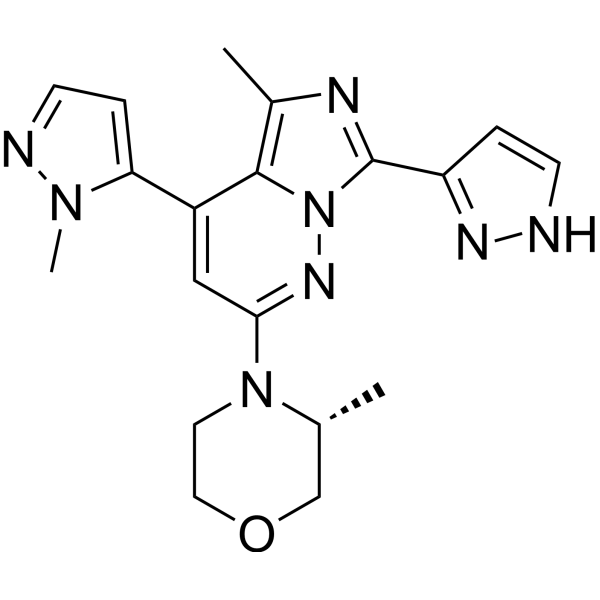
ATR-IN-29 is a potent and orally active ATR kinase inhibitor with an IC50 value of 1 nM. ATR-IN-29 shows antiproliferative activity .
|
-
-
- HY-147569
-
|
|
ATM/ATR
|
Cancer
|
|
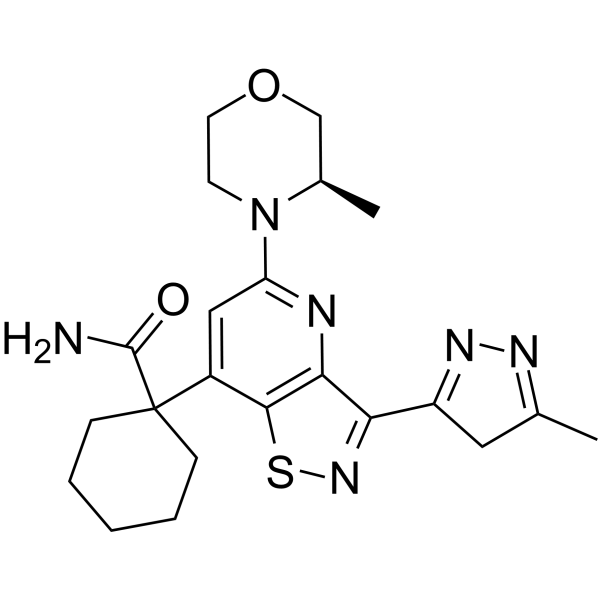
ATR-IN-17 (compound 88) is a potent ATR kinase inhibitor. ATR-IN-17 shows good anticancer activity in LoVo cells, with an IC50 of 1 nM .
|
-
-
- HY-147568
-
|
|
ATM/ATR
|
Cancer
|
|
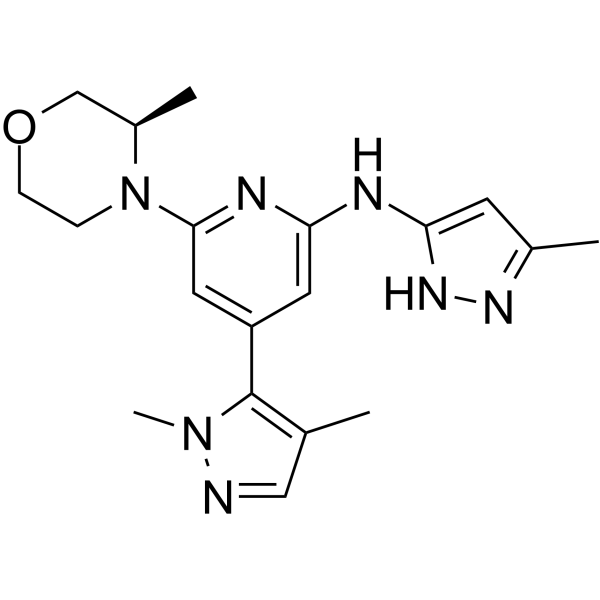
ATR-IN-16 (compound 46) is a potent ATR kinase inhibitor. ATR-IN-16 shows good anticancer activity in LoVo cells, with an IC50 of 410 nM .
|
-
-
- HY-142671
-
|
|
ATM/ATR
|
Cancer
|
|
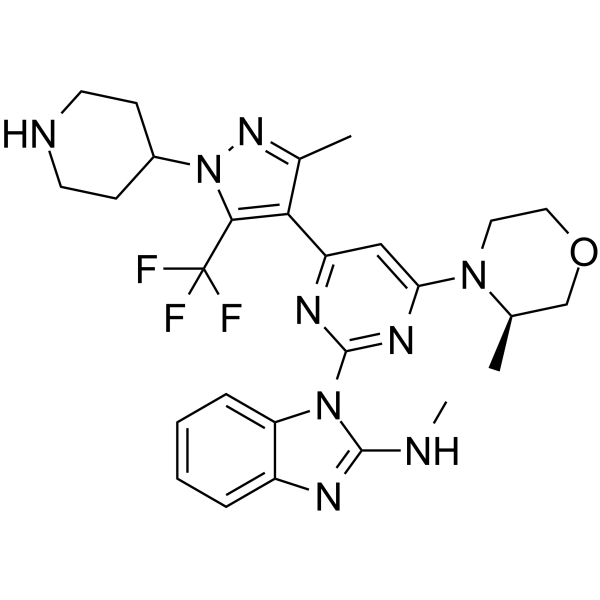
ATR-IN-5 is a potent inhibitor of ATR. ATR is a class of protein kinases involved in genome stability and DNA damage repair, and is a member of the PIKK family. ATR-IN-5 has the potential for the research of ATR kinase-mediated diseases such as proliferative diseases and cancer (extracted from patent CN112047938A, compound D24) .
|
-
-
- HY-153393
-
|
|
ATM/ATR
|
Cancer
|
|
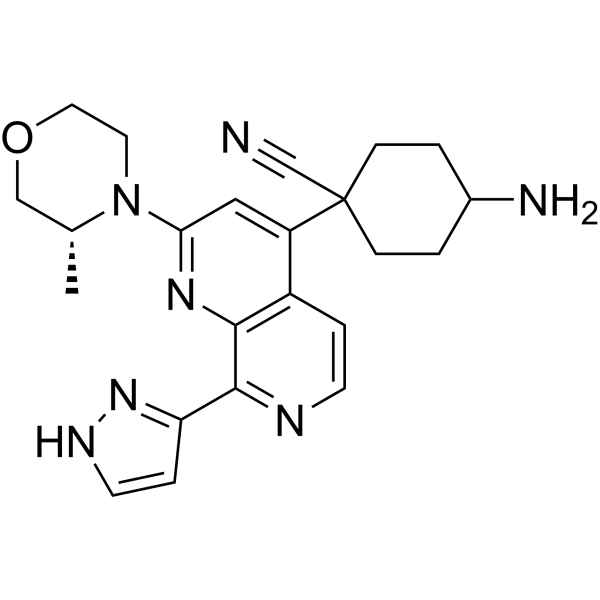
ATR-IN-21 (compound 60) is a potent ATR inhibitor with an IC50 value of <1000 nM .
|
-
-
- HY-142672
-
|
|
ATM/ATR
|
Cancer
|
|
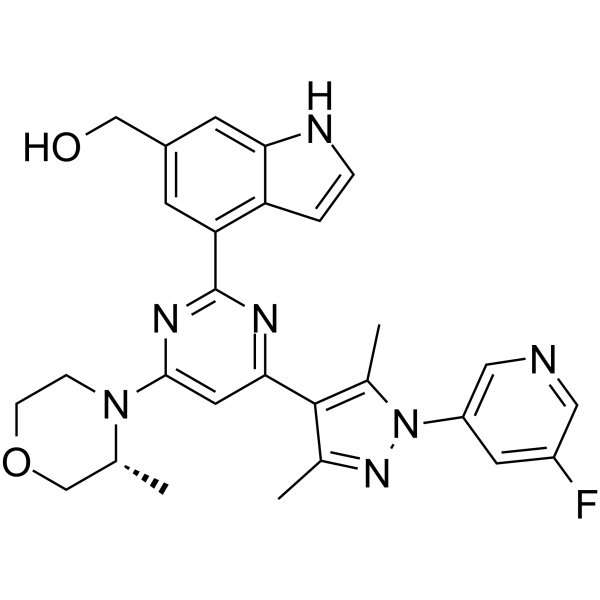
ATR-IN-6 is a potent inhibitor of ATR. ATR is a class of protein kinases involved in genome stability and DNA damage repair, and is a member of the PIKK family. ATR-IN-6 has the potential for the research of ATR kinase-mediated diseases such as proliferative diseases and cancer (extracted from patent WO2021233376A1, compound A22) .
|
-
-
- HY-142924
-
|
|
ATM/ATR
|
Cancer
|
|
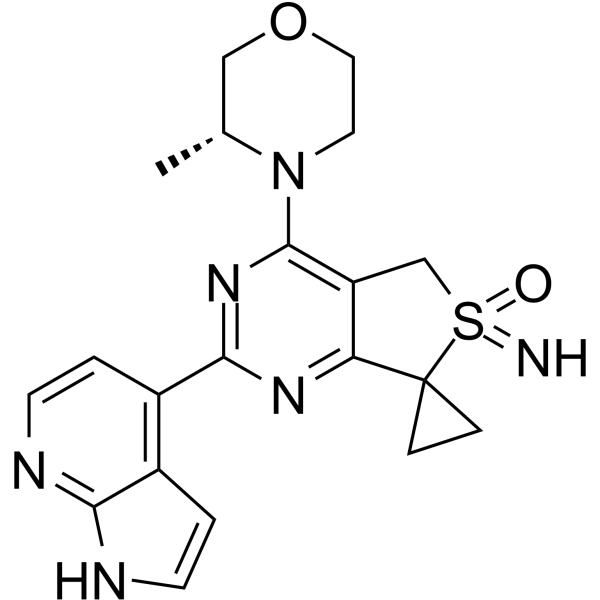
ATR-IN-8 is a potent inhibitor of ATR. ATR is a key enzyme in the homologous recombination repair pathway and belongs to the PIKK family. ATR-IN-8 has the potential for the research of cancer diseases (extracted from patent WO2021143821A1, compound 3) .
|
-
-
- HY-144435
-
|
|
ATM/ATR
|
Cancer
|
|
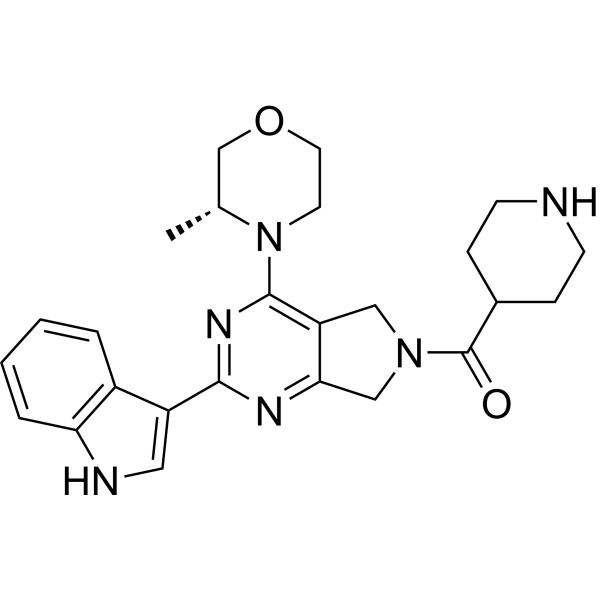
ATR-IN-11 (Compound Hit01) is a potent inhibitor of ataxia telangiectasia and Rad3-related (ATR) kinase. ATR kinase is a key regulating protein within the DNA damage response (DDR), responsible for sensing replication stress (RS). ATR-IN-11 is a promising lead compound for subsequent agent discovery targeting ATR kinase. ATR-IN-11 has the potential for the research of cancer disease .
|
-
-
- HY-147567
-
|
|
ATM/ATR
DNA-PK
PI3K
|
Cancer
|
|
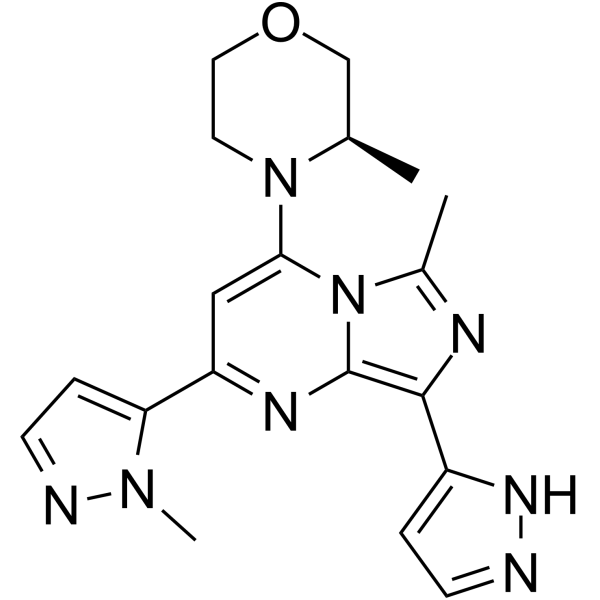
ATR-IN-15 (compound 1) is an orally active and potent ATR kinase inhibitor, with an IC50 of 8 nM. ATR-IN-15 also inhibits human colon tumor cells LoVo, DNA-PK and PI3K, with IC50 values of 47, 663 and 5131 nM, respectively .
|
-
-
- HY-144214
-
|
|
ATM/ATR
|
Cancer
|
|
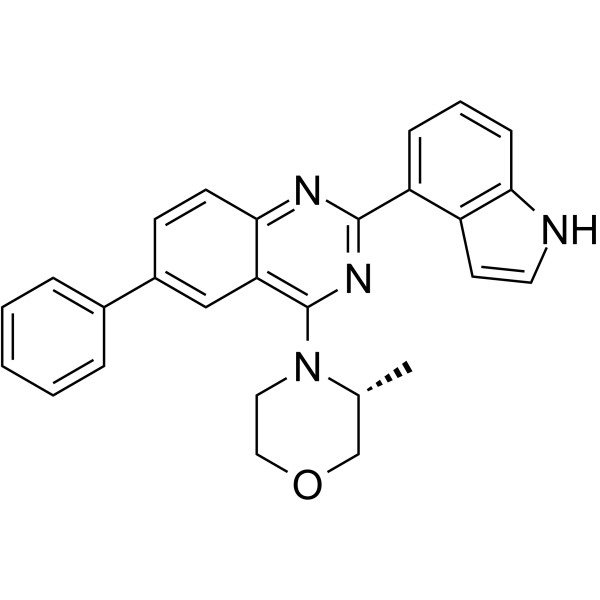
ATR-IN-10 is a potent and highly selective inhibitor of ataxia telangiectasia mutated and Rad3-Related (ATR) kinase with an IC50 value of 2.978 μM.
|
-
-
- HY-161838
-
|
|
ATM/ATR
|
Cancer
|
|
ICT10336 is a hypoxia-responsive prodrug of ATR inhibitor, AZD6738 (HY-19323). ICT10336 is hypoxia-activated and specifically releases AZD6738 only in hypoxic conditions in vitro. This can inhibit ATR activation (T1989 and S428 phosphorylation) and subsequently abrogate HIF1a-mediated adaptation of hypoxic cancers cells, thus selectively inducing cell death in 2D and 3D cancer models. ICT10336 is a metabolic substrate of CYPOR activity.
|
-

-
- HY-123502
-
|
AZD-6738 formate
|
ATM/ATR
|
Cancer
|
|
Ceralasertib formate is a potent, selective and orally active ATR inhibitor with an IC50 value of 1 nM. Ceralasertib formate inhibits cell viability and induces DNA damage. Ceralasertib formate induces cell senescence. Ceralasertib formate shows antitumor activity .
|
-

- HY-157941A
-
|
|
Drug Isomer
|
Cancer
|
|
(R,R)-ART0380 (Compound 38) is the enantiomer of ART0380 (HY-157941). ART0380 is a potent and selective ATR inhibitor. ART0380 can be used in studies of advanced or metastatic solid tumors .
|
-

- HY-150617A
-
|
(Rac)-M4076; (Rac)-ATM inhibitor-5
|
ATM/ATR
STING
PD-1/PD-L1
|
Cardiovascular Disease
Inflammation/Immunology
Cancer
|
|
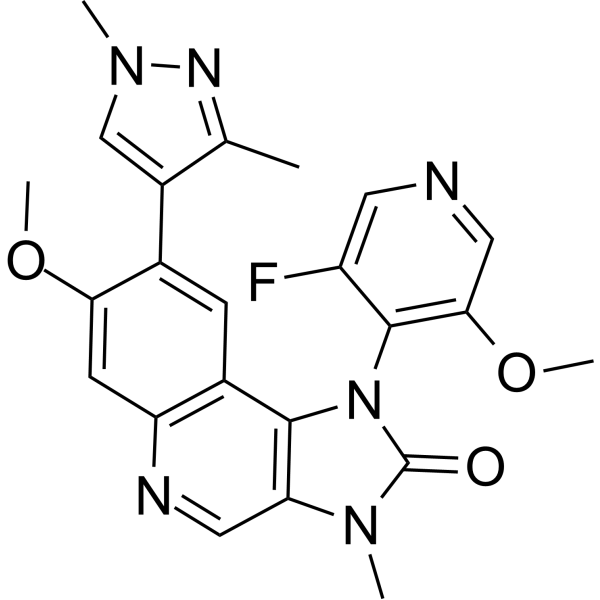
(Rac)-Lartesertib ((Rac)-M4076) is an isoform of Lartesertib (HY-150617). Lartesertib (M4076) is an inhibitor of the serine/threonine protein kinase ATM with high potency. Lartesertib can inhibit the growth of multiple hematopoietic cell lines. Additionally, when combined with the ATR inhibitor Tuvusertib (HY-111451), Lartesertib can promote the death of tumor cells, activate the immune signaling pathway, and exhibit anti-tumor activity .
|
-
- HY-W766548
-
|
5-Fluorouracil 2'-deoxyriboside-13C,15N2
|
Isotope-Labeled Compounds
Apoptosis
Nucleoside Antimetabolite/Analog
CMV
HSV
Bacterial
DNA/RNA Synthesis
|
Cancer
|
|
Floxuridine- 13C, 15N2 (5-Fluorouracil 2'-deoxyriboside- 13C, 15N2) is the 13C- and 15N-labeled labeled Floxuridine (HY-B0097). Floxuridine (5-Fluorouracil 2'-deoxyriboside) is a pyrimidine analog and known as an oncology antimetabolite. Floxuridine inhibits Poly(ADP-Ribose) polymerase and induces DNA damage by activating the ATM and ATR checkpoint signaling pathways in vitro. Floxuridine is a extreamly potent inhibitor for S. aureus infection and induces cell apoptosis . Floxuridine has antiviral effects against HSV and CMV .
|
-

- HY-B0255R
-
|
GS 0840 (Standard)
|
Reference Standards
HBV
Reverse Transcriptase
Orthopoxvirus
Endogenous Metabolite
|
Infection
Cancer
|
|
Adefovir dipivoxil (Standard) is the analytical standard of Adefovir dipivoxil. This product is intended for research and analytical applications. Adefovir dipivoxil is an orally active adenosine analog and Adefovir prodrug. Adefovir dipivoxil inhibits DNA synthesis, activates the ATR signaling pathway, and disrupts the KCTD12-CDK1 interaction. Adefovir dipivoxil has antiviral activity against PRV, HBV, and orthopoxviruses. Adefovir dipivoxil has inhibitory effects on both lamivudine-resistant and wild-type strains. Adefovir dipivoxil has antitumor activity against lung and colon cancer .
|
-

- HY-149213
-
|
J54; J3-54
|
Histone Demethylase
TLK
Apoptosis
PD-1/PD-L1
|
Cancer
|
|
LSD1/TLK1-IN-1 is an orally active LSD1, TLK1, TLK2, TTK inhibitor with an LSD1 IC50 of 0.247 μM. LSD1/TLK1-IN-1 suppresses phosphorylation of Nek1 at T141 and Rad9 at S328, abrogates the TLK1>Nek1>ATR>Chk1 axis, protects H3K4me1/2 from demethylation, and does not affect LSD2, MAO-A, or MAO-B. LSD1/TLK1-IN-1 induces apoptosis, bypasses cell-cycle arrest, suppresses tumor growth, downregulates PD-L1 expression, enhances T-cell killing response, inhibits gastric cancer cell proliferation. LSD1/TLK1-IN-1 can be used for the research of prostate cancer and gastric cancer .
|
-
- HY-153400
-
|
|
ATM/ATR
|
Cancer
|
|
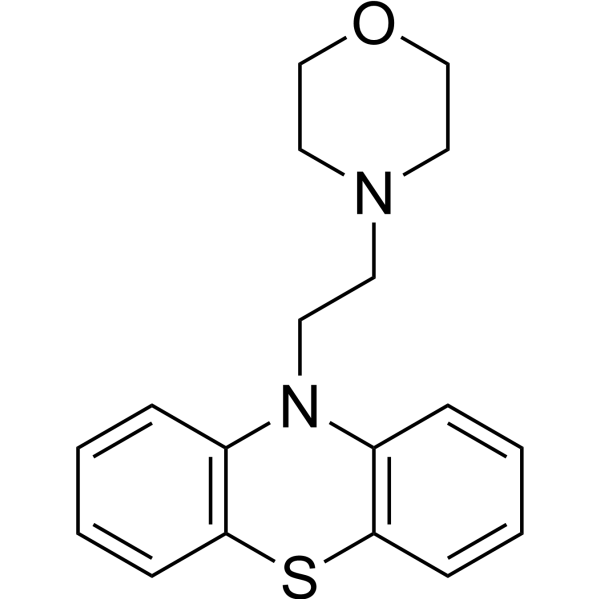
ATR-IN-22 (Compound 34) is an orally active ATR inhibitor. ATR-IN-22 inhibits MIAPaCa-2 proliferation (IC50 <1 μM). ATR-IN-22 shows anti-tumor activity in colon cancer .
|
-
- HY-147565
-
|
|
ATM/ATR
|
Cancer
|
|
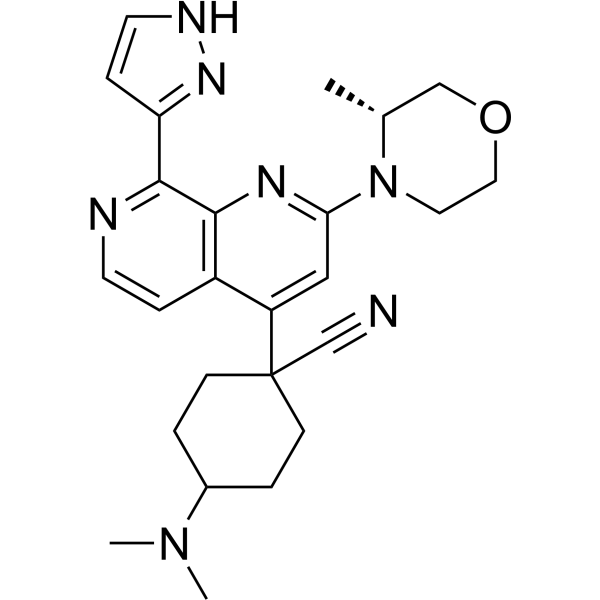
ATR-IN-13 (compound A9) is a potent ATR kinase inhibitor, with an IC50 of 2 nM. ATR-IN-13 can be used for ATR kinase mediated diseases research, such as proliferative diseases and cancer .
|
-
- HY-147570
-
|
|
ATM/ATR
|
Cancer
|
|
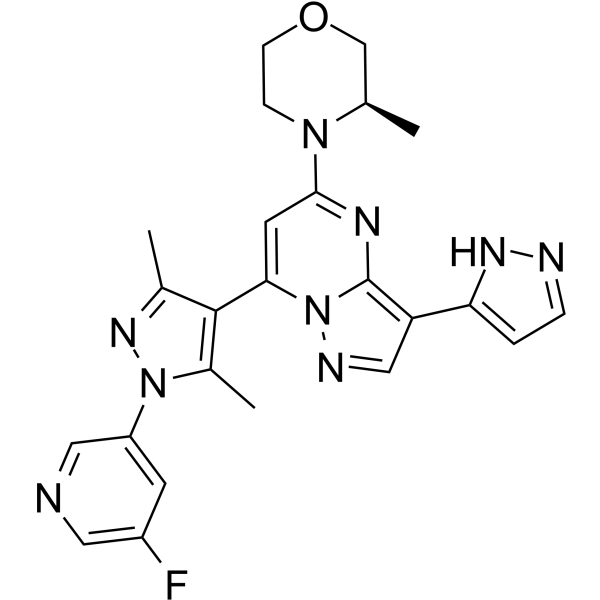
ATR-IN-18 (compound 2) is an orally active and potent ATR kinase inhibitor, with an IC50 of 0.69 nM. ATR-IN-18 shows antiproliferative activity in LoVo cells, with an IC50 of 37.34 nM. ATR-IN-18 has anti-tumor activity .
|
-
- HY-144436
-
|
|
ATM/ATR
|
Cancer
|
|
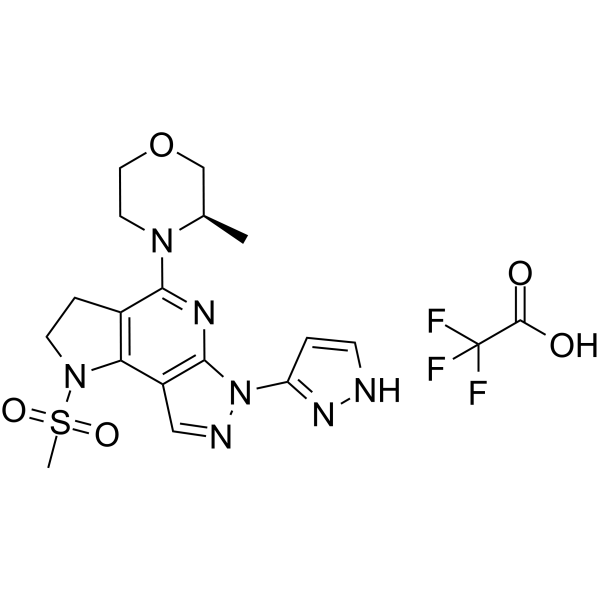
ATR-IN-12 (Compound 5g) is a potent inhibitor of ataxia telangiectasia and Rad3-related (ATR) kinase with an IC50 value of 0.007 μM. ATR-IN-12 displays good anti-tumor activity and significantly reduces the phosphorylation level of ATR and its downstream signaling protein. ATR-IN-12 is a promising lead compound for subsequent agent discovery targeting ATR kinase .
|
-
- HY-151915
-
|
|
ATM/ATR
mTOR
|
Cancer
|
|
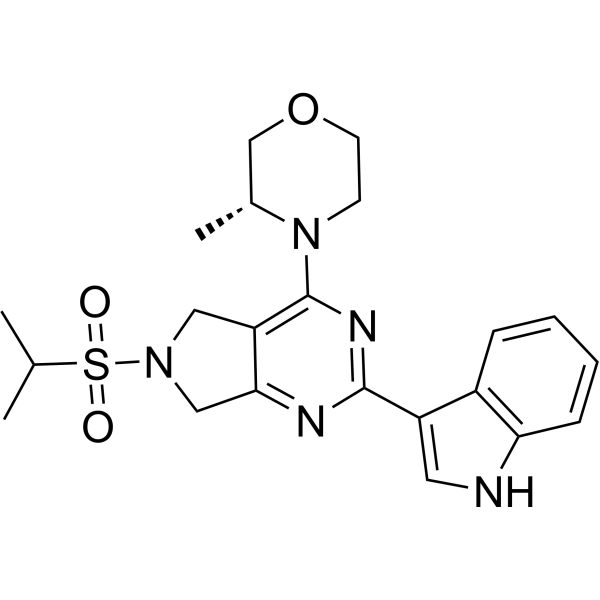
ATR-IN-20 is a potent ATR (ATM/ATR) inhibitor with an IC50 of 3 nM. ATR-IN-20 possess an inhibitory effect on mTOR (IC50 of 18 nM) while displaying good selectivity against PI3Kα (100 nM), ATM (100 nM), and DNA-PK (662 nM). ATR-IN-20 exhibits excellent pharmacokinetic profile (F = 30%), and has anticancer effects .
|
-
- HY-169930
-
|
|
ATM/ATR
|
Cancer
|
|
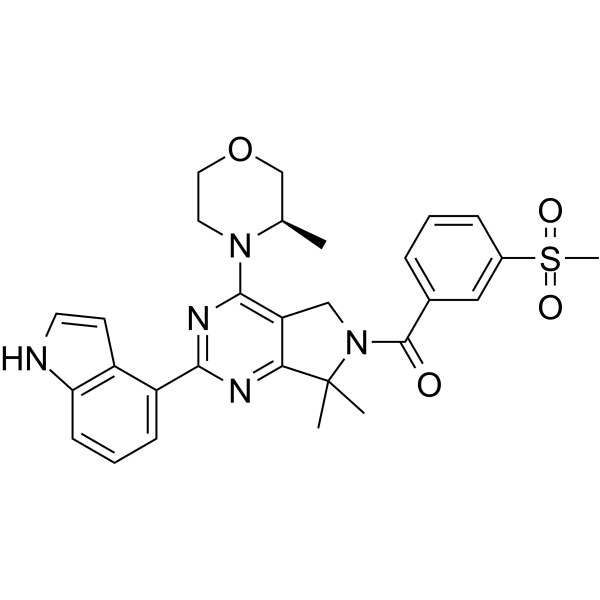
ATR kinase-IN-2 (Compound I-G-27) is a ATR protein kinase inhibitor with the Ki of 0.01 ~ 1 μΜ and can be used for study of cancer .
|
-

- HY-169931
-
|
|
ATM/ATR
|
Cancer
|
|
ATR kinase-IN-3 (Compound I-G-28) is a ATR protein kinase inhibitor with the Ki of 0.01 ~ 1 μΜ and can be used for study of cancer .
|
-

- HY-N7046R
-
|
Silibinin B (Standard)
|
Reference Standards
JNK
Amyloid-β
p38 MAPK
Apoptosis
|
Neurological Disease
Cancer
|
|
Silybin (Silibinin B) (Standard) is the analytical standard of Silybin B (HY-N7046). This product is intended for research and analytical applications. Silybin B (Silibinin B) is an orally active amyloid-β aggregation inhibitor and ATR pathway activator, that can cross the blood-brain barrier. Silybin B inhibits Aβ fibril formation and promotes amorphous aggregate formation, while activating the ATR-mediated DNA damage repair pathway and inhibiting JNK/p38 MAPK signaling. Silybin B can reduce Cisplatin (HY-17394)-induced neuronal DNA damage and apoptosis. Silybin B has anti-oxidative stress, cell cycle regulation and neuroprotective activities. Silybin B is mainly used in the study of Alzheimer's disease and Cisplatin chemotherapy-related neurotoxicity .
|
-

- HY-N7046S
-
|
Silibinin B-d3
|
Isotope-Labeled Compounds
Amyloid-β
Apoptosis
JNK
p38 MAPK
|
Neurological Disease
Cancer
|
|
Silybin B-d3 (Silibinin B-d3) is a deuterated Silybin B (HY-N7046). Silybin B (Silibinin B) is an orally active amyloid-β aggregation inhibitor and ATR pathway activator, that can cross the blood-brain barrier. Silybin B inhibits Aβ fibril formation and promotes amorphous aggregate formation, while activating the ATR-mediated DNA damage repair pathway and inhibiting JNK/p38 MAPK signaling. Silybin B can reduce Cisplatin (HY-17394)-induced neuronal DNA damage and apoptosis. Silybin B has anti-oxidative stress, cell cycle regulation and neuroprotective activities. Silybin B is mainly used in the study of Alzheimer's disease and Cisplatin chemotherapy-related neurotoxicity .
|
-

- HY-181618
-
|
|
ATM/ATR
|
Cancer
|
|
ATR-IN-33 (compound A) is a ATR kinase inhibitor that can be used in tumor research .
|
-

- HY-173147
-
|
|
CDK
|
Cancer
|
|
CDK2-IN-42 (Compound H63) is a CDK12 inhibitor with an IC50 value of 10 nM. CDK2-IN-42 has anti-ESCC (Esophageal Squamous Cell Carcinoma) cell activity. It can block transcriptional elongation, downregulate the core genes in the G1 phase to induce cell cycle arrest, and alter the CDK12-ATM/ATR-CHEK1/CHEK2 signaling axis, resulting in DNA damage. CDK2-IN-42 can effectively inhibit tumor growth in a xenograft mouse model of human ESCC KYSE150. CDK2-IN-42 holds great promise for research in the field of cancer .
|
-

- HY-N6954R
-
|
|
Reference Standards
ATM/ATR
STAT
CDK
Hedgehog
|
Inflammation/Immunology
Cancer
|
|
Garcinone C (Standard) is the analytical standard of Garcinone C. This product is intended for research and analytical applications. Garcinone C, a xanthone derivative, is a natural compound extracted from Garcinia oblongifolia that is used as an anti-inflammatory, astringency and granulation-promoting medicine, and has potential cytotoxic effects on certain cancers. Garcinone C stimulates the expression levels of ATR and 4E-BP1, arrests the cell cycle, inhibits cell viability of the human Nasopharyngeal carcinoma (NPC) cell lines CNE1, CNE2, HK1 and HONE1 in a time‑ and dose‑dependent manner through inhibition of Hedgehog signaling pathway. Garcinone C is orally active .
|
-

- HY-111451S
-
|
M1774-d3; ATR inhibitor 1-d3
|
Isotope-Labeled Compounds
ATM/ATR
|
Cancer
|
|
Tuvusertib-d3 (M1774-d3) is the deuterium labeled Tuvusertib (HY-111451). Tuvusertib (M1774; ATR inhibitor 1) is a selective and orally active ATR inhibitor with a Ki value below 1 μΜ.
|
-

- HY-136270S
-
|
VX-803-d8; M4344-d8; ATR inhibitor 2-d8
|
Isotope-Labeled Compounds
ATM/ATR
|
Cancer
|
|
Gartisertib-d8 (VX-803-d8) is the deuterium labeled Gartisertib (HY-136270). Gartisertib (VX-803) is an ATP-competitive, orally active, and selective ATR inhibitor, with a Ki of <150 pM. Gartisertib potently inhibits ATR-driven phosphorylated checkpoint kinase-1 (Chk1) phosphorylation with an IC50 of 8 nM. Antitumor activity .
|
-

- HY-172247
-
|
|
ATM/ATR
|
Cancer
|
|
ATR-IN-31 is a selective ATR kinase inhibitor with an IC50 of 7 nM. ATR-IN-31 does not significantly inhibit ATM kinase activity. ATR-IN-31 inhibits viability of prostate cancer cells.ATR-IN-31 can be used for the research of prostate cancer .
|
-

- HY-153658
-
|
|
|
Cancer
|
|
ATR-IN-27 (Compound I-G-12) is an ATR inhibitor with a Ki value greater than 0.01 μM but less than 1 μM. ATR-IN-27 sensitizes colorectal cancer cells to Cisplatin (HY-17394) .
|
-

- HY-182016
-
|
|
PROTACs
ATM/ATR
Checkpoint Kinase (Chk)
Apoptosis
DNA/RNA Synthesis
Caspase
Bcl-2 Family
MDM-2/p53
|
Cancer
|
|
PROTAC ATR degrader-3 is a potent CRBN-based ATR PROTAC degrader with a DC50 of 127 nM. PROTAC ATR degrader-3 also degrades CHK1 with an DC50 of 135 nM. PROTAC ATR degrader-3 inhibits cancer cells proliferation, migration and invasion, triggers apoptosis and induces S phase arrest and DNA damage. PROTAC ATR degrader-3 achieves tumor growth inhibition in LoVo xenograft mouse model without apparent toxicity. PROTAC ATR degrader-3 can be used for the research of colorectal cancer .
|
-

- HY-13902A
-
|
VE-822 hydrochloride; VX-970 hydrochloride; M6620 hydrochloride
|
ATM/ATR
Apoptosis
STING
Caspase
|
Neurological Disease
Cancer
|
|
Berzosertib (VE-822) hydrochloride is an orally active, CNS-penetrant, and selective ATR kinase inhibitor. Berzosertib hydrochloride blocks ATR kinase activity, abrogates G2/M cell cycle checkpoint, impairs DNA damage repair. Berzosertib hydrochloride induces apoptosis, inhibnits conlony migration, inhibits cell proliferation, and activates cGAS-STING axes in cancer cells. Berzosertib hydrochloride can be used for the research of cancers, such as head and neck squamous cell carcinoma, and colorectal cancer .
|
-

- HY-101566R
-
|
BAY 1895344 (Standard)
|
ATM/ATR
Reference Standards
|
Cancer
|
|
Elimusertib (Standard) is the analytical standard of Elimusertib (HY-101566). This product is intended for research and analytical applications. Elimusertib (BAY-1895344) is a potent, orally active and selective ATR inhibitor with an IC50 of 7 nM. Elimusertib has anti-tumor activity . Elimusertib can be used for the research of solid tumors and lymphomas .
|
-

- HY-N15249
-
|
Isovalerylspiramycin I; Shengjimycin E
|
Topoisomerase
DNA/RNA Synthesis
Checkpoint Kinase (Chk)
Apoptosis
Bacterial
|
Infection
Cancer
|
|
4"-Isovalerylspiramycin I (Isovalerylspiramycin I) is a topoisomerase 1 (TOP1) inhibitor and an antitumor agent. 4"-Isovalerylspiramycin I directly binds to TOP1, suppresses DNA replication, and induces DNA damage. 4"-Isovalerylspiramycin I downregulates phosphorylated CHEK1 and the ATR/CHEK1 DNA damage repair pathway, blocks DNA repair, and augments DNA damage. 4"-Isovalerylspiramycin I suppresses proliferation, migration, and invasion of osteosarcoma cells. 4"-Isovalerylspiramycin I induces apoptosis and cell cycle arrest in osteosarcoma cells. 4"-Isovalerylspiramycin I exerts antibacterial activity against methicillin-resistant Staphylococcus aureus. 4"-Isovalerylspiramycin I can be used for the research of osteosarcoma, upper respiratory bacterial infections, and methicillin-resistant Staphylococcus aureus infection .
|
-

-
- HY-P10280
-
|
|
ATM/ATR
|
Cancer
|
|
ATR kinase substrate peptide (ASELPASQPQPFSAKKK) is a peptide substrate for ATR protein kinase and can be used to detect ATR kinase activity .
|
| 製品番号 |
製品名 |
Target |
研究分野 |
Image |
-
- HY-P991272
-
|
PF-05230900
|
Interleukin Related
|
Inflammation/Immunology
|
|
ATR-107 (PF-05230900) is a humanized monoclonal antibody inhibitor that targets the interleukin-21 receptor (IL-21R). The Ka value of ATR-107 is 2-4 nM in cynomolgus monkeys, 16 nM in mice, and 71 nM in rats. ATR-107 can be used in research related to systemic lupus erythematosus and air pouch inflammation .
|
-

(5)
| 製品番号 |
製品名 |
Category |
Target |
構造式 |
-
- HY-B0255
-
-
-
- HY-N7046
-
-
-
- HY-N6954
-
-
-
- HY-B0255R
-
|
GS 0840 (Standard)
|
Structural Classification
天然物
Endogenous metabolite
Source Classification
|
Reference Standards
HBV
Reverse Transcriptase
Orthopoxvirus
Endogenous Metabolite
|
|
Adefovir dipivoxil (Standard) is the analytical standard of Adefovir dipivoxil. This product is intended for research and analytical applications. Adefovir dipivoxil is an orally active adenosine analog and Adefovir prodrug. Adefovir dipivoxil inhibits DNA synthesis, activates the ATR signaling pathway, and disrupts the KCTD12-CDK1 interaction. Adefovir dipivoxil has antiviral activity against PRV, HBV, and orthopoxviruses. Adefovir dipivoxil has inhibitory effects on both lamivudine-resistant and wild-type strains. Adefovir dipivoxil has antitumor activity against lung and colon cancer .
|
-
-
- HY-N7046R
-
|
Silibinin B (Standard)
|
Flavanonols
Structural Classification
Flavonoids
Glycine soya
Phenols
Polyphenols
Cyamopsis tetragonoloba (L.) Taub.
Plants
Compositae
Source Classification
|
Reference Standards
JNK
Amyloid-β
p38 MAPK
Apoptosis
|
|
Silybin (Silibinin B) (Standard) is the analytical standard of Silybin B (HY-N7046). This product is intended for research and analytical applications. Silybin B (Silibinin B) is an orally active amyloid-β aggregation inhibitor and ATR pathway activator, that can cross the blood-brain barrier. Silybin B inhibits Aβ fibril formation and promotes amorphous aggregate formation, while activating the ATR-mediated DNA damage repair pathway and inhibiting JNK/p38 MAPK signaling. Silybin B can reduce Cisplatin (HY-17394)-induced neuronal DNA damage and apoptosis. Silybin B has anti-oxidative stress, cell cycle regulation and neuroprotective activities. Silybin B is mainly used in the study of Alzheimer's disease and Cisplatin chemotherapy-related neurotoxicity .
|
-
-
- HY-N6954R
-
-
-
- HY-N15249
-
|
Isovalerylspiramycin I; Shengjimycin E
|
Structural Classification
天然物
Microorganisms
Source Classification
|
Topoisomerase
DNA/RNA Synthesis
Checkpoint Kinase (Chk)
Apoptosis
Bacterial
|
|
4"-Isovalerylspiramycin I (Isovalerylspiramycin I) is a topoisomerase 1 (TOP1) inhibitor and an antitumor agent. 4"-Isovalerylspiramycin I directly binds to TOP1, suppresses DNA replication, and induces DNA damage. 4"-Isovalerylspiramycin I downregulates phosphorylated CHEK1 and the ATR/CHEK1 DNA damage repair pathway, blocks DNA repair, and augments DNA damage. 4"-Isovalerylspiramycin I suppresses proliferation, migration, and invasion of osteosarcoma cells. 4"-Isovalerylspiramycin I induces apoptosis and cell cycle arrest in osteosarcoma cells. 4"-Isovalerylspiramycin I exerts antibacterial activity against methicillin-resistant Staphylococcus aureus. 4"-Isovalerylspiramycin I can be used for the research of osteosarcoma, upper respiratory bacterial infections, and methicillin-resistant Staphylococcus aureus infection .
|
-
-
- HY-101566S
-
|
|
|
Elimusertib-d3 (BAY 1895344-d3) is the deuterium labeled Elimusertib (BAY 1895344). Elimusertib is a potent, orally active and selective ATR inhibitor and has anti-tumor activity .
|
-
-
- HY-W766548
-
|
|
|
Floxuridine- 13C, 15N2 (5-Fluorouracil 2'-deoxyriboside- 13C, 15N2) is the 13C- and 15N-labeled labeled Floxuridine (HY-B0097). Floxuridine (5-Fluorouracil 2'-deoxyriboside) is a pyrimidine analog and known as an oncology antimetabolite. Floxuridine inhibits Poly(ADP-Ribose) polymerase and induces DNA damage by activating the ATM and ATR checkpoint signaling pathways in vitro. Floxuridine is a extreamly potent inhibitor for S. aureus infection and induces cell apoptosis . Floxuridine has antiviral effects against HSV and CMV .
|
-
-
- HY-N7046S
-
|
|
|
Silybin B-d3 (Silibinin B-d3) is a deuterated Silybin B (HY-N7046). Silybin B (Silibinin B) is an orally active amyloid-β aggregation inhibitor and ATR pathway activator, that can cross the blood-brain barrier. Silybin B inhibits Aβ fibril formation and promotes amorphous aggregate formation, while activating the ATR-mediated DNA damage repair pathway and inhibiting JNK/p38 MAPK signaling. Silybin B can reduce Cisplatin (HY-17394)-induced neuronal DNA damage and apoptosis. Silybin B has anti-oxidative stress, cell cycle regulation and neuroprotective activities. Silybin B is mainly used in the study of Alzheimer's disease and Cisplatin chemotherapy-related neurotoxicity .
|
-
-
- HY-111451S
-
|
|
|
Tuvusertib-d3 (M1774-d3) is the deuterium labeled Tuvusertib (HY-111451). Tuvusertib (M1774; ATR inhibitor 1) is a selective and orally active ATR inhibitor with a Ki value below 1 μΜ.
|
-
-
- HY-136270S
-
|
|
|
Gartisertib-d8 (VX-803-d8) is the deuterium labeled Gartisertib (HY-136270). Gartisertib (VX-803) is an ATP-competitive, orally active, and selective ATR inhibitor, with a Ki of <150 pM. Gartisertib potently inhibits ATR-driven phosphorylated checkpoint kinase-1 (Chk1) phosphorylation with an IC50 of 8 nM. Antitumor activity .
|
-
入力情報は安全に管理されます. ※ 必須入力項目.
Inquiry Information
- 製品名:
- 製品番号:
- 数量:
- MCE 日本正規代理店:





