Search Result
Results for "
CD8 T cell activation
" in MedChemExpress (MCE) Product Catalog:
| Cat. No. |
Product Name |
Target |
Research Areas |
Chemical Structure |
-
- HY-P990688
-
|
AMG-509
|
CD3
|
Cancer
|
|
Xaluritamig (AMG-509) is a bispecific T cell engager and cytolytic agent with a Kd of 27.6 nM for human CD3ε. Xaluritamig binds to CD3ε via an anti-CD3 single-chain variable fragment (scFv) domain, and to STEAP1 via a bispecific anti-STEAP1 antigen-binding fragment (Fab) domain, thereby recruiting and activating T cells and forming a bridge between T cells and STEAP1-expressing cancer cells. Xaluritamig induces T cell-mediated redirected cytotoxicity, tumor cell lysis, cytokine release, CD8 + T cell activation and expansion, as well as tumor stasis or regression. Xaluritamig contains an Fc domain with no effector function, which prolongs serum half-life, exhibits only minimal activity against cells with low STEAP1 expression and normal cells, and shows extremely low target-related off-tumor toxicity in cynomolgus monkeys. Xaluritamig is used in STEAP1×CD3 XmAb 2+1 immunotherapy and in research on metastatic castration-resistant prostate cancer and Ewing sarcoma .
|
-

-
- HY-150741
-
|
|
Toll-like Receptor (TLR)
IFNAR
Interleukin Related
|
Infection
Inflammation/Immunology
Cancer
|
|
ODN 2216 is a type A CpG oligodeoxynucleotide vaccine adjuvant and a TLR9 agonist. ODN 2216 interacts with TLR9 in the lysosomes of CD4 + T cells and activates feedback-dependent signaling pathways. ODN 2216 induces the production of type I interferons, IL-6 and TGF-β via the IRAK4/IRF7 axis, while increasing intracellular ATP levels. ODN 2216 not only induces the differentiation of CD4 + T cells into anti-inflammatory Th3-like regulatory phenotypes to inhibit autologous proliferation, but also enhances the specific CD8 + T cell-mediated cytotoxicity against Mammaglobin-A in breast cancer cells. ODN 2216 is widely used in studies related to breast cancer and systemic lupus erythematosus .
|
-

-
- HY-123606
-
GSK484
Maximum Cited Publications
49 Publications Verification
|
Protein Arginine Deiminase
MHC
|
Cardiovascular Disease
Inflammation/Immunology
|
|
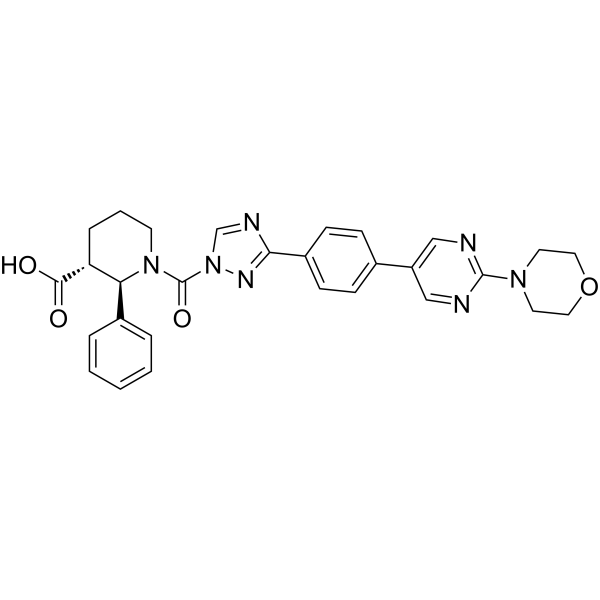
GSK484 is a PAD4 inhibitor that effectively inhibits protein citrullination and the formation of neutrophil extracellular traps (NETs) by blocking the catalytic activity of PAD4. GSK484 suppresses the production of histone H3, MHC-I expression, CD8 + T cell activation, proliferation and inflammatory cytokine release. GSK484 reduces inflammation and bone destruction in collagen-induced rheumatoid arthritis, alleviates pain and mast cell activation in sickle cell disease, and improves myocardial ischemia-reperfusion injury and experimental colitis. In addition, GSK484 restores intestinal microbial homeostasis by reversing ferroptosis-induced dysbiosis. GSK484 can be used to study the disease mechanisms of rheumatoid arthritis, sickle cell disease, thrombosis, myocardial injury, colitis and other conditions .
|
-

-
- HY-162874
-
|
|
STING
IFNAR
|
Cancer
|
|
diABZI-V/C-DBCO is a STING agonist with an EC50 of 1.47 nM. diABZI-V/C-DBCO activates the STING pathway, induces the production of IFN-I, and stimulates the secretion of IFN-β. diABZI-V/C-DBCO serves as a substrate for cathepsin B, and releases active diABZI-amine via cathepsin B-mediated cleavage. In an orthotopic mouse model of breast cancer, diABZI-V/C-DBCO increases serum IFN-β levels and the frequency of granzyme B + CD8 + T cells. diABZI-V/C-DBCO is applicable to research related to triple-negative breast cancer .
|
-

-
- HY-119024
-
|
|
SHP1
STAT
|
Cancer
|
|
BCI-137 is a Argonaute 2 (AGO2) inhibitor. By inhibiting AGO2 function, reducing PTPN6/SHP-1 protein levels and enhancing STAT1 phosphorylation, BCI-137 restores the sensitivity of tumor cells to IFN-γ. BCI-137 effectively enhances the recruitment, activation and cytotoxicity of CD8 + T cells. BCI-137 exerts a synergistic effect with anti-PD-1 antibodies and significantly reduces tumor volume in preclinical mouse models. BCI-137 exhibits favorable safety profiles and does not cause significant weight loss or death in mice. BCI-137 can be used in research related to bladder cancer, colorectal cancer, melanoma and other related fields .
|
-
-
- HY-124700
-
|
|
Cyclic GMP-AMP Synthase
STING
PD-1/PD-L1
Epoxide Hydrolase
|
Metabolic Disease
|
|
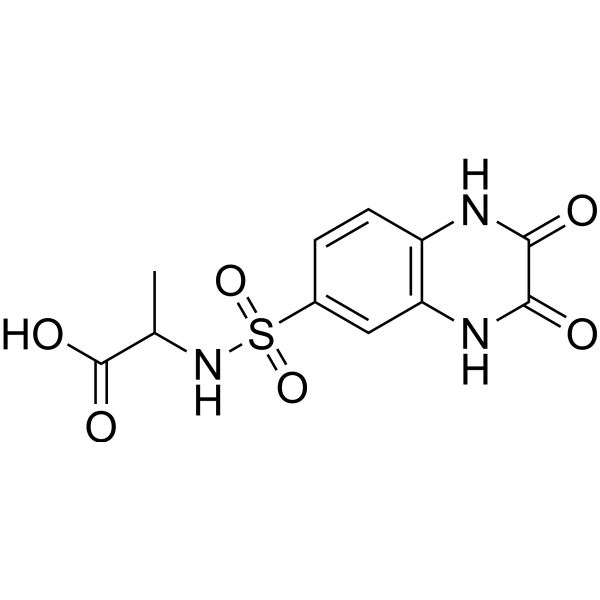
LYPLAL1-IN-1 (compound 11) is a selective, covalent, and irreversible inhibitor of the lysophospholipase-like enzyme LYPLAL1 (IC50 = 6 nM). LYPLAL1-IN-1 shows selectivity against other serine hydrolases such as carboxylesterase CES1 (IC50 > 50 μM for CES1). LYPLAL1-IN-1 inhibits the depalmitoylation function of LYPLAL1, blocking its depalmitoylation modification of cyclic GMP-AMP synthase (cGAS), thereby promoting cGAS dimerization and activation, and initiating the cGAS-STING pathway-mediated innate immune response. LYPLAL1-IN-1 can enhance DNA-induced type I interferon production, upregulate PD-L1 expression in tumor cells, and promote the accumulation of tumor-infiltrating CD8 + T cells, with the core function of strengthening the anti-tumor immune response. LYPLAL1-IN-1 is primarily used in tumor immunology research, especially in combination with PD-1/PD-L1 inhibitors .
|
-
-
- HY-150741C
-
|
|
Toll-like Receptor (TLR)
|
Cancer
|
|
ODN 2216 sodium is a type A CpG oligodeoxynucleotide vaccine adjuvant and a TLR9 agonist. ODN 2216 sodium interacts with TLR9 in the lysosomes of CD4 + T cells and activates feedback-dependent signaling pathways. ODN 2216 sodium induces the production of type I interferons, IL-6 and TGF-β via the IRAK4/IRF7 axis, while increasing intracellular ATP levels. ODN 2216 sodium not only induces the differentiation of CD4 + T cells into anti-inflammatory Th3-like regulatory phenotypes to inhibit autologous proliferation, but also enhances the specific CD8 + T cell-mediated cytotoxicity against Mammaglobin-A in breast cancer cells. ODN 2216 sodium is widely used in studies related to breast cancer and systemic lupus erythematosus .
|
-
-
- HY-P10102
-
Kp7-6
2 Publications Verification
|
Apoptosis
PERK
NF-κB
Caspase
JNK
|
Inflammation/Immunology
Cancer
|
|
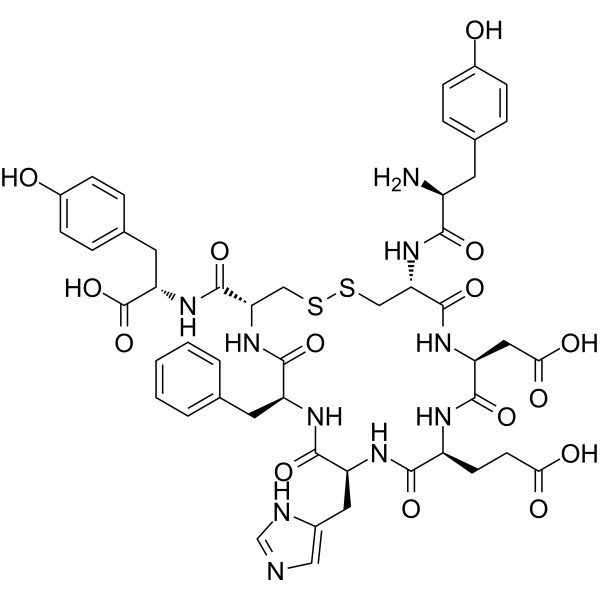
Kp7-6 is a Fas mimetic peptide and also a Fas/FasL antagonist. Kp7-6 specifically binds to Fas and FasL, disrupts receptor complexes, and blocks downstream apoptosis signaling pathways. Kp7-6 inhibits the phosphorylation of ERK1-2, induces the phosphorylation of IκBα, and activates NF-κB. Kp7-6 inhibits the activation of caspase-8, caspase-3 and JNK, and suppresses human amylin-induced β-cell apoptosis. Kp7-6 inhibits FasL-induced lymphoid cytotoxicity and apoptosis. Kp7-6 reduces local tumor FasL expression, increases CD8 +Fas + T cell infiltration, and decreases tumor volume in pancreatic neuroendocrine tumor models. Kp7-6 prevents concanavalin A-induced liver injury in mice. Kp7-6 is applicable to research related to type 2 diabetes, concanavalin A-induced hepatitis and pancreatic neuroendocrine tumors .
|
-
-
- HY-P99129
-
|
|
Transmembrane Glycoprotein
|
Inflammation/Immunology
|
|
Anti-Mouse CD8a Antibody (53-6.7) is an anti-mouse CD8a IgG2a antibody inhibitor derived from host Rat. Anti-Mouse CD8a Antibody (53-6.7) binds to CD8αβ stabilizes a conformation with a higher affinity for interaction with MHC class I. Anti-Mouse CD8a Antibody (53-6.7) induces the phosphorylation and activation of TCR proximal signaling pathway components Lck and ZAP70 in polyclonal memory T cells. Anti-Mouse CD8a Antibody (53-6.7) depletes CD8+ T cells and neutralizes cytokine in mice .
|
-
-
- HY-P99159
-
|
|
Interleukin Related
|
Cancer
|
|
Ivuxolimab is a fully human IgG2 agonist targeting OX40 (CD134), which selectively binds to the OX40 receptor on the surface of activated CD4 + and CD8 + T cells without inducing antibody-dependent cytotoxicity. Ivuxolimab can promote T cell proliferation, survival and cytokine (such as IFN-γ, IL-2) secretion, inhibit regulatory T cell function, and enhance anti-tumor immune response. Ivuxolimab can be used in the study of melanoma, hepatocellular carcinoma, head and neck squamous cell carcinoma, etc .
|
-

-
- HY-N0600
-
|
|
Interleukin Related
IFNAR
NF-κB
|
Inflammation/Immunology
|
|
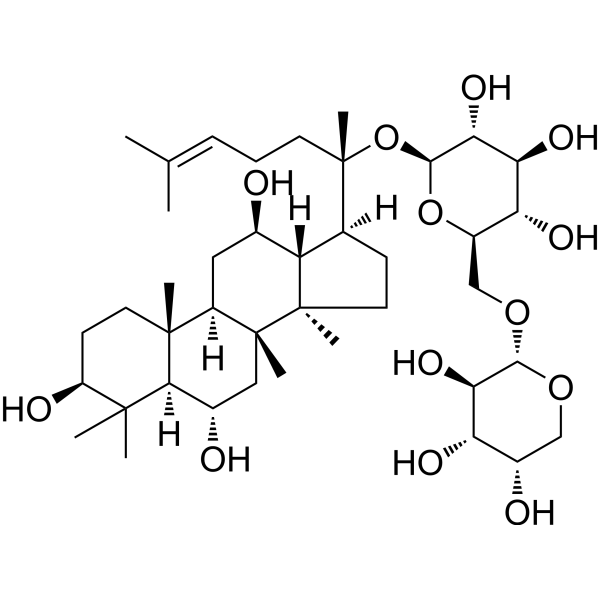
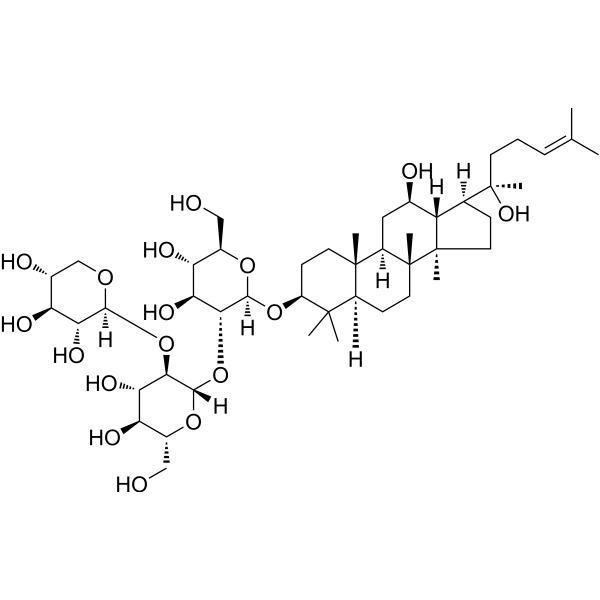
Ginsenoside F3 is a saponin extracted from the leaves of Panax ginseng with immunoenhancing and antitumor immunostimulatory activities. Ginsenoside F3 upregulates RIPOR2 with a Kd value of 3.77 μM. Ginsenoside F3 enhances NF‑κB activation, upregulates T‑bet and downregulates GATA‑3, increases the production of IL‑2 and IFN‑γ, decreases the production of IL‑4 and IL‑10, reverses CD8⁺ T‑cell exhaustion, restores cytokine secretion, and enhances antitumor immunity in a mouse non‑small cell lung cancer model. Ginsenoside F3 can be used for the research of non-small cell lung cancer .
|
-
-
- HY-177338
-
|
|
STING
Cyclic GMP-AMP Synthase
IFNAR
TNF Receptor
Interleukin Related
|
Inflammation/Immunology
Cancer
|
|
STING agonist-45 is a selective STING agonist (EC50 = 0.28 μM). STING agonist-45 activates the innate immune response through the cGAS-STING pathway, upregulating key markers such as p-TBK1 and IRF3. STING agonist-45 exhibits robust STING activation in human peripheral blood mononuclear cells (PBMCs), inducing the production of type I interferons (such as IFN-β) and downstream cytokines (such as TNF-α and IL-6). STING agonist-45 enhances anti-tumor immunity, inhibits tumor growth, and increases CD8 + T cell infiltration in mouse models. STING agonist-45 is promising for the study of STING-related diseases .
|
-

-
- HY-162080
-
|
|
DNA Methyltransferase
Pyruvate Kinase
|
Cancer
|
|
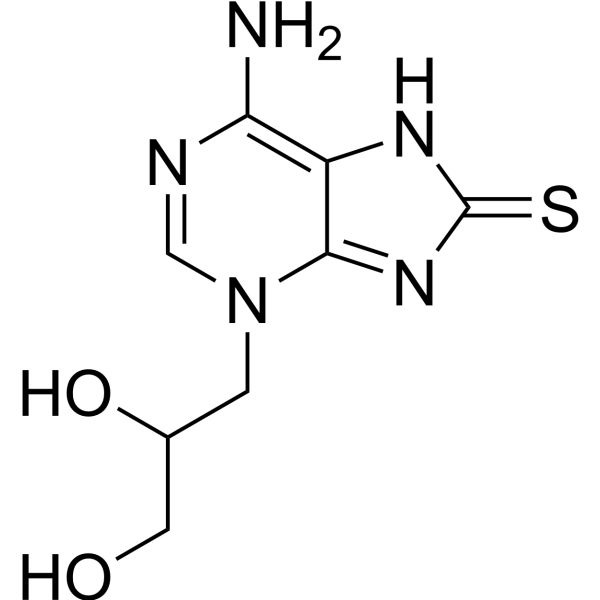
METTL1-WDR4-IN-1 (Compound 1) is a selective competitive inhibitor of the methyltransferase complex METTL1-WDR4 (IC50 = 144 μM). METTL1-WDR4-IN-1 inhibits the m 7G methyltransferase activity of the METTL1-WDR4 complex, blocking m 7G modification of PKM mRNA, reducing PKM2 protein expression, disrupting the METTL1/PKM2/H3K9la positive feedback loop, and simultaneously inhibiting PKM2 nuclear translocation-mediated CD155 transcriptional activation. METTL1-WDR4-IN-1 can inhibit tumor cell proliferation, weaken glycolytic metabolism, reverse tumor immune evasion (restoring NK cell and CD8 + T cell function), and regulate RNA epigenetic modification and the tumor immune microenvironment. METTL1-WDR4-IN-1 can be used in immunotherapy research for cancers such as colorectal cancer, and is particularly suitable for use in combination with PKM2 inhibitors to enhance anti-tumor treatment efficacy .
|
-
-
- HY-P991336
-
|
INBRX-106; ES-102
|
Orexin Receptor (OX Receptor)
|
Inflammation/Immunology
Cancer
|
|
Ordastobart (INBRX-106; ES-102) is a hexavalent OX40 agonist antibody. Ordastobart enhances OX40 receptor clustering, signaling, and downstream activation, thereby increasing the proliferation and activation of CD4 + and CD8 + T cells in vitro and in vivo. Ordastobart exhibits anti-tumor effects and improves survival in mouse models of cancer. Ordastobart is indicated for research in cancers such as fibrosarcoma and colorectal cancer .
|
-

-
- HY-147218
-
|
ARRY-067
|
TAM Receptor
|
Cancer
|
|
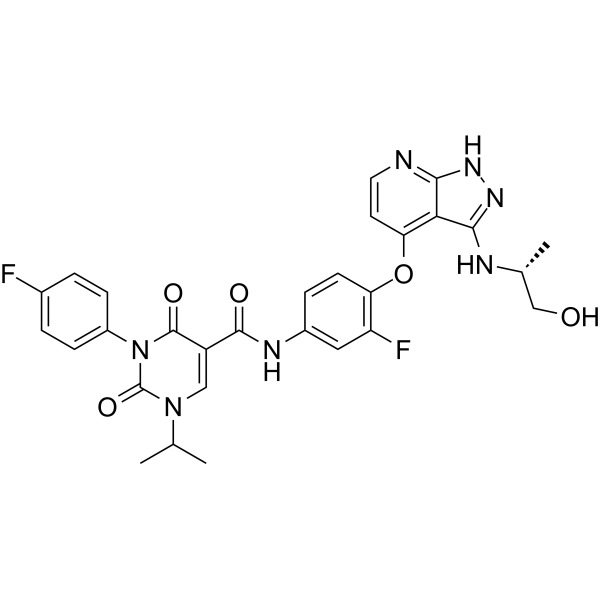
PF-07265807 (ARRY-067) is a kinase inhibitor with primary targets AXL, MERTK, and TYRO3. PF-07265807 acts as an immunomodulator that cross-activates CD8 + T cells by enhancing dendritic cell function. PF-07265807 blocks downstream signal transduction of AXL and MERTK, and inhibits the proliferation and migration of tumor cells with high expression of these two kinases. PF-07265807 is applicable to research related to advanced or metastatic solid tumors, such as colorectal cancer .
|
-
-
- HY-160696
-
|
|
CD73
|
Cancer
|
|
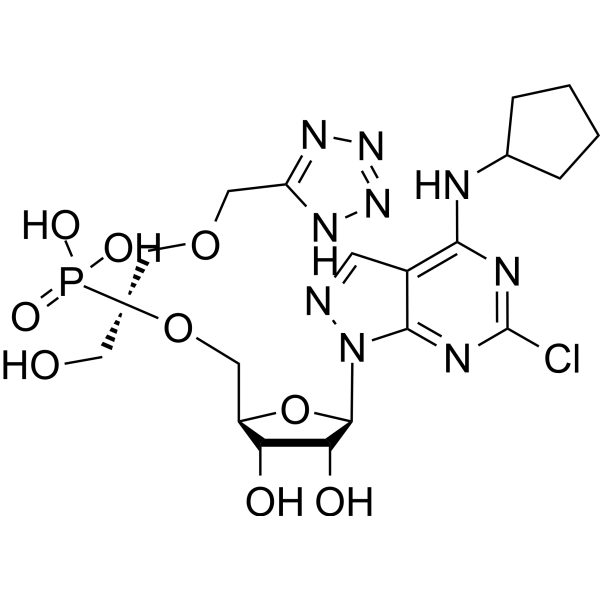
ORIC-533 is an orally active, highly selective, AMP-competitive CD73 inhibitor that potently blocks adenosine production with sub-nanomolar affinity (Ka=0.03 nM). In multiple myeloma, ORIC-533 restores and enhances the cytotoxicity of the immune system against tumor cells through multiple immunological mechanisms, including reversing the immunosuppressive microenvironment, inducing immunogenic cell death, and activating dendritic cells, T cells and NK cells, with no direct toxicity to normal cells. The combination of ORIC-533 with Daratumumab (HY-P9915) synergistically enhances anti-tumor efficacy, significantly increases intratumoral CD8 + T cell infiltration and inhibits tumor growth in vivo .
|
-
-
- HY-N0910
-
-
-
- HY-P10493
-
|
|
Amino Acid Derivatives
|
Cancer
|
|
NY-ESO-1 (157-165) peptide is a peptide fragment from NY-ESO-1 protein. NY-ESO-1 (157-165) peptide can activate the immune system, especially for HLA-A2 positive individuals, it can be recognized by CD8+ T cells, thus triggering an immune response. NY-ESO-1 (157-165) peptide is expressed in a variety of tumors and can be used as a target for tumor immunotherapy .
|
-

-
- HY-156850
-
|
|
HDAC
NF-κB
|
Cancer
|
|
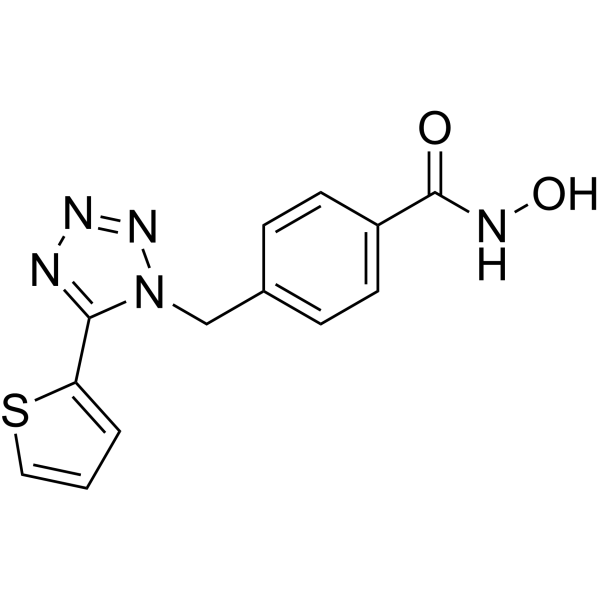
ITF 3756 is a selective, orally active HDAC6 inhibitor. ITF 3756 antagonizes TNF-α-induced activation of the NF-κB pathway. ITF 3756 reduces PD-L1 expression on human monocytes and CD8 + T cells, and exhibits antitumor activity. ITF 3756 can be used in colon cancer-related research .
|
-
-
- HY-P99759
-
|
IL-15N72D
|
Interleukin Related
|
Inflammation/Immunology
Cancer
|
|
Nogapendekin alfa (his tag), a soluble protein subunit of a human interleukin (IL)-15 variant, is a superagonist of IL-15. Nogapendekin alfa (his tag) promotes the proliferation and viability of immune cells. Nogapendekin alfa (his tag) combines with Inbakicept (HY-P99661) at a ratio of 2:1, to form N-803 (Nogapendekin alfa inbakicept), an IL-15 cytokine antibody fusion protein. N-803 reduces tumor burden by activation of NK cells and CD8 + T cells .
|
-

-
- HY-162133
-
|
|
STING
Apoptosis
IKK
IFNAR
NF-κB
|
Cancer
|
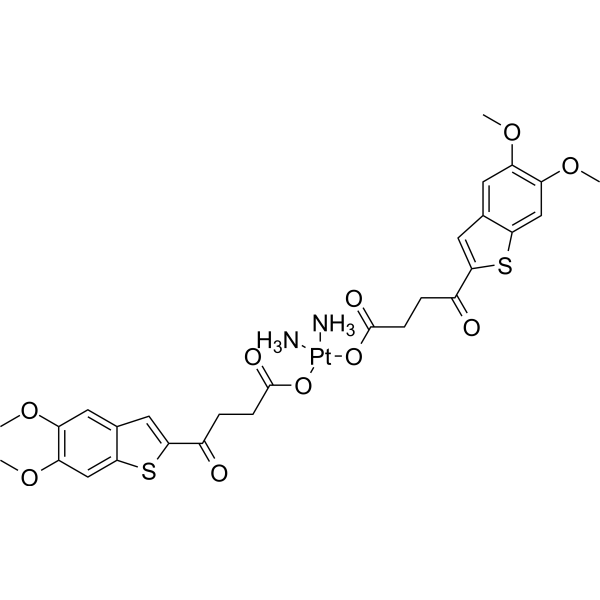
MSA-2-Pt, platinum salt-modified MSA-2 (HY-136927), is a STING agonist. MSA-2-Pt inducing cell
death by platinum and activating the STING pathway by MSA-2. MSA-2-Pt direct activates STING pathway, induces phosphorylation of TBK1, IRF3, and NF-κB p65. MSA-2-Pt enhances tumor infiltration of CD4 + and CD8 + T cells, and induces tumor cell death and apoptosis in mouse colon carcinoma and melanoma models .
|
-
-
- HY-P990238
-
|
|
EGFR
|
Inflammation/Immunology
Cancer
|
|
Anti-Human/Rat HER2 (neu) Antibody (7.16.4) is an anti-human and anti-rat HER2 IgG2a monoclonal antibody. Anti-Human/Rat HER2 (neu) Antibody (7.16.4) reduces tumor cell proliferation by inhibiting the HER2 signaling pathway. Anti-Human/Rat HER2 (neu) Antibody (7.16.4) can activate CD8 + T cells. Anti-Human/Rat HER2 (neu) Antibody (7.16.4) can be used for research on cancer such as breast cancer .
|
-

-
- HY-P990004
-
|
|
Tim3
|
Inflammation/Immunology
Cancer
|
|
Anti-Mouse TIM-3 Antibody (B8.2C12) is an anti-mouse TIM-3 IgG1 monoclonal antibody. Anti-Mouse TIM-3 Antibody (B8.2C12) can block the binding of Tim-3 with Phosphatidylserine (PtdSer) and CEACAM1 without interfering with the binding to Galectin-9. Anti-Mouse TIM-3 Antibody (B8.2C12) can inhibit tumor growth and activate tumor infiltrating CD8 + T cells. Anti-Mouse TIM-3 Antibody (B8.2C12) can be used for studying cancer such as breast cancer and colon cancer and constructing experimental autoimmune encephalomyelitis (EAE) models .
|
-

-
- HY-P991402
-
|
|
TNF Receptor
|
Cancer
|
|
BI-1910 is a human monoclonal antibody (mAb) targeting TNFRSF1B. BI-1910 enhances T cell activation and induces CD8 T cell-dependent anti-tumor effects. BI-1910 can be used in solid tumors research. Recommended isotype control: Human IgG2 lambda, Isotype Control (HY-P991206) .
|
-

-
- HY-168528
-
WS-917
1 Publications Verification
|
P-glycoprotein
|
Cancer
|
|
WS-917 is a potent and orally active ABCB1 modulator. WS-917 enhances ABCB1 ATPase activity. WS-917 significantly enhances the antitumor effect of paclitaxel combined with anti-PD-1 antibody. WS-917 promotes CD8 + T-cell activation .
|
-

-
- HY-145239
-
|
|
PD-1/PD-L1
|
Cancer
|
|
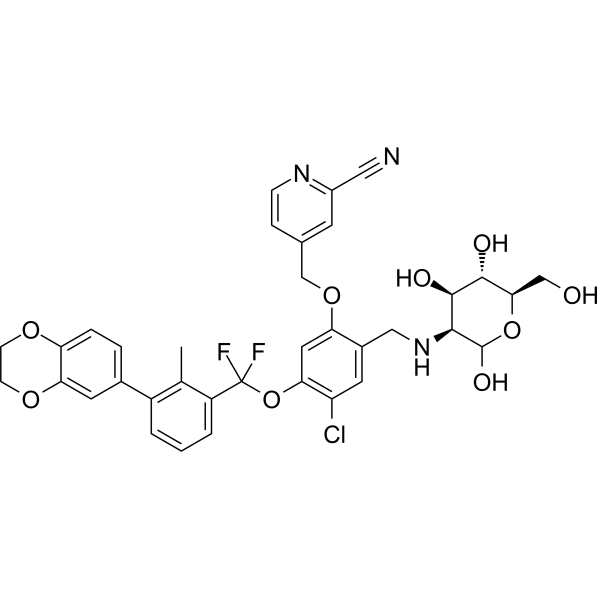
PD-1/PD-L1-IN-13 (Compound 43) is a potent immune checkpoint PD-1/PD-L1 inhibitor with an IC50 value of 10.2 nM. PD-1/PD-L1-IN-13 promots CD8 + T cell activation and delays the tumor growth in the Hepa1-6 syngeneic mouse model .
|
-
-
- HY-P10493A
-
|
|
Amino Acid Derivatives
|
Cancer
|
|
NY-ESO-1 (157-165) peptide (TFA) is a peptide fragment from NY-ESO-1 protein. NY-ESO-1 (157-165) peptide (TFA) can activate the immune system, especially for HLA-A2 positive individuals, it can be recognized by CD8+ T cells, thus triggering an immune response. NY-ESO-1 (157-165) peptide (TFA) is expressed in a variety of tumors and can be used as a target for tumor immunotherapy .
|
-

-
- HY-P990180
-
|
|
C-type Lectin-like Receptors (CTLRs)
|
Inflammation/Immunology
Cancer
|
|
Anti-Mouse NKG2A/C/E Antibody (20D5) is an anti-mouse NKG2A/C/E IgG2a monoclonal antibody. Anti-Mouse NKG2A/C/E Antibody (20D5) can activate natural killer (NK) and CD8 + T cells. Anti-Mouse NKG2A/C/E Antibody (20D5) can exacerbate liver pathological damage by enhancing the activation of iNKT cells. Anti-Mouse NKG2A/C/E Antibody (20D5) can be used for researches on cancer and immunology such as lymphoma .
|
-
-
- HY-P990115
-
|
|
Orexin Receptor (OX Receptor)
|
Inflammation/Immunology
Cancer
|
|
Anti-Mouse OX40/CD134 Antibody (OX-86) is an anti-mouse OX40/CD134 IgG1 monoclonal antibody. Anti-Mouse OX40/CD134 Antibody (OX-86) can enhance the anti-tumor function of CD8 + T cells. Anti-Mouse OX40/CD134 Antibody (OX-86) can reverse immune suppression, enhance antigen presentation and T cell activation. Anti-Mouse OX40/CD134 Antibody (OX-86) can be used for research on cancer such as papilloma and leukemia .
|
-
-
- HY-179047
-
|
|
Toll-like Receptor (TLR)
MyD88
IKK
p38 MAPK
ERK
TNF Receptor
Interleukin Related
|
Inflammation/Immunology
Cancer
|
|
SMU-L11-R is a selective TLR7 agonist with an EC50 of 0.012 μM for human TLR7. SMU-L11-R specifically activates TLR7, recruits MyD88, and triggers MAPK/NF-κB pathways, leading to TNF-α/IL-1β/IL-6 secretion in both mouse and human peripheral blood mononuclear cells. SMU-L11-R promotes M1-like macrophage polarization. SMU-L11-R exhibits excellent synergistic anti-tumor effects with PD-L1 inhibitors by upregulating CD8 +T cells. SMU-L11-R shows potential in colorectal cancer studies .
|
-

-
- HY-P991655
-
|
|
IFNAR
HIV
|
Infection
Inflammation/Immunology
|
|
AGS-009 is a humanized monoclonal neutralising antibody targeting IFN-α. AGS-009 significantly reduces activated lymphocytes, such as CD4 + and CD8 + T cells as well as B cells in SIV infection rhesus macaque models. AGS-009 can be used for autoimmune diseases like systemic lupus erythematosus (SLE) and HIV infections research .
|
-

-
- HY-157793
-
|
|
Toll-like Receptor (TLR)
NF-κB
MAPKAPK2 (MK2)
|
Inflammation/Immunology
Cancer
|
|
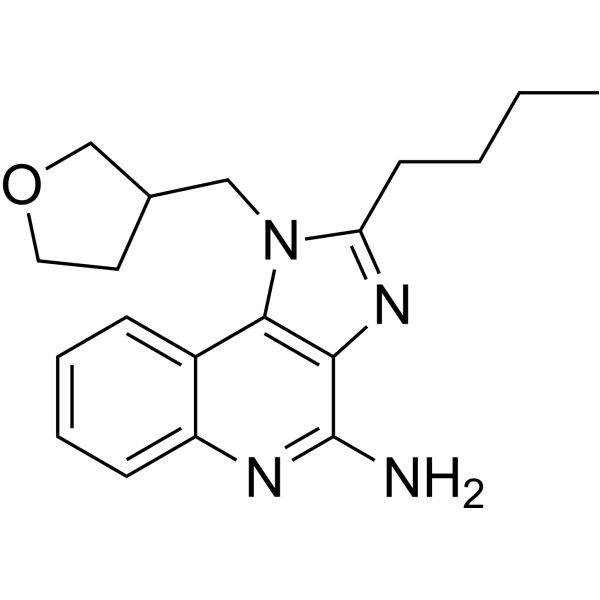
SMU-L11 is a specific TLR7 agonist (EC50=0.024 μM), which recruits MyD88 adapter protein and activates downstream NF-κB and MAPK signaling pathways. In murine models, SMU-L11 significantly enhances immune cell activation and promotes the proliferation of CD4 + T and CD8 + T cells, thereby directly killing tumor cells and inhibiting tumor growth. SMU-L11 can be used for cancer research, and also has the potential for studying immune system diseases .
|
-
-
- HY-P10835
-
|
|
LAG-3
|
Cancer
|
|
LAG-3 cyclic peptide inhibitor C25 is a LAG-3 inhibitor. LAG-3 cyclic peptide inhibitor C25 has a high affinity with human LAG-3 protein with a Kd value of 0.66 μM. LAG-3 cyclic peptide inhibitor C25 can block the interaction of LAG-3 with HLA-DR (MHC-II) and activate CD8 + T cells. LAG-3 cyclic peptide inhibitor C25 can be used in the study of cancer .
|
-

-
- HY-P10371
-
|
txCD47
|
Reactive Oxygen Species (ROS)
Thrombopoietin Receptor
Mitochondrial Metabolism
HSP
HSV
CD47
|
Infection
Inflammation/Immunology
Cancer
|
|
PKHB1 (txCD47) is a CD47 agonist and Thrombospondin-1 peptide mimetic. PKHB1 activates CD47 and triggers Caspase-independent, calcium-dependent cell death via mitochondrial alterations, ROS production, endoplasmic reticulum morphological changes, and dissipation of mitochondrial membrane potential. PKHB1 induces the exposure of Calreticulin, HSP70, and HSP90, thereby driving immunogenic cell death. PKHB1 promotes intratumoral CD8 + T cell infiltration and inhibits breast tumorigenesis. PKHB1 reduces HSV-1 levels and alleviates the severity of herpes simplex keratitis. PKHB1 can be used in research related to breast cancer, herpes simplex keratitis, and T-cell acute lymphoblastic leukemia .
|
-

-
- HY-175459
-
|
|
PROTACs
FAK
|
Inflammation/Immunology
Cancer
|
|
PROTAC FAK degrader 3 is a selective FAK PROTAC degrader (DC50 = 1.08 nM). PROTAC FAK degrader 3 induces FAK degradation dependent on the ubiquitin-proteasome system and its binding to FAK and CRBN. PROTAC FAK degrader 3 upregulates MHC-I gene transcription and tumor cell surface expression by inhibiting the non-catalytic activity of FAK, leading to increased antigen presentation and activation of cytotoxic CD8 T cells. PROTAC FAK degrader 3 enhances in vivo anti-tumor activity by promoting MHC-I expression and enhancing T cell activation. PROTAC FAK degrader 3 can be used in cancer research targeting FAK degradation in ovarian cancer, hepatocellular carcinoma, and other cancers. (Pink: FAK-IN-3:HY-143407, Blue: Thalidomide-4-OH:HY-103596, Blue + Black: FAK ligand-3: HY-W939883, Black: Linker) .
|
-

-
- HY-178032
-
|
|
PARP
Apoptosis
Reactive Oxygen Species (ROS)
DNA/RNA Synthesis
STING
|
Cancer
|
|
PARP1-IN-44, an Olaparib (HY-10162) derivative, is an orally active PARP1 inhibitor (IC50 = 0.6 nM), and also inhibits PARP2 (IC50 = 1.0 nM) and PARP7 (IC50 = 7.5 nM). PARP1-IN-44 has selective antiproliferative activity against BRCA-deficient cancer cells with minimal toxicity to normal cells. PARP1-IN-44 induces G2/M phase arrest, promotes apoptosis, elevates ROS levels, disrupts mitochondrial membrane potential. PARP1-IN-44 suppresses PARylation while increasing γH2AX accumulation. PARP1-IN-44 activates the cGAS-STING pathway, upregulating IFN-β and CXCL10 expression. PARP1-IN-44 enhancing CD8+ T cell infiltration in a CT26 tumor mouse model, demonstrating robust in vivo antitumor efficacy .
|
-

-
- HY-177300
-
|
|
Toll-like Receptor (TLR)
HBV
IFNAR
Interleukin Related
|
Infection
Inflammation/Immunology
|
|
TLR7/8 agonist 13 is an orally active dual agonist of TLR7 (lowest effective concentrations (LEC) [hTLR7] = 1.6 μM) and TLR8 (LEC [hTLR8] = 1.6 μM). TLR7/8 agonist 13 exhibits agonistic activity against human peripheral blood mononuclear cells (hPBMCs) (LEC [hPBMC] = 0.5 μM). TLR7/8 agonist 13 induces endogenous IFNα, activating myeloid dendritic cells and monocytes toward a TH1 phenotype in mice and cynomolgus monkeys. TLR7/8 agonist 13 reduces viral load and HBV surface antigen expression in a mouse model of chronic AAV-HBV infection. TLR7/8 agonist 13 has the potential to indirectly induce IFNγ, which may promote HBV antigen-specific CD8 T cell-mediated responses. TLR7/8 agonist 13 can be used to study hepatitis B virus .
|
-

-
- HY-P991318
-
|
|
Mucin
|
Cancer
|
|
AR20.5 is a human monoclonal antibody (mAb) targeting MUC1. AR20.5 increases the number of activated CD8 T cells, CD3+CD4−CD8−(DN) T cells, and mature dendritic cells in pancreatic tumor-bearing mice. AR20.5 can be used in anti-pancreatic cancer immunity research .
|
-

-
- HY-168078
-
|
|
PD-1/PD-L1
|
Inflammation/Immunology
Cancer
|
|
PD-1/PD-L1-IN-50 (Compound LG-12) is a PD-1/PD-L1 inhibitor. PD-1/PD-L1-IN-50 increases the secretion of IFN-γ to promote CD8 + T cell activation, and activates the antitumor immunity of T cells .
|
-

-
- HY-175472
-
|
|
Phosphatase
Apoptosis
|
Cancer
|
|
(GalNAc)3-CPT is a glycoconjugate prodrug that targets the asialoglyco-protein receptor (ASGR) overexpressed on hepatocytes. (GalNAc)3-CPT exhibits significant antitumor activity (IC50 value of 3.07 μM in HepG2 cells) by activating the cGAS-STING pathway and promoting CD8+ T cell infiltration into tumors, thereby inducing tumor cell apoptosis .
|
-

-
- HY-146740
-
|
|
PD-1/PD-L1
|
Cancer
|
|
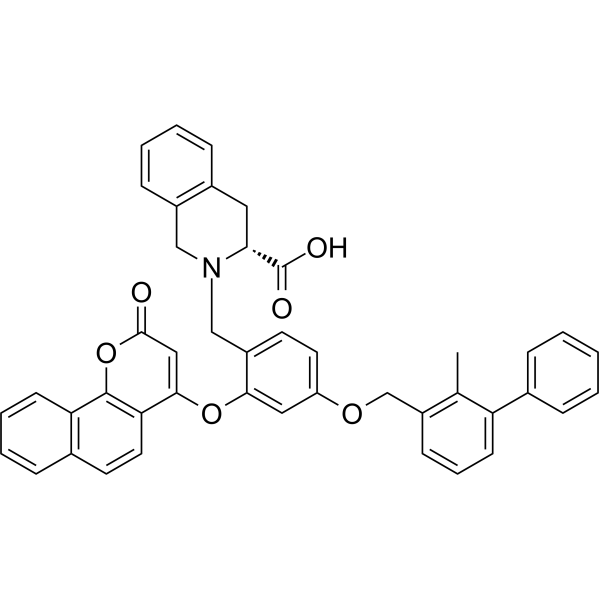
PD-1/PD-L1-IN-27 is a potent PD-1/PD-L1 inhibitor with an IC50 value of 134 nM. PD-1/PD-L1-IN-27 shows antitumor effects with low T cell cytotoxicity. PD-1/PD-L1-IN-27 has the ability to activate CD8 + T cells and reduces T cell exhaustion .
|
-
-
- HY-P10826
-
|
|
PD-1/PD-L1
|
Cancer
|
|
PD-1/PD-L1 inhibitory peptide C8 is inhibits PD-1/PD-L1 interaction, promotes the activation of CD8+ and CD4+ T cells, and increases the IFN-γ secretion. PD-1/PD-L1 inhibitory peptide C8 exhibits antitumor efficacy in mouse model .
|
-

-
- HY-P10662
-
|
|
MHC
|
Infection
Inflammation/Immunology
|
|
HLA-B*0801-binding EBV peptide is an Epstein-Barr virus (EBV) epitope FLRGRAYGL. HLA-B*0801-binding EBV peptide can bind to the HLA-B*0801 molecule. HLA-B*0801-binding EBV peptide can be presented to CD8+ T cells through HLA-B*0801 to activate a specific immune response .
|
-

-
- HY-P10509
-
|
|
CMV
|
Infection
|
|
IE1 peptide refers to an antigenic peptide encoded by the immediate early (IE) gene of mouse cytomegalovirus (mCMV). IE1 peptide is one of the key antigenic peptides expressed during mCMV infection, plays a role in transcriptional activation in the life cycle of mCMV, and is one of the earliest genes expressed in the viral replication cycle. IE1 peptide is an important target for CD8+ T cell response and can be used to study the host immune response to mCMV infection .
|
-

-
- HY-157055
-
|
|
PD-1/PD-L1
|
Cancer
|
|
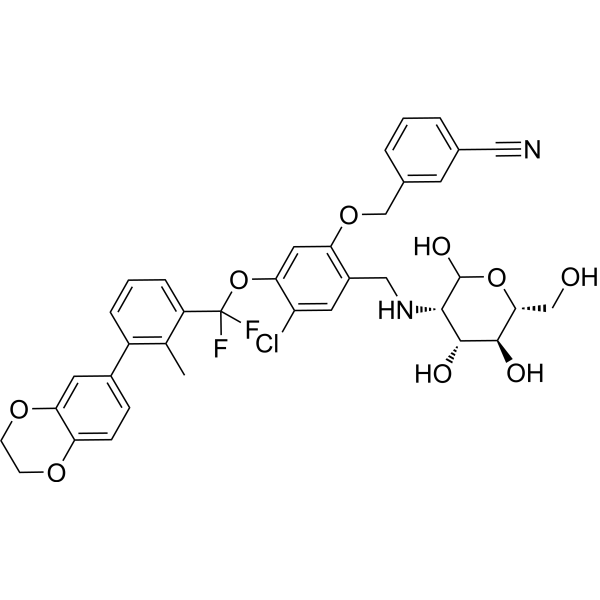
PD-1-IN-25 (compound 43) is a potent PD-1/PD-L1 interaction inhibitor with an IC50 value of 10.2 nM in the HTRF assay. PD-1-IN-25 can promote CD8+ T cell activation through inhibiting PD-1/PD-L1 cellular signaling. PD-1-IN-25 delays the tumor growth .
|
-
-
- HY-P3070
-
|
|
MHC
|
Infection
Others
|
|
H2-D b restricted epitopes VSV Nucleoprotein (52-59) is a 9-mer peptide derived from the nucleoprotein of Vesicular Stomatitis Virus (VSV). H2-D b restricted epitopes VSV Nucleoprotein (52-59) binds to MHC class I molecules and presents itself to CD8+ T cells, thereby activating cytotoxic T lymphocytes (CTLs), which can recognize and kill cells expressing the corresponding antigen. H2-D b restricted epitopes VSV Nucleoprotein (52-59) can be used in the development of CTL vaccines against Ebola virus .
|
-

-
- HY-P99911
-
|
MEDI-6383
|
Orexin Receptor (OX Receptor)
|
Inflammation/Immunology
Cancer
|
|
Efizonerimod alfa (MEDI-6383) is a recombinant human OX40L IgG4P Fc fusion protein that assembles into a hexameric structure and exerts potent agonist activity upon binding to OX40. The activity of Efizonerimod alfa is enhanced by Fcγ receptor-mediated aggregation. Efizonerimod alfa binds to OX40 on the surface of activated T cells, induces NF-κB promoter activity in OX40-expressing T cells, and triggers the production of Th1-type cytokines, T cell proliferation, and resistance to regulatory T cell (Treg)-mediated suppression. Efizonerimod alfa enhances the cytolytic activity of tumor-reactive T cells and slows tumor growth in immunodeficient mice. Efizonerimod alfa induces the proliferation of CD4, CD8, and B cells in the peripheral blood of healthy non-human primates. Efizonerimod alfa can be used in the research of advanced solid malignancies and melanoma .
|
-

-
- HY-149493
-
|
|
PI3K
|
Inflammation/Immunology
Cancer
|
|
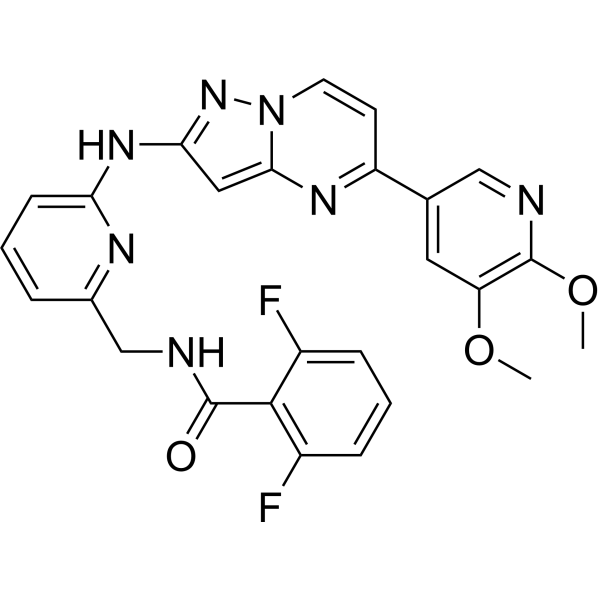
IHMT-PI3K-455 (Compound 15u) is a potent, selective, orally active PI3Kγ/δ dual inhibitor with IC50s of 7.1 nM and 0.57 nM for PI3Kγ and PI3Kδ, respectively. IHMT-PI3K-455 suppresses the AKT phosphorylation. IHMT-PI3K-455 inhibits tumor growth by recruiting and activating more CD8 + killing T cells.IHMT-PI3K-455 is used in cancer research .
|
-
-
- HY-159892
-
|
|
PD-1/PD-L1
IFNAR
Interleukin Related
PI3K
Akt
|
Cancer
|
|
PD-1/PD-L1-IN-54 (Compound 6) is a moderately affinic PD-1/PD-L1 inhibitor (KD: PD-1, 55.8 μM; PD-L1, 46.4 μM; IC50: 88.6 μM). PD-1/PD-L1-IN-54 inhibits PD-1/PD-L1 interactions and shows anticancer activity by activating CD8 + T cells, upregulating PD-1 expression, and increasing secretion of IFN-γ and IL-2. PD-1/PD-L1-IN-54 inhibits cancer cell proliferation and promotes apoptosis. PD-1/PD-L1-IN-54 also regulates T cell immunity through the PI3K/Akt pathway correlated with PD-1/PD-L1 .
|
-

-
- HY-162080A
-
|
|
DNA Methyltransferase
Pyruvate Kinase
|
Cancer
|
|
METTL1-WDR4-IN-1 (Compound 1) TFA is a selective competitive inhibitor of the methyltransferase complex METTL1-WDR4 (IC50=144 μM). METTL1-WDR4-IN-1 TFA inhibits the m 7G methyltransferase activity of the METTL1-WDR4 complex, blocking the m 7G modification of PKM mRNA, reducing PKM2 protein expression, disrupting the METTL1/PKM2/H3K9la positive feedback loop, and simultaneously inhibiting PKM2 nuclear translocation-mediated CD155 transcriptional activation. METTL1-WDR4-IN-1 TFA can inhibit tumor cell proliferation, weaken glycolytic metabolism, reverse tumor immune evasion (restoring NK cell and CD8 + T cell function), and regulate RNA epigenetic modification and the tumor immune microenvironment. METTL1-WDR4-IN-1 TFA can be used in immunotherapy research for cancers such as colorectal cancer, and is particularly suitable for use in combination with PKM2 inhibitors to enhance anti-tumor treatment efficacy .
|
-

- HY-P992030
-
|
|
Transmembrane Glycoprotein
|
Inflammation/Immunology
|
|
FB102 is an anti-human CD122 (IL-2Rβ) monoclonal antibody with selective activity. FB102 blocks the proliferation and activation of pathogenic NK cells and specific T cell subsets induced by IL-2 and IL-15, without affecting the proliferation of regulatory T cells. FB102 inhibits IL-2/IL-15-induced activation of CD4+ and CD8+ T cells in in vitro disease models. FB102 is applicable to research related to celiac disease .
|
-

- HY-P992056
-
|
|
Autophagy
|
Cancer
|
|
Anti-Human/Mouse LY6E Antibody (9B12) is a high-affinity, multi-target antibody that binds specifically to LY6E. Anti-Human/Mouse LY6E Antibody (9B12) binds specifically to cell-surface LY6E and enters lysosomes via lipid raft-dependent endocytosis, thereby effectively inhibiting the growth of various LY6E-expressing solid tumors (such as breast cancer and lung cancer) in both in vitro and in vivo models. Anti-Human/Mouse LY6E Antibody (9B12) exerts a dual mechanism of action: on one hand, it blocks the interaction between PILRα and CD8α, specifically reduces the survival rate of peripheral CD8 + T cells and induces their activation, breaking the state of cellular quiescence; on the other hand, it recognizes and immunoprecipitates IDE under both non-denaturing and denaturing conditions, which is applicable to studies on the subcellular localization and protein interactions of IDE. The regulatory effect of Anti-Human/Mouse LY6E Antibody (9B12) on CD8 + T cells strictly depends on the presence of PILRα, and it does not affect CD4 + T cells or T cell development in the thymus, exhibiting high specificity .
|
-

- HY-186140
-
|
|
SHP1
Phospholipase
ERK
Interleukin Related
|
Inflammation/Immunology
Cancer
|
|
SHP1‑IN‑2 is a selective and orally active SHP1 inhibitor. SHP1‑IN‑2 covalently binds to Cys480 of SHP1. SHP1‑IN‑2 elicits potent antitumor immunity and suppresses syngeneic tumor growth. SHP1‑IN‑2 blocks tumor progression in a svngeneic cancer model by
activating natural killer cells and cytotoxic CD8 + T cells, along with reduced T cel
l. SHP1‑IN‑2 can be used for cancer‑related research .
|
-

- HY-P992408
-
|
|
TNF Receptor
NF-κB
MHC
IFNAR
|
Cancer
|
|
MEDI-5083 is an Fc fusion protein that targets CD40 and is a CD40 agonist. MEDI-5083 stimulates CD40 signaling via NF-κB activation. MEDI-5083 upregulates MHCII, CD80, and CD86 expression, induces pro-inflammatory cytokine secretion, and enhances IFN-γ secretion by memory CD8+ T cells. MEDI-5083 can be used for the research of melanoma, colon carcinoma, and advanced solid tumors[1][2].
|
-

- HY-183866
-
|
Maleimide-KGDEVD-doxorubicin
|
HSP
IFNAR
|
Cancer
|
|
MPD-1 (Maleimide-KGDEVD-doxorubicin) is a peptide drug conjugate (PDC). MPD-1 enhances CD8 + T cell tumor infiltration, and activates antigen-presenting cells. MPD-1 enables dual-trigger payload release, amplifies cytotoxicity via in situ feedback, and selectively delivers payload to tumor microenvironments via enhanced albumin metabolism and macropinocytosis. MPD-1 exhibits antitumor efficacy in mouse colorectal cancer models. MPD-1 can be used for the research of colorectal cancer .
|
-

- HY-P992434
-
|
|
PD-1/PD-L1
SHP1
Interleukin Related
|
Cancer
|
|
OSE-279 is a high-affinity humanized monoclonal bivalent antibody targeting PD-1, the recommended isotype control is HY-P99003. OSE-279 blocks PD-1 ligand binding, inhibits PDL1-induced SHP1 phosphorylation, restores T cell activation, and promotes reactivation of primary T cell effector functions. OSE-279 binds hFcRn receptor, predicts long half-life, induces CD4 and CD8 T cell proliferation, and promotes interleukin 2 and interferon gamma secretion. OSE-279 can be used for the research of advanced malignancies, colon cancer, hepatocarcinoma, mesothelioma .
|
-

- HY-P992366
-
|
|
Galectin
Tim3
|
Cancer
|
|
HFB200901 is a galectin LGALS9 inhibitor and immunostimulant that can be used in studies related to pancreatic adenocarcinoma, pancreatic intraepithelial neoplasia, KRAS G12C-mutant colon cancer, and prostate cancer. HFB200901 disrupts the LGALS9/TIM-3 axis, while blocking the internalization and vacuolization of recombinant LGALS9. HFB200901 reduces the proportion of regulatory T cells (Treg) and enhances dendritic cell activation, thereby inducing polyfunctional and memory CD8 + T cell responses. HFB200901 inhibits the progression of pancreatic neoplastic lesions and effectively improves the efficacy of PSMA-based vaccination .
|
-

- HY-182802
-
|
|
Ferroptosis
Glutathione Peroxidase
Reactive Oxygen Species (ROS)
Mitochondrial Metabolism
|
Cancer
|
|
Ferroptosis inducer-15 is a ferroptosis inducer. Ferroptosis inducer-15 downregulates GPX4 expression, triggers lipid peroxidation via ROS accumulation, and disrupts mitochondrial membrane potential to drive ferroptosis. Ferroptosis inducer-15 increases splenic CD4 + T cell proportion, promotes CD8 + cytotoxic T cell tumor infiltration, and activates antitumor immune responses. Ferroptosis inducer-15 exerts antiproliferative activity against colorectal cancer cells and inhibits tumor growth in xenograft mice models without significant body weight loss. Ferroptosis inducer-15 can be used for the research of cancer, such as colorectal cancer .
|
-

- HY-183554
-
|
|
TrxR
Glutathione Peroxidase
Ferroptosis
Reactive Oxygen Species (ROS)
IFNAR
STAT
|
Cancer
|
|
Fa-Au is a TrxR inhibitor. Fa-Au downregulates GPX4, induces oxidative stress, mitochondria-associated ferroptosis (ferroptosis) and immunogenic cell death. Fa-Au induces ROS production in hepatoma cells. Fa-Au remodels the tumor immune microenvironment via M1 macrophage polarization, dendritic cell maturation, CD8+ T cell activation and reduction of regulatory T cells. Fa-Au induces an anti-tumor immune feedback loop through the IFNγ/STAT1/SLC7A11 axis. Fa-Au inhibits tumor growth. Fa-Au is applicable to hepatocellular carcinoma-related research .
|
-

- HY-182644
-
|
|
Toll-like Receptor (TLR)
NF-κB
TNF Receptor
Interleukin Related
|
Cancer
|
|
SMU-Z1 is a TLR1/2 heterodimer agonist with an EC50 of 4.88 nM. SMU-Z1 activates the NF-κB pathway, triggers pro-inflammatory cytokine production, and induces the generation of TNF-α, IL-1β, IL-6 and NO. SMU-Z1 promotes splenocyte proliferation and upregulates the expression of CD8 +T cells, NK cells and dendritic cells. SMU-Z1 exhibits significant anti-tumor effects in mouse leukemia models. SMU-Z1 can be used for leukemia-related research .
|
-

- HY-P992062
-
|
|
PD-1/PD-L1
|
Inflammation/Immunology
|
|
Anti-Mouse CD80 Antibody (TKMG48) is an antibody that targets mouse CD80. By specifically binding to and disrupting the CD80:PD-L1 complex to release PD-L1, Anti-Mouse CD80 Antibody (TKMG48) functions as an indirect PD-1 agonist without blocking CD28 co-stimulation or CD80-CTLA4 binding. Anti-Mouse CD80 Antibody (TKMG48) inhibits T cell activation, reduces T cell effector functions and antigen-specific CD8 + T cell populations, and does not interfere with the differentiation, migration, antigen presentation or surface marker expression of dendritic cells. Anti-Mouse CD80 Antibody (TKMG48) significantly attenuates disease severity in mouse models of arthritis, spondyloarthritis, multiple sclerosis and Sjögren's syndrome, and its activity depends on the expression of PD-1 and PD-L1 .
|
-

- HY-183784
-
|
|
P2X Receptor
FAK
MMP
|
Cancer
|
|
P2X7R antagonist-1 is an orally active P2X7 receptor antagonist with an IC50 of 3.57 μM. P2X7R antagonist-1 inhibits the proliferation, invasion and metastasis abilities of cancer cells. P2X7R antagonist-1 downregulates the expression of FAK and MMP-9. P2X7R antagonist-1 suppresses tumor growth and metastasis in a mouse breast cancer model. P2X7R antagonist-1 promotes the activation of CD4 and CD8 T cells. P2X7R antagonist-1 can be used in breast cancer-related research .
|
-

| Cat. No. |
Product Name |
Target |
Research Area |
-
- HY-P10102
-
Kp7-6
2 Publications Verification
|
Apoptosis
PERK
NF-κB
Caspase
JNK
|
Inflammation/Immunology
Cancer
|
|
Kp7-6 is a Fas mimetic peptide and also a Fas/FasL antagonist. Kp7-6 specifically binds to Fas and FasL, disrupts receptor complexes, and blocks downstream apoptosis signaling pathways. Kp7-6 inhibits the phosphorylation of ERK1-2, induces the phosphorylation of IκBα, and activates NF-κB. Kp7-6 inhibits the activation of caspase-8, caspase-3 and JNK, and suppresses human amylin-induced β-cell apoptosis. Kp7-6 inhibits FasL-induced lymphoid cytotoxicity and apoptosis. Kp7-6 reduces local tumor FasL expression, increases CD8 +Fas + T cell infiltration, and decreases tumor volume in pancreatic neuroendocrine tumor models. Kp7-6 prevents concanavalin A-induced liver injury in mice. Kp7-6 is applicable to research related to type 2 diabetes, concanavalin A-induced hepatitis and pancreatic neuroendocrine tumors .
|
-
- HY-P10493
-
|
|
Amino Acid Derivatives
|
Cancer
|
|
NY-ESO-1 (157-165) peptide is a peptide fragment from NY-ESO-1 protein. NY-ESO-1 (157-165) peptide can activate the immune system, especially for HLA-A2 positive individuals, it can be recognized by CD8+ T cells, thus triggering an immune response. NY-ESO-1 (157-165) peptide is expressed in a variety of tumors and can be used as a target for tumor immunotherapy .
|
-
- HY-P10493A
-
|
|
Amino Acid Derivatives
|
Cancer
|
|
NY-ESO-1 (157-165) peptide (TFA) is a peptide fragment from NY-ESO-1 protein. NY-ESO-1 (157-165) peptide (TFA) can activate the immune system, especially for HLA-A2 positive individuals, it can be recognized by CD8+ T cells, thus triggering an immune response. NY-ESO-1 (157-165) peptide (TFA) is expressed in a variety of tumors and can be used as a target for tumor immunotherapy .
|
-
- HY-P10835
-
|
|
LAG-3
|
Cancer
|
|
LAG-3 cyclic peptide inhibitor C25 is a LAG-3 inhibitor. LAG-3 cyclic peptide inhibitor C25 has a high affinity with human LAG-3 protein with a Kd value of 0.66 μM. LAG-3 cyclic peptide inhibitor C25 can block the interaction of LAG-3 with HLA-DR (MHC-II) and activate CD8 + T cells. LAG-3 cyclic peptide inhibitor C25 can be used in the study of cancer .
|
-
- HY-P10371
-
|
txCD47
|
Reactive Oxygen Species (ROS)
Thrombopoietin Receptor
Mitochondrial Metabolism
HSP
HSV
CD47
|
Infection
Inflammation/Immunology
Cancer
|
|
PKHB1 (txCD47) is a CD47 agonist and Thrombospondin-1 peptide mimetic. PKHB1 activates CD47 and triggers Caspase-independent, calcium-dependent cell death via mitochondrial alterations, ROS production, endoplasmic reticulum morphological changes, and dissipation of mitochondrial membrane potential. PKHB1 induces the exposure of Calreticulin, HSP70, and HSP90, thereby driving immunogenic cell death. PKHB1 promotes intratumoral CD8 + T cell infiltration and inhibits breast tumorigenesis. PKHB1 reduces HSV-1 levels and alleviates the severity of herpes simplex keratitis. PKHB1 can be used in research related to breast cancer, herpes simplex keratitis, and T-cell acute lymphoblastic leukemia .
|
-
- HY-P10535
-
|
|
Peptides
|
Others
|
|
The AAV-8 NSL epitope is a specific CD8+ T cell epitope identified from the capsid of an adeno-associated virus (AAV) serotype 8. The AAV-8 NSL epitope has a high affinity for MHC I molecules and is able to bind to MHC I molecules, thereby activating CD8+ T cells. The AAV-8 NSL epitope can be used to study the impact of T cell-mediated immune responses on AAV-mediated gene transfer .
|
-
- HY-P10826
-
|
|
PD-1/PD-L1
|
Cancer
|
|
PD-1/PD-L1 inhibitory peptide C8 is inhibits PD-1/PD-L1 interaction, promotes the activation of CD8+ and CD4+ T cells, and increases the IFN-γ secretion. PD-1/PD-L1 inhibitory peptide C8 exhibits antitumor efficacy in mouse model .
|
-
- HY-P10662
-
|
|
MHC
|
Infection
Inflammation/Immunology
|
|
HLA-B*0801-binding EBV peptide is an Epstein-Barr virus (EBV) epitope FLRGRAYGL. HLA-B*0801-binding EBV peptide can bind to the HLA-B*0801 molecule. HLA-B*0801-binding EBV peptide can be presented to CD8+ T cells through HLA-B*0801 to activate a specific immune response .
|
-
- HY-P10509
-
|
|
CMV
|
Infection
|
|
IE1 peptide refers to an antigenic peptide encoded by the immediate early (IE) gene of mouse cytomegalovirus (mCMV). IE1 peptide is one of the key antigenic peptides expressed during mCMV infection, plays a role in transcriptional activation in the life cycle of mCMV, and is one of the earliest genes expressed in the viral replication cycle. IE1 peptide is an important target for CD8+ T cell response and can be used to study the host immune response to mCMV infection .
|
-
- HY-P3070
-
|
|
MHC
|
Infection
Others
|
|
H2-D b restricted epitopes VSV Nucleoprotein (52-59) is a 9-mer peptide derived from the nucleoprotein of Vesicular Stomatitis Virus (VSV). H2-D b restricted epitopes VSV Nucleoprotein (52-59) binds to MHC class I molecules and presents itself to CD8+ T cells, thereby activating cytotoxic T lymphocytes (CTLs), which can recognize and kill cells expressing the corresponding antigen. H2-D b restricted epitopes VSV Nucleoprotein (52-59) can be used in the development of CTL vaccines against Ebola virus .
|
| Cat. No. |
Product Name |
Target |
Research Area |
Image |
-
- HY-P990688
-
|
AMG-509
|
CD3
|
Cancer
|
|
Xaluritamig (AMG-509) is a bispecific T cell engager and cytolytic agent with a Kd of 27.6 nM for human CD3ε. Xaluritamig binds to CD3ε via an anti-CD3 single-chain variable fragment (scFv) domain, and to STEAP1 via a bispecific anti-STEAP1 antigen-binding fragment (Fab) domain, thereby recruiting and activating T cells and forming a bridge between T cells and STEAP1-expressing cancer cells. Xaluritamig induces T cell-mediated redirected cytotoxicity, tumor cell lysis, cytokine release, CD8 + T cell activation and expansion, as well as tumor stasis or regression. Xaluritamig contains an Fc domain with no effector function, which prolongs serum half-life, exhibits only minimal activity against cells with low STEAP1 expression and normal cells, and shows extremely low target-related off-tumor toxicity in cynomolgus monkeys. Xaluritamig is used in STEAP1×CD3 XmAb 2+1 immunotherapy and in research on metastatic castration-resistant prostate cancer and Ewing sarcoma .
|
-

(5)
-
- HY-P99129
-
|
|
Transmembrane Glycoprotein
|
Inflammation/Immunology
|
|
Anti-Mouse CD8a Antibody (53-6.7) is an anti-mouse CD8a IgG2a antibody inhibitor derived from host Rat. Anti-Mouse CD8a Antibody (53-6.7) binds to CD8αβ stabilizes a conformation with a higher affinity for interaction with MHC class I. Anti-Mouse CD8a Antibody (53-6.7) induces the phosphorylation and activation of TCR proximal signaling pathway components Lck and ZAP70 in polyclonal memory T cells. Anti-Mouse CD8a Antibody (53-6.7) depletes CD8+ T cells and neutralizes cytokine in mice .
|
-
(5)
-
- HY-P99159
-
|
|
Interleukin Related
|
Cancer
|
|
Ivuxolimab is a fully human IgG2 agonist targeting OX40 (CD134), which selectively binds to the OX40 receptor on the surface of activated CD4 + and CD8 + T cells without inducing antibody-dependent cytotoxicity. Ivuxolimab can promote T cell proliferation, survival and cytokine (such as IFN-γ, IL-2) secretion, inhibit regulatory T cell function, and enhance anti-tumor immune response. Ivuxolimab can be used in the study of melanoma, hepatocellular carcinoma, head and neck squamous cell carcinoma, etc .
|
-
(5)
-
- HY-P991336
-
|
INBRX-106; ES-102
|
Orexin Receptor (OX Receptor)
|
Inflammation/Immunology
Cancer
|
|
Ordastobart (INBRX-106; ES-102) is a hexavalent OX40 agonist antibody. Ordastobart enhances OX40 receptor clustering, signaling, and downstream activation, thereby increasing the proliferation and activation of CD4 + and CD8 + T cells in vitro and in vivo. Ordastobart exhibits anti-tumor effects and improves survival in mouse models of cancer. Ordastobart is indicated for research in cancers such as fibrosarcoma and colorectal cancer .
|
-
(5)
-
- HY-P99759
-
|
IL-15N72D
|
Interleukin Related
|
Inflammation/Immunology
Cancer
|
|
Nogapendekin alfa (his tag), a soluble protein subunit of a human interleukin (IL)-15 variant, is a superagonist of IL-15. Nogapendekin alfa (his tag) promotes the proliferation and viability of immune cells. Nogapendekin alfa (his tag) combines with Inbakicept (HY-P99661) at a ratio of 2:1, to form N-803 (Nogapendekin alfa inbakicept), an IL-15 cytokine antibody fusion protein. N-803 reduces tumor burden by activation of NK cells and CD8 + T cells .
|
-
(5)
-
- HY-P990238
-
|
|
EGFR
|
Inflammation/Immunology
Cancer
|
|
Anti-Human/Rat HER2 (neu) Antibody (7.16.4) is an anti-human and anti-rat HER2 IgG2a monoclonal antibody. Anti-Human/Rat HER2 (neu) Antibody (7.16.4) reduces tumor cell proliferation by inhibiting the HER2 signaling pathway. Anti-Human/Rat HER2 (neu) Antibody (7.16.4) can activate CD8 + T cells. Anti-Human/Rat HER2 (neu) Antibody (7.16.4) can be used for research on cancer such as breast cancer .
|
-
(5)
-
- HY-P990004
-
|
|
Tim3
|
Inflammation/Immunology
Cancer
|
|
Anti-Mouse TIM-3 Antibody (B8.2C12) is an anti-mouse TIM-3 IgG1 monoclonal antibody. Anti-Mouse TIM-3 Antibody (B8.2C12) can block the binding of Tim-3 with Phosphatidylserine (PtdSer) and CEACAM1 without interfering with the binding to Galectin-9. Anti-Mouse TIM-3 Antibody (B8.2C12) can inhibit tumor growth and activate tumor infiltrating CD8 + T cells. Anti-Mouse TIM-3 Antibody (B8.2C12) can be used for studying cancer such as breast cancer and colon cancer and constructing experimental autoimmune encephalomyelitis (EAE) models .
|
-
(5)
-
- HY-P991402
-
|
|
TNF Receptor
|
Cancer
|
|
BI-1910 is a human monoclonal antibody (mAb) targeting TNFRSF1B. BI-1910 enhances T cell activation and induces CD8 T cell-dependent anti-tumor effects. BI-1910 can be used in solid tumors research. Recommended isotype control: Human IgG2 lambda, Isotype Control (HY-P991206) .
|
-
(5)
-
- HY-P990180
-
|
|
C-type Lectin-like Receptors (CTLRs)
|
Inflammation/Immunology
Cancer
|
|
Anti-Mouse NKG2A/C/E Antibody (20D5) is an anti-mouse NKG2A/C/E IgG2a monoclonal antibody. Anti-Mouse NKG2A/C/E Antibody (20D5) can activate natural killer (NK) and CD8 + T cells. Anti-Mouse NKG2A/C/E Antibody (20D5) can exacerbate liver pathological damage by enhancing the activation of iNKT cells. Anti-Mouse NKG2A/C/E Antibody (20D5) can be used for researches on cancer and immunology such as lymphoma .
|
-
(5)
-
- HY-P990115
-
|
|
Orexin Receptor (OX Receptor)
|
Inflammation/Immunology
Cancer
|
|
Anti-Mouse OX40/CD134 Antibody (OX-86) is an anti-mouse OX40/CD134 IgG1 monoclonal antibody. Anti-Mouse OX40/CD134 Antibody (OX-86) can enhance the anti-tumor function of CD8 + T cells. Anti-Mouse OX40/CD134 Antibody (OX-86) can reverse immune suppression, enhance antigen presentation and T cell activation. Anti-Mouse OX40/CD134 Antibody (OX-86) can be used for research on cancer such as papilloma and leukemia .
|
-
(5)
-
- HY-P991655
-
|
|
IFNAR
HIV
|
Infection
Inflammation/Immunology
|
|
AGS-009 is a humanized monoclonal neutralising antibody targeting IFN-α. AGS-009 significantly reduces activated lymphocytes, such as CD4 + and CD8 + T cells as well as B cells in SIV infection rhesus macaque models. AGS-009 can be used for autoimmune diseases like systemic lupus erythematosus (SLE) and HIV infections research .
|
-
(5)
-
- HY-P991318
-
|
|
Mucin
|
Cancer
|
|
AR20.5 is a human monoclonal antibody (mAb) targeting MUC1. AR20.5 increases the number of activated CD8 T cells, CD3+CD4−CD8−(DN) T cells, and mature dendritic cells in pancreatic tumor-bearing mice. AR20.5 can be used in anti-pancreatic cancer immunity research .
|
-
(5)
-
- HY-P99911
-
|
MEDI-6383
|
Orexin Receptor (OX Receptor)
|
Inflammation/Immunology
Cancer
|
|
Efizonerimod alfa (MEDI-6383) is a recombinant human OX40L IgG4P Fc fusion protein that assembles into a hexameric structure and exerts potent agonist activity upon binding to OX40. The activity of Efizonerimod alfa is enhanced by Fcγ receptor-mediated aggregation. Efizonerimod alfa binds to OX40 on the surface of activated T cells, induces NF-κB promoter activity in OX40-expressing T cells, and triggers the production of Th1-type cytokines, T cell proliferation, and resistance to regulatory T cell (Treg)-mediated suppression. Efizonerimod alfa enhances the cytolytic activity of tumor-reactive T cells and slows tumor growth in immunodeficient mice. Efizonerimod alfa induces the proliferation of CD4, CD8, and B cells in the peripheral blood of healthy non-human primates. Efizonerimod alfa can be used in the research of advanced solid malignancies and melanoma .
|
-
(5)
-
- HY-P992030
-
|
|
Transmembrane Glycoprotein
|
Inflammation/Immunology
|
|
FB102 is an anti-human CD122 (IL-2Rβ) monoclonal antibody with selective activity. FB102 blocks the proliferation and activation of pathogenic NK cells and specific T cell subsets induced by IL-2 and IL-15, without affecting the proliferation of regulatory T cells. FB102 inhibits IL-2/IL-15-induced activation of CD4+ and CD8+ T cells in in vitro disease models. FB102 is applicable to research related to celiac disease .
|
-
(5)
-
- HY-P992056
-
|
|
Autophagy
|
Cancer
|
|
Anti-Human/Mouse LY6E Antibody (9B12) is a high-affinity, multi-target antibody that binds specifically to LY6E. Anti-Human/Mouse LY6E Antibody (9B12) binds specifically to cell-surface LY6E and enters lysosomes via lipid raft-dependent endocytosis, thereby effectively inhibiting the growth of various LY6E-expressing solid tumors (such as breast cancer and lung cancer) in both in vitro and in vivo models. Anti-Human/Mouse LY6E Antibody (9B12) exerts a dual mechanism of action: on one hand, it blocks the interaction between PILRα and CD8α, specifically reduces the survival rate of peripheral CD8 + T cells and induces their activation, breaking the state of cellular quiescence; on the other hand, it recognizes and immunoprecipitates IDE under both non-denaturing and denaturing conditions, which is applicable to studies on the subcellular localization and protein interactions of IDE. The regulatory effect of Anti-Human/Mouse LY6E Antibody (9B12) on CD8 + T cells strictly depends on the presence of PILRα, and it does not affect CD4 + T cells or T cell development in the thymus, exhibiting high specificity .
|
-
(5)
-
- HY-P992408
-
|
|
TNF Receptor
NF-κB
MHC
IFNAR
|
Cancer
|
|
MEDI-5083 is an Fc fusion protein that targets CD40 and is a CD40 agonist. MEDI-5083 stimulates CD40 signaling via NF-κB activation. MEDI-5083 upregulates MHCII, CD80, and CD86 expression, induces pro-inflammatory cytokine secretion, and enhances IFN-γ secretion by memory CD8+ T cells. MEDI-5083 can be used for the research of melanoma, colon carcinoma, and advanced solid tumors[1][2].
|
-
(5)
-
- HY-P992434
-
|
|
PD-1/PD-L1
SHP1
Interleukin Related
|
Cancer
|
|
OSE-279 is a high-affinity humanized monoclonal bivalent antibody targeting PD-1, the recommended isotype control is HY-P99003. OSE-279 blocks PD-1 ligand binding, inhibits PDL1-induced SHP1 phosphorylation, restores T cell activation, and promotes reactivation of primary T cell effector functions. OSE-279 binds hFcRn receptor, predicts long half-life, induces CD4 and CD8 T cell proliferation, and promotes interleukin 2 and interferon gamma secretion. OSE-279 can be used for the research of advanced malignancies, colon cancer, hepatocarcinoma, mesothelioma .
|
-
(5)
-
- HY-P992366
-
|
|
Galectin
Tim3
|
Cancer
|
|
HFB200901 is a galectin LGALS9 inhibitor and immunostimulant that can be used in studies related to pancreatic adenocarcinoma, pancreatic intraepithelial neoplasia, KRAS G12C-mutant colon cancer, and prostate cancer. HFB200901 disrupts the LGALS9/TIM-3 axis, while blocking the internalization and vacuolization of recombinant LGALS9. HFB200901 reduces the proportion of regulatory T cells (Treg) and enhances dendritic cell activation, thereby inducing polyfunctional and memory CD8 + T cell responses. HFB200901 inhibits the progression of pancreatic neoplastic lesions and effectively improves the efficacy of PSMA-based vaccination .
|
-
(5)
-
- HY-P992062
-
|
|
PD-1/PD-L1
|
Inflammation/Immunology
|
|
Anti-Mouse CD80 Antibody (TKMG48) is an antibody that targets mouse CD80. By specifically binding to and disrupting the CD80:PD-L1 complex to release PD-L1, Anti-Mouse CD80 Antibody (TKMG48) functions as an indirect PD-1 agonist without blocking CD28 co-stimulation or CD80-CTLA4 binding. Anti-Mouse CD80 Antibody (TKMG48) inhibits T cell activation, reduces T cell effector functions and antigen-specific CD8 + T cell populations, and does not interfere with the differentiation, migration, antigen presentation or surface marker expression of dendritic cells. Anti-Mouse CD80 Antibody (TKMG48) significantly attenuates disease severity in mouse models of arthritis, spondyloarthritis, multiple sclerosis and Sjögren's syndrome, and its activity depends on the expression of PD-1 and PD-L1 .
|
-
(5)
| Cat. No. |
Product Name |
Category |
Target |
Chemical Structure |
| Cat. No. |
Product Name |
|
Classification |
-
- HY-162874
-
|
|
|
DBCO
|
|
diABZI-V/C-DBCO is a STING agonist with an EC50 of 1.47 nM. diABZI-V/C-DBCO activates the STING pathway, induces the production of IFN-I, and stimulates the secretion of IFN-β. diABZI-V/C-DBCO serves as a substrate for cathepsin B, and releases active diABZI-amine via cathepsin B-mediated cleavage. In an orthotopic mouse model of breast cancer, diABZI-V/C-DBCO increases serum IFN-β levels and the frequency of granzyme B + CD8 + T cells. diABZI-V/C-DBCO is applicable to research related to triple-negative breast cancer .
|
| Cat. No. |
Product Name |
|
Classification |
-
- HY-150741
-
|
|
|
CpG ODNs
|
|
ODN 2216 is a type A CpG oligodeoxynucleotide vaccine adjuvant and a TLR9 agonist. ODN 2216 interacts with TLR9 in the lysosomes of CD4 + T cells and activates feedback-dependent signaling pathways. ODN 2216 induces the production of type I interferons, IL-6 and TGF-β via the IRAK4/IRF7 axis, while increasing intracellular ATP levels. ODN 2216 not only induces the differentiation of CD4 + T cells into anti-inflammatory Th3-like regulatory phenotypes to inhibit autologous proliferation, but also enhances the specific CD8 + T cell-mediated cytotoxicity against Mammaglobin-A in breast cancer cells. ODN 2216 is widely used in studies related to breast cancer and systemic lupus erythematosus .
|
-
- HY-150741C
-
|
|
|
CpG ODNs
|
|
ODN 2216 sodium is a type A CpG oligodeoxynucleotide vaccine adjuvant and a TLR9 agonist. ODN 2216 sodium interacts with TLR9 in the lysosomes of CD4 + T cells and activates feedback-dependent signaling pathways. ODN 2216 sodium induces the production of type I interferons, IL-6 and TGF-β via the IRAK4/IRF7 axis, while increasing intracellular ATP levels. ODN 2216 sodium not only induces the differentiation of CD4 + T cells into anti-inflammatory Th3-like regulatory phenotypes to inhibit autologous proliferation, but also enhances the specific CD8 + T cell-mediated cytotoxicity against Mammaglobin-A in breast cancer cells. ODN 2216 sodium is widely used in studies related to breast cancer and systemic lupus erythematosus .
|
Your information is safe with us. * Required Fields.
Inquiry Information
- Product Name:
- Cat. No.:
- Quantity:
- MCE Japan Authorized Agent:








