Delivery of temperature sensitive items including proteins and kits will be paused on 6/19 for the Juneteenth holiday. For urgent orders please contact customer service.
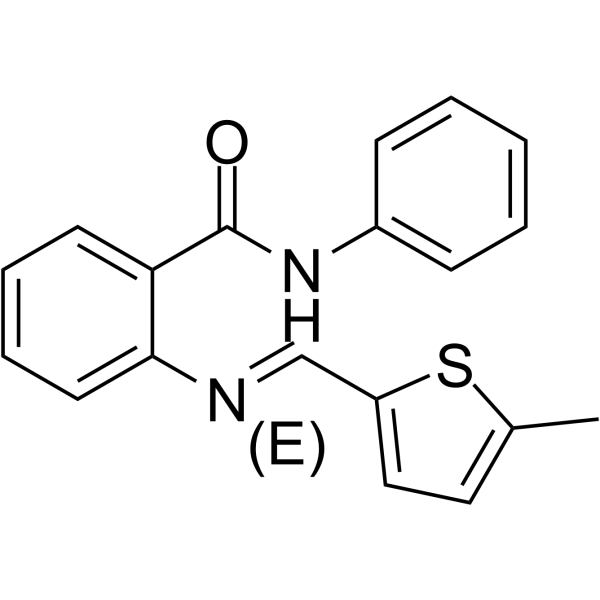
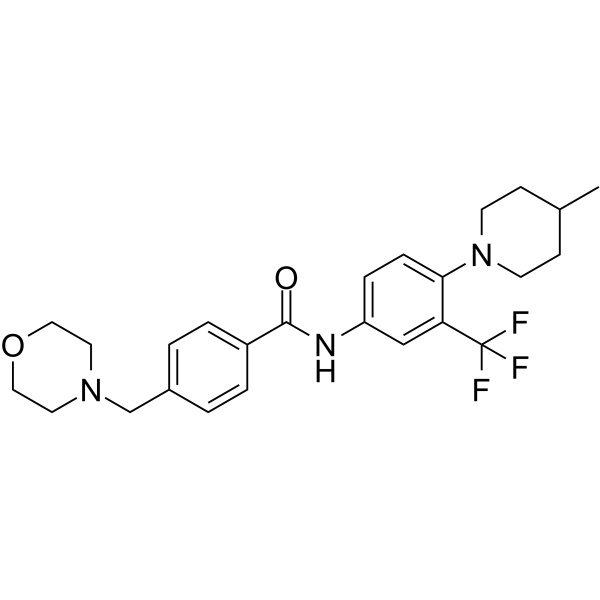
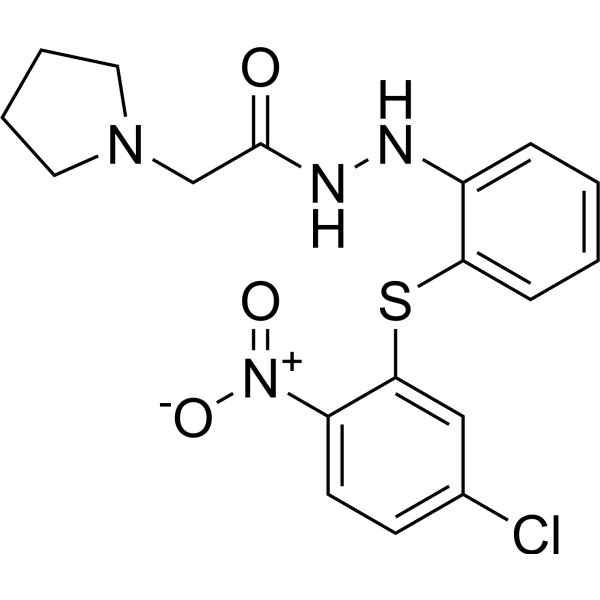
Retro-2 is a selective inhibitor of retrograde protein trafficking at the endosome-trans-Golgi network interface. Retro-2 is an ebolavirus (EBOV) infection inhibitor with an EC50 of 12.2 μM in HeLa cells. Retro-2 induces cell autophagy .
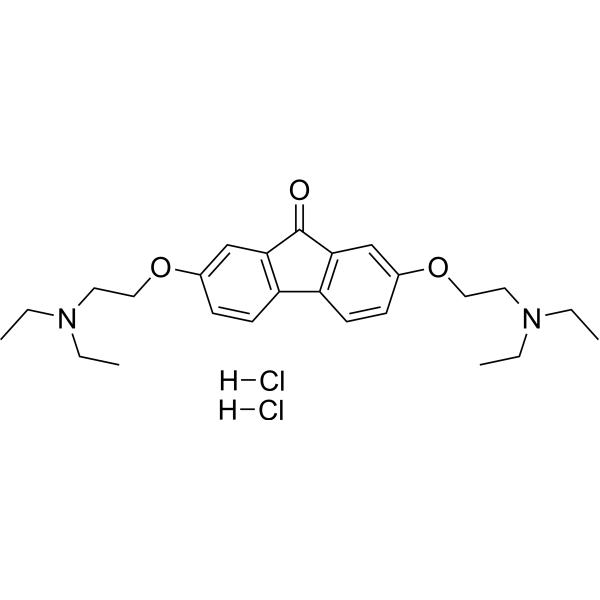
Tilorone dihydrochloride is an orally active interferon (IFN) inducer with broad-spectrum antiviral activities. Tilorone dihydrochloride possesses robust anti-Severe fever with thrombocytopenia syndrome virus (SFTSV) activity in vitro and in vivo through stimulation of host innate immunity. Tilorone dihydrochloride can penetrate the blood-brain barrier to activate HIF in the CNS .Tilorone dihydrochloride exhibits an inhibitory activity with EC50 of 230 nM against Ebola virus (EBOV) .
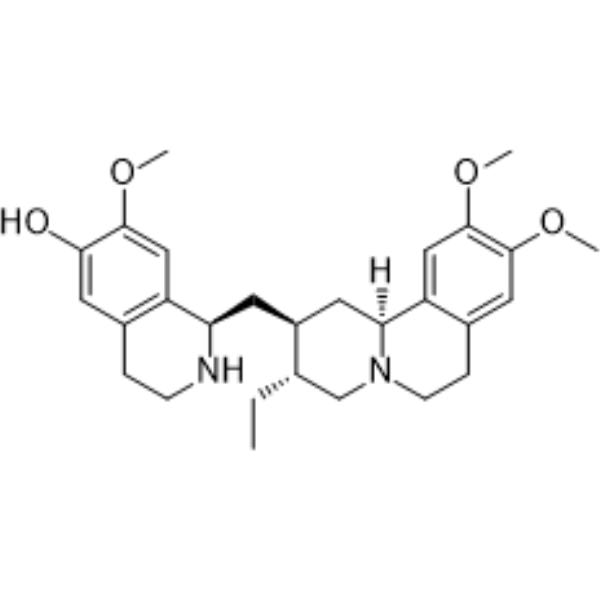
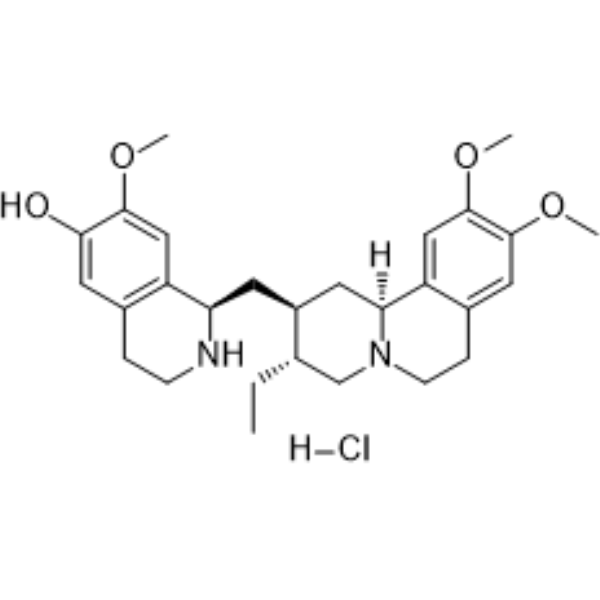
Cephaeline ((-)-Cephaeline), a desmethyl analog of Emetine, is a phenolic alkaloid in Indian Ipecac roots isolated from the Cephaelis ipecacuanha. Cephaeline exhibits potent inhibition of both Zika virus (ZIKV) and Ebola virus (EBOV) infections. Cephaeline is an inductor of histone H3 acetylation and an inhibitor of mucoepidermoid carcinoma cancer stem cells (MEC), which promotes ferroptosis by inhibiting NRF2 to exert anti-lung cancer efficacy .
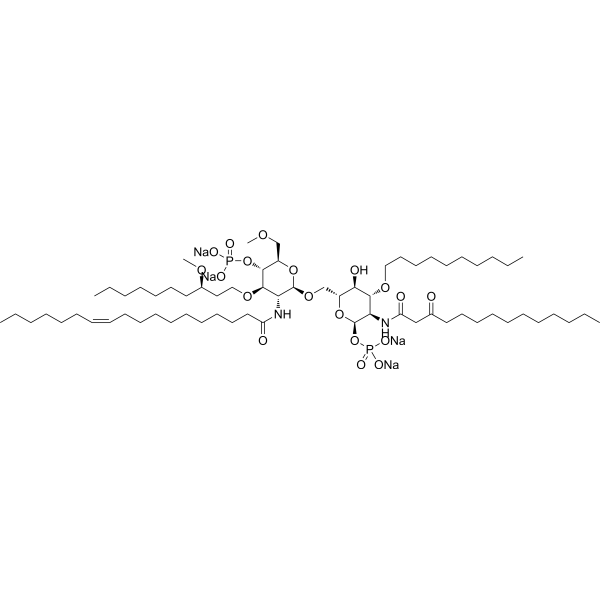
Eritoran tetrasodium (E5564) is a Toll-like receptor 4 (TLR4) antagonist. Eritoran tetrasodium protects mice against lethal influenza virus infection, such as Ebola virus (EBOV), Marburg virus (MARV). Eritoran tetrasodium decreases the level of granulocytosis, may alleviate the severity of the "cytokine storm". Eritoran tetrasodium inhibits pathogenesis of filovirus infection. Eritoran tetrasodium has anti-inflammatory activity .
Odesivimab is a human monoclonal antibody, targeting Ebola virus glycoprotein with a KD value of 7.74 nM for recombinant histidine-tagged Makona strain Ebola virus glycoprotein ectodomain protein. Odesivimab can be used in research of Ebola virus infection .
Maftivimab (REGN3470-3471-3479), the inhibitor of Filovirus, is an Food and agent Administration (FDA)-approved agent. Maftivimab, also named as Atoltivimab, Odesivimab (Inmazeb), can be used for research of Zaire ebolavirus infection .
Ansuvimab (Ansuvimab-zyk) is a recombinant human monoclonal IgG1 antibody that exhibits antiviral activity against Zaire ebolavirus. Ansuvimab binds to the glycoprotein on Zaire ebolavirus to block its entry into host cells .
EBOV/MARV-IN-1 is a potent inhibitor of Ebola virus (EBOV) and Marburg virus (MARV), with broad-spectrum activity (EC50=0.31, and 0.82 µM, respectively) and low cytotoxicity (SI>100) in HeLa cells .
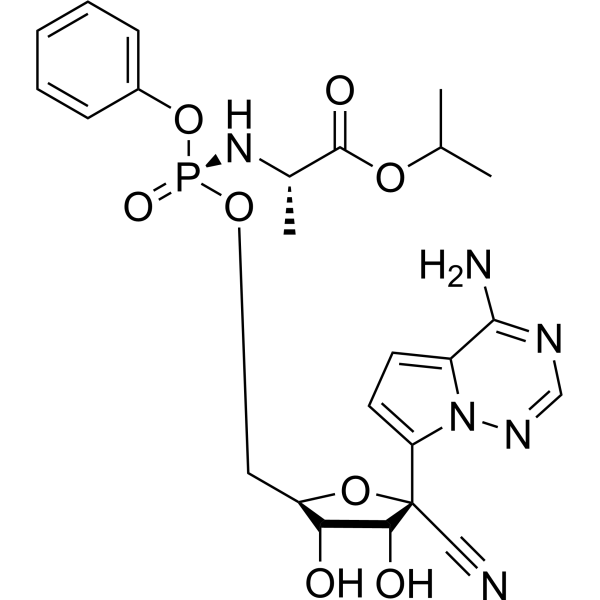
Anti-virus agent 1 (compound 4i), a phosphoramidate proagent of GS-5734 (HY-104077; Remdesivir), has potent antiviral activity. Anti-virus agent 1 is used for the research of coronavirus and Ebola virus (EBOV) .
Atoltivimab (REGN3470), or maftivimab/odesivimab (Inmazeb) is the first Food and agent Administration (FDA)-approved monoclonal antibody to target Zaire ebolavirus (EBOVs) infection .
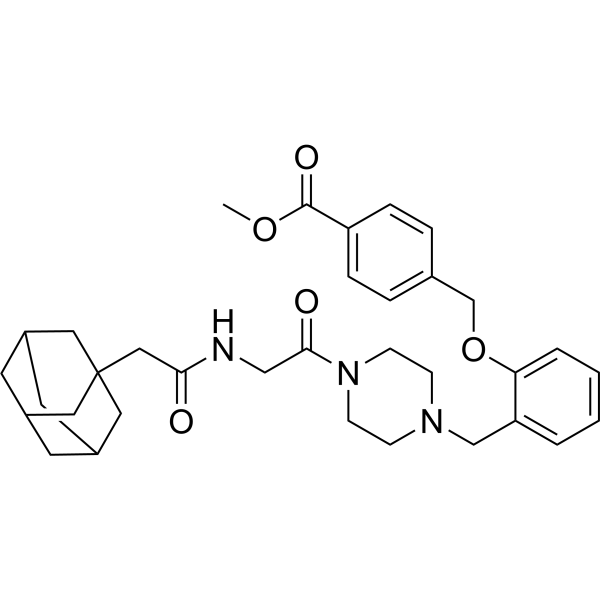
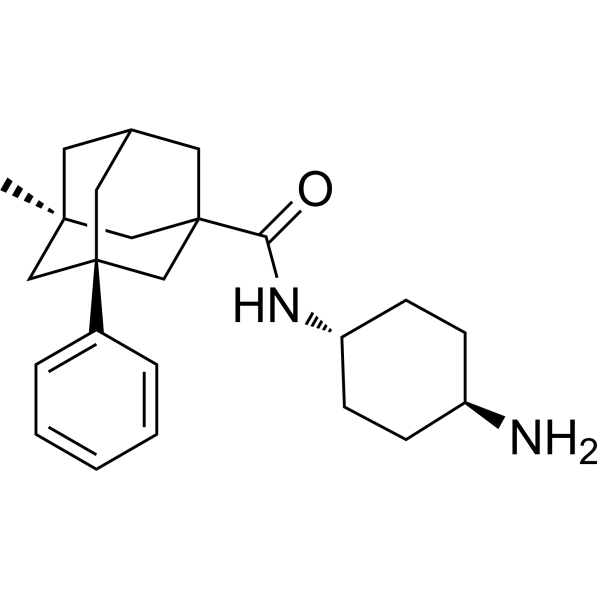
EBOV-IN-1 (com 3.47) is an adamantane dipeptide piperazine and an inhibitor of Ebola virus (EBOV). EBOV-IN-1 targets Niemann-Pick C1 (NPC1) and inhibits its binding to the EBOV glycoprotein (GP) that activates and mediates viral penetration into host cells, thereby inhibiting EBOV infection. EBOV-IN-1 inhibits pseudotyped EBOV infection with an IC50 of 13 nM .
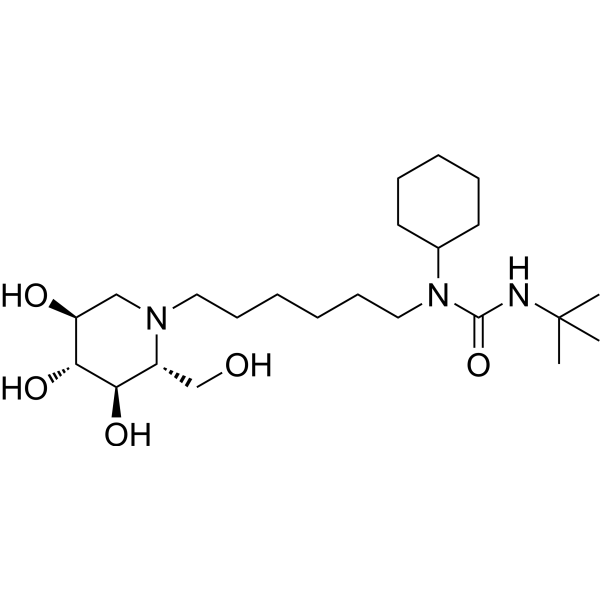
IHVR-19029 is a potent endoplasmic reticulum (ER) α-glucosidases I and II inhibitor, with an IC50 of 0.48 μM for ER a-glucosidase I. IHVR-19029 efficiently blocks the replication of several hemorrhagic fever viruses, such as Dengue virus (DENV), Ebola virus (EBOV) and Rift Valley fever virus. The combination of IHVR-19029 with Favipiravir (HY-14768) improves the antiviral efficacy .
Virapinib is a macropinocytosis inhibitor with antiviral activity. Virapinib exhibits broad-spectrum antiviral activity against SARS-CoV-2, monkeypox virus, tick-borne encephalitis virus, and Ebola pseudotyped vesicular stomatitis virus, and it enhances Dengue Virus infection. Virapinib blocks viral entry by inhibiting macropinocytosis, reduces syncytium formation in SARS-CoV-2-infected cells, and impairs cellular entry of SARS-CoV-2 variants. Virapinib upregulates the expression of genes related to sterol biosynthesis. Virapinib can be used in studies related to COVID-19, monkeypox, tick-borne encephalitis, and Ebola virus infection .
Cephaeline hydrochloride ((-)-Cephaeline hydrochloride) is a phenolic alkaloid in Indian Ipecac roots. Cephaeline hydrochloride exhibits potent inhibition of both Zika virus (ZIKV) and Ebola virus (EBOV) infections .
ASN03576800 could be a potent inhibitor for Ebola virus matrix protein VP40 in process of viral assembly and budding process. ASN03576800 occupies the RNA binding region of VP40 .
Antiviral agent 75 (example D26) is a Ebolavirus (EBOV) and Bundibugyo ebolavirus (BDBV) inhibitor with IC50s of 0.11 μM and 0.75 μM, respectively. Antiviral agent 75 can be used for the study of filovirus infection .
ADI-15878 is a human IgG monoclonal antibody (mAb) targeting Envelope glycoprotein, GP2. ADI-15878 can be used in Ebola virus infection research. Recommended isotype control: Human IgG1 kappa, Isotype Control (HY-P99001) .
Amb123203 is an antiviral compound with the activity of inhibiting viral budding. Amb123203 exerts its effect by blocking the interaction between mVP40 and Nedd4 proteins. Amb123203 has a significant inhibitory effect on the budding of VP40 virus-like particles (VLPs) of Marburg (MARV) and Ebola viruses. Amb123203 can effectively target RNA viruses that rely on the PPxY L domain for efficient budding, showing broad-spectrum antiviral activity. The discovery of Amb123203 provides an important basis for the development of new broad-spectrum antiviral compounds .
Cephaeline ((-)-Cephaeline), a desmethyl analog of Emetine, is a phenolic alkaloid in Indian Ipecac roots isolated from the Cephaelis ipecacuanha. Cephaeline exhibits potent inhibition of both Zika virus (ZIKV) and Ebola virus (EBOV) infections. Cephaeline is an inductor of histone H3 acetylation and an inhibitor of mucoepidermoid carcinoma cancer stem cells (MEC), which promotes ferroptosis by inhibiting NRF2 to exert anti-lung cancer efficacy .
Tilorone (dihydrochloride) (Standard) is the analytical standard of Tilorone (dihydrochloride). This product is intended for research and analytical applications. Tilorone dihydrochloride is an orally active interferon (IFN) inducer with broad-spectrum antiviral activities. Tilorone dihydrochloride possesses robust anti-Severe fever with thrombocytopenia syndrome virus (SFTSV) activity in vitro and in vivo through stimulation of host innate immunity. Tilorone dihydrochloride can penetrate the blood-brain barrier to activate HIF in the CNS .Tilorone dihydrochloride exhibits an inhibitory activity with EC50 of 230 nM against Ebola virus (EBOV) .
Antiviral agent 12 is a antiviral compound. Antiviral agent 12 inhibits Ebola virus entry into host cells by binding to surface glycoprotein, EC50 is 3.9 μM. Antiviral agent 12 can be used in the study of Ebola virus .
EBOV-IN-2 (Compound 2) is an inhibitor of Ebola virus (EBOV) with IC50 values of 0.37 μM and 2.54 μM against Ebola virus glycoprotein pseudotype virus (pEBOV) and African swine fever virus (ASFV), respectively .
(-)-Isopinocampheol (l-Isopinocampheol) is a compound with anti-filovirus activity. Its derivatives inhibit infection by Ebola virus and Marburg virus, possibly through binding to surface glycoproteins. It also has lysosomal affinity.
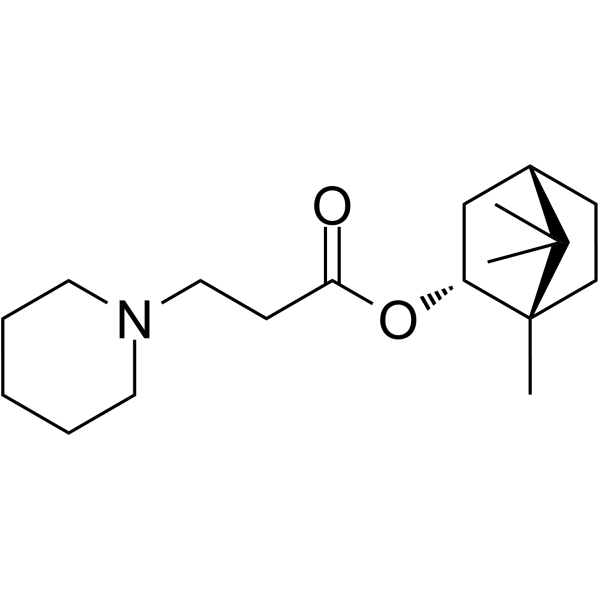
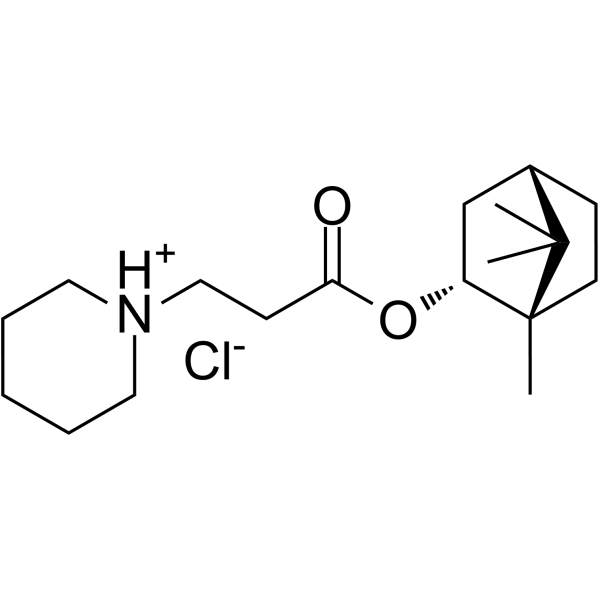
As-358 (hydrochloride) has inhibitory effects against Ebola virus and Marburg virus with IC50s of 9.1 μM and 18.1 μM, as well as exhibits good in vivo safety .
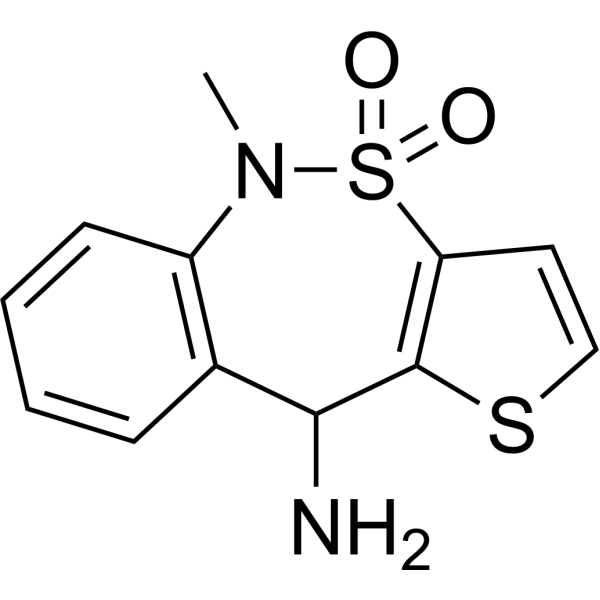
EBOV-IN-4 (compound 12), a benzothiazepine, is a potent Ebola virus (EBOV) inhibitor with 64.9% inhibitory for EBOV-GP-pseudotype virus (pEBOV) with 10 μM. EBOV-IN-4 is inactive with ASFV .
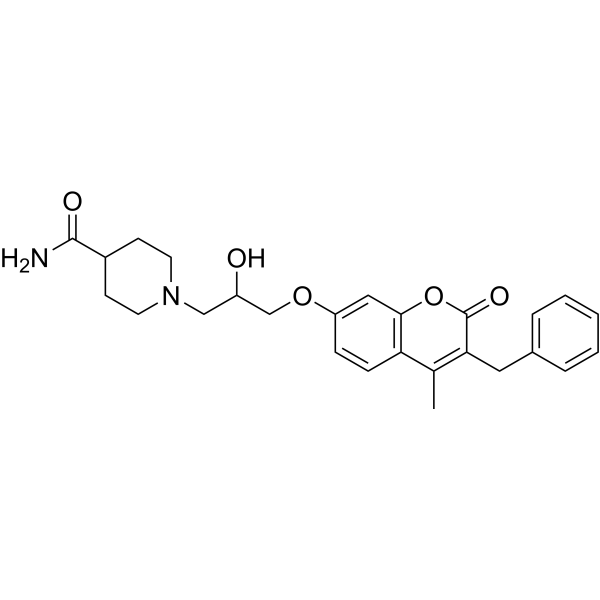
EBOV-IN-5 (compound 14) is an antiviral agent that inhibits Ebola virus (EBOV) infection. EBOV-IN-5 inhibits the binding of the EBOV glycoprotein EBOV-GPcl to NPC1, an indispensable host receptor required for viral fusion/entry .
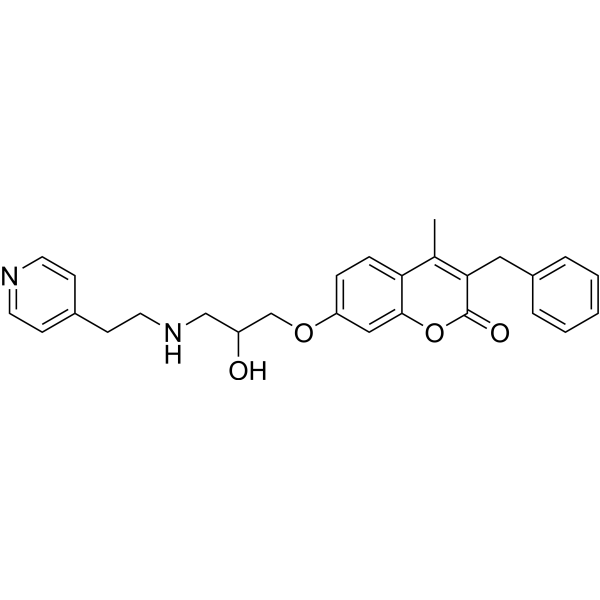
EBOV-IN-7 (compound 26) is an inhibitor of the Ebola virusEBOV with an IC50 of 2.04 μM against EBOV-GP pseudotyped virus (pEBOV). EBOV-IN-7 has inhibitory effects on cancer cells and inhibits the EBOV-GPcl/NPC1 interaction .
Antiviral agent 59 (compound 58) is an antiviral agent with selective and drug-like properties that inhibits a broad spectrum of filoviruses. Antiviral agent 59 exhibits low off-target activity and inhibition against replication-competent Ebola virus (EBOV), Sudan virus (SUDV), and Marburg virus (MARV/b>) .
Oxocarbazate is an inhibitor of human cathepsin L with the IC50 values of 6.9 nM (human Cathepsin L,0 h) 0.4 nM ((human Cathepsin L,4 h) and 5.07 μM (human cathepsin B), respectively. Oxocarbazate blockes both SARS-CoV (IC50 = 273 nM) and Ebola virus (IC50 = 193 nM) entry into 293T cells .
Anti-virus agent 1 (Standard) is the analytical standard of Anti-virus agent 1. This product is intended for research and analytical applications. Anti-virus agent 1 (compound 4i), a phosphoramidate proagent of GS-5734 (HY-104077; Remdesivir), has potent antiviral activity. Anti-virus agent 1 is used for the research of coronavirus and Ebola virus (EBOV)[1][2].
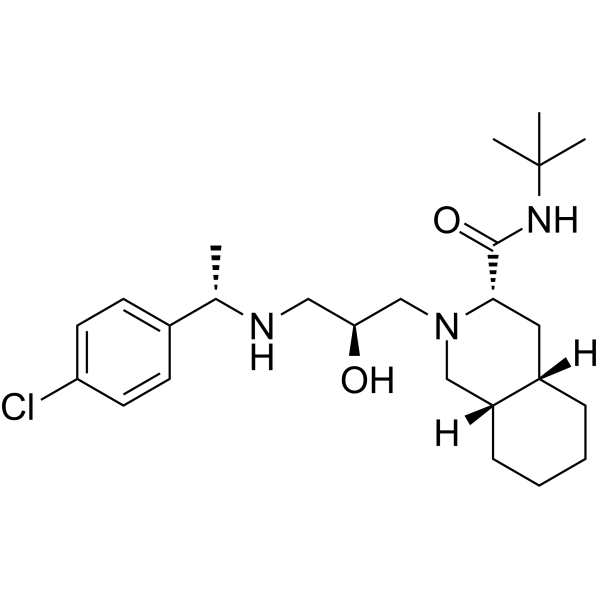
CP19, a histamine receptor antagonist, is an entry inhibitor against both Ebolavirus (EBOV) and Marburgvirus (MARV) with IC50s of 3.4 μM and 29.5 μM, respectively. CP19 has SI values of 29.4 and 3.4 for EBOV and MARV, respectively. CP19 has antiviral activity .
H2-D b restricted epitopes VSV Nucleoprotein (52-59) is a 9-mer peptide derived from the nucleoprotein of Vesicular Stomatitis Virus (VSV). H2-D b restricted epitopes VSV Nucleoprotein (52-59) binds to MHC class I molecules and presents itself to CD8+ T cells, thereby activating cytotoxic T lymphocytes (CTLs), which can recognize and kill cells expressing the corresponding antigen. H2-D b restricted epitopes VSV Nucleoprotein (52-59) can be used in the development of CTL vaccines against Ebola virus .
U18666A (Standard) is the analytical standard of U18666A (HY-107433). This product is intended for research and analytical applications. U18666A, an intra-cellular cholesterol transport inhibitor, inhibits replication of Ebola virus, dengue virus, and human hepatitis C virus .
Antiviral agent 78 (Compound 27) is an antiviral agent. Antiviral agent 78 shows IC50 values of 11.22, 78.54 and 71.49 μM against 2019-nCoV, Ebola virus replicon and avian influenza virus A/Guangzhou/99. Antiviral agent 78 can be used for research of virus infection .
EBOV-IN-11 is a protein phosphatase 1 (PP1) inhibitor, with Kd values of 1.88 nM and 8.01 nM against wild-type and quadruple-mutant PP1, respectively. EBOV-IN-11 potently inhibits the replication and transcription of EBOV-eGFP virus. EBOV-IN-11 can be used in studies related to Ebola virus infection .
ASF-006 sodium, a tetrapodal tryptophan derivative, is a potent viral invasion inhibitor. ASF-006 sodium shows potent antiviral activity against different SARS-CoV-2 Omicron variants but not against the ancestral SARS-CoV.2 strain (Wuhan-Hu-1). ASF-006 sodium competitively inhibits receptor-binding domain (RBD)-ACE2 binding via an allosteric mechanism. ASF-006 sodium inhibits Omicron BA.1, Omicron XBB.1.5, respiratory syncytial virus (RSV) and Ebola virus infection with IC50s of 0.02 μM, 0.3 μM, 1.52 μM and 0.2 μM, respectively. ASF-006 sodium inhibits cell entry of both HIV and enterovirus A71[1].
H2-D b restricted epitopes VSV Nucleoprotein (52-59) is a 9-mer peptide derived from the nucleoprotein of Vesicular Stomatitis Virus (VSV). H2-D b restricted epitopes VSV Nucleoprotein (52-59) binds to MHC class I molecules and presents itself to CD8+ T cells, thereby activating cytotoxic T lymphocytes (CTLs), which can recognize and kill cells expressing the corresponding antigen. H2-D b restricted epitopes VSV Nucleoprotein (52-59) can be used in the development of CTL vaccines against Ebola virus .
Odesivimab is a human monoclonal antibody, targeting Ebola virus glycoprotein with a KD value of 7.74 nM for recombinant histidine-tagged Makona strain Ebola virus glycoprotein ectodomain protein. Odesivimab can be used in research of Ebola virus infection .
Maftivimab (REGN3470-3471-3479), the inhibitor of Filovirus, is an Food and agent Administration (FDA)-approved agent. Maftivimab, also named as Atoltivimab, Odesivimab (Inmazeb), can be used for research of Zaire ebolavirus infection .
Ansuvimab (Ansuvimab-zyk) is a recombinant human monoclonal IgG1 antibody that exhibits antiviral activity against Zaire ebolavirus. Ansuvimab binds to the glycoprotein on Zaire ebolavirus to block its entry into host cells .
Atoltivimab (REGN3470), or maftivimab/odesivimab (Inmazeb) is the first Food and agent Administration (FDA)-approved monoclonal antibody to target Zaire ebolavirus (EBOVs) infection .
ADI-15878 is a human IgG monoclonal antibody (mAb) targeting Envelope glycoprotein, GP2. ADI-15878 can be used in Ebola virus infection research. Recommended isotype control: Human IgG1 kappa, Isotype Control (HY-P99001) .
Cephaeline ((-)-Cephaeline), a desmethyl analog of Emetine, is a phenolic alkaloid in Indian Ipecac roots isolated from the Cephaelis ipecacuanha. Cephaeline exhibits potent inhibition of both Zika virus (ZIKV) and Ebola virus (EBOV) infections. Cephaeline is an inductor of histone H3 acetylation and an inhibitor of mucoepidermoid carcinoma cancer stem cells (MEC), which promotes ferroptosis by inhibiting NRF2 to exert anti-lung cancer efficacy .
Cephaeline hydrochloride ((-)-Cephaeline hydrochloride) is a phenolic alkaloid in Indian Ipecac roots. Cephaeline hydrochloride exhibits potent inhibition of both Zika virus (ZIKV) and Ebola virus (EBOV) infections .
Cephaeline ((-)-Cephaeline), a desmethyl analog of Emetine, is a phenolic alkaloid in Indian Ipecac roots isolated from the Cephaelis ipecacuanha. Cephaeline exhibits potent inhibition of both Zika virus (ZIKV) and Ebola virus (EBOV) infections. Cephaeline is an inductor of histone H3 acetylation and an inhibitor of mucoepidermoid carcinoma cancer stem cells (MEC), which promotes ferroptosis by inhibiting NRF2 to exert anti-lung cancer efficacy .
(-)-Isopinocampheol (l-Isopinocampheol) is a compound with anti-filovirus activity. Its derivatives inhibit infection by Ebola virus and Marburg virus, possibly through binding to surface glycoproteins. It also has lysosomal affinity.
The Ebola virus NP/nucleoprotein is critical for viral genome protection and replication, forming a helical capsid to protect the genome. The VP35 interaction stabilizes the monomeric NP, maintaining solubility until replication triggers cooperative binding to viral RNA. Ebola virus NP/Nucleoprotein Protein (109a.a, Q5XX08, His) is the recombinant Virus-derived Ebola virus NP/Nucleoprotein protein, expressed by E. coli , with N-His labeled tag.
Ebola virus glycoproteins (GPs) play a key role in the virus entry process, with GP1 serving as the receptor-binding subunit and GP2 for membrane fusion.GP downregulates host cell surface molecules, disrupts adhesion and may lead to disruption of vascular integrity.Ebola virus Glycoprotein/GP Protein (AIE11917, HEK293, His) is the recombinant Virus-derived Ebola virus Glycoprotein/GP protein, expressed by HEK293 , with C-His labeled tag.
Ebola virus glycoproteins (GPs) play a key role in the virus entry process, with GP1 serving as the receptor-binding subunit and GP2 for membrane fusion. GP downregulates host cell surface molecules, disrupts adhesion and may lead to disruption of vascular integrity. Ebola virus Glycoprotein/GP Protein (Q05320, sf9, His) is the recombinant Virus-derived Ebola virus Glycoprotein/GP protein, expressed by Sf9 insect cells , with C-His labeled tag.
Ebola virus Glycoprotein/GP Protein RBD (AAC54887, HEK293) is the recombinant Virus-derived Ebola virus Glycoprotein/GP protein RBD, expressed by HEK293, with tag free.
Ebola virus glycoprotein (GP1), as a receptor-binding subunit, plays a key role in the virus entry process. During late stages of infection, GP1 downregulates key host cell surface molecules, including integrins such as ITGA1-6, disrupting adhesion and potentially leading to disruption of vascular integrity. Ebola virus Glycoprotein/GP Protein (Q7T9D9, HEK293, His) is the recombinant Virus-derived Ebola virus Glycoprotein/GP protein, expressed by HEK293 , with C-His labeled tag.
Ebola virus glycoprotein (GP1), as a receptor-binding subunit, plays a key role in the virus entry process. During late stages of infection, GP1 downregulates key host cell surface molecules, including integrins such as ITGA1-6, disrupting adhesion and potentially leading to disruption of vascular integrity. Ebola virus Glycoprotein/GP1 Protein (ACI28624, sf9, His) is the recombinant Virus-derived Ebola virus Glycoprotein/GP1 protein, expressed by Sf9 insect cells , with C-His labeled tag.
The Ebola virus NP/nucleoprotein is critical for viral genome protection and replication, forming a helical capsid to protect the genome.The VP35 interaction stabilizes the monomeric NP, maintaining solubility until replication triggers cooperative binding to viral RNA.Ebola virus NP/Nucleoprotein Protein (His) is the recombinant Virus-derived Ebola virus NP/Nucleoprotein protein, expressed by E.coli , with N-His labeled tag.
Ebola virus glycoprotein (GP1), as a receptor-binding subunit, plays a key role in the virus entry process. During late stages of infection, GP1 downregulates key host cell surface molecules, including integrins such as ITGA1-6, disrupting adhesion and potentially leading to disruption of vascular integrity. Ebola virus Glycoprotein/GP-RBD Protein (ACI28624, HEK293, Fc) is the recombinant Virus-derived Ebola virus Glycoprotein/GP protein RBD, expressed by HEK293 , with C-hFc labeled tag.
Ebola virus glycoproteins (GPs) play a key role in the virus entry process, with GP1 serving as the receptor-binding subunit and GP2 for membrane fusion. GP downregulates host cell surface molecules, disrupts adhesion and may lead to disruption of vascular integrity. Ebola virus Glycoprotein/GP Protein RBD (Q05320, HEK293, Fc) is the recombinant Virus-derived Ebola virus Glycoprotein/GP protein RBD, expressed by HEK293 , with C-hFc labeled tag.
Ebola virus glycoproteins (GPs) play a key role in the virus entry process, with GP1 serving as the receptor-binding subunit and GP2 for membrane fusion. GP downregulates host cell surface molecules, disrupts adhesion and may lead to disruption of vascular integrity. Ebola virus Glycoprotein/GP Protein RBD (Q05320, HEK293, His) is the recombinant Virus-derived Ebola virus Glycoprotein/GP protein RBD, expressed by HEK293 , with C-His labeled tag.
Ebola virus glycoprotein (GP1), as a receptor-binding subunit, plays a key role in the virus entry process. During late stages of infection, GP1 downregulates key host cell surface molecules, including integrins such as ITGA1-6, disrupting adhesion and potentially leading to disruption of vascular integrity. Ebola virus Glycoprotein/GP Protein (Q7T9D9, sf9, His) is the recombinant Virus-derived Ebola virus Glycoprotein/GP protein, expressed by Sf9 insect cells , with C-His labeled tag.
Ebola virus glycoprotein (GP1), as a receptor-binding subunit, plays a key role in the virus entry process. During late stages of infection, GP1 downregulates key host cell surface molecules, including integrins such as ITGA1-6, disrupting adhesion and potentially leading to disruption of vascular integrity. Ebola virus Glycoprotein/GP Protein RBD (Q7T9D9, HEK293, Fc) is the recombinant Virus-derived Ebola virus Glycoprotein/GP protein RBD, expressed by HEK293 , with C-hFc labeled tag.
Ebola virus Glycoprotein/GP Protein is pivotal in viral entry, serving as the receptor-binding subunit.In later infection stages, GP1 down-regulates crucial host cell surface molecules, including integrins like ITGA1-6, disrupting adhesion and potentially causing blood vessel integrity disruption.GP1 interacts with host TLR4, stimulating monocyte differentiation, leading to T-lymphocyte bystander death.It down-regulates natural killer cell function, counters BST2/tetherin, cooperates with VP40 for NF-kappa-B activation, acts as an antibody decoy, and induces cytokine transcription in host macrophages and dendritic cells through TLR4 activation.Ebola virus Glycoprotein/GP Protein (QDA39862, HEK293, His) is the recombinant Virus-derived Ebola virus Glycoprotein/GP protein, expressed by HEK293 , with C-His labeled tag.
Ebola virus VP40 (matrix VP40 protein) centrally directs virus assembly and budding and has complex interactions with viral ribonucleocapsid and host ESCRT proteins (VPS4, PDCD6IP/ALIX, NEDD4, TGS101). Ebola virus VP40/Matrix VP40 Protein (Q5XX06, His) is the recombinant Virus-derived Ebola virus VP40/Matrix VP40 protein, expressed by E. coli , with N-His labeled tag.
Ebola virus glycoproteins (GPs) play a key role in the virus entry process, with GP1 serving as the receptor-binding subunit and GP2 for membrane fusion.GP downregulates host cell surface molecules, disrupts adhesion and may lead to disruption of vascular integrity.Ebola virus Glycoprotein/GP Protein (AHX24649, sf9, His) is the recombinant Virus-derived Ebola virus Glycoprotein/GP protein, expressed by Sf9 insect cells , with C-His labeled tag.
Ebola virus VP40 (matrix VP40 protein) centrally directs virus assembly and budding and has complex interactions with viral ribonucleocapsid and host ESCRT proteins (VPS4, PDCD6IP/ALIX, NEDD4, TGS101). Ebola virus VP40/Matrix VP40 Protein (YP_138522, His-MBP) is the recombinant Virus-derived Ebola virus VP40/Matrix VP40 protein, expressed by E. coli , with N-His, N-MBP labeled tag.
Ebola virus VP24 Protein is an IFN antagonist, and mediates nucleocapsid assembly. VP24 inhibits IFN-activated signaling by preventing nuclear import of STAT1 via competitive binding to nuclear import receptors (karyopherins). VP24 can interact with NP and is essential for nucleocapsid formation and packaging into the virion. Ebola virus VP24 Protein (AHX24653, His) is the recombinant Virus-derived Ebola virus VP24 protein, expressed by E. coli , with N-His labeled tag.
Ebola virus VP40/Matrix VP40 Protein is essential for assembling and budding virus particles, interacting with host proteins linked to the multivesicular body pathway. Ebola virus VP40/Matrix VP40 Protein (B8XCM9, His) is the recombinant Virus-derived Ebola virus VP40/Matrix VP40 protein, expressed by E. coli , with N-His labeled tag.
Ebola virus glycoproteins (GPs) play a key role in the virus entry process, with GP1 serving as the receptor-binding subunit and GP2 for membrane fusion. GP downregulates host cell surface molecules, disrupts adhesion and may lead to disruption of vascular integrity. Ebola virus Glycoprotein/GP Protein RBD (AHX24649, HEK293, His) is the recombinant Virus-derived Ebola virus Glycoprotein/GP protein RBD, expressed by HEK293 , with C-His labeled tag.
Ebola virus glycoproteins (GPs) play a key role in the virus entry process, with GP1 serving as the receptor-binding subunit and GP2 for membrane fusion. GP downregulates host cell surface molecules, disrupts adhesion and may lead to disruption of vascular integrity. Ebola virus Glycoprotein/GP2 Protein (AHX24649, HEK293, Fc) is the recombinant Virus-derived Ebola virus Glycoprotein/GP2 protein, expressed by HEK293 , with N-mFc labeled tag.
Ebola virus VP40 (matrix VP40 protein) centrally directs virus assembly and budding and has complex interactions with viral ribonucleocapsid and host ESCRT proteins (VPS4, PDCD6IP/ALIX, NEDD4, TGS101). Ebola virus VP40/Matrix VP40 Protein (AHX24648, His) is the recombinant Virus-derived Ebola virus VP40/Matrix VP40 protein, expressed by E. coli , with N-6*His labeled tag.
Ebola virus glycoprotein (GP1), as a receptor-binding subunit, plays a key role in the virus entry process. During late stages of infection, GP1 downregulates key host cell surface molecules, including integrins such as ITGA1-6, disrupting adhesion and potentially leading to disruption of vascular integrity. Ebola virus Glycoprotein/GP1 Protein (468a.a, Q7T9D9, sf9, His) is the recombinant Virus-derived Ebola virus Glycoprotein/GP1 protein, expressed by Sf9 insect cells , with C-His labeled tag.
Ebola virus glycoprotein (GP1), as a receptor-binding subunit, plays a key role in the virus entry process. During late stages of infection, GP1 downregulates key host cell surface molecules, including integrins such as ITGA1-6, disrupting adhesion and potentially leading to disruption of vascular integrity. Ebola virus Glycoprotein/GP1 Protein (468a.a, Q7T9D9, HEK293, His) is the recombinant Virus-derived Ebola virus Glycoprotein/GP1 protein, expressed by HEK293 , with C-His labeled tag.
Ebola virus glycoproteins (GPs) play a key role in the virus entry process, with GP1 serving as the receptor-binding subunit and GP2 for membrane fusion.GP downregulates host cell surface molecules, disrupts adhesion and may lead to disruption of vascular integrity.Ebola virus Glycoprotein/GP1 Protein (AHX24649, HEK293, His) is the recombinant Virus-derived Ebola virus Glycoprotein/GP1 protein, expressed by HEK293 , with C-His labeled tag.
Ebola virus glycoprotein (GP1), as a receptor-binding subunit, plays a key role in the virus entry process. During late stages of infection, GP1 downregulates key host cell surface molecules, including integrins such as ITGA1-6, disrupting adhesion and potentially leading to disruption of vascular integrity. Ebola virus Glycoprotein/GP1 Protein (Q7T9D9, sf9, His) is the recombinant Virus-derived Ebola virus Glycoprotein/GP1 protein, expressed by Sf9 insect cells , with C-His labeled tag.
Ebola virus glycoprotein (GP1), as a receptor-binding subunit, plays a key role in the virus entry process. During late stages of infection, GP1 downregulates key host cell surface molecules, including integrins such as ITGA1-6, disrupting adhesion and potentially leading to disruption of vascular integrity. Ebola virus Glycoprotein/GP1 Protein (Q7T9D9, HEK293, His) is the recombinant Virus-derived Ebola virus Glycoprotein/GP1 protein, expressed by HEK293 , with C-His labeled tag.
Ebola virus glycoproteins (GPs) play a key role in the virus entry process, with GP1 serving as the receptor-binding subunit and GP2 for membrane fusion. GP downregulates host cell surface molecules, disrupts adhesion and may lead to disruption of vascular integrity. Ebola virus Glycoprotein/GP1 Protein (AHX24649, sf9, His) is the recombinant Virus-derived Ebola virus Glycoprotein/GP1 protein, expressed by Sf9 insect cells , with C-His labeled tag.
Ebola virus glycoproteins (GPs) play a key role in the virus entry process, with GP1 serving as the receptor-binding subunit and GP2 for membrane fusion. GP downregulates host cell surface molecules, disrupts adhesion and may lead to disruption of vascular integrity. Ebola virus Glycoprotein/GP Protein RBD (AHX24649, HEK293, Fc) is the recombinant Virus-derived Ebola virus Glycoprotein/GP protein RBD, expressed by HEK293 , with C-hFc labeled tag.
Ebola virus glycoproteins (GPs) play a key role in the virus entry process, with GP1 serving as the receptor-binding subunit and GP2 for membrane fusion.GP downregulates host cell surface molecules, disrupts adhesion and may lead to disruption of vascular integrity.Ebola virus Glycoprotein/GP Protein (AHX24649, HEK293, His) is the recombinant Virus-derived Ebola virus Glycoprotein/GP protein, expressed by HEK293 , with C-His labeled tag.
The VP40 protein is critical in viral assembly and interacts with viral ribonucleocapsid and host ESCRT proteins (VPS4, PDCD6IP/ALIX, NEDD4, TSG101). It promotes efficient budding and binds to the host E3 ubiquitin ligase SMURF2. VP40 Protein, Zaire ebolavirus (H269L) is the recombinant Virus-derived VP40 protein, expressed by E. coli , with tag free.
(5)
Product Comparison
Compare
Clear All
Compare Products
Products
In-stock
-
+
Add to Cart
Cat. No.
Species
Source
Tag
Accession
Gene ID
Molecular Weight
Purity
Endotoxin Level
Biological Activity
Appearance
Formulation
Storage & Stability
Shipping
Free Sample
YesNo
Size
* This product has been "discontinued".
Optimized version of product available:
/
In-stock
-
+
Add to Cart
Get quote
Inquiry Online
Your information is safe with us. * Required Fields.
Western blot analysis of extracts from THP-1(lane 2(20μg), Jurkat (lane 3(20μg) and NIH3T3(lane 4(20μg) using FOXO1A (HY-P80132) Rabbit mAb. Proteins were transferred
to a PVDF membrane and blocked with 5% non-fat milk in TBST for 2 hour at room temperature. The primary antibody (1/1000) and Loading control antibody (Beta Actin, HY-P80438, 1/10000) was
used in 5% non-fat milk in TBST at 4°C overnight. Goat Anti-Mouse/Rabbit IgG-HRP Secondary Antibody (1/10000) was used for 1 hour at room temperature.
Western blot analysis of extracts from THP-1(lane 2(20μg), Jurkat (lane 3(20μg) and NIH3T3(lane 4(20μg) using FOXO1A (HY-P80132) Rabbit mAb. Proteins were transferred
to a PVDF membrane and blocked with 5% non-fat milk in TBST for 2 hour at room temperature. The primary antibody (1/1000) and Loading control antibody (Beta Actin, HY-P80438, 1/10000) was
used in 5% non-fat milk in TBST at 4°C overnight. Goat Anti-Mouse/Rabbit IgG-HRP Secondary Antibody (1/10000) was used for 1 hour at room temperature.
Western blot analysis of extracts from THP-1(lane 2(20μg), Jurkat (lane 3(20μg) and NIH3T3(lane 4(20μg) using FOXO1A (HY-P80132) Rabbit mAb. Proteins were transferred
to a PVDF membrane and blocked with 5% non-fat milk in TBST for 2 hour at room temperature. The primary antibody (1/1000) and Loading control antibody (Beta Actin, HY-P80438, 1/10000) was
used in 5% non-fat milk in TBST at 4°C overnight. Goat Anti-Mouse/Rabbit IgG-HRP Secondary Antibody (1/10000) was used for 1 hour at room temperature.
Western blot analysis of extracts from THP-1(lane 2(20μg), Jurkat (lane 3(20μg) and NIH3T3(lane 4(20μg) using FOXO1A (HY-P80132) Rabbit mAb. Proteins were transferred
to a PVDF membrane and blocked with 5% non-fat milk in TBST for 2 hour at room temperature. The primary antibody (1/1000) and Loading control antibody (Beta Actin, HY-P80438, 1/10000) was
MedchemExpress Validation 03
Western blot analysis of extracts from THP-1(lane 2(20μg), Jurkat (lane 3(20μg) and NIH3T3(lane 4(20μg) using FOXO1A (HY-P80132) Rabbit mAb. Proteins were transferred
MedchemExpress Validation 04
Western blot analysis of extracts from THP-1(lane 2(20μg), Jurkat (lane 3(20μg) and NIH3T3(lane 4(20μg) using FOXO1A (HY-P80132) Rabbit mAb. Proteins were transferred
to a PVDF membrane and blocked with 5% non-fat milk in TBST for 2 hour at room temperature. The primary antibody (1/1000) and Loading control antibody (Beta Actin, HY-P80438, 1/10000) was
used in 5% non-fat milk in TBST at 4°C overnight. Goat Anti-Mouse/Rabbit IgG-HRP Secondary Antibody (1/10000) was used for 1 hour at room temperature.
MedchemExpress Validation
Western blot analysis of extracts from THP-1(lane 2(20μg), Jurkat (lane 3(20μg) and NIH3T3(lane 4(20μg) using FOXO1A (HY-P80132) Rabbit mAb. Proteins were transferred
to a PVDF membrane and blocked with 5% non-fat milk in TBST for 2 hour at room temperature. The primary antibody (1/1000) and Loading control antibody (Beta Actin, HY-P80438, 1/10000) was
used in 5% non-fat milk in TBST at 4°C overnight. Goat Anti-Mouse/Rabbit IgG-HRP Secondary Antibody (1/10000) was used for 1 hour at room temperature.
Western blot analysis of extracts from THP-1(lane 2(20μg), Jurkat (lane 3(20μg) and NIH3T3(lane 4(20μg) using FOXO1A (HY-P80132) Rabbit mAb. Proteins were transferred
to a PVDF membrane and blocked with 5% non-fat milk in TBST for 2 hour at room temperature. The primary antibody (1/1000) and Loading control antibody (Beta Actin, HY-P80438, 1/10000) was
used in 5% non-fat milk in TBST at 4°C overnight. Goat Anti-Mouse/Rabbit IgG-HRP Secondary Antibody (1/10000) was used for 1 hour at room temperature.
MedchemExpress Validation
Western blot analysis of extracts from THP-1(lane 2(20μg), Jurkat (lane 3(20μg) and NIH3T3(lane 4(20μg) using FOXO1A (HY-P80132) Rabbit mAb. Proteins were transferred
to a PVDF membrane and blocked with 5% non-fat milk in TBST for 2 hour at room temperature. The primary antibody (1/1000) and Loading control antibody (Beta Actin, HY-P80438, 1/10000) was
used in 5% non-fat milk in TBST at 4°C overnight. Goat Anti-Mouse/Rabbit IgG-HRP Secondary Antibody (1/10000) was used for 1 hour at room temperature.
MedchemExpress Validation
Western blot analysis of extracts from THP-1(lane 2(20μg), Jurkat (lane 3(20μg) and NIH3T3(lane 4(20μg) using FOXO1A (HY-P80132) Rabbit mAb. Proteins were transferred
to a PVDF membrane and blocked with 5% non-fat milk in TBST for 2 hour at room temperature. The primary antibody (1/1000) and Loading control antibody (Beta Actin, HY-P80438, 1/10000) was
used in 5% non-fat milk in TBST at 4°C overnight. Goat Anti-Mouse/Rabbit IgG-HRP Secondary Antibody (1/10000) was used for 1 hour at room temperature.
MedchemExpress Validation
Western blot analysis of extracts from THP-1(lane 2(20μg), Jurkat (lane 3(20μg) and NIH3T3(lane 4(20μg) using FOXO1A (HY-P80132) Rabbit mAb. Proteins were transferred
to a PVDF membrane and blocked with 5% non-fat milk in TBST for 2 hour at room temperature. The primary antibody (1/1000) and Loading control antibody (Beta Actin, HY-P80438, 1/10000) was
used in 5% non-fat milk in TBST at 4°C overnight. Goat Anti-Mouse/Rabbit IgG-HRP Secondary Antibody (1/10000) was used for 1 hour at room temperature.
MedchemExpress Validation
Western blot analysis of extracts from THP-1(lane 2(20μg), Jurkat (lane 3(20μg) and NIH3T3(lane 4(20μg) using FOXO1A (HY-P80132) Rabbit mAb. Proteins were transferred
to a PVDF membrane and blocked with 5% non-fat milk in TBST for 2 hour at room temperature. The primary antibody (1/1000) and Loading control antibody (Beta Actin, HY-P80438, 1/10000) was
used in 5% non-fat milk in TBST at 4°C overnight. Goat Anti-Mouse/Rabbit IgG-HRP Secondary Antibody (1/10000) was used for 1 hour at room temperature.
MedchemExpress Validation
Western blot analysis of extracts from THP-1(lane 2(20μg), Jurkat (lane 3(20μg) and NIH3T3(lane 4(20μg) using FOXO1A (HY-P80132) Rabbit mAb. Proteins were transferred
to a PVDF membrane and blocked with 5% non-fat milk in TBST for 2 hour at room temperature. The primary antibody (1/1000) and Loading control antibody (Beta Actin, HY-P80438, 1/10000) was
used in 5% non-fat milk in TBST at 4°C overnight. Goat Anti-Mouse/Rabbit IgG-HRP Secondary Antibody (1/10000) was used for 1 hour at room temperature.
MedchemExpress Validation
Western blot analysis of extracts from THP-1(lane 2(20μg), Jurkat (lane 3(20μg) and NIH3T3(lane 4(20μg) using FOXO1A (HY-P80132) Rabbit mAb. Proteins were transferred
to a PVDF membrane and blocked with 5% non-fat milk in TBST for 2 hour at room temperature. The primary antibody (1/1000) and Loading control antibody (Beta Actin, HY-P80438, 1/10000) was
used in 5% non-fat milk in TBST at 4°C overnight. Goat Anti-Mouse/Rabbit IgG-HRP Secondary Antibody (1/10000) was used for 1 hour at room temperature.
MedChemExpress values your privacy and your trust is important to us. We use cookies to enhance your website experience. Some cookies are necessary to run the website.
Privacy and Cookie Policy